

Common genetic variants, acting additively, are a major source of risk for autism
Open accessThe DOI matches its Crossref record; 71 of the 72 references it cites were found in a registry or an index.
Abstract
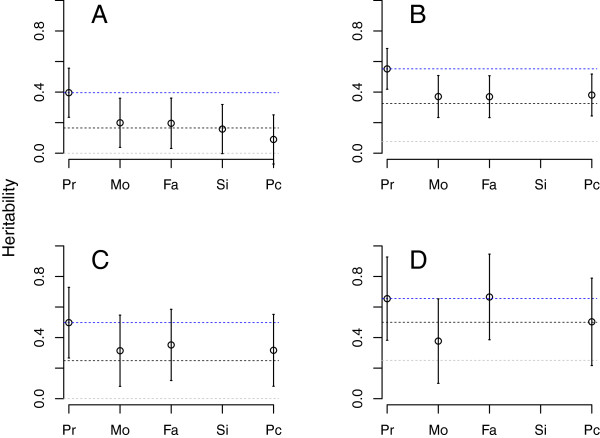
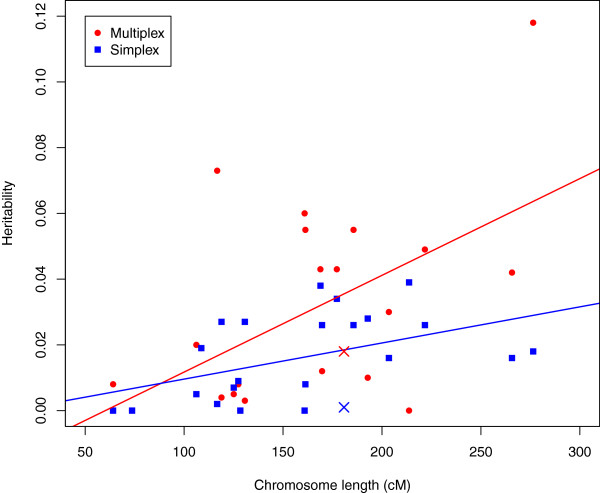
Background: Autism spectrum disorders (ASD) are early onset neurodevelopmental syndromes typified by impairments in reciprocal social interaction and communication, accompanied by restricted and repetitive behaviors. While rare and especially de novo genetic variation are known to affect liability, whether common genetic polymorphism plays a substantial role is an open question and the relative contribution of genes and environment is contentious. It is probable that the relative contributions of rare and common variation, as well as environment, differs between ASD families having only a single affected individual (simplex) versus multiplex families who have two or more affected individuals. Methods: By using quantitative genetics techniques and the contrast of ASD subjects to controls, we estimate what portion of liability can be explained by additive genetic effects, known as narrow-sense heritability. We evaluate relatives of ASD subjects using the same methods to evaluate the assumptions of the additive model and partition families by simplex/multiplex status to determine how heritability changes with status. Results: By analyzing common variation throughout the genome, we show that common genetic polymorphism exerts substantial additive genetic effects on ASD liability and that simplex/multiplex family status has an impact on the identified composition of that risk. As a fraction of the total variation in liability, the estimated narrow-sense heritability exceeds 60% for ASD individuals from multiplex families and is approximately 40% for simplex families. By analyzing parents, unaffected siblings and alleles not transmitted from parents to their affected children, we conclude that the data for simplex ASD families follow the expectation for additive models closely. The data from multiplex families deviate somewhat from an additive model, possibly due to parental assortative mating. Conclusions: Our results, when viewed in the context of results from genome-wide association studies, demonstrate that a myriad of common variants of very small effect impacts ASD liability.
Overview
The claims and statistics of this paper haven’t been checked yet.
Free: it reads the open-access text and checks the first 5 claims that cite a source we can check. Create a free account to check every claim.
Integrity signals
Registry
Cites
Statistics
Figures
Verification
Claims the paper makes
The claims and statistics of this paper haven’t been checked yet.
Free: it reads the open-access text and checks the first 5 claims that cite a source we can check. Create a free account to check every claim.
Claims other papers make about this one
Each is checked against this paper’s own text: does it say what the citing paper says it does?
The check wasn’t confident either way, so it gives no verdict — never disputed.
In the citing paper
“which is higher than estimates from iPSYCH16 but lower than estimates from the AGRE55 and PAGES56 cohorts.”
From Genetic correlates of phenotypic heterogeneity in autism (2022) · cites this paper as [55]
Experimental — accuracy not yet measuredIn the citing paper
“Most of the autistic population is considered “idiopathic” with causes unknown, likely the result of complex polygenic and environmental interactions [1,2,3,4].”
From The Relationship between Autism and Ehlers-Danlos Syndromes/Hypermobility Spectrum Disorders (2020) · cites this paper as [2]
In the citing paper
“Common SNPs acting additively have been reported as a major source of risk for ASD (42) with heritability exceeding 60% for ASD individuals from multiplex families and approximately 40% for simplex families.”
From Gene × Environment Interactions in Autism Spectrum Disorders: Role of Epigenetic Mechanisms (2014) · cites this paper as [42]
In the citing paper
“there is no evidence that the role of environment is more important in the case of absence of de novo event, as common variants were shown to contribute substantially to autism risk (42).”
From Gene × Environment Interactions in Autism Spectrum Disorders: Role of Epigenetic Mechanisms (2014) · cites this paper as [42]
In the citing paper
“We opted to conduct heritability analyses using unscreened population controls rather than family controls (that is, pseudocontrols or unaffected family members), as this likely reduces SNP heritability96 owing to parents having higher genetic likelihood for autism compared to unselected population controls55 and due to assortative mating97.”
From Genetic correlates of phenotypic heterogeneity in autism (2022) · cites this paper as [55]
4 more claims about this paper
Create a free account to see every claim other papers make about this one.
Self-check
Percentages, sums and reported differences re-computed from the paper’s own numbers.
The self-check needs the paper’s full text.
Citations
Cites
PLINK: a tool set for whole-genome association and population-based linkage analyses.
Purcell, S., Neale, B., Todd-Brown, K., Thomas, L., Ferreira, M. A. R., Bender, D., Maller, J., Sklar, P., de Bakker, P. I. W., Daly, M. J., et al. (2007) · The American Journal of Human Genetics · doi:10.1086/519795 · Cited by 34,089 · cited 2×
“We also generate a “ pseudo-control ” from the alleles that parents did not transmit to their affected offspring by using the program Plink [37].”
Introduction to Quantitative Genetics.
Edwards, A. W. F., & Falconer, D. S. (1982) · Biometrics · doi:10.2307/2529912 · Cited by 21,447
Principal components analysis corrects for stratification in genome-wide association studies
Price, A. L., Patterson, N. J., Plenge, R. M., Weinblatt, M. E., Shadick, N. A., & Reich, D. (2006) · Nature Genetics · doi:10.1038/ng1847 · Cited by 10,248 · cited 1×
“Instead it appears that population-based controls contrasted with ASD cases would be a more powerful design [65], even after adjusting for ancestry [66].”
GCTA: a tool for genome-wide complex trait analysis
Yang, J., Lee, S. H., Goddard, M. E., & Visscher, P. M. (2011) · The American Journal of Human Genetics · doi:10.1016/j.ajhg.2010.11.011 · Cited by 8,279 · cited 2×
“Estimating heritability as a case-control contrast Heritability of ASD from probands versus controls was estimated using GCTA software [28], which encodes the theory laid out in [17,18].”
Common polygenic variation contributes to risk of schizophrenia and bipolar disorder
The International Schizophrenia Consortium (2009) · Nature · doi:10.1038/nature08185 · Cited by 4,821 · cited 2×
“There is now sound evidence for common variants affecting liability for schizophrenia [55-57], including a study similar to ours [46].”
Common SNPs explain a large proportion of the heritability for human height
Yang, J., Benyamin, B., McEvoy, B. P., Gordon, S., Henders, A. K., Nyholt, D. R., Madden, P. A., Heath, A. C., Martin, N. G., Montgomery, G. W., et al. (2010) · Nature Genetics · doi:10.1038/ng.608 · Cited by 4,446
Strong association of de novo copy number mutations with autism
Sebat, J., Lakshmi, B., Malhotra, D., Troge, J., Lese-Martin, C., Walsh, T., Yamrom, B., Yoon, S., Krasnitz, A., Kendall, J., et al. (2007) · Science · doi:10.1126/science.1138659 · Cited by 2,795 · cited 5×
“These results suggest that the difference between multiplex and simplex families is largely a matter of degree (see also [42]), namely the number of liability alleles carried by parents, rather than a fundamental difference in the genetic architecture [4,43].”
InfluentialSelf-citationAutism as a strongly genetic disorder: evidence from a British twin study
Bailey, A., Le Couteur, A., Gottesman, I., Bolton, P., Simonoff, E., Yuzda, E., & Rutter, M. (1995) · Psychological Medicine · doi:10.1017/s0033291700028099 · Cited by 2,461 · cited 2×
“Still our findings of substantial heritability are consistent with the majority of twin studies [1,2] and are richer in some ways because the analytic technique [17,18] used here provides a direct estimate of the proportion of liability attributable to additive genetic effects, whereas twin studies…”
Genetic relationship between five psychiatric disorders estimated from genome-wide SNPs
Cross-Disorder Group of the Psychiatric Genomics Consortium (2013) · Nature Genetics · doi:10.1038/ng.2711 · Cited by 2,263
Research works printed but not linked: 3
- Constantino JN Gruber CP The Social Responsiveness Scale manual 2005 Los Angeles, CA: Western Psychological Services
- HealthABC data http://www.ncbi.nlm.nih.gov/projects/gap/cgi-bin/study.cgi?study_id=phs000169.v1.p1
- Neurogenetics Research Consortium data http://www.ncbi.nlm.nih.gov/projects/gap/cgi-bin/study.cgi?study_id=phs000196.v2.p1
Cited by
Synaptic, transcriptional and chromatin genes disrupted in autism
Study, T. D., De Rubeis, S., Autism, H. M. C. F., UK10K Consortium, The Autism Sequencing Consortium, He, X., Goldberg, A. P., Poultney, C. S., Samocha, K., Ercument Cicek, A., et al. (2014) · Nature · doi:10.1038/nature13772 · Cited by 2,746
Self-citationLai, M.-C., Lombardo, M. V., & Baron-Cohen, S. (2014) · The Lancet · doi:10.1016/s0140-6736(13)61539-1 · Cited by 2,371
Genetic relationship between five psychiatric disorders estimated from genome-wide SNPs
Cross-Disorder Group of the Psychiatric Genomics Consortium (2013) · Nature Genetics · doi:10.1038/ng.2711 · Cited by 2,263
“…42 or preferential ascertainment of multiplex families could diminish the expected mean difference in liability between pseudo-controls and cases 37 , which would result in an underestimation of SNP-heritability from case/pseudo-control compared to case/control analyses and also non-zero…”
ResultLord, C., Brugha, T. S., Charman, T., Cusack, J., Dumas, G., Frazier, T., Jones, E. J. H., Jones, R. M., Pickles, A., State, M. W., et al. (2020) · Nature Reviews Disease Primers · doi:10.1038/s41572-019-0138-4 · Cited by 1,859
Self-citationMost genetic risk for autism resides with common variation
Gaugler, T., Klei, L., Sanders, S. J., Bodea, C. A., Goldberg, A. P., Lee, A. B., Mahajan, M., Manaa, D., Pawitan, Y., Reichert, J., et al. (2014) · Nature Genetics · doi:10.1038/ng.3039 · Cited by 1,239
Self-citationIntegrative functional genomic analyses implicate specific molecular pathways and circuits in autism
Parikshak, N. N., Luo, R., Zhang, A., Won, H., Lowe, J. K., Chandran, V., Horvath, S., & Geschwind, D. H. (2013) · Cell · doi:10.1016/j.cell.2013.10.031 · Cited by 1,039
Self-citationAn Overview of Autism Spectrum Disorder, Heterogeneity and Treatment Options
Masi, A., DeMayo, M. M., Glozier, N., & Guastella, A. J. (2017) · Neuroscience Bulletin · doi:10.1007/s12264-017-0100-y · Cited by 987
“Furthermore, the combined effect of common low-impact genetic variants has also been associated with ASD [60].”
BackgroundFrom the genetic architecture to synaptic plasticity in autism spectrum disorder
Bourgeron, T. (2015) · Nature Reviews Neuroscience · doi:10.1038/nrn3992 · Cited by 975
Autism Spectrum Disorder: A Review
Hirota, T., & King, B. H. (2023) · JAMA · doi:10.1001/jama.2022.23661 · Cited by 957
The ENIGMA Consortium: large-scale collaborative analyses of neuroimaging and genetic data
the Alzheimer’s Disease Neuroimaging Initiative, E. C., Thompson, P. M., Stein, J. L., Medland, S. E., Hibar, D. P., Vasquez, A. A., Renteria, M. E., Toro, R., Jahanshad, N., Schumann, G., et al. (2014) · Brain Imaging and Behavior · doi:10.1007/s11682-013-9269-5 · Cited by 838
“2013) and up to 60 % of the risk for autism (Klei et al. 2012).”
Advancing the understanding of autism disease mechanisms through genetics
de la Torre-Ubieta, L., Won, H., Stein, J. L., & Geschwind, D. H. (2016) · Nature Medicine · doi:10.1038/nm.4071 · Cited by 827
Self-citationGenetics of autism spectrum disorders
Geschwind, D. H. (2011) · Trends in Cognitive Sciences · doi:10.1016/j.tics.2011.07.003 · Cited by 696
Self-citationResearch Review: Polygenic methods and their application to psychiatric traits
Wray, N. R., Lee, S. H., Mehta, D., Vinkhuyzen, A. A. E., Dudbridge, F., & Middeldorp, C. M. (2014) · Journal of Child Psychology and Psychiatry · doi:10.1111/jcpp.12295 · Cited by 666
“(Klei et al., 2012; St Pourcain et al., 2013), all”
BackgroundResultCooper, D. N., Krawczak, M., Polychronakos, C., Tyler-Smith, C., & Kehrer-Sawatzki, H. (2013) · Human Genetics · doi:10.1007/s00439-013-1331-2 · Cited by 645
“In this review, we summarize the evidence for reduced penetrance being a widespread phenomenon in human genetics and explore some of the molecular mechanisms that may help to explain this enigmatic characteristic of human inherited disease.”
BackgroundRevealing the complex genetic architecture of obsessive–compulsive disorder using meta-analysis
International Obsessive Compulsive Disorder Foundation Genetics Collaborative (IOCDF-GC) and OCD Collaborative Genetics Association Studies (OCGAS) (2018) · Molecular Psychiatry · doi:10.1038/mp.2017.154 · Cited by 618
Top 10 Replicated Findings From Behavioral Genetics
Plomin, R., DeFries, J. C., Knopik, V. S., & Neiderhiser, J. M. (2016) · Perspectives on Psychological Science · doi:10.1177/1745691615617439 · Cited by 517
“, 2014), psychopathology (L. K. Davis et al., 2013; Gaugler et al., 2014; Klei et al., 2012; Lubke et al., 2012, 2014; McGue et al., 2013; Ripke et al., 2013; Wray et al., 2014), personality (C.”
Autism genetics: opportunities and challenges for clinical translation
Vorstman, J. A. S., Parr, J. R., Moreno-De-Luca, D., Anney, R. J. L., Nurnberger Jr, J. I., & Hallmayer, J. F. (2017) · Nature Reviews Genetics · doi:10.1038/nrg.2017.4 · Cited by 463
“However, when considered cumulatively, the contribution of common inherited variants towards the aetiology of ASDs is estimated to be between 15% 8 and 50% 9,10 .”
Self-citationiPSYCH-Broad Autism Group, Weiner, D. J., Psychiatric Genomics Consortium Autism Group, Wigdor, E. M., Ripke, S., Walters, R. K., Kosmicki, J. A., Grove, J., Samocha, K. E., Goldstein, J. I., et al. (2017) · Nature Genetics · doi:10.1038/ng.3863 · Cited by 516
“In the example of ASD, we would then expect the affected child to have received more of their parents’ ASD risk alleles than expected by chance 9 .”
InfluentialSelf-citationGene hunting in autism spectrum disorder: on the path to precision medicine
Geschwind, D. H., & State, M. W. (2015) · The Lancet Neurology · doi:10.1016/s1474-4422(15)00044-7 · Cited by 471
Self-citationThe Genetic Landscapes of Autism Spectrum Disorders
Huguet, G., Ey, E., & Bourgeron, T. (2013) · Annual Review of Genomics and Human Genetics · doi:10.1146/annurev-genom-091212-153431 · Cited by 450
Inherited and de novo genetic risk for autism impacts shared networks
Ruzzo, E. K., Pérez-Cano, L., Jung, J.-Y., Wang, L.-K., Kashef-Haghighi, D., Hartl, C., Singh, C., Xu, J., Hoekstra, J. N., Leventhal, O., et al. (2019) · Cell · doi:10.1016/j.cell.2019.07.015 · Cited by 457
“MonitoringNetworkSurveillanceYear 2010Principal Investigators andCenters for DiseaseControl andPrevention (CDC), 2014),with heritability estimated at 60%–90% (Colvert et al., 2015; Gaugler et al., 2014; Geschwind and Flint, 2015; Hoekstra et al., 2007; Klei et al., 2012; Sandin et al., 2014; Skuse et al., 2005).”
BackgroundSelf-citationSequence Kernel Association Tests for the Combined Effect of Rare and Common Variants
Ionita-Laza, I., Lee, S., Makarov, V., Buxbaum, J. D., & Lin, X. (2013) · The American Journal of Human Genetics · doi:10.1016/j.ajhg.2013.04.015 · Cited by 433
A de novo convergence of autism genetics and molecular neuroscience
Krumm, N., O’Roak, B. J., Shendure, J., & Eichler, E. E. (2014) · Trends in Neurosciences · doi:10.1016/j.tins.2013.11.005 · Cited by 423
The role of de novo mutations in the genetics of autism spectrum disorders
Ronemus, M., Iossifov, I., Levy, D., & Wigler, M. (2014) · Nature Reviews Genetics · doi:10.1038/nrg3585 · Cited by 390
Howes, O. D., Rogdaki, M., Findon, J. L., Wichers, R. H., Charman, T., King, B. H., Loth, E., McAlonan, G. M., McCracken, J. T., Parr, J. R., et al. (2018) · Journal of Psychopharmacology · doi:10.1177/0269881117741766 · Cited by 342
“In the majority of cases, the genetic risk for ASD is polygenic, involving multiple single nucleotide polymorphisms (SNPs), each of minor effect (Anney et al., 2012; Clarke et al., 2015; Gaugler et al., 2014; Klei et al., 2012).”
Kosmicki, J. A., Samocha, K. E., Howrigan, D. P., Sanders, S. J., Slowikowski, K., Lek, M., Karczewski, K. J., Cutler, D. J., Devlin, B., Roeder, K., et al. (2017) · Nature Genetics · doi:10.1038/ng.3789 · Cited by 340
Self-citationDavis, L. K., Yu, D., Keenan, C. L., Gamazon, E. R., Konkashbaev, A. I., Derks, E. M., Neale, B. M., Yang, J., Lee, S. H., Evans, P., et al. (2013) · PLoS Genetics · doi:10.1371/journal.pgen.1003864 · Cited by 332
“This phenomenon is most likely a matter of increased polygenic load reflected in the multiplex samples, as opposed to differing allelic architectures [6].”
BackgroundMethodSelf-citationTranscriptome and epigenome landscape of human cortical development modeled in organoids
Amiri, A., Coppola, G., Scuderi, S., Wu, F., Roychowdhury, T., Liu, F., Pochareddy, S., Shin, Y., Safi, A., Song, L., et al. (2018) · Science · doi:10.1126/science.aat6720 · Cited by 307
Self-citationHe, X., Sanders, S. J., Liu, L., De Rubeis, S., Lim, E. T., Sutcliffe, J. S., Schellenberg, G. D., Gibbs, R. A., Daly, M. J., Buxbaum, J. D., et al. (2013) · PLoS Genetics · doi:10.1371/journal.pgen.1003671 · Cited by 304
“Common variants surely play a role in ASD [13,14], but the effect sizes are small [15] and it will be challenging to detect individuallysignificant SNPs.”
Self-citationSignalling pathways in autism spectrum disorder: mechanisms and therapeutic implications
Jiang, C.-C., Lin, L.-S., Long, S., Ke, X.-Y., Fukunaga, K., Lu, Y.-M., & Han, F. (2022) · Signal Transduction and Targeted Therapy · doi:10.1038/s41392-022-01081-0 · Cited by 258
“Heritability measurements have been derived from investigations on identical twins, fraternal twins and sibling concordance, including a survey of more than 2 million Swedish households in 2014,(71) which is the largest human-based ASD study to date, eventually estimating the heritability of ASD as ranging from 52% to…”
BackgroundMethodCheroni, C., Caporale, N., & Testa, G. (2020) · Molecular Autism · doi:10.1186/s13229-020-00370-1 · Cited by 256
Frazier, T. W., Ratliff, K. R., Gruber, C., Zhang, Y., Law, P. A., & Constantino, J. N. (2014) · Autism · doi:10.1177/1362361313500382 · Cited by 264
“Although it is now estimated that a substantial proportion of cases of autistic syndromes are familial (Constantino et al., 2013; Klei et al., 2012)—and that familial autistic syndromes share causal influences with milder (subclinical) manifestations of autistic symptomatology (Constantino et al.”
BackgroundInfluentialGenomic diagnosis for children with intellectual disability and/or developmental delay
Bowling, K. M., Thompson, M. L., Amaral, M. D., Finnila, C. R., Hiatt, S. M., Engel, K. L., Cochran, J. N., Brothers, K. B., East, K. M., Gray, D. E., et al. (2017) · Genome Medicine · doi:10.1186/s13073-017-0433-1 · Cited by 273
“These data are consistent with the observation of higher causal variant yields in simplex families relative to multiplex families affected with autism [33].”
ResultGene × Environment Interactions in Autism Spectrum Disorders: Role of Epigenetic Mechanisms
Tordjman, S., Somogyi, E., Coulon, N., Kermarrec, S., Cohen, D., Bronsard, G., Bonnot, O., Weismann-Arcache, C., Botbol, M., Lauth, B., et al. (2014) · Frontiers in Psychiatry · doi:10.3389/fpsyt.2014.00053 · Cited by 283
“However, there is no evidence that the role of environment is more important in the case of absence of de novo event, as common variants were shown to contribute substantially to autism risk (42).”
BackgroundPersico, A. M., & Napolioni, V. (2013) · Behavioural Brain Research · doi:10.1016/j.bbr.2013.06.012 · Cited by 238
The Emerging Picture of Autism Spectrum Disorder: Genetics and Pathology
Chen, J. A., Peñagarikano, O., Belgard, T. G., Swarup, V., & Geschwind, D. H. (2015) · Annual Review of Pathology: Mechanisms of Disease · doi:10.1146/annurev-pathol-012414-040405 · Cited by 254
Self-citationGenomics, convergent neuroscience and progress in understanding autism spectrum disorder
Willsey, H. R., Willsey, A. J., Wang, B., & State, M. W. (2022) · Nature Reviews Neuroscience · doi:10.1038/s41583-022-00576-7 · Cited by 229
Self-citationGenetics of autism spectrum disorder
(2018) · Handbook of Clinical Neurology · doi:10.1016/b978-0-444-63233-3.00021-x · Cited by 211
Self-citationAn epigenetic framework for neurodevelopmental disorders: From pathogenesis to potential therapy
Millan, M. J. (2013) · Neuropharmacology · doi:10.1016/j.neuropharm.2012.11.015 · Cited by 229
Autism Spectrum Disorder: Defining Dimensions and Subgroups
Ousley, O., & Cermak, T. (2014) · Current Developmental Disorders Reports · doi:10.1007/s40474-013-0003-1 · Cited by 188
Rare Inherited and De Novo CNVs Reveal Complex Contributions to ASD Risk in Multiplex Families
Leppa, V. M., Kravitz, S. N., Martin, C. L., Andrieux, J., Le Caignec, C., Martin-Coignard, D., DyBuncio, C., Sanders, S. J., Lowe, J. K., Cantor, R. M., et al. (2016) · The American Journal of Human Genetics · doi:10.1016/j.ajhg.2016.06.036 · Cited by 221
Self-citationThe road to precision psychiatry: translating genetics into disease mechanisms
Gandal, M. J., Leppa, V., Won, H., Parikshak, N. N., & Geschwind, D. H. (2016) · Nature Neuroscience · doi:10.1038/nn.4409 · Cited by 223
Self-citationGenetic contributions to autism spectrum disorder
Havdahl, A., Niarchou, M., Starnawska, A., Uddin, M., van der Merwe, C., & Warrier, V. (2021) · Psychological Medicine · doi:10.1017/s0033291721000192 · Cited by 179
“The SNP-heritability (proportion of variance attributed to the additive effects of common genetic variants) of autism ranges from 65% in multiplex families (Klei et al., 2012) to 12% in the latest Psychiatric Genomics Consortium GWAS (Fig.”
BackgroundThe role of sex-differential biology in risk for autism spectrum disorder
Werling, D. M. (2016) · Biology of Sex Differences · doi:10.1186/s13293-016-0112-8 · Cited by 208
Genetics and genomics of autism spectrum disorder: embracing complexity
De Rubeis, S., & Buxbaum, J. D. (2015) · Human Molecular Genetics · doi:10.1093/hmg/ddv273 · Cited by 208
Early sex differences are not autism-specific: A Baby Siblings Research Consortium (BSRC) study
Messinger, D. S., Young, G. S., Webb, S. J., Ozonoff, S., Bryson, S. E., Carter, A., Carver, L., Charman, T., Chawarska, K., Curtin, S., et al. (2015) · Molecular Autism · doi:10.1186/s13229-015-0027-y · Cited by 207
“Multiplex status, which characterized 8 % of the current 1241 high-risk siblings, was associated with a threefold increase in ASD risk, underscoring familial risk related to the influence of rare and common genetic variants [34, 35].”
BackgroundA Genetic Investigation of Sex Bias in the Prevalence of Attention-Deficit/Hyperactivity Disorder
Martin, J., Walters, R. K., Demontis, D., Mattheisen, M., Lee, S. H., Robinson, E., Brikell, I., Ghirardi, L., Larsson, H., Lichtenstein, P., et al. (2018) · Biological Psychiatry · doi:10.1016/j.biopsych.2017.11.026 · Cited by 199
“However, this needs to be tested directly because common variants also play an important role in such complex disorders (41,42), and little is currently known about the contribution of rare variants to ADHD.”
BackgroundLombardo, M. V., Moon, H. M., Su, J., Palmer, T. D., Courchesne, E., & Pramparo, T. (2018) · Molecular Psychiatry · doi:10.1038/mp.2017.15 · Cited by 201
“84 Ultimately, these signaling pathways lead to the overexpression and activation of EIF4E-dependent mechanisms that have been directly linked to ASD, both in mouse models and humans.”
InfluentialBiomarkers in autism spectrum disorder: the old and the new
Ruggeri, B., Sarkans, U., Schumann, G., & Persico, A. M. (2014) · Psychopharmacology · doi:10.1007/s00213-013-3290-7 · Cited by 188
“1995), to a high-incidence, primarily oligogenic/polygenic disorder with complex genetic and epigenetic components, as supported by lower heritability estimates and relatively large contributions by common variants (Hallmayer et al. 2011; Klei et al. 2012).”
BackgroundResultInfluentialBuxbaum, J. D., Daly, M. J., Devlin, B., Lehner, T., Roeder, K., & State, M. W. (2012) · Neuron · doi:10.1016/j.neuron.2012.12.008 · Cited by 190
“Recent analyses demonstrate that common polymorphisms carry substantial risk for ASD (Anney et al., 2012; Klei et al., 2012).”
BackgroundSelf-citationKendler, K. S. (2013) · Molecular Psychiatry · doi:10.1038/mp.2013.50 · Cited by 178
The Emerging Clinical Neuroscience of Autism Spectrum Disorder: A Review
Muhle, R. A., Reed, H. E., Stratigos, K. A., & Veenstra-VanderWeele, J. (2018) · JAMA Psychiatry · doi:10.1001/jamapsychiatry.2017.4685 · Cited by 161
Genetics of Autism Spectrum Disorder: Current Status and Possible Clinical Applications
Yoo, H. (2015) · Experimental Neurobiology · doi:10.5607/en.2015.24.4.257 · Cited by 158
“Common variants with small effects are thought to act additively in the development of complex traits in ASD [8].”
BackgroundAutism Spectrum Disorder Genetics and the Search for Pathological Mechanisms
Manoli, D. S., & State, M. W. (2021) · American Journal of Psychiatry · doi:10.1176/appi.ajp.2020.20111608 · Cited by 146
Self-citationGenetic correlates of phenotypic heterogeneity in autism
Warrier, V., Zhang, X., Reed, P., Havdahl, A., Moore, T. M., Cliquet, F., Leblond, C. S., Rolland, T., Rosengren, A., LEAP, E.-A., et al. (2022) · Nature Genetics · doi:10.1038/s41588-022-01072-5 · Cited by 152
Self-citationPrioritization of neurodevelopmental disease genes by discovery of new mutations
Hoischen, A., Krumm, N., & Eichler, E. E. (2014) · Nature Neuroscience · doi:10.1038/nn.3703 · Cited by 149
Neural Signatures of Autism Spectrum Disorders: Insights into Brain Network Dynamics
Hernandez, L. M., Rudie, J. D., Green, S. A., Bookheimer, S. Y., & Dapretto, M. (2014) · Neuropsychopharmacology · doi:10.1038/npp.2014.172 · Cited by 160
“As genetics research suggests that many common single-nucleotide polymorphisms are related to increased risk for autism diagnosis (for a review, see Klei et al, 2012), imaging studies have investigated whether stratifying neuroimaging data by common genetic risk factors can inform understanding of…”
BackgroundAutism spectrum disorders: from genes to neurobiology
Jeremy Willsey, A., & State, M. W. (2015) · Current Opinion in Neurobiology · doi:10.1016/j.conb.2014.10.015 · Cited by 145
Self-citationChaste, P., Klei, L., Sanders, S. J., Hus, V., Murtha, M. T., Lowe, J. K., Willsey, A. J., Moreno-De-Luca, D., Yu, T. W., Fombonne, E., et al. (2015) · Biological Psychiatry · doi:10.1016/j.biopsych.2014.09.017 · Cited by 144
“Heritability of autism attributable to common variants is estimated to be 40-60% (22) and the variance of the phenotype explained by allele scores derived from GWAS results has been shown to be significant (23).”
InfluentialSelf-citationJanecka, M., Mill, J., Basson, M. A., Goriely, A., Spiers, H., Reichenberg, A., Schalkwyk, L., & Fernandes, C. (2017) · Translational Psychiatry · doi:10.1038/tp.2016.294 · Cited by 140
Recent developments in the genetics of autism spectrum disorders
Murdoch, J. D., & State, M. W. (2013) · Current Opinion in Genetics & Development · doi:10.1016/j.gde.2013.02.003 · Cited by 157
Self-citationUnderstanding sex bias in autism spectrum disorder
Werling, D. M., & Geschwind, D. H. (2013) · Proceedings of the National Academy of Sciences · doi:10.1073/pnas.1301602110 · Cited by 135
Self-citationLiu, L., Sabo, A., Neale, B. M., Nagaswamy, U., Stevens, C., Lim, E., Bodea, C. A., Muzny, D., Reid, J. G., Banks, E., et al. (2013) · PLoS Genetics · doi:10.1371/journal.pgen.1003443 · Cited by 135
“Common and rare variants are important constituents of the genetic architecture of Autism Spectrum Disorders (ASD) [1–12].”
BackgroundSelf-citationDAWN: a framework to identify autism genes and subnetworks using gene expression and genetics
Liu, L., Lei, J., Sanders, S. J., Willsey, A. J., Kou, Y., Cicek, A. E., Klei, L., Lu, C., He, X., Li, M., et al. (2014) · Molecular Autism · doi:10.1186/2040-2392-5-22 · Cited by 133
“During the past few years a series of studies has been published, some analyzing copy number variants [2,3], others rare sequence variants [4-9], and still others common variants [10,11], whose data can only be explained if many genes are involved in the risk for ASD.”
BackgroundSelf-citationCan Bayesian Theories of Autism Spectrum Disorder Help Improve Clinical Practice?
Haker, H., Schneebeli, M., & Stephan, K. E. (2016) · Frontiers in Psychiatry · doi:10.3389/fpsyt.2016.00107 · Cited by 130
“This strong genetic influence has been further elucidated by recent genome-wide analyses of large populations that suggested two different types of genetic contributions to the risk of ASD (16): while some rare de novo mutations can be sufficient to convey risk, in other cases, a wide range (>1000) of common single nu…”
BackgroundSestan, N., & State, M. W. (2018) · Neuron · doi:10.1016/j.neuron.2018.10.015 · Cited by 127
Self-citationHiroi, N., Takahashi, T., Hishimoto, A., Izumi, T., Boku, S., & Hiramoto, T. (2013) · Molecular Psychiatry · doi:10.1038/mp.2013.92 · Cited by 124
The human clinical phenotypes of altered CHRNA7 copy number
Gillentine, M. A., & Schaaf, C. P. (2015) · Biochemical Pharmacology · doi:10.1016/j.bcp.2015.06.012 · Cited by 124
Gluten- and casein-free dietary intervention for autism spectrum conditions
Whiteley, P., Shattock, P., Knivsberg, A.-M., Seim, A., Reichelt, K. L., Todd, L., Carr, K., & Hooper, M. (2013) · Frontiers in Human Neuroscience · doi:10.3389/fnhum.2012.00344 · Cited by 115
“Contemporary research efforts are being directed away from the search for a condition-specific genetic factor to embrace a more cumulative model based on elevated risk as a function of smaller gene point mutations (Klei et al., 2012) given the heterogeneity present.”
BackgroundRisk of psychiatric illness from advanced paternal age is not predominantly from de novo mutations
Gratten, J., Wray, N. R., Peyrot, W. J., McGrath, J. J., Visscher, P. M., & Goddard, M. E. (2016) · Nature Genetics · doi:10.1038/ng.3577 · Cited by 118
Santini, E., & Klann, E. (2014) · Science Signaling · doi:10.1126/scisignal.2005832 · Cited by 118
The developmental transcriptome of the human brain: implications for neurodevelopmental disorders
Tebbenkamp, A. T. N., Willsey, A. J., State, M. W., & Šestan, N. (2014) · Current Opinion in Neurology · doi:10.1097/wco.0000000000000069 · Cited by 110
Self-citationThe Relationship between Autism and Ehlers-Danlos Syndromes/Hypermobility Spectrum Disorders
Casanova, E. L., Baeza-Velasco, C., Buchanan, C. B., & Casanova, M. F. (2020) · Journal of Personalized Medicine · doi:10.3390/jpm10040260 · Cited by 109
Drug discovery for autism spectrum disorder: challenges and opportunities
Ghosh, A., Michalon, A., Lindemann, L., Fontoura, P., & Santarelli, L. (2013) · Nature Reviews Drug Discovery · doi:10.1038/nrd4102 · Cited by 108
Innate Immunity: A Common Denominator between Neurodegenerative and Neuropsychiatric Diseases
Novellino, F., Saccà, V., Donato, A., Zaffino, P., Spadea, M. F., Vismara, M., Arcidiacono, B., Malara, N., Presta, I., & Donato, G. (2020) · International Journal of Molecular Sciences · doi:10.3390/ijms21031115 · Cited by 101
“Other studies look at ASD as a classic complex trait in which heritability is framed as a predisposition, based on the cooperation of multiple common genetic variants rather than the drastic effect of a few major genes [273,274].”
BackgroundThe Genetics of Autism Spectrum Disorders
Huguet, G., Benabou, M., & Bourgeron, T. (2016) · Research and perspectives in endocrine interactions · doi:10.1007/978-3-319-27069-2_11 · Cited by 125
Critical Genomic Networks and Vasoreactive Variants in Idiopathic Pulmonary Arterial Hypertension
Hemnes, A. R., Zhao, M., West, J., Newman, J. H., Rich, S., Archer, S. L., Robbins, I. M., Blackwell, T. S., Cogan, J., Loyd, J. E., et al. (2016) · American Journal of Respiratory and Critical Care Medicine · doi:10.1164/rccm.201508-1678oc · Cited by 91
“In addition, analytic techniques applied to WES data can identify the presence of polygenic disease (20, 21), which is particularly useful when conditions are not clinically known to be heritable.”
MethodWarrier, V., & Baron‐Cohen, S. (2019) · Molecular Psychiatry · doi:10.1038/s41380-019-0550-x · Cited by 98
Lo‐Castro, A., & Curatolo, P. (2013) · Brain and Development · doi:10.1016/j.braindev.2013.04.013 · Cited by 97
“[74,75].”
Chaste, P., Klei, L., Sanders, S. J., Murtha, M. T., Hus, V., Lowe, J. K., Willsey, A. J., Moreno-De-Luca, D., Yu, T. W., Fombonne, E., et al. (2013) · Biological Psychiatry · doi:10.1016/j.biopsych.2013.04.018 · Cited by 80
“diminishing the genetic contribution of liability from parents to offspring, relative to a randomly chosen family (48).”
BackgroundSelf-citationDai, Y., Zhang, H., Schön, M., Böckers, T. M., Han, S., Han, J., & Zhang, R. (2018) · Frontiers in Cellular Neuroscience · doi:10.3389/fncel.2018.00355 · Cited by 96
Pleiotropic Mechanisms Indicated for Sex Differences in Autism
Mitra, I., Tsang, K., Ladd-Acosta, C., Croen, L. A., Aldinger, K. A., Hendren, R. L., Traglia, M., Lavillaureix, A., Zaitlen, N., Oldham, M. C., et al. (2016) · PLOS Genetics · doi:10.1371/journal.pgen.1006425 · Cited by 80
“A recent study of single nucleotide polymorphism (SNP)-based heritability estimated a disproportionately low contribution of the X chromosome to polygenic risk based on its length[32].”
Morris, G., Puri, B. K., & Frye, R. E. (2017) · Metabolic Brain Disease · doi:10.1007/s11011-017-0077-2 · Cited by 77
“Furthermore, a recent heritability estimate stemming from the largest twin study to date yielded a figure as low as 37% (Hallmayer et al. 2011), although another recent study calculated an estimate of heritability between 40 and 60% (Klei et al. 2012).”
BackgroundGenetic architecture of autism spectrum disorder: Lessons from large-scale genomic studies
Choi, L., & An, J. (2021) · Neuroscience & Biobehavioral Reviews · doi:10.1016/j.neubiorev.2021.06.028 · Cited by 87
“While common variants contribute to ~25% to 50% of the total risk in ASD (Devlin and Scherer, 2012; Gaugler et al., 2014; Klei et al., 2012; Lee et al., 2013), rare variants are expected to mediate a larger effect than individual common variants (State and Levitt, 2011; Stein et al.”
Untargeted Metabolomics for Autism Spectrum Disorders: Current Status and Future Directions
Glinton, K. E., & Elsea, S. H. (2019) · Frontiers in Psychiatry · doi:10.3389/fpsyt.2019.00647 · Cited by 82
“While a portion of cases is thought to be due to common polymorphisms (10, 11), specific molecular diagnoses, like copy number variants or monogenic disorders, are, however, found in an estimated 30% to 40% of children with ASD, prompting the American College of Medical Edited by:”
BackgroundButler, M. G., Rafi, S. K., & Manzardo, A. M. (2015) · International Journal of Molecular Sciences · doi:10.3390/ijms16036464 · Cited by 89
“Since that time, several additional studies searching for clinically relevant and known genes for ASD have identified a new collection of ASD genes [38–53].”
BackgroundRecent Advances in the Genetics of Autism Spectrum Disorder
Rubeis, S. D., & Buxbaum, J. D. (2015) · Current Neurology and Neuroscience Reports · doi:10.1007/s11910-015-0553-1 · Cited by 89
Copy number variants in autism spectrum disorders
Vicari, S., Napoli, E., Cordeddu, V., Menghini, D., Alesi, V., Loddo, S., Novelli, A., & Tartaglia, M. (2019) · Progress in Neuro-Psychopharmacology and Biological Psychiatry · doi:10.1016/j.pnpbp.2019.02.012 · Cited by 83
Schizophrenia Related Variants in CACNA1C also Confer Risk of Autism
Li, J., Zhao, L., You, Y., Lu, T., Jia, M., Yu, H., Ruan, Y., Yue, W., Liu, J., Lu, L., et al. (2015) · PLOS ONE · doi:10.1371/journal.pone.0133247 · Cited by 68
“By analyzing common variations throughout the genome, a recent study showed that common variations, individually of small effect, exert substantial additive genetic effects on autism spectrum disorder (ASD) liability [3].”
BackgroundAutism Spectrum Disorder Genetics: Diverse Genes with Diverse Clinical Outcomes
Talkowski, M. E., Minikel, E. V., & Gusella, J. F. (2014) · Harvard Review of Psychiatry · doi:10.1097/hrp.0000000000000002 · Cited by 72
Schwede, M., Nagpal, S., Gandal, M. J., Parikshak, N., Mirnics, K., Geschwind, D. H., & Morrow, E. M. (2018) · Journal of Neurodevelopmental Disorders · doi:10.1186/s11689-018-9237-x · Cited by 83
Self-citationSteinberg, J., & Webber, C. (2013) · The American Journal of Human Genetics · doi:10.1016/j.ajhg.2013.09.013 · Cited by 71
Tordjman, S., Cohen, D., Anderson, G. M., Botbol, M., Canitano, R., Coulon, N., & Roubertoux, P. L. (2018) · Neuroscience & Biobehavioral Reviews · doi:10.1016/j.neubiorev.2018.01.014 · Cited by 76
“More precisely, common SNPs acting additively have been reported as a source of risk for ASD with heritability exceeding 60% for ASD individuals from multiplex families and approximately 40% for simplex families (Klei et al., 2012).”
BackgroundNguyen, R. L., Medvedeva, Y. V., Ayyagari, T., Schmunk, G., & Gargus, J. J. (2018) · Biochimica et Biophysica Acta (BBA) - Molecular Cell Research · doi:10.1016/j.bbamcr.2018.08.003 · Cited by 77
Waltes, R., Duketis, E., Knapp, M., Anney, R. J. L., Huguet, G., Schlitt, S., Jarczok, T. A., Sachse, M., Kämpfer, L. M., Kleinböck, T., et al. (2014) · Human Genetics · doi:10.1007/s00439-013-1416-y · Cited by 71
Abnormal Striatal Development Underlies the Early Onset of Behavioral Deficits in Shank3B Mice
Peixoto, R. T., Chantranupong, L., Hakim, R., Levasseur, J., Wang, W., Merchant, T., Gorman, K., Budnik, B., & Sabatini, B. L. (2019) · Cell Reports · doi:10.1016/j.celrep.2019.10.021 · Cited by 72
“These results point to convergent and dynamic regulation of several ASD risk factors during this particular period of striatal development, which may have important implications for understanding how genetic variants of limited penetrance interact and contribute to ASD pathogenesis (Geschwind, 2011; Klei et al., 2012).”
BackgroundRare inherited variation in autism: Beginning to see the forest and a few trees
Stein, J. L., Parikshak, N. N., & Geschwind, D. H. (2013) · Neuron · doi:10.1016/j.neuron.2013.01.010 · Cited by 68
“This highlights the potential for better genetic diagnoses and treatment by immediate Common variants capture a large percentage of population risk for ASD (Klei et al., 2012), whereas current studies show that rare exonic variants explain a smaller amount of variance.”
BackgroundInfluentialSelf-citationEnvironmental Enrichment Therapy for Autism: Outcomes with Increased Access
Aronoff, E., Hillyer, R., & Leon, M. (2016) · Neural Plasticity · doi:10.1155/2016/2734915 · Cited by 73
Exploring boundaries for the genetic consequences of assortative mating for psychiatric traits
Peyrot, W. J., Robinson, M. R., Penninx, B. W. J. H., & Wray, N. R. (2016) · JAMA Psychiatry · doi:10.1001/jamapsychiatry.2016.2566 · Cited by 66
A de novo microdeletion of SEMA5A in a boy with autism spectrum disorder and intellectual disability
Mosca‐Boidron, A., Gueneau, L., Huguet, G., Goldenberg, A., Henry, C., Gigot, N., Pallesi‐Pocachard, E., Falace, A., Duplomb, L., Thévenon, J., et al. (2015) · European Journal of Human Genetics · doi:10.1038/ejhg.2015.211 · Cited by 75
Metadata
- Authors
- Klei, L., Sanders, S. J., Murtha, M. T., Hus, V., Lowe, J. K., Willsey, A. J., Moreno-De-Luca, D., Yu, T. W., Fombonne, E., Geschwind, D., Grice, D. E., Ledbetter, D. H., Lord, C., Mane, S. M., Martin, C. L., Martin, D. M., Morrow, E. M., Walsh, C. A., Melhem, N. M., Chaste, P., Sutcliffe, J. S., State, M. W., Cook, E. H., Roeder, K., & Devlin, B.
- Affiliations
- University of Pittsburgh (US)
- Yale University (US)
- University of California, Los Angeles (US)
- Boston Children's Hospital (US)
- Montreal Children's Hospital (CA)
- Icahn School of Medicine at Mount Sinai (US)
- Geisinger Health System (US)
- Weill Cornell Medicine (US)
- Emory University (US)
- University of Michigan (US)
- Brown University (US)
- Vanderbilt University (US)
- University of Illinois Chicago (US)
- Carnegie Mellon University (US)
- Corresponding author
- Devlin, Bernie
- ORCID
- Klei, Lambertus
- Sanders, Stephan J
- Lowe, Jennifer K
- Willsey, A Jeremy
- Yu, Timothy W
- Fombonne, Eric
- Geschwind, Daniel
- Grice, Dorothy E
- Ledbetter, David H
- Lord, Catherine
- Mane, Shrikant M
- Martin, Donna M
- Morrow, Eric M
- Walsh, Christopher A
- Melhem, Nadine M
- Chaste, Pauline
- Sutcliffe, James S
- State, Matthew W
- Cook, Edwin H
- Roeder, Kathryn
- Devlin, Bernie
- Venue
- Molecular Autism
- Published
- 2012-10-15
- Volume
- 3
- Issue
- 1
- Pages
- 9-9
- ISSN
- 2040-2392 (ISSN-L)
- PMC
- PMC3579743
- OpenAlex
- W2128161895
- Cited by
- 418
- References
- 72
- Citations by year
- 2026: 13 · 2025: 11 · 2024: 10 · 2023: 15 · 2022: 15 · 2021: 35 · 2020: 28 · 2019: 32 · 2018: 27 · 2017: 47 · 2016: 45 · 2015: 40 · 2014: 48 · 2013: 47 · 2012: 2
- FWCI
- 22.42
- Type
- journal article
- Language
- en
- Open access
- gold
- doi.org
- Licence
- cc-by
- creativecommons.org/licenses/by/2.0 (tdm)
- Locations
- Molecular Autism (publishedVersion, cc-by)
- Europe PMC (PubMed Central) (publishedVersion, cc-by)
- PubMed Central (publishedVersion, cc-by)
- PubMed (publishedVersion)
- D-Scholarship@Pitt (University of Pittsburgh) (acceptedVersion)
- Deep Blue (University of Michigan) (submittedVersion)
- Rutgers University Community Repository (Rutgers University) (submittedVersion)
- Digital Access to Scholarship at Harvard (DASH) (Harvard University) (submittedVersion, cc-by)
- DOAJ (DOAJ: Directory of Open Access Journals) (submittedVersion, cc-by-sa)
- eScholarship (California Digital Library) (submittedVersion)
- eScholarship (California Digital Library) (submittedVersion, cc-by)
- Funders
- Autism Speaks
- Simons Foundation
- Yale University
- Johns Hopkins University (HHSN268200782096C, HHSN268201100011I)
- Ontario Innovation Trust
- Wellcome Trust (075491/Z/04,)
- Simons Foundation Autism Research Initiative
- Hussman Foundation
- Fondation FondaMental
- Fondation Orange
- Sick Kids Foundation
- Deutsche Forschungsgemeinschaft
- Institut National de la Santé et de la Recherche Médicale
- Koninklijke Nederlandse Akademie van Wetenschappen
- Fondation pour la Recherche Médicale
- Ministero della Salute
- University of Toronto
- Fondation de France
- Hospital for Sick Children
- National Institutes of Health (075491/Z/04, HHSN268200782096C, MH057881, HD055751)
- Canadian Institutes of Health Research
- Ontario Ministry of Research and Innovation
- NODAI Genome Research Center, Tokyo University of Agriculture
- National Institute on Aging
- National Institute of Mental Health (R01MH080647)
- National Institute of Neurological Disorders and Stroke
- Topics
- Life Sciences › Neuroscience › Cognitive Neuroscience › Autism Spectrum Disorder Research
- Life Sciences › Biochemistry, Genetics and Molecular Biology › Genetics › Genetics and Neurodevelopmental Disorders
- Life Sciences › Biochemistry, Genetics and Molecular Biology › Genetics › Genetic Associations and Epidemiology
- Keywords
- autism spectrum disorder, narrow-sense heritability, additive genetic effects, common genetic variants, simplex families, multiplex families, genetic susceptibility, gene-environment interaction
About these checks
Registry, retraction, Cites and statistics results are computed, not judged, with one exception: a printed reference that no index lists is read once by a model before it counts as a citation error. Claims are extracted by a model and kept only when their quote appears verbatim in the text; each cited source is then checked, with a model’s help, for whether it says what the claim relies on. Those verdicts can be wrong — read the claim’s quote and the cited source before relying on one.
Statistics and arithmetic are recomputed, not judged.
Confidence bands are shown only for fields calibrated on our annotated test set. None is calibrated yet, so no band is shown.
What counts as a claim ›How we measure confidence ›How we check this ›
Are you an author, or do you see a problem with this page? Request a review
Data sources
Bibliographic data: Semantic Scholar, OpenAlex, Crossref.
Contains information from the Semantic Scholar Academic Graph Datasets, made available under the ODC Attribution License (ODC-BY 1.0).
Semantic Scholar’s data is described in: Kinney, R., et al. (2023). The Semantic Scholar Open Data Platform. arXiv:2301.10140.
