

Proteogenomic characterization and mapping of nucleosomes decoded by Brd and HP1 proteins
Open accessThe DOI matches its Crossref record; 49 of the 49 references it cites were found in a registry or an index.
Abstract
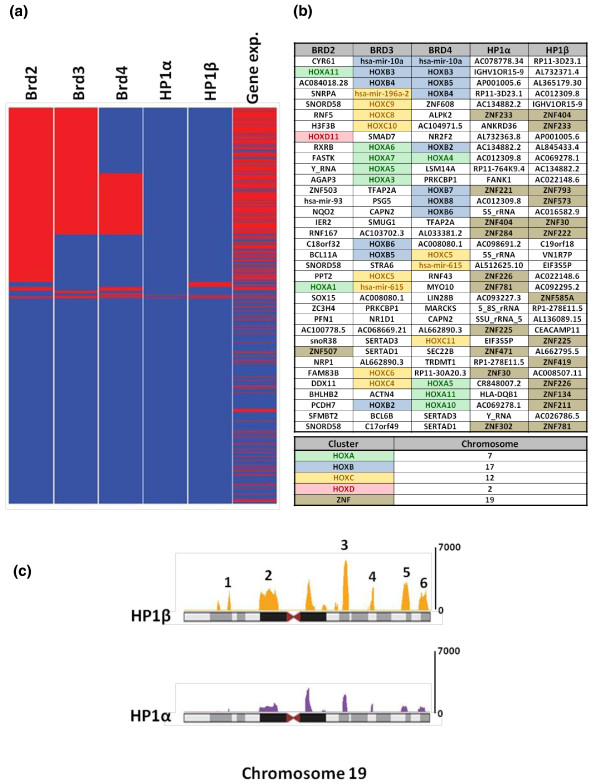
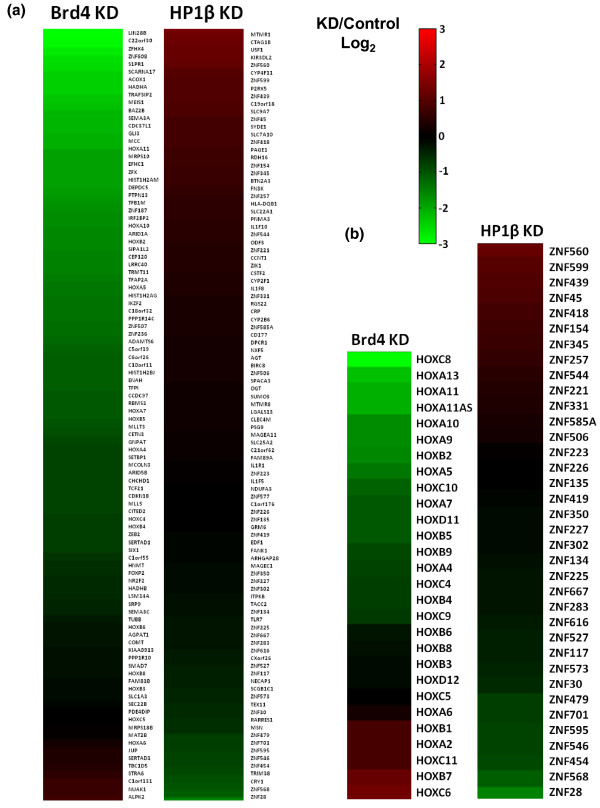
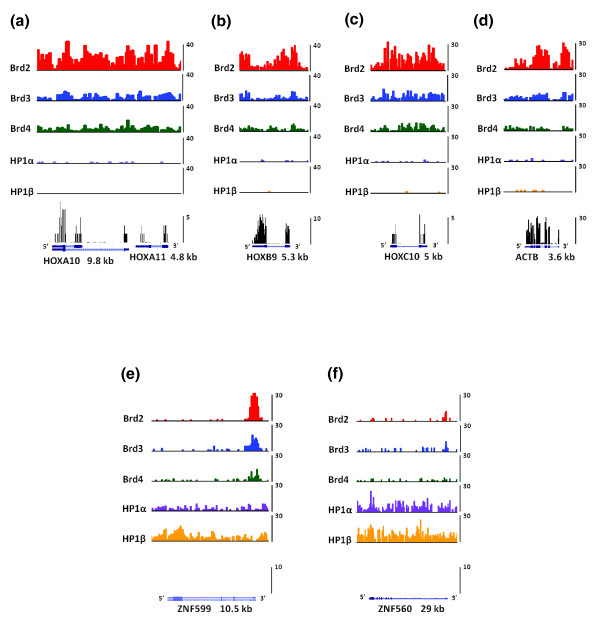
Background: Histone post-translational modifications (PTMs) constitute a branch of epigenetic mechanisms that can control the expression of eukaryotic genes in a heritable manner. Recent studies have identified several PTM-binding proteins containing diverse specialized domains whose recognition of specific PTM sites leads to gene activation or repression. Here, we present a high-throughput proteogenomic platform designed to characterize the nucleosomal make-up of chromatin enriched with a set of histone PTM binding proteins known as histone PTM readers. We support our findings with gene expression data correlating to PTM distribution. Results: We isolated human mononucleosomes bound by the bromodomain-containing proteins Brd2, Brd3 and Brd4, and by the chromodomain-containing heterochromatin proteins HP1β and HP1α. Histone PTMs were quantified by mass spectrometry (ChIP-qMS), and their associated DNAs were mapped using deep sequencing. Our results reveal that Brd- and HP1-bound nucleosomes are enriched in histone PTMs consistent with actively transcribed euchromatin and silent heterochromatin, respectively. Data collected using RNA-Seq show that Brd-bound sites correlate with highly expressed genes. In particular, Brd3 and Brd4 are most enriched on nucleosomes located within HOX gene clusters, whose expression is reduced upon Brd4 depletion by short hairpin RNA. Conclusions: Proteogenomic mapping of histone PTM readers, alongside the characterization of their local chromatin environments and transcriptional information, should prove useful for determining how histone PTMs are bound by these readers and how they contribute to distinct transcriptional states.
Overview
The claims and statistics of this paper haven’t been checked yet.
Free: it reads the open-access text and checks the first 5 claims that cite a source we can check. Create a free account to check every claim.
Integrity signals
Registry
Cites
Statistics
Figures
Verification
Claims the paper makes
The claims and statistics of this paper haven’t been checked yet.
Free: it reads the open-access text and checks the first 5 claims that cite a source we can check. Create a free account to check every claim.
Claims other papers make about this one
Each is checked against this paper’s own text: does it say what the citing paper says it does?
The source backs part of the claim, not all of it — or backs it for a different population, condition or comparison.
In the citing paper
“BET proteins significantly stimulate γ-retroviral IN strand transfer activities in vitro67,115,116 and appear to act as bimodal tethers to direct PICs to preferred genomic locations74,75,114,117,118.”
From Structure and function of retroviral integrase (2022) · cites this paper as [118]
Experimental — accuracy not yet measured
Self-check
Percentages, sums and reported differences re-computed from the paper’s own numbers.
The self-check needs the paper’s full text.
Citations
Cites
Ultrafast and memory-efficient alignment of short DNA sequences to the human genome.
Langmead, B., Trapnell, C., Pop, M., & Salzberg, S. L. (2009) · Genome Biology · doi:10.1186/gb-2009-10-3-r25 · Cited by 21,849 · cited 1×
“The raw sequence reads were aligned to the hg18 human genome using the Bowtie short read aligner [48].”
MethodMapping and quantifying mammalian transcriptomes by RNA-Seq
Mortazavi, A., Williams, B. A., McCue, K., Schaeffer, L., & Wold, B. (2008) · Nature Methods · doi:10.1038/nmeth.1226 · Cited by 13,696 · cited 1×
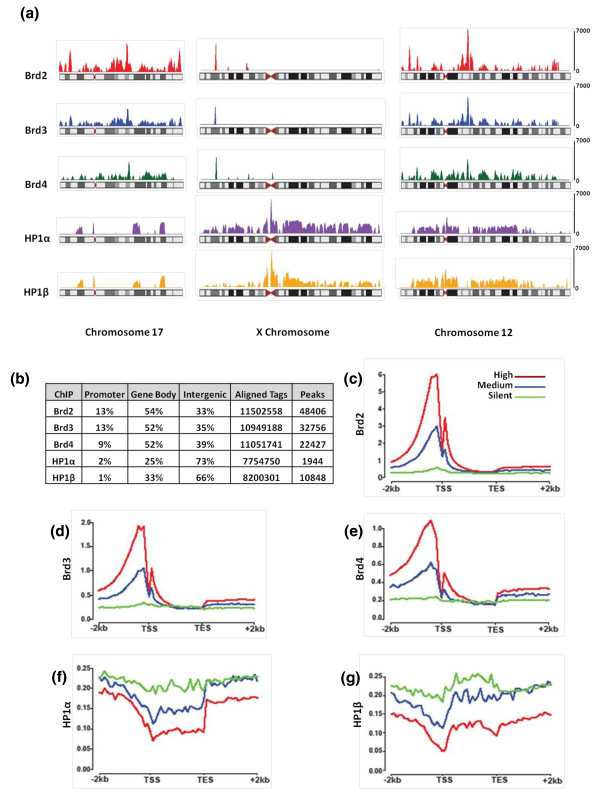
“Genes were ranked based on their expression levels estimated as reads per kilobase per million mapped reads (RPKM [50] and stratified into three expression groups: the ‘silent’ group (the bottom 30% genes in the ranked list), the ‘high’ group (the top 30% genes), and the ‘medium’ group (the remaining genes).”
BackgroundChromatin modifications and their function
Kouzarides, T. (2007) · Cell · doi:10.1016/j.cell.2007.02.005 · Cited by 10,883
High-Resolution Profiling of Histone Methylations in the Human Genome
Barski, A., Cuddapah, S., Cui, K., Roh, T.-Y., Schones, D. E., Wang, Z., Wei, G., Chepelev, I., & Zhao, K. (2007) · Cell · doi:10.1016/j.cell.2007.05.009 · Cited by 6,845 · cited 7×
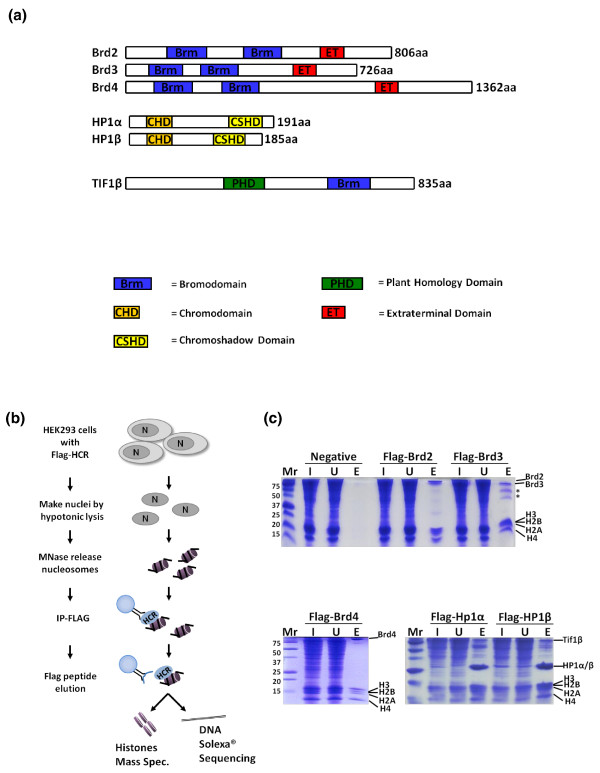
“To determine where the histone code reading proteins genomically reside, we deep sequenced the DNA isolated in Brd- and HP1-bound nucleosomes (ChIP-seq) [4].”
BackgroundResultInfluentialSelf-citationA bivalent chromatin structure marks key developmental genes in embryonic stem cells
Bernstein, B. E., Mikkelsen, T. S., Xie, X., Kamal, M., Huebert, D. J., Cuff, J., Fry, B., Meissner, A., Wernig, M., Plath, K., et al. (2006) · Cell · doi:10.1016/j.cell.2006.02.041 · Cited by 5,361 · cited 2×
“contained bivalent domains, suggesting that they are poised for activation [29].”
BackgroundSelective inhibition of BET bromodomains
Filippakopoulos, P., Qi, J., Picaud, S., Shen, Y., Smith, W. B., Fedorov, O., Morse, E. M., Keates, T., Hickman, T. T., Felletar, I., et al. (2010) · Nature · doi:10.1038/nature09504 · Cited by 4,262 · cited 1×
“In fact, recent publications have reported two Brd protein selective small molecule inhibitors (I-BET and JQ-1) that specifically inhibit bromodomain binding to acetylated histones, thereby blocking a lipopolysaccharideinduced cytokine storm and the growth of Brd-dependent tumors [9,11].”
BackgroundA gene complex controlling segmentation in Drosophila
Lewis, E. B. (1978) · Nature · doi:10.1038/276565a0 · Cited by 3,812 · cited 1×
“Trithorax group genes were originally identified from Drosophila genetic screens as genes required for the persistent expression of HOX genes that control the development of body segments [31,32].”
BackgroundMethylation of histone H3 lysine 9 creates a binding site for HP1 proteins
Lachner, M., O'Carroll, D., Rea, S., Mechtler, K., & Jenuwein, T. (2001) · Nature · doi:10.1038/35065132 · Cited by 2,868 · cited 11×
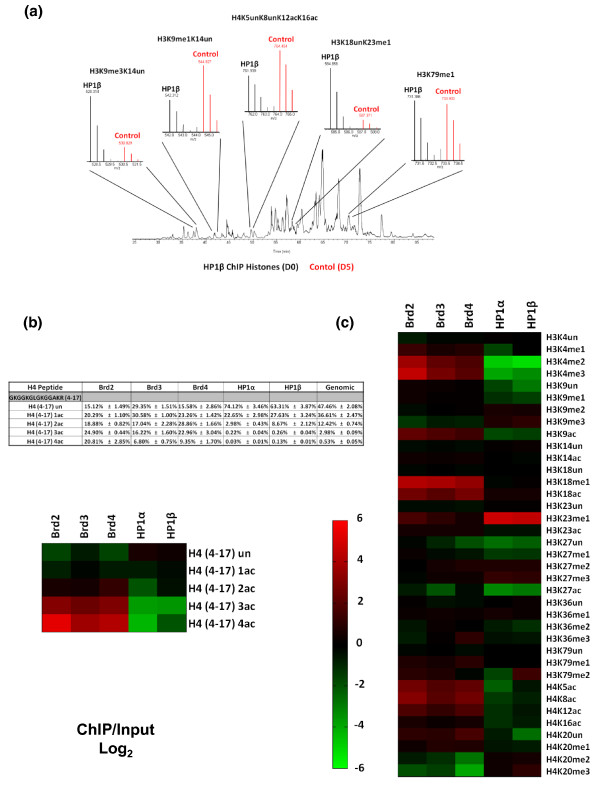
“On the other hand, there was substantial amounts of this combinatorial modification, H3K9me3K14ac, on nucleosomes bound by HP1a (13.7”
BackgroundInfluentialGenome-scale DNA methylation maps of pluripotent and differentiated cells
Meissner, A., Mikkelsen, T. S., Gu, H., Wernig, M., Hanna, J., Sivachenko, A., Zhang, X., Bernstein, B. E., Nusbaum, C., Jaffe, D. B., et al. (2008) · Nature · doi:10.1038/nature07107 · Cited by 2,536 · cited 1×
“Chromatin modifications and the gene expression patterns that accompany them are maintained when a cell divides and are thus known as ‘epigenetic’ [1,2].”
BackgroundCombinatorial patterns of histone acetylations and methylations in the human genome
Wang, Z., Zang, C., Rosenfeld, J. A., Schones, D. E., Barski, A., Cuddapah, S., Cui, K., Roh, T.-Y., Peng, W., Zhang, M. Q., et al. (2008) · Nature Genetics · doi:10.1038/ng.154 · Cited by 2,331 · cited 6×
“ChIP-seq experiments with specific antibodies have found that the PTMs H3K9ac and H3K4me3 are associated with only a few nucleosomes at active gene promoters, whereas H3K79me1 and H4K20me1 are exclusively associated with the bodies of active genes [3,4].”
BackgroundInfluentialSelf-citation
Research works printed but not linked: 1
- Gene Expression Omnibus. http://www.ncbi.nlm.nih.gov/geo
Cited by
Interpreting the language of histone and DNA modifications
Rothbart, S. B., & Strahl, B. D. (2014) · Biochimica et Biophysica Acta (BBA) - Gene Regulatory Mechanisms · doi:10.1016/j.bbagrm.2014.03.001 · Cited by 720
“One notable study coupled the powerful approaches of mononucleosome-resolution ChIP coupled with nextgeneration DNA sequencing (Mnase-ChIP-seq), RNA sequencing, and MS to simultaneously reveal 1) the combinations of histone PTMs associated with HP1 isoforms and several members of the bromodomain and extraterminal fami…”
BackgroundQuantitative Proteomic Analysis of Histone Modifications
Huang, H., Lin, S., Garcia, B. A., & Zhao, Y. (2015) · Chemical Reviews · doi:10.1021/cr500491u · Cited by 370
Self-citationTaniguchi, Y. (2016) · International Journal of Molecular Sciences · doi:10.3390/ijms17111849 · Cited by 336
BRD4 assists elongation of both coding and enhancer RNAs by interacting with acetylated histones
Kanno, T., Kanno, Y., LeRoy, G., Campos, E., Sun, H.-W., Brooks, S. R., Vahedi, G., Heightman, T. D., Garcia, B. A., Reinberg, D., et al. (2014) · Nature Structural & Molecular Biology · doi:10.1038/nsmb.2912 · Cited by 312
Self-citationLesbats, P., Engelman, A. N., & Cherepanov, P. (2016) · Chemical Reviews · doi:10.1021/acs.chemrev.6b00125 · Cited by 233
Histone Variant H2A.Z.2 Mediates Proliferation and Drug Sensitivity of Malignant Melanoma
Vardabasso, C., Gaspar-Maia, A., Hasson, D., Pünzeler, S., Valle-Garcia, D., Straub, T., Keilhauer, E. C., Strub, T., Dong, J., Panda, T., et al. (2015) · Molecular Cell · doi:10.1016/j.molcel.2015.05.009 · Cited by 206
“BET proteins (BRD2, BRD3, BRD4, and BRDT) bind to acetylated lysine residues in histones (LeRoy et al., 2008, 2012) and function as scaffolds to recruit chromatin modifying enzymes and TFs, thereby coupling histone acetylation to transcription (reviewed in Belkina and Denis, 2012).”
BET proteins promote efficient murine leukemia virus integration at transcription start sites
Sharma, A., Larue, R. C., Plumb, M. R., Malani, N., Male, F., Slaughter, A., Kessl, J. J., Shkriabai, N., Coward, E., Aiyer, S. S., et al. (2013) · Proceedings of the National Academy of Sciences · doi:10.1073/pnas.1307157110 · Cited by 193
“To delineate the Brd3(1-726) segments (Fig.”
BackgroundResultInfluentialProteomic characterization of novel histone post-translational modifications
Arnaudo, A. M., & Garcia, B. A. (2013) · Epigenetics & Chromatin · doi:10.1186/1756-8935-6-24 · Cited by 161
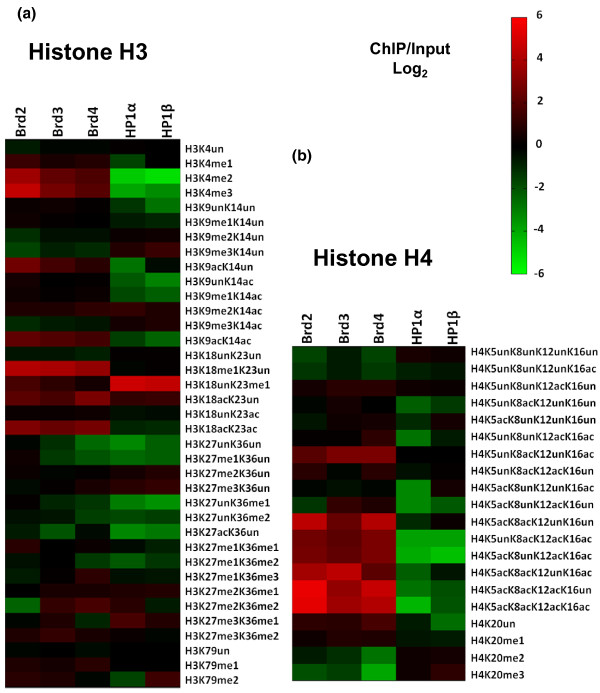
“As expected, histones from Brd ChIPs were enriched for active marks, while histones from HP1 chips were enriched for silencing marks [56].”
BackgroundMethodSelf-citationDe Rijck, J., de Kogel, C., Demeulemeester, J., Vets, S., El Ashkar, S., Malani, N., Bushman, F. D., Landuyt, B., Husson, S. J., Busschots, K., et al. (2013) · Cell Reports · doi:10.1016/j.celrep.2013.09.040 · Cited by 175
“HOX gene clusters are enriched for BRD2–4 bound nucleosomes (Leroy et al., 2012).”
BackgroundMethodInfluentialMolecular mechanisms of retroviral integration site selection
Kvaratskhelia, M., Sharma, A., Larue, R. C., Serrao, E., & Engelman, A. (2014) · Nucleic Acids Research · doi:10.1093/nar/gku769 · Cited by 135
“The chromatin binding sites of BET proteins have been mapped using ChIP-Seq experiments (100), which when compared with retroviral integration sites showed a positive correlation with MoMLV but not with HIV-1 or ASLV (19,21).”
BackgroundMethodA quantitative atlas of histone modification signatures from human cancer cells
LeRoy, G., DiMaggio, P. A., Chan, E. Y., Zee, B. M., Blanco, M. A., Bryant, B. M., Flaniken, I. Z., Liu, S., Kang, Y., Trojer, P., et al. (2013) · Epigenetics & Chromatin · doi:10.1186/1756-8935-6-20 · Cited by 150
“Histone peptides were loaded via autosampler onto a fused silica capillary for reversed phase high performance liquid chromatography as described previously [6], and electrosprayed into a hybrid linear quadrupole ion traporbitrap (ThermoFisher Scientific, Carlsbad, CA, USA ) as previously described.”
BackgroundMethodInfluentialSelf-citationBoros, J., Arnoult, N., Stroobant, V., Collet, J.-F., & Decottignies, A. (2014) · Molecular and Cellular Biology · doi:10.1128/mcb.00205-14 · Cited by 134
“However, recent studies demonstrated the cooccupancy of these repressive marks at various genomic loci (8, 9) and, interestingly, suggested the existence of cooperative mechanisms between these methylation marks in maintaining silencing.”
BackgroundInfluentialClick chemistry enables preclinical evaluation of targeted epigenetic therapies
Tyler, D. S., Vappiani, J., Cañeque, T., Lam, E. Y. N., Ward, A., Gilan, O., Chan, Y.-C., Hienzsch, A., Rutkowska, A., Werner, T., et al. (2017) · Science · doi:10.1126/science.aal2066 · Cited by 146
Miller, T. C. R., Simon, B., Rybin, V., Grötsch, H., Curtet, S., Khochbin, S., Carlomagno, T., & Müller, C. W. (2016) · Nature Communications · doi:10.1038/ncomms13855 · Cited by 132
“Firstly, chromatin immunoprecipitation experiments and pull-downs have been used to correlate BET binding with the presence of particular histone modifications on chromatin in vivo 14,21 .”
MethodStructure and function of retroviral integrase
Maertens, G. N., Engelman, A. N., & Cherepanov, P. (2022) · Nature Reviews Microbiology · doi:10.1038/s41579-021-00586-9 · Cited by 124
Functional interdependence of BRD4 and DOT1L in MLL leukemia
Gilan, O., Lam, E. Y. N., Becher, I., Lugo, D., Cannizzaro, E., Joberty, G., Ward, A., Wiese, M., Fong, C. Y., Ftouni, S., et al. (2016) · Nature Structural & Molecular Biology · doi:10.1038/nsmb.3249 · Cited by 123
Analytical tools and current challenges in the modern era of neuroepigenomics
Maze, I., Shen, L., Zhang, B., Garcia, B. A., Shao, N., Mitchell, A., Sun, H., Akbarian, S., Allis, C. D., & Nestler, E. J. (2014) · Nature Neuroscience · doi:10.1038/nn.3816 · Cited by 100
Self-citationLEDGF and HDGF2 relieve the nucleosome-induced barrier to transcription in differentiated cells
LeRoy, G., Oksuz, O., Descostes, N., Aoi, Y., Ganai, R. A., Kara, H. O., Yu, J.-R., Lee, C.-H., Stafford, J., Shilatifard, A., et al. (2019) · Science Advances · doi:10.1126/sciadv.aay3068 · Cited by 89
“293T cell culture 293T cells were cultured as described in (12).”
BackgroundMethodSelf-citationThe BET/BRD inhibitor JQ1 improves brain plasticity in WT and APP mice
Benito, E., Ramachandran, B., Schroeder, H., Schmidt, G., Urbanke, H., Burkhardt, S., Capece, V, Dean, C., & Fischer, A. (2017) · Translational Psychiatry · doi:10.1038/tp.2017.202 · Cited by 82
Interactions between Retroviruses and the Host Cell Genome
Poletti, V., & Mavilio, F. (2018) · Molecular Therapy - Methods & Clinical Development · doi:10.1016/j.omtm.2017.10.001 · Cited by 76
Tang, X., Peng, R., Ren, Y., Apparsundaram, S., Deguzman, J., Bauer, C. M. T., Hoffman, A. F., Hamilton, S. M., Liang, Z., Zeng, H., et al. (2012) · Molecular Pharmacology · doi:10.1124/mol.112.081661 · Cited by 83
“…siRNAs may be related to the recently reported ability of Brd isoforms to selectively bind to unique and, in some cases, overlapping gene promoters (Leroy et al., 2012) To assess the functional involvement of Brd proteins in additional LF phenotypic responses downstream of growth factor signaling,…”
BackgroundEpigenetic Readers of Lysine Acetylation Regulate Cocaine-Induced Plasticity
Sartor, G. C., Powell, S. K., Brothers, S. P., & Wahlestedt, C. (2015) · Journal of Neuroscience · doi:10.1523/jneurosci.0826-15.2015 · Cited by 76
“Genome-wide analysis studies have revealed that BETbound nucleosomes are enriched in histone post-translational modifications that regulate actively transcribed euchromatin, and BRD4-bound sites are highly correlated with increased gene expression (LeRoy et al., 2012) and play a role in super-enhancer function (Zhang…”
Aiyer, S., Swapna, G. V. T., Malani, N., Aramini, J. M., Schneider, W. M., Plumb, M. R., Ghanem, M., Larue, R. C., Sharma, A., Studamire, B., et al. (2014) · Nucleic Acids Research · doi:10.1093/nar/gku175 · Cited by 72
“Analysis of integration sites near Brd2, 3 and 4 binding sites were correlated using ChIP-seq data (19) and analyzed as described previously (8).”
BackgroundMethodDemeulemeester, J., De Rijck, J., Gijsbers, R., & Debyser, Z. (2015) · BioEssays · doi:10.1002/bies.201500051 · Cited by 71
Gonzales-Cope, M., Sidoli, S., Bhanu, N. V., Won, K., & Garcia, B. A. (2016) · BMC Genomics · doi:10.1186/s12864-016-2414-y · Cited by 79
“In addition, Brd4 has been found to localize to and control the expression HOX gene clusters in HEK293 cells [18].”
BackgroundSelf-citationEZH2 in Bladder Cancer, a Promising Therapeutic Target
Martínez‐Fernández, M., Rubio, C., Segovia, C., López-Calderón, F., Dueñas, M., & Paramio, J. M. (2015) · International Journal of Molecular Sciences · doi:10.3390/ijms161126000 · Cited by 70
“Interestingly, although H3K9me2/3 and H3K27me2/3 marks were first thought to have distinct functions and to be mutually exclusive in genome, recent studies show the co-occupancy of these repressive marks at several gene loci [145,146], and a cooperative mechanisms for both methylation marks in keeping gene silencing i…”
BackgroundBET bromodomains as novel epigenetic targets for brain health and disease
Singh, M. B., & Sartor, G. C. (2020) · Neuropharmacology · doi:10.1016/j.neuropharm.2020.108306 · Cited by 62
“BET proteins, in particular, have high affinity for histone marks (H4K5/K8/K12ac) that are associated with learning and memory (Guan et al., 2009; Peleg et al., 2010; Umehara et al., 2010b; Umehara et al., 2010a; LeRoy et al., 2012).”
BackgroundHnilicová, J., Hozeifi, S., Stejskalová, E., Dušková, E., Poser, I., Humpolíčková, J., Hof, M., & Staněk, D. (2013) · Molecular Biology of the Cell · doi:10.1091/mbc.e13-06-0303 · Cited by 60
BET-independent MLV-based Vectors Target Away From Promoters and Regulatory Elements
El Ashkar, S., De Rijck, J., Demeulemeester, J., Vets, S., Madlala, P., Cermakova, K., Debyser, Z., & Gijsbers, R. (2014) · Molecular Therapy - Nucleic Acids · doi:10.1038/mtna.2014.33 · Cited by 47
Characterization of BRD4 during Mammalian Postmeiotic Sperm Development
Bryant, J. M., Donahue, G., Wang, X., Meyer‐Ficca, M. L., Luense, L. J., Weller, A. H., Bartolomei, M. S., Blobel, G. A., Meyer, R. G., Garcia, B. A., et al. (2015) · Molecular and Cellular Biology · doi:10.1128/mcb.01328-14 · Cited by 51
“The LC-MS/MS data sets were also analyzed with in-house-developed software as previously described (38).”
MethodSelf-citationJanssen, K. A., Sidoli, S., & Garcia, B. A. (2017) · Methods in enzymology on CD-ROM/Methods in enzymology · doi:10.1016/bs.mie.2016.10.021 · Cited by 56
“, 2016), histone readers (LeRoy et al., 2012), or histone variants (Won et al.”
BackgroundSelf-citationLuna-Peláez, N., March‐Díaz, R., Ceballos-Chávez, M., Guerrero-Martinez, J. A., Grazioli, P., García‐Gutiérrez, P., Vaccari, T., Massa, V., Reyes, J. C., & García‐Domínguez, M. (2019) · Cell Death and Disease · doi:10.1038/s41419-019-1792-x · Cited by 49
Lines, K. E., Stevenson, M., Filippakopoulos, P., Müller, S., Lockstone, H. E., Wright, B., Grozinsky‐Glasberg, S., Grossman, A. B., Knapp, S., Buck, D., et al. (2017) · Oncogenesis · doi:10.1038/oncsis.2017.30 · Cited by 47
H3K23me2 is a new heterochromatic mark in Caenorhabditis elegans
Vandamme, J., Sidoli, S., Mariani, L. L., Friis, C., Christensen, J. F., Helin, K., Jensen, O. N., & Salcini, A. E. (2015) · Nucleic Acids Research · doi:10.1093/nar/gkv1063 · Cited by 52
“The distinct sub-nuclear distribution of HP1-like proteins suggests the co-existence of heterochromatic regions with diverse functions (12–14), as also *To whom the correspondence should be addressed.”
InfluentialBimodal high-affinity association of Brd4 with murine leukemia virus integrase and mononucleosomes
Larue, R. C., Plumb, M. R., Crowe, B. L., Shkriabai, N., Sharma, A., DiFiore, J., Malani, N., Aiyer, S. S., Roth, M. J., Bushman, F. D., et al. (2014) · Nucleic Acids Research · doi:10.1093/nar/gku135 · Cited by 44
“For example, published results show that BET proteins exhibit strong preference for binding to H3K9ac and H3K18ac but not for H3K14ac (48).”
BackgroundResultInfluentialCombining Genomic and Proteomic Approaches for Epigenetics Research
Han, Y., & Garcia, B. A. (2013) · Epigenomics · doi:10.2217/epi.13.37 · Cited by 45
Self-citationBeyond the histone tale: HP1α deregulation in breast cancer epigenetics
Vad‐Nielsen, J., & Nielsen, A. L. (2015) · Cancer Biology & Therapy · doi:10.1080/15384047.2014.1001277 · Cited by 51
“Chromatin immunoprecipitation (ChIP) sequence data produced by LeRoy, et al.(113) revealed that only 2% of the total cellular HP1a molecules are actually associated with gene promoters, 25% are associated within the gene bodies, while the remaining HP1a is located in intergenic regions .”
BackgroundSaito, A., & Cavalli, V. (2015) · Molecular & Cellular Proteomics · doi:10.1074/mcp.r115.052753 · Cited by 35
Trejo‐Arellano, M. S., Mahrez, W., Nakamura, M., Moreno‐Romero, J., Nanni, P., Köhler, C., & Hennig, L. (2017) · The Plant Journal · doi:10.1111/tpj.13489 · Cited by 34
Wang, Z., Zhang, C., Guo, J., Wang, W., Si, Q., Chen, C., Luo, Y., & Duan, Z. (2023) · Translational Oncology · doi:10.1016/j.tranon.2023.101715 · Cited by 35
“Since only 2% of HP1α is located in gene promoter, transcription repression could just explain a small part of its function mechanisms [34].”
BackgroundCompartmentalization of HP1 Proteins in Pluripotency Acquisition and Maintenance
Zaidan, N. Z., Walker, K. J., Brown, J. E., Schaffer, L. V., Scalf, M., Shortreed, M. R., Iyer, G., Smith, L. M., & Sridharan, R. (2018) · Stem Cell Reports · doi:10.1016/j.stemcr.2017.12.016 · Cited by 37
“In addition to known histone modifications on histone H3 and H4 associated with HP1a andHP1b in somatic cells (Leroy et al., 2012),we found H2BK5acetylationandH1S1acetylation, bothhistonemodifications of unknown function (Figure S6A and Table S3).”
BackgroundO’Connor, C. M., DiMaggio, P. A., Shenk, T. E., & Garcia, B. A. (2014) · Molecular & Cellular Proteomics · doi:10.1074/mcp.m114.039792 · Cited by 33
“Histone Extraction and LC-MS/MS—Histones were purified from MRC5 cells and processed for nanoLC-MS/MS analysis as previously described (17).”
MethodSelf-citationProteomics in epigenetics: new perspectives for cancer research
Bartke, T., Borgel, J., & DiMaggio, P. A. (2013) · Briefings in Functional Genomics · doi:10.1093/bfgp/elt002 · Cited by 35
Self-citationInitial characterization of histone H3 serine 10 O-acetylation
Britton, L.-M. P., Newhart, A., Bhanu, N. V., Sridharan, R., Gonzales-Cope, M., Plath, K., Janicki, S. M., & Garcia, B. A. (2013) · Epigenetics · doi:10.4161/epi.26025 · Cited by 31
Self-citationWerner, M. T., Wang, H., Hamagami, N., Hsu, S. C., Yano, J. A., Stonestrom, A. J., Behera, V., Zong, Y., Mackay, J. P., & Blobel, G. A. (2019) · Journal of Biological Chemistry · doi:10.1074/jbc.ra119.010679 · Cited by 28
Muddassir, M., Soni, K. V., Sangani, C. B., AlArifi, A. S., Afzal, M. F., Abduh, N. A. Y., Duan, Y., & Bhadja, P. (2021) · RSC Advances · doi:10.1039/d0ra07971e · Cited by 29
Martella, N., Pensabene, D., Varone, M., Colardo, M., Petraroia, M., Sergio, W., Rosa, P. L., Moreno, S., & Segatto, M. (2023) · Biomedicines · doi:10.3390/biomedicines11030750 · Cited by 31
“These proteins play an important role in neurogenesis [53], in neural tube closure defects [54], and in orchestrating the transcriptional regulation underlying learning and memory processes [15,22,55].”
BackgroundOn the relations of phase separation and Hi-C maps to epigenetics
Singh, P. B., & Newman, A. G. (2020) · Royal Society Open Science · doi:10.1098/rsos.191976 · Cited by 29
Wang, C., Xu, Q., Zhang, X., Day, D. S., Abraham, B. J., Lun, K., Chen, L., Huang, J. S., & Ji, X. (2022) · Cellular and Molecular Life Sciences · doi:10.1007/s00018-022-04349-4 · Cited by 27
The oxidative demethylase ALKBH3 marks hyperactive gene promoters in human cancer cells
Liefke, R., Windhof-Jaidhauser, I. M., Gaedcke, J., Salinas, G., Wu, F., Ghadimi, M. B., & Dango, S. (2015) · Genome Medicine · doi:10.1186/s13073-015-0180-0 · Cited by 30
“List of public data used for bioinformatics analysis [44, 47, 50, 68–82].”
Hsieh, M., Ho, Y., Lai, C., Wang, H.-H., Lee, A., Cheng, J., Chau, Y., & Peng, H. (2017) · Anesthesiology · doi:10.1097/aln.0000000000001809 · Cited by 25
Shi, X., Li, Y., Zhou, H., Hou, X., Yang, J., Malik, V., Faiola, F., Ding, J., Bao, X., Modic, M., et al. (2024) · Nature Communications · doi:10.1038/s41467-024-55054-8 · Cited by 24
“In contrast, it is well established that the heterochromatin proteins HP1 α / β bind to centromeres/pericentromeres 65 and that the GC protein NPM1 binds to the centromere 66 – 69 .”
Zee, B. M., Alekseyenko, A. A., McElroy, K. A., & Kuroda, M. I. (2016) · Proceedings of the National Academy of Sciences · doi:10.1073/pnas.1522750113 · Cited by 18
“The reaction also proceeds with histones in-solution or in-polyacrylamide gel (24).”
BackgroundSelf-citationBETting on a Transcriptional Deficit as the Main Cause for Cornelia de Lange Syndrome
García‐Gutiérrez, P., & García‐Domínguez, M. (2021) · Frontiers in Molecular Biosciences · doi:10.3389/fmolb.2021.709232 · Cited by 20
“Wide chromatin localization of at least one BET member at virtually all active genes (LeRoy et al., 2012; Anders et al., 2014) led to the initial assumption of BET involvement in expression of all of them.”
BackgroundLuna-Peláez, N., & García‐Domínguez, M. (2018) · Journal of Molecular Biology · doi:10.1016/j.jmb.2018.02.023 · Cited by 17
Her, Y. R., Wang, L., Chepelev, I., Manterola, M., Berkovits, B. D., Cui, K., Zhao, K., & Wolgemuth, D. J. (2021) · Molecular Reproduction and Development · doi:10.1002/mrd.23449 · Cited by 18
“Previous analyses on ChIP‐Seq binding to intergenic regions of the other three BET proteins (BRD2, BRD3, and BRD4) in HEK293 cell lines revealed a distribution similar to our findings (LeRoy et al., 2012).”
BackgroundResultSelf-citationBiology and Physics of Heterochromatin-Like Domains/Complexes
Singh, P. B., Belyakin, S. N., & Laktionov, P. P. (2020) · Cells · doi:10.3390/cells9081881 · Cited by 17
“1 Mb) were determined using ChiP-seq data for H1 ES cells (HP1α + HP1γ + H3K9me3) [59,60] and 293T cells (HP1α + HP1β + H3K9me3) [61,62].”
Relevance of BET Family Proteins in SARS-CoV-2 Infection
Lara-Ureña, N., & García‐Domínguez, M. (2021) · Biomolecules · doi:10.3390/biom11081126 · Cited by 15
Loyola, L. M., Achuthan, V., Gilroy, K. L., Borland, G., Kilbey, A., Mackay, N. A., Bell, M., Hay, J., Aiyer, S., Fingerman, D., et al. (2019) · PLoS Pathogens · doi:10.1371/journal.ppat.1008154 · Cited by 16
“H3K4me1 and H3K4me3 are considered MLV supermarkers [48], with H3K4me3 associated with nucleosome-bound BET protein [49].”
BackgroundVirus–Host Interactions in Retrovirus Integration
Engelman, A. N., & Maertens, G. N. (2018) · Retrovirus-Cell Interactions · doi:10.1016/b978-0-12-811185-7.00004-2 · Cited by 12
Davie, J., Sattarifard, H., Sudhakar, S. R. N., Roberts, C.-T., Beacon, T. H., Muker, I., Shahib, A. K., & Rastegar, M. (2025) · Sub-cellular biochemistry/Subcellular biochemistry · doi:10.1007/978-3-031-75980-2_1 · Cited by 13
Mass spectrometry analysis of histone post translational modifications
Minshull, T. C., & Dickman, M. J. (2014) · Drug Discovery Today Disease Models · doi:10.1016/j.ddmod.2015.03.002 · Cited by 13
Won, K., Choi, I., LeRoy, G., Zee, B. M., Sidoli, S., Gonzales-Cope, M., & Garcia, B. A. (2015) · Epigenetics & Chromatin · doi:10.1186/s13072-015-0005-9 · Cited by 11
“Histone samples were analyzed using nano liquid chromatography-tandem mass spectrometry (nanoLCMS/MS) essentially as described previously [27].”
MethodInfluentialSelf-citationBorrenberghs, D., Zurnic, I., Wit, F. D., Acke, A., Dirix, L., Cereseto, A., Debyser, Z., & Hendrix, J. (2018) · Nucleic Acids Research · doi:10.1093/nar/gky1157 · Cited by 11
Arnaudo, A. M., Link, A. J., & Garcia, B. A. (2016) · ACS Chemical Biology · doi:10.1021/acschembio.5b00816 · Cited by 10
“as ChIP with quantitative MS (ChIP-qMS) (21,22).”
Self-citationLotke, R., Schneeweiß, U., Pietrek, M., Günther, T., Grundhoff, A. T., Weidner-Glunde, M., & Schulz, T. F. (2020) · Frontiers in Microbiology · doi:10.3389/fmicb.2020.591778 · Cited by 10
“…ET domain is involved in protein-protein interactions with other cellular proteins (Dhalluin et al., 1999; Platt et al., 1999; Denis, 2001; Yang et al., 2005; Denis et al., 2006; Peng et al., 2007; Rahman et al., 2011; LeRoy et al., 2012; Anders et al., 2014; Fujisawa and Filippakopoulos, 2017).”
BackgroundEpigenetic Inhibitors as Alzheimer’s Disease Therapeutic Agents
Yamashita, Y., Itoh, Y., Takada, Y., & Suzuki, T. (2024) · Chemical and Pharmaceutical Bulletin · doi:10.1248/cpb.c23-00027 · Cited by 7
Lara-Ureña, N., Gómez-Marín, E., Pozuelo-Sanchez, I., Reyes, J. C., & García‐Domínguez, M. (2024) · Cellular and Molecular Life Sciences · doi:10.1007/s00018-024-05343-8 · Cited by 7
“S5B), while exclusive gene sets related to BET functions [25] were associated with JQ1 treatment and not with E overexpression (Supplementary Fig.”
BackgroundGadecka, A., Koblowska, M., Kossowska, H., Iwanicka‐Nowicka, R., Janiszewska, D., Mosieniak, G., Bojakowski, K., Goryca, K., & Bielak-Żmijewska, A. (2025) · Cell Communication and Signaling · doi:10.1186/s12964-025-02315-8 · Cited by 7
“Similar observations on the presence of HP1α in intergenic regions were reported for embryonic kidney HEK293 cells, in which 73% of all reads originated from those loci [74].”
Šenigl, F., Miklík, D., Auxt, M., & Hejnar, J. (2017) · Nucleic Acids Research · doi:10.1093/nar/gkx889 · Cited by 9
“MLV integration sites are enriched within BET binding sites (6), which have been identified within actively transcribed euchromatin and characterized by specific posttranslational histone modifications (7).”
BackgroundMultivalent nucleosome scaffolding by bromodomain and extraterminal domain tandem bromodomains
Olp, M. D., Bursch, K. L., Wynia‐Smith, S. L., Nuñez, R., Goetz, C. J., Jackson, V. E., & Smith, B. C. (2025) · Journal of Biological Chemistry · doi:10.1016/j.jbc.2025.108289 · Cited by 7
Olp, M. D., Jackson, V. E., & Smith, B. C. (2019) · bioRxiv (Cold Spring Harbor Laboratory) · doi:10.1101/699967 · Cited by 5
“Since levels of each of these histone acetyl-lysines correlate strongly (Spearman correlation coefficient ≥ 0.90) with H4K5ac, H4K8ac, H3K14ac and H3K18ac across compartmental domains (Figure S8), these PTMs may be upregulated by epigenetic writer and eraser enzymes present in transcription factor complexes that invol…”
BackgroundInfluentialRole of BRD4 in cancer – A review
Samani, K., Sharma, U. R., Sharma, A. R., Pm, M., & Surendra, V. (2020) · IP Journal of diagnostic pathology and oncology/IP journal of diagnostic pathology and oncology/Journal of diagnostic pathology and oncology · doi:10.18231/j.jdpo.2020.027 · Cited by 4
Dopamine Transporter Knockout Rats Display Epigenetic Alterations in Response to Cocaine Exposure
Vilca, S. J., Wahlestedt, C., Izenwasser, S., Gainetdinov, R. R., & Pardo, M. (2023) · Biomolecules · doi:10.3390/biom13071107 · Cited by 3
“Indeed, BRD4-bound sites are highly correlated with increased gene expression [38] and are associated with super-enhancer function [28,39].”
BackgroundWang, Y., Wang, Y., Xu, Y., Cheng, H., Dagnew, T. M., Kang, L., Tocci, D. R., Shen, I. Z., Zhang, C. M., & Wang, C. (2025) · Journal of Medicinal Chemistry · doi:10.1021/acs.jmedchem.5c00068 · Cited by 3
Zheng, D., Trynda, J., Sun, Z., & Li, Z. (2019) · BMC Genomics · doi:10.1186/s12864-019-5932-6 · Cited by 4
Brandon, C. J., Robinson-Thiewes, S., Kaulage, M. H., Rosikiewicz, W., Cuneo, M. J., Brett, J., Kandola, J., Lang, W. H., Low, J. A., Mohammed, A., et al. (2026) · Nature Cell Biology · doi:10.1038/s41556-026-02044-1 · Cited by 2
Application of Mass Spectrometry in Translational Epigenetics
Wang, X., Sidoli, S., & Garcia, B. A. (2015) · Elsevier eBooks · doi:10.1016/b978-0-12-801080-8.00004-1 · Cited by 3
Self-citationEpigenetic Tools in Chronic Pain Studies
Bai, G., & Ren, K. (2018) · Elsevier eBooks · doi:10.1016/b978-0-12-814070-3.00001-6 · Cited by 2
Proteomic Interrogation of Human Chromatin Protein States
Bhanu, N. V., & Garcia, B. A. (2013) · Springer eBooks · doi:10.1007/978-1-4614-7931-4_8 · Cited by 2
Self-citationPhysiological and Pharmacological Regulation of the STAT3 Pathway in Cancer
Xiang, M. H. (2013) · Digital Access to Scholarship at Harvard (DASH) (Harvard University) · Cited by 2
Werner, M. T., Wang, H., Hamagami, N., Hsu, S. C., Yano, J. A., Stonestrom, A. J., Behera, V., Zhong, Y., Mackay, J. P., & Blobel, G. A. (2020) · Journal of Biological Chemistry · doi:10.1074/jbc.aac120.013771 · Cited by 2
Direct regulation of the interferon signaling pathway by the bromodomain containing protein 4
Wunderlich, A. (2013) · Universitätsbibliothek der FU Berlin Hochschulschriftenstelle u. Dokumentenserver · doi:10.17169/refubium-14781
Structure-Function Analysis of BET Proteins in Transcription
Werner, M. T. (2020) · Scholarly Commons (University of Pennsylvania)
Gadecka, A., & Gadecka, A. (2023) · RCIN (Digital Repository of the Scientifics Institutes) (Institute of Archaeology and Ethnology of the Polish Academy of Sciences)
Metadata
- Authors
- LeRoy, G., Chepelev, I., DiMaggio, P. A., Blanco, M. A., Zee, B. M., Zhao, K., & Garcia, B. A.
- Affiliations
- Princeton University (US)
- National Institutes of Health (US)
- Corresponding author
- Garcia, Benjamin A
- ORCID
- Venue
- Genome Biology
- Published
- 2012-08-16
- Volume
- 13
- Issue
- 8
- Pages
- R68-R68
- ISSN
- 1465-6906 (ISSN-L)
- 1474-760X
- PMC
- PMC3491368
- OpenAlex
- W2146547145
- Cited by
- 84
- References
- 49
- Citations by year
- 2026: 1 · 2025: 4 · 2024: 3 · 2023: 3 · 2022: 1 · 2021: 4 · 2020: 6 · 2019: 6 · 2018: 5 · 2017: 8 · 2016: 7 · 2015: 12 · 2014: 12 · 2013: 11 · 2012: 1
- FWCI
- 4.63
- Type
- journal article
- Language
- en
- Open access
- gold
- doi.org
- Licence
- cc-by
- creativecommons.org/licenses/by/2.0/ (tdm)
- creativecommons.org/licenses/by/2.0/ (vor)
- Locations
- Genome biology (publishedVersion, cc-by)
- Europe PMC (PubMed Central) (publishedVersion, cc-by)
- PubMed Central (publishedVersion, cc-by)
- PubMed (publishedVersion)
- Funders
- National Science Foundation (0941143, CAREER)
- Princeton University
- National Institutes of Health (DP2OD007447)
- NIH Office of the Director (DP2OD007447)
- National Institute of General Medical Sciences (P50GM071508)
- Division of Chemical, Bioengineering, Environmental, and Transport Systems (CBET-0941143)
- NHLBI Division of Intramural Research
- Topics
- Life Sciences › Biochemistry, Genetics and Molecular Biology › Molecular Biology › Genomics and Chromatin Dynamics
- Life Sciences › Biochemistry, Genetics and Molecular Biology › Molecular Biology › Epigenetics and DNA Methylation
- Life Sciences › Biochemistry, Genetics and Molecular Biology › Molecular Biology › Chromatin Remodeling and Cancer
- Keywords
- histone modifications, bromodomain proteins, BRD2, BRD3, BRD4, HP1α, HP1β, nucleosome mapping, proteogenomics, euchromatin, heterochromatin, gene expression, Hox gene clusters, transcriptional regulation, chromatin
- MeSH terms
- Chromobox Protein Homolog 5, Bromodomain Containing Proteins, Chromosomal Proteins, Non-Histone, Chromosome Mapping, Chromosomes, Human, Pair 19, Multigene Family, Heterochromatin, Histones, Humans, Nuclear Proteins, Nucleosomes, Protein Processing, Post-Translational, Transcription Factors, RNA-Binding Proteins, Protein Serine-Threonine Kinases, Sequence Analysis, DNA, Cell Cycle Proteins, Genomics, RNA, Small Interfering, Proteomics, Epigenesis, Genetic, High-Throughput Nucleotide Sequencing
About these checks
Registry, retraction, Cites and statistics results are computed, not judged, with one exception: a printed reference that no index lists is read once by a model before it counts as a citation error. Claims are extracted by a model and kept only when their quote appears verbatim in the text; each cited source is then checked, with a model’s help, for whether it says what the claim relies on. Those verdicts can be wrong — read the claim’s quote and the cited source before relying on one.
Statistics and arithmetic are recomputed, not judged.
Confidence bands are shown only for fields calibrated on our annotated test set. None is calibrated yet, so no band is shown.
What counts as a claim ›How we measure confidence ›How we check this ›
Are you an author, or do you see a problem with this page? Request a review
Data sources
Bibliographic data: Semantic Scholar, OpenAlex, Crossref.
Contains information from the Semantic Scholar Academic Graph Datasets, made available under the ODC Attribution License (ODC-BY 1.0).
Semantic Scholar’s data is described in: Kinney, R., et al. (2023). The Semantic Scholar Open Data Platform. arXiv:2301.10140.
