

Proteogenomic characterization and mapping of nucleosomes decoded by Brd and HP1 proteins
Open accessThe DOI matches its Crossref record; 49 of the 49 references it cites were found in a registry or an index.
Abstract
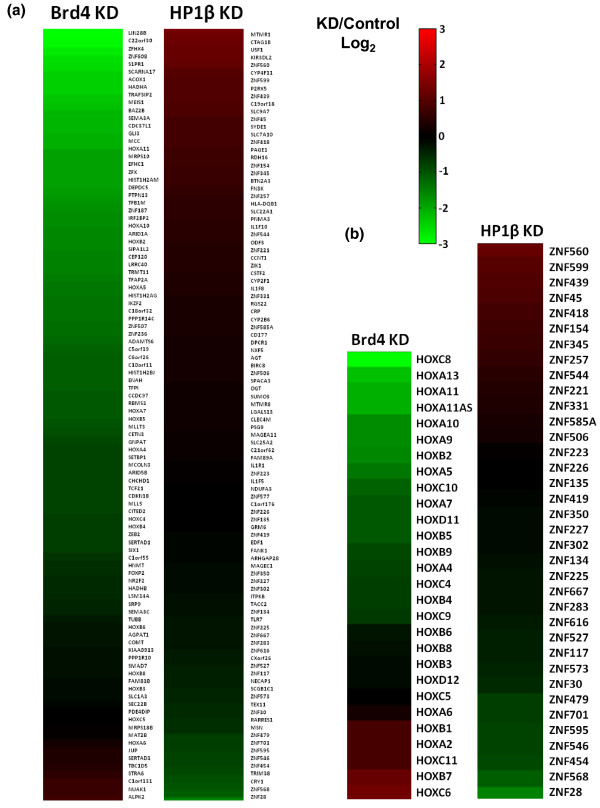
Background: Histone post-translational modifications (PTMs) constitute a branch of epigenetic mechanisms that can control the expression of eukaryotic genes in a heritable manner. Recent studies have identified several PTM-binding proteins containing diverse specialized domains whose recognition of specific PTM sites leads to gene activation or repression. Here, we present a high-throughput proteogenomic platform designed to characterize the nucleosomal make-up of chromatin enriched with a set of histone PTM binding proteins known as histone PTM readers. We support our findings with gene expression data correlating to PTM distribution. Results: We isolated human mononucleosomes bound by the bromodomain-containing proteins Brd2, Brd3 and Brd4, and by the chromodomain-containing heterochromatin proteins HP1β and HP1α. Histone PTMs were quantified by mass spectrometry (ChIP-qMS), and their associated DNAs were mapped using deep sequencing. Our results reveal that Brd- and HP1-bound nucleosomes are enriched in histone PTMs consistent with actively transcribed euchromatin and silent heterochromatin, respectively. Data collected using RNA-Seq show that Brd-bound sites correlate with highly expressed genes. In particular, Brd3 and Brd4 are most enriched on nucleosomes located within HOX gene clusters, whose expression is reduced upon Brd4 depletion by short hairpin RNA. Conclusions: Proteogenomic mapping of histone PTM readers, alongside the characterization of their local chromatin environments and transcriptional information, should prove useful for determining how histone PTMs are bound by these readers and how they contribute to distinct transcriptional states.
Overview
The claims and statistics of this paper haven’t been checked yet.
Free: it reads the open-access text and checks the first 5 claims that cite a source we can check. Create a free account to check every claim.
Integrity signals
Registry
Cites
Statistics
Figures
Verification
Claims the paper makes
The claims and statistics of this paper haven’t been checked yet.
Free: it reads the open-access text and checks the first 5 claims that cite a source we can check. Create a free account to check every claim.
Claims other papers make about this one
Each is checked against this paper’s own text: does it say what the citing paper says it does?
The source backs part of the claim, not all of it — or backs it for a different population, condition or comparison.
In the citing paper
“BET proteins significantly stimulate γ-retroviral IN strand transfer activities in vitro67,115,116 and appear to act as bimodal tethers to direct PICs to preferred genomic locations74,75,114,117,118.”
From Structure and function of retroviral integrase (2022) · cites this paper as [118]
Experimental — accuracy not yet measured
Self-check
Percentages, sums and reported differences re-computed from the paper’s own numbers.
The self-check needs the paper’s full text.
Citations
Cites
Ultrafast and memory-efficient alignment of short DNA sequences to the human genome.
Langmead, B., Trapnell, C., Pop, M., & Salzberg, S. L. (2009) · Genome Biology · doi:10.1186/gb-2009-10-3-r25 · Cited by 21,849 · cited 1×
“The raw sequence reads were aligned to the hg18 human genome using the Bowtie short read aligner [48].”
MethodMapping and quantifying mammalian transcriptomes by RNA-Seq
Mortazavi, A., Williams, B. A., McCue, K., Schaeffer, L., & Wold, B. (2008) · Nature Methods · doi:10.1038/nmeth.1226 · Cited by 13,696 · cited 1×
“Genes were ranked based on their expression levels estimated as reads per kilobase per million mapped reads (RPKM [50] and stratified into three expression groups: the ‘silent’ group (the bottom 30% genes in the ranked list), the ‘high’ group (the top 30% genes), and the ‘medium’ group (the remaining genes).”
BackgroundChromatin modifications and their function
Kouzarides, T. (2007) · Cell · doi:10.1016/j.cell.2007.02.005 · Cited by 10,883
High-Resolution Profiling of Histone Methylations in the Human Genome
Barski, A., Cuddapah, S., Cui, K., Roh, T.-Y., Schones, D. E., Wang, Z., Wei, G., Chepelev, I., & Zhao, K. (2007) · Cell · doi:10.1016/j.cell.2007.05.009 · Cited by 6,845 · cited 7×
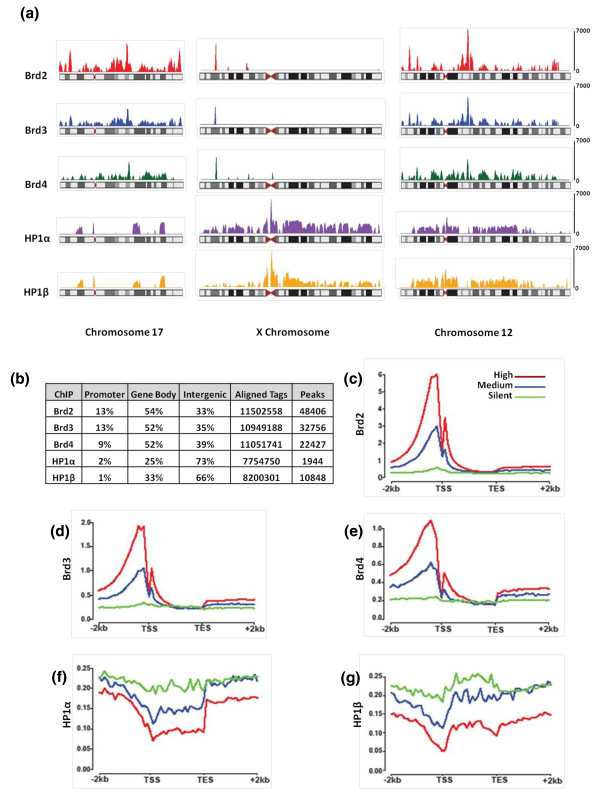
“To determine where the histone code reading proteins genomically reside, we deep sequenced the DNA isolated in Brd- and HP1-bound nucleosomes (ChIP-seq) [4].”
BackgroundResultInfluentialSelf-citationA bivalent chromatin structure marks key developmental genes in embryonic stem cells
Bernstein, B. E., Mikkelsen, T. S., Xie, X., Kamal, M., Huebert, D. J., Cuff, J., Fry, B., Meissner, A., Wernig, M., Plath, K., et al. (2006) · Cell · doi:10.1016/j.cell.2006.02.041 · Cited by 5,361 · cited 2×
“contained bivalent domains, suggesting that they are poised for activation [29].”
BackgroundSelective inhibition of BET bromodomains
Filippakopoulos, P., Qi, J., Picaud, S., Shen, Y., Smith, W. B., Fedorov, O., Morse, E. M., Keates, T., Hickman, T. T., Felletar, I., et al. (2010) · Nature · doi:10.1038/nature09504 · Cited by 4,262 · cited 1×
“In fact, recent publications have reported two Brd protein selective small molecule inhibitors (I-BET and JQ-1) that specifically inhibit bromodomain binding to acetylated histones, thereby blocking a lipopolysaccharideinduced cytokine storm and the growth of Brd-dependent tumors [9,11].”
BackgroundA gene complex controlling segmentation in Drosophila
Lewis, E. B. (1978) · Nature · doi:10.1038/276565a0 · Cited by 3,812 · cited 1×
“Trithorax group genes were originally identified from Drosophila genetic screens as genes required for the persistent expression of HOX genes that control the development of body segments [31,32].”
BackgroundMethylation of histone H3 lysine 9 creates a binding site for HP1 proteins
Lachner, M., O'Carroll, D., Rea, S., Mechtler, K., & Jenuwein, T. (2001) · Nature · doi:10.1038/35065132 · Cited by 2,868 · cited 11×
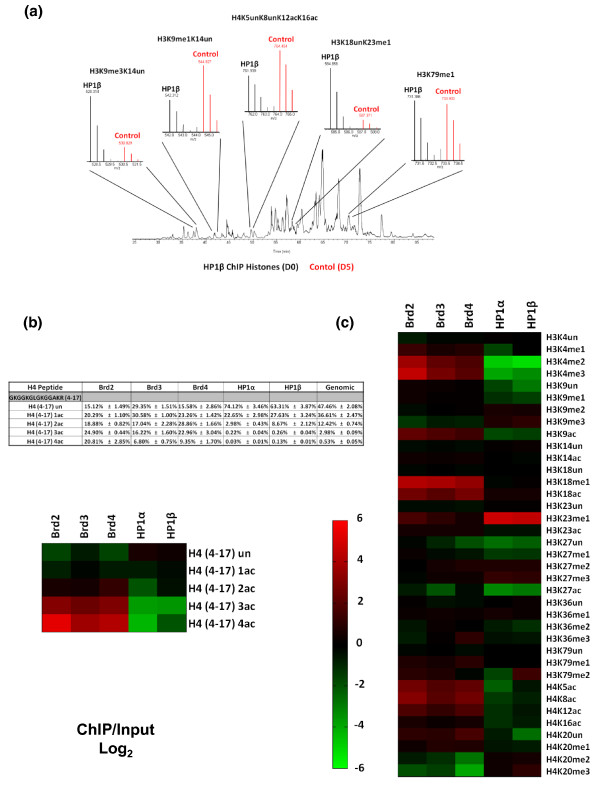
“On the other hand, there was substantial amounts of this combinatorial modification, H3K9me3K14ac, on nucleosomes bound by HP1a (13.7”
BackgroundInfluentialGenome-scale DNA methylation maps of pluripotent and differentiated cells
Meissner, A., Mikkelsen, T. S., Gu, H., Wernig, M., Hanna, J., Sivachenko, A., Zhang, X., Bernstein, B. E., Nusbaum, C., Jaffe, D. B., et al. (2008) · Nature · doi:10.1038/nature07107 · Cited by 2,536 · cited 1×
“Chromatin modifications and the gene expression patterns that accompany them are maintained when a cell divides and are thus known as ‘epigenetic’ [1,2].”
BackgroundCombinatorial patterns of histone acetylations and methylations in the human genome
Wang, Z., Zang, C., Rosenfeld, J. A., Schones, D. E., Barski, A., Cuddapah, S., Cui, K., Roh, T.-Y., Peng, W., Zhang, M. Q., et al. (2008) · Nature Genetics · doi:10.1038/ng.154 · Cited by 2,331 · cited 6×
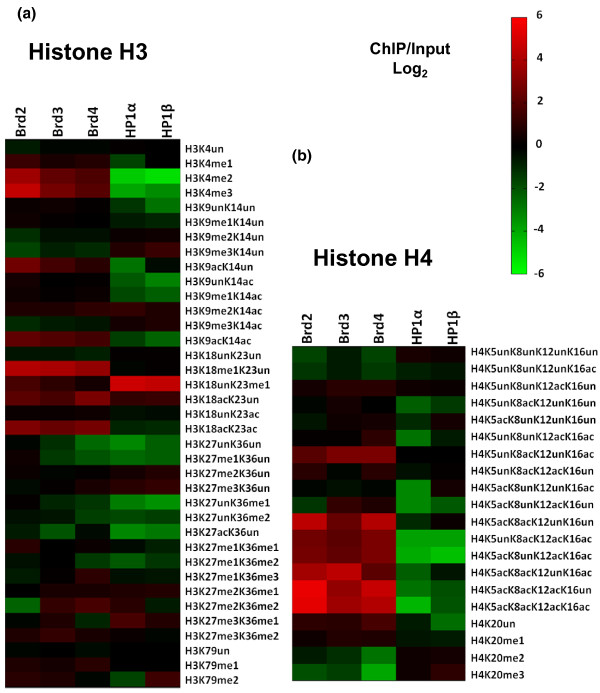
“ChIP-seq experiments with specific antibodies have found that the PTMs H3K9ac and H3K4me3 are associated with only a few nucleosomes at active gene promoters, whereas H3K79me1 and H4K20me1 are exclusively associated with the bodies of active genes [3,4].”
BackgroundInfluentialSelf-citationSuppression of inflammation by a synthetic histone mimic
Nicodeme, E., Jeffrey, K. L., Schaefer, U., Beinke, S., Dewell, S., Chung, C.-W., Chandwani, R., Marazzi, I., Wilson, P., Coste, H., et al. (2010) · Nature · doi:10.1038/nature09589 · Cited by 1,563 · cited 2×
“Several reports have also implicated Brd regulation of cell cycle progression and inflammatory response [9,10].”
BackgroundSultan, M., Schulz, M. H., Richard, H., Magen, A., Klingenhoff, A., Scherf, M., Seifert, M., Borodina, T., Soldatov, A., Parkhomchuk, D., et al. (2008) · Science · doi:10.1126/science.1160342 · Cited by 1,293
Recruitment of P-TEFb for Stimulation of Transcriptional Elongation by the Bromodomain Protein Brd4
Yang, Z., Yik, J. H. N., Chen, R., He, N., Jang, M. K., Ozato, K., & Zhou, Q. (2005) · Molecular Cell · doi:10.1016/j.molcel.2005.06.029 · Cited by 1,138 · cited 2×
“This is consistent with the role of Brd proteins in transcriptional elongation [8,39].”
BackgroundResultA clustering approach for identification of enriched domains from histone modification ChIP-Seq data
Zang, C., Schones, D. E., Zeng, C., Cui, K., Zhao, K., & Peng, W. (2009) · Bioinformatics · doi:10.1093/bioinformatics/btp340 · Cited by 1,057 · cited 1×
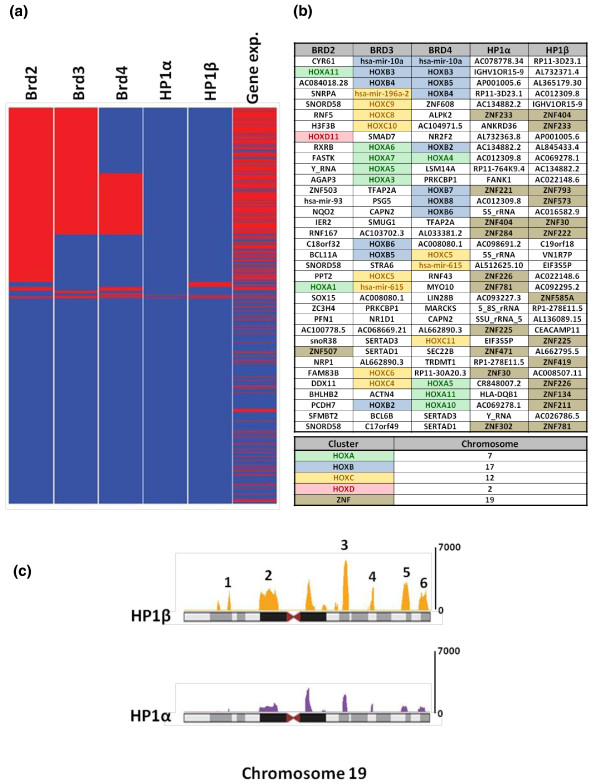
“A clustering approach described in [49] was used to identify Brd and HP1 protein-enriched domains (’islands’) in the human genome from the ChIPSeq data.”
MethodSelf-citationGenomewide Analysis of PRC1 and PRC2 Occupancy Identifies Two Classes of Bivalent Domains
Ku, M., Koche, R. P., Rheinbay, E., Mendenhall, E. M., Endoh, M., Mikkelsen, T. S., Presser, A., Nusbaum, C., Xie, X., Chi, A. S., et al. (2008) · PLoS Genetics · doi:10.1371/journal.pgen.1000242 · Cited by 1,009 · cited 4×
“H3K27me3 and H3K27me2 are thought to demarcate the promoter regions and bodies, respectively, of particular repressed genes.”
BackgroundInfluentialA direct link between core histone acetylation and transcriptionally active chromatin.
Hebbes, T. R., Thorne, A. W., & Crane-Robinson, C. (1988) · The EMBO Journal · doi:10.1002/j.1460-2075.1988.tb02956.x · Cited by 923 · cited 1×
“For instance, chromatin immunoprecipitation experiments have shown that H3K27ac and H3K14ac are enriched on only a few nucleosomes at the promoters of active genes, whereas H4 acetylations correlate with large euchromatic regions containing transcribed loci [3,5].”
BackgroundEzh1 and Ezh2 Maintain Repressive Chromatin through Different Mechanisms
Margueron, R., Li, G., Sarma, K., Blais, A., Zavadil, J., Woodcock, C. L., Dynlacht, B. D., & Reinberg, D. (2008) · Molecular Cell · doi:10.1016/j.molcel.2008.11.004 · Cited by 884 · cited 1×
“These methylations are added by the polycomb group proteins Ezh1 and Ezh2 and bound by other polycomb group chromodomain-containing CBX proteins [26,27].”
BackgroundJin, Q., Yu, L., Wang, L., Zhang, Z., Kasper, L. H., Lee, J., Wang, C., Brindle, P. K., Dent, S. Y. R., & Ge, K. (2011) · The EMBO Journal · doi:10.1038/emboj.2010.318 · Cited by 877 · cited 1×
“H3K18 can also be acetylated by the CBP/p300 acetyltransferase, and H3K18ac localizes with H3K4me3 by ChIP at the promoters of some actively transcribed genes [3,23-25].”
BackgroundStructure of HP1 Chromodomain Bound to a Lysine 9-Methylated Histone H3 Tail
Jacobs, S. A., & Khorasanizadeh, S. (2002) · Science · doi:10.1126/science.1069473 · Cited by 832 · cited 2×
“The chromodomains of HP1a/b bind directly to silencing marks H3K9me2 and H3K9me3 [12,21].”
BackgroundYokoyama, A., Wang, Z., Wysocka, J., Sanyal, M., Aufiero, D. J., Kitabayashi, I., Herr, W., & Cleary, M. L. (2004) · Molecular and Cellular Biology · doi:10.1128/mcb.24.13.5639-5649.2004 · Cited by 662
Hox genes and regional patterning of the vertebrate body plan
Mallo, M., Wellik, D. M., & Deschamps, J. (2010) · Developmental Biology · doi:10.1016/j.ydbio.2010.04.024 · Cited by 536 · cited 2×
“The differential expression patterns of the Hox genes are the master regulators that direct cellular differentiation and maintain particular cell phenotypes [33].”
BackgroundBernstein, E., Duncan, E. M., Masui, O., Gil, J., Heard, E., & Allis, C. D. (2006) · Molecular and Cellular Biology · doi:10.1128/mcb.26.7.2560-2569.2006 · Cited by 530 · cited 1×
“These methylations are added by the polycomb group proteins Ezh1 and Ezh2 and bound by other polycomb group chromodomain-containing CBX proteins [26,27].”
BackgroundHeterochromatin Formation in Mammalian Cells
Nielsen, A. L., Oulad-Abdelghani, M., Ortiz, J. A., Remboutsika, E., Chambon, P., & Losson, R. (2001) · Molecular Cell · doi:10.1016/s1097-2765(01)00218-0 · Cited by 383 · cited 1×
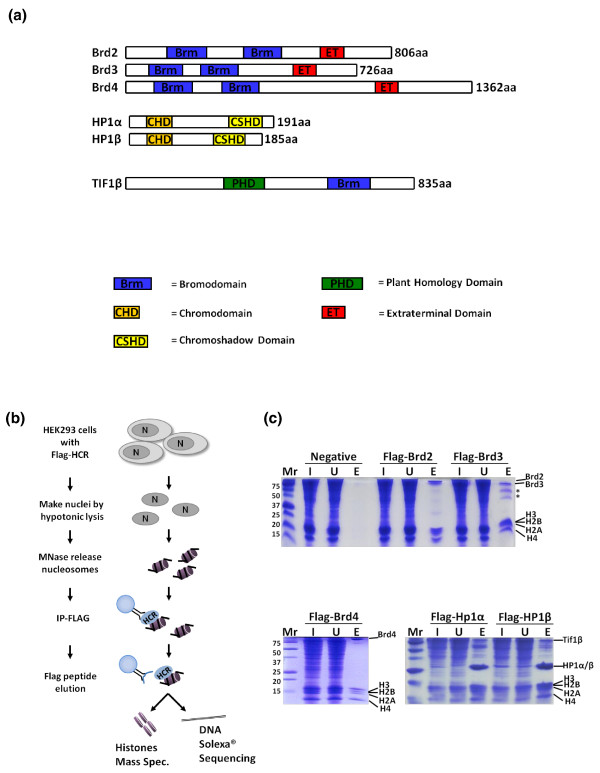
“In addition to a chromodomain, HP1a and HP1b contain a chromoshadow domain thought to be involved in interactions with other proteins [14].”
BackgroundThe Double Bromodomain Proteins Brd2 and Brd3 Couple Histone Acetylation to Transcription
LeRoy, G., Rickards, B., & Flint, S. J. (2008) · Molecular Cell · doi:10.1016/j.molcel.2008.01.018 · Cited by 372 · cited 5×
“Mononucleosomes were purified after (micrococcal nuclease) Mnase digestion with FLAG-Brd or FLAG-HP1 proteins as described in [8] from HEK293 cells.”
BackgroundMethodResultInfluentialSelf-citationPapoulas, O., Beek, S. J., Moseley, S. L., McCallum, C. M., Sarte, M., Shearn, A., & Tamkun, J. W. (1998) · Development · doi:10.1242/dev.125.20.3955 · Cited by 286
Division of labor in Polycomb group repression
Levine, S. S., King, I. F. G., & Kingston, R. E. (2004) · Trends in Biochemical Sciences · doi:10.1016/j.tibs.2004.07.007 · Cited by 219
Trithorax and dCBP Acting in a Complex to Maintain Expression of a Homeotic Gene
Petruk, S., Sedkov, Y., Smith, S., Tillib, S., Kraevski, V., Nakamura, T., Canaani, E., Croce, C. M., & Mazo, A. (2001) · Science · doi:10.1126/science.1065683 · Cited by 204 · cited 8×
“Papoulas O, Beek SJ, Moseley SL, McCallum CM, Sarte M, Shearn A, Tamkun JW: The Drosophila trithorax group proteins BRM, ASH1 and ASH2 are subunits of distinct protein complexes.”
BackgroundInfluentialMoving AHEAD with an international human epigenome project
The American Association for Cancer Research Human Epigenome Task Force, Jones, P. A., Archer, T. K., Baylin, S. B., Beck, S., Berger, S., Bernstein, B. E., Carpten, J. D., Clark, S. J., Costello, J. F., et al. (2008) · Nature · doi:10.1038/454711a · Cited by 186
RING3 kinase transactivates promoters of cell cycle regulatory genes through E2F.
Denis, G. V., Vaziri, C., Guo, N., & Faller, D. V. (2000) · PubMed · Cited by 182
You bet-cha a novel family of transcriptional regulators
Florence, B. (2001) · Frontiers in Bioscience · doi:10.2741/a663 · Cited by 176
Structural Basis for Acetylated Histone H4 Recognition by the Human BRD2 Bromodomain
Umehara, T., Nakamura, Y., Jang, M. K., Nakano, K., Tanaka, A., Ozato, K., Padmanabhan, B., & Yokoyama, S. (2010) · Journal of Biological Chemistry · doi:10.1074/jbc.m109.062422 · Cited by 153 · cited 1×
“3-fold) (Figure 2c) consistent with X-ray crystallography structural studies [19,20].”
ResultHuman heterochromatin proteins form large domains containing KRAB-ZNF genes
Vogel, M. J., Guelen, L., de Wit, E., Hupkes, D. P., Lodén, M., Talhout, W., Feenstra, M., Abbas, B., Classen, A.-K., & van Steensel, B. (2006) · Genome Research · doi:10.1101/gr.5391806 · Cited by 150 · cited 2×
“This result is in agreement with the aforementioned study that mapped HP1b to the ZNF clusters on chromosome 19 with the DamID method [38].”
ResultOne-Pot Shotgun Quantitative Mass Spectrometry Characterization of Histones
Plazas-Mayorca, M. D., Zee, B. M., Young, N. L., Fingerman, I. M., LeRoy, G., Briggs, S. D., & Garcia, B. A. (2009) · Journal of Proteome Research · doi:10.1021/pr900777e · Cited by 131 · cited 3×
“The histone protein ChIP inputs and elutions were propionyl derivatized with either ‘light’ d0- or ‘heavy’ d10propionic anhydride, trypsinized and prepared for mass spectrometry as previously described in [18] with minor adjustments.”
MethodInfluentialSelf-citationLeRoy, G., Weston, J. T., Zee, B. M., Young, N. L., Plazas-Mayorca, M. D., & Garcia, B. A. (2009) · Molecular & Cellular Proteomics · doi:10.1074/mcp.m900160-mcp200 · Cited by 104 · cited 2×
“FLAGHP1 vectors were described in [44].”
MethodSelf-citationKashyap, V., Gudas, L. J., Brenet, F., Funk, P., Viale, A., & Scandura, J. M. (2011) · Journal of Biological Chemistry · doi:10.1074/jbc.m110.157545 · Cited by 98 · cited 1×
“Silent Hox genes are a defining hallmark of pluripotent stem cells and their expression is tightly regulated during differentiation [42].”
BackgroundDiMaggio, P. A., Young, N. L., Baliban, R. C., Garcia, B. A., & Floudas, C. A. (2009) · Molecular & Cellular Proteomics · doi:10.1074/mcp.m900144-mcp200 · Cited by 91 · cited 1×
“The method automatically considers multiple charge states of all modified peptides and is able to resolve mixed tandem mass spectra resulting from coeluting and isobaric modified peptides using a superposition method, as previously described [45].”
MethodSelf-citationPlasticity of HP1 proteins in mammalian cells
Dialynas, G. K., Terjung, S., Brown, J. P., Aucott, R. L., Baron-Luhr, B., Singh, P. B., & Georgatos, S. D. (2007) · Journal of Cell Science · doi:10.1242/jcs.012914 · Cited by 83 · cited 1×
“The HP1a and HP1b proteins form both homo- and heterodimers, and although these proteins colocalize at many heterochromatic loci, they also bind to distinct loci [15].”
BackgroundLiu, Y., Wang, X., Zhang, J., Huang, H., Ding, B., Wu, J., & Shi, Y. (2008) · Biochemistry · doi:10.1021/bi8001659 · Cited by 59 · cited 1×
“3-fold) (Figure 2c) consistent with X-ray crystallography structural studies [19,20].”
ResultAtkinson, S. P., Koch, C. M., Clelland, G. K., Willcox, S., Fowler, J. C., Stewart, R., Lako, M., Dunham, I., & Armstrong, L. (2008) · Stem Cells · doi:10.1634/stemcells.2007-0497 · Cited by 47 · cited 1×
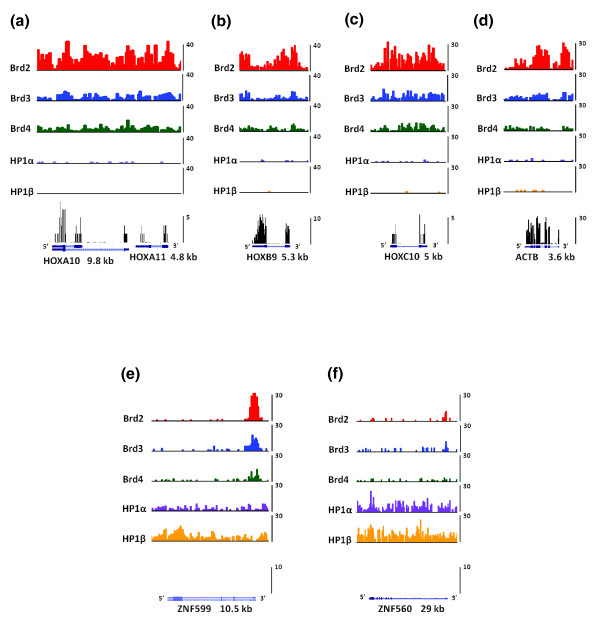
“Furthermore, the binding of Brd proteins to the bodies of HOX genes is also consistent with the reported hyperacetylation of histone H4 within the bodies of HOXA genes upon activation with retinoic acid in pluripotent embryonal carcinoma cells [40].”
BackgroundPlazas-Mayorca, M. D., Bloom, J. S., Zeißler, U., LeRoy, G., Young, N. L., DiMaggio, P. A., Krugylak, L., Schneider, R., & Garcia, B. A. (2010) · Molecular BioSystems · doi:10.1039/c003307c · Cited by 47 · cited 1×
“We believe that there is useful combinatorial information in tandem PTMs; for example, we previously reported that the histone H3K9 euchromatic dimethytransferase G9a preferentially methylates H3 peptides that contain K14 acetylation [28].”
BackgroundSelf-citationtrithorax and the regulation of homeotic gene expression in Drosophila: a historical perspective
Ingham, P. W. (1998) · The International Journal of Developmental Biology · doi:10.1387/ijdb.9654027 · Cited by 47 · cited 1×
“Trithorax group genes were originally identified from Drosophila genetic screens as genes required for the persistent expression of HOX genes that control the development of body segments [31,32].”
BackgroundShannon, M., Ashworth, L. K., Mucenski, M. L., Lamerdin, J. E., Branscomb, E., & Stubbs, L. J. (1996) · Genomics · doi:10.1006/geno.1996.0166 · Cited by 46
Chang, Y.-L., King, B., Lin, S.-C., Kennison, J. A., & Huang, D.-H. (2007) · Molecular and Cellular Biology · doi:10.1128/mcb.00692-07 · Cited by 46 · cited 8×
“Papoulas O, Beek SJ, Moseley SL, McCallum CM, Sarte M, Shearn A, Tamkun JW: The Drosophila trithorax group proteins BRM, ASH1 and ASH2 are subunits of distinct protein complexes.”
BackgroundResultInfluentialCammas, F. M., Janoshazi, A. K., Lerouge, T., & Losson, R. (2007) · Differentiation · doi:10.1111/j.1432-0436.2007.00166.x · Cited by 40 · cited 1×
“Immunoprecipitates from FLAGtagged HP1a and HP1b contained other abundant polypeptides, such as Tif1b protein, a heterochromatic protein that is known to interact and colocalize with HP1a and b [16,17].”
BackgroundSystematic Identification of Methyllysine-Driven Interactions for Histone and Nonhistone Targets
Liu, H., Galka, M., Iberg, A., Wang, Z., Li, L., Voss, C., Jiang, X., Lajoie, G., Huang, Z., Bedford, M. T., et al. (2010) · Journal of Proteome Research · doi:10.1021/pr100597b · Cited by 40 · cited 11×
“On the other hand, there was substantial amounts of this combinatorial modification, H3K9me3K14ac, on nucleosomes bound by HP1a (13.7”
ResultInfluentialBártová, E., Pacherník, J., Kozubík, A., & Kozubek, S. (2007) · Histochemistry and Cell Biology · doi:10.1007/s00418-006-0259-1 · Cited by 40
Wang, D., Xia, X., Weiss, R. E., Refetoff, S., & Yen, P. M. (2010) · PLoS ONE · doi:10.1371/journal.pone.0009853 · Cited by 35 · cited 1×
“H3K18 can also be acetylated by the CBP/p300 acetyltransferase, and H3K18ac localizes with H3K4me3 by ChIP at the promoters of some actively transcribed genes [3,23-25].”
BackgroundBrock, H. W., Hodgson, J. W., Petruk, S., & Mazo, A. (2009) · Biochemistry and Cell Biology · doi:10.1139/o08-108 · Cited by 32 · cited 1×
“There are four HOX gene clusters (HOXA to HOXD) in the human genome, each containing between 10 and 12 protein coding Hox (homeobox) genes as well as several microRNAs [30].”
Backgroundvan Oevelen, C. J. C., van Teeffelen, H. A. A. M., van Werven, F. J., & Timmers, H. T. M. (2005) · Journal of Biological Chemistry · doi:10.1074/jbc.m509330200 · Cited by 28 · cited 1×
“H3K18 can also be acetylated by the CBP/p300 acetyltransferase, and H3K18ac localizes with H3K4me3 by ChIP at the promoters of some actively transcribed genes [3,23-25].”
Background
Research works printed but not linked: 1
- Gene Expression Omnibus. http://www.ncbi.nlm.nih.gov/geo
Cited by
Interpreting the language of histone and DNA modifications
Rothbart, S. B., & Strahl, B. D. (2014) · Biochimica et Biophysica Acta (BBA) - Gene Regulatory Mechanisms · doi:10.1016/j.bbagrm.2014.03.001 · Cited by 720
“One notable study coupled the powerful approaches of mononucleosome-resolution ChIP coupled with nextgeneration DNA sequencing (Mnase-ChIP-seq), RNA sequencing, and MS to simultaneously reveal 1) the combinations of histone PTMs associated with HP1 isoforms and several members of the bromodomain and extraterminal fami…”
BackgroundQuantitative Proteomic Analysis of Histone Modifications
Huang, H., Lin, S., Garcia, B. A., & Zhao, Y. (2015) · Chemical Reviews · doi:10.1021/cr500491u · Cited by 370
Self-citationTaniguchi, Y. (2016) · International Journal of Molecular Sciences · doi:10.3390/ijms17111849 · Cited by 336
BRD4 assists elongation of both coding and enhancer RNAs by interacting with acetylated histones
Kanno, T., Kanno, Y., LeRoy, G., Campos, E., Sun, H.-W., Brooks, S. R., Vahedi, G., Heightman, T. D., Garcia, B. A., Reinberg, D., et al. (2014) · Nature Structural & Molecular Biology · doi:10.1038/nsmb.2912 · Cited by 312
Self-citationLesbats, P., Engelman, A. N., & Cherepanov, P. (2016) · Chemical Reviews · doi:10.1021/acs.chemrev.6b00125 · Cited by 233
Metadata
- Authors
- LeRoy, G., Chepelev, I., DiMaggio, P. A., Blanco, M. A., Zee, B. M., Zhao, K., & Garcia, B. A.
- Affiliations
- Princeton University (US)
- National Institutes of Health (US)
- Corresponding author
- Garcia, Benjamin A
- ORCID
- Venue
- Genome Biology
- Published
- 2012-08-16
- Volume
- 13
- Issue
- 8
- Pages
- R68-R68
- ISSN
- 1465-6906 (ISSN-L)
- 1474-760X
- PMC
- PMC3491368
- OpenAlex
- W2146547145
- Cited by
- 84
- References
- 49
- Citations by year
- 2026: 1 · 2025: 4 · 2024: 3 · 2023: 3 · 2022: 1 · 2021: 4 · 2020: 6 · 2019: 6 · 2018: 5 · 2017: 8 · 2016: 7 · 2015: 12 · 2014: 12 · 2013: 11 · 2012: 1
- FWCI
- 4.63
- Type
- journal article
- Language
- en
- Open access
- gold
- doi.org
- Licence
- cc-by
- creativecommons.org/licenses/by/2.0/ (tdm)
- creativecommons.org/licenses/by/2.0/ (vor)
- Locations
- Genome biology (publishedVersion, cc-by)
- Europe PMC (PubMed Central) (publishedVersion, cc-by)
- PubMed Central (publishedVersion, cc-by)
- PubMed (publishedVersion)
- Funders
- National Science Foundation (0941143, CAREER)
- Princeton University
- National Institutes of Health (DP2OD007447)
- NIH Office of the Director (DP2OD007447)
- National Institute of General Medical Sciences (P50GM071508)
- Division of Chemical, Bioengineering, Environmental, and Transport Systems (CBET-0941143)
- NHLBI Division of Intramural Research
- Topics
- Life Sciences › Biochemistry, Genetics and Molecular Biology › Molecular Biology › Genomics and Chromatin Dynamics
- Life Sciences › Biochemistry, Genetics and Molecular Biology › Molecular Biology › Epigenetics and DNA Methylation
- Life Sciences › Biochemistry, Genetics and Molecular Biology › Molecular Biology › Chromatin Remodeling and Cancer
- Keywords
- histone modifications, bromodomain proteins, BRD2, BRD3, BRD4, HP1α, HP1β, nucleosome mapping, proteogenomics, euchromatin, heterochromatin, gene expression, Hox gene clusters, transcriptional regulation, chromatin
- MeSH terms
- Chromobox Protein Homolog 5, Bromodomain Containing Proteins, Chromosomal Proteins, Non-Histone, Chromosome Mapping, Chromosomes, Human, Pair 19, Multigene Family, Heterochromatin, Histones, Humans, Nuclear Proteins, Nucleosomes, Protein Processing, Post-Translational, Transcription Factors, RNA-Binding Proteins, Protein Serine-Threonine Kinases, Sequence Analysis, DNA, Cell Cycle Proteins, Genomics, RNA, Small Interfering, Proteomics, Epigenesis, Genetic, High-Throughput Nucleotide Sequencing
About these checks
Registry, retraction, Cites and statistics results are computed, not judged, with one exception: a printed reference that no index lists is read once by a model before it counts as a citation error. Claims are extracted by a model and kept only when their quote appears verbatim in the text; each cited source is then checked, with a model’s help, for whether it says what the claim relies on. Those verdicts can be wrong — read the claim’s quote and the cited source before relying on one.
Statistics and arithmetic are recomputed, not judged.
Confidence bands are shown only for fields calibrated on our annotated test set. None is calibrated yet, so no band is shown.
What counts as a claim ›How we measure confidence ›How we check this ›
Are you an author, or do you see a problem with this page? Request a review
Data sources
Bibliographic data: Semantic Scholar, OpenAlex, Crossref.
Contains information from the Semantic Scholar Academic Graph Datasets, made available under the ODC Attribution License (ODC-BY 1.0).
Semantic Scholar’s data is described in: Kinney, R., et al. (2023). The Semantic Scholar Open Data Platform. arXiv:2301.10140.
