

voom: precision weights unlock linear model analysis tools for RNA-seq read counts
Open accessThe DOI matches its Crossref record; 65 of the 67 references it cites were found in a registry or an index; 1 of the 51 sources its claims cite were checked for support.
Abstract
New normal linear modeling strategies are presented for analyzing read counts from RNA-seq experiments. The voom method estimates the mean-variance relationship of the log-counts, generates a precision weight for each observation and enters these into the limma empirical Bayes analysis pipeline. This opens access for RNA-seq analysts to a large body of methodology developed for microarrays. Simulation studies show that voom performs as well or better than count-based RNA-seq methods even when the data are generated according to the assumptions of the earlier methods. Two case studies illustrate the use of linear modeling and gene set testing methods.
Overview
CoChat Summary
TL;DR
voom estimates the mean-variance relationship of log-counts per million and generates observation-level precision weights for limma, allowing normal-based linear model analysis of RNA-seq read counts. Simulations and case studies show voom controls error rates well and often has better power or lower FDR than negative binomial/Poisson methods, especially when library sizes are unequal.
Key findings
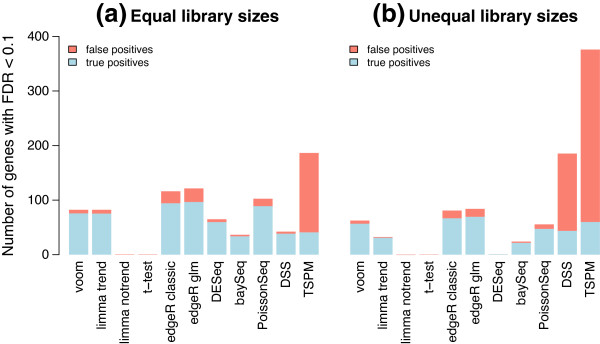
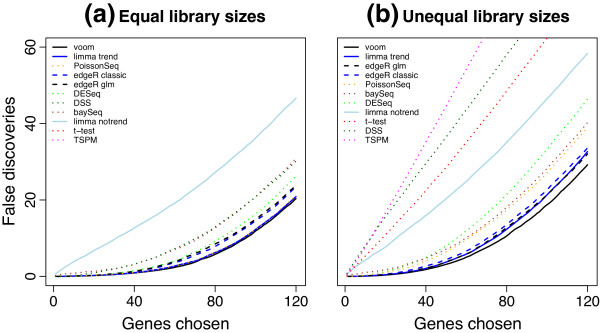
- In simulations with 6 libraries, 10,000 genes, and 100 upregulated plus 100 downregulated genes, voom had the best power among methods that controlled type I and FDR error rates; with unequal library sizes, voom had the best power except for edgeR while maintaining low FDR. edgeR and PoissonSeq were somewhat liberal, while DESeq and DSS became very conservative when library sizes were unequal.
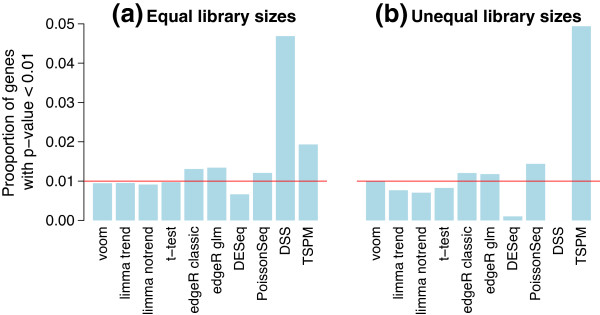
- For type I error at P<0.01, NB/Poisson methods did not control error accurately; voom was close to the nominal rate in both equal and unequal library size scenarios, while limma-trend was similar when sizes were equal but conservative when unequal. In SEQC HBRR technical replicates, voom returned no DE genes at 5% FDR for 6 of 7 possible partitions.
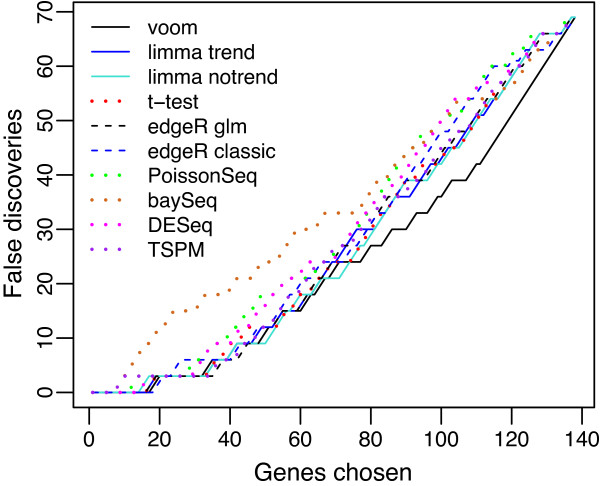
- voom had the lowest FDR at any cutoff in simulations and in SEQC spike-in data; the spike-in analysis used 138 transcripts, half truly DE and half non-DE.
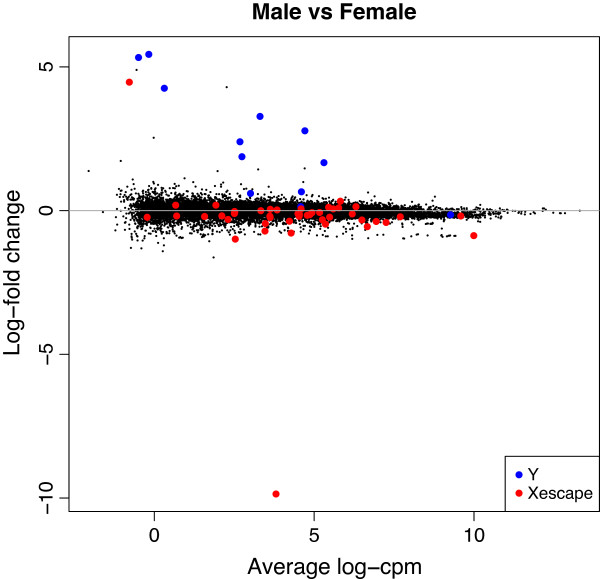
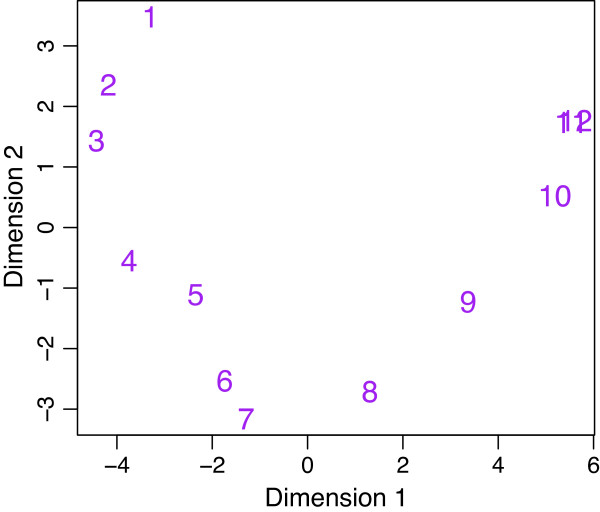
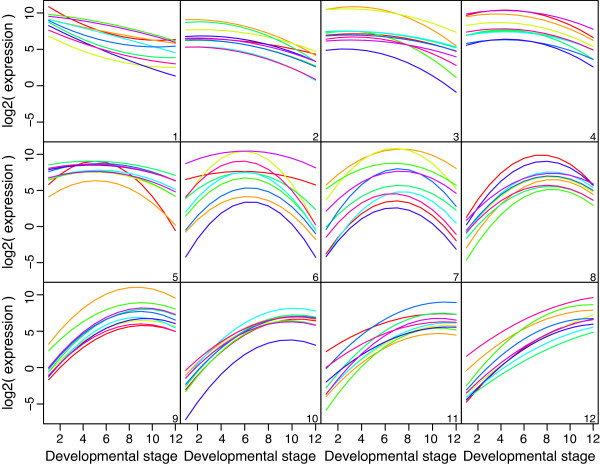
- In the Nigerian lymphoblastoid dataset (29 males, 40 females), voom found 16 genes upregulated in males and 43 upregulated in females at 5% FDR, with XIST the top gene; ROAST and CAMERA confirmed male-specific Y chromosome genes and X-inactivation escape genes. In Drosophila embryonic stages, 8,366 of 14,869 expressed genes showed a significant trend at 5% FDR.
Methods
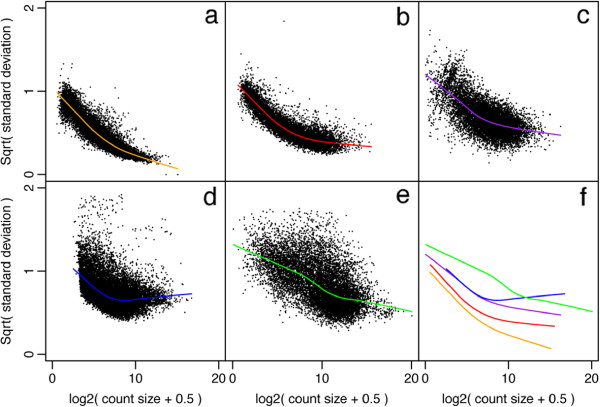
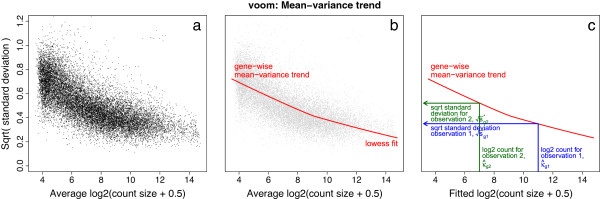
- voom works on log-cpm values: fit gene-wise linear models, estimate residual standard deviations as a function of average log-count using a robust LOWESS trend, interpolate that trend to each observation’s predicted count, and use inverse squared predicted standard deviation as a precision weight in limma’s empirical Bayes pipeline. limma-trend applies the mean-variance trend at the gene level instead.
- Simulations generated NB counts for 6 libraries and 10,000 genes, with baseline cpm distribution matched to real data and dispersion trend ψ^1/2 = 0.2 + λ^-1/2; gene-wise dispersions were drawn from an inverse chi-square with 40 degrees of freedom. Equal library sizes used 11 million reads per library; unequal sizes used 20 million for odd libraries and 2 million for even libraries. Results were averaged over 100 simulations and compared with edgeR, DESeq, baySeq, TSPM, PoissonSeq, and DSS.
- Case studies used SEQC pilot libraries (16 libraries in groups A–D; 4 HBRR libraries; 92 spike-in transcripts expanded to 138), Nigerian lymphoblastoid cell lines from 69 unrelated individuals, Drosophila melanogaster embryonic stages (12 libraries), and C57BL/6J versus DBA/2J mouse striatum data. Gene set testing used ROAST and CAMERA.
Limitations
- Stated: gene-level analysis does not allow different isoforms of the same gene to be differentially expressed in different directions, though voom can be run at exon level. The Drosophila quadratic time trends do not match all intricacies of gene expression over time. Simulations were generated under NB assumptions, and other scenarios may differ. baySeq was excluded from the type I error comparison because it does not return P values.
- Evident: the Drosophila analysis has no replicate libraries, so variances are estimated by assuming smooth expression over time and fitting quadratic trends. Performance comparisons rely on specific simulation settings and default software pipelines, and the case studies illustrate use rather than provide independent experimental validation.
Model-written summary. Check it against the paper before relying on it.
Integrity signals
Registry
Cites
Statistics
Figures
Verification
Claims the paper makes
1 Valid · 4 Not valid · 34 Not checked · 142 Own results and interpretations
The cited sources support only part of this claim — read each source’s verdict below.
In the paper
“voom and limma could be used to analyze any gene-level RNA-seq differential expression experiment, including those with multiple experimental factors [34].”
§ voom: precision weights unlock linear model analysis tools for RNA-seq read counts > Results > Development stages of Drosophila melanogaster
What the sources say
- Partly supportedcites [34] McCarthy DJ Chen Y Smyth GK Differential expression analysis of multifactor RNA-Seq experiments with respect to biological variation Nucleic Acids Res 2012 40 4288 4297 10.1093/nar/gks042 22287627 PMC3378882 sourceExperimental — accuracy not yet measured
Our copy of McCarthy et al. (2012) supports the scope part of the claim: the INTRODUCTION states 'The methodology provides a pipeline for analysing arbitrarily complex RNA-Seq experiments provided that there is some degree of biological replication', the Abstract describes analysis of 'complex experiments involving multiple treatment conditions and blocking variables', and the article's focus is gene-level counts ('For simplicity... counts are summarized at the gene level', RESULTS > Technical and biological variation). However, the capability is attributed to negative-binomial generalized linear models implemented in the edgeR package (DISCUSSION: 'The methods described in this article are implemented in the software package edgeR'), and no passage of our copy mentions voom or limma at all — the closest the paper comes to normal-linear-model analysis of transformed counts is a critique in the INTRODUCTION that transforming counts to approximate normality and analysing as for microarray data 'is however not fully tuned to the characteristics of read count data'. Thus the specific tools named in the citing sentence (voom and limma) are not this paper's methods, while the multifactor/gene-level applicability is. (LLM, conf=0.72)
hedged- Asserted: passes — The authors put it forward as true.
- Checkable: passes — It can be checked against evidence.
- Load-bearing: unclear — It is unclear whether the paper’s conclusions depend on it.
- Based: passes — The paper gives a reason why it holds.
- Rests on an assumption not shown here.
- Partly supported
A result the paper reports from its own data — it cites no other source for it, so there is none to check. The quote shows it is in the paper.
In the paper
“When the library sizes are unequal, DSS and DESeq became extremely conservative.”
§ voom: precision weights unlock linear model analysis tools for RNA-seq read counts > Results > voom and limma-trend control the type I error rate correctly
plainstates a cause- Asserted: passes — The authors put it forward as true.
- Checkable: passes — It can be checked against evidence.
- Load-bearing: unclear — It is unclear whether the paper’s conclusions depend on it.
- Based: passes — The paper gives a reason why it holds.
A result the paper reports from its own data — it cites no other source for it, so there is none to check. The quote shows it is in the paper.
In the paper
“Figures 3 and 4 together show that voom has the best power of those methods that correctly control the type I and FDR error rates.”
§ voom: precision weights unlock linear model analysis tools for RNA-seq read counts > Results > voom has the best power of methods that control the type I error rate
plain- Asserted: passes — The authors put it forward as true.
- Checkable: passes — It can be checked against evidence.
- Load-bearing: passes — The paper’s conclusions depend on it.
- Based: passes — The paper gives a reason why it holds.
- Rests on an assumption not shown here.
A result the paper reports from its own data — it cites no other source for it, so there is none to check. The quote shows it is in the paper.
In the paper
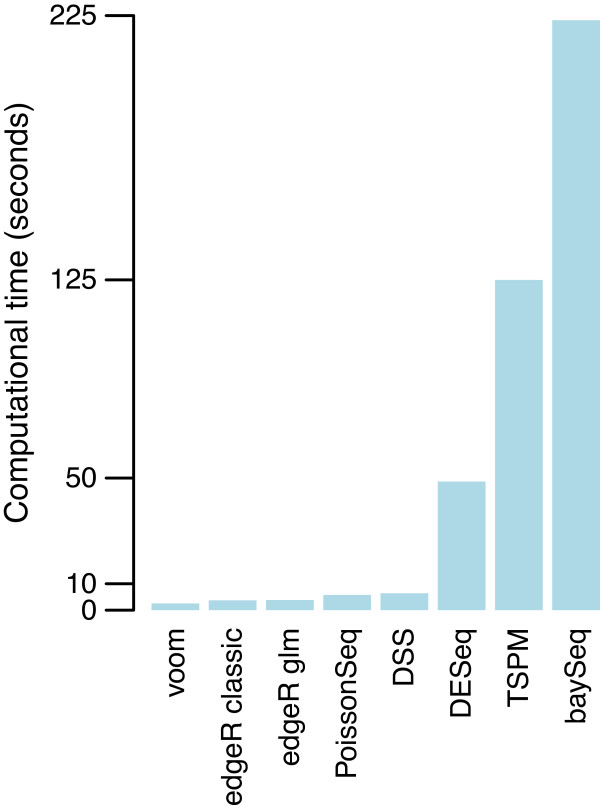
“voom is easily the fastest of the methods compared, with edgeR-classic next fastest (Figure 7).”
§ voom: precision weights unlock linear model analysis tools for RNA-seq read counts > Results > voom and limma-trend are faster than specialist RNA-seq methods
plain- Asserted: passes — The authors put it forward as true.
- Checkable: passes — It can be checked against evidence.
- Load-bearing: unclear — It is unclear whether the paper’s conclusions depend on it.
- Based: passes — The paper gives a reason why it holds.
A result the paper reports from its own data — it cites no other source for it, so there is none to check. The quote shows it is in the paper.
In the paper
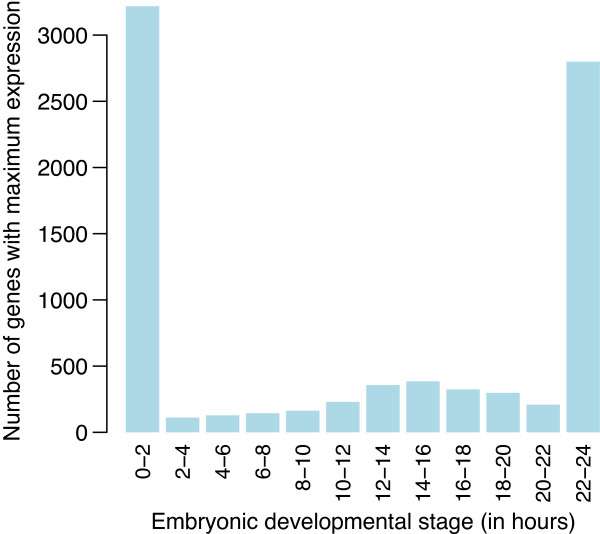
“Genes peaking at the last stage tended to be associated with precursor metabolites and energy, the oxidation-reduction process and with metabolic pathways.”
§ voom: precision weights unlock linear model analysis tools for RNA-seq read counts > Results > Development stages of Drosophila melanogaster
plainstates an association- Asserted: passes — The authors put it forward as true.
- Checkable: passes — It can be checked against evidence.
- Load-bearing: unclear — It is unclear whether the paper’s conclusions depend on it.
- Based: passes — The paper gives a reason why it holds.
79 more claims
Create a free account to see all 181 claims and to verify the 45 references still open.
- It may state two separate claims as one. 48
- Probably not a substantial claim. 68
- The quote only partly states this claim. 2
Claims other papers make about this one
Each is checked against this paper’s own text: does it say what the citing paper says it does?
The source backs part of the claim, not all of it — or backs it for a different population, condition or comparison.
In the citing paper
“First, specific caution is needed with all the methods when the number of replicate samples is very small or for genes that are expressed at very low levels [55, 64, 209].”
From A survey of best practices for RNA-seq data analysis (2016) · cites this paper as [55]
Experimental — accuracy not yet measuredThe cited source says what the claim attributes to it.
In the citing paper
“Methods for transforming normalized counts of RNA-seq reads while learning the variance structure of the data have been shown to perform well in comparison to the discrete distribution approaches described above [55, 56].”
From A survey of best practices for RNA-seq data analysis (2016) · cites this paper as [55]
The cited source says what the claim attributes to it.
In the citing paper
“First, the global variance estimate can now incorporate a mean-variance trend (10,17,18).”
From limma powers differential expression analyses for RNA-sequencing and microarray studies (2015) · cites this paper as [10]
The cited source says what the claim attributes to it.
In the citing paper
“This approach is commonly applied in learning error models for bulk RNA-seq in the context of differential expression analysis [22–25], but to our knowledge has not been previously applied in this context for single-cell normalization.”
From Normalization and variance stabilization of single-cell RNA-seq data using regularized negative binomial regression (2019) · cites this paper as [25]
The check wasn’t confident either way, so it gives no verdict — never disputed.
In the citing paper
“SAMseq performs well in terms of FDR but presents an acceptable sensitivity when the number of replicates is relatively high, at least 10 [20, 55, 209].”
From A survey of best practices for RNA-seq data analysis (2016) · cites this paper as [55]
Experimental — accuracy not yet measured
12 more claims about this paper
Create a free account to see every claim other papers make about this one.
Self-check
Percentages, sums and reported differences re-computed from the paper’s own numbers.
Each contradiction between two passages listed here was confirmed by an independent check.
Rated minor: it would not touch a result — a value no result rests on, a p-value that stays on the same side of the significance level, or a conflict that is clerical, resolved elsewhere in the paper, or outside its own findings.
In the paper
§ voom: precision weights unlock linear model analysis tools for RNA-seq read counts > Materials and methods > Lymphoblastoid cell lines from Nigerian individuals
“Read counts, summarized by Ensembl gene, and transcript annotations were obtained from version 1.0.9 of the tweeDEseqCountData Bioconductor package [43]”
§ voom: precision weights unlock linear model analysis tools for RNA-seq read counts > Materials and methods > Software
“The results presented in this article were obtained using R version 3.0.0 and the software packages limma 3.16.2, edgeR 3.2.3, baySeq 1.14.1, DESeq 1.12.0, DSS 1.4.0, PoissonSeq 1.1.2 and tweeDEseqCountData 1.0.8.”
Citations
Cites
Subramanian, A., Tamayo, P., Mootha, V. K., Mukherjee, S., Ebert, B. L., Gillette, M. A., Paulovich, A., Pomeroy, S. L., Golub, T. R., Lander, E. S., et al. (2005) · Proceedings of the National Academy of Sciences · doi:10.1073/pnas.0506580102 · Cited by 53,625 · cited 1×
“This includes methods for differential expression analysis [1, 2, 3], random effects [4, 5], gene set enrichment [6], gene set testing [7, 8] and so on.”
MethodRobinson, M. D., McCarthy, D. J., & Smyth, G. K. (2010) · Bioinformatics · doi:10.1093/bioinformatics/btp616 · Cited by 41,364 · cited 2×
“Specifically we used the goodTuringProportions function of the edgeR package [12], which implements the Good-Turing algorithm [55], to predict the true proportion of total RNA attributable to each gene.”
BackgroundMethodSelf-citationfeatureCounts: an efficient general purpose program for assigning sequence reads to genomic features
Liao, Y., Smyth, G. K., & Shi, W. (2014) · Bioinformatics · doi:10.1093/bioinformatics/btt656 · Cited by 27,219
Self-citation(2005) · Statistics for Biology and Health · doi:10.1007/0-387-27255-0_9 · Cited by 20,133
McCullagh, P., & Nelder, J. A. (1989) · doi:10.1007/978-1-4899-3242-6 · Cited by 16,836
Differential expression analysis for sequence count data
Anders, S., & Huber, W. (2010) · Genome Biology · doi:10.1186/gb-2010-11-10-r106 · Cited by 15,581
Mapping and quantifying mammalian transcriptomes by RNA-Seq
Mortazavi, A., Williams, B. A., McCue, K., Schaeffer, L., & Wold, B. (2008) · Nature Methods · doi:10.1038/nmeth.1226 · Cited by 13,696
RNA-Seq: a revolutionary tool for transcriptomics
Wang, Z., Gerstein, M., & Snyder, M. (2009) · Nature Reviews Genetics · doi:10.1038/nrg2484 · Cited by 13,174 · cited 1×
“olutionary new technology for expression profiling [10].”
Bioconductor: open software development for computational biology and bioinformatics
Gentleman, R. C., Carey, V. J., Bates, D. M., Bolstad, B., Dettling, M., Dudoit, S., Ellis, B., Gautier, L., Ge, Y., Gentry, J., et al. (2004) · Genome Biology · doi:10.1186/gb-2004-5-10-r80 · Cited by 12,172 · cited 1×
“All of these packages are part of the Bioconductor project [67,68], except for PoissonSeq, which is part of the Comprehensive R Archive Network [69].”
BackgroundSelf-citationSmyth, G. K. (2004) · Statistical Applications in Genetics and Molecular Biology · doi:10.2202/1544-6115.1027 · Cited by 11,829
Self-citation
Research works printed but not linked: 2
- Law CW Chen Y Shi W Smyth GK Supplementary information for ‘Voom: precision weights unlock linear model analysis tools for RNA-seq read counts’ [ http://bioinf.wehi.edu.au/voom] PMC4053721 24485249
- Frazee A Langmead B Leek J ReCount: a multi-experiment resource of analysis-ready RNA-seq gene count datasets [ http://bowtie-bio.sourceforge.net/recount] PMC3229291 22087737
Cited by
Items 1,501–1,600 of 7,059
RNA-Seq-Based Breast Cancer Subtypes Classification Using Machine Learning Approaches
Yu, Z., Wang, Z., Yu, X., & Zhang, Z. (2020) · Computational Intelligence and Neuroscience · doi:10.1155/2020/4737969 · Cited by 43
Palombo, V., Loor, J. J., D’Andrea, M., Vailati-Riboni, M., Shahzad, K., Krogh, U., & Theil, P. K. (2018) · BMC Genomics · doi:10.1186/s12864-018-4719-5 · Cited by 43
Cysteinyl leukotrienes stimulate gut absorption of food allergens to promote anaphylaxis in mice
Hoyt, L. R., Liu, E. G., Olson, E. C., Jacobsen, D. R., Siniscalco, E. R., Krier-Burris, R. A., Greenfield, K. G., McBride, C. D., Alfajaro, M. M., Amat, J. A. R., et al. (2025) · Science · doi:10.1126/science.adp0240 · Cited by 42
EventPointer: an effective identification of alternative splicing events using junction arrays
Romero, J. P., Muniategui, A., de Miguel, F. J., Aramburu, A., Montuenga, L. M., Pío, R., & Rubio, Á. (2016) · BMC Genomics · doi:10.1186/s12864-016-2816-x · Cited by 42
A comparative study of endoderm differentiation in humans and chimpanzees
Blake, L. E., Thomas, S. M., Blischak, J., Hsiao, C. J., Chavarria, C. I., Myrthil, M., Gilad, Y., & Pavlovic, B. J. (2018) · Genome biology · doi:10.1186/s13059-018-1490-5 · Cited by 42
Elementary methods provide more replicable results in microbial differential abundance analysis
Pelto, J., Auranen, K. J., Kujala, J. V., & Lahti, L. (2025) · Briefings in Bioinformatics · doi:10.1093/bib/bbaf130 · Cited by 42
Wang, W., Ložar, T., Golfinos, A. E., Lee, D., Gronski, E., Ward-Shaw, E. T., Hayes, M., Bruce, J. Y., Kimple, R. J., Hu, R., et al. (2022) · Clinical Cancer Research · doi:10.1158/1078-0432.ccr-21-3039 · Cited by 42
Gainey, S. J., Horn, G. P., Towers, A. E., Oelschlager, M. L., Tir, V. L., Drnevich, J. M., Fent, K. W., Kerber, S. I., Smith, D. L., & Freund, G. G. (2018) · PLoS ONE · doi:10.1371/journal.pone.0201830 · Cited by 42
Yan, Y., Wongchenko, M. J., Robert, C., Larkin, J., Ascierto, P. A., Dréno, B., Maio, M., Garbe, C., Chapman, P. B., Sosman, J. A., et al. (2019) · Clinical Cancer Research · doi:10.1158/1078-0432.ccr-18-0720 · Cited by 42
Smith, W. J., Cedeño, D. L., Thomas, S. M., Kelley, C. A., Vetri, F., & Vallejo, R. (2021) · Molecular Pain · doi:10.1177/1744806921999013 · Cited by 42
Smith, M., Pillman, K. A., Jankovic‐Karasoulos, T., McAninch, D., Wan, Q., Bogias, K. J., McCullough, D., Bianco‐Miotto, T., Breen, J., & Roberts, C. T. (2021) · RNA Biology · doi:10.1080/15476286.2021.1963105 · Cited by 42
Li, H., Wang, C., Lan, L., Behrens, A., Tomaschko, M., Ruiz, J., Su, Q., Zhao, G., Yuan, C., Xiao, X., et al. (2021) · Aging · doi:10.18632/aging.202440 · Cited by 42
Seasonal light hours modulate peripheral clocks and energy metabolism in mice
Small, L., Lundell, L. S., Iversen, J. F., Ehrlich, A. M., Dall, M., Basse, A. L., Dalbram, E., Hansen, A. N., Treebak, J. T., Barrès, R., et al. (2023) · Cell Metabolism · doi:10.1016/j.cmet.2023.08.005 · Cited by 42
Loss of SNORA73 reprograms cellular metabolism and protects against steatohepatitis
Sletten, A. C., Davidson, J. W., Yağabasan, B., Moores, S., Schwaiger-Haber, M., Fujiwara, H., Gale, S. E., Jiang, X., Sidhu, R., Gelman, S. J., et al. (2021) · Nature Communications · doi:10.1038/s41467-021-25457-y · Cited by 42
Broséus, J., Hergalant, S., Vogt, J. A., Tausch, E., Kreuz, M., Mottok, A., Schneider, C., Dartigeas, C., Roos‐Weil, D., Quinquenel, A., et al. (2023) · Nature Communications · doi:10.1038/s41467-022-34642-6 · Cited by 42
SHP2 is required for BCR-ABL1-induced hematologic neoplasia
Gu, S. S., Sayad, A., Chan, G., Yang, W., Lu, Z., Virtanen, C., Etten, R. A. V., & Neel, B. G. (2017) · Leukemia · doi:10.1038/leu.2017.250 · Cited by 42
Cai, W., Zhang, X., Batista, T. M., García-Martín, R., Softic, S., Wang, G., Ramirez, A. K., Konishi, M., O'Neill, B. T., Kim, J. H., et al. (2021) · Diabetes · doi:10.2337/db20-1119 · Cited by 42
Landscape of transcriptional deregulation in lung cancer
Zhang, S., Li, M., Ji, H., & Fang, Z. (2018) · BMC Genomics · doi:10.1186/s12864-018-4828-1 · Cited by 42
Zhang, Y., Feng, Z.-P., Naselli, G., Bell, F., Wettenhall, J. M., Auyeung, P., Ellis, J. A., Ponsonby, A., Speed, T. P., Chong, M. M. W., et al. (2016) · Journal of Autoimmunity · doi:10.1016/j.jaut.2015.12.006 · Cited by 42
Esrrb guides naive pluripotent cells through the formative transcriptional programme
Carbognin, E., Carlini, V., Panariello, F., Chieregato, M., Guerzoni, E., Benvegnù, D., Perrera, V., Malucelli, C., Cesana, M., Grimaldi, A., et al. (2023) · Nature Cell Biology · doi:10.1038/s41556-023-01131-x · Cited by 42
Variable blood processing procedures contribute to plasma proteomic variability
Halvey, P. J., Farutin, V., Koppes, L., Günay, N. S., Pappas, D. A., Manning, A. M., & Capila, I. (2021) · Clinical Proteomics · doi:10.1186/s12014-021-09311-3 · Cited by 42
The NANCI–Nkx2.1 gene duplex buffers Nkx2.1 expression to maintain lung development and homeostasis
Herriges, M. J., Tischfield, D. J., Cui, Z., Morley, M. P., Han, Y., Babu, A., Li, S., Lu, M., Cendan, I., Garcia, B. A., et al. (2017) · Genes & Development · doi:10.1101/gad.298018.117 · Cited by 42
Prefoldin 6 mediates longevity response from heat shock factor 1 to FOXO in C. elegans
Son, H. G., Seo, K., Seo, M., Park, S., Ham, S., An, S. W. A., Choi, E. S., Lee, Y., Baek, H., Kim, E., et al. (2018) · Genes & Development · doi:10.1101/gad.317362.118 · Cited by 42
Common virulence gene expression in adult first-time infected malaria patients and severe cases
Wichers-Misterek, J. S., Tonkin‐Hill, G. Q., Thye, T., Krumkamp, R., Kreuels, B., Strauss, J., von Thien, H., Scholz, J. A. M., Hansson, H. S., Jensen, R. W., et al. (2021) · eLife · doi:10.7554/elife.69040 · Cited by 42
Functions of stone cells and oleoresin terpenes in the conifer defense syndrome
Whitehill, J. G. A., Yuen, M. M. S., Henderson, H., Madilao, L. L., Kshatriya, K., Bryan, J., Jaquish, B. C., & Bohlmann, J. (2018) · New Phytologist · doi:10.1111/nph.15477 · Cited by 42
Functional Profiling Identifies Determinants of Arsenic Trioxide Cellular Toxicity
Sobh, A., Loguinov, A. V., Yazıcı, G. N., Zeidan, R. S., Tagmount, A., Hejazi, N. S., Hubbard, A., Zhang, L., & Vulpe, C. D. (2019) · Toxicological Sciences · doi:10.1093/toxsci/kfz024 · Cited by 42
Shaw, P. J., Chaotheing, S., Kaewprommal, P., Piriyapongsa, J., Wongsombat, C., Suwannakitti, N., Koonyosying, P., Uthaipibull, C., Yuthavong, Y., & Kamchonwongpaisan, S. (2015) · BMC Genomics · doi:10.1186/s12864-015-2040-0 · Cited by 42
Wang, A., Nie, S., Lv, Z., Wen, J., & Yuan, Y. (2020) · Journal of Immunology Research · doi:10.1155/2020/2450569 · Cited by 42
tidybulk: an R tidy framework for modular transcriptomic data analysis
Mangiola, S., Molania, R., Dong, R., Doyle, M., & Papenfuss, A. T. (2021) · Genome biology · doi:10.1186/s13059-020-02233-7 · Cited by 42
Insights into the Role of the Berry-Specific Ethylene Responsive Factor VviERF045
Leida, C., Rì, A. D., Costa, L. D., Gómez, M. D., Pompili, V., Sonego, P., Engelen, K., Masuero, D., Ríos, G., & Moser, C. (2016) · Frontiers in Plant Science · doi:10.3389/fpls.2016.01793 · Cited by 42
Large 1p36 Deletions Affecting Arid1a Locus Facilitate Mycn-Driven Oncogenesis in Neuroblastoma
García-López, J., Wallace, K. A., Otero, J. H., Olsen, R. R., Wang, Y., Finkelstein, D., Gudenas, B. L., Rehg, J. E., Northcott, P. A., Davidoff, A. M., et al. (2020) · Cell Reports · doi:10.1016/j.celrep.2019.12.048 · Cited by 42
Yang, R., Quan, J., Sodaei, R., Aguet, F., Segrè, A. V., Allen, J., Lanz, T. A., Reinhart, V., Crawford, M. E., Hasson, S. A., et al. (2018) · bioRxiv (Cold Spring Harbor Laboratory) · doi:10.1101/311563 · Cited by 41
Benjamin, K. J., Chen, Q., Eagles, N. J., Huuki-Myers, L. A., Collado‐Torres, L., Stolz, J. M., Pertea, G. M., Shin, J. H., Paquola, A. C. M., Hyde, T. M., et al. (2024) · Nature Neuroscience · doi:10.1038/s41593-024-01636-0 · Cited by 41
Sharkey, L. K. R., Guérillot, R., Walsh, C. J., Turner, A. M., Lee, J. Y. H., Neville, S. L., Klatt, S., Baines, S. L., Pidot, S. J., Rossello, F. J., et al. (2023) · mBio · doi:10.1128/mbio.02262-23 · Cited by 41
Fang, Z., Han, X., Chen, Y., Tong, X., Xue, Y., Yao, S., Tang, S., Pan, Y., Sun, Y., Wang, X., et al. (2023) · Signal Transduction and Targeted Therapy · doi:10.1038/s41392-022-01227-0 · Cited by 41
Self-citationA tumor-specific endogenous repetitive element is induced by herpesviruses
Nogalski, M. T., Solovyov, A., Kulkarni, A. S., Desai, N., Oberstein, A., Levine, A. J., Ting, D. T., Shenk, T., & Greenbaum, B. D. (2019) · Nature Communications · doi:10.1038/s41467-018-07944-x · Cited by 41
Cruceanu, C., Tan, P. P. C., Rogic, S., Lopez, J. P., Torres-Platas, S. G., Gigek, C. O., Alda, M., Rouleau, G. A., Pavlidis, P., & Turecki, G. (2015) · American Journal of Psychiatry · doi:10.1176/appi.ajp.2015.14101279 · Cited by 41
Ling, Y., Carayol, J., Galusca, B., Cantó, C., Montaurier, C., Matone, A., Vassallo, I., Minehira, K., Alexandre, V., Cominetti, O., et al. (2019) · American Journal of Clinical Nutrition · doi:10.1093/ajcn/nqz144 · Cited by 41
eHSCPr discriminating the cell identity involved in endothelial to hematopoietic transition
Wang, H., Liang, P., Zheng, L., Long, C., Li, H., & Zuo, Y. (2021) · Bioinformatics · doi:10.1093/bioinformatics/btab071 · Cited by 41
Associations of cortical SPP1 and ITGAX with cognition and common neuropathologies in older adults
Lopes, K. D. P., Yu, L., Shen, X., Qiu, Y., Tasaki, S., Iatrou, A., Beeri, M. S., Seyfried, N. T., Menon, V., Wang, Y., et al. (2023) · Alzheimer s & Dementia · doi:10.1002/alz.13474 · Cited by 41
Diaz, J. E. L., Ahsen, M. E., Schaffter, T., Chen, X., Realubit, R. B., Karan, C., Califano, A., Losic, B., & Stolovitzky, G. A. (2020) · eLife · doi:10.7554/elife.52707 · Cited by 41
Trécourt, A., Azmani, R., Hostein, I., Blanchard, L., Loarer, F. L., Bourdon, A., Alame, M., Nadaud, B., Mayer, L., Rebier, F., et al. (2023) · Modern Pathology · doi:10.1016/j.modpat.2023.100243 · Cited by 41
González-Prendes, R., Mármol‐Sánchez, E., Quintanilla, R., Castelló, A., Zidi, A., Ramayo‐Caldas, Y., Cardoso, T. F., Manunza, A., Cánovas, Á., & Amills, M. (2019) · BMC Genomics · doi:10.1186/s12864-019-5889-5 · Cited by 41
Muscle fibrosis and maladaptation occur progressively in CKD and are rescued by dialysis
Brightwell, C. R., Kulkarni, A. S., Paredes, W. M., Zhang, K., Perkins, J. B., Gatlin, K. J., Custodio, M. J., Farooq, H., Zaidi, B., Pai, R. N., et al. (2021) · JCI Insight · doi:10.1172/jci.insight.150112 · Cited by 41
Nguyen, E. V., Centenera, M. M., Moldovan, M. V., Das, R., Irani, S., Vincent, A. D., Chan, H., Horvath, L. G., Lynn, D. J., Daly, R. J., et al. (2018) · Molecular & Cellular Proteomics · doi:10.1074/mcp.ra118.000633 · Cited by 41
Chromatin accessibility landscapes activated by cell-surface and intracellular immune receptors
Ding, P., Sakai, T., Shrestha, R. K., Pérez, N. M., Guo, W., Ngou, B. P. M., He, S., Liu, C., Feng, X., Zhang, R., et al. (2021) · Journal of Experimental Botany · doi:10.1093/jxb/erab373 · Cited by 41
Knop, J., Spilgies, L. M., Rufli, S., Reinhart, R., Vasilikos, L., Yabal, M., Owsley, E., Jost, P. J., Marsh, R. A., Wajant, H., et al. (2019) · Cell Death and Disease · doi:10.1038/s41419-019-1938-x · Cited by 41
Brandts, I., Solà, R., Garcia-Ordoñez, M., Gella, A., Quintana, A., Martín‐Mur, B., Esteve‐Codina, A., Teles, M., & Roher, N. (2023) · Environmental Science Nano · doi:10.1039/d2en01077a · Cited by 41
Liu, H., Nguyen, Y., Nettleton, D. S., Dekkers, J. C. M., & Tuggle, C. K. (2016) · BMC Genomics · doi:10.1186/s12864-016-2395-x · Cited by 41
Epigenomic analysis of formalin-fixed paraffin-embedded samples by CUT&Tag
Henikoff, S., Henikoff, J. G., Ahmad, K., Paranal, R. M., Janssens, D. H., Russell, Z. R., Szulzewsky, F., Kugel, S., & Holland, E. C. (2023) · Nature Communications · doi:10.1038/s41467-023-41666-z · Cited by 41
Lai, J., Nachun, D. C., Petrosyan, L., Throesch, B. T., Campau, E., Gao, F., Baldwin, K. K., Coppola, G., Gottesfeld, J. M., & Soragni, E. (2018) · Journal of Biological Chemistry · doi:10.1074/jbc.ra118.006515 · Cited by 41
Marcon, C., Paschold, A., Malik, W. A., Lithio, A., Baldauf, J. A., Altrogge, L., Opitz, N., Lanz, C., Schoof, H., Nettleton, D. S., et al. (2016) · PLANT PHYSIOLOGY · doi:10.1104/pp.16.01045 · Cited by 41
Breen, M. S., Uhlmann, A., Nday, C. M., Glatt, S. J., Mitt, M., Metsalpu, A., Stein, D. J., & Illing, N. (2016) · Translational Psychiatry · doi:10.1038/tp.2016.67 · Cited by 41
Genomic characterization of cervical cancer based on human papillomavirus status
Zhang, L., Jiang, Y., Lu, X., Zhao, H., Chen, C., Wang, Y., Hu, W., Zhu, Y., Yan, H., & Yan, F. (2018) · Gynecologic Oncology · doi:10.1016/j.ygyno.2018.12.017 · Cited by 41
Medon, M., Vidacs, E., Vervoort, S. J., Li, J., Jenkins, M. R., Ramsbottom, K. M., Trapani, J. A., Smyth, M. J., Darcy, P. K., Atadja, P. W., et al. (2017) · Cancer Research · doi:10.1158/0008-5472.can-16-2247 · Cited by 41
Li, J., Shen, Z., Liu, Y., Yan, Z., Liu, Y., Lin, X., Tang, J., Lv, R., Geng, G., Xiong, Z., et al. (2023) · Molecular Therapy · doi:10.1016/j.ymthe.2023.02.015 · Cited by 41
ZNF384 Fusion Oncoproteins Drive Lineage Aberrancy in Acute Leukemia
Dickerson, K. M., Qu, C., Gao, Q., Iacobucci, I., Gu, Z., Yoshihara, H., Backhaus, E. A., Chang, Y., Janke, L. J., Xu, B., et al. (2022) · Blood Cancer Discovery · doi:10.1158/2643-3230.bcd-21-0163 · Cited by 41
Shanmugaraj, N., Rajaraman, J., Kale, S. M., Kamal, R., Huang, Y., Thirulogachandar, V., Garibay‐Hernández, A., Budhagatapalli, N., Moya, Y. A. T., Hajirezaei, M., et al. (2023) · The Plant Cell · doi:10.1093/plcell/koad164 · Cited by 41
Gurung, S., Williams, S., Deane, J. A., Werkmeister, J. A., & Gargett, C. E. (2018) · Frontiers in Cell and Developmental Biology · doi:10.3389/fcell.2018.00164 · Cited by 41
miRNA-mediated loss of m6A increases nascent translation in glioblastoma
Zepecki, J. P., Karambizi, D. I., Fajardo, J. E., Snyder, K. M., Guetta-Terrier, C., Tang, O. Y., Chen, J., Sarkar, A., Fiser, A., Toms, S. A., et al. (2021) · PLoS Genetics · doi:10.1371/journal.pgen.1009086 · Cited by 41
Tran, V. D. T., Coi, N. D., Feuermann, M., Schmid‐Siegert, E., Băguţ, E.-T., Mignon, B. R., Waridel, P., Peter, C., Pradervand, S., Pagni, M., et al. (2016) · mSystems · doi:10.1128/msystems.00036-16 · Cited by 41
Tong, K., & Hu, Z.-L. (2020) · Virchows Archiv · doi:10.1007/s00428-020-02900-x · Cited by 38
An LTR retrotransposon‐derived lncRNA interacts with RNF169 to promote homologous recombination
Deng, B., Xu, W., Wang, Z., Liu, C., Lin, P., Li, B., Huang, Q., Yang, J., Zhou, H., & Qu, L. (2019) · The EMBO Reports · doi:10.15252/embr.201847650 · Cited by 40
“Significant differences in the expression of lncRNAs between two groups were estimated using the voom [71] function of the “limma” package in R.”
The molecular impact of cigarette smoking resembles aging across tissues
Ramírez, J. M., Ribeiro, R., Soldatkina, O., Moraes, A., García-Pérez, R., Oliveros, W., Ferreira, P. G., & Melé, M. (2025) · Genome Medicine · doi:10.1186/s13073-025-01485-x · Cited by 40
An immunohistochemical atlas of necroptotic pathway expression
Chiou, S., Al‐Ani, A., Pan, Y., Patel, K. M., Kong, I. Y., Whitehead, L. W., Light, A., Young, S. N., Barrios, M. H., Sargeant, C. J., et al. (2024) · EMBO Molecular Medicine · doi:10.1038/s44321-024-00074-6 · Cited by 40
Self-citationBioinformatics roadmap for therapy selection in cancer genomics
Jiménez‐Santos, M. J., García‐Martín, S., Torre, C. F., Domenico, T. D., Goméz-López, G., & Al‐Shahrour, F. (2022) · Molecular Oncology · doi:10.1002/1878-0261.13286 · Cited by 41
Impact of gene annotation choice on the quantification of RNA-seq data
Chisanga, D., Liao, Y., & Shi, W. (2022) · BMC Bioinformatics · doi:10.1186/s12859-022-04644-8 · Cited by 40
Self-citationBrant, J. O., Boatwright, J. L., Davenport, R., Sandoval, A. G. W., Maden, M., & Barbazuk, W. B. (2019) · PLoS ONE · doi:10.1371/journal.pone.0216228 · Cited by 40
Lori, A., Schultebraucks, K., Galatzer‐Levy, I. R., Daskalakis, N. P., Katrinli, Ş., Smith, A. K., Myers, A., Richholt, R., Huentelman, M. J., Guffanti, G., et al. (2021) · Neuropsychopharmacology · doi:10.1038/s41386-021-01073-8 · Cited by 40
Cates, H. M., Heller, E. A., Lardner, C. K., Purushothaman, I., Peña, C. J., Walker, D. M., Cahill, M. E., Neve, R. L., Shen, L., Bagot, R. C., et al. (2017) · Biological Psychiatry · doi:10.1016/j.biopsych.2017.11.027 · Cited by 40
Marderstein, A. R., Uppal, M., Verma, A., Bhinder, B., Tayyebi, Z., Mezey, J. G., Clark, A. G., & Elemento, O. (2020) · Nature Communications · doi:10.1038/s41467-020-16097-9 · Cited by 40
Palomares, M.-A., Dalmasso, C., Bonnet, É., Derbois, C., Brohard, S., Ambroise, C., Battail, C., Deleuze, J., & Olaso, R. (2019) · Scientific Reports · doi:10.1038/s41598-019-43983-0 · Cited by 40
Sensitivity, specificity, and reproducibility of RNA-Seq differential expression calls
Łabaj, P. P., & Kreil, D. P. (2016) · Biology Direct · doi:10.1186/s13062-016-0169-7 · Cited by 40
Molinero, L. L., Li, Y., Chang, C., Maund, S. L., Berg, M., Harrison, J., Fassò, M., O'Hear, C. E., Hegde, P. S., & Emens, L. A. (2019) · Journal for ImmunoTherapy of Cancer · doi:10.1186/s40425-019-0740-8 · Cited by 40
Lay, A. C., Tran, V. D. T., Nair, V., Betin, V. M. S., Hurcombe, J., Barrington, A. F., Pope, R. J. P., Burdet, F., Mehl, F., Kryvokhyzha, D., et al. (2024) · Nature Communications · doi:10.1038/s41467-024-54089-1 · Cited by 40
Dynamic Foxp3–chromatin interaction controls tunable Treg cell function
He, M.-H., Zong, X., Xu, B., Qi, W., Huang, W., Djekidel, M. N., Zhang, Y., Pagala, V., Li, J., Hao, X., et al. (2024) · The Journal of Experimental Medicine · doi:10.1084/jem.20232068 · Cited by 40
Ahmed, F. F., Reza, M. S., Sarker, M. S., Islam, M. S., Mosharaf, M. P., Hasan, S., & Mollah, M. N. H. (2022) · PLoS ONE · doi:10.1371/journal.pone.0266124 · Cited by 40
Transcriptional and epigenetic changes during tomato yellow leaf curl virus infection in tomato
Romero-Rodríguez, B., Petek, M., Jiao, C., Križnik, M., Zagorščak, M., Fei, Z., Bejarano, E. R., Gruden, K., & Castillo, A. G. (2023) · BMC Plant Biology · doi:10.1186/s12870-023-04534-y · Cited by 40
The Sirenic Links between Diabetes, Obesity, and Bladder Cancer
Gill, E., Sandhu, G., Ward, D. G., Perks, C. M., & Bryan, R. T. (2021) · International Journal of Molecular Sciences · doi:10.3390/ijms222011150 · Cited by 40
Specific and Novel microRNAs Are Regulated as Response to Fungal Infection in Human Dendritic Cells
Dix, A., Czakai, K., Leonhardt, I., Schäferhoff, K., von Bonin, M., Guthke, R., Einsele, H., Kurzai, O., Löffler, J., & Linde, J. (2017) · Frontiers in Microbiology · doi:10.3389/fmicb.2017.00270 · Cited by 40
Choi, S. H., Labadorf, A. T., Myers, R. H., Lunetta, K. L., Dupuis, J., & DeStefano, A. L. (2017) · BMC Bioinformatics · doi:10.1186/s12859-017-1498-y · Cited by 40
Getting the most out of RNA-seq data analysis
Khang, T. F., & Lau, C. Y. (2015) · PeerJ · doi:10.7717/peerj.1360 · Cited by 40
The role of antigen presenting cells in the induction of HIV-1 latency in resting CD4+ T-cells
Kumar, N., Cheong, K., Powell, D., Pereira, C. D. F., Anderson, J. L., Evans, V. A., Lewin, S. R., & Cameron, P. U. (2015) · Retrovirology · doi:10.1186/s12977-015-0204-2 · Cited by 40
Kakati, T., Bhattacharyya, D. K., Kalita, J. K., & Norden‐Krichmar, T. M. (2022) · BMC Bioinformatics · doi:10.1186/s12859-021-04527-4 · Cited by 40
Gordon, S. J. V., Perner, F., MacPherson, L., Fennell, K. A., Wenge, D. V., Bourgeois, W., Klaus, T., Plenge, T., Murat, A., Petrovic, J., et al. (2025) · Cancer Discovery · doi:10.1158/2159-8290.cd-24-1517 · Cited by 40
CR2Cancer: a database for chromatin regulators in human cancer
Ru, B., Sun, J., Tong, Y., Wong, C. N., Chandra, A., Tang, A. T. S., Chow, L. K.-Y., Wun, W. L., Levitskaya, Z., & Zhang, J. (2017) · Nucleic Acids Research · doi:10.1093/nar/gkx877 · Cited by 40
The pan-cancer pathological regulatory landscape
Falco, M. M., Bleda, M., Carbonell‐Caballero, J., & Dopazo, J. (2016) · Scientific Reports · doi:10.1038/srep39709 · Cited by 40
Wu, I., Liao, Y.-C., Tsai, T.-H., Lin, C.-H., Shen, Z., Chan, Y.-H., Tu, C.-W., Chou, Y.-J., Lo, C.-J., Yeh, C., et al. (2025) · Gut Microbes · doi:10.1080/19490976.2025.2473506 · Cited by 40
Buetow, K. H., Meador, L. R., Menon, H., Lu, Y., Brill, J., Cui, H., Roe, D. J., DiCaudo, D. J., & Hastings, K. T. (2019) · The Journal of Immunology · doi:10.4049/jimmunol.1900476 · Cited by 40
Bezrukov, F., Prados, J., Renzoni, A., & Panasenko, O. O. (2021) · Nucleic Acids Research · doi:10.1093/nar/gkaa1292 · Cited by 40
Barreiro, K. A., Lay, A. C., Leparc, G., Tran, V. D. T., Rosler, M., Dayalan, L., Burdet, F., Ibberson, M. R., Coward, R. J., Huber, T. B., et al. (2023) · Journal of Extracellular Vesicles · doi:10.1002/jev2.12304 · Cited by 40
Mallik, S., Seth, S., Bhadra, T., & Zhao, Z. (2020) · Genes · doi:10.3390/genes11080931 · Cited by 40
Next-Generation Sequencing for Binary Protein–Protein Interactions
Suter, B., Zhang, X., Pesce, C. G., Mendelsohn, A. R., Dinesh‐Kumar, S. P., & Mao, J. (2015) · Frontiers in Genetics · doi:10.3389/fgene.2015.00346 · Cited by 40
Xu, J., Liu, Y., Liu, J., Xu, T., Cheng, G., Shou, Y., Tong, J., Liu, L., Zhou, L., Xiao, W., et al. (2020) · Frontiers in Genetics · doi:10.3389/fgene.2020.602485 · Cited by 40
Dzikowski, L., Mirzaei, R., Sarkar, S., Kumar, M., Bose, P., Bellail, A. C., Hao, C., & Yong, V. W. (2021) · Brain Pathology · doi:10.1111/bpa.12947 · Cited by 40
Kino, R. I., Pellny, T. K., Mitchell, R. A. C., Gonzalez‐Uriarte, A., & Tosi, P. (2020) · BMC Plant Biology · doi:10.1186/s12870-020-02375-7 · Cited by 40
Butler, V. J., Gao, F., Corrales, C. I., Cortopassi, W. A., Caballero, B., Vohra, M., Ashrafi, K., Cuervo, A. M., Jacobson, M. P., Coppola, G., et al. (2019) · PLOS Genetics · doi:10.1371/journal.pgen.1008295 · Cited by 39
“Differential expression analysis was performed using two parallel approaches, the EdgeR Bioconductor package [74], and voom [75].”
MethodA cortical immune network map identifies a subset of human microglia involved in Tau pathology
Patrick, E., Olah, M., Taga, M., Klein, H.-U., Xu, J., White, C. C., Felsky, D., Gaiteri, C., Chibnik, L. B., Mostafavi, S., et al. (2017) · doi:10.1101/234351 · Cited by 39
Low, L. Y., Harrison, P. F., Gould, J. A., Powell, D., Choo, J. M., Forster, S. C., Chapman, R., Gearing, L. J., Cheung, J. K., Hertzog, P. J., et al. (2018) · mBio · doi:10.1128/mbio.00473-18 · Cited by 39
Panitch, R., Hu, J., Xia, W., Bennett, D. A., Stein, T. D., Farrer, L. A., & Jun, G. R. (2022) · Alzheimer's Research & Therapy · doi:10.1186/s13195-022-00975-z · Cited by 39
Metadata
- Authors
- Law, C. W., Chen, Y., Shi, W., & Smyth, G. K.
- Affiliations
- The University of Melbourne (AU)
- Corresponding author
- Smyth, Gordon K
- Venue
- Genome Biology
- Published
- 2014-02-03
- Volume
- 15
- Issue
- 2
- Pages
- R29-R29
- ISSN
- 1465-6906 (ISSN-L)
- 1474-760X
- PMC
- PMC4053721
- OpenAlex
- W2137526110
- Semantic Scholar
- f85a6cb90dbe6f064e37b427a129e3976e87a86d
- Cited by
- 6,155
- References
- 67
- Citations by year
- 2026: 472 · 2025: 640 · 2024: 713 · 2023: 671 · 2022: 664 · 2021: 761 · 2020: 586 · 2019: 471 · 2018: 420 · 2017: 307 · 2016: 241 · 2015: 145 · 2014: 52
- FWCI
- 101.89
- Type
- journal article
- Language
- en
- Open access
- gold
- doi.org
- Licence
- cc-by
- creativecommons.org/licenses/by/2.0/ (tdm)
- creativecommons.org/licenses/by/2.0/ (vor)
- Locations
- Genome biology (publishedVersion, cc-by)
- Europe PMC (PubMed Central) (publishedVersion, cc-by)
- PubMed Central (publishedVersion, cc-by)
- PubMed (publishedVersion)
- Minerva Access (University of Melbourne) (submittedVersion, cc-by)
- Topics
- Life Sciences › Biochemistry, Genetics and Molecular Biology › Molecular Biology › Gene expression and cancer classification
- Life Sciences › Biochemistry, Genetics and Molecular Biology › Molecular Biology › Genomics and Phylogenetic Studies
- Life Sciences › Biochemistry, Genetics and Molecular Biology › Molecular Biology › Single-cell and spatial transcriptomics
- Keywords
- RNA-seq read counts, mean-variance relationship, limma, empirical Bayes, linear modeling, differential gene expression
- MeSH terms
- Algorithms, Base Sequence, Bayes Theorem, Computer Simulation, RNA, Linear Models, Sequence Analysis, RNA, Gene Expression Profiling, High-Throughput Nucleotide Sequencing
About these checks
Registry, retraction, Cites and statistics results are computed, not judged, with one exception: a printed reference that no index lists is read once by a model before it counts as a citation error. Claims are extracted by a model and kept only when their quote appears verbatim in the text; each cited source is then checked, with a model’s help, for whether it says what the claim relies on. Those verdicts can be wrong — read the claim’s quote and the cited source before relying on one.
The claim verdicts this report counts are experimental: their accuracy is not yet measured.
A language model drew the claims from the paper on 2026-11-23, under version 3 of the claim definition (model deepseek-v4.1-flash, prompt extract-v3).
A second model labelled each claim on 2026-11-23 (model jev-1.13-20260917, definition revision gold-guideline-v0.2).
Cited sources are checked with a language model’s help (qwen3.8-omni-flash).
Statistics and arithmetic are recomputed, not judged.
Confidence bands are shown only for fields calibrated on our annotated test set. None is calibrated yet, so no band is shown.
What counts as a claim ›How we measure confidence ›How we check this ›
Are you an author, or do you see a problem with this page? Request a review
Data sources
Bibliographic data: Semantic Scholar, OpenAlex, Crossref.
Contains information from the Semantic Scholar Academic Graph Datasets, made available under the ODC Attribution License (ODC-BY 1.0).
Semantic Scholar’s data is described in: Kinney, R., et al. (2023). The Semantic Scholar Open Data Platform. arXiv:2301.10140.
