

voom: precision weights unlock linear model analysis tools for RNA-seq read counts
Open accessThe DOI matches its Crossref record; 65 of the 67 references it cites were found in a registry or an index; 1 of the 51 sources its claims cite were checked for support.
Abstract
New normal linear modeling strategies are presented for analyzing read counts from RNA-seq experiments. The voom method estimates the mean-variance relationship of the log-counts, generates a precision weight for each observation and enters these into the limma empirical Bayes analysis pipeline. This opens access for RNA-seq analysts to a large body of methodology developed for microarrays. Simulation studies show that voom performs as well or better than count-based RNA-seq methods even when the data are generated according to the assumptions of the earlier methods. Two case studies illustrate the use of linear modeling and gene set testing methods.
Overview
CoChat Summary
TL;DR
voom estimates the mean-variance relationship of log-counts per million and generates observation-level precision weights for limma, allowing normal-based linear model analysis of RNA-seq read counts. Simulations and case studies show voom controls error rates well and often has better power or lower FDR than negative binomial/Poisson methods, especially when library sizes are unequal.
Key findings
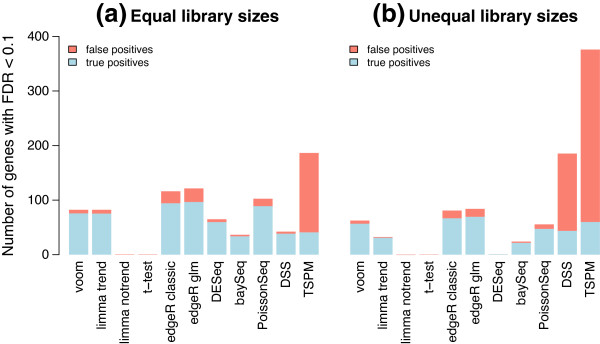
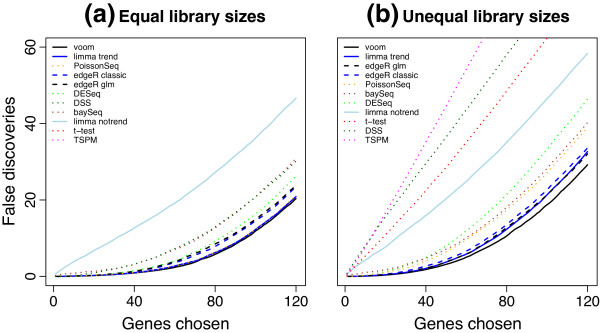
- In simulations with 6 libraries, 10,000 genes, and 100 upregulated plus 100 downregulated genes, voom had the best power among methods that controlled type I and FDR error rates; with unequal library sizes, voom had the best power except for edgeR while maintaining low FDR. edgeR and PoissonSeq were somewhat liberal, while DESeq and DSS became very conservative when library sizes were unequal.
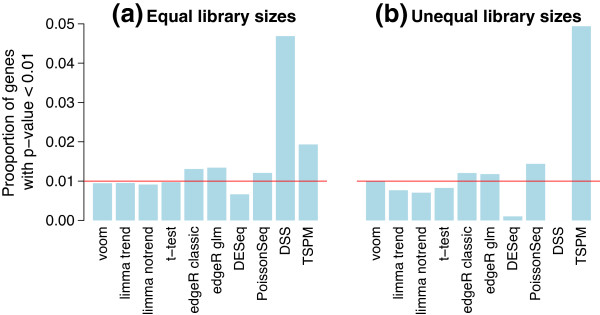
- For type I error at P<0.01, NB/Poisson methods did not control error accurately; voom was close to the nominal rate in both equal and unequal library size scenarios, while limma-trend was similar when sizes were equal but conservative when unequal. In SEQC HBRR technical replicates, voom returned no DE genes at 5% FDR for 6 of 7 possible partitions.
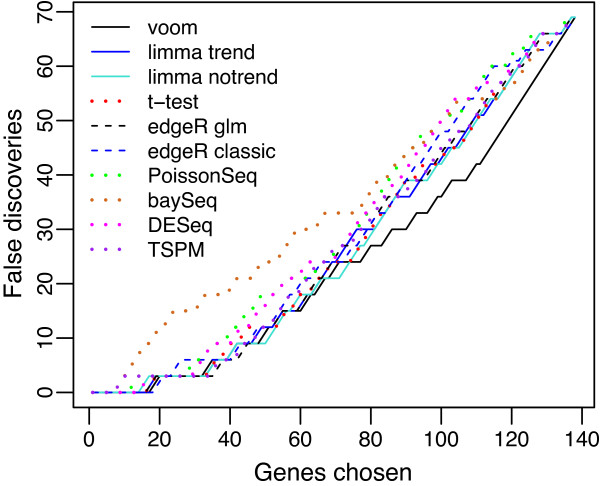
- voom had the lowest FDR at any cutoff in simulations and in SEQC spike-in data; the spike-in analysis used 138 transcripts, half truly DE and half non-DE.
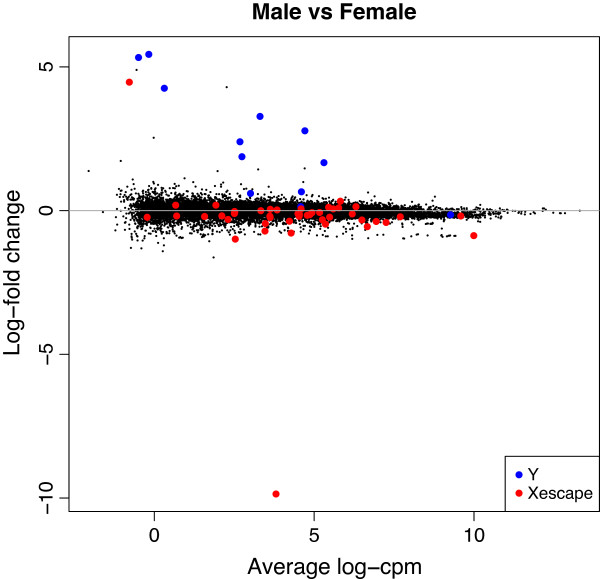
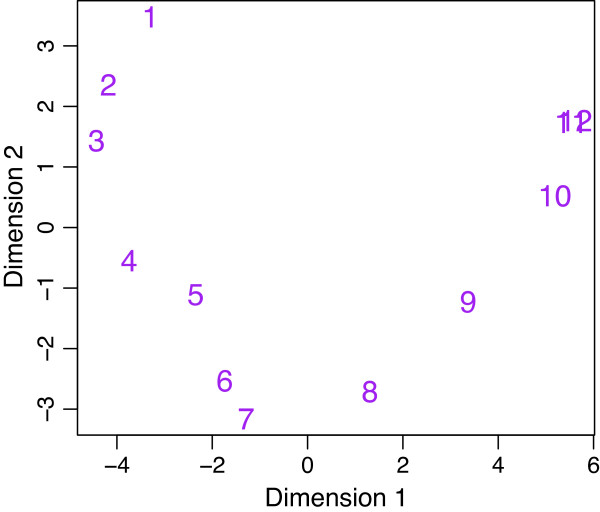
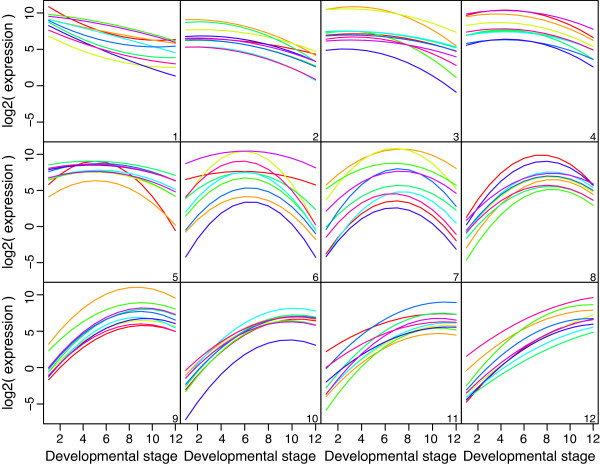
- In the Nigerian lymphoblastoid dataset (29 males, 40 females), voom found 16 genes upregulated in males and 43 upregulated in females at 5% FDR, with XIST the top gene; ROAST and CAMERA confirmed male-specific Y chromosome genes and X-inactivation escape genes. In Drosophila embryonic stages, 8,366 of 14,869 expressed genes showed a significant trend at 5% FDR.
Methods
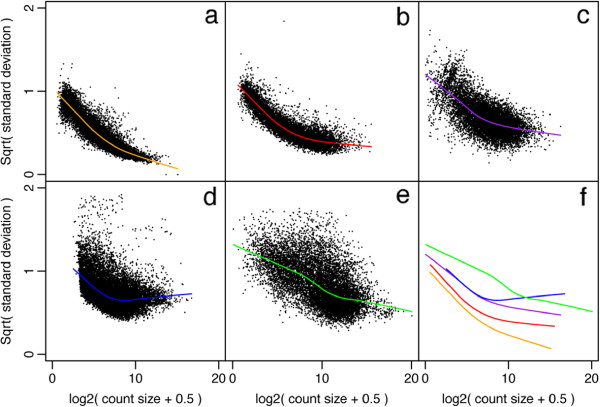
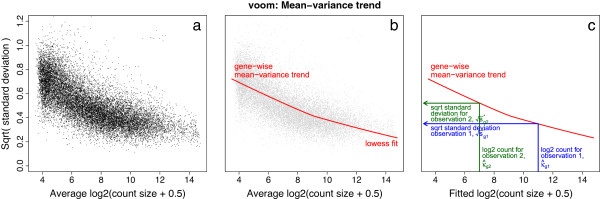
- voom works on log-cpm values: fit gene-wise linear models, estimate residual standard deviations as a function of average log-count using a robust LOWESS trend, interpolate that trend to each observation’s predicted count, and use inverse squared predicted standard deviation as a precision weight in limma’s empirical Bayes pipeline. limma-trend applies the mean-variance trend at the gene level instead.
- Simulations generated NB counts for 6 libraries and 10,000 genes, with baseline cpm distribution matched to real data and dispersion trend ψ^1/2 = 0.2 + λ^-1/2; gene-wise dispersions were drawn from an inverse chi-square with 40 degrees of freedom. Equal library sizes used 11 million reads per library; unequal sizes used 20 million for odd libraries and 2 million for even libraries. Results were averaged over 100 simulations and compared with edgeR, DESeq, baySeq, TSPM, PoissonSeq, and DSS.
- Case studies used SEQC pilot libraries (16 libraries in groups A–D; 4 HBRR libraries; 92 spike-in transcripts expanded to 138), Nigerian lymphoblastoid cell lines from 69 unrelated individuals, Drosophila melanogaster embryonic stages (12 libraries), and C57BL/6J versus DBA/2J mouse striatum data. Gene set testing used ROAST and CAMERA.
Limitations
- Stated: gene-level analysis does not allow different isoforms of the same gene to be differentially expressed in different directions, though voom can be run at exon level. The Drosophila quadratic time trends do not match all intricacies of gene expression over time. Simulations were generated under NB assumptions, and other scenarios may differ. baySeq was excluded from the type I error comparison because it does not return P values.
- Evident: the Drosophila analysis has no replicate libraries, so variances are estimated by assuming smooth expression over time and fitting quadratic trends. Performance comparisons rely on specific simulation settings and default software pipelines, and the case studies illustrate use rather than provide independent experimental validation.
Model-written summary. Check it against the paper before relying on it.
Integrity signals
Registry
Cites
Statistics
Figures
Verification
Claims the paper makes
1 Valid · 4 Not valid · 34 Not checked · 142 Own results and interpretations
The cited sources support only part of this claim — read each source’s verdict below.
In the paper
“voom and limma could be used to analyze any gene-level RNA-seq differential expression experiment, including those with multiple experimental factors [34].”
§ voom: precision weights unlock linear model analysis tools for RNA-seq read counts > Results > Development stages of Drosophila melanogaster
What the sources say
- Partly supportedcites [34] McCarthy DJ Chen Y Smyth GK Differential expression analysis of multifactor RNA-Seq experiments with respect to biological variation Nucleic Acids Res 2012 40 4288 4297 10.1093/nar/gks042 22287627 PMC3378882 sourceExperimental — accuracy not yet measured
Our copy of McCarthy et al. (2012) supports the scope part of the claim: the INTRODUCTION states 'The methodology provides a pipeline for analysing arbitrarily complex RNA-Seq experiments provided that there is some degree of biological replication', the Abstract describes analysis of 'complex experiments involving multiple treatment conditions and blocking variables', and the article's focus is gene-level counts ('For simplicity... counts are summarized at the gene level', RESULTS > Technical and biological variation). However, the capability is attributed to negative-binomial generalized linear models implemented in the edgeR package (DISCUSSION: 'The methods described in this article are implemented in the software package edgeR'), and no passage of our copy mentions voom or limma at all — the closest the paper comes to normal-linear-model analysis of transformed counts is a critique in the INTRODUCTION that transforming counts to approximate normality and analysing as for microarray data 'is however not fully tuned to the characteristics of read count data'. Thus the specific tools named in the citing sentence (voom and limma) are not this paper's methods, while the multifactor/gene-level applicability is. (LLM, conf=0.72)
hedged- Asserted: passes — The authors put it forward as true.
- Checkable: passes — It can be checked against evidence.
- Load-bearing: unclear — It is unclear whether the paper’s conclusions depend on it.
- Based: passes — The paper gives a reason why it holds.
- Rests on an assumption not shown here.
- Partly supported
A result the paper reports from its own data — it cites no other source for it, so there is none to check. The quote shows it is in the paper.
In the paper
“When the library sizes are unequal, DSS and DESeq became extremely conservative.”
§ voom: precision weights unlock linear model analysis tools for RNA-seq read counts > Results > voom and limma-trend control the type I error rate correctly
plainstates a cause- Asserted: passes — The authors put it forward as true.
- Checkable: passes — It can be checked against evidence.
- Load-bearing: unclear — It is unclear whether the paper’s conclusions depend on it.
- Based: passes — The paper gives a reason why it holds.
A result the paper reports from its own data — it cites no other source for it, so there is none to check. The quote shows it is in the paper.
In the paper
“Figures 3 and 4 together show that voom has the best power of those methods that correctly control the type I and FDR error rates.”
§ voom: precision weights unlock linear model analysis tools for RNA-seq read counts > Results > voom has the best power of methods that control the type I error rate
plain- Asserted: passes — The authors put it forward as true.
- Checkable: passes — It can be checked against evidence.
- Load-bearing: passes — The paper’s conclusions depend on it.
- Based: passes — The paper gives a reason why it holds.
- Rests on an assumption not shown here.
A result the paper reports from its own data — it cites no other source for it, so there is none to check. The quote shows it is in the paper.
In the paper
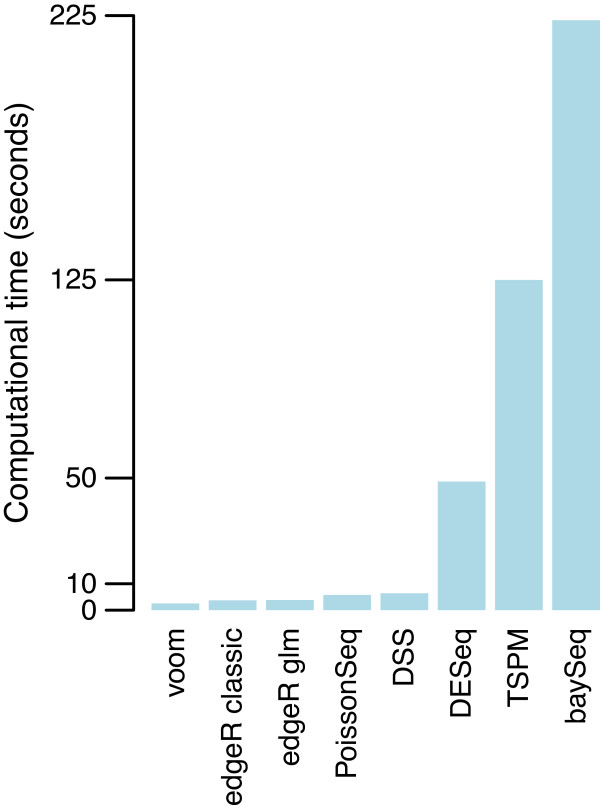
“voom is easily the fastest of the methods compared, with edgeR-classic next fastest (Figure 7).”
§ voom: precision weights unlock linear model analysis tools for RNA-seq read counts > Results > voom and limma-trend are faster than specialist RNA-seq methods
plain- Asserted: passes — The authors put it forward as true.
- Checkable: passes — It can be checked against evidence.
- Load-bearing: unclear — It is unclear whether the paper’s conclusions depend on it.
- Based: passes — The paper gives a reason why it holds.
A result the paper reports from its own data — it cites no other source for it, so there is none to check. The quote shows it is in the paper.
In the paper
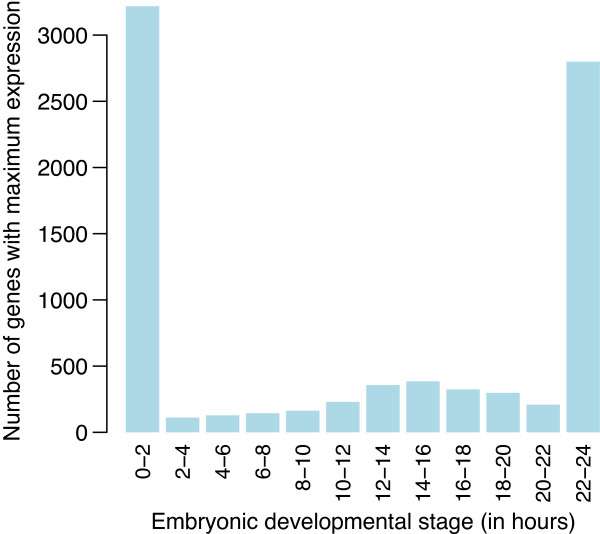
“Genes peaking at the last stage tended to be associated with precursor metabolites and energy, the oxidation-reduction process and with metabolic pathways.”
§ voom: precision weights unlock linear model analysis tools for RNA-seq read counts > Results > Development stages of Drosophila melanogaster
plainstates an association- Asserted: passes — The authors put it forward as true.
- Checkable: passes — It can be checked against evidence.
- Load-bearing: unclear — It is unclear whether the paper’s conclusions depend on it.
- Based: passes — The paper gives a reason why it holds.
79 more claims
Create a free account to see all 181 claims and to verify the 45 references still open.
- It may state two separate claims as one. 48
- Probably not a substantial claim. 68
- The quote only partly states this claim. 2
Claims other papers make about this one
Each is checked against this paper’s own text: does it say what the citing paper says it does?
The source backs part of the claim, not all of it — or backs it for a different population, condition or comparison.
In the citing paper
“First, specific caution is needed with all the methods when the number of replicate samples is very small or for genes that are expressed at very low levels [55, 64, 209].”
From A survey of best practices for RNA-seq data analysis (2016) · cites this paper as [55]
Experimental — accuracy not yet measuredThe cited source says what the claim attributes to it.
In the citing paper
“Methods for transforming normalized counts of RNA-seq reads while learning the variance structure of the data have been shown to perform well in comparison to the discrete distribution approaches described above [55, 56].”
From A survey of best practices for RNA-seq data analysis (2016) · cites this paper as [55]
The cited source says what the claim attributes to it.
In the citing paper
“First, the global variance estimate can now incorporate a mean-variance trend (10,17,18).”
From limma powers differential expression analyses for RNA-sequencing and microarray studies (2015) · cites this paper as [10]
The cited source says what the claim attributes to it.
In the citing paper
“This approach is commonly applied in learning error models for bulk RNA-seq in the context of differential expression analysis [22–25], but to our knowledge has not been previously applied in this context for single-cell normalization.”
From Normalization and variance stabilization of single-cell RNA-seq data using regularized negative binomial regression (2019) · cites this paper as [25]
The check wasn’t confident either way, so it gives no verdict — never disputed.
In the citing paper
“SAMseq performs well in terms of FDR but presents an acceptable sensitivity when the number of replicates is relatively high, at least 10 [20, 55, 209].”
From A survey of best practices for RNA-seq data analysis (2016) · cites this paper as [55]
Experimental — accuracy not yet measured
12 more claims about this paper
Create a free account to see every claim other papers make about this one.
Self-check
Percentages, sums and reported differences re-computed from the paper’s own numbers.
Each contradiction between two passages listed here was confirmed by an independent check.
Rated minor: it would not touch a result — a value no result rests on, a p-value that stays on the same side of the significance level, or a conflict that is clerical, resolved elsewhere in the paper, or outside its own findings.
In the paper
§ voom: precision weights unlock linear model analysis tools for RNA-seq read counts > Materials and methods > Lymphoblastoid cell lines from Nigerian individuals
“Read counts, summarized by Ensembl gene, and transcript annotations were obtained from version 1.0.9 of the tweeDEseqCountData Bioconductor package [43]”
§ voom: precision weights unlock linear model analysis tools for RNA-seq read counts > Materials and methods > Software
“The results presented in this article were obtained using R version 3.0.0 and the software packages limma 3.16.2, edgeR 3.2.3, baySeq 1.14.1, DESeq 1.12.0, DSS 1.4.0, PoissonSeq 1.1.2 and tweeDEseqCountData 1.0.8.”
Citations
Cites
Subramanian, A., Tamayo, P., Mootha, V. K., Mukherjee, S., Ebert, B. L., Gillette, M. A., Paulovich, A., Pomeroy, S. L., Golub, T. R., Lander, E. S., et al. (2005) · Proceedings of the National Academy of Sciences · doi:10.1073/pnas.0506580102 · Cited by 53,625 · cited 1×
“This includes methods for differential expression analysis [1, 2, 3], random effects [4, 5], gene set enrichment [6], gene set testing [7, 8] and so on.”
MethodRobinson, M. D., McCarthy, D. J., & Smyth, G. K. (2010) · Bioinformatics · doi:10.1093/bioinformatics/btp616 · Cited by 41,364 · cited 2×
“Specifically we used the goodTuringProportions function of the edgeR package [12], which implements the Good-Turing algorithm [55], to predict the true proportion of total RNA attributable to each gene.”
BackgroundMethodSelf-citationfeatureCounts: an efficient general purpose program for assigning sequence reads to genomic features
Liao, Y., Smyth, G. K., & Shi, W. (2014) · Bioinformatics · doi:10.1093/bioinformatics/btt656 · Cited by 27,219
Self-citation(2005) · Statistics for Biology and Health · doi:10.1007/0-387-27255-0_9 · Cited by 20,133
McCullagh, P., & Nelder, J. A. (1989) · doi:10.1007/978-1-4899-3242-6 · Cited by 16,836
Differential expression analysis for sequence count data
Anders, S., & Huber, W. (2010) · Genome Biology · doi:10.1186/gb-2010-11-10-r106 · Cited by 15,581
Mapping and quantifying mammalian transcriptomes by RNA-Seq
Mortazavi, A., Williams, B. A., McCue, K., Schaeffer, L., & Wold, B. (2008) · Nature Methods · doi:10.1038/nmeth.1226 · Cited by 13,696
RNA-Seq: a revolutionary tool for transcriptomics
Wang, Z., Gerstein, M., & Snyder, M. (2009) · Nature Reviews Genetics · doi:10.1038/nrg2484 · Cited by 13,174 · cited 1×
“olutionary new technology for expression profiling [10].”
Bioconductor: open software development for computational biology and bioinformatics
Gentleman, R. C., Carey, V. J., Bates, D. M., Bolstad, B., Dettling, M., Dudoit, S., Ellis, B., Gautier, L., Ge, Y., Gentry, J., et al. (2004) · Genome Biology · doi:10.1186/gb-2004-5-10-r80 · Cited by 12,172 · cited 1×
“All of these packages are part of the Bioconductor project [67,68], except for PoissonSeq, which is part of the Comprehensive R Archive Network [69].”
BackgroundSelf-citationSmyth, G. K. (2004) · Statistical Applications in Genetics and Molecular Biology · doi:10.2202/1544-6115.1027 · Cited by 11,829
Self-citation
Research works printed but not linked: 2
- Law CW Chen Y Shi W Smyth GK Supplementary information for ‘Voom: precision weights unlock linear model analysis tools for RNA-seq read counts’ [ http://bioinf.wehi.edu.au/voom] PMC4053721 24485249
- Frazee A Langmead B Leek J ReCount: a multi-experiment resource of analysis-ready RNA-seq gene count datasets [ http://bowtie-bio.sourceforge.net/recount] PMC3229291 22087737
Cited by
Items 1,101–1,200 of 7,059
Jarid2 regulates hematopoietic stem cell function by acting with polycomb repressive complex 2
Kinkel, S., Galeev, R., Flensburg, C., Keniry, A., Breslin, K. A., Gilan, O., Lee, S. C.-W., Liu, J. J., Chen, K., Gearing, L. J., et al. (2015) · Blood · doi:10.1182/blood-2014-10-603969 · Cited by 61
Obraztsova, K., Basil, M. C., Rue, R. W., Sivakumar, A., Lin, S. M., Mukhitov, A. R., Gritsiuta, A. I., Evans, J. F., Kopp, M. C., Katzen, J. B., et al. (2020) · Nature Communications · doi:10.1038/s41467-020-18979-4 · Cited by 61
DUCA, E. D., He, H., Liu, Y., Pagan, A. D., David, E., Cheng, J., Carroll, B. E., Renert‐Yuval, Y., Bar, J., Estrada, Y. D., et al. (2023) · Allergy · doi:10.1111/all.15845 · Cited by 61
Repression of Igf1 expression by Ezh2 prevents basal cell differentiation in the developing lung
Galvis, L. A., Holik, A. Z., Short, K. M., Pasquet, J., Lun, A. T. L., Blewitt, M. E., Smyth, I., Ritchie, M. E., & Asselin-Labat, M.-L. (2015) · Development · doi:10.1242/dev.122077 · Cited by 61
Osete, J. R., Akkouh, I. A., Ievglevskyi, O., Vandenberghe, M., de Assis, D. R., Ueland, T., Kondratskaya, E., Holen, B., Szabó, A., Hughes, T., et al. (2023) · Molecular Psychiatry · doi:10.1038/s41380-023-01944-0 · Cited by 61
Gwynne, W. D., Hallett, R. M., Girgis-Gabardo, A., Bojović, B., Dvorkin‐Gheva, A., Aarts, C. W., Dias, K., Bane, A. L., & Hassell, J. A. (2017) · Oncotarget · doi:10.18632/oncotarget.16646 · Cited by 61
Pacheco-Moreno, A., Stefanato, F. L., Ford, J. J., Trippel, C., Uszkoreit, S., Ferrafiat, L., Grenga, L., Dickens, R., Kelly, N., Kingdon, A. D. H., et al. (2021) · eLife · doi:10.7554/elife.71900 · Cited by 61
Sheikh, B. N., Lee, S. C.-W., El-Saafin, F., Vanyai, H. K., Hu, Y., Pang, S. H. M., Grabow, S., Strasser, A., Nutt, S. L., Alexander, W. S., et al. (2015) · Blood · doi:10.1182/blood-2014-08-594655 · Cited by 61
Self-citationHassan‐Zahraee, M., Ye, Z., Li, X., Baniecki, M. L., Li, X., Hyde, C. L., Zhang, J., Raha, N., Karlsson, F. J., Quan, J., et al. (2021) · Inflammatory Bowel Diseases · doi:10.1093/ibd/izab193 · Cited by 61
NAC transcription factors ATAF1 and ANAC055 affect the heat stress response in Arabidopsis
Alshareef, N. O., Otterbach, S. L., Allu, A. D., Woo, Y., de Werk, T., Kamranfar, I., Mueller‐Roeber, B., Tester, M. A., Balazadeh, S., & Schmöckel, S. M. (2022) · Scientific Reports · doi:10.1038/s41598-022-14429-x · Cited by 61
Irmisch, S., Jo, S., Roach, C. R., Jancsik, S., Yuen, M. M. S., Madilao, L. L., O’Neil-Johnson, M., Williams, R. B., Withers, S. G., & Bohlmann, J. (2018) · The Plant Cell · doi:10.1105/tpc.18.00406 · Cited by 61
Robust method for detecting convergent shifts in evolutionary rates
Partha, R., Kowalczyk, A., Clark, N. L., & Chikina, M. (2019) · Molecular Biology and Evolution · doi:10.1093/molbev/msz107 · Cited by 60
“We thus model the branch lengths of the simulated trees using a negative binomial distribution, following ideas from studies simulating expression counts for RNAseq analysis (Robinson et al. 2009; Di et al. 2011; Law et al. 2014; Ritchie et al. 2015).”
MethodLncRNA-OIS1 regulates DPP4 activation to modulate senescence induced by RAS
Li, L., van Breugel, P. C., Loayza-Puch, F., Ugalde, A. P., Korkmaz, G., Messika-Gold, N., Han, R., Lopes, R., Barbera, E. P., Teunissen, H., et al. (2018) · Nucleic Acids Research · doi:10.1093/nar/gky087 · Cited by 60
Darci-Maher, N., Alvarez, M., Arasu, U. T., Selvarajan, I., Lee, S. H., Pan, D. Z., Miao, Z., Das, S. S., Kamińska, D., Örd, T., et al. (2023) · EBioMedicine · doi:10.1016/j.ebiom.2023.104620 · Cited by 60
Boyeau, P., Regier, J., Gayoso, A., Jordan, M. I., Lopez, R., & Yosef, N. (2023) · Proceedings of the National Academy of Sciences · doi:10.1073/pnas.2209124120 · Cited by 60
A web server for comparative analysis of single-cell RNA-seq data
Alavi, A., Ruffalo, M., Parvangada, A., Huang, Z., & Bar-Joseph, Z. (2018) · Nature Communications · doi:10.1038/s41467-018-07165-2 · Cited by 60
Tiu, G. C., Kerr, C. H., Forester, C. M., Krishnarao, P. S., Rosenblatt, H. D., Raj, N., Lantz, T. C., Zhulyn, O., Bowen, M. E., Shokat, L., et al. (2021) · Developmental Cell · doi:10.1016/j.devcel.2021.06.013 · Cited by 60
Causal modelling of gene effects from regulators to programs to traits
Ota, M., Spence, J. P., Zeng, T., Dann, E., Milind, N., Marson, A., & Pritchard, J. K. (2025) · Nature · doi:10.1038/s41586-025-09866-3 · Cited by 60
Intraductal xenografts show lobular carcinoma cells rely on their own extracellular matrix and LOXL1
Sflomos, G., Battista, L., Aouad, P., Martino, F. D., Scabia, V., Stravodimou, A., Ayyanan, A., Ifticene‐Treboux, A., RLS, Bücher, P., et al. (2021) · EMBO Molecular Medicine · doi:10.15252/emmm.202013180 · Cited by 60
Alburquerque-Béjar, J. J., Navajas-Chocarro, P., Saigí, M., Ferrero-Andres, A., Morillas, J. M., Vilarrubi, A., Gómez, A., Mate, J. L., Muñoz-Mármol, A. M., Romero, O. A., et al. (2023) · Cell Reports Medicine · doi:10.1016/j.xcrm.2023.101006 · Cited by 60
Host-derived circular RNAs display proviral activities in Hepatitis C virus-infected cells
Chen, T., Talló-Parra, M., Cao, Q. M., Kadener, S., Böttcher, R., Pérez‐Vilaró, G., Boonchuen, P., Somboonwiwat, K., Díez, J., & Sarnow, P. (2020) · PLoS Pathogens · doi:10.1371/journal.ppat.1008346 · Cited by 60
NBLDA: negative binomial linear discriminant analysis for RNA-Seq data
Dong, K., Zhao, H., Tong, T., & Wan, X. (2016) · BMC Bioinformatics · doi:10.1186/s12859-016-1208-1 · Cited by 60
Wilmore, J. R., Gaudette, B. T., Atria, D. G., Rosenthal, R. L., Reiser, S. K., Meng, W., Rosenfeld, A. M., Prak, E. T. L., & Allman, D. (2021) · Frontiers in Immunology · doi:10.3389/fimmu.2021.791095 · Cited by 60
Sex-specific genetic architecture of blood pressure
Yang, M., Xu, C., Gupte, T. P., Hoffmann, T. J., Iribarren, C., Zhou, X., & Ganesh, S. K. (2024) · Nature Medicine · doi:10.1038/s41591-024-02858-2 · Cited by 60
Baldauf, J. A., Marcon, C., Lithio, A., Vedder, L., Altrogge, L., Piepho, H., Schoof, H., Nettleton, D. S., & Hochholdinger, F. (2018) · Current Biology · doi:10.1016/j.cub.2017.12.027 · Cited by 60
Integrator restrains paraspeckles assembly by promoting isoform switching of the lncRNA NEAT1
Barra, J., Gaidosh, G., Blumenthal, E., Beckedorff, F., Tayari, M. M., Kirstein, N., Karakach, T. K., Jensen, T. H., Impens, F., Gevaert, K., et al. (2020) · Science Advances · doi:10.1126/sciadv.aaz9072 · Cited by 60
Close, L. A., Lazar, S., Stannard, J. N., Tsoi, L. C., Eddy, S. F., Rizvi, S. M., Yee, C. M., Myers, E. M., Namas, R. A., Lowe, L., et al. (2021) · Frontiers in Immunology · doi:10.3389/fimmu.2021.775353 · Cited by 60
Wang, X. M., Zhang, Y., Mannan, R., Skala, S. L., Rangaswamy, R., Chinnaiyan, A. K., Su, F., Cao, X., Zelenka-Wang, S., McMurry, L. M., et al. (2021) · Modern Pathology · doi:10.1038/s41379-021-00803-z · Cited by 60
Genome Plasticity of agr -Defective Staphylococcus aureus during Clinical Infection
Altman, D. R., Sullivan, M. J., Chacko, K. I., Balasubramanian, D., Pak, T. R., Sause, W. E., Kumar, K., Sebra, R., Deikus, G., Attie, O., et al. (2018) · Infection and Immunity · doi:10.1128/iai.00331-18 · Cited by 60
Sensory input, sex and function shape hypothalamic cell type development
Kaplan, H. S., Logeman, B. L., Zhang, K., Yawitz, T. A., Santiago, C., Sohail, N., Talay, M., Seo, C., Naumenko, S., Sui, S. J. H., et al. (2025) · Nature · doi:10.1038/s41586-025-08603-0 · Cited by 59
NSD1- and NSD2-damaging mutations define a subset of laryngeal tumors with favorable prognosis
Peri, S., Izumchenko, E., Schubert, A. D., Slifker, M. J., Ruth, K. J., Serebriiskii, I. G., Guo, T. W., Burtness, B. A., Mehra, R., Ross, E. A., et al. (2017) · Nature Communications · doi:10.1038/s41467-017-01877-7 · Cited by 59
Synaptic Proteome Alterations in the Primary Auditory Cortex of Individuals With Schizophrenia
MacDonald, M. L., Garver, M. E., Newman, J. T., Sun, Z., Kannarkat, J. T., Salisbury, R., Glausier, J. R., Ding, Y., Lewis, D. A., Yates, N. A., et al. (2019) · JAMA Psychiatry · doi:10.1001/jamapsychiatry.2019.2974 · Cited by 59
Liver Is a Generative Site for the B Cell Response to Ehrlichia muris
Trivedi, N. H., Weisel, F. J., Smita, S., Joachim, S. M., Kader, M., Radhakrishnan, A., Clouser, C., Rosenfeld, A. M., Chikina, M. D., Vigneault, F., et al. (2019) · Immunity · doi:10.1016/j.immuni.2019.10.004 · Cited by 59
Benchmarking RNA-seq differential expression analysis methods using spike-in and simulation data
Baik, B., Yoon, S., & Nam, D. (2020) · PLoS ONE · doi:10.1371/journal.pone.0232271 · Cited by 59
Estrogen Regulation of the Molecular Phenotype and Active Translatome of AVPV Kisspeptin Neurons
Stephens, S. B. Z., & Kauffman, A. S. (2021) · Endocrinology · doi:10.1210/endocr/bqab080 · Cited by 59
Comparative genomics of mortal and immortal cnidarians unveils novel keys behind rejuvenation
Pascual-Torner, M., Carrero, D., Pérez-Silva, J. G., Álvarez-Puente, D., Roiz‐Valle, D., Bretones, G., Rodríguez, D., Maeso, D., Mateo-González, E., Español, Y., et al. (2022) · Proceedings of the National Academy of Sciences · doi:10.1073/pnas.2118763119 · Cited by 59
Liang, H., Tang, J., Liu, Z., Liu, Y., Huang, Y., Xu, Y., Hao, P., Yin, Z., Zhong, J., Ye, L., et al. (2019) · Nature Communications · doi:10.1038/s41467-019-11754-0 · Cited by 59
Leveraging massively parallel reporter assays for evolutionary questions
Gallego Romero, I., & Lea, A. J. (2023) · Genome Biology · doi:10.1186/s13059-023-02856-6 · Cited by 59
Differential Expression Analysis of RNA-seq Reads: Overview, Taxonomy, and Tools
Chowdhury, H. A., Bhattacharyya, D. K., & Kalita, J. K. (2018) · IEEE Transactions on Computational Biology and Bioinformatics · doi:10.1109/tcbb.2018.2873010 · Cited by 59
Novel risk genes for systemic lupus erythematosus predicted by random forest classification
Almlöf, J. C., Alexsson, A., Imgenberg‐Kreuz, J., Sylwan, L., Bäcklin, C. L., Leonard, D., Nordmark, G., Tandre, K., Eloranta, M., Padyukov, L., et al. (2017) · Scientific Reports · doi:10.1038/s41598-017-06516-1 · Cited by 59
Jana, S., Brahma, S., Arora, S., Wladyka, C. L., Hoang, P., Blinka, S. M., Hough, R. P., Horn, J. L., Liu, Y., Wang, L., et al. (2023) · Cancer Cell · doi:10.1016/j.ccell.2023.03.021 · Cited by 59
Extracellular traps released by antimicrobial TH17 cells contribute to host defense
Agak, G. W., Mouton, A., Teles, R. M. B., Weston, T. A., Morselli, M., Andrade, P. R., Pellegrini, M. A., & Modlin, R. L. (2021) · Journal of Clinical Investigation · doi:10.1172/jci141594 · Cited by 59
Breen, M. S., White, C., Shekhtman, T., Lin, K., Looney, D. J., Woelk, C. H., & Kelsoe, J. R. (2016) · The Pharmacogenomics Journal · doi:10.1038/tpj.2016.50 · Cited by 59
Islet Gene View—a tool to facilitate islet research
Asplund, O., Storm, P., Chandra, V., Hatem, G., Ottosson-Laakso, E., Aly, D. M., Krus, U., Ibrahim, H., Ahlqvist, E., Tuomi, T., et al. (2022) · Life Science Alliance · doi:10.26508/lsa.202201376 · Cited by 59
Tet1 in Nucleus Accumbens Opposes Depression- and Anxiety-Like Behaviors
Feng, J., Pena, C. J., Purushothaman, I., Engmann, O., Walker, D., Brown, A. N., Issler, O., Doyle, M., Harrigan, E., Mouzon, E., et al. (2017) · Neuropsychopharmacology · doi:10.1038/npp.2017.6 · Cited by 58
The 22q11.2 region regulates presynaptic gene-products linked to schizophrenia
Nehme, R., Pietiläinen, O., Artomov, M., Tegtmeyer, M., Valakh, V., Lehtonen, L., Bell, C., Singh, T., Trehan, A., Sherwood, J., et al. (2022) · Nature Communications · doi:10.1038/s41467-022-31436-8 · Cited by 58
Mechanisms underlying divergent responses of genetically distinct macrophages to IL-4
Hoeksema, M. A., Shen, Z., Holtman, I. R., Zheng, A., Spann, N. J., Cobo, I., Gymrek, M., & Glass, C. K. (2021) · Science Advances · doi:10.1126/sciadv.abf9808 · Cited by 58
An Erg-driven transcriptional program controls B cell lymphopoiesis
Ng, A. P., Coughlan, H. D., Hediyeh-zadeh, S., Behrens, K., Johanson, T. M., Low, M. S. Y., Bell, C. C., Gilan, O., Chan, Y.-C., Kueh, A. J., et al. (2020) · Nature Communications · doi:10.1038/s41467-020-16828-y · Cited by 58
Self-citationChaudhary, K., Poirion, O., Lu, L., Huang, S., Ching, T. H., & Garmire, L. X. (2019) · Clinical Cancer Research · doi:10.1158/1078-0432.ccr-18-0088 · Cited by 58
A systems biology approach uncovers novel disease mechanisms in age-related macular degeneration
Orozco, L. D., Owen, L. A., Hofmann, J. W., Stockwell, A., Tao, J., Haller, S., Mukundan, V. T., Clarke, C., Lund, J. M., Sridhar, A., et al. (2023) · Cell Genomics · doi:10.1016/j.xgen.2023.100302 · Cited by 58
Using Network-Based Machine Learning to Predict Transcription Factors Involved in Drought Resistance
Gupta, C., Ramegowda, V., Basu, S., & Pereira, A. (2021) · Frontiers in Genetics · doi:10.3389/fgene.2021.652189 · Cited by 58
Ybx1 fine-tunes PRC2 activities to control embryonic brain development
Evans, M. K., Matsui, Y., Xu, B., Willis, C., Loome, J. F., Milburn, L., Fan, Y., Pagala, V., & Peng, J. C. (2020) · Nature Communications · doi:10.1038/s41467-020-17878-y · Cited by 58
Enterocyte–innate lymphoid cell crosstalk drives early IFN-γ-mediated control of Cryptosporidium
Gullicksrud, J. A., Sateriale, A., Engiles, J. B., Gibson, A. R., Shaw, S., Hutchins, Z., Martin, L. E., Christian, D. A., Taylor, G. A., Yamamoto, M., et al. (2021) · Mucosal Immunology · doi:10.1038/s41385-021-00468-6 · Cited by 58
Effern, M., Glodde, N., Braun, M., Liebing, J., Boll, H. N., Yong, M. C. R., Bawden, E., Hinze, D., Konijnenberg, D., Daoud, M., et al. (2020) · Immunity · doi:10.1016/j.immuni.2020.07.007 · Cited by 58
Muhammad, I. I., Kong, S. L., Abdullah, S. N. A., & Munusamy, U. (2019) · International Journal of Molecular Sciences · doi:10.3390/ijms21010167 · Cited by 58
Inhibition of 2-AG hydrolysis differentially regulates blood brain barrier permeability after injury
Piro, J. R., Suidan, G. L., Quan, J., Pi, Y., O'Neill, S., Ilardi, M. C., Pozdnyakov, N., Lanz, T. A., Xi, H. S., Bell, R. D., et al. (2018) · Journal of Neuroinflammation · doi:10.1186/s12974-018-1166-9 · Cited by 58
Sialic acid blockade inhibits the metastatic spread of prostate cancer to bone
Hodgson, K., Orozco‐Moreno, M., Goode, E. A., Fisher, M., Garnham, R., Beatson, R., Turner, H., Livermore, K. E., Zhou, Y., Wilson, L., et al. (2024) · EBioMedicine · doi:10.1016/j.ebiom.2024.105163 · Cited by 58
Gene expression predictions and networks in natural populations supports the omnigenic theory
Chateigner, A., Lesage-Descauses, M.-C., Rogier, O., Jorge, V., Leplé, J., Brunaud, V., Roux, C. P. L., Soubigou‐Taconnat, L., Martin‐Magniette, M., Sánchez, L., et al. (2020) · BMC Genomics · doi:10.1186/s12864-020-06809-2 · Cited by 58
Predicting drug-free remission in rheumatoid arthritis: A prospective interventional cohort study
Baker, K. F., Skelton, A. J., Lendrem, D. W., Scadeng, A., Thompson, B. T., Pratt, A. G., & Isaacs, J. D. (2019) · Journal of Autoimmunity · doi:10.1016/j.jaut.2019.06.009 · Cited by 58
Long intergenic non-coding RNAs have an independent impact on survival in multiple myeloma
Samur, M. K., Minvielle, S., Gulla, A., Fulciniti, M., Cleynen, A., Aktas Samur, A., Szalat, R., Shammas, M., Magrangeas, F., Tai, Y.-T., et al. (2018) · Leukemia · doi:10.1038/s41375-018-0116-y · Cited by 58
Ly, A., Liao, Y., Pietrzak, H. M., Ioannidis, L. J., Sidwell, T., Gloury, R., Doerflinger, M., Triglia, T., Qin, R. Z., Groom, J. R., et al. (2019) · Cell Reports · doi:10.1016/j.celrep.2019.10.087 · Cited by 58
Self-citationBosch-Camós, L., Alonso, U. A., Esteve‐Codina, A., Chang, C., Martín‐Mur, B., Accensi, F., Muñoz, M., Navas, M. J., Dabad, M., Vidal, E., et al. (2022) · PLoS Pathogens · doi:10.1371/journal.ppat.1010931 · Cited by 58
Sex-related DNA methylation differences in B cell chronic lymphocytic leukemia
Lin, S., Liu, Y., Goldin, L. R., Lyu, C., Kong, X., Zhang, Y., Caporaso, N. E., Xiang, S., & Gao, Y. (2019) · Biology of Sex Differences · doi:10.1186/s13293-018-0213-7 · Cited by 58
A novel statistical method for quantitative comparison of multiple ChIP-seq datasets
Chen, L., Wang, C., Qin, Z. S., & Wu, H. (2015) · Bioinformatics · doi:10.1093/bioinformatics/btv094 · Cited by 58
ASGARD is a single-cell guided pipeline to aid repurposing of drugs
He, B., Xiao, Y., Liang, H., Huang, Q., Du, Y., Li, Y., Garmire, D., Sun, D., & Garmire, L. X. (2023) · Nature Communications · doi:10.1038/s41467-023-36637-3 · Cited by 57
Dysregulation of mitochondrial and proteolysosomal genes in Parkinson’s disease myeloid cells
Navarro, E., Udine, E., Lopes, K. D. P., Parks, M., Riboldi, G., Schilder, B. M., Humphrey, J., Snijders, G. J. L., Vialle, R. A., Zhuang, M., et al. (2021) · Nature Aging · doi:10.1038/s43587-021-00110-x · Cited by 57
Pan-cancer analysis of the metabolic reaction network
Gatto, F., Ferreira, R., & Nielsen, J. (2019) · Metabolic Engineering · doi:10.1016/j.ymben.2019.09.006 · Cited by 57
Yao, T., Shooshtari, P., & Haeryfar, S. M. M. (2020) · Frontiers in Immunology · doi:10.3389/fimmu.2020.01691 · Cited by 57
Chou, E. L., Chaffin, M. D., Simonson, B., Pirruccello, J. P., Akkad, A.-D., Nekoui, M., Cardenas, C. L. L., Bedi, K. C., Nash, C. A., Juric, D., et al. (2022) · Arteriosclerosis Thrombosis and Vascular Biology · doi:10.1161/atvbaha.122.317953 · Cited by 57
Abundance estimation and differential testing on strain level in metagenomics data
Fischer, M., Strauch, B., & Renard, B. Y. (2017) · Bioinformatics · doi:10.1093/bioinformatics/btx237 · Cited by 57
Wnt activation as a therapeutic strategy in medulloblastoma
Manoranjan, B., Venugopal, C., Bakhshinyan, D., Adile, A., Richards, L. M., Kameda-Smith, M. M., Whitley, O., Dvorkin‐Gheva, A., Subapanditha, M., Savage, N. J., et al. (2020) · Nature Communications · doi:10.1038/s41467-020-17953-4 · Cited by 57
Walker, D. M., Zhou, X., Cunningham, A. M., Lipschultz, A. P., Ramakrishnan, A., Cates, H. M., Bagot, R. C., Shen, L., Zhang, B., & Nestler, E. J. (2021) · Biological Psychiatry · doi:10.1016/j.biopsych.2021.02.964 · Cited by 57
Wellberg, E. A., Kabos, P., Gillen, A. E., Jacobsen, B. M., Brechbuhl, H. M., Johnson, S. J., Rudolph, M. C., Edgerton, S. M., Thor, A. D., Anderson, S. M., et al. (2018) · JCI Insight · doi:10.1172/jci.insight.120594 · Cited by 57
Wang, L., Zhang, Y., Chen, Y., Skala, S. L., Al‐Ahmadie, H. A., Wang, X., Cao, X., Veeneman, B. A., Chen, J., Cieslik, M. P., et al. (2018) · The American Journal of Surgical Pathology · doi:10.1097/pas.0000000000001150 · Cited by 57
Self-citationDetermining breast cancer histological grade from RNA-sequencing data
Wang, M., Klevebring, D., Lindberg, J., Czene, K., Grönberg, H., & Rantalainen, M. (2016) · Breast Cancer Research · doi:10.1186/s13058-016-0710-8 · Cited by 57
A flexible Bayesian method for detecting allelic imbalance in RNA-seq data
León‐Novelo, L., McIntyre, L. M., Fear, J. M., & Graze, R. M. (2014) · BMC Genomics · doi:10.1186/1471-2164-15-920 · Cited by 57
Križnik, M., Petek, M., Dobnik, D., Ramšak, Ž., Baebler, Š., Pollmann, S., Kreuze, J. F., Žel, J., & Gruden, K. (2017) · Frontiers in Plant Science · doi:10.3389/fpls.2017.02192 · Cited by 57
Yu, W., Chen, Y., Putluri, N., Coarfa, C., Robertson, M. J., Putluri, V., Stossi, F., Dubrulle, J., Mancini, M. A., Pang, J. C., et al. (2020) · Cancers · doi:10.3390/cancers12061670 · Cited by 57
Self-citationData-based RNA-seq simulations by binomial thinning
Gerard, D. (2020) · BMC Bioinformatics · doi:10.1186/s12859-020-3450-9 · Cited by 58
Mastelic-Gavillet, B., Sarivalasis, A., Lozano, L. E., Wyss, T., Inogés, S., de Vries, I. J., Dartiguenave, F., Jichlinski, P., Derré, L., Coukos, G., et al. (2020) · European Journal of Cancer · doi:10.1016/j.ejca.2020.04.036 · Cited by 57
Velez‐Irizarry, D., Casiró, S., Daza, K. R., Bates, R. O., Raney, N. E., Steibel, J. P., & Ernst, C. W. (2019) · BMC Genomics · doi:10.1186/s12864-018-5386-2 · Cited by 57
Aczél, T., Körtési, T., Kun, J., Urban, P. P., Bauer, W., Herczeg, R., Farkas, R., Kovács, K., Vásárhelyi, B., Karvaly, G., et al. (2021) · The Journal of Headache and Pain · doi:10.1186/s10194-021-01285-9 · Cited by 57
Wyckelsma, V. L., Venckūnas, T., Houweling, P. J., Schlittler, M., Lauschke, V. M., Tiong, C. F., Wood, H. D., Ivarsson, N., Paulauskas, H., Eimantas, N., et al. (2021) · The American Journal of Human Genetics · doi:10.1016/j.ajhg.2021.01.013 · Cited by 57
Walia, M., Ho, P. M., Taylor, S., Ng, A. J., Gupte, A., Chalk, A. M., Zannettino, A. C. W., Martin, T. J., & Walkley, C. R. (2016) · eLife · doi:10.7554/elife.13446 · Cited by 57
Allele-specific binding of RNA-binding proteins reveals functional genetic variants in the RNA
Yang, E.-W., Bahn, J. H., Hsiao, Y.-H. E., Tan, B. X., Sun, Y., Fu, T., Zhou, B., Nostrand, E. L. V., Pratt, H., Freese, P., et al. (2019) · Nature Communications · doi:10.1038/s41467-019-09292-w · Cited by 57
Navarro, J. A. R., Phillips‐Mora, W., Arciniegas-Leal, A., Mata-Quirós, A., Haiminen, N., Mustiga, G. M., Livingstone, D. S., van Bakel, H., Kuhn, D. N., Parida, L., et al. (2017) · Frontiers in Plant Science · doi:10.3389/fpls.2017.01905 · Cited by 57
Cedeño, D. L., Smith, W. J., Kelley, C. A., & Vallejo, R. (2020) · Molecular Pain · doi:10.1177/1744806920964360 · Cited by 57
Hawash, M. B. F., Sanz-Remón, J., Grenier, J.-C., Kohn, J., Yotova, V., Johnson, Z., Lanford, R. E., Brinkworth, J. F., & Barreiro, L. B. (2021) · Proceedings of the National Academy of Sciences · doi:10.1073/pnas.2015855118 · Cited by 56
“We normalized the resulting read-count matrix using the function voom from the R-package limma to allow using linear models by limma package (57).”
MethodDe Jesus, D. F., Zhang, Z., Brown, N. K., Li, X., Xiao, L., Hu, J., Gaffrey, M. J., Fogarty, G., Kahraman, S., Wei, J., et al. (2024) · Nature Cell Biology · doi:10.1038/s41556-024-01368-0 · Cited by 56
Shih, M.-F. M., Davis, F. P., Henry, G. L., & Dubnau, J. (2019) · G3 Genes|Genomes|Genetics · doi:10.1534/g3.118.200726 · Cited by 56
Lauber, C., Vièyres, G., Terczyńska‐Dyla, E., Anggakusuma, Dijkman, R., Gad, H. H., Akhtar, H., Geffers, R., Vondran, F. W. R., Thiel, V., et al. (2015) · Genes and Immunity · doi:10.1038/gene.2015.23 · Cited by 56
Connectivity Mapping: Methods and Applications
Keenan, A. B., Wojciechowicz, M. L., Wang, Z., Jagodnik, K. M., Jenkins, S. L., Lachmann, A., & Ma’ayan, A. (2019) · Annual Review of Biomedical Data Science · doi:10.1146/annurev-biodatasci-072018-021211 · Cited by 56
Celiac disease biomarkers identified by transcriptome analysis of small intestinal biopsies
Bragde, H. G., Jansson, U., Fredrikson, M. G., Grodzinsky, E., & Söderman, J. (2018) · Cellular and Molecular Life Sciences · doi:10.1007/s00018-018-2898-5 · Cited by 56
Negative binomial additive model for RNA-Seq data analysis
Ren, X., & Kuan, P. F. (2020) · BMC Bioinformatics · doi:10.1186/s12859-020-3506-x · Cited by 56
T-bet+ CXCR3+ B cells drive hyperreactive B-T cell interactions in multiple sclerosis
Jelčić, I., Naghavian, R., Fanaswala, I., Macnair, W., Esposito, C., Calini, D., Han, Y., Marti, Z., Raposo, C., del Castillo, J. S., et al. (2025) · Cell Reports Medicine · doi:10.1016/j.xcrm.2025.102027 · Cited by 56
Dumaine, J. E., Sateriale, A., Gibson, A. R., Reddy, A. G., Gullicksrud, J. A., Hunter, E. N., Clark, J. T., & Striepen, B. (2021) · eLife · doi:10.7554/elife.70451 · Cited by 56
B lymphocyte alterations accompany abatacept resistance in new-onset type 1 diabetes
Linsley, P. S., Greenbaum, C. J., Speake, C., Long, S. A., & Dufort, M. J. (2019) · JCI Insight · doi:10.1172/jci.insight.126136 · Cited by 56
The early pregnancy placenta foreshadows DNA methylation alterations of solid tumors
Nordor, A. V., Nehar-Belaid, D., Richon, S., Klatzmann, D., Bellet, D. H., Dangles‐Marie, V., Fournier, T., & Aryee, M. J. (2017) · Epigenetics · doi:10.1080/15592294.2017.1342912 · Cited by 56
Ma, Y., Sannino, D. R., Linden, J. R., Haigh, S. V., Zhao, B., Grigg, J. B., Zumbo, P., Dündar, F., Butler, D., Profaci, C. P., et al. (2023) · Journal of Clinical Investigation · doi:10.1172/jci163239 · Cited by 56
Shi, Z., Wulfkuhle, J. D., Nowicka, M., Gallagher, R. I., Saura, C., Nuciforo, P. G., Calvo, I., Andersen, J., Passos‐Coelho, J. L., Gil‐Gil, M., et al. (2021) · Clinical Cancer Research · doi:10.1158/1078-0432.ccr-21-2498 · Cited by 56
Metadata
- Authors
- Law, C. W., Chen, Y., Shi, W., & Smyth, G. K.
- Affiliations
- The University of Melbourne (AU)
- Corresponding author
- Smyth, Gordon K
- Venue
- Genome Biology
- Published
- 2014-02-03
- Volume
- 15
- Issue
- 2
- Pages
- R29-R29
- ISSN
- 1465-6906 (ISSN-L)
- 1474-760X
- PMC
- PMC4053721
- OpenAlex
- W2137526110
- Semantic Scholar
- f85a6cb90dbe6f064e37b427a129e3976e87a86d
- Cited by
- 6,155
- References
- 67
- Citations by year
- 2026: 472 · 2025: 640 · 2024: 713 · 2023: 671 · 2022: 664 · 2021: 761 · 2020: 586 · 2019: 471 · 2018: 420 · 2017: 307 · 2016: 241 · 2015: 145 · 2014: 52
- FWCI
- 101.89
- Type
- journal article
- Language
- en
- Open access
- gold
- doi.org
- Licence
- cc-by
- creativecommons.org/licenses/by/2.0/ (tdm)
- creativecommons.org/licenses/by/2.0/ (vor)
- Locations
- Genome biology (publishedVersion, cc-by)
- Europe PMC (PubMed Central) (publishedVersion, cc-by)
- PubMed Central (publishedVersion, cc-by)
- PubMed (publishedVersion)
- Minerva Access (University of Melbourne) (submittedVersion, cc-by)
- Topics
- Life Sciences › Biochemistry, Genetics and Molecular Biology › Molecular Biology › Gene expression and cancer classification
- Life Sciences › Biochemistry, Genetics and Molecular Biology › Molecular Biology › Genomics and Phylogenetic Studies
- Life Sciences › Biochemistry, Genetics and Molecular Biology › Molecular Biology › Single-cell and spatial transcriptomics
- Keywords
- RNA-seq read counts, mean-variance relationship, limma, empirical Bayes, linear modeling, differential gene expression
- MeSH terms
- Algorithms, Base Sequence, Bayes Theorem, Computer Simulation, RNA, Linear Models, Sequence Analysis, RNA, Gene Expression Profiling, High-Throughput Nucleotide Sequencing
About these checks
Registry, retraction, Cites and statistics results are computed, not judged, with one exception: a printed reference that no index lists is read once by a model before it counts as a citation error. Claims are extracted by a model and kept only when their quote appears verbatim in the text; each cited source is then checked, with a model’s help, for whether it says what the claim relies on. Those verdicts can be wrong — read the claim’s quote and the cited source before relying on one.
The claim verdicts this report counts are experimental: their accuracy is not yet measured.
A language model drew the claims from the paper on 2026-11-23, under version 3 of the claim definition (model deepseek-v4.1-flash, prompt extract-v3).
A second model labelled each claim on 2026-11-23 (model jev-1.13-20260917, definition revision gold-guideline-v0.2).
Cited sources are checked with a language model’s help (qwen3.8-omni-flash).
Statistics and arithmetic are recomputed, not judged.
Confidence bands are shown only for fields calibrated on our annotated test set. None is calibrated yet, so no band is shown.
What counts as a claim ›How we measure confidence ›How we check this ›
Are you an author, or do you see a problem with this page? Request a review
Data sources
Bibliographic data: Semantic Scholar, OpenAlex, Crossref.
Contains information from the Semantic Scholar Academic Graph Datasets, made available under the ODC Attribution License (ODC-BY 1.0).
Semantic Scholar’s data is described in: Kinney, R., et al. (2023). The Semantic Scholar Open Data Platform. arXiv:2301.10140.
