

voom: precision weights unlock linear model analysis tools for RNA-seq read counts
Open accessThe DOI matches its Crossref record; 65 of the 67 references it cites were found in a registry or an index; 1 of the 51 sources its claims cite were checked for support.
Abstract
New normal linear modeling strategies are presented for analyzing read counts from RNA-seq experiments. The voom method estimates the mean-variance relationship of the log-counts, generates a precision weight for each observation and enters these into the limma empirical Bayes analysis pipeline. This opens access for RNA-seq analysts to a large body of methodology developed for microarrays. Simulation studies show that voom performs as well or better than count-based RNA-seq methods even when the data are generated according to the assumptions of the earlier methods. Two case studies illustrate the use of linear modeling and gene set testing methods.
Overview
CoChat Summary
TL;DR
voom estimates the mean-variance relationship of log-counts per million and generates observation-level precision weights for limma, allowing normal-based linear model analysis of RNA-seq read counts. Simulations and case studies show voom controls error rates well and often has better power or lower FDR than negative binomial/Poisson methods, especially when library sizes are unequal.
Key findings
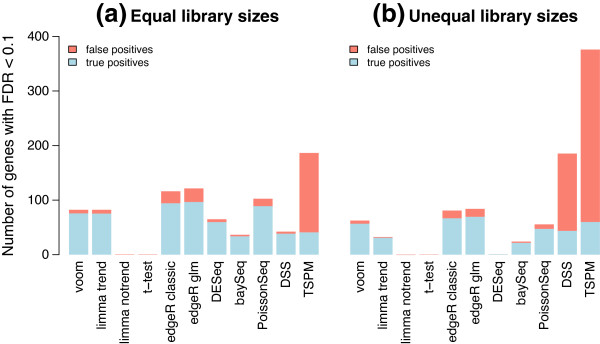
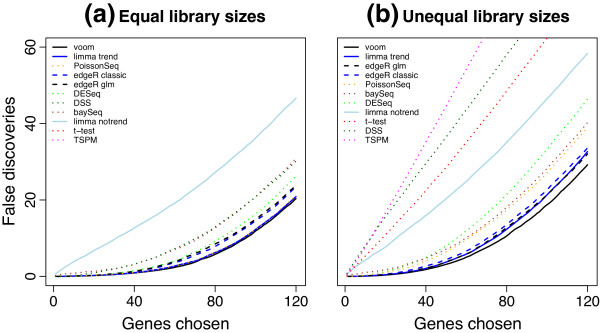
- In simulations with 6 libraries, 10,000 genes, and 100 upregulated plus 100 downregulated genes, voom had the best power among methods that controlled type I and FDR error rates; with unequal library sizes, voom had the best power except for edgeR while maintaining low FDR. edgeR and PoissonSeq were somewhat liberal, while DESeq and DSS became very conservative when library sizes were unequal.
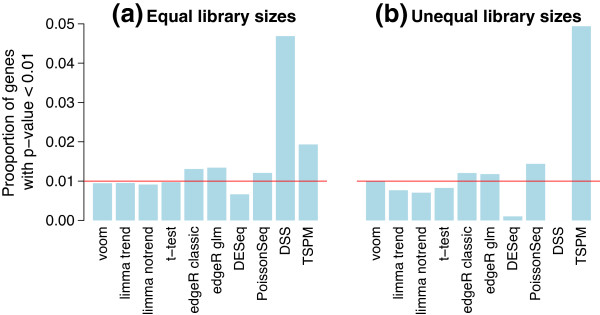
- For type I error at P<0.01, NB/Poisson methods did not control error accurately; voom was close to the nominal rate in both equal and unequal library size scenarios, while limma-trend was similar when sizes were equal but conservative when unequal. In SEQC HBRR technical replicates, voom returned no DE genes at 5% FDR for 6 of 7 possible partitions.
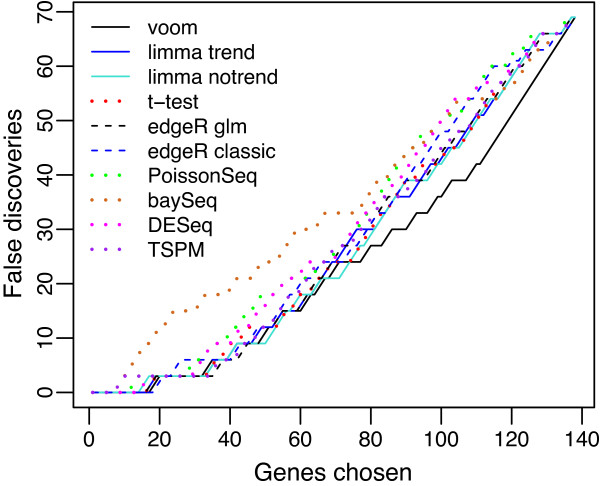
- voom had the lowest FDR at any cutoff in simulations and in SEQC spike-in data; the spike-in analysis used 138 transcripts, half truly DE and half non-DE.
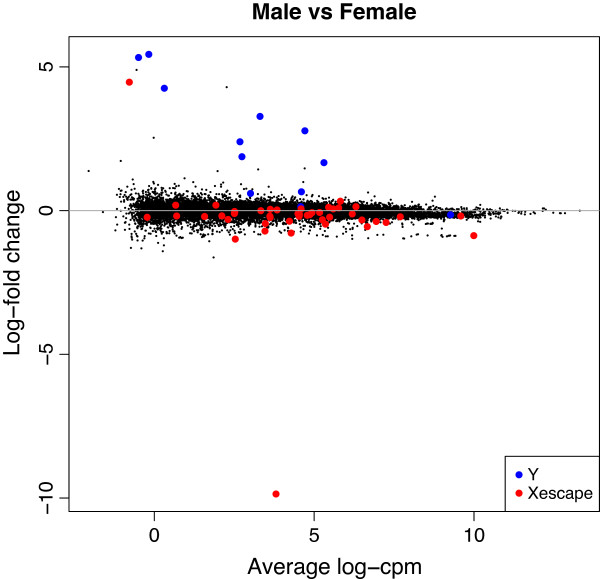
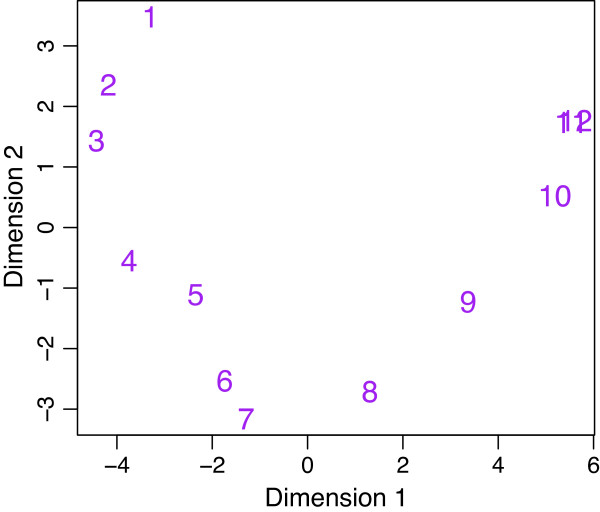
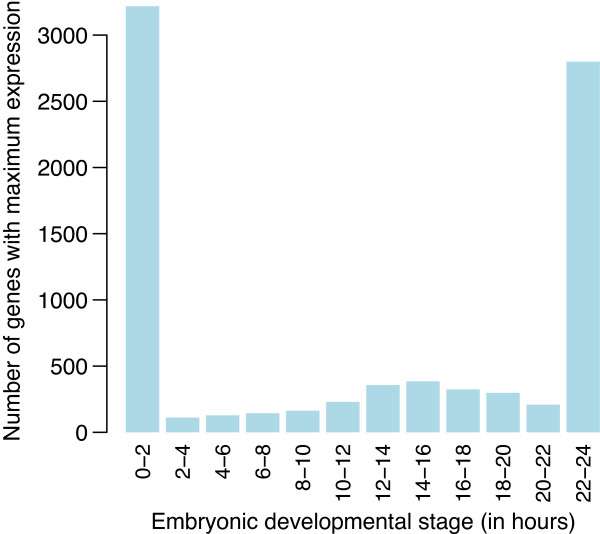
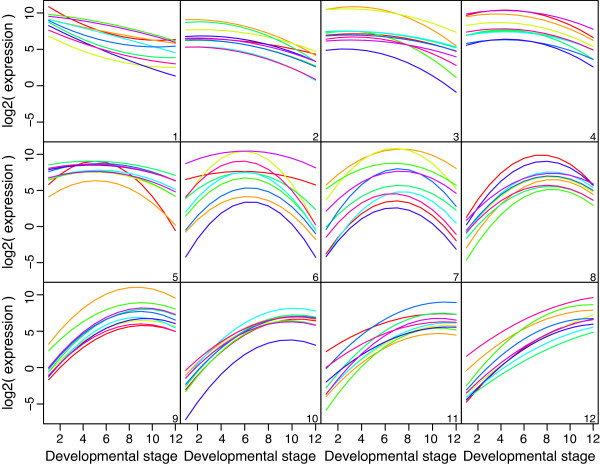
- In the Nigerian lymphoblastoid dataset (29 males, 40 females), voom found 16 genes upregulated in males and 43 upregulated in females at 5% FDR, with XIST the top gene; ROAST and CAMERA confirmed male-specific Y chromosome genes and X-inactivation escape genes. In Drosophila embryonic stages, 8,366 of 14,869 expressed genes showed a significant trend at 5% FDR.
Methods
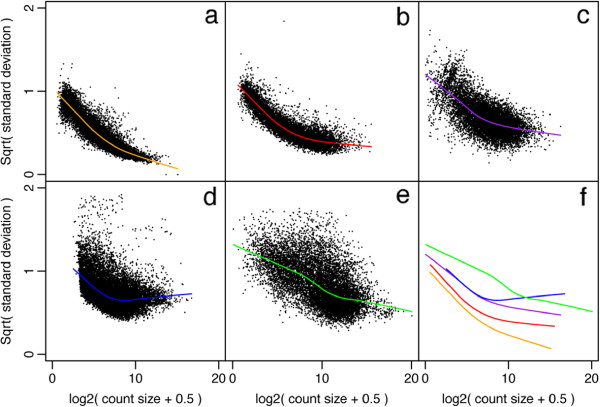
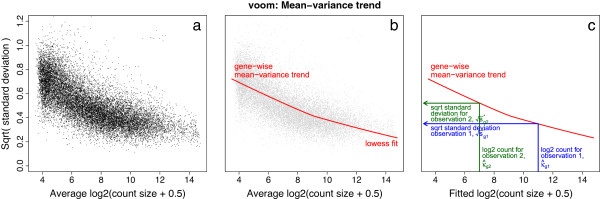
- voom works on log-cpm values: fit gene-wise linear models, estimate residual standard deviations as a function of average log-count using a robust LOWESS trend, interpolate that trend to each observation’s predicted count, and use inverse squared predicted standard deviation as a precision weight in limma’s empirical Bayes pipeline. limma-trend applies the mean-variance trend at the gene level instead.
- Simulations generated NB counts for 6 libraries and 10,000 genes, with baseline cpm distribution matched to real data and dispersion trend ψ^1/2 = 0.2 + λ^-1/2; gene-wise dispersions were drawn from an inverse chi-square with 40 degrees of freedom. Equal library sizes used 11 million reads per library; unequal sizes used 20 million for odd libraries and 2 million for even libraries. Results were averaged over 100 simulations and compared with edgeR, DESeq, baySeq, TSPM, PoissonSeq, and DSS.
- Case studies used SEQC pilot libraries (16 libraries in groups A–D; 4 HBRR libraries; 92 spike-in transcripts expanded to 138), Nigerian lymphoblastoid cell lines from 69 unrelated individuals, Drosophila melanogaster embryonic stages (12 libraries), and C57BL/6J versus DBA/2J mouse striatum data. Gene set testing used ROAST and CAMERA.
Limitations
- Stated: gene-level analysis does not allow different isoforms of the same gene to be differentially expressed in different directions, though voom can be run at exon level. The Drosophila quadratic time trends do not match all intricacies of gene expression over time. Simulations were generated under NB assumptions, and other scenarios may differ. baySeq was excluded from the type I error comparison because it does not return P values.
- Evident: the Drosophila analysis has no replicate libraries, so variances are estimated by assuming smooth expression over time and fitting quadratic trends. Performance comparisons rely on specific simulation settings and default software pipelines, and the case studies illustrate use rather than provide independent experimental validation.
Model-written summary. Check it against the paper before relying on it.
Integrity signals
Registry
Cites
Statistics
Figures
Verification
Claims the paper makes
1 Valid · 4 Not valid · 34 Not checked · 142 Own results and interpretations
The cited sources support only part of this claim — read each source’s verdict below.
In the paper
“voom and limma could be used to analyze any gene-level RNA-seq differential expression experiment, including those with multiple experimental factors [34].”
§ voom: precision weights unlock linear model analysis tools for RNA-seq read counts > Results > Development stages of Drosophila melanogaster
What the sources say
- Partly supportedcites [34] McCarthy DJ Chen Y Smyth GK Differential expression analysis of multifactor RNA-Seq experiments with respect to biological variation Nucleic Acids Res 2012 40 4288 4297 10.1093/nar/gks042 22287627 PMC3378882 sourceExperimental — accuracy not yet measured
Our copy of McCarthy et al. (2012) supports the scope part of the claim: the INTRODUCTION states 'The methodology provides a pipeline for analysing arbitrarily complex RNA-Seq experiments provided that there is some degree of biological replication', the Abstract describes analysis of 'complex experiments involving multiple treatment conditions and blocking variables', and the article's focus is gene-level counts ('For simplicity... counts are summarized at the gene level', RESULTS > Technical and biological variation). However, the capability is attributed to negative-binomial generalized linear models implemented in the edgeR package (DISCUSSION: 'The methods described in this article are implemented in the software package edgeR'), and no passage of our copy mentions voom or limma at all — the closest the paper comes to normal-linear-model analysis of transformed counts is a critique in the INTRODUCTION that transforming counts to approximate normality and analysing as for microarray data 'is however not fully tuned to the characteristics of read count data'. Thus the specific tools named in the citing sentence (voom and limma) are not this paper's methods, while the multifactor/gene-level applicability is. (LLM, conf=0.72)
hedged- Asserted: passes — The authors put it forward as true.
- Checkable: passes — It can be checked against evidence.
- Load-bearing: unclear — It is unclear whether the paper’s conclusions depend on it.
- Based: passes — The paper gives a reason why it holds.
- Rests on an assumption not shown here.
- Partly supported
A result the paper reports from its own data — it cites no other source for it, so there is none to check. The quote shows it is in the paper.
In the paper
“When the library sizes are unequal, DSS and DESeq became extremely conservative.”
§ voom: precision weights unlock linear model analysis tools for RNA-seq read counts > Results > voom and limma-trend control the type I error rate correctly
plainstates a cause- Asserted: passes — The authors put it forward as true.
- Checkable: passes — It can be checked against evidence.
- Load-bearing: unclear — It is unclear whether the paper’s conclusions depend on it.
- Based: passes — The paper gives a reason why it holds.
A result the paper reports from its own data — it cites no other source for it, so there is none to check. The quote shows it is in the paper.
In the paper
“Figures 3 and 4 together show that voom has the best power of those methods that correctly control the type I and FDR error rates.”
§ voom: precision weights unlock linear model analysis tools for RNA-seq read counts > Results > voom has the best power of methods that control the type I error rate
plain- Asserted: passes — The authors put it forward as true.
- Checkable: passes — It can be checked against evidence.
- Load-bearing: passes — The paper’s conclusions depend on it.
- Based: passes — The paper gives a reason why it holds.
- Rests on an assumption not shown here.
A result the paper reports from its own data — it cites no other source for it, so there is none to check. The quote shows it is in the paper.
In the paper
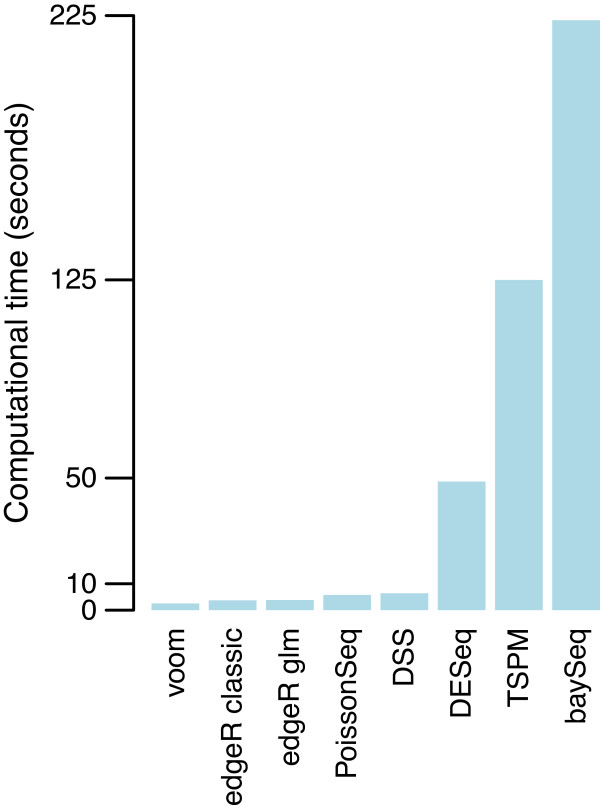
“voom is easily the fastest of the methods compared, with edgeR-classic next fastest (Figure 7).”
§ voom: precision weights unlock linear model analysis tools for RNA-seq read counts > Results > voom and limma-trend are faster than specialist RNA-seq methods
plain- Asserted: passes — The authors put it forward as true.
- Checkable: passes — It can be checked against evidence.
- Load-bearing: unclear — It is unclear whether the paper’s conclusions depend on it.
- Based: passes — The paper gives a reason why it holds.
A result the paper reports from its own data — it cites no other source for it, so there is none to check. The quote shows it is in the paper.
In the paper
“Genes peaking at the last stage tended to be associated with precursor metabolites and energy, the oxidation-reduction process and with metabolic pathways.”
§ voom: precision weights unlock linear model analysis tools for RNA-seq read counts > Results > Development stages of Drosophila melanogaster
plainstates an association- Asserted: passes — The authors put it forward as true.
- Checkable: passes — It can be checked against evidence.
- Load-bearing: unclear — It is unclear whether the paper’s conclusions depend on it.
- Based: passes — The paper gives a reason why it holds.
79 more claims
Create a free account to see all 181 claims and to verify the 45 references still open.
- It may state two separate claims as one. 48
- Probably not a substantial claim. 68
- The quote only partly states this claim. 2
Claims other papers make about this one
Each is checked against this paper’s own text: does it say what the citing paper says it does?
The source backs part of the claim, not all of it — or backs it for a different population, condition or comparison.
In the citing paper
“First, specific caution is needed with all the methods when the number of replicate samples is very small or for genes that are expressed at very low levels [55, 64, 209].”
From A survey of best practices for RNA-seq data analysis (2016) · cites this paper as [55]
Experimental — accuracy not yet measuredThe cited source says what the claim attributes to it.
In the citing paper
“Methods for transforming normalized counts of RNA-seq reads while learning the variance structure of the data have been shown to perform well in comparison to the discrete distribution approaches described above [55, 56].”
From A survey of best practices for RNA-seq data analysis (2016) · cites this paper as [55]
The cited source says what the claim attributes to it.
In the citing paper
“First, the global variance estimate can now incorporate a mean-variance trend (10,17,18).”
From limma powers differential expression analyses for RNA-sequencing and microarray studies (2015) · cites this paper as [10]
The cited source says what the claim attributes to it.
In the citing paper
“This approach is commonly applied in learning error models for bulk RNA-seq in the context of differential expression analysis [22–25], but to our knowledge has not been previously applied in this context for single-cell normalization.”
From Normalization and variance stabilization of single-cell RNA-seq data using regularized negative binomial regression (2019) · cites this paper as [25]
The check wasn’t confident either way, so it gives no verdict — never disputed.
In the citing paper
“SAMseq performs well in terms of FDR but presents an acceptable sensitivity when the number of replicates is relatively high, at least 10 [20, 55, 209].”
From A survey of best practices for RNA-seq data analysis (2016) · cites this paper as [55]
Experimental — accuracy not yet measured
12 more claims about this paper
Create a free account to see every claim other papers make about this one.
Self-check
Percentages, sums and reported differences re-computed from the paper’s own numbers.
Each contradiction between two passages listed here was confirmed by an independent check.
Rated minor: it would not touch a result — a value no result rests on, a p-value that stays on the same side of the significance level, or a conflict that is clerical, resolved elsewhere in the paper, or outside its own findings.
In the paper
§ voom: precision weights unlock linear model analysis tools for RNA-seq read counts > Materials and methods > Lymphoblastoid cell lines from Nigerian individuals
“Read counts, summarized by Ensembl gene, and transcript annotations were obtained from version 1.0.9 of the tweeDEseqCountData Bioconductor package [43]”
§ voom: precision weights unlock linear model analysis tools for RNA-seq read counts > Materials and methods > Software
“The results presented in this article were obtained using R version 3.0.0 and the software packages limma 3.16.2, edgeR 3.2.3, baySeq 1.14.1, DESeq 1.12.0, DSS 1.4.0, PoissonSeq 1.1.2 and tweeDEseqCountData 1.0.8.”
Citations
Cites
Subramanian, A., Tamayo, P., Mootha, V. K., Mukherjee, S., Ebert, B. L., Gillette, M. A., Paulovich, A., Pomeroy, S. L., Golub, T. R., Lander, E. S., et al. (2005) · Proceedings of the National Academy of Sciences · doi:10.1073/pnas.0506580102 · Cited by 53,625 · cited 1×
“This includes methods for differential expression analysis [1, 2, 3], random effects [4, 5], gene set enrichment [6], gene set testing [7, 8] and so on.”
MethodRobinson, M. D., McCarthy, D. J., & Smyth, G. K. (2010) · Bioinformatics · doi:10.1093/bioinformatics/btp616 · Cited by 41,364 · cited 2×
“Specifically we used the goodTuringProportions function of the edgeR package [12], which implements the Good-Turing algorithm [55], to predict the true proportion of total RNA attributable to each gene.”
BackgroundMethodSelf-citationfeatureCounts: an efficient general purpose program for assigning sequence reads to genomic features
Liao, Y., Smyth, G. K., & Shi, W. (2014) · Bioinformatics · doi:10.1093/bioinformatics/btt656 · Cited by 27,219
Self-citation(2005) · Statistics for Biology and Health · doi:10.1007/0-387-27255-0_9 · Cited by 20,133
McCullagh, P., & Nelder, J. A. (1989) · doi:10.1007/978-1-4899-3242-6 · Cited by 16,836
Differential expression analysis for sequence count data
Anders, S., & Huber, W. (2010) · Genome Biology · doi:10.1186/gb-2010-11-10-r106 · Cited by 15,581
Mapping and quantifying mammalian transcriptomes by RNA-Seq
Mortazavi, A., Williams, B. A., McCue, K., Schaeffer, L., & Wold, B. (2008) · Nature Methods · doi:10.1038/nmeth.1226 · Cited by 13,696
RNA-Seq: a revolutionary tool for transcriptomics
Wang, Z., Gerstein, M., & Snyder, M. (2009) · Nature Reviews Genetics · doi:10.1038/nrg2484 · Cited by 13,174 · cited 1×
“olutionary new technology for expression profiling [10].”
Bioconductor: open software development for computational biology and bioinformatics
Gentleman, R. C., Carey, V. J., Bates, D. M., Bolstad, B., Dettling, M., Dudoit, S., Ellis, B., Gautier, L., Ge, Y., Gentry, J., et al. (2004) · Genome Biology · doi:10.1186/gb-2004-5-10-r80 · Cited by 12,172 · cited 1×
“All of these packages are part of the Bioconductor project [67,68], except for PoissonSeq, which is part of the Comprehensive R Archive Network [69].”
BackgroundSelf-citationSmyth, G. K. (2004) · Statistical Applications in Genetics and Molecular Biology · doi:10.2202/1544-6115.1027 · Cited by 11,829
Self-citation
Research works printed but not linked: 2
- Law CW Chen Y Shi W Smyth GK Supplementary information for ‘Voom: precision weights unlock linear model analysis tools for RNA-seq read counts’ [ http://bioinf.wehi.edu.au/voom] PMC4053721 24485249
- Frazee A Langmead B Leek J ReCount: a multi-experiment resource of analysis-ready RNA-seq gene count datasets [ http://bowtie-bio.sourceforge.net/recount] PMC3229291 22087737
Cited by
Moderated estimation of fold change and dispersion for RNA-seq data with DESeq2
Love, M. I., Huber, W., & Anders, S. (2014) · Genome Biology · doi:10.1186/s13059-014-0550-8 · Cited by 95,106
“Other methods compared were the voom normalization method followed by linear modeling using the limma package [35] and the SAMseq permutation method of the samr package [23].”
limma powers differential expression analyses for RNA-sequencing and microarray studies
Ritchie, M. E., Phipson, B., Wu, D., Hu, Y., Law, C. W., Shi, W., & Smyth, G. K. (2015) · Nucleic Acids Research · doi:10.1093/nar/gkv007 · Cited by 40,458
“Both observation-level (2,10,43) and sample-specific weights (11) can be used in an analysis.”
BackgroundMethodResultInfluentialSelf-citationfeatureCounts: an efficient general purpose program for assigning sequence reads to genomic features
Liao, Y., Smyth, G. K., & Shi, W. (2014) · Bioinformatics · doi:10.1093/bioinformatics/btt656 · Cited by 27,219
“, 2010) or limma (Law et al., 2013) that are designed to analyse next-gen read counts.”
BackgroundMethodSelf-citationHafemeister, C., & Satija, R. (2019) · Genome Biology · doi:10.1186/s13059-019-1874-1 · Cited by 4,479
“X -axis range shown is limited to [ − 8, 25] for visual clarity variation is retained after normalization.”
BackgroundMethodRosenberg, J. E., Hoffman-Censits, J., Powles, T., van der Heijden, M. S., Balar, A. V., Necchi, A., Dawson, N., O'Donnell, P. H., Balmanoukian, A., Loriot, Y., et al. (2016) · The Lancet · doi:10.1016/s0140-6736(16)00561-4 · Cited by 3,669
Genomic analyses identify molecular subtypes of pancreatic cancer
Bailey, P., Chang, D. K., Nones, K., Johns, A. L., Patch, A.-M., Gingras, M.-C., Miller, D. K., Christ, A. N., Bruxner, T. J. C., Quinn, M. C., et al. (2016) · Nature · doi:10.1038/nature16965 · Cited by 3,621
Finak, G., McDavid, A., Yajima, M., Deng, J., Gersuk, V., Shalek, A. K., Slichter, C. K., Miller, H. W., McElrath, M. J., Prlic, M., et al. (2015) · Genome Biology · doi:10.1186/s13059-015-0844-5 · Cited by 3,159
“Several methods have been proposed for modeling bulk RNA-seq data that permit sophisticated modeling through linear [12] or generalized linear models [13, 14], but these models have not yet been adapted to single-cell data because they do not properly account for the observed bimodal-ity in…”
MethodLiao, Y., Smyth, G. K., & Shi, W. (2019) · Nucleic Acids Research · doi:10.1093/nar/gkz114 · Cited by 2,936
Self-citationA survey of best practices for RNA-seq data analysis
Conesa, A., Madrigal, P., Tarazona, S., Gomez-Cabrero, D., Cervera, A., McPherson, A., Szcześniak, M. W., Gaffney, D. J., Elo, L. L., Zhang, X., et al. (2016) · Genome Biology · doi:10.1186/s13059-016-0881-8 · Cited by 2,794
“Other approaches include data transformation methods that take into account the sampling variance of small read counts and create discrete gene expression distributions that can be analyzed by regular linear models [55].”
BackgroundMethodInfluentialMultivariable association discovery in population-scale meta-omics studies
Mallick, H., Rahnavard, A., McIver, L. J., Ma, S., Zhang, Y., Nguyen, L. H., Tickle, T. L., Weingart, G., Ren, B., Schwager, E. H., et al. (2021) · PLOS Computational Biology · doi:10.1371/journal.pcbi.1009442 · Cited by 2,596
“In particular, we considered six distinct categories of methods in our evaluations: (i) published methods specifically designed for microbial community, such as metagenomeSeq21, ANCOM14,22, and ZIB23,24, (ii) published bulk RNA-seq differential expression methods, such as DESeq225, edgeR26, and limma VOOM27,28; (iii)…”
MethodInfluentialCurrent best practices in single-cell RNA-seq analysis: a tutorial
Luecken, M. D., & Theis, F. J. (2019) · Molecular Systems Biology · doi:10.15252/msb.20188746 · Cited by 2,231
“After the pioneering PhenoGraph method (Levine et al , 2015), the standard approach to clustering single-cell datasets has become”
MethodZhu, A., Ibrahim, J. G., & Love, M. I. (2019) · Bioinformatics · doi:10.1093/bioinformatics/bty895 · Cited by 2,072
“The authors of edgeR [7] and limma-voom [12] suggest using a filtering rule that removes genes with low scaled counts before statistical analysis [14].”
MethodNormalization and microbial differential abundance strategies depend upon data characteristics
Weiss, S., Xu, Z. Z., Peddada, S., Amir, A., Bittinger, K., Gonzalez, A., Lozupone, C., Zaneveld, J. R., Vázquez-Baeza, Y., Birmingham, A., et al. (2017) · Microbiome · doi:10.1186/s40168-017-0237-y · Cited by 2,051
“The techniques used (Table 2) differ only by the addition of another metagenomeSeq method, fitFeatureModel [65], another RNA-Seq method, Voom [43], and ANCOM [8].”
MethodInfluentialReimand, J., Isserlin, R., Voisin, V., Kucera, M., Tannus-Lopes, C., Rostamianfar, A., Wadi, L., Meyer, M., Wong, J., Xu, C., et al. (2019) · Nature Protocols · doi:10.1038/s41596-018-0103-9 · Cited by 1,970
“In this case, differential gene expression values should be computed outside of GSEA, using methods that include variance stabilization (such as edgeR 29 , DESeq 30 and limma/voom 31,32 ) and imported into the GSEA software before pathway analysis.”
MethodRNA sequencing: the teenage years
Stark, R., Grzelak, M., & Hadfield, J. (2019) · Nature Reviews Genetics · doi:10.1038/s41576-019-0150-2 · Cited by 1,915
Zhou, G., Soufan, O., Ewald, J., Hancock, R. E. W., Basu, N., & Xia, J. (2019) · Nucleic Acids Research · doi:10.1093/nar/gkz240 · Cited by 1,899
“Differentially expressed genes (DEG) can be identified us-ing limma (8), edgeR (9) or DESeq2 (10).”
BackgroundComprehensive Molecular Portraits of Invasive Lobular Breast Cancer
Ciriello, G., Gatza, M. L., Beck, A. H., Wilkerson, M. D., Rhie, S. K., Pastore, A., Zhang, H., McLellan, M., Yau, C., Kandoth, C., et al. (2015) · Cell · doi:10.1016/j.cell.2015.09.033 · Cited by 1,858
“Differential expression analyses on RNA-seq data were performed using the limmavoom package (Law et al., 2014).”
MethodSelf-citationSiddiqui, I., Schaeuble, K., Chennupati, V., Fuertes Marraco, S. A., Calderon-Copete, S., Pais Ferreira, D., Carmona, S. J., Scarpellino, L., Gfeller, D., Pradervand, S., et al. (2019) · Immunity · doi:10.1016/j.immuni.2018.12.021 · Cited by 1,679
iDEP: an integrated web application for differential expression and pathway analysis of RNA-Seq data
Ge, S. X., Son, E. W., & Yao, R. (2018) · BMC Bioinformatics · doi:10.1186/s12859-018-2486-6 · Cited by 1,661
Chen, Y., Lun, A. T. L., & Smyth, G. K. (2016) · F1000Research · doi:10.12688/f1000research.8987.1 · Cited by 1,601
“The RNA-seq pipelines of the limma package also offer excellent error rate control [13, 14].”
MethodSelf-citationA step-by-step workflow for low-level analysis of single-cell RNA-seq data with Bioconductor
Lun, A. T. L., McCarthy, D. J., & Marioni, J. C. (2016) · F1000Research · doi:10.12688/f1000research.9501.2 · Cited by 1,574
ComBat-seq: batch effect adjustment for RNA-seq count data
Zhang, Y., Parmigiani, G., & Johnson, W. E. (2020) · NAR Genomics and Bioinformatics · doi:10.1093/nargab/lqaa078 · Cited by 1,566
“In addition, it has been well-established that there exists a mean-variance dependence in RNA-seq count data (9).”
BackgroundDifferential analysis of RNA-seq incorporating quantification uncertainty
Pimentel, H., Bray, N. L., Puente, S., Melsted, P., & Pachter, L. (2017) · Nature Methods · doi:10.1038/nmeth.4324 · Cited by 1,534
Comparative Analysis of Single-Cell RNA Sequencing Methods
Ziegenhain, C., Vieth, B., Parekh, S., Reinius, B., Guillaumet-Adkins, A., Smets, M., Leonhardt, H., Heyn, H., Hellmann, I., & Enard, W. (2017) · Molecular Cell · doi:10.1016/j.molcel.2017.01.023 · Cited by 1,494
Designer matrices for intestinal stem cell and organoid culture
Gjorevski, N., Sachs, N., Manfrin, A., Giger, S., Bragina, M. E., Ordóñez-Morán, P., Clevers, H., & Lutolf, M. P. (2016) · Nature · doi:10.1038/nature20168 · Cited by 1,426
Bystander CD8+ T cells are abundant and phenotypically distinct in human tumour infiltrates
Simoni, Y., Becht, E., Fehlings, M., Loh, C. Y., Koo, S.-L., Teng, K. W. W., Yeong, J. P. S., Nahar, R., Zhang, T., Kared, H., et al. (2018) · Nature · doi:10.1038/s41586-018-0130-2 · Cited by 1,370
Prioritization of cancer therapeutic targets using CRISPR–Cas9 screens
Behan, F. M., Iorio, F., Picco, G., Gonçalves, E., Beaver, C. M., Migliardi, G., Santos, R., Rao, Y., Sassi, F., Pinnelli, M., et al. (2019) · Nature · doi:10.1038/s41586-019-1103-9 · Cited by 1,338
“Other analyses: GPX4 differential expression analysis RNA-Seq voom(Law et al. 2014) transformed gene-expression measurements were obtained from(Garcia-Alonso et al. 2018).”
Functional genomic landscape of acute myeloid leukaemia
Tyner, J. W., Tognon, C. E., Bottomly, D., Wilmot, B., Kurtz, S. E., Savage, S. L., Long, N., Schultz, A. R., Traer, E., Abel, M., et al. (2018) · Nature · doi:10.1038/s41586-018-0623-z · Cited by 1,303
Transcriptome-scale spatial gene expression in the human dorsolateral prefrontal cortex
Maynard, K. R., Collado-Torres, L., Weber, L. M., Uytingco, C., Barry, B. K., Williams, S. R., Catallini, J. L., Tran, M. N., Besich, Z., Tippani, M., et al. (2021) · Nature Neuroscience · doi:10.1038/s41593-020-00787-0 · Cited by 1,222
An environment-dependent transcriptional network specifies human microglia identity
Gosselin, D., Skola, D., Coufal, N. G., Holtman, I. R., Schlachetzki, J. C. M., Sajti, E., Jaeger, B. N., O’Connor, C., Fitzpatrick, C., Pasillas, M. P., et al. (2017) · Science · doi:10.1126/science.aal3222 · Cited by 1,220
Human Gut Microbiota from Autism Spectrum Disorder Promote Behavioral Symptoms in Mice
Sharon, G., Cruz, N. J., Kang, D.-W., Gandal, M. J., Wang, B., Kim, Y.-M., Zink, E. M., Casey, C. P., Taylor, B. C., Lane, C. J., et al. (2019) · Cell · doi:10.1016/j.cell.2019.05.004 · Cited by 1,182
“Differences in relative abundance between the sample groups were calculated with LIMMA (Law et al., 2014) and considered significant if p < 0.05 (Kruksal-Wallis test) after multiple test correction by FDR adjustment.”
MethodInfluentialLandscape of X chromosome inactivation across human tissues
GTEx Consortium, Tukiainen, T., Villani, A.-C., Yen, A., Rivas, M. A., Marshall, J. L., Satija, R., Aguirre, M., Gauthier, L., Fleharty, M., et al. (2017) · Nature · doi:10.1038/nature24265 · Cited by 1,138
Finucane, H. K., Reshef, Y. A., Anttila, V., Slowikowski, K., Gusev, A., Byrnes, A., Gazal, S., Loh, P.-R., Lareau, C., Shoresh, N., et al. (2018) · Nature Genetics · doi:10.1038/s41588-018-0081-4 · Cited by 1,097
Gene expression elucidates functional impact of polygenic risk for schizophrenia
Fromer, M., Roussos, P., Sieberts, S. K., Johnson, J. S., Kavanagh, D. H., Perumal, T. M., Ruderfer, D. M., Oh, E. C., Topol, A., Shah, H. R., et al. (2016) · Nature Neuroscience · doi:10.1038/nn.4399 · Cited by 1,091
Confronting false discoveries in single-cell differential expression
Squair, J. W., Gautier, M., Kathe, C., Anderson, M. A., James, N. D., Hutson, T. H., Hudelle, R., Qaiser, T., Matson, K. J. E., Barraud, Q., et al. (2021) · doi:10.1101/2021.03.12.435024 · Cited by 1,086
Utzschneider, D. T., Charmoy, M., Chennupati, V., Pousse, L., Ferreira, D. P., Calderon-Copete, S., Danilo, M., Alfei, F., Hofmann, M., Wieland, D., et al. (2016) · Immunity · doi:10.1016/j.immuni.2016.07.021 · Cited by 1,085
Hobit and Blimp1 instruct a universal transcriptional program of tissue residency in lymphocytes
Mackay, L. K., Minnich, M., Kragten, N. A. M., Liao, Y., Nota, B., Seillet, C., Zaid, A., Man, K., Preston, S., Freestone, D., et al. (2016) · Science · doi:10.1126/science.aad2035 · Cited by 1,010
Self-citationWhole-genome landscape of pancreatic neuroendocrine tumours
Initiative, A. P. C. G., Scarpa, A., Chang, D. K., Nones, K., Corbo, V., Patch, A.-M., Bailey, P., Lawlor, R. T., Johns, A. L., Miller, D. K., et al. (2017) · Nature · doi:10.1038/nature21063 · Cited by 999
Kathleen Cuningham Foundation Consortium for Research into Familial Breast Cancer (kConFab), Savas, P., Virassamy, B., Ye, C., Salim, A., Mintoff, C. P., Caramia, F., Salgado, R., Byrne, D. J., Teo, Z. L., et al. (2018) · Nature Medicine · doi:10.1038/s41591-018-0078-7 · Cited by 992
Microbiome differential abundance methods produce different results across 38 datasets
Nearing, J. T., Douglas, G. M., Hayes, M. G., MacDonald, J., Desai, D. K., Allward, N., Jones, C. M. A., Wright, R. J., Dhanani, A. S., Comeau, A. M., et al. (2022) · Nature Communications · doi:10.1038/s41467-022-28034-z · Cited by 992
RETRACTED ARTICLE: Microbiome analyses of blood and tissues suggest cancer diagnostic approach
Poore, G. D., Kopylova, E., Zhu, Q., Carpenter, C., Fraraccio, S., Wandro, S., Kosciolek, T., Janssen, S., Metcalf, J., Song, S. J., et al. (2020) · Nature · doi:10.1038/s41586-020-2095-1 · Cited by 989
RetractedSEQC/MAQC-III Consortium (2014) · Nature Biotechnology · doi:10.1038/nbt.2957 · Cited by 983
Self-citationSensitive tumour detection and classification using plasma cell-free DNA methylomes
Shen, S. Y., Singhania, R., Fehringer, G., Chakravarthy, A., Roehrl, M. H. A., Chadwick, D., Zuzarte, P. C., Borgida, A., Wang, T. T., Li, T., et al. (2018) · Nature · doi:10.1038/s41586-018-0703-0 · Cited by 983
Schurch, N. J., Schofield, P., Gierliński, M., Cole, C., Sherstnev, A., Singh, V., Wrobel, N., Gharbi, K., Simpson, G. G., Owen-Hughes, T., et al. (2016) · RNA · doi:10.1261/rna.053959.115 · Cited by 966
RNA editing by ADAR1 prevents MDA5 sensing of endogenous dsRNA as nonself
Liddicoat, B. J., Piskol, R., Chalk, A. M., Ramaswami, G., Higuchi, M., Hartner, J. C., Li, J. B., Seeburg, P. H., & Walkley, C. R. (2015) · Science · doi:10.1126/science.aac7049 · Cited by 955
NetworkAnalyst for statistical, visual and network-based meta-analysis of gene expression data
Xia, J., Gill, E. E., & Hancock, R. E. W. (2015) · Nature Protocols · doi:10.1038/nprot.2015.052 · Cited by 948
“The underlying statistics are based on the well-established limma package 29 , which was initially designed for microarray data analysis and has recently been extended to also support RNA-seq data 30 .”
MethodOrchestrating single-cell analysis with Bioconductor
Amezquita, R. A., Lun, A. T. L., Becht, E., Carey, V. J., Carpp, L. N., Geistlinger, L., Marini, F., Rue-Albrecht, K., Risso, D., Soneson, C., et al. (2020) · Nature Methods · doi:10.1038/s41592-019-0654-x · Cited by 945
Phipson, B., Lee, S., Majewski, I. J., Alexander, W. S., & Smyth, G. K. (2016) · The Annals of Applied Statistics · doi:10.1214/16-aoas920 · Cited by 917
“Genewise read counts were obtained from the tweeDEseqCountData package version 1.8.0 from Bioconductor and were transformed to log2-counts per million with precision weights using voom (Law et al., 2014).”
BackgroundMethodInfluentialSelf-citationSplatter: simulation of single-cell RNA sequencing data
Zappia, L., Phipson, B., & Oshlack, A. (2017) · Genome Biology · doi:10.1186/s13059-017-1305-0 · Cited by 905
Baccin, C., Al-Sabah, J., Velten, L., Helbling, P. M., Grünschläger, F., Hernández-Malmierca, P., Nombela-Arrieta, C., Steinmetz, L. M., Trumpp, A., & Haas, S. (2020) · Nature Cell Biology · doi:10.1038/s41556-019-0439-6 · Cited by 904
Indoleacrylic Acid Produced by Commensal Peptostreptococcus Species Suppresses Inflammation
Wlodarska, M., Luo, C., Kolde, R., d’Hennezel, E., Annand, J. W., Heim, C. E., Krastel, P., Schmitt, E. K., Omar, A. S., Creasey, E. A., et al. (2017) · Cell Host & Microbe · doi:10.1016/j.chom.2017.06.007 · Cited by 882
Fleming, S. J., Chaffin, M. D., Arduini, A., Akkad, A.-D., Banks, E., Marioni, J. C., Philippakis, A. A., Ellinor, P. T., & Babadi, M. (2023) · Nature Methods · doi:10.1038/s41592-023-01943-7 · Cited by 867
“Furthermore, a plurality of widely-used algorithms such as voom [55] for differential expression (DE) analysis, Seurat v3’s highly-variable gene (HVG) selection [56], and scVI [34] for latent space learning, explicitly expect integer counts as input due to employment of discrete likelihood models such as negative bino…”
BackgroundMethodBallgown bridges the gap between transcriptome assembly and expression analysis
Frazee, A. C., Pertea, G., Jaffe, A. E., Langmead, B., Salzberg, S. L., & Leek, J. T. (2015) · Nature Biotechnology · doi:10.1038/nbt.3172 · Cited by 867
missMethyl: an R package for analyzing data from Illumina’s HumanMethylation450 platform
Phipson, B., Maksimovic, J., & Oshlack, A. (2016) · Bioinformatics · doi:10.1093/bioinformatics/btv560 · Cited by 865
An integrated cell atlas of the lung in health and disease
Sikkema, L., Ramírez-Suástegui, C., Strobl, D. C., Gillett, T. E., Zappia, L., Madissoon, E., Markov, N. S., Zaragosi, L.-E., Ji, Y., Ansari, M., et al. (2023) · Nature Medicine · doi:10.1038/s41591-023-02327-2 · Cited by 854
Self-citationLeung, J. M., Yang, C. X., Tam, A., Shaipanich, T., Hackett, T.-L., Singhera, G. K., Dorscheid, D. R., & Sin, D. D. (2020) · European Respiratory Journal · doi:10.1183/13993003.00688-2020 · Cited by 845
“Limma voom[11] was applied to normalize the counts to log2 counts per million reads (CPM), which was used in the downstream analysis.”
MethodTargeting cardiac fibrosis with engineered T cells
Aghajanian, H., Kimura, T., Rurik, J. G., Hancock, A. S., Leibowitz, M. S., Li, L., Scholler, J., Monslow, J., Lo, A., Han, W., et al. (2019) · Nature · doi:10.1038/s41586-019-1546-z · Cited by 801
“The data was transformed using the VOOM function from the limma R package 47 .”
MethodAn Integrated Metabolic Atlas of Clear Cell Renal Cell Carcinoma
Hakimi, A. A., Reznik, E., Lee, C.-H., Creighton, C. J., Brannon, A. R., Luna, A., Aksoy, B. A., Liu, E. M., Shen, R., Lee, W., et al. (2016) · Cancer Cell · doi:10.1016/j.ccell.2015.12.004 · Cited by 798
Self-citationHouse, I. G., Savas, P., Lai, J., Chen, A. X. Y., Oliver, A. J., Teo, Z. L., Todd, K. L., Henderson, M. A., Giuffrida, L., Petley, E. V., et al. (2020) · Clinical Cancer Research · doi:10.1158/1078-0432.ccr-19-1868 · Cited by 790
“20), using TMM (21) normalization and transformation of counts with “voom” (22).”
MethodA distinct role for Lgr5+ stem cells in primary and metastatic colon cancer
de Sousa e Melo, F., Kurtova, A. V., Harnoss, J. M., Kljavin, N., Hoeck, J. D., Hung, J., Anderson, J. E., Storm, E. E., Modrusan, Z., Koeppen, H., et al. (2017) · Nature · doi:10.1038/nature21713 · Cited by 788
Bias, robustness and scalability in single-cell differential expression analysis
Soneson, C., & Robinson, M. D. (2018) · Nature Methods · doi:10.1038/nmeth.4612 · Cited by 770
Chai, H., Diaz-Castro, B., Shigetomi, E., Monte, E., Octeau, J. C., Yu, X., Cohn, W., Rajendran, P. S., Vondriska, T. M., Whitelegge, J. P., et al. (2017) · Neuron · doi:10.1016/j.neuron.2017.06.029 · Cited by 769
variancePartition: interpreting drivers of variation in complex gene expression studies
Hoffman, G. E., & Schadt, E. E. (2016) · BMC Bioinformatics · doi:10.1186/s12859-016-1323-z · Cited by 769
“…RNA-seq data can be modeled with observation-level precision weights that model the relationship between expression magnitude and sampling variance [15]. variancePartition naturally incorporates these precision weights to create a het-eroskedastic linear mixed model [29] that can explicitly…”
InfluentialRegeneration of the lung alveolus by an evolutionarily conserved epithelial progenitor
Zacharias, W. J., Frank, D. B., Zepp, J. A., Morley, M. P., Alkhaleel, F. A., Kong, J., Zhou, S., Cantu, E., & Morrisey, E. E. (2018) · Nature · doi:10.1038/nature25786 · Cited by 737
Comprehensive evaluation of differential gene expression analysis methods for RNA-seq data
Rapaport, F., Khanin, R., Liang, Y., Pirun, M., Krek, A., Zumbo, P., Mason, C. E., Socci, N. D., & Betel, D. (2013) · Genome Biology · doi:10.1186/gb-2013-14-9-r95 · Cited by 733
“It performs a LOWESS regression to estimate the mean-variance relation and transforms the read counts to the appropriate log form for linear modeling [27].”
MethodStrunz, M., Simon, L. M., Ansari, M., Kathiriya, J. J., Angelidis, I., Mayr, C. H., Tsidiridis, G., Lange, M., Mattner, L. F., Yee, M., et al. (2020) · Nature Communications · doi:10.1038/s41467-020-17358-3 · Cited by 728
WNT/β-catenin pathway activation correlates with immune exclusion across human cancers
Luke, J. J., Bao, R., Sweis, R. F., Spranger, S., & Gajewski, T. F. (2019) · Clinical Cancer Research · doi:10.1158/1078-0432.ccr-18-1942 · Cited by 722
“Differential gene expression detection and pathway activation prediction Within each individual cancer, genes significantly differentially expressed between non-T-cell-inflamed and T-cell-inflamed tumor groups were identified by linear models for microarray and RNA-sequencing (RNA-seq) data (limma) voom algorithm with…”
MethodReadhead, B., Haure-Mirande, J.-V., Funk, C. C., Richards, M. A., Shannon, P., Haroutunian, V., Sano, M., Liang, W. S., Beckmann, N. D., Price, N. D., et al. (2018) · Neuron · doi:10.1016/j.neuron.2018.05.023 · Cited by 708
“Viral feature counts adjusted for the total number of reads in each fastq file, and quantile normalized using the Voom function in the Limma package (Law et al., 2014; Ritchie et al., 2015).”
MethodBrain cell type–specific enhancer–promoter interactome maps and disease - risk association
Nott, A., Holtman, I. R., Coufal, N. G., Schlachetzki, J. C. M., Yu, M., Hu, R., Han, C. Z., Pena, M., Xiao, J., Wu, Y., et al. (2019) · Science · doi:10.1126/science.aay0793 · Cited by 699
Genome-wide changes in lncRNA, splicing, and regional gene expression patterns in autism
Parikshak, N. N., Swarup, V., Belgard, T. G., Irimia, M., Ramaswami, G., Gandal, M. J., Hartl, C., Leppa, V., Ubieta, L. D. L. T., Huang, J., et al. (2016) · Nature · doi:10.1038/nature20612 · Cited by 685
The impact of sex on gene expression across human tissues
Oliva, M., Muñoz-Aguirre, M., Kim-Hellmuth, S., Wucher, V., Gewirtz, A. D. H., Cotter, D. J., Parsana, P., Kasela, S., Balliu, B., Viñuela, A., et al. (2020) · Science · doi:10.1126/science.aba3066 · Cited by 670
“Sex-differential expression was performed with voom-limma (63) andMASH (64) (fig.”
MethodThe tumor microenvironment underlies acquired resistance to CSF-1R inhibition in gliomas
Quail, D. F., Bowman, R. L., Akkari, L., Quick, M. L., Schuhmacher, A. J., Huse, J. T., Holland, E. C., Sutton, J. C., & Joyce, J. A. (2016) · Science · doi:10.1126/science.aad3018 · Cited by 666
“0) and normalized by using limma voom (69).”
MethodChakravarthy, A., Khan, L., Bensler, N. P., Bose, P., & De Carvalho, D. D. (2018) · Nature Communications · doi:10.1038/s41467-018-06654-8 · Cited by 656
Tumor immunoevasion by the conversion of effector NK cells into type 1 innate lymphoid cells
Gao, Y., Souza-Fonseca-Guimaraes, F., Bald, T., Ng, S. S., Young, A., Ngiow, S. F., Rautela, J., Straube, J., Waddell, N., Blake, S. J., et al. (2017) · Nature Immunology · doi:10.1038/ni.3800 · Cited by 654
An atlas of the aging lung mapped by single cell transcriptomics and deep tissue proteomics
Angelidis, I., Simon, L. M., Fernandez, I. E., Strunz, M., Mayr, C. H., Greiffo, F. R., Tsitsiridis, G., Ansari, M., Graf, E., Strom, T.-M., et al. (2019) · Nature Communications · doi:10.1038/s41467-019-08831-9 · Cited by 637
Interferon-γ Drives Treg Fragility to Promote Anti-tumor Immunity
Overacre-Delgoffe, A. E., Chikina, M., Dadey, R. E., Yano, H., Brunazzi, E. A., Shayan, G., Horne, W., Moskovitz, J. M., Kolls, J. K., Sander, C., et al. (2017) · Cell · doi:10.1016/j.cell.2017.05.005 · Cited by 627
RNA-Seq differential expression analysis: An extended review and a software tool
Costa-Silva, J., Domingues, D., & Lopes, F. M. (2017) · PLOS ONE · doi:10.1371/journal.pone.0190152 · Cited by 626
Dysregulation of brain and choroid plexus cell types in severe COVID-19
Yang, A. C., Kern, F., Losada, P. M., Agam, M. R., Maat, C. A., Schmartz, G. P., Fehlmann, T., Stein, J. A., Schaum, N., Lee, D. P., et al. (2021) · Nature · doi:10.1038/s41586-021-03710-0 · Cited by 620
Ali, H. R., Chlon, L., Pharoah, P. D. P., Markowetz, F., & Caldas, C. (2016) · PLOS Medicine · doi:10.1371/journal.pmed.1002194 · Cited by 615
Statistics or biology: the zero-inflation controversy about scRNA-seq data
Jiang, R., Sun, T., Song, D., & Li, J. J. (2022) · Genome Biology · doi:10.1186/s13059-022-02601-5 · Cited by 614
“Direct modeling of original, observed counts is the most common practice for bioinformatics tool developers [13, 28, 30–33, 36, 103].”
MethodRNA-seq analysis is easy as 1-2-3 with limma, Glimma and edgeR
Law, C. W., Alhamdoosh, M., Su, S., Dong, X., Tian, L., Smyth, G. K., & Ritchie, M. E. (2018) · F1000Research · doi:10.12688/f1000research.9005.3 · Cited by 614
Self-citationDUX-family transcription factors regulate zygotic genome activation in placental mammals
De Iaco, A., Planet, E., Coluccio, A., Verp, S., Duc, J., & Trono, D. (2017) · Nature Genetics · doi:10.1038/ng.3858 · Cited by 606
Inactivation of CDK12 Delineates a Distinct Immunogenic Class of Advanced Prostate Cancer
Wu, Y.-M., Cieślik, M., Lonigro, R. J., Vats, P., Reimers, M. A., Cao, X., Ning, Y., Wang, L., Kunju, L. P., de Sarkar, N., et al. (2018) · Cell · doi:10.1016/j.cell.2018.04.034 · Cited by 598
Human gut bacteria produce ΤΗ17-modulating bile acid metabolites
Paik, D., Yao, L., Zhang, Y., Bae, S., D’Agostino, G. D., Zhang, M., Kim, E., Franzosa, E. A., Avila-Pacheco, J., Bisanz, J. E., et al. (2022) · Nature · doi:10.1038/s41586-022-04480-z · Cited by 594
Three Differential Expression Analysis Methods for RNA Sequencing: limma, EdgeR, DESeq2
Liu, S., Wang, Z., Zhu, R., Wang, F., Cheng, Y., & Liu, Y. (2021) · Journal of Visualized Experiments · doi:10.3791/62528 · Cited by 585
Fumarate is an epigenetic modifier that elicits epithelial-to-mesenchymal transition
Sciacovelli, M., Gonçalves, E., Johnson, T. I., Zecchini, V. R., da Costa, A. S. H., Gaude, E., Drubbel, A. V., Theobald, S. J., Abbo, S. R., Tran, M. G. B., et al. (2016) · Nature · doi:10.1038/nature19353 · Cited by 584
Why weight? Modelling sample and observational level variability improves power in RNA-seq analyses
Liu, R., Holik, A. Z., Su, S., Jansz, N., Chen, K., Leong, H. S., Blewitt, M. E., Asselin-Labat, M.-L., Smyth, G. K., & Ritchie, M. E. (2015) · Nucleic Acids Research · doi:10.1093/nar/gkv412 · Cited by 581
“where wg j is an observational level weight derived from the ‘voom’ model (13) for gene g in sample j and σ 2 g is an unknown factor.”
BackgroundMethodInfluentialSelf-citationZepp, J. A., Zacharias, W. J., Frank, D. B., Cavanaugh, C. A., Zhou, S., Morley, M. P., & Morrisey, E. E. (2017) · Cell · doi:10.1016/j.cell.2017.07.034 · Cited by 567
Lineage Tracing in Humans Enabled by Mitochondrial Mutations and Single-Cell Genomics
Ludwig, L. S., Lareau, C. A., Ulirsch, J. C., Christian, E., Muus, C., Li, L. H., Pelka, K., Ge, W., Oren, Y., Brack, A., et al. (2019) · Cell · doi:10.1016/j.cell.2019.01.022 · Cited by 567
“, 2013) using parameters noted above, followed by differential expression testing using limma-voom (Law et al., 2014).”
Differentiation of Human Pluripotent Stem Cells into Functional Lung Alveolar Epithelial Cells
Jacob, A., Morley, M., Hawkins, F., McCauley, K. B., Jean, J. C., Heins, H., Na, C.-L., Weaver, T. E., Vedaie, M., Hurley, K., et al. (2017) · Cell Stem Cell · doi:10.1016/j.stem.2017.08.014 · Cited by 565
“The resultant data was transformed using the VOOM method implemented in limma R package (Law et al., 2014).”
MethodJohnson, E. C. B., Carter, E. K., Dammer, E. B., Duong, D. M., Gerasimov, E. S., Liu, Y., Liu, J., Betarbet, R., Ping, L., Yin, L., et al. (2022) · Nature Neuroscience · doi:10.1038/s41593-021-00999-y · Cited by 561
“This method is identical to that used for determining module-wise enrichment of risk in GWAS results summarized as gene-level P values using MAGMA (see ‘GWAS module association’ section).”
Molecular basis of astrocyte diversity and morphology across the CNS in health and disease
Endo, F., Kasai, A., Soto, J. S., Yu, X., Qu, Z., Hashimoto, H., Gradinaru, V., Kawaguchi, R., & Khakh, B. S. (2022) · Science · doi:10.1126/science.adc9020 · Cited by 560
IL4I1 Is a Metabolic Immune Checkpoint that Activates the AHR and Promotes Tumor Progression
Sadik, A., Somarribas Patterson, L. F., Öztürk, S., Mohapatra, S. R., Panitz, V., Secker, P. F., Pfänder, P., Loth, S., Salem, H., Prentzell, M. T., et al. (2020) · Cell · doi:10.1016/j.cell.2020.07.038 · Cited by 559
“Genes with less than 10 counts were filtered followed by trimmed mean of M values (TMM) normalization (Robinson and Oshlack, 2010) and variance modeling using voom (Law et al., 2014).”
MethodCharting cellular identity during human in vitro β-cell differentiation
Veres, A., Faust, A. L., Bushnell, H. L., Engquist, E. N., Kenty, J. H.-R., Harb, G., Poh, Y.-C., Sintov, E., Gürtler, M., Pagliuca, F. W., et al. (2019) · Nature · doi:10.1038/s41586-019-1168-5 · Cited by 552
Single sample scoring of molecular phenotypes
Foroutan, M., Bhuva, D. D., Lyu, R., Horan, K., Cursons, J., & Davis, M. J. (2018) · BMC Bioinformatics · doi:10.1186/s12859-018-2435-4 · Cited by 548
RNA-seq analysis is easy as 1-2-3 with limma, Glimma and edgeR
Law, C. W., Alhamdoosh, M., Su, S., Smyth, G. K., & Ritchie, M. E. (2016) · F1000Research · doi:10.12688/f1000research.9005.1 · Cited by 547
Self-citationsvaseq: removing batch effects and other unwanted noise from sequencing data
Leek, J. T. (2014) · Nucleic Acids Research · doi:10.1093/nar/gku864 · Cited by 546
Adaptive plasticity of IL-10+ and IL-35+ Treg cells cooperatively promotes tumor T cell exhaustion
Sawant, D. V., Yano, H., Chikina, M., Zhang, Q., Liao, M., Liu, C., Callahan, D. J., Sun, Z., Sun, T., Tabib, T., et al. (2019) · Nature Immunology · doi:10.1038/s41590-019-0346-9 · Cited by 543
Bilophila wadsworthia aggravates high fat diet induced metabolic dysfunctions in mice
Natividad, J. M., Lamas, B., Pham, H. P., Michel, M.-L., Rainteau, D., Bridonneau, C., da Costa, G., van Hylckama Vlieg, J., Sovran, B., Chamignon, C., et al. (2018) · Nature Communications · doi:10.1038/s41467-018-05249-7 · Cited by 542
Human ADAR1 Prevents Endogenous RNA from Triggering Translational Shutdown
Chung, H., Calis, J. J. A., Wu, X., Sun, T., Yu, Y., Sarbanes, S. L., Dao Thi, V. L., Shilvock, A. R., Hoffmann, H.-H., Rosenberg, B. R., et al. (2018) · Cell · doi:10.1016/j.cell.2017.12.038 · Cited by 538
“Gene- and Alu- level read counts were normalized with voom-limma (Law et al., 2014).”
Influential
Metadata
- Authors
- Law, C. W., Chen, Y., Shi, W., & Smyth, G. K.
- Affiliations
- The University of Melbourne (AU)
- Corresponding author
- Smyth, Gordon K
- Venue
- Genome Biology
- Published
- 2014-02-03
- Volume
- 15
- Issue
- 2
- Pages
- R29-R29
- ISSN
- 1465-6906 (ISSN-L)
- 1474-760X
- PMC
- PMC4053721
- OpenAlex
- W2137526110
- Semantic Scholar
- f85a6cb90dbe6f064e37b427a129e3976e87a86d
- Cited by
- 6,155
- References
- 67
- Citations by year
- 2026: 472 · 2025: 640 · 2024: 713 · 2023: 671 · 2022: 664 · 2021: 761 · 2020: 586 · 2019: 471 · 2018: 420 · 2017: 307 · 2016: 241 · 2015: 145 · 2014: 52
- FWCI
- 101.89
- Type
- journal article
- Language
- en
- Open access
- gold
- doi.org
- Licence
- cc-by
- creativecommons.org/licenses/by/2.0/ (tdm)
- creativecommons.org/licenses/by/2.0/ (vor)
- Locations
- Genome biology (publishedVersion, cc-by)
- Europe PMC (PubMed Central) (publishedVersion, cc-by)
- PubMed Central (publishedVersion, cc-by)
- PubMed (publishedVersion)
- Minerva Access (University of Melbourne) (submittedVersion, cc-by)
- Topics
- Life Sciences › Biochemistry, Genetics and Molecular Biology › Molecular Biology › Gene expression and cancer classification
- Life Sciences › Biochemistry, Genetics and Molecular Biology › Molecular Biology › Genomics and Phylogenetic Studies
- Life Sciences › Biochemistry, Genetics and Molecular Biology › Molecular Biology › Single-cell and spatial transcriptomics
- Keywords
- RNA-seq read counts, mean-variance relationship, limma, empirical Bayes, linear modeling, differential gene expression
- MeSH terms
- Algorithms, Base Sequence, Bayes Theorem, Computer Simulation, RNA, Linear Models, Sequence Analysis, RNA, Gene Expression Profiling, High-Throughput Nucleotide Sequencing
About these checks
Registry, retraction, Cites and statistics results are computed, not judged, with one exception: a printed reference that no index lists is read once by a model before it counts as a citation error. Claims are extracted by a model and kept only when their quote appears verbatim in the text; each cited source is then checked, with a model’s help, for whether it says what the claim relies on. Those verdicts can be wrong — read the claim’s quote and the cited source before relying on one.
The claim verdicts this report counts are experimental: their accuracy is not yet measured.
A language model drew the claims from the paper on 2026-11-23, under version 3 of the claim definition (model deepseek-v4.1-flash, prompt extract-v3).
A second model labelled each claim on 2026-11-23 (model jev-1.13-20260917, definition revision gold-guideline-v0.2).
Cited sources are checked with a language model’s help (qwen3.8-omni-flash).
Statistics and arithmetic are recomputed, not judged.
Confidence bands are shown only for fields calibrated on our annotated test set. None is calibrated yet, so no band is shown.
What counts as a claim ›How we measure confidence ›How we check this ›
Are you an author, or do you see a problem with this page? Request a review
Data sources
Bibliographic data: Semantic Scholar, OpenAlex, Crossref.
Contains information from the Semantic Scholar Academic Graph Datasets, made available under the ODC Attribution License (ODC-BY 1.0).
Semantic Scholar’s data is described in: Kinney, R., et al. (2023). The Semantic Scholar Open Data Platform. arXiv:2301.10140.
