

Applying a biopsychosocial model to migraine: rationale and clinical implications
Open accessThe DOI matches its Crossref record; 200 of the 200 references it cites were found in a registry or an index.
Abstract
Migraine is a complex condition in which genetic predisposition interacts with other biological and environmental factors determining its course. A hyperresponsive brain cortex, peripheral and central alterations in pain processing, and comorbidities play a role from an individual biological standpoint. Besides, dysfunctional psychological mechanisms, social and lifestyle factors may intervene and impact on the clinical phenotype of the disease, promote its transformation from episodic into chronic migraine and may increase migraine-related disability. Thus, given the multifactorial origin of the condition, the application of a biopsychosocial approach in the management of migraine could favor therapeutic success. While in chronic pain conditions the biopsychosocial approach is already a mainstay of treatment, in migraine the biomedical approach is still dominant. It is instead advisable to carefully consider the individual with migraine as a whole, in order to plan a tailored treatment. In this review, we first reported an analytical and critical discussion of the biological, psychological, and social factors involved in migraine. Then, we addressed the management implications of the application of a biopsychosocial model discussing how the integration between non-pharmacological management and conventional biomedical treatment may provide advantages to migraine care.
Overview
The claims and statistics of this paper haven’t been checked yet.
Free: it reads the open-access text and checks the first 5 claims that cite a source we can check. Create a free account to check every claim.
Integrity signals
Registry
Cites
Statistics
Figures
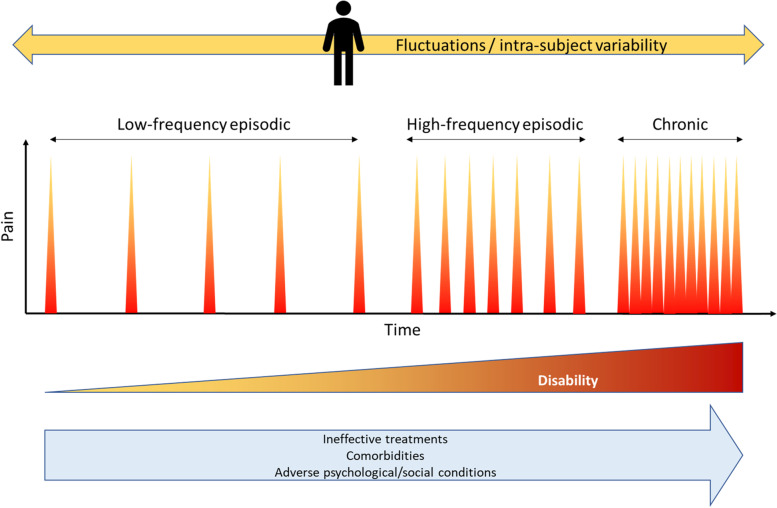
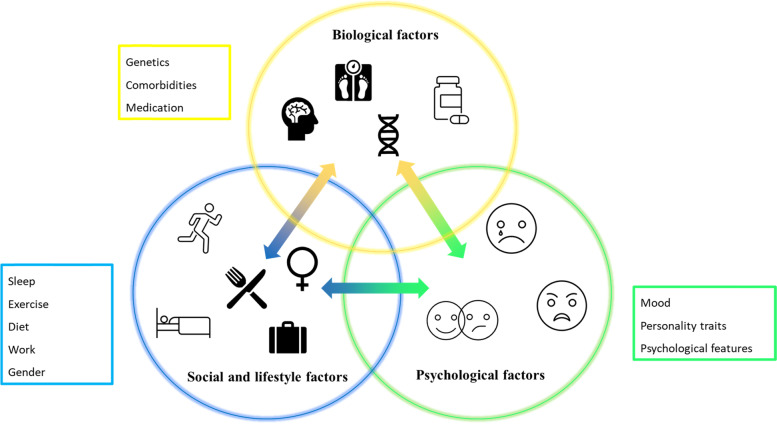
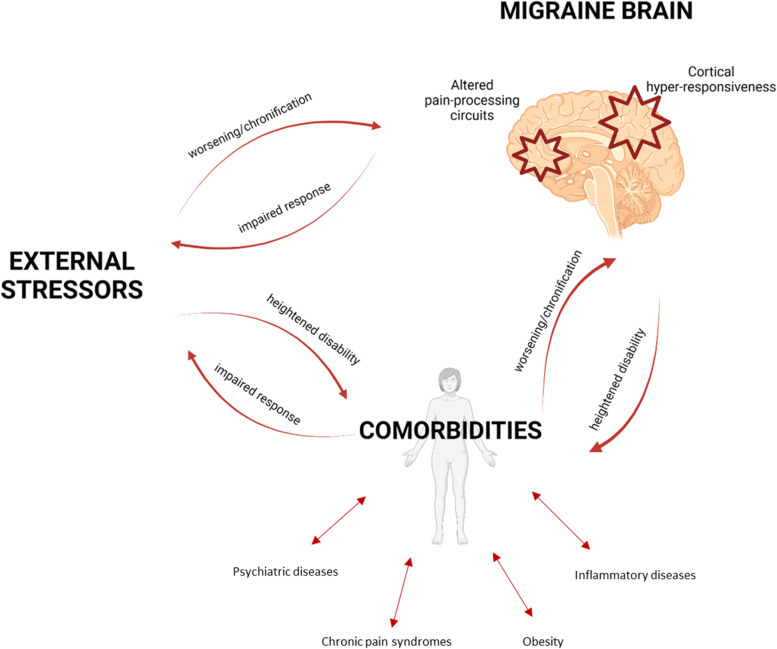
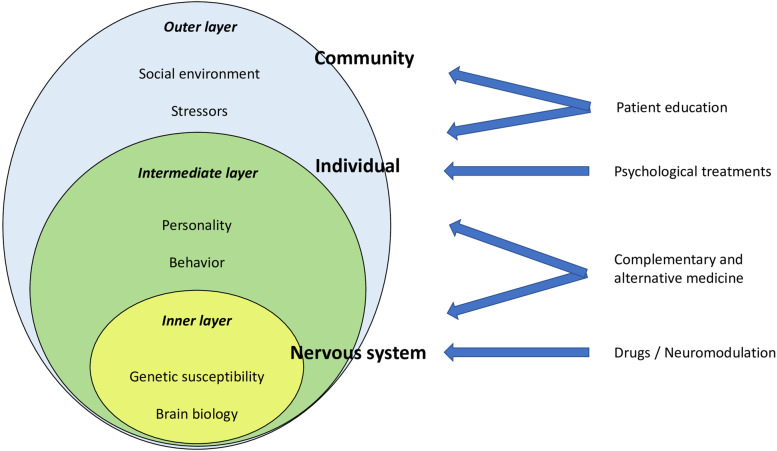
Verification
Claims the paper makes
The claims and statistics of this paper haven’t been checked yet.
Free: it reads the open-access text and checks the first 5 claims that cite a source we can check. Create a free account to check every claim.
Self-check
Percentages, sums and reported differences re-computed from the paper’s own numbers.
The self-check needs the paper’s full text.
Citations
Cites
Vos, T., Lim, S. S., Abbafati, C., Abbas, K. M., Abbasi, M., Abbasifard, M., Abbasi-Kangevari, M., Abbastabar, H., Abd-Allah, F., Abdelalim, A., et al. (2020) · The Lancet · doi:10.1016/s0140-6736(20)30925-9 · Cited by 19,358
A psychobiological model of temperament and character
Cloninger, C. R. (1993) · Archives of General Psychiatry · doi:10.1001/archpsyc.1993.01820240059008 · Cited by 5,458 · cited 2×
“According to psychobiological model, migraineurs have high level of harm avoidance and persistence, and a lower level of self-directedness compared to non-migraineurs [85].”
BackgroundInternational Classification of Functioning, Disability and Health (ICF) 2001
Jiménez Buñuales, M. ª. T., González Diego, P., & Martín Moreno, J. M. ª. (2002) · Revista Española de Salud Pública · doi:10.1590/s1135-57272002000400002 · Cited by 3,254
The Validity and Reproducibility of a Work Productivity and Activity Impairment Instrument
Reilly, M. C., Zbrozek, A. S., & Dukes, E. M. (1993) · PharmacoEconomics · doi:10.2165/00019053-199304050-00006 · Cited by 3,071
Chronic pain: an update on burden, best practices, and new advances
Cohen, S. P., Vase, L., & Hooten, W. M. (2021) · The Lancet · doi:10.1016/s0140-6736(21)00393-7 · Cited by 2,614
Migraine prevalence, disease burden, and the need for preventive therapy
Lipton, R. B., Bigal, M. E., Diamond, M., Freitag, F., Reed, M. L., & Stewart, W. F. (2007) · Neurology · doi:10.1212/01.wnl.0000252808.97649.21 · Cited by 2,337 · cited 2×
“For many individuals with migraine old age is associated with a resolution of the disease, but for others the disease persists into old age and can have a still disabling pattern [8].”
BackgroundPersonality disorders and the five factor model of personality
Costa, P. T., & McCrae, R. R. (1990) · Journal of Personality Disorders · doi:10.1521/pedi.1990.4.4.362 · Cited by 1,653
Nociplastic pain: towards an understanding of prevalent pain conditions
Fitzcharles, M.-A., Cohen, S. P., Clauw, D. J., Littlejohn, G., Usui, C., & Häuser, W. (2021) · The Lancet · doi:10.1016/s0140-6736(21)00392-5 · Cited by 1,253
Personalized medicine: Time for one-person trials
Schork, N. J. (2015) · Nature · doi:10.1038/520609a · Cited by 1,223
Headache, O. B. O. L. T. B. T. G. C. A., Steiner, T. J., Stovner, L. J., Jensen, R., Uluduz, D., & Katsarava, Z. (2020) · The Journal of Headache and Pain · doi:10.1186/s10194-020-01208-0 · Cited by 1,035
Cited by
Ashina, S., Terwindt, G. M., Steiner, T. J., Lee, M. J., Porreca, F., Tassorelli, C., Schwedt, T. J., Jensen, R. H., Diener, H.-C., & Lipton, R. B. (2023) · Nature Reviews Disease Primers · doi:10.1038/s41572-022-00415-0 · Cited by 213
Hallmarks of primary headache: part 1 – migraine
Raggi, A., Leonardi, M., Arruda, M., Caponnetto, V., Castaldo, M., Coppola, G., Della Pietra, A., Fan, X., Garcia-Azorin, D., Gazerani, P., et al. (2024) · The Journal of Headache and Pain · doi:10.1186/s10194-024-01889-x · Cited by 198
Self-citationHealth equity, care access and quality in headache – part 1
Tana, C., Raffaelli, B., Souza, M. N. P., de la Torre, E. R., Massi, D. G., Kissani, N., García‐Azorín, D., & Waliszewska‐Prosół, M. (2024) · The Journal of Headache and Pain · doi:10.1186/s10194-024-01712-7 · Cited by 78
Rethinking headache as a global public health case model for reaching the SDG 3 HEALTH by 2030
Martelletti, P., Leonardi, M., Ashina, M., Burstein, R., Cho, S., Charway‐Felli, A., Dodick, D. W., Gil‐Gouveia, R., Grazzi, L., Lampl, C., et al. (2023) · The Journal of Headache and Pain · doi:10.1186/s10194-023-01666-2 · Cited by 78
Self-citationWaliszewska‐Prosół, M., Montisano, D. A., Antolak, M., Bighiani, F., Cammarota, F., Cetta, I., Corrado, M., Ihara, K., Kartamysheva, R., Petrušić, I., et al. (2024) · The Journal of Headache and Pain · doi:10.1186/s10194-024-01735-0 · Cited by 69
Self-citationWaliszewska‐Prosół, M., Grandi, G., Ornello, R., Raffaelli, B., Straburzyński, M., Tana, C., & Martelletti, P. (2025) · Neurology and Therapy · doi:10.1007/s40120-025-00720-2 · Cited by 52
Self-citationGkintoni, E., Vassilopoulos, S. P., Nikolaou, G., & Boutsinas, B. (2025) · Journal of Clinical Medicine · doi:10.3390/jcm14072265 · Cited by 34
Migraine as an allostatic reset triggered by unresolved interoceptive prediction errors
Sedley, W., Kumar, S., Jones, S., Levy, A. D., Friston, K. J., Griffiths, T. D., & Goldsmith, P. (2024) · Neuroscience & Biobehavioral Reviews · doi:10.1016/j.neubiorev.2024.105536 · Cited by 33
Onan, D., Ekizoğlu, E., Arıkan, H., Taşdelen, B., Özge, A., & Martelletti, P. (2023) · Journal of Integrative Neuroscience · doi:10.31083/j.jin2205126 · Cited by 38
The Migraine Stigma Kaleidoscope View
Gross, E., de la Torre, E. R., & Martelletti, P. (2023) · Neurology and Therapy · doi:10.1007/s40120-023-00456-x · Cited by 26
Is painful temporomandibular disorder a real headache for many patients?
Yakkaphan, P., Elias, L.-A., Ravindranath, P. T., & Renton, T. F. (2024) · BDJ · doi:10.1038/s41415-024-7178-1 · Cited by 26
“40,41,42,43,44 It is therefore important to recognise that various biopsychosocial factors, including shared physiology, psychological behaviours and environmental factors, may as well contribute to the relationship between them.”
BackgroundMüller, B., Gaul, C., Reis, O., Jürgens, T. P., Kropp, P. A., Ruscheweyh, R., Straube, A. M., Brähler, E., Förderreuther, S., Schroth, J., et al. (2023) · The Journal of Headache and Pain · doi:10.1186/s10194-023-01564-7 · Cited by 26
MicroRNA profiling in women with migraine: effects of CGRP-targeting treatment
Ornello, R., Zelli, V., Compagnoni, C., Caponnetto, V., Matteis, E. D., Tiseo, C., Tessitore, A., & Sacco, S. (2024) · The Journal of Headache and Pain · doi:10.1186/s10194-024-01787-2 · Cited by 21
Self-citationPersonality in Chronic Headache: A Systematic Review with Meta-Analysis
Bottiroli, S., Renzi, A., Ballante, E., Icco, R. D., Sances, G., Tanzilli, A., Vecchi, T., Tassorelli, C., & Galli, F. (2023) · Pain Research and Management · doi:10.1155/2023/6685372 · Cited by 26
Incorporating Therapeutic Education and Exercise in Migraine Management: A Biobehavioral Approach
Touche, R. L., Oliveira, A. B., Paris‐Alemany, A., & Reina‐Varona, Á. (2024) · Journal of Clinical Medicine · doi:10.3390/jcm13206273 · Cited by 24
“Notwithstanding, some barriers can be present for this model, highlighting the need for the adequate structuring of this approach, given the high variability of interventions shown in studies [19].”
BackgroundInfluentialBottiroli, S., Rosi, A., Sances, G., Allena, M., Icco, R. D., Lecce, S., Vecchi, T., Tassorelli, C., & Cavallini, E. (2023) · The Journal of Headache and Pain · doi:10.1186/s10194-023-01578-1 · Cited by 20
“Both interpretations can be taken as true, in a circular relationship, according to the biopsychosocial model [19].”
BackgroundIgarashi, H., Komori, M., Ueda, K., Zagar, A. J., Jaffe, D. H., Matsumori, Y., Takeshima, T., & Hirata, K. (2024) · Brain and Behavior · doi:10.1002/brb3.3547 · Cited by 18
“…and lifestyle factors, including stigma, and the need for close cooperation between policymakers, healthcare professionals, and patients, has been proposed to reduce disease burden and improve disease management (Martelletti et al., 2023; Rosignoli et al., 2022; Vaghi et al., 2023).”
BackgroundGrazzi, L., Raggi, A., Guastafierro, E., Passavanti, M., Marcassoli, A., Montisano, D. A., & D’Amico, D. (2022) · International Journal of Environmental Research and Public Health · doi:10.3390/ijerph192114116 · Cited by 19
Self-citationRaggi, A., Castaldo, M., Chiang, C., Cho, S. J., Chu, M. K., Pietra, A. D., Holland, P. R., Husøy, A. K., Labastida‐Ramírez, A., Lytvyak, E., et al. (2025) · The Journal of Headache and Pain · doi:10.1186/s10194-025-02233-7 · Cited by 17
Self-citationDiet and migraine: what is proven?
Gazerani, P. (2023) · Current Opinion in Neurology · doi:10.1097/wco.0000000000001204 · Cited by 19
“The clinical phenotype of migraine is influenced by psychological, social, and lifestyle factors [14,15]. diet, weather, and sleep disruption are among the modifiable contributing factors [16].”
BackgroundNon-Pharmacological Treatments in Paediatric Migraine
Baglioni, V., Bozza, F., Beatrice, A., Cameli, N., Cinnante, E. M. C., Lentini, G., Faedda, N., Natalucci, G., & Guidetti, V. (2024) · Journal of Clinical Medicine · doi:10.3390/jcm13051278 · Cited by 20
“Furthermore, individuals who are predisposed to migraines and have comorbidities such as obesity and inflammatory diseases may experience an overt manifestation of migraine or a high migraine burden [1].”
InfluentialImpaired meningeal lymphatic drainage correlates with headache intensity in episodic migraine
Ren, X., Wang, H., He, Y., Wu, C., Chen, K., Zhou, F., Xiao, Z., Liu, Y., Wang, Y., & Hong, D. (2025) · The Journal of Headache and Pain · doi:10.1186/s10194-025-02211-z · Cited by 18
Persson, M., Rembeck, G. I., & Weineland, S. (2023) · Scandinavian Journal of Primary Health Care · doi:10.1080/02813432.2023.2231034 · Cited by 15
“fore be based on a biopsychosocial perspective [29];”
BackgroundFibromyalgia: a new set of diagnostic criteria based on the biopsychosocial model
Pontes‐Silva, A. (2024) · Rheumatology · doi:10.1093/rheumatology/keae074 · Cited by 21
Pontes‐Silva, A., Nunes, I., Miguel-Rubio, A. D., de Souza, M. C., DeSantana, J. M., & Ávila, M. A. (2023) · Rheumatology International · doi:10.1007/s00296-023-05374-7 · Cited by 15
“The model was then detailed by the World Health Organization with the International Classification of Functioning Disability and Health, which addresses the complex interaction among health conditions, individuals, and the environment in which individuals conduct their lives, to understand health outcomes in terms of…”
BackgroundMethodRushendran, R., & Vellapandian, C. (2024) · Journal of Traditional and Complementary Medicine · doi:10.1016/j.jtcme.2024.04.011 · Cited by 13
Grazzi, L., Montisano, D. A., Rizzoli, P. B., Guastafierro, E., Marcassoli, A., Fornari, A., & Raggi, A. (2023) · Toxins · doi:10.3390/toxins15020086 · Cited by 16
Self-citationCognitive Behavioral Therapy for the Management of Episodic Migraine
Amatrudo, G., Kengetter, J., McCrea, S., & Amatrudo, M. (2023) · Current Pain and Headache Reports · doi:10.1007/s11916-023-01129-y · Cited by 16
Optimising combined treatment for migraine and temporomandibular disorders (TMDs)
Romero‐Reyes, M., Akerman, S., & Rapoport, A. M. (2025) · Cephalalgia · doi:10.1177/03331024251368882 · Cited by 11
Discordant dry eye disease and chronic pain: A systematic review and meta-analysis
Hoffmann, M., Farrell, S. F., Colorado, L. H., & Edwards, K. (2024) · Contact Lens and Anterior Eye · doi:10.1016/j.clae.2024.102248 · Cited by 11
Gazerani, P. (2025) · Current Pain and Headache Reports · doi:10.1007/s11916-025-01366-3 · Cited by 11
Treating Vestibular Migraine When Pregnant and Postpartum: Progress, Challenges and Innovations
Teelucksingh, S., Govind, R. M., Dobson, R., Nelson‐Piercy, C., & Ovadia, C. (2023) · International Journal of Women s Health · doi:10.2147/ijwh.s371491 · Cited by 15
“Future work holds potential for phenotyping vestibular migraine and offering personalised management strategies on an individual biopsychosocial basis.(88)”
BackgroundZamir, O., Yarns, B. C., Lagman‐Bartolome, A. M., Jobanputra, L., Lawler, V., & Lay, C. L. (2023) · Headache The Journal of Head and Face Pain · doi:10.1111/head.14624 · Cited by 12
Predictors of galcanezumab response in a real-world study of Korean patients with migraine
Kim, S. A., Jang, H., & Lee, M. J. (2023) · Scientific Reports · doi:10.1038/s41598-023-42110-4 · Cited by 10
Thomas, M., Führes, H., Scheer, M., Rampp, S., Strauß, C., Schönfeld, R., & Leplow, B. (2024) · Journal of Personalized Medicine · doi:10.3390/jpm14010075 · Cited by 9
“Firstly, a potential limitation of this study is the relatively small sample size of 54 VS patients experiencing POHs.”
BackgroundA Narrative Review of Intestinal Microbiota’s Impact on Migraine with Psychopathologies
Francavilla, M., Facchetti, S., Demartini, C., Zanaboni, A. M., Amoroso, C., Bottiroli, S., Tassorelli, C., & Greco, R. (2024) · International Journal of Molecular Sciences · doi:10.3390/ijms25126655 · Cited by 11
Özge, A., Valeriani, M., Guidetti, V., Sakai, F., Uludüz, D., Topaloğlu, P., Abu‐Arafeh, I., Gelfand, A. A., Grazzi, L., Wang, S., et al. (2025) · Cephalalgia · doi:10.1177/03331024251374686 · Cited by 9
Self-citationOnan, D., & Martelletti, P. (2022) · International Journal of Environmental Research and Public Health · doi:10.3390/ijerph192316307 · Cited by 9
Huguet, A., Rozario, S., Wozney, L., & McGrath, P. J. (2023) · JMIR Human Factors · doi:10.2196/48677 · Cited by 8
“Being a multifactorial disorder, a biopsychosocial approach is considered the most appropriate option [7], where patient education and lifestyle modification are recommended in addition to medication.”
BackgroundCicero, C. E., Angelini, L., Abbadessa, G., Bruno, M., Fiume, G., Nucera, B., Ornello, R., Arabia, G., Giuliano, L., Guarnieri, B., et al. (2026) · Neurological Sciences · doi:10.1007/s10072-025-08623-8 · Cited by 13
Self-citationMagdy, R., Hassan, A., Mohammed, Z., Abdeltwab, M. A., Ghaffar, N. F. A., & Hussein, M. (2024) · The Journal of Headache and Pain · doi:10.1186/s10194-024-01713-6 · Cited by 8
Fox, J. H., Gaul, C., Ohse, J., Peperkorn, N., Krutzki, J., & Shiban, Y. (2025) · The Journal of Headache and Pain · doi:10.1186/s10194-025-02101-4 · Cited by 8
“Psychological factors, such as pain catastrophizing, fear of attacks, and depression have been implicated in the exacerbation of disability (e.g., see [3, 19–22]), emphasizing the need for a biopsychosocial approach.”
Human Brain Organoids in Migraine Research: Pathogenesis and Drug Development
Gazerani, P. (2023) · International Journal of Molecular Sciences · doi:10.3390/ijms24043113 · Cited by 8
Onan, D., Bentivegna, E., & Martelletti, P. (2022) · Toxins · doi:10.3390/toxins15010029 · Cited by 10
Berlot, R., Nicholson, T. R., Asan, L., Stanton, B. R., Pollak, T. A., & Edwards, M. J. (2025) · EClinicalMedicine · doi:10.1016/j.eclinm.2025.103687 · Cited by 6
“13 In addition, stress is the most common precipitating factor for migraine, 14 supporting its relevance for studying life events.”
Ferreira, V. L., Mainka, F. F., Wiens, A., & Pontarolo, R. (2023) · Clinical Drug Investigation · doi:10.1007/s40261-023-01301-7 · Cited by 6
“…promote impaired quality of life, comorbidades (e.g. cardiovascular disease, neurologic/psychiatric diseases, sleep disorders and other pain conditions), substantial loss of productivity (work-related and in activities of daily living) and high economic costs to individuals and society [71–74].”
BackgroundTakeshima, T., Sakai, F., Wang, X., Yamato, K., Kojima, Y., Zhang, Y., Bennison, C., & Simons, M. (2024) · PharmacoEconomics · doi:10.1007/s40273-024-01380-0 · Cited by 8
Arruda, M. A., Arruda, R., & Silva, J. A. D. (2025) · Cephalalgia · doi:10.1177/03331024251364204 · Cited by 8
Nichols, V. P., Ellard, D. R., Griffiths, F. E., Underwood, M. R., Haywood, K. L., Taylor, S. J., Nichols, V. P., Griffiths, F. E., Achana, F. A., Carnes, D., et al. (2024) · BMC Neurology · doi:10.1186/s12883-024-03779-w · Cited by 5
“A paper from 2022 suggests that management of migraine requires a biopsychological approach integrating non-pharmacological management alongside conventional biomedical treatments [21].”
BackgroundFilzmoser, N., Webber, I., Kerr, G. K., Alaa, A., Asmar, M. L. E., Karki, M., Sasco, E. R., & El-Osta, A. A. R. (2024) · BMC Neurology · doi:10.1186/s12883-024-03535-0 · Cited by 8
“Self-management behaviours and lifestyle modification targeting sleep, diet, stress or the work environment could offer a significant contribution to the experience and trajectory of chronic pain [12, 13].”
BackgroundInfluentialMercante, J. P. P., Oliveira, A. B., Peres, M. F. P., Wang, Y., Brunoni, A. R., Lotufo, P. A., Benseñor, I. M., & Goulart, A. C. (2024) · Journal of Psychosomatic Research · doi:10.1016/j.jpsychores.2024.111624 · Cited by 5
Mingels, S., Granitzer, M., Luedtke, K., & Dankaerts, W. (2024) · Current Pain and Headache Reports · doi:10.1007/s11916-024-01306-7 · Cited by 6
“Such an understanding of inter-individual variability in signalling pathways might better guide precision approaches [20].”
InfluentialWang, X., Na, W., Yang, Y., Zhang, W., Zhao, J., Zhang, T., Zhou, Y., Liu, H., Zhao, D., & Yu, S. (2023) · The Journal of Headache and Pain · doi:10.1186/s10194-023-01540-1 · Cited by 5
“These phenomena suggest that sex hormones (estrogen is the main research hormone) [7, 18], and environmental and psychosocial factors participate in the pathogenesis of migraine [19].”
BackgroundRaggi, A., Leonardi, M., & Martelletti, P. (2024) · Expert Review of Pharmacoeconomics & Outcomes Research · doi:10.1080/14737167.2024.2321244 · Cited by 5
“Examples of this include work-related stress, shift working, and working in the health care sector [7].”
BackgroundSelf-citationBrezić, N., Gligorevic, S., Sič, A., Tseriotis, V., & Knežević, N. N. (2026) · Biomolecules · doi:10.3390/biom16020258 · Cited by 7
Ahmad, S., & Senese, V. P. (2025) · Current Psychology · doi:10.1007/s12144-025-08283-z · Cited by 4
Clinical Correlates of Osmophobia in Primary Headaches: An Observational Study in Child Cohorts
Sciruicchio, V., D’Agnano, D., Clemente, L., Rutigliano, A., Laporta, A., & de Tommaso, M. (2023) · Journal of Clinical Medicine · doi:10.3390/jcm12082939 · Cited by 4
“Anxious and depressed children could be prone to overestimating sensory stimuli, exhibiting an abnormal bio-behavioral allostatic model, including osmophobia as well as pain hypersensitivity [31,32].”
BackgroundOne Health for Headaches: A Clinical Scientist Residence Project
Martelletti, P. (2023) · International Journal of Environmental Research and Public Health · doi:10.3390/ijerph20065186 · Cited by 4
Kyrgyzbay, G., Kalinina, D., Akhmedullin, R., Utebekov, Z., Касенова, А. С., Ornello, R., Kimadiev, D., & Zhumabayeva, G. (2025) · Epilepsy Research · doi:10.1016/j.eplepsyres.2025.107596 · Cited by 3
Self-citationMingels, S., Granitzer, M., Schmid, A. B., & Dankaerts, W. (2023) · Musculoskeletal Science and Practice · doi:10.1016/j.msksp.2023.102855 · Cited by 6
Al-Qassab, Z. M. S., Ahmed, O., Kannan, V., Ullah, N., Geddada, S., Ibrahiam, A. T., & Nwosu, M. (2024) · Cureus · doi:10.7759/cureus.69652 · Cited by 3
“Their study suggests that combining iron supplementation with other non-pharmacological approaches, such as lifestyle modifications and dietary interventions, could enhance the overall management of migraines, particularly for patients with underlying metabolic abnormalities [27].”
BackgroundCsáti, A., Horváth, F., Szok, D., Tibold, A., Radványi, I., Fejes, É., Tajti, J., & Fehér, G. (2025) · BMC Public Health · doi:10.1186/s12889-025-22255-9 · Cited by 5
“Many factors have been identified as influencing migraine so far [34], but recent studies also raised the role of digital addictions.”
Pain Coping in Patients With Chronic Migraine and Medication Overuse Headache
van den Hoek, T. C., Pijpers, J. A., van Zwet, E. W., de Boer, I., & Terwindt, G. M. (2025) · Brain and Behavior · doi:10.1002/brb3.70739 · Cited by 4
Bottiroli, S., Greco, R., Franco, V., Zanaboni, A., Palmisani, M., Vaghi, G., Sances, G., Icco, R. D., & Tassorelli, C. (2024) · International Journal of Molecular Sciences · doi:10.3390/ijms25031893 · Cited by 4
“Several hypotheses could explain this association according to the biopsychosocial model of health [13,14], but the underlying biological mechanisms have yet to be explored.”
BackgroundTheory of mind in chronic migraine with medication overuse assessed with the MASC
Bottiroli, S., Rosi, A., Lecce, S., Sances, G., Allena, M., Icco, R. D., Vecchi, T., Tassorelli, C., & Cavallini, E. (2024) · Scientific Reports · doi:10.1038/s41598-024-57559-0 · Cited by 5
Pain Catastrophizing: Features and Profiles in Chronic Migraine
Grazzi, L., Rizzoli, P. B., & Telesca, A. (2024) · Springer eBooks · doi:10.1007/978-3-031-32046-0_52-1 · Cited by 3
Self-citationClinical and psychoemotional characteristics of patients with medication overuse headache
Guziy, E. A., Сергеев, А. В., & Tabeeva, G. R. (2024) · Neurology neuropsychiatry Psychosomatics · doi:10.14412/2074-2711-2024-1s-52-58 · Cited by 3
Onan, D., Arıkan, H., Can, İ., Özge, A., & Martelletti, P. (2024) · SN Comprehensive Clinical Medicine · doi:10.1007/s42399-024-01759-2 · Cited by 3
Inheritance of Primary Headache in Children and Adolescents—A Scoping Review
Winther, C. C. H., Berring-Uldum, A. A., & Debes, N. M. (2024) · Neuropediatrics · doi:10.1055/a-2505-8261 · Cited by 3
Altamura, C., Iannone, L. F., Fofi, L., & Vernieri, F. (2024) · Elsevier eBooks · doi:10.1016/b978-0-443-24705-7.00024-7 · Cited by 2
Durneva, P., & LeRouge, C. (2024) · Health Systems · doi:10.1080/20476965.2024.2435815 · Cited by 2
“The biopsychosocial model has been widely accepted as a holistic approach to improve health outcomes in managing chronic conditions, including chronic headaches (Mann et al., 2013; Marceglia & Conti, 2017; Probyn et al., 2017; Rosignoli et al., 2022).”
Çöme, O., Limnili, G., & Güldal, D. (2025) · Primary Health Care Research & Development · doi:10.1017/s1463423625000064 · Cited by 2
“Additionally, regular monitoring and appropriate treatment recommendations by healthcare professionals play a critical role in managing migraine symptoms (Rosignoli et al. , 2022).”
Bottiroli, S., Cangelosi, M., Allena, M., Icco, R. D., Martinelli, D., Vaghi, G., Guaschino, E., Ghiotto, N., Sances, G., & Tassorelli, C. (2025) · Cephalalgia · doi:10.1177/03331024251358503 · Cited by 3
Multiple Komorbiditäten bei Migräne – gibt es eine gemeinsame Ursache?
Straube, A. M. (2025) · Der Schmerz · doi:10.1007/s00482-025-00901-w · Cited by 2
Liu, R., Li, Y.-D., Wang, R., Liu, A., Zhao, L., Li, P., Wang, Y., & Cao, J. (2026) · The Journal of Headache and Pain · doi:10.1186/s10194-026-02318-x · Cited by 2
Migraine: Epidemiology, Risk Factors, Pathophysiology, and Treatment
Lu, W., Zhang, Y., Shi, C., Tao, Y., Li, S., Sun, Y., Ji, F., Jiang, D., Snutch, T. P., & Tao, J. (2026) · MedComm · doi:10.1002/mco2.70933 · Cited by 3
“Management should therefore emphasize individualized assessment, avoidance of overgeneralized trigger lists, and integration of behavioral strategies within a broader preventive framework [ 59, 72 ].”
Headache Education by E-Learning Through Social Networking Services (Social Media)
Katsuki, M., Nanri, M., Miyakoshi, Y., Gobo, S., Koh, A., Kawamura, S., Tachikawa, S., Matsukawa, R., Kashiwagi, K., Matsuo, M., et al. (2023) · Journal of Healthcare Leadership · doi:10.2147/jhl.s432132 · Cited by 2
“102 Until now, patients have had the opportunity to exchange information with each other in person and to receive education from doctors.”
BackgroundGupta, V. K. (2023) · Journal of Neuroscience and Neurological Disorders · doi:10.29328/journal.jnnd.1001087 · Cited by 3
Gazerani, P. (2024) · Elsevier eBooks · doi:10.1016/b978-0-443-18516-8.00009-0 · Cited by 2
Alexithymia Increases Pericranial and Cervical Muscle Tenderness in Women with Migraine
Rota, E., Cavagnetto, E., Immovilli, P., Frola, E., Salari, P., Morelli, N., & Battaggia, A. (2024) · Journal of Clinical Medicine · doi:10.3390/jcm13102772 · Cited by 3
“Moreover, psychological factors may contribute to migraine onset, chronification, the development of medication overuse, and response to treatment [6,7,29], making it highly plausible that alexithymia influences pericranial and cervical muscle tenderness.”
BackgroundInfluentialAlexithymia Increases the Headache Pain Index in Women with Migraine: Preliminary Results
Rota, E., Cavagnetto, E., Immovilli, P., Morelli, N., Salari, P., & Battaggia, A. (2025) · Journal of Clinical Medicine · doi:10.3390/jcm14051629 · Cited by 2
“Furthermore, according to the bio-psycho-social model of migraine [10], the genetic predisposition interacts bidirectionally with other biological and environmental factors in determining the migraine clinical phenotype.”
Şentürk, İ. A., Turan, S. A., Eyigürbüz, T., Şentürk, E., & İçen, N. K. (2023) · Cureus · doi:10.7759/cureus.39688 · Cited by 2
“From this perspective, it can be said that catastrophizing is one of the primary objectives of cognitive behavioral therapy for patients with headaches [11-12].”
BackgroundInfluentialEditorial: Spotlight on resistant and refractory migraine
Ornello, R., & Raffaelli, B. (2023) · Frontiers in Neurology · doi:10.3389/fneur.2023.1291439 · Cited by 2
Self-citationMigliore, S., Altamura, C., Brunelli, N., Marcosano, M., Curcio, G., & Vernieri, F. (2024) · Neurological Sciences · doi:10.1007/s10072-024-07769-1 · Cited by 1
“Therefore, considering the complex etiology of the condition, employing a biopsychosocial approach (BPS) in treating migraines could enhance treat-ment efficacy [40].”
InfluentialMigraine management in adolescents: treatment requires a multimodal approach
Grazzi, L., Rizzoli, P. B., Montisano, D. A., & Raggi, A. (2025) · Confinia Cephalalgica · doi:10.4081/cc.2025.15782 · Cited by 1
Self-citationPain Catastrophizing: Features and Profiles in Chronic Migraine
Grazzi, L., Rizzoli, P. B., & Telesca, A. (2025) · Springer eBooks · doi:10.1007/978-3-031-73363-5_52 · Cited by 1
Self-citationGolshan, F., Sun, G., Francisco, J., Alibolandi, P., Zade, M. N., Mousavi, A., Lysenko, R., O’Connell, M. E., Block, H., Masiowski, P., et al. (2025) · Journal of Clinical Neuroscience · doi:10.1016/j.jocn.2025.111685 · Cited by 3
Chowdhury, D., Garg, M., & Duggal, A. K. (2025) · Cephalalgia Reports · doi:10.1177/25158163251391185 · Cited by 3
Vesterskov, B., & Mose, L. S. (2025) · Journal of Multidisciplinary Healthcare · doi:10.2147/jmdh.s564841 · Cited by 1
“12,13 Empirical support from theories such as the Gate Control Theory of pain underscores the multidimensional nature of pain and strengthens the rationale for a biopsychosocial approach in clinical practice.”
Jaso, M., Smith, A., Goldstein, H., Sehlbrede, M., & Wager, J. (2026) · The Journal of Headache and Pain · doi:10.1186/s10194-026-02299-x · Cited by 3
Global to individual: key domains of burden in pediatric headache
Feldman, E. C. H., Gates, T., & Powers, S. W. (2026) · Current Opinion in Neurology · doi:10.1097/wco.0000000000001468 · Cited by 1
Madjid, I. S., Octaviana, F., Werdhani, R. A., Sofyan, H. R., Faiq, A. R., Putra, A., Kristoffersen, E. S., Barus, J. F. A., Trilaksono, L., Findyartini, A., et al. (2026) · The Journal of Headache and Pain · doi:10.1186/s10194-026-02307-0 · Cited by 1
Eatz, T. A., Margolesky, J. H., & Cocores, A. N. (2026) · Current Pain and Headache Reports · doi:10.1007/s11916-026-01480-w · Cited by 1
“For migraine, this should include non-pharmacologic and pharmacologic treatment [99].”
Pontes‐Silva, A. (2023) · Seminars in Arthritis and Rheumatism · doi:10.1016/j.semarthrit.2023.152261 · Cited by 2
Transcranial direct current stimulation for migrane
Петрович, Б. С., Andreev, S., Zinchenko, O. O., Panina, U. V., Дмитриевна, К. В., Takhirov, R., Potakhina, A. E., & Викторовна, Ш. К. (2024) · Meditsinskiy sovet = Medical Council · doi:10.21518/ms2024-121 · Cited by 1
Johnson, K. T., Zawadzki, M. J., Widome, R., & Kavanaugh, M. S. (2025) · International Journal of Behavioral Medicine · doi:10.1007/s12529-025-10374-x · Cited by 1
Fox, J., Gaul, C., Kuhlencord, M., Peperkorn, N., Ohse, J., Krutzki, J., & Shiban, Y. (2025) · Headache The Journal of Head and Face Pain · doi:10.1111/head.14988 · Cited by 4
“13 In the context of migraine, several psychological factors have been identified as important contributors to disability.”
MIGRAINE AS A NEUROINFLAMMATORY DISEASE: PATHOPHYSIOLOGY, TREATMENT, AND IMPACT OF PHYSICAL EXERCISE
Ozdarska, A., Floriańczyk, A., Romanowicz, E., Kołdyj, A., Biernat, A. K., Lampart, M., Rupińska, A., Krzewska, K., & Skarakhodava, H. (2025) · International Journal of Innovative Technologies in Social Science · doi:10.31435/ijitss.3(47).2025.3506 · Cited by 1
Cui, Y., & Wang, S. (2025) · The Journal of Headache and Pain · doi:10.1186/s10194-025-02226-6 · Cited by 1
Correction: Applying a biopsychosocial model to migraine: rationale and clinical implications
Rosignoli, C., Ornello, R., Onofri, A., Caponnetto, V., Grazzi, L., Raggi, A., Leonardi, M., & Sacco, S. (2022) · The Journal of Headache and Pain · doi:10.1186/s10194-022-01487-9 · Cited by 1
Self-citation
Metadata
- Authors
- Rosignoli, C., Ornello, R., Onofri, A., Caponnetto, V., Grazzi, L., Raggi, A., Leonardi, M., & Sacco, S.
- Affiliations
- University of L'Aquila (IT)
- Fondazione IRCCS Istituto Neurologico Carlo Besta (IT)
- Corresponding author
- Sacco, Simona
- ORCID
- Venue
- The Journal of Headache and Pain
- Published
- 2022-08-11
- Volume
- 23
- Issue
- 1
- Pages
- 100-100
- ISSN
- 1129-2369 (ISSN-L)
- 1129-2377
- PMC
- PMC9367111
- OpenAlex
- W4291171105
- Cited by
- 138
- References
- 200
- Citations by year
- 2026: 17 · 2025: 38 · 2024: 46 · 2023: 33 · 2022: 4
- FWCI
- 5.21
- Type
- journal article
- Language
- en
- Update notices
- correction (2022-09-07)
- Open access
- gold
- doi.org
- Licence
- cc-by
- creativecommons.org/licenses/by/4.0 (tdm)
- creativecommons.org/licenses/by/4.0 (vor)
- Locations
- The Journal of Headache and Pain (publishedVersion, cc-by)
- PubMed Central (publishedVersion, cc-by)
- PubMed (publishedVersion)
- Archivio Istituzionale della Ricerca - Università degli Studi dell Aquila (submittedVersion, cc-by)
- DOAJ (DOAJ: Directory of Open Access Journals) (submittedVersion, cc-by-sa)
- Funders
- Ministero della Salute
- Topics
- Health Sciences › Medicine › Clinical Neurology › Migraine and Headache Studies
- Health Sciences › Dentistry › Oral Surgery › Temporomandibular Joint Disorders
- Health Sciences › Health Professions › Physical Therapy, Sports Therapy and Rehabilitation › Musculoskeletal pain and rehabilitation
- Keywords
- migraine, biopsychosocial model, chronic migraine, migraine disability, pain processing, comorbidities, psychological factors, social factors, lifestyle factors, non-pharmacological treatment, personalized treatment, genetic susceptibility
- MeSH terms
- Models, Biopsychosocial, Chronic Disease, Humans, Migraine Disorders, Chronic Pain
About these checks
Registry, retraction, Cites and statistics results are computed, not judged, with one exception: a printed reference that no index lists is read once by a model before it counts as a citation error. Claims are extracted by a model and kept only when their quote appears verbatim in the text; each cited source is then checked, with a model’s help, for whether it says what the claim relies on. Those verdicts can be wrong — read the claim’s quote and the cited source before relying on one.
Statistics and arithmetic are recomputed, not judged.
Confidence bands are shown only for fields calibrated on our annotated test set. None is calibrated yet, so no band is shown.
What counts as a claim ›How we measure confidence ›How we check this ›
Are you an author, or do you see a problem with this page? Request a review
Data sources
Bibliographic data: Semantic Scholar, OpenAlex, Crossref.
Contains information from the Semantic Scholar Academic Graph Datasets, made available under the ODC Attribution License (ODC-BY 1.0).
Semantic Scholar’s data is described in: Kinney, R., et al. (2023). The Semantic Scholar Open Data Platform. arXiv:2301.10140.
