

Efficacy of mindfulness added to treatment as usual in patients with chronic migraine and medication overuse headache: a phase-III single-blind randomized-controlled trial (the MIND-CM study)
Open accessThe DOI matches its Crossref record; 37 of the 37 references it cites were found in a registry or an index.
Abstract
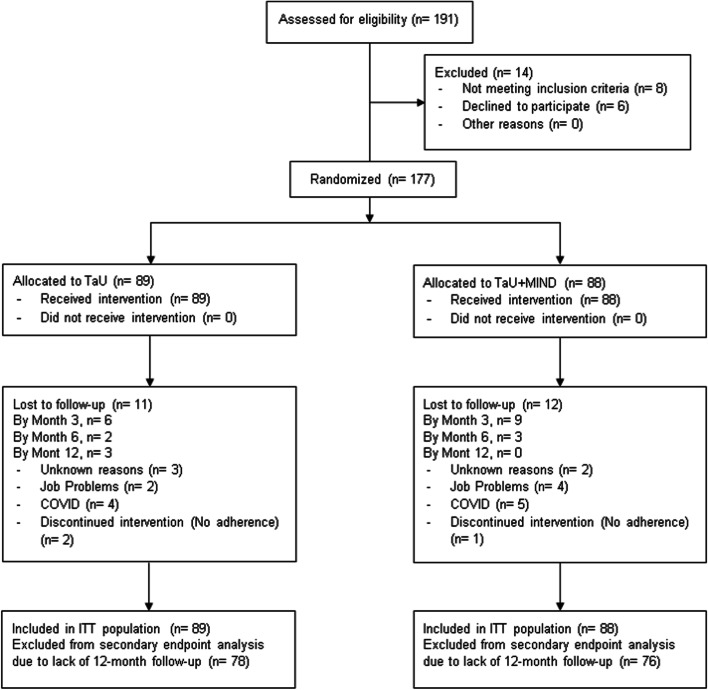
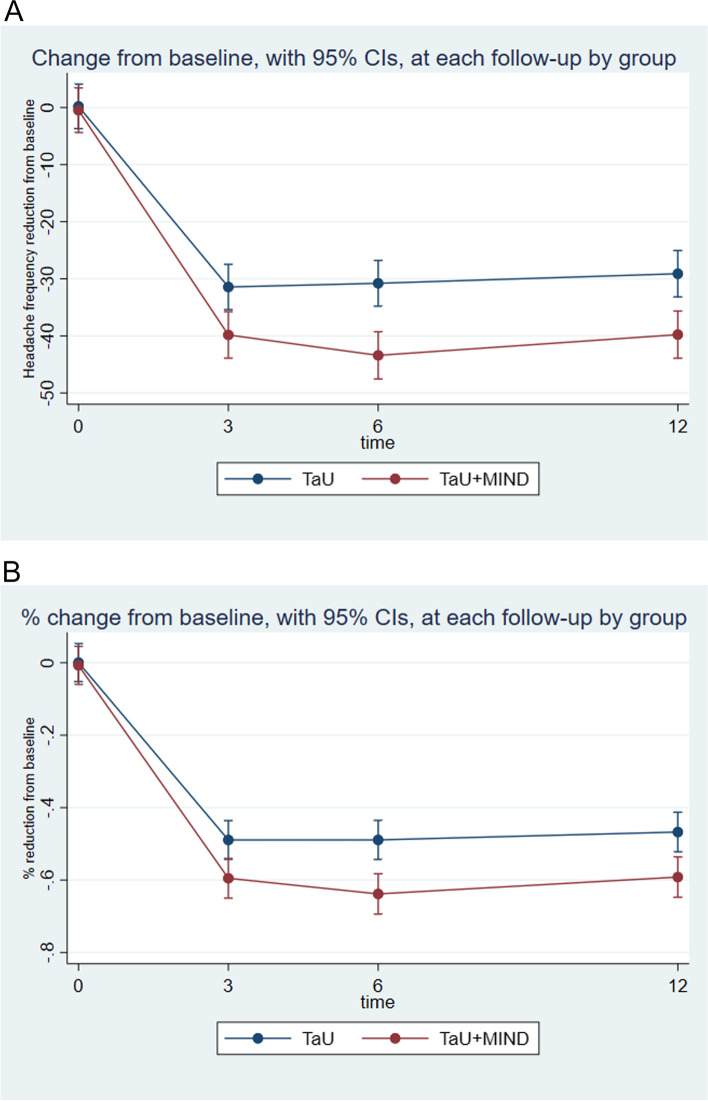
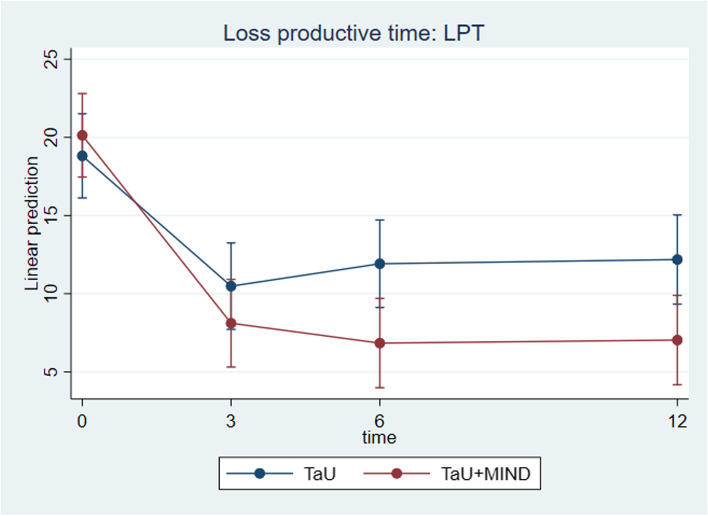
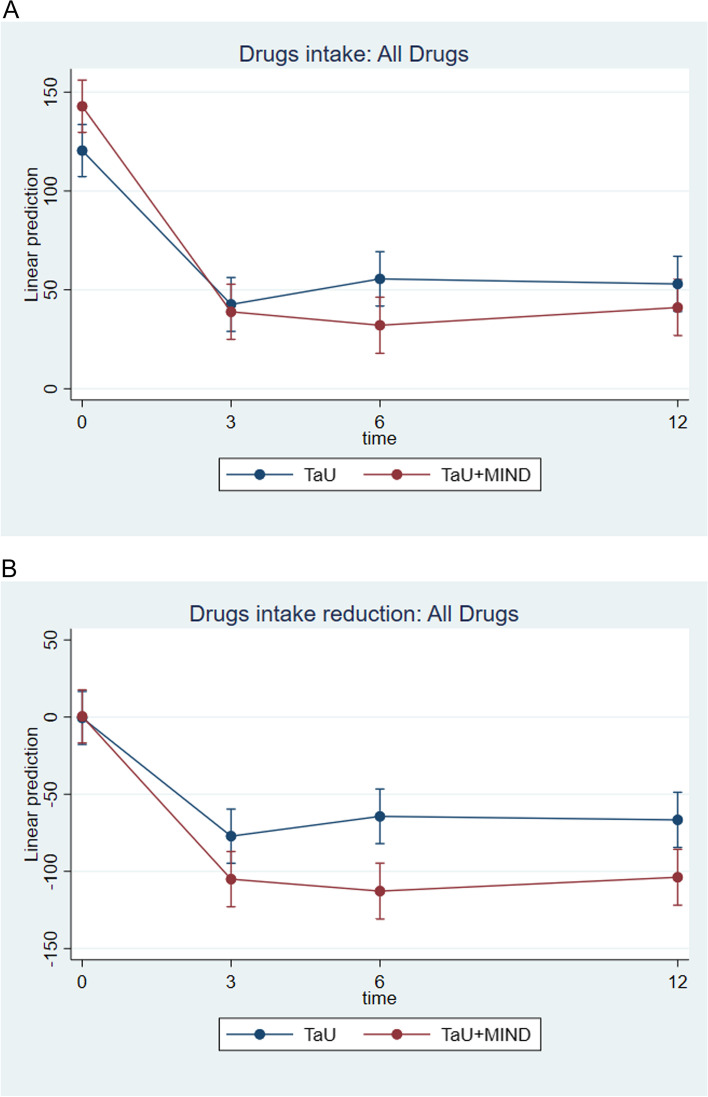
Background: Mindfulness gained considerable attention for migraine management, but RCTs are lacking. We aimed to assess the efficacy of a six-sessions mindfulness-based treatment added to treatment as usual (TaU) in patients with Chronic Migraine (CM) and Medication Overuse Headache (MOH) on headache frequency, medication intake, quality of life, disability, depression and anxiety, cutaneous allodynia, awareness of inner states, work-related difficulties, and disease cost. Methods: In this Phase-III single-blind RCT carried out in a specialty Italian headache center, 177 patients with CM and MOH were randomized 1:1 to either TaU (withdrawal from overused drugs, education on proper medication use and lifestyle issues, and tailored prophylaxis) or mindfulness-based intervention added to TaU (TaU + MIND). The mindfulness-based intervention consisted of six group session of mindfulness practice and 7–10 min daily self-practice. The primary endpoint was the achievement of ≥ 50% headache frequency reduction at 12 months compared to baseline, and was analyzed on an intention-to-treat principle using Pearson’s Chi-Squared test. Secondary endpoints included medication intake, quality of life (QoL), disability, depression and anxiety, cutaneous allodynia, awareness of inner states, work-related difficulties, and disease cost. The secondary endpoints were analyzed using per-protocol linear mixed models. Results: Out of the 177 participants 89 were randomized to TaU and 88 to TaU + MIND. Patients in the TaU + MIND group outperformed those in TaU for the primary endpoint (78.4% vs. 48.3%; p < 0.0001), and showed superior improvement in headache frequency, QoL and disability, headache impact, loss of productive time, medication intake, and in total, indirect and direct healthcare costs. Conclusions: A mindfulness-based treatment composed of six-week session and 7–10 min daily self-practice added on to TaU is superior to TaU alone for the treatment of patients with CM and MOH. Trial registration: MIND-CM was registered on clinicaltrials.gov (NCT03671681) on14/09/2018.
Overview
The claims and statistics of this paper haven’t been checked yet.
Free: it reads the open-access text and checks the first 5 claims that cite a source we can check. Create a free account to check every claim.
Integrity signals
Registry
Cites
Statistics
Figures
Verification
Claims the paper makes
The claims and statistics of this paper haven’t been checked yet.
Free: it reads the open-access text and checks the first 5 claims that cite a source we can check. Create a free account to check every claim.
Claims other papers make about this one
Each is checked against this paper’s own text: does it say what the citing paper says it does?
The source backs part of the claim, not all of it — or backs it for a different population, condition or comparison.
In the citing paper
“Grazzi et al. (2023) reported notable improvements in headache-related disability and quality of life following MBSR, reinforcing its therapeutic value.”
From The effectiveness of mindfulness as a complementary therapy in headache patients: a preliminary interventional study (2025) · cites this paper as Grazzi et al. (2023)
Experimental — accuracy not yet measured
Self-check
Percentages, sums and reported differences re-computed from the paper’s own numbers.
The self-check needs the paper’s full text.
Citations
Cites
The benefits of being present: Mindfulness and its role in psychological well-being
Brown, K. W., & Ryan, R. M. (2003) · Journal of Personality and Social Psychology · doi:10.1037/0022-3514.84.4.822 · Cited by 13,448 · cited 4×
“1) [12, 13]; disability, assessed by the Migraine Disability Assessment (MIDAS) [14, 15], and by the 12-item WHO Disability Assessment Schedule (WHODAS-12) [16]; headache impact, assessed by the six-item Headache Impact Test (HIT-6) [17]; symptoms of depression and anxiety, assessed by the Beck Depression InventoryII…”
MethodInfluentialDeveloping the World Health Organization Disability Assessment Schedule 2.0
Üstün, T. B., Chatterji, S., Kostanjsek, N., Rehm, J., Kennedy, C., Epping-Jordan, J., Saxena, S., von Korff, M., & Pull, C. (2010) · Bulletin of the World Health Organization · doi:10.2471/blt.09.067231 · Cited by 1,851
A six-item short-form survey for measuring headache impact: The HIT-6™
Kosinski, M., Bayliss, M. S., Bjorner, J. B., Ware, J. E., Garber, W. H., Batenhorst, A., Cady, R., Dahlöf, C. G. H., Dowson, A., & Tepper, S. (2003) · Quality of Life Research · doi:10.1023/a:1026119331193 · Cited by 1,376 · cited 11×
“Patients in the TaU + MIND group achieved significantly better results than those in TaU for the achievement of HIT-6 clinically meaningful reduction at each follow-up (see Supplementary Table 1 in Additional file 2).”
MethodInfluentialThe cost of headache disorders in Europe: the Eurolight project
Linde, M., Gustavsson, A., Stovner, L. J., Steiner, T. J., Barré, J., Katsarava, Z., Lainez, J. M., Lampl, C., Lantéri‐Minet, M., Rastenyte, D., et al. (2012) · European Journal of Neurology · doi:10.1111/j.1468-1331.2011.03612.x · Cited by 741 · cited 1×
“The greater improvement in LPT is clearly connected to the superior improvement in indirect cost, which represents the largest part of migraine-associated costs [25, 36, 37].”
BackgroundChronic migraine: risk factors, mechanisms and treatment
May, A., & Schulte, L. H. (2016) · Nature Reviews Neurology · doi:10.1038/nrneurol.2016.93 · Cited by 630 · cited 1×
“This is of relevance, considering medication overuse role in migraine chronification [38, 39], and that tackling the pain-pill automatism is a core content of our mindfulness protocol: the effect is evident as those in the TaU + MIND group reduced the amount of intakes per headache day by approximately 23% (from 2.”
BackgroundCutaneous allodynia in the migraine population
Lipton, R. B., Bigal, M. E., Ashina, S., Burstein, R., Silberstein, S., Reed, M. L., Serrano, D., Stewart, W. F., & American Migraine Prevalence Prevention Advisory Group (2008) · Annals of Neurology · doi:10.1002/ana.21211 · Cited by 598 · cited 3×
“1) [12, 13]; disability, assessed by the Migraine Disability Assessment (MIDAS) [14, 15], and by the 12-item WHO Disability Assessment Schedule (WHODAS-12) [16]; headache impact, assessed by the six-item Headache Impact Test (HIT-6) [17]; symptoms of depression and anxiety, assessed by the Beck Depression InventoryII…”
MethodValidity and Reliability of the Migraine‐Specific Quality of Life Questionnaire (MSQ Version 2.1)
Martin, B. C., Pathak, D. S., Sharfman, M. I., Adelman, J. U., Taylor, F., Kwong, W. J., & Jhingran, P. (2000) · Headache: The Journal of Head and Face Pain · doi:10.1046/j.1526-4610.2000.00030.x · Cited by 299
A narrative review on the burden of migraine: when the burden is the impact on people’s life
Leonardi, M., & Raggi, A. (2019) · The Journal of Headache and Pain · doi:10.1186/s10194-019-0993-0 · Cited by 289 · cited 1×
“Patients with CM and MOH experience relevant pain, limitations in daily activities, personal and societal disease burden [2].”
BackgroundSelf-citationWells, R. E., O’Connell, N., Pierce, C. R., Estave, P., Penzien, D. B., Loder, E., Zeidan, F., & Houle, T. T. (2021) · JAMA Internal Medicine · doi:10.1001/jamainternmed.2020.7090 · Cited by 183
Current and emerging evidence-based treatment options in chronic migraine: a narrative review
The Italian chronic migraine group, Agostoni, E. C., Barbanti, P., Calabresi, P., Colombo, B., Cortelli, P., Frediani, F., Geppetti, P., Grazzi, L., Leone, M., et al. (2019) · The Journal of Headache and Pain · doi:10.1186/s10194-019-1038-4 · Cited by 176 · cited 1×
“Both pharmacological and non-pharmacological treatments are available [3, 4].”
BackgroundSelf-citationD'Amico, D., Mosconi, P., Genco, S., Usai, S., Prudenzano, A., Grazzi, L., Leone, M., Puca, F., & Bussone, G. (2001) · Cephalalgia · doi:10.1046/j.0333-1024.2001.00277.x · Cited by 173
Self-citationSeminowicz, D. A., Burrowes, S. A. B., Kearson, A., Zhang, J., Krimmel, S. R., Samawi, L., Furman, A. J., Keaser, M. L., Gould, N. F., Magyari, T., et al. (2020) · Pain · doi:10.1097/j.pain.0000000000001860 · Cited by 110
Seng, E. K., Singer, A. B., Metts, C., Grinberg, A. S., Patel, Z. S., Marzouk, M., Rosenberg, L., Day, M., Minen, M. T., Lipton, R. B., et al. (2019) · Headache: The Journal of Head and Face Pain · doi:10.1111/head.13657 · Cited by 103
Bakhshani, N. M., Amirani, A., Amirifard, H., & Shahrakipoor, M. (2015) · Global Journal of Health Science · doi:10.5539/gjhs.v8n4p142 · Cited by 101
Reliability of an Illness Severity Measure for Headache in A Population Sample of Migraine Sufferers
Stewart, W., Lipton, R., Simon, D., Von Korff, M., & Liberman, J. (1998) · Cephalalgia · doi:10.1046/j.1468-2982.1998.1801044.x · Cited by 99
Grazzi, L., Sansone, E., Raggi, A., D’Amico, D., De Giorgio, A., Leonardi, M., De Torres, L., Salgado-García, F., & Andrasik, F. (2017) · The Journal of Headache and Pain · doi:10.1186/s10194-017-0728-z · Cited by 91 · cited 2×
“The herein-presented RCT is grounded on a pilot non-randomized study, in which patients receiving six mindfulness-based sessions only (without pharmacological prophylaxis) reported an improvement in headache frequency and medication intake over 12 months which was similar to that observed in the group of patients who…”
ResultSelf-citationBurch, R. C. (2021) · CONTINUUM Lifelong Learning in Neurology · doi:10.1212/con.0000000000000957 · Cited by 77
Anheyer, D., Leach, M. J., Klose, P., Dobos, G., & Cramer, H. (2019) · Cephalalgia · doi:10.1177/0333102418781795 · Cited by 76
Houts, C. R., Wirth, R. J., McGinley, J. S., Cady, R. K., & Lipton, R. B. (2020) · Headache The Journal of Head and Face Pain · doi:10.1111/head.13946 · Cited by 71
Mindfulness in migraine: A narrative review
Wells, R. E., Seng, E. K., Edwards, R. R., Victorson, D. E., Pierce, C. R., Rosenberg, L., Napadow, V., & Schuman-Olivier, Z. (2020) · Expert Review of Neurotherapeutics · doi:10.1080/14737175.2020.1715212 · Cited by 70
Mindfulness and headache: A “new” old treatment, with new findings
Andrasik, F., Grazzi, L., D'Amico, D., Sansone, E., Leonardi, M., Raggi, A., & Salgado-García, F. (2016) · Cephalalgia · doi:10.1177/0333102416667023 · Cited by 67
Self-citationGrazzi, L., Andrasik, F., Usai, S., & Bussone, G. (2008) · Neurological Sciences · doi:10.1007/s10072-008-0913-6 · Cited by 51 · cited 2×
“Fifth, a specific comment on the TaU intervention is needed: it is based on a plurality of interventions, which showed to positively impact on headache course and medication intake, with patients showing maintenance of improvement up to three years [10, 41]: however, some variables were left uncontrolled, and specific…”
BackgroundMethodSelf-citationGrazzi, L., Toppo, C., D’Amico, D., Leonardi, M., Martelletti, P., Raggi, A., & Guastafierro, E. (2021) · International Journal of Environmental Research and Public Health · doi:10.3390/ijerph18041503 · Cited by 51 · cited 1×
“Both pharmacological and non-pharmacological treatments are available [3, 4].”
BackgroundSelf-citationBehavioral Approaches for Primary Headaches: Recent Advances
Raggi, A., Grignani, E., Leonardi, M., Andrasik, F., Sansone, E., Grazzi, L., & D'Amico, D. (2018) · Headache: The Journal of Head and Face Pain · doi:10.1111/head.13337 · Cited by 46
Self-citationRaggi, A., Leonardi, M., Sansone, E., Curone, M., Grazzi, L., & D’Amico, D. (2019) · European Journal of Neurology · doi:10.1111/ene.14034 · Cited by 45 · cited 2×
“1) [12, 13]; disability, assessed by the Migraine Disability Assessment (MIDAS) [14, 15], and by the 12-item WHO Disability Assessment Schedule (WHODAS-12) [16]; headache impact, assessed by the six-item Headache Impact Test (HIT-6) [17]; symptoms of depression and anxiety, assessed by the Beck Depression InventoryII…”
BackgroundMethodSelf-citationSimshäuser, K., Lüking, M., Kaube, H., Schultz, C., & Schmidt, S. (2020) · Complementary Medicine Research · doi:10.1159/000501425 · Cited by 43
Raggi, A., Giovannetti, A. M., Schiavolin, S., Leonardi, M., Bussone, G., Grazzi, L., Usai, S., Curone, M., Fiore, P. D., & D’Amico, D. (2013) · Quality of Life Research · doi:10.1007/s11136-013-0556-9 · Cited by 41
Self-citationRaggi, A., Covelli, V., Guastafierro, E., Leonardi, M., Scaratti, C., Grazzi, L., Bartolini, M., Viticchi, G., Cevoli, S., Pierangeli, G., et al. (2018) · The Journal of Headache and Pain · doi:10.1186/s10194-018-0914-7 · Cited by 34 · cited 1×
“1) [12, 13]; disability, assessed by the Migraine Disability Assessment (MIDAS) [14, 15], and by the 12-item WHO Disability Assessment Schedule (WHODAS-12) [16]; headache impact, assessed by the six-item Headache Impact Test (HIT-6) [17]; symptoms of depression and anxiety, assessed by the Beck Depression InventoryII…”
MethodSelf-citationDisability in Chronic Migraine With Medication Overuse: Treatment Effects at 3 Years
Andrasik, F., Grazzi, L., Usai, S., D'Amico, D., Kass, S., & Bussone, G. (2007) · Headache: The Journal of Head and Face Pain · doi:10.1111/j.1526-4610.2007.00861.x · Cited by 33
Self-citationRehman, M. A. U., Waseem, R., Habiba, U., Wasim, M. F., Rehmani, S. A., Rehmani, M. A., Abdullah, M., Khabir, Y., Hashmi, M. R., Almas, T., et al. (2022) · Annals of Medicine and Surgery · doi:10.1016/j.amsu.2022.103862 · Cited by 31
Raffaelli, B., Mecklenburg, J., Overeem, L. H., Scholler, S., Dahlem, M. A., Kurth, T., Gonçalves, A. S. O., Reuter, U., & Neeb, L. (2021) · JMIR mhealth and uhealth · doi:10.2196/26401 · Cited by 27 · cited 1×
“The use of e-diaries tracking lifestyle factors with a possible impact on headaches, and evaluation of headache patterns showed to positively impact on headache and migraine frequency [40], and might therefore support standard headache care also for tracking the adherence to mindfulness home self-practice.”
BackgroundMindfulness-Based Cognitive Therapy as Migraine Intervention: a Randomized Waitlist Controlled Trial
Simshäuser, K., Pohl, R., Behrens, P., Schultz, C., Lahmann, C., & Schmidt, S. (2022) · International Journal of Behavioral Medicine · doi:10.1007/s12529-021-10044-8 · Cited by 23
Grazzi, L., Grignani, E., D’Amico, D., Sansone, E., & Raggi, A. (2018) · Current Pain and Headache Reports · doi:10.1007/s11916-018-0729-x · Cited by 19 · cited 1×
“This is of relevance, considering medication overuse role in migraine chronification [38, 39], and that tackling the pain-pill automatism is a core content of our mindfulness protocol: the effect is evident as those in the TaU + MIND group reduced the amount of intakes per headache day by approximately 23% (from 2.”
BackgroundSelf-citationGrazzi, L., Raggi, A., Guastafierro, E., Passavanti, M., Marcassoli, A., Montisano, D. A., & D’Amico, D. (2022) · International Journal of Environmental Research and Public Health · doi:10.3390/ijerph192114116 · Cited by 19 · cited 1×
“The results revealed similar between-group drop-out rates, and greater improvements in headache frequency and non-steroidal anti-inflammatory drugs (NSAIDs) intake among patients randomized to receiving mindfulness session added to TaU (TaU + MIND) compared to TaU [8].”
ResultSelf-citationResponse to Mindfulness-Based Cognitive Therapy Differs Between Chronic and Episodic Migraine
Seng, E. K., Conway, A. B., Grinberg, A. S., Patel, Z. S., Marzouk, M. A., Rosenberg, L., Metts, C. L., Day, M. A., Minen, M. T., Buse, D. C., et al. (2020) · Neurology Clinical Practice · doi:10.1212/cpj.0000000000000984 · Cited by 15
Raggi, A., Grazzi, L., Guastafierro, E., Marcassoli, A., Passavanti, M., Montisano, D. A., & D’Amico, D. (2022) · Neurological Sciences · doi:10.1007/s10072-022-06164-y · Cited by 13 · cited 1×
“The greater improvement in LPT is clearly connected to the superior improvement in indirect cost, which represents the largest part of migraine-associated costs [25, 36, 37].”
BackgroundSelf-citation
Research works printed but not linked: 4
- Beck AT Steer RA Brown GK Beck depression inventory manual 1996 2 San Antonio (TX) The Psychological Corporation, Harcourt, Brace & Company
- Ghisi M Flebus GB Montano A Sanavio E Sica C Beck Depression Inventory-II. Manuale Italiano 2006 Firenze Organizzazioni Speciali
- Spielberger CD State-trait anxiety inventory: bibliography 1989 2 Palo Alto (CA) Consulting Psychologists Press
- Predabissi L Santinello M Inventario per l’ansia di stato e di tratto Nuova versione italiana dello S.T.A.I. – forma Y 1989 Firenze Organizzazioni Speciali
Cited by
Hallmarks of primary headache: part 1 – migraine
Raggi, A., Leonardi, M., Arruda, M., Caponnetto, V., Castaldo, M., Coppola, G., Della Pietra, A., Fan, X., Garcia-Azorin, D., Gazerani, P., et al. (2024) · The Journal of Headache and Pain · doi:10.1186/s10194-024-01889-x · Cited by 198
Self-citationLeonardi, M., Martelletti, P., Burstein, R., Fornari, A., Grazzi, L., Guekht, A. B., Lipton, R. B., Mitsikostas, D. D., Olesen, J., Owolabi, M. O., et al. (2024) · The Journal of Headache and Pain · doi:10.1186/s10194-023-01700-3 · Cited by 97
Self-citationMedication-overuse headache: a narrative review
Gosalia, H., Moreno‐Ajona, D., & Goadsby, P. J. (2024) · The Journal of Headache and Pain · doi:10.1186/s10194-024-01755-w · Cited by 65
Fedeli, D., Ciullo, G., Demichelis, G., Medina, J. P., Bruzzone, M. G., Ciusani, E., Erbetta, A., Ferraro, S., Grisoli, M., Guastafierro, E., et al. (2024) · The Journal of Headache and Pain · doi:10.1186/s10194-024-01803-5 · Cited by 17
“Since our sample is part of the larger cohort tested by Grazzi et al. [11], our positive clinical findings should be interpreted considering the beneficial effects of the combined TaU + MIND treatment previously reported.”
BackgroundMethodResultInfluentialSelf-citationAdvances in migraine prevention
Martinelli, D., Icco, R. D., Al‐Khazali, H. M., Ashina, S., Diener, H., Dodd-Glover, F., Goicochea, M. T., Jenkins, B., MaassenVanDenBrink, A., Lee, M. J., et al. (2026) · The Lancet Neurology · doi:10.1016/s1474-4422(25)00477-6 · Cited by 16
Metadata
- Authors
- Grazzi, L., D’Amico, D., Guastafierro, E., Demichelis, G., Erbetta, A., Fedeli, D., Nigri, A., Ciusani, E., Barbara, C., & Raggi, A.
- Affiliations
- Fondazione IRCCS Istituto Neurologico Carlo Besta (IT)
- Corresponding author
- Raggi, Alberto
- ORCID
- Venue
- The Journal of Headache and Pain
- Published
- 2023-07-14
- Volume
- 24
- Issue
- 1
- Pages
- 86-86
- ISSN
- 1129-2369 (ISSN-L)
- 1129-2377
- PMC
- PMC10347788
- OpenAlex
- W4384340173
- Cited by
- 34
- References
- 37
- Citations by year
- 2026: 6 · 2025: 17 · 2024: 10 · 2023: 1
- FWCI
- 6.92
- Type
- journal article
- Language
- en
- Open access
- gold
- doi.org
- Licence
- cc-by
- creativecommons.org/licenses/by/4.0 (tdm)
- creativecommons.org/licenses/by/4.0 (vor)
- Locations
- The Journal of Headache and Pain (publishedVersion, cc-by)
- PubMed Central (publishedVersion, cc-by)
- PubMed (publishedVersion)
- DOAJ (DOAJ: Directory of Open Access Journals) (submittedVersion, cc-by-sa)
- Funders
- Ministero della Salute (RF-2016-02364801)
- Topics
- Health Sciences › Medicine › Clinical Neurology › Migraine and Headache Studies
- Social Sciences › Psychology › Clinical Psychology › Mindfulness and Compassion Interventions
- Health Sciences › Dentistry › Oral Surgery › Temporomandibular Joint Disorders
- Keywords
- mindfulness-based interventions, chronic migraine, medication overuse headache, headache frequency, drug withdrawal, quality of life, disability, anxiety and depression, cutaneous allodynia, health care costs, work-related difficulties, headache prevention
- MeSH terms
- Headache, Humans, Hyperalgesia, Migraine Disorders, Quality of Life, Single-Blind Method, Treatment Outcome, Headache Disorders, Secondary, Mindfulness
About these checks
Registry, retraction, Cites and statistics results are computed, not judged, with one exception: a printed reference that no index lists is read once by a model before it counts as a citation error. Claims are extracted by a model and kept only when their quote appears verbatim in the text; each cited source is then checked, with a model’s help, for whether it says what the claim relies on. Those verdicts can be wrong — read the claim’s quote and the cited source before relying on one.
Statistics and arithmetic are recomputed, not judged.
Confidence bands are shown only for fields calibrated on our annotated test set. None is calibrated yet, so no band is shown.
What counts as a claim ›How we measure confidence ›How we check this ›
Are you an author, or do you see a problem with this page? Request a review
Data sources
Bibliographic data: Semantic Scholar, OpenAlex, Crossref.
Contains information from the Semantic Scholar Academic Graph Datasets, made available under the ODC Attribution License (ODC-BY 1.0).
Semantic Scholar’s data is described in: Kinney, R., et al. (2023). The Semantic Scholar Open Data Platform. arXiv:2301.10140.
