

Protective role of mirtazapine in adult female Mecp2(+/-) mice and patients with Rett syndrome
The DOI matches its Crossref record; 14 of the 14 references it cites were found in a registry or an index.
Abstract
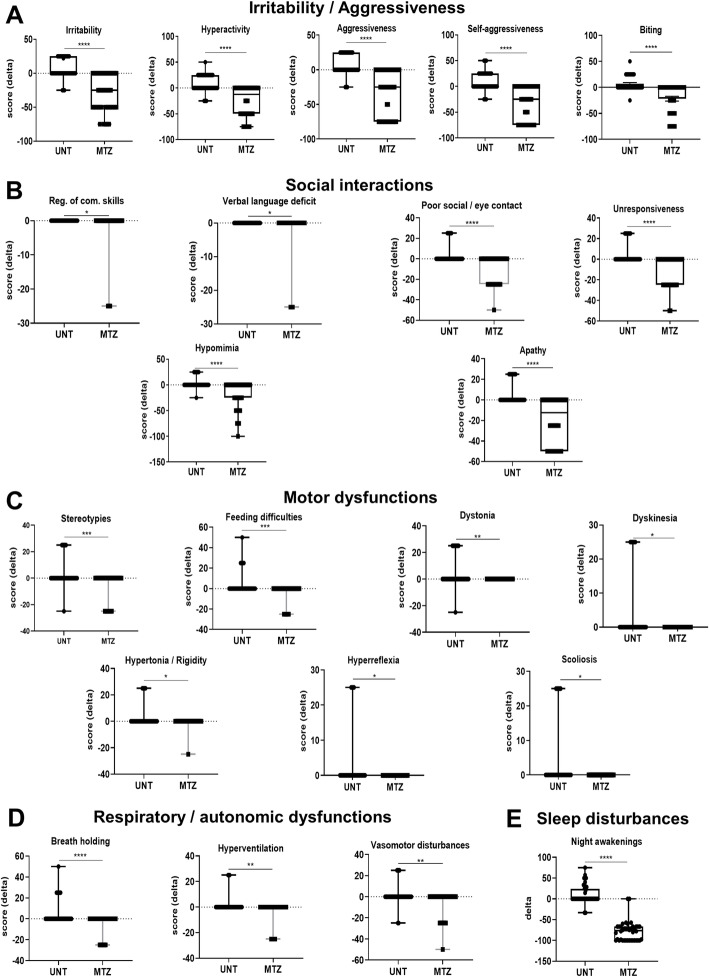
Background: Rett syndrome (RTT), an X-linked neurodevelopmental rare disease mainly caused by MECP2 -gene mutations, is a prototypic intellectual disability disorder. Reversibility of RTT-like phenotypes in an adult mouse model lacking the Mecp2- gene has given hope of treating the disease at any age. However, adult RTT patients still urge for new treatments. Given the relationship between RTT and monoamine deficiency, we investigated mirtazapine (MTZ), a noradrenergic and specific-serotonergic antidepressant, as a potential treatment. Methods: Adult heterozygous- Mecp2 (HET) female mice (6-months old) were treated for 30 days with 10 mg/kg MTZ and assessed for general health, motor skills, motor learning, and anxiety. Motor cortex, somatosensory cortex, and amygdala were analyzed for parvalbumin expression. Eighty RTT adult female patients harboring a pathogenic MECP2 mutation were randomly assigned to treatment to MTZ for insomnia and mood disorders (mean age = 23.1 ± 7.5 years, range = 16–47 years; mean MTZ-treatment duration = 1.64 ± 1.0 years, range = 0.08–5.0 years). Rett clinical severity scale (RCSS) and motor behavior assessment scale (MBAS) were retrospectively analyzed. Results: In HET mice, MTZ preserved motor learning from deterioration and normalized parvalbumin levels in the primary motor cortex. Moreover, MTZ rescued the aberrant open-arm preference behavior observed in HET mice in the elevated plus-maze (EPM) and normalized parvalbumin expression in the barrel cortex. Since whisker clipping also abolished the EPM-related phenotype, we propose it is due to sensory hypersensitivity. In patients, MTZ slowed disease progression or induced significant improvements for 10/16 MBAS-items of the M1 social behavior area: 4/7 items of the M2 oro-facial/respiratory area and 8/14 items of the M3 motor/physical signs area. Conclusions: This study provides the first evidence that long-term treatment of adult female heterozygous Mecp2 tm1.1Bird mice and adult Rett patients with the antidepressant mirtazapine is well tolerated and that it protects from disease progression and improves motor, sensory, and behavioral symptoms.
Overview
The claims and statistics of this paper haven’t been checked yet.
Free: it reads the open-access text and checks the first 5 claims that cite a source we can check. Create a free account to check every claim.
Integrity signals
Registry
Cites
Statistics
Figures
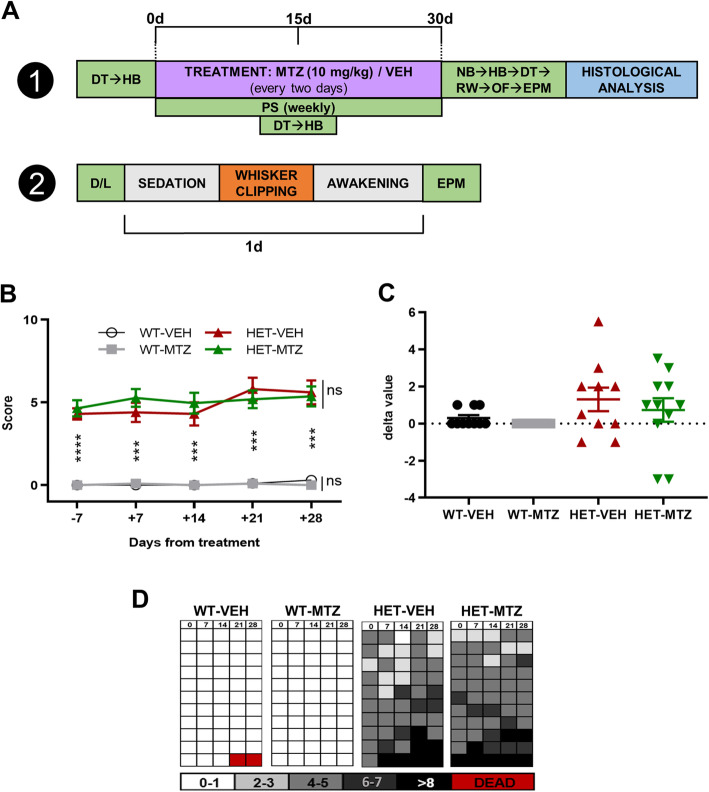
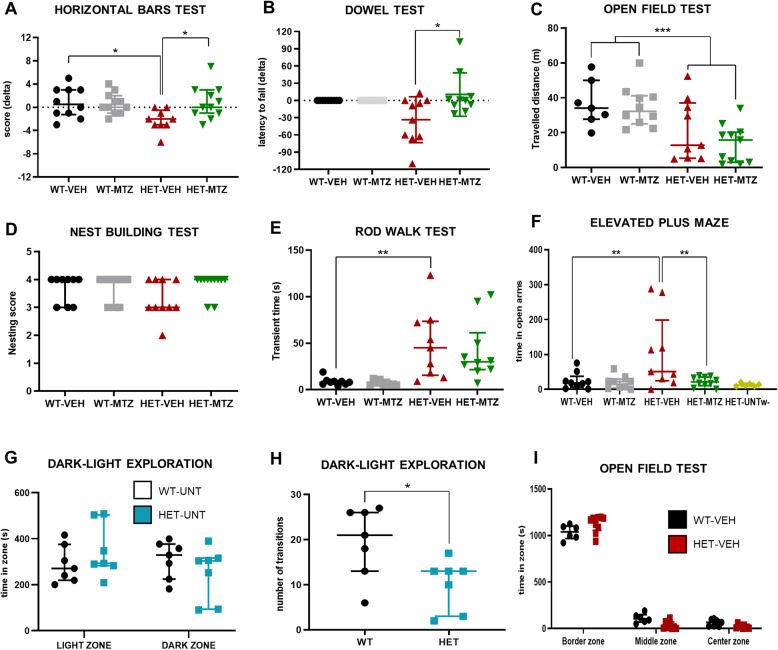
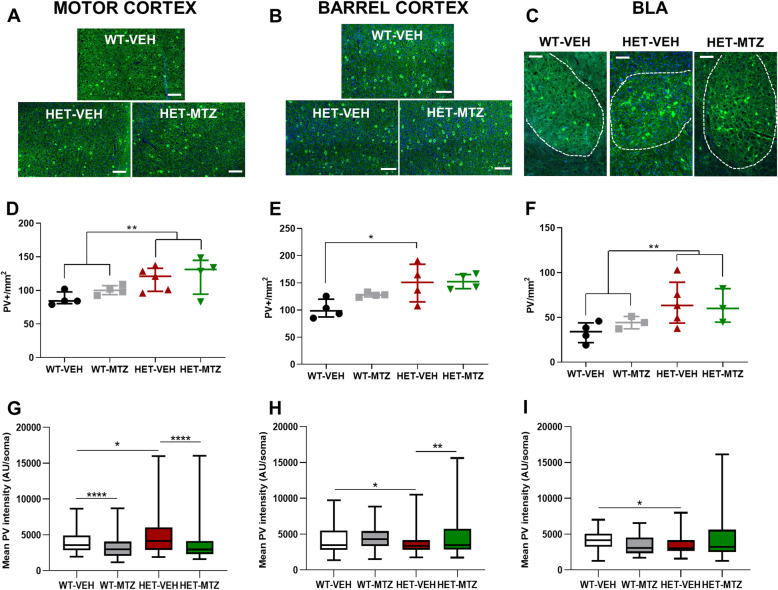
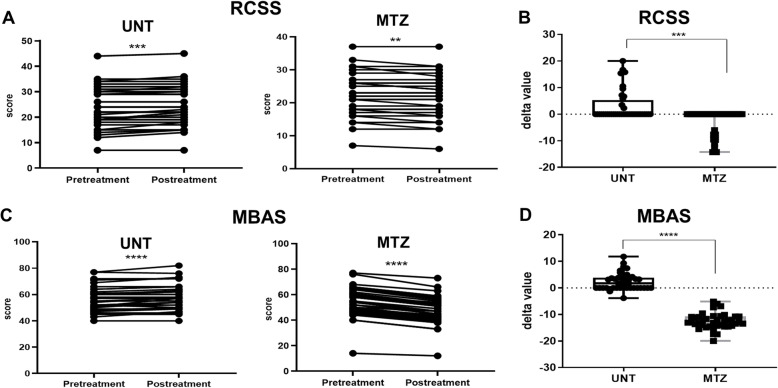
Verification
Claims the paper makes
The claims and statistics of this paper haven’t been checked yet.
Free: it reads the open-access text and checks the first 5 claims that cite a source we can check. Create a free account to check every claim.
Claims other papers make about this one
Each is checked against this paper’s own text: does it say what the citing paper says it does?
In the citing paper
“Several studies have also reported that genetic models demonstrated predictive validity, with insight into the development of therapeutic approaches to the prevention and treatment of ASD [97,98].”
From Animal Models of Autistic-like Behavior in Rodents: A Scoping Review and Call for a Comprehensive Scoring System (2024) · cites this paper as [97]
In the citing paper
“Long-term treatment with Mirtazapine, a noradrenergic and specific-serotonergic antidepressant, alleviated the RTT phenotype severity and delayed disease progression in adult female heterozygous Mecp2tm1.1Bird mice [97].”
From Animal Models of Autistic-like Behavior in Rodents: A Scoping Review and Call for a Comprehensive Scoring System (2024) · cites this paper as [97]
In the citing paper
“Many mutant mouse and rat models have been developed with relatively high face validity for the behavioral signs associated with Rett Syndrome [99,101,103,148,149], construct validity for morphological and functional changes in brain neuronal functions, and even predictive validity for using pharmacological agents and for wild-type protein gene therapy that rescue neuronal functions [97,98].”
From Animal Models of Autistic-like Behavior in Rodents: A Scoping Review and Call for a Comprehensive Scoring System (2024) · cites this paper as [97]
Self-check
Percentages, sums and reported differences re-computed from the paper’s own numbers.
The self-check needs the paper’s full text.
Citations
Cites
Faul, F., Erdfelder, E., Lang, A.-G., & Buchner, A. (2007) · Behavior Research Methods · doi:10.3758/bf03193146 · Cited by 65,971
Men and mice: Relating their ages
Dutta, S., & Sengupta, P. (2016) · Life Sciences · doi:10.1016/j.lfs.2015.10.025 · Cited by 1,710 · cited 1×
“According to the criteria reviewed in [54], we calculated that the age of HET female mice used in our study (6 months) was equivalent to approximately 25 human years, which is perfectly comparable with the mean age of patients included in the retrospective study (23.”
MethodA mouse Mecp2-null mutation causes neurological symptoms that mimic Rett syndrome
Guy, J., Hendrich, B., Holmes, M., Martin, J. E., & Bird, A. (2001) · Nature Genetics · doi:10.1038/85899 · Cited by 1,558 · cited 12×
“The Jackson Laboratory, USA [30]) were bred with wild-type C57/BL6J male mice (The Jackson Laboratory, USA).”
BackgroundMethodInfluentialThe Story of Rett Syndrome: From Clinic to Neurobiology
Chahrour, M., & Zoghbi, H. Y. (2007) · Neuron · doi:10.1016/j.neuron.2007.10.001 · Cited by 1,265 · cited 1×
“RTT clinical progression can be divided into four stages: a developmental stagnation stage, a rapid regression stage with loss of previously learned skills, a stationary stage, and a late motor deterioration stage in adulthood [12].”
BackgroundReversal of Neurological Defects in a Mouse Model of Rett Syndrome
Guy, J., Gan, J., Selfridge, J., Cobb, S., & Bird, A. (2007) · Science · doi:10.1126/science.1138389 · Cited by 1,230
A call for transparent reporting to optimize the predictive value of preclinical research
Landis, S. C., Amara, S. G., Asadullah, K., Austin, C. P., Blumenstein, R., Bradley, E. W., Crystal, R. G., Darnell, R. B., Ferrante, R. J., Fillit, H., et al. (2012) · Nature · doi:10.1038/nature11556 · Cited by 1,196 · cited 1×
“Finally, mice were assigned to groups according to the rules indicated by [32].”
MethodExcitatory/Inhibitory Balance and Circuit Homeostasis in Autism Spectrum Disorders
Nelson, S. B., & Valakh, V. (2015) · Neuron · doi:10.1016/j.neuron.2015.07.033 · Cited by 1,001 · cited 1×
“Notably, altered levels of PV expression in layers II–III of both primary somatosensory and primary motor cortices of Mecp2 male mice have been recently described, suggesting an alteration of the excitation/inhibition balance [48, 49].”
BackgroundAbnormalities of social interactions and home-cage behavior in a mouse model of Rett syndrome
Moretti, P., Bouwknecht, J. A., Teague, R., Paylor, R., & Zoghbi, H. Y. (2005) · Human Molecular Genetics · doi:10.1093/hmg/ddi016 · Cited by 342
Cuddapah, V. A., Pillai, R. B., Shekar, K. V., Lane, J. B., Motil, K. J., Skinner, S. A., Tarquinio, D. C., Glaze, D. G., McGwin, G., Kaufmann, W. E., et al. (2014) · Journal of Medical Genetics · doi:10.1136/jmedgenet-2013-102113 · Cited by 311 · cited 1×
“Heterogeneity in MECP2 gene mutations [8] and cellular mosaicism derived from random Xchromosome inactivation (XCI [9];) contribute to highly variable symptomatology [10].”
BackgroundVeenema, A. H., Bredewold, R., & Neumann, I. D. (2007) · Psychoneuroendocrinology · doi:10.1016/j.psyneuen.2007.02.008 · Cited by 263 · cited 1×
“Aggression in mice is usually measured using the resident–intruder test, which evaluates territorial behavior in male rodents [55], while female mice do not display aggressive behavior towards strangers [20, 56].”
BackgroundPreclinical research in Rett syndrome: setting the foundation for translational success
Katz, D. M., Berger-Sweeney, J. E., Eubanks, J. H., Justice, M. J., Neul, J. L., Pozzo-Miller, L., Blue, M. E., Christian, D., Crawley, J. N., Giustetto, M., et al. (2012) · Disease Models & Mechanisms · doi:10.1242/dmm.011007 · Cited by 206
Van Oortmerssen, G. A. (1971) · Behaviour · doi:10.1163/156853971x00014 · Cited by 201
Samaco, R. C., McGraw, C. M., Ward, C. S., Sun, Y., Neul, J. L., & Zoghbi, H. Y. (2013) · Human Molecular Genetics · doi:10.1093/hmg/dds406 · Cited by 183
Abnormal vibrissa‐related behavior and loss of barrel field inhibitory neurons in 5xFAD transgenics
Flanigan, T. J., Xue, Y., Kishan Rao, S., Dhanushkodi, A., & McDonald, M. P. (2014) · Genes, Brain and Behavior · doi:10.1111/gbb.12133 · Cited by 104 · cited 2×
“A previous study conducted in 5xFAD transgenic mice, an animal model used to study Alzheimer’s disease, evidenced a preference for the open arms in the EPM similar to the behavior of our adult HET female mice [45].”
BackgroundMethod
Research works printed but not linked: 59
- Hagberg B Aicardi J Dias K Ramos O A progressive syndrome of autism, dementia, ataxia, and loss of purposeful hand use in girls: Rett’s syndrome: report of 35 cases Ann Neurol 1983 14 4 471 479 6638958 · DOI · Paper page
- Rett A On a remarkable syndrome of cerebral atrophy associated with hyperammonaemia in childhood Wien Med Wochenschr 2016 166 11–12 322 324 27577062 PMC5005408 · doi:10.1007/s10354-016-0492-8
- Leonard H Cobb S Downs J Clinical and biological progress over 50 years in Rett syndrome Nat Rev Neurol 2017 13 1 37 51 27934853 · DOI · Paper page
- Fehr S Bebbington A Nassar N Downs J Ronen GM De Klerk N Trends in the diagnosis of Rett syndrome in Australia Pediatr Res 2011 70 3 313 319 21587099 PMC3152673 · DOI
- Amir RE Van den Veyver IB Wan M Tran CQ Francke U Zoghbi HY Rett syndrome is caused by mutations in X-linked MECP2, encoding methyl-CpG-binding protein 2 Nat Genet 1999 23 2 185 188 10508514 · DOI · Paper page
- Connolly DR Zhou Z Genomic insights into MeCP2 function: a role for the maintenance of chromatin architecture Curr Opin Neurobiol 2019 59 174 179 31430649 PMC6889049 · DOI
- Della Ragione F Vacca M Fioriniello S Pepe G D’Esposito M MECP2, a multi-talented modulator of chromatin architecture Brief Funct Genomics 2016 12 elw023 27296483 · DOI
- Przanowski P Wasko U Zheng Z Yu J Sherman R Zhu LJ Pharmacological reactivation of inactive X-linked Mecp2 in cerebral cortical neurons of living mice Proc Natl Acad Sci 2018 115 31 7991 7996 30012595 PMC6077728 · DOI
- Erlandson A Hagberg B MECP2 abnormality phenotypes: clinicopathologic area with broad variability J Child Neurol 2005 20 9 727 732 16225826 · doi:10.1177/08830738050200090501 · Paper page
- Neul KWE Glaze DG Christodoulou J Clarke AJ Bahi-Buisson N Rett syndrome: revised diagnostic criteria and nomenclature Ann Neurol 2010 68 6 944 950 21154482 PMC3058521 · DOI · Paper page
- Roze E Cochen V Sangla S Bienvenu T Roubergue A Leu-Semenescu S Rett syndrome: an overlooked diagnosis in women with stereotypic hand movements, psychomotor retardation, parkinsonism, and dystonia? Mov Disord Off J Mov Disord Soc 2007 22 3 387 389 17216643 · DOI
- Ip JPK Mellios N Sur M Rett syndrome: insights into genetic, molecular and circuit mechanisms Nat Rev Neurosci 2018 19 6 368 382 29740174 PMC6402579 · DOI · Paper page
- Tarquinio DC Hou W Neul JL Kaufmann WE Glaze DG Motil KJ The changing face of survival in Rett syndrome and MECP2-related disorders Pediatr Neurol 2015 53 5 402 411 26278631 PMC4609589 · DOI · Paper page
- Reiss AL Faruque F Naidu S Abrams M Beaty T Bryan RN Neuroanatomy of Rett syndrome: a volumetric imaging study Ann Neurol 1993 34 2 227 234 8338347 · DOI · Paper page
- Zoghbi HY Rett syndrome and the ongoing legacy of close clinical observation Cell. 2016 167 2 293 297 27716498 · DOI
- Clarke AJ, Abdala Sheikh AP. A perspective on ‘cure’ for Rett syndrome. Orphanet J Rare Dis. 2018 02;13(1):44. PMC5879810 29609636 · DOI
- Samaco RC Mandel-Brehm C Chao H-T Ward CS Fyffe-Maricich SL Ren J Loss of MeCP2 in aminergic neurons causes cell-autonomous defects in neurotransmitter synthesis and specific behavioral abnormalities Proc Natl Acad Sci 2009 106 51 21966 21971 20007372 PMC2799790 · DOI · Paper page
- Santos M Summavielle T Teixeira-Castro A Silva-Fernandes A Duarte-Silva S Marques F Monoamine deficits in the brain of methyl-CpG binding protein 2 null mice suggest the involvement of the cerebral cortex in early stages of Rett syndrome Neuroscience. 2010 170 2 453 467 20633611 · DOI · Paper page
- Temudo T Rios M Prior C Carrilho I Santos M Maciel P Evaluation of CSF neurotransmitters and folate in 25 patients with Rett disorder and effects of treatment Brain and Development 2009 31 1 46 51 18572337 · DOI
- Roux J-C, Dura E, Moncla A, Mancini J, Villard L. Treatment with desipramine improves breathing and survival in a mouse model for Rett syndrome. Eur J Neurosci. 2007;8. 17439480 · DOI · Paper page
- Zanella S, Mebarek S, Lajard A-M, Picard N, Dutschmann M, Hilaire G. Oral treatment with desipramine improves breathing and life span in Rett syndrome mouse model. Respir Physiol. 2008;6. 17905670 · DOI
- Mancini J Dubus J-C Jouve E Roux J-C Franco P Lagrue E Effect of desipramine on patients with breathing disorders in RETT syndrome Ann Clin Transl Neurol 2018 5 2 118 127 29468173 PMC5817841 · DOI
- Szegedi A Schwertfeger N Mirtazapine: a review of its clinical efficacy and tolerability Expert Opin Pharmacother 2005 6 4 631 641 15934889 · DOI
- Burrows GD Kremer CME Mirtazapine: clinical advantages in the treatment of depression J Clin Psychopharmacol 1997 17 34S 39S 9090576 · DOI
- Hartmann P Mirtazapine: a newer antidepressant Am Fam Physician 1999 59 1 159 161 9917581
- Bittolo T Raminelli CA Deiana C Baj G Vaghi V Ferrazzo S Pharmacological treatment with mirtazapine rescues cortical atrophy and respiratory deficits in MeCP2 null mice Sci Rep 2016 6 1 19796 10.1038/srep19796 26806603 PMC4726391 · DOI · Paper page
- Anttila SAK Leinonen EVJ A review of the pharmacological and clinical profile of mirtazapine CNS Drug Rev 2006 7 3 249 264 10.1111/j.1527-3458.2001.tb00198.x PMC6494141 11607047 · DOI · Paper page
- Nair A Jacob S A simple practice guide for dose conversion between animals and human J Basic Clin Pharm 2016 7 2 27 10.4103/0976-0105.177703 27057123 PMC4804402 · DOI · Paper page
- Deacon RMJ Measuring motor coordination in mice J Vis Exp 2013 75 2609 PMC3724562 23748408
- Deacon RM Assessing nest building in mice Nat Protoc 2006 1 3 1117 1119 10.1038/nprot.2006.170 17406392 · DOI · Paper page
- Vogel Ciernia A Pride MC Durbin-Johnson B Noronha A Chang A Yasui DH Early motor phenotype detection in a female mouse model of Rett syndrome is improved by cross-fostering Hum Mol Genet 2017 26 10 1839 1854 10.1093/hmg/ddx087 28334953 PMC6075042 · DOI
- Paxinos G, Franklin K. The mouse brain in stereotaxic coordinates, compact. 3rd Edition. Academic Press; 2008. 256 p.
- Schindelin J Arganda-Carreras I Frise E Kaynig V Longair M Pietzsch T Fiji: an open-source platform for biological-image analysis Nat Methods 2012 9 7 676 682 10.1038/nmeth.2019 22743772 PMC3855844 · DOI · Paper page
- Renieri A Mari F Mencarelli MA Scala E Ariani F Longo I Diagnostic criteria for the Zappella variant of Rett syndrome (the preserved speech variant) Brain and Development 2009 31 3 208 216 18562141 · DOI
- Mount RH Hastings RP Reilly S Cass H Charman T Behavioural and emotional features in Rett syndrome Disabil Rehabil 2001 23 3–4 129 138 11247008
- Barnes KV Coughlin FR O’Leary HM Bruck N Bazin GA Beinecke EB Anxiety-like behavior in Rett syndrome: characteristics and assessment by anxiety scales J Neurodev Disord 2015 7 1 30 26379794 PMC4571061 · DOI
- Jiang X Lachance M Rossignol E Involvement of cortical fast-spiking parvalbumin-positive basket cells in epilepsy Prog Brain Res 2016 226 81 126 27323940 PMC5218834 · DOI
- Permyakov EA Uversky VN Permyakov SE Parvalbumin as a pleomorphic protein Curr Protein Pept Sci 2017 18 8 780 794 27964700 · DOI
- Morello N, Schina R, Pilotto F, Phillips M, Melani R, Plicato O, et al. Loss of Mecp2 causes atypical synaptic and molecular plasticity of parvalbumin-expressing interneurons reflecting Rett syndrome–like sensorimotor defects. eneuro. 2018;5(5):ENEURO.0086-18.2018. PMC6153339 30255129 · DOI · Paper page
- Kishi N Macklis JD MeCP2 functions largely cell-autonomously, but also non-cell-autonomously, in neuronal maturation and dendritic arborization of cortical pyramidal neurons Exp Neurol 2010 222 1 51 58 20025874 PMC2846301 · DOI · Paper page
- Karsten J Hagenauw LA Kamphuis J Lancel M Low doses of mirtazapine or quetiapine for transient insomnia: a randomised, double-blind, cross-over, placebo-controlled trial J Psychopharmacol (Oxf) 2017 31 3 327 337 28093029 · DOI · Paper page
- FitzGerald PM Jankovic J Percy AK Rett syndrome and associated movement disorders Mov Disord 1990 5 3 195 202 2388636 · DOI · Paper page
- Wahlsten D. Chapter 10 - Domains and Test Batteries. In: Wahlsten D, editor. Mouse behavioral testing [Internet]. London: Academic Press; 2011 [cited 2020 Jul 18]. p. 157–75. Available from: http://www.sciencedirect.com/science/article/pii/B9780123756749100102. · doi:10.1016/b978-0-12-375674-9.10010-2
- Oortmerssen GAV. Origin of variability in behaviour within and between inbred strains of mice (Mus musculus) - a behaviour genetic study. 1971;91. 5100645
- Pearson BL Defensor EB Caroline Blanchard D Blanchard RJ Applying the ethoexperimental approach to neurodevelopmental syndrome research reveals exaggerated defensive behavior in Mecp2 mutant mice Physiol Behav 2015 146 98 104 26066729 PMC4584164 · DOI
- Bhattacherjee A Winter M Eggimann L Mu Y Gunewardena S Liao Z Motor, somatosensory, viscerosensory and metabolic impairments in a heterozygous female rat model of Rett syndrome Int J Mol Sci 2017 19 1 97 29286317 PMC5796047 · DOI
- Bhattacherjee A Mu Y Winter MK Knapp JR Eggimann LS Gunewardena SS Neuronal cytoskeletal gene dysregulation and mechanical hypersensitivity in a rat model of Rett syndrome Proc Natl Acad Sci 2017 114 33 E6952 E6961 28760966 PMC5565404 · DOI
- Symons FJ Barney CC Byiers BJ McAdams BD Foster SXYL Feyma TJ A clinical case–control comparison of epidermal innervation density in Rett syndrome Brain Behav 2019 9 5 e01285 30980517 PMC6520294 · DOI
- Downs J Géranton SM Bebbington A Jacoby P Bahi-Buisson N Ravine D Linking MECP2 and pain sensitivity: the example of Rett syndrome Am J Med Genet A 2010 152A 5 1197 1205 20425824 PMC3913729 · DOI · Paper page
- Symons FJ Byiers B Tervo RC Beisang A Parent-reported pain in Rett syndrome Clin J Pain 2013 29 8 744 746 23835769 PMC3707000 · DOI
- Barney CC Feyma T Beisang A Symons FJ Pain experience and expression in Rett syndrome: subjective and objective measurement approaches J Dev Phys Disabil 2015 27 4 417 429 26425056 PMC4584146 · DOI
- Cardin JA Carlén M Meletis K Knoblich U Zhang F Deisseroth K Driving fast-spiking cells induces gamma rhythm and controls sensory responses Nature. 2009 459 7247 663 667 19396156 PMC3655711 · DOI · Paper page
- Kimbrough A de Guglielmo G Kononoff J Kallupi M Zorrilla EP George O CRF 1 receptor-dependent increases in irritability-like behavior during abstinence from chronic intermittent ethanol vapor exposure Alcohol Clin Exp Res 2017 41 11 1886 1895 28833238 PMC5659873 · DOI
- Riittinen M-L Lindroos F Kimanen A Pieninkeroinen E Pieninkeroinen I Sippola J Impoverished rearing conditions increase stress-induced irritability in mice: impoverished rearing increases irritability Dev Psychobiol 1986 19 2 105 111 3699254 · DOI
- Carotenuto M Esposito M D’Aniello A Rippa CD Precenzano F Pascotto A Polysomnographic findings in Rett syndrome: a case–control study Sleep Breath 2013 17 1 93 98 22392651 · DOI
- Ammanuel S, Chan WC, Adler DA, Lakshamanan BM, Gupta SS, Ewen JB, et al. Heightened delta power during slow-wave-sleep in patients with Rett syndrome associated with poor sleep efficiency. Ferri R, editor. PLOS ONE. 2015 Oct 7;10(10):e0138113. PMC4596813 26444000 · DOI
- Young D Nagarajan L de Klerk N Jacoby P Ellaway C Leonard H Sleep problems in Rett syndrome Brain and Development 2007 29 10 609 616 17531413 PMC2527512 · DOI
- Buchanan CB Stallworth JL Scott AE Glaze DG Lane JB Skinner SA Behavioral profiles in Rett syndrome: data from the natural history study Brain and Development 2019 41 2 123 134 30217666 PMC6392009 · DOI
- Corchón S Carrillo-López I Cauli O Quality of life related to clinical features in patients with Rett syndrome and their parents: a systematic review Metab Brain Dis 2018 33 6 1801 1810 30220073 · DOI
Cited by
Ornoy, A., Echefu, B., & Becker, M. (2024) · International Journal of Molecular Sciences · doi:10.3390/ijms251910469 · Cited by 41
Metadata
- Authors
- Flores Gutiérrez, J., De Felice, C., Natali, G., Leoncini, S., Signorini, C., Hayek, J., & Tongiorgi, E.
- ORCID
- Tongiorgi, Enrico
- Venue
- Journal of Neurodevelopmental Disorders
- Published
- 2020-09-28
- Volume
- 12
- Issue
- 1
- ISSN
- 1866-1947
- 1866-1955
- PMC
- PMC7523042
- Semantic Scholar
- bba1a8d22e808c0086b9e042e0d15285ffcf14dd
- Cited by
- 16
- References
- 14
- Language
- en
- Licence
- creativecommons.org/licenses/by/4.0 (tdm)
- creativecommons.org/licenses/by/4.0 (vor)
- Funders
- Associazione Italiana Rett Onlus
About these checks
Registry, retraction, Cites and statistics results are computed, not judged, with one exception: a printed reference that no index lists is read once by a model before it counts as a citation error. Claims are extracted by a model and kept only when their quote appears verbatim in the text; each cited source is then checked, with a model’s help, for whether it says what the claim relies on. Those verdicts can be wrong — read the claim’s quote and the cited source before relying on one.
Statistics and arithmetic are recomputed, not judged.
Confidence bands are shown only for fields calibrated on our annotated test set. None is calibrated yet, so no band is shown.
What counts as a claim ›How we measure confidence ›How we check this ›
Are you an author, or do you see a problem with this page? Request a review
Data sources
Bibliographic data: Semantic Scholar, OpenAlex, Crossref.
Contains information from the Semantic Scholar Academic Graph Datasets, made available under the ODC Attribution License (ODC-BY 1.0).
Semantic Scholar’s data is described in: Kinney, R., et al. (2023). The Semantic Scholar Open Data Platform. arXiv:2301.10140.
