

Air pollution and children’s health—a review of adverse effects associated with prenatal exposure from fine to ultrafine particulate matter
Open accessThe DOI matches its Crossref record; 223 of the 224 references it cites were found in a registry or an index; 210 of the 276 sources its claims cite were checked for support.
Abstract
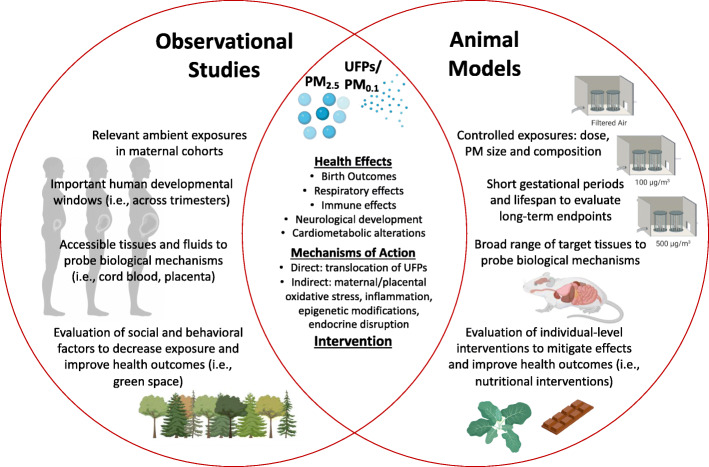
Background Particulate matter (PM), a major component of ambient air pollution, accounts for a substantial burden of diseases and fatality worldwide. Maternal exposure to PM during pregnancy is particularly harmful to children’s health since this is a phase of rapid human growth and development. Method In this review, we synthesize the scientific evidence on adverse health outcomes in children following prenatal exposure to the smallest toxic components, fine (PM 2.5 ) and ultrafine (PM 0.1 ) PM. We highlight the established and emerging findings from epidemiologic studies and experimental models. Results Maternal exposure to fine and ultrafine PM directly and indirectly yields numerous adverse birth outcomes and impacts on children’s respiratory systems, immune status, brain development, and cardiometabolic health. The biological mechanisms underlying adverse effects include direct placental translocation of ultrafine particles, placental and systemic maternal oxidative stress and inflammation elicited by both fine and ultrafine PM, epigenetic changes, and potential endocrine effects that influence long-term health. Conclusion Policies to reduce maternal exposure and health consequences in children should be a high priority. PM 2.5 levels are regulated, yet it is recognized that minority and low socioeconomic status groups experience disproportionate exposures. Moreover, PM 0.1 levels are not routinely measured or currently regulated. Consequently, preventive strategies that…
Overview
CoChat Summary
## TL;DR
This review synthesizes evidence that prenatal exposure to fine (PM2.5) and ultrafine (PM0.1) particulate matter is associated with adverse outcomes in children, especially birth, respiratory, neurodevelopmental, immune, and cardiometabolic effects. It also argues that placental translocation, oxidative stress/inflammation, epigenetic changes, and endocrine disruption are key mechanisms, and that reducing maternal exposure should be a public health priority.
## Key findings
- Human epidemiologic evidence summarized in the paper links prenatal PM2.5 exposure with adverse birth outcomes, including low birth weight and preterm birth; effect estimates for every 10 μg/m³ increase in PM2.5 were reported as birth-weight reductions ranging from −15.9 to −23.4 g.
- For stillbirth, one Ohio cohort found that third-trimester “high” PM2.5 exposure was associated with a 42% increased stillbirth risk, while PM2.5 was not significant in the cited meta-analyses.
- In respiratory/immune outcomes, a review of 18 studies found increased risk of wheeze and asthma with prenatal exposure to multiple air pollutants, but only a weak association in the 5 studies specifically evaluating prenatal PM2.5.
- The paper reports that a meta-analysis of European birth cohorts found consistent evidence for an association between air pollution and pneumonia in early childhood, and that prenatal UFP exposure was independently associated with childhood asthma in emerging epidemiologic studies.
- In the cardiometabolic section, the paper cites human studies linking developmental air pollution exposure with higher adipokines, altered β-cell function and insulin sensitivity, higher BMI at 18 years, insulin resistance at 10 years, and increased blood pressure risk; animal studies similarly showed offspring cardiac dysfunction, altered glucose homeostasis, and increased blood pressure.
## Methods
- Narrative review of epidemiologic and experimental literature on prenatal exposure to fine (PM2.5) and ultrafine (PM0.1) particulate matter and child health outcomes.
- Study selection used five PubMed literature searches plus four additional searches on oxidative stress, inflammation, epigenetics, and endocrine disruption; two independent reviewers screened titles/abstracts and full texts.
- Included original studies on ambient PM2.5 or PM0.1, categorized by endpoint (birth outcomes, respiratory/immune, brain, cardiometabolic) and by human versus nonhuman evidence.
## Limitations
- The paper states that human evidence on the specific effects of prenatal UFP (PM0.1) exposure is limited, in part because of lack of monitoring and exposure models.
- It notes that animal studies vary by species, strain, timing, exposure route, and dose, which can limit comparability and translational interpretation; this is stated in the paper.
- Evident from the text: much of the review relies on a small number of studies for some endpoints, and several sections explicitly say that additional research is needed to confirm findings and clarify mechanisms.
Model-written summary of a shortened version of the paper’s full text (it is longer than we read). Check it against the paper before relying on it.
Integrity signals
Registry
Cites
Statistics
Figures
Verification
Claims the paper makes
181 Valid · 7 Not valid · 53 Not checked · 53 Own results and interpretations
Some cited sources support this claim and some don’t — read each source’s verdict below.
In the paper
“In a cohort study, exposure to PM2.5 during the first trimester was significantly associated with decreased (2.2%) global DNA methylation in placenta tissue [178] and was also significantly correlated with gene expression of S-adenosylmethionine (SAM), a key substrate involved in methyl group transfers [184].”
§ Air pollution and children’s health—a review of adverse effects associated with prenatal exposure from fine to ultrafine particulate matter > Biological mechanisms underlying adverse effects > Epigenetic alterations
What the sources say
- Partly supportedcites [178] Janssen BG Godderis L Pieters N Poels K Kiciński M Cuypers A Fierens F Penders J Plusquin M Gyselaers W Placental DNA hypomethylation in association with particulate air pollution in early life Part Fibre Toxicol 2013 10 1 22 10.1186/1743-8977-10-22 23742113 PMC3686623 sourceExperimental — accuracy not yet measured
The Results section reports a significant association between first-trimester PM2.5 exposure and lower global DNA methylation in placental tissue. The stated 2.2% decrease corresponds to the whole-pregnancy estimate (2.19%), however; the first-trimester estimate was 2.13% per 5 μg/m3 increase in the multi-lag model, or 2.41% in the trimester-specific analysis. (LLM, conf=0.87)
- Disputedcites [184] Maghbooli Z, Hossein-nezhad A, Adabi E, Asadollah-pour E, Sadeghi M, Mohammad-nabi S, Rad LZ, Hosseini A-aM, Radmehr M, Faghihi F: Air pollution during pregnancy and placental adaptation in the levels of global DNA methylation. Plos One 2018, 13(7):e0199772. PMC6034814 29979694 sourceExperimental — accuracy not yet measured
The Results (Table 3; page not available) report a significant positive correlation between first-trimester PM2.5 and placental global DNA methylation (rho = 0.26, p = 0.01), contrary to the claimed decrease. The Discussion also describes the correlation as positive, and the cited results do not report a 2.2% decrease. (LLM, conf=0.90)
Checked by a reasoning model — may be wrong.
plainstates an association- Asserted: passes — The authors put it forward as true.
- Checkable: passes — It can be checked against evidence.
- Load-bearing: unclear — It is unclear whether the paper’s conclusions depend on it.
- Based: passes — The paper gives a reason why it holds.
- Partly supported
The cited sources support only part of this claim — read each source’s verdict below.
In the paper
“DeFranco et al. [14] also observed the greatest risk for preterm birth (19% increased risk) in the third trimester.”
§ Air pollution and children’s health—a review of adverse effects associated with prenatal exposure from fine to ultrafine particulate matter > Human evidence from epidemiologic studies > Adverse birth outcomes There is a strong body of human evidence from epidemiological studies associating PM, in particular PM2.5, with adverse birth outcomes. Systematic reviews with meta-analyses [10–13], summarized in Table 1, demonstrate positive, and often significant, associations between PM2.5 exposure across the entire pregnancy and increased risk of preterm birth and infant low birth weight. Effect estimates for every 10 μg/m3 increase in PM2.5 exhibit similar ranges across analyses for reductions in birth weight from −15.9 to −23.4 g. Studies have also interrogated the impact of exposure during specific trimesters to identify critical windows of susceptibility. Overall, the results are mixed; however, a common theme of increased impact appears for exposure later in pregnancy. DeFranco et al. [14] also observed the greatest risk for preterm birth (19% increased risk) in the third trimester. Percy et al. [15] demonstrated increasing exposure to PM2.5 during the third trimester, in particular between 30 and 35 weeks of gestation, was associated with an increased risk for small for gestational age babies. In an observational natural experiment, infants whose 8th month of gestation occurred during the 2008 Beijing Olympics, when air pollution levels drastically deceased, were born 23 g heavier on average compared to infants whose 8th month occurred over the same dates the year prior (2007) or after (2009) [16]. It is plausible exposure later in pregnancy, during periods of rapid fetal weight gain, has a larger impact on infant birth weight. Likewise, stressors closer to delivery could affect preterm birth. However, for other adverse outcomes, such as cognitive effects, earlier exposure during neurogenesis may be considered the critical window. Continued research incorporating smaller windows, such as weeks, may help further illuminate critical windows of susceptibility. The risk of stillbirth has also been investigated in association with prenatal exposure to PM2.5. A meta-analysis including 13 studies cited exposure to ambient air pollution increases the risk of stillbirth; however, PM2.5 alone was neither found to be statistically significant [17], nor was it significant in the meta-analysis performed by Zhu et al. [11]. Similarly, in an Ohio cohort, “high” PM2.5 exposure, defined as greater than or equal to the mean PM2.5 level during the study period (13.3 μg/m3) plus the IQR for the specific time period measured for each birth) was not associated with increase in stillbirth risk through pregnancy, first or second trimester; however, high PM2.5 exposure during the third trimester was associated with 42% increased stillbirth risk [18]. Further epidemiological and mechanistic studies are needed to validate the causal linkage between PM2.5 exposure and stillbirth risk.
What the sources say
- Partly supportedcites [14] DeFranco E Moravec W Xu F Hall E Hossain M Haynes EN Muglia L Chen A Exposure to airborne particulate matter during pregnancy is associated with preterm birth: a population-based cohort study Environ Health 2016 15 6 10.1186/s12940-016-0094-3 26768419 PMC4714531 sourceExperimental — accuracy not yet measured
The Results (Table 4) and Abstract Results identify high third-trimester PM2.5 exposure as having the greatest trimester-specific association with preterm birth. But its adjusted odds ratio is 1.28 (28% higher odds), not 1.19; the 1.19 estimate applies to exposure averaged over the entire pregnancy. The paper reports odds ratios rather than a direct measure of risk. (LLM, conf=0.90)
plainstates an association- Asserted: passes — The authors put it forward as true.
- Checkable: passes — It can be checked against evidence.
- Load-bearing: unclear — It is unclear whether the paper’s conclusions depend on it.
- Based: passes — The paper gives a reason why it holds.
- Partly supported
Every source the paper cites for this claim was checked and supports it.
In the paper
“In a meta-analysis of multiple European birth cohorts, MacIntyre et al. [19] concluded there was consistent evidence for an association between air pollution and pneumonia in early childhood.”
§ Air pollution and children’s health—a review of adverse effects associated with prenatal exposure from fine to ultrafine particulate matter > Human evidence from epidemiologic studies > Respiratory effects and impact on the immune system
What the sources say
- Supportedcites [19] EA MI Gehring U Molter A Fuertes E Klumper C Kramer U Quass U Hoffmann B Gascon M Brunekreef B Air pollution and respiratory infections during early childhood: an analysis of 10 European birth cohorts within the ESCAPE Project Environ Health Perspect 2014 122 1 107 113 10.1289/ehp.1306755 24149084 PMC3888562 source
The Conclusion states that the meta-analysis of 10 European birth cohorts found consistent evidence for an association between traffic-related air pollution and pneumonia. The Discussion specifies that this finding concerned the first two years of life, matching the claim's early-childhood scope. (LLM, conf=0.95)
plainstates an association- Asserted: passes — The authors put it forward as true.
- Checkable: passes — It can be checked against evidence.
- Load-bearing: unclear — It is unclear whether the paper’s conclusions depend on it.
- Based: passes — The paper gives a reason why it holds.
- Supported
Every source the paper cites for this claim was checked and supports it.
In the paper
“Percy et al. [15] demonstrated increasing exposure to PM2.5 during the third trimester, in particular between 30 and 35 weeks of gestation, was associated with an increased risk for small for gestational age babies.”
§ Air pollution and children’s health—a review of adverse effects associated with prenatal exposure from fine to ultrafine particulate matter > Human evidence from epidemiologic studies > Adverse birth outcomes There is a strong body of human evidence from epidemiological studies associating PM, in particular PM2.5, with adverse birth outcomes. Systematic reviews with meta-analyses [10–13], summarized in Table 1, demonstrate positive, and often significant, associations between PM2.5 exposure across the entire pregnancy and increased risk of preterm birth and infant low birth weight. Effect estimates for every 10 μg/m3 increase in PM2.5 exhibit similar ranges across analyses for reductions in birth weight from −15.9 to −23.4 g. Studies have also interrogated the impact of exposure during specific trimesters to identify critical windows of susceptibility. Overall, the results are mixed; however, a common theme of increased impact appears for exposure later in pregnancy. DeFranco et al. [14] also observed the greatest risk for preterm birth (19% increased risk) in the third trimester. Percy et al. [15] demonstrated increasing exposure to PM2.5 during the third trimester, in particular between 30 and 35 weeks of gestation, was associated with an increased risk for small for gestational age babies. In an observational natural experiment, infants whose 8th month of gestation occurred during the 2008 Beijing Olympics, when air pollution levels drastically deceased, were born 23 g heavier on average compared to infants whose 8th month occurred over the same dates the year prior (2007) or after (2009) [16]. It is plausible exposure later in pregnancy, during periods of rapid fetal weight gain, has a larger impact on infant birth weight. Likewise, stressors closer to delivery could affect preterm birth. However, for other adverse outcomes, such as cognitive effects, earlier exposure during neurogenesis may be considered the critical window. Continued research incorporating smaller windows, such as weeks, may help further illuminate critical windows of susceptibility. The risk of stillbirth has also been investigated in association with prenatal exposure to PM2.5. A meta-analysis including 13 studies cited exposure to ambient air pollution increases the risk of stillbirth; however, PM2.5 alone was neither found to be statistically significant [17], nor was it significant in the meta-analysis performed by Zhu et al. [11]. Similarly, in an Ohio cohort, “high” PM2.5 exposure, defined as greater than or equal to the mean PM2.5 level during the study period (13.3 μg/m3) plus the IQR for the specific time period measured for each birth) was not associated with increase in stillbirth risk through pregnancy, first or second trimester; however, high PM2.5 exposure during the third trimester was associated with 42% increased stillbirth risk [18]. Further epidemiological and mechanistic studies are needed to validate the causal linkage between PM2.5 exposure and stillbirth risk.
What the sources say
- Supportedcites [15] Percy Z DeFranco E Xu F Hall ES Haynes EN Jones D Muglia LJ Chen A Trimester specific PM2.5 exposure and fetal growth in Ohio, 2007-2010 Environ Res 2019 171 111 118 10.1016/j.envres.2019.01.031 30660917 PMC6382528 source
The Conclusions report a modestly increased risk of delivering small-for-gestational-age babies with increasing third-trimester PM2.5 exposure, and identify weeks 30–35 as a particular window of vulnerability. The Discussion’s General Findings likewise identifies weeks 30–35 based on distributed lag models. (LLM, conf=0.94)
boostedstates an association- Asserted: passes — The authors put it forward as true.
- Checkable: passes — It can be checked against evidence.
- Load-bearing: unclear — It is unclear whether the paper’s conclusions depend on it.
- Based: passes — The paper gives a reason why it holds.
- Supported
The cited sources support only part of this claim — read each source’s verdict below.
In the paper
“Prenatal PM2.5 exposure has also been correlated with reduced fundamental cognitive abilities, including working memory and conflict attentional network [29].”
§ Air pollution and children’s health—a review of adverse effects associated with prenatal exposure from fine to ultrafine particulate matter > Human evidence from epidemiologic studies > Effects on neurological development The importance of cognitive function and increasing prevalence of neurodevelopment disorders, including developmental delay, attention deficit hyperactivity disorder (ADHD), and autism spectrum disorders (ASD) has spurred a large amount of research examining early life exposure to ambient air pollution [7, 25, 26]. In general, epidemiological studies have investigated the impact of prenatal exposure to PM2.5 on structural alterations, cognitive function, and risk of clinically defined disorders. In a study examining prenatal PM2.5 exposure, children presented with thin cortex in many regions of the brain and an impaired inhibitory control. Impaired inhibitory control is related to other mental health problems, including addictive behavior and ADHD [27]. Mortamais et al. [28] estimated prenatal PM2.5 levels at maternal residential addresses during the 3rd trimester of pregnancy and observed an increase of 7 μg/m3 was significantly associated with a decreased corpus collosum (the bridge connecting the two hemispheres) body volume. This decreased volume was linked with higher hyperactivity scores, indicative of behavioral issues. Prenatal PM2.5 exposure has also been correlated with reduced fundamental cognitive abilities, including working memory and conflict attentional network [29]. In a systematic review of multiple airborne pollutants and ASD risk, Lam et al. [26] concluded the strongest evidence was between prenatal exposure to PM2.5. However, the small number of studies (n = 3) in the meta-analysis and unexplained heterogeneity signified that the effect could be larger or smaller than those studies estimate, supporting the need for additional research on PM2.5 exposure and ASD risk. Overall, the mounting human evidence suggests developmental PM2.5 exposure effects neurobehavioral function and contributes to cognitive impairment. Advancing air pollution policy for the protection of children’s health and promotion of healthy brains, similar to prevention of lead poisoning and mitigation of cognitive deficits, is warranted on the basis of this burgeoning epidemiological evidence [9].
What the sources say
- Partly supportedcites [29] Rivas I Basagana X Cirach M Lopez-Vicente M Suades-Gonzalez E Garcia-Esteban R Alvarez-Pedrerol M Dadvand P Sunyer J Association between early life exposure to air pollution and working memory and attention Environ Health Perspect 2019 127 5 57002 10.1289/EHP3169 31070940 PMC6791117 sourceExperimental — accuracy not yet measured
The Abstract Results associate prenatal PM2.5 exposure with poorer conflict-network performance, but identify the fifth and sixth postnatal years—not prenatal exposure—as the windows associated with reduced working memory. The Discussion also links cumulative prenatal-plus-childhood exposure to working memory, which does not establish an association for prenatal exposure alone. (LLM, conf=0.90)
plainstates an association- Asserted: passes — The authors put it forward as true.
- Checkable: passes — It can be checked against evidence.
- Load-bearing: passes — The paper’s conclusions depend on it.
- Based: passes — The paper gives a reason why it holds.
- Partly supported
146 more claims · 90 with their cited sources checked
Create a free account to see all 294 claims and to verify the 3 references still open.
- Probably not a substantial claim. 28
- It may state two separate claims as one. 128
- The quote only partly states this claim. 3
Citations
Cites
Central nervous system control of food intake
Schwartz, M. W., Woods, S. C., Porte, D., Seeley, R. J., & Baskin, D. G. (2000) · Nature · doi:10.1038/35007534 · Cited by 6,451
Prevalence of Obesity Among Adults and Youth: United States, 2015-2016.
Hales, C. M., Carroll, M. D., Fryar, C. D., & Ogden, C. L. (2017) · PubMed · Cited by 4,554
Cell Survival Responses to Environmental Stresses Via the Keap1-Nrf2-ARE Pathway
Kensler, T. W., Wakabayashi, N., & Biswal, S. (2007) · Annual Review of Pharmacology and Toxicology · doi:10.1146/annurev.pharmtox.46.120604.141046 · Cited by 3,630
Fetal origins of coronary heart disease
Barker, D. J. P. (1995) · BMJ · doi:10.1136/bmj.311.6998.171 · Cited by 3,570
Rice, D., & Barone, S. (2000) · Environmental Health Perspectives · doi:10.1289/ehp.00108s3511 · Cited by 2,944 · cited 2×
“, the neonatal period) mimic human 3rd trimester exposures for several organs, including the lung [50] and brain [51].”
BackgroundWhat Is the Male-to-Female Ratio in Autism Spectrum Disorder? A Systematic Review and Meta-Analysis
Loomes, R., Hull, L., & Mandy, W. P. L. (2017) · Journal of the American Academy of Child & Adolescent Psychiatry · doi:10.1016/j.jaac.2017.03.013 · Cited by 2,804 · cited 1×
“Boys are approximately three times more likely to be diagnosed than girls [119].”
BackgroundEnvironmental epigenomics and disease susceptibility
Jirtle, R. L., & Skinner, M. K. (2007) · Nature Reviews Genetics · doi:10.1038/nrg2045 · Cited by 2,492
Ultrafine particulate pollutants induce oxidative stress and mitochondrial damage
Li, N., Sioutas, C., Cho, A., Schmitz, D., Misra, C., Sempf, J., Wang, M., Oberley, T., Froines, J., & Nel, A. (2003) · Environmental Health Perspectives · doi:10.1289/ehp.6000 · Cited by 2,097 · cited 1×
“1 have high oxidative potential and ability to generate mitochondrial damage [141, 142].”
BackgroundJones, D. P. (2006) · Antioxidants & Redox Signaling · doi:10.1089/ars.2006.8.1865 · Cited by 1,726 · cited 2×
“[137] demonstrated the size-dependent transport of fluorescent polystyrene particles with diameters of 50, 80, and 240 nm (but not 500 nm) across human placental explants into the fetal circuit.”
BackgroundElucidating severe urban haze formation in China
Guo, S., Hu, M., Zamora, M. L., Peng, J., Shang, D., Zheng, J., Du, Z., Wu, Z., Shao, M., Zeng, L., et al. (2014) · Proceedings of the National Academy of Sciences · doi:10.1073/pnas.1419604111 · Cited by 1,711 · cited 1×
“composition, size, hygroscopicity, and acidity [70].”
Self-citation
Research works printed but not linked: 1
- The impact of green space on heat and air pollution in urban communities: a meta-narrative systematic review. https://davidsuzuki.org/wp-content/uploads/2017/09/impact-green-space-heat-air-pollution-urban-communities.pdf. Accessed 10 Feb 2020.
Cited by
Items 101–200 of 338
Diesel exhaust particles inhibit lung branching morphogenesis via the YAP/TAZ pathway
Chung, Y.-L., Laiman, V., Tsao, P., Chen, C., Heriyanto, D. S., Chung, K. F., Chuang, K.-J., & Chuang, H. (2022) · The Science of The Total Environment · doi:10.1016/j.scitotenv.2022.160682 · Cited by 10
Patlán‐Hernández, A. R., Savouré, M., Audureau, É., Monfort, C., de Castro, M., Epaud, R., de Hoogh, K., Hough, I., Kloog, I., Lanone, S., et al. (2024) · Environmental Pollution · doi:10.1016/j.envpol.2024.125206 · Cited by 8
Association between Prenatal Particulate Matter Exposure and Neuropsychiatric Disorders Development
Bae, H. J., Mony, T. J., & Park, S. J. (2025) · Biomolecules & Therapeutics · doi:10.4062/biomolther.2025.031 · Cited by 9
Climate Change and Reproductive Health
Fernandez, A. C. G., Pelnekar, S., Robinson, J. F., Shaw, G. M., Padula, A. M., Woodruff, T. J., & Giudice, L. C. (2025) · Endocrine Reviews · doi:10.1210/endrev/bnaf026 · Cited by 19
PM2.5-Related Neonatal Infections: A Global Burden Study from 1990 to 2019
Tang, Z., & Jia, J. (2022) · International Journal of Environmental Research and Public Health · doi:10.3390/ijerph19095399 · Cited by 9
Frye, R. E., Cakir, J., McCarty, P. J., Rose, S., Delhey, L. M., Palmer, R. F., Austin, C. E., Curtin, P. C. P., Yitshak‐Sade, M., & Arora, M. (2022) · Journal of Personalized Medicine · doi:10.3390/jpm12111809 · Cited by 10
“PM has been associated with a wide range of health effects in children, including prenatal exposure being linked to adverse effects on children’s respiratory, immune, nervous, and cardiovascular system health [25].”
BackgroundToxicity of Atmospheric Aerosols: Methodologies & Assays
Liu, F., & Ng, N. L. (2023) · ACS in focus · doi:10.1021/acsinfocus.7e7012 · Cited by 13
Ojima, K., Yoda, Y., Araki, S., Shimadera, H., Tokuda, N., Takeshima, Y., & Shima, M. (2024) · Environmental Health and Preventive Medicine · doi:10.1265/ehpm.24-00105 · Cited by 10
Hemstock, E. J., Foong, R. E., Hall, G. L., Wheeler, A. J., Dharmage, S. C., Dalton, M. F., Williamson, G. J., Gao, C. X., Abramson, M. J., Johnston, F. H., et al. (2023) · BMC Pulmonary Medicine · doi:10.1186/s12890-023-02414-7 · Cited by 8
“5) can penetrate to the peripheral regions of the lung [5] and is strongly associated with respiratory morbidity and mortality [1, 2].”
BackgroundEffect of In utero Exposure to Air Pollution on Adulthood Hospitalizations
Martin‐Bassols, N., de New, S. C., Shields, M. A., & Johnston, D. W. (2023) · Journal of Urban Health · doi:10.1007/s11524-023-00803-1 · Cited by 10
ACPM Position Statement: Air Pollution and Environmental Justice
Freeman, R. J., States, L. J., Lewandowski, S. A., Singer, D. E., Patankar, S., & Niebuhr, D. W. (2024) · American Journal of Preventive Medicine · doi:10.1016/j.amepre.2024.07.003 · Cited by 10
Ma, L., Wang, H., Guo, Y., Qin, L., Ren, L., Ku, T., Li, G., & Sang, N. (2025) · Journal of Hazardous Materials · doi:10.1016/j.jhazmat.2025.137193 · Cited by 8
Pehle, H., Sasse, J.-P., & Trutnevyte, E. (2025) · Climatic Change · doi:10.1007/s10584-024-03851-x · Cited by 22
“S1a-c (Johnson et al. 2021), and increased risk of pre-term birth (Ghosh et al. 2021).”
Martin, E. M., Xue, J., & Smith, C. J. W. (2025) · Behavioural Brain Research · doi:10.1016/j.bbr.2025.115723 · Cited by 7
Early-life exposome and health-related immune signatures in childhood
Amine, I., Anguita‐Ruiz, A., Guillien, A., Basagaña, X., Bustamante, M., Borràs, E., Cirach, M., Dėdelė, A., Dobaño, C., García‐Aymerich, J., et al. (2025) · Environment International · doi:10.1016/j.envint.2025.109668 · Cited by 6
Cerebral Infarction: Epidemiology, Classification, Mechanisms, Diagnosis, and Management
Zhang, M., Hou, J., Kuang, J. C., Hao, L., & Yang, Z. (2026) · MedComm · doi:10.1002/mco2.70704 · Cited by 10
Maternal exposure to ultrafine particles enhances influenza infection during pregnancy
Drury, N. L., Mustapha, T., Shore, R. A., Zhao, J., Wright, G. A., Hoffmann, A. R., Talcott, S., Regan, A. K., Tighe, R. M., Zhang, R., et al. (2023) · Particle and Fibre Toxicology · doi:10.1186/s12989-023-00521-1 · Cited by 8
Self-citationEnvironmental Interventions for Preventing Atopic Diseases
Pfirrman, S., Devonshire, A. L., & Winslow, A. W. (2024) · Current Allergy and Asthma Reports · doi:10.1007/s11882-024-01141-1 · Cited by 10
Belachew, A. B., Rantala, A. K., Jaakkola, M. S., Hugg, T. T., Sofiev, M. A., Kukkonen, J., & Jaakkola, J. J. K. (2024) · Occupational and Environmental Medicine · doi:10.1136/oemed-2023-109112 · Cited by 11
“37 39 Furthermore, air pollutants may induce epigenetic changes which can lead to increased susceptibility to respiratory infections in childhood.”
BackgroundInfluentialLau, C. H., Behlen, J. C., Myers, A. N., Li, Y., Zhao, J., Harvey, N., Wright, G. A., Hoffmann, A. R., Zhang, R., & Johnson, N. M. (2022) · Environmental Science & Technology · doi:10.1021/acs.est.2c02786 · Cited by 7
Self-citationA preliminary analysis of global neonatal disorders burden attributable to PM2.5 from 1990 to 2019
Ren, B., He, Q., Ma, J., & Zhang, G. (2023) · The Science of The Total Environment · doi:10.1016/j.scitotenv.2023.161608 · Cited by 11
Air Pollution and Birth Outcomes: Health Impact and Economic Value Assessment in Spain
Canto, M. V., Guxens, M., García‐Altés, A., López, M. J., Marí-Dell’Olmo, M., García‐Pérez, J., & Ramis, R. (2023) · International Journal of Environmental Research and Public Health · doi:10.3390/ijerph20032290 · Cited by 10
“Previously, few systematic review and meta-analysis have described the association between PM exposure and negative effects on birth outcomes [12,15,16,52], but neither of them included health and economic impact assessments.”
BackgroundNyadanu, S. D., Tessema, G. A., Mullins, B. J., Kumi-Boateng, B., Ofosu, A. A., & Pereira, G. F. (2022) · Atmospheric Pollution Research · doi:10.1016/j.apr.2022.101471 · Cited by 9
EV-miRNA associated with environmental air pollution exposures in the MADRES cohort
Foley, H. B., Eckel, S. P., Yang, T., Vigil, M. J., Chen, X., Marsit, C. J., Farzan, S. F., Bastain, T. M., Habre, R., & Breton, C. V. (2024) · Current Zoology · doi:10.1093/eep/dvae019 · Cited by 9
Bao, L., Liu, Y., Zhang, Y., Qian, Q., Wang, Y., Li, W., & Yu, Y. (2025) · Reproductive Health · doi:10.1186/s12978-025-01967-6 · Cited by 9
Climate change and child health: The growing burden of climate-related adverse health outcomes
Reichelt, P., Schumacher, A., Meyer, N., & Zenclussen, A. C. (2025) · Environmental Research · doi:10.1016/j.envres.2025.122502 · Cited by 16
Calderón-Garcidueñas, L., Cejudo, R., González-Maciel, A., Reynoso-Robles, R., Ramos-Morales, A., Pérez-Guillé, B., Soriano‐Rosales, R. E., & Torres‐Jardón, R. (2025) · Environmental Research · doi:10.1016/j.envres.2025.122558 · Cited by 7
Detecting supramolecular organic nanoparticles during heat wave
Zhang, R., Li, Y., Zhao, J., Aridjis-Olivos, B., Zhao, L., Kowalewski, V., Kabir, M., Johnson, N. M., Nielsen, E. R., Brooks, S. D., et al. (2026) · Science · doi:10.1126/science.ady5192 · Cited by 14
Self-citationThe impact of air pollutants on spontaneous abortion: a case–control study in Tongchuan City
Li, J., Liu, L., Gu, J., Cao, M., Lei, J., Li, H., He, J., & He, J. (2024) · Public Health · doi:10.1016/j.puhe.2023.12.001 · Cited by 9
Gao, Y., Liu, Y., He, J., Zhang, Y., Wang, T., Wu, L., Sun, N., Fang, T., Mao, H., Tang, N., et al. (2024) · Environmental Health and Preventive Medicine · doi:10.1265/ehpm.24-00023 · Cited by 7
Lau, C. H., Pendleton, D., Drury, N. L., Zhao, J., Li, Y., Zhang, R., Wright, G. A., Hoffmann, A. R., & Johnson, N. M. (2022) · Antioxidants · doi:10.3390/antiox11020202 · Cited by 7
“Early life exposure to particulate matter (PM) air pollution is linked with numerous adverse developmental outcomes, impacting global neonatal morbidity and mortality, and increasing risk for chronic health effects later in life [1,2].”
BackgroundSelf-citationFleck, A. D. S., Vachon, J., Buteau, S., Laouan-Sidi, E. A., Hatzopoulou, M., Weichenthal, S., & Smargiassi, A. (2022) · Environmental Epidemiology · doi:10.1097/ee9.0000000000000236 · Cited by 6
Takashima, M., Grimwood, K., Vilcins, D., Knibbs, L. D., Sly, P. D., Lambert, S. B., & Ware, R. S. (2024) · International Journal of Environmental Health Research · doi:10.1080/09603123.2023.2299225 · Cited by 9
“…exposure in early life can have detrimental effects upon respiratory health by increasing the risk and severity of respiratory infections, which in young children may also impair future lung growth and development (Bowatte et al. 2015; Lambert et al. 2017; Sly et al. 2019; Johnson et al. 2021).”
Muresan, B., Cesbron, J., Lumière, L., Gary, V., Truong, X.-T., & Kane, M. (2024) · The Science of The Total Environment · doi:10.1016/j.scitotenv.2024.170578 · Cited by 8
Particulate matter 2.5 exposure during pregnancy and birth outcomes: Evidence from Colombia
Lázaro, J. P. M., Madera, M., & Bernabé, E. (2024) · The Science of The Total Environment · doi:10.1016/j.scitotenv.2024.172369 · Cited by 6
Cai, H., Tong, C., Li, Z., Guo, X., Shi, Y., Jiang, M., & Lin, B. (2024) · Journal of Building Engineering · doi:10.1016/j.jobe.2024.109712 · Cited by 8
Bashir, M. H., Rehman, A. U., Ahmad, H. R., Hedfi, A., Ali, M. B., Boufahja, F., Elmnasri, K., Mahmoudi, E., & Shehzad, M. T. (2024) · Atmospheric Environment · doi:10.1016/j.atmosenv.2024.120889 · Cited by 7
Movahhedinia, H., Hilker, N., Jeong, C., Wang, J. M., & Evans, G. J. (2024) · Atmospheric Environment · doi:10.1016/j.atmosenv.2024.121006 · Cited by 5
Feng, Z., Zheng, L., & Ren, B. (2025) · Urban Climate · doi:10.1016/j.uclim.2025.102289 · Cited by 7
Xu, Z., Li, D., Liu, Q., Li, S., Li, Y., Li, S., Bian, Y., Kan, X., Wang, Y., & Liu, J. (2025) · Environment International · doi:10.1016/j.envint.2025.109638 · Cited by 5
Self-citationTu, X., Zhang, F., Chen, J., et al. (2025) · Frontiers in Public Health · doi:10.3389/fpubh.2025.1632250 · Cited by 6
Self-citationBaranyi, G., Williamson, L., Feng, Z., Carnell, E., Vieno, M., & Dibben, C. J. L. (2024) · Health & Place · doi:10.1016/j.healthplace.2024.103208 · Cited by 5
“…2021; Hsu et al., 2023; Yu et al., 2023), and brain development and cognition (Lubczy ´ nska et al., 2021; Lopuszanska and Samardakiewicz, 2020), as well as cardiometabolic health (Johnson et al., 2021) in childhood; key determinants for later life health and longevity (e.g. (Calvin et al., 2011)).”
BackgroundGui, J., Xie, M., Wang, L., Tian, B., Liu, B., Chen, H., Cheng, L., Huang, D., Han, Z., Yang, X., et al. (2024) · Naunyn-Schmiedeberg s Archives of Pharmacology · doi:10.1007/s00210-024-03028-4 · Cited by 6
“5-induced brain injury involves multiple mechanisms, with particular emphasis on the extensively studied roles of neuroinflammation and oxidative stress (Chu et al. 2019; Shou et al. 2019; Johnson et al. 2021).”
International Partnerships and Agreements for Addressing Air Pollution
Sarfraz, Z., Sarfraz, A., & Sarfraz, M. (2024) · The handbook of environmental chemistry · doi:10.1007/698_2024_1109 · Cited by 8
Maternal diesel particle exposure alters gut microbiota and induces lung injury in rat offspring
Chen, C., Yang, Y. S. H., & Chou, H. (2024) · Ecotoxicology and Environmental Safety · doi:10.1016/j.ecoenv.2024.117278 · Cited by 5
Figaroa, M. N. S., Gielen, M., Casas, L., Loos, R. J. F., Derom, C. A., Weyers, S., Nawrot, T. S., Zeegers, M. P., & Bijnens, E. M. (2023) · Environmental Health · doi:10.1186/s12940-023-00964-1 · Cited by 6
Mozganov, M. Y., Nikolaeva, N. I., Филин, А. С., et al. (2024) · Hygiene and Sanitation · doi:10.47470/0016-9900-2024-103-1-76-80 · Cited by 5
Zhou, S., Griffin, R. J., Bui, A. A. T., Lilienfeld, A., Bravo, M. A., Osgood, C. E., & Miranda, M. L. (2022) · Environmental Research · doi:10.1016/j.envres.2022.113418 · Cited by 6
Exposure duration of ambient fine particulate matter determines the polarization of macrophages
Li, X., Cai, H., Wu, W., Si, S., & Zhu, M. (2023) · Central European Journal of Immunology · doi:10.5114/ceji.2023.130978 · Cited by 5
“Maternal exposure to ambient particulate matter affects the fetus’s development [3].”
BackgroundTobarra, D., Yubero, E., Clemente, Á., & Carratalá, A. (2023) · Atmospheric Environment · doi:10.1016/j.atmosenv.2023.120285 · Cited by 5
Lung function changes in children exposed to mine fire smoke in infancy
Hemstock, E. J., Foong, R. E., Hall, G. L., Wheeler, A. J., Dharmage, S. C., Dalton, M. F., Williamson, G. J., Gao, C. X., Abramson, M. J., Johnston, F. H., et al. (2024) · Respirology · doi:10.1111/resp.14657 · Cited by 7
Rong, M., Shen, Y., Ge, Y., Du, W., Kan, H., Cai, J., Zhao, Y., & Hua, J. (2024) · Environment & Health · doi:10.1021/envhealth.4c00102 · Cited by 5
Spatiotemporal Assessment of PM2.5 in Senior High Schools in Kumasi, Ghana using Low-Cost Sensors
Tawiah, V. O., Annor, T., Yamba, E. I., et al. (2025) · Aerosol and Air Quality Research · doi:10.1007/s44408-025-00066-2 · Cited by 4
“Exposure to particulate matter is of utmost concern, especially for vulnerable groups such as the elderly, pregnant women, and children (Sharma and Kumar 2022; Johnson et al. 2021).”
Prenatal black carbon exposure and DNA methylation in umbilical cord blood
Friedman, C., Niemiec, S., Dabelea, D., Kechris, K. J., Yang, I. V., Adgate, J. L., Glueck, D. H., Martenies, S. E., Magzamen, S. L., & Starling, A. P. (2024) · International Journal of Hygiene and Environmental Health · doi:10.1016/j.ijheh.2024.114464 · Cited by 5
Chen, K., Liu, H., Wang, T., Luo, M., Ruan, X., Sun, M., Li, Z., Wei, J., & Qin, J. (2025) · Environmental Pollution · doi:10.1016/j.envpol.2025.126471 · Cited by 4
Childhood PM 2.5 exposure and upward mobility in the United States
Lee, S.-A. K., Merlo, L., & Dominici, F. (2024) · Proceedings of the National Academy of Sciences · doi:10.1073/pnas.2401882121 · Cited by 8
Ziou, M., Gao, C. X., Wheeler, A. J., Zosky, G. R., Stephens, N., Knibbs, L. D., Melody, S. M., Venn, A., Dalton, M. F., Dharmage, S. C., et al. (2023) · Environmental Health Perspectives · doi:10.1289/ehp12238 · Cited by 6
“6,7 16 Nevertheless, there is clear evidence for associations with the development of asthma 15 and certain adverse peri-natal outcomes 15,17,18 and growing evidence for associations with wheezing, 19,20 respiratory infections, 16,20 allergic or skin conditions, 13,14,21 and cognitive de fi cits…”
BackgroundHam, D., Bae, H.-J., Kim, S., Kim, S., Choi, J., Kwon, H.-J., & Bae, S. (2024) · Chemosphere · doi:10.1016/j.chemosphere.2024.143669 · Cited by 4
Jacobs, J. H., Nicolaie, M. A., Strak, M., Hoekstra, J., de Vries, E. F., Wesseling, J., Houthuijs, D., & Janssen, N. (2025) · Environmental Health Perspectives · doi:10.1289/ehp14398 · Cited by 3
Protective effects of natural products against lung damage caused by fine particulate matter
Zhang, T., Ahn, G., Wang, L., & Mao, X. (2025) · Environmental Pollution · doi:10.1016/j.envpol.2025.126942 · Cited by 5
Unraveling the impact of prenatal air pollution for neonatal brain maturation
Pujol, J., Martínez‐Vilavella, G., Gómez-Herrera, L., Rivas, I., Gómez‐Roig, M. D., Llurba, E., Blanco‐Hinojo, L., Cirach, M., Persavento, C., Querol, X., et al. (2025) · Environment International · doi:10.1016/j.envint.2025.109801 · Cited by 6
From exposure to outcomes: How air pollutants impact maternal and foetal health
Parikh, G., & Patel, B. M. (2025) · Reproductive Toxicology · doi:10.1016/j.reprotox.2025.109080 · Cited by 3
Kahroba, H., Krauskopf, J., Briedé, J. J., Nawrot, T. S., & de Kok, T. M. C. M. (2025) · Environmental Health · doi:10.1186/s12940-025-01238-8 · Cited by 6
“Among these, small extracellular vesicles (sEVs) ( 200 nm) are particularly relevant because of their roles in inflammation, immune modulation, and tissue remodeling [15, 16], and their ability to cross biological barriers such as the placental barrier and the blood–brain barrier [17, 18].”
Yang, P., Pei, Y., Huang, Y., Dong, M., Cui, F., Nie, S., Zhang, X., & Cao, F. (2026) · Gut Microbes · doi:10.1080/19490976.2026.2614451 · Cited by 5
“28 Air pollution also directly compromises placental function, 29 leading to maternal systemic and placental inflammation and oxidative stress, alterations in placental DNA methylation, and dysregulation of the hypothalamic-pituitary-adrenal (HPA) axis, all of which represent potential pathways…”
InfluentialSingh, V. K., Prakash, V., Mehara, A. K., Mahto, V. K., Kumari, A., Singh, V. K., & Singh, A. K. (2026) · Air Quality Atmosphere & Health · doi:10.1007/s11869-026-01907-8 · Cited by 6
“…are more susceptible to air pollution due to developmental processes, which can have long-term consequences for their overall health and survival (Johnson et al. 2021 ), and PM 2.5 , CO, and O 3 exposure alters immune cell profiles and epigenetic profiling involved in immune regulation…”
InfluentialExposure to Ambient Particulate Matter during Pregnancy: Implications for Infant Telomere Length
Ahlers, N. E., Lin, J., & Weiss, S. J. (2024) · Air · doi:10.3390/air2010002 · Cited by 4
Particulate Matter Exposure during Pregnancy and Childhood Leukemia Incidence
Olea, E. S., Sánchez, C. O., Guxens, M., Cañete, A., Romaguera, E. P., Gómez‐Barroso, D., García‐Pérez, J., Núñez-Corcuera, B., Ortega-García, J. A., & Ramis, R. (2024) · Atmosphere · doi:10.3390/atmos15070751 · Cited by 3
“…fetal blood and organs [17,18], potentially causing health problems during pregnancy (such as low birth weight, intrauterine growth retardation, and/or premature birth [19–21]) or the later development of other conditions such as respiratory, immune, cardiometabolic, or neurodevelopmental [22].”
BackgroundKorukire, N., Godson, A., Mukamurigo, J., Akanbi, M. O., Izabayo, J., Bashaija, D., & Ntakirutimana, T. (2024) · Heliyon · doi:10.1016/j.heliyon.2024.e35411 · Cited by 4
“In Africa, the literature indicates that PM 2.5 and PM 10 are the main pollutants that affect indoor and outdoor air quality, with significant consequences for the health of school children [19 – 21].”
BackgroundInfluentialSilveira, G. D. O., de Azevedo, G. M. G. V., Tavella, R. A., Ramires, P. F., Brum, R. D. L., Bonifácio, A. D. S., Machado, R. A., Brum, L. W., Buffarini, R., Adamatti, D. F., et al. (2025) · Climate · doi:10.3390/cli13040071 · Cited by 3
“Fine particles, such as PM 2.5 and PM 1 , can penetrate deep into the respiratory system and enter the bloodstream, exacerbating conditions such as cardiovascular diseases, respiratory disorders, and neurodegenerative diseases [45–48].”
InfluentialClimate Change Impacts on Environmental Toxins, and Its Health Effects
Saad‐Hussein, A., Anwar, W. A., Au, W. W., Neira, M., Marnewick, J. L., & Abdul, N. S. (2025) · Springer eBooks · doi:10.1007/978-981-96-3416-3_2 · Cited by 7
Chen, C., Tsai, S., & Yang, C.-Y. (2025) · Journal of Toxicology and Environmental Health · doi:10.1080/15287394.2025.2489425 · Cited by 3
“It is important to note that maternal exposure to PM 2.5 during pregnancy adversely affects health outcomes in children growth, brain development, immune status, respiratory system and cardiometabolic health (Johnson et al. 2021).”
InfluentialAmbrož, A., Kléma, J., Rössnerová, A., Milcová, A., Pastorková, A., Pulkrábová, J., Parizek, O., Gomersall, V., Gramblička, T., Zelenka, J., et al. (2025) · Frontiers in Toxicology · doi:10.3389/ftox.2025.1572486 · Cited by 6
Cheng, X.-E., Tang, J., Ge, M., He, Y.-S., Li, X., Xu, Y.-Q., Wei, H., Zhu, D., Wang, P., & Pan, H. (2025) · Ecotoxicology and Environmental Safety · doi:10.1016/j.ecoenv.2025.118411 · Cited by 4
Lu, J., Li, Z., Ruan, X., Jin, L., Yu, X., Zhou, X., Zhao, J., Wu, Y., Chen, S., Sun, K., et al. (2025) · Comparative Biochemistry and Physiology Part C Toxicology & Pharmacology · doi:10.1016/j.cbpc.2025.110250 · Cited by 4
Dong, Y., Tong, M., Kang, N., Wang, R., Ni, X., Deng, J., & Xue, T. (2025) · The Innovation · doi:10.1016/j.xinn.2025.101041 · Cited by 5
Need for Nursing Advocacy to Address the Effects of Climate Change on Maternal and Neonatal Care
Bucic, S. B. (2025) · Journal of Obstetric, Gynecologic & Neonatal Nursing · doi:10.1016/j.jogn.2025.07.006 · Cited by 3
Matsumura, K., Hamazaki, K., Tsuchida, A., Inadera, H., The Japan Environment and Children’s Study (JECS) Group, Kamijima, M., Yamazaki, S., Ohya, Y., Kishi, R., Yaegashi, N., et al. (2021) · Scientific Reports · doi:10.1038/s41598-021-98482-y · Cited by 5
Impact of Ambient Particulate Matter on the Skin’s Immune System
Rehman, A., & Koh, Y. (2022) · Journal of Bacteriology and Virology · doi:10.4167/jbv.2022.52.3.083 · Cited by 4
Emergency Department Visits in Children Associated with Exposure to Ambient PM1 within Several Hours
Li, Y., Zhu, L., Wang, Y., Tang, Z., Huang, Y., Wang, Y., Zhang, J., & Zhang, Y. (2023) · International Journal of Environmental Research and Public Health · doi:10.3390/ijerph20064910 · Cited by 3
“1 μm) was associated with a number of cardiovascular events [28, 29], and several studies conducted in China further illustrated that the hazardous impacts of PM0.”
BackgroundSelf-citationHughes, C. L., & Hughes, G. C. (2023) · Frontiers in Reproductive Health · doi:10.3389/frph.2023.1112935 · Cited by 3
“Some of these prenatal exposures are quite specific such as drugs prescribed to pregnant women to treat an underlying disease (34, 35); while others are environmental such as inhaled particulates that appear to adversely affect infants’ respiratory and immune systems, brain development, and cardiometabolic health (36).”
BackgroundChromosome damage in regions with different levels of air pollution
Musilová, P., Kadlčíková, D., Hradská, H., Vozdová, M., Selingerová, I., Černohorská, H., Šalát, D., & Rubeš, J. (2023) · Environmental and Molecular Mutagenesis · doi:10.1002/em.22562 · Cited by 5
“High levels of air pollution have been linked to the risk of cardiovascular, respiratory, and neurodegenerative diseases and cancer, and can interfere with fertility and affect the outcome of pregnancy (Hoek et al., 2013; Jirik et al., 2016; Carre et al., 2017; Sram et al., 2017; Zhang et al., 2020; Johnson et al., 20…”
BackgroundSpatial and temporal disparities in air pollution exposure at Italian schools
Keivabu, R. C. (2023) · Genus · doi:10.1186/s41118-023-00206-9 · Cited by 5
“Age related vulnerability to air pollution has been depicted as a U-curve as children and the elderly are the most susceptible (Johnson et al., 2021; Simoni et al., 2015).”
BackgroundHemstock, E. J., Bigaran, A., Allgood, S., Wheeler, A. J., Dalton, M. F., Williamson, G. J., Gao, C. X., Abramson, M. J., Negishi, K., Johnston, F. H., et al. (2024) · Environmental Epidemiology · doi:10.1097/ee9.0000000000000309 · Cited by 3
“4,5 Fine PM with an aerodynamic diameter of 2.5 μm (PM 2.5 ) can penetrate to the peripheral regions of the lungs, 6 and ultrafine PM with an aerodynamic diameter of 200 nm can move across the endothelium into the circulation 7 and is strongly associated with cardiovascular morbidity and…”
BackgroundInfluentialThe Impact of Fine Particulate Matter on Embryonic Development
Wu, C.-T., Wu, T., & Ku, M. (2024) · International Journal of Molecular Sciences · doi:10.3390/ijms25126399 · Cited by 8
“Concerningly, its effects on childrens’ health might outweigh those observed in adults [33,36].”
BackgroundPositive Impacts of Air Pollution Reduction on SDG 3 Targets in Urban Environment
Martins, F. P., Closs, J. G. V., Waked, D., Saldiva, P. H. N., & Veras, M. M. (2024) · Integrated science · doi:10.1007/978-3-031-64292-0_11 · Cited by 6
Demirtaş, M. S., KOCAGÖZOĞLU, S. G., & Yalçın, S. S. (2025) · International Journal of Environmental Health Research · doi:10.1080/09603123.2025.2474089 · Cited by 3
“…that children continue their growth stages such as organ and cell development, breathe more than adults, and are not aware of self-protection makes them more sensitive and vulnerable to air pollution than adults (World Health Organization and Department of Public Health 2018; Johnson et al. 2021).”
Reuland, C. J., Nicolaou, L., Black, M. M., Yang, M., McCord, R., Alvarado, M., Arana, F., Sanchez, P. S., Williams, K. N., Hossen, S., et al. (2025) · Environmental Health Perspectives · doi:10.1289/ehp15500 · Cited by 7
“12,13 Animal studies have demonstrated that air pollutants are able to cross the blood – brain barrier and promote in fl ammation in the central nervous system, which may result in impaired neuro-development.”
Prenatal urban environment and blood pressure trajectories from childhood to early adulthoodPreprint
Soares, A. G., Santos, S., Seyve, E., et al. (2023) · medRxiv · doi:10.1101/2023.03.31.23288002 · Cited by 3
Chapter 14 : Air Quality. Fifth National Climate Assessment
West, J. J., Nolte, C. G., Bell, M. L., Fiore, A. M., Georgopoulos, P. G., Hess, J. J., Mickley, L. J., O’Neill, S. M., Pierce, J. R., Pinder, R. W., et al. (2023) · doi:10.7930/nca5.2023.ch14 · Cited by 15
Silberstein, J. M., Mendoza, D., Rieves, E. S., Reid, C. E., & Hannigan, M. (2024) · Atmospheric Environment X · doi:10.1016/j.aeaoa.2024.100305 · Cited by 3
O’Sharkey, K., Chow, T., Mitra, S., Thompson, L. K., Su, J. G., Cockburn, M., Liew, Z., & Ritz, B. R. (2025) · Environment International · doi:10.1016/j.envint.2025.109526 · Cited by 3
Nassrabadi, M. N., Faridi, S., Naddafi, K., Yunesian, M., Hahad, O., & Hassanvand, M. S. (2025) · Environmental Sciences Europe · doi:10.1186/s12302-025-01165-y · Cited by 3
“This indicates that even as children age, the risks associated with PM 2.5 exposure remain significant, and proactive measures are essential to safeguard their health as they transition into adolescence [106–109].”
InfluentialA cross-sectional analysis of air pollution in primary schools and children fatigue
Taminskienė, V., Prokopčiuk, N., Karvelyte, V., Vaitkaitienė, E., Butikis, M., Valiulis, A., Šapronaitė, V., Talmontaite, G., Megelinskiene, G., Ščeliokienė, K., et al. (2025) · Frontiers in Public Health · doi:10.3389/fpubh.2025.1595089 · Cited by 3
Song, M. H., Chen, X., Liu, S., Zhang, Y., Li, Y., & Chen, H. (2025) · Environmental Earth Sciences · doi:10.1007/s12665-025-12544-2 · Cited by 3
“Compared to adults, children’s gastrointes - tinal absorption of metals, including Pb, Cd, As, and Cr, is significantly higher, leading to an increased toxic burden (Johnson et al. 2021 ).”
Self-citationDuan, J., Yu, Y., Qu, Z., Fu, H. Y., Jiang, T., Liu, C., Bai, X., Wang, M., Hu, H., Chen, R., et al. (2025) · Frontiers in Public Health · doi:10.3389/fpubh.2025.1644191 · Cited by 4
Environmental Endocrine‐Disrupting Chemicals, Pancreatic β‐Cells, and Type 2 Diabetes Mellitus
Zhao, Y., & Ou, Y. (2025) · Clinical Endocrinology · doi:10.1111/cen.70050 · Cited by 5
Cotter, D. L., Kiss, O., Ahmadi, H., de Jesus, A. V., Schwartz, J. D., Baker, F. C., Hackman, D. A., & Herting, M. M. (2025) · npj Biological Timing and Sleep · doi:10.1038/s44323-025-00050-4 · Cited by 2
Stoehr, M. C., Martin, E. M., Babalola, J. T., Xue, J., Kern, M., Li, N. Y., Winters, M. F., Bhagwagar, S., & Smith, C. J. (2026) · Journal of Neuroendocrinology · doi:10.1111/jne.70151 · Cited by 2
Wang, Y., Cai, F., & Jiang, X. (2026) · European Journal of Pediatrics · doi:10.1007/s00431-026-06902-w · Cited by 2
“Fine particulate matter and household combustion-related pollutants may cross the placental barrier, impair fetal lung and immune development, and contribute to low birth weight or preterm birth, all of which are important determinants of infection risk immediately after birth [20, 21].”
Navas-Ulloa, A. E., Vallejo, F., Yánez, D., Brito, J. N., Ayabaca, C., Tirado-Lozada, D. A., & Venegas-Vásconez, D. (2026) · Environments · doi:10.3390/environments13050235 · Cited by 4
Metadata
- Authors
- Johnson, N. M., Hoffmann, A. R., Behlen, J. C., Lau, C., Pendleton, D., Harvey, N., Shore, R., Li, Y., Chen, J., Tian, Y., & Zhang, R.
- Affiliations
- Texas A&M University (US)
- Corresponding author
- Johnson, Natalie M.
- ORCID
- Venue
- Environmental Health and Preventive Medicine
- Published
- 2021-07-12
- Volume
- 26
- Issue
- 1
- Pages
- 72-72
- ISSN
- 1342-078X (ISSN-L)
- 1347-4715
- PMC
- PMC8274666
- OpenAlex
- W3182113876
- Cited by
- 339
- References
- 224
- Citations by year
- 2026: 52 · 2025: 93 · 2024: 90 · 2023: 49 · 2022: 47 · 2021: 8
- FWCI
- 4.63
- Type
- journal article
- Language
- en
- Open access
- gold
- doi.org
- Licence
- cc-by
- creativecommons.org/licenses/by/4.0 (tdm)
- creativecommons.org/licenses/by/4.0 (vor)
- Locations
- Environmental Health and Preventive Medicine (publishedVersion, cc-by)
- PubMed Central (publishedVersion, cc-by)
- PubMed (publishedVersion)
- Funders
- National Institute of Environmental Health Sciences (ES028866)
- Topics
- Physical Sciences › Environmental Science › Health, Toxicology and Mutagenesis › Air Quality and Health Impacts
- Social Sciences › Sociology and Political Science › Environmental Justice and Health Disparities
- Physical Sciences › Environmental Science › Health, Toxicology and Mutagenesis › Indoor Air Quality and Microbial Exposure
- Keywords
- particulate matter, ultrafine particles, PM2.5, prenatal air pollution exposure, maternal exposure, child health, birth outcomes, respiratory health, immune system development, brain development, cardiometabolic health, oxidative stress, inflammation, epigenetic modifications, endocrine effects, health disparities, air pollution regulation
- MeSH terms
- Child Health, Adult, Air Pollutants, Air Pollution, Animals, Cardiovascular Diseases, Child, Preschool, Disease Models, Animal, Endocrine System Diseases, Female, Humans, Immune System Diseases, Infant, Infant, Newborn, Male, Nervous System Diseases, Particle Size, Placenta, Pregnancy, Pregnancy Outcome, Prenatal Exposure Delayed Effects, Respiratory Tract Diseases, Oxidative Stress, Maternal Exposure, Particulate Matter, Young Adult, Epigenomics
About these checks
Registry, retraction, Cites and statistics results are computed, not judged, with one exception: a printed reference that no index lists is read once by a model before it counts as a citation error. Claims are extracted by a model and kept only when their quote appears verbatim in the text; each cited source is then checked, with a model’s help, for whether it says what the claim relies on. Those verdicts can be wrong — read the claim’s quote and the cited source before relying on one.
The claim verdicts this report counts are experimental: their accuracy is not yet measured.
A language model drew the claims from the paper on 2026-10-10, under version 3 of the claim definition (model deepseek-v4.1-flash, prompt extract-v3).
A second model labelled each claim on 2026-10-10 (model jev-1.13-20260917, definition revision gold-guideline-v0.2).
Cited sources are checked with a language model’s help (gpt-6-sol).
Statistics and arithmetic are recomputed, not judged.
Confidence bands are shown only for fields calibrated on our annotated test set. None is calibrated yet, so no band is shown.
What counts as a claim ›How we measure confidence ›How we check this ›
Are you an author, or do you see a problem with this page? Request a review
Data sources
Bibliographic data: Semantic Scholar, OpenAlex, Crossref.
Contains information from the Semantic Scholar Academic Graph Datasets, made available under the ODC Attribution License (ODC-BY 1.0).
Semantic Scholar’s data is described in: Kinney, R., et al. (2023). The Semantic Scholar Open Data Platform. arXiv:2301.10140.
