

5-hydroxymethylcytosine is highly dynamic across human fetal brain development
Open accessPublished version of a preprint
The DOI matches its Crossref record; 52 of the 52 references it cites were found in a registry or an index.
Abstract
BACKGROUND: Epigenetic processes play a key role in orchestrating transcriptional regulation during the development of the human central nervous system. We previously described dynamic changes in DNA methylation (5mC) occurring during human fetal brain development, but other epigenetic processes operating during this period have not been extensively explored. Of particular interest is DNA hydroxymethylation (5hmC), a modification that is enriched in the human brain and hypothesized to play an important role in neuronal function, learning and memory. In this study, we quantify 5hmC across the genome of 71 human fetal brain samples spanning 23 to 184 days post-conception. RESULTS: We identify widespread changes in 5hmC occurring during human brain development, notable sex-differences in 5hmC in the fetal brain, and interactions between 5mC and 5hmC at specific sites. Finally, we identify loci where 5hmC in the fetal brain is associated with genetic variation. CONCLUSIONS: This study represents the first systematic analysis of dynamic changes in 5hmC across human neurodevelopment and highlights the potential importance of this modification in the human brain. A searchable database of our fetal brain 5hmC data is available as a resource to the research community at http://www.epigenomicslab.com/online-data-resources .
Overview
The claims and statistics of this paper haven’t been checked yet.
Free: it reads the open-access text and checks the first 5 claims that cite a source we can check. Create a free account to check every claim.
Integrity signals
Registry
Cites
Statistics
Figures
Verification
Claims the paper makes
The claims and statistics of this paper haven’t been checked yet.
Free: it reads the open-access text and checks the first 5 claims that cite a source we can check. Create a free account to check every claim.
Claims other papers make about this one
Each is checked against this paper’s own text: does it say what the citing paper says it does?
The cited source says what the claim attributes to it.
In the citing paper
“The expression of 5-hmC is highly concentrated in the brain and is dynamic during fetal development (51).”
From Epigenetic Modifications in Stress Response Genes Associated With Childhood Trauma (2019) · cites this paper as [51]
Self-check
Percentages, sums and reported differences re-computed from the paper’s own numbers.
The self-check needs the paper’s full text.
Citations
Cites
Fitting Linear Mixed-Effects Models Using lme4
Bates, D., Mächler, M., Bolker, B., & Walker, S. (2015) · Journal of Statistical Software · doi:10.18637/jss.v067.i01 · Cited by 86,835 · cited 1×
“To this end, a multi-level model was fitted across the data for both modifications using the R packages lme4 [49] and lmerTest [50].”
MethodPLINK: a tool set for whole-genome association and population-based linkage analyses.
Purcell, S., Neale, B., Todd-Brown, K., Thomas, L., Ferreira, M. A. R., Bender, D., Maller, J., Sklar, P., de Bakker, P. I. W., Daly, M. J., et al. (2007) · The American Journal of Human Genetics · doi:10.1086/519795 · Cited by 34,089 · cited 2×
“SNPs were then filtered with PLINK[45] excluding variants with > 1% missing values, Hardy-Weinburg equilibrium P-value 0.0001 or a minor allele frequency of 5%.”
MethodInfluentialWGCNA: an R package for weighted correlation network analysis
Langfelder, P., & Horvath, S. (2008) · BMC Bioinformatics · doi:10.1186/1471-2105-9-559 · Cited by 27,252
lmerTest Package: Tests in Linear Mixed Effects Models
Kuznetsova, A., Brockhoff, P. B., & Christensen, R. H. B. (2017) · Journal of Statistical Software · doi:10.18637/jss.v082.i13 · Cited by 24,346
Shrestha, S., & Offer, S. M. (2016) · Medical Epigenetics · doi:10.1159/000444713 · Cited by 8,914
DNA methylation age of human tissues and cell types
Horvath, S. (2013) · Genome Biology · doi:10.1186/gb-2013-14-10-r115 · Cited by 7,075 · cited 1×
“Of note, however, all samples were classified as being human prefrontal cortex using an online tissue prediction algorithm developed by Steven Horvath that uses DNA methylation data to infer tissue type (https://labs.genetics.ucla.edu/horvath/dna-mage/) [41].”
MethodConversion of 5-Methylcytosine to 5-Hydroxymethylcytosine in Mammalian DNA by MLL Partner TET1
Tahiliani, M., Koh, K. P., Shen, Y., Pastor, W. A., Bandukwala, H., Brudno, Y., Agarwal, S., Iyer, L. M., Liu, D. R., Aravind, L., et al. (2009) · Science · doi:10.1126/science.1170116 · Cited by 5,836 · cited 1×
“Of particular interest is DNA hydroxy-methylation (5-hydroxymethylcytosine, 5hmC), a covalent modification of cytosine that represents an oxidised derivative of 5mC produced by the process of active DNA demethylation [4, 5].”
BackgroundThe Nuclear DNA Base 5-Hydroxymethylcytosine Is Present in Purkinje Neurons and the Brain
Kriaucionis, S., & Heintz, N. (2009) · Science · doi:10.1126/science.1169786 · Cited by 2,700 · cited 1×
“Of note, 5hmC is present at relatively high levels in the mature central nervous system [6], and particularly enriched in the vicinity of genes with synapserelated functions [7].”
BackgroundGlobal epigenomic reconfiguration during mammalian brain development
Lister, R., Mukamel, E. A., Nery, J. R., Urich, M., Puddifoot, C. A., Johnson, N. D., Lucero, J., Huang, Y., Dwork, A. J., Schultz, M. D., et al. (2013) · Science · doi:10.1126/science.1237905 · Cited by 1,830 · cited 3×
“Recently, 5hmC has been found to mark regulatory regions of the genome in the murine and human fetal brain [2, 17] and increase rapidly in abundance postnatally, concurrent with neuronal maturation and synaptogenesis [18–20].”
BackgroundResultMatrix eQTL: ultra fast eQTL analysis via large matrix operations
Shabalin, A. A. (2012) · Bioinformatics · doi:10.1093/bioinformatics/bts163 · Cited by 1,694
A census of human transcription factors: function, expression and evolution
Vaquerizas, J. M., Kummerfeld, S. K., Teichmann, S. A., & Luscombe, N. M. (2009) · Nature Reviews Genetics · doi:10.1038/nrg2538 · Cited by 1,573 · cited 1×
“Background Human brain development is characterized by coordinated changes in gene expression mediated by a complex interaction between transcription factors [1] and epigenetic processes [2].”
BackgroundChen, Y.-A., Lemire, M., Choufani, S., Butcher, D. T., Grafodatskaya, D., Zanke, B. W., Gallinger, S., Hudson, T. J., & Weksberg, R. (2013) · Epigenetics · doi:10.4161/epi.23470 · Cited by 1,552 · cited 1×
“Finally, cross-reactive probes and polymorphic CpGs, as detailed in the Illumina annotation file and identified in recent publications [45, 46] were removed (Additional file 1: Table S20 S19.”
A data-driven approach to preprocessing Illumina 450K methylation array data
Pidsley, R., Y Wong, C. C., Volta, M., Lunnon, K., Mill, J., & Schalkwyk, L. C. (2013) · BMC Genomics · doi:10.1186/1471-2164-14-293 · Cited by 1,143 · cited 4×
“DNA modification (BS-converted) and DNA methylation (oxBS-converted) data were normalized separately using the dasen method within the wateRmelon package [42].”
MethodInfluentialSelf-citationSelective chemical labeling reveals the genome-wide distribution of 5-hydroxymethylcytosine
Song, C.-X., Szulwach, K. E., Fu, Y., Dai, Q., Yi, C., Li, X., Li, Y., Chen, C.-H., Zhang, W., Jian, X., et al. (2011) · Nature Biotechnology · doi:10.1038/nbt.1732 · Cited by 1,085 · cited 3×
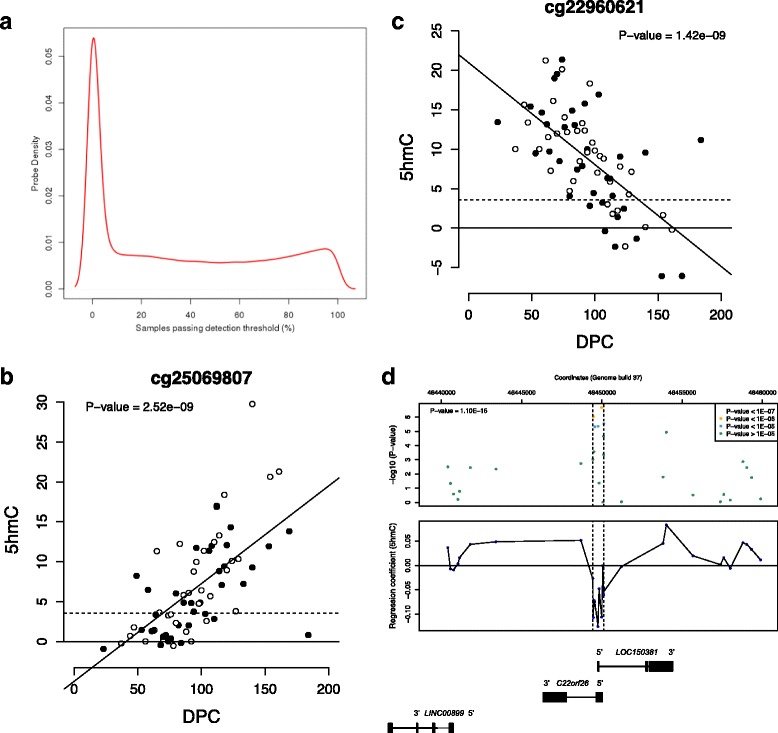
“Consistent with previous observations in young neurons[18, 19, 27], we observed overall low levels of global 5hmC in the fetal brain (mean level of 5hmC across all 411,325 probes passing our stringent quality-control metrics = 2.”
BackgroundResultBase-Resolution Analysis of 5-Hydroxymethylcytosine in the Mammalian Genome
Yu, M., Hon, G. C., Szulwach, K. E., Song, C.-X., Zhang, L., Kim, A., Li, X., Dai, Q., Shen, Y., Park, B., et al. (2012) · Cell · doi:10.1016/j.cell.2012.04.027 · Cited by 1,036 · cited 1×
“…the genomic distribution of 5hmC highlighted an inverse correlation between mean 5hmC and CpG density, with a depletion of 5hmC in promoter regions and enrichment in gene bodies, relative to global 5hmC levels, concordant with previous observations in adult human brain [2, 19, 29 – 31 , 38].”
ResultDynamic Readers for 5-(Hydroxy)Methylcytosine and Its Oxidized Derivatives
Spruijt, C. G., Gnerlich, F., Smits, A. H., Pfaffeneder, T., Jansen, P. W. T. C., Bauer, C., Münzel, M., Wagner, M., Müller, M., Khan, F., et al. (2013) · Cell · doi:10.1016/j.cell.2013.02.004 · Cited by 973 · cited 1×
“Several specific molecular readers of 5hmC have been identified, including transcriptional regulators, chromatin modifiers and DNA damage and repair proteins [8 – 12].”
BackgroundMeCP2 binds to 5hmC enriched within active genes and accessible chromatin in the nervous system
Mellén, M., Ayata, P., Dewell, S., Kriaucionis, S., & Heintz, N. (2012) · Cell · doi:10.1016/j.cell.2012.11.022 · Cited by 943
Quantitative Sequencing of 5-Methylcytosine and 5-Hydroxymethylcytosine at Single-Base Resolution
Booth, M. J., Branco, M. R., Ficz, G., Oxley, D., Krueger, F., Reik, W., & Balasubramanian, S. (2012) · Science · doi:10.1126/science.1220671 · Cited by 928 · cited 1×
“Oxidative bisulfite (oxBS) conversion of genomic DNA, which involves the oxidation of 5hmC to 5-formylcytosine (5fC) prior to standard BS conversion, enables the accurate quantification of 5mC, allowing 5hmC to be measured by proxy at base-pair resolution [25 – 27].”
5-hmC–mediated epigenetic dynamics during postnatal neurodevelopment and aging
Szulwach, K. E., Li, X., Li, Y., Song, C.-X., Wu, H., Dai, Q., Irier, H., Upadhyay, A. K., Gearing, M., Levey, A. I., et al. (2011) · Nature Neuroscience · doi:10.1038/nn.2959 · Cited by 826 · cited 3×
“Consistent with previous observations in young neurons [18, 19, 28], we observed overall low levels of global 5hmC in the fetal brain (mean level of 5hmC across all 411,325 probes passing our stringent quality-control metrics = 2.”
ResultChen, T., Ueda, Y., Dodge, J. E., Wang, Z., & Li, E. (2003) · Molecular and Cellular Biology · doi:10.1128/mcb.23.16.5594-5605.2003 · Cited by 751 · cited 1×
“Of particular interest is DNA hydroxymethylation (5-hydroxymethylcytosine, 5hmC), a covalent modification of cytosine that represents an oxidised derivative of 5mC produced by the process of active DNA demethylation [4, 5].”
BackgroundThe Behaviour of 5-Hydroxymethylcytosine in Bisulfite Sequencing
Huang, Y., Pastor, W. A., Shen, Y., Tahiliani, M., Liu, D. R., & Rao, A. (2010) · PLoS ONE · doi:10.1371/journal.pone.0008888 · Cited by 717
Price, E. M., Cotton, A. M., Lam, L. L., Farré, P., Emberly, E., Brown, C. J., Robinson, W. P., & Kobor, M. S. (2013) · Epigenetics & Chromatin · doi:10.1186/1756-8935-6-4 · Cited by 485 · cited 1×
“Finally, cross-reactive probes and polymorphic CpGs, as detailed in the Illumina annotation file and identified in recent publications [45, 46] were removed (Additional file 1: Table S20 S19.”
MethodComb-p: software for combining, analyzing, grouping and correcting spatially correlated P -values
Pedersen, B. S., Schwartz, D. A., Yang, I. V., & Kechris, K. J. (2012) · Bioinformatics · doi:10.1093/bioinformatics/bts545 · Cited by 485
Dynamics of 5-Hydroxymethylcytosine and Chromatin Marks in Mammalian Neurogenesis
Hahn, M. A., Qiu, R., Wu, X., Li, A. X., Zhang, H., Wang, J., Jui, J., Jin, S.-G., Jiang, Y., Pfeifer, G. P., et al. (2013) · Cell Reports · doi:10.1016/j.celrep.2013.01.011 · Cited by 455 · cited 2×
“Consistent with previous observations in young neurons [18, 19, 28], we observed overall low levels of global 5hmC in the fetal brain (mean level of 5hmC across all 411,325 probes passing our stringent quality-control metrics = 2.”
ResultMatrix eQTL: Ultra fast eQTL analysis via large matrix operations
Shabalin, A. A. (2011) · arXiv (Cornell University) · doi:10.17615/g28n-r219 · Cited by 452
Yildirim, O., Li, R., Hung, J.-H., Chen, P. B., Dong, X., Ee, L.-S., Weng, Z., Rando, O. J., & Fazzio, T. G. (2011) · Cell · doi:10.1016/j.cell.2011.11.054 · Cited by 450 · cited 1×
“Several specific molecular readers of 5hmC have been identified, including transcriptional regulators, chromatin modifiers and DNA damage and repair proteins[8-12].”
BackgroundTet1 Is Critical for Neuronal Activity-Regulated Gene Expression and Memory Extinction
Rudenko, A., Dawlaty, M. M., Seo, J., Cheng, A. W., Meng, J., Le, T., Faull, K. F., Jaenisch, R., & Tsai, L.-H. (2013) · Neuron · doi:10.1016/j.neuron.2013.08.003 · Cited by 441 · cited 1×
“Additionally, the ten-eleven translocation (TET) family of proteins that catalyze the conversion of 5mC into 5hmC have been implicated in neuronal differentiation and function[13]; studies manipulating TET activity suggest that 5hmC plays a role in learning and memory, hippocampal neurogenesis, and neuronal activity-r…”
BackgroundJin, S.-G., Kadam, S., & Pfeifer, G. P. (2010) · Nucleic Acids Research · doi:10.1093/nar/gkq223 · Cited by 437 · cited 1×
“Importantly, many of the standard methods used to quantify 5mC, including those based on sodium bisulfite (BS) conversion of DNA, are unable to discriminate between 5mC and 5hmC [10, 23], with important implications for the interpretation of published DNA methylation datasets from brain.”
BackgroundKaas, G. A., Zhong, C., Eason, D. E., Ross, D. L., Vachhani, R. V., Ming, G.-L., King, J. R., Song, H., & Sweatt, J. D. (2013) · Neuron · doi:10.1016/j.neuron.2013.08.032 · Cited by 414 · cited 1×
“…of proteins that catalyze the conversion of 5mC into 5hmC have been implicated in neuronal differentiation and function [13]; studies manipulating TET activity suggest that 5hmC plays a role in learning and memory, hippocampal neurogenesis, and neuronal activity-regulated gene expression [14 – 16].”
BackgroundTet1 Regulates Adult Hippocampal Neurogenesis and Cognition
Zhang, R.-R., Cui, Q.-Y., Murai, K., Lim, Y. C., Smith, Z. D., Jin, S., Ye, P., Rosa, L., Lee, Y. K., Wu, H.-P., et al. (2013) · Cell Stem Cell · doi:10.1016/j.stem.2013.05.006 · Cited by 357 · cited 1×
“…of proteins that catalyze the conversion of 5mC into 5hmC have been implicated in neuronal differentiation and function [13]; studies manipulating TET activity suggest that 5hmC plays a role in learning and memory, hippocampal neurogenesis, and neuronal activity-regulated gene expression [14 – 16].”
BackgroundOxidative bisulfite sequencing of 5-methylcytosine and 5-hydroxymethylcytosine
Booth, M. J., Ost, T. W. B., Beraldi, D., Bell, N. M., Branco, M. R., Reik, W., & Balasubramanian, S. (2013) · Nature Protocols · doi:10.1038/nprot.2013.115 · Cited by 352 · cited 1×
“Oxidative bisulfite (oxBS) conversion of genomic DNA, which involves the oxidation of 5hmC to 5-formylcytosine (5fC) prior to standard BS conversion, enables the accurate quantification of 5mC, allowing 5hmC to be measured by proxy at base-pair resolution[24-26].”
BackgroundMeCP2 binds to 5hmc enriched within active genes and accessible chromatin in the nervous system
Mellen, M., Ayata, P., Dewell, S., Kriaucionis, S., & Heintz, N. (2013) · Epigenetics & Chromatin · doi:10.1186/1756-8935-6-s1-p52 · Cited by 345 · cited 1×
“Several specific molecular readers of 5hmC have been identified, including transcriptional regulators, chromatin modifiers and DNA damage and repair proteins [8 – 12].”
BackgroundMethylation QTLs in the developing brain and their enrichment in schizophrenia risk loci
Hannon, E., Spiers, H., Viana, J., Pidsley, R., Burrage, J., Murphy, T. M., Troakes, C., Turecki, G., O'Donovan, M. C., Schalkwyk, L. C., et al. (2016) · Nature Neuroscience · doi:10.1038/nn.4182 · Cited by 342
Self-citationIurlaro, M., Ficz, G., Oxley, D., Raiber, E.-A., Bachman, M., Booth, M. J., Andrews, S., Balasubramanian, S., & Reik, W. (2013) · Genome Biology · doi:10.1186/gb-2013-14-10-r119 · Cited by 307 · cited 1×
“Several specific molecular readers of 5hmC have been identified, including transcriptional regulators, chromatin modifiers and DNA damage and repair proteins[8-12].”
BackgroundWen, L., Li, X., Yan, L., Tan, Y., Li, R., Zhao, Y., Wang, Y., Xie, J., Zhang, Y., Song, C., et al. (2014) · Genome Biology · doi:10.1186/gb-2014-15-3-r49 · Cited by 294 · cited 1×
“Recently, 5hmC has been found to mark regulatory regions of the genome in the murine and human fetal brain[2, 17] and increase rapidly in abundance postnatally, concurrent with neuronal maturation and synaptogenesis[18-20].”
BackgroundMethylomic trajectories across human fetal brain development
Spiers, H., Hannon, E., Schalkwyk, L. C., Smith, R., Wong, C. C. Y., O’Donovan, M. C., Bray, N. J., & Mill, J. (2015) · Genome Research · doi:10.1101/gr.180273.114 · Cited by 287 · cited 3×
“00E-200) between the BS (5mC + 5hmC) and oxBS (5mC) effect sizes (Additional file 2: Figure S4) at these sites, indicating that the DNA modification dynamics previously described [3] are likely to primarily reflect changes in 5mC.”
BackgroundInfluentialSelf-citation5-hmC in the brain is abundant in synaptic genes and shows differences at the exon-intron boundary
Khare, T., Pai, S., Koncevicius, K., Pal, M., Kriukiene, E., Liutkeviciute, Z., Irimia, M., Jia, P., Ptak, C., Xia, M., et al. (2012) · Nature Structural & Molecular Biology · doi:10.1038/nsmb.2372 · Cited by 255 · cited 1×
“Of note, 5hmC is present at relatively high levels in the mature central nervous system [6], and particularly enriched in the vicinity of genes with synapserelated functions [7].”
Tet-assisted bisulfite sequencing of 5-hydroxymethylcytosine
Yu, M., Hon, G. C., Szulwach, K. E., Song, C.-X., Jin, P., Ren, B., & He, C. (2012) · Nature Protocols · doi:10.1038/nprot.2012.137 · Cited by 252 · cited 1×
“In agreement with previous studies [27, 29 – 32], we observed an inverse relationship between CpG density and mean levels of 5hmC at these sites, with significantly lower levels in CpG islands (1.56%, P -value < 1.00E-200) and higher levels in sites not located within CpG islands, shores or shelves…”
ResultInfluentialSlieker, R. C., Bos, S. D., Goeman, J. J., Bovée, J. V., Talens, R. P., van der Breggen, R., Suchiman, H. E. D., Lameijer, E.-W., Putter, H., van den Akker, E. B., et al. (2013) · Epigenetics & Chromatin · doi:10.1186/1756-8935-6-26 · Cited by 227 · cited 1×
“…relative enrichment 1.32, P – value = 2.62E-13) (Additional file 1: Table S6) and probes associated with transcription factor binding sites (TFBSs) [34] (percentage of significant probes = 0.79%, relative enrichment = 1.09, P -value = 4.41E-02), with specific TFBS motifs being specifically…”
BackgroundInfluentialZhubi, A., Chen, Y., Dong, E., Cook, E. H., Guidotti, A., & Grayson, D. R. (2014) · Translational Psychiatry · doi:10.1038/tp.2013.123 · Cited by 154 · cited 1×
“Notably, there is growing evidence to suggest that abnormal regulation of 5hmC contributes to the etiology of several neurodevelopmental disorders including autism spectrum disorders [21] and schizophrenia [22].”
Background5-Hydroxymethylcytosine: A stable or transient DNA modification?
Hahn, M. A., Szabó, P. E., & Pfeifer, G. P. (2014) · Genomics · doi:10.1016/j.ygeno.2014.08.015 · Cited by 128 · cited 1×
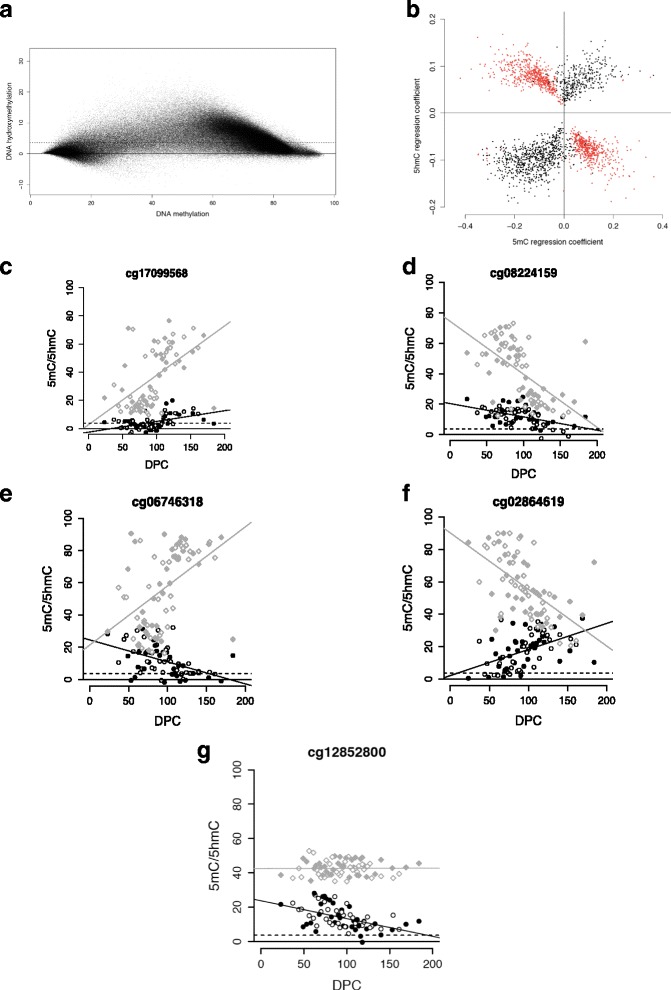
“There is a complex relationship between 5mC and 5hmC across human brain development It is not yet definitively known whether 5hmC represents a stable or transient DNA modification[34] and its relationship to 5mC has not been explored in a large number of samples.”
BackgroundDong, E., Gavin, D. P., Chen, Y., & Davis, J. (2012) · Translational Psychiatry · doi:10.1038/tp.2012.86 · Cited by 122 · cited 1×
“Notably, there is growing evidence to suggest that abnormal regulation of 5hmC contributes to the etiology of several neurodevelopmental disorders including autism spectrum disorders [21] and schizophrenia [22].”
BackgroundComprehensive evaluation of genome-wide 5-hydroxymethylcytosine profiling approaches in human DNA
Skvortsova, K., Zotenko, E., Luu, P., Gould, C. M., Nair, S. S., Clark, S. J., & Stirzaker, C. (2017) · Epigenetics & Chromatin · doi:10.1186/s13072-017-0123-7 · Cited by 112 · cited 1×
“been developed to enable the quantification of 5hmC across the genome [24].”
BackgroundoxBS-450K: A method for analysing hydroxymethylation using 450K BeadChips
Stewart, S. K., Morris, T. J., Guilhamon, P., Bulstrode, H. J. C. J., Bachman, M., Balasubramanian, S., & Beck, S. (2014) · Methods · doi:10.1016/j.ymeth.2014.08.009 · Cited by 103 · cited 2×
“…and 200 bp (2.14%, P -value < 1.00E-200) upstream of the transcription start site (TSS), 5 ’ UTRs (3.85%, P -value < 1.00E-200), and 1st exons (2.24%, P -value < 1.00E-200) (Additional file 2: Figure S1; Additional file 1: Table S3), concurring with previous observations [19, 27, 29 – 31].”
ResultInfluentialTET enzymes and DNA hydroxymethylation in neural development and function — How critical are they?
Santiago, M., Antunes, C., Guedes, M., Sousa, N., & Marques, C. J. (2014) · Genomics · doi:10.1016/j.ygeno.2014.08.018 · Cited by 100 · cited 1×
“Additionally, the ten-eleven translocation (TET) family of proteins that catalyze the conversion of 5mC into 5hmC have been implicated in neuronal differentiation and function [13]; studies manipulating TET activity suggest that 5hmC plays a role in learning and memory, hippocampal neurogenesis, and neuronal activity-…”
BackgroundVariation in 5-hydroxymethylcytosine across human cortex and cerebellum
Lunnon, K., Hannon, E., Smith, R. G., Dempster, E., Wong, C., Burrage, J., Troakes, C., Al-Sarraj, S., Kepa, A., Schalkwyk, L., et al. (2016) · Genome Biology · doi:10.1186/s13059-016-0871-x · Cited by 86 · cited 3×
“[27], a threshold for defining “detectable” 5hmC was calculated from the 95th percentile of the negative beta”
BackgroundMethodInfluentialSelf-citationDiversity of two forms of DNA methylation in the brain
Chen, Y., Damayanti, N. P., Irudayaraj, J., Dunn, K. W., & Zhou, F. (2014) · Frontiers in Genetics · doi:10.3389/fgene.2014.00046 · Cited by 75 · cited 1×
“During synaptogenesis, for example, while 5mC accumulates in heterochromatin, 5hmC becomes enriched in euchromatin, consistent with its co-localization with PolII which mediates RNA transcription [20].”
BackgroundField, S. F., Beraldi, D., Bachman, M., Stewart, S. K., Beck, S., & Balasubramanian, S. (2015) · PLoS ONE · doi:10.1371/journal.pone.0118202 · Cited by 66 · cited 1×
“2a), concurring with the results of previous analyses [27, 30].”
ResultHydroxymethylation of DNA influences nucleosomal conformation and stability in vitro
Mendonca, A., Chang, E. H., Liu, W., & Yuan, C. (2014) · Biochimica et Biophysica Acta (BBA) - Gene Regulatory Mechanisms · doi:10.1016/j.bbagrm.2014.09.014 · Cited by 49 · cited 1×
“5hmC is hypothesized to be associated with transcriptionally permissive chromatin states; whilst 5mC is often associated with gene repression, 5hmC facilitates transcription through contributing to open chromatin [39, 40].”
BackgroundLopez, C. M. R., Lloyd, A. J., Leonard, K., & Wilkinson, M. J. (2012) · Analytical Chemistry · doi:10.1021/ac301459x · Cited by 44 · cited 1×
“5hmC is hypothesized to be associated with transcriptionally permissive chromatin states; whilst 5mC is often associated with gene repression, 5hmC facilitates transcription through contributing to open chromatin [39, 40].”
BackgroundChopra, P., Papale, L. A., White, A. T. J., Hatch, A., Brown, R. M., Garthwaite, M. A., Roseboom, P. H., Golos, T. G., Warren, S. T., & Alisch, R. S. (2014) · BMC Genomics · doi:10.1186/1471-2164-15-131 · Cited by 38 · cited 1×
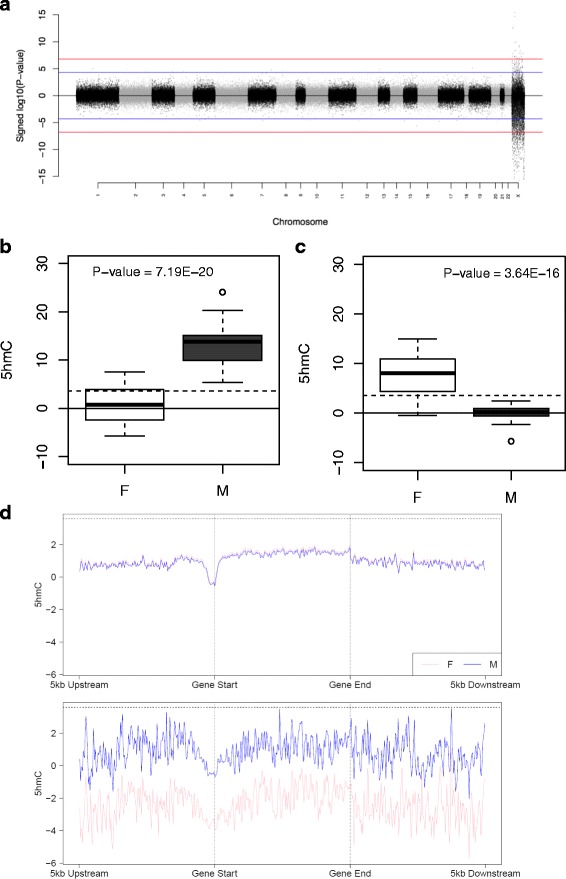
“These data concur with previous studies reporting a deficit in Xchromosome 5hmC [2, 19, 29], suggesting a possible role in dosage compensation for X-linked genes.”
ResultEng, B., Ainsworth, P., & Waye, J. S. (1994) · Journal of Forensic Sciences · doi:10.1520/jfs13724j · Cited by 33 · cited 1×
“Sample sex was determined via PCR amplification of a region near the amelogenin gene ( AMELY ) that produces different sized PCR products for the X and Y chromosomes, (977 and 788 bp, respectively) [43].”
Method
Cited by
Sex differences in cancer mechanisms
Rubin, J. B., Lagas, J. S., Broestl, L., Sponagel, J., Rockwell, N., Rhee, G., Rosen, S. F., Chen, S., Klein, R. S., Imoukhuede, P., et al. (2020) · Biology of Sex Differences · doi:10.1186/s13293-020-00291-x · Cited by 366
Epigenetic Modifications in Stress Response Genes Associated With Childhood Trauma
Jiang, S., Postovit, L., Cattaneo, A., Binder, E. B., & Aitchison, K. J. (2019) · Frontiers in Psychiatry · doi:10.3389/fpsyt.2019.00808 · Cited by 288
“The expression of 5-hmC is highly concentrated in the brain and is dynamic during fetal development (51).”
BackgroundMaking sense of the ageing methylome
Seale, K., Horvath, S., Teschendorff, A., Eynon, N., & Voisin, S. (2022) · Nature Reviews Genetics · doi:10.1038/s41576-022-00477-6 · Cited by 274
Childhood maltreatment and DNA methylation: A systematic review
Cecil, C. A. M., Zhang, Y., & Nolte, T. (2020) · Neuroscience & Biobehavioral Reviews · doi:10.1016/j.neubiorev.2020.02.019 · Cited by 169
DNA Methylation and Susceptibility to Autism Spectrum Disorder
Tremblay, M. W., & Jiang, Y. (2019) · Annual Review of Medicine · doi:10.1146/annurev-med-120417-091431 · Cited by 160
Metadata
- Authors
- Spiers, H., Hannon, E., Schalkwyk, L. C., Bray, N. J., & Mill, J.
- Affiliations
- University of Oxford (GB)
- University of Exeter (GB)
- University of Essex (GB)
- Cardiff University (GB)
- Corresponding author
- Mill, Jonathan
- Venue
- BMC Genomics
- Published
- 2017-09-18
- Volume
- 18
- Issue
- 1
- Pages
- 738-738
- ISSN
- 1471-2164 (ISSN-L)
- PMC
- PMC5604137
- OpenAlex
- W2951005359
- Cited by
- 80
- References
- 52
- Citations by year
- 2026: 4 · 2025: 6 · 2024: 8 · 2023: 7 · 2022: 12 · 2021: 12 · 2020: 12 · 2019: 15 · 2018: 4
- FWCI
- 3.45
- Type
- journal article
- Language
- en
- Open access
- gold
- doi.org
- Licence
- cc-by
- Locations
- BMC Genomics (publishedVersion, cc-by)
- Europe PMC (PubMed Central) (publishedVersion, cc-by)
- PubMed Central (publishedVersion, cc-by)
- PubMed (publishedVersion)
- ORCA Online Research @Cardiff (Cardiff University) (acceptedVersion)
- Open Access at Essex (University of Essex) (acceptedVersion)
- DOAJ (DOAJ: Directory of Open Access Journals) (submittedVersion)
- Open Research Exeter (University of Exeter) (submittedVersion, cc-by)
- Royal Devon and Exeter Research Repository (Royal Devon and Exeter) (submittedVersion)
- Funders
- Brain and Behavior Research Foundation (Distinguished Investigator Award)
- Topics
- Life Sciences › Biochemistry, Genetics and Molecular Biology › Molecular Biology › Epigenetics and DNA Methylation
- Life Sciences › Biochemistry, Genetics and Molecular Biology › Molecular Biology › Genomics and Chromatin Dynamics
- Life Sciences › Biochemistry, Genetics and Molecular Biology › Molecular Biology › RNA modifications and cancer
- Keywords
- 5-hydroxymethylcytosine, DNA hydroxymethylation, human fetal brain development, brain development, DNA methylation, sex differences, epigenetic interactions, genetic variation
- MeSH terms
- Brain, Fetus, Humans, Sex Characteristics, Time Factors, Quantitative Trait Loci, 5-Methylcytosine
About these checks
Registry, retraction, Cites and statistics results are computed, not judged, with one exception: a printed reference that no index lists is read once by a model before it counts as a citation error. Claims are extracted by a model and kept only when their quote appears verbatim in the text; each cited source is then checked, with a model’s help, for whether it says what the claim relies on. Those verdicts can be wrong — read the claim’s quote and the cited source before relying on one.
Statistics and arithmetic are recomputed, not judged.
Confidence bands are shown only for fields calibrated on our annotated test set. None is calibrated yet, so no band is shown.
What counts as a claim ›How we measure confidence ›How we check this ›
Are you an author, or do you see a problem with this page? Request a review
Data sources
Bibliographic data: Semantic Scholar, OpenAlex, Crossref.
Contains information from the Semantic Scholar Academic Graph Datasets, made available under the ODC Attribution License (ODC-BY 1.0).
Semantic Scholar’s data is described in: Kinney, R., et al. (2023). The Semantic Scholar Open Data Platform. arXiv:2301.10140.
