

Prevalence and treatment of atherogenic dyslipidemia in the primary prevention of cardiovascular disease in Europe: EURIKA, a cross-sectional observational study
Open accessThe DOI matches its Crossref record; 33 of the 33 references it cites were found in a registry or an index.
Abstract
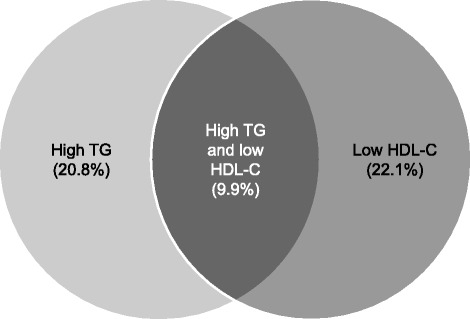
BACKGROUND: Atherogenic dyslipidemia is associated with poor cardiovascular outcomes, yet markers of this condition are often ignored in clinical practice. Here, we address a clear evidence gap by assessing the prevalence and treatment of two markers of atherogenic dyslipidemia: elevated triglyceride levels and low levels of high-density lipoprotein cholesterol. METHODS: This cross-sectional observational study assessed the prevalence of two atherogenic dyslipidemia markers, high triglyceride levels and low high-density lipoprotein cholesterol levels, in the study population from the European Study on Cardiovascular Risk Prevention and Management in Usual Daily Practice (EURIKA; N = 7641; of whom 51.6% were female and 95.6% were White/Caucasian). The EURIKA population included European patients, aged at least 50 years with at least one cardiovascular risk factor but no history of cardiovascular disease. RESULTS: Over 20% of patients from the EURIKA population have either triglyceride or high-density lipoprotein cholesterol levels characteristic of atherogenic dyslipidemia. Furthermore, the proportions of patients with one of these markers were higher in subpopulations with type 2 diabetes mellitus or those already calculated to be at high risk of cardiovascular disease. Approximately 55% of the EURIKA population who have markers of atherogenic dyslipidemia are not receiving lipid-lowering therapy. CONCLUSIONS: A considerable proportion of patients with at least one major cardiovascular risk factor in the primary cardiovascular disease prevention setting have markers of atherogenic dyslipidemia. The majority of these patients are not receiving optimal treatment, as specified in international guidelines, and thus their risk of developing cardiovascular disease is possibly underestimated. TRIAL REGISTRATION: The present study is registered with ClinicalTrials.gov (ID: NCT00882336).
Overview
The claims and statistics of this paper haven’t been checked yet.
Free: it reads the open-access text and checks the first 5 claims that cite a source we can check. Create a free account to check every claim.
Integrity signals
Registry
Cites
Statistics
Figures
Verification
Claims the paper makes
The claims and statistics of this paper haven’t been checked yet.
Free: it reads the open-access text and checks the first 5 claims that cite a source we can check. Create a free account to check every claim.
Claims other papers make about this one
Each is checked against this paper’s own text: does it say what the citing paper says it does?
The source backs part of the claim, not all of it — or backs it for a different population, condition or comparison.
In the citing paper
“Multiple disturbances in lipoprotein metabolism in individuals with prediabetes and T2D result from the combined effects of insulin deficiency, insulin resistance, and hyperglycemia.”
From American Association of Clinical Endocrinology Clinical Practice Guideline: Developing a Diabetes Mellitus Comprehensive Care Plan-2022 Update. (2022) · cites this paper as [306]
Experimental — accuracy not yet measured
Self-check
Percentages, sums and reported differences re-computed from the paper’s own numbers.
The self-check needs the paper’s full text.
Citations
Cites
Friedewald, W. T., Levy, R. I., & Fredrickson, D. S. (1972) · Clinical Chemistry · doi:10.1093/clinchem/18.6.499 · Cited by 32,423 · cited 1×
“LDL-C concentration was calculated by the Friedewald formula [17].”
MethodEuropean Guidelines on cardiovascular disease prevention in clinical practice (version 2012)
Authors/Task Force Members:, Perk, J., De Backer, G., Gohlke, H., Graham, I., Reiner, Ž., Verschuren, M., Albus, C., Benlian, P., Boysen, G., et al. (2012) · European Heart Journal · doi:10.1093/eurheartj/ehs092 · Cited by 8,490
Self-citation2016 European Guidelines on cardiovascular disease prevention in clinical practice
Piepoli, M. F., Hoes, A. W., Agewall, S., Albus, C., Brotons, C., Catapano, A. L., Cooney, M.-T., Corrà, U., Cosyns, B., Deaton, C., et al. (2016) · European Heart Journal · doi:10.1093/eurheartj/ehw106 · Cited by 6,457
Self-citationAntihyperlipidemic and Biochemical Activities of Mcy Protein in Streptozotocin Induced Diabetic Rats
Marella, S., Maddirela, D. R., Badri, K. R., Jyothi Kumar, M. V., & Chippada, A. (2015) · Cellular Physiology and Biochemistry · doi:10.1159/000373954 · Cited by 5,938
Estimation of ten-year risk of fatal cardiovascular disease in Europe: the SCORE project
Conroy, R. (2003) · European Heart Journal · doi:10.1016/s0195-668x(03)00114-3 · Cited by 5,290
2013 ACC/AHA Guideline on the Assessment of Cardiovascular Risk
Goff, D. C., Lloyd-Jones, D. M., Bennett, G., Coady, S., D’Agostino, R. B., Gibbons, R., Greenland, P., Lackland, D. T., Levy, D., O’Donnell, C. J., et al. (2014) · Journal of the American College of Cardiology · doi:10.1016/j.jacc.2013.11.005 · Cited by 4,945
Authors/Task Force Members, Graham, I., Atar, D., Borch-Johnsen, K., Boysen, G., Burell, G., Cifkova, R., Dallongeville, J., De Backer, G., Ebrahim, S., et al. (2007) · European Heart Journal · doi:10.1093/eurheartj/ehm316 · Cited by 3,753
Self-citationGoff, D. C., Lloyd-Jones, D. M., Bennett, G., Coady, S., D’Agostino, R. B., Gibbons, R., Greenland, P., Lackland, D. T., Levy, D., O’Donnell, C. J., et al. (2014) · Circulation · doi:10.1161/01.cir.0000437741.48606.98 · Cited by 3,697
Danesh, J., Wheeler, J. G., Hirschfield, G. M., Eda, S., Eiriksdottir, G., Rumley, A., Lowe, G. D. O., Pepys, M. B., & Gudnason, V. (2004) · New England Journal of Medicine · doi:10.1056/nejmoa032804 · Cited by 2,953
Nordestgaard, B. G., Benn, M., Schnohr, P., & Tybjærg-Hansen, A. (2007) · JAMA · doi:10.1001/jama.298.3.299 · Cited by 2,058 · cited 1×
“A topic of debate has been whether measuring non-fasting TG levels is a better predictor of CVD than measuring fasting TG levels, with some studies showing a stronger association between non-fasting TG levels and CVD risk than fasting TG levels [24, 29].”
ResultTriglycerides and Cardiovascular Disease: A Scientific Statement From the American Heart Association
Miller, M., Stone, N. J., Ballantyne, C., Bittner, V., Criqui, M. H., Ginsberg, H. N., Goldberg, A. C., Howard, W. J., Jacobson, M. S., Kris-Etherton, P. M., et al. (2011) · Circulation · doi:10.1161/cir.0b013e3182160726 · Cited by 1,871
2016 ESC/EAS Guidelines for the Management of Dyslipidaemias
Catapano, A. L., Graham, I., De Backer, G., Wiklund, O., Chapman, M. J., Drexel, H., Hoes, A. W., Jennings, C. S., Landmesser, U., Pedersen, T. R., et al. (2016) · Atherosclerosis · doi:10.1016/j.atherosclerosis.2016.08.018 · Cited by 1,582
Triglycerides and cardiovascular disease
Nordestgaard, B. G., & Varbo, A. (2014) · The Lancet · doi:10.1016/s0140-6736(14)61177-6 · Cited by 1,419
Sarwar, N., Danesh, J., Eiriksdottir, G., Sigurdsson, G., Wareham, N., Bingham, S., Boekholdt, S. M., Khaw, K.-T., & Gudnason, V. (2007) · Circulation · doi:10.1161/circulationaha.106.637793 · Cited by 1,408
Authors/Task Force Members, Piepoli, M. F., Hoes, A. W., Agewall, S., Albus, C., Brotons, C., Catapano, A. L., Cooney, M.-T., Corrà, U., Cosyns, B., et al. (2016) · European Journal of Preventive Cardiology · doi:10.1177/2047487316653709 · Cited by 1,334
Self-citationChapman, M. J., Ginsberg, H. N., Amarenco, P., Andreotti, F., Borén, J., Catapano, A. L., Descamps, O. S., Fisher, E., Kovanen, P. T., Kuivenhoven, J. A., et al. (2011) · European Heart Journal · doi:10.1093/eurheartj/ehr112 · Cited by 1,227
Use of metabolic markers to identify overweight individuals who are insulin resistant
McLaughlin, T., Abbasi, F., Cheal, K., Chu, J., Lamendola, C., & Reaven, G. (2003) · Annals of Internal Medicine · doi:10.7326/0003-4819-139-10-200311180-00007 · Cited by 1,022 · cited 1×
“Finally, we did not calculate the ratio of TG to HDL-C concentrations in the EURIKA study; however, this marker has been proposed to correlate with insulin resistance and thus could be used to identify patients at risk of CVD [32].”
BackgroundJeppesen, J. Ø., Hein, H. O., Suadicani, P., & Gyntelberg, F. (1998) · Circulation · doi:10.1161/01.cir.97.11.1029 · Cited by 676
Mora, S., Rifai, N., Buring, J. E., & Ridker, P. M. (2008) · Circulation · doi:10.1161/circulationaha.108.777334 · Cited by 445
Small LDL, Atherogenic Dyslipidemia, and the Metabolic Syndrome
Grundy, S. M. (1997) · Circulation · doi:10.1161/01.cir.95.1.1 · Cited by 402 · cited 1×
“ation of elevated LDL-C and triglyceride (TG) levels, decreased high-density lipoprotein cholesterol (HDL-C) levels, and a preponderance of small-dense LDL-C particles [10].”
BackgroundBanegas, J. R., Lopez-Garcia, E., Dallongeville, J., Guallar, E., Halcox, J. P., Borghi, C., Masso-Gonzalez, E. L., Jimenez, F. J., Perk, J., Steg, P. G., et al. (2011) · European Heart Journal · doi:10.1093/eurheartj/ehr080 · Cited by 354 · cited 14×
“Therefore, these patients’ absolute CVD risk may be underestimated by current European and US global risk calculators.”
BackgroundInfluentialSelf-citationFibrinogen and coronary heart disease--what does it mean?
Assmann, G., Schulte, H., Funke, H., & von Eckardstein, A. (1998) · PubMed · Cited by 256
Cooney, M. T., Dudina, A., De Bacquer, D., Wilhelmsen, L., Sans, S., Menotti, A., De Backer, G., Jousilahti, P., Keil, U., Thomsen, T., et al. (2009) · Atherosclerosis · doi:10.1016/j.atherosclerosis.2009.02.041 · Cited by 250
Triglycerides and Cardiovascular Risk
Harchaoui, K., Visser, M., Kastelein, J., Stroes, E., & Dallinga-Thie, G. (2009) · Current Cardiology Reviews · doi:10.2174/157340309788970315 · Cited by 136 · cited 1×
“Whether or not TG levels are a causal risk factor for CVD is debated [22, 23]; patients with high TG levels often have additional CVD risk factors; TG levels in human plasma are highly variable and are strongly associated with low HDL-C levels, which makes it difficult to separate the contributions of these two compon…”
BackgroundHow much does HDL cholesterol add to risk estimation? A report from the SCORE Investigators
Cooney, M. T., Dudina, A., De Bacquer, D., Fitzgerald, A., Conroy, R., Sans, S., Menotti, A., De Backer, G., Jousilahti, P., Keil, U., et al. (2009) · European Journal of Cardiovascular Prevention & Rehabilitation · doi:10.1097/hjr.0b013e3283213140 · Cited by 121 · cited 12×
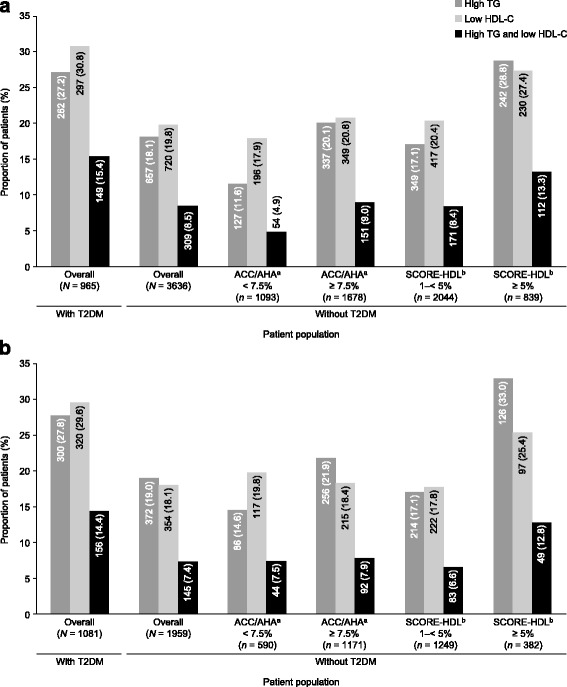
“Proportion of non-statin-treated patients with markers of atherogenic dyslipidemia, according to T2DM status, CVD risk, and age: (a) according to SCORE-HDL categories; (b) according to ACC/AHA categories.”
MethodInfluentialSurvey of physicians’ practices in the control of cardiovascular risk factors: the EURIKA study
Dallongeville, J., Banegas, J. R., Tubach, F., Guallar, E., Borghi, C., Backer, G. D., Halcox, J. P., Massó-González, E. L., Perk, J., Sazova, O., et al. (2012) · European Journal of Preventive Cardiology · doi:10.1177/1741826711407705 · Cited by 108 · cited 4×
“country) agreed to participate in EURIKA, 64% of whom were PCPs [15].”
BackgroundInfluentialSelf-citationGinsberg, H. N., Bonds, D. E., Lovato, L. C., Crouse, J. R., Elam, M. B., Linz, P. E., O’Connor, P. J., Leiter, L. A., Weiss, D., Lipkin, E., et al. (2007) · The American Journal of Cardiology · doi:10.1016/j.amjcard.2007.03.024 · Cited by 95
Chiang, C.-E., Ferrières, J., Gotcheva, N. N., Raal, F. J., Shehab, A., Sung, J., Henriksson, K. M., & Hermans, M. P. (2016) · Journal of Atherosclerosis and Thrombosis · doi:10.5551/jat.31179 · Cited by 63
Self-citationC-reactive protein levels in patients at cardiovascular risk: EURIKA study
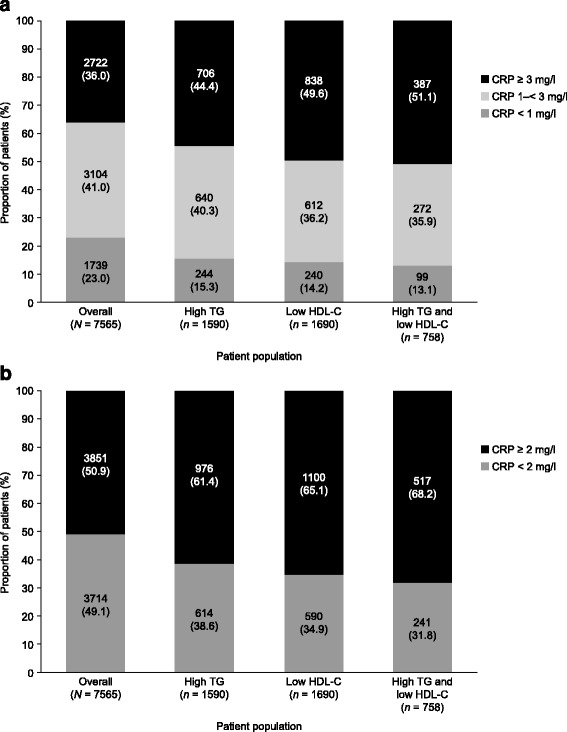
Halcox, J. P., Roy, C., Tubach, F., Banegas, J. R., Dallongeville, J., De Backer, G., Guallar, E., Sazova, O., Medina, J., Perk, J., et al. (2014) · BMC Cardiovascular Disorders · doi:10.1186/1471-2261-14-25 · Cited by 46 · cited 13×
“Therefore, these patients’ absolute CVD risk may be underestimated by current European and US global risk calculators.”
BackgroundInfluentialSelf-citationHalcox, J., Tubach, F., López‐García, E., Backer, G. D., Borghi, C., Dallongeville, J., Güallar, E., Medina, J., Perk, J., Sazova, O., et al. (2015) · PLoS ONE · doi:10.1371/journal.pone.0115270 · Cited by 33
Self-citationEURIKA Investigators, Rodríguez‐Artalejo, F., Güallar, E., Borghi, C., Dallongeville, J., Backer, G. D., Halcox, J., Hernández-Vecino, R., Jimenez, F. J., Massó-González, E. L., et al. (2010) · BMC Public Health · doi:10.1186/1471-2458-10-382 · Cited by 29
Self-citationAchieving lipid goals in Europe: how large is the treatment gap?
SCHWANDT, P., & Brady, A. J. B. (2004) · Expert Review of Cardiovascular Therapy · doi:10.1586/14779072.2.3.431 · Cited by 23 · cited 12×
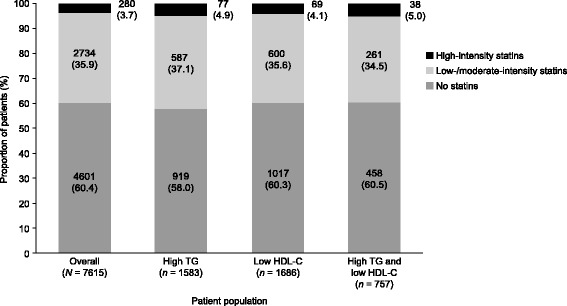
“Treatment of high TG and/or low HDL-C levels With regard to treatment, over half of patients in the overall population and in the subpopulations with markers of atherogenic dyslipidemia were not receiving any form of lipid-lowering therapy (LLT, Table 1).”
BackgroundInfluentialLanglois, M. R., Delanghe, J., Buyzere, M. D., Rietzschel, E. R., & Bacquer, D. D. (2012) · Atherosclerosis · doi:10.1016/j.atherosclerosis.2012.10.036 · Cited by 8
Cited by
Blonde, L., Umpierrez, G. E., Reddy, S. S., McGill, J. B., Berga, S. L., Bush, M., Chandrasekaran, S., DeFronzo, R. A., Einhorn, D., Galindo, R. J., et al. (2022) · Endocrine Practice · doi:10.1016/j.eprac.2022.08.002 · Cited by 507
Samson, S. L., Vellanki, P., Blonde, L., Christofides, E. A., Galindo, R. J., Hirsch, I. B., Isaacs, S. D., Izuora, K. E., Low Wang, C. C., Twining, C. L., et al. (2023) · Endocrine Practice · doi:10.1016/j.eprac.2023.02.001 · Cited by 375
Fruchart, J.-C., Santos, R. D., Aguilar-Salinas, C., Aikawa, M., Al Rasadi, K., Amarenco, P., Barter, P. J., Ceska, R., Corsini, A., Després, J.-P., et al. (2019) · Cardiovascular Diabetology · doi:10.1186/s12933-019-0864-7 · Cited by 140
Lifestyle and Metabolic Syndrome: Contribution of the Endocannabinoidome
Di Marzo, V., & Silvestri, C. (2019) · Nutrients · doi:10.3390/nu11081956 · Cited by 135
“A plethora of epidemiological studies point to these aspects as major predictors of various forms of dysmetabolism, including obesity and visceral adipose tissue accumulation [2], glucose intolerance, pre-diabetes and type 2 diabetes [3], dyslipidemia [4], hypertension [5] and, eventually, the development of atherogen…”
BackgroundForte, N., Fernández-Rilo, A. C., Palomba, L., Di Marzo, V., & Cristino, L. (2020) · International Journal of Molecular Sciences · doi:10.3390/ijms21051554 · Cited by 103
Metadata
- Authors
- Halcox, J. P., Banegas, J. R., Roy, C., Dallongeville, J., De Backer, G., Guallar, E., Perk, J., Hajage, D., Henriksson, K. M., & Borghi, C.
- Affiliations
- Swansea University (GB)
- Centro de Investigación Biomédica en Red de Epidemiología y Salud Pública (ES)
- Inserm (FR)
- Linnaeus University (SE)
- Uppsala University (SE)
- University of Bologna (IT)
- Corresponding author
- Halcox, Julian P.
- Venue
- BMC Cardiovascular Disorders
- Published
- 2017-06-17
- Volume
- 17
- Issue
- 1
- Pages
- 160-160
- ISSN
- 1471-2261 (ISSN-L)
- PMC
- PMC5473961
- OpenAlex
- W2626453073
- Cited by
- 122
- References
- 33
- Citations by year
- 2026: 4 · 2025: 12 · 2024: 14 · 2023: 14 · 2022: 21 · 2021: 19 · 2020: 22 · 2019: 12 · 2018: 4
- FWCI
- 10.64
- Type
- journal article
- Language
- en
- Open access
- gold
- doi.org
- Licence
- cc-by
- Locations
- BMC Cardiovascular Disorders (publishedVersion, cc-by)
- Europe PMC (PubMed Central) (publishedVersion, cc-by)
- PubMed Central (publishedVersion, cc-by)
- PubMed (publishedVersion)
- LA Referencia (Red Federada de Repositorios Institucionales de Publicaciones Científicas) (publishedVersion)
- Biblos-e Archivo (Universidad Autónoma de Madrid) (submittedVersion)
- Uppsala University Publications (Uppsala University) (submittedVersion, other-oa)
- Archivio istituzionale della ricerca (Alma Mater Studiorum Università di Bologna) (submittedVersion, cc-by)
- LA Referencia (Red Federada de Repositorios Institucionales de Publicaciones Científicas) (submittedVersion, other-oa)
- DOAJ (DOAJ: Directory of Open Access Journals) (submittedVersion, cc-by-sa)
- Hispana (submittedVersion)
- Tesis Doctorals en Xarxa (Consorci de Serveis Universitaris de Catalunya) (submittedVersion, cc-by)
- Funders
- AstraZeneca
- Topics
- Health Sciences › Medicine › Cardiology and Cardiovascular Medicine › Lipoproteins and Cardiovascular Health
- Health Sciences › Medicine › Endocrinology, Diabetes and Metabolism › Diabetes, Cardiovascular Risks, and Lipoproteins
- Health Sciences › Medicine › Cardiology and Cardiovascular Medicine › Lipid metabolism and disorders
- Keywords
- atherogenic dyslipidemia, hypertriglyceridemia, low HDL cholesterol, cardiovascular risk, primary prevention, lipid-lowering therapy, treatment gap, type 2 diabetes, cardiovascular risk factors
- MeSH terms
- Aged, Hypolipidemic Agents, Cardiovascular Diseases, Cross-Sectional Studies, Diabetes Mellitus, Type 2, Europe, Female, Humans, Cholesterol, HDL, Male, Middle Aged, Practice Patterns, Physicians', Primary Prevention, Risk Factors, Triglycerides, Biomarkers, Prevalence, Treatment Outcome, Practice Guidelines as Topic, Guideline Adherence, Dyslipidemias, Atherosclerosis
About these checks
Registry, retraction, Cites and statistics results are computed, not judged, with one exception: a printed reference that no index lists is read once by a model before it counts as a citation error. Claims are extracted by a model and kept only when their quote appears verbatim in the text; each cited source is then checked, with a model’s help, for whether it says what the claim relies on. Those verdicts can be wrong — read the claim’s quote and the cited source before relying on one.
Statistics and arithmetic are recomputed, not judged.
Confidence bands are shown only for fields calibrated on our annotated test set. None is calibrated yet, so no band is shown.
What counts as a claim ›How we measure confidence ›How we check this ›
Are you an author, or do you see a problem with this page? Request a review
Data sources
Bibliographic data: Semantic Scholar, OpenAlex, Crossref.
Contains information from the Semantic Scholar Academic Graph Datasets, made available under the ODC Attribution License (ODC-BY 1.0).
Semantic Scholar’s data is described in: Kinney, R., et al. (2023). The Semantic Scholar Open Data Platform. arXiv:2301.10140.
