

Effectiveness of telemedicine for pregnant women with gestational diabetes mellitus: an updated meta-analysis of 32 randomized controlled trials with trial sequential analysis
Open accessThe DOI matches its Crossref record; 40 of the 41 references it cites were found in a registry or an index.
Abstract
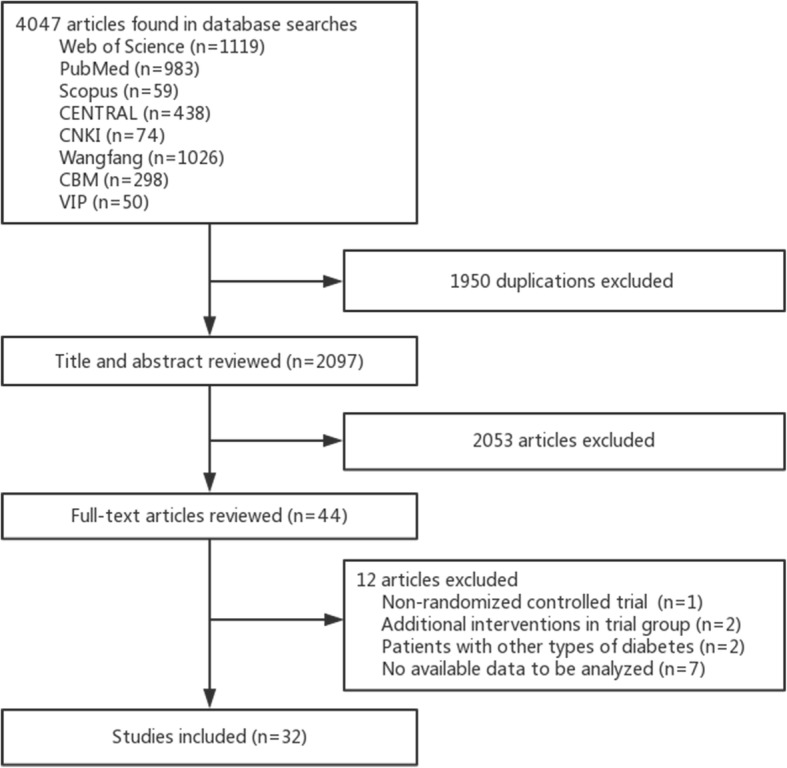
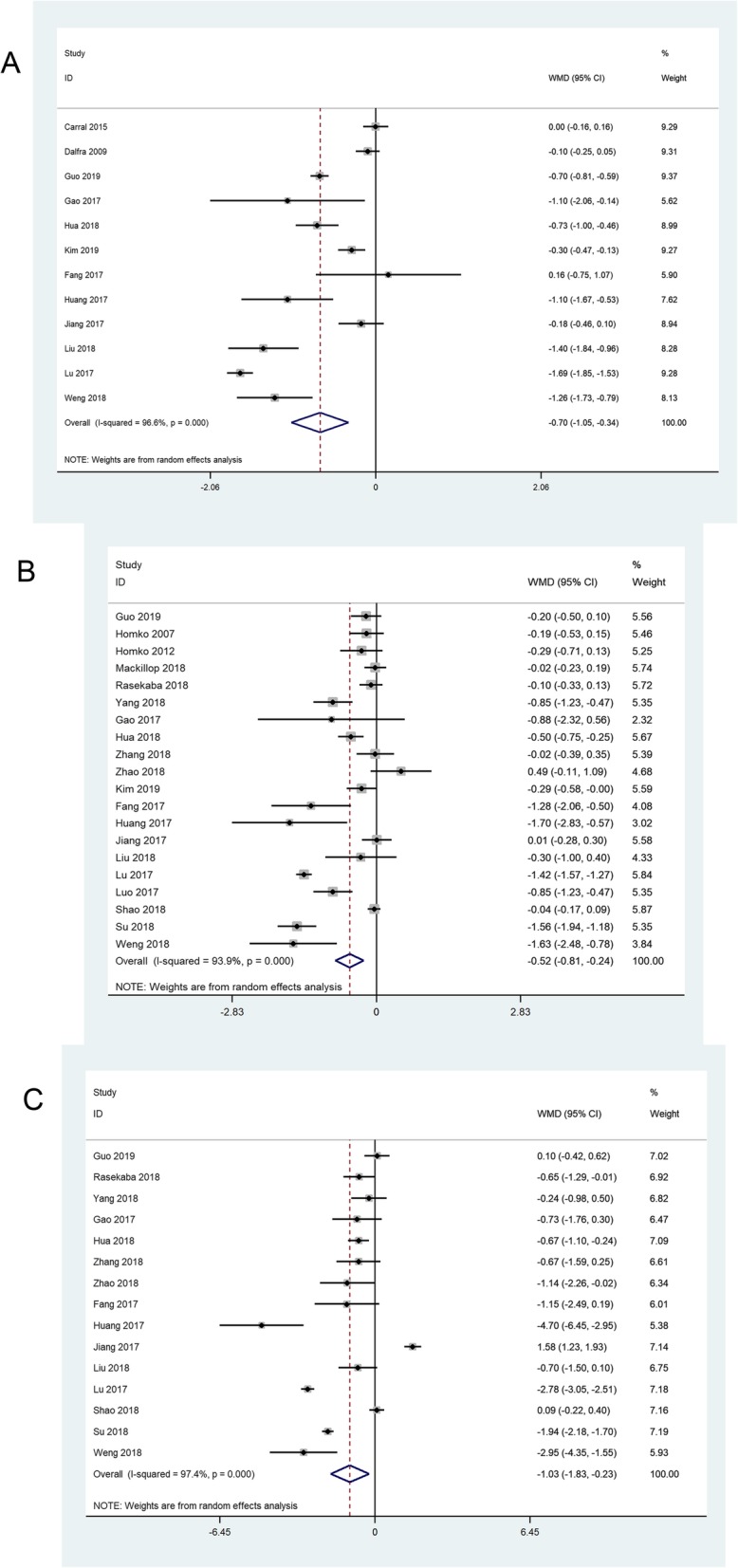
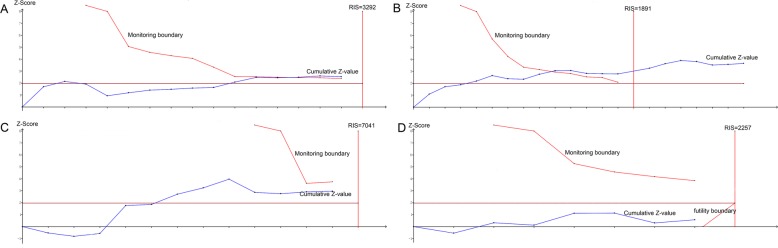
Background: Gestational diabetes mellitus (GDM) is now a global health problem. Poor blood glucose control during pregnancy may lead to maternal and neonatal/foetal complications. Recently, the development of information and communication technology has resulted in new technical support for the clinical care of GDM. Telemedicine is defined as health services and medical activities provided by healthcare professionals through remote communication technologies. This study aimed to update the systematic review of the effectiveness of telemedicine interventions on glycaemic control and pregnancy outcomes in pregnant women with GDM. Methods: We searched the Web of Science, PubMed, Scopus, Cochrane Central Register of Controlled Trials, Chinese National Knowledge Infrastructure, Wan-fang Database, China Biology Medicine and VIP Database for randomized controlled trials (RCTs) related to the effectiveness of telemedicine interventions for GDM from database inception to July 31st, 2019. Languages were limited to English and Chinese. Literature screening, data extraction and assessment of the risk of bias were completed independently by two reviewers. Meta-analysis and trial sequential analysis were conducted in Stata 14.0 and TSA v0.9.5.10 beta, respectively. Results: A total of 32 RCTs were identified, with a total of 5108 patients. The meta-analysis showed that telemedicine group had significant improvements in controlling glycated haemoglobin (HbA1c) [mean difference (MD) = − 0.70, P < 0.01], fasting blood glucose (FBG) (MD = -0.52, P < 0.01) and 2-h postprandial blood glucose (2hBG) (MD = -1.03, P = 0.01) compared to the corresponding parameters in the standard care group. In the telemedicine group, lower incidences of caesarean section [relative risk (RR) = 0.82, P = 0.02], neonatal hypoglycaemia ( RR = 0.67, P < 0.01), premature rupture of membranes ( RR = 0.61, P < 0.01), macrosomia ( RR = 0.49, P < 0.01), pregnancy-induced hypertension or preeclampsia (RR = 0.48, P < 0.01), preterm birth ( RR = 0.27, P < 0.01), neonatal asphyxia ( RR = 0.17, P < 0.01), and polyhydramnios ( RR = 0.16, P < 0.01) were found. The trial sequential analyses conclusively demonstrated that the meta-analytic results of the change in HbA1c, the change in 2hBG, the change in FBG, the incidence rates of caesarean section, pregnancy-induced hypertension or preeclampsia, premature rupture of membranes, premature birth, neonatal asphyxia, and polyhydramnios were stable. Conclusions: Compared to standard care, telemedicine interventions can decrease the glycaemic levels of patients with GDM more effectively and reduce the risk of maternal and neonatal/foetal complications.
Overview
The claims and statistics of this paper haven’t been checked yet.
Free: it reads the open-access text and checks the first 5 claims that cite a source we can check. Create a free account to check every claim.
Integrity signals
Registry
Cites
Statistics
Figures
Verification
Claims the paper makes
The claims and statistics of this paper haven’t been checked yet.
Free: it reads the open-access text and checks the first 5 claims that cite a source we can check. Create a free account to check every claim.
Claims other papers make about this one
Each is checked against this paper’s own text: does it say what the citing paper says it does?
The check wasn’t confident either way, so it gives no verdict — never disputed.
In the citing paper
“In addition, estimates show that the contribution of sectors outside health to population health outcomes exceeds the contribution from the health sector.1666”
From American Association of Clinical Endocrinology Clinical Practice Guideline: Developing a Diabetes Mellitus Comprehensive Care Plan-2022 Update. (2022) · cites this paper as [1666]
Experimental — accuracy not yet measured
Self-check
Percentages, sums and reported differences re-computed from the paper’s own numbers.
The self-check needs the paper’s full text.
Citations
Cites
The Cochrane Collaboration's tool for assessing risk of bias in randomised trials
Higgins, J. P. T., Altman, D. G., Gotzsche, P. C., Juni, P., Moher, D., Oxman, A. D., Savovic, J., Schulz, K. F., Weeks, L., Sterne, J. A. C., et al. (2011) · BMJ · doi:10.1136/bmj.d5928 · Cited by 33,817
Liberati, A., Altman, D. G., Tetzlaff, J., Mulrow, C., Gøtzsche, P. C., Ioannidis, J. P. A., Clarke, M., Devereaux, P. J., Kleijnen, J., & Moher, D. (2009) · PLoS Medicine · doi:10.1371/journal.pmed.1000100 · Cited by 28,164
Liberati, A., Altman, D. G., Tetzlaff, J., Mulrow, C., Gotzsche, P. C., Ioannidis, J. P. A., Clarke, M., Devereaux, P. J., Kleijnen, J., & Moher, D. (2009) · BMJ · doi:10.1136/bmj.b2700 · Cited by 17,648
Stratton, I. M. (2000) · BMJ · doi:10.1136/bmj.321.7258.405 · Cited by 9,059 · cited 1×
“21 and 37% risk reduction in diabetes-related death and microvascular complications, respectively, which would reduce the healthcare cost [54].”
BackgroundIDF Diabetes Atlas: Global estimates of diabetes prevalence for 2017 and projections for 2045
Cho, N. H., Shaw, J. E., Karuranga, S., Huang, Y., da Rocha Fernandes, J. D., Ohlrogge, A. W., & Malanda, B. (2018) · Diabetes Research and Clinical Practice · doi:10.1016/j.diabres.2018.02.023 · Cited by 7,283
Assessing Risk of Bias in Included Studies
Higgins, J. P., & Altman, D. G. (2008) · Cochrane Handbook for Systematic Reviews of Interventions · doi:10.1002/9780470712184.ch8 · Cited by 3,396 · cited 2×
“The data extracted mainly comprised (1) the basic characteristics of the literature: the first author, the year of publication, the country or region, the sample size, etc., (2) the outcome indicators and related data, and (3) and the risk of bias of the study, which was evaluated by using the Cochrane Collaboration R…”
MethodBasevi, V., Di Mario, S., Morciano, C., Nonino, F., & Magrini, N. (2011) · Diabetes Care · doi:10.2337/dc11-0174 · Cited by 3,055
Standards of medical care in diabetes—2011
American Diabetes Association (2011) · Diabetes Care · doi:10.2337/dc11-s011 · Cited by 2,880
Gestational diabetes mellitus: mechanisms, treatment, and complications
Johns, E. C., Denison, F. C., Norman, J. E., & Reynolds, R. M. (2018) · Trends in Endocrinology & Metabolism · doi:10.1016/j.tem.2018.09.004 · Cited by 828 · cited 1×
“[2] reported that poor glycaemic control during pregnancy would increase the risk of maternal and neonatal/foetal complications, such as neonatal hypoglycaemia, macrosomia, preeclampsia, preterm birth, and polyhydramnios.”
BackgroundBibliometric analysis of worldwide scientific literature in mobile - health: 2006–2016
Sweileh, W. M., Al-Jabi, S. W., AbuTaha, A. S., Zyoud, S. H., Anayah, F. M. A., & Sawalha, A. F. (2017) · BMC Medical Informatics and Decision Making · doi:10.1186/s12911-017-0476-7 · Cited by 319 · cited 1×
“More specifically, healthcare professionals monitor patients’ health-related indicators and provide timely medical feedback through website-based systems or mobile terminal devices, and remotely provide health knowledge and guidance to improve the physical and psychological status of patients [14, 15].”
BackgroundZhai, Y.-K., Zhu, W.-J., Cai, Y.-L., Sun, D.-X., & Zhao, J. (2014) · Medicine · doi:10.1097/md.0000000000000312 · Cited by 221
Telemedicine Application in the Care of Diabetes Patients: Systematic Review and Meta-Analysis
Marcolino, M. S., Maia, J. X., Alkmim, M. B. M., Boersma, E., & Ribeiro, A. L. (2013) · PLoS ONE · doi:10.1371/journal.pone.0079246 · Cited by 215 · cited 1×
“Our finding on HbA1c was consistent with existing meta-analyses involving patients with type I diabetes and/or type II diabetes [8, 9, 53].”
ResultRelative effect sizes for measures of risk
Olivier, J., May, W. L., & Bell, M. L. (2017) · Communications in Statistics - Theory and Methods · doi:10.1080/03610926.2015.1134575 · Cited by 213
Utilization of Telemedicine Among Rural Medicare Beneficiaries
Mehrotra, A., Jena, A. B., Busch, A. B., Souza, J., Uscher-Pines, L., & Landon, B. E. (2016) · JAMA · doi:10.1001/jama.2016.2186 · Cited by 187 · cited 1×
“at existing clinics due to geographical constraints [50, 51].”
BackgroundMackillop, L., Hirst, J. E., Bartlett, K. J., Birks, J. S., Clifton, L., Farmer, A. J., Gibson, O., Kenworthy, Y., Levy, J. C., Loerup, L., et al. (2018) · JMIR mHealth and uHealth · doi:10.2196/mhealth.9512 · Cited by 181
Telemedicine Technologies for Diabetes in Pregnancy: A Systematic Review and Meta-Analysis.
Ming, W.-K., Mackillop, L. H., Farmer, A. J., Loerup, L., Bartlett, K., Levy, J. C., Tarassenko, L., Velardo, C., Kenworthy, Y., & Hirst, J. E. (2016) · Journal of Medical Internet Research · doi:10.2196/jmir.6556 · Cited by 167 · cited 6×
“[14] carried out a meta-analysis of 7 RCTs with 579 pregnant women with any form of diabetes in pregnancy in 2016 and concluded that there was a significant difference in HbA1c between the TM group and the standard care group, and no effect was found in other maternal or neonatal outcomes.”
BackgroundMethodInfluentialTelemedicine in Neurological Disorders: Opportunities and Challenges
Chirra, M., Marsili, L., Wattley, L., Sokol, L. L., Keeling, E., Maule, S., Sobrero, G., Artusi, C. A., Romagnolo, A., Zibetti, M., et al. (2019) · Telemedicine and e-Health · doi:10.1089/tmj.2018.0101 · Cited by 164
Miremberg, H., Ben-Ari, T., Betzer, T., Raphaeli, H., Gasnier, R., Barda, G., Bar, J., & Weiner, E. (2018) · American Journal of Obstetrics and Gynecology · doi:10.1016/j.ajog.2018.01.044 · Cited by 160
Guo, H., Zhang, Y., Li, P., Zhou, P., Chen, L.-M., & Li, S.-Y. (2019) · Journal of Endocrinological Investigation · doi:10.1007/s40618-018-0975-0 · Cited by 140
Pérez-Ferre, N., Galindo, M., Fernández, M. D., Velasco, V., Runkle, I., de la Cruz, M. J., Martín Rojas-Marcos, P., del Valle, L., & Calle-Pascual, A. L. (2010) · International Journal of Endocrinology · doi:10.1155/2010/386941 · Cited by 130 · cited 1×
“Perez-Ferre 2010 [34] Spain 97 (49/48) Health app 33.”
Homko, C. J., Santamore, W. P., Whiteman, V., Bower, M., Berger, P., Geifman-Holtzman, O., & Bove, A. A. (2007) · Diabetes Technology & Therapeutics · doi:10.1089/dia.2006.0034 · Cited by 123 · cited 4×
“The results of meta-analysis of 7 trials [22, 32, 33, 36, 41, 46, 49] using a fixed-effect model showed that the incidence of premature rupture of membranes in the TM group was significantly lower than that in the control group [RR = 0.”
BackgroundInfluentialTelemedicine interventions for gestational diabetes mellitus: A systematic review and meta-analysis
Rasekaba, T. M., Furler, J., Blackberry, I., Tacey, M., Gray, K., & Lim, K. (2015) · Diabetes Research and Clinical Practice · doi:10.1016/j.diabres.2015.07.007 · Cited by 115 · cited 3×
“However, the effects of TM on other indices of glucose and pregnancy outcomes of the use of TM in patients with GDM remain uncertain [14, 17].”
BackgroundMethodHomko, C. J., Deeb, L. C., Rohrbacher, K., Mulla, W., Mastrogiannis, D., Gaughan, J., Santamore, W. P., & Bove, A. A. (2012) · Diabetes Technology & Therapeutics · doi:10.1089/dia.2012.0010 · Cited by 112 · cited 3×
“The results of meta-analysis of 7 trials [22, 32, 33, 36, 41, 46, 49] using a fixed-effect model showed that the incidence of premature rupture of membranes in the TM group was significantly lower than that in the control group [RR = 0.”
BackgroundMethodThe effect of telemedicine on outcome and quality of life in pregnant women with diabetes
Dalfrà, M. G., Nicolucci, A., Lapolla, A., & on behalf of the, T. I. S. G. (2009) · Journal of Telemedicine and Telecare · doi:10.1258/jtt.2009.081213 · Cited by 105
Telemedicine-Assisted Self-Management Program for Type 2 Diabetes Patients
von Storch, K., Graaf, E., Wunderlich, M., Rietz, C., Polidori, M. C., & Woopen, C. (2019) · Diabetes Technology & Therapeutics · doi:10.1089/dia.2019.0056 · Cited by 101 · cited 1×
“Most of the systematic reviews and meta-analyses on the use of telemedicine technologies for diabetes mellitus have demonstrated that TM tools could result in reduced HbA1c in individuals with type I, type II diabetes and GDM [8, 9, 13, 14, 16].”
BackgroundMobile health in the management of type 1 diabetes: a systematic review and meta-analysis
Wang, X., Shu, W., Du, J., Du, M., Wang, P., Xue, M., Zheng, H., Jiang, Y., Yin, S., Liang, D., et al. (2019) · BMC Endocrine Disorders · doi:10.1186/s12902-019-0347-6 · Cited by 99 · cited 2×
“Our finding on HbA1c was consistent with existing meta-analyses involving patients with type I diabetes and/or type II diabetes [8, 9, 53].”
BackgroundResultLee, T. C., Kaiser, T. E., Alloway, R. R., Woodle, E. S., Edwards, M. J., & Shah, S. A. (2019) · Annals of Surgery · doi:10.1097/sla.0000000000003425 · Cited by 91
Batsis, J. A., Pletcher, S. N., & Stahl, J. E. (2017) · BMC Geriatrics · doi:10.1186/s12877-016-0396-x · Cited by 78 · cited 1×
“at existing clinics due to geographical constraints [50, 51].”
BackgroundGiven, J. E., Bunting, B. P., O'Kane, M. J., Dunne, F., & Coates, V. E. (2015) · Diabetes Technology & Therapeutics · doi:10.1089/dia.2015.0147 · Cited by 69 · cited 1×
“Given 2015 [31] North Ireland and Ireland 50 (24/26) Health device 31.”
BackgroundCarolan, M. C., & Sayakhot, P. (2018) · Midwifery · doi:10.1016/j.midw.2018.08.019 · Cited by 68 · cited 1×
“Carolan-Olah 2019 [37] Australia 110 (52/58) Web-based system 31.”
Carral, F., Ayala, M. D. C., Fernández, J. J., González, C., Piñero, A., García, G., Cañavate, C., Jiménez, A. I., & García, C. (2015) · Diabetes Technology & Therapeutics · doi:10.1089/dia.2014.0223 · Cited by 64
Rasekaba, T. M., Furler, J., Young, D. Y. L., Liew, D., Gray, K. M., Blackberry, I., & Lim, W. K. (2018) · Diabetes Research and Clinical Practice · doi:10.1016/j.diabres.2018.05.049 · Cited by 60 · cited 1×
“Rasekaba 2018 [35] Australia 95 (61/34) Web-based system 32.”
Sydsjö, G., Pettersson, M. L., Bladh, M. K., Svanberg, A. S., Lampic, C., & Nedstrand, E. (2019) · BMC Pregnancy and Childbirth · doi:10.1186/s12884-019-2239-1 · Cited by 55
Neves, F. H. D. S., Carmona, M. J. C., Júnior, J. O. C. A., Rodrigues, R. R., Rouby, J., & Malbouisson, L. M. S. (2013) · PLoS ONE · doi:10.1371/journal.pone.0078643 · Cited by 51
Mao, L., Lü, J., Zhang, Q., Zhao, Y., Chen, G., Sun, M., Chang, F., & Li, X. (2019) · BMC Public Health · doi:10.1186/s12889-019-6702-8 · Cited by 51 · cited 2×
“Compared to other interventions, as a popular social app, WeChat was more convenient and accessible in daily life, and allowed patients to upload their glycaemic data, communicate and discuss with each other, reduce their psychological burden, enhance their confidence and receive more health information in many forms…”
BackgroundYang, P., Lo, W., He, Z., & Xiao, X. (2018) · Journal of obstetrics and gynaecology research · doi:10.1111/jog.13669 · Cited by 50 · cited 4×
“The results of meta-analysis of 7 trials [22, 32, 33, 36, 41, 46, 49] using a fixed-effect model showed that the incidence of premature rupture of membranes in the TM group was significantly lower than that in the control group [RR = 0.”
BackgroundMethodInfluentialKim, Y.-S., Kim, H., & Kim, Y.-L. (2018) · Telemedicine Journal and e-Health · doi:10.1089/tmj.2017.0332 · Cited by 41
Telemedicine and telerehabilitation: current and forthcoming applications in haemophilia.
Boccalandro, E. A., Dallari, G., & Mannucci, P. M. (2019) · Blood transfusion · doi:10.2450/2019.0218-18 · Cited by 35
Asgharian, B., Sehhatie, F., & Mirghafourvand, M. (2019) · Journal of Fetal Medicine · doi:10.1007/s40556-019-00193-y · Cited by 10 · cited 1×
“Some studies have shown that the psychological status of pregnant women also has a certain impact on pregnancy outcomes [52].”
BackgroundExploring application of WeChat for gestational diabetes mellitus management
Ge, Y., Shu-ping, Y. A. N., Wang, S., Zhao, Y., & Ding, C. (2017) · The Journal of practical nursing · doi:10.3760/cma.j.issn.1672-7088.2017.36.005 · Cited by 3 · cited 2×
“Ge 2017 [23] China 586 (308/ 278) WeChat 30.”
Background
Research works printed but not linked: 18
- Gao Q Chen W Wang L A study on the application of mobile phone APP gestational diabetes mellitus management software in the management of gestafional diabetes J Nurs Adm 2017 17 6 447 449
- Hua Y Application of mobile application software in humanistic care of pregnant women with gestational diabetes J Nurs Train 2018 33 11 1018 1021
- Jiang W The effect of WeChat follow-up on compliance behavior of pregnant women with gestational diabetes mellitus Chin Commun Doc 2016 32 30 144 145
- Lu Y Qian L Cai G Zhao X Lu H Effects of information-based nursing intervention on patients with gestational diabetes mellitus J Qilu Nurs 2017 23 16 41 43
- Su H Sun H Yang J Application of remote multiple management in gestational diabetes J Kunming Med Univ 2018 39 9 33 36
- Xiao L Application research on the health education of patients with diabetes in pregnancy based on the WeChat platform China Health Indust 2016 13 26 101 103
- Zhang S Observation of the effect of mobile home care platform on blood glucose and quality of life in patients with gestational diabetes mellitus World Latest Med Inform 2018 18 74 284 293
- Zhao Z Qian J Mo Y Zhun Y Jiang P Long W Xu J Huo X Effects of mobile home care platform on blood glucose and quality of life in gestational diabetes mellitus patients J Nurs Train 2018 33 06 490 492
- Zeng C The effects of psychological nursing on anxiety of gestational diabetes mellitus patients based on WeChat Platform Chin J Health Psychol 2017 25 8
- Fang T. Effects of diet control and WeChat interactive model on management of patients with gestational diabetes mellitus. Today Nurse. 2017;11:64–6.
- Huang X Yang Q Xu Z Liang X Effect of WeChat on nutrition instructions to women of advanced maternal age with gestational diabetes mellitus Modern Clin Nurs 2016 15 4 51 54
- Jiang Z Huang Y Yuan X Chen Y Chen P Pregnancy outcomes in women with gestational diabetes mellitus by WeChat Med Innov China 2017 14 4 8 11
- Jiang Z Chen Y Yuan X Huang Y Chen P Analysis of the value of individual health education and nutrition guidance on WeChat platform on pregnancy outcome of pregnant women with gestational diabetes mellitus Chin J Pharm Econ 2019 14 04 80 83
- Liu H Application Value of Long Distance Blood Glucose Management in Gestational Diabetes Mellitus Med Innov China 2018 15 21
- Luo W Research on the influence factors of gestational diabetes neonatal weight based on WeChat platform Prog Obstetr Gynecol 2017 26 10
- Shao Y He G Xu X He J Wu P Education via WeChat improves glucose control and pregnant outcomes in women with gestational diabetes mellitus Chin J Perinat Med 2018 21 10 678 682
- Weng F Ma X Research of nursing effect on elderly puerpera with gestational diabetes mellitus based on health education of WeChat platform Nurs Pract Res 2018 15 3 81 83
- Yang F Wei Z Hu H Lu W Cai C Effect of WeChat group family bed on management of gestational diabetes mellitus Jiangsu Med J 2015 41 11 1332 1334
Cited by
Blonde, L., Umpierrez, G. E., Reddy, S. S., McGill, J. B., Berga, S. L., Bush, M., Chandrasekaran, S., DeFronzo, R. A., Einhorn, D., Galindo, R. J., et al. (2022) · Endocrine Practice · doi:10.1016/j.eprac.2022.08.002 · Cited by 507
15. Management of Diabetes in Pregnancy: Standards of Medical Care in Diabetes—2022
American Diabetes Association Professional Practice Committee (2022) · Diabetes Care · doi:10.2337/dc22-s015 · Cited by 504
Ornoy, A., Becker, M., Weinstein-Fudim, L., & Ergaz, Z. (2021) · International Journal of Molecular Sciences · doi:10.3390/ijms22062965 · Cited by 339
“[206] Women with type 1, 2, and gestational diabetes had an increased rate of cesarean section, instrumental delivery, low Apgar score, seizures, and/or hypoxic–ischemic encephalopathy, in association with poor glycemic control.”
Background15. Management of Diabetes in Pregnancy:Standards of Care in Diabetes—2023
ElSayed, N. A., Aleppo, G., Aroda, V. R., Bannuru, R. R., Brown, F. M., Bruemmer, D., Collins, B. S., Hilliard, M. E., Isaacs, D., Johnson, E. L., et al. (2023) · Diabetes Care · doi:10.2337/dc23-s015 · Cited by 284
15. Management of Diabetes in Pregnancy: Standards of Care in Diabetes—2025
American Diabetes Association Professional Practice Committee, ElSayed, N. A., McCoy, R. G., Aleppo, G., Balapattabi, K., Beverly, E. A., Briggs Early, K., Bruemmer, D., Echouffo-Tcheugui, J. B., Ekhlaspour, L., et al. (2025) · Diabetes Care · doi:10.2337/dc25-s015 · Cited by 252
Metadata
- Authors
- Xie, W., Dai, P., Qin, Y., Wu, M., Yang, B., & Yu, X.
- Affiliations
- Southeast University (CN)
- Jiangsu Provincial Center for Disease Control and Prevention (CN)
- Zhongda Hospital Southeast University (CN)
- Corresponding author
- Yu, Xiaojin
- Venue
- BMC Pregnancy and Childbirth
- Published
- 2020-04-06
- Volume
- 20
- Issue
- 1
- Pages
- 198-198
- ISSN
- 1471-2393 (ISSN-L)
- PMC
- PMC7137255
- OpenAlex
- W3014472842
- Cited by
- 182
- References
- 41
- Citations by year
- 2026: 22 · 2025: 24 · 2024: 32 · 2023: 33 · 2022: 36 · 2021: 22 · 2020: 12
- FWCI
- 3.03
- Type
- journal article
- Language
- en
- Open access
- gold
- doi.org
- Licence
- cc-by
- creativecommons.org/licenses/by/4.0/ (tdm)
- creativecommons.org/licenses/by/4.0/ (vor)
- Locations
- BMC Pregnancy and Childbirth (publishedVersion, cc-by)
- PubMed Central (publishedVersion, cc-by)
- PubMed (publishedVersion)
- DOAJ (DOAJ: Directory of Open Access Journals) (submittedVersion, cc-by-sa)
- Funders
- National Natural Science Foundation of China (81673274)
- Nanjing Municipal Commission of Science and Technology (201715077)
- Topics
- Health Sciences › Medicine › Obstetrics and Gynecology › Gestational Diabetes Research and Management
- Health Sciences › Medicine › Public Health, Environmental and Occupational Health › Telemedicine and Telehealth Implementation
- Health Sciences › Health Professions › General Health Professions › Mobile Health and mHealth Applications
- Keywords
- telemedicine, gestational diabetes mellitus, glycemic control, HbA1c, fasting blood glucose, postprandial blood glucose, pregnancy outcomes, cesarean section, neonatal hypoglycemia, macrosomia, preterm birth, preeclampsia, remote glucose monitoring, maternal and neonatal complications, trial sequential analysis, risk of bias
- MeSH terms
- Adult, Blood Glucose, Cesarean Section, Female, Fetal Macrosomia, Glycated Hemoglobin, Humans, Hypoglycemia, Pre-Eclampsia, Pregnancy, Pregnancy Outcome, Prenatal Care, Randomized Controlled Trials as Topic, Diabetes, Gestational, Telemedicine, Premature Birth
About these checks
Registry, retraction, Cites and statistics results are computed, not judged, with one exception: a printed reference that no index lists is read once by a model before it counts as a citation error. Claims are extracted by a model and kept only when their quote appears verbatim in the text; each cited source is then checked, with a model’s help, for whether it says what the claim relies on. Those verdicts can be wrong — read the claim’s quote and the cited source before relying on one.
Statistics and arithmetic are recomputed, not judged.
Confidence bands are shown only for fields calibrated on our annotated test set. None is calibrated yet, so no band is shown.
What counts as a claim ›How we measure confidence ›How we check this ›
Are you an author, or do you see a problem with this page? Request a review
Data sources
Bibliographic data: Semantic Scholar, OpenAlex, Crossref.
Contains information from the Semantic Scholar Academic Graph Datasets, made available under the ODC Attribution License (ODC-BY 1.0).
Semantic Scholar’s data is described in: Kinney, R., et al. (2023). The Semantic Scholar Open Data Platform. arXiv:2301.10140.
