

Physical activity and sedentary time during pregnancy and associations with maternal and fetal health outcomes: an epidemiological study
Open accessThe DOI matches its Crossref record; 38 of the 40 references it cites were found in a registry or an index.
Abstract
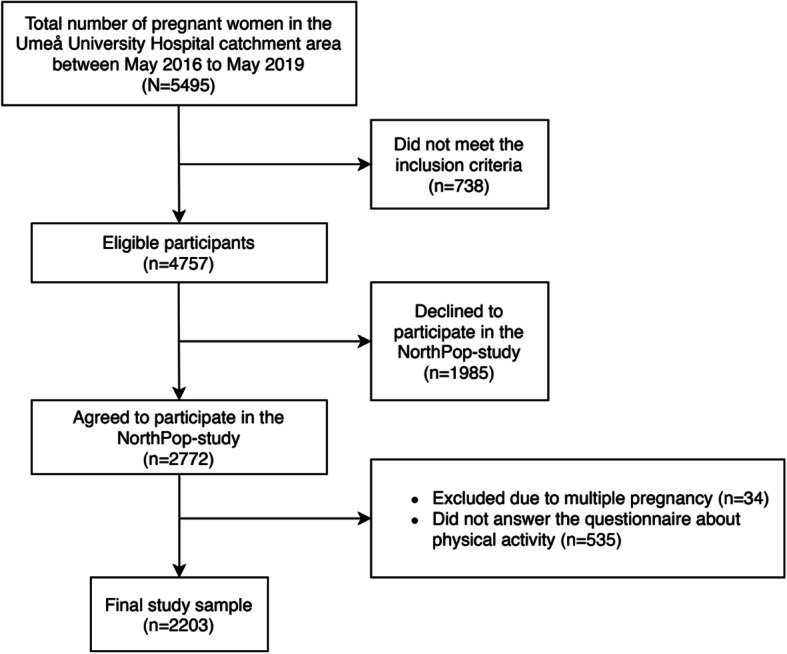
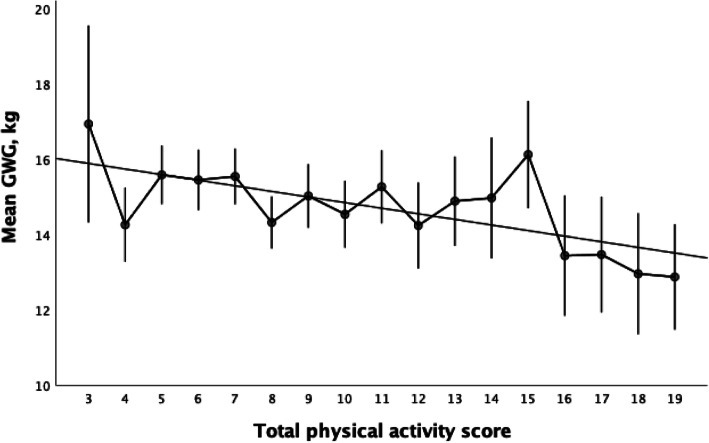
Background: Physical activity is generally considered safe for the pregnant woman as well as for her fetus. In Sweden, pregnant women without contraindications are recommended to engage in physical activity for at least 30 min per day most days of the week. Physical activity during pregnancy has been associated with decreased risks of adverse health outcomes for the pregnant woman and her offspring. However, there are at present no recommendations regarding sedentary behavior during pregnancy. The aim was to examine the level of physical activity and sedentary time in a representative sample of the pregnant population in Sweden, and to explore potential effects on gestational age, gestational weight gain, birth weight of the child, mode of delivery, blood loss during delivery/postpartum, self-rated health during pregnancy and risk of pregnancy-induced hypertension and preeclampsia. Methods: This was an epidemiological study using data from the prospective, population-based NorthPop study in Northern Sweden and information on pregnancy outcomes from the national Swedish Pregnancy Register (SPR). A questionnaire regarding physical activity and sedentary time during pregnancy was answered by 2203 pregnant women. Possible differences between categories were analyzed using one-way Analysis of variance and Pearson’s Chi-square test. Associations between the level of physical activity/sedentary time and outcome variables were analyzed with univariable and multivariable logistic regression and linear regression. Results: Only 27.3% of the included participants reported that they reached the recommended level of physical activity. A higher level of physical activity was associated with a reduced risk of emergency caesarean section, lower gestational weight gain, more favorable self-rated health during pregnancy, and a decreased risk of exceeding the Institute of Medicine’s recommendations regarding gestational weight gain. Higher sedentary time was associated with a non-favorable self-rated health during pregnancy. Conclusions: Our study showed that only a minority of pregnant women achieved the recommended level of physical activity, and that higher physical activity and lower sedentary time were associated with improved health outcomes. Encouraging pregnant women to increase their physical activity and decrease their sedentary time, may be important factors to improve maternal and fetal/child health outcomes.
Overview
The claims and statistics of this paper haven’t been checked yet.
Free: it reads the open-access text and checks the first 5 claims that cite a source we can check. Create a free account to check every claim.
Integrity signals
Registry
Cites
Statistics
Figures
Verification
Claims the paper makes
The claims and statistics of this paper haven’t been checked yet.
Free: it reads the open-access text and checks the first 5 claims that cite a source we can check. Create a free account to check every claim.
Claims other papers make about this one
Each is checked against this paper’s own text: does it say what the citing paper says it does?
The source backs part of the claim, not all of it — or backs it for a different population, condition or comparison.
In the citing paper
“There is a growing body of evidence that suggests that a sedentary lifestyle during pregnancy puts the individual at risk for chronic disease.”
From Activity Restriction and Hospitalization in Pregnancy: Can Bed-Rest Exercise Prevent Deconditioning? A Narrative Review (2023) · cites this paper as [7]
Experimental — accuracy not yet measuredThe source backs part of the claim, not all of it — or backs it for a different population, condition or comparison.
In the citing paper
“as the importance of being physically active during pregnancy grows, the ineffectiveness of restricting activity on preserving pregnancy outcomes is called into question [6,7,8].”
From Activity Restriction and Hospitalization in Pregnancy: Can Bed-Rest Exercise Prevent Deconditioning? A Narrative Review (2023) · cites this paper as [7]
Experimental — accuracy not yet measured
Self-check
Percentages, sums and reported differences re-computed from the paper’s own numbers.
The self-check needs the paper’s full text.
Citations
Cites
Garber, C. E., Blissmer, B., Deschenes, M. R., Franklin, B. A., Lamonte, M. J., Lee, I.-M., Nieman, D. C., & Swain, D. P. (2011) · Medicine & Science in Sports & Exercise · doi:10.1249/mss.0b013e318213fefb · Cited by 9,319 · cited 1×
“Physical activity (PA) is associated with reduced mortality and reduced risk of several major noncommunicable diseases such as cardiovascular disease, hypertension and type 2 diabetes in the general population [1].”
BackgroundWeight Gain During Pregnancy: Reexamining the Guidelines
Rasmussen, K. M., & Yaktine, A. L. (2009) · Cited by 4,489
Brown, M. A., Magee, L. A., Kenny, L. C., Karumanchi, S. A., McCarthy, F. P., Saito, S., Hall, D. R., Warren, C. E., Adoyi, G., & Ishaku, S. (2018) · Hypertension · doi:10.1161/hypertensionaha.117.10803 · Cited by 2,089
Wilmot, E. G., Edwardson, C. L., Achana, F. A., Davies, M. J., Gorely, T., Gray, L. J., Khunti, K., Yates, T., & Biddle, S. J. H. (2012) · Diabetologia · doi:10.1007/s00125-012-2677-z · Cited by 1,789 · cited 1×
“Sedentary behavior is related to all-cause mortality, cardiovascular disease and type 2 diabetes in adults, regardless of level of PA [9].”
BackgroundGoldstein, R. F., Abell, S. K., Ranasinha, S., Misso, M., Boyle, J. A., Black, M. H., Li, N., Hu, G., Corrado, F., Rode, L., et al. (2017) · JAMA · doi:10.1001/jama.2017.3635 · Cited by 1,636
The evolving definition of “sedentary.”
Pate, R. R., O'Neill, J. R., & Lobelo, F. (2008) · Exercise and Sport Sciences Reviews · doi:10.1097/jes.0b013e3181877d1a · Cited by 1,280 · cited 1×
“5 metabolic equivalent units (METs), like sitting, sleeping and watching television [8].”
BackgroundSummary of the NHLBI Working Group on Research on Hypertension During Pregnancy
Roberts, J. M., Pearson, G., Cutler, J., & Lindheimer, M. (2003) · Hypertension · doi:10.1161/01.hyp.0000054981.03589.e9 · Cited by 677
The Epidemiology of Postpartum Hemorrhage in a Large, Nationwide Sample of Deliveries
Bateman, B. T., Berman, M. F., Riley, L. E., & Leffert, L. R. (2010) · Anesthesia & Analgesia · doi:10.1213/ane.0b013e3181d74898 · Cited by 666 · cited 1×
“Excessive postpartum blood loss is another cause of maternal morbidity and there is an increasing incidence of women diagnosed with postpartum hemorrhage [13].”
BackgroundDiet or exercise, or both, for preventing excessive weight gain in pregnancy
Muktabhant, B., Lawrie, T. A., Lumbiganon, P., & Laopaiboon, M. (2015) · Cochrane Database of Systematic Reviews · doi:10.1002/14651858.cd007145.pub3 · Cited by 601 · cited 2×
“Previous studies have found PA during pregnancy to be inversely associated with excessive GWG [5, 27, 28].”
BackgroundDavenport, M. H., Ruchat, S.-M., Poitras, V. J., Jaramillo Garcia, A., Gray, C. E., Barrowman, N., Skow, R. J., Meah, V. L., Riske, L., Sobierajski, F., et al. (2018) · British Journal of Sports Medicine · doi:10.1136/bjsports-2018-099355 · Cited by 579 · cited 2×
“PA interventions have previously been shown to reduce the risk of hypertension disorders during pregnancy [4, 37].”
Background
Research works printed but not linked: 2
- WHO Global Recommendations on Physical Activity for Health 2010 26180873
- Professional Associations for Physical activity Physical Activity in the Prevention and Treatment of Disease: Swedish National Institute of Public Health 2010
Cited by
Silva-José, C., Sánchez‐Polán, M., Barakat, R., Ares, J. G., & Refoyo, I. (2022) · Journal of Clinical Medicine · doi:10.3390/jcm11154638 · Cited by 94
“The gestational period is not excluded from this problem [6], which supports the appearance of diseases.”
BackgroundAbraham, T., & Romani, A. (2022) · Cells · doi:10.3390/cells11091548 · Cited by 98
“[28] 2021 North Sweden 2203 Epidemiological study To examine the level of physical activity and sedentary time in the Sweden population and explore effects of gestation weight gain, mode of delivery, birth weight of the child, and blood loss The study shows that higher levels of physical activity are associated with r…”
BackgroundBucciarelli, V., Mattioli, A. V., Sciomer, S., Moscucci, F., Renda, G., & Gallina, S. (2023) · Journal of Clinical Medicine · doi:10.3390/jcm12134347 · Cited by 64
“Recent data from a Swedish epidemiological study showed a correlation between longer sedentary time during pregnancy and the increase in blood loss during delivery/postpartum, as well as worse self-rated health during pregnancy [97].”
BackgroundXiao, L., Zuo, Z., & Zhao, F. (2023) · Genomics Proteomics & Bioinformatics · doi:10.1093/gpbjnl/qzad005 · Cited by 51
“An active lifestyle is recommended for all women, whether currently pregnant or planning for conception [1,64,65].”
BackgroundImpact of Physical Activity of Pregnant Women on Obstetric Outcomes
Goławski, K., & Wojtyła, C. (2022) · International Journal of Environmental Research and Public Health · doi:10.3390/ijerph191912541 · Cited by 39
“1% of this study group were in the 26–35 age range and the average age of patients in the bibliography oscillated around 30–31 ± 4 years old [32,33,40].”
BackgroundZhang, W., Zhang, L., Xu, P., Guo, P., Mao, M., Zhao, R., & Feng, S. (2024) · International Journal of Nursing Studies · doi:10.1016/j.ijnurstu.2024.104841 · Cited by 30
Sandborg, J., Migueles, J. H., Söderström, E., Blomberg, M. I., Henriksson, P., & Löf, M. (2022) · Medicine & Science in Sports & Exercise · doi:10.1249/mss.0000000000002996 · Cited by 32
“2)* Systolic blood pressure (mm Hg) 108 (9) 111 (10)* Diastolic blood pressure (mm Hg) 70 (6) 73 (7)* Total cholesterol (mmol·L) 4.”
BackgroundInfluentialKasoha, M., Hamza, A. S., Leube, A., Solomayer, E., Frenzel, J., Schwab, R. M., Sima, R., & Hamoud, B. H. (2023) · Healthcare · doi:10.3390/healthcare11152143 · Cited by 26
“In a more recent study, a more favourable self-rated health before pregnancy onset and a lower BMI was associated with higher levels of physical activity [38].”
BackgroundUria-Minguito, A., Silva-José, C., Sánchez‐Polán, M., Díaz-Blanco, Á., García-Benasach, F., Martínez, V. C., Alzola, I., & Barakat, R. (2022) · International Journal of Environmental Research and Public Health · doi:10.3390/ijerph192114104 · Cited by 27
“The COVID-19 global pandemic outbreak and the lockdown measures imposed by governments in March 2020 have contributed to a more sedentary lifestyle and to a significant reduction in physical activity levels among pregnant women [23], which may lead to numerous chronic pathologies such as cardiovascular diseases, type…”
BackgroundBucciarelli, V., Moscucci, F., Dei, A., Coppi, F., Angeli, F., Pizzi, C., Renda, G., Nodari, S., Maffei, S., Montisci, R., et al. (2024) · Current Problems in Cardiology · doi:10.1016/j.cpcardiol.2024.102695 · Cited by 20
“44,45 46 – 49 The most critical issues are that some women do not return to their pre-pregnancy PA levels and that there is still poor data regarding timing and nature of transitioning to PA following delivery.”
Chen, C., Zhai, J., Hu, S., Liu, X., Tu, X., Li, B., Huang, K., Tian, F., Liu, H., Hu, R., et al. (2024) · The Journal of Maternal-Fetal & Neonatal Medicine · doi:10.1080/14767058.2024.2421278 · Cited by 17
“Recommended types of exercise include walking, swimming, stationary bicycling, low-impact exercise, and other dynamic, rhythmic AEs that use large muscle groups [18–23].”
Chu, A. H. Y., Padmapriya, N., Tan, S. L., Goh, C. M. J. L., Chong, Y. S., Shek, L. P., Tan, K. H., Gluckman, P. D., Yap, F. K. P., Lee, Y. S., et al. (2023) · Journal of Physical Activity and Health · doi:10.1123/jpah.2022-0642 · Cited by 14
Lv, C., Lü, Q., Zhang, C., Yan, S., Chen, H., Pan, X., Fu, C., Wang, R., & Song, X. (2024) · BMC Public Health · doi:10.1186/s12889-024-18791-5 · Cited by 14
“At present, there is a lot of evidence that adequate PA during pregnancy is beneficial to prevent adverse pregnancy outcomes [29, 49, 50].”
BackgroundHesketh, K. R., Baird, J., Crozier, S., Godfrey, K. M., Harvey, N. C., Cooper, C. C., & van Sluijs, E. M. F. (2023) · Journal of Physical Activity and Health · doi:10.1123/jpah.2022-0630 · Cited by 10
“Levels of sitting during pregnancy were higher here than have been reported in other cohorts, 21 and in the short term may result in poorer metabolic indicators (eg, LDL cholesterol) for pregnant mothers, and larger abdominal size and higher birth weight in babies.”
InfluentialMusakka, E., Ylilauri, M. P., Jalanka, J., Karvonen, A. M., Täubel, M., Hantunen, S., Lehto, S. M., Pekkanen, J., Backman, K., Keski‐Nisula, L., et al. (2024) · Med · doi:10.1016/j.medj.2024.09.003 · Cited by 9
Burns, R. E., Hare, M. E., Andres, A., Klesges, R. C., Talcott, G. W., LeRoy, K., Little, M. A., Hyrshko‐Mullen, A., Waters, T. M., Harvey, J. R., et al. (2022) · Obesity · doi:10.1002/oby.23523 · Cited by 7
“Fortunately, excessive GWG is a modifiable risk factor through diet [23] and physical activity changes [10, 24].”
BackgroundFaçanha, C. F. S., Alencar, V. S., Machado, P. S., Macêdo, R. B. L., de Bruin, P. F. C., Forti, A. C. E., Rocha, T. M., & de Bruin, V. M. S. (2022) · Archives of Endocrinology and Metabolism · doi:10.20945/2359-3997000000515 · Cited by 15
“00/month and sedentary lifestyle if < 150 minutes activity per week was registered (22).”
BackgroundTan, Y., Huang, F., Wang, Y., Lan, Y., & Cai, S. (2023) · Zeitschrift für Geburtshilfe und Neonatologie · doi:10.1055/a-2004-0740 · Cited by 9
“3 % of pregnant women in Sweden meet the current physical activity recommendations of moderate-intensity exercise of 150 min per week [16]; only 18 % of pregnant women in a Chinese province meet the ACOG-recommended levels of physi cal activity [17].”
Palacio, M., & Mottola, M. F. (2023) · International Journal of Environmental Research and Public Health · doi:10.3390/ijerph20021454 · Cited by 9
The effects of pilates method in pregnant women: scoping review
Turan, A., Gerçek, H., Ünüvar, B. S., Fındık, F. Y., & Özgül, S. (2025) · BMC Pregnancy and Childbirth · doi:10.1186/s12884-025-07622-z · Cited by 7
“Increased levels of physical activity during pregnancy are associated with a lower risk of emergency caesarean section, lower gestational weight gain, more favorable health assessment during pregnancy and gestational weight gain [4].”
Benabid, A., Deslauriers, L., Sinclair, I., St-Pierre, M., Vaillancourt, C., Gagnon, S., & Dancause, K. N. (2021) · International Journal of Environmental Research and Public Health · doi:10.3390/ijerph181910000 · Cited by 8
“Data from prospective, population-based studies in Sweden [28] assessed self-reported sedentary behavior at 32–34 weeks among 2203 participants with singleton pregnancies via a validated question about hours per day sitting, not including sleeping.”
MethodBernardo, D. F. S., Carvalho, C., Leirós‐Rodríguez, R., Mota, J. A. P. S., & Santos, P. C. (2023) · International Journal of Environmental Research and Public Health · doi:10.3390/ijerph20020929 · Cited by 13
“Sedentary behavior is associated with non-favorable self-rated health during pregnancy [40], as well as high prenatal systolic and/or diastolic blood pressure [41], inadequate gestational weight gain [42], and shorter gestation and inhibited fetal growth [43].”
BackgroundWorska, A., Maciaszek, J., Ciążyńska, J., & Szumilewicz, A. (2025) · Frontiers in Public Health · doi:10.3389/fpubh.2025.1540355 · Cited by 6
Al-Dahshan, A., Kehyayan, V., Al-Kubaisi, N., & Selim, N. A. A. (2023) · Frontiers in Public Health · doi:10.3389/fpubh.2023.1272109 · Cited by 9
“However, studies have shown that many pregnant women do not reach these recommendations, and that time allocated to PA tends to decrease during the course of pregnancy (6).”
BackgroundWyatt, H., Sheerin, K. R., Hume, P. A., & Hébert‐Losier, K. (2024) · Sports Medicine · doi:10.1007/s40279-024-01994-6 · Cited by 9
“Physical activity is beneficial during pregnancy; however, less than a third of pregnant women 1 meet the minimum recommendations of 150 min of moderate-intensity activity per week [2, 3].”
BackgroundJanakiraman, B., Ramachandran, A., Ravichandran, H., Shetty, K. S., Sidiq, M., Chahal, A., Veeragoudhaman, T. S., Sridhar, S. B., Sanjeevi, R. R., Rai, R. H., et al. (2024) · F1000Research · doi:10.12688/f1000research.151485.1 · Cited by 8
Mahen, A. F., Wihongi, A. O., & Connolly, C. P. (2025) · Midwifery · doi:10.1016/j.midw.2025.104363 · Cited by 8
Fleay, B., Singh, F., Saunders, C. M., Taaffe, D. R., Galvao, D. A., Newton, R. U., & Fox‐Harding, C. (2023) · Women s Health · doi:10.1177/17455057231161483 · Cited by 8
Bernardo, D. F. S., Carvalho, C., Mota, J. A. P. S., Ferreira, M., & Santos, P. C. (2023) · Portuguese Journal of Public Health · doi:10.1159/000531587 · Cited by 8
“When compared to other authors, we found that pregnant women in the sample had a higher rate of adherence to PA recommendations [46, 47].”
ResultPredictors of physical activity among pregnant women in Harare, Zimbabwe
Hove, A. R., Sithambuli, E. N., Ncube, W. P., Doyce, S. R., Mukwekwe, S. N., Mapuranga, T., Tirivanhu, K., Chibanda, D., & Dambi, J. M. (2025) · PLOS Global Public Health · doi:10.1371/journal.pgph.0003470 · Cited by 5
The physical activity and sedentary behavior among pregnant women in Macao: A cross-sectional study
Mok, K., Liu, M., & Wang, X. (2025) · PLoS ONE · doi:10.1371/journal.pone.0318352 · Cited by 8
Li, L., Lin, H., QIU, D., Cox, J. M., Wang, R., Sivak, A., Davenport, M. H., & Cai, C. (2025) · Medicine & Science in Sports & Exercise · doi:10.1249/mss.0000000000003811 · Cited by 5
Digital Lifestyle Interventions to Support Healthy Gestational Weight Gain: Scoping Review
Otte, R. A., Duracher, L., Demir, O., & Spelt, H. (2025) · Journal of Medical Internet Research · doi:10.2196/71548 · Cited by 6
Wang, X., Zhu, C., Liu, H., Sun, L., Zhu, W., & Gu, C. (2022) · International Journal of Nursing Studies · doi:10.1016/j.ijnurstu.2022.104387 · Cited by 4
RetractedCorson, A. E., Macdonald, M. L., Tzaneva, V., Edwards, C. M., & Adamo, K. B. (2024) · Advanced Exercise and Health Science · doi:10.1016/j.aehs.2024.04.001 · Cited by 7
“…PA) offers health benefits to both the gesP and their offspring and that evidence indicates that excessive sedentary behaviour during pregnancy increases chronic disease risk and may impair birth outcomes 101–103 , how do we treat those who experience what are deemed absolute contraindications?”
BackgroundOkan, F., Özsoy, A. Z., Sandalcı, T., Erkek, Z. Y., & Zincir, H. (2023) · Women & Health · doi:10.1080/03630242.2023.2238843 · Cited by 4
“Similarly, in an epidemiological study conducted with 2,203 pregnant women, maternal age and physical activity levels were found to be unrelated (Meander et al. 2021).”
ResultZhang, W., Zhang, L., Wang, X., Xu, P., Guo, P., Mao, M., Zhao, R., & Feng, S. (2023) · BMJ Open · doi:10.1136/bmjopen-2023-072700 · Cited by 4
Thrower, A., Quinn, T. D., Jones, M. A., Whitaker, K. M., & Gibbs, B. B. (2023) · PLoS ONE · doi:10.1371/journal.pone.0296285 · Cited by 4
“…et al. examined self-reported SB with pregnancy health and concluded that there was an increased odds of participants experiencing a HDP when sitting more than 7 hours per day (OR = 1.65, 95% CI = 1.03–2.62) compared to those who spent less than 7 hours per day sitting during pregnancy [42].”
BackgroundInfluentialClaiborne, A., Wisseman, B., Kern, K., Steen, D., Jevtovic, F., McDonald, S. M., Strom, C. J., Newton, E. R., DeVente, J., Mouro, S., et al. (2025) · AJOG Global Reports · doi:10.1016/j.xagr.2025.100472 · Cited by 4
Lyssy, F., Gauster, M., & Forstner, D. (2025) · Journal of Thrombosis and Haemostasis · doi:10.1016/j.jtha.2025.09.018 · Cited by 3
Quality of the diet of pregnant women in the scope of Primary Health Care
Leão, G. M. M. S., Crivellenti, L. C., Brito, M. F. S. F., Silveira, M. F., & de PINHO, L. (2022) · Revista de Nutrição · doi:10.1590/1678-9865202235e210256 · Cited by 3
“For children, it may reflect on fetal macrosomia, diabetes, and future obesity [31,32].”
Revisión del ejercicio físico como tratamiento de la lumbalgia en la mujer embarazada
Gallo-Galán, L. M., Gallo-Vallejo, J. L., & Mozas‐Moreno, J. (2024) · Medicina de Familia SEMERGEN · doi:10.1016/j.semerg.2024.102340 · Cited by 5
Trend of physical activity and sedentary time during pregnancy and related determinants
Daniali, S. S., Abdoli, M., Heidari‐Beni, M., Khoshhali, M., & Kelishadi, R. (2023) · Journal of Public Health · doi:10.1007/s10389-023-02059-0 · Cited by 6
“On the contrary, women with low ST and low television time had lower systolic blood pressure and BMI in comparison to mothers with high sedentary time (Matenchuk et al. 2022; Meander et al. 2021).”
Association between physical activity and allostatic load among pregnant women
Bu, S., Yuan, D., Wang, M., Yu, M., Yu, Q., Yang, F., Gao, Z., & Li, Y. (2024) · Developmental Psychobiology · doi:10.1002/dev.22499 · Cited by 3
Women’s experience and perspectives about physical therapy during pregnancy and after childbirth
Lin, K., Tsai, Y., Yang, J., & Wu, M. (2025) · Women & Health · doi:10.1080/03630242.2025.2466586 · Cited by 2
“…(76.4 percent, n = 227) among the study participants further emphasizes the importance of physical therapy (e.g., exercise, massage, active pelvic movement) to manage this symptom and improve overall well-being (Abadian et al. 2020; Ashrafinia et al. 2015; Delgado et al. 2024; Meander et al. 2021).”
InfluentialPei, L. X., & Marozoff, S. (2025) · International Journal of Gynecology & Obstetrics · doi:10.1002/ijgo.70193 · Cited by 5
“37 The continuous exposure was borderline statistically significant (unad-justed OR [95% CI] 1.21 [1.00–1.50]), whereas the binary exposure was statistically significant (unadjusted OR [95% CI] 1.65 [1.03– 2.62]).”
InfluentialMathisen, T. F., Hubin, A., Mountjoy, M. L., & Sundgot-Borgen, J. K. (2025) · Women in Sport and Physical Activity Journal · doi:10.1123/wspaj.2025-0010 · Cited by 5
Investigation of predictors of body awareness of pregnant women
Turan, A., Gerçek, H., Tüzmen, H. D., & Horasanlı, J. E. (2025) · Revista da Associação Médica Brasileira · doi:10.1590/1806-9282.20241931 · Cited by 4
“It is known that physical activity during pregnancy is generally safe for maternal and fetal health and that physical activity during this period reduces the risk of adverse health outcomes for mother and fetus 12 .”
Physical activity during pregnancy and depression, anxiety and stress: randomized clinical trials
Sánchez‐Polán, M., Brik, M., Silva-José, C., Zhang, D., Díaz-Blanco, M. Á., de la Manzanara, P. H. L., Martín-Arias, A., Alzola, I., & Barakat, R. (2025) · American Journal of Obstetrics & Gynecology MFM · doi:10.1016/j.ajogmf.2025.101835 · Cited by 7
Gallo-Galán, L. M., Gallo-Vallejo, J. L., & Mozas‐Moreno, J. (2025) · Medicina · doi:10.3390/medicina62010061 · Cited by 4
“…discourage regular physical activity (PA), favoring sedentary behavior during gestation [9], which has been associated with a higher risk of hypertensive disorders of pregnancy, including gestational hypertension and preeclampsia [10], as well as an increased rate of cesarean deliveries [10,11].”
Fair, F. J., & Soltani, H. (2024) · Midwifery · doi:10.1016/j.midw.2024.104078 · Cited by 2
Pregnancy As Window of Opportunity? A Danish RCT on Physical Activity During Pregnancy
Bønnelycke, J., Larsen, M. M., & Jespersen, A. P. (2024) · Medical Anthropology · doi:10.1080/01459740.2024.2376007 · Cited by 2
“Employing the trope of a window of opportunity as part of intervention strategies is founded in the evidence-based knowledge, that during pregnancy, the health of both mother and child are affected by the lifestyle habits of the expectant mother (ACOG 2020; Meander et al. 2021; Moyer et al. 2016).”
Zhao, X., & Kong, W. (2025) · Scientific Reports · doi:10.1038/s41598-025-93673-3 · Cited by 2
Michou, V., Tsiotsias, A., & Eskitzis, P. (2025) · Nursing Reports · doi:10.3390/nursrep15030099 · Cited by 2
“Interestingly, in a systematic review by Meander et al. [44], it was found that physical activity during pregnancy was linked to lower average gestational weight gain and a reduced risk of emergency cesarean sections.”
Muluneh, A. A., Bayou, F. D., Shitu, K., Gebeyew, A. S., Tizie, S. B., Kasaye, M. D., Shibabaw, A. A., & Walle, A. D. (2025) · PLOS Digital Health · doi:10.1371/journal.pdig.0000740 · Cited by 1
“A study conducted in Sweden revealed that pregnant women are recommended to engage in physical activity for 30 minutes without any contradiction [26].”
The impact of physical activity on maternal mental wellbeing
Cole, K., Butler, T., & Abayomi, J. C. (2025) · British Journal of Midwifery · doi:10.12968/bjom.2024.0086 · Cited by 2
Cavero, K. M., Santos‐Rocha, R., Gómez‐Baya, D., Rosado-Bello, S., Martínez, E. F., Maure-Rico, M., Grasmeijer, A. J., & Berjano, R. M. (2025) · Healthcare · doi:10.3390/healthcare13121423 · Cited by 3
“This agrees with the findings of studies in various countries [23,28,29,35,37–39, 57 , 58 ].”
Eckler, R., Fayek, B., Won, E., Dobrer, S., Lisonkova, S., Yong, P. J., Joseph, K. S., & Bedaiwy, M. A. (2025) · PLoS ONE · doi:10.1371/journal.pone.0329683 · Cited by 1
“Additionally, the sedentary lifestyle associated with COVID-19 lockdown measures might have played a role in the slight increase in the observed rates of GHTN [29].”
Ayoola, O. I., Leão, O. A. D. A., Varela, A. R., Oyeyemi, A. L., Pratt, M., & Hallal, P. C. (2026) · Journal of Physical Activity and Health · doi:10.1123/jpah.2025-0650 · Cited by 1
Barriers to physical activity in pregnant women: a cross-sectional study
Fili, R., Behmanesh, F., Omrani, A., Nikbakht, H., Nazmi, S., & Amiri‐Farahani, L. (2026) · BMC Pregnancy and Childbirth · doi:10.1186/s12884-026-09034-z · Cited by 1
“Studies from various countries have demonstrated low levels of PA among pregnant women [12, 13].”
InfluentialRousian, M., Bruin, R. W. D., Visser, E. J. A.-D., Poley, M. J., Rosman, A. N., ten Broeke, P., Figueroa, C. A., Jeekel, P., Fabbricotti, I. N., Steegers‐Theunissen, R. P. M., et al. (2026) · BMC Pregnancy and Childbirth · doi:10.1186/s12884-026-09196-w · Cited by 2
“…than weight, the study follows behaviour change frameworks [58, 59] and evidence showing that such interventions can improve metabolic outcomes, reduce gestational diabetes and hypertensive disorders, and support both maternal and neonatal health, all while offering non-stig-matizing care [60–63].”
Physical Activity in Pregnancy was Favorably Associated with Maternal And Offspring Health Indices
Tambalis, K. D., Arnaoutis, G., & Sidossis, L. S. (2022) · International Journal of Physical Education Fitness and Sports · doi:10.34256/ijpefs2215 · Cited by 2
Self-Empowerment of Pregnant Women to Maintain Wellness During Pregnancy
Astuti, Y., Nurmaguphita, D., Wijayanti, E., & Apriliani, N. (2023) · Proceeding International Conference of Community Service · doi:10.18196/iccs.v1i1.36 · Cited by 1
Satkunanathan, P., Allard, C., Doyon, M., Perron, P., Bouchard, L., Hivert, M., & Peters, T. M. (2025) · BMC Pregnancy and Childbirth · doi:10.1186/s12884-025-07148-4 · Cited by 3
Gonçalves, C. F. G., & Madeiro, A. P. (2025) · Epidemiologia e Serviços de Saúde · doi:10.1590/s2237-96222025v34e20240789.en · Cited by 1
Special Issue: “Exercise Intervention during Pregnancy and Maternal Health”
Barakat, R., & Refoyo, I. (2022) · Journal of Clinical Medicine · doi:10.3390/jcm11113108 · Cited by 3
“Due to the nature of the gestational period, adopting an unhealthy lifestyle could result in chronic diseases for the mother and offspring beyond pregnancy, as confirmed by recent scientific evidence [10,11].”
BackgroundRafat, D. (2023) · Diabetes & Obesity International Journal · doi:10.23880/doij-16000277
Correia, T. C. (2021) · Digital Library of Theses and Dissertations (Universidade de São Paulo) · doi:10.11606/d.6.2021.tde-25102021-160807
“dentre outros desfechos gestacionais, mas nenhuma associação foi observada (107).”
BackgroundAzevedo, E. B., & Soares, L. F. (2022) · Ensaios e Ciência C Biológicas Agrárias e da Saúde · doi:10.17921/1415-6938.2022v26n1p117-129 · Cited by 1
Physical Activity and Awareness of its Benefits Among Pregnant Women
Urbelionytė, A., Zakarienė, R., & Liutikienė, R. (2022) · Slauga Mokslas ir praktika · doi:10.47458/slauga.2022.3.18
ТHE METABOLIC ASPECTS OF PREECLAMPSIA DEVELOPMENT
Bodnarchuk, О. V. (2022) · Scientific digest of association of obstetricians and gynecologists of Ukraine · doi:10.35278/2664-0767.1(49).2022.266320 · Cited by 1
Low Back Pain and Physical Activity during Pregnancy: A Longitudinal Prospective Study
Santos, P. C., Bernardo, D. F. S., Moreira, C. M. M., Abreu, S., Lopes, D., Alves, O. M. A., & Mota, J. A. P. S. (2022) · Indian Journal of Public Health Research & Development · doi:10.37506/ijphrd.v14i1.18841
Adipositas und Schwangerschaft – Rolle der körperlichen Aktivität
Ferrari, N., & Joisten, C. (2023) · Adipositas - Ursachen Folgeerkrankungen Therapie · doi:10.1055/a-1973-8808
Lv, C., Lü, Q., Yan, S., Chen, H., Pan, X., Wang, R., Fu, C., & Song, X. (2023) · Research Square · doi:10.21203/rs.3.rs-2611247/v1
Sánchez‐Polán, M. (2023) · UPM Digital Archive (Technical University of Madrid) · doi:10.20868/upm.thesis.73106
Nassar, S. A., Hassanin, A. S., Ramzy, Y., & Abdallah, M. (2023) · Evidence Based Women s Health Journal · doi:10.21608/ebwhj.2023.233575.1261
“Higher sedentary time was associated with a non-favorable self-rated health during pregnancy [37] .”
BackgroundThe Effort to Healthy Pregnancy Through Education on Physical Activity, Nutrition and Body Mechanics
Khanifah, M., Kristiyanti, R., Fitriyana, F., Suparni, S., & Yunianti, E. (2023) · Journal of Community Services and Engagement Voice of Community (VOC) · doi:10.23917/voc.v3i2.2539
“While sedentary conditions (less active in doing physical activity) are associated with poor health (Meander et al., 2021).”
BackgroundMuluneh, A. A., Shitu, K., Sisay, A., Tizie, S. B., Shibabaw, A. A., Damitew, A., Kasaye, M. D., & Bayou, F. D. (2024) · doi:10.2196/preprints.58521
Video education on physical activity among pregnant women in Yogyakarta
Astuti, Y., Winarsih, L., & Ratnasari, F. (2024) · AIP conference proceedings · doi:10.1063/5.0218036
Estilo de vida en las gestantes atendidas en el centro de Salud José Olaya 2022
Sobrino, A. B. T., Escalante, M. I. G., & Gonzáles, H. L. (2024) · Revista Cuidado y Salud Pública · doi:10.53684/csp.v4i1.87
Mekonnen, A. B., Doust, J. A., Gete, D. G., & Mishra, G. D. (2025) · Preventive Medicine · doi:10.1016/j.ypmed.2025.108227 · Cited by 1
Ekdahl, A. S., Mikkelsen, V., Frenell, H., Lood, Q., Westgård, T., Fuller, J. M., Mikkelsen, A., & Gutke, A. (2025) · BMC Research Notes · doi:10.1186/s13104-025-07135-0
Other Topics Studied by Evolutionary Medicine
Libertini, G., Corbi, G., Shubernetskaya, O. S., Komici, K., & Ferrara, N. (2024) · Advances in studies of aging and health · doi:10.1007/978-3-031-84877-3_9
Okafor, U. B., Goon, D. T., & Niekerk, R. L. V. (2025) · Methods and Protocols · doi:10.3390/mps8020026
Imami, S., & Kruis, A. L. (2025) · doi:10.1007/978-90-368-3107-9_3
OHYAMA, T., Tahara‐Sasagawa, E., Yonezawa, K., Usui, Y., Tanaka, M., Ohori, R., FUJITA, M., Matsuzaki, M., Suetsugu, Y., Youko, S. A. T. O., et al. (2025) · Journal of Japan Academy of Midwifery · doi:10.3418/jjam.jjam-2024-0049
Gonçalves, C. F. G., & Madeiro, A. P. (2025) · Epidemiologia e Serviços de Saúde · doi:10.1590/s2237-96222025v34e20240789.pt
Gao, Y., Li, Y., Yang, L., Jiang, Y., Tan, X., & Chen, D. (2025) · European Journal of Obstetrics & Gynecology and Reproductive Biology · doi:10.1016/j.ejogrb.2025.114689 · Cited by 1
Shen, T., Jiang, Y. Y., Han, W., Lu, Q., & Huang, C. (2025) · Research Square · doi:10.21203/rs.3.rs-7462013/v1
The Relationship Between Obesity and Pregnancy
Al-hashimi, H. T., & Merie, G. M. S. (2025) · Pharaonic Journal of Science · doi:10.71428/pjs.2025.0210
Cannon, S., Hayman, M., & Lastella, M. (2025) · European Journal of Midwifery · doi:10.18332/ejm/212552
“Evidence from the general population demonstrates that PA can improve sleep parameters, but it is unclear whether these effects extend to pregnant women, who experience unique physiological and behavioral constraints 18,21 .”
Ren, S.-Q., Zhang, X., Jiang, L., Zhao, Q., & Li, L.-E. (2025) · Medicine · doi:10.1097/md.0000000000046155
“[35] A meta-analysis by Teede et al of 117 randomized controlled trials showed that physical activity during pregnancy significantly reduced the CS rate (OR = 0.85, 95% CI: 0.75–0.95).”
InfluentialTaşkaya, B., Çiftçi, N., Durmuş, M., Şahin, F., Yıldız, M., & Yıldırım, H. (2025) · BMJ Open · doi:10.1136/bmjopen-2025-101297 · Cited by 1
Lv, C., Lu, Q., Zhang, C., Yan, S., Chen, H., Pan, X.-F., Fu, C., Wang, R., & Song, X. (2024) · Figshare · doi:10.6084/m9.figshare.26131419
Obesity in pregnancy: A comprehensive review of risks, interventions, and clinical management
Emilinreni, E. S., Chanania, K., Rekha, M. M., Sarkar, A., Devmurari, P., & Prakasam, P. (2025) · Multidisciplinary Reviews · doi:10.31893/multirev.2025ss0229
Jia, C.-L., Wang, L., Li, L.-H., Lu, Y.-J., & Yang, Y. (2026) · Frontiers in Public Health · doi:10.3389/fpubh.2025.1736624 · Cited by 1
Mathisen, T. F., Mountjoy, M. L., & Sundgot-Borgen, J. K. (2026) · Women in Sport and Physical Activity Journal · doi:10.1123/wspaj.2025-0112
Ekdahl, A. S., Olsén, M. F., & Gutke, A. (2026) · BMJ Open · doi:10.1136/bmjopen-2025-113480 · Cited by 1
“It is noted that physical activity levels tend to decrease during pregnancy, 14 with about 70% of Swedish pregnant women failing to meet recommended activity levels, 15 a trend that continues post partum.”
Bruin, R. J. D., Figueroa, C. A., ten Broeke, P., de Jonge, K. N., Rousian, M., Steegers‐Theunissen, R. P. M., & Rosman, A. N. (2026) · Digital Health · doi:10.1177/20552076251408518 · Cited by 2
“8,9 Despite this evidence, lifestyle care has not yet been fully integrated into standard obstetric care.”
Metadata
- Authors
- Meander, L., Lindqvist, M., Mogren, I., Sandlund, J., West, C. E., & Domellöf, M.
- Affiliations
- Umeå University (SE)
- Corresponding author
- Domellöf, Magnus
- Venue
- BMC Pregnancy and Childbirth
- Published
- 2021-02-27
- Volume
- 21
- Issue
- 1
- Pages
- 166-166
- ISSN
- 1471-2393 (ISSN-L)
- PMC
- PMC7913456
- OpenAlex
- W3134810052
- Cited by
- 112
- References
- 40
- Citations by year
- 2026: 20 · 2025: 36 · 2024: 17 · 2023: 22 · 2022: 15 · 2021: 2
- FWCI
- 8.80
- Type
- journal article
- Language
- en
- Open access
- gold
- doi.org
- Licence
- cc-by
- creativecommons.org/licenses/by/4.0/ (tdm)
- creativecommons.org/licenses/by/4.0/ (vor)
- Locations
- BMC Pregnancy and Childbirth (publishedVersion, cc-by)
- PubMed Central (publishedVersion, cc-by)
- PubMed (publishedVersion)
- DiVA at Umeå University (Umeå University) (submittedVersion, other-oa)
- DOAJ (DOAJ: Directory of Open Access Journals) (submittedVersion, cc-by-sa)
- Figshare (submittedVersion, cc-by)
- La Trobe University (cc-by)
- Funders
- Vetenskapsrådet (2019-01005)
- Västerbotten Läns Landsting (ALF grants)
- Medicinska fakulteten, Umeå Universitet (Infrastructure grant)
- Topics
- Health Sciences › Medicine › Public Health, Environmental and Occupational Health › Physical Activity and Health
- Health Sciences › Medicine › Obstetrics and Gynecology › Gestational Diabetes Research and Management
- Health Sciences › Medicine › Obstetrics and Gynecology › Pregnancy and preeclampsia studies
- Keywords
- exercise during pregnancy, sedentary behavior, gestational weight gain, birth weight, mode of delivery, cesarean section, self-rated health, gestational hypertension, preeclampsia, maternal outcomes, fetal outcomes, physical activity guidelines
- MeSH terms
- Adult, Female, Health Status, Humans, Pregnancy, Pregnancy Complications, Pregnancy Outcome, Prenatal Care, Sweden, Exercise, Body Mass Index, Incidence, Pregnant Women, Pregnant People, Sedentary Behavior
About these checks
Registry, retraction, Cites and statistics results are computed, not judged, with one exception: a printed reference that no index lists is read once by a model before it counts as a citation error. Claims are extracted by a model and kept only when their quote appears verbatim in the text; each cited source is then checked, with a model’s help, for whether it says what the claim relies on. Those verdicts can be wrong — read the claim’s quote and the cited source before relying on one.
Statistics and arithmetic are recomputed, not judged.
Confidence bands are shown only for fields calibrated on our annotated test set. None is calibrated yet, so no band is shown.
What counts as a claim ›How we measure confidence ›How we check this ›
Are you an author, or do you see a problem with this page? Request a review
Data sources
Bibliographic data: Semantic Scholar, OpenAlex, Crossref.
Contains information from the Semantic Scholar Academic Graph Datasets, made available under the ODC Attribution License (ODC-BY 1.0).
Semantic Scholar’s data is described in: Kinney, R., et al. (2023). The Semantic Scholar Open Data Platform. arXiv:2301.10140.
