

The effect of the video game Mindlight on anxiety symptoms in children with an Autism Spectrum Disorder
Open accessThe DOI matches its Crossref record; 46 of the 46 references it cites were found in a registry or an index.
Abstract
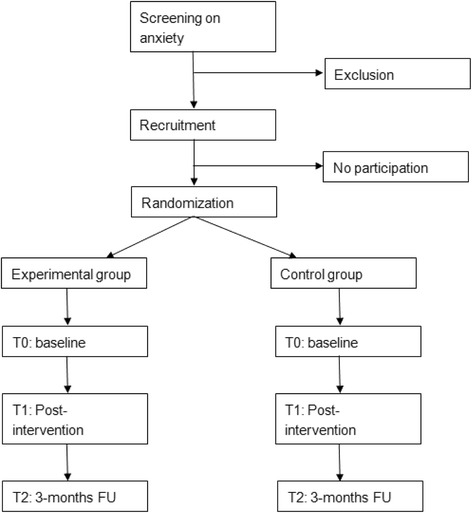
BACKGROUND: In the clinical setting, a large proportion of children with an autism spectrum disorder (ASD) experience anxiety symptoms. Because anxiety is an important cause of impairment for children with an ASD, it is necessary that effective anxiety interventions are implemented for these children. Recently, a serious game called Mindlight has been developed that is focused on decreasing anxiety in children. This approach is based on recent research suggesting that video games might be suitable as an intervention vehicle to enhance mental health in children. In the present study it will be investigated whether Mindlight is effective in decreasing (sub) clinical anxiety symptoms in children who are diagnosed with an ASD. METHODS/DESIGN: The present study involves a randomized controlled trial (RCT) with two conditions (experimental versus control), in which it is investigated whether Mindlight is effective in decreasing (sub) clinical anxiety symptoms in children with an ASD. For this study, children of 8-16 years old with a diagnosis of an ASD and (sub) clinical anxiety symptoms will be randomly assigned to the experimental (N = 60) or the control (N = 60) condition. Children in the experimental condition will play Mindlight for one hour per week, for six consecutive weeks. Children in the control condition will play the puzzle game Triple Town, also for one hour per week and for six consecutive weeks. All children will complete assessments at baseline, post-intervention and 3-months follow-up. Furthermore, parents and teachers will also complete assessments at the same time points. The primary outcome will be child report of anxiety symptoms. Secondary outcomes will be parent report of child anxiety, child/parent report of depressive symptoms, and parent/teacher report of social functioning and behavior problems. DISCUSSION: This paper aims to describe a study that will examine the effect of the serious game Mindlight on (sub) clinical anxiety symptoms of children with an ASD in the age of 8-16 years old. It is expected that children in the experimental condition will show lower levels of anxiety symptoms at 3-months follow-up, compared to children in the control condition. If Mindlight turns out to be effective, it could be an important contribution to the already existing interventions for anxiety in children with an ASD. Mindlight could then be implemented as an evidence-based treatment for anxiety symptoms in children with an ASD in mental health institutes and special education schools. TRIAL REGISTRATION: Dutch Trial Register NTR5069 . Registered 20 April 2015.
Overview
The claims and statistics of this paper haven’t been checked yet.
Free: it reads the open-access text and checks the first 5 claims that cite a source we can check. Create a free account to check every claim.
Integrity signals
Registry
Cites
Statistics
Figures
Verification
Claims the paper makes
The claims and statistics of this paper haven’t been checked yet.
Free: it reads the open-access text and checks the first 5 claims that cite a source we can check. Create a free account to check every claim.
Self-check
Percentages, sums and reported differences re-computed from the paper’s own numbers.
The self-check needs the paper’s full text.
Citations
Cites
1 retracted
Cervantes, P. E., Matson, J. L., Tureck, K., & Adams, H. L. (2013) · Research in Autism · doi:10.1016/j.rasd.2013.09.005 · Cited by 29 · cited 1×
“Anxiety also underlies comorbid symptoms of children with an ASD, for example oppositional and aggressive behavior [6] and depressive symptoms [7].”
BackgroundRetractedFaul, F., Erdfelder, E., Lang, A.-G., & Buchner, A. (2007) · Behavior Research Methods · doi:10.3758/bf03193146 · Cited by 65,971 · cited 1×
“1 [30] to calculate the sample size that is required in the present study.”
BackgroundCONSORT 2010 Statement: updated guidelines for reporting parallel group randomised trials
the CONSORT Group, Schulz, K. F., Altman, D. G., & Moher, D. (2010) · BMC Medicine · doi:10.1186/1741-7015-8-18 · Cited by 13,371
Diagnostic and Statistical Manual of Mental Disorders, Fourth Edition, Text Revision (DSM-IV-TR)
American Psychiatric Association (2000) · doi:10.1176/appi.books.9780890423349 · Cited by 11,069
(1943) · The Nervous child · Cited by 8,870
The benefits of playing video games.
Granic, I., Lobel, A., & Engels, R. C. M. E. (2014) · American Psychologist · doi:10.1037/a0034857 · Cited by 2,456 · cited 2×
“Recently, it has been shown that video games have the potential to enhance mental health and well-being in children and adolescents [18, 17].”
BackgroundSelf-citationCONSORT 2010 Statement: updated guidelines for reporting parallel group randomised trials
the CONSORT Group, Schulz, K. F., Altman, D. G., & Moher, D. (2010) · Trials · doi:10.1186/1745-6215-11-32 · Cited by 1,871
Anxiety Disorders in Children and Adolescents with Autistic Spectrum Disorders: A Meta-Analysis
van Steensel, F. J. A., Bögels, S. M., & Perrin, S. (2011) · Clinical Child and Family Psychology Review · doi:10.1007/s10567-011-0097-0 · Cited by 1,463 · cited 1×
“More specifically, 21 % of the children with an ASD suffer from subclinical anxiety [2] and approximately 40 % of the children with an ASD meet the criteria of at least one anxiety disorder [3].”
BackgroundAnxiety in children and adolescents with autism spectrum disorders
White, S. W., Oswald, D., Ollendick, T., & Scahill, L. (2009) · Clinical Psychology Review · doi:10.1016/j.cpr.2009.01.003 · Cited by 1,427 · cited 5×
“are important in anxiety interventions [1].”
BackgroundMethodInfluentialThe Prevalence of Anxiety and Mood Problems among Children with Autism and Asperger Syndrome
Kim, J. A., Szatmari, P., Bryson, S. E., Streiner, D. L., & Wilson, F. J. (2000) · Autism · doi:10.1177/1362361300004002002 · Cited by 882 · cited 1×
“Furthermore, anxiety in children with an ASD has a negative impact on adaptive functioning, daily living skills and relationships with peers, teachers and family [8–10].”
Background
Research works printed but not linked: 6
- Siebelink BM Treffers PDA Anxiety disorders interview schedule for DSM- IV- child version. ADIS-C handleiding 2001 Amsterdam Harcourt Test Publishers
- Scholing A Nauta MH Spence SH Spence children’s anxiety scale (Dutch translation of child version) 1999 Amsterdam, NL University of Amsterdam
- Scholing A Nauta MH Spence SH Spence children’s anxiety scale (Dutch translation of parent version) 1999 Amsterdam, NL University of Amsterdam
- Hartman CA Vragenlijst voor inventarisatie van sociaal gedrag van Kinderen. Herziene handleiding 2007 2007 Amsterdam Harcourt
- Goedhart A Treffers F Widenfelt B Vragen naar psychische problemen bij kinderen en adolescenten: de strengths and difficulties questionnaire Maandblad Geestelijke Volksgezondheid 2003 58 1018 1035 · DOI · Paper page
- Kazdin AE Holland L Parent expectancies for therapy scale 1991 New Haven, CT Yale university, Child Conduct Clinic
Cited by
Nijhof, S. L., Vinkers, C. H., van Geelen, S. M., Duijff, S. N., Achterberg, E. J. M., van der Net, J., Veltkamp, R. C., Grootenhuis, M. A., van de Putte, E. M., Hillegers, M. H. J., et al. (2018) · Neuroscience & Biobehavioral Reviews · doi:10.1016/j.neubiorev.2018.09.024 · Cited by 363
“studies have used applied games to successfully decrease anxiety or depressive symptoms in adolescents (Fleming et al., 2012; Fleming et al., 2017; Lau et al., 2017; Merry et al., 2012; Poppelaars et al., 2016; Scholten et al., 2016; Schuurmans et al., 2015; van Rooij et al., 2016; Wijnhoven et al., 2015).”
Self-citationHeasman, B., & Gillespie, A. (2019) · Autism · doi:10.1177/1362361318785172 · Cited by 316
Scholten, H., & Granic, I. (2019) · Journal of Medical Internet Research · doi:10.2196/11528 · Cited by 138
“…significant decreases in children’s anxiety symptoms, with two of the studies showing similar improvements as active control [94] and treatment -as-usual [95] studies and two studies showing improvements equivalent to cognitive-behavioral interventions [93,96], even after long-term follow-up [93].”
Self-citationCarlier, S., der Paelt, S. V., Ongenae, F., Backere, F. D., & Turck, F. D. (2020) · Sensors · doi:10.3390/s20040966 · Cited by 136
“At the moment of writing, no results were yet reported [24].”
BackgroundInfluentialSuleiman, A. B., & Dahl, R. E. (2017) · Journal of Adolescent Health · doi:10.1016/j.jadohealth.2016.12.010 · Cited by 95
“[101] have developed a game to reduce anxiety in young adolescents called Mindlight.”
BackgroundSerious Game-based Intervention for Children with Developmental Disabilities
Kokol, P., Vošner, H. B., Završnik, J., Vermeulen, J., Shohieb, S., & Peinemann, F. (2020) · Current Pediatric Reviews · doi:10.2174/1573396315666190808115238 · Cited by 91
Animal-assisted Social Skills Training for Children with Autism Spectrum Disorders
Becker, J. L., Rogers, E. C., & Burrows, B. (2017) · Anthrozoös · doi:10.1080/08927936.2017.1311055 · Cited by 76
Johnston, D., Egermann, H., & Kearney, G. A. (2020) · Applied Sciences · doi:10.3390/app10092996 · Cited by 97
“These aim to teach the child to not only become knowingly aware of their pathological associations with a feared stimulus but also create a challenge for them and develop new positive associations [27].”
BackgroundThe Use of User-Centered Participatory Design in Serious Games for Anxiety and Depression
Dekker, M. R., & Williams, A. D. (2017) · Games for Health Journal · doi:10.1089/g4h.2017.0058 · Cited by 68
Gaming With Stigma: Analysis of Messages About Mental Illnesses in Video Games
Ferrari, M., McIlwaine, S. V., Jordan, G., Shah, J. L., Lal, S., & Iyer, S. N. (2019) · JMIR Mental Health · doi:10.2196/12418 · Cited by 92
“They can even open possibilities for envisioning new modalities for providing care to youth and supporting caregivers and health care providers [62-65].”
Wijnhoven, L. A. M. W., Creemers, D. H. M., Vermulst, A. A., Lindauer, R. J. L., Otten, R., Engels, R. C. M. E., & Granic, I. (2020) · Journal of Behavior Therapy and Experimental Psychiatry · doi:10.1016/j.jbtep.2020.101548 · Cited by 51
Self-citationUsing a Serious Game to Reduce Stress and Anxiety in Children with Autism Spectrum Disorder
Carlier, S., der Paelt, S. V., Ongenae, F., Backere, F. D., & Turck, F. D. (2019) · International Conference on Pervasive Computing Technologies for Healthcare · doi:10.1145/3329189.3329237 · Cited by 57
“the necessary skills, which can negatively influence their motivation [12, 49].”
BackgroundInfluentialMitsea, E., Drigas, A. S., & Skianis, C. A. (2025) · Electronics · doi:10.3390/electronics14040649 · Cited by 81
“Other studies demonstrated that such interventions can be effective in training self-regulation and stress management skills among people diagnosed with ASD [121].”
Wijnhoven, L. A. M. W., Niels, H., Creemers, D. H. M., Vermulst, A. A., Otten, R., & Engels, R. C. M. E. (2019) · Journal of Child and Adolescent Mental Health · doi:10.2989/17280583.2019.1608830 · Cited by 50
Self-citationAntle, A. N., Chesick, L., Sridharan, S. K., & Cramer, E. S. (2018) · Personal and Ubiquitous Computing · doi:10.1007/s00779-018-1166-x · Cited by 40
Savaş, E. H., Semerci, R., & Bayram, C. (2024) · European Journal of Oncology Nursing · doi:10.1016/j.ejon.2024.102621 · Cited by 40
Wijnhoven, L. A. M. W., Creemers, D. H. M., Vermulst, A. A., & Granic, I. (2018) · Frontiers in Psychiatry · doi:10.3389/fpsyt.2018.00050 · Cited by 45
Self-citationChoi, E., Yoon, E.-H., & Park, M.-H. (2022) · Frontiers in Psychiatry · doi:10.3389/fpsyt.2022.986687 · Cited by 45
“MindLight anxiety It is developed by Play Nice Institute and Gain Play studio (67).”
MethodTozzi, F., Nicolaidou, I., Galani, A., & Antoniades, A. (2018) · JMIR Pediatrics and Parenting · doi:10.2196/pediatrics.7248 · Cited by 29
Francillette, Y., Boucher, E., Bouchard, B., Bouchard, K., & Gaboury, S. (2020) · Entertainment Computing · doi:10.1016/j.entcom.2020.100396 · Cited by 41
Schoneveld, E. A., Wols, A., Lichtwarck‐Aschoff, A., Otten, R., & Granic, I. (2020) · Journal of Child and Family Studies · doi:10.1007/s10826-020-01728-y · Cited by 36
Self-citationJohnstone, S. J., Jiang, H., Sun, L., Rogers, J. M., Valderrama, J. T., & Zhang, D. (2020) · Clinical EEG and Neuroscience · doi:10.1177/1550059420946648 · Cited by 23
Graham, T. C. N., King, N., Coo, H., Zabojnikova, P., Gurd, B. J., & Samdup, D. Z. (2022) · Frontiers in Virtual Reality · doi:10.3389/frvir.2022.817303 · Cited by 25
“, 2016), reduce anxiety (Wijnhoven et al., 2015) and improve general practical skills such as navigating the bus system (Bernardes et al.”
BackgroundSerious Games in Autism Spectrum Disorder - An Example of Personalised Design
Vallefuoco, E., Bravaccio, C., & Pepino, A. (2017) · International Conference on Computer Supported Education · doi:10.5220/0006384905670572 · Cited by 17
“Wijnhoven et al. (2015) have been studying the efficacy of Serious Game MindLight in decreasing anxiety in children with ASD.”
BackgroundJohnston, D., Egermann, H., & Kearney, G. A. (2022) · International Journal of Environmental Research and Public Health · doi:10.3390/ijerph191912474 · Cited by 21
“Firstly, CBT sessions require face-to-face communication in order to teach the individual to become self-aware of a pathological response and to construct new positive associations with the stimulus [15].”
BackgroundTsikinas, S., Xinogalos, S., Satratzemi, M., & Kartasidou, L. (2018) · Advances in intelligent systems and computing · doi:10.1007/978-3-319-75175-7_55 · Cited by 14
David, D., Predatu, R., & Maffei, A. (2020) · International Journal of Cognitive Therapy · doi:10.1007/s41811-020-00077-4 · Cited by 17
“Specifically, preliminary data suggest that therapeutic games can be effective in reducing emotional difficulties in this age category, especially depressive and anxiety symptoms (Merry et al. 2012; Wijnhoven et al. 2015).”
BackgroundReview on Serious Games for People with Intellectual Disabilities and Autism
Tsikinas, S., Xinogalos, S., & Satratzemi, M. (2016) · Cited by 13
Choi, H., Kim, B., Kim, I., Kang, J.-G., Lee, Y., Lee, H. K., & Park, M.-H. (2023) · Journal of korean Academy of Child and Adolescent Psychiatry · doi:10.5765/jkacap.230044 · Cited by 12
Are orcs racist? Dungeons and Dragons, ethnocentrism, anxiety, and the depiction of “evil” monsters
Ferguson, C. J. (2022) · Current Psychology · doi:10.1007/s12144-021-02551-4 · Cited by 17
“In some cases, video games have been developed specifically to treat anxiety (e.g., Maarsingh et al., 2019; Wijnhoven et al., 2015).”
BackgroundDavid, D., Stroian, P., Predatu, R., & Maffei, A. (2022) · Personality and Individual Differences · doi:10.1016/j.paid.2022.111725 · Cited by 10
Wechsler, T. F., Brockelmann, M., Kulik, K., Kopf, F. M., Kocur, M., Lankes, M., Mühlberger, A., & Wolff, C. G. (2021) · Annual Symposium on Computer-Human Interaction in Play · doi:10.1145/3450337.3483463 · Cited by 8
Technology-Aided Instruction and Intervention
Glumbić, N., Đorđević, M., & Brojčin, B. (2022) · Autism and child psychopathology series · doi:10.1007/978-3-031-12037-4_8 · Cited by 9
Heumos, T., & Kickmeier-Rust, M. (2020) · The Electronic Journal of e-Learning · doi:10.34190/ejel.20.18.3.001 · Cited by 10
deLeyer-Tiarks, J. M., Li, M. G., Levine-Schmitt, M., Andrade, B., Bray, M. A., & Peters, E. (2022) · Psychology in the Schools · doi:10.1002/pits.22802 · Cited by 12
Beeckman, M., Hughes, S., Kissi, A., Simons, L. E., & Goubert, L. (2019) · Journal of Pain · doi:10.1016/j.jpain.2019.02.013 · Cited by 10
Ferrari, M., & Archie, S. (2017) · Europe PMC (PubMed Central) · Cited by 8
Wijnhoven, L. A. M. W., Engels, R. C. M. E., Onghena, P., Otten, R., & Creemers, D. H. M. (2022) · Journal of Autism and Developmental Disorders · doi:10.1007/s10803-021-04927-8 · Cited by 6
Self-citationScott, D. L. (2010) · PubMed · Cited by 6
The Effect of Expectations on Experiences and Engagement with an Applied Game for Mental Health
Wols, A., Hollenstein, T., Lichtwarck‐Aschoff, A., & Granic, I. (2021) · Games for Health Journal · doi:10.1089/g4h.2020.0115 · Cited by 8
Self-citationStewart, S., Houghton, S. J., & Macqueen, L. (2025) · Pediatric Reports · doi:10.3390/pediatric17020028 · Cited by 5
“…level of introspection and ability to be conscious of one’s own negative thoughts, which the person must be able to evaluate and resolve, can often be challenging for children and adolescents [80], especially for those with NDDs, who may also be socially reticent in face-to-face situations [80].”
Serious Games in Education for Students with Special Needs
Zapušek, M., & Rugelj, J. (2025) · Inclusive learning and educational equity · doi:10.1007/978-3-031-98390-0_8 · Cited by 3
El uso de videojuegos seriosen ciencias para la salud
Ladino-Cañas, P. K., & Caicedo-Eraso, J. C. (2022) · Salud Uninorte · doi:10.14482/sun.37.3.615.851 · Cited by 6
Rojas, J. A. (2023) · Advances in educational technologies and instructional design book series · doi:10.4018/978-1-6684-6868-5.ch003 · Cited by 2
TARGETING THERAPEUTIC GAMES TO ADULTS WITH AUTISM SPECTRUM DISORDER
Bills, J., & Ng, Y. (2019) · IADIS International Conferences on Internet Technologies & Society and Sustainability, Technology and Education (ITS/STE) · doi:10.33965/its2019_201901l003 · Cited by 1
New Progress in the Etiology and Treatment of Autism
袁, 瑞. (2020) · Advances in Psychology · doi:10.12677/ap.2020.105072 · Cited by 1
Acceleration of Therapeutic Use of Brain Computer Interfaces by Development for Gaming
Scott, J. A., & Sims, M. H. (2021) · Lecture notes of the Institute for Computer Sciences, Social Informatics and Telecommunications Engineering · doi:10.1007/978-3-030-76426-5_18 · Cited by 1
Research protocol for a preliminary evaluation of a gamified tool for adult wellbeing
Gavin, J., & Barnes, S. (2023) · Mental Health and Social Inclusion · doi:10.1108/mhsi-01-2023-0001 · Cited by 1
Werner, L., & Pólya, T. (2021) · JEL-KÉP · doi:10.20520/jel-kep.2021.2.81 · Cited by 1
Kalde, M. (2015) · Cited by 1
Exploring digitally gamified therapies for anxiety
Patnaik, A. (2022) · Digital Repository Service (Northeastern University) · doi:10.17760/d20471084 · Cited by 1
Serious Video Games as Psychosocial Interventions for Psychosis
Danilina, O., Cox, A. L., Fonseca, A., & Johnson, S. (2017) · UCL Discovery (University College London)
Serious Gaming Approach to Rehabilitation Using a 1 DOF Upper Limb Exerciser
Ianoși-Andreeva-Dimitrova, A., Mândru, D. S., & Bîrle, L. (2020) · Mechanisms and machine science · doi:10.1007/978-3-030-55061-5_15
(2019) · IADIS INTERNATIONAL JOURNAL ON COMPUTER SCIENCE AND INFORMATION SYSTEMS · doi:10.33965/ijcsis_2019140104
“Most research on the subject has been done on children ( Hiniker et al., 2013; Wijnhoven et al., 2015 ) , but there is potential for similar therapy to be applied to adults as autism is a lifelong condition, with Cognitive Enhancement Therapy (CET) proving to have satisfactory effects (Eack et al.,…”
BackgroundLiterature Review: Hubungan antara Metode Game-Based Learning dengan Kejadian Kecemasan pada Pelajar
Wijaya, F. P., Respati, T., & Romadhona, N. (2023) · Bandung Conference Series Medical Science · doi:10.29313/bcsms.v3i1.6694
Begrijpen en aanpakken van niet-autismespecifieke problemen
de Bildt, A. A., Leuning, E., Wagenaar, A., Soechitram, S. D., Louwerse, A., van Summeren, W., Wijnhoven, L. A. M. W., & van den Bergh, M. (2021) · Bohn Stafleu van Loghum eBooks · doi:10.1007/978-90-368-2665-5_16
Self-citationContemporary Distraction Tools Used In Pediatric Dentistry: An Overview
Fatma, N. (2021) · University Journal of Dental Sciences · doi:10.21276/ujds.2021.7.3.28 · Cited by 4
Mind Games: Affective Ludo(bio)technologies of Fear
Milesi, L. (2022) · Parallax · doi:10.1080/13534645.2023.2184950
Research Protocol for a Preliminary Evaluation of a Gamified Tool for Adult Wellbeing
Gavin, J., & Barnes, S. (2023) · Lecture notes in networks and systems · doi:10.1007/978-3-031-37164-6_50
Using Video Games for the Treatment of Symptoms of Autism
Thatikonda, P., Kethar, J., & Appavu, R. (2023) · Journal of Student Research · doi:10.47611/jsrhs.v12i3.5034 · Cited by 1
Technologiegestützte Anleitung und Intervention
Glumbić, N., Đorđević, M., & Brojčin, B. (2025) · Springer eBooks · doi:10.1007/978-3-031-77414-0_8
do Amaral, G. C., Lima, R. F. D. S., & do Amaral, J. L. M. (2025) · doi:10.22533/at.ed.947112518033
Lu, Y., Cao, Z., & Zhou, R. (2025) · Annual Symposium on Computer-Human Interaction in Play · doi:10.1145/3744736.3749312
“Games such as ’MindLight’ [18] and ’Dojo’ [11] show the integration of CBT in gamification intervention, integrating exposure therapy and emotion regulation.”
Diagnostic Procedures and Treatments for Autistic Children in the Netherlands: A Scoping Review
Hiemstra, R. J., & Sari, N. P. (2025) · Journal of Autism and Developmental Disorders · doi:10.1007/s10803-025-07162-7
Exploring the impact of technology-based interventions on the mental health of children with autism
Cilar, L., & Kovac, V. (2026) · Advances in Autism · doi:10.1108/aia-05-2025-0045
Évaluation et prise en charge des troubles émotionnels par le biais des nouvelles technologies
Gros, A. (2017) · theses.fr (ABES) · doi:10.70675/544539e8zaab1z42b8z9a16z472a0bbe143f
“Ils ont montré une efficacité dans la capacité de reconnaissance des émotions chez les patients autistes après huit semaines d’utilisation (Fridenson-Hayo et al., 2017) et sont impliqués également dans la gestion des troubles anxieux chez ces patients (Wijnhoven et al., 2015).”
BackgroundSeixas, E. F. R., Nunes, M. S., Siqueira, L. H., Couto, A. B., Barbosa, F., Fernandes, O., Cavalcanti, D. N., Trevisan, D. G., Nogueira, É., Clua, E., et al. (2026) · SeGAH ... IEEE ... International Conference on Serious Games and Applications for Health/IEEE International Conference on Serious Games and Applications for Health · doi:10.1109/segah69272.2026.11653310
“Conversely, in the stressful version (Version 2), the music imposes an accelerated and un-settling rhythm; the environment is darkened, and the player’s field of view is restricted to central vision (tunnel vision) [18].”
Design and Evaluation of a Mobile Assistive Robot Simulator for Therapy Continuity in ASD Care
Moreira, P. C. B., Seixas, E. F. R., Cecim, J. V. C., Seixas, F. L., Muchaluat-Saade, D. C., & da Rocha, M. M. (2026) · SeGAH ... IEEE ... International Conference on Serious Games and Applications for Health/IEEE International Conference on Serious Games and Applications for Health · doi:10.1109/segah69272.2026.11653355
“In parallel, serious games and mobile applications have demonstrated potential as non-pharmacological interventions for emotional regulation and anxiety reduction, reinforcing the importance of protocol fidelity and repetition over strict physical embodiment [14], [15].”
Metadata
- Authors
- Wijnhoven, L. A. M. W., Creemers, D. H. M., Engels, R. C. M. E., & Granic, I.
- Affiliations
- Radboud University Nijmegen (NL)
- Corresponding author
- Wijnhoven, Lieke A. M. W.
- Venue
- BMC Psychiatry
- Published
- 2015-07-01
- Volume
- 15
- Issue
- 1
- Pages
- 138-138
- ISSN
- 1471-244X (ISSN-L)
- PMC
- PMC4488062
- OpenAlex
- W1653319191
- Semantic Scholar
- beed73708b6f39888d204482ccbe451e2c8021c8
- Cited by
- 69
- References
- 46
- Citations by year
- 2026: 3 · 2025: 7 · 2024: 1 · 2023: 6 · 2022: 10 · 2021: 7 · 2020: 10 · 2019: 7 · 2018: 8 · 2017: 7 · 2016: 1 · 2015: 1
- FWCI
- 3.41
- Type
- journal article
- Language
- en
- Open access
- gold
- doi.org
- Locations
- BMC Psychiatry (publishedVersion, cc-by)
- Europe PMC (PubMed Central) (publishedVersion, cc-by)
- PubMed Central (publishedVersion, cc-by)
- PubMed (publishedVersion)
- Radboud Repository (Radboud University) (submittedVersion)
- Radboud Repository (Radboud University) (submittedVersion, other-oa)
- Funders
- Radboud Universiteit
- Topics
- Life Sciences › Neuroscience › Cognitive Neuroscience › Autism Spectrum Disorder Research
- Social Sciences › Psychology › Developmental and Educational Psychology › Educational Games and Gamification
- Social Sciences › Psychology › Applied Psychology › Digital Mental Health Interventions
- Keywords
- serious games, video games, autism spectrum disorder, anxiety symptoms, children, anxiety intervention, digital mental health interventions, depressive symptoms, social functioning, behavioral problems
- MeSH terms
- Autism Spectrum Disorder, Adolescent, Anxiety, Child, Clinical Protocols, Female, Humans, Male, Therapy, Computer-Assisted, Treatment Outcome, Video Games
About these checks
Registry, retraction, Cites and statistics results are computed, not judged, with one exception: a printed reference that no index lists is read once by a model before it counts as a citation error. Claims are extracted by a model and kept only when their quote appears verbatim in the text; each cited source is then checked, with a model’s help, for whether it says what the claim relies on. Those verdicts can be wrong — read the claim’s quote and the cited source before relying on one.
Statistics and arithmetic are recomputed, not judged.
Confidence bands are shown only for fields calibrated on our annotated test set. None is calibrated yet, so no band is shown.
What counts as a claim ›How we measure confidence ›How we check this ›
Are you an author, or do you see a problem with this page? Request a review
Data sources
Bibliographic data: Semantic Scholar, OpenAlex, Crossref.
Contains information from the Semantic Scholar Academic Graph Datasets, made available under the ODC Attribution License (ODC-BY 1.0).
Semantic Scholar’s data is described in: Kinney, R., et al. (2023). The Semantic Scholar Open Data Platform. arXiv:2301.10140.
