

The relationship between addiction to smartphone usage and depression among adults: a cross sectional study
Open accessThe DOI matches its Crossref record; 41 of the 41 references it cites were found in a registry or an index.
Abstract
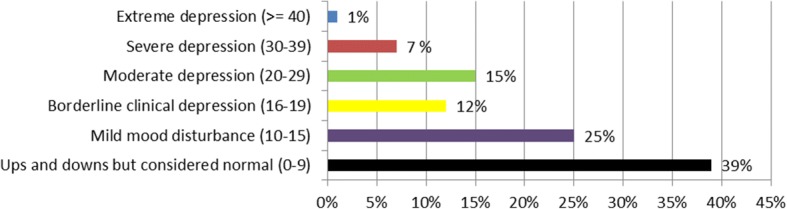
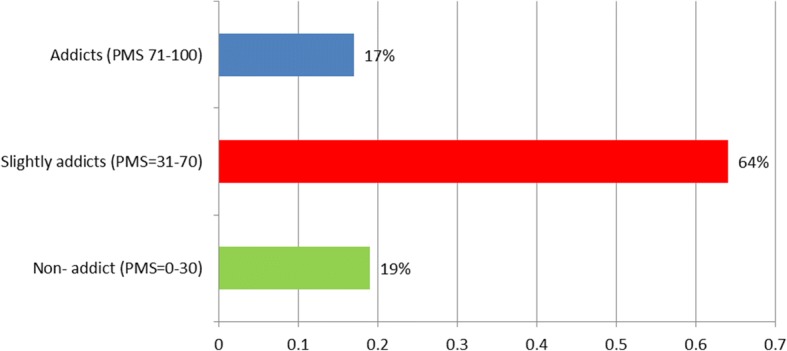
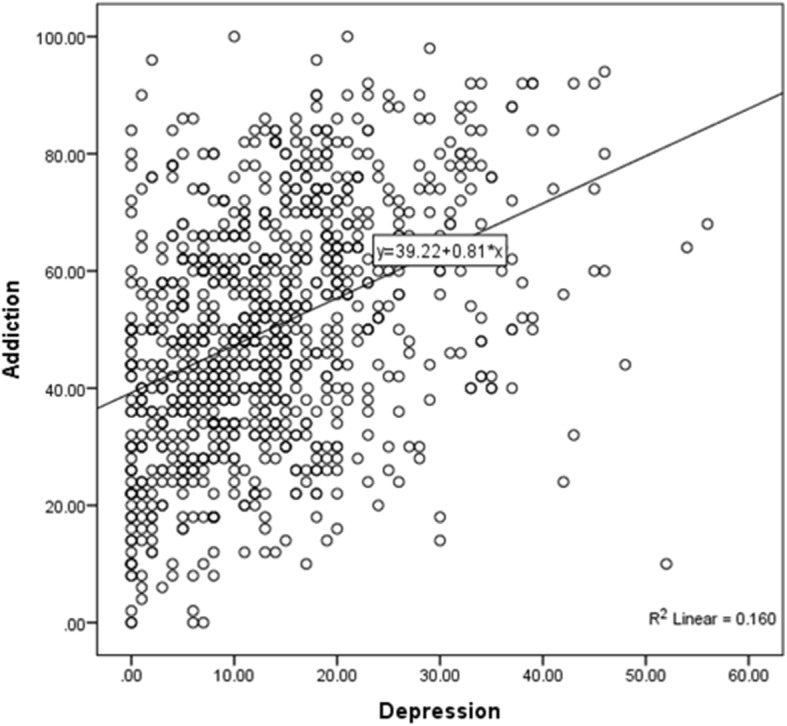
BACKGROUND: Addiction to smartphone usage is a common worldwide problem among adults, which might negatively affect their wellbeing. This study investigated the prevalence and factors associated with smartphone addiction and depression among a Middle Eastern population. METHODS: This cross-sectional study was conducted in 2017 using a web-based questionnaire distributed via social media. Responses to the Smartphone Addiction Scale - Short version (10-items) were rated on a 6-point Likert scale, and their percentage mean score (PMS) was commuted. Responses to Beck's Depression Inventory (20-items) were summated (range 0-60); their mean score (MS) was commuted and categorized. Higher scores indicated higher levels of addiction and depression. Factors associated with these outcomes were identified using descriptive and regression analyses. Statistical significance was set at P < 0.05. RESULTS: Complete questionnaires were 935/1120 (83.5%), of which 619 (66.2%) were females and 316 (33.8%) were males. The mean ± standard deviation of their age was 31.7 ± 11 years. Majority of participants obtained university education 766 (81.9%), while 169 (18.1%) had school education. The PMS of addiction was 50.2 ± 20.3, and MS of depression was 13.6 ± 10.0. A significant positive linear relationship was present between smart phone addiction and depression (y = 39.2 + 0.8×; P < 0.001). Significantly higher smartphone addiction scores were associated with younger age users, (β = - 0.203, adj. P = 0.004). Factors associated with higher depression scores were school educated users (β = - 2.03, adj. P = 0.01) compared to the university educated group and users with higher smart phone addiction scores (β =0.194, adj. P < 0.001). CONCLUSIONS: The positive correlation between smartphone addiction and depression is alarming. Reasonable usage of smart phones is advised, especially among younger adults and less educated users who could be at higher risk of depression.
Overview
The claims and statistics of this paper haven’t been checked yet.
Free: it reads the open-access text and checks the first 5 claims that cite a source we can check. Create a free account to check every claim.
Integrity signals
Registry
Cites
Statistics
Figures
Verification
Claims the paper makes
The claims and statistics of this paper haven’t been checked yet.
Free: it reads the open-access text and checks the first 5 claims that cite a source we can check. Create a free account to check every claim.
Claims other papers make about this one
Each is checked against this paper’s own text: does it say what the citing paper says it does?
The cited source says what the claim attributes to it.
In the citing paper
“some studies raise concerns about these findings, stating that”
From Antecedents and consequences of problematic smartphone use: A systematic literature review of an emerging research area (2021) · cites this paper as Alhassan et al., 2018
Experimental — accuracy not yet measured
Self-check
Percentages, sums and reported differences re-computed from the paper’s own numbers.
The self-check needs the paper’s full text.
Citations
Cites
Diagnostic and Statistical Manual of Mental Disorders
American Psychiatric Association (2013) · doi:10.1176/appi.books.9780890425596 · Cited by 116,369
Diagnostic and Statistical Manual of Mental Disorders
Siegel, L. J., & Fletcher‐Janzem, E. (2008) · Encyclopedia of Special Education · doi:10.1002/9780470373699.speced0655 · Cited by 8,477 · cited 1×
“However, many people fail to realize that addiction to smartphone usage is a serious issue that can have a negative effect on the person’s thoughts, behavior, tendencies, feelings, and sense of well-being [2].”
BackgroundThe Smartphone addiction scale: development and validation of a short version for adolescents
Kwon, M., Kim, D.-J., Cho, H., & Yang, S. (2013) · PLoS ONE · doi:10.1371/journal.pone.0083558 · Cited by 2,177 · cited 2×
“In the original scale of SAS, the cut-off point was not reported [18].”
BackgroundElhai, J. D., Dvorak, R. D., Levine, J. C., & Hall, B. J. (2017) · Journal of Affective Disorders · doi:10.1016/j.jad.2016.08.030 · Cited by 1,689 · cited 1×
“A systematic review of 23 peer reviewed papers reported that depression was consistently related to problematic smartphone usage [22].”
BackgroundDemirci, K., Akgönül, M., & Akpinar, A. (2015) · Journal of Behavioral Addictions · doi:10.1556/2006.4.2015.010 · Cited by 1,529 · cited 2×
“In Turkey, females were more likely to develop an addiction to smartphone usage compared to males [11], while in Austria chronic stress, low emotional stability, female gender, young age and depression were associated with problematic mobile usage [12].”
BackgroundMethodLemola, S., Perkinson-Gloor, N., Brand, S., Dewald-Kaufmann, J. F., & Grob, A. (2015) · Journal of Youth and Adolescence · doi:10.1007/s10964-014-0176-x · Cited by 940 · cited 1×
“It is worth mentioning, that no relationship between smartphone ownership and symptoms of depression were reported by one study, which entails that addiction is related to self-control rather than the possession of the phone itself [25].”
BackgroundBian, M., & Leung, L. (2015) · Social Science Computer Review · doi:10.1177/0894439314528779 · Cited by 669 · cited 1×
“It was reported that high levels of smartphone addiction were correlated with low self-esteem, loneliness, depression and shyness [10].”
BackgroundDepression, anxiety, and smartphone addiction in university students- A cross sectional study
Matar Boumosleh, J., & Jaalouk, D. (2017) · PLOS ONE · doi:10.1371/journal.pone.0182239 · Cited by 668 · cited 2×
“Depression in Lebanese and Austrian university students was also significantly associated with smartphone addiction [12, 23] or problematic mobile phone usage [13] respectively.”
BackgroundResultStaying connected while on the move: Cell phone use and social connectedness
Wei, R., & Lo, V.-H. (2006) · New Media & Society · doi:10.1177/1461444806059870 · Cited by 493 · cited 2×
“For example, one study found that people with depression, social anxiety and loneliness had different uses for their smartphones compared to others [9].”
BackgroundCulturally sensitive social work practice with Arab clients in mental health settings
Al-Krenawi, A., & Graham, J. R. (2000) · Health & Social Work · doi:10.1093/hsw/25.1.9 · Cited by 485 · cited 1×
“It is worth mentioning that Western cultural norms have been disseminated into the Arab world, but this effect has been experienced differently in communities and across societies [16].”
Background
Cited by
Items 101–200 of 350
Villanueva‐Blasco, V. J., García-Guerra, M., & Boubeta, A. R. (2025) · Addictive Behaviors · doi:10.1016/j.addbeh.2025.108561 · Cited by 26
Skervin, T. K., Thomas, N. M., Schofield, A. J., Hollands, M. A., Maganaris, C. N., & Foster, R. J. (2021) · Experimental Gerontology · doi:10.1016/j.exger.2021.111309 · Cited by 20
Investigation of University Students’ Smartphone Usage Levels and Effects
Kaysi, F., Yavuz, M., & Aydemir, E. (2021) · International Journal of Technology in Education and Science · doi:10.46328/ijtes.235 · Cited by 23
“It has also been stated that excessive mobile phone use is associated with panic disorder (King, Valença, & Nardi, 2010), depression (Alhassan et al., 2018), social anxiety, and loneliness (Gao, Li, Zhu, Liu, & Liu 2016).”
BackgroundAlHamad, N. S., & Alamri, K. (2021) · Journal of Family Medicine and Primary Care · doi:10.4103/jfmpc.jfmpc_697_21 · Cited by 18
“[1] It is a mental illness characterized by mood disturbance (mainly having a low mood, feeling of guilt or low self-worth, and marked loss of interest and pleasure) and physical symptoms such as disturbed sleep, increased or decreased appetite, low energy, and poor concentration.[2,3] Individuals who suffer from depr…”
BackgroundImpact of Using Smartphone While Walking or Standing: A Study Focused on Age and Cognition
Lino, T. B., Scarmagnan, G. S., Sobrinho, S. A., Tessari, G. M. F., Gonçalves, G. H., Pereira, H. M., & Christofoletti, G. (2023) · Brain Sciences · doi:10.3390/brainsci13070987 · Cited by 19
Luzio, P. D., Borgomaneri, S., Sanchioni, S., Tessari, A., & Romei, V. (2020) · Cortex · doi:10.1016/j.cortex.2020.10.009 · Cited by 21
Herrero, J., Torres, A., Vivas, P., & Urueña, A. (2021) · Social Science Computer Review · doi:10.1177/0894439319896230 · Cited by 16
Consumers’ smartphone addiction: Impact of engagement and app type on wellbeing
Moriuchi, E., Hollebeek, L. D., & Lim, W. M. (2025) · Journal of Business Research · doi:10.1016/j.jbusres.2025.115379 · Cited by 19
Nowak, M., Rachubińska, K., Starczewska, M., Kupcewicz, E., Szylińska, A., Cymbaluk‐Płoska, A., & Grochans, E. (2022) · International Journal of Environmental Research and Public Health · doi:10.3390/ijerph192013549 · Cited by 20
“The authors used a different tool than this study—the SAS-SV form—and adopted separate cut-off points for both sexes—31 points for men and 32 for women [53].”
MethodNahidi, M., Ahmadi, M., Bordbar, M. R. F., Morovatdar, N., Khadem-Rezayian, M., & Abdolalizadeh, A. (2023) · International Clinical Psychopharmacology · doi:10.1097/yic.0000000000000517 · Cited by 25
“Investigation of the results of this study shows that the rate of cell phone addiction rises with an increase in the intensity of depression, anxiety, stress, and neuroticism (Alhassan et al ., 2018).”
BackgroundDong, R., Yuan, D., Xue, W., Cai, J., Ai, Z., & Zhou, S. (2025) · Frontiers in Psychology · doi:10.3389/fpsyg.2025.1463671 · Cited by 29
Chen, P.-C., Hung, M.-W., Lu, H.-S., Yuan, C. W. (., Bi, N., Lee, W.-C., Huang, M.-C., & You, C.-W. (2022) · CHI Conference on Human Factors in Computing Systems · doi:10.1145/3491102.3517478 · Cited by 16
“, daytime sleepiness, energy levels, or physical symptoms potentially caused by excessive use of phones) [4, 33, 39] and mood [25, 27, 41, 63, 84].”
BackgroundAli, N. M. A., & Matarneh, S. (2024) · International Journal of Adolescence and Youth · doi:10.1080/02673843.2024.2302400 · Cited by 24
“Several studies have found that this group has a significant prevalence of nomophobia (Alhassan et al., 2018; Gutiérrez-Puertas et al., 2018; Yildirim & Correia, 2015).”
The Mental Health Impacts of Smartphone and Social Media Use
Cleary, M. L., West, S., & Visentin, D. C. (2020) · Issues in Mental Health Nursing · doi:10.1080/01612840.2020.1748484 · Cited by 16
“Research has found a significant relationship between lower education levels and a higher prevalence of depression as a consequence of smartphone addiction (Alhassan et al., 2018).”
BackgroundInfluentialSubramaniam, M., Koh, Y. S., Sambasivam, R., Samari, E., Abdin, E., Jeyagurunathan, A., Tan, B. C. W., Zhang, Y., Ma, S., Chow, W. L., et al. (2024) · Asian Journal of Psychiatry · doi:10.1016/j.ajp.2024.104124 · Cited by 23
Poor sleep quality among bedtime smartphone user medical students in Ethiopia, 2024
Esubalew, D., Delie, A. M., Limenh, L. W., Worku, N. K., Fenta, E. T., Hailu, M., Abie, A., Mehari, M. G., Dagnaw, T. E., & Melese, M. (2024) · Sleep Medicine X · doi:10.1016/j.sleepx.2024.100134 · Cited by 26
Renuka, K., Gopalakrishnan, S., & Umadevi, R. (2019) · International Journal of Community Medicine and Public Health · doi:10.18203/2394-6040.ijcmph20194166 · Cited by 17
Yuan, G. F., Liu, C., Shi, W., & Xu, D. (2025) · Psychology Research and Behavior Management · doi:10.2147/prbm.s529993 · Cited by 14
Andrews, J. A., Craven, M. P., Lang, A. R., Guo, B., Morriss, R. K., & Hollis, C. P. (2022) · BMC Medical Informatics and Decision Making · doi:10.1186/s12911-022-01856-z · Cited by 14
Ramasubramani, P., Vengadessin, N., & Saya, G. K. (2022) · Psychiatry · doi:10.1080/00332747.2022.2143143 · Cited by 16
“Smartphone overuse has been associated with mental illhealth leading to sleep disturbances and depression (Alhassan et al., 2018; Sohn et al., 2021).”
BackgroundZhu, X., Niu, H., Zhu, Q., & Chen, W. (2025) · Frontiers in Psychology · doi:10.3389/fpsyg.2025.1545440 · Cited by 17
Hua, B. H., Sugumaran, S. V., Poot, E. F. M., Atiqah, N., Jasvindar, K., Kabir, M. S., Shirin, L., & Nazmul, M. H. M. (2022) · International Journal of Health Sciences · doi:10.53730/ijhs.v6ns2.5078 · Cited by 13
“However, the prevalence of smartphone addiction was stated to be between 39% and 40% (Alhassan et al., 2018).”
BackgroundGeissler, C., Gauselmann, P., Jilek, C., Maus, H., Frings, C., & Tempel, T. (2023) · Scientific Reports · doi:10.1038/s41598-023-39540-5 · Cited by 17
Hashemi, A., Noori, A. Q., Orfan, S. N., Akramy, S. A., & Rameli, M. R. M. (2024) · Cogent Education · doi:10.1080/2331186x.2024.2340845 · Cited by 19
“Similarly, Alhassan et al. (2018) holding a cross-sectional research study found out the relationship between smartphone addiction and depression.”
Ahn, J. S., Jeong, I., Park, S., Lee, J., Jeon, M.-J., Lee, S., Do, G., Jung, D., & Park, J. Y. (2025) · Journal of Medical Internet Research · doi:10.2196/69320 · Cited by 22
García‐Manglano, J., López-Madrigal, C., Sádaba, C., Serrano, C., & López-Fernández, O. (2021) · International Journal of Environmental Research and Public Health · doi:10.3390/ijerph19010358 · Cited by 16
“Because psychopathological symptoms are related to difficulties in regulating emotions and in enacting adaptive strategies, problematic use of technology can relate to the presence of psychopathology [27].”
BackgroundCao, M., Yang, H., & Chen, D. (2023) · Behavioral Sciences · doi:10.3390/bs13110901 · Cited by 13
“Moreover, psychopathological symptoms such as depression [9], stress [10] and anxiety [11] can also be the antecedents of problematic smartphone use.”
BackgroundStirnberg, J., Margraf, J., Precht, L.-M., & Brailovskaia, J. (2024) · Psychopathology · doi:10.1159/000538263 · Cited by 19
Smartphone addiction and depression among health sciences students during COVID-19 pandemic
Ay, M. K., Topuzoǧlu, A., & Altaş, Z. M. (2024) · BMC Public Health · doi:10.1186/s12889-024-21075-7 · Cited by 16
“A study in Saudi Arabia found that approximately 33.8% of participants complained of physical pain in the wrist, back, or neck [32].”
InfluentialLu, X., Zhang, L., & Tao, Y. (2025) · Journal of Affective Disorders · doi:10.1016/j.jad.2025.119981 · Cited by 13
Heitplatz, V. N., Bühler, C., & Hastall, M. R. (2020) · Lecture notes in computer science · doi:10.1007/978-3-030-49108-6_28 · Cited by 18
Offline and online basic need satisfaction and smartphone use behaviors: A mediation model
Hao, Z., Jin, L., & Huang, J. (2023) · Journal of Psychiatric Research · doi:10.1016/j.jpsychires.2023.03.016 · Cited by 12
Kwak, M., & Kim, D. (2023) · Addictive Behaviors Reports · doi:10.1016/j.abrep.2023.100506 · Cited by 15
“Inconsistent with findings from existing literature (e.g., Alhassan et al., 2018; Kim et al., 2016), depression, the BIS, drive, and fun-seeking of the BAS did not predict the risk of problematic smartphone use of smartphone-based SNS users.”
BackgroundResultSubjective Smartphone Screen Time and Co-morbid Mental Illness
Noel, J. K., Jacob, S., Wensley, I. A., & Rosenthal, S. R. (2022) · Journal of Technology in Behavioral Science · doi:10.1007/s41347-022-00276-0 · Cited by 10
“, 2019), and smartphone addiction was associated with depression in an adult sample (Alhassan et al., 2018).”
BackgroundZhang, M., Xu, W., Zhou, H., Fan, J., & Liu, H. (2023) · Medical Science Monitor · doi:10.12659/msm.942317 · Cited by 13
“During the COVID-19 pandemic, medical students’ smartphone addiction detection rate was high [62], and was associated with depression, anxiety, and poor sleep quality [63].”
BackgroundAlabdallat, Y., Albakri, K., Hanaqtah, B. M., Al-Dajani, M. H., Saleh, O. M., & Harvey, H. (2023) · Jordan Medical Journal · doi:10.35516/jmj.v57i1.1102 · Cited by 8
“19%, respectively) [19], which aligns with the current study.”
BackgroundFrom non-problematic smartphone use to smartphone addiction: Impulsivity-based profiles
Sánchez-Kuhn, A., Puga, J. L., Flores, P., & García, A. M. R. (2024) · Adicciones · doi:10.20882/adicciones.1847 · Cited by 18
Bhat, I. H., Gupta, S., & Bhat, G. M. (2023) · Information Discovery and Delivery · doi:10.1108/idd-07-2022-0071 · Cited by 14
Bertuol, C., da Silveira, M. H. C., Krug, R. D. R., Kupske, J. W., Mielke, G. I., & Duca, G. F. D. (2023) · BMC Public Health · doi:10.1186/s12889-023-16517-7 · Cited by 14
“[34] explained that, due to the stress caused by a certain emotional issue or general health, people try to compensate or overcome such feelings with the excessive use of smartphones, without realizing that this addiction also has a negative impact on health and social, emotional and physical well-being.”
BackgroundAhmed, M. S., Rony, R. J., Hasan, T., & Ahmed, N. (2020) · ACM International Joint Conference on Pervasive and Ubiquitous Computing (UbiComp) · doi:10.1145/3410530.3414441 · Cited by 8
“Previous studies present the factors associated with depression [6], problematic smartphone usage relation with depression [10, 11], etc.”
BackgroundHumanizing Technology: Smartphone usage in the learning environment
Sabron, M. Z. M., Hashim, R., Abdullah, A., & Shamsudin, N. M. (2020) · Environment-Behaviour Proceedings Journal · doi:10.21834/e-bpj.v5i13.1958 · Cited by 15
“In the era of this unlimited telecommunications and multimedia technology revolution, the smartphone is widely used among the people (Alhassan et al., 2018).”
Effects of semantic variables on word production in aphasia
Lampe, L. F., Hameau, S., Fieder, N., & Nickels, L. (2021) · Cortex · doi:10.1016/j.cortex.2021.02.020 · Cited by 11
Kamaruddin, P. S. N. M., & Nawi, A. M. (2020) · Research Square · doi:10.21203/rs.3.rs-67820/v1 · Cited by 14
“Nevertheless, the present study extends our knowledge of smartphone exposure towards self-reported symptoms’ severity as perceived by the medical students in addition to the available evidence of smartphones affecting psychological health (13, 15, 24, 50, 51).”
BackgroundŞimşek, O. M., Kaya, A. B., Çevık, O., & Koçak, O. (2023) · Current Psychology · doi:10.1007/s12144-023-04362-1 · Cited by 12
“…problematic mobile phone use, impulsive mobile phone use and mobile phone overuse to describe this negative situation (Ahmed et al., 2011; Alhassan et al., 2018; Billieux et al., 2008; Casey, 2012; Hong et al., 2012; Krajewska-Kułak et al., 2012; Kwon et al., 2013; Noë et al., 2019;…”
BackgroundSmartphone addiction and its relation to social phobia in female university students
Mohamed, Z. K., ElNahas, G. M., Hatata, H. A.-M., Elserafi, D. M., & Mahmoud, D. A.-M. (2023) · Middle East Current Psychiatry · doi:10.1186/s43045-023-00327-z · Cited by 9
“Moreover, individuals with smartphone problematic use do experience symptoms of behavioral addiction as follows: preoccupation with and poor control of the behavior, tolerance, and withdrawal symptoms, and it may lead to different psychiatric problems such as depression, different types of anxiety, and social phobia […”
BackgroundNomophobia, loneliness and depressive symptom levels of adults living in a district of Türkiye
Güveli, R., Balcı, E., & Bayraktar, M. (2024) · Medicine · doi:10.1097/md.0000000000038921 · Cited by 15
“Alhassan et al, [36] compared those who were not enrolled in university with those who were still studying at university or graduated from university in terms of nomophobia in 2 groups and found that those who were not enrolled in university had higher rates of depression symptoms and this was a…”
BackgroundYu, T., Hu, J., & Zhao, J. (2024) · BMC Psychology · doi:10.1186/s40359-024-02166-x · Cited by 11
Hu, A., Zhang, Y., Sun, J., Wang, X., Natsuaki, M. N., & Jiang, N. (2025) · Child and Adolescent Psychiatry and Mental Health · doi:10.1186/s13034-025-00937-x · Cited by 10
Fredrick, S. S., Domoff, S. E., & Avery, K. (2023) · Cyberpsychology Journal of Psychosocial Research on Cyberspace · doi:10.5817/cp2023-3-6 · Cited by 16
“Prior research has found women and younger individuals to show higher levels of problematic phone use (Alhassan et al., 2018; Baloğlu et al., 2020); thus, gender and age were included as covariates to control for their effects on addictive phone use.”
BackgroundValidation of the Revised Chen Internet Addition Scale for Chinese Older Adults
Liu, T., Jia, Y., Yang, Y., Yan, J., & Mu, W. (2023) · Research on Social Work Practice · doi:10.1177/10497315231209492 · Cited by 9
“IA may lead to many psychological and physical issues (Alhassan et al., 2018; Bertocchi et al., 2022; Karas ̧ et al., 2023).”
Problematic Smartphone Use Among High School Students
Spiratos, K., & Ratanasiripong, P. (2023) · Journal of School Administration Research and Development · doi:10.32674/jsard.v8i2.4893 · Cited by 25
“…and campus environments supports the development of a positive school culture; improved connectivity among students with teachers, peers, and school staff; and reduced reports of depression, stress, FoMO, and academic decline (Alhassan et al., 2018; Balhara et al., 2018; Beland & Murphy, 2015).”
BackgroundKim, Y., Dhammasaccakarn, W., Laeheem, K., & Rinthaisong, I. (2024) · Acta Psychologica · doi:10.1016/j.actpsy.2024.104570 · Cited by 13
Luque-Reca, O., Giráldez, C. A. M., Carbonell-Colomer, M., Bewernick, C., & Brotóns, E. B. (2024) · Psychology Research and Behavior Management · doi:10.2147/prbm.s466070 · Cited by 11
“Additionally, consistent with prior research, the PSSNUS exhibited concurrent validity in relation to anxious, depressive, and stress symptoms 14,23–31,67, 76 (with the DRD factor exhibiting Acknowledging that an increased quantity/duration of smartphone usage does not inherently signify…”
The Brain in the Age of Smartphones and the Internet: The Possible Protective Role of Sport
Coco, L., Balla, J., Noto, L., Perciavalle, V., Buscemi, A., Corrado, D. D., & Coco, M. (2025) · Brain Sciences · doi:10.3390/brainsci15070733 · Cited by 9
“Research associates overuse of smartphones with depression and anxiety [20–23], loneliness [21,24], sleep disorders [21,25,26], and low self-esteem [21,27].”
Saquib, J., Saquib, N., Carras, M. C., AlSalhi, A., Labrique, A. B., Rajab, A. M., Aljundi, S., & Almazrou, A. (2022) · Psychiatry Research Communications · doi:10.1016/j.psycom.2022.100078 · Cited by 9
Alwazzeh, M., Harfouch, M., Hasan, M. A., Alqatari, S. G., AlSaid, A. H., & Alwazzeh, M. J. (2024) · Clinical Practice and Epidemiology in Mental Health · doi:10.2174/0117450179295575240520064919 · Cited by 13
Do, K.-Y., & Kim, C.-B. (2024) · Asia Pacific Journal of Public Health · doi:10.1177/10105395241259243 · Cited by 7
“9,10 Very few studies have examined the relationship of positive developmental assets in adolescents, such as grit and attention, to SA.”
Lee, S., Cheong, Y., Ro, J., Bae, J., & Jung, M. (2024) · Scientific Reports · doi:10.1038/s41598-024-79951-6 · Cited by 14
Elmayı en çok kim ısırıyor? Akıllı telefon bağımlılığını etkileyen sosyoekonomik faktörlerin tespiti
Ankara, H. G., Tekin, B., & ÖZ, E. (2020) · Bilişim Teknolojileri Dergisi · doi:10.17671/gazibtd.690046 · Cited by 9
Abid, U., Khan, T. J., Sheikh, A., Saleem, S., Kayani, H. A., & Habib, M. A. (2020) · International Journal of Community Medicine and Public Health · doi:10.18203/2394-6040.ijcmph20203909 · Cited by 7
“Ladin et al study found that adults who were enrolled in a higher level of education were less tend to develop depressive symptoms as compared to those who were having low educational levels were less likely to have symptoms of depression, which is similar to our study findings.(28) It was observed that age had a weak…”
ResultÜniversite Öğrencilerinin Akıllı Telefon Bağımlılığına Yönelik Görüşlerinin İncelenmesi
Kaysi, F., Aydemir, E., & Yavuz, M. (2021) · İstanbul Gelişim Üniversitesi Sosyal Bilimler Dergisi · doi:10.17336/igusbd.680085 · Cited by 8
Indrakusuma, A. A. B. P., Sayoga, I. M. A., Surya, S. C., Indrayani, A. W., & Artini, I. G. A. (2021) · Open Access Macedonian Journal of Medical Sciences · doi:10.3889/oamjms.2021.7064 · Cited by 9
“The increase in the incidence of smartphone addiction also increases the negative impacts arising from smartphone addiction, such as symptoms of depression, anxiety disorders, and decreased sleep quality [9], [10].”
BackgroundOkechukwu, G.-P., Nnam, M. U., Obadimu, C. E., Iloma, D. O., Offu, P. O., Okpata, F., & Nwakanma, E. U. (2022) · Journal of Forensic Psychology Research and Practice · doi:10.1080/24732850.2022.2102956 · Cited by 7
“Examples include anxiety, depression, concentration problems, sleep disorders, memory deficiencies, brain tumors, neurological diseases, immune system diseases, and eating behavior changes (Alkhateeb et al., 2020; Alhassan et al., 2018; Kim et al., 2020; Mccrann et al., 2021; Toh et al., 2019).”
BackgroundPourafshari, R., Rezapour, T., Rafei, P., & Hatami, J. (2022) · Journal of Affective Disorders Reports · doi:10.1016/j.jadr.2022.100436 · Cited by 17
An analysis of smartphone addiction among MBBS students
Krishnan, B., Bhalerao, M., Mokal, S., & Latti, R. (2020) · Indian Journal of Clinical Anatomy and Physiology · doi:10.18231/j.ijcap.2020.001 · Cited by 5
Sui, A., Sui, W., & Irwin, J. D. (2020) · Journal of American College Health · doi:10.1080/07448481.2020.1800712 · Cited by 11
de Freitas, B. H. B. M., Gaíva, M. A. M., Diogo, P., & Bortolini, J. (2022) · Trends in Psychology · doi:10.1007/s43076-022-00208-0 · Cited by 13
“Such behavior can help them temporarily feel relieved and provide them an escape from their problems, but it is not beneficial in the long term because the real setbacks remain unsolved and can result in mental disorders (Alhassan et al., 2018; Ting & Chen, 2020).”
Validation of the Chinese version of the Smartphone Distraction Scale
Guo, Z., Liu, K., Liang, C., Li, D., Lou, J., Deng, Y., & Huang, M. T. (2024) · Heliyon · doi:10.1016/j.heliyon.2024.e31807 · Cited by 8
“Consequently, issues concerning smartphone usage should be extensively considered [14].”
BackgroundAcademic Entitlement Predicts Smartphone Usage during Class
Reysen, R., Reysen, M. B., & Reysen, S. (2020) · College Teaching · doi:10.1080/87567555.2020.1803192 · Cited by 9
Ultrasound biomicroscopy study of accommodative state in Smartphone abusers
Kashif, R. F., Rashad, M. A., Said, A. M. A., Rabie, M. A., & Gomaa, W. A. (2022) · BMC Ophthalmology · doi:10.1186/s12886-022-02557-x · Cited by 5
Servatyari, K., Ardalan, P. V., Yazdanpanah, S., Yazdanpanah, H., & Parkalian, M. (2019) · Acta Scientific Medical Sciences · doi:10.31080/asms.2019.03.0408 · Cited by 7
Smartphone Addiction and Sleep Quality Associated with Depression in University Students in Japan
Ezoe, S., Iida, T., Inoue, K., & Toda, M. (2019) · International Journal of Cyber Behavior Psychology and Learning · doi:10.4018/ijcbpl.2019100102 · Cited by 9
Liu, H., Zhang, M., Zhou, Z., Huang, L. J., Zhu, E., & Yu, L. (2022) · Research Square · doi:10.21203/rs.3.rs-1062413/v1 · Cited by 6
Brown, R. D., Bondy, E., Prim, J., Dichter, G. S., & Schiller, C. E. (2024) · Frontiers in Psychiatry · doi:10.3389/fpsyt.2024.1448914 · Cited by 9
Li, X.-H., Zhang, W.-J., Li, W., Wang, S.-K., & Pan, D. (2025) · Scientific Reports · doi:10.1038/s41598-025-00276-z · Cited by 7
“The study revealed a strong association between smartphone dependence and the occurrence of negative emotional states 40,41 .”
Adaptation and validation of the Smartphone Addiction Scale questionnaire
Шейнов, В. П. (2020) · Gercenovskie čteniâ: psihologičeskie issledovaniâ v obrazovanii · doi:10.33910/herzenpsyconf-2020-3-21 · Cited by 7
Donaldson, S. I., Strong, D. R., & Zhu, S. (2021) · Computers in Human Behavior Reports · doi:10.1016/j.chbr.2021.100091 · Cited by 8
Nagar, K., Singh, G., & Singh, R. (2021) · Global Business Review · doi:10.1177/09721509211055603 · Cited by 7
“A number of studies have found the relationship between use of mobile phone and psychological well-being (Alhassan et al., 2018; Chan, 2013; Jin & Park, 2013; Sha et al., 2018; Whitty & McLaughlin, 2007); however, these studies have largely focused on mobile communication but do not account for the…”
Pekçetin, S., Günal, A., & Håkansson, C. (2021) · Ergoterapi ve Rehabilitasyon Dergisi · doi:10.30720/ered.843360 · Cited by 5
Gupta, K. N. N. (2024) · European Economic Letters (EEL) · doi:10.52783/eel.v14i1.1133 · Cited by 7
Masud, A. A., Shanto, R. H., Ferdous, A., Medha, C. M. J., Lata, R. S., & Islam, M. F. (2025) · International Journal of Community Well-Being · doi:10.1007/s42413-025-00241-8 · Cited by 6
“Extensive study has confirmed a connection between excessive smart-phone usage and depression (Alhassan et al., 2018; Çağan et al., 2014; Chen et al., 2016; Kim et al., 2015a, b).”
Association Between Time Spent on Electronic Devices and Body Mass Index in Young Adults
Rafique, N., Alkaltham, G. K. I., Almulhim, L. A. A., Asoom, L. I. A., Alsunni, A. A., Latif, R., AlSheikh, M. H., Yar, T., Ghamdi, K. S. A., Alabdulhadi, A. S., et al. (2022) · Journal of Multidisciplinary Healthcare · doi:10.2147/jmdh.s376689 · Cited by 9
“Addiction to smartphones is a phenomenon that is significantly increasing in young adults, and has resulted in higher rates of reported low self-esteem(7,25) and high levels of stress.(8,26) Moreover, depressive symptoms are more commonly seen in addictive smartphone users.”
BackgroundDandumahanti, B., Chittoor, P. K., & Subramaniyam, M. (2025) · Journal of Eye Movement Research · doi:10.3390/jemr18040034 · Cited by 4
Smartphone dependence, addiction, and insomnia among medical students during the COVID-19 pandemic
Failoc‐Rojas, V. E., Torres-Mera, A., León‐Figueroa, D. A., Lira, D., Santander-Hernández, F. M., Guevara-Morales, M. A., Díaz-Vélez, C., & Valladares-Garrido, M. J. (2025) · PLoS ONE · doi:10.1371/journal.pone.0329495 · Cited by 5
“Excessive use of smartphones could generate the need to constantly check the news, stay connected with friends, ‘not miss anything,’ and seek approval from others, leading to constant restlessness, feelings of loneliness, and low self-esteem [12,13].”
Vannajak, K., Muanjai, P., Wawnatde, N., Sniečkus, A., & Taweekarn, P. (2025) · Sport Sciences for Health · doi:10.1007/s11332-025-01524-5 · Cited by 5
“Individuals who use smartphones for more than 4 h a day are considered at risk of smartphone addiction [1].”
Imran, A., Fazal, A., Tanvir, S., Zafar, S., Tariq, N., & Tariq, S. (2023) · Journal of University Medical & Dental College · doi:10.37723/jumdc.v14i2.765 · Cited by 5
“Irrational use of smartphones is linked with negative outcomes, and smartphone addicts are more prone to physical and mental health issues, such as headaches, wrist problems, dry eyes, anxiety, depression, low self-esteem and sadness than traditional smartphone users[8].”
BackgroundLa relación entre el uso problemático del smartphone y el fear of missing out: un meta-análisis
Hidalgo-Fuentes, S. (2023) · Psicodebate · doi:10.18682/pd.v23i1.5754 · Cited by 7
Internet addiction among school adolescents in Jeddah-Saudi Arabia
Ismail, A., Alamri, O., Hassan, A.-A., Hafiz, A., Othman, M., Atallah, D., & Dewan, M. F. (2024) · Journal of the Egyptian Public Health Association · doi:10.1186/s42506-024-00157-9 · Cited by 5
“Furthermore, internet addiction may lead to insomnia, poor performance in school, a perception of a low quality of life, and strained relationships with family and friends [9–11].”
BackgroundJain, P., Chaturvedi, K., Bagul, K. R., & Mudgal, V. (2025) · Journal of Family Medicine and Primary Care · doi:10.4103/jfmpc.jfmpc_1546_24 · Cited by 5
The Role of Using Smartphones on Depression Rate in Retired Elderly
Yoshany, N., Mahmoodabad, S. S. M., Mihanpour, H., Seyed-khameshi, S.-S., Gerayllo, S., & Nabil, A. (2020) · ranian Journal of Health Education and Health Promotion · doi:10.29252/ijhehp.8.3.240 · Cited by 5
“دننك ىم هبرجت ار ىرتمك ىگدرسفا نازيم و هتسيرگن ىرتهب ديد اب نادنملاس ،داد ناشن دمآرد ريغتم اب ىگدرسفا نازيم طابترا ىسررب ىرتشيب ىگدرسفا دندوب رادروخرب ىرت نيياپ دمآرد زا هك ىربراكريغ (41) ناراكمه و نسحلا هعلاطم رد .”
THE IMPACT OF BEDTIME SMARTPHONE USAGE ON SLEEP HEALTH: A PILOT QUANTITATIVE STUDY
(2019) · Issues in Information Systems · doi:10.48009/4_iis_2019_75-85 · Cited by 6
Lee, S. L., Pereira, J. T., & Khasbullah, S. N. A. (2022) · International Journal of Mobile Human Computer Interaction · doi:10.4018/ijmhci.313027 · Cited by 4
Digital Addiction and Its Reflections on the Individual and Society
Şirin, H., & Ketrez, G. (2023) · Advances in human and social aspects of technology book series · doi:10.4018/978-1-6684-8397-8.ch016 · Cited by 11
Zhang, H., Zhang, H., Shan, L., Xia, Y., & Zhao, Y. (2023) · Journal of Affective Disorders · doi:10.1016/j.jad.2023.08.050 · Cited by 4
Banerjee, I., Robinson, J., Mohabeer, P., Kashyap, A., Shukla, A., & Sathian, B. (2021) · Nepal Journal of Epidemiology · doi:10.3126/nje.v11i2.36951 · Cited by 5
Smartphone Usage, Gratifications, and Addiction: A Mixed-Methods Research
AlBarashdi, H. S., & Bouazza, A. (2019) · Advances in human and social aspects of technology book series · doi:10.4018/978-1-5225-7885-7.ch006 · Cited by 4
Alageel, A. A. S., Alyahya, R. A., Bahatheq, Y., Alzunaydi, N., Alghamdi, R. A., Alrahili, N. M., McIntyre, R. S., & Iacobucci, M. (2020) · Research Square · doi:10.21203/rs.3.rs-113781/v1 · Cited by 5
Lee, K., & Song, I. (2025) · Journal of Preventive Medicine and Public Health · doi:10.3961/jpmph.24.683 · Cited by 5
“Additionally, smartphone and internet ad - dictions have been correlated with mental health issues such as depression and anxiety [14].”
Dijital Amnezi: Dijital Dünyanın Yerlilerinde Bellek Sorunu
Çelik, F. (2025) · SELÇUK ÜNİVERSİTESİ İLETİŞİM FAKÜLTESİ AKADEMİK DERGİSİ · doi:10.18094/josc.1573814 · Cited by 4
Problematic Smartphone Use Is Associated With Current and Previous Major Depressive Disorder
Seong, S. J., Hong, J. P., Hahm, B., Chang, S. M., Kim, B., Lee, D. W., Cho, S., Park, J., Park, J. E., & Jeon, H. J. (2025) · Psychiatry Investigation · doi:10.30773/pi.2025.0011 · Cited by 4
“47,50,51 Consequently, previous studies might have been susceptible to selection bias with limited generalizability.”
Metadata
- Authors
- Alhassan, A. A., Alqadhib, E. M., Taha, N. W., Alahmari, R. A., Salam, M., & Almutairi, A. F.
- Affiliations
- Princess Nourah bint Abdulrahman University (SA)
- King Saud bin Abdulaziz University for Health Sciences (SA)
- Corresponding author
- Salam, Mahmoud
- Venue
- BMC Psychiatry
- Published
- 2018-05-25
- Volume
- 18
- Issue
- 1
- Pages
- 148-148
- ISSN
- 1471-244X (ISSN-L)
- PMC
- PMC5970452
- OpenAlex
- W2803385648
- Cited by
- 353
- References
- 41
- Citations by year
- 2026: 25 · 2025: 43 · 2024: 46 · 2023: 58 · 2022: 52 · 2021: 51 · 2020: 59 · 2019: 17 · 2018: 2
- FWCI
- 73.25
- Type
- journal article
- Language
- en
- Open access
- gold
- doi.org
- Licence
- cc-by
- creativecommons.org/licenses/by/4.0/ (tdm)
- Locations
- BMC Psychiatry (publishedVersion, cc-by)
- Europe PMC (PubMed Central) (publishedVersion, other-oa)
- PubMed Central (publishedVersion, cc-by)
- PubMed (publishedVersion)
- DOAJ (DOAJ: Directory of Open Access Journals) (submittedVersion, cc-by-sa)
- Funders
- King Saud University
- King Abdulaziz University
- King Abdullah International Medical Research Center
- King Saud bin Abdulaziz University for Health Science
- Topics
- Social Sciences › Sociology and Political Science › Impact of Technology on Adolescents
- Social Sciences › Education › Child Development and Digital Technology
- Social Sciences › Psychology › Clinical Psychology › Sexuality, Behavior, and Technology
- Keywords
- smartphone addiction, depression, adults, prevalence, risk factors, educational attainment, age, Middle Eastern populations, Smartphone Addiction Scale, Beck Depression Inventory
- MeSH terms
- Behavior Rating Scale, Smartphone, Addiction Medicine, Adult, Age Factors, Cross-Sectional Studies, Depression, Female, Humans, Male, Middle Aged, Surveys and Questionnaires, Risk Factors, Saudi Arabia, Sex Factors, Universities, Prevalence, Behavior, Addictive
About these checks
Registry, retraction, Cites and statistics results are computed, not judged, with one exception: a printed reference that no index lists is read once by a model before it counts as a citation error. Claims are extracted by a model and kept only when their quote appears verbatim in the text; each cited source is then checked, with a model’s help, for whether it says what the claim relies on. Those verdicts can be wrong — read the claim’s quote and the cited source before relying on one.
Statistics and arithmetic are recomputed, not judged.
Confidence bands are shown only for fields calibrated on our annotated test set. None is calibrated yet, so no band is shown.
What counts as a claim ›How we measure confidence ›How we check this ›
Are you an author, or do you see a problem with this page? Request a review
Data sources
Bibliographic data: Semantic Scholar, OpenAlex, Crossref.
Contains information from the Semantic Scholar Academic Graph Datasets, made available under the ODC Attribution License (ODC-BY 1.0).
Semantic Scholar’s data is described in: Kinney, R., et al. (2023). The Semantic Scholar Open Data Platform. arXiv:2301.10140.
