

The relationship between addiction to smartphone usage and depression among adults: a cross sectional study
Open accessThe DOI matches its Crossref record; 41 of the 41 references it cites were found in a registry or an index.
Abstract
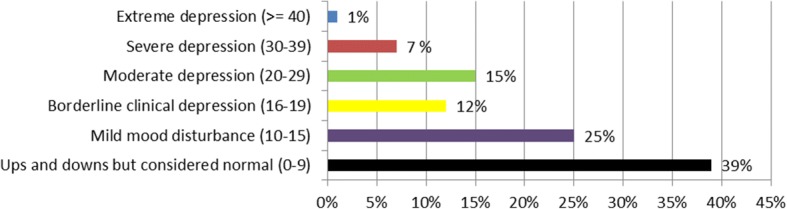
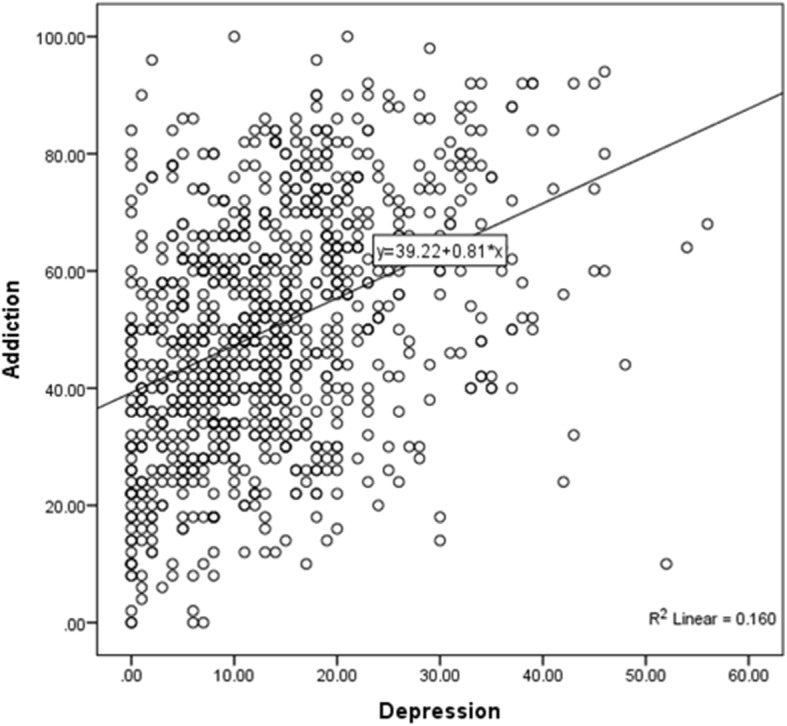
BACKGROUND: Addiction to smartphone usage is a common worldwide problem among adults, which might negatively affect their wellbeing. This study investigated the prevalence and factors associated with smartphone addiction and depression among a Middle Eastern population. METHODS: This cross-sectional study was conducted in 2017 using a web-based questionnaire distributed via social media. Responses to the Smartphone Addiction Scale - Short version (10-items) were rated on a 6-point Likert scale, and their percentage mean score (PMS) was commuted. Responses to Beck's Depression Inventory (20-items) were summated (range 0-60); their mean score (MS) was commuted and categorized. Higher scores indicated higher levels of addiction and depression. Factors associated with these outcomes were identified using descriptive and regression analyses. Statistical significance was set at P < 0.05. RESULTS: Complete questionnaires were 935/1120 (83.5%), of which 619 (66.2%) were females and 316 (33.8%) were males. The mean ± standard deviation of their age was 31.7 ± 11 years. Majority of participants obtained university education 766 (81.9%), while 169 (18.1%) had school education. The PMS of addiction was 50.2 ± 20.3, and MS of depression was 13.6 ± 10.0. A significant positive linear relationship was present between smart phone addiction and depression (y = 39.2 + 0.8×; P < 0.001). Significantly higher smartphone addiction scores were associated with younger age users, (β = - 0.203, adj. P = 0.004). Factors associated with higher depression scores were school educated users (β = - 2.03, adj. P = 0.01) compared to the university educated group and users with higher smart phone addiction scores (β =0.194, adj. P < 0.001). CONCLUSIONS: The positive correlation between smartphone addiction and depression is alarming. Reasonable usage of smart phones is advised, especially among younger adults and less educated users who could be at higher risk of depression.
Overview
The claims and statistics of this paper haven’t been checked yet.
Free: it reads the open-access text and checks the first 5 claims that cite a source we can check. Create a free account to check every claim.
Integrity signals
Registry
Cites
Statistics
Figures
Verification
Claims the paper makes
The claims and statistics of this paper haven’t been checked yet.
Free: it reads the open-access text and checks the first 5 claims that cite a source we can check. Create a free account to check every claim.
Claims other papers make about this one
Each is checked against this paper’s own text: does it say what the citing paper says it does?
The cited source says what the claim attributes to it.
In the citing paper
“some studies raise concerns about these findings, stating that”
From Antecedents and consequences of problematic smartphone use: A systematic literature review of an emerging research area (2021) · cites this paper as Alhassan et al., 2018
Experimental — accuracy not yet measured
Self-check
Percentages, sums and reported differences re-computed from the paper’s own numbers.
The self-check needs the paper’s full text.
Citations
Cites
Diagnostic and Statistical Manual of Mental Disorders
American Psychiatric Association (2013) · doi:10.1176/appi.books.9780890425596 · Cited by 116,369
Diagnostic and Statistical Manual of Mental Disorders
Siegel, L. J., & Fletcher‐Janzem, E. (2008) · Encyclopedia of Special Education · doi:10.1002/9780470373699.speced0655 · Cited by 8,477 · cited 1×
“However, many people fail to realize that addiction to smartphone usage is a serious issue that can have a negative effect on the person’s thoughts, behavior, tendencies, feelings, and sense of well-being [2].”
BackgroundThe Smartphone addiction scale: development and validation of a short version for adolescents
Kwon, M., Kim, D.-J., Cho, H., & Yang, S. (2013) · PLoS ONE · doi:10.1371/journal.pone.0083558 · Cited by 2,177 · cited 2×
“In the original scale of SAS, the cut-off point was not reported [18].”
BackgroundElhai, J. D., Dvorak, R. D., Levine, J. C., & Hall, B. J. (2017) · Journal of Affective Disorders · doi:10.1016/j.jad.2016.08.030 · Cited by 1,689 · cited 1×
“A systematic review of 23 peer reviewed papers reported that depression was consistently related to problematic smartphone usage [22].”
BackgroundDemirci, K., Akgönül, M., & Akpinar, A. (2015) · Journal of Behavioral Addictions · doi:10.1556/2006.4.2015.010 · Cited by 1,529 · cited 2×
“In Turkey, females were more likely to develop an addiction to smartphone usage compared to males [11], while in Austria chronic stress, low emotional stability, female gender, young age and depression were associated with problematic mobile usage [12].”
BackgroundMethodLemola, S., Perkinson-Gloor, N., Brand, S., Dewald-Kaufmann, J. F., & Grob, A. (2015) · Journal of Youth and Adolescence · doi:10.1007/s10964-014-0176-x · Cited by 940 · cited 1×
“It is worth mentioning, that no relationship between smartphone ownership and symptoms of depression were reported by one study, which entails that addiction is related to self-control rather than the possession of the phone itself [25].”
BackgroundBian, M., & Leung, L. (2015) · Social Science Computer Review · doi:10.1177/0894439314528779 · Cited by 669 · cited 1×
“It was reported that high levels of smartphone addiction were correlated with low self-esteem, loneliness, depression and shyness [10].”
BackgroundDepression, anxiety, and smartphone addiction in university students- A cross sectional study
Matar Boumosleh, J., & Jaalouk, D. (2017) · PLOS ONE · doi:10.1371/journal.pone.0182239 · Cited by 668 · cited 2×
“Depression in Lebanese and Austrian university students was also significantly associated with smartphone addiction [12, 23] or problematic mobile phone usage [13] respectively.”
BackgroundResultStaying connected while on the move: Cell phone use and social connectedness
Wei, R., & Lo, V.-H. (2006) · New Media & Society · doi:10.1177/1461444806059870 · Cited by 493 · cited 2×
“For example, one study found that people with depression, social anxiety and loneliness had different uses for their smartphones compared to others [9].”
BackgroundCulturally sensitive social work practice with Arab clients in mental health settings
Al-Krenawi, A., & Graham, J. R. (2000) · Health & Social Work · doi:10.1093/hsw/25.1.9 · Cited by 485 · cited 1×
“It is worth mentioning that Western cultural norms have been disseminated into the Arab world, but this effect has been experienced differently in communities and across societies [16].”
Background
Cited by
Busch, P. A., & McCarthy, S. (2021) · Computers in Human Behavior · doi:10.1016/j.chb.2020.106414 · Cited by 657
Global prevalence of digital addiction in general population: A systematic review and meta-analysis
Meng, S.-Q., Cheng, J.-L., Li, Y.-Y., Yang, X.-Q., Zheng, J.-W., Chang, X.-W., Shi, Y., Chen, Y., Lu, L., Sun, Y., et al. (2022) · Clinical Psychology Review · doi:10.1016/j.cpr.2022.102128 · Cited by 622
Wong, H. Y., Mo, H. Y., Potenza, M. N., Chan, M. N. M., Lau, W. M., Chui, T. K., Pakpour, A. H., & Lin, C.-Y. (2020) · International Journal of Environmental Research and Public Health · doi:10.3390/ijerph17061879 · Cited by 482
“Individuals with more problematic smartphone use may experience more functional impairment, and this may interfere with their school/work and family life and eventually lead to increased stress [9].”
BackgroundInfluentialYang, J., Fu, X., Liao, X., & Li, Y. (2020) · Psychiatry Research · doi:10.1016/j.psychres.2019.112686 · Cited by 377
Smartphone addiction and depression, anxiety: The role of bedtime procrastination and self-control
Geng, Y., Gu, J., Wang, J., & Zhang, R. (2021) · Journal of Affective Disorders · doi:10.1016/j.jad.2021.06.062 · Cited by 309
Smartphone Addiction and Associated Health Outcomes in Adult Populations: A Systematic Review
Ratan, Z., Parrish, A.-M., Zaman, S., Alotaibi, M., & Hosseinzadeh, H. (2021) · International Journal of Environmental Research and Public Health · doi:10.3390/ijerph182212257 · Cited by 285
“Alhassan [28], Saudi Arabia, 2018 935 General public 31.”
BackgroundMethodInfluentialProblematic smartphone usage and subjective and psychological well-being
Horwood, S., & Anglim, J. (2019) · Computers in Human Behavior · doi:10.1016/j.chb.2019.02.028 · Cited by 279
Smartphone addiction, sleep quality, depression, anxiety, and stress among medical students
Nikolic, A., Bukurov, B., Kocic, I., Vukovic, M., Ladjevic, N., Vrhovac, M., Pavlović, Z., Grujicic, J., Kisic, D., & Sipetic, S. (2023) · Frontiers in Public Health · doi:10.3389/fpubh.2023.1252371 · Cited by 202
Problematic Social Media Use and Its Relationship with Depression or Anxiety: A Systematic Review
Lopes, L. S., Valentini, J. P., Monteiro, T. H., Costacurta, M. C. D. F., Soares, L. O. N., Telfar-Barnard, L., & Nunes, P. V. (2022) · Cyberpsychology, Behavior, and Social Networking · doi:10.1089/cyber.2021.0300 · Cited by 197
Structural and functional correlates of smartphone addiction
Horvath, J., Mundinger, C., Schmitgen, M. M., Wolf, N. D., Sambataro, F., Hirjak, D., Kubera, K. M., Koenig, J., & Christian Wolf, R. (2020) · Addictive Behaviors · doi:10.1016/j.addbeh.2020.106334 · Cited by 190
Does Smartphone Addiction Fall on a Continuum of Addictive Behaviors?
Yu, S., & Sussman, S. (2020) · International Journal of Environmental Research and Public Health · doi:10.3390/ijerph17020422 · Cited by 184
Kupferberg, A., & Hasler, G. (2023) · Journal of Affective Disorders Reports · doi:10.1016/j.jadr.2023.100631 · Cited by 170
Alotaibi, M., Fox, M., Coman, R., Ratan, Z., & Hosseinzadeh, H. (2022) · International Journal of Environmental Research and Public Health · doi:10.3390/ijerph19063710 · Cited by 144
Islam, M. S., Sujan, M. S. H., Tasnim, R., Mohona, R. A., Ferdous, M. Z., Kamruzzaman, S., Toma, T. Y., Sakib, M. N., Pinky, K. N., Islam, M. R., et al. (2021) · Frontiers in Psychiatry · doi:10.3389/fpsyt.2021.647386 · Cited by 131
“Moreover, the results of this study found that depression, and anxiety were positively associated with PSPU, which is consistent with several preceding studies showing a significant association between PSPU and both depression and anxiety symptoms (59, 61, 62).”
Lei, L. Y.-C., Ismail, M. A.-A., Mohammad, J. A.-M., & Yusoff, M. S. B. (2020) · BMC Psychology · doi:10.1186/s40359-020-00466-6 · Cited by 174
“Likewise, previous studies among adults reported a strong positive correlation between smartphone addiction and depression [28].”
BackgroundAugner, C., Vlasak, T., Aichhorn, W., & Barth, A. (2021) · Journal of Public Health · doi:10.1093/pubmed/fdab350 · Cited by 160
Smart phone usage, sleep quality and depression in university students
Kaya, F., Daştan, N. B., & Durar, E. (2020) · International Journal of Social Psychiatry · doi:10.1177/0020764020960207 · Cited by 144
“However, many people are not aware that smart phone addiction is serious and can negatively affect the thoughts, behaviours, tendencies, emotions and wellbeing of individuals (Alhassan et al., 2018).”
BackgroundCamilleri, C., Perry, J. T., & Sammut, S. (2021) · Frontiers in Psychology · doi:10.3389/fpsyg.2020.613244 · Cited by 109
“, substance, sex and internet addictions) (Weiss, 2004; Mossakowski, 2008; Opitz et al., 2009; Ljungqvist et al., 2016; Karacic and Oreskovic, 2017; Alhassan et al., 2018; Selous et al., 2019; Wang et al., 2019).”
BackgroundTing, C. H., & Chen, Y. Y. (2020) · Elsevier eBooks · doi:10.1016/b978-0-12-818626-8.00008-6 · Cited by 147
Tangmunkongvorakul, A., Musumari, P. M., Thongpibul, K., Srithanaviboonchai, K., Techasrivichien, T., Suguimoto, S. P., Ono-Kihara, M., & Kihara, M. (2019) · PLOS ONE · doi:10.1371/journal.pone.0210294 · Cited by 105
Social isolation, social support and their relationship with smartphone addiction
Al-Kandari, Y. Y., & Al-Sejari, M. M. (2021) · Information, Communication & Society · doi:10.1080/1369118x.2020.1749698 · Cited by 99
“Herrero et al. (2019) reviewed some research findings (Alhassan et al., 2018; Chen et al., 2017a, 2017b; Jo et al., 2017; Kim et al., 2019; Kuss et al., 2018; Lee et al., 2016) that demonstrate significant association between users’ age and smartphone addiction.”
BackgroundZhang, W., Pu, J., He, R., Yu, M., Xu, L., He, X., Chen, Z., Gan, Z., Liu, K., Tan, Y., et al. (2022) · Journal of Affective Disorders · doi:10.1016/j.jad.2022.07.053 · Cited by 94
Tian, J., Zhao, J., Xu, J.-M., Li, Q., Sun, T., Zhao, C.-X., Gao, R., Zhu, L.-Y., Guo, H.-C., Yang, L.-B., et al. (2021) · Frontiers in Psychology · doi:10.3389/fpsyg.2021.758303 · Cited by 131
A systematic review of mHealth interventions for the support of eating disorders
Anastasiadou, D., Folkvord, F., & Lupiañez‐Villanueva, F. (2018) · European Eating Disorders Review · doi:10.1002/erv.2609 · Cited by 90
Hosen, I., Al‐Mamun, F., Sikder, M. T., Abbasi, A. Z., Zou, L., Guo, T., & Mamun, M. A. (2021) · Risk Management and Healthcare Policy · doi:10.2147/rmhp.s325126 · Cited by 107
Zhou, H., Dang, L., Lam, L. W., Zhang, M. X., & Wu, A. M. S. (2021) · Addictive Behaviors · doi:10.1016/j.addbeh.2021.106978 · Cited by 99
Zuberi, A., Waqas, A., Naveed, S., Hossain, M. M., Rahman, A., Saeed, K., & Fuhr, D. C. (2021) · Frontiers in Psychiatry · doi:10.3389/fpsyt.2021.665019 · Cited by 100
Fu, L., Wang, P., Zhao, M., Xie, X., Chen, Y., Nie, J., & Lei, L. (2020) · Children and Youth Services Review · doi:10.1016/j.childyouth.2019.104660 · Cited by 82
Tolossa, T., Fetensa, G., Yilma, M. T., Abadiga, M., Wakuma, B., Besho, M., Fekadu, G., & Etafa, W. (2020) · Public health reviews · doi:10.1186/s40985-020-00136-3 · Cited by 89
Impact of smartphone addiction on depression and self‐esteem among nursing students
Mohamed, S. M., & Mostafa, M. H. (2020) · Nursing Open · doi:10.1002/nop2.506 · Cited by 85
“Depression and low self-esteem are general reflections of psychological well-being, which are believed to be highly correlated with smartphone addiction (Alhassan et al., 2018).”
BackgroundHorwood, S., Anglim, J., & Mallawaarachchi, S. R. (2021) · Computers in Human Behavior · doi:10.1016/j.chb.2021.106848 · Cited by 62
Ratan, Z. A., Parrish, A., Alotaibi, M. S., & Hosseinzadeh, H. (2022) · International Journal of Environmental Research and Public Health · doi:10.3390/ijerph192416583 · Cited by 93
Liu, H., Zhou, Z., Huang, L. J., Zhu, E., Yu, L., & Zhang, M. (2022) · BMC Psychiatry · doi:10.1186/s12888-022-03956-6 · Cited by 96
“Moreover, excessive use of smartphones is associated with numerous negative outcomes, including poor academic performance, academic procrastination [4], depression and anxiety, and poor sleep quality [5].”
BackgroundAlageel, A. A. S., Alyahya, R. A., Bahatheq, Y., Alzunaydi, N., Alghamdi, R. A., Alrahili, N. M., McIntyre, R. S., & Iacobucci, M. (2021) · BMC Psychiatry · doi:10.1186/s12888-021-03285-0 · Cited by 83
“Depending on the severity, MDD can be associated with a degree of cognitive dysfunction that influences the ability to perform everyday home and work activities, causing various physical and emotional issues [3, 17, 18].”
BackgroundResultInfluentialHOU, J., ZHU, Y., & FANG, X. (2021) · Acta Psychologica Sinica · doi:10.3724/sp.j.1041.2021.00362 · Cited by 53
Alshahrani, A., Abdrabo, M. S., Aly, S. M., Alshahrani, M. S., Alqhtani, R. S., Asiri, F., & Ahmad, I. (2021) · International Journal of Environmental Research and Public Health · doi:10.3390/ijerph18126290 · Cited by 70
“The world is becoming increasingly dependent on smartphones, and Saudi Arabia is ranked third in the world for smartphone usage, which can indirectly lead to various musculoskeletal problems [1].”
BackgroundNawaz, S. (2023) · Computers in Human Behavior Reports · doi:10.1016/j.chbr.2023.100327 · Cited by 68
Wang, J., Wang, Y., Lin, H., Chen, X., Wang, H., Liang, H., Guo, X., & Fu, C. (2021) · Frontiers in Psychology · doi:10.3389/fpsyg.2021.773134 · Cited by 59
Jeong, J.-H., & Bae, S. (2022) · Psychiatry Investigation · doi:10.30773/pi.2021.0400 · Cited by 56
Turgeman, L., Hefner, I., Bazon, M., Yehoshua, O., & Weinstein, A. (2020) · International Journal of Environmental Research and Public Health · doi:10.3390/ijerph17041262 · Cited by 46
“Other factors such as depression, loneliness, anxiety, low sleep quality [12,39], addiction to social networking, shyness, and low self-esteem [40] may also contribute to the variance of excessive smartphone use.”
BackgroundLifestyles and the risk of depression in the “Seguimiento Universidad de Navarra” cohort
Ruiz-Estigarribia, L., Martínez‐González, M. Á., Díaz‐Gutiérrez, J., Sánchez‐Villegas, A., Lahortiga‐Ramos, F., & Bes‐Rastrollo, M. (2019) · European Psychiatry · doi:10.1016/j.eurpsy.2019.06.002 · Cited by 48
“On the other hand, excessive daily time using smartphones has been linked to higher depression risk [49].”
BackgroundDesign for social digital well-being with young generations: Engage them and make them reflect
Gennari, R., Matera, M., Morra, D., Melonio, A., & Rizvi, M. (2023) · International Journal of Human-Computer Studies · doi:10.1016/j.ijhcs.2023.103006 · Cited by 63
Liu, M., & Lu, C. (2022) · Frontiers in Public Health · doi:10.3389/fpubh.2022.965135 · Cited by 53
“Mobile phone addicts are more likely to adopt unhealthy lifestyles, which could also be considered as predisposing factors for depression (17).”
BackgroundBou-Hamad, I. (2020) · Children and Youth Services Review · doi:10.1016/j.childyouth.2020.105425 · Cited by 41
Zhang, Y., Lv, S., Li, C., Xiong, Y., Zhou, C., Li, X., & Ye, M. (2020) · Child and Adolescent Psychiatry and Mental Health · doi:10.1186/s13034-020-0309-9 · Cited by 42
Predictors of problematic smartphone use among university students
Laurence, P. G., Busin, Y., Lima, H. S. C., & de Macedo, E. C. (2020) · Psicologia Reflexão e Crítica · doi:10.1186/s41155-020-00147-8 · Cited by 55
“Although accessing social networks has been singled out as the most used function in smartphones (Haug et al., 2015), few studies have investigated the relationship between problematic smartphone use and the importance of social networks. Most studies have only investigated whether individuals use social networks, and…”
BackgroundInfluentialTodd, J., Notebaert, L., & Clarke, P. (2021) · Personality and Individual Differences · doi:10.1016/j.paid.2021.111168 · Cited by 39
Tian, H., & Wang, Y. (2023) · Behavioral Sciences · doi:10.3390/bs13020153 · Cited by 46
“First of all, the higher the degree of mobile phone addiction in the elderly, the higher the level of depression, which is consistent with previous research results [6].”
ResultHamamura, T., Kobayashi, N., Oka, T., Kawashima, I., Sakai, Y., Tanaka, S., & Honjo, M. (2023) · BMC Psychology · doi:10.1186/s40359-023-01095-5 · Cited by 49
“Among cross-sectional studies, PSU, as measured by the SAS-SV, is strongly positively associated with depression among Saudi Arabian young adults, moderately associated among Chinese children and adolescents, and weakly associated among American university students [15, 20, 21].”
InfluentialSmith, M. L., Sánchez, S. E., Rondón, M. B., Gradus, J. L., & Gelaye, B. (2020) · Current Psychology · doi:10.1007/s12144-020-00882-2 · Cited by 41
The attentional template in high and low similarity search: Optimal tuning or tuning to relations?
Hamblin-Frohman, Z., & Becker, S. I. (2021) · Cognition · doi:10.1016/j.cognition.2021.104732 · Cited by 41
Choksi, S. T. (2021) · International Journal of Current Research and Review · doi:10.31782/ijcrr.2021.13812 · Cited by 50
Liu, J., Wang, W., Hu, Q., Wang, P., Lei, L., & Jiang, S. (2021) · Journal of Affective Disorders · doi:10.1016/j.jad.2021.08.070 · Cited by 42
Chen, C., Shen, Y., Lv, S., Wang, B., & Zhu, Y. (2023) · Frontiers in Psychology · doi:10.3389/fpsyg.2023.1137220 · Cited by 51
Lim, P. K., Nordin, A. S. A., Yee, A. H. A., & Tan, S. B. (2020) · International Journal of Mental Health and Addiction · doi:10.1007/s11469-019-00203-0 · Cited by 43
Kubrusly, M., Silva, P. G. D. B., de Vasconcelos, G. V., Leite, E. D. L. G., Santos, P. D. A., & Rocha, H. A. L. (2021) · Revista Brasileira de Educação Médica · doi:10.1590/1981-5271v45.3-20200493.ing · Cited by 78
Kabadayı, F. (2024) · BMC Psychology · doi:10.1186/s40359-024-02117-6 · Cited by 46
Association of Selenium Intake and Development of Depression in Brazilian Farmers
de Almeida, T. L. F., Petarli, G. B., Cattafesta, M., Zandonade, E., Bezerra, O. M. D. P. A., Tristão, K. G., & Salaroli, L. B. (2021) · Frontiers in Nutrition · doi:10.3389/fnut.2021.671377 · Cited by 36
Choudhary, S., Thomas, N., Ellenberger, J., Srinivasan, G., & Cohen, R. (2022) · JMIR Formative Research · doi:10.2196/37736 · Cited by 46
“This result is in line with previous findings that people with higher phone use have a positive correlation with self-reported depression [49].”
ResultZhang, D., Yang, Y., & Guan, M. (2024) · Frontiers in Psychology · doi:10.3389/fpsyg.2024.1345076 · Cited by 36
Lin, Y.-Q., & Zhou, X. (2022) · Computers and Education Open · doi:10.1016/j.caeo.2022.100110 · Cited by 30
“Several researchers have found that nomophobia or smartphone addiction contributes to the development of psychological unease, including anxiety [42,43], stress ([44]; [45]), depression [46, 47], loneliness ([42, 48]), to name but only a few.”
BackgroundPhubbing and its impact on the individual's psychological well-being
Garrido, E. C., Delgado, S. C., & Esteban, P. G. (2024) · Acta Psychologica · doi:10.1016/j.actpsy.2024.104388 · Cited by 51
Internet addiction among Saudi Arabian youth.
Saquib, J. (2020) · PubMed Central · Cited by 35
Ayandele, O., Popoola, O., & Oladiji, T. O. (2020) · Journal of Health Research · doi:10.1108/jhr-10-2019-0225 · Cited by 42
Nour, M. O., Alharbi, K. K. S., Hafiz, T. A., Alshehri, A., Alyamani, L. A., Alharbi, T. H., Alzahrani, R. S., Almalki, E. F., Althagafi, A. A., Kattan, E. T., et al. (2023) · Depression and Anxiety · doi:10.1155/2023/8854120 · Cited by 36
“The association between depression and both social media usage [17] and smartphone addiction [42] was also reported.”
Future Teachers’ Smartphone Uses and Dependence
Ruiz‐Palmero, J., Rivas, E. S., García, M. G., & Vega, E. S. (2019) · Education Sciences · doi:10.3390/educsci9030194 · Cited by 37
Problematic Smartphone Use on Mental Health: A Systematic Mapping Study and Taxonomy
Schroeder, G. L., Heckler, W. F., Francisco, R., & Barbosa, J. L. V. (2021) · Behaviour and Information Technology · doi:10.1080/0144929x.2022.2149422 · Cited by 31
“People with lower education levels (Bragazzi, Re, and Zerbetto 2019; Alhassan et al. 2018; Roser et al. 2016) and worse home and school environments (Roser et al. 2016) also have a greater susceptibility to PSU, as observed in Sohn et al. (2019).”
BackgroundInfluentialAl-Dujaili, A. H., Al‐Hakeim, H. K., Twayej, A. J., & Maes, M. H. J. (2019) · Metabolic Brain Disease · doi:10.1007/s11011-019-00458-5 · Cited by 27
Heitplatz, V. N., Bühler, C., & Hastall, M. R. (2019) · Lecture notes in computer science · doi:10.1007/978-3-030-23563-5_9 · Cited by 26
Chahar, R., Dubey, A. K., & Narang, S. K. (2021) · International Journal of Advanced Technology and Engineering Exploration · doi:10.19101/ijatee.2021.874198 · Cited by 33
Gnardellis, C., Vagka, E., Lagiou, A., & Notara, V. (2023) · European Journal of Investigation in Health Psychology and Education · doi:10.3390/ejihpe13120191 · Cited by 42
“Nomophobia has the potential to transition into an addictive pattern, constituting a prevalent issue affecting young adults globally [9].”
BackgroundSmartphone Addiction and Personality: Review of International Research
Шейнов, В. П. (2021) · Вестник Российского университета дружбы народов. Серия: Психология и педагогика · doi:10.22363/2313-1683-2021-18-1-235-253 · Cited by 40
Jo, S., Baek, I. C., Fava, M., Mischoulon, D., Hong, J. P., Kim, H., Park, M. J., Kim, E. J., & Jeon, H. J. (2021) · Psychiatry Research · doi:10.1016/j.psychres.2021.114133 · Cited by 29
Gao, W., Hu, Y., Ji, J.-L., & Liu, X. (2023) · World Journal of Psychiatry · doi:10.5498/wjp.v13.i6.361 · Cited by 31
Feng, B., & Dou, G. (2024) · ALPHA PSYCHIATRY · doi:10.5152/alphapsychiatry.2024.231496 · Cited by 29
“We found Baoan Feng 1 Gaojie Dou that previous studies have shown a relationship between depression and smartphone addiction, 20,21 but no research has explored the psychological mechanisms between depression and smartphone addiction and whether emotional exhaustion plays a mediating role in this…”
BackgroundVedova, A. M. D., Covolo, L., Muscatelli, M., Loscalzo, Y., Giannini, M., & Gelatti, U. (2022) · Computers in Human Behavior · doi:10.1016/j.chb.2022.107243 · Cited by 35
Bouazza, S., Soukaina, E., Abbouyi, S., Rhazi, K. E., & Zarrouq, B. (2023) · International Journal of Environmental Research and Public Health · doi:10.3390/ijerph20042891 · Cited by 34
“Iran had the most studies (n = 12), followed by Lebanon (n = 6), Saudi Arabia (n = 4), United Arab Emirates (n = 3), Egypt and Israel (n = 2 each), and one study each from Kuwait, Jordan, and Oman.”
BackgroundInfluentialSmartphone usage and overdependence risk among middle-aged and older adults: a cross-sectional study
Kim, S. H., Kim, Y. H., Lee, C.-H., & Lee, Y. (2024) · BMC Public Health · doi:10.1186/s12889-024-17873-8 · Cited by 34
“However, previous studies on smartphone overdependence have predominantly focused on adolescents and young adults [6, 8–10, 12, 19, 20] and rarely on middle-aged or older adults, which highlights the need to investigate the potential-to-high risk of smartphone overdepend-ence in this specific…”
BackgroundInfluentialHou, X., Elhai, J. D., Hu, T., She, Z., & Xi, J. (2021) · Current Psychology · doi:10.1007/s12144-021-01610-0 · Cited by 24
Wu, W., Chen, Y., Shi, X., Lv, H., Bai, R., Guo, Z., Yu, L., Liu, Y., Liu, J., Chen, Y., et al. (2022) · Frontiers in Psychology · doi:10.3389/fpsyg.2022.845355 · Cited by 36
“In recent years, with the rapid development of mobile Internet, researchers have found that mobile phone addiction, as another important aspect of behavioral addiction after Internet addiction, is also significantly positively correlated with depression (Alhassan et al., 2018), which has potential effects on individua…”
BackgroundResultInfluentialAbbouyi, S., Bouazza, S., Kinany, S. E., Rhazi, K. E., & Zarrouq, B. (2024) · The Egyptian Journal of Neurology Psychiatry and Neurosurgery · doi:10.1186/s41983-024-00793-0 · Cited by 31
“Despite the positives, adverse effects like relational issues and mental disorders have been reported [13].”
BackgroundZhao, P., & Lapierre, M. A. (2020) · Cyberpsychology Journal of Psychosocial Research on Cyberspace · doi:10.5817/cp2020-4-3 · Cited by 25
“Extant cross-sectional research has found there is a well-established relationship between PSU and depression (Aker et al., 2017; Alhassan et al., 2018).”
BackgroundZhao, X., Hu, T., Qiao, G., Li, C., Wu, M., Fen, Y., & Zhou, J. W. (2022) · Frontiers in Psychiatry · doi:10.3389/fpsyt.2022.859640 · Cited by 28
Wong, S. M., Chen, E. Y., Wong, C. S., Suen, Y., Chan, D. L., Tsang, S. H., Wong, T., Cheung, C., Chan, K., Lui, S. S., et al. (2022) · Psychiatry Research · doi:10.1016/j.psychres.2022.114939 · Cited by 21
Hessari, H., & Nategh, T. (2022) · Asian Journal of Business Ethics · doi:10.1007/s13520-022-00145-2 · Cited by 37
“However, to the best our knowledge, there is no prior literature regarding impact of smartphone addiction on techno exhaustion, even though papers propose the powerfully negative impacts of smartphone addiction on individuals’ strain levels and show that smartphone addiction can cause daily stress, depression, and lif…”
BackgroundLee, M., & Lee, H. (2023) · Psychiatry Investigation · doi:10.30773/pi.2023.0051 · Cited by 28
Factors influencing smartphone overdependence among adolescents
Noh, D., & Shim, M. (2024) · Scientific Reports · doi:10.1038/s41598-024-58152-1 · Cited by 31
“However, smartphone overdependence alters one’s lifestyle, such as eating unhealthy foods, gaining weight, and developing sleep problems, which can lead to depression 35 .”
BackgroundResultAmeen, N., Shah, M. H., Sims, J. M., Choudrie, J., & Willis, R. (2020) · Journal of Retailing and Consumer Services · doi:10.1016/j.jretconser.2020.102067 · Cited by 23
Correia, F. D. J., Soares, J. B., Matos, R. D. A., Pithon, K. R., Ferreira, L. N., & de Assunção, P. L. (2023) · Psychology Health & Medicine · doi:10.1080/13548506.2023.2176893 · Cited by 29
“In addition, studies also show that being younger constitutes risk factors for smart-phone-related problems (Alhassan et al., 2018; Haug et al., 2015; Khoury et al., 2019; M. Lee et al., 2020).”
BackgroundAndrade, A. L. M., Kim, D., Scatena, A., Enes, C. C., Enumo, S. R. F., & de MICHELI, D. (2020) · Trends in Psychology · doi:10.1007/s43076-020-00046-y · Cited by 28
Machado, J., Pai, R. R., & Kotian, R. R. (2023) · Journal of Education and Health Promotion · doi:10.4103/jehp.jehp_981_22 · Cited by 30
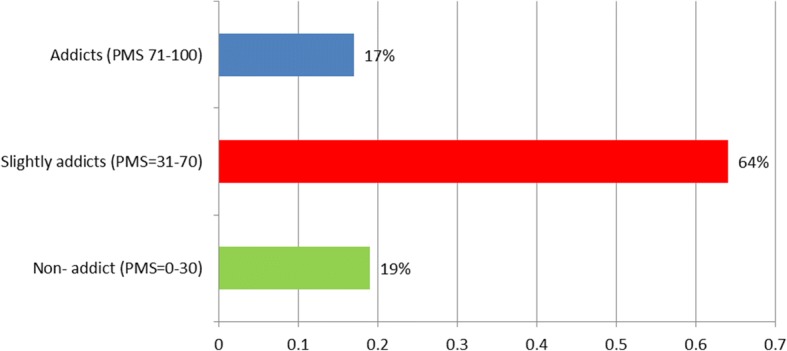
“The previous studies conducted to assess smartphone addiction showed that the majority of the participants were slightly addicted to smartphone usage and only a few (17%) were severely addicted to a smartphone or were identified as having smartphone addiction.[16,17] Table 4: Distribution of study habits of the partic…”
BackgroundMobile phone addiction, self-control, physical exercise, and depression: A moderated mediation model
Niu, S. (2023) · Journal of Psychology in Africa · doi:10.1080/14330237.2023.2195709 · Cited by 24
Shang, Z., Wang, D., Liu, Z., & Zhang, X. (2024) · Journal of Affective Disorders · doi:10.1016/j.jad.2024.09.035 · Cited by 31
Lapierre, M. A., & Custer, B. E. (2020) · Mobile Media & Communication · doi:10.1177/2050157920935163 · Cited by 31
“…there is some cause for concern because research has tied smartphones to a variety of adverse outcomes including increased depression (Alhassan et al., 2018), increased loneliness (Bian & Leung, 2015), decreased academic performance (Hawi & Samaha, 2016), increased anxiety (Matar…”
BackgroundInfluentialEvaluation of obsessive-compulsive symptoms in relation to smartphone use
Kempf, C. A., Ehrhard, K. A., & Stoner, S. C. (2020) · Mental Health Clinician · doi:10.9740/mhc.2020.03.044 · Cited by 19
“addiction, and cognitive dysfunction.(2-4) Neuroimaging studies have shown that Internet addiction (of which smartphone and social media addictions are a subset) demonstrates similar increases in brain activity, specifically in the nucleus accumbens of the ventral tegmental region, to substance-related addictions.”
BackgroundJameel, A., Guo, W., Hussain, A., Kanwel, S., & Sahito, N. (2025) · Scientific Reports · doi:10.1038/s41598-025-03163-9 · Cited by 26
Ouyang, Q., Liu, Q., Song, P.-Y., Wang, J., & Yang, S. (2022) · Psychology Health & Medicine · doi:10.1080/13548506.2022.2148697 · Cited by 28
“Previous cross-sectional studies have also supported the association between smartphone addiction and depression (Alhassan et al., 2018).”
Lee, J. J., Wang, M. P., Luk, T. T., Guo, N., Chan, S. S. C., & Lam, T. (2020) · JMIR Mental Health · doi:10.2196/15403 · Cited by 20
Xie, M., Ren, Z., Bian, D., Li, D., Yu, L. M., Zhu, F., Huang, R., Zhang, Z., Suye, S., & Fu, C. M. (2020) · Cancer Imaging · doi:10.1186/s40644-020-00346-7 · Cited by 19
Washington‐Nortey, M., & Serpell, Z. N. (2021) · Research in Developmental Disabilities · doi:10.1016/j.ridd.2021.103989 · Cited by 19
Metadata
- Authors
- Alhassan, A. A., Alqadhib, E. M., Taha, N. W., Alahmari, R. A., Salam, M., & Almutairi, A. F.
- Affiliations
- Princess Nourah bint Abdulrahman University (SA)
- King Saud bin Abdulaziz University for Health Sciences (SA)
- Corresponding author
- Salam, Mahmoud
- Venue
- BMC Psychiatry
- Published
- 2018-05-25
- Volume
- 18
- Issue
- 1
- Pages
- 148-148
- ISSN
- 1471-244X (ISSN-L)
- PMC
- PMC5970452
- OpenAlex
- W2803385648
- Cited by
- 353
- References
- 41
- Citations by year
- 2026: 25 · 2025: 43 · 2024: 46 · 2023: 58 · 2022: 52 · 2021: 51 · 2020: 59 · 2019: 17 · 2018: 2
- FWCI
- 73.25
- Type
- journal article
- Language
- en
- Open access
- gold
- doi.org
- Licence
- cc-by
- creativecommons.org/licenses/by/4.0/ (tdm)
- Locations
- BMC Psychiatry (publishedVersion, cc-by)
- Europe PMC (PubMed Central) (publishedVersion, other-oa)
- PubMed Central (publishedVersion, cc-by)
- PubMed (publishedVersion)
- DOAJ (DOAJ: Directory of Open Access Journals) (submittedVersion, cc-by-sa)
- Funders
- King Saud University
- King Abdulaziz University
- King Abdullah International Medical Research Center
- King Saud bin Abdulaziz University for Health Science
- Topics
- Social Sciences › Sociology and Political Science › Impact of Technology on Adolescents
- Social Sciences › Education › Child Development and Digital Technology
- Social Sciences › Psychology › Clinical Psychology › Sexuality, Behavior, and Technology
- Keywords
- smartphone addiction, depression, adults, prevalence, risk factors, educational attainment, age, Middle Eastern populations, Smartphone Addiction Scale, Beck Depression Inventory
- MeSH terms
- Behavior Rating Scale, Smartphone, Addiction Medicine, Adult, Age Factors, Cross-Sectional Studies, Depression, Female, Humans, Male, Middle Aged, Surveys and Questionnaires, Risk Factors, Saudi Arabia, Sex Factors, Universities, Prevalence, Behavior, Addictive
About these checks
Registry, retraction, Cites and statistics results are computed, not judged, with one exception: a printed reference that no index lists is read once by a model before it counts as a citation error. Claims are extracted by a model and kept only when their quote appears verbatim in the text; each cited source is then checked, with a model’s help, for whether it says what the claim relies on. Those verdicts can be wrong — read the claim’s quote and the cited source before relying on one.
Statistics and arithmetic are recomputed, not judged.
Confidence bands are shown only for fields calibrated on our annotated test set. None is calibrated yet, so no band is shown.
What counts as a claim ›How we measure confidence ›How we check this ›
Are you an author, or do you see a problem with this page? Request a review
Data sources
Bibliographic data: Semantic Scholar, OpenAlex, Crossref.
Contains information from the Semantic Scholar Academic Graph Datasets, made available under the ODC Attribution License (ODC-BY 1.0).
Semantic Scholar’s data is described in: Kinney, R., et al. (2023). The Semantic Scholar Open Data Platform. arXiv:2301.10140.
