

Weight stigma experiences and self-exclusion from sport and exercise settings among people with obesity
Open accessThe DOI matches its Crossref record; 77 of the 77 references it cites were found in a registry or an index.
Abstract
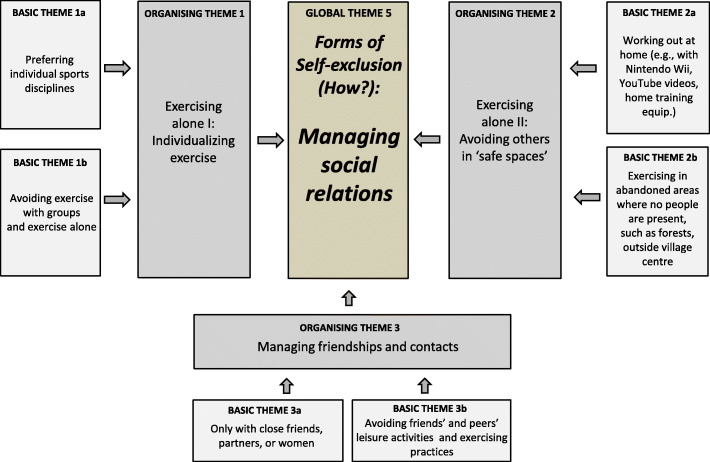
Background: A central strategy to tackle the health risks of obesity is regular physical activity (PA), exercising and participating in sports. However, people with obesity regularly experience weight-related stigma and discrimination in sport and exercise settings. Research has indicated that they often cope with such experiences by simply excluding themselves from sport and exercise. Meanwhile, self-exclusion as a coping strategy has not been fully understood and it remains unclear to what extent self-exclusion from PA settings is accompanied by general inactivity among people with obesity. The goal of this interview study was to determine to what extent physical inactivity among adults with obesity is the result of weight stigma-induced self-exclusion in and from sport and PA settings. Methods: We conducted semi-structured interviews with thirty adult men and women with obesity (average BMI: 40.64) and asked them about experiences with their body, weight stigma and coping behaviours in sport and exercise settings across their lifespans. Employing constant comparative analysis and a thematic network approach, we analysed the interview data to identify the most common reasons for and different strategies of self-exclusion. Results: Participants reported that they excluded themselves from sport and exercise settings due to traumatic weight stigma experiences, self-discrimination and fear of stigma, using a variety of strategies. Exposure to discrimination was prevented by selectively avoiding certain settings or strategically frequenting them at certain times only, but also by exercising in ‘safe’ spaces, e.g. at home. Furthermore, people with obesity reported strategically managing their social relations in order to avoid stigmatising reactions by others in exercise settings, for example by exercising individually and avoiding social PA. Most notably, our results strongly indicate that not all self-excluding coping strategies result in less exercising. Conclusions: In order to successfully promote physical activity among people with obesity, the various forms of self-exclusion should be taken into account as pathways of stigma regarding physical activity. People with obesity may exclude themselves from certain PA settings, yet could still be exercising on their own or in other ways. One focus of public health strategies should thus be directed at the potentially socially isolating effects.
Overview
The claims and statistics of this paper haven’t been checked yet.
Free: it reads the open-access text and checks the first 5 claims that cite a source we can check. Create a free account to check every claim.
Integrity signals
Registry
Cites
Statistics
Figures
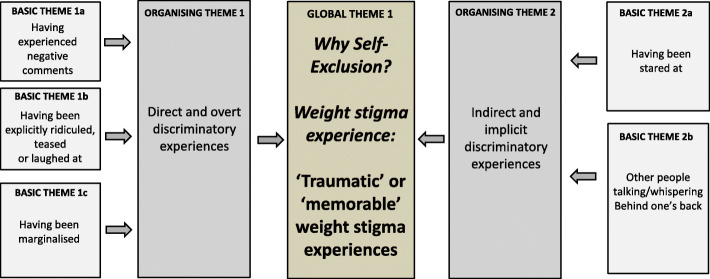
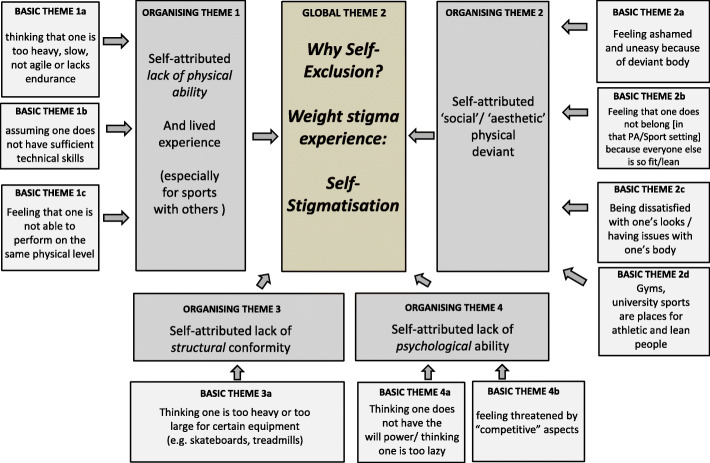
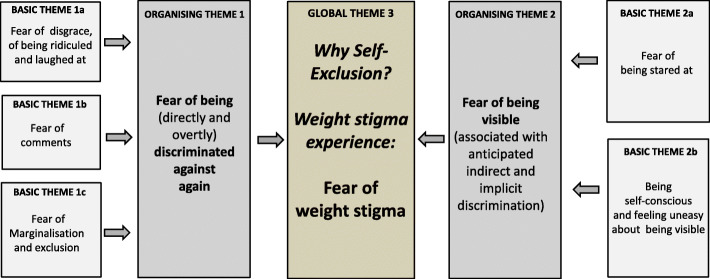
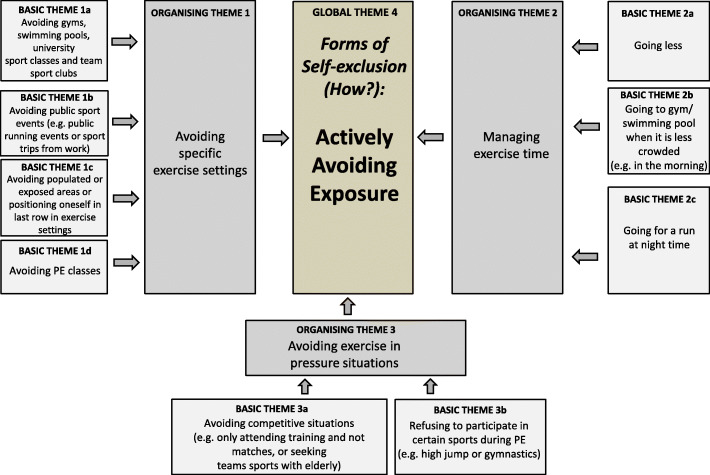
Verification
Claims the paper makes
The claims and statistics of this paper haven’t been checked yet.
Free: it reads the open-access text and checks the first 5 claims that cite a source we can check. Create a free account to check every claim.
Self-check
Percentages, sums and reported differences re-computed from the paper’s own numbers.
The self-check needs the paper’s full text.
Citations
Cites
The social construction of reality : a treatise in the sociology of knowledge
Simpson, G., Berger, P. L., & Luckmann, T. (1967) · American Sociological Review · doi:10.2307/2091739 · Cited by 16,462
Stigma: Notes on the Management of Spoiled Identity
(1969) · Postgraduate Medical Journal · doi:10.1136/pgmj.45.527.642 · Cited by 14,231
Stigma: Notes on the Management of Spoiled Identity.
Seeman, M., & Goffman, E. (1964) · American Sociological Review · doi:10.2307/2091442 · Cited by 10,716
Link, B. G., & Phelan, J. C. (2001) · Annual Review of Sociology · doi:10.1146/annurev.soc.27.1.363 · Cited by 8,848
Lippa, N. C., & Sanderson, S. C. (2013) · Human Heredity · doi:10.1159/000353712 · Cited by 6,078
Thematic networks: an analytic tool for qualitative research
Attride-Stirling, J. (2001) · Qualitative Research · doi:10.1177/146879410100100307 · Cited by 5,506
The Social Construction of Reality: A Treatise in the Sociology of Knowledge
Gustafson, J. M., Berger, P. L., Luckmann, T., & Luckmann, T. (1968) · Journal for the Scientific Study of Religion · doi:10.2307/1385127 · Cited by 4,311
Levesque, R. J. R. (2017) · Encyclopedia of Adolescence · doi:10.1007/978-3-319-32132-5_447-2 · Cited by 4,021
The Stigma of Obesity: A Review and Update
Puhl, R. M., & Heuer, C. A. (2009) · Obesity · doi:10.1038/oby.2008.636 · Cited by 3,323
Series: Practical guidance to qualitative research. Part 4: Trustworthiness and publishing
Korstjens, I., & Moser, A. (2018) · European Journal of General Practice · doi:10.1080/13814788.2017.1375092 · Cited by 3,217
Research works printed but not linked: 4
- Ellison J Rothblum ED Solovay S Not Jane Fonda: aerobics for fat women only The Fat Studies Reader 2009
- Brennan S Isaacs T Fit at mid-life: a feminist fitness journey 2018 Greystone Books Ltd
- Thomas SL Brownell KD Anti-obesity messaging strategies. The Rudd Report Podcast 2011 Yale University
- UConn Rudd Center for Food Policy & Obesity Media Gallery 2021 University of Conneticut
Cited by
Obesity Stigma: Causes, Consequences, and Potential Solutions
Westbury, S., Oyebode, O., van Rens, T., & Barber, T. M. (2023) · Current Obesity Reports · doi:10.1007/s13679-023-00495-3 · Cited by 317
Curran, F., Davis, M. E., Murphy, K., Tersigni, N., King, A., Ngo, N., & O’Donoghue, G. (2023) · Obesity Reviews · doi:10.1111/obr.13615 · Cited by 86
Obesity stigma and its impact on health: A narrative review
Sánchez‐Carracedo, D. (2022) · Endocrinología Diabetes y Nutrición (English ed ) · doi:10.1016/j.endien.2021.12.007 · Cited by 60
Lifestyle Medicine for Obesity in the Era of Highly Effective Anti-Obesity Treatment
Sannidhi, D., Abeles, R., Andrew, W., Bonnet, J. P., Vitale, K., Niranjan, V., Gulati, M., Pauly, K., Moran, R., Alexander, L., et al. (2025) · Nutrients · doi:10.3390/nu17142382 · Cited by 29
“There is evidence that people with obesity self-exclude from sports due to stigma [61].”
The real‐life experiences of people living with overweight and obesity: A psychosocial perspective
Flint, S. W., Vázquez‐Velázquez, V., Brocq, S. L., & Brown, A. C. (2025) · Diabetes Obesity and Metabolism · doi:10.1111/dom.16255 · Cited by 35
“68 These experiences increase the risk of psychosocial decrements, and lead to mitigating behaviours including avoidance of physical activity, exercising individually or modifying exercise environments.”
El estigma de la obesidad y su impacto en la salud: una revisión narrativa
Sánchez‐Carracedo, D. (2022) · Endocrinología Diabetes y Nutrición · doi:10.1016/j.endinu.2021.12.002 · Cited by 60
Fan, C.-W., Chang, Y.-L., Huang, P., Fung, X. C. C., Chen, J., Bevan, N., O’Brien, K., Yeh, Y., Chen, H., Chen, I., et al. (2023) · BMC Psychology · doi:10.1186/s40359-023-01377-y · Cited by 27
“Previous studies have found that individuals with obesity or weight concerns may exclude themselves from specific exercise settings [41, 42].”
Backgrounddi Luzio, S. S., Martinent, G., Popa-Roch, M., Ballereau, M., Chahdi, S., Escudero, L. L., & Guillet‐Descas, E. (2023) · Children · doi:10.3390/children10071177 · Cited by 19
“Research suggested that weight stigma inhibits PA behaviors [8,34].”
BackgroundHotz, I., Deschwanden, P. F., Mérillat, S., & Jäncke, L. (2023) · NeuroImage · doi:10.1016/j.neuroimage.2023.120461 · Cited by 13
“In the study by Thedinga et al. (2021), obese participants reported staying away from sports and exercise due to traumatic experiences with stigma.”
Yi, J., Chen, I., Chen, H., Lin, I., Chen, J., Huang, P., O’Brien, K., Griffiths, M. D., & Lin, C. (2024) · Mental health and physical activity · doi:10.1016/j.mhpa.2024.100584 · Cited by 15
Smith, S. S., ten Hoor, G. A., Lakhote, N., & Massar, K. (2024) · Healthcare · doi:10.3390/healthcare12100955 · Cited by 17
Pergolizzi, J. V., Matera, J., & LeQuang, J. A. (2023) · Cureus · doi:10.7759/cureus.49909 · Cited by 18
“Rightly or wrongly, many senior citizens feel self-conscious and out of place in gyms or exercise classes, leading to self-exclusionary behavior [32].”
BackgroundCreating Weight-Inclusive Climates in Fitness Spaces
Zuest, L., Lee, S.-M., Leedeman, J., & Clifford, D. E. (2022) · Kinesiology Review · doi:10.1123/kr.2021-0045 · Cited by 16
Spanish validation of the Modified Weight Bias Internalization Scale (WBIS-M) for adolescents
Andrés, A., Fornieles-Deu, A., Sepúlveda, A. R., Beltrán‐Garrayo, L., Montcada-Ribera, A., Bach-Faig, A., & Sánchez‐Carracedo, D. (2022) · Eating and Weight Disorders - Studies on Anorexia Bulimia and Obesity · doi:10.1007/s40519-022-01453-z · Cited by 22
McGrath, A., Lambe, B., Matthews, E., McDonnell, K., Harrison, M., & Kehoe, B. (2024) · BMC Family Practice · doi:10.1186/s12875-024-02440-2 · Cited by 15
“For primary care users, HCPs broaching the topic of PA can help to justify, motivate and facilitate behaviour change [19] [19, 20, 34] [36–41, 18, 42–44, 39].”
BackgroundNg, B. P., ELY, E., Papali'i, M., & Cannon, M. J. (2024) · Journal of Diabetes Research · doi:10.1155/2024/8461704 · Cited by 15
“…health restrictions for certain activities, or weight-related stigma that might impede their ability to engage in PA (It is worth noting that individuals may have obesity because they tend to be less active, unfortunately, we do not know for sure the causal direction of this association) [86, 87].”
BackgroundCurran, F., Brennan, C., Matthews, J. J., & O’Donoghue, G. (2023) · Obesity Science & Practice · doi:10.1002/osp4.721 · Cited by 11
“Similar to prior research 54,68–70 participants reported weight bias in all domains of life, social and physical activity avoidance due to weight bias and stigma 71–73 and experienced shame and humiliation while dining out.”
ResultAfroozeh, M. S., Phipps, C., Afrouzeh, A., Asiri, Z. A., & Jafarloo, H. R. S. (2024) · Disability & Society · doi:10.1080/09687599.2024.2328560 · Cited by 13
“For instance, participants in a study by Thedinga, Zehl, and Thiel (2021) outlined feelings of anxiety and uneasiness around visibility in exercise settings, with a strong aversion towards swimming pools due to being stared at or negatively commented on.”
Affective experiences from exercise. Youth-adult differences and prediction of exercise behavior
Brand, R., Sudeck, G., & Ekkekakis, P. (2024) · Psychology of sport and exercise · doi:10.1016/j.psychsport.2024.102755 · Cited by 11
Luo, Y., Zhang, J., Jia, H., Mu, X., & Huang, J. (2024) · Frontiers in Public Health · doi:10.3389/fpubh.2024.1487789 · Cited by 11
Fan, C.-W., Huang, P., Chen, I., Huang, Y.-T., Chen, J., Fung, X. C. C., Chen, J., Yang, Y., O’Brien, K., Lin, C., et al. (2023) · Heliyon · doi:10.1016/j.heliyon.2023.e22583 · Cited by 10
López-Lara, K. M., Cruz-Millán, A. C., Hernández, L. F. B., Valbuena‐Gregorio, E., Burboa, M. O. A., Hernández-Lepe, M. A., & Olivas-Aguirre, F. J. (2024) · Obesities · doi:10.3390/obesities4020008 · Cited by 12
“Socially, iso-Obesities lation is a common response reported in people living with obesity; this behavior is highly associated with previous negative judgments and experiences particularly associated with activities related to eating and physical activity [18].”
BackgroundDiversity, equity and inclusion in the sport metaverse
Cunningham, G. B., & Ko, Y. J. (2024) · International Journal of Sports Marketing and Sponsorship · doi:10.1108/ijsms-04-2023-0080 · Cited by 12
Hoseini, R., Hoseini, Z., Pourahmadi, D., & Kamangar, A. (2025) · BMC Public Health · doi:10.1186/s12889-025-23083-7 · Cited by 10
A Call for Weight Stigma Reduction in Physical Activity, Exercise, and Sport Settings
Alberga, A. S., Nagpal, T. S., & Patton, I. T. (2025) · Journal of Physical Activity and Health · doi:10.1123/jpah.2025-0221 · Cited by 8
Seiferth, C., Fiedler, J., Färber, T., Pape, M., Schroeder, S., Herpertz, S., Steins‐Loeber, S., & Wolstein, J. R. (2024) · Journal of Health Psychology · doi:10.1177/13591053241228202 · Cited by 5
“Moreover, a range of negative emotional experiences that may influence the relationship between affect and PA in individuals with higher body weight have been identified (Baillot et al., 2021; Hamer et al., 2021; Thedinga et al., 2021).”
BackgroundAnalysis of Factors Contributing to State Body Appreciation during Exercise
Bacevičienė, M., Bliujute, K., & Jankauskienė, R. (2024) · Behavioral Sciences · doi:10.3390/bs14080690 · Cited by 7
“Previous studies have shown that people with a higher body weight express greater gym avoidance, higher body-related anxiety, self-monitoring of body weight, lower exercise self-efficacy, and face body-related stigma during exercise [33,34].”
BackgroundLi, R., & Huang, X. (2025) · Health Communication · doi:10.1080/10410236.2025.2529985 · Cited by 9
“It illustrates a joy element of walking, which makes sense given the common self-exclusion from sports and exercise avoidance among individuals with obesity (Thedinga et al., 2021).”
Chen, D., Lin, L.-Y., & Hsiao, S.-C. (2023) · Eating Behaviors · doi:10.1016/j.eatbeh.2023.101815 · Cited by 6
Rusillo-Magdaleno, A., Suárez-Manzano, S., García, J. E. M., & Ruiz‐Ariza, A. (2024) · Retos · doi:10.47197/retos.v59.107358 · Cited by 10
Inclusion of Individuals With Overweight/Obesity in Physical Activity Settings
Rukavina, P. B. (2021) · Kinesiology Review · doi:10.1123/kr.2021-0058 · Cited by 8
Emerson, S. R., Hart, S. M., Sciarrillo, C. M., Eden, T., Godsey, T. J., Smith, H., Keller, A., & Keirns, B. H. (2025) · International Journal of Environmental Research and Public Health · doi:10.3390/ijerph22010103 · Cited by 6
“While rigorous, this validation test was not utilized in the present study due to the additional burden on participants, namely participants with obesity, a population that has reported discomfort with or fear of exercise [30,31].”
Weight bias: relationships with physical activity and sedentary behaviour
Forouhar, V., Edache, I. Y., & Alberga, A. S. (2025) · Journal of Behavioral Medicine · doi:10.1007/s10865-025-00570-1 · Cited by 3
“…issues, including anxiety and depres - sion (Emmer et al., 2020 ; Papadopoulos & Brennan, 2015), psychological distress (Emmer et al., 2020 ), binge eating (Boswell & White, 2015 ; Hunger et al., 2020 ; Puhl et al., 2007), and physical activity avoidance (Pearl et al., 2021; Thedinga et al., 2021).”
Beyond dietary therapy: addressing weight stigma awareness in medical students
Annunziata, G., Zonzini, G. B., Frías-Toral, E., Zambrano-Villacres, R., Bertuccioli, A., Sisti, D., Verde, L., Pauli, D. D., Colao, A. A. L., Muscogiuri, G., et al. (2025) · Journal of Translational Medicine · doi:10.1186/s12967-025-06981-7 · Cited by 4
“Notably, research indicates that individuals who perceive or experience weight-related stigma often tend to avoid engaging in physical activity and reduce participation in sports [12, 13], as a self-protective measure to minimize exposure to stigmatisation within such settings [14].”
Watson, H. J., Schaumberg, K., Thornton, L. M., Kennedy, H., Ong, S. H., Roche, P., Barnhart, W. R., Pauley-Gadd, S. B., Costello, K., Flatt, R. E., et al. (2025) · International Journal of Eating Disorders · doi:10.1002/eat.24563 · Cited by 4
Why We Should Care About Inclusivity in SportsHCI
Harrison, D. (2025) · Annual Conference on Human-Computer Interaction and Sports (SportsHCI) · doi:10.1145/3749385.3749388 · Cited by 6
“…and can heighten body dissatisfaction, particularly among women from lower-income groups [2, 48], and weight stigma in gym cultures manifests as unsolicited comments and surveillance of appearance, prompting many individuals with larger bodies to avoid fitness settings altogether [96, 100].”
Gendered fatphobia in the field of sport and exercise
Harjunen, H. (2025) · Journal of Gender Studies · doi:10.1080/09589236.2025.2517348 · Cited by 7
Gamage, G. P., Amarasekara, T. D., Jayawardena, R., Hettiarachchi, P., & Wasalathanthri, S. (2025) · BMJ Open · doi:10.1136/bmjopen-2024-087517 · Cited by 3
Ohlendorf, J. M., & Anders, L. A. (2022) · Psychology of sport and exercise · doi:10.1016/j.psychsport.2022.102278 · Cited by 6
Weight-Inclusive Physical Activity: A Systematic Evaluation of Virtual Resources
Sutton, M., Stanley, S., Doherty, A., Driediger, M. V., Calogero, R. M., Sabiston, C. M., Meadows, A., Maharaj, A., & Pila, E. (2025) · Journal of Physical Activity and Health · doi:10.1123/jpah.2024-0571 · Cited by 4
Power, S., Broom, D. R., Duncan, M. J., Biddle, S., & Rowley, N. (2024) · Obesity Science & Practice · doi:10.1002/osp4.774 · Cited by 4
Jabbar, J., Ori, E. M., Gammage, K., Dagenais, M., & Locke, S. (2025) · Body Image · doi:10.1016/j.bodyim.2025.101995 · Cited by 2
Weight-inclusive nutrition education in K-12 schools: deconstructing the weight-normative narrative
Gamble, J., Levinson, J. A., Hinchey, D., Rose, K. L., Garnett, B. R., & Pope, L. (2026) · Health Education · doi:10.1108/he-10-2025-0214 · Cited by 2
“…been cited as one reason (Battaglia et al. , 2024), but perhaps of greater issue relative to this paper is that of the student-coach relationship, body image, and the underlying anti-fat bias that exists in physical education and school sports (Ashdown-Franks et al. , 2021; Thedinga et al. , 2021).”
Dougherty, E. N., Randall, I., Haedt‐Matt, A. A., Pila, E., Smith, K. E., Wang, S. D., Yang, C., Engel, S. G., & Goldschmidt, A. B. (2024) · Childhood Obesity · doi:10.1089/chi.2022.0236 · Cited by 2
“For instance, shame about one’s physical fitness and appearance have been linked to reduced sport enjoyment 17 and disengagement from PA. 13,18 Overall, the relationship between SWC and PA engagement in adolescents with overweight/obesity is complex and requires further research.”
Online exercise program for men living with obesity: Experiences, barriers, and enablers
Thomson, L., Keshavarz, M., Sénéchal, M., & B̀ouchard, D. R. (2023) · Contemporary Clinical Trials Communications · doi:10.1016/j.conctc.2023.101226 · Cited by 2
“[40] reported in their research on individuals living with obesity, Shawn was clear that having a safe space for him to exercise was critical in removing any excuse not to do the program.”
BackgroundA weight-inclusive approach to applied sport psychology
Derbyshire, A., Lee, S.-M., Bejar, M. P., Cordova, S., & Crocker, G. H. (2024) · International Journal of Sport and Exercise Psychology · doi:10.1080/1612197x.2024.2431256 · Cited by 3
“Weight stigma is pervasive in modern society and leads to demonstrable negative health outcomes for those who struggle with its impacts, including poor mental health, lower quality of medical care, and avoidance of exercise settings (Thedinga et al., 2021).”
Wang, M., Zhang, Y., Wang, M., & Zhao, X. (2025) · Frontiers in Psychology · doi:10.3389/fpsyg.2025.1476138 · Cited by 3
“Thedinga et al. (2021) asserted that individuals with obesity often face shame and discrimination related to weight in sports and exercise environments, leading them to cope with these experiences by excluding themselves from sports and exercise.”
Patient Empowerment for Lifestyle Changes in Metabolic-Bariatric Surgery—A German Nationwide Survey
Finze, A., Reißfelder, C., Blank, S., Otto, M., Stier, C. K., Meier, R., Schreiter, J., Nicolli, A., Quenstedt, T., Tigiser, E., et al. (2025) · Obesity Surgery · doi:10.1007/s11695-025-07989-0 · Cited by 2
“This also aligns with results from previous studies [33–35] and was taken into account in the new German guidelines for obesity [36].”
Sharma, Y., Veneros, D. L., Pardee, L., & Caceres, B. A. (2025) · Current Cardiology Reports · doi:10.1007/s11886-025-02207-w · Cited by 3
“These findings are consistent with evidence from qualitative research that suggests experiences of weight discrimination in exercise and sports settings can lead people with obesity to avoid these environments [23].”
Escun, L., Lee, S.-M., & Fogaça, J. L. (2025) · International Journal of Kinesiology in Higher Education · doi:10.1080/24711616.2025.2526347 · Cited by 1
“Furthermore, studies with adults showed that experiences with anti-fat attitudes were associated with depression, anxiety, and eating disorders (Tomiyama, 2014), in addition to physical activity avoidance (Jackson & Steptoe, 2017; Thedinga et al., 2021).”
“Don't ask me to be joyful!” – a qualitative study of the weight-neutral principle ‘joyful movement’
Petersen, M. L., Meyer, L. B., Sigurdardottir, G. A., Køster‐Rasmussen, R., Amlund, D., Bergmann, L. A., Steinbo, E. K. F., Specht, I. O., Waldorff, F. B., & Sandholdt, C. T. (2025) · SSM - Qualitative Research in Health · doi:10.1016/j.ssmqr.2025.100658 · Cited by 1
Joing, I., Marais, G., Huchez, A., Lespagnol, É., & Heyman, E. (2026) · Diabetologia · doi:10.1007/s00125-025-06648-4 · Cited by 1
Weight stigma in Latin America and the Caribbean: regional evidence and a call to action by ABESO
Viola, L. F., Valério, C. M., Salas, X. R., Saiful, S., Trujilho, T. D. G., Lamounier, R. N., Hohl, A., Halpern, B., & Trujilho, F. R. (2026) · The Lancet Regional Health - Americas · doi:10.1016/j.lana.2026.101409 · Cited by 2
“36”
Nagpal, T. S., & Rodriguez, A. C. I. (2026) · Midwifery · doi:10.1016/j.midw.2026.104747 · Cited by 1
Power, S., Rowley, N., Duncan, M. J., & Broom, D. R. (2023) · Obesities · doi:10.3390/obesities3020011 · Cited by 1
“The home environment offers a flexible opportunity for adults living with overweight and obesity to exercise [10], with reduced feelings of weight stigma and shame that may be present if undertaking exercise at a leisure facility [11].”
BackgroundMbabazi, J., MacGregor, F., Breckon, J. D., Nalweyiso, D. I., Rhodes, A., Kunonga, E., Tolchard, B., Teke, J., & Nnyanzi, L. A. (2023) · International Journal of Physical Activity and Health · doi:10.18122/ijpah.020302.boisestate · Cited by 1
Davis, M. E., Cunningham, C., Blake, C. M., & O’Donoghue, G. (2024) · Obesity Science & Practice · doi:10.1002/osp4.70003 · Cited by 1
“17,19,22,23 Similarly, healthcare professionals with specialist exercise knowledge (i.e., physiotherapist) are aptly suited to the supervision of exercise in adults with obesity, not only to provide appropriate medical clearance and exercise prescription but also to share knowledge and provide…”
Dymarski, M., Buchholz, A., Bowker, A., Jorgenson, C., Lamb, M., Ball, G. D. C., Hamilton, J. K., Ho, J., Laberge, A., Legault, L., et al. (2025) · Childhood Obesity · doi:10.1089/chi.2024.0392 · Cited by 1
“However, signi fi cant predictors included sex, with girls reporting less PA than boys, and income, where households earning $49,999 reported lower PA. Age was also a signi fi cant predictor, indicating that older participants engaged in less PA per week.”
Alexandrou, C. (2023) · Linköping University medical dissertations · doi:10.3384/9789180751193 · Cited by 1
Thedinga, H. K., Zehl, R., & Thiel, A. (2021) · BMC Public Health · doi:10.1186/s12889-021-10898-3 · Cited by 1
Self-citationLambertucci, A. C., Lofrano‐Prado, M. C., Lambertucci, R. H., Botero, J. P., Dâmaso, A. R., & do Prado, W. L. (2021) · Sport Sciences for Health · doi:10.1007/s11332-021-00819-7 · Cited by 1
Ortiz-Rodríguez, B., & Gómez-Pérez, D. (2022) · Estudios Sociales Revista de Alimentación Contemporánea y Desarrollo Regional · doi:10.24836/es.v33i61.1258 · Cited by 1
Physical activity for body shaping as a traumatic event?
Souza, M. J., Oskinis, S., Stelmo, I. D. C., & de Oliveira, J. (2024) · Neuropsychiatrie de l Enfance et de l Adolescence · doi:10.1016/j.neurenf.2024.01.002
Jung, S. (2024) · BMC Public Health · doi:10.1186/s12889-024-18566-y
“Moreover, overweight or obesity can hinder individuals’ participation in various social activities, such as joining local sports teams or engaging in physical activities in public spaces [23].”
BackgroundIntroducing a Weight-Inclusive Paradigm in Sport and Physical Education
Derbyshire, A., Lee, S.-M., Cordova, S., Crocker, G. H., & Zuest, L. (2024) · Strategies · doi:10.1080/08924562.2024.2326349
“For example, fat individuals who have experienced weight stigma often self-isolate when engaging in exercise behaviors but do not necessarily exercise less as a result (Thedinga et al., 2021).”
BackgroundOrange, S. T., Roebuck, J., Marshall, P., Madden, L. A., Vince, R. V., & Bell, B. T. (2024) · British Journal of Health Psychology · doi:10.1111/bjhp.12739 · Cited by 2
Biases toward weight, diet, and exercise expressed by health science students and their professors
Clark, J. E., Wiszniak, M. F., Bicomong, R., Sousa, M., Jolivette, D., & Sirois, E. (2026) · Sport Sciences for Health · doi:10.1007/s11332-026-01764-z
“As a consequence, the education process may ingrain perspectives and limit students’ capacity for independent critical evaluation and inadvertently perpetuate, rather than mitigate, bias [10–12, 53, 60, 65–67].”
Gholipoor, M., Ghafouri, F., & Preuß, H. (2025) · Leisure/Loisir · doi:10.1080/14927713.2025.2461771
“…with disabilities (Kiuppis, 2018; Sandford et al., 2022), Muslim women (Maxwell, 2012), immigrants (Smith et al., 2019), and obese individuals (Pickett & Cunningham, 2017; Thedinga et al., 2021), little research has been conducted on the dimensions of social inclusion in LTPA for older adults.”
Exploring the Experience of Embodiment of Diverse Leaders
Yeats, S. F. (2025) · Digital USD (University of San Diego) · doi:10.22371/05.2025.008
Udonsi, P., Collett, M., & Heaslip, V. (2025) · Springer eBooks · doi:10.1007/978-3-031-84532-1_7
Ullah, S., & Ali, M. (2025) · Obesity Surgery · doi:10.1007/s11695-025-08049-3
“In a similar study, patients who did not participate in support groups reported higher levels of social exclusion and stigma [6].”
Examination of obese individuals' health belief attitudes towards exercise according to variables
Uğurlu, D., & Yapıcı, H. (2025) · Journal of Health Sciences and Medicine · doi:10.32322/jhsm.1708403
How taxing sugary drinks reinforces weight stigma
Waugh, A., Thille, P., Bombak, A. E., Riediger, N. D., & Roger, K. S. (2022) · The Conversation · doi:10.64628/aam.5pak349td
Du « je vais » au « je fais » : trajectoire de la motilité chez les personnes grosses amaigries
Altman-Morant, C. (2025) · Staps · doi:10.3917/sta.153.0035
McGrath, A., Lambe, B., Matthews, E., McDonnell, K., Harrison, M., & Kehoe, B. (2024) · Figshare · doi:10.6084/m9.figshare.25918974
Fan, C.-W., Chang, Y.-L., Huang, P.-C., Fung, X. C. C., Chen, J.-K., Bevan, N., O’Brien, K., Yeh, Y.-C., Chen, H.-P., Chen, I.-H., et al. (2023) · Figshare · doi:10.6084/m9.figshare.24500880
McGrath, A., Lambe, B., Matthews, E., McDonnell, K., Harrison, M., & Kehoe, B. (2024) · Figshare · doi:10.6084/m9.figshare.25919080
Moffitt, R. L., Chambers, T. P., Kuhn, L. N., Kartadinata, J. A., Mitropoulos, A., Tully, P. J., & Skvarc, D. (2026) · Current Psychology · doi:10.1007/s12144-025-08627-9
“…higher social physique anxiety is linked with more exercise and appearance-related motivations, or whether individuals higher in BMI and psychosocial concerns who maintain frequent exercise are doing so in environments that are free from external evaluation and scrutiny (Thedinga et al., 2021).”
InfluentialFalcão, C. D. S. V., Barbosa, B. B., Mendes, C. M. A. P., Polli, G. M., Satler, L. L., Pereira, L. R., & Carioca, A. A. F. (2026) · BMC Medical Education · doi:10.1186/s12909-026-08747-1 · Cited by 2
“Therefore, people with larger bodies often avoid public environments or situations where they may be exposed to judgment or physical inadequacy [8, 25, 26].”
Obez bireylerin egzersize yönelik sağlık inanç tutumlarının değişkenlere göre incelenmesi
Uğurlu, D., & Yapıcı, H. (2025) · Journal of Health Sciences and Medicine
Perceptions of homogeneity reproduction in health sciences academia
Buckup, R. B., Smith, J. B., Stadler, G., & Buspavanich, P. (2026) · PLoS ONE · doi:10.64898/2026.03.04.26347665
Zuest, L., Fogaça, J. L., Lee, S.-M., & Clifford, D. E. (2026) · Quest · doi:10.1080/00336297.2026.2640103
Moyon, L. (2024) · theses.fr (ABES) · doi:10.70675/dda3f186z5dddz49eaz8ec6z4d6a828f2f8b
A Time and a Place for Everything: Are Pullup Bars in Airports the Best Option to Promote Fitness
Arena, R. A. (2026) · American Journal of Health Promotion · doi:10.1177/08901171261448664
Making Waves: Leisure, Fat Liberation, and Public Philosophy in the Outdoors
Joyner, L., Hoffman, J., Gonzales, G., & Jamieson, K. M. (2026) · Leisure Sciences · doi:10.1080/01490400.2026.2679049
Sergiou, I., Hadjimbei, E., Tzanetakou, I. P., & Giannakou, K. (2026) · Journal of Health Psychology · doi:10.1177/13591053261460993
Assessing physical educators’ fat attitudes and PE role conceptions in relation to body weight
Zuest, L., Fogaça, J. L., Lee, S.-M., Janush, C., & Clifford, D. E. (2026) · European Physical Education Review · doi:10.1177/1356336x261460304
Perceived Barriers for Physical Activity in Overweight and Obese Youth: A Scoping Review
Bagherzadeh, B., Kabiri, N., Sharma, M., & Allahverdipour, H. (2026) · Health Science Reports · doi:10.1002/hsr2.72719 · Cited by 2
Moyon, L., Foll, D. L., Mazéas, A., & Cabagno, G. (2026) · Obesity Pillars · doi:10.1016/j.obpill.2026.100303
“Because many people with obesity avoid in-person PA environments due to fear of stigma, digital PA programmes may be particularly beneficial for this population [30].”
Heyn, L., Schwender, T. M., Rudi, H., & Köhntopp, M. (2026) · Frontiers in Psychology · doi:10.3389/fpsyg.2026.1836311
“Although fitness centers are commonly recommended as a means to reduce body weight, these environments often promote a specific body ideal, leading many individuals with obesity to feel uncomfortable and avoid such social settings (Jiménez-Loaisa et al., 2020; Thedinga et al., 2021).”
La falacia del ‘Just Do It’: por qué el cerebro prefiere el sofá al gimnasio (y no es culpa nuestra)
Rodríguez, M. (2026) · The Conversation · doi:10.64628/aao.sf4dpaekv
Liu, D., Xiao, X., & Tang, R. (2026) · Frontiers in Psychology · doi:10.3389/fpsyg.2026.1914632
“This interpretation aligns with evidence linking social physique anxiety, weight stigma, and exercise avoidance (Brunet and Sabiston, 2009; Thedinga et al., 2021).”
Liu, W., Wang, Y., Wang, T., Zhao, C., Li, J., Chen, W., & Meng, F. (2026) · JMIR Serious Games · doi:10.2196/101833
Citherlet, T., Christe, S., Cattin, A., da Mota, G. R., & Millet, G. P. (2026) · European Journal of Applied Physiology · doi:10.1007/s00421-026-06422-3
de Souza-Lima, J., Farias-Valenzuela, C., Yáñez-Sepúlveda, R., Giakoni-Ramírez, F., Muñoz-Strale, C., Alarcón-Aguilar, J., Parra-Saldías, M., Godoy-Cumillaf, A. E. R., Merellano-Navarro, E., Bruneau-Chávez, J., et al. (2026) · Research Square · doi:10.21203/rs.3.rs-10707481/v1
Rodríguez, M. Á., Crespo, I., & Olmedillas, H. (2026) · Psychological Reports · doi:10.1177/00332941261494580
Kelly, D. A. (2026) · Digital Commons - DU (University of Denver) · doi:10.56902/etdcrp.2026.164
Zhou, X., Bao, J., Long, H., Liang, D., Wang, K., & Qiu, F. (2026) · Frontiers in Psychology · doi:10.3389/fpsyg.2026.1945295
“Weight stigma has also been examined in relation to exercise self-efficacy, avoidance of exercise settings, and physical activity participation (Meadows and Bombak, 2019; Pearl et al., 2021; Thedinga et al., 2021; Lucibello et al., 2023).”
Balbino, K. P., Cândido, F. G., Coelho, O. G. L., & Hermsdorff, H. H. M. (2026) · Nutrition Reviews · doi:10.1093/nutrit/nuag145
Metadata
- Authors
- Thedinga, H. K., Zehl, R., & Thiel, A.
- Affiliations
- University of Tübingen (DE)
- University of Bern (CH)
- Corresponding author
- Thedinga, Hendrik K.
- ORCID
- Thiel, Ansgar
- Venue
- BMC Public Health
- Published
- 2021-03-22
- Volume
- 21
- Issue
- 1
- Pages
- 565-565
- ISSN
- 1471-2458 (ISSN-L)
- PMC
- PMC7983352
- OpenAlex
- W3137946100
- Cited by
- 101
- References
- 77
- Citations by year
- 2026: 26 · 2025: 28 · 2024: 22 · 2023: 15 · 2022: 7 · 2021: 3
- FWCI
- 18.34
- Type
- journal article
- Language
- en
- Update notices
- correction (2021-05-25)
- Open access
- gold
- doi.org
- Licence
- cc-by
- creativecommons.org/licenses/by/4.0 (tdm)
- creativecommons.org/licenses/by/4.0 (vor)
- Locations
- BMC Public Health (publishedVersion, cc-by)
- PubMed Central (publishedVersion, cc-by)
- PubMed (publishedVersion)
- DOAJ (DOAJ: Directory of Open Access Journals) (submittedVersion, cc-by-sa)
- Funders
- Eberhard Karls Universität Tübingen
- Topics
- Health Sciences › Medicine › Public Health, Environmental and Occupational Health › Obesity and Health Practices
- Health Sciences › Medicine › Public Health, Environmental and Occupational Health › Obesity, Physical Activity, Diet
- Health Sciences › Medicine › Public Health, Environmental and Occupational Health › Physical Activity and Health
- Keywords
- weight stigma, obesity, self-exclusion, physical inactivity, coping strategies, discrimination, social isolation, physical activity promotion, body image, stigma avoidance
- MeSH terms
- Adult, Body Weight, Female, Humans, Male, Obesity, Sports, Exercise, Social Stigma
About these checks
Registry, retraction, Cites and statistics results are computed, not judged, with one exception: a printed reference that no index lists is read once by a model before it counts as a citation error. Claims are extracted by a model and kept only when their quote appears verbatim in the text; each cited source is then checked, with a model’s help, for whether it says what the claim relies on. Those verdicts can be wrong — read the claim’s quote and the cited source before relying on one.
Statistics and arithmetic are recomputed, not judged.
Confidence bands are shown only for fields calibrated on our annotated test set. None is calibrated yet, so no band is shown.
What counts as a claim ›How we measure confidence ›How we check this ›
Are you an author, or do you see a problem with this page? Request a review
Data sources
Bibliographic data: Semantic Scholar, OpenAlex, Crossref.
Contains information from the Semantic Scholar Academic Graph Datasets, made available under the ODC Attribution License (ODC-BY 1.0).
Semantic Scholar’s data is described in: Kinney, R., et al. (2023). The Semantic Scholar Open Data Platform. arXiv:2301.10140.
