

Physical activity during pregnancy and the risk of gestational diabetes mellitus: a systematic review and dose–response meta-analysis
Open accessThe DOI matches its Crossref record; 65 of the 66 references it cites were found in a registry or an index; 7 of the 26 sources its claims cite were checked for support.
Abstract
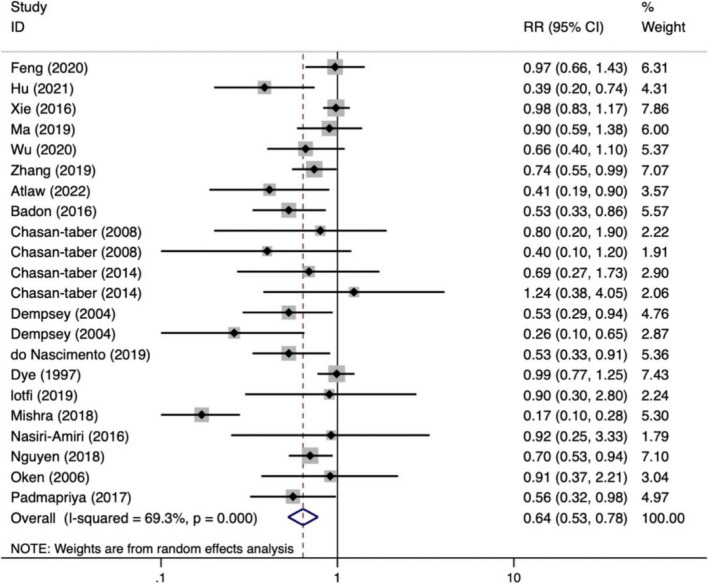
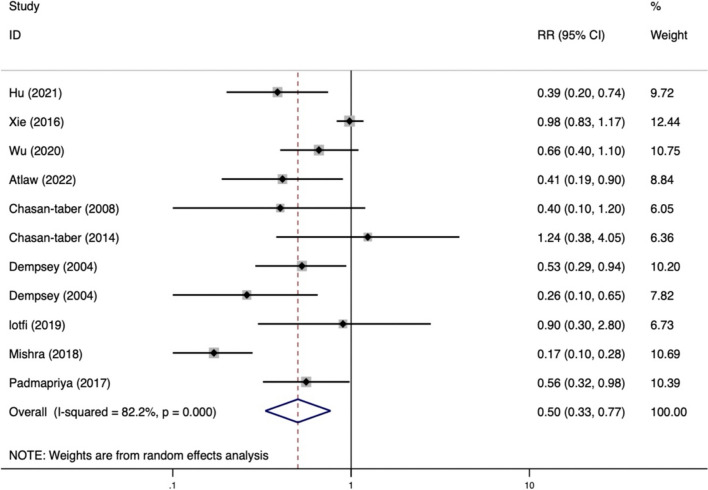
Previous research has indicated the inverse association between physical activity (PA) and gestational diabetes mellitus (GDM). However, the dose–response relationship currently remains undetermined. This study explores the dose–response relationship between PA during the first and second trimesters of pregnancy and GDM risk. The results indicated that in contrast with the lowest level of PA, the highest PA level lowers the risk of GDM by 36% (RR = 0.64, 95% CI: 0.53–0.78).
Overview
CoChat Summary
## TL;DR
This systematic review and dose–response meta-analysis found that higher physical activity during pregnancy was associated with a lower risk of gestational diabetes mellitus (GDM), with stronger evidence in the first trimester than the second. The authors concluded that increasing physical activity during pregnancy, especially early in pregnancy, may help prevent GDM.
## Key findings
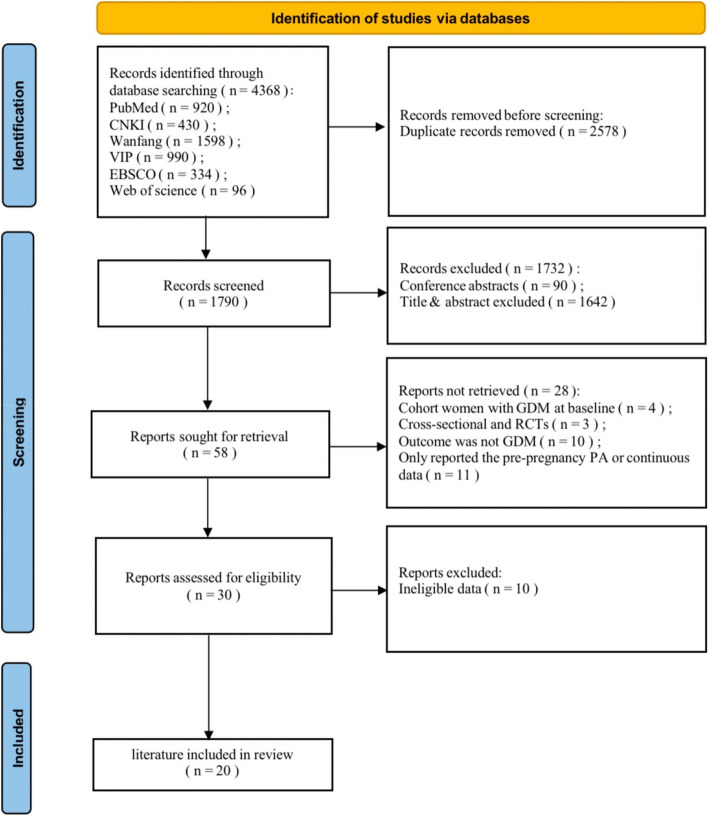
- The meta-analysis included 20 articles / 22 independent studies, with 40,485 pregnant women and 4,402 GDM cases.
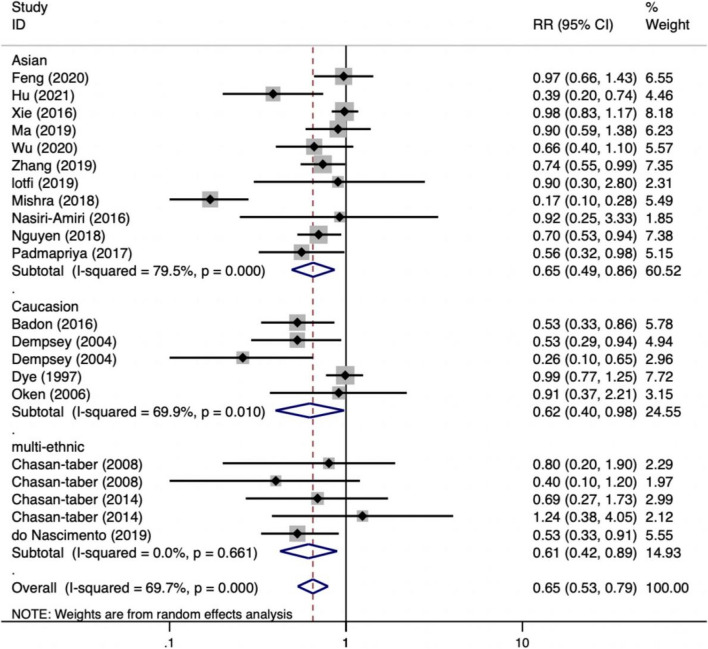
- Comparing the highest versus lowest physical activity levels during pregnancy, the risk of GDM was 36% lower (RR = 0.64, 95% CI: 0.53–0.78).
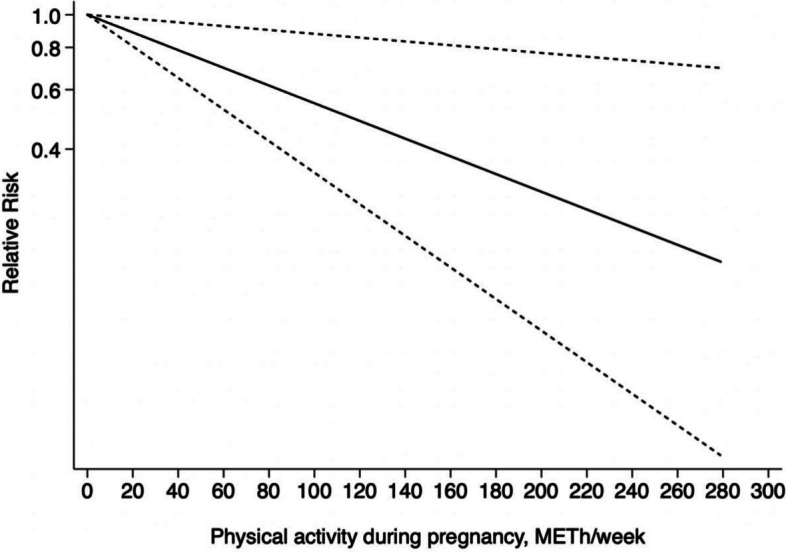
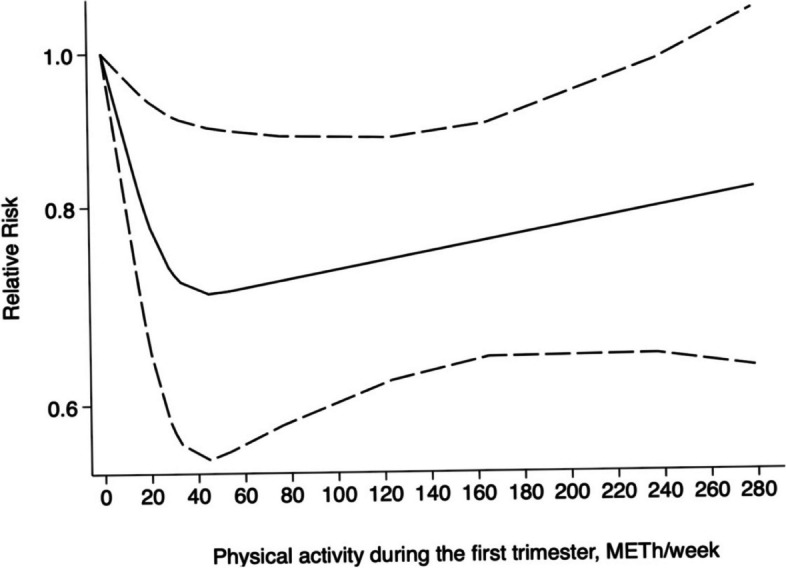
- For the first trimester, the association was non-linear (Pnonlinearity = 0.012); compared with inactivity, 10 MET-h/week was associated with 13% lower GDM risk (RR = 0.87, 95% CI: 0.79–0.96), and the paper reports larger reductions at 20 MET-h/week (RR = 0.78) and 50 MET-h/week (RR = 0.71).
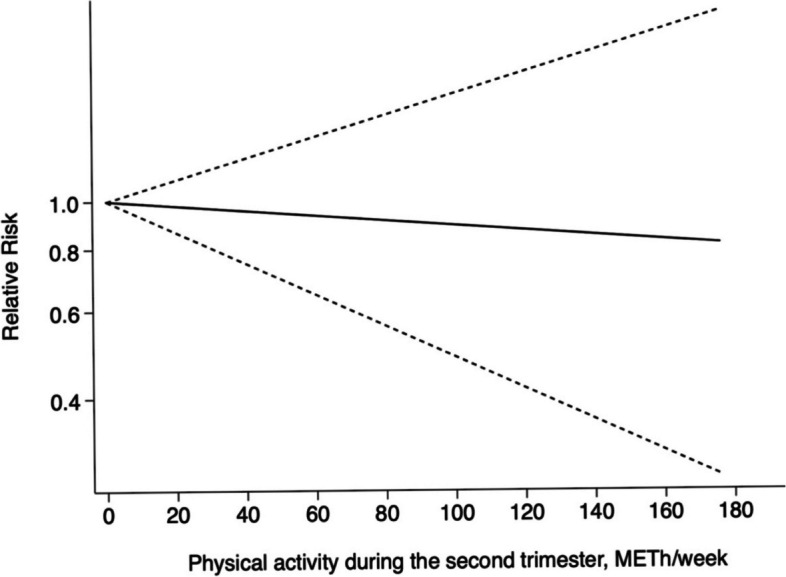
- For the second trimester, the association was linear (Pnonlinearity = 0.276); the paper reports 1% lower risk at 10 MET-h/week (RR = 0.99, 95% CI: 0.93–1.05), and lower risks at 20 MET-h/week (RR = 0.89) and 50 MET-h/week (RR = 0.85).
## Methods
- Systematic review and meta-analysis of studies published before April 25, 2023, searched in six databases; the review followed PRISMA and was registered in PROSPERO (CRD42023420564).
- Included cohort and case-control studies that measured physical activity during pregnancy with validated instruments and reported GDM outcomes; studies were harmonized to MET-h/week.
- Main analyses used generalised least squares regression and restricted cubic splines for dose–response modelling, with heterogeneity, subgroup, sensitivity, publication bias, and certainty assessments.
## Limitations
- The paper states that all included studies used questionnaires to assess physical activity, creating an inevitable recall bias.
- The authors note that smoking, diet, and BMI were confounders that may have affected results despite adjustment in many studies.
- The paper also states that converting different physical activity measures to MET-h/week may have reduced accuracy because studies classified activity differently and varied in frequency, intensity, and duration.
- Evident from the text: the evidence base was observational (cohort/case-control), so causality cannot be established even though the paper uses causal language in places.
Model-written summary. Check it against the paper before relying on it.
Integrity signals
Registry
Cites
Statistics
Figures
Verification
Claims the paper makes
3 Valid · 0 Not valid · 7 Not checked · 37 Own results and interpretations
The cited sources support only part of this claim — read each source’s verdict below.
In the paper
“the levels of PA during pregnancy worldwide remain generally inadequate.”
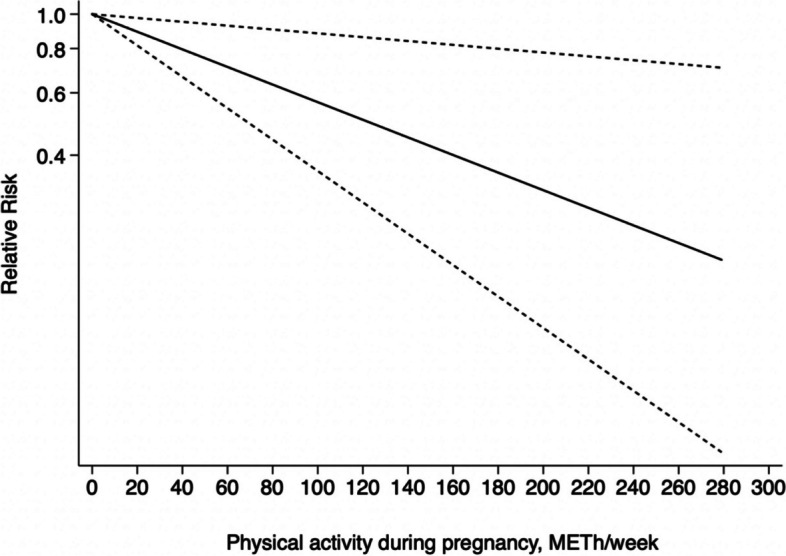
§ Physical activity during pregnancy and the risk of gestational diabetes mellitus: a systematic review and dose–response meta-analysis > Discussion According to the study’s findings, lower PA during pregnancy increases the risk of GDM. Higher levels of PA during pregnancy were observed to reduce the risk of developing GDM by 36% compared to the lower PA group. This is similar to the conclusions of the meta-analyses by Tobias et al. and Mijatovic-Vukas et al., both of which demonstrated a link between PA during pregnancy and the risk of developing GDM [8, 43]. We additionally investigated the relationship between PA throughout various stages of pregnancy and GDM risk. Consistent with the results of Tobias et al.’s 2011 meta-analysis, we incorporated new data from 2012 to 2023 and combined it with that of Tobias et al.’s study and discovered an inverse relationship between PA during the first trimester of pregnancy and the risk of developing GDM. Moreover, the results demonstrated that increasing PA in the second trimester could decrease the probability of developing GDM; however, the slope of the association in the second trimester was much lower than that in the first trimester. This inconsistency may be attributed to the fact that increased PA in the latter stage may restrict the extent to which the risk of GDM decreases because the second trimester is closer when GDM is diagnosed. In accordance with a randomised controlled trial study, a second-trimester prenatal exercise intervention did not significantly lower the incidence of GDM [44]. In addition, owing to high heterogeneity between the studies and for the variations in effect values among studies, we performed a subgroup analysis by race. Despite the genetic heterogeneity and varying lifestyles among populations, we observed positive results for all races, which indicated that increasing PA during pregnancy could lower the risk of developing GDM in all race groups. Further, compared to the previous meta-analysis, we concentrated on exploring the dose–response relationship between PA during pregnancy and the risk of GDM. This is the first meta-analysis to quantify PA during the first and second trimesters of pregnancy to examine the dose–response relationship between PA level and incident GDM. We discovered a linear relationship between PA during pregnancy and the risk of developing GDM among pregnant women who engaged in PA amounting to 10 MET-h/week, 20 MET-h/week, and 50 MET-h/week and found that the risk of GDM was decreased 6, 11, and 15%, respectively. We also discovered dose–response correlations between PA and incident GDM in different gestational trimesters. In accordance with Aune et al.’s results [20], our meta-analyses have also revealed evidence of a non-linear association between PA in the first trimester of pregnancy and incident GDM. The risk of GDM decreased continuously as PA increased until the trend stabilized, and the L-shaped dose–response curve became more apparent with the addition of new literature data. In addition, there was a linear dose–response relationship between second trimester PA and GDM risk, with 1, 4 and 15% reductions in GDM risk for increases of 10 MET-h/week, 20 MET-h/week and 50 MET-h/week in PA in the second trimester, respectively. These findings reveal that increasing and maintaining the appropriate amount of PA is critical for preventing and treating GDM. Extant research also provides evidence on the dose–response relationship between PA and diabetes [45]. By using a pedometer to record the steps of 7118 study subjects, Kraus et al. discovered a linear correlation between daily steps and the onset of T2DM. Increasing the average daily step count from 2000 to 10,000 steps reduced diabetes risk by 5.5%; after adjusting for confounders, the results revealed a total reduction of greater than 6% [46]. Aune et al. and Smith et al. found that higher levels of leisure-time PA in the adult population were associated with a significantly lower incidence of T2DM, and the dose–response relationship between leisure-time PA and T2DM was curvilinear [15, 47]. Similarly, a meta-analysis by Patterson et al. revealed a linear positive connection between sedentary behaviour and T2DM [48]. A previous study explored the dose–response relationship between PA during pregnancy and GDM risk: Hu et al. investigated the dose–response relationship between PA patterns and risks of GDM in 669 pregnant women and discovered a curvilinear link between total physical activity (TPA) in the second trimester, low-intensity PA, and the risk of developing GDM [14]. The research also assessed the energy expenditure thresholds for TPA and low intensity PA, which were 79.800 MET-h/week and 56.575 MET-h/week, respectively, in connection with the risk of GDM. However, the research focused only on a small and monoethnic Chinese population, while our meta-analysis included high-quality original studies with large sample sizes and different ethnicities. Furthermore, we harmonized PA during pregnancy and modelled with restricted cubic spline to determine the dose–response relationship, thereby providing further evidence to confirm the connection between PA during pregnancy and incident GDM. Diabetes mellitus is a metabolic disease with a complex pathogenesis, and PA or exercise may further reduce the risk of developing GDM by improving the variety of complex mechanisms that cause diabetes. First, the researchers confirmed that regular exercise and long-term PA can increase GLUT-4 content and glycogen synthase activity, thereby improving insulin sensitivity in muscles and other tissues, which strengthens the body by utilising glucose and lowering insulin resistance [49, 50]. In a study conducted at 28 weeks of gestation, Ong et al. revealed that, compared to the control group, the PA-based intervention group had lower 1 h (P = 0.07) and 2 h (P = 0.08) glucose levels during the oral glucose tolerance test (OGTT) [51]. Similarly, a systematic review that analysed the benefits of PA has in controlling GDM also reported that resistance or aerobic exercise is effective for the control of insulin [52]. Second, as β-cell dysfunction is one of the causes of diabetes, increasing PA has been shown to lower the incidence of diabetes by enhancing β-cell function. Moderate PA can protect β-cell function and slow the development of diabetes by promoting β-cell proliferation as well as reducing oxidative stress and inflammatory response [53, 54]. Nieuwoudt et al. found that pancreatic β-cell function was significantly enhanced and insulin secretion improved after functional high-intensity exercise training in adults with T2DM [55]. In addition, one of the independent risk factors for GDM is overweight and obesity [56], and short-term weight gain during pregnancy increases the risk of developing GDM. In this case, promoting PA or exercise during pregnancy is an effective strategy for controlling weight to prevent GDM. According to a review, the use of resistance exercise-only interventions, whether in healthy or obese adults, effectively reduced visceral fat and controlled blood glucose [57]. A cohort study from China also indicated that weight gain and a higher BMI during pregnancy tend to increase the risk of GDM; thus, PA during pregnancy plays a significant role in maintaining energy balance and weight control, which lowers the risk of diabetes [58]. GDM is of great concern in the field of public health, the phenomenon of ‘paying attention to treatment and neglecting prevention’ is typically noted in GDM clinical studies [59]. Considering gestation is a special period for women, the clinical application of medical therapy is restricted to a certain extent. Thus, both the medical and sports science fields recognize that increasing PA levels during pregnancy is an efficient strategy to address this public health issue [60, 61]. In fact, the levels of PA during pregnancy worldwide remain generally inadequate. According to a Brazilian study that used accelerometers to assess PA during pregnancy, 2317 pregnant women averaged only 14 minutes of MVPA per day [62]. Similarly, in a study of pregnant women from the United States via objective measures of PA during pregnancy, it was discovered that these women engaged in an average of merely 11.5 minutes/day of PA during the first trimester [63]. The majority of Asian pregnant women are influenced by traditional opinions that PA levels during gestation must be limited. Yin et al. used a validated questionnaire to investigate 201 pregnant women in Singapore regarding their daily PA levels; they discovered that only 12.6% of the participants exercised for at least 150 minutes a week, as recommended by guidelines [64]. Further, women at 24 hospitals across 15 provinces in China were reported approximately 68.5% failure to participate in sufficient PA [65]. Hence, it is vital to explore appropriate strategies to encourage inactive women to increase their PA levels during pregnancy. A common approach adopted by nations for solving the issue of insufficient pregnancy-related PA is the establishment of PA guidelines. In 1985, the ACOG released the first guidelines regarding PA during pregnancy, which indicated that aerobic exercise is beneficial for pregnant women [66]. To guarantee safety of pregnancy, ACOG updated its guidelines in 1994, 2002, 2015, and 2020 to clarify the specific intensity of PA during pregnancy; the latest guideline recommended that MVPA should be engaged in for at least 20–30 minutes per day on most or all days of the week [12, 67–69]. Similarly, the U.S. Department of Health and Human Service (USDHHS) established the 2008 Physical Activity Guidelines for Americans and released its second edition in 2018 to emphasize that women during pregnancy should engage in at least 150 minutes of moderate-intensity aerobic exercise per week [70, 71]. In addition, guidelines on PA during pregnancy were also released by the UK and Canada, offering similar suggestions on exercise during pregnancy [72, 73]. However, the recommendations from current pregnancy-related PA guidelines are similar to the WHO guideline for PA in the general population [74]. Considering the specificity of gestation for each woman, it is essential to provide pregnancy-specific PA suggestions in future guidelines. Our systematic review revealed the dose–response relationship between the PA during pregnancy and the risk of developing GDM, which could provide a scientific basis for developing optimal PA guidelines for pregnancy as well as more effective public health policies in this regard.
What the sources say
- Partly supportedcites [62] Silva SGD Evenson KR Silva ICMD Correlates of accelerometer-assessed physical activity in pregnancy-the 2015 Pelotas (Brazil) birth cohort study Scand J Med Sci Sports 2018 28 8 1934 1945 10.1111/sms.13083 29542188 PMC6055654 sourceExperimental — accuracy not yet measured
The Introduction says most pregnant women in high-income settings do not meet activity recommendations, and the Discussion reports low activity levels in the southern Brazilian cohort. These passages support concern about inadequate activity in the settings discussed, but do not establish that levels are generally inadequate worldwide. (LLM, conf=0.85)
- Not checked — no full text of the sourcecites [63] Evenson KR Wen F Prevalence and correlates of objectively measured physical activity and sedentary behavior among US pregnant women Prev Med 2011 53 1–2 39 43 10.1016/j.ypmed.2011.04.014 21575654 source
- Supportedcites [64] Tan YR, Tan KH, Dai F, et al. Attitudes and practices of exercise among pregnant mothers in Singapore. Singapore Med J. 2023. 10.4103/singaporemedj.SMJ-2021-247. PMC11478998 36695278 source
The Introduction states that pregnant women around the world generally reduce physical activity during pregnancy and that a large proportion do not exercise. The Discussion also reports low rates of meeting activity guidelines in Singapore and in the cited US and Norwegian studies. Together, these passages support the broad claim that activity levels during pregnancy are generally inadequate worldwide. (LLM, conf=0.91)
- Not matchedcites [65] Feng YH Lv Y Ma S The status and influencing fators of physical activity among early pregnancy women Chin J Nurs 2019 54 8 1184 1188
Its entry has no title and year that we can search by.
plainn = 2,317- Asserted: passes — The authors put it forward as true.
- Checkable: passes — It can be checked against evidence.
- Load-bearing: unclear — It is unclear whether the paper’s conclusions depend on it.
- Based: passes — The paper gives a reason why it holds.
- Partly supported
A result the paper reports from its own data — it cites no other source for it, so there is none to check. The quote shows it is in the paper.
In the paper
“there was a linear dose–response relationship between second trimester PA and GDM risk, with 1, 4 and 15% reductions in GDM risk for increases of 10 MET-h/week, 20 MET-h/week and 50 MET-h/week in PA in the second trimester, respectively.”
§ Physical activity during pregnancy and the risk of gestational diabetes mellitus: a systematic review and dose–response meta-analysis > Discussion According to the study’s findings, lower PA during pregnancy increases the risk of GDM. Higher levels of PA during pregnancy were observed to reduce the risk of developing GDM by 36% compared to the lower PA group. This is similar to the conclusions of the meta-analyses by Tobias et al. and Mijatovic-Vukas et al., both of which demonstrated a link between PA during pregnancy and the risk of developing GDM [8, 43]. We additionally investigated the relationship between PA throughout various stages of pregnancy and GDM risk. Consistent with the results of Tobias et al.’s 2011 meta-analysis, we incorporated new data from 2012 to 2023 and combined it with that of Tobias et al.’s study and discovered an inverse relationship between PA during the first trimester of pregnancy and the risk of developing GDM. Moreover, the results demonstrated that increasing PA in the second trimester could decrease the probability of developing GDM; however, the slope of the association in the second trimester was much lower than that in the first trimester. This inconsistency may be attributed to the fact that increased PA in the latter stage may restrict the extent to which the risk of GDM decreases because the second trimester is closer when GDM is diagnosed. In accordance with a randomised controlled trial study, a second-trimester prenatal exercise intervention did not significantly lower the incidence of GDM [44]. In addition, owing to high heterogeneity between the studies and for the variations in effect values among studies, we performed a subgroup analysis by race. Despite the genetic heterogeneity and varying lifestyles among populations, we observed positive results for all races, which indicated that increasing PA during pregnancy could lower the risk of developing GDM in all race groups. Further, compared to the previous meta-analysis, we concentrated on exploring the dose–response relationship between PA during pregnancy and the risk of GDM. This is the first meta-analysis to quantify PA during the first and second trimesters of pregnancy to examine the dose–response relationship between PA level and incident GDM. We discovered a linear relationship between PA during pregnancy and the risk of developing GDM among pregnant women who engaged in PA amounting to 10 MET-h/week, 20 MET-h/week, and 50 MET-h/week and found that the risk of GDM was decreased 6, 11, and 15%, respectively. We also discovered dose–response correlations between PA and incident GDM in different gestational trimesters. In accordance with Aune et al.’s results [20], our meta-analyses have also revealed evidence of a non-linear association between PA in the first trimester of pregnancy and incident GDM. The risk of GDM decreased continuously as PA increased until the trend stabilized, and the L-shaped dose–response curve became more apparent with the addition of new literature data. In addition, there was a linear dose–response relationship between second trimester PA and GDM risk, with 1, 4 and 15% reductions in GDM risk for increases of 10 MET-h/week, 20 MET-h/week and 50 MET-h/week in PA in the second trimester, respectively. These findings reveal that increasing and maintaining the appropriate amount of PA is critical for preventing and treating GDM. Extant research also provides evidence on the dose–response relationship between PA and diabetes [45]. By using a pedometer to record the steps of 7118 study subjects, Kraus et al. discovered a linear correlation between daily steps and the onset of T2DM. Increasing the average daily step count from 2000 to 10,000 steps reduced diabetes risk by 5.5%; after adjusting for confounders, the results revealed a total reduction of greater than 6% [46]. Aune et al. and Smith et al. found that higher levels of leisure-time PA in the adult population were associated with a significantly lower incidence of T2DM, and the dose–response relationship between leisure-time PA and T2DM was curvilinear [15, 47]. Similarly, a meta-analysis by Patterson et al. revealed a linear positive connection between sedentary behaviour and T2DM [48]. A previous study explored the dose–response relationship between PA during pregnancy and GDM risk: Hu et al. investigated the dose–response relationship between PA patterns and risks of GDM in 669 pregnant women and discovered a curvilinear link between total physical activity (TPA) in the second trimester, low-intensity PA, and the risk of developing GDM [14]. The research also assessed the energy expenditure thresholds for TPA and low intensity PA, which were 79.800 MET-h/week and 56.575 MET-h/week, respectively, in connection with the risk of GDM. However, the research focused only on a small and monoethnic Chinese population, while our meta-analysis included high-quality original studies with large sample sizes and different ethnicities. Furthermore, we harmonized PA during pregnancy and modelled with restricted cubic spline to determine the dose–response relationship, thereby providing further evidence to confirm the connection between PA during pregnancy and incident GDM. Diabetes mellitus is a metabolic disease with a complex pathogenesis, and PA or exercise may further reduce the risk of developing GDM by improving the variety of complex mechanisms that cause diabetes. First, the researchers confirmed that regular exercise and long-term PA can increase GLUT-4 content and glycogen synthase activity, thereby improving insulin sensitivity in muscles and other tissues, which strengthens the body by utilising glucose and lowering insulin resistance [49, 50]. In a study conducted at 28 weeks of gestation, Ong et al. revealed that, compared to the control group, the PA-based intervention group had lower 1 h (P = 0.07) and 2 h (P = 0.08) glucose levels during the oral glucose tolerance test (OGTT) [51]. Similarly, a systematic review that analysed the benefits of PA has in controlling GDM also reported that resistance or aerobic exercise is effective for the control of insulin [52]. Second, as β-cell dysfunction is one of the causes of diabetes, increasing PA has been shown to lower the incidence of diabetes by enhancing β-cell function. Moderate PA can protect β-cell function and slow the development of diabetes by promoting β-cell proliferation as well as reducing oxidative stress and inflammatory response [53, 54]. Nieuwoudt et al. found that pancreatic β-cell function was significantly enhanced and insulin secretion improved after functional high-intensity exercise training in adults with T2DM [55]. In addition, one of the independent risk factors for GDM is overweight and obesity [56], and short-term weight gain during pregnancy increases the risk of developing GDM. In this case, promoting PA or exercise during pregnancy is an effective strategy for controlling weight to prevent GDM. According to a review, the use of resistance exercise-only interventions, whether in healthy or obese adults, effectively reduced visceral fat and controlled blood glucose [57]. A cohort study from China also indicated that weight gain and a higher BMI during pregnancy tend to increase the risk of GDM; thus, PA during pregnancy plays a significant role in maintaining energy balance and weight control, which lowers the risk of diabetes [58]. GDM is of great concern in the field of public health, the phenomenon of ‘paying attention to treatment and neglecting prevention’ is typically noted in GDM clinical studies [59]. Considering gestation is a special period for women, the clinical application of medical therapy is restricted to a certain extent. Thus, both the medical and sports science fields recognize that increasing PA levels during pregnancy is an efficient strategy to address this public health issue [60, 61]. In fact, the levels of PA during pregnancy worldwide remain generally inadequate. According to a Brazilian study that used accelerometers to assess PA during pregnancy, 2317 pregnant women averaged only 14 minutes of MVPA per day [62]. Similarly, in a study of pregnant women from the United States via objective measures of PA during pregnancy, it was discovered that these women engaged in an average of merely 11.5 minutes/day of PA during the first trimester [63]. The majority of Asian pregnant women are influenced by traditional opinions that PA levels during gestation must be limited. Yin et al. used a validated questionnaire to investigate 201 pregnant women in Singapore regarding their daily PA levels; they discovered that only 12.6% of the participants exercised for at least 150 minutes a week, as recommended by guidelines [64]. Further, women at 24 hospitals across 15 provinces in China were reported approximately 68.5% failure to participate in sufficient PA [65]. Hence, it is vital to explore appropriate strategies to encourage inactive women to increase their PA levels during pregnancy. A common approach adopted by nations for solving the issue of insufficient pregnancy-related PA is the establishment of PA guidelines. In 1985, the ACOG released the first guidelines regarding PA during pregnancy, which indicated that aerobic exercise is beneficial for pregnant women [66]. To guarantee safety of pregnancy, ACOG updated its guidelines in 1994, 2002, 2015, and 2020 to clarify the specific intensity of PA during pregnancy; the latest guideline recommended that MVPA should be engaged in for at least 20–30 minutes per day on most or all days of the week [12, 67–69]. Similarly, the U.S. Department of Health and Human Service (USDHHS) established the 2008 Physical Activity Guidelines for Americans and released its second edition in 2018 to emphasize that women during pregnancy should engage in at least 150 minutes of moderate-intensity aerobic exercise per week [70, 71]. In addition, guidelines on PA during pregnancy were also released by the UK and Canada, offering similar suggestions on exercise during pregnancy [72, 73]. However, the recommendations from current pregnancy-related PA guidelines are similar to the WHO guideline for PA in the general population [74]. Considering the specificity of gestation for each woman, it is essential to provide pregnancy-specific PA suggestions in future guidelines. Our systematic review revealed the dose–response relationship between the PA during pregnancy and the risk of developing GDM, which could provide a scientific basis for developing optimal PA guidelines for pregnancy as well as more effective public health policies in this regard.
plainstates an association- Asserted: passes — The authors put it forward as true.
- Checkable: passes — It can be checked against evidence.
- Load-bearing: passes — The paper’s conclusions depend on it.
- Based: passes — The paper gives a reason why it holds.
A result the paper reports from its own data — it cites no other source for it, so there is none to check. The quote shows it is in the paper.
In the paper
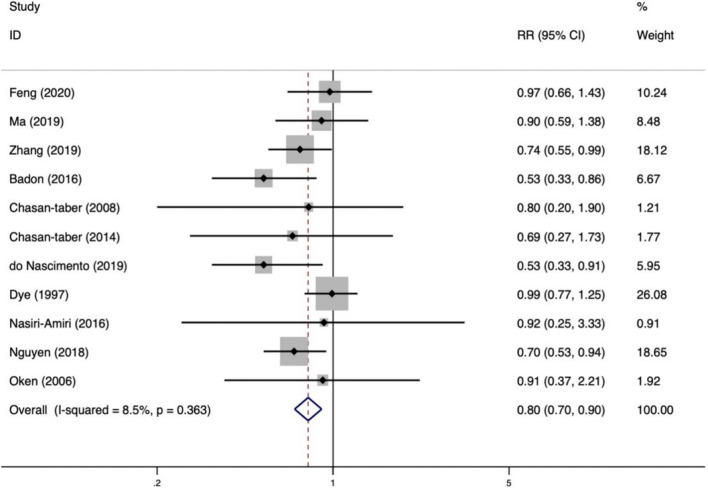
“there was a significant positive correlation between PA during the second trimester and risk of GDM (RR = 0.50, 95%CI: 0.33 ~ 0.77).”
§ Physical activity during pregnancy and the risk of gestational diabetes mellitus: a systematic review and dose–response meta-analysis > Results > High versus low PA during pregnancy: analysis and subgroup analyses
plainstates an association- Asserted: passes — The authors put it forward as true.
- Checkable: passes — It can be checked against evidence.
- Load-bearing: passes — The paper’s conclusions depend on it.
- Based: passes — The paper gives a reason why it holds.
A result the paper reports from its own data — it cites no other source for it, so there is none to check. The quote shows it is in the paper.
In the paper
“The results with a restricted cubic spline model suggested that pregnant women who accumulate 10 MET-h/week have a 1% reduced risk of GDM compared to completely inactive individuals.”
- Also stated in: § Dose-response association between PA during pregnancy and incident GDM · hedged
“the results from the cubic spline model revealed women in the second trimester with a PA of 10 MET-h/week have a 1% lower risk of developing GDM (RR = 0.99, 95%CI: 0.93 ~ 1.05).”
§ Physical activity during pregnancy and the risk of gestational diabetes mellitus: a systematic review and dose–response meta-analysis > Abstract > Results
hedgedstates a cause- Asserted: passes — The authors put it forward as true.
- Checkable: passes — It can be checked against evidence.
- Load-bearing: unclear — It is unclear whether the paper’s conclusions depend on it.
- Based: passes — The paper gives a reason why it holds.
- Also stated in: § Dose-response association between PA during pregnancy and incident GDM · hedged
A result the paper reports from its own data — it cites no other source for it, so there is none to check. The quote shows it is in the paper.
In the paper
“there was a linear dose–response relationship between second trimester PA and GDM risk, with 1, 4 and 15% reductions in GDM risk for increases of 10 MET-h/week, 20 MET-h/week and 50 MET-h/week in PA in the second trimester, respectively.”
§ Physical activity during pregnancy and the risk of gestational diabetes mellitus: a systematic review and dose–response meta-analysis > Discussion According to the study’s findings, lower PA during pregnancy increases the risk of GDM. Higher levels of PA during pregnancy were observed to reduce the risk of developing GDM by 36% compared to the lower PA group. This is similar to the conclusions of the meta-analyses by Tobias et al. and Mijatovic-Vukas et al., both of which demonstrated a link between PA during pregnancy and the risk of developing GDM [8, 43]. We additionally investigated the relationship between PA throughout various stages of pregnancy and GDM risk. Consistent with the results of Tobias et al.’s 2011 meta-analysis, we incorporated new data from 2012 to 2023 and combined it with that of Tobias et al.’s study and discovered an inverse relationship between PA during the first trimester of pregnancy and the risk of developing GDM. Moreover, the results demonstrated that increasing PA in the second trimester could decrease the probability of developing GDM; however, the slope of the association in the second trimester was much lower than that in the first trimester. This inconsistency may be attributed to the fact that increased PA in the latter stage may restrict the extent to which the risk of GDM decreases because the second trimester is closer when GDM is diagnosed. In accordance with a randomised controlled trial study, a second-trimester prenatal exercise intervention did not significantly lower the incidence of GDM [44]. In addition, owing to high heterogeneity between the studies and for the variations in effect values among studies, we performed a subgroup analysis by race. Despite the genetic heterogeneity and varying lifestyles among populations, we observed positive results for all races, which indicated that increasing PA during pregnancy could lower the risk of developing GDM in all race groups. Further, compared to the previous meta-analysis, we concentrated on exploring the dose–response relationship between PA during pregnancy and the risk of GDM. This is the first meta-analysis to quantify PA during the first and second trimesters of pregnancy to examine the dose–response relationship between PA level and incident GDM. We discovered a linear relationship between PA during pregnancy and the risk of developing GDM among pregnant women who engaged in PA amounting to 10 MET-h/week, 20 MET-h/week, and 50 MET-h/week and found that the risk of GDM was decreased 6, 11, and 15%, respectively. We also discovered dose–response correlations between PA and incident GDM in different gestational trimesters. In accordance with Aune et al.’s results [20], our meta-analyses have also revealed evidence of a non-linear association between PA in the first trimester of pregnancy and incident GDM. The risk of GDM decreased continuously as PA increased until the trend stabilized, and the L-shaped dose–response curve became more apparent with the addition of new literature data. In addition, there was a linear dose–response relationship between second trimester PA and GDM risk, with 1, 4 and 15% reductions in GDM risk for increases of 10 MET-h/week, 20 MET-h/week and 50 MET-h/week in PA in the second trimester, respectively. These findings reveal that increasing and maintaining the appropriate amount of PA is critical for preventing and treating GDM. Extant research also provides evidence on the dose–response relationship between PA and diabetes [45]. By using a pedometer to record the steps of 7118 study subjects, Kraus et al. discovered a linear correlation between daily steps and the onset of T2DM. Increasing the average daily step count from 2000 to 10,000 steps reduced diabetes risk by 5.5%; after adjusting for confounders, the results revealed a total reduction of greater than 6% [46]. Aune et al. and Smith et al. found that higher levels of leisure-time PA in the adult population were associated with a significantly lower incidence of T2DM, and the dose–response relationship between leisure-time PA and T2DM was curvilinear [15, 47]. Similarly, a meta-analysis by Patterson et al. revealed a linear positive connection between sedentary behaviour and T2DM [48]. A previous study explored the dose–response relationship between PA during pregnancy and GDM risk: Hu et al. investigated the dose–response relationship between PA patterns and risks of GDM in 669 pregnant women and discovered a curvilinear link between total physical activity (TPA) in the second trimester, low-intensity PA, and the risk of developing GDM [14]. The research also assessed the energy expenditure thresholds for TPA and low intensity PA, which were 79.800 MET-h/week and 56.575 MET-h/week, respectively, in connection with the risk of GDM. However, the research focused only on a small and monoethnic Chinese population, while our meta-analysis included high-quality original studies with large sample sizes and different ethnicities. Furthermore, we harmonized PA during pregnancy and modelled with restricted cubic spline to determine the dose–response relationship, thereby providing further evidence to confirm the connection between PA during pregnancy and incident GDM. Diabetes mellitus is a metabolic disease with a complex pathogenesis, and PA or exercise may further reduce the risk of developing GDM by improving the variety of complex mechanisms that cause diabetes. First, the researchers confirmed that regular exercise and long-term PA can increase GLUT-4 content and glycogen synthase activity, thereby improving insulin sensitivity in muscles and other tissues, which strengthens the body by utilising glucose and lowering insulin resistance [49, 50]. In a study conducted at 28 weeks of gestation, Ong et al. revealed that, compared to the control group, the PA-based intervention group had lower 1 h (P = 0.07) and 2 h (P = 0.08) glucose levels during the oral glucose tolerance test (OGTT) [51]. Similarly, a systematic review that analysed the benefits of PA has in controlling GDM also reported that resistance or aerobic exercise is effective for the control of insulin [52]. Second, as β-cell dysfunction is one of the causes of diabetes, increasing PA has been shown to lower the incidence of diabetes by enhancing β-cell function. Moderate PA can protect β-cell function and slow the development of diabetes by promoting β-cell proliferation as well as reducing oxidative stress and inflammatory response [53, 54]. Nieuwoudt et al. found that pancreatic β-cell function was significantly enhanced and insulin secretion improved after functional high-intensity exercise training in adults with T2DM [55]. In addition, one of the independent risk factors for GDM is overweight and obesity [56], and short-term weight gain during pregnancy increases the risk of developing GDM. In this case, promoting PA or exercise during pregnancy is an effective strategy for controlling weight to prevent GDM. According to a review, the use of resistance exercise-only interventions, whether in healthy or obese adults, effectively reduced visceral fat and controlled blood glucose [57]. A cohort study from China also indicated that weight gain and a higher BMI during pregnancy tend to increase the risk of GDM; thus, PA during pregnancy plays a significant role in maintaining energy balance and weight control, which lowers the risk of diabetes [58]. GDM is of great concern in the field of public health, the phenomenon of ‘paying attention to treatment and neglecting prevention’ is typically noted in GDM clinical studies [59]. Considering gestation is a special period for women, the clinical application of medical therapy is restricted to a certain extent. Thus, both the medical and sports science fields recognize that increasing PA levels during pregnancy is an efficient strategy to address this public health issue [60, 61]. In fact, the levels of PA during pregnancy worldwide remain generally inadequate. According to a Brazilian study that used accelerometers to assess PA during pregnancy, 2317 pregnant women averaged only 14 minutes of MVPA per day [62]. Similarly, in a study of pregnant women from the United States via objective measures of PA during pregnancy, it was discovered that these women engaged in an average of merely 11.5 minutes/day of PA during the first trimester [63]. The majority of Asian pregnant women are influenced by traditional opinions that PA levels during gestation must be limited. Yin et al. used a validated questionnaire to investigate 201 pregnant women in Singapore regarding their daily PA levels; they discovered that only 12.6% of the participants exercised for at least 150 minutes a week, as recommended by guidelines [64]. Further, women at 24 hospitals across 15 provinces in China were reported approximately 68.5% failure to participate in sufficient PA [65]. Hence, it is vital to explore appropriate strategies to encourage inactive women to increase their PA levels during pregnancy. A common approach adopted by nations for solving the issue of insufficient pregnancy-related PA is the establishment of PA guidelines. In 1985, the ACOG released the first guidelines regarding PA during pregnancy, which indicated that aerobic exercise is beneficial for pregnant women [66]. To guarantee safety of pregnancy, ACOG updated its guidelines in 1994, 2002, 2015, and 2020 to clarify the specific intensity of PA during pregnancy; the latest guideline recommended that MVPA should be engaged in for at least 20–30 minutes per day on most or all days of the week [12, 67–69]. Similarly, the U.S. Department of Health and Human Service (USDHHS) established the 2008 Physical Activity Guidelines for Americans and released its second edition in 2018 to emphasize that women during pregnancy should engage in at least 150 minutes of moderate-intensity aerobic exercise per week [70, 71]. In addition, guidelines on PA during pregnancy were also released by the UK and Canada, offering similar suggestions on exercise during pregnancy [72, 73]. However, the recommendations from current pregnancy-related PA guidelines are similar to the WHO guideline for PA in the general population [74]. Considering the specificity of gestation for each woman, it is essential to provide pregnancy-specific PA suggestions in future guidelines. Our systematic review revealed the dose–response relationship between the PA during pregnancy and the risk of developing GDM, which could provide a scientific basis for developing optimal PA guidelines for pregnancy as well as more effective public health policies in this regard.
plainstates an association- Asserted: passes — The authors put it forward as true.
- Checkable: passes — It can be checked against evidence.
- Load-bearing: passes — The paper’s conclusions depend on it.
- Based: passes — The paper gives a reason why it holds.
21 more claims
Create a free account to see all 47 claims and every source verdict.
- It may state two separate claims as one. 13
- Probably not a substantial claim. 9
Citations
Cites
Measuring inconsistency in meta-analyses
Higgins, J. P. T., Thompson, S. G., Deeks, J. J., & Altman, D. G. (2003) · BMJ · doi:10.1136/bmj.327.7414.557 · Cited by 63,139 · cited 1×
“I 2 values above 50% for the I 2 statistic were regarded as reflecting high heterogeneity [24]; therefore, subgroup analyses were performed on race.”
MethodPreferred reporting items for systematic reviews and meta-analyses: The PRISMA statement
Moher, D., Liberati, A., Tetzlaff, J., Altman, D. G., & the PRISMA Group* (2009) · Annals of Internal Medicine · doi:10.7326/0003-4819-151-4-200908180-00135 · Cited by 37,554
Stang, A. (2010) · European Journal of Epidemiology · doi:10.1007/s10654-010-9491-z · Cited by 17,396 · cited 1×
“Reviewers used the Newcastle-Ottawa Scale (NOS) to assess the quality of the included studies [23].”
MethodWorld Health Organization 2020 guidelines on physical activity and sedentary behaviour
Bull, F. C., Al-Ansari, S. S., Biddle, S., Borodulin, K., Buman, M. P., Cardon, G., Carty, C., Chaput, J.-P., Chastin, S., Chou, R., et al. (2020) · British Journal of Sports Medicine · doi:10.1136/bjsports-2020-102955 · Cited by 11,657 · cited 1×
“However, the recommendations from current pregnancy-related PA guidelines are similar to the WHO guideline for PA in the general population [74].”
MethodThe Physical Activity Guidelines for Americans
Piercy, K. L., Troiano, R. P., Ballard, R. M., Carlson, S. A., Fulton, J. E., Galuska, D. A., George, S. M., & Olson, R. D. (2018) · JAMA · doi:10.1001/jama.2018.14854 · Cited by 9,755
2011 Compendium of Physical Activities: A Second Update of Codes and MET Values
AINSWORTH, B. E., HASKELL, W. L., HERRMANN, S. D., MECKES, N., BASSETT, D. R., TUDOR-LOCKE, C., GREER, J. L., VEZINA, J., WHITT-GLOVER, M. C., & LEON, A. S. (2011) · Medicine & Science in Sports & Exercise · doi:10.1249/mss.0b013e31821ece12 · Cited by 6,317 · cited 1×
“To categorise PA with specific intensities, light PA, moderate PA, MVPA and vigorous PA were given mean intensities of 3, 4, 4.5, and 8 METs, respectively [22].”
MethodInfluential2008 Physical activity guidelines for Americans: (525412010-001)
(2008) · PsycEXTRA Dataset · doi:10.1037/e525412010-001 · Cited by 1,466
Patterson, R., McNamara, E., Tainio, M., de Sá, T. H., Smith, A. D., Sharp, S. J., Edwards, P., Woodcock, J., Brage, S., & Wijndaele, K. (2018) · European Journal of Epidemiology · doi:10.1007/s10654-018-0380-1 · Cited by 1,423 · cited 1×
“Similarly, a meta-analysis by Patterson et al. revealed a linear positive connection between sedentary behaviour and T2DM [48].”
BackgroundPhysical Activity Guidelines for Americans
Bushman, B. A. (2019) · ACSMʼs Health & Fitness Journal · doi:10.1249/fit.0000000000000472 · Cited by 1,326
Orsini, N., Li, R., Wolk, A., Khudyakov, P., & Spiegelman, D. (2012) · American Journal of Epidemiology · doi:10.1093/aje/kwr265 · Cited by 1,280 · cited 1×
“Generalised least squares regression was used to estimate study-specific dose–response association [25].”
MethodDose-Response and Trend Analysis in Epidemiology: Alternatives to Categorical Analysis
Greenland, S. (1995) · Epidemiology · doi:10.1097/00001648-199507000-00005 · Cited by 1,085 · cited 1×
“The P -value for non-linearity was determined by testing the null hypothesis that the coefficient of the second spline was equal to zero [26].”
MethodAune, D., Norat, T., Leitzmann, M., Tonstad, S., & Vatten, L. J. (2015) · European Journal of Epidemiology · doi:10.1007/s10654-015-0056-z · Cited by 880 · cited 5×
“As this did not meet the requirement of dose–response analysis, this analysis ultimately included 16 studies [10, 14, 16–18, 28, 30, 32–35, 38, 41, 42].”
BackgroundMethodInfluential(2020) · Obstetrics & Gynecology · doi:10.1097/aog.0000000000003772 · Cited by 822
Pathophysiology of diabetes: An overview
Sameer, A., Banday, M., & Nissar, S. (2020) · Avicenna Journal of Medicine · doi:10.4103/ajm.ajm_53_20 · Cited by 756 · cited 1×
“With the evolution of civilization and a subsequent improvement in living standards, the prevalence of global GDM has displayed a significant upward trend, impacting over than 20 million women during pregnancy by 2019 [3, 4].”
BackgroundCommittee Opinion No. 650: Physical Activity and Exercise During Pregnancy and the Postpartum Period
(2015) · Obstetrics & Gynecology · doi:10.1097/aog.0000000000001214 · Cited by 673
Smith, A. D., Crippa, A., Woodcock, J., & Brage, S. (2016) · Diabetologia · doi:10.1007/s00125-016-4079-0 · Cited by 430 · cited 1×
“Aune et al. and Smith et al. found that higher levels of leisure-time PA in the adult population were associated with a significantly lower incidence of T2DM, and the dose–response relationship between leisure-time PA and T2DM was curvi-linear [15, 47].”
BackgroundPhysical Activity Before and During Pregnancy and Risk of Gestational Diabetes Mellitus
Tobias, D. K., Zhang, C., van Dam, R. M., Bowers, K., & Hu, F. B. (2011) · Diabetes Care · doi:10.2337/dc10-1368 · Cited by 429 · cited 2×
“This is similar to the conclusions of the meta-analyses by Tobias et al. and Mijatovic-Vukas et al., both of which demonstrated a link between PA during pregnancy and the risk of developing GDM [8, 43].”
BackgroundResultCommittee opinion #267: exercise during pregnancy and the postpartum period
ACOG Committee on Obstetric Practice (2002) · Obstetrics & Gynecology · doi:10.1016/s0029-7844(01)01749-5 · Cited by 385
Mijatovic-Vukas, J., Capling, L., Cheng, S., Stamatakis, E., Louie, J., Cheung, N. W., Markovic, T., Ross, G., Senior, A., Brand-Miller, J. C., et al. (2018) · Nutrients · doi:10.3390/nu10060698 · Cited by 315 · cited 1×
“This is similar to the conclusions of the meta-analyses by Tobias et al. and Mijatovic-Vukas et al., both of which demonstrated a link between PA during pregnancy and the risk of developing GDM [8, 43].”
ResultDaily Step Counts for Measuring Physical Activity Exposure and Its Relation to Health
KRAUS, W. E., JANZ, K. F., POWELL, K. E., CAMPBELL, W. W., JAKICIC, J. M., TROIANO, R. P., SPROW, K., TORRES, A., & PIERCY, K. L. (2019) · Medicine & Science in Sports & Exercise · doi:10.1249/mss.0000000000001932 · Cited by 315 · cited 1×
“Increasing the average daily step count from 2000 to 10,000 steps reduced diabetes risk by 5.5%; after adjusting for confounders, the results revealed a total reduction of greater than 6% [46].”
BackgroundInfluentialDempsey, J. C. (2004) · American Journal of Epidemiology · doi:10.1093/aje/kwh091 · Cited by 292 · cited 2×
“As this did not meet the requirement of dose–response analysis, this analysis ultimately included 16 studies [10, 14, 16–18, 28, 30, 32–35, 38, 41, 42].”
MethodRisk factors for gestational diabetes: is prevention possible?
Zhang, C., Rawal, S., & Chong, Y. S. (2016) · Diabetologia · doi:10.1007/s00125-016-3979-3 · Cited by 267 · cited 1×
“Thus, both the medical and sports science fields recognize that increasing PA levels during pregnancy is an efficient strategy to address this public health issue [60, 61].”
BackgroundEvenson, K. R., & Wen, F. (2011) · Preventive Medicine · doi:10.1016/j.ypmed.2011.04.014 · Cited by 252 · cited 1×
“Similarly, in a study of pregnant women from the United States via objective measures of PA during pregnancy, it was discovered that these women engaged in an average of merely 11.5 minutes/day of PA during the first trimester [63].”
BackgroundInfluentialAlfadhli, E. M. (2015) · Saudi Medical Journal · doi:10.15537/smj.2015.4.10307 · Cited by 245 · cited 1×
“Since the World Health Organization (WHO) identified GDM as an individual type of diabetes in 1997, GDM has attracted considerable attention in the fields of obstetrics and gynaecology [1, 2].”
BackgroundAssociations of Physical Activity and Inactivity Before and During Pregnancy With Glucose Tolerance
Oken, E., Ning, Y., Rifas-Shiman, S. L., Radesky, J. S., Rich-Edwards, J. W., & Gillman, M. W. (2006) · Obstetrics & Gynecology · doi:10.1097/01.aog.0000241088.60745.70 · Cited by 240 · cited 2×
“As this did not meet the requirement of dose–response analysis, this analysis ultimately included 16 studies [10, 14, 16–18, 28, 30, 32–35, 38, 41, 42].”
MethodResultDempsey, J. C., Butler, C. L., Sorensen, T. K., Lee, I.-M., Thompson, M. L., Miller, R. S., Frederick, I. O., & Williams, M. A. (2004) · Diabetes Research and Clinical Practice · doi:10.1016/j.diabres.2004.03.010 · Cited by 236
Gestational Diabetes Mellitus—Recent Literature Review
Modzelewski, R., Stefanowicz-Rutkowska, M. M., Matuszewski, W., & Bandurska-Stankiewicz, E. M. (2022) · Journal of Clinical Medicine · doi:10.3390/jcm11195736 · Cited by 223 · cited 1×
“…of both the mother and infant is adversely affected by GDM: pregnant women with GDM have a greater risk of obesity and hypertension in the short term, while the long-term risks for offspring born to mothers with GDM include an increased risk of developing type 2 diabetes mellitus (T2DM) [5, 6].”
BackgroundThe American College of Obstetricians and Gynecologists (1994) · International Journal of Gynecology & Obstetrics · doi:10.1016/0020-7292(94)90773-0 · Cited by 210
No. 367-2019 Canadian Guideline for Physical Activity throughout Pregnancy
Mottola, M. F., Davenport, M. H., Ruchat, S.-M., Davies, G. A., Poitras, V., Gray, C., Jaramillo Garcia, A., Barrowman, N., Adamo, K. B., Duggan, M., et al. (2018) · Journal of Obstetrics and Gynaecology Canada · doi:10.1016/j.jogc.2018.07.001 · Cited by 178 · cited 1×
“In addition, guidelines on PA during pregnancy were also released by the UK and Canada, offering similar suggestions on exercise during pregnancy [72, 73].”
BackgroundAune, D., Sen, A., Henriksen, T., Saugstad, O. D., & Tonstad, S. (2016) · European Journal of Epidemiology · doi:10.1007/s10654-016-0176-0 · Cited by 170 · cited 2×
“The non-linear relationship between PA before and during the first trimester of pregnancy and the risk of developing GDM was reported in a meta-analysis published in 2016 [20].”
BackgroundResultPhysical Activity, Obesity, and Diabetes in Pregnancy
Dye, T. D., Knox, K. L., Artal, R., Aubry, R. H., & Wojtowycz, M. A. (1997) · American Journal of Epidemiology · doi:10.1093/oxfordjournals.aje.a009223 · Cited by 149 · cited 2×
“Eleven studies investigating PA in the first trimester of pregnancy [10, 16–18, 29, 31, 33, 36, 37, 40, 41] as well as 11 studies assessing PA and the risk of GDM in the second trimester [10, 14, 28, 30, 32–35, 38, 39, 42], were included in this review.”
BackgroundMethodRisk Factors and Management of Gestational Diabetes
Chen, P., Wang, S., Ji, J., Ge, A., Chen, C., Zhu, Y., Xie, N., & Wang, Y. (2014) · Cell Biochemistry and Biophysics · doi:10.1007/s12013-014-0248-2 · Cited by 147 · cited 1×
“Various genetic and environmental factors are known to be related to the risk of developing GDM [7].”
BackgroundSelf-citationACOG Committee Opinion No. 267: Exercise During Pregnancy and the Postpartum Period
(2002) · Obstetrics & Gynecology · doi:10.1097/00006250-200201000-00030 · Cited by 144
Laredo-Aguilera, J. A., Gallardo-Bravo, M., Rabanales-Sotos, J. A., Cobo-Cuenca, A. I., & Carmona-Torres, J. M. (2020) · International Journal of Environmental Research and Public Health · doi:10.3390/ijerph17176151 · Cited by 125 · cited 1×
“Similarly, a systematic review that analysed the benefits of PA has in controlling GDM also reported that resistance or aerobic exercise is effective for the control of insulin [52].”
BackgroundOng, M. J., Guelfi, K. J., Hunter, T., Wallman, K. E., Fournier, P. A., & Newnham, J. P. (2009) · Diabetes & Metabolism · doi:10.1016/j.diabet.2009.04.008 · Cited by 120 · cited 1×
“In a study conducted at 28 weeks of gestation, Ong et al. revealed that, compared to the control group, the PA-based intervention group had lower 1 h ( P = 0.07) and 2 h ( P = 0.08) glucose levels during the oral glucose tolerance test (OGTT) [51].”
BackgroundInfluentialResistance training, visceral obesity and inflammatory response: a review of the evidence
Strasser, B., Arvandi, M., & Siebert, U. (2012) · Obesity Reviews · doi:10.1111/j.1467-789x.2012.00988.x · Cited by 118 · cited 1×
“According to a review, the use of resistance exercise-only interventions, whether in healthy or obese adults, effectively reduced visceral fat and controlled blood glucose [57].”
BackgroundResistance Training in the Treatment of Diabetes and Obesity: MECHANISMS AND OUTCOMES
Tresierras, M. A., & Balady, G. J. (2009) · Journal of Cardiopulmonary Rehabilitation and Prevention · doi:10.1097/hcr.0b013e318199ff69 · Cited by 115 · cited 1×
“First, the researchers confirmed that regular exercise and long-term PA can increase GLUT-4 content and glycogen synthase activity, thereby improving insulin sensitivity in muscles and other tissues, which strengthens the body by utilising glucose and lowering insulin resistance [49, 50].”
BackgroundShort‐ and long‐term outcomes of gestational diabetes and its treatment on fetal development
Murray, S. R., & Reynolds, R. M. (2020) · Prenatal Diagnosis · doi:10.1002/pd.5768 · Cited by 104 · cited 1×
“…of both the mother and infant is adversely affected by GDM: pregnant women with GDM have a greater risk of obesity and hypertension in the short term, while the long-term risks for offspring born to mothers with GDM include an increased risk of developing type 2 diabetes mellitus (T2DM) [5, 6].”
BackgroundPhysical Activity and Gestational Diabetes Mellitus among Hispanic Women
Chasan-Taber, L., Schmidt, M. D., Pekow, P., Sternfeld, B., Manson, J. E., Solomon, C. G., Braun, B., & Markenson, G. (2008) · Journal of Women's Health · doi:10.1089/jwh.2007.0560 · Cited by 101 · cited 2×
“[ 33 ] 2008 A m e r i c a week (RR = 0.89, 95%CI: 0.81 ~ 0.97; RR = 0.85, 95%CI: 0.76 ~ 0.94).”
MethodInfluentialNieuwoudt, S., Fealy, C. E., Foucher, J. A., Scelsi, A. R., Malin, S. K., Pagadala, M., Rocco, M., Burguera, B., & Kirwan, J. P. (2017) · American Journal of Physiology-Endocrinology and Metabolism · doi:10.1152/ajpendo.00407.2016 · Cited by 87 · cited 1×
“Nieuwoudt et al. found that pancreatic β-cell function was significantly enhanced and insulin secretion improved after functional high-intensity exercise training in adults with T2DM [55].”
BackgroundWhat is known and what remains unresolved regarding gestational diabetes mellitus (GDM)
Vince, K., Perković, P., & Matijević, R. (2020) · Journal of Perinatal Medicine · doi:10.1515/jpm-2020-0254 · Cited by 76 · cited 1×
“With the evolution of civilization and a subsequent improvement in living standards, the prevalence of global GDM has displayed a significant upward trend, impacting over than 20 million women during pregnancy by 2019 [3, 4].”
BackgroundMunan, M., Oliveira, C. L. P., Marcotte-Chénard, A., Rees, J. L., Prado, C. M., Riesco, E., & Boulé, N. G. (2020) · Frontiers in Endocrinology · doi:10.3389/fendo.2020.00495 · Cited by 70 · cited 1×
“…of PA during pregnancy is a potentially modifiable factor with more practical significance for the prevention and management of GDM. Low PA during pregnancy is an individual behavioural risk factor for GDM and leads to an increased number of risks associated with pregnancy complications [9–11].”
BackgroundEffect of an Exercise Intervention on Gestational Diabetes Mellitus: A Randomized Controlled Trial
Nobles, C., Marcus, B. H., Stanek, E. J., Braun, B., Whitcomb, B. W., Solomon, C. G., Manson, J. E., Markenson, G., & Chasan-Taber, L. (2015) · Obstetrics & Gynecology · doi:10.1097/aog.0000000000000738 · Cited by 62 · cited 1×
“In accordance with a randomised controlled trial study, a second-trimester prenatal exercise intervention did not significantly lower the incidence of GDM [44].”
BackgroundExercise during pregnancy: maternal and fetal responses. A brief review
GORSKI, J. (1985) · Medicine & Science in Sports & Exercise · doi:10.1249/00005768-198508000-00001 · Cited by 59 · cited 1×
“In 1985, the ACOG released the first guidelines regarding PA during pregnancy, which indicated that aerobic exercise is beneficial for pregnant women [66].”
Effect of physical activity during pregnancy on gestational diabetes mellitus
Mishra, S., & Kishore, S. (2018) · Indian Journal of Endocrinology and Metabolism · doi:10.4103/ijem.ijem_618_17 · Cited by 53 · cited 2×
“Eleven studies investigating PA in the first trimester of pregnancy [10, 16–18, 29, 31, 33, 36, 37, 40, 41] as well as 11 studies assessing PA and the risk of GDM in the second trimester [10, 14, 28, 30, 32–35, 38, 39, 42], were included in this review.”
BackgroundMethodLeng, J., Liu, G., Zhang, C., Xin, S., Chen, F., Li, B., Tian, H., Yu, Z., Tuomilehto, J., Hu, G., et al. (2016) · European Journal of Endocrinology · doi:10.1530/eje-15-1103 · Cited by 48
Xu, T., He, Y., Dainelli, L., Yu, K., Detzel, P., Silva-Zolezzi, I., Volger, S., & Fang, H. (2017) · BMC Pregnancy and Childbirth · doi:10.1186/s12884-017-1353-1 · Cited by 48 · cited 1×
“GDM is of great concern in the field of public health, the phenomenon of ‘paying attention to treatment and neglecting prevention’ is typically noted in GDM clinical studies [59].”
BackgroundObjectively recorded physical activity and the association with gestational diabetes
Mørkrid, K., Jenum, A. K., Berntsen, S., Sletner, L., Richardsen, K. R., Vangen, S., Holme, I., & Birkeland, K. I. (2014) · Scandinavian Journal of Medicine & Science in Sports · doi:10.1111/sms.12183 · Cited by 44 · cited 1×
“According to the results of a study that documented PA and its association with GDM, South Asian women who had the same levels of MVPA during pregnancy as women in Western Europe nevertheless had a 92% increased risk of GDM [19].”
Resulton behalf of the GUSTO Study Group, Padmapriya, N., Bernard, J. Y., Liang, S., Loy, S. L., Cai, S., Zhe, I. S., Kwek, K., Godfrey, K. M., Gluckman, P. D., et al. (2017) · BMC Pregnancy and Childbirth · doi:10.1186/s12884-017-1537-8 · Cited by 43 · cited 3×
“As this did not meet the requirement of dose–response analysis, this analysis ultimately included 16 studies [10, 14, 16–18, 28, 30, 32–35, 38, 41, 42].”
BackgroundMethodCarbohydrates, Glycemic Index, and Pregnancy Outcomes in Gestational Diabetes
Louie, J. C. Y., Brand-Miller, J. C., & Moses, R. G. (2013) · Current Diabetes Reports · doi:10.1007/s11892-012-0332-1 · Cited by 35 · cited 1×
“In addition, one of the independent risk factors for GDM is overweight and obesity [56], and short-term weight gain during pregnancy increases the risk of developing GDM.”
Backgrounddo Nascimento, G. R. A., Borges, M. D. C., Figueirôa, J. N., Alves, L. V., & Alves, J. G. B. (2019) · SAGE Open Medicine · doi:10.1177/2050312119875922 · Cited by 32 · cited 2×
“Eleven studies investigating PA in the first trimester of pregnancy [10, 16–18, 29, 31, 33, 36, 37, 40, 41] as well as 11 studies assessing PA and the risk of GDM in the second trimester [10, 14, 28, 30, 32–35, 38, 39, 42], were included in this review.”
BackgroundMethodNguyen, C. L., Pham, N. M., Lee, A. H., Nguyen, P. T. H., Chu, T. K., Ha, A. V. V., Duong, D. V., Duong, T. H., & Binns, C. W. (2018) · Acta Diabetologica · doi:10.1007/s00592-018-1174-3 · Cited by 29 · cited 1×
“Previous research has demonstrated that moderate-to-vigorous PA (MVPA) during pregnancy reduces the risk of GDM more than lower-level PA for the same duration but at a different intensity [17].”
BackgroundAmiri, F. N., Bakhtiari, A., Faramarzi, M., Rad, H. A., & Pasha, H. (2016) · Intern J Endocrinol Metab · doi:10.5812/ijem.37123 · Cited by 28 · cited 2×
“Eleven studies investigating PA in the first trimester of pregnancy [10, 16–18, 29, 31, 33, 36, 37, 40, 41] as well as 11 studies assessing PA and the risk of GDM in the second trimester [10, 14, 28, 30, 32–35, 38, 39, 42], were included in this review.”
BackgroundMethod(1994) · PubMed · Cited by 25
Chasan-Taber, L., Silveira, M., Lynch, K. E., Pekow, P., Braun, B., Manson, J. E., Solomon, C. G., & Markenson, G. (2014) · Diabetes & Metabolism · doi:10.1016/j.diabet.2013.09.005 · Cited by 24 · cited 3×
“As this did not meet the requirement of dose–response analysis, this analysis ultimately included 16 studies [10, 14, 16–18, 28, 30, 32–35, 38, 41, 42].”
BackgroundMethodLeisure Time Physical Activity and Gestational Diabetes Mellitus in the Omega Study
BADON, S. E., WARTKO, P. D., QIU, C., SORENSEN, T. K., WILLIAMS, M. A., & ENQUOBAHRIE, D. A. (2016) · Medicine & Science in Sports & Exercise · doi:10.1249/mss.0000000000000866 · Cited by 24 · cited 4×
“As this did not meet the requirement of dose–response analysis, this analysis ultimately included 16 studies [10, 14, 16–18, 28, 30, 32–35, 38, 41, 42].”
BackgroundMethodResultInfluentialAtlaw, D., Sahiledengle, B., Assefa, T., Negash, W., Tahir, A., Regasa, T., Tekalegn, Y., Mamo, A., Enegeda, Z. T., Solomon, D., et al. (2022) · BMJ Open · doi:10.1136/bmjopen-2021-060694 · Cited by 24 · cited 3×
“As this did not meet the requirement of dose–response analysis, this analysis ultimately included 16 studies [10, 14, 16–18, 28, 30, 32–35, 38, 41, 42].”
BackgroundMethodda Silva, S. G., Evenson, K. R., da Silva, I. C. M., Mendes, M. A., Domingues, M. R., da Silveira, M. F., Wehrmeister, F. C., Ekelund, U., & Hallal, P. C. (2018) · Scandinavian Journal of Medicine & Science in Sports · doi:10.1111/sms.13083 · Cited by 23 · cited 1×
“According to a Brazilian study that used accelerometers to assess PA during pregnancy, 2317 pregnant women averaged only 14 minutes of MVPA per day [62].”
Lotfi, M. H., Fallahzadeh, H., Rahmanian, M., Hosseinzadeh, M., Lashkardoost, H., Doaei, S., Gholamalizadeh, M., & Hamedi, A. (2019) · The Journal of Maternal-Fetal & Neonatal Medicine · doi:10.1080/14767058.2019.1579189 · Cited by 23 · cited 2×
“As this did not meet the requirement of dose–response analysis, this analysis ultimately included 16 studies [10, 14, 16–18, 28, 30, 32–35, 38, 41, 42].”
MethodPhysical activity and pregnancy: time for guidance in the UK
Reid, H. A. B., Smith, R., Calderwood, C. J., & Foster, C. E. (2017) · British Journal of Sports Medicine · doi:10.1136/bjsports-2016-097216 · Cited by 18 · cited 1×
“In addition, guidelines on PA during pregnancy were also released by the UK and Canada, offering similar suggestions on exercise during pregnancy [72, 73].”
BackgroundAttitudes and practices of exercise among pregnant mothers in Singapore
Tan, Y. R., Tan, K. H., Dai, F., Tan, H. K., & Tan, L. K. (2024) · Singapore Medical Journal · doi:10.4103/singaporemedj.smj-2021-247 · Cited by 9 · cited 1×
“Yin et al. used a validated questionnaire to investigate 201 pregnant women in Singapore regarding their daily PA levels; they discovered that only 12.6% of the participants exercised for at least 150 minutes a week, as recommended by guidelines [64].”
InfluentialPregnancy and physical activity: facilitating change
Marino, K. R., Donnelly, G., Moore, I. S., VIVO, M. D., & Vishnubala, D. (2023) · British Journal of Sports Medicine · doi:10.1136/bjsports-2023-107265 · Cited by 9 · cited 1×
“Thus, both the medical and sports science fields recognize that increasing PA levels during pregnancy is an efficient strategy to address this public health issue [60, 61].”
Background(2020) · PubMed · doi:10.3760/cma.j.cn112338-20190914-00671 · Cited by 5 · cited 4×
“As this did not meet the requirement of dose–response analysis, this analysis ultimately included 16 studies [10, 14, 16–18, 28, 30, 32–35, 38, 41, 42].”
BackgroundMethodResultInfluentialSelf-citationThe Pathogenesis of Gestational Diabetes Mellitus
Fu-bin, W. (2011) · Medical Recapitulate · Cited by 2
Research Progress on the Dose-response Relationship between Physical Activity and Health Outcomes
Xie, M. (2011) · Sport Science and Technology · Cited by 1
Research works printed but not linked: 11
- Chen CZ Wang HY Xiang XL How to be physically active during pregnancy? --Insights based on guidelines for physical activity during pregnancy from developed countries and organizations J Shanghai Univ Sport 2021 45 10 27 38
- Hu XQ Yu Y An SL Association between physical activity pattern and risk of gestational diabetes mellitus Mod Prev Med. 2021 48 4 658 662
- Xie BJ Guo PG Peng TT Pre-pregnancy body mass index,physical activity during pregnancy and risk of the gestational diabetes mellitus Chin J Dis Control Prev. 2016 20 4 362 365
- Ma S. Establishment of a risk model for gestational diabetes mellitus based on a cohort study. Dissertation. Peking Union Medical College; 2019.
- Wu YJ Wu WJ Chen Q Association between physical activity and glucose metabolism in pregnant women Chin J Dis Control Prev. 2020 24 4 384 388
- Zhang HY Bao YH Lan Q Moderate-to-vigorous intensity physical activity in early pregnancy reduces risk of gestational diabetes mellitus Chin J Perinat Med 2019 22 4 233 239
- Geng X Shen JB Research Progress of different sports Interventionin type 2 diabetes mellitus Sport Sci Res. 2018 39 2 91 99
- Yang P Zhang YY Aliman R Research Progress of exercise improving dysfunction of islet β cells. Chinese J Cell Biol 2021 43 12 2402 2408
- Yang J Research and application of the associations between physical activity and type 2 diabetes mellitus, Dissertation 2018 University of Science and Technology of China
- Hu JJ The study of associations of gestational weight gain with maternal and child health outcomes and methods of gestational weight management, Dissertation 2019 China Medical University
- Feng YH Lv Y Ma S The status and influencing fators of physical activity among early pregnancy women Chin J Nurs 2019 54 8 1184 1188
Cited by
Zhang, W., Zhang, L., Xu, P., Guo, P., Mao, M., Zhao, R., & Feng, S. (2024) · International Journal of Nursing Studies · doi:10.1016/j.ijnurstu.2024.104841 · Cited by 30
Self-citationSadiq, R., Broni, E. K., Levine, L. D., Retnakaran, R. R., & Echouffo-Tcheugui, J. B. (2024) · Diabetes Research and Clinical Practice · doi:10.1016/j.diabres.2024.111857 · Cited by 13
Kiljan, M., & Szablewska, A. W. (2025) · Nutrients · doi:10.3390/nu17050786 · Cited by 9
Tranidou, A., Magriplis, E., Apostolopoulou, A., Tsakiridis, I. G., Chroni, V., Tsekitsidi, E., Kalaitzopoulou, I., Pazaras, N., Chourdakis, M., & Dagklis, T. (2024) · Nutrients · doi:10.3390/nu16091375 · Cited by 12
“…modifiable risk factor, when appropriately managed, demonstrates a dose–response relationship with the risk of GDM; higher levels of physical activity in both the first and second trimesters are associated with reduced odds for GDM, with this relationship being stronger in the first trimester [20].”
BackgroundFrom Pregnancy to Breastfeeding: The Role of Maternal Exercise in Preventing Childhood Obesity
Calcaterra, V., Cena, H., Pirazzi, A., Sottotetti, F., Cordaro, E., Cavallo, C., Milanta, C., Masri, D. E., Conti, M. V., Vandoni, M., et al. (2025) · Nutrients · doi:10.3390/nu17040660 · Cited by 15
“PE also improves insulin sensitivity, lowering maternal GDM risk and reducing the child’s future risk of metabolic disorders [21,44].”
Metadata
- Authors
- Xie, W., Zhang, L., Cheng, J., Wang, Y., Kang, H., & Gao, Y.
- Affiliations
- Beijing Sport University (CN)
- China-Japan Friendship Hospital (CN)
- Corresponding author
- Zhang, Liuwei
- Cheng, Jiaoying
- Venue
- BMC Public Health
- Published
- 2024-02-23
- Volume
- 24
- Issue
- 1
- Pages
- 594-594
- ISSN
- 1471-2458 (ISSN-L)
- PMC
- PMC10893683
- OpenAlex
- W4392121735
- Cited by
- 41
- References
- 66
- Citations by year
- 2026: 15 · 2025: 19 · 2024: 7
- FWCI
- 3.82
- Type
- journal article
- Language
- en
- Open access
- gold
- doi.org
- Licence
- cc-by
- creativecommons.org/licenses/by/4.0 (tdm)
- creativecommons.org/licenses/by/4.0 (vor)
- Locations
- BMC Public Health (publishedVersion, cc-by)
- PubMed Central (publishedVersion, cc-by)
- PubMed (publishedVersion)
- DOAJ (DOAJ: Directory of Open Access Journals) (submittedVersion, cc-by-sa)
- Funders
- National Natural Science Foundation of China (81803324)
- Young Scientists Fund
- Topics
- Health Sciences › Medicine › Obstetrics and Gynecology › Gestational Diabetes Research and Management
- Health Sciences › Medicine › Public Health, Environmental and Occupational Health › Physical Activity and Health
- Health Sciences › Medicine › Endocrinology, Diabetes and Metabolism › Diabetes, Cardiovascular Risks, and Lipoproteins
- Keywords
- exercise during pregnancy, gestational diabetes mellitus, dose-response relationship, first trimester, second trimester, metabolic equivalent of task, gestational weight gain, gestational hypertension, gestational diabetes prevention, exercise recommendations, restricted cubic splines, curvilinear relationship, risk of bias, publication bias, quality of evidence, maternal morbidity
- MeSH terms
- Female, Humans, Pregnancy, Pregnancy Trimester, First, Pregnancy Trimester, Second, Risk Factors, Exercise, Diabetes, Gestational
About these checks
Registry, retraction, Cites and statistics results are computed, not judged, with one exception: a printed reference that no index lists is read once by a model before it counts as a citation error. Claims are extracted by a model and kept only when their quote appears verbatim in the text; each cited source is then checked, with a model’s help, for whether it says what the claim relies on. Those verdicts can be wrong — read the claim’s quote and the cited source before relying on one.
The claim verdicts this report counts are experimental: their accuracy is not yet measured.
A language model drew the claims from the paper on 2026-10-10, under version 3 of the claim definition (model deepseek-v4.1-flash, prompt extract-v3).
A second model labelled each claim on 2026-10-10 (model jev-1.13-20260917, definition revision gold-guideline-v0.2).
Cited sources are checked with a language model’s help (gpt-6-sol).
Statistics and arithmetic are recomputed, not judged.
Confidence bands are shown only for fields calibrated on our annotated test set. None is calibrated yet, so no band is shown.
What counts as a claim ›How we measure confidence ›How we check this ›
Are you an author, or do you see a problem with this page? Request a review
Data sources
Bibliographic data: Semantic Scholar, OpenAlex, Crossref.
Contains information from the Semantic Scholar Academic Graph Datasets, made available under the ODC Attribution License (ODC-BY 1.0).
Semantic Scholar’s data is described in: Kinney, R., et al. (2023). The Semantic Scholar Open Data Platform. arXiv:2301.10140.
