

Artificial intelligence for good health: a scoping review of the ethics literature.
Open accessPublished version of a preprint
The DOI matches its Crossref record; 96 of the 97 references it cites were found in a registry or an index.
Abstract
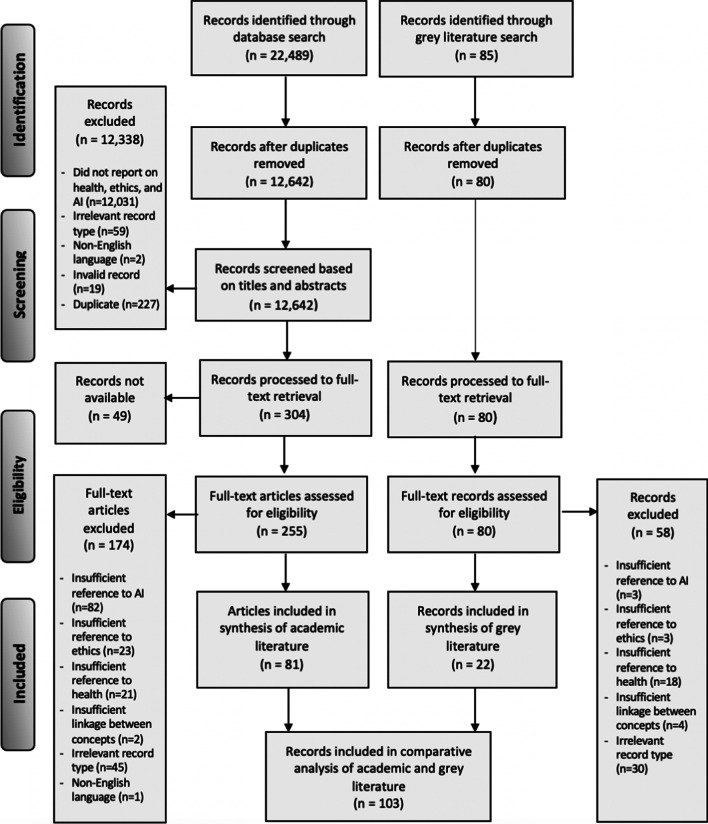
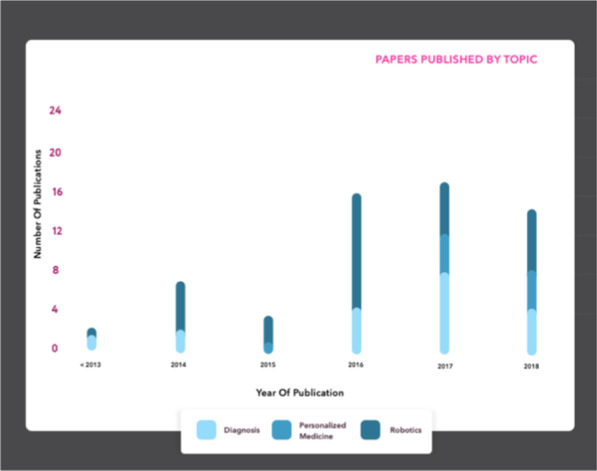
Background: Artificial intelligence (AI) has been described as the “fourth industrial revolution” with transformative and global implications, including in healthcare, public health, and global health. AI approaches hold promise for improving health systems worldwide, as well as individual and population health outcomes. While AI may have potential for advancing health equity within and between countries, we must consider the ethical implications of its deployment in order to mitigate its potential harms, particularly for the most vulnerable. This scoping review addresses the following question: What ethical issues have been identified in relation to AI in the field of health, including from a global health perspective? Methods: Eight electronic databases were searched for peer reviewed and grey literature published before April 2018 using the concepts of health, ethics, and AI, and their related terms. Records were independently screened by two reviewers and were included if they reported on AI in relation to health and ethics and were written in the English language. Data was charted on a piloted data charting form, and a descriptive and thematic analysis was performed. Results: Upon reviewing 12,722 articles, 103 met the predetermined inclusion criteria. The literature was primarily focused on the ethics of AI in health care, particularly on carer robots, diagnostics, and precision medicine, but was largely silent on ethics of AI in public and population health. The literature highlighted a number of common ethical concerns related to privacy, trust, accountability and responsibility, and bias. Largely missing from the literature was the ethics of AI in global health, particularly in the context of low- and middle-income countries (LMICs). Conclusions: The ethical issues surrounding AI in the field of health are both vast and complex. While AI holds the potential to improve health and health systems, our analysis suggests that its introduction should be approached with cautious optimism. The dearth of literature on the ethics of AI within LMICs, as well as in public health, also points to a critical need for further research into the ethical implications of AI within both global and public health, to ensure that its development and implementation is ethical for everyone, everywhere.
Overview
The claims and statistics of this paper haven’t been checked yet.
Free: it reads the open-access text and checks the first 5 claims that cite a source we can check. Create a free account to check every claim.
Integrity signals
Registry
Cites
Statistics
Figures
Verification
Claims the paper makes
The claims and statistics of this paper haven’t been checked yet.
Free: it reads the open-access text and checks the first 5 claims that cite a source we can check. Create a free account to check every claim.
Claims other papers make about this one
Each is checked against this paper’s own text: does it say what the citing paper says it does?
The check wasn’t confident either way, so it gives no verdict — never disputed.
In the citing paper
“AI and robotics enable remote patient monitoring, allowing healthcare providers to track patients’ vital signs, adherence to treatment plans, and overall health status.”
From Ethical implications of AI and robotics in healthcare: A review (2023) · cites this paper as [14]
Experimental — accuracy not yet measuredThe check wasn’t confident either way, so it gives no verdict — never disputed.
In the citing paper
“This reduces hospital readmissions and enhances the quality of care for chronic conditions.[14]”
From Ethical implications of AI and robotics in healthcare: A review (2023) · cites this paper as [14]
Experimental — accuracy not yet measured
Self-check
Percentages, sums and reported differences re-computed from the paper’s own numbers.
The self-check needs the paper’s full text.
Citations
Cites
LeCun, Y., Bengio, Y., & Hinton, G. (2015) · Nature · doi:10.1038/nature14539 · Cited by 84,126
PRISMA Extension for Scoping Reviews (PRISMA-ScR): Checklist and Explanation
Tricco, A. C., Lillie, E., Zarin, W., O'Brien, K. K., Colquhoun, H., Levac, D., Moher, D., Peters, M. D. J., Horsley, T., Weeks, L., et al. (2018) · Annals of Internal Medicine · doi:10.7326/m18-0850 · Cited by 43,565
Scoping studies: advancing the methodology
Levac, D., Colquhoun, H., & O'Brien, K. K. (2010) · Implementation Science · doi:10.1186/1748-5908-5-69 · Cited by 15,268
Methods for the thematic synthesis of qualitative research in systematic reviews
Thomas, J., & Harden, A. (2008) · BMC Medical Research Methodology · doi:10.1186/1471-2288-8-45 · Cited by 9,312
The global landscape of AI ethics guidelines
Jobin, A., Ienca, M., & Vayena, E. (2019) · Nature Machine Intelligence · doi:10.1038/s42256-019-0088-2 · Cited by 6,220
The role of artificial intelligence in achieving the Sustainable Development Goals
Vinuesa, R., Azizpour, H., Leite, I., Balaam, M., Dignum, V., Domisch, S., Felländer, A., Langhans, S. D., Tegmark, M., & Fuso Nerini, F. (2020) · Nature Communications · doi:10.1038/s41467-019-14108-y · Cited by 3,294
Opportunities and obstacles for deep learning in biology and medicine
Ching, T., Himmelstein, D. S., Beaulieu-Jones, B. K., Kalinin, A. A., Do, B. T., Way, G. P., Ferrero, E., Agapow, P.-M., Zietz, M., Hoffman, M. M., et al. (2018) · Journal of The Royal Society Interface · doi:10.1098/rsif.2017.0387 · Cited by 2,310
Deep Learning for Health Informatics
Ravì, D., Wong, C., Deligianni, F., Berthelot, M., Andreu-Perez, J., Lo, B., & Yang, G.-Z. (2017) · IEEE Journal of Biomedical and Health Informatics · doi:10.1109/jbhi.2016.2636665 · Cited by 2,000
Implementing Machine Learning in Health Care — Addressing Ethical Challenges
Char, D. S., Shah, N. H., & Magnus, D. (2018) · New England Journal of Medicine · doi:10.1056/nejmp1714229 · Cited by 1,857
Towards a common definition of global health
Koplan, J. P., Bond, T. C., Merson, M. H., Reddy, K. S., Rodriguez, M. H., Sewankambo, N. K., & Wasserheit, J. N. (2009) · The Lancet · doi:10.1016/s0140-6736(09)60332-9 · Cited by 1,511
Research works printed but not linked: 6
- Canadian Institute for Advanced Research 15. Canada, France, UK launch research workshops exploring societal implications of Artificial intelligence. 2019. https://www.cifar.ca/cifarnews/2019/04/15/canada-france-uk-launch-research-workshops-exploring-societal-implications-of-artificial-intelligence.
- World Health Organization. WHO guideline recommendations on digital interventions for health systems strengthening. 2019. 123 p. http://www.ncbi.nlm.nih.gov/books/NBK541902/. 31162915
- Crawford K, Whittaker M. The AI now report: the social and economic implications of artificial intelligence technologies in the near-term. White House and New York University’s Information Law Institute; (AI Now Public Symposium 2016).
- AI Now 2016 Symposium: The social implications of artificial intelligence technologies in the near-term. New York. 2016. (AI Now 2016 Primers.). https://ainowinstitute.org/AI_Now_2016_Primers.pdf.
- Hope M Computer-aided medicine: present and future issues of liability Comput Law J 1989 9 2 177 203
- Ethically aligned design: a vision for prioritizing human well-being with autonomous and intelligent systems. The IEEE global initiative on ethics of autonomous and intelligent systems. n.d. https://standards.ieee.org/content/dam/ieee-standards/standards/web/documents/other/ead1e.pdf.
Cited by
Items 101–200 of 512
Cau, R., Pisu, F., Suri, J. S., Mannelli, L., Scaglione, M., Masala, S. A., & Saba, L. (2023) · Diagnostics · doi:10.3390/diagnostics13122061 · Cited by 29
“Additionally, there exists the potential for the information gathered for and by AI systems to be vulnerable to hacking attempts [83,84].”
The Environmental Costs of Artificial Intelligence for Healthcare
Katirai, A. (2024) · Asian Bioethics Review · doi:10.1007/s41649-024-00295-4 · Cited by 34
“…costs arising from the environmental impact of AI despite its focus on the need to “mitigate … potential harms, especially for the most vulner-able” (Murphy et al. 2021; see also Char et al. 2018; Gerke et al. 2020; Martinez-Mar-tin et al. 2021; Hadley et al. 2020), or to offer a second…”
BackgroundBarriers to digital health implementation in low- and middle-income countries: a narrative review
Olayiwola, Q. B., Sanusi, O. M., Amoo, G. S., Agboola, O. J., Adeyemi, J. A., Suleiman, H. A., Ibrahim, M. A., & Hassan, T. A. (2026) · Discover Public Health · doi:10.1186/s12982-026-01875-5 · Cited by 32
Erkayıran, O., & Aslan, R. (2025) · Journal of Advanced Nursing · doi:10.1111/jan.70256 · Cited by 29
Familoni, B. T. (2024) · International Journal of Frontiers in Biology and Pharmacy Research · doi:10.53294/ijfbpr.2024.5.1.0032 · Cited by 31
“Ethical review boards provide independent oversight, guidance, and ethical scrutiny, helping to identify and mitigate potential risks and ethical concerns before AI-driven healthcare solutions are deployed in clinical settings (Murphy et al., 2021).”
BackgroundToo-Many-Oids: The paradox in constructing an organoid ethics framework
Barnhart, A. J., & Dierickx, K. (2023) · Molecular Psychology Brain Behavior and Society · doi:10.12688/molpsychol.17552.1 · Cited by 26
From insight to innovation: Harnessing artificial intelligence for dynamic literature reviews
Buetow, S., & Lovatt, J. (2024) · The Journal of Academic Librarianship · doi:10.1016/j.acalib.2024.102901 · Cited by 29
Funer, F., Schneider, D., Heyen, N. B., Aichinger, H., Klausen, A. D., Tinnemeyer, S., Liedtke, W., Salloch, S., & Bratan, T. (2024) · Journal of Medical Internet Research · doi:10.2196/55717 · Cited by 29
A Review of Converging Technologies in eHealth Pertaining to Artificial Intelligence
Pap, I. A., & Oniga, S. (2022) · International Journal of Environmental Research and Public Health · doi:10.3390/ijerph191811413 · Cited by 27
Wrede, C., Braakman‐Jansen, A., & van Gemert‐Pijnen, J. E. W. C. (2022) · BMC Geriatrics · doi:10.1186/s12877-022-03550-1 · Cited by 30
The Potential of Artificial Intelligence for Achieving Healthy and Sustainable Societies
Sırmaçek, B., Gupta, S., Mallor, F., Azizpour, H., Ban, Y., Eivazi, H., Fang, H., Golzar, F., Leite, I., Melsión, G. I., et al. (2023) · Philosophical studies series · doi:10.1007/978-3-031-21147-8_5 · Cited by 29
Huang, Z., Wang, W., Jia, Z., & Wang, Z. (2024) · Journal of Computer and Communications · doi:10.4236/jcc.2024.1212012 · Cited by 30
Transforming clinical reasoning—the role of AI in supporting human cognitive limitations
Greengrass, C. J. (2026) · Frontiers in Digital Health · doi:10.3389/fdgth.2025.1715440 · Cited by 31
Artificial Intelligence in the Differential Diagnosis of Cardiomyopathy Phenotypes
Cau, R., Pisu, F., Suri, J. S., Montisci, R., Gatti, M., Mannelli, L., Gong, X., & Saba, L. (2024) · Diagnostics · doi:10.3390/diagnostics14020156 · Cited by 29
“Instances of unauthorized access and data breaches pose threats to the integrity and confidentiality of sensitive medical information [67,68].”
BackgroundArtificial intelligence ethics in services: are we paying attention to that?!
Tlili, A., Denden, M., Abed, M., & Huang, R. (2024) · Service Industries Journal · doi:10.1080/02642069.2024.2369322 · Cited by 28
“…Hunkenschroer and Luetge (2022) AI ethics in management and recruitment process Li et al. (2021) Ethics of AI technologies in hospitality and tourism Murphy et al. (2021) AI ethics in health care Morley et al. (2020a) AI ethics in health care Morley et al. (2020b) ethics tools, methods and research”
Regulating the safety of health–related artificial intelligence.
Silva, M., Flood, C., Goldenberg, A., & Singh, D. (2022) · Healthcare Policy | Politiques de Santé · doi:10.12927/hcpol.2022.26824 · Cited by 23
Cagliero, D., Deuitch, N. T., Shah, N. H., Feudtner, C., & Char, D. S. (2023) · Journal of the American Medical Informatics Association · doi:10.1093/jamia/ocad022 · Cited by 24
Okem, E. S., Ukpoju, E. A., David, A. B., & Olurin, J. O. (2023) · Engineering Science & Technology Journal · doi:10.51594/estj.v4i6.679 · Cited by 41
Users' Perceptions and Trust in AI in Direct-to-Consumer mHealth: Qualitative Interview Study
Ryan, K., Hogg, J., Kasun, M., & Kim, J. P. (2025) · JMIR mhealth and uhealth · doi:10.2196/64715 · Cited by 25
“…been repeatedly highlighted in the AI-mHealth literature; however, the perspectives on these issues of the stakeholders in direct-to-consumer AI-mHealth who arguably stand to assume most of its benefits and risks (ie, end users) are yet to be adequately explored in the empirical literature [15].”
Ethical perspective on AI hazards to humans: A review
Chen, C.-Y., Chen, Z., Luo, W., Xu, Y., Yang, S., Yang, G., Chen, X., Chi, X., Xie, N., & Zeng, Z. (2023) · Medicine · doi:10.1097/md.0000000000036163 · Cited by 26
ChatGPT Yields a Passing Score on a Pediatric Board Preparatory Exam but Raises Red Flags
Le, M., & Davis, M. K. (2024) · Global Pediatric Health · doi:10.1177/2333794x241240327 · Cited by 26
Gagnon, M., Payne, A., & Guţă, A. (2021) · Harm Reduction Journal · doi:10.1186/s12954-021-00529-w · Cited by 21
A Comprehensive Review of the Impact of Machine Learning and Omics on Rare Neurological Diseases
Alganmi, N. A. (2024) · BioMedInformatics · doi:10.3390/biomedinformatics4020073 · Cited by 23
“The integration of privacy, trust, accountability, responsibility, and bias into the research framework is essential to navigate the complex landscape of AI and omics data in rare disease research [104,107,108].”
BackgroundInfluentialArtificial intelligence in neuroradiology: a scoping review of some ethical challenges
Khosravi, P., & Schweitzer, M. (2023) · Frontiers in Radiology · doi:10.3389/fradi.2023.1149461 · Cited by 23
“(69), the authors discussed ethical issues including responsibility surrounding AI in the field of health and pointed to a critical need for further research into the ethical implications of AI within both global and public health.”
BackgroundFuture Potential Challenges of Using Large Language Models Like ChatGPT in Daily Medical Practice
Sedaghat, S. (2023) · Journal of the American College of Radiology · doi:10.1016/j.jacr.2023.10.019 · Cited by 20
Isiaka, A. B., Anakwenze, V. N., Ilodinso, C. R., Anaukwu, C. G., Ezeokoli, C. M.-V., Noi, S. M., Agboola, G. O., & Adonu, R. M. (2024) · International Journal of Innovative Research and Development · doi:10.24940/ijird/2024/v13/i2/feb24016 · Cited by 35
Hasan, M. K., Hossain, F., & Atar, E. (2024) · Journal of Refugee Studies · doi:10.1093/jrs/feae062 · Cited by 20
Johansson, J. V., & Engström, E. (2024) · Health Informatics Journal · doi:10.1177/14604582241275020 · Cited by 24
Stucky, C. H., & Wymer, J. A. (2023) · Nurse Leader · doi:10.1016/j.mnl.2023.09.009 · Cited by 20
Nawaz, F. A., Barr, A. A., Desai, M. Y., Tsagkaris, C., Singh, R., Klager, E., Eibensteiner, F., Parvanov, E. D., Hriberšek, M., Kletečka-Pulker, M., et al. (2022) · Frontiers in Public Health · doi:10.3389/fpubh.2022.856571 · Cited by 20
Integrating Artificial Intelligence into Causal Research in Epidemiology
Matthay, E. C., Neill, D. B., Titus, A. R., Desai, S. M., Troxel, A. B., Cerdá, M., Diaz, I. M., Santacatterina, M., & Thorpe, L. E. (2025) · Current Epidemiology Reports · doi:10.1007/s40471-025-00359-5 · Cited by 19
Artificial Intelligence (AI) and Cheating: The Concept of Generative Artificial Intelligence (GenAI)
Akkaş, Ö. M., Tosun, C., & Gökçearslan, Ş. (2024) · Advances in educational technologies and instructional design book series · doi:10.4018/979-8-3693-1351-0.ch009 · Cited by 22
Ethical Issues in AI-Generated Texts: A Systematic Review and Analysis
Zhang, Y., Zhou, T., Qiao, H., & Li, T. X. (2025) · International Journal of Human-Computer Interaction · doi:10.1080/10447318.2025.2530071 · Cited by 24
“…have investigated the ethical concerns surrounding AI tools, the majority of these studies are discipline-specific in scope, such as healthcare (Al Kuwaiti et al., 2023; Boucher et al., 2021; Murphy et al., 2021), academia (Dergaa et al., 2023; Miao et al., 2023), or medicine (Wang et al., 2023).”
Sedeeq, F. S., & Arman, P. (2025) · The Journal of Law Medicine & Ethics · doi:10.1017/jme.2025.10175 · Cited by 24
Rizvi, A., Rizvi, F., Lalakia, P., Hyman, L., Frasso, R., Sztandera, L., & Das, A. V. (2023) · Cureus · doi:10.7759/cureus.45539 · Cited by 22
Obura, E. A., & Emoit, P. I. (2024) · Africa Education Review · doi:10.1080/18146627.2024.2440351 · Cited by 24
“Murphy et al. (2021) mention that while there is increasing support from funding bodies to enhance research on the social and ethical implications of AI, the academic bioethics community was less interested in its full implementation from the globalised context.”
Williams, D. D., Ferro, D., Mullaney, C., Skrabonja, L., Barnes, M. S., Patton, S. R., Lockee, B., Tallon, E. M., Vandervelden, C. A., Schweisberger, C., et al. (2023) · JMIR Diabetes · doi:10.2196/47592 · Cited by 19
ChatGPT: a reliable fertility decision-making tool?
Beilby, K. H., & Hammarberg, K. (2024) · Human Reproduction · doi:10.1093/humrep/dead272 · Cited by 18
“However, as we all learn how to manage and hopefully benefit from the new world of AI information generation, we also need to be aware of and tackle the common ethical concerns about this technology including privacy, trust, accountability and responsibility, and bias (Murphy et al. , 2021).”
BackgroundArtificial intelligence in medical education: Typologies and ethical approaches
Pręgowska, A., & Perkins, M. D. (2024) · Ethics & bioethics · doi:10.2478/ebce-2024-0004 · Cited by 16
Rainey, C., Bond, R., McConnell, J., Hughes, C., Kumar, D., & McFadden, S. L. (2024) · PLOS Digital Health · doi:10.1371/journal.pdig.0000560 · Cited by 19
Chakraborty, P. P. (2024) · Advances in human and social aspects of technology book series · doi:10.4018/979-8-3693-4147-6.ch003 · Cited by 18
Exploring the Use of Artificial Intelligence and Robotics in Prostate Cancer Management
Arigbede, O. M., Amusa, T., & Buxbaum, S. G. (2023) · Cureus · doi:10.7759/cureus.46021 · Cited by 16
An in-depth review of AI-powered advancements in cancer drug discovery
Le, M. H. N., Nguyen, P. K., Nguyen, T. P. T., Nguyen, H. Q., Tam, D. N. H., Huynh, H. H., Huynh, P. K., & Le, N. Q. K. (2025) · Biochimica et Biophysica Acta (BBA) - Molecular Basis of Disease · doi:10.1016/j.bbadis.2025.167680 · Cited by 15
Wang, T., Emami, E., Jafarpour, D., Tolentino, R., Gore, G. C., & Rahimi, S. A. (2025) · PLOS Digital Health · doi:10.1371/journal.pdig.0000941 · Cited by 17
“One major concern is the lack of focus on AI ethics in low-to-middle-income settings, alongside the under-representation of diverse patient populations in AI datasets [45].”
van Breugel, M., Greenhawt, M., Eguíluz‐Gracia, I., Torres, M. J., Anagnostou, A., & Koppelman, G. H. (2025) · Journal of Allergy and Clinical Immunology · doi:10.1016/j.jaci.2025.08.022 · Cited by 23
Martinho, D., Sobreiro, P., Domingues, A., Martinho, F. I. F., & Nogueira, N. F. R. (2026) · Healthcare · doi:10.3390/healthcare14030287 · Cited by 23
“At the micro level, clinicians and other healthcare professionals are responsible for interpreting AI outputs, exercising clinical judgement, preserving informed consent, and safeguarding patients’ autonomy and dignity [171,172].”
Ateeq, A. A., & Milhem, M. (2024) · Studies in systems, decision and control · doi:10.1007/978-3-031-54379-1_17 · Cited by 15
Imad-Addin, A. (2024) · IgMin Research · doi:10.61927/igmin222 · Cited by 15
Transparency and Accountability
Pappachan, P., Moslehpour, M., Bansal, R., & Rahaman, M. (2024) · Advances in computational intelligence and robotics book series · doi:10.4018/979-8-3693-3860-5.ch006 · Cited by 15
Ismail, W. A. W., Marzuki, M. M., & Lode, N. A. (2024) · Asian Journal of Accounting Research · doi:10.1108/ajar-12-2021-0263 · Cited by 20
Kooi, K., Talavera, E., Freundt, L. A., Oflazoglu, K., Ritt, M. J. P. F., Eberlin, K. R., Selles, R. W., Clemens, M. W., & Rakhorst, H. A. (2024) · Plastic & Reconstructive Surgery · doi:10.1097/prs.0000000000011266 · Cited by 15
“50,51 Furthermore, collaboration between medical professionals, data scientists, and policy-makers is necessary to ensure transparency, fairness, and adherence to ethical standards.”
Balancing innovation and ethics in AI governance for health technology assessment
Carapinha, J. L., Botes, D., & Carapinha, R. (2024) · Journal of Medical Economics · doi:10.1080/13696998.2024.2352821 · Cited by 17
Ethics of Artificial Intelligence: challenges, opportunities and future prospects
Falvo, F. R., & Cannataro, M. (2024) · IEEE International Conference on Bioinformatics and Biomedicine (BIBM) · doi:10.1109/bibm62325.2024.10822112 · Cited by 16
“For example, one study highlighted how health data often reflects social inequalities, leading to less accurate diagnoses and treatments for certain segments of the population ( [20], [21], [22]).”
Generative AI chatbots: the future of grammar and spelling correction in English learning
Yang, A. (2025) · International Journal of Information and Communication Technology · doi:10.1504/ijict.2025.10071754 · Cited by 17
Post, B., Badea, C., Faisal, A. A., & Brett, S. J. (2022) · AI and Ethics · doi:10.1007/s43681-022-00230-z · Cited by 19
Artificial Intelligence in Healthcare
Naqvi, G., Nasir, T., Azam, H., & Zafar, L. (2023) · Pakistan Journal of Humanities and Social Sciences · doi:10.52131/pjhss.2023.1102.0443 · Cited by 15
Mapping the ethic‐theoretical foundations of artificial intelligence research
White, G. R. T., Samuel, A. J., Jones, P. K., Madhavan, N., Afolayan, A., Abdullah, A., & Kaushik, T. (2024) · Thunderbird International Business Review · doi:10.1002/tie.22368 · Cited by 15
“Following the approach of other research, this study engages in a systematic review and mapping of the extant literature (e.g., Huang et al., 2023; Murphy et al., 2021; Tranfield et al., 2003; Vakkuri & Abrahamsson, 2018).”
MethodChen, Y.-J., Hsu, C.-L., Lin, T., & Lee, J.-S. (2024) · Electronics · doi:10.3390/electronics13081575 · Cited by 14
“Artificial intelligence (AI) has the potential to have widespread impacts and applications, and its development has been rapidly growing, including the implementation of strategies, policies, and their adoption [1,2].”
BackgroundProchaska, M. T., & Alfandre, D. (2024) · Journal of Hospital Medicine · doi:10.1002/jhm.13364 · Cited by 15
“3,13,14 Before AI, this ethical norm was being challenged by the social value of and impracticability of obtaining informed consent for large amounts of healthcare data.”
Grassini, S., Thorp, S. O., Cipriani, E., Mannari, V., & Sevic, A. (2025) · Computers in Human Behavior Reports · doi:10.1016/j.chbr.2025.100834 · Cited by 14
Estimation of the Prostate Volume from Abdominal Ultrasound Images by Image-Patch Voting
Albayrak, N. B., & Akgül, Y. S. (2022) · Applied Sciences · doi:10.3390/app12031390 · Cited by 14
Bouhouita-Guermech, S., & Haidar, H. (2024) · Asian Bioethics Review · doi:10.1007/s41649-024-00292-7 · Cited by 13
“…the importance of adhering cautiously to principles (i.e., autonomy, privacy, transparency, and justice) aimed at ensuring AI responsibility (Mullins et al. 2021; Bhattacharya et al. 2021; Cath 2018; Mittelstadt 2019; Mar‑ tinez‑Martin and Kreitmair 2018; Jackson et al. 2021; Murphy et al. 2021).”
InfluentialUrsin, F., Müller, R., Funer, F., Liedtke, W., Renz, D., Wiertz, S., & Ranisch, R. (2024) · Medicine Health Care and Philosophy · doi:10.1007/s11019-024-10222-x · Cited by 11
“…2021); health care ethics (Rogers et al. 2021) (Martens and Hildebrand 2021); scoping reviews (Jacquemard et al. 2020, 2021; Martani et al. 2020; Murphy et al. 2021); systematic review (Gesualdo et al. 2021); systematic app review (Sauerborn et al. 2021); and non-systematic literature reviews…”
BackgroundEpileptic seizures diagnosis and prognosis from EEG signals using heterogeneous graph neural network
Alasiry, A., Sampedro, G. A., Almadhor, A. S., Juanatas, R. A., Alsubai, S., & Karovič, V. (2025) · PeerJ Computer Science · doi:10.7717/peerj-cs.2765 · Cited by 13
Ratkevičiūtė, K., & Aliukonis, V. (2025) · Healthcare · doi:10.3390/healthcare13121429 · Cited by 12
“While this approach often delivers high accuracy, the lack of transparency creates challenges in establishing trust, interpreting results, and handling errors [14].”
Sinha, C. (2025) · Oxford Open Digital Health · doi:10.1093/oodh/oqaf016 · Cited by 13
“…and use AI-enabled solutions • Analyzing how social and gender norms influence AI regulations, datasets, algorithms, use and health-seeking behaviors Ethics and sustainability in AI for healthcare is a critical area for study[40,41]buttendstofocusonGlobal Northcontexts andclin-ical settings [42].”
The artificial intelligence (AI) competence paradox: how AI reshapes clinical expertise
Nilsson, C. (2025) · Transforming Government People Process and Policy · doi:10.1108/tg-02-2025-0048 · Cited by 16
YAPAY ZEKA KABUL ÖLÇEĞİ KISA FORMU’NUN PSİKOMETRİK ÖZELLİKLERİNİN İNCELENMESİ
Batuk, B., Aktu, Y., & Türk, N. (2025) · Çukurova Üniversitesi Sosyal Bilimler Enstitüsü Dergisi · doi:10.35379/cusosbil.1695975 · Cited by 12
Mascarenhas, M., Ribeiro, T., Afonso, J. P. L., Mendes, F., Cardoso, P., Martins, M., Ferreira, J. P. S., & Macedo, G. (2023) · Diagnostics · doi:10.3390/diagnostics13243625 · Cited by 12
Is There a Role of Artificial Intelligence in Preclinical Imaging?
Küper, A. T., Blanc‐Durand, P., Gafita, A., Kersting, D., Fendler, W. P., Seibold, C., Moraitis, A., Lückerath, K., James, M. L., & Seifert, R. (2023) · Seminars in Nuclear Medicine · doi:10.1053/j.semnuclmed.2023.03.003 · Cited by 12
Crew, A., Reidy, C., van der Westhuizen, H., & Graham, M. (2024) · Journal of Evaluation in Clinical Practice · doi:10.1111/jep.14237 · Cited by 11
Chikwelu, L., Olowoyo, J. O., Malevu, T. D., Mugivhisa, L. L., Hungwe, T., Ogunrombi, M. O., & Mkolo, N. M. (2024) · African Journal of Laboratory Medicine · doi:10.4102/ajlm.v13i1.2516 · Cited by 14
Wei, S., Guo, X., He, S., Zhang, C., Chen, Z., Chen, J., Huang, Y., Zhang, F., & Liu, Q. (2025) · Journal of Medical Internet Research · doi:10.2196/67871 · Cited by 11
“These issues underscore the ethical challenges associated with the application of AI in medicine, including result interpretability, algorithmic transparency, predictive fairness, and data privacy [135,136].”
Shu, S., Luo, Q., & Chen, Z. (2025) · BMC Medical Ethics · doi:10.1186/s12910-025-01236-y · Cited by 10
“…applied in the medical field, these data-and algorithm-driven biases underscore the ethical challenges that have become increasingly prominent [42, 44, 61, 66], including fairness in health-care access, transparency of algorithmic decision-making, patient autonomy in AI-assisted diagnosis, and…”
Barry, B. A., Sharp, R. R., & McGowan, M. L. (2025) · International Journal of Ethics Education · doi:10.1007/s40889-025-00218-3 · Cited by 11
“These developments carry significant implications that demand an interdisciplinary ethical analysis (Blasimme and Vayena 2019; Murphy et al. 2021).”
Byberg, E., & Crimi, M. (2025) · Frontiers in Digital Health · doi:10.3389/fdgth.2025.1605006 · Cited by 10
Hodzic, S., Stević, A., & Matthes, J. (2026) · Technology in Society · doi:10.1016/j.techsoc.2026.103331 · Cited by 12
Saini, A. K., Yadav, R., Shekhawat, S. S., Vats, P., Yadav, S. L., Singh, A. P., & Biswas, S. S. (2023) · International Conference on Data Science and Network Security (ICDSNS) · doi:10.1109/icdsns58469.2023.10245763 · Cited by 12
Amaya-Santos, S., Jiménez-Pernett, J., & Bermúdez‐Tamayo, C. (2024) · Anales del Sistema Sanitario de Navarra · doi:10.23938/assn.1077 · Cited by 13
Hölzing, C. R., Rumpf, S., Huber, S. L., Papenfuß, N., Meybohm, P., & Happel, O. (2024) · Healthcare · doi:10.3390/healthcare12191964 · Cited by 13
“Furthermore, the implications of algorithmic bias and the ethical responsibility of AI developers must be considered, as biases inherent in AI systems could perpetuate existing disparities in healthcare delivery [24].”
BackgroundDesafios Sociais e Éticos da Inteligência Artificial no Século XXI
Machado, H., & Silva, S. (2024) · UMinho Editora eBooks · doi:10.21814/uminho.ed.130 · Cited by 17
Singh, S., Gambill, J. L., Attalla, M., Fatima, R., Gill, A. R., & Siddiqui, H. F. (2024) · Cureus · doi:10.7759/cureus.71651 · Cited by 13
Silva, R. J., & Gomes, L. (2025) · Computers in Biology and Medicine · doi:10.1016/j.compbiomed.2025.110065 · Cited by 9
AI-Powered Synergistic Robotics and IoT Ecosystems for Predictive and Preventive Healthcare
Ravikumar, R. N., & Aarthi, S. (2025) · IGI Global eBooks · doi:10.4018/979-8-3373-5447-7.ch001 · Cited by 9
Upreti, K., Vats, P., Nasir, M. S., Alam, M. S., Shahi, F. I., & Kamal, M. S. (2023) · IEEE World Conference on Applied Intelligence and Computing (AIC) · doi:10.1109/aic57670.2023.10263931 · Cited by 11
AI-Y: An AI Checklist for Population Ethics Across the Global Context
Hswen, Y., Naslund, J. A., Hurley, M., Ragon, B., Handley, M. A., Fang, F., Haroz, E. E., Nabende, J. N., van Heerden, A. C., & Nsoesie, E. O. (2025) · Current Epidemiology Reports · doi:10.1007/s40471-025-00362-w · Cited by 9
“Given the rapid integration of AI in global health, previous studies have emphasized the need for clear standards and guidelines to ensure the responsible development and deployment of AI interventions [99, 100].”
Comprehensive Evaluation of AI-Driven Systems in Modern Hospital Environments
Ravikumar, R. N., Aarthi, S., Atamuratova, Z., Ashirova, A. I., Atamuratovich, J. K., & Hayitova, M. (2025) · Advances in computational intelligence and robotics book series · doi:10.4018/979-8-3373-2787-7.ch003 · Cited by 14
Smart hospitality: What drives consumers to accept AI services?
Azhar, M., Akhtar, M. J., Siddiqui, M. S., Khan, Z., & Khan, F. A. (2025) · Journal of Hospitality and Tourism Insights · doi:10.1108/jhti-04-2025-0492 · Cited by 10
Health Equity in Clinical Research Informatics
Maurud, S., Henni, S. H., & Moen, A. (2023) · Yearbook of Medical Informatics · doi:10.1055/s-0043-1768720 · Cited by 9
Maccaro, A., Tsiompanidou, V., Piaggio, D., Gallego, A., Cea, G., de Batlle, J., Rodriguez, A. Q., Fico, G., & Pecchia, L. (2024) · npj Digital Medicine · doi:10.1038/s41746-024-01092-x · Cited by 8
AI-Driven Transformation in Higher Education: New Frontiers in Administration and Management
Din, M. S. E., & Harrasi, N. A. (2024) · Advances in educational technologies and instructional design book series · doi:10.4018/979-8-3693-2145-4.ch006 · Cited by 8
Funer, F., Tinnemeyer, S., Liedtke, W., & Salloch, S. (2024) · BMC Medical Ethics · doi:10.1186/s12910-024-01109-w · Cited by 11
Deep learning in neuroimaging of epilepsy
García-Ramó, K. B., Sánchez-Catasús, C. A., & Winston, G. P. (2023) · Clinical Neurology and Neurosurgery · doi:10.1016/j.clineuro.2023.107879 · Cited by 8
Byrnes, J., & Robinson, M. G. (2024) · Nursing Ethics · doi:10.1177/09697330241307317 · Cited by 7
Artificial Intelligence in Older Adults’ Healthcare: Applications and Ethical Considerations
ŞENDUR, E. G., & Turgut, A. (2025) · Akdeniz Hemşirelik Dergisi · doi:10.59398/ahd.1652544 · Cited by 8
van Kessel, R., Schmidt, J., van Kolfschooten, H., Feudo, S., Young, K., Valtere, L., Minssen, T., & Mossialos, E. A. (2025) · npj Health Systems · doi:10.1038/s44401-025-00050-3 · Cited by 10
Hlede, V., Valanci, S., D’Antuono, G., Dow, H., Wiggins, R. H., Dorman, T., & O’Beirne, R. (2026) · JMIR Medical Education · doi:10.2196/69156 · Cited by 9
“It involves protecting patient privacy, obtaining informed consent, ensuring accountability, managing bias, ensuring fairness, protecting intellectual property, promoting transparency, and building trust [58].”
Ethics in Artificial Intelligence: A Cross-Sectoral Review of 2019–2025
Liapis, C. M., Fazakis, N., Kotsiantis, S. B., & Dimakopoulos, Y. (2026) · Informatics · doi:10.3390/informatics13040051 · Cited by 10
Avianta, N. A. S., Putra, D. H., Satrya, B. A., & Iqbal, M. F. (2025) · MALCOM Indonesian Journal of Machine Learning and Computer Science · doi:10.57152/malcom.v5i4.2229 · Cited by 13
Rivard, L., Lehoux, P., de Oliveira, R. R., & Alami, H. (2023) · BMJ Leader · doi:10.1136/leader-2022-000697 · Cited by 11
Metadata
- Authors
- Murphy, K., Di Ruggiero, E., Upshur, R., Willison, D. J., Malhotra, N., Cai, J. C., Malhotra, N., Lui, V., & Gibson, J.
- Affiliations
- University of Toronto (CA)
- Corresponding author
- Gibson, Jennifer
- Venue
- BMC Medical Ethics
- Published
- 2021-02-15
- Volume
- 22
- Issue
- 1
- Pages
- 14-14
- ISSN
- 1472-6939 (ISSN-L)
- PMC
- PMC7885243
- OpenAlex
- W3115247823
- Cited by
- 435
- References
- 97
- Citations by year
- 2026: 69 · 2025: 133 · 2024: 125 · 2023: 53 · 2022: 46 · 2021: 9
- FWCI
- 4.74
- Type
- journal article
- Language
- en
- Open access
- gold
- doi.org
- Licence
- cc-by
- creativecommons.org/licenses/by/4.0/ (tdm)
- creativecommons.org/licenses/by/4.0/ (vor)
- Locations
- BMC Medical Ethics (publishedVersion, cc-by)
- Research Square (acceptedVersion, cc-by)
- PubMed Central (publishedVersion, cc-by)
- PubMed (publishedVersion)
- TSpace (University of Toronto) (submittedVersion, cc-by)
- DOAJ (DOAJ: Directory of Open Access Journals) (submittedVersion, cc-by-sa)
- Funders
- Joint Centre for Bioethics Jus Innovation Fund
- Topics
- Health Sciences › Medicine › Health Informatics › Artificial Intelligence in Healthcare and Education
- Physical Sciences › Computer Science › Artificial Intelligence › Ethics and Social Impacts of AI
- Health Sciences › Medicine › Public Health, Environmental and Occupational Health › Ethics and bioethics in healthcare
- Keywords
- AI ethics, health care AI, global health, low- and middle-income countries, medical diagnostics, precision medicine, privacy, trust, accountability and responsibility, algorithmic bias, health equity
- MeSH terms
- Artificial Intelligence, Delivery of Health Care, Humans, Morals, Poverty, Caregivers
About these checks
Registry, retraction, Cites and statistics results are computed, not judged, with one exception: a printed reference that no index lists is read once by a model before it counts as a citation error. Claims are extracted by a model and kept only when their quote appears verbatim in the text; each cited source is then checked, with a model’s help, for whether it says what the claim relies on. Those verdicts can be wrong — read the claim’s quote and the cited source before relying on one.
Statistics and arithmetic are recomputed, not judged.
Confidence bands are shown only for fields calibrated on our annotated test set. None is calibrated yet, so no band is shown.
What counts as a claim ›How we measure confidence ›How we check this ›
Are you an author, or do you see a problem with this page? Request a review
Data sources
Bibliographic data: Semantic Scholar, OpenAlex, Crossref.
Contains information from the Semantic Scholar Academic Graph Datasets, made available under the ODC Attribution License (ODC-BY 1.0).
Semantic Scholar’s data is described in: Kinney, R., et al. (2023). The Semantic Scholar Open Data Platform. arXiv:2301.10140.
