

Advancing scoping study methodology: a web-based survey and consultation of perceptions on terminology, definition and methodological steps
Open accessThe DOI matches its Crossref record; 30 of the 30 references it cites were found in a registry or an index.
Abstract
BACKGROUND: Scoping studies (or reviews) are a method used to comprehensively map evidence across a range of study designs in an area, with the aim of informing future research practice, programs and policy. However, no universal agreement exists on terminology, definition or methodological steps. Our aim was to understand the experiences of, and considerations for conducting scoping studies from the perspective of academic and community partners. Primary objectives were to 1) describe experiences conducting scoping studies including strengths and challenges; and 2) describe perspectives on terminology, definition, and methodological steps. METHODS: We conducted a cross-sectional web-based survey with clinicians, educators, researchers, knowledge users, representatives from community-based organizations, graduate students, and policy stakeholders with experience and/or interest in conducting scoping studies to gain an understanding of experiences and perspectives on the conduct and reporting of scoping studies. We administered an electronic self-reported questionnaire comprised of 22 items related to experiences with scoping studies, strengths and challenges, opinions on terminology, and methodological steps. We analyzed questionnaire data using descriptive statistics and content analytical techniques. Survey results were discussed during a multi-stakeholder consultation to identify key considerations in the conduct and reporting of scoping studies. RESULTS: Of the 83 invitations, 54 individuals (65 %) completed the scoping questionnaire, and 48 (58 %) attended the scoping study meeting from Canada, the United Kingdom and United States. Many scoping study strengths were dually identified as challenges including breadth of scope, and iterative process. No consensus on terminology emerged, however key defining features that comprised a working definition of scoping studies included the exploratory mapping of literature in a field; iterative process, inclusion of grey literature; no quality assessment of included studies, and an optional consultation phase. We offer considerations for the conduct and reporting of scoping studies for researchers, clinicians and knowledge users engaging in this methodology. CONCLUSIONS: Lack of consensus on scoping terminology, definition and methodological steps persists. Reasons for this may be attributed to diversity of disciplines adopting this methodology for differing purposes. Further work is needed to establish guidelines on the reporting and methodological quality assessment of scoping studies.
Overview
The claims and statistics of this paper haven’t been checked yet.
Free: it reads the open-access text and checks the first 5 claims that cite a source we can check. Create a free account to check every claim.
Integrity signals
Registry
Cites
Statistics
Figures
Verification
Claims the paper makes
The claims and statistics of this paper haven’t been checked yet.
Free: it reads the open-access text and checks the first 5 claims that cite a source we can check. Create a free account to check every claim.
Self-check
Percentages, sums and reported differences re-computed from the paper’s own numbers.
The self-check needs the paper’s full text.
Citations
Cites
Preferred Reporting Items for Systematic Reviews and Meta-Analyses: the PRISMA statement
Moher, D., Liberati, A., Tetzlaff, J., Altman, D. G., & for the PRISMA Group (2009) · BMJ · doi:10.1136/bmj.b2535 · Cited by 83,823
Self-citationPreferred Reporting Items for Systematic Reviews and Meta-Analyses: The PRISMA Statement
Moher, D., Liberati, A., Tetzlaff, J., Altman, D. G., & The PRISMA Group (2009) · PLoS Medicine · doi:10.1371/journal.pmed.1000097 · Cited by 64,042 · cited 1×
“The preference for scoping review seemed to emerge from the methodological steps referencing review of the literature, and feeling that ‘scoping review’ provided more legitimacy and rigor if considered in the same classification of systematic reviews, which have clear established steps and reporting criteria [24].”
BackgroundSelf-citationPreferred reporting items for systematic reviews and meta-analyses: the PRISMA Statement.
(2009) · PubMed Central · Cited by 44,859
Self-citationThree Approaches to Qualitative Content Analysis
Hsieh, H.-F., & Shannon, S. E. (2005) · Qualitative Health Research · doi:10.1177/1049732305276687 · Cited by 44,601 · cited 2×
“Scoping Study Meeting Rapporteur Notes: We analyzed the rapporteur data capturing the discussion at the scoping study meeting using content analysis [17].”
MethodScoping studies: towards a methodological framework
Arksey, H., & O'Malley, L. (2005) · International Journal of Social Research Methodology · doi:10.1080/1364557032000119616 · Cited by 36,742 · cited 14×
“Daudt HM, van Mossel C, Scott SJ. Enhancing the scoping study methodology: a large, inter-professional team’s experience with Arksey and O’Malley’s framework.”
BackgroundMethodInfluentialSelf-citationPreferred Reporting Items for Systematic Reviews and Meta-Analyses: The PRISMA Statement
Moher, D., Liberati, A., Tetzlaff, J., & Altman, D. G. (2009) · Journal of Clinical Epidemiology · doi:10.1016/j.jclinepi.2009.06.005 · Cited by 19,575
Self-citationWang, G., Ma, R., Qiao, G., Wada, K., Aizawa, Y., & Satoh, T. (2015) · Integrative Medicine International · doi:10.1159/000368408 · Cited by 18,657
Scoping studies: advancing the methodology
Levac, D., Colquhoun, H., & O'Brien, K. K. (2010) · Implementation Science · doi:10.1186/1748-5908-5-69 · Cited by 15,268 · cited 6×
“[8] and Daudt and colleagues [9], while considering newly published recommendations on the methodological protocol of conducting and reporting scoping studies [25, 29].”
BackgroundMethodInfluentialSelf-citationMail and internet surveys : the tailored design method
Dillman, D. A. (2007) · Cited by 9,587
Guidance for conducting systematic scoping reviews
Peters, M. D. J., Godfrey, C. M., Khalil, H., McInerney, P., Parker, D., & Soares, C. B. (2015) · International Journal of Evidence-Based Healthcare · doi:10.1097/xeb.0000000000000050 · Cited by 7,472 · cited 3×
“Strategies to enhance methodological rigour that emerged from this work similarly reflect those documented in the literature such as clearly justifying the use of scoping study methodology over other forms of knowledge syntheses, and articulating a clear and focused scoping purpose which directly links to the research…”
BackgroundMethod
Cited by
Items 101–200 of 281
Mental health issues of children and young people displaced by conflict: A scoping review
Otorkpa, C. O., Otorkpa, O. J., Olaniyan, O. E., & Adebola, O. A. (2024) · PLOS mental health. · doi:10.1371/journal.pmen.0000076 · Cited by 14
The impact of human trafficking in relation to maternity care: A literature review
Collins, C., & Skarparis, K. (2020) · Midwifery · doi:10.1016/j.midw.2020.102645 · Cited by 14
Measuring patient experience in the emergency department: A scoping review
Oyegbile, Y. O., & Brysiewicz, P. (2020) · African Journal of Emergency Medicine · doi:10.1016/j.afjem.2020.07.005 · Cited by 23
Hodel, J., Stucki, G., & Prodinger, B. (2021) · Journal of Clinical Epidemiology · doi:10.1016/j.jclinepi.2021.07.015 · Cited by 17
McIsaac, J. D., MacQuarrie, M., Barich, R., Morris, S., Turner, J. C., & Rossiter, M. D. (2022) · International Journal of Environmental Research and Public Health · doi:10.3390/ijerph191911870 · Cited by 19
“However, one limitation of our process was that the broad nature of scoping reviews does not typically include quality assessments [75], therefore, we were not able to comment specifically on the quality of the included studies.”
BackgroundMotivations for choosing an allied health profession career: findings from a scoping review
Wallis, L., Locke, R., Ryall, S., Harden, B., & Health Education England, U. (2023) · International Journal of Practice-based Learning in Health and Social Care · doi:10.18552/ijpblhsc.v11i1.751 · Cited by 13
Malik, M., Strang, N. C., Campbell, P., & Jonuscheit, S. (2022) · Ophthalmic and Physiological Optics · doi:10.1111/opo.12977 · Cited by 21
“17,152,153 In this review a detailed and multifaceted quality appraisal of all included studies was undertaken in order to identify the nature of research in each area and to ensure methodological rigour.”
Post, E., Vis, J., & Boynton, H. M. (2023) · Religions · doi:10.3390/rel14010073 · Cited by 18
Housing the Teacher Workforce: A Scoping Review
Medlin, L., Eacott, S., Gilbert, C., MacDonald, K., & Pettit, C. J. (2024) · Education Sciences · doi:10.3390/educsci14050537 · Cited by 16
Contested circular economy and mixed social implications from practice: A scoping review
Liu, K. (2024) · Sustainable Development · doi:10.1002/sd.3229 · Cited by 16
Youth friendliness in mental health and addiction services: protocol for a scoping review
Hawke, L. D., Cleverley, K., Settipani, C. A., Rice, M., & Henderson, J. L. (2017) · BMJ Open · doi:10.1136/bmjopen-2017-017555 · Cited by 16
Jewett, L. R., Gumuchian, S. T., Pépin, M., Rice, D. B., Kolorz, F. M., Harrison, P., & Thombs, B. D. (2018) · Body Image · doi:10.1016/j.bodyim.2018.02.007 · Cited by 21
Exploring Gender-Related Experiences of Cancer Survivors Through Creative Arts: A Scoping Review
Saunders, S., Hammond, C., & Thomas, R. L. (2018) · Qualitative Health Research · doi:10.1177/1049732318771870 · Cited by 13
Um panorama das práticas comunitárias da terapia ocupacional na América Latina
Vinzón, V., Allegretti, M., & Magalhães, L. (2020) · Cadernos Brasileiros de Terapia Ocupacional · doi:10.4322/2526-8910.ctoar1891 · Cited by 12
“Their guidelines have been subsequently expanded and refined (Colquhoun et al., 2014; O’Brien et al., 2016; Grant & Booth, 2009; Tricco et al., 2016).”
BackgroundBrits, B., Walker-Williams, H. J., & Fouché, A. (2021) · Trauma Violence & Abuse · doi:10.1177/1524838020985550 · Cited by 15
“Second, due to the broad scope and variability of terminology (O’Brien et al., 2016) associated with the experiences of women survivors of CSA in relation to NSSA, significant research may have fallen through the gaps as search terms were difficult to identify due to the lack of conceptualization…”
BackgroundPeters, S., Chakraborty, S. P., Barton, C., Sturgiss, E. A., Mazza, D., Leon-Santiago, M. D., Staunton-Smith, T., & Russell, G. M. (2022) · BMJ Open · doi:10.1136/bmjopen-2021-060524 · Cited by 12
Strehlenert, H., Rundgren, E. H., Sjunnestrand, M., & Hasson, H. (2023) · The British Journal of Social Work · doi:10.1093/bjsw/bcad170 · Cited by 19
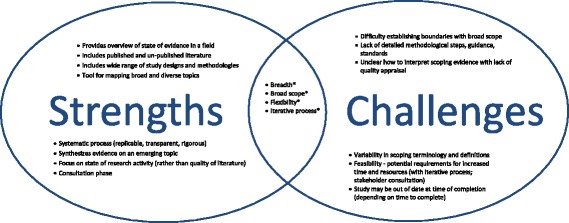
“However, this breadth and flexibility can also pose challenges in defining the boundaries of the study scope (O’Brien et al. , 2016).”
McMahon-Panther, G., & Bornman, J. (2024) · Journal of Disability & Religion · doi:10.1080/23312521.2024.2331461 · Cited by 30
“A scoping review was essential in this specific study given the limited information available on the topic (O’Brien et al., 2016).”
Zhang, K., Huang, S., Feng, D., Lang, X., Wang, Q., & Liu, Y. (2022) · International Journal of Environmental Research and Public Health · doi:10.3390/ijerph192416796 · Cited by 13
Civic-Moral Education Research in China (1992–2022): A Scoping Review
Shi, L., Chen, L., & Gong, R. (2023) · Behavioral Sciences · doi:10.3390/bs13100819 · Cited by 20
“Scoping reviews have many advantages, such as providing an overview of a field and being able to synthesize qualitative and quantitative research [30].”
BackgroundCalabria, L., & Marks, E. M. (2024) · Frontiers in Psychology · doi:10.3389/fpsyg.2024.1351428 · Cited by 17
Alhuda, S. A., Arossi, G. A., Anagnostopoulos‐King, F. V., Alkhubaizi, Q., Mokeem, L. S., & Melo, M. A. S. (2024) · Applied Sciences · doi:10.3390/app142210423 · Cited by 17
The Use of Occupational Adaptation in Research: A Scoping Review
Johansson, A., Fristedt, S., Boström, M., & Björklund, A. (2018) · Occupational Therapy In Health Care · doi:10.1080/07380577.2018.1526433 · Cited by 10
“(p. 1292) In the present scoping review, the methodology proposed by Arksey and O’Malley (2005) was used and supplemented with recommendations made by Levac, Colquhoun, and O’Brien (2010), as suggested by O’Brien et al. (2016).”
BackgroundMethodSpectator Sport and Population Health: A Consultation with U.S. College Athletics Employees
Inoue, Y., Berg, B. K., & Chelladurai, P. (2019) · Journal of Global Sport Management · doi:10.1080/24704067.2019.1566755 · Cited by 10
Wiese, A., Galvin, E., Merrett, C. K., Korotchikova, I., Slattery, D. M., Prihodová, L., Hoey, H., O’Shaughnessy, A., Cotter, J., O’Farrell, J., et al. (2019) · Systematic Reviews · doi:10.1186/s13643-019-1132-3 · Cited by 10
Wagle, N., Dhakal, M. P., & Shrestha, A. B. (2021) · Mountain Research and Development · doi:10.1659/mrd-journal-d-20-00059.1 · Cited by 10
“Scoping reviews help to systematically map the literature available, identify key concepts, evidence, and gaps (O’Brien et al 2016).”
BackgroundA scoping review on tsetse fly blood meal sources and its assay methods since 1956 to 2022
Serem, E. K., Mburu, D., Abdullahi, O. A., & Bargul, J. L. (2024) · Parasites & Vectors · doi:10.1186/s13071-023-06114-3 · Cited by 10
“However, due to the breadth of the issue they cover, scoping review results are not conclusive and from the onset may swing towards an area of focus because of limitations in coverage and an absence of quality control unlike systematic studies [53].”
BackgroundWhy Are Medical Education Literature Reviews So Hard to Do?
Sullivan, G. M. (2018) · Journal of Graduate Medical Education · doi:10.4300/jgme-d-18-00676.1 · Cited by 10
Occupational therapy and stress-related exhaustion – a scoping review
Hogan, L.-M., Carlstedt, A. B., & Wagman, P. (2023) · Scandinavian Journal of Occupational Therapy · doi:10.1080/11038128.2023.2207802 · Cited by 26
“Data extraction As recommended in the literature [28,29,31,32,34], a data chart was created (Table 2).”
MethodFonseca, K., Triana, J. S. A., Ramírez, M., Martínez, W., Ilbay-Yupa, M., Espitia, E., & Breuer, L. (2024) · Journal of Environmental Management · doi:10.1016/j.jenvman.2024.123350 · Cited by 9
D’Arcey, J., Torous, J. B., Asuncion, T.-R., Tackaberry-Giddens, L., Zahid, A., Ishak, M., Foussias, G., & Kidd, S. A. (2024) · JMIR Mental Health · doi:10.2196/57150 · Cited by 12
“Our methods are structured according to PRISMA (Preferred Reporting Items for Systematic Reviews and Meta-Analyses) principles endorsed by the Cochrane Collaboration [21] and the scoping review reporting framework [22].”
MethodProcess and Outcome Evaluations of Smartphone Apps for Bipolar Disorder: Scoping Review
Tatham, I., Clarke, E., Grieve, K. A., Kaushal, P., Smeddinck, J. D., Barron, E., & Sharma, A. (2022) · Journal of Medical Internet Research · doi:10.2196/29114 · Cited by 10
Wiggins, D., Downie, A., Engel, R. M., & Brown, B. T. (2022) · Chiropractic & Manual Therapies · doi:10.1186/s12998-022-00428-2 · Cited by 10
Smith, J. L., Ritchie, M. J., Kim, B., Miller, C. J., Chinman, M., Kelly, P. A., Landes, S. J., & Kirchner, J. E. (2022) · SocArXiv (OSF Preprints) · doi:10.31235/osf.io/6xfvj · Cited by 8
Gagliardi, A. R., Chen, R. H., Boury, H., Albert, M., Chow, J. C. L., DaCosta, R. S., Hoffman, M. M., Keshavarz, B., Kontos, P., Liu, J. X., et al. (2022) · medRxiv · doi:10.1101/2022.06.16.22276440 · Cited by 9
“111 We chose a scoping review over other types of syntheses because it is characterized by the 112 inclusion of a range of study designs, which facilitates the exploration of literature in a given 113 field and reveals the nature of existing knowledge [17,18].”
BackgroundReligious/Spiritual Abuse, Meaning-Making, and Posttraumatic Growth
Perry, S. (2024) · Religions · doi:10.3390/rel15070824 · Cited by 8
Innovative technologies in regional anaesthesia education: a scoping review
Chequer, S. (2025) · BJA Open · doi:10.1016/j.bjao.2025.100473 · Cited by 13
Automatic Content Analysis of Social Media Short Texts: Scoping Review of Methods and Tools
Kasperiūnienė, J., Briedienė, M., & Žydžiūnaitė, V. (2019) · Advances in intelligent systems and computing · doi:10.1007/978-3-030-31787-4_7 · Cited by 9
Core competencies for physiotherapists working with refugees: a scoping review
McGowan, E., Beamish, N., Stokes, E., & Lowe, R. (2020) · Physiotherapy · doi:10.1016/j.physio.2020.04.004 · Cited by 8
Physical Activity in Young Adult Cancer Survivors: A Scoping Review
Moraitis, A. M., Seven, M., & Walker, R. (2021) · Oncology nursing forum · doi:10.1188/21.onf.184-194 · Cited by 11
Terapia ocupacional assistida por cães: uma revisão de escopo da literatura brasileira
Figueiredo, M. D. O., Alegretti, A. L., & Magalhães, L. (2021) · Cadernos Brasileiros de Terapia Ocupacional · doi:10.1590/2526-8910.ctoar2087 · Cited by 22
A atividade de extensão na terapia ocupacional: revisão de escopo na literatura nacional
Figueiredo, M. D. O., Batistão, R., Silva, C. R., Martinez, C. M. S., & Roiz, R. G. (2022) · Cadernos Brasileiros de Terapia Ocupacional · doi:10.1590/2526-8910.ctoar21972908 · Cited by 8
Assessing the Relevance of Undergraduate Auditing Education: A Scoping Review
Irafahmi, D. T. (2019) · JABE (Journal of Accounting and Business Education) · doi:10.26675/jabe.v4i1.9114 · Cited by 9
“Scoping review is popularly used primarily in the field of health science research (O'Brien et al., 2016).”
BackgroundMethodGilissen, J., Hunt, L. J., den Block, L. V., van der Steen, J. T., Tahir, P., & Ritchie, C. S. (2021) · BMJ Open · doi:10.1136/bmjopen-2020-044502 · Cited by 9
Berger, E., Schol, C. M. A., Gunput, S. T. G., Kiers, D., Gommers, D. A. M. P. J., Rose, L., & van Mol, M. M. C. (2024) · Mayo Clinic Proceedings Digital Health · doi:10.1016/j.mcpdig.2024.11.006 · Cited by 20
“Although scoping review experts recommend that gray literature should be explored, 71 we purposely omitted this, as our focus was on empirical evidence concerning digital interventions, which is rarely found in the gray literature.”
Yadav, R. L., Martin, J., & Galea, M. P. (2025) · Journal of Spinal Cord Medicine · doi:10.1080/10790268.2025.2485509 · Cited by 9
Longitudinal studies on breastfeeding among preterm infants: a scoping review
Jiang, X., Ding, L., Wu, N. Q., Wan, Y. F., Xu, Y., Xiao, Y., Huo, K. Y., & Huang, R. (2025) · BMC Pregnancy and Childbirth · doi:10.1186/s12884-025-07837-0 · Cited by 10
“We conducted this review as a scoping study to obtain comprehensive results from the available literature spanning from 2013 to September 2023, employing a thorough systematic search [20].”
Exploring the Digital Literacies of Refugees from a Funds-of-knowledge Perspective
Molin-Karakoç, L. (2025) · Journal of Ethnic and Cultural Studies · doi:10.29333/ejecs/2236 · Cited by 13
“…addresses an exploratory research question aimed at mapping key concepts, types of evidence, and gaps in research related to an emerging area or field by systematically and iteratively searching, selecting, summarizing and potentially synthesizing existing knowledge” (O’Brien et al., 2016, p. 9).”
Title analysis of (systematic) scoping review studies: Chaos or consistency?
Chrastina, J. (2020) · Nursing and Health Sciences · doi:10.1111/nhs.12694 · Cited by 10
Ehlen, S., Rehaag, R., Fitschen, J., Okan, O., Pinheiro, P., & Bauer, U. (2021) · Prävention und Gesundheitsförderung · doi:10.1007/s11553-021-00850-z · Cited by 7
Davis, O., & Weaver, R. H. (2021) · Sex Education · doi:10.1080/14681811.2021.2002138 · Cited by 8
Wang, S., Chapple, C., Farrell, G., Quinn, D., Tumilty, S., & Ribeiro, D. C. (2023) · Musculoskeletal Science and Practice · doi:10.1016/j.msksp.2023.102903 · Cited by 8
Tu, J.-C., & Creativani, K. (2025) · Systems · doi:10.3390/systems13060470 · Cited by 9
Evidence-Based Analysis of Social Impact Bonds for Homelessness: A Scoping Review
Wang, H., & Xu, X. (2022) · Frontiers in Psychology · doi:10.3389/fpsyg.2022.823390 · Cited by 7
“Key defining features that comprised a working definition of scoping studies included the exploratory mapping of literature in a field, iterative process, inclusion of gray literature, and no quality assessment of included studies (O’Brien et al., 2016).”
MethodScoping Review Methodology: A Practical Guide for Counseling Researchers
Litherland, G., Muzacz, A. K., & Schulthes, G. (2024) · Counseling Outcome Research and Evaluation · doi:10.1080/21501378.2024.2357134 · Cited by 8
“O’Brien et al. (2016) recommended defining key concepts and terms before beginning an SR.”
Mooi, N. M., & Ncama, B. P. (2019) · Systematic Reviews · doi:10.1186/s13643-019-1194-2 · Cited by 6
“Furthermore, breaking down the review question according to PCC elements allows the reviewers to check for any potentially missed inclusion and exclusion criteria in the protocol [30].”
BackgroundHov, J., Alteren, J., & Kvigne, K. J. (2021) · BMJ Open · doi:10.1136/bmjopen-2021-048820 · Cited by 6
Wong, J. J., DeSouza, A., Hogg‐Johnson, S., GROOTE, W. D., Varmazyar, H., Mior, S. A., Stern, P. J., Southerst, D., Alexopulos, S., Belchos, M., et al. (2022) · International Journal of Rehabilitation Research · doi:10.1097/mrr.0000000000000548 · Cited by 6
Gross and Applied Anatomy Pedagogical Approaches in Occupational Therapy Education: A Scoping Review
Dove, E., Hennessy, K., Kirou-Mauro, A., Aitkens, L., Duncan, A., Agur, A. M. R., & Ho, E. S. (2023) · Canadian Journal of Occupational Therapy · doi:10.1177/00084174231197614 · Cited by 6
“The objective of the consultation exercise (Arksey and O ’ Malley ’ s sixth stage) was twofold: (a) to determine the anatomy prerequisite course requirements for admission to Canadian entry-level masters programs and (b) to identify the type(s) of anatomy and respective pedagogical approaches used in Canadian occupati…”
MethodSireci, F., Ragucci, F., Menozzi, C., Cabboi, M. P., Picchetto, L., Bassi, M. C., Ghirotto, L., Cavallieri, F., Pedroni, C., & Valzania, F. (2024) · Journal of Neurology · doi:10.1007/s00415-024-12441-x · Cited by 10
Crozes, F., Delpierre, C., & Costa, N. (2024) · Journal of Rehabilitation Medicine · doi:10.2340/jrm.v56.18311 · Cited by 9
“The type of publication was not filtered as recommended by O’Brien et al. (28).”
BackgroundMethodBeyond the Primary Caregiver: A Scoping Review of Family-Centered Dementia Caregiving Programs
Jackson, A., O’Sullivan, K. S., Gilligan, M., & Weaver, R. H. (2025) · American Journal of Alzheimer s Disease & Other Dementias® · doi:10.1177/15333175251391571 · Cited by 6
Poutanen, J., Juvonen-Posti, P., & Unkila, K. (2024) · Journal of Vocational Rehabilitation · doi:10.3233/jvr-240029 · Cited by 7
“The study is designed and conducted in accordance with scoping review methodological frameworks by Arksey and O’Malley (2005), Levac et al. (2010) and O’Brien et al. (2016) as well as the Joanna Briggs Institute Manual for Evidence Synthesis (Arksey & O’Malley, 2005; Levac et al., 2010; O’Brien et…”
Effect of neutering timing in relation to puberty on health in the female dog–a scoping review
Moxon, R., England, G., Payne, R., Corr, S. A., & Freeman, S. L. (2024) · PLoS ONE · doi:10.1371/journal.pone.0311779 · Cited by 6
Silva, A., Silva, V. S. E., Padilha, M. I., Petry, S., Mendes, K. D. S., & Costa, I. C. P. (2024) · Texto & Contexto - Enfermagem · doi:10.1590/1980-265x-tce-2024-0074pt · Cited by 7
Establishing patient partners’ roles on research teams: a scoping review
Tobiano, G., Gillespie, B. M., Carlini, J., Muir, R., Rasiah, J., Wan, C. S., McCarron, T. L., Moffat, K., Jahandideh, S., & Chaboyer, W. P. (2024) · Research Involvement and Engagement · doi:10.1186/s40900-024-00664-1 · Cited by 7
Musculoskeletal Conditions in Persons Living with HIV/AIDS: A Scoping Review
Berg, L. S., Young, J. J., Kopansky-Giles, D. R., Eberspaecher, S., Outerbridge, G., Hurwitz, E. L., & Hartvigsen, J. (2022) · Current Medical Science · doi:10.1007/s11596-022-2524-5 · Cited by 5
Auclair, I., Bourbonnais, A., Lavoie, A., & Leclerc-Loiselle, J. (2022) · BMJ Open · doi:10.1136/bmjopen-2021-053858 · Cited by 7
Dove, E., Hennessy, K., Kirou-Mauro, A., Aitkens, L., Duncan, A., Agur, A. M. R., & Ho, E. S. (2022) · BMJ Open · doi:10.1136/bmjopen-2021-058665 · Cited by 5
Vlachou, A., Kalaitzi, S., Tsermidou, L., Toulia, A., Παπάζογλου, Θ., Fyssa, A., & Papazis, F. (2023) · Frontiers in Education · doi:10.3389/feduc.2022.1029163 · Cited by 6
Wigham, S., Melvin, E., Lester, J., Bourne, J., Harris, M., McKinnon, I., & Hackett, S. (2023) · British Journal of Learning Disabilities · doi:10.1111/bld.12544 · Cited by 6
Viceconti, A., Camerone, E. M., Luzzi, D., Pardini, M., Ristori, D., Gallace, A., & Testa, M. (2018) · SAGE Open Medicine · doi:10.1177/2050312118820026 · Cited by 5
Regulations and Norms for Reuse of Residual Clinical Biospecimens and Health Data
Umberfield, E. E., Kardia, S. L. R., Jiang, Y., Thomer, A. K., & Harris, M. R. (2021) · Western Journal of Nursing Research · doi:10.1177/01939459211029296 · Cited by 5
“In scoping reviews, methods allow for inclusion and exclusion criteria to evolve as retrieved manuscripts are explored (O’Brien et al., 2016).”
BackgroundMethodTrends in guideline implementation: an updated scoping review protocol
Gagliardi, A. R., Malinowski, J. R., Munn, Z., Peters, S., & Senerth, E. (2021) · JBI Evidence Synthesis · doi:10.11124/jbies-21-00064 · Cited by 6
Missing science: A scoping study of COVID-19 epidemiological data in the United States
Bhatia, R., Sledge, I., & Baral, S. (2022) · PLoS ONE · doi:10.1371/journal.pone.0248793 · Cited by 6
Butland, M., Corones‐Watkins, K., Evanson, A., & Cooke, M. L. (2019) · Rural and Remote Health · doi:10.22605/rrh4854 · Cited by 6
Ayala, A. P., Sikora, L., Kirtley, S., & Labelle, P. (2019) · OSF Preprints (OSF Preprints) · doi:10.31219/osf.io/gkzf2 · Cited by 7
MAPPING KNOWLEDGE IN SCOPING REVIEWS: A GUIDE FOR NURSING RESEARCHERS AND ACADEMICS
Silva, A., Silva, V. S. E., Padilha, M. I., Petry, S., Mendes, K. D. S., & Costa, I. C. P. (2024) · Texto & Contexto - Enfermagem · doi:10.1590/1980-265x-tce-2024-0074en · Cited by 6
Iwanaga, J., Kitagawa, N., & Tubbs, R. S. (2025) · Cureus · doi:10.7759/cureus.94465 · Cited by 4
“A scoping review maps key concepts and gaps in a field using systematic methods but without quantitative synthesis [4,5].”
Poutanen, J., Joensuu, M., Unkila, K., & Juvonen-Posti, P. (2022) · BMJ Open · doi:10.1136/bmjopen-2021-058413 · Cited by 7
Yalcinoz-Ucan, B., Zilney, L. J., Zientarska-Kayko, A., Ireland, T., & Browne, D. T. (2022) · BMJ Open · doi:10.1136/bmjopen-2021-060479 · Cited by 6
Database quality assessment in research in paramedicine: a scoping review protocol
McDonald, N., Kriellaars, D. J., Doupe, M. B., Giesbrecht, G. G., & Pryce, R. T. (2022) · BMJ Open · doi:10.1136/bmjopen-2022-063372 · Cited by 6
Interprofessional Education in Health training in Brazil: Scoping Review
Prevedello, A. S., de Góes, F. D. S. N., & Cyrino, E. G. (2022) · Revista Brasileira de Educação Médica · doi:10.1590/1981-5271v46.3-20210006.ing · Cited by 4
“…with the SUS principles has been taking place since 1980 through several initiatives, such as the UNI program, the National Education Forum, Family Health, Multiprofessional Residency in Health (RMS, Residência Multiprofissional em Saúde ) and integrative courses during undergraduate school 8,10 .”
BackgroundMethodHo, E. S., Ferdosi, D. V., Pourtousi, A., Davidge, K. M., & Anthony, S. J. (2022) · Disability and Rehabilitation · doi:10.1080/09638288.2022.2156628 · Cited by 4
“The diversity of reports influenced the decision to forego the optional quality appraisal of included studies [15,16].”
BackgroundMethodDefty, J., Wagland, R., & Richardson, A. M. (2023) · Emergency Cancer Care · doi:10.1186/s44201-023-00019-8 · Cited by 4
“Stage 2: content analysis of author and participant quotations We used qualitative content analysis [26] to characterise the work involved in navigating access to UEC services.”
MethodEffect of neutering timing in relation to puberty on female dog behaviour—A scoping review
Moxon, R., Freeman, S. L., Payne, R., Corr, S. A., & England, G. (2023) · Veterinary Record · doi:10.1002/vetr.2882 · Cited by 8
Williams-Reid, H., Johannesson, A. G., & Buis, A. W. P. (2024) · Canadian Prosthetics & Orthotics Journal · doi:10.33137/cpoj.v7i2.43715 · Cited by 6
Sheridan, S., Donahue, K. E., & Brenner, A. T. (2018) · Patient Education and Counseling · doi:10.1016/j.pec.2018.05.014 · Cited by 5
Curricula and learning objectives in nurse practitioner programmes: a scoping review protocol
Ljungbeck, B., Forss, K. S., Finnbogadóttir, H., & Carlson, E. (2019) · BMJ Open · doi:10.1136/bmjopen-2018-028699 · Cited by 8
Nylander, E. M., & Hjort, M. (2020) · Evidence Based Library and Information Practice · doi:10.18438/eblip29630 · Cited by 5
Models that flow – Smart specialization and its travel across Europe
Lien, S. (2026) · Regional Science Policy & Practice · doi:10.1016/j.rspp.2026.100298 · Cited by 3
Midwestern specialty crop impacts on the environment and health: a scoping review
Balis, L. E., Shaw, E., Uy, W. F., Nelson, K., Isack, M., Flournoy, L., Vest, D., Deelo, J., & Yaroch, A. L. (2024) · Agriculture & Food Security · doi:10.1186/s40066-024-00490-4 · Cited by 6
Al-Saaidy, H. J. E. (2024) · Journal of Urban Planning and Development · doi:10.1061/jupddm.upeng-5242 · Cited by 4
Abbott, S. (2021) · The British Journal of Social Work · doi:10.1093/bjsw/bcab164 · Cited by 3
Trajectory research in children on the autism spectrum: a scoping review protocol
Gentles, S. J., Duku, E., Kerns, C. M., McVey, A. J., Hunsche, M. C., Ng‐Cordell, E., Bednar, E. D., Banfield, L. E., Szatmári, P., & Georgiades, S. (2021) · BMJ Open · doi:10.1136/bmjopen-2021-053443 · Cited by 4
Palliative Nursing in Africa: Scoping the Landscape of Evidence Focusing on Cancer Care
Maree, J. E., Bingo, S., & Mgawi, O. (2023) · Florence Nightingale Journal of Nursing · doi:10.5152/fnjn.2023.23038 · Cited by 6
The Development of Ambulatory Cancer Care in the UK: A Scoping Review of the Literature
Finch, A., Cooper, S., Raine, R., Taylor, R. M., & Gibson, F. (2023) · European Journal of Cancer Care · doi:10.1155/2023/4589362 · Cited by 5
“Tis scoping review involved the exploratory and iterative mapping of the literature, the inclusion of unpublished literature and a consultation phase [18–20].”
Hogan, G., Zai, B., Papadopoulos, A., O’Doherty, K. C., & Grant, L. E. (2025) · Journal of Health Equity · doi:10.1080/29944694.2025.2535483 · Cited by 3
McCarty, G., Derrett, S., Sullivan, T. A., Crengle, S. M., & Wyeth, E. (2021) · BMJ Open · doi:10.1136/bmjopen-2020-043973 · Cited by 5
Willett, S. L., Miller, K., Jackson, B., & Harbourne, R. T. (2021) · Pediatric Physical Therapy · doi:10.1097/pep.0000000000000806 · Cited by 5
Metadata
- Authors
- O’Brien, K. K., Colquhoun, H., Levac, D., Baxter, L., Tricco, A. C., Straus, S., Wickerson, L., Nayar, A., Moher, D., & O’Malley, L.
- Affiliations
- University of Toronto (CA)
- Northeastern University (US)
- St. Michael's Hospital (CA)
- University Health Network (CA)
- University of Ottawa (CA)
- University of York (GB)
- Corresponding author
- O’Brien, Kelly K.
- ORCID
- Venue
- BMC Health Services Research
- Published
- 2016-07-26
- Volume
- 16
- Issue
- 1
- Pages
- 305-305
- ISSN
- 1472-6963 (ISSN-L)
- PMC
- PMC4962390
- OpenAlex
- W2501240337
- Semantic Scholar
- b6d0cdb93468ba12345b4964bfd11fd4c376bc91
- Cited by
- 282
- References
- 30
- Citations by year
- 2026: 16 · 2025: 24 · 2024: 39 · 2023: 31 · 2022: 55 · 2021: 39 · 2020: 26 · 2019: 30 · 2018: 15 · 2017: 6 · 2016: 1
- FWCI
- 16.09
- Type
- journal article
- Language
- en
- Open access
- gold
- doi.org
- Licence
- Locations
- BMC Health Services Research (publishedVersion, cc-by)
- Europe PMC (PubMed Central) (publishedVersion, cc-by)
- PubMed Central (publishedVersion, cc-by)
- PubMed (publishedVersion)
- TSpace (University of Toronto) (submittedVersion, cc-by)
- uO Research (University of Ottawa) (submittedVersion, public-domain)
- Funders
- Canadian Institutes of Health Research (MAG-133817)
- Topics
- Social Sciences › Decision Sciences › Statistics, Probability and Uncertainty › Meta-analysis and systematic reviews
- Social Sciences › Sociology and Political Science › Delphi Technique in Research
- Health Sciences › Nursing › Research and Theory › Methodologies in Health Research and Practice
- Keywords
- scoping review, scoping review methodology, terminology and definitions, methodological consensus, stakeholder perspectives, knowledge users, community organizations, grey literature, reporting guidelines, methodological quality assessment, iterative processes
- MeSH terms
- Scoping Reviews as Topic, Attitude of Health Personnel, Canada, Epidemiologic Methods, United Kingdom, Humans, Terminology as Topic, Perception, Research Personnel, United States, Internet, Consensus
About these checks
Registry, retraction, Cites and statistics results are computed, not judged, with one exception: a printed reference that no index lists is read once by a model before it counts as a citation error. Claims are extracted by a model and kept only when their quote appears verbatim in the text; each cited source is then checked, with a model’s help, for whether it says what the claim relies on. Those verdicts can be wrong — read the claim’s quote and the cited source before relying on one.
Statistics and arithmetic are recomputed, not judged.
Confidence bands are shown only for fields calibrated on our annotated test set. None is calibrated yet, so no band is shown.
What counts as a claim ›How we measure confidence ›How we check this ›
Are you an author, or do you see a problem with this page? Request a review
Data sources
Bibliographic data: Semantic Scholar, OpenAlex, Crossref.
Contains information from the Semantic Scholar Academic Graph Datasets, made available under the ODC Attribution License (ODC-BY 1.0).
Semantic Scholar’s data is described in: Kinney, R., et al. (2023). The Semantic Scholar Open Data Platform. arXiv:2301.10140.
