

Current and novel polymeric biomaterials for neural tissue engineering
Open accessThe DOI matches its Crossref record; 229 of the 231 references it cites were found in a registry or an index.
Abstract
The nervous system is a crucial component of the body and damages to this system, either by of injury or disease, can result in serious or potentially lethal consequences. Restoring the damaged nervous system is a great challenge due to the complex physiology system and limited regenerative capacity.Polymers, either synthetic or natural in origin, have been extensively evaluated as a solution for restoring functions in damaged neural tissues. Polymers offer a wide range of versatility, in particular regarding shape and mechanical characteristics, and their biocompatibility is unmatched by other biomaterials, such as metals and ceramics. Several studies have shown that polymers can be shaped into suitable support structures, including nerve conduits, scaffolds, and electrospun matrices, capable of improving the regeneration of damaged neural tissues. In general, natural polymers offer the advantage of better biocompatibility and bioactivity, while synthetic or non-natural polymers have better mechanical properties and structural stability. Often, combinations of the two allow for the development of polymeric conduits able to mimic the native physiological environment of healthy neural tissues and, consequently, regulate cell behaviour and support the regeneration of injured nervous tissues.Currently, most of neural tissue engineering applications are in pre-clinical study, in particular for use in the central nervous system, however collagen polymer conduits aimed at regeneration of peripheral nerves have already been successfully tested in clinical trials.This review highlights different types of natural and synthetic polymers used in neural tissue engineering and their advantages and disadvantages for neural regeneration.
Overview
The claims and statistics of this paper haven’t been checked yet.
Free: it reads the open-access text and checks the first 5 claims that cite a source we can check. Create a free account to check every claim.
Integrity signals
Registry
Cites
Statistics
Figures
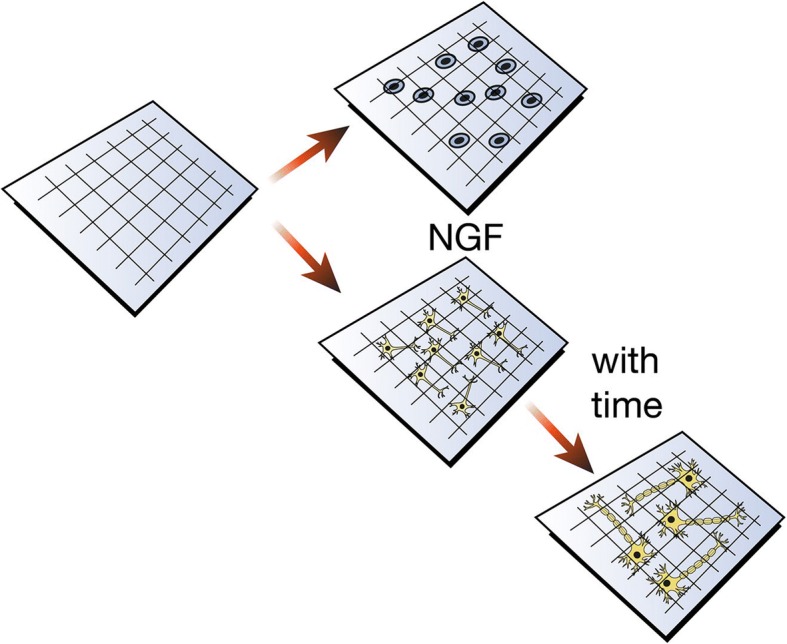
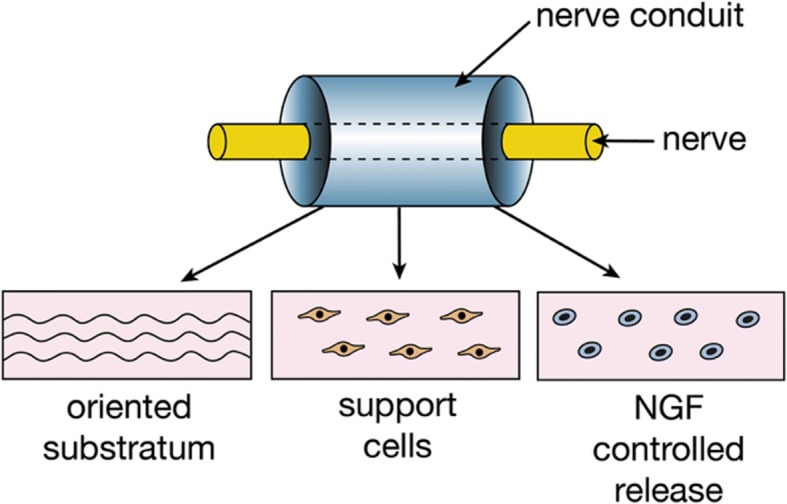
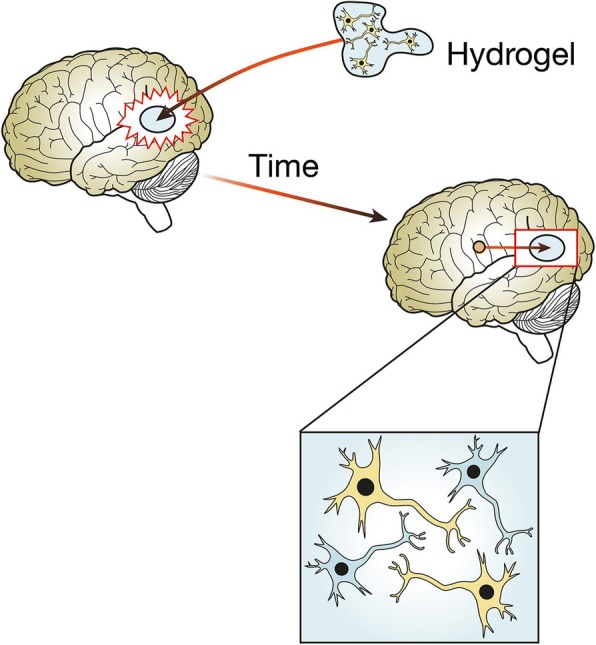
Verification
Claims the paper makes
The claims and statistics of this paper haven’t been checked yet.
Free: it reads the open-access text and checks the first 5 claims that cite a source we can check. Create a free account to check every claim.
Claims other papers make about this one
Each is checked against this paper’s own text: does it say what the citing paper says it does?
The check wasn’t confident either way, so it gives no verdict — never disputed.
In the citing paper
“3D models include neurospheroids [120], organ-on-a-chip devices [121], and engineered brain tissue [122], mimicking the brain’s complexity; however, they are more difficult to engineer and maintain [123].”
From Alzheimer's Disease: Treatment Strategies and Their Limitations. (2022) · cites this paper as [122]
Experimental — accuracy not yet measured
Self-check
Percentages, sums and reported differences re-computed from the paper’s own numbers.
The self-check needs the paper’s full text.
Citations
Cites
Siegel, R. L., Miller, K. D., & Jemal, A. (2018) · CA: A Cancer Journal for Clinicians · doi:10.3322/caac.21442 · Cited by 16,579
Alginate: Properties and biomedical applications
Lee, K. Y., & Mooney, D. J. (2012) · Progress in Polymer Science · doi:10.1016/j.progpolymsci.2011.06.003 · Cited by 8,095
Molecular Mechanisms of Stress-Responsive Changes in Collagen and Elastin Networks in Skin
Aziz, J., Shezali, H., Radzi, Z., Yahya, N. A., Abu Kassim, N. H., Czernuszka, J., & Rahman, M. T. (2016) · Skin Pharmacology and Physiology · doi:10.1159/000447017 · Cited by 7,323
Heart disease and stroke statistics-2018 update: a report from the american heart association
Benjamin, E. J., Virani, S. S., Callaway, C. W., Chamberlain, A. M., Chang, A. R., Cheng, S., Chiuve, S. E., Cushman, M., Delling, F. N., Deo, R., et al. (2018) · Circulation · doi:10.1161/cir.0000000000000558 · Cited by 7,146
Hydrogel: Preparation, characterization, and applications: A review
Ahmed, E. M. (2015) · Journal of Advanced Research · doi:10.1016/j.jare.2013.07.006 · Cited by 5,800
Electrospinning: Applications in drug delivery and tissue engineering
Sill, T. J., & von Recum, H. A. (2008) · Biomaterials · doi:10.1016/j.biomaterials.2008.01.011 · Cited by 3,289
Chitosan—A versatile semi-synthetic polymer in biomedical applications
Dash, M., Chiellini, F., Ottenbrite, R. M., & Chiellini, E. (2011) · Progress in Polymer Science · doi:10.1016/j.progpolymsci.2011.02.001 · Cited by 2,903
Saraiva, C., Praça, C., Ferreira, R., Santos, T., Ferreira, L., & Bernardino, L. (2016) · Journal of Controlled Release · doi:10.1016/j.jconrel.2016.05.044 · Cited by 1,609
Bioactive modification of poly (ethylene glycol) hydrogels for tissue engineering
Zhu, J. (2010) · Biomaterials · doi:10.1016/j.biomaterials.2010.02.044 · Cited by 1,457
Zhang, Y., Ali, S. F., Dervishi, E., Xu, Y., Li, Z., Casciano, D., & Biris, A. S. (2010) · ACS Nano · doi:10.1021/nn1007176 · Cited by 1,155
Research works printed but not linked: 2
- 48. Kulkarni VS, Butte KD, Rathod SS. Natural Polymers -a Comprehensive Review. IJRPBS. 2012;3:1597-613.
- 137. Mahanta B, Mary SA, Bhaduri A, Giridev VR, Electrospun PVA. Keratin Nanofibrous Scaffold and its Application in Neural Repair. Trends Biomater Artif Organs. 2014;28:188-96.
Cited by
Items 301–400 of 465
The Evolving Neural Tissue Engineering Landscape of India
Haldar, S., Ghosh, S., Kumar, V., Roy, P., & Lahiri, D. (2019) · ACS Applied Bio Materials · doi:10.1021/acsabm.9b00567 · Cited by 5
Mimicking the neural stem cell niche: An engineer’s view of cell: material interactions
Yazdani, N., & Willits, R. K. (2023) · Frontiers in Chemical Engineering · doi:10.3389/fceng.2022.1086099 · Cited by 6
“Many natural biomaterials have direct analogues in the human body, reducing the risk of cytotoxic reactions (Boni et al., 2018).”
BackgroundBiodegradable Polymers for Cardiac Tissue Engineering
Yaacob, A., & Jamaludin, N. S. (2023) · Springer eBooks · doi:10.1007/978-3-031-09710-2_44 · Cited by 5
Behera, A. (2021) · Springer eBooks · doi:10.1007/978-3-030-80359-9_13 · Cited by 7
Johnson, N. W., Jiang, S., Patterson, S. B. H., Hinchcliffe, T. T., Vilela, F., & Yiu, H. H. P. (2025) · Bioscience Nanotechnology · doi:10.1186/s44331-025-00004-4 · Cited by 4
“Similar to SWCNTs, metal oxide NWs have found significant application in biomedical devices as potential biosensors and markers due to their inherent biocompatibility and unique optical properties [184, 185].”
Metal-Organic Frameworks in Bone Regeneration
Ghovvati, M., Bolouri, K., Kaneko, N., & Zare, E. N. (2024) · ACS symposium series · doi:10.1021/bk-2024-1463.ch011 · Cited by 4
Metal-Organic Frameworks (MOFs): An Introduction
Rabiee, N. (2024) · ACS symposium series · doi:10.1021/bk-2024-1463.ch001 · Cited by 4
Patents, Clinical Trials and Dosage Form Based on Biomaterials
Shaikh, M. S., Kurhade, R. R., Majeed, S. S. A., Shaikh, M. M., Mahaparale, P. R., Kale, M. A., Siddique, M. U. M., Faiyazuddin, M., & Choonara, Y. E. (2025) · Springer eBooks · doi:10.1007/978-3-031-91790-5_15 · Cited by 4
Modulating the Viscoelastic Properties of Covalently Crosslinked Protein Hydrogels
Boni, R., & Regan, L. (2023) · Gels · doi:10.3390/gels9060481 · Cited by 4
Self-citationHashamdar, S., Parvin, P., Mayahi, S., Rahimi, B., Refahizadeh, M., & Ramezani, F. (2023) · International Journal of Polymeric Materials · doi:10.1080/00914037.2023.2282994 · Cited by 4
Recent Advances in Water-Soluble Polymer and Polymeric Nanoparticles for Pharmaceutical Application
Bhardwaj, H., Khute, S., Sahu, R. K., & Jangde, R. (2024) · Current Nanoscience · doi:10.2174/0115734137294889240314032718 · Cited by 4
Unlocking the Potential of Graphene-Based Nanocomposites in Neurogenesis
Nair, S., Varma, P., & Kandasubramanian, B. (2024) · Biomedical Materials & Devices · doi:10.1007/s44174-024-00214-z · Cited by 4
“SEM and TEM are crucial resources for neurogenesis research due to their ability to disclose the precise positions, dimensions, and configuration of nanocomposites comprised graphene in neuronal cells alongside various specimens of tissues [9].”
InfluentialShankhwar, N., Ünal, A., & Singh, S. (2024) · Elsevier eBooks · doi:10.1016/b978-0-443-22257-3.00014-3 · Cited by 4
Arslan, Y. E., Efe, B., & Arslan, T. S. (2019) · BIO-PROTOCOL · doi:10.21769/bioprotoc.3380 · Cited by 4
“More recently, neural tissue engineering has focused on natural or synthetic biopolymers that are combined to create a tissue engineering product (Boni et al., 2018).”
BackgroundRieg, T., Silva, A. O., Cunha, R. S., Andrade, K. L., Hotza, D., & Machado, R. A. F. (2022) · Springer eBooks · doi:10.1007/978-981-19-5338-5_6 · Cited by 4
Șelaru, A., Dinescu, S., & Costache, M. (2020) · Advances in experimental medicine and biology · doi:10.1007/5584_2020_547 · Cited by 4
Biomaterials and Scaffolds for Repair of the Peripheral Nervous System
Taylor, C. S., & Haycock, J. W. (2020) · Springer eBooks · doi:10.1007/978-3-030-06217-0_3-1 · Cited by 4
Trends in Bioactive Biomaterials in Tissue Engineering and Regenerative Medicine
Rajalekshmy, G. P., & Rekha, M. R. (2021) · Springer eBooks · doi:10.1007/978-981-16-0002-9_8 · Cited by 4
Antimicrobial properties of a new polymeric material based on poly(2-hydroxyethyl methacrylate).
Chornopyshchuk, R., Nagaichuk, V., Gerashchenko, I. I., Nazarchuk, H. H., Kukolevska, O. S., Chornopyshchuk, N., & Sidorenko, S. P. (2022) · Acta bio-medica dell'Ateneo parmense/Acta biomedica · doi:10.23750/abm.v93i1.12243 · Cited by 4
“Such materials include poly(2-hydroxyethyl methacrylate) (PHEMA), which is widely used in various fields of medicine: surgery, neurosurgery, ophthalmology, and combustiology (10, 11).”
BackgroundKouzehkonan, G. S., Kazemi, N. M., Adabi, M., Mousavi, S. E., & Rezayat, S. M. (2022) · Journal of Bioactive and Compatible Polymers · doi:10.1177/08839115221137654 · Cited by 4
Fibrous Polypeptide Based Bioscaffold Delivery of Minocycline Hydrochloride for Nerve Regeneration
Su, A.-J. A., Jiang, N., Luo, S., Washington, K. M., Wu, M., Huang, Y., & Su, W. (2023) · Materials Chemistry and Physics · doi:10.1016/j.matchemphys.2023.127974 · Cited by 4
Tissue Engineering in Maxillofacial Region from Past to Present
Beri, A., Pisulkar, S. K., Bansod, A. V., Shrivastava, A., & Jain, R. (2023) · Journal of Datta Meghe Institute of Medical Sciences University · doi:10.4103/jdmimsu.jdmimsu_413_23 · Cited by 4
SARS-CoV-2 and tissue damage: current insights and biomaterial-based therapeutic strategies
Roy, H. S., Singh, R., & Ghosh, D. (2021) · Biomaterials Science · doi:10.1039/d0bm02077j · Cited by 4
Asiabadi, A. I., Esmaeil, N., Kharazi, A. Z., Dabiri, A., & Varshosaz, J. (2024) · Journal of Biomedical Materials Research Part B Applied Biomaterials · doi:10.1002/jbm.b.35411 · Cited by 3
Huang, T., Wang, J., Cui, K., You, H., Peng, L., Yan, K., Yang, C., Zhao, Q., & Wang, D. (2024) · Journal of Applied Polymer Science · doi:10.1002/app.56178 · Cited by 3
Sönmezer, D., Latifoğlu, F., Toprak, G., & Baran, M. (2024) · Biotechnology and Applied Biochemistry · doi:10.1002/bab.2697 · Cited by 3
Chowdhury, S., Chakraborty, P., Kar, K., Mazumder, R., & Ganguly, S. C. (2025) · Regenerative Engineering and Translational Medicine · doi:10.1007/s40883-025-00432-x · Cited by 3
“…utilized in neural tissue engineering originate from various sources, including extracellular matrix components (ECM) such as collagen, marine-derived polymers like alginate, and chitosan comes from crustacean shells (chitin), silk is a protein-based polymer from insects (e.g., silkworms) [68, 69].”
3D in vitro modeling of neural microenvironment through a multi-scaffold assembly approach
Traldi, C., Chiappini, V., Chasseur, S., Aiello, F., Boido, M., & Tonda‐Turo, C. (2025) · Materials Today Bio · doi:10.1016/j.mtbio.2025.102086 · Cited by 3
“Currently, natural-based soft hydrogels have been widely employed to develop 3D neural constructs, recreating artificial environments for neural cell growth and maturation, having biomimetic composition and mechanical properties [5 – 8].”
In vitro evaluation of the nanofibers developed for peripheral nerve regeneration
Bacar, S., Pehlivanoğlu, S., & Akgemci, E. G. (2025) · Cell and Tissue Banking · doi:10.1007/s10561-025-10201-3 · Cited by 3
“…in the repair of other tissues such as neuromuscular tissues, epithelial and cardiac tissues, the treatment of gastric ulcers and the treatment of extra-bone cancers suggest that bioactive glass can provide alignment to support directed axon growth (Boni et al. 2018; Mar-quardt et al. 2013).”
InfluentialKariithi, B. T., Kumar, P., & Choonara, Y. E. (2026) · AAPS PharmSciTech · doi:10.1208/s12249-026-03386-7 · Cited by 3
“…systems have been explored for their utility to a variety of medical applications, such as tissue engineering, CNS regeneration and repair creating bio-degradable and biomimetic scaffolds/implants for use in traumatic brain injury and regeneration of brain tissue on diseases such as AD [54].”
InfluentialPolymer-Based Composite in Biomedical Applications
Mydin, R. B. S. M. N., Faudzi, K. N. I. K. M., Harun, N. H., Effendy, W. N. F. W. E., Romli, N. A. A., & Gazzali, A. M. (2020) · Springer eBooks · doi:10.1007/978-3-030-45489-0_15 · Cited by 3
Halal Perspectives on Collagen-Based Biomaterials in Tissue Engineering Applications
Ramli, S., & Zain, N. M. (2023) · Journal of Human Centered Technology · doi:10.11113/humentech.v2n2.62 · Cited by 3
“Even though fish collagen has been extensively studied as a potential biomaterial due to its great biocompatibility, low antigenicity, high level of cell adhesion, and excellent biodegradability, there has been little to no work done on the application of fish collagen for neural TE [36].”
BackgroundLeón, S. E. D., Higham, S. J., Jung, Y. J., Tong, W., & Garrett, D. J. (2024) · Bioengineering & Translational Medicine · doi:10.1002/btm2.10742 · Cited by 3
Tight Spaces, Tighter Signals: Spatial Constraints as Drivers of Peripheral Myelination
Bartesaghi, L., Giangreco, B., Chiappini, V., Castillo, M. F. V., Monaco, M., Médard, J.-J., Gambarotta, G., Agus, M., & Calì, C. (2025) · Cells · doi:10.3390/cells14120926 · Cited by 3
“Among them, alginate gels have shown particular promise in supporting the regeneration of blood vessels, bone, cartilage, muscle, pancreas, liver, and peripheral nerves [60].”
Öztel, O. N., YILMAZ, H., İşoğlu, İ. A., & Allahverdiyev, A. (2023) · GAZI UNIVERSITY JOURNAL OF SCIENCE · doi:10.35378/gujs.1037746 · Cited by 3
Characterization of scaffolds for neural tissue engineering
Ulağ, S., Cesur, S., Ayran, M., & Bozlar, M. (2023) · Elsevier eBooks · doi:10.1016/b978-0-323-90554-1.00011-2 · Cited by 3
Neuroprotective Potential of Trans-Anethole Following Crush Injury of the Sciatic Nerve in Rats
Naseri, Z., Mamoudi, F., Abdolmaleki, A., & Soluki, M. (2023) · Iranian Journal of Neurosurgery · doi:10.32598/irjns.9.13 · Cited by 3
Spider silk and blend biomaterials: recent advances and future opportunities
Trossmann, V. T., & Scheibel, T. (2024) · Elsevier eBooks · doi:10.1016/b978-0-323-96017-5.00005-4 · Cited by 3
Metal-Organic Frameworks in Biosensors
Uygun, H. D. E., & Uygun, Z. O. (2024) · ACS symposium series · doi:10.1021/bk-2024-1463.ch012 · Cited by 3
Palanisamy, P. V., Vedakumari, S. W., & Pravin, Y. R. (2025) · Regenerative Engineering and Translational Medicine · doi:10.1007/s40883-025-00405-0 · Cited by 3
“This is primarily due to the reduced regenerative property of CNS and PNS in mammals, often resulting in functional impairments after an injury or illness [38].”
Zakaria, N. H., Muhammad, N. B., Abdullah, M. M. A. B., & Noor, S. N. F. M. (2020) · IOP Conference Series Materials Science and Engineering · doi:10.1088/1757-899x/743/1/012002 · Cited by 3
Nerve tissue engineering on degradable scaffold
Chandy, T. (2022) · Elsevier eBooks · doi:10.1016/b978-0-12-824064-9.00011-3 · Cited by 5
Therapeutic polymer gel system in neural tissue engineering
Musuc, A. M., & Vasile, B. Ş. (2023) · Elsevier eBooks · doi:10.1016/b978-0-323-90554-1.00014-8 · Cited by 3
Kolotyeva, N. A., Gilmiyarova, F. N., Сергеевич, А. А., Baranich, T. I., Rozanova, N. A., Kukla, M. V., Tregub, P. P., & Salmina, A. B. (2023) · International Journal of Molecular Sciences · doi:10.3390/ijms241914709 · Cited by 3
“The improvement of synthetic polymers using surface modification techniques and the addition of growth factors to the material have expanded the use of scaffolds as carriers for targeted, controlled delivery of drugs, peptides, proteins, monoclonal antibodies, growth factors, DNA, and RNA [175–177].”
BackgroundMethodYang, Y., Zhang, L., Huang, M., Sui, R., & Khan, S. (2021) · Arabian Journal of Chemistry · doi:10.1016/j.arabjc.2021.103289 · Cited by 3
Plant Derived Cellulose Scaffolds as a Novel Biomaterial for 3D Cell Culture and Tissue Regeneration
Modulevsky, D. J. (2021) · uO Research (University of Ottawa) · doi:10.20381/ruor-26406 · Cited by 3
Development of Drug Customized Polymeric Carriers for Improved Therapeutic Efficiency
Abdelghafour, M. M. (2023) · SZTE Repository of Dissertations (University of Szeged) · doi:10.14232/phd.11737 · Cited by 3
Growth factor delivery for neural tissue engineering
Çiftçi, K. A., Ayan, S., Yüvrük, E., & Yılmazer, Y. (2023) · Elsevier eBooks · doi:10.1016/b978-0-323-90554-1.00006-9 · Cited by 2
Hashamdar, S., Parvin, P., Ramezani, F., Ahmadinouri, F., Jafargholi, A., Refahizadeh, M., Akbarpour, M., Aghaei, M., & Heidari, O. (2024) · Biomedical Optics Express · doi:10.1364/boe.530876 · Cited by 2
“Several studies have shown that polymer scaffolds and electrospun matrices help regenerate the damaged nerve tissue as an appropriate support structure [5].”
Graphene-Based Carbonaceous Materials: A Sustainable Biomaterial for Biomedical Application
Challa, A. A., Saha, N., & Sáha, P. (2025) · Springer eBooks · doi:10.1007/978-3-031-79062-1_7 · Cited by 2
Shemshadi, S., Aghamollaei, H., Jangravi, Z., Rudbari, N. H., & Salimi, A. (2025) · International Journal of Biological Macromolecules · doi:10.1016/j.ijbiomac.2025.148591 · Cited by 2
Zhang, J., Wang, Y., Wei, C., Zhu, Y., Wei, X., Chen, S., Wang, Z., Wang, D., & Zhou, Y. (2026) · Sustainable materials and technologies · doi:10.1016/j.susmat.2026.e02023 · Cited by 2
Ismael, M. K. (2023) · Springer eBooks · doi:10.1007/978-3-031-09710-2_15 · Cited by 2
Fabrication and Properties Detection of PLA-CNTs Hybrid Film Based on a Phase Inversion Method
Yu, K. M., Hu, X., Su, Y., Xu, J., Liu, F., Kang, Y., & Song, K. (2023) · Journal of Physics Conference Series · doi:10.1088/1742-6596/2468/1/012037 · Cited by 2
“Introduction Carbon-based nanomaterials have exhibited extraordinary electrical conductivity, mechanical properties, and biological characteristics, which made them widely used in tissue engineering [1].”
BackgroundElectrical/magnetic stimulation in musculoskeletal tissue engineering and regenerative medicine
Zamboni, F., Beaucamp, A., Serafin, A., & Collins, M. N. (2024) · Elsevier eBooks · doi:10.1016/b978-0-323-91821-3.00019-0 · Cited by 2
Metal-Organic Frameworks in Dermal and Oral Wound Healing
Ehtesabi, H. (2024) · ACS symposium series · doi:10.1021/bk-2024-1463.ch008 · Cited by 2
Chang, C., Su, A.-J. A., Lin, M., Hsiao, K., Lee, C.-H., Lin, Y.-T., Hsiao, Y., Wu, M., Huang, Y., & Su, W. (2024) · Materials Chemistry and Physics · doi:10.1016/j.matchemphys.2024.129503 · Cited by 2
Multi-layered electrode constructs for neural tissue engineering
Boulingre, M., Chodkowski, M., Lara, R. P., Lee, A., Goding, J. A., & Green, R. A. (2025) · Journal of Materials Chemistry B · doi:10.1039/d4tb02651a · Cited by 2
Opportunities and Challenges of Biomaterials in Brain Disease
Zheng, W., Jiang, M., Dong, N., Fang, H., Tian, H., & Chen, X. (2025) · Advanced Healthcare Materials · doi:10.1002/adhm.202500746 · Cited by 2
Innervating 3D in vitro models: bioengineering and design blueprints
de Carvalho, M.-T., Henriques‐Pereira, M., Monteiro, M. V., Lamghari, M., Mano, J. F., & Gaspar, V. M. (2025) · Trends in biotechnology · doi:10.1016/j.tibtech.2025.05.012 · Cited by 2
Bioinspired Polymers for Regenerative Medicine
Khajehmohammadi, M., Tolabi, H., Kabbani, L., & Ashammakhi, N. A. (2025) · Springer eBooks · doi:10.1007/978-3-031-87744-5_2 · Cited by 2
Biodegradable Polymers for Cardiac Tissue Engineering
Yaacob, A., & Jamaludin, N. S. (2022) · Springer eBooks · doi:10.1007/978-3-030-83783-9_44-1 · Cited by 2
Nanomaterials regenerative medicine and tissue engineering
Banerjee, S., Banerjee, S., & Mondal, A. (2023) · Elsevier eBooks · doi:10.1016/b978-0-323-95134-0.00001-8 · Cited by 2
DESARROLLO DE HIDROGELES EN APLICACIONES EN BIOMEDICINA
Reginensi, D., Revete, A., Aparicio, A., & Molino, J. (2021) · Gente Clave · Cited by 3
Stachera, P. N. (2020) · Research Explorer (The University of Manchester) · Cited by 2
Gonçalves, A. P. M. (2019) · Portuguese National Funding Agency for Science, Research and Technology (RCAAP Project by FCT) · doi:10.34626/ck86-5845 · Cited by 2
Biomaterials Application: Implants
Ruikar, A., Bonin, C., Kumbar, G. S., Banasavadi‐Siddegowda, Y., & Kumbar, S. G. (2023) · AAPS introductions in the pharmaceutical sciences · doi:10.1007/978-3-031-36135-7_8 · Cited by 1
Engineering enzymatic- and photo-crosslinked silk-based hydrogels for regenerative medicine
Oliveira, E. P., Maia, F. R., Reis, R. L., & Oliveira, J. M. (2024) · Elsevier eBooks · doi:10.1016/b978-0-323-96017-5.00009-1 · Cited by 1
Extracellular matrix of the nervous system
Nazir, S., Feresten, A. H., Lin, L. D., Hutter, H., & Julian, L. M. (2024) · Elsevier eBooks · doi:10.1016/b978-0-323-95730-4.00002-0 · Cited by 1
Hybrid polymeric scaffolds for potential applications in nerve and muscle regeneration
Fasiku, V. O., & Sekhoacha, M. P. (2025) · Elsevier eBooks · doi:10.1016/b978-0-443-15564-2.00010-x · Cited by 1
Nanoparticle-Mediated Delivery of Materials for Effective Regeneration
Shrestha, A., Haque, M. A., & Mattheolabakis, G. (2025) · Springer eBooks · doi:10.1007/978-3-031-93677-7_17 · Cited by 1
Cellulose-Based Materials for Neural Tissue Engineering: From Scaffolds to Interfaces - A Review
Hussain, M. H., Haron, M. H., Rahman, N. A., Tan, H. L., Teh, L. K., Radacsi, N., Harris, G. M., & Bakar, N. F. A. (2025) · ASEAN Journal of Chemical Engineering · doi:10.22146/ajche.21477 · Cited by 1
“On the natural side, ECM proteins (collagen, laminin, fibronectin) and natural polymers (silk, chitosan, alginate, elastin, hyaluronic acid) have been explored for nerve tissue engineering (Amini et al ., 2021; Boni et al. , 2018; Stratton et al ., 2016).”
Duc, D., Pattem, J. K., Gambrill, B., Prokopovich, P., Kocatürkmen, A., Church, M., Mays, A., Bedi, A., Brousseau, E., & Oommen, O. P. (2026) · Frontiers in Bioengineering and Biotechnology · doi:10.3389/fbioe.2025.1720254 · Cited by 1
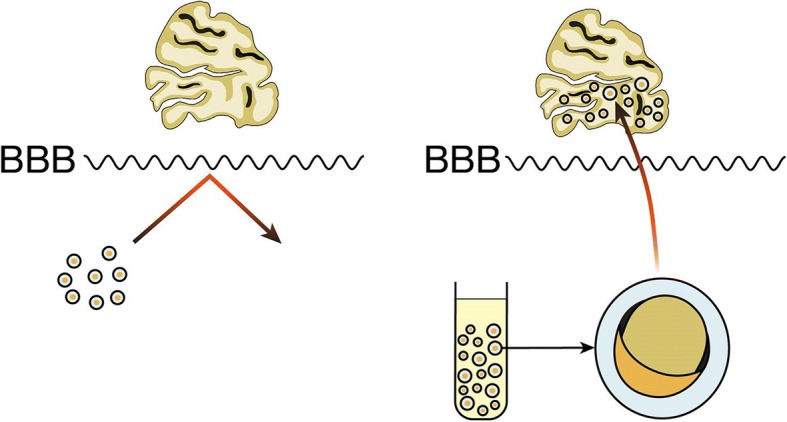
“…surrounded by cytoplasmic membrane with membrane proteins (Figure 2D), where biomimetic nanoparticles pass across blood brain barriers, allowing for delivery of advanced functionalized biopolymer nanoparticles in neural applications (Boni et al., 2018; Tripathi et al., 2022; Zhong et al., 2023).”
Polycaprolactone/retinoic acid/nano-hydroxyapatite composites for neural tissue engineering
Madaninasab, P., Ebrahimian-Hosseinabadi, M., & Kharazi, A. Z. (2026) · Materials Chemistry and Physics · doi:10.1016/j.matchemphys.2026.132269 · Cited by 1
Applications of natural biopolymers in textile industry
Jalil, M. A., Repon, M. R., Hussain, S. Z., Alim, M. A., & Siddika, A. (2026) · Elsevier eBooks · doi:10.1016/b978-0-323-99858-1.00022-9 · Cited by 1
Carbon Nanotube-Based Hydrogel Composites for Intra-Ear EEG Electrodes
Mihai, A.-S., Vereștiuc, L., Nacu, I., & Geman, O. (2026) · World Congress on Medical Physics and Biomedical Engineering, September 7 - 12, 2009, Munich, Germany · doi:10.1007/978-3-032-23952-5_12 · Cited by 1
Yang, T., Shi, X., Wang, Y., Zhang, M., Li, H., Zhu, T., Zhai, J., & Lv, H. (2026) · Materials Today Bio · doi:10.1016/j.mtbio.2026.103170 · Cited by 1
“…mechanically stronger polymeric components, such as poly(lactic acid) (PLA), poly(lactic-co-glycolic acid) (PLGA), polycaprolactone (PCL), or poly (lactic acid-epsilon-caprolactone) (PLCL), to generate composite scaffolds with improved load-bearing capacity or structural reinforcement [159 – 163].”
Kishore, J., Boucan, F. S. O. L., Abazari, M. F., Baldo, K. A. T., Awogbindin, I. O., Akhavan, A., Tremblay, M., & Willerth, S. M. (2026) · Journal of Materials Chemistry B · doi:10.1039/d6tb00368k · Cited by 1
Farooqui, A. A. (2020) · Elsevier eBooks · doi:10.1016/b978-0-12-821711-5.00010-3 · Cited by 1
Nanobiomaterials: Stem Cell Interaction and Role in Tissue Engineering
Midha, S., Chauhan, A., Sybil, D., & Neelakandan, R. S. (2020) · Springer eBooks · doi:10.1007/978-3-030-52207-0_7 · Cited by 1
Аль-Фараби о языке и культуре речи
Азимович, Б. Э., & Хосилжонович, И. У. (2012) · Bulletin of Chelyabinsk State University · Cited by 1
Cataldo, A., Pietra, M. L., Zappelli, L., Mencarelli, D., Pierantoni, L., & Bellucci, S. (2022) · Journal of Functional Biomaterials · doi:10.3390/jfb13010005 · Cited by 1
Nanotoxicity in neural regenerative medicine
Çakır-Koç, R., Çalık, H., Mutlu, B., Ay, H. F., Karavelioğlu, Z., Aslan-Polat, B., & Pençeci, B. (2020) · Elsevier eBooks · doi:10.1016/b978-0-12-820223-4.00008-5 · Cited by 1
Carbon-based nanomaterials for nervous tissue engineering
Tite, T., Balescu, L. M., Popa, A.-C., & Stan, G. E. (2023) · Elsevier eBooks · doi:10.1016/b978-0-323-90554-1.00007-0 · Cited by 1
The need for biomaterials in neural tissue engineering
Bedir, T., Şengör, M., Gündüz, O., & Üstündağ, C. B. (2023) · Elsevier eBooks · doi:10.1016/b978-0-323-90554-1.00001-x · Cited by 1
In vitro model of neurotrauma using the chick embryo to test regenerative bioimplantation
Barcons, A. M., Chari, D. M., & Adams, C. (2023) · ALTEX · doi:10.14573/altex.2304171 · Cited by 1
“In addition, modified bioscaffolds can secrete molecules to promote regeneration or be loaded with transplant cell populations for replacing damaged tissue (Doblado et al., 2021; Boni et al., 2018; Führmann et al., 2017).”
BackgroundMetal-Organic Frameworks in Neural Regeneration
Far, B. F., Nahavandi, R., & Mohammadi, Y. (2024) · ACS symposium series · doi:10.1021/bk-2024-1463.ch010 · Cited by 1
Metal-Organic Frameworks in Cardiac Regeneration
Far, B. F., Tehranian, A., & Nahavandi, R. (2024) · ACS symposium series · doi:10.1021/bk-2024-1463.ch009 · Cited by 1
Logic of Choosing Metal-Organic Frameworks
Daneshgar, H., & Bagherzadeh, M. (2024) · ACS symposium series · doi:10.1021/bk-2024-1463.ch003 · Cited by 1
Metal-Organic Frameworks in Gene Delivery
Raza, F., Zafar, H., Jiang, L., Zhang, S., Su, J., Yuan, W., Mingfeng, Q., & Paiva‐Santos, A. C. (2024) · ACS symposium series · doi:10.1021/bk-2024-1463.ch013 · Cited by 1
Physicochemical and Mechanical Properties of Metal-Organic Frameworks
Moussa, F. B. (2024) · ACS symposium series · doi:10.1021/bk-2024-1463.ch002 · Cited by 1
Shar, A., Glass, P., Daul, B., Rad, R. M., & Joung, D. (2024) · Elsevier eBooks · doi:10.1016/b978-0-323-95730-4.00010-x · Cited by 1
REVOLUTIONIZING HEALTHCARE: THE ROLE OF NANOMATERIALS IN TISSUE ENGINEERING AND MEDICAL THERAPIES
kumar, N. S., Ramakrishnan, A. A., & Gandhi, N. V. (2024) · International Journal of Engineering Applied Sciences and Technology · doi:10.33564/ijeast.2024.v09i04.014 · Cited by 1
Identification of Neuroregenerative Protein Networks
Filho, L. C. G. S., Meira, D. D., Casotti, M. C., Altoé, L. S. C., Zetum, A. S. S., Campanharo, C. V., Guaitolini, Y. M., Louro, L. S., Santana, G. M., Louro, T. E. S., et al. (2024) · Brazilian Archives of Biology and Technology · doi:10.1590/1678-4324-2024240133 · Cited by 1
Biomaterials for Neuroregeneration: Mechanisms and Therapeutic Applications
Yadav, D., Singh, A. K., & Sharma, P. K. (2025) · Springer eBooks · doi:10.1007/978-981-97-9959-6_5 · Cited by 1
Desenvolvimento de scaffolds condutivos de PLA e PVA com PEDOT para engenharia de tecidos
Rodrigues, T. C. (2023) · LA Referencia (Red Federada de Repositorios Institucionales de Publicaciones Científicas) · Cited by 1
Armada, M. J. L. A. D. R. (2023) · Portuguese National Funding Agency for Science, Research and Technology (RCAAP Project by FCT) · Cited by 1
Nanofunctionalization and biofabrication of natural hydrogels for tissue engineering applications
Elkhoury, K. (2021) · theses.fr (ABES) · doi:10.70675/eb89d540z2a2az4cb5za3b1z61f65bdba8a0 · Cited by 1
Li, S. (2020) · IOP Conference Series Materials Science and Engineering · doi:10.1088/1757-899x/740/1/012128
Nanofunctionalization and biofabrication of natural hydrogels for tissue engineering applications
Elkhoury, K. (2021) · theses.fr (ABES)
Metadata
- Authors
- Boni, R., Ali, A., Shavandi, A., & Clarkson, A. N.
- Affiliations
- University of Otago (NZ)
- Université Libre de Bruxelles (BE)
- Brain Research New Zealand (NZ)
- Corresponding author
- Ali, Azam
- Venue
- Journal of Biomedical Science
- Published
- 2018-12
- Volume
- 25
- Issue
- 1
- Pages
- 90-90
- ISSN
- 1021-7770 (ISSN-L)
- 1423-0127
- PMC
- PMC6300901
- OpenAlex
- W2906020898
- Cited by
- 439
- References
- 231
- Citations by year
- 2026: 27 · 2025: 51 · 2024: 75 · 2023: 91 · 2022: 73 · 2021: 54 · 2020: 53 · 2019: 14
- FWCI
- 3.92
- Type
- journal article
- Language
- en
- Open access
- diamond
- doi.org
- Licence
- cc-by
- creativecommons.org/licenses/by/4.0/ (tdm)
- Locations
- Journal of Biomedical Science (publishedVersion, cc-by)
- Europe PMC (PubMed Central) (publishedVersion, other-oa)
- PubMed Central (publishedVersion, cc-by)
- PubMed (publishedVersion)
- Dépôt institutionnel de l'Université libre de Bruxelles (Université Libre de Bruxelles) (submittedVersion, other-oa)
- DOAJ (DOAJ: Directory of Open Access Journals) (submittedVersion, cc-by-sa)
- Topics
- Life Sciences › Neuroscience › Cellular and Molecular Neuroscience › Nerve injury and regeneration
- Health Sciences › Medicine › Surgery › Tissue Engineering and Regenerative Medicine
- Life Sciences › Neuroscience › Cellular and Molecular Neuroscience › Neuroscience and Neural Engineering
- Keywords
- neural tissue engineering, polymeric biomaterials, natural polymers, synthetic polymers, nerve conduits, scaffolds, peripheral nerve regeneration, central nervous system injury, biocompatibility, nerve regeneration
- MeSH terms
- Animals, Humans, Nerve Regeneration, Nerve Tissue, Polymers, Tissue Engineering
About these checks
Registry, retraction, Cites and statistics results are computed, not judged, with one exception: a printed reference that no index lists is read once by a model before it counts as a citation error. Claims are extracted by a model and kept only when their quote appears verbatim in the text; each cited source is then checked, with a model’s help, for whether it says what the claim relies on. Those verdicts can be wrong — read the claim’s quote and the cited source before relying on one.
Statistics and arithmetic are recomputed, not judged.
Confidence bands are shown only for fields calibrated on our annotated test set. None is calibrated yet, so no band is shown.
What counts as a claim ›How we measure confidence ›How we check this ›
Are you an author, or do you see a problem with this page? Request a review
Data sources
Bibliographic data: Semantic Scholar, OpenAlex, Crossref.
Contains information from the Semantic Scholar Academic Graph Datasets, made available under the ODC Attribution License (ODC-BY 1.0).
Semantic Scholar’s data is described in: Kinney, R., et al. (2023). The Semantic Scholar Open Data Platform. arXiv:2301.10140.
