

Current and novel polymeric biomaterials for neural tissue engineering
Open accessThe DOI matches its Crossref record; 229 of the 231 references it cites were found in a registry or an index.
Abstract
The nervous system is a crucial component of the body and damages to this system, either by of injury or disease, can result in serious or potentially lethal consequences. Restoring the damaged nervous system is a great challenge due to the complex physiology system and limited regenerative capacity.Polymers, either synthetic or natural in origin, have been extensively evaluated as a solution for restoring functions in damaged neural tissues. Polymers offer a wide range of versatility, in particular regarding shape and mechanical characteristics, and their biocompatibility is unmatched by other biomaterials, such as metals and ceramics. Several studies have shown that polymers can be shaped into suitable support structures, including nerve conduits, scaffolds, and electrospun matrices, capable of improving the regeneration of damaged neural tissues. In general, natural polymers offer the advantage of better biocompatibility and bioactivity, while synthetic or non-natural polymers have better mechanical properties and structural stability. Often, combinations of the two allow for the development of polymeric conduits able to mimic the native physiological environment of healthy neural tissues and, consequently, regulate cell behaviour and support the regeneration of injured nervous tissues.Currently, most of neural tissue engineering applications are in pre-clinical study, in particular for use in the central nervous system, however collagen polymer conduits aimed at regeneration of peripheral nerves have already been successfully tested in clinical trials.This review highlights different types of natural and synthetic polymers used in neural tissue engineering and their advantages and disadvantages for neural regeneration.
Overview
The claims and statistics of this paper haven’t been checked yet.
Free: it reads the open-access text and checks the first 5 claims that cite a source we can check. Create a free account to check every claim.
Integrity signals
Registry
Cites
Statistics
Figures
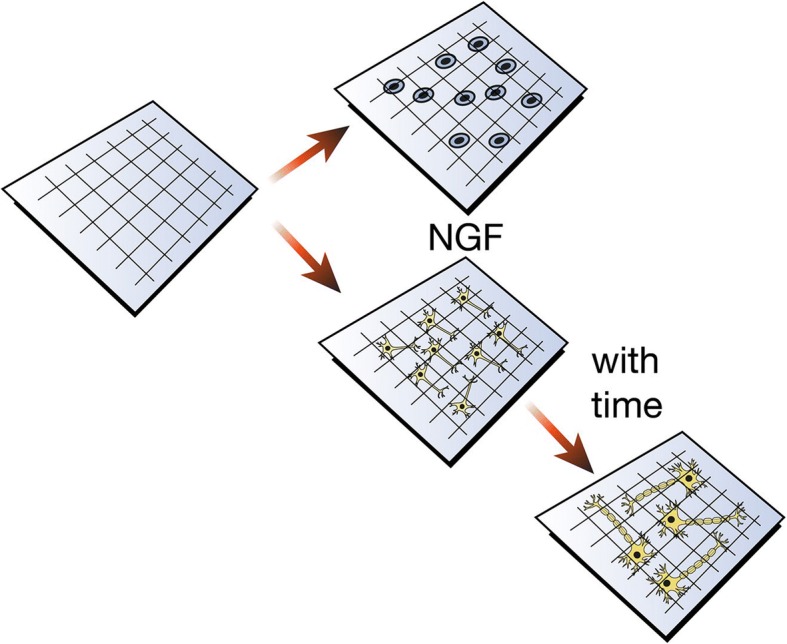
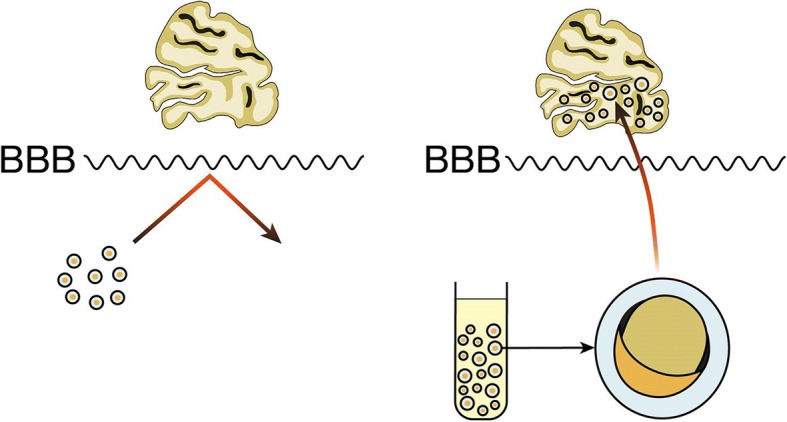
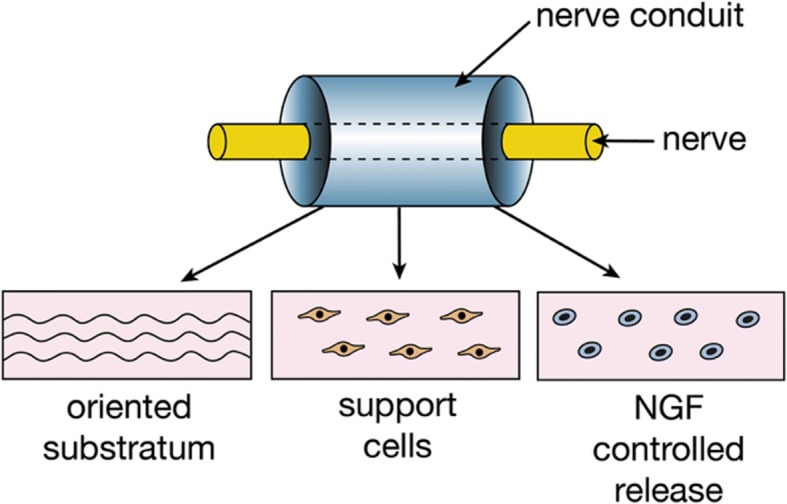
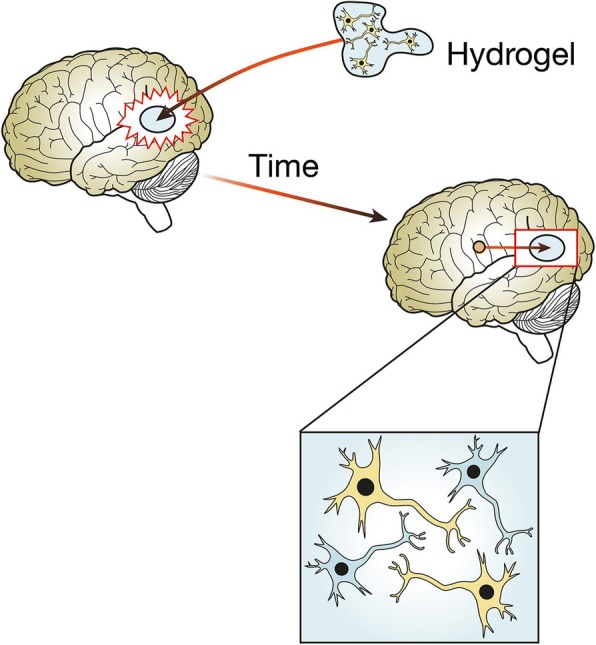
Verification
Claims the paper makes
The claims and statistics of this paper haven’t been checked yet.
Free: it reads the open-access text and checks the first 5 claims that cite a source we can check. Create a free account to check every claim.
Claims other papers make about this one
Each is checked against this paper’s own text: does it say what the citing paper says it does?
The check wasn’t confident either way, so it gives no verdict — never disputed.
In the citing paper
“3D models include neurospheroids [120], organ-on-a-chip devices [121], and engineered brain tissue [122], mimicking the brain’s complexity; however, they are more difficult to engineer and maintain [123].”
From Alzheimer's Disease: Treatment Strategies and Their Limitations. (2022) · cites this paper as [122]
Experimental — accuracy not yet measured
Self-check
Percentages, sums and reported differences re-computed from the paper’s own numbers.
The self-check needs the paper’s full text.
Citations
Cites
Siegel, R. L., Miller, K. D., & Jemal, A. (2018) · CA: A Cancer Journal for Clinicians · doi:10.3322/caac.21442 · Cited by 16,579
Alginate: Properties and biomedical applications
Lee, K. Y., & Mooney, D. J. (2012) · Progress in Polymer Science · doi:10.1016/j.progpolymsci.2011.06.003 · Cited by 8,095
Molecular Mechanisms of Stress-Responsive Changes in Collagen and Elastin Networks in Skin
Aziz, J., Shezali, H., Radzi, Z., Yahya, N. A., Abu Kassim, N. H., Czernuszka, J., & Rahman, M. T. (2016) · Skin Pharmacology and Physiology · doi:10.1159/000447017 · Cited by 7,323
Heart disease and stroke statistics-2018 update: a report from the american heart association
Benjamin, E. J., Virani, S. S., Callaway, C. W., Chamberlain, A. M., Chang, A. R., Cheng, S., Chiuve, S. E., Cushman, M., Delling, F. N., Deo, R., et al. (2018) · Circulation · doi:10.1161/cir.0000000000000558 · Cited by 7,146
Hydrogel: Preparation, characterization, and applications: A review
Ahmed, E. M. (2015) · Journal of Advanced Research · doi:10.1016/j.jare.2013.07.006 · Cited by 5,800
Electrospinning: Applications in drug delivery and tissue engineering
Sill, T. J., & von Recum, H. A. (2008) · Biomaterials · doi:10.1016/j.biomaterials.2008.01.011 · Cited by 3,289
Chitosan—A versatile semi-synthetic polymer in biomedical applications
Dash, M., Chiellini, F., Ottenbrite, R. M., & Chiellini, E. (2011) · Progress in Polymer Science · doi:10.1016/j.progpolymsci.2011.02.001 · Cited by 2,903
Saraiva, C., Praça, C., Ferreira, R., Santos, T., Ferreira, L., & Bernardino, L. (2016) · Journal of Controlled Release · doi:10.1016/j.jconrel.2016.05.044 · Cited by 1,609
Bioactive modification of poly (ethylene glycol) hydrogels for tissue engineering
Zhu, J. (2010) · Biomaterials · doi:10.1016/j.biomaterials.2010.02.044 · Cited by 1,457
Zhang, Y., Ali, S. F., Dervishi, E., Xu, Y., Li, Z., Casciano, D., & Biris, A. S. (2010) · ACS Nano · doi:10.1021/nn1007176 · Cited by 1,155
Research works printed but not linked: 2
- 48. Kulkarni VS, Butte KD, Rathod SS. Natural Polymers -a Comprehensive Review. IJRPBS. 2012;3:1597-613.
- 137. Mahanta B, Mary SA, Bhaduri A, Giridev VR, Electrospun PVA. Keratin Nanofibrous Scaffold and its Application in Neural Repair. Trends Biomater Artif Organs. 2014;28:188-96.
Cited by
Items 401–465 of 465
Peripheral nerve tissue engineering
Kuna, V. K., & Kingham, P. J. (2021) · Elsevier eBooks · doi:10.1016/b978-0-12-820508-2.00006-4
Ismael, M. K. (2022) · Springer eBooks · doi:10.1007/978-3-030-83783-9_15-2
Cytoprotection and neural regeneration in peripheral nerve injury
Dahlgren, K. J. (2021) · MOspace Institutional Repository (University of Missouri) · doi:10.32469/10355/93208
Ismael, M. K. (2022) · Springer eBooks · doi:10.1007/978-3-030-83783-9_15-1
Microfluidic systems for neural tissue engineering
Cesur, S., Ulağ, S., & Gündüz, O. (2023) · Elsevier eBooks · doi:10.1016/b978-0-323-90554-1.00013-6
Introduction to the nervous system from tissue engineering perspective
Güvenç, Y., & Kıvrak, C. (2023) · Elsevier eBooks · doi:10.1016/b978-0-323-90554-1.00010-0
Polymer-Based Biomaterials and Tissue Engineering
Sabater i Serra, R., & Serrano-Aroca, Á. (2023) · MDPI eBooks · doi:10.3390/books978-3-0365-8236-8
Biomedical applications of hybrid polymer-based materials
Enshaei, H. (2022) · UPCommons institutional repository (Universitat Politècnica de Catalunya) · doi:10.5821/dissertation-2117-372523
Stem Cells and Strategies for the Regeneration of the Nervous System
Afjeh‐Dana, E., Ashtari, B., Hosseini, N., Shahbazi, A., & Mozafari, M. (2023) · Springer eBooks · doi:10.1007/978-981-99-0846-2_3-1
Cells–biomaterials structure–function at different length scales
Mishra, S., & Kumarasamy, M. (2024) · Elsevier eBooks · doi:10.1016/b978-0-323-91821-3.00020-7
(2024) · ACS symposium series · doi:10.1021/bk-2024-1463.ot001
Rabiee, N., & Makvandi, P. (2024) · ACS symposium series · doi:10.1021/bk-2024-1463.pr001
(2024) · ACS symposium series · doi:10.1021/bk-2024-1463.ix002
(2024) · ACS symposium series · doi:10.1021/bk-2024-1463.fw001
Nanobiomaterials with Conductive Properties for Biomedical Applications
Suriyakala, G., Sathiyaraj, S., & Sukrong, S. (2024) · Springer eBooks · doi:10.1007/978-981-97-2527-4_8
Stem Cells and Strategies for the Regeneration of the Nervous System
Afjeh‐Dana, E., Ashtari, B., Hosseini, N., Shahbazi, A., & Mozafari, M. (2024) · Springer eBooks · doi:10.1007/978-981-99-7119-0_3
An Easy-to-Handle Route for Bicomponent Porous Tubes Fabrication as Nerve Guide Conduits
Russo, T., Scialla, S., D’Albore, M., Maya, I. C., Santis, R. D., & Guarino, V. (2024) · Polymers · doi:10.3390/polym16202893
“Several studies demonstrated the ability of collagen conduits to guide the Schwann cells’ response and maintain the physiological function of peripheral nerves [35], thus enabling it to obtain FDA approval for clinical trials [36].”
BackgroundA szüléssel kapcsolatos attitűdök vizsgálata fiatal nők körében – személyorientált elemzés
Petróczki, P., Lakatos, C., Martos, T., & Sallay, V. (2024) · Mentálhigiéné és Pszichoszomatika · doi:10.1556/0406.2024.00053
The efficacy of piezo- and magnetoactive polymer scaffolds in tissue engineering
Ogah, A. O., Archibong, F. N., Ezeani, E. O., & Okpechi, V. U. (2025) · Elsevier eBooks · doi:10.1016/b978-0-443-15564-2.00013-5
Advancements in Biomaterials for Neuronal Tissue Regeneration: Applications and Future Prospects
Bassi, P., Swami, R., Sharma, T., & Malik, D. S. (2025) · Springer eBooks · doi:10.1007/978-981-97-9959-6_7
Advancing Neocortical Restoration: The Role of Layered Neural Constructs and Bioengineered ScaffoldsPreprint
Khavari, S. (2025) · OSF Preprints (OSF Preprints) · doi:10.31219/osf.io/tjxwd_v1
Smart Hydrogels for Tissue Engineering Applications
Krishna, D. V., Srinivas, V. L. S. V., Chandan, P. B., Sankar, M. R., & Reddy, T. N. (2025) · Wiley eBooks · doi:10.1002/9781394287659.ch19
Juraski, A. D. C. (2024) · Digital Library of Theses and Dissertations (Universidade de São Paulo) · doi:10.11606/t.3.2024.tde-13032025-095648
Fibrin-based hydrogels for tissue engineering
Kumar, A., Pandey, R., Bhatt, A. N., & Ansari, M. S. (2025) · Elsevier eBooks · doi:10.1016/b978-0-323-99357-9.00003-x
Nanoparticles and Amalgamation of Stem Cells: A Novel Approach of Treatment in Current Medicine
Tripathy, S., & Behera, P. (2025) · BENTHAM SCIENCE PUBLISHERS eBooks · doi:10.2174/9789815313260125010008
Novel developments and scope of nano- and microstructured sericin materials for drug delivery system
Demırbas, A., Arabacı, N., Temur, N., Yilmaz, C., & Öçsoy, İ. (2025) · Elsevier eBooks · doi:10.1016/b978-0-443-21736-4.00010-6
Polymeric Biomaterials for Medical Implants and Devices
Sharma, H., Tyagi, S. J., Varshney, P. K., Pathak, R., Ashique, S., & Hussain, A. (2025) · Wiley eBooks · doi:10.1002/9781394214532.ch12
Polymeric nanoparticles: formulation from preformed polymers and biomedical applications
Khizar, S., Saïdi‐Besbes, S., Al-Doussary, A. A., Asdadi, A., & Elaïssari, A. (2025) · Elsevier eBooks · doi:10.1016/b978-0-443-26608-9.00002-0
Development of Biomaterials for Neural Tissue Engineering
Walczak, P. A. (2024) · Aston Publications Explorer (Aston University) · doi:10.48780/publications.aston.ac.uk.00047380
Li, M., Li, X., Lv, Y., Yan, H., Wang, X.-Y., He, J., Zhou, C., & Ouyang, Y. (2024) · Figshare · doi:10.6084/m9.figshare.26734998
Serafin, A., Rubio, M. C., Carsí, M., Ortiz‐Serna, P., Sanchis, M. J., Garg, A. K., Oliveira, J. M., Koffler, J. Y., & Collins, M. N. (2022) · Figshare · doi:10.6084/m9.figshare.21621761
Yang, Z., You, Y., Liu, X., Wan, Q., Zongpu, X., Shuai, Y., Wang, J., Guo, T., Hu, J., Lv, J., et al. (2024) · Figshare · doi:10.6084/m9.figshare.25414844
Two-Dimensional Materials for Tissue Engineering and Neural Interfacing Applications
Maughan, J. (2025) · Trinity's Access to Research Output (TARA) (Trinity College Dublin)
Parihar, A. (2025) · eScholarship@McGill (McGill) · doi:10.82308/44068
Lafarge, E., Dowd, E., & McKernan, D. P. (2026) · International Journal of Polymeric Materials · doi:10.1080/00914037.2025.2610718
“[10] Synthetic polymers such as polylactic acid (PLA) and poly(lactic-co-gly-colic acid) (PLGA) are biocompatible and biodegradable owing to the hydrolysis of their ester bonds, offering a controlled therapeutic release and easy removal of the compound without triggering inflammation.”
Biomimetic GelMA-based hydrogels for 3D neural tissue engineering
Mei, Q. (n.d.) · PolyU Institutional Research Archive (Hong Kong Polytechnic University)
Lin, S.-Y., Su, W., Chang, C.-Y., & Chao, C. (2026) · ACS Polymers Au · doi:10.1021/acspolymersau.5c00165
Khaboushan, A. S., Ajagbe͓, A. O., Chiemena, A. P., Rabiee, K., Rahimzadegan, M., Hassannejad, Z., Bharmauria, V., & Flouty, O. (2026) · Interdisciplinary Neurosurgery · doi:10.1016/j.inat.2026.102197
Özer, H., Yılmaz, A., Çelik, M. A., Arıcı, Y. K., Nabiyev, V. N., Erdal, E., Özay, S., Demirbilek, M., & Hekimoğlu, M. (2026) · Journal of Korean Neurosurgical Society · doi:10.3340/jkns.2025.0202
“Although synthetic polymers used in tissue engineering offer improved mechanical properties and structural stability, natural polymers have gained attention due to their high biocompatibility and inherent biodegradability 6) .”
Neuroregenerative Potential of Conductive Alginate-Graphene Oxide Scaffolds
Lazăr, A.-I., Șelaru, A., Croitoru, A.-M., Motelică, L., Trusca, R. D., Ficai, D., Oprea, O., Văireanu, D., Ficai, A., & Dinescu, S. (2026) · Polysaccharides · doi:10.3390/polysaccharides7010033
“Natural biomaterials such as collagen [18,19], gelatin [20], silk fibroin [21], chitosan, and Alg have demonstrated superior biocompatibility and bioactivity, providing favorable environments for cell adhesion and proliferation [22–25].”
Development and Evaluation of Extracellular Matrix Mimetics with Bioactivity Controlling Factors
Dobrovolskis, K. (2021) · Lithuanian University of Health Sciences
Biomaterials in Cartilage Damage
Żerebiec, M., Woźnica, W., Kołodyńska, N., Kołodyńska, Z., Jankowska, N., Sobiech, L., Vasudevan, V., Jóźwik, K., Turżańska, K., & Drelich, M. (2026) · Wiadomości Lekarskie · doi:10.36740/wlek/217826
“Challenges that must be considered when using natural biomaterials include their temperature sensitivity, difficult processing, and sometimes very complex chemical structure [34].”
Hydrogels and cryogels as in vitro engineered 3D neurodegenerative models: scope and significance
Shah, I., Vaidya, A., Reinwald, Y., & Tiwari, R. M. (2026) · Journal of Materials Science Materials in Medicine · doi:10.1007/s10856-026-07040-3
“In such composite materials, natural polymers contribute to the biocompatibility and non-toxicity, while synthetic polymers help with the mechanical integrity [40, 41].”
InfluentialAftab, M. A., Ahmad, I., Fatima, A., & Ikram, S. (2026) · Wiley eBooks · doi:10.1002/9781394345472.ch4
Self‐Assembling Biohybrid Bands of Büngner for Axonal Regeneration in the Peripheral Nervous System
Guedan-Duran, A., Jemni-Damer, N., Owen, Y., Murciano, A., García-Andrade, M. D. G., Virtuoso, A., Cirillo, G., Papa, M., & Panetsos, F. (2026) · Advanced Healthcare Materials · doi:10.1002/adhm.202504185
“An effective biomaterial for nerve repair should ideally fulfill two main criteria: (I) surface biocompatibility, minimizing adverse immune reactions while approximating native tissue characteristics, and (II) structural compatibility, providing mechanical properties suitable for neural tissue [70].”
Rani, P., Kapoor, B., & Gulati, M. (2026) · Advanced Therapeutics · doi:10.1002/adtp.202500568
“…hydrogels have gained considerable attention over natural hydrogels owing to several advantages, including longer shelf-life, ease of chemical modification, higher reproducibility, improved structural stability, superior water-holding capacity, and tunable mechanical properties [83–85].”
Polymeric nerve guidance conduits for peripheral nerve regeneration–toward clinical translation
Sudhakaran, S. S., Sadasivan, K., & Komath, M. (2026) · Journal of Bioactive and Compatible Polymers · doi:10.1177/08839115261450970
“71”
Lin, Y., Su, W., Hsiao, Y., Chang, C. H., Lin, M.-F., & Huang, Y. T. (2026) · Surface and Coatings Technology · doi:10.1016/j.surfcoat.2026.133610
Current challenges in bone and cartilage regeneration
Chinnappan, B. A., Santhini, E., Bal, T., Sharif, F., Smrithi, N. S., Misra, N., & Pillai, P. (2026) · Elsevier eBooks · doi:10.1016/b978-0-443-36767-0.00003-1
Electrically Contrasting Periodic Polymer Interfaces Guide Neuronal Growth
Sarkar, A., Ramsinghani, V., & Narayan, K. S. (2026) · ACS Applied Bio Materials · doi:10.1021/acsabm.6c00477
Recent Advances in Diversified Materials for Spinal Cord Injury Repair and Regeneration
Wang, Y., Wang, X. M., Liu, Y., Xuan, X., Luo, Y., & Wang, J. (2026) · Gels · doi:10.3390/gels12070566
“In SCI therapy, collagen is widely adopted to fabricate tissue-engineered scaffolds and serves as a favorable polymeric matrix to facilitate neural tissue repair and regeneration [95,108].”
Jain, S., Junaid, P. A., Sanjeeva, S. G., Shetty, D. M., Modi, P. K., Raghu, S. V., Prasad, K. S., Uthaman, S., & Johnson, R. P. (2026) · International Journal of Biological Macromolecules · doi:10.1016/j.ijbiomac.2026.153672
Bhuiyan, M. (2023) · Otago University Research Archive (University of Otago)
Silva, E., Kocerginsky, G., Andrade, C. M. B., Silva, R., de Magalhães-Neto, A. M., & Gonçalves, L. (2026) · Current Issues in Molecular Biology · doi:10.3390/cimb48101040
“Before translation, studies must establish formulation comparability, residual-acid and endotoxin controls, dose response, degradation, tissue persistence, biodistribution, immunogenicity, ectopic effects, and long-term safety [140–144].”
Fundamentals, Advances, and Applications of Electrospun Nanofibrous 3D Materials
Hengsbach, R., Nirwan, V. P., Amarjargal, A., Asefi, Z., & Fahmi, A. (2026) · Journal of Applied Polymer Science · doi:10.1002/app.71487
Shang, X., Wu, Y., Li, Y., Li, J., Jiang, S., Shen, M., Chen, J., Zhang, D., Yang, S., & Xu, S. (2026) · Materials Today Bio · doi:10.1016/j.mtbio.2026.103670
“The Nerve Support conduit has the potential of application after its biocompatibility is first verified [37].”
Pang, J., Zhu, W., He, X., Li, X., Zhu, D., Qiu, W., Wu, M., Cao, Y., & Pei, R. (2026) · Chemical Engineering Journal · doi:10.1016/j.cej.2026.182314
Yuzbasic, A. D., Yesil, B. Y., Arslantunali, D., & Ayan, B. (2026) · NAM journal. · doi:10.1016/j.namjnl.2026.100138
Biyofonksiyonel iletken nöral doku iskelesi üretimi ve geliştirilmesi
Özalp, E. (2025) · Yildiz Technical University - AVESIS
Sustainable bionanomaterials from agro-waste: bridging green chemistry and biomedical innovation
Mishra, E., Dulta, K., Mishra, V., Sharma, S., & Pandey, S. (2026) · Frontiers in Biomaterials Science · doi:10.3389/fbiom.2026.1831334
Bhuiyan, M. H., Gowing, E. K., Zellhuber-McMillan, U., Hinkley, S. F. R., Ali, M. A., & Clarkson, A. N. (2026) · Biomaterials Advances · doi:10.1016/j.bioadv.2026.215259
Self-citationAgarwal, G., Shumard, S., Callaway, M., Hardy, J. G., & Schmidt, C. E. (2026) · ACS Biomaterials Science & Engineering · doi:10.1021/acsbiomaterials.6c00957
Yazdanian, M., Alam, M., Abbasi, K., Rahbar, M., Farjood, A., Tahmasebi, E., Tebyaniyan, H., Ranjbar, R., & Arefi, A. H. (2022) · doi:10.3389/fbioe.2022.987195.s001
Metadata
- Authors
- Boni, R., Ali, A., Shavandi, A., & Clarkson, A. N.
- Affiliations
- University of Otago (NZ)
- Université Libre de Bruxelles (BE)
- Brain Research New Zealand (NZ)
- Corresponding author
- Ali, Azam
- Venue
- Journal of Biomedical Science
- Published
- 2018-12
- Volume
- 25
- Issue
- 1
- Pages
- 90-90
- ISSN
- 1021-7770 (ISSN-L)
- 1423-0127
- PMC
- PMC6300901
- OpenAlex
- W2906020898
- Cited by
- 439
- References
- 231
- Citations by year
- 2026: 27 · 2025: 51 · 2024: 75 · 2023: 91 · 2022: 73 · 2021: 54 · 2020: 53 · 2019: 14
- FWCI
- 3.92
- Type
- journal article
- Language
- en
- Open access
- diamond
- doi.org
- Licence
- cc-by
- creativecommons.org/licenses/by/4.0/ (tdm)
- Locations
- Journal of Biomedical Science (publishedVersion, cc-by)
- Europe PMC (PubMed Central) (publishedVersion, other-oa)
- PubMed Central (publishedVersion, cc-by)
- PubMed (publishedVersion)
- Dépôt institutionnel de l'Université libre de Bruxelles (Université Libre de Bruxelles) (submittedVersion, other-oa)
- DOAJ (DOAJ: Directory of Open Access Journals) (submittedVersion, cc-by-sa)
- Topics
- Life Sciences › Neuroscience › Cellular and Molecular Neuroscience › Nerve injury and regeneration
- Health Sciences › Medicine › Surgery › Tissue Engineering and Regenerative Medicine
- Life Sciences › Neuroscience › Cellular and Molecular Neuroscience › Neuroscience and Neural Engineering
- Keywords
- neural tissue engineering, polymeric biomaterials, natural polymers, synthetic polymers, nerve conduits, scaffolds, peripheral nerve regeneration, central nervous system injury, biocompatibility, nerve regeneration
- MeSH terms
- Animals, Humans, Nerve Regeneration, Nerve Tissue, Polymers, Tissue Engineering
About these checks
Registry, retraction, Cites and statistics results are computed, not judged, with one exception: a printed reference that no index lists is read once by a model before it counts as a citation error. Claims are extracted by a model and kept only when their quote appears verbatim in the text; each cited source is then checked, with a model’s help, for whether it says what the claim relies on. Those verdicts can be wrong — read the claim’s quote and the cited source before relying on one.
Statistics and arithmetic are recomputed, not judged.
Confidence bands are shown only for fields calibrated on our annotated test set. None is calibrated yet, so no band is shown.
What counts as a claim ›How we measure confidence ›How we check this ›
Are you an author, or do you see a problem with this page? Request a review
Data sources
Bibliographic data: Semantic Scholar, OpenAlex, Crossref.
Contains information from the Semantic Scholar Academic Graph Datasets, made available under the ODC Attribution License (ODC-BY 1.0).
Semantic Scholar’s data is described in: Kinney, R., et al. (2023). The Semantic Scholar Open Data Platform. arXiv:2301.10140.
