

Amino acid-dependent control of mTORC1 signaling: a variety of regulatory modes
Open accessThe DOI matches its Crossref record; 162 of the 163 references it cites were found in a registry or an index.
Abstract
The mechanistic target of rapamycin complex 1 (mTORC1) is an essential regulator of cell growth and metabolism through the modulation of protein and lipid synthesis, lysosome biogenesis, and autophagy. The activity of mTORC1 is dynamically regulated by several environmental cues, including amino acid availability, growth factors, energy levels, and stresses, to coordinate cellular status with environmental conditions. Dysregulation of mTORC1 activity is closely associated with various diseases, including diabetes, cancer, and neurodegenerative disorders. The discovery of Rag GTPases has greatly expanded our understanding of the regulation of mTORC1 activity by amino acids, especially leucine and arginine. In addition to Rag GTPases, other factors that also contribute to the modulation of mTORC1 activity have been identified. In this review, we discuss the mechanisms of regulation of mTORC1 activity by particular amino acids.
Overview
The claims and statistics of this paper haven’t been checked yet.
Free: it reads the open-access text and checks the first 5 claims that cite a source we can check. Create a free account to check every claim.
Integrity signals
Registry
Cites
Statistics
Figures
Verification
Claims the paper makes
The claims and statistics of this paper haven’t been checked yet.
Free: it reads the open-access text and checks the first 5 claims that cite a source we can check. Create a free account to check every claim.
Claims other papers make about this one
Each is checked against this paper’s own text: does it say what the citing paper says it does?
In the citing paper
“Insulin and amino acids together promote protein synthesis and, therefore, increase muscle mass.”
From Sarcopenic obesity: epidemiology, pathophysiology, cardiovascular disease, mortality, and management (2023) · cites this paper as [23]
In the citing paper
“The protein complex, mTORC1, seems to play a central role in this process because amino acids and insulin act synergistically to activate it, which itself plays a central role in the insulin signaling pathway (23).”
From Sarcopenic obesity: epidemiology, pathophysiology, cardiovascular disease, mortality, and management (2023) · cites this paper as [23]
Self-check
Percentages, sums and reported differences re-computed from the paper’s own numbers.
The self-check needs the paper’s full text.
Citations
Cites
mTOR Signaling in Growth, Metabolism, and Disease
Saxton, R. A., & Sabatini, D. M. (2017) · Cell · doi:10.1016/j.cell.2017.02.004 · Cited by 7,555
AMPK and mTOR regulate autophagy through direct phosphorylation of Ulk1
Kim, J., Kundu, M., Viollet, B., & Guan, K.-L. (2011) · Nature Cell Biology · doi:10.1038/ncb2152 · Cited by 7,227
Phosphorylation and regulation of Akt/PKB by the rictor-mTOR complex
Sarbassov, D. D., Guertin, D. A., Ali, S. M., & Sabatini, D. M. (2005) · Science · doi:10.1126/science.1106148 · Cited by 6,216 · cited 4×
“One of the most studied functions of mTORC2 is the phosphorylation of Akt on Ser473 [31] (Fig.”
BackgroundInfluentialTOR signaling in growth and metabolism
Wullschleger, S., Loewith, R., & Hall, M. N. (2006) · Cell · doi:10.1016/j.cell.2006.01.016 · Cited by 5,787 · cited 1×
“However, there are two TOR genes in yeast, whereas only a single TOR gene exists in higher eukaryotes [2].”
BackgroundTSC2 is phosphorylated and inhibited by Akt and suppresses mTOR signalling
Inoki, K., Li, Y., Zhu, T., Wu, J., & Guan, K.-L. (2002) · Nature Cell Biology · doi:10.1038/ncb839 · Cited by 3,083
The Rag GTPases Bind Raptor and Mediate Amino Acid Signaling to mTORC1
Sancak, Y., Peterson, T. R., Shaul, Y. D., Lindquist, R. A., Thoreen, C. C., Bar-Peled, L., & Sabatini, D. M. (2008) · Science · doi:10.1126/science.1157535 · Cited by 2,773 · cited 1×
“between amino acid signals and mTORC1 activation [18, 43, 65].”
BackgroundProlonged Rapamycin Treatment Inhibits mTORC2 Assembly and Akt/PKB
Sarbassov, D. D., Ali, S. M., Sengupta, S., Sheen, J.-H., Hsu, P. P., Bagley, A. F., Markhard, A. L., & Sabatini, D. M. (2006) · Molecular Cell · doi:10.1016/j.molcel.2006.03.029 · Cited by 2,365
Nutrient-dependent mTORC1 Association with the ULK1–Atg13–FIP200 Complex Required for Autophagy
Hosokawa, N., Hara, T., Kaizuka, T., Kishi, C., Takamura, A., Miura, Y., Iemura, S.-I., Natsume, T., Takehana, K., Yamada, N., et al. (2009) · Molecular Biology of the Cell · doi:10.1091/mbc.e08-12-1248 · Cited by 2,076 · cited 3×
“Indeed, mTORC1 directly phosphorylates the unc-51 like autophagy activating kinase 1 (ULK1) [24, 25], an initial regulator of autophagy, and the transcription factor EB (TFEB), a regulator of the expression of lysosomal genes [26–29], thereby suppressing autophagy and lysosomal degradation.”
BackgroundTargets for Cell Cycle Arrest by the Immunosuppressant Rapamycin in Yeast
Heitman, J., Movva, N. R., & Hall, M. N. (1991) · Science · doi:10.1126/science.1715094 · Cited by 2,006 · cited 1×
“The target of rapamycin (TOR) was originally identified as the cellular target of the immunosuppressant and anticancer drug rapamycin in Saccharomyces cerevisiae [1].”
BackgroundBidirectional Transport of Amino Acids Regulates mTOR and Autophagy
Nicklin, P., Bergman, P., Zhang, B., Triantafellow, E., Wang, H., Nyfeler, B., Yang, H., Hild, M., Kung, C., Wilson, C., et al. (2009) · Cell · doi:10.1016/j.cell.2008.11.044 · Cited by 1,798
Cited by
mTOR substrate phosphorylation in growth control
Battaglioni, S., Benjamin, D., Wälchli, M., Maier, T., & Hall, M. N. (2022) · Cell · doi:10.1016/j.cell.2022.04.013 · Cited by 434
Autophagy and Autophagy-Related Diseases: A Review
Ichimiya, T., Yamakawa, T., Hirano, T., Yokoyama, Y., Hayashi, Y., Hirayama, D., Wagatsuma, K., Itoi, T., & Nakase, H. (2020) · International Journal of Molecular Sciences · doi:10.3390/ijms21238974 · Cited by 332
“Rag consists of RagA/B and RagC/D heterodimers and is associated with the activity of mTORC1 by altering its conformation by binding to GDP/GTP under conditions of amino acid starvation [20].”
BackgroundSarcopenic obesity: epidemiology, pathophysiology, cardiovascular disease, mortality, and management
Wei, S., Nguyen, T. T., Zhang, Y., Ryu, D., & Gariani, K. (2023) · Frontiers in Endocrinology · doi:10.3389/fendo.2023.1185221 · Cited by 291
Targeting the PI3K/AKT/mTOR and RAF/MEK/ERK pathways for cancer therapy
Li, Q., Li, Z., Luo, T., & Shi, H. (2022) · Molecular Biomedicine · doi:10.1186/s43556-022-00110-2 · Cited by 264
“Downregulated cellular energy promotes AMPK activation to trigger Raptor phosphorylation to inhibit mTORC1 action [38].”
BackgroundGlutamate excitotoxicity: Potential therapeutic target for ischemic stroke
Shen, Z., Xiang, M., Chen, C., Ding, F., Wang, Y., Shang, C., Xin, L., Zhang, Y., & Cui, X. (2022) · Biomedicine & Pharmacotherapy · doi:10.1016/j.biopha.2022.113125 · Cited by 227
Nachef, M., Ali, A. K., Almutairi, S. M., & Lee, S.-H. (2021) · Frontiers in Immunology · doi:10.3389/fimmu.2021.624324 · Cited by 175
Amino acid metabolism, transport and signalling in the liver revisited
Paulusma, C. C., Lamers, W. H., Broer, S., & van de Graaf, S. F. J. (2022) · Biochemical Pharmacology · doi:10.1016/j.bcp.2022.115074 · Cited by 172
Extracellular Matrix Cues Regulate Mechanosensing and Mechanotransduction of Cancer Cells
Mierke, C. T. (2024) · Cells · doi:10.3390/cells13010096 · Cited by 146
Amino acid metabolism in kidney health and disease
Knol, M., Wulfmeyer, V. C., Müller, R., & Rinschen, M. M. (2024) · Nature Reviews Nephrology · doi:10.1038/s41581-024-00872-8 · Cited by 128
“Methio-nine and SAM may also promote disease progression in ADPKD through the activation of mTOR; however, this potential link has — to our knowledge — not yet been investigated 88 .”
Programmed Cell Death in Diabetic Nephropathy: A Review of Apoptosis, Autophagy, and Necroptosis
Erekat, N. S. (2022) · Medical Science Monitor · doi:10.12659/msm.937766 · Cited by 106
“Activation of mTORC1 also needs amino acids, and it is associated with the movement of mTORC1 from the cytoplasm to lysosomal membranes [91].”
BackgroundAutophagy in metabolism and quality control: opposing, complementary or interlinked functions?
Deretic, V., & Kroemer, G. (2022) · Autophagy · doi:10.1080/15548627.2021.1933742 · Cited by 71
Large neutral amino acid levels tune perinatal neuronal excitability and survival
Knaus, L. S., Basilico, B., Malzl, D., Gerykova Bujalkova, M., Smogavec, M., Schwarz, L. A., Gorkiewicz, S., Amberg, N., Pauler, F. M., Knittl-Frank, C., et al. (2023) · Cell · doi:10.1016/j.cell.2023.02.037 · Cited by 76
Targeting PI3K/AKT/mTOR signaling to overcome drug resistance in cancer
Tufail, M., Wan, W., Jiang, C., & Li, N. (2024) · Chemico-Biological Interactions · doi:10.1016/j.cbi.2024.111055 · Cited by 81
Regulation of Autophagy by the Glycogen Synthase Kinase-3 (GSK-3) Signaling Pathway
Pan, H.-Y., & Valapala, M. (2022) · International Journal of Molecular Sciences · doi:10.3390/ijms23031709 · Cited by 75
“mTORC1 translocates to the lysosomal surface and is activated in an amino acid-rich environment [20].”
BackgroundDrug repurposing: A novel strategy to target cancer stem cells and therapeutic resistance
Ajmeera, D., & Ajumeera, R. (2023) · Genes & Diseases · doi:10.1016/j.gendis.2022.12.013 · Cited by 68
Huang, Y., Zhen, Y., Chen, Y., Sui, S., & Zhang, L. (2023) · Biochemical Pharmacology · doi:10.1016/j.bcp.2023.115842 · Cited by 64
Reifenberg, P., & Zimmer, A. (2024) · Amino Acids · doi:10.1007/s00726-024-03417-2 · Cited by 65
“…reviews (Anthony et al. 2000, 2001; Kimball and Jefferson 2002; Saxton and Sabatini 2017; Wolfson and Sabatini 2017; Liu and Sabatini 2020; Takahara et al. 2020; Vellai 2021; Yue et al. 2022; Goul et al. 2023). mTORC1 is sensitive to rapamycin and promotes protein synthesis via…”
BackgroundAmino acid metabolism and autophagy in skeletal development and homeostasis
Suzuki, A., & Iwata, J. (2021) · Bone · doi:10.1016/j.bone.2021.115881 · Cited by 56
The role of branched chain amino acids metabolic disorders in tumorigenesis and progression
Wang, J., Wang, W., Zhu, F., & Duan, Q. (2022) · Biomedicine & Pharmacotherapy · doi:10.1016/j.biopha.2022.113390 · Cited by 51
How dietary amino acids and high protein diets influence insulin secretion
Yanagisawa, Y. (2023) · Physiological Reports · doi:10.14814/phy2.15577 · Cited by 59
“At the lysosomal surface mTORC1 is ultimately activated by interacting with the small GTPase Ras homolog enriched in brain (Rheb) at the lysosomal surface (Nellist et al., 2003; Takahara et al., 2020).”
BackgroundInfluentialRegulation of mTORC1 by the Rag GTPases
Lama-Sherpa, T. D., Jeong, M., & Jewell, J. L. (2023) · Biochemical Society Transactions · doi:10.1042/bst20210038 · Cited by 57
Goretzki, B., Guhl, C., Tebbe, F., Harder, J.-M., & Hellmich, U. A. (2021) · Journal of Molecular Biology · doi:10.1016/j.jmb.2021.166931 · Cited by 44
Conserved and Divergent Mechanisms That Control TORC1 in Yeasts and Mammals
Morozumi, Y., & Shiozaki, K. (2021) · Genes · doi:10.3390/genes12010088 · Cited by 47
“In the current, widely accepted model, mTORC1 is recruited to lysosomal membranes through the RAG GTPase heterodimer in response to abundance of nutrients, particularly amino acids (see Section 3), and its kinase activity is subsequently stimulated by GTP-bound, active RHEB [27,32].”
BackgroundThe role of vitamin D on redox regulation and cellular senescence
Sosa-Díaz, E., Cruz, E. Y. H., & Pedraza‐Chaverrí, J. (2022) · Free Radical Biology and Medicine · doi:10.1016/j.freeradbiomed.2022.10.003 · Cited by 44
PRKAA2, MTOR, and TFEB in the regulation of lysosomal damage response and autophagy
Shariq, M., Khan, M. F., Raj, R., Ahsan, N., & Kumar, P. (2024) · Journal of Molecular Medicine · doi:10.1007/s00109-023-02411-7 · Cited by 45
“The GTPases RRAGB and RRAGD regulate the localization of MTOR and are essential for activating MTOR by amino acids [1, 118].”
Huan, J., Grivas, P. D., Birch, J., & Hansel, D. E. (2022) · Cancers · doi:10.3390/cancers14061555 · Cited by 46
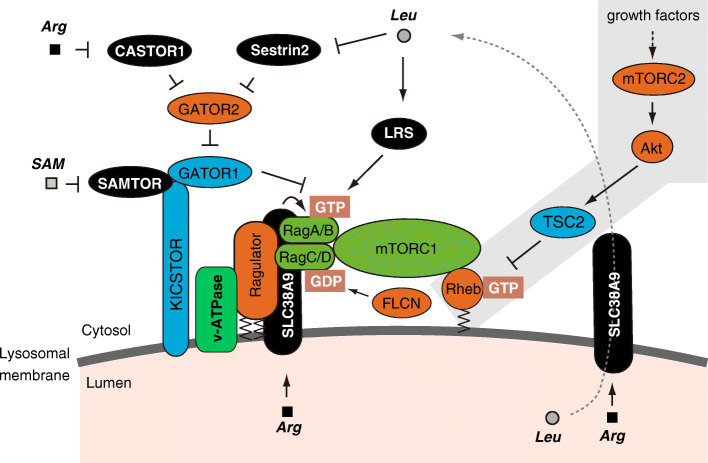
“It has been suggested that GATOR1 displays GAP activity toward RagA/B and functions as a negative regulator of mTORC1 signaling, whereas GATOR2 acts as an endogenous inhibitor to GATOR1 activity [7,60].”
BackgroundLivneh, I., Cohen‐Kaplan, V., Fabre, B., Abramovich, I., Chen, L., Nataraj, N. B., Lazar, I., Ziv, T., Yarden, Y., Zohar, Y., et al. (2023) · Molecular Cell · doi:10.1016/j.molcel.2023.08.016 · Cited by 44
Leucine Supplementation in Cancer Cachexia: Mechanisms and a Review of the Pre-Clinical Literature
Beaudry, A. G., & Law, M. L. (2022) · Nutrients · doi:10.3390/nu14142824 · Cited by 46
Targeting β-cell dedifferentiation and transdifferentiation: opportunities and challenges
Wang, W., & Zhang, C. (2021) · Endocrine Connections · doi:10.1530/ec-21-0260 · Cited by 43
Gao, Y., & Tian, T. (2023) · International Journal of Molecular Sciences · doi:10.3390/ijms241411811 · Cited by 43
“When amino acid depletion occurs, Folliculin (FLCN) relocalizes to the lysosome and prevents the exchange of GDP with GTP in Rag-A [50]. mTORC1 perceives amino acid concentrations in lysosomes and envelopes through multiple mechanisms, and these processes require different complexes to deliver amino acid signals to th…”
BackgroundInfluentialIndika, N.-L. R., Deutz, N. E. P., ENGELEN, M. P. K. J., Peiris, H., Wijetunge, S., & Perera, R. (2021) · Biochimie · doi:10.1016/j.biochi.2021.02.018 · Cited by 40
Skeletal muscle atrophy after sciatic nerve damage: Mechanistic insights
Yadav, A., & Dabur, R. (2024) · European Journal of Pharmacology · doi:10.1016/j.ejphar.2024.176506 · Cited by 46
The Roles of Post-Translational Modifications on mTOR Signaling
Yin, S., Liu, L., & Gan, W. (2021) · International Journal of Molecular Sciences · doi:10.3390/ijms22041784 · Cited by 42
The Functional Roles of Methionine and Arginine in Intestinal and Bone Health of Poultry: Review
Liu, G., & Kim, W. K. (2023) · Animals · doi:10.3390/ani13182949 · Cited by 43
“Furthermore, previous studies showed that SAM could bind to the S-adenosylmethionine sensor upstream of mTORC1 (SAMTOR), counteracting its inhibitory effects on mTORC1 activity [59,60].”
BackgroundRegulation of human mTOR complexes by DEPTOR
Wälchli, M., Berneiser, K., Mangia, F., Imseng, S., Craigie, L.-M., Stuttfeld, E., Hall, M. N., & Maier, T. (2021) · eLife · doi:10.7554/elife.70871 · Cited by 50
SnRK1 and TOR: central regulators of autophagy in plant energy stress responses
Feng, L., Li, X., Zheng, X., Zheng, Z., Liu, Q.-R., Liu, C., Zhu, Q.-L., Shen, W., Yang, C., Li, H., et al. (2025) · aBIOTECH · doi:10.1007/s42994-025-00218-3 · Cited by 38
“Functional domains were annotated using InterPro (https://www.ebi.ac.uk/interpro/) and manually verified based on the previous studies (Takahara et al. 2020; Yang et al. 2013).”
Millward, D. J. (2021) · Nutrients · doi:10.3390/nu13030729 · Cited by 49
Perluigi, M., Picca, A., Montanari, E., Calvani, R., Marini, F., Matassa, R., Tramutola, A., Villani, A., Familiari, G., Domenico, F. D., et al. (2022) · Alzheimer's & Dementia · doi:10.1002/alz.12499 · Cited by 35
The Interaction of mTOR and Nrf2 in Neurogenesis and Its Implication in Neurodegenerative Diseases
Zoungrana, L. I., Krause‐Hauch, M., Wang, H., Fatmi, M. K., Bates, L., Li, Z., Kulkarni, P., Ren, D., & Li, J. (2022) · Cells · doi:10.3390/cells11132048 · Cited by 37
“mTORC1 activity is influenced by growth factors, amino acids, energy levels, glucose availability, and stressors [58,62].”
BackgroundSoriano‐Baguet, L., Grusdat, M., Kurniawan, H., Benzarti, M., Binsfeld, C., Ewen, A., Longworth, J., Bonetti, L., Guerra, L., Franchina, D. G., et al. (2023) · Cell Reports · doi:10.1016/j.celrep.2023.112153 · Cited by 37
Amino Acid Metabolism in Lupus
Kono, M., Yoshida, N., & Tsokos, G. C. (2021) · Frontiers in Immunology · doi:10.3389/fimmu.2021.623844 · Cited by 37
CDK5-PRMT1-WDR24 signaling cascade promotes mTORC1 signaling and tumor growth
Yin, S., Liu, L., Ball, L. E., Wang, Y., Bedford, M. T., Duncan, S. A., Wang, H., & Gan, W. (2023) · Cell Reports · doi:10.1016/j.celrep.2023.112316 · Cited by 37
Environmental Exposures around Conception: Developmental Pathways Leading to Lifetime Disease Risk
Fleming, T. P., Sun, C., Denisenko, O. N., Caetano, L., Aljahdali, A. R., Gould, J. M., & Khurana, P. (2021) · International Journal of Environmental Research and Public Health · doi:10.3390/ijerph18179380 · Cited by 33
“How might BCAA deficiency in the UF in which embryos are ‘bathed’ before implantation affect their physiology? Availability of BCAAs, and leucine in particular, are critical alongside insulin in the activation of the nutrient-sensing signalling pathway to regulate cellular growth and biosynthesis through the mammalian…”
BackgroundGrowth or death? Control of cell destiny by mTOR and autophagy pathways
Khalil, M. I. M., Ali, M. M., Holail, J., & Houssein, M. (2023) · Progress in Biophysics and Molecular Biology · doi:10.1016/j.pbiomolbio.2023.10.002 · Cited by 36
New Insights into the Regulation of mTOR Signaling via Ca2+-Binding Proteins
Amemiya, Y., Maki, M., Shibata, H., & Takahara, T. (2023) · International Journal of Molecular Sciences · doi:10.3390/ijms24043923 · Cited by 32
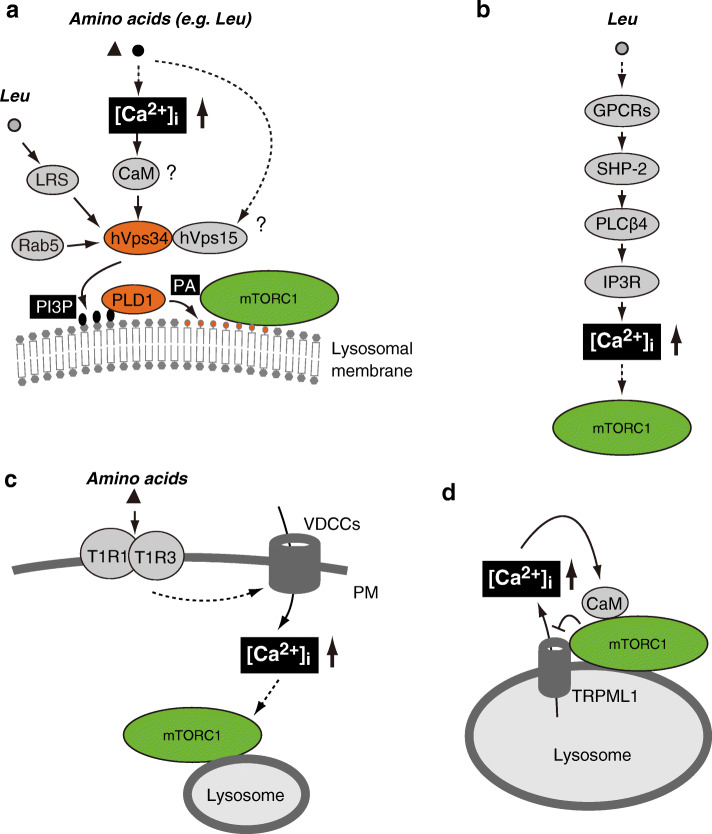
“Interestingly, it has been reported that the addition of amino acids enhanced mTORC1 activity through an increase in intracellular Ca2+, which is sensed by CaM [19,33,34].”
BackgroundInfluentialSelf-citationAngeli, S., Neophytou, C., Kalli, M., Stylianopoulos, T., & Mpekris, F. (2025) · Frontiers in Cell and Developmental Biology · doi:10.3389/fcell.2025.1564626 · Cited by 42
Regulation of mTORC1 activity by the Golgi apparatus
Makhoul, C., & Gleeson, P. A. (2021) · Faculty Reviews · doi:10.12703/r/10-50 · Cited by 31
mTORC1 Crosstalk With Stress Granules in Aging and Age-Related Diseases
Sandoval, M. C., Heberle, A. M., Rehbein, U., Barile, C., Pittol, J. M. R., & Thedieck, K. (2021) · Frontiers in Aging · doi:10.3389/fragi.2021.761333 · Cited by 34
Lysosomes in T Cell Immunity and Aging
Jin, J., Zhang, H., Weyand, C. M., & Goronzy, J. J. (2021) · Frontiers in Aging · doi:10.3389/fragi.2021.809539 · Cited by 32
“Signaling Platform Leucine and arginine are the most important two nutrients that stimulate and maintain mTORC1 activities on the lysosomal surface (Wolfson and Sabatini, 2017; Takahara et al., 2020).”
BackgroundСтарикова, Э. А., Rubinstein, A., Mammedova, J. T., Isakov, D., & Kudryavtsev, I. V. (2023) · Current Issues in Molecular Biology · doi:10.3390/cimb45040231 · Cited by 30
“Evidence suggests L-Arg is an mTOR pathway-signaling molecule [11].”
BackgroundNascimento, K. B., Galvão, M. C., Meneses, J. A. M., Ramírez-Zamudio, G. D., Pereira, D. G., Paulino, P. V. R., Casagrande, D. R., Gionbelli, T. R. S., Ladeira, M. M., Duarte, M. D. S., et al. (2024) · Journal of Animal Science · doi:10.1093/jas/skae058 · Cited by 33
Role of mammalian target of rapamycin (mTOR) signalling in oncogenesis
El‐Tanani, M., Nsairat, H., Aljabali, A. A. A., Serrano‐Aroca, Á., Mishra, V. K., Mishra, Y., Naikoo, G. A., Alshaer, W., & Tambuwala, M. M. (2023) · Life Sciences · doi:10.1016/j.lfs.2023.121662 · Cited by 28
B Cells Dynamic in Aging and the Implications of Nutritional Regulation
Yu, Y., Lu, C., Yu, W., Lei, Y., Sun, S., Liu, P., Bai, F., Chen, Y., & Chen, J. (2024) · Nutrients · doi:10.3390/nu16040487 · Cited by 31
“Studies also suggest that vitamin C, present during early B cell activation, supports enhanced differentiation of germinal center B cells towards plasma cell lineages [179].”
BackgroundAnjom-Shoae, J., Feinle‐Bisset, C., & Horowitz, M. (2024) · Frontiers in Endocrinology · doi:10.3389/fendo.2024.1412182 · Cited by 35
Dietary Manipulation of Amino Acids for Cancer Therapy
Jiménez‐Alonso, J. J., & López‐Lázaro, M. (2023) · Nutrients · doi:10.3390/nu15132879 · Cited by 26
Gao, Q., Hou, Y., Li, Z., Hu, J., Huo, D., Zheng, H., Zhang, J., Yao, X., Gao, R., Wu, X., et al. (2021) · Journal of Cellular and Molecular Medicine · doi:10.1111/jcmm.16672 · Cited by 24
Bird, S. P., Nienhuis, M. B., Biagioli, B., Pauw, K. D., & MEEUSEN, R. R. (2024) · Nutrients · doi:10.3390/nu16121886 · Cited by 32
“It has been demonstrated that amino acids activate Rheb, a low-molecular-weight GTPase located immediately upstream of mTOR (Figure 4), and human vacuolar protein sorting-34 (hVps34), both involved in mechanisms by which amino acids augment protein synthesis through mTOR signaling [131,132].”
BackgroundAndo, T., Ichikawa, J., Fujimaki, T., Taniguchi, N., Takayama, Y., & Haro, H. (2020) · Cancers · doi:10.3390/cancers12113097 · Cited by 23
“Rapamycin (Rapa) is an mTOR inhibitor that has shown anti-tumor activity in several human cancers and acts downstream of the phosphoinositide 3-kinase (PI3K) pathway [21,22].”
BackgroundAmemiya, Y., Nakamura, N., Ikeda, N., Sugiyama, R., Ishii, C., Maki, M., Shibata, H., & Takahara, T. (2021) · International Journal of Molecular Sciences · doi:10.3390/ijms22136897 · Cited by 24
“Previous studies including our studies demonstrated that addition of amino acids induces a rise in intracellular Ca2+ level [3,15,20,21].”
BackgroundResultSelf-citationJansen, F. A. C., Fogliano, V., Rubert, J., & Hoppenbrouwers, T. (2023) · Molecular Metabolism · doi:10.1016/j.molmet.2023.101734 · Cited by 27
“In this case, the mTOR pathway may be a potential candidate since it stimulates proliferation in the presence of amino acids [53].”
BackgroundBagheri, P., Hoang, K., Fung, A. A., Hussain, S., & Shi, L. (2021) · Frontiers in Molecular Biosciences · doi:10.3389/fmolb.2021.779702 · Cited by 28
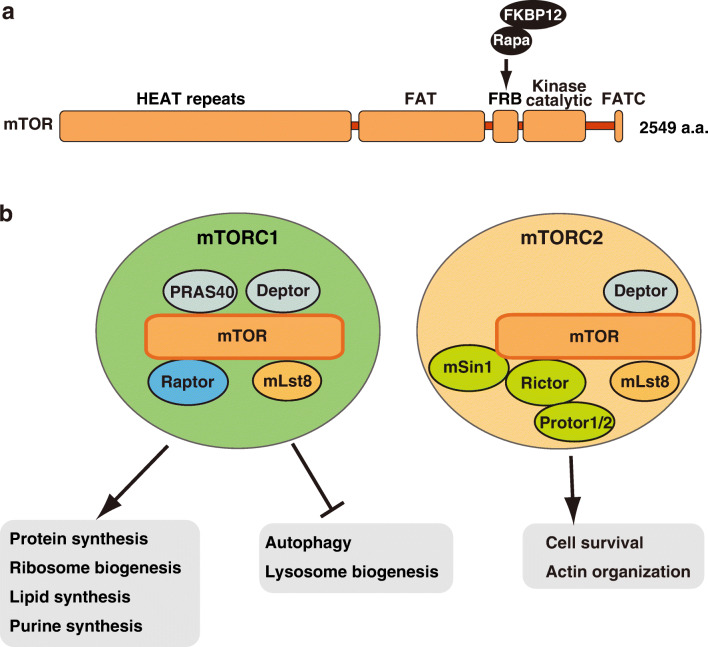
“Cell growth and metabolism rely on mTORC1 as a critical regulator through the modulation of lipid and protein synthesis, autophagy, and biogenesis (Takahara et al., 2020).”
BackgroundZhang, Y., Wu, Z., Huang, Z., Liu, Y., Chen, X., Zhao, X., He, H., & Deng, Y. (2021) · Brain Research · doi:10.1016/j.brainres.2021.147768 · Cited by 22
Uwada, J., Nakazawa, H., Kiyoi, T., Yazawa, T., Muramatsu, I., & Masuoka, T. (2025) · Journal of Cell Science · doi:10.1242/jcs.262236 · Cited by 25
Li, M., Wei, X., Xiong, J., Feng, J.-W., Zhang, C., & Lin, S. (2023) · Life Metabolism · doi:10.1093/lifemeta/load005 · Cited by 28
“In addition, some amino acids can be sensed by sensors that directly regulate RAGs, rather than v-ATPase, such as leucine (at high concentrations) by Sestrin and the leucyl-tRNA synthetase (LRS), and methionine by S -adenosylmethionine sensor upstream of mTORC1 (SAMTOR) (reviewed in [85]).”
Bersiner, K., Park, S., Schaaf, K., Yang, W., Theis, C., Jacko, D., & Gehlert, S. (2023) · Physical Activity and Nutrition · doi:10.20463/pan.2023.0021 · Cited by 23
The Biological Value of Proteins for Pediatric Growth and Development: A Narrative Review
Escobedo-Monge, M. F., Parodi-Román, J., Escobedo-Monge, M. A., & Marugán‐Miguelsanz, J. M. (2025) · Nutrients · doi:10.3390/nu17132221 · Cited by 44
Orenduff, M. C., Coleman, M. F., Glenny, E. M., Huffman, K. M., Rezeli, E. T., Bareja, A., Pieper, C. F., Kraus, V. B., & Hursting, S. D. (2022) · Experimental Gerontology · doi:10.1016/j.exger.2022.111841 · Cited by 19
mTOR signalling pathway in stem cell bioactivities and angiogenesis potential
Lotfimehr, H., Mardi, N., Narimani, S., Nasrabadi, H. T., Karimipour, M., Sokullu, E., & Rahbarghazi, R. (2023) · Cell Proliferation · doi:10.1111/cpr.13499 · Cited by 24
“16 Simultaneously, these factors are co-localized with tuberous sclerosis complex (TSC) as a suppressor of GTPase Rheb activity.”
BackgroundEvans, L. M., Geenen, K. R., O’Shea, A., Hedgire, S., Ferrone, C. R., & Thiele, E. A. (2022) · American Journal of Medical Genetics Part A · doi:10.1002/ajmg.a.62850 · Cited by 21
Glorieux, C., Enriquez-Lara, C., & Calderón, P. B. (2024) · Biochemical Pharmacology · doi:10.1016/j.bcp.2024.116729 · Cited by 23
Arginine Expedites Erastin-Induced Ferroptosis through Fumarate
Guo, X., Guo, Y., Li, J., Liu, Q., & Wu, H. (2023) · International Journal of Molecular Sciences · doi:10.3390/ijms241914595 · Cited by 23
“Moreover, it has been widely recognized that arginine can sustain mTOR (mammalian target of rapamycin) activation in the lysosomal surface, although the underlying mechanism is far from being thoroughly understood [22].”
Shi, L., Zha, H., Zhao, J., An, H., Huang, H., Xia, Y., Yan, Z., Song, Z., & Zhu, J. (2025) · Redox Biology · doi:10.1016/j.redox.2025.103500 · Cited by 23
Okanishi, H., Ohgaki, R., Xu, M., Endou, H., & Kanai, Y. (2022) · Cancer & Metabolism · doi:10.1186/s40170-022-00295-8 · Cited by 16
“1), mTORC1 inactivation caused by short-time LAT1 inhibition is consistent with a well-known mechanism that leucine stimulates mTORC1 [45].”
BackgroundLiu, Y., Yu, Y., Li, S., Sun, M., & Li, F. (2023) · Frontiers in Immunology · doi:10.3389/fimmu.2023.1150628 · Cited by 23
Understanding the molecular mechanisms and role of autophagy in obesity
Behl, T., Sehgal, A., Bala, R., & Chadha, S. (2021) · Molecular Biology Reports · doi:10.1007/s11033-021-06298-w · Cited by 18
Parada, C. A., de Oliveira, I. P., Gewehr, M. C. F., Machado‐Neto, J. A., Lima, K., Eichler, R. A. D. S., Lopes, L. R., Bechara, L. R. G., Ferreira, J. C. B., Festuccia, W. T., et al. (2022) · Cells · doi:10.3390/cells11030385 · Cited by 18
“The protein complex formation between 12-kDa FK506-binding protein (FKBP12) and FKBP12-rapamycin binding domain (FRB) results in mTORC1 inhibition by restricting substrate access to the mTORC1 serine/threonine-protein kinase site [48,49].”
BackgroundWunderle, C., Haller, L., Laager, R., Bernasconi, L., Neyer, P. J., Stumpf, F., Tribolet, P., Stanga, Z. G., Müeller, B., & Schüetz, P. (2024) · Nutrients · doi:10.3390/nu16162608 · Cited by 18
“These findings may indicate a predominant role of threonine in muscle health in medical inpatients at nutritional risk, next to the anabolic effect of all essential amino acids via mTOR [47].”
BackgroundEpilepsy and autophagy modulators: a therapeutic split
Al-Kuraishy, H. M., Jabir, M. S., Al-Gareeb, A. I., Albuhadily, A. K., Klionsky, D. J., & Rafeeq, M. F. (2025) · Autophagy · doi:10.1080/15548627.2025.2506292 · Cited by 21
“…localization of MTORC1, MLST8 (MTOR associated protein, LST8 homolog), which associates with the catalytic domain of MTOR and stabilizes the kinase activation loop, and the two inhibitory subunits AKT1S1/PRAS40 (AKT1 substrate 1) and DEPTOR (DEP domain containing MTOR interacting protein) [52].”
Molecular technology in paleontology and paleobiology: Applications and limitations
Abdelhady, A. A., Seuß, B., Jain, S., Fathy, D., Sami, M., Ali, A., Elsheikh, A., Ahmed, M. S., Elewa, A. M. T., & Hussain, A. M. (2024) · Quaternary International · doi:10.1016/j.quaint.2024.01.006 · Cited by 17
Rbpms2 promotes female fate upstream of the nutrient sensing Gator2 complex component Mios
Wilson, M., Romano, S. N., Khatri, N., Aharon, D. A., Liu, Y., Kaufman, O. H., Draper, B. W., & Marlow, F. L. (2024) · Nature Communications · doi:10.1038/s41467-024-49613-2 · Cited by 14
“10).”
Glutamine and leucine administration attenuates muscle atrophy in sepsis
Hou, Y., Wu, J., Chen, K.-Y., Wu, M., Yang, P., Lee, P., Chen, P., Yeh, S., & Lin, M. (2022) · Life Sciences · doi:10.1016/j.lfs.2022.121327 · Cited by 20
Sniegowski, T., Rajasekaran, D., Sennoune, S. R., Sunitha, S., Chen, F., Fokar, M., Kshirsagar, S., Reddy, P. H., Korać, K., Syed, M. M., et al. (2023) · Scientific Reports · doi:10.1038/s41598-023-43983-1 · Cited by 18
“Amino acids are known activators of mTORC1, a serine/ threonine kinase signaling pathway that is significantly activated in cancer 21–26 .”
MORG1 limits mTORC1 signaling by inhibiting Rag GTPases
Abudu, Y. P., Kournoutis, A., Brenne, H. B., Lamark, T., & Johansen, T. (2023) · Molecular Cell · doi:10.1016/j.molcel.2023.11.023 · Cited by 18
Krokowski, D., Jobava, R., Szkop, K. J., Chen, C.-W., Xu, F., Venus, S., Guan, B., Wu, J., Gao, Z., Banaszuk, W., et al. (2022) · Cell Reports · doi:10.1016/j.celrep.2022.111092 · Cited by 16
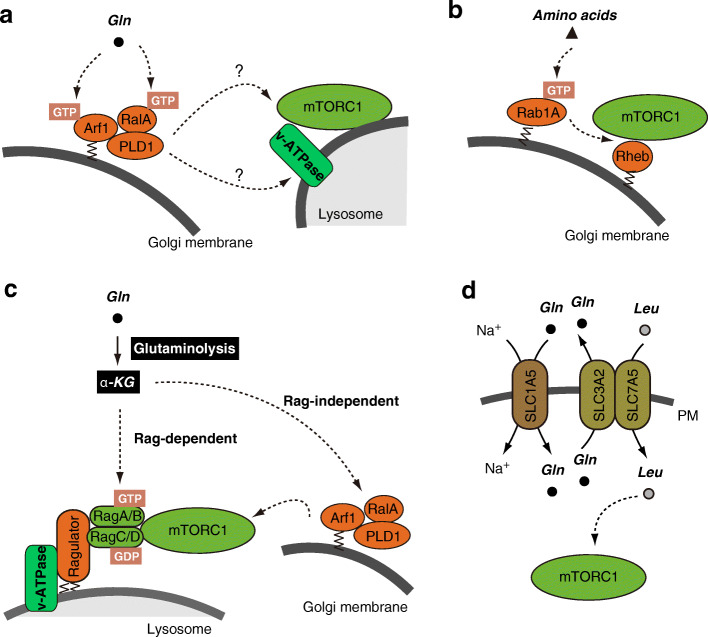
“This increase in BCAAs correlates with mTOR reactivation (Takahara et al., 2020), suggesting that osmoadaptation involves communication between SNAT2 and LAT1 via their common substrate Gln.”
Nutritional strategies for intervention of diabetes and improvement of β-cell function
Wei, S., Li, C., Wang, Z., & Chen, Y. (2023) · Bioscience Reports · doi:10.1042/bsr20222151 · Cited by 19
The Multifaceted Role of LRRK2 in Parkinson’s Disease
Ho, D. H., Han, S. J., & Son, I. (2025) · Brain Sciences · doi:10.3390/brainsci15040407 · Cited by 16
“Conversely, the downregulation of LRS can induce autophagy, helping to maintain cellular homeostasis [44,45].”
Amino acids and the changing face of the α-cell
Hamilton, A., Eliasson, L., & Knudsen, J. G. (2023) · Peptides · doi:10.1016/j.peptides.2023.171039 · Cited by 17
“Mitogenic effects can occur as amino acids can target mTOR [41].”
BackgroundZhang, W., Dong, C., & Xiong, S. (2024) · iScience · doi:10.1016/j.isci.2024.109671 · Cited by 19
“16 Moreover, AMPK was recently reported to phosphorylate Raptor on a highly conserved serine residue, thereby inhibiting the mTORC1 activity.”
Takaine, M., Morita, R., Yoshinari, Y., & Nishimura, T. (2025) · PLoS Biology · doi:10.1371/journal.pbio.3003111 · Cited by 16
“TORC1 is activated by sensing nutrients, such as amino acids and glucose [60].”
A glance at the actual role of glutamine metabolism in thyroid tumorigenesis
Abooshahab, R., Hooshmand, K., Razavi, F., Dass, C. R., & Hedayati, M. (2021) · EXCLI journal · doi:10.17179/excli2021-3826 · Cited by 17
“Indeed, mTORC1 positively regulates glutamine's anaplerotic entry to the TCA cycle via GDH (Csibi et al., 2014; Takahara et al., 2020).”
BackgroundChang, M., Huhn, S. C., Nelson, L., Betenbaugh, M. J., & Du, Z. (2022) · Biotechnology and Bioengineering · doi:10.1002/bit.28050 · Cited by 14
Amino Acid Metabolic Vulnerabilities in Acute and Chronic Myeloid Leukemias
Bhingarkar, A., Vangapandu, H. V., Rathod, S., Hoshitsuki, K., & Fernandez, C. A. (2021) · Frontiers in Oncology · doi:10.3389/fonc.2021.694526 · Cited by 13
Agarwal, D., Kumari, R., Ilyas, A., Tyagi, S., Kumar, R., & Poddar, N. K. (2021) · International Journal of Biological Macromolecules · doi:10.1016/j.ijbiomac.2021.10.026 · Cited by 12
Inhibition of phosphodiesterase 4D suppresses mTORC1 signaling and pancreatic cancer growth
Jeong, M., Urquhart, G., Lewis, C. M., Chi, Z., & Jewell, J. L. (2023) · JCI Insight · doi:10.1172/jci.insight.158098 · Cited by 20
“We previously discovered a Rag GTPase–independent pathway, where glutamine and asparagine signal to mTORC1 through ADP-ribosylation factor 1 (Arf1) (30, 31).”
BackgroundInfluentialThe role of amino acids in skeletal muscle health and sarcopenia: A narrative review
Chaudhuri, R. H. (2024) · Journal of Biomedical Research · doi:10.7555/jbr.38.20240167 · Cited by 14
The amino acid composition of a protein influences its expression
Thompson, R., & Pickard, B. S. (2024) · PLoS ONE · doi:10.1371/journal.pone.0284234 · Cited by 14
“The established mTORC1 signalling pathway elicits molecular and cellular changes in response to nutritional state via the monitoring of certain amino acid concentrations [9].”
BackgroundWang, Y., Wen, H., & Sun, D. (2022) · Annals of Translational Medicine · doi:10.21037/atm-22-1430 · Cited by 13
“GSEA based on the HALLMARK gene set in MSigDb showed that these SLC2A1-related genes were mainly enriched in the G2M CHECKPOINT, E2F TARGETS, MITOTIC SPINDLE, GLYCOLYSIS, and MTORC1 SIGNALING pathways.”
BackgroundInfluentialBreaker, R. R., Harris, K. A., Lyon, S. E., Wencker, F. D. R., & Fernando, C. M. (2023) · Molecular Microbiology · doi:10.1111/mmi.15129 · Cited by 13
Metabolic adaptation in epithelial ovarian cancer metastasis
Frederick, M. I., Nassef, M. Z., Borrelli, M. J., Kuang, S., Buensuceso, A. V., More, T. H., Cordes, T., O’Donoghue, P., Shepherd, T. G., Hiller, K., et al. (2024) · Biochimica et Biophysica Acta (BBA) - Molecular Basis of Disease · doi:10.1016/j.bbadis.2024.167312 · Cited by 16
Reda, G. K., Ndunguru, S. F., Csernus, B., Gulyás, G., Knop, R., Szabó, C., Czeglédi, L., & Lendvai, Á. Z. (2024) · Journal of Experimental Biology · doi:10.1242/jeb.247064 · Cited by 14
Metadata
- Authors
- Takahara, T., Amemiya, Y., Sugiyama, R., Maki, M., & Shibata, H.
- Affiliations
- Nagoya University (JP)
- Corresponding author
- Takahara, Terunao
- Venue
- Journal of Biomedical Science
- Published
- 2020-08-17
- Volume
- 27
- Issue
- 1
- Pages
- 87-87
- ISSN
- 1021-7770 (ISSN-L)
- 1423-0127
- PMC
- PMC7429791
- OpenAlex
- W3049663475
- Cited by
- 300
- References
- 163
- Citations by year
- 2026: 45 · 2025: 66 · 2024: 63 · 2023: 51 · 2022: 43 · 2021: 30 · 2020: 2
- FWCI
- 3.02
- Type
- journal article
- Language
- en
- Open access
- diamond
- doi.org
- Licence
- cc-by
- creativecommons.org/licenses/by/4.0 (tdm)
- creativecommons.org/licenses/by/4.0 (vor)
- Locations
- Journal of Biomedical Science (publishedVersion, cc-by)
- PubMed Central (publishedVersion, cc-by)
- PubMed (publishedVersion)
- DOAJ (DOAJ: Directory of Open Access Journals) (submittedVersion, cc-by-sa)
- Funders
- Japan Society for the Promotion of Science (17K07752, 20K05837, 19K22275)
- Topics
- Life Sciences › Biochemistry, Genetics and Molecular Biology › Molecular Biology › PI3K/AKT/mTOR signaling in cancer
- Life Sciences › Biochemistry, Genetics and Molecular Biology › Cell Biology › Autophagy in Disease and Therapy
- Life Sciences › Biochemistry, Genetics and Molecular Biology › Molecular Biology › Metabolism, Diabetes, and Cancer
- Keywords
- mTORC1, amino acid signaling, Rag GTPases, leucine, L-arginine, cell growth regulation, autophagy, lysosomal biogenesis, protein synthesis, energy sensing
- MeSH terms
- Mechanistic Target of Rapamycin Complex 1, Amino Acids, Animals, Gene Expression Regulation, Humans, Signal Transduction, Mice
About these checks
Registry, retraction, Cites and statistics results are computed, not judged, with one exception: a printed reference that no index lists is read once by a model before it counts as a citation error. Claims are extracted by a model and kept only when their quote appears verbatim in the text; each cited source is then checked, with a model’s help, for whether it says what the claim relies on. Those verdicts can be wrong — read the claim’s quote and the cited source before relying on one.
Statistics and arithmetic are recomputed, not judged.
Confidence bands are shown only for fields calibrated on our annotated test set. None is calibrated yet, so no band is shown.
What counts as a claim ›How we measure confidence ›How we check this ›
Are you an author, or do you see a problem with this page? Request a review
Data sources
Bibliographic data: Semantic Scholar, OpenAlex, Crossref.
Contains information from the Semantic Scholar Academic Graph Datasets, made available under the ODC Attribution License (ODC-BY 1.0).
Semantic Scholar’s data is described in: Kinney, R., et al. (2023). The Semantic Scholar Open Data Platform. arXiv:2301.10140.
