

Amino acid-dependent control of mTORC1 signaling: a variety of regulatory modes
Open accessThe DOI matches its Crossref record; 162 of the 163 references it cites were found in a registry or an index.
Abstract
The mechanistic target of rapamycin complex 1 (mTORC1) is an essential regulator of cell growth and metabolism through the modulation of protein and lipid synthesis, lysosome biogenesis, and autophagy. The activity of mTORC1 is dynamically regulated by several environmental cues, including amino acid availability, growth factors, energy levels, and stresses, to coordinate cellular status with environmental conditions. Dysregulation of mTORC1 activity is closely associated with various diseases, including diabetes, cancer, and neurodegenerative disorders. The discovery of Rag GTPases has greatly expanded our understanding of the regulation of mTORC1 activity by amino acids, especially leucine and arginine. In addition to Rag GTPases, other factors that also contribute to the modulation of mTORC1 activity have been identified. In this review, we discuss the mechanisms of regulation of mTORC1 activity by particular amino acids.
Overview
The claims and statistics of this paper haven’t been checked yet.
Free: it reads the open-access text and checks the first 5 claims that cite a source we can check. Create a free account to check every claim.
Integrity signals
Registry
Cites
Statistics
Figures
Verification
Claims the paper makes
The claims and statistics of this paper haven’t been checked yet.
Free: it reads the open-access text and checks the first 5 claims that cite a source we can check. Create a free account to check every claim.
Claims other papers make about this one
Each is checked against this paper’s own text: does it say what the citing paper says it does?
In the citing paper
“Insulin and amino acids together promote protein synthesis and, therefore, increase muscle mass.”
From Sarcopenic obesity: epidemiology, pathophysiology, cardiovascular disease, mortality, and management (2023) · cites this paper as [23]
In the citing paper
“The protein complex, mTORC1, seems to play a central role in this process because amino acids and insulin act synergistically to activate it, which itself plays a central role in the insulin signaling pathway (23).”
From Sarcopenic obesity: epidemiology, pathophysiology, cardiovascular disease, mortality, and management (2023) · cites this paper as [23]
Self-check
Percentages, sums and reported differences re-computed from the paper’s own numbers.
The self-check needs the paper’s full text.
Citations
Cites
mTOR Signaling in Growth, Metabolism, and Disease
Saxton, R. A., & Sabatini, D. M. (2017) · Cell · doi:10.1016/j.cell.2017.02.004 · Cited by 7,555
AMPK and mTOR regulate autophagy through direct phosphorylation of Ulk1
Kim, J., Kundu, M., Viollet, B., & Guan, K.-L. (2011) · Nature Cell Biology · doi:10.1038/ncb2152 · Cited by 7,227
Phosphorylation and regulation of Akt/PKB by the rictor-mTOR complex
Sarbassov, D. D., Guertin, D. A., Ali, S. M., & Sabatini, D. M. (2005) · Science · doi:10.1126/science.1106148 · Cited by 6,216 · cited 4×
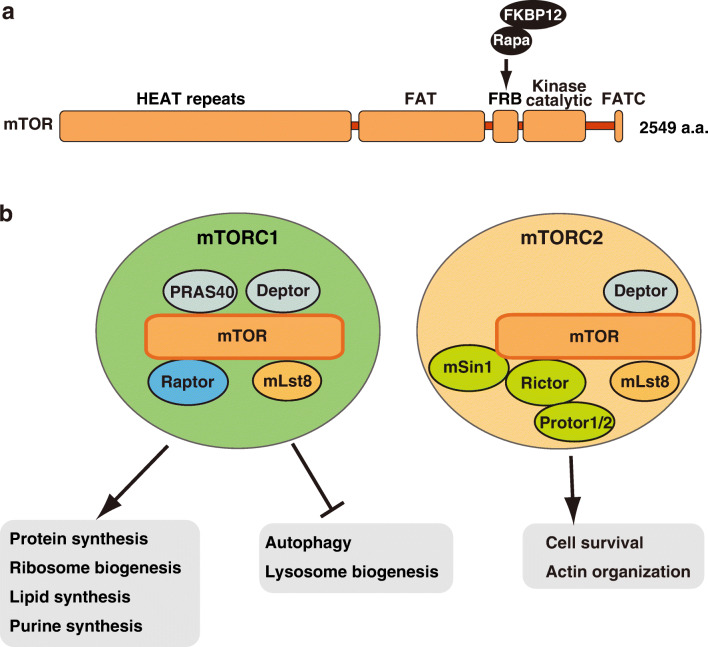
“One of the most studied functions of mTORC2 is the phosphorylation of Akt on Ser473 [31] (Fig.”
BackgroundInfluentialTOR signaling in growth and metabolism
Wullschleger, S., Loewith, R., & Hall, M. N. (2006) · Cell · doi:10.1016/j.cell.2006.01.016 · Cited by 5,787 · cited 1×
“However, there are two TOR genes in yeast, whereas only a single TOR gene exists in higher eukaryotes [2].”
BackgroundTSC2 is phosphorylated and inhibited by Akt and suppresses mTOR signalling
Inoki, K., Li, Y., Zhu, T., Wu, J., & Guan, K.-L. (2002) · Nature Cell Biology · doi:10.1038/ncb839 · Cited by 3,083
The Rag GTPases Bind Raptor and Mediate Amino Acid Signaling to mTORC1
Sancak, Y., Peterson, T. R., Shaul, Y. D., Lindquist, R. A., Thoreen, C. C., Bar-Peled, L., & Sabatini, D. M. (2008) · Science · doi:10.1126/science.1157535 · Cited by 2,773 · cited 1×
“between amino acid signals and mTORC1 activation [18, 43, 65].”
BackgroundProlonged Rapamycin Treatment Inhibits mTORC2 Assembly and Akt/PKB
Sarbassov, D. D., Ali, S. M., Sengupta, S., Sheen, J.-H., Hsu, P. P., Bagley, A. F., Markhard, A. L., & Sabatini, D. M. (2006) · Molecular Cell · doi:10.1016/j.molcel.2006.03.029 · Cited by 2,365
Nutrient-dependent mTORC1 Association with the ULK1–Atg13–FIP200 Complex Required for Autophagy
Hosokawa, N., Hara, T., Kaizuka, T., Kishi, C., Takamura, A., Miura, Y., Iemura, S.-I., Natsume, T., Takehana, K., Yamada, N., et al. (2009) · Molecular Biology of the Cell · doi:10.1091/mbc.e08-12-1248 · Cited by 2,076 · cited 3×
“Indeed, mTORC1 directly phosphorylates the unc-51 like autophagy activating kinase 1 (ULK1) [24, 25], an initial regulator of autophagy, and the transcription factor EB (TFEB), a regulator of the expression of lysosomal genes [26–29], thereby suppressing autophagy and lysosomal degradation.”
BackgroundTargets for Cell Cycle Arrest by the Immunosuppressant Rapamycin in Yeast
Heitman, J., Movva, N. R., & Hall, M. N. (1991) · Science · doi:10.1126/science.1715094 · Cited by 2,006 · cited 1×
“The target of rapamycin (TOR) was originally identified as the cellular target of the immunosuppressant and anticancer drug rapamycin in Saccharomyces cerevisiae [1].”
BackgroundBidirectional Transport of Amino Acids Regulates mTOR and Autophagy
Nicklin, P., Bergman, P., Zhang, B., Triantafellow, E., Wang, H., Nyfeler, B., Yang, H., Hild, M., Kung, C., Wilson, C., et al. (2009) · Cell · doi:10.1016/j.cell.2008.11.044 · Cited by 1,798
Cited by
Items 201–299 of 299
Specific and combined effects of dietary ethanol and arginine on Drosophila melanogaster
Bayliak, M. M., Demianchuk, O., Gospodaryov, D. V., Balatskyi, V. A., & Lushchak, V. I. (2022) · Drug and Chemical Toxicology · doi:10.1080/01480545.2022.2105863 · Cited by 3
“Logically, we assessed activity of alcohol dehydrogenase (ADH), a key enzyme in EtOH catabolism, and the levels of storage metabolites such as TAGs.”
BackgroundInfluentialJoly, A., Schott, A., Phadke, I., González‐Menéndez, P., Kinet, S., & Taylor, N. N. (2024) · Physiology · doi:10.1152/physiol.00035.2024 · Cited by 3
Tsukamoto, Y., Nakamura, Y., Hirata, M., Okuzaki, D., Sakate, R., & Kimura, T. (2023) · FEBS Letters · doi:10.1002/1873-3468.14628 · Cited by 3
Huang, H., Qin, J., Zhi, W., Wang, C., Chen, C., Liu, Y., Li, H., Cao, S., & Yang, X. (2024) · Translational Cancer Research · doi:10.21037/tcr-24-1142 · Cited by 1
“Additionally, BCAA can function as signaling molecules to stimulate biosynthesis, with a key role in promoting cell growth and development via mTORC1 (mTORC1 is a central factor involved in cell metabolism, growth, proliferation, and migration) (55-58).”
Li, Q., Li, Y., Zhou, T., Zhang, Y., Li, H., Yuan, F., & Bi, Y. (2025) · PLoS ONE · doi:10.1371/journal.pone.0317294 · Cited by 2
Beckett, L. M., Gast, B., Tobolski, E. M., Jones, L., Gouveia, K. M., Han-Hallett, Y., Casey, T., & Boerman, J. P. (2025) · JDS Communications · doi:10.3168/jdsc.2024-0581 · Cited by 1
“One of the ways mTOR is activated is through AA signaling (Takahara et al., 2020), with His, Leu, and Met being higher in circulation of LM-CON calves.”
Kowalski, S., Wityk, P., Raczak‐Gutknecht, J., Olszewska, A., Zmijewski, M. A., & Kocić, I. (2025) · European Journal of Pharmacology · doi:10.1016/j.ejphar.2025.177590 · Cited by 2
Seo, M. K., Kim, H.-W., Choi, A. J., Seog, D., Kho, W.-G., Park, S. W., & Lee, J. G. (2025) · Scientific Reports · doi:10.1038/s41598-025-92988-5 · Cited by 2
Song, G. Y. (2025) · Korean Journal of Geriatrics & Gerontology · doi:10.15656/kjgg.2025.26.1.9 · Cited by 1
IL-33 promotes transcriptional and metabolic adaptations of tissue-resident Th2 cells
Kania, A. K., Sanin, D. E., Gu, X., Gidley, M., Kokosinski, E., Smith, A. D., Pearce, E. L., & Pearce, E. J. (2026) · The Journal of Immunology · doi:10.1093/jimmun/vkag028 · Cited by 1
“27,28 We performed LC/MS metabolomics analysis on naive CD4 + T cells as well as IL-2 plus IL-33-stimulated and anti-CD3/ CD28-stimulated CD44 + Th2 cells (Fig.”
Amino acid metabolism in cervical cancer: Mechanisms and implications in therapy
Murali, R., Singaraj, S., Govindh, I., Singh, P., Sundaram, S., Srinivas, S., Gopisetty, G., Chandramoorthy, H. C. K., & Gandhirajan, R. K. (2025) · Next research. · doi:10.1016/j.nexres.2025.100660 · Cited by 2
Ruffolo, B., Vicente-Muñoz, S., Mehta, K. Y., Rivera‐Cruz, C. M., Zhao, X., Romick‐Rosendale, L. E., Setchell, K. D. R., Lane, A., & Wells, S. I. (2025) · Cancers · doi:10.3390/cancers17152583 · Cited by 1
Gilbreath, K. R., Satterfield, M. C., Zhou, L., Bazer, F. W., & Wu, G. (2025) · Animals · doi:10.3390/ani15162398 · Cited by 3
Alimohammadi, M., Noroozi, M., Mafi, A., Khormizi, F. Z., Abbasi, A., Farahani, N., Khoshnazar, S. M., Hashemi, M., Taheriazam, A., & Hushmandi, K. (2025) · Cancer Cell International · doi:10.1186/s12935-025-03957-x · Cited by 2
“When amino acids are scarce, Rag modulates mTORC1 activity by altering the protein’s conformation through its interaction with GDP/GTP [20].”
Naumov, D. E., Kotova, O. O., Анатольевна, Г. Д., & Sugaylo, I. Y. (2025) · Bulletin physiology and pathology of respiration · doi:10.36604/1998-5029-2025-97-8-24 · Cited by 1
Liu, G., Goo, D., Lee, J., Ajao, A. M., Shanmugasundaram, R., Ball, E., Mercier, Y., Applegate, T. J., Selvaraj, R. K., Kyriazakis, I., et al. (2025) · Poultry Science · doi:10.1016/j.psj.2025.106083 · Cited by 2
“Additionally, the ARG and MET groups had highest expression levels of MTOR , which corresponded to their important roles in regulating mTOR pathway (Hou et al., 2020; Takahara et al., 2020), indicating the potential positive effects of Arg supplementation in promoting breast muscle growth.”
Zhuang, X., Zheng, W. J., Liu, T., Tang, Y. Y., Guo, M., Ni, S. D., & Gao, J. (2025) · Journal of Ethnopharmacology · doi:10.1016/j.jep.2025.120948 · Cited by 1
Arginine shapes growth and mTOR pathway gene expression in Japanese quails (Coturnix japonica)
Gashew, M., Reda, G. K., Almira, F. N., Abdelbary, E. M., Khalifeh, D. M., Ndunguru, S. F., Gulyás, G., Knop, R., Csernus, B., Szabó, C., et al. (2025) · Scientific Reports · doi:10.1038/s41598-025-32547-0 · Cited by 1
“…( GHR ), fatty acid synthase ( FASN ), fatty acid binding protein 1 ( FABP1 ), eukaryotic translation initiation factor 4E binding protein 1 ( EIF4EBP1 ), autophagy-related 5 ( ATG5 ), and antioxidant gene superoxide dismutase ( SOD2 ) was quantified as fold change using the 2 −ΔΔCt method 43 .”
Amino Acid Signaling in Skeletal Muscle Is Blunted by Prematurity in a Piglet Model
dos Santos, A. C. R., Suryawan, A., Jang, K. B., Parada, R. D., Mohammad, M. A., Fiorotto, M. L., & Davis, T. A. (2025) · Journal of Nutrition · doi:10.1016/j.tjnut.2025.101303 · Cited by 3
“After leucine, arginine is recognized as the second most potent amino acid in stimulating skeletal muscle protein synthesis [47].”
Ye, M., Liang, Z., Zhou, D., Pike, A. C. W., Wang, S., Wang, D., Bakshi, S., Brooke, L., Williams, E. P., Elkins, J. M., et al. (2026) · Nature Communications · doi:10.1038/s41467-026-69421-0 · Cited by 1
“Arginine also regulates cell growth and metabolism through its potent activation of the mechanistic target of rapamycin complex 1 (mTORC1) 5 .”
Sarcopenic obesity and metabolic disorders in ageing
Kurmaev, D. P., Bulgakova, S. V., Treneva, E. V., Косарева, О. В., Sharonova, L. A., Dolgikh, Y. A., & Merzlova, P. Y. (2025) · Экспериментальная и клиническая гастроэнтерология · doi:10.31146/1682-8658-ecg-235-3-134-147 · Cited by 2
Karimi, K., Roberts, S. C., Carter, N. S., Hofer, S. J., & Karimi, R. (2026) · Amino Acids · doi:10.1007/s00726-026-03512-6 · Cited by 1
“Argininosuccinate synthetase 1 (ASS1) is a regulatory enzyme in the urea cycle that catalyzes metabolism of citrulline to argininosuccinate that, in turn, is metabolized to arginine (Arg) and fumarate by argininosuccinase (Hong et al. 2024; Hu et al. 2023).”
InfluentialMalaguarnera, L., Sortino, V., Surdo, S., & Piro, S. (2026) · Nutrients · doi:10.3390/nu18091437 · Cited by 1
“Cytosolic nutrient sensors such as Sestrin2 for leucine and Cellular Arginine Sensor for mTORC1 (CASTOR1) for arginine contribute to hierarchical detection of amino acid availability, enabling skeletal muscle cells to integrate nutrient availability with anabolic signaling [22].”
Environmental regulation of mucosal-associated invariant T cells: Adding food for thought
Ryan, E. K., Sinclair, L. V., & Hogan, A. E. (2026) · Science Signaling · doi:10.1126/scisignal.aec6992 · Cited by 1
McCarty, M. F. (2022) · Medical Hypotheses · doi:10.1016/j.mehy.2022.110839 · Cited by 2
Molecular dynamics of autophagy in cancer metabolism
Pandey, R., Kanwar, J. R., Kumar, D., Gupta, V. K., & Kumar, A. (2022) · Elsevier eBooks · doi:10.1016/b978-0-323-99879-6.00005-5 · Cited by 1
Börklü, E. (2023) · TURKISH JOURNAL OF BIOLOGY · doi:10.55730/1300-0152.2656 · Cited by 1
“A similar phenomenon has also been described in Homo sapiens (Takahara et al., 2020).”
BackgroundSidorov, V., Sidorova, T., Samson, P. C., Reiserer, R. S., Britt, C. M., Neely, M. D., Ess, K. C., & Wikswo, J. (2024) · Bioengineering · doi:10.3390/bioengineering11030234
“Since mTOR1 stimulates protein synthesis [92], rapamycin also has an effect on the metabolism of amino acids.”
BackgroundZulkipli, N. N., Long, I., Wahab, H. A., Sasongko, T. H., Azhar, N. A., & Zakaria, R. (2024) · Journal of Applied Pharmaceutical Science · doi:10.7324/japs.2024.169852
“Rag GTPases act as a mediator of amino acid-induced mTORC1 activation in the mTORC1 pathway [31].”
BackgroundImpact of Animal and Plant Protein Intake on Cancer Development Risk
Kurasawa, R., Suzuki, H., Ishizaka, T., & Aoki, Y. (2024) · Acta Scientifci Nutritional Health · doi:10.31080/asnh.2024.08.1415 · Cited by 1
Millward, D. J. (2021) · Elsevier eBooks · doi:10.1016/b978-0-12-821848-8.00004-4 · Cited by 2
Amplicon structure creates collateral therapeutic vulnerability in cancerPreprint
Bei, Y., Bramé, L., Kirchner, M., Fritsche‐Guenther, R., Kunz, S., Bhattacharya, A., Köppke, J. K. C., Proba, J., Wittstruck, N., Sidorova, O. A., et al. (2022) · bioRxiv (Cold Spring Harbor Laboratory) · doi:10.1101/2022.09.08.506647 · Cited by 1
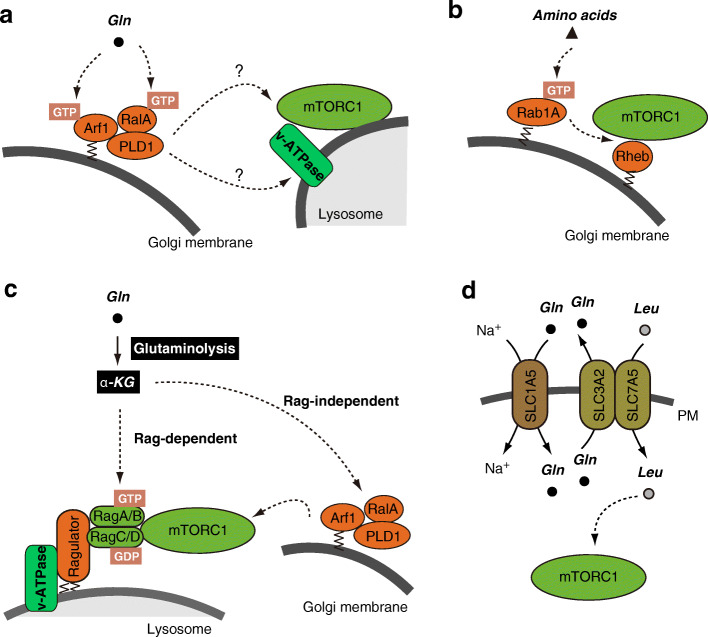
“…cycle and the central product of glutaminolysis driving anaplerotic reactions in cells (Durán et al., 2012), α-KG can alter mTORC1 activity (Altman et al., 2016; Bodineau et al., 2021; de la Cruz López et al., 2019; Durán et al., 2012; Ge et al., 2018; Sancak et al., 2008; Takahara et al., 2020).”
Yang, T., Sharma, H., Benson, J. M., Valente, W. J., LaRue, R. S., Webber, B. R., Moriarity, B. S., Pennell, C. A., Jameson, S. C., & Kelekar, A. (2025) · bioRxiv (Cold Spring Harbor Laboratory) · doi:10.64898/2025.12.08.692849 · Cited by 1
“Glutamine transporters and antiporters, such as ASCT2/SLC1A5, and SLC3A2/SLC7A5 and others, facilitate its uptake and/or rapid efflux in exchange for essential amino acids, such as leucine or cysteine, that are important for mTOR activation 32, 36 .”
DO-SRS and MPF imaging of metabolic activities
Bagheri, P., Hoang, K., Fung, A. A., Hussain, S., & Shi, L. (2022) · Advanced Chemical Microscopy for Life Science and Translational Medicine · doi:10.1117/12.2607975
Social Disadvantage, Gene Expression, Stress and Depressive SymptomsPreprint
Gaye, A., Abbas, M., Goodney, G. A., Quarells, R. C., DeRoo, L. A., Gibbons, G. H., & Davis, S. (2022) · SSRN Electronic Journal · doi:10.2139/ssrn.4060367
Unravelling novel functions of the MTOR network across subcellular compartments
Sandoval, M. C. (2022) · University of Groningen research database (University of Groningen / Centre for Information Technology) · doi:10.33612/diss.208570309
Dietary restriction and mTOR and IIS inhibition: the potential to antiaging drug approach
Tsou, S. (2022) · Elsevier eBooks · doi:10.1016/b978-0-323-90235-9.00003-3
Gondret, F., Louveau, I., Langendjik, P., & Farmer, C. (2022) · animal · doi:10.1016/j.animal.2022.100691
Deng, Y. W., Pontikos, M. A., Baniasadi, H. R., Williams, N. S., & Phillips, M. A. (2023) · bioRxiv (Cold Spring Harbor Laboratory) · doi:10.1101/2023.06.19.545529
“In mammalian cells, there is increased flux through amino acid 402 uptake pathways to access more nutrients during times of stress or DNA damage, mainly through 403 mTORC1 activation [41, 42].”
BackgroundModulation of Leucine Sensors to Mitigate Antipsychotics-Induced Metabolic Syndrome: A New Vista
Arjmand, S., Biojone, C., & Wegener, G. (2023) · ACS Pharmacology & Translational Science · doi:10.1021/acsptsci.3c00319
Wojtowicz, E. E., Hampton, K., Moreno‐Gonzalez, M., Utting, C., Lan, Y., Ruiz, P. S. B., Beasy, G., Bone, C., Hellmich, C., Maynard, R. S., et al. (2024) · bioRxiv (Cold Spring Harbor Laboratory) · doi:10.1101/2024.03.01.582753
Targeting iron metabolism in cancer to induce ferroptosis: a type of programmed cell death
Beadman, R. (2024) · Cronfa (Swansea University) · doi:10.23889/suthesis.66249
Shao, S., Jiang, M., Cespuglio, R., & Zhang, N. (2024) · Research Square · doi:10.21203/rs.3.rs-4485698/v1
Lee, J. G., Seo, M. K., Kim, H.-W., Choi, A. J., Seog, D., Kho, W.-G., & Park, S. W. (2024) · Research Square · doi:10.21203/rs.3.rs-4779851/v1
Amemiya, Y., & Takahara, T. (2024) · KAGAKU TO SEIBUTSU · doi:10.1271/kagakutoseibutsu.62.11
Self-citationThe Immunometabolism of Natural Killer Cell Responses
Keane, C., Gardiner, C. M., & Finlay, D. K. (2025) · Springer eBooks · doi:10.1007/978-3-662-68816-8_41-1
Chainikova, M. A., Kurmaev, D. P., Bulgakova, S. V., & Treneva, E. V. (2025) · Экспериментальная и клиническая гастроэнтерология · doi:10.31146/1682-8658-ecg-228-8-76-88 · Cited by 3
Yoshimura, R., Araki, H., Kikuchi, Y., & Nomura, S. (2024) · Journal for the Integrated Study of Dietary Habits · doi:10.2740/jisdh.35.3_147
The effect of streptococcal arginine deiminase on Th17 lymphocyte differentiation in vitro
Старикова, Э. А., Mammedova, J. T., Av, S., Rubinstein, A., Egidarova, E. Y., Yakupov, A. M., Abdulkadyrova, N. S., & Кудрявцев, И. В. (2024) · Cytokines and inflammation · doi:10.17816/ci646331
Circu, M. L., Castore, R., Latimer, B., Shames, S. R., Roy, C. R., Dragoi, A., & Ivanov, S. S. (2026) · PLoS Pathogens · doi:10.1371/journal.ppat.1012998 · Cited by 1
“The heterodimeric Rag GTPase complex coordinates TORC1 signaling by recruiting TORC1 to the lysosomal membrane based on amino acids availability where the complex is directly activated by the small GTPase Rheb [20,58].”
InfluentialShared potential metabolism trends in degraded soils and type 2 diabetes gut microbiomesPreprint
Liddicoat, C., Eijkelkamp, B. A., Cavagnaro, T. R., Robinson, J. M., Wallace, K. J., Barnes, A. D., Harmsworth, G., Keating, D. J., Edwards, R. A., & Breed, M. F. (2025) · bioRxiv (Cold Spring Harbor Laboratory) · doi:10.1101/2025.03.11.642605
“In the nematode Caenorhabditis elegans and mammalian tissue culture cells, mmBCFA have been shown to be critical for triggering the host mechanistic target of rapamycin complex 1 (mTORC1) 59, 60 , a central regulator of cell growth and metabolism 61 .”
L-Alanine and Galactomannan as Potential Additives for Edible Cellulose Acetate-Based Cell ScaffoldPreprint
Ruengket, P., Maimansomsuk, S., Purananunak, C., Sinthuvanich, C., Phonphoem, W. P., Aramrak, A., Arikit, S., Yokthongwattana, C., Phuthong, W., Srikulnath, K., et al. (2025) · SSRN Electronic Journal · doi:10.2139/ssrn.5249665
Research advances on amino acid starvation interventions for hepatocellular carcinoma
Li, Y., Li, L., Hou, Y., Peng, X., & Li, H. (2025) · Biochimica et Biophysica Acta (BBA) - Reviews on Cancer · doi:10.1016/j.bbcan.2025.189400
High Glucose and Glucose-derived Intermediates are Linked to Lung Cancer Aggressiveness
Joshi, H., Satti, R., & Sheikh, M. S. (2025) · Current Cancer Drug Targets · doi:10.2174/0115680096415724250822061328
Xu, W., Zeng, T., Tian, Y., Chen, L., Gu, T., & LiZhi, L. (2025) · Brazilian Journal of Poultry Science · doi:10.1590/1806-9061-2024-2024
Kilroe, S. P., Kalenta, H., Marchant, E. D., & Rasmussen, B. B. (2025) · Springer eBooks · doi:10.1007/978-3-642-27830-3_198-1
Martínez-Moré, M., Filippi, C. V., Eastman, G., Quero, G., Sotelo-Silveira, M., Píriz-Pezzutto, S., Sotelo-Silveira, J. R., Borsani, O., & Sainz, M. M. (2026) · BMC Plant Biology · doi:10.1186/s12870-026-09344-6
“Through the eukaryotic initiation factor 4E binding protein 1 (4E-BP1), mTORC1 stimulates the translation of a subset of mRNAs possessing a 5´ terminal oligopyrimidine (5’ TOP) motif, such as mRNAs encoding ribosomal proteins [52].”
Xu, C., Zhao, J., Wu, K., Liu, S., Zhang, F., Cao, Q., Wan, Z., Tang, Y., Liu, Z., Zeng, H., et al. (2025) · Frontiers in Nutrition · doi:10.3389/fnut.2025.1611656
“These amino acids interact with cytosolic and lysosomal sensors, recruiting the mTOR complex to the lysosome, which subsequently activates downstream effectors such as p70S6K and 4E-BP1, promoting protein synthesis and cellular growth (43).”
Rahimi-Tamandegani, H., Marashi, A.-A., Ghavami, G., Mehrmohamadi, M., & Sardari, S. (2025) · Iranian Biomedical Journal · doi:10.61882/ibj.5178
“For example, lysine may influence histone acetylation and epigenetic states, while valine may modulate mTOR signaling, mechanisms that fall outside the scope of GEMs [40,41] .”
Virdis, S., Luise, D., Correa, F., Laghi, L., Arrigoni, N., Amarie, R. E., Serra, A., Biagi, G., Negrini, C., Palumbo, F., et al. (2024) · Figshare · doi:10.6084/m9.figshare.27059099
Xiao, G., Li, X., Yang, H., Zhang, R., Huang, J., Tian, Y., Nie, M., & Sun, X. (2024) · Figshare · doi:10.6084/m9.figshare.26726941
Xiao, G., Li, X., Yang, H., Zhang, R., Huang, J., Tian, Y., Nie, M., & Sun, X. (2024) · Figshare · doi:10.6084/m9.figshare.26726944
Xiao, G., Li, X., Yang, H., Zhang, R., Huang, J., Tian, Y., Nie, M., & Sun, X. (2024) · Figshare · doi:10.6084/m9.figshare.26726953
Xiao, G., Li, X., Yang, H., Zhang, R., Huang, J., Tian, Y., Nie, M., & Sun, X. (2024) · Figshare · doi:10.6084/m9.figshare.26726950
Xiao, G., Li, X., Yang, H., Zhang, R., Huang, J., Tian, Y., Nie, M., & Sun, X. (2024) · Figshare · doi:10.6084/m9.figshare.26726947
Xiao, G., Li, X., Yang, H., Zhang, R., Huang, J., Tian, Y., Nie, M., & Sun, X. (2024) · Figshare · doi:10.6084/m9.figshare.26726956
Malla, S., Smith, D. R., Peer, A., Samuelson, D. R., Knoell, D. L., & Saha, R. (2026) · bioRxiv (Cold Spring Harbor Laboratory) · doi:10.64898/2026.01.09.698698
Metabolic Regulation in the Maintenance of Drosophila Testis Stem Cells
Liu, J., Xu, P., Liu, Y., Xie, Y., Liu, Z., & Baeg, G. H. (2026) · International Journal of Molecular Sciences · doi:10.3390/ijms27041884 · Cited by 1
“On the other hand, in mammals, mTORC1 functions as a central metabolic hub integrating insulin signaling, amino acid availability, and energy status to drive anabolic metabolism and suppress autophagy [38].”
Metabolic changes in mTOR pathway-associated cortical malformation
Biswas, A., & Iffland, P. H. (2026) · Frontiers in Neuroscience · doi:10.3389/fnins.2026.1726799
Bi, Y., Ye, Y., Wu, X., Huang, C., & Ma, Q. (2026) · Scientific Reports · doi:10.1038/s41598-026-41218-7
“These signals converge on Ras-related GTP-binding (Rag) GTPases, which recruit mTORC1 to the lysosomal surface for activation 17 .”
Regulation of the Akt/mTORC1 Pathway by HIV Transcriptional Activator Tat in B Cells
Akbay, B. (2021) · theses.fr (ABES) · doi:10.70675/2b579806z11cfz4545zb88az6987a56822bf · Cited by 1
Control of the invadopodia/MT1-MMP axis by mTORC1/TFEB signaling pathway in breast cancer cells
Remy, D. (2022) · theses.fr (ABES) · doi:10.70675/849dc96dz8e18z4428zbf6fz67c9b1d98114
Functional characterization of the GATOR1 complex in cisplatin resistance
Pan, Z. (2024) · theses.fr (ABES) · doi:10.70675/2ddcf286zc553z40fdzb34ez875b3288c76b
Birkebæk, S. B., Amoushahi, M., & Lykke‐Hartmann, K. (2026) · Frontiers in Cell and Developmental Biology · doi:10.3389/fcell.2026.1787020
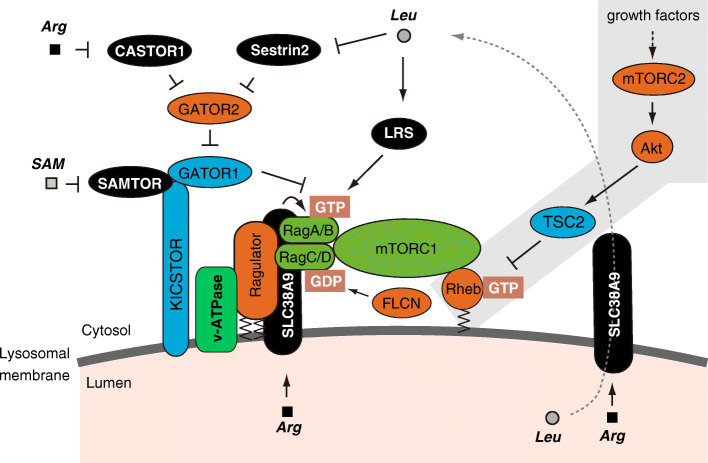
“…Rag GTPases, GATOR complexes, and lysosomal sensors such as SLC38A9, which facilitate mTORC1 recruitment to the lysosome and subsequent activation by Rheb (Wolfson et al., 2017; Chantranupong et al., 2016; Gai et al., 2016; Shen and Sabatini, 2018; Zoncu et al., 2011; Takahara et al., 2020).”
Huang, M., Li, A., Ma, R., Gao, Y., Jia, Y., Shen, X., Xie, M., Yang, L., Shen, K., Ao, Z., et al. (2026) · Animal Reproduction Science · doi:10.1016/j.anireprosci.2026.108235
Polyploidy and Senescence of Cancer Cells: Impact of Cell Fusion
Bhattacharyya, S., Choudhury, D., Vedeshachaitanya, B., & Malakar, P. (2026) · Advances in experimental medicine and biology · doi:10.1007/978-3-032-22637-2_10
Impact of Prematurity on Nutrient Signaling and Protein Synthesis in Skeletal Muscle
dos Santos, A. C. R., Jang, K. B., Fiorotto, M. L., & Davis, T. A. (2026) · Annual Review of Nutrition · doi:10.1146/annurev-nutr-111225-024640
“Activation of mTORC1 is spatially regulated through its translocation to the lysosomal membrane, a process mediated by Ras-related GTP-binding proteins (Rag) in response to amino acid availability (16, 92).”
Lee, J. D., Kim, H. Y., Im, J.-E., Lee, H., Park, J., Park, K., Kang, K., Jeong, H. G., Chae, S., Hwang, D., et al. (2026) · Archives of Toxicology · doi:10.1007/s00204-026-04466-0
“It is sensed by Sestrin2, which functions as a leucine sensor for mTORC1 activation (Takahara et al. 2020; Drummond and Rasmussen, 2008; Meng et al. 2020).”
Kilroe, S. P., Kalenta, H., Marchant, E. D., & Rasmussen, B. B. (2026) · Springer eBooks · doi:10.1007/978-3-032-05988-8_198
Chen, Y., Hu, S., Ji, Y., Gu, F., Zhang, C., Gao, K., Wen, X., Wang, L., Dong, X., Tak, J., et al. (2026) · Journal of Animal Science and Biotechnology/Journal of animal science and biotechnology · doi:10.1186/s40104-026-01414-x
“Amino acids can promote protein synthesis by activating the mTOR pathway [41].”
Dewi, D. L., Manik, E., Damayanti, E., Anwar, M., Suratno, & Iryanto, S. B. (2026) · Metabolomics · doi:10.1007/s11306-026-02459-9
“In addition to their role as proteogenic building blocks, amino acids serve as indispensable signal - ing molecules and precursors for energy production, nucleo - tide synthesis, redox homeostasis, and epigenetic regulation (Phang et al., 2013; Rabinovich et al., 2015; Takahara et al., 2020 ).”
Multifaceted roles of arginine in cellular function, signaling, and disease
Mehmood, T., Ali, M., Javed, M., Mateen, R. M., Nouman, M., Knani, S., Alreshidi, R., & Iqbal, S. (2026) · Frontiers in Chemistry · doi:10.3389/fchem.2026.1847056 · Cited by 1
“…which is necessary to attract the mTORC1 complex to the lysosomal surface, is activated in lysosomes when arginine interacts with SLC38A9 (lysosome transmembrane protein responsible for amino acid arginine transport) and v-ATPase, upstream regulators of mTORC1 (Figure 3; Takahara et al., 2020).”
Dietary Protein, DIAAS, Anabolism, and Cardiometabolic Health: A Review and Future Perspectives
Nielsen, R. D., Hodgkinson, S. M., Kruger, R., Montoya, C. A., & ROWLANDS, D. S. (2026) · Nutrition Reviews · doi:10.1093/nutrit/nuag101 · Cited by 1
Xing, Y.-R., Wang, S.-F., Dai, J.-J., Xu, X.-G., & Mao, W.-J. (2026) · World Journal of Gastrointestinal Oncology · doi:10.4251/wjgo.119680
Jaiswal, R., Loushigam, G. L., Badgujar, P. C., & Pareek, S. (2026) · Applied Food Research · doi:10.1016/j.afres.2026.102514
Oliveira, C. A. S., David, G. S. S., Silva, M. C., Paiva, J. J. D. S., Faria, K. G., Horta, B. M., Rodrigues, M. D. S., ARRUDA, L. D. C., Rennó, L. N., & Paulino, M. F. (2026) · Semina Ciências Agrárias · doi:10.5433/1679-0359.2026v47n1p307
Amino Acid Metabolism in Health and Disease
Su, Z., Liu, J., Deng, X., Luo, Y., Xue, H., Wang, L., Xing, L., & Wu, T. (2026) · MedComm · doi:10.1002/mco2.70930
“They also function as nutrient signals; leucine and other amino acids, for example, regulate mechanistic target of rapamycin complex 1 (mTORC1), which coordinates growth, proliferation, and autophagy [ 11 ].”
Li, X., Lin, X., Feng, L., Hu, Z., Hou, Q., Wang, Y., Shen, Y., Mu, Y., & Wang, Z. (2026) · Nutrients · doi:10.3390/nu18172867
“BCAA function as nutrient signals capable of influencing protein synthesis, carbohydrate and lipid utilization, and cellular energy balance, partly through mTOR-related signaling [18,19].”
Structure-guided targeting of the LAT1-4F2hc amino acid transporter in cancer and brain disorders
Hu, Z., Bröer, S., & Yan, R. (2026) · Medical Review · doi:10.1515/mr-2026-0046
“Akt phosphorylates and inactivates the tuberous sclerosis complex (TSC1/2), relieving its GAP-mediated inhibition of Rheb and thereby activating mTORC1 to drive protein translation and cell growth [57, 58].”
Microproteins as a Hidden Player in Breast Cancer: From Molecular Insights to Therapeutic Potential
Dai, Q., Seaman, K., Song, X., Sassi, A., Yang, X., & You, L. (2026) · Cell Biochemistry and Function · doi:10.1002/cbf.70305
“Furthermore, glutamine is one of the most abundant amino acids in cells and an important nutrient for mTOR signalling activation [50], thereby sustaining the proliferation of both non‐ cancerous and cancerous cells.”
Advances of research on amino acid sensing
Yin, M., Wen-Ying, Z. H. U., Yuan, S. H. E. N., & Qun‐Ying, L. (2026) · Shengming kexue · doi:10.3724/cbls.2026115
Dagah, O. M. A., Ullah, Z., Alhameed, A. M. M., Al-Azzani, H., Manzoor, R., Khamis, M. Y., Liu, Z., & Lu, J. (2026) · Molecular Immunology · doi:10.1016/j.molimm.2026.09.009
Glutamine Metabolism in Cardiac Hypertrophy
Hu, Z.-G., Yao, Y., Gong, Y., & Yang, Y.-T. (2026) · Reviews in Cardiovascular Medicine · doi:10.31083/rcm51889
“Activated Rag heterodimers recruit mTORC1 to the lysosomal surface, a critical step in its activation [62,63,64].”
Ramirez, L. A. G., Jones, D. P., Easley, K. A., Liang, D., Cotsonis, G., Galloway, J. R., Ren, M., Griffith, D. P., Dave, N. J., Kudsk, K. A., et al. (2026) · Clinical Nutrition · doi:10.1016/j.clnu.2026.106819
Caloric restriction’s molecular pathways: Unlocking neuroprotection in neurodegenerative diseases
MITKARI, M., Pawar, A., Hulwale, A., Shelke, V., Vyavahare, S., Doke, R. R., & Singh, S. (2026) · PharmaNutrition · doi:10.1016/j.phanu.2026.100543
Differential effects of propranolol enantiomers on haemangioma-derived endothelial spheroids
Mitra, R., Hale, T. K., Fitzsimons, H. L., & Gray, C. (2026) · Cell Signaling Inflammation & Disease · doi:10.1186/s44505-026-00008-8
“…biogenesis and autophagy) processes; mTORC2 controls cytoskeletal organisation and is also insensitive to rapamycin with unknown functions [60–62]. mTORC1 can either stimulate or suppress cell growth depending on animo acid source and dependence on other nutrient availability and also…”
Gambardella, J., Fiordelisi, A., Cerasuolo, F. A., Buonaiuto, A., Avvisato, R., Viti, A., Sommella, E., Campiglia, P., D’Argenio, V., Prevete, N., et al. (2026) · Cell Reports · doi:10.1016/j.celrep.2026.118183
Metadata
- Authors
- Takahara, T., Amemiya, Y., Sugiyama, R., Maki, M., & Shibata, H.
- Affiliations
- Nagoya University (JP)
- Corresponding author
- Takahara, Terunao
- Venue
- Journal of Biomedical Science
- Published
- 2020-08-17
- Volume
- 27
- Issue
- 1
- Pages
- 87-87
- ISSN
- 1021-7770 (ISSN-L)
- 1423-0127
- PMC
- PMC7429791
- OpenAlex
- W3049663475
- Cited by
- 300
- References
- 163
- Citations by year
- 2026: 45 · 2025: 66 · 2024: 63 · 2023: 51 · 2022: 43 · 2021: 30 · 2020: 2
- FWCI
- 3.02
- Type
- journal article
- Language
- en
- Open access
- diamond
- doi.org
- Licence
- cc-by
- creativecommons.org/licenses/by/4.0 (tdm)
- creativecommons.org/licenses/by/4.0 (vor)
- Locations
- Journal of Biomedical Science (publishedVersion, cc-by)
- PubMed Central (publishedVersion, cc-by)
- PubMed (publishedVersion)
- DOAJ (DOAJ: Directory of Open Access Journals) (submittedVersion, cc-by-sa)
- Funders
- Japan Society for the Promotion of Science (17K07752, 20K05837, 19K22275)
- Topics
- Life Sciences › Biochemistry, Genetics and Molecular Biology › Molecular Biology › PI3K/AKT/mTOR signaling in cancer
- Life Sciences › Biochemistry, Genetics and Molecular Biology › Cell Biology › Autophagy in Disease and Therapy
- Life Sciences › Biochemistry, Genetics and Molecular Biology › Molecular Biology › Metabolism, Diabetes, and Cancer
- Keywords
- mTORC1, amino acid signaling, Rag GTPases, leucine, L-arginine, cell growth regulation, autophagy, lysosomal biogenesis, protein synthesis, energy sensing
- MeSH terms
- Mechanistic Target of Rapamycin Complex 1, Amino Acids, Animals, Gene Expression Regulation, Humans, Signal Transduction, Mice
About these checks
Registry, retraction, Cites and statistics results are computed, not judged, with one exception: a printed reference that no index lists is read once by a model before it counts as a citation error. Claims are extracted by a model and kept only when their quote appears verbatim in the text; each cited source is then checked, with a model’s help, for whether it says what the claim relies on. Those verdicts can be wrong — read the claim’s quote and the cited source before relying on one.
Statistics and arithmetic are recomputed, not judged.
Confidence bands are shown only for fields calibrated on our annotated test set. None is calibrated yet, so no band is shown.
What counts as a claim ›How we measure confidence ›How we check this ›
Are you an author, or do you see a problem with this page? Request a review
Data sources
Bibliographic data: Semantic Scholar, OpenAlex, Crossref.
Contains information from the Semantic Scholar Academic Graph Datasets, made available under the ODC Attribution License (ODC-BY 1.0).
Semantic Scholar’s data is described in: Kinney, R., et al. (2023). The Semantic Scholar Open Data Platform. arXiv:2301.10140.
