

Amino acid-dependent control of mTORC1 signaling: a variety of regulatory modes
Open accessThe DOI matches its Crossref record; 162 of the 163 references it cites were found in a registry or an index.
Abstract
The mechanistic target of rapamycin complex 1 (mTORC1) is an essential regulator of cell growth and metabolism through the modulation of protein and lipid synthesis, lysosome biogenesis, and autophagy. The activity of mTORC1 is dynamically regulated by several environmental cues, including amino acid availability, growth factors, energy levels, and stresses, to coordinate cellular status with environmental conditions. Dysregulation of mTORC1 activity is closely associated with various diseases, including diabetes, cancer, and neurodegenerative disorders. The discovery of Rag GTPases has greatly expanded our understanding of the regulation of mTORC1 activity by amino acids, especially leucine and arginine. In addition to Rag GTPases, other factors that also contribute to the modulation of mTORC1 activity have been identified. In this review, we discuss the mechanisms of regulation of mTORC1 activity by particular amino acids.
Overview
The claims and statistics of this paper haven’t been checked yet.
Free: it reads the open-access text and checks the first 5 claims that cite a source we can check. Create a free account to check every claim.
Integrity signals
Registry
Cites
Statistics
Figures
Verification
Claims the paper makes
The claims and statistics of this paper haven’t been checked yet.
Free: it reads the open-access text and checks the first 5 claims that cite a source we can check. Create a free account to check every claim.
Claims other papers make about this one
Each is checked against this paper’s own text: does it say what the citing paper says it does?
In the citing paper
“Insulin and amino acids together promote protein synthesis and, therefore, increase muscle mass.”
From Sarcopenic obesity: epidemiology, pathophysiology, cardiovascular disease, mortality, and management (2023) · cites this paper as [23]
In the citing paper
“The protein complex, mTORC1, seems to play a central role in this process because amino acids and insulin act synergistically to activate it, which itself plays a central role in the insulin signaling pathway (23).”
From Sarcopenic obesity: epidemiology, pathophysiology, cardiovascular disease, mortality, and management (2023) · cites this paper as [23]
Self-check
Percentages, sums and reported differences re-computed from the paper’s own numbers.
The self-check needs the paper’s full text.
Citations
Cites
mTOR Signaling in Growth, Metabolism, and Disease
Saxton, R. A., & Sabatini, D. M. (2017) · Cell · doi:10.1016/j.cell.2017.02.004 · Cited by 7,555
AMPK and mTOR regulate autophagy through direct phosphorylation of Ulk1
Kim, J., Kundu, M., Viollet, B., & Guan, K.-L. (2011) · Nature Cell Biology · doi:10.1038/ncb2152 · Cited by 7,227
Phosphorylation and regulation of Akt/PKB by the rictor-mTOR complex
Sarbassov, D. D., Guertin, D. A., Ali, S. M., & Sabatini, D. M. (2005) · Science · doi:10.1126/science.1106148 · Cited by 6,216 · cited 4×
“One of the most studied functions of mTORC2 is the phosphorylation of Akt on Ser473 [31] (Fig.”
BackgroundInfluentialTOR signaling in growth and metabolism
Wullschleger, S., Loewith, R., & Hall, M. N. (2006) · Cell · doi:10.1016/j.cell.2006.01.016 · Cited by 5,787 · cited 1×
“However, there are two TOR genes in yeast, whereas only a single TOR gene exists in higher eukaryotes [2].”
BackgroundTSC2 is phosphorylated and inhibited by Akt and suppresses mTOR signalling
Inoki, K., Li, Y., Zhu, T., Wu, J., & Guan, K.-L. (2002) · Nature Cell Biology · doi:10.1038/ncb839 · Cited by 3,083
The Rag GTPases Bind Raptor and Mediate Amino Acid Signaling to mTORC1
Sancak, Y., Peterson, T. R., Shaul, Y. D., Lindquist, R. A., Thoreen, C. C., Bar-Peled, L., & Sabatini, D. M. (2008) · Science · doi:10.1126/science.1157535 · Cited by 2,773 · cited 1×
“between amino acid signals and mTORC1 activation [18, 43, 65].”
BackgroundProlonged Rapamycin Treatment Inhibits mTORC2 Assembly and Akt/PKB
Sarbassov, D. D., Ali, S. M., Sengupta, S., Sheen, J.-H., Hsu, P. P., Bagley, A. F., Markhard, A. L., & Sabatini, D. M. (2006) · Molecular Cell · doi:10.1016/j.molcel.2006.03.029 · Cited by 2,365
Nutrient-dependent mTORC1 Association with the ULK1–Atg13–FIP200 Complex Required for Autophagy
Hosokawa, N., Hara, T., Kaizuka, T., Kishi, C., Takamura, A., Miura, Y., Iemura, S.-I., Natsume, T., Takehana, K., Yamada, N., et al. (2009) · Molecular Biology of the Cell · doi:10.1091/mbc.e08-12-1248 · Cited by 2,076 · cited 3×
“Indeed, mTORC1 directly phosphorylates the unc-51 like autophagy activating kinase 1 (ULK1) [24, 25], an initial regulator of autophagy, and the transcription factor EB (TFEB), a regulator of the expression of lysosomal genes [26–29], thereby suppressing autophagy and lysosomal degradation.”
BackgroundTargets for Cell Cycle Arrest by the Immunosuppressant Rapamycin in Yeast
Heitman, J., Movva, N. R., & Hall, M. N. (1991) · Science · doi:10.1126/science.1715094 · Cited by 2,006 · cited 1×
“The target of rapamycin (TOR) was originally identified as the cellular target of the immunosuppressant and anticancer drug rapamycin in Saccharomyces cerevisiae [1].”
BackgroundBidirectional Transport of Amino Acids Regulates mTOR and Autophagy
Nicklin, P., Bergman, P., Zhang, B., Triantafellow, E., Wang, H., Nyfeler, B., Yang, H., Hild, M., Kung, C., Wilson, C., et al. (2009) · Cell · doi:10.1016/j.cell.2008.11.044 · Cited by 1,798
Zoncu, R., Bar-Peled, L., Efeyan, A., Wang, S., Sancak, Y., & Sabatini, D. M. (2011) · Science · doi:10.1126/science.1207056 · Cited by 1,673 · cited 1×
“demonstrated that the v-ATPase is required for mTORC1 activation in response to amino acids [73].”
BackgroundA unifying model for mTORC1-mediated regulation of mRNA translation
Thoreen, C. C., Chantranupong, L., Keys, H. R., Wang, T., Gray, N. S., & Sabatini, D. M. (2012) · Nature · doi:10.1038/nature11083 · Cited by 1,477
Lysosomal calcium signalling regulates autophagy through calcineurin and TFEB
Medina, D. L., Di Paola, S., Peluso, I., Armani, A., De Stefani, D., Venditti, R., Montefusco, S., Scotto-Rosato, A., Prezioso, C., Forrester, A., et al. (2015) · Nature Cell Biology · doi:10.1038/ncb3114 · Cited by 1,413
Roczniak-Ferguson, A., Petit, C. S., Froehlich, F., Qian, S., Ky, J., Angarola, B., Walther, T. C., & Ferguson, S. M. (2012) · Science Signaling · doi:10.1126/scisignal.2002790 · Cited by 1,366
Regulation of TORC1 by Rag GTPases in nutrient response
Kim, E., Goraksha-Hicks, P., Li, L., Neufeld, T. P., & Guan, K.-L. (2008) · Nature Cell Biology · doi:10.1038/ncb1753 · Cited by 1,349 · cited 1×
“between amino acid signals and mTORC1 activation [18, 43, 65].”
Backgroundp53 Target Genes Sestrin1 and Sestrin2 Connect Genotoxic Stress and mTOR Signaling
Budanov, A. V., & Karin, M. (2008) · Cell · doi:10.1016/j.cell.2008.06.028 · Cited by 1,326 · cited 1×
“An earlier study suggested that p53mediated induction of SESN1/2 by genotoxic stress inhibits mTORC1 through the activation of the AMPactivated protein kinase (AMPK) and TSC2 [108].”
BackgroundThe translational landscape of mTOR signalling steers cancer initiation and metastasis
Hsieh, A. C., Liu, Y., Edlind, M. P., Ingolia, N. T., Janes, M. R., Sher, A., Shi, E. Y., Stumpf, C. R., Christensen, C., Bonham, M. J., et al. (2012) · Nature · doi:10.1038/nature10912 · Cited by 1,313
Sestrin2 is a leucine sensor for the mTORC1 pathway
Wolfson, R. L., Chantranupong, L., Saxton, R. A., Shen, K., Scaria, S. M., Cantor, J. R., & Sabatini, D. M. (2016) · Science · doi:10.1126/science.aab2674 · Cited by 1,306
Regulation of the mTOR Complex 1 Pathway by Nutrients, Growth Factors, and Stress
Sengupta, S., Peterson, T. R., & Sabatini, D. M. (2010) · Molecular Cell · doi:10.1016/j.molcel.2010.09.026 · Cited by 1,241
mTOR Complex 1 Regulates Lipin 1 Localization to Control the SREBP Pathway
Peterson, T. R., Sengupta, S. S., Harris, T. E., Carmack, A. E., Kang, S. A., Balderas, E., Guertin, D. A., Madden, K. L., Carpenter, A. E., Finck, B. N., et al. (2011) · Cell · doi:10.1016/j.cell.2011.06.034 · Cited by 1,229
Bar-Peled, L., Chantranupong, L., Cherniack, A. D., Chen, W. W., Ottina, K. A., Grabiner, B. C., Spear, E. D., Carter, S. L., Meyerson, M., & Sabatini, D. M. (2013) · Science · doi:10.1126/science.1232044 · Cited by 1,080 · cited 16×
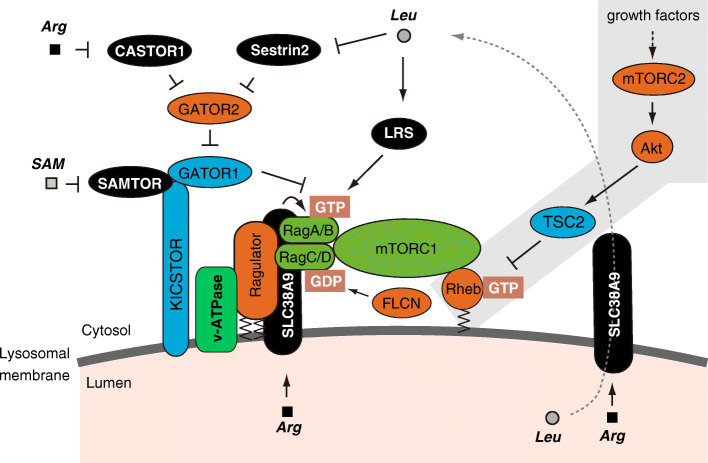
“The addition of amino acids triggers the shift of Rag GTPases to their active nucleotide-bound state, i.e., the GTP-bound form of RagA/B and the GDP-bound form of RagC/D. Active Rag GTPases can bind to Raptor and thereby recruit mTORC1 on the lysosomal surface, where Rheb, a direct activator of mTORC1, is also believe…”
BackgroundInfluentialmTOR as a central hub of nutrient signalling and cell growth
Kim, J., & Guan, K.-L. (2019) · Nature Cell Biology · doi:10.1038/s41556-018-0205-1 · Cited by 1,072
Making new contacts: the mTOR network in metabolism and signalling crosstalk
Shimobayashi, M., & Hall, M. N. (2014) · Nature Reviews Molecular Cell Biology · doi:10.1038/nrm3757 · Cited by 1,053
Ragulator Is a GEF for the Rag GTPases that Signal Amino Acid Levels to mTORC1
Bar-Peled, L., Schweitzer, L. D., Zoncu, R., & Sabatini, D. M. (2012) · Cell · doi:10.1016/j.cell.2012.07.032 · Cited by 918 · cited 3×
“The initial experiment suggested that Ragulator acts as a GEF toward RagA/B to control its nucleotide-bound state [66].”
BackgroundThe CASTOR Proteins Are Arginine Sensors for the mTORC1 Pathway
Chantranupong, L., Scaria, S. M., Saxton, R. A., Gygi, M. P., Shen, K., Wyant, G. A., Wang, T., Harper, J. W., Gygi, S. P., & Sabatini, D. M. (2016) · Cell · doi:10.1016/j.cell.2016.02.035 · Cited by 843
Regulation of mTORC1 by PI3K signaling
Dibble, C. C., & Cantley, L. C. (2015) · Trends in Cell Biology · doi:10.1016/j.tcb.2015.06.002 · Cited by 836
Lysosomal amino acid transporter SLC38A9 signals arginine sufficiency to mTORC1
Wang, S., Tsun, Z.-Y., Wolfson, R. L., Shen, K., Wyant, G. A., Plovanich, M. E., Yuan, E. D., Jones, T. D., Chantranupong, L., Comb, W., et al. (2015) · Science · doi:10.1126/science.1257132 · Cited by 824
Leucyl-tRNA Synthetase Is an Intracellular Leucine Sensor for the mTORC1-Signaling Pathway
Han, J. M., Jeong, S. J., Park, M. C., Kim, G., Kwon, N. H., Kim, H. K., Ha, S. H., Ryu, S. H., & Kim, S. (2012) · Cell · doi:10.1016/j.cell.2012.02.044 · Cited by 824 · cited 1×
“demonstrated that LRS displays GAP activity toward RagD, inducing the shift of RagD to its GDP-bound active form, and therefore acts as an intracellular leucine sensor for mTORC1 activation [104], although others have failed to detect GAP activity of purified LRS [90].”
BackgroundmTORC1 induces purine synthesis through control of the mitochondrial tetrahydrofolate cycle
Ben-Sahra, I., Hoxhaj, G., Ricoult, S. J. H., Asara, J. M., & Manning, B. D. (2016) · Science · doi:10.1126/science.aad0489 · Cited by 795 · cited 2×
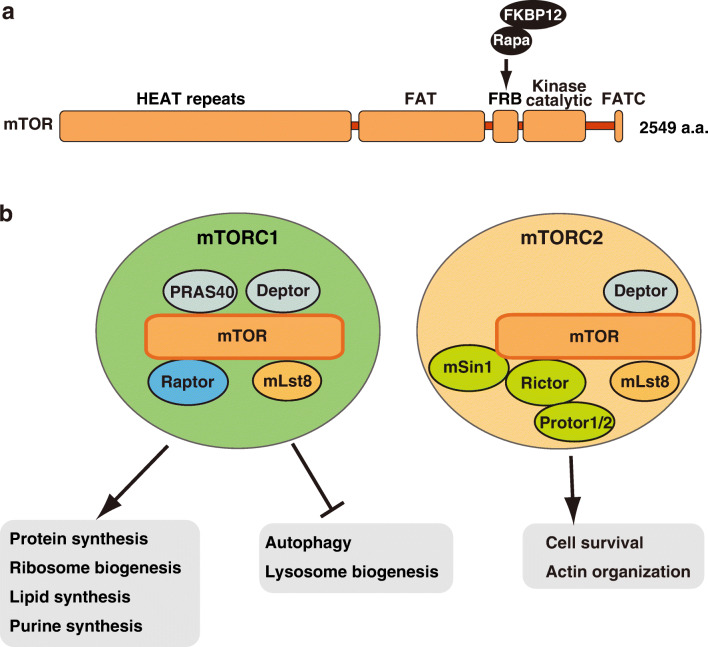
“Abbreviations TOR: Target of Rapamycin; mTOR: mechanistic Target of Rapamycin; PIKK: phosphatidylinositol 3-kinase-related kinase; ATM: ataxia telangiectasia mutated kinase; ATR: ataxia telangiectasia- and RAD3-related; DNAPKcs: DNA-dependent protein kinase catalytic subunit; FAT: FRAP-ATMTRRAP; FATC: FAT-C-terminal;…”
BackgroundRegulation of mTORC1 by amino acids
Bar-Peled, L., & Sabatini, D. M. (2014) · Trends in Cell Biology · doi:10.1016/j.tcb.2014.03.003 · Cited by 773
Menon, S., Dibble, C. C., Talbott, G., Hoxhaj, G., Valvezan, A. J., Takahashi, H., Cantley, L. C., & Manning, B. D. (2014) · Cell · doi:10.1016/j.cell.2013.11.049 · Cited by 766
Nobukuni, T., Joaquin, M., Roccio, M., Dann, S. G., Kim, S. Y., Gulati, P., Byfield, M. P., Backer, J. M., Natt, F., Bos, J. L., et al. (2005) · Proceedings of the National Academy of Sciences · doi:10.1073/pnas.0506925102 · Cited by 757
Differential regulation of mTORC1 by leucine and glutamine
Jewell, J. L., Kim, Y. C., Russell, R. C., Yu, F.-X., Park, H. W., Plouffe, S. W., Tagliabracci, V. S., & Guan, K.-L. (2015) · Science · doi:10.1126/science.1259472 · Cited by 757
Glutaminolysis Activates Rag-mTORC1 Signaling
Durán, R. V., Oppliger, W., Robitaille, A. M., Heiserich, L., Skendaj, R., Gottlieb, E., & Hall, M. N. (2012) · Molecular Cell · doi:10.1016/j.molcel.2012.05.043 · Cited by 730 · cited 7×
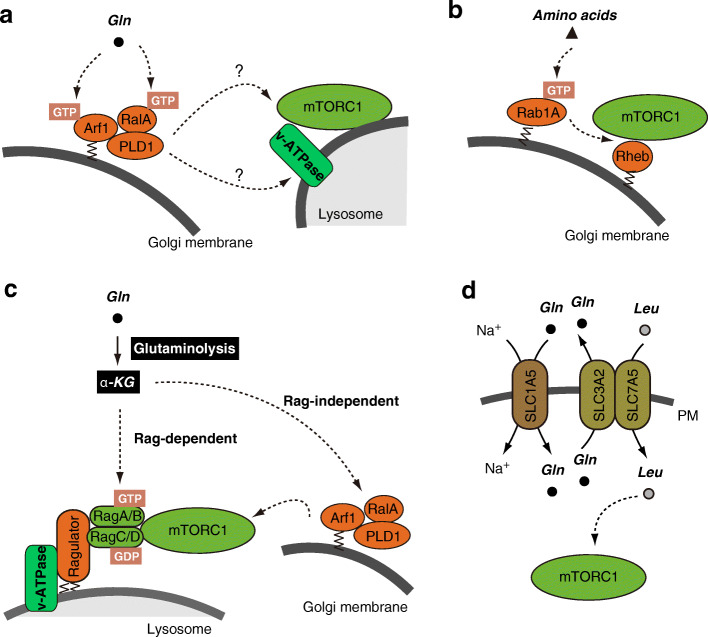
“Moreover, the effect of DM-α-KG on mTORC1 was counteracted by PLD1 inhibition, indicating that α-KG stimulates mTORC1 via the PLD1-RalAArf1 axis in addition to RagB [127].”
BackgroundInfluentialSLC38A9 is a component of the lysosomal amino acid sensing machinery that controls mTORC1
Rebsamen, M., Pochini, L., Stasyk, T., de Araújo, M. E. G., Galluccio, M., Kandasamy, R. K., Snijder, B., Fauster, A., Rudashevskaya, E. L., Bruckner, M., et al. (2015) · Nature · doi:10.1038/nature14107 · Cited by 673
Activation of mTORC2 by Association with the Ribosome
Zinzalla, V., Stracka, D., Oppliger, W., & Hall, M. N. (2011) · Cell · doi:10.1016/j.cell.2011.02.014 · Cited by 654
TBC1D7 Is a Third Subunit of the TSC1-TSC2 Complex Upstream of mTORC1
Dibble, C. C., Elis, W., Menon, S., Qin, W., Klekota, J., Asara, J. M., Finan, P. M., Kwiatkowski, D. J., Murphy, L. O., & Manning, B. D. (2012) · Molecular Cell · doi:10.1016/j.molcel.2012.06.009 · Cited by 612
Dual Specificity Kinase DYRK3 Couples Stress Granule Condensation/Dissolution to mTORC1 Signaling
Wippich, F., Bodenmiller, B., Trajkovska, M. G., Wanka, S., Aebersold, R., & Pelkmans, L. (2013) · Cell · doi:10.1016/j.cell.2013.01.033 · Cited by 597
Tsun, Z.-Y., Bar-Peled, L., Chantranupong, L., Zoncu, R., Wang, T., Kim, C., Spooner, E., & Sabatini, D. M. (2013) · Molecular Cell · doi:10.1016/j.molcel.2013.09.016 · Cited by 565
SAMTOR is an S -adenosylmethionine sensor for the mTORC1 pathway
Gu, X., Orozco, J. M., Saxton, R. A., Condon, K. J., Liu, G. Y., Krawczyk, P. A., Scaria, S. M., Harper, J. W., Gygi, S. P., & Sabatini, D. M. (2017) · Science · doi:10.1126/science.aao3265 · Cited by 563
Lysosomal cholesterol activates mTORC1 via an SLC38A9–Niemann-Pick C1 signaling complex
Castellano, B. M., Thelen, A. M., Moldavski, O., Feltes, M., van der Welle, R. E. N., Mydock-McGrane, L., Jiang, X., van Eijkeren, R. J., Davis, O. B., Louie, S. M., et al. (2017) · Science · doi:10.1126/science.aag1417 · Cited by 562
MCOLN1 is a ROS sensor in lysosomes that regulates autophagy
Zhang, X., Cheng, X., Yu, L., Yang, J., Calvo, R., Patnaik, S., Hu, X., Gao, Q., Yang, M., Lawas, M., et al. (2016) · Nature Communications · doi:10.1038/ncomms12109 · Cited by 558
Mechanisms of mTORC1 activation by RHEB and inhibition by PRAS40
Yang, H., Jiang, X., Li, B., Yang, H. J., Miller, M., Yang, A., Dhar, A., & Pavletich, N. P. (2017) · Nature · doi:10.1038/nature25023 · Cited by 548
The Dawn of the Age of Amino Acid Sensors for the mTORC1 Pathway
Wolfson, R. L., & Sabatini, D. M. (2017) · Cell Metabolism · doi:10.1016/j.cmet.2017.07.001 · Cited by 547
Puertollano, R., Ferguson, S. M., Brugarolas, J., & Ballabio, A. (2018) · The EMBO Journal · doi:10.15252/embj.201798804 · Cited by 531
hVps34 Is a Nutrient-regulated Lipid Kinase Required for Activation of p70 S6 Kinase
Byfield, M. P., Murray, J. T., & Backer, J. M. (2005) · Journal of Biological Chemistry · doi:10.1074/jbc.m507201200 · Cited by 527
p62 Is a Key Regulator of Nutrient Sensing in the mTORC1 Pathway
Duran, A., Amanchy, R., Linares, J. F., Joshi, J., Abu-Baker, S., Porollo, A., Hansen, M., Moscat, J., & Diaz-Meco, M. T. (2011) · Molecular Cell · doi:10.1016/j.molcel.2011.06.038 · Cited by 472
Wyant, G. A., Abu-Remaileh, M., Wolfson, R. L., Chen, W. W., Freinkman, E., Danai, L. V., Vander Heiden, M. G., & Sabatini, D. M. (2017) · Cell · doi:10.1016/j.cell.2017.09.046 · Cited by 470 · cited 1×
“Recent studies have further demonstrated that SLC38A9 is a lysosomal arginine sensor, transporting essential amino acids including leucine from the lysosomal lumen to the cytosol in an arginine-dependent manner [123].”
BackgroundChantranupong, L., Wolfson, R. L., Orozco, J. M., Saxton, R. A., Scaria, S. M., Bar-Peled, L., Spooner, E., Isasa, M., Gygi, S. P., & Sabatini, D. M. (2014) · Cell Reports · doi:10.1016/j.celrep.2014.09.014 · Cited by 466
Structural basis for leucine sensing by the Sestrin2-mTORC1 pathway
Saxton, R. A., Knockenhauer, K. E., Wolfson, R. L., Chantranupong, L., Pacold, M. E., Wang, T., Schwartz, T. U., & Sabatini, D. M. (2016) · Science · doi:10.1126/science.aad2087 · Cited by 457
The Vam6 GEF Controls TORC1 by Activating the EGO Complex
Binda, M., Péli-Gulli, M.-P., Bonfils, G., Panchaud, N., Urban, J., Sturgill, T. W., Loewith, R., & De Virgilio, C. (2009) · Molecular Cell · doi:10.1016/j.molcel.2009.06.033 · Cited by 437
Regulation of TORC1 in Response to Amino Acid Starvation via Lysosomal Recruitment of TSC2
Demetriades, C., Doumpas, N., & Teleman, A. A. (2014) · Cell · doi:10.1016/j.cell.2014.01.024 · Cited by 420
mTOR-dependent phosphorylation controls TFEB nuclear export
Napolitano, G., Esposito, A., Choi, H., Matarese, M., Benedetti, V., Di Malta, C., Monfregola, J., Medina, D. L., Lippincott-Schwartz, J., & Ballabio, A. (2018) · Nature Communications · doi:10.1038/s41467-018-05862-6 · Cited by 406
PtdIns(3,4,5) P 3-Dependent Activation of the mTORC2 Kinase Complex
Liu, P., Gan, W., Chin, Y. R., Ogura, K., Guo, J., Zhang, J., Wang, B., Blenis, J., Cantley, L. C., Toker, A., et al. (2015) · Cancer Discovery · doi:10.1158/2159-8290.cd-15-0460 · Cited by 382
Akt Activation Promotes Degradation of Tuberin and FOXO3a via the Proteasome
Plas, D. R., & Thompson, C. B. (2003) · Journal of Biological Chemistry · doi:10.1074/jbc.m213069200 · Cited by 377
Structure of the Human mTOR Complex I and Its Implications for Rapamycin Inhibition
Yip, C. K., Murata, K., Walz, T., Sabatini, D. M., & Kang, S. A. (2010) · Molecular Cell · doi:10.1016/j.molcel.2010.05.017 · Cited by 372
Amino Acids Activate mTOR Complex 1 via Ca2+/CaM Signaling to hVps34
Gulati, P., Gaspers, L. D., Dann, S. G., Joaquin, M., Nobukuni, T., Natt, F., Kozma, S. C., Thomas, A. P., & Thomas, G. (2008) · Cell Metabolism · doi:10.1016/j.cmet.2008.03.002 · Cited by 370 · cited 1×
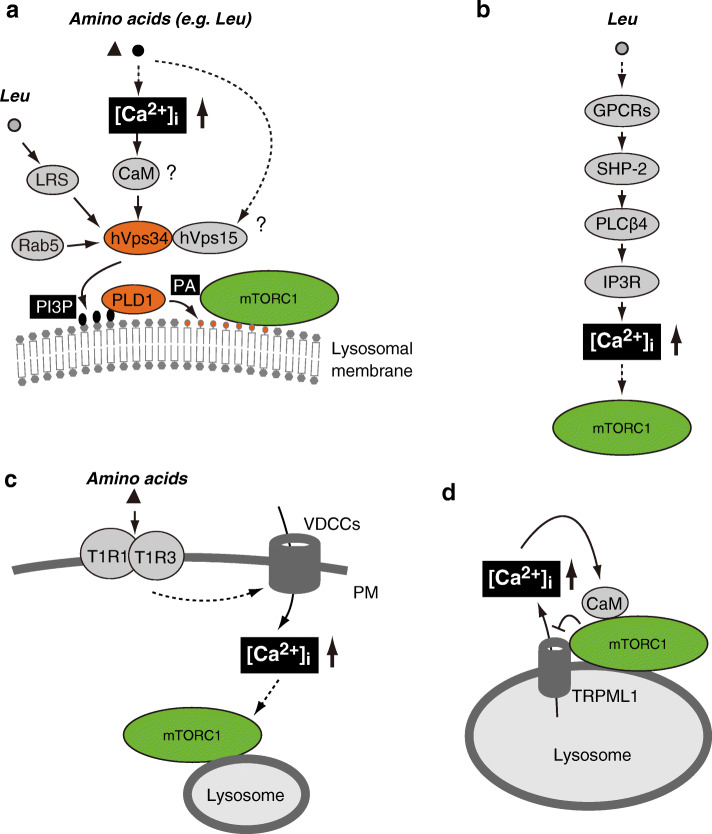
“Interestingly, it was reported that the addition of amino acids, especially leucine, to amino acid-starved HeLa cells resulted in an increased intracellular Ca concentration [140] (Fig.”
BackgroundActivity of TSC2 is inhibited by AKT-mediated phosphorylation and membrane partitioning
Cai, S.-L., Tee, A. R., Short, J. D., Bergeron, J. M., Kim, J., Shen, J., Guo, R., Johnson, C. L., Kiguchi, K., & Walker, C. L. (2006) · The Journal of Cell Biology · doi:10.1083/jcb.200507119 · Cited by 359
Smith, E. M., Finn, S. G., Tee, A. R., Browne, G. J., & Proud, C. G. (2005) · Journal of Biological Chemistry · doi:10.1074/jbc.m414499200 · Cited by 355
Recruitment of folliculin to lysosomes supports the amino acid–dependent activation of Rag GTPases
Petit, C. S., Roczniak-Ferguson, A., & Ferguson, S. M. (2013) · Journal of Cell Biology · doi:10.1083/jcb.201307084 · Cited by 355 · cited 1×
“Folliculin The folliculin (FLCN) complex is composed of FLCN and folliculin interacting proteins 1 and 2 (FNIP1/2) and acts as a GAP for RagC/D, leading to lysosomal translocation and activation of mTORC1 [90, 91].”
BackgroundRheb Binding to Mammalian Target of Rapamycin (mTOR) Is Regulated by Amino Acid Sufficiency
Long, X., Ortiz-Vega, S., Lin, Y., & Avruch, J. (2005) · Journal of Biological Chemistry · doi:10.1074/jbc.c500169200 · Cited by 349
Architecture of human mTOR complex 1
Aylett, C. H. S., Sauer, E., Imseng, S., Boehringer, D., Hall, M. N., Ban, N., & Maier, T. (2016) · Science · doi:10.1126/science.aaa3870 · Cited by 344
Nada, S., Hondo, A., Kasai, A., Koike, M., Saito, K., Uchiyama, Y., & Okada, M. (2009) · The EMBO Journal · doi:10.1038/emboj.2008.308 · Cited by 341 · cited 1×
“The Ragulator complex is associated with the lysosomal membrane via palmitoylation and myristylation of p18 [67].”
BackgroundLeucyl-tRNA Synthetase Controls TORC1 via the EGO Complex
Bonfils, G., Jaquenoud, M., Bontron, S., Ostrowicz, C., Ungermann, C., & De Virgilio, C. (2012) · Molecular Cell · doi:10.1016/j.molcel.2012.02.009 · Cited by 340
Inhibition of mTORC1 by Astrin and Stress Granules Prevents Apoptosis in Cancer Cells
Thedieck, K., Holzwarth, B., Prentzell, M. T., Boehlke, C., Kläsener, K., Ruf, S., Sonntag, A. G., Maerz, L., Grellscheid, S.-N., Kremmer, E., et al. (2013) · Cell · doi:10.1016/j.cell.2013.07.031 · Cited by 336
Oh, W. J., Wu, C. ‐., Kim, S. J., Facchinetti, V., Julien, L. ‐., Finlan, M., Roux, P. P., Su, B., & Jacinto, E. (2010) · The EMBO Journal · doi:10.1038/emboj.2010.271 · Cited by 333
KICSTOR recruits GATOR1 to the lysosome and is necessary for nutrients to regulate mTORC1
Wolfson, R. L., Chantranupong, L., Wyant, G. A., Gu, X., Orozco, J. M., Shen, K., Condon, K. J., Petri, S., Kedir, J., Scaria, S. M., et al. (2017) · Nature · doi:10.1038/nature21423 · Cited by 329
Mechanism of arginine sensing by CASTOR1 upstream of mTORC1
Saxton, R. A., Chantranupong, L., Knockenhauer, K. E., Schwartz, T. U., & Sabatini, D. M. (2016) · Nature · doi:10.1038/nature19079 · Cited by 308
Panchaud, N., Péli-Gulli, M.-P., & De Virgilio, C. (2013) · Science Signaling · doi:10.1126/scisignal.2004112 · Cited by 286
Rab1A Is an mTORC1 Activator and a Colorectal Oncogene
Thomas, J. D., Zhang, Y.-J., Wei, Y.-H., Cho, J.-H., Morris, L. E., Wang, H.-Y., & Zheng, X. F. S. (2014) · Cancer Cell · doi:10.1016/j.ccell.2014.09.008 · Cited by 278
Transient Sequestration of TORC1 into Stress Granules during Heat Stress
Takahara, T., & Maeda, T. (2012) · Molecular Cell · doi:10.1016/j.molcel.2012.05.019 · Cited by 269
Self-citationAmino Acid-Dependent mTORC1 Regulation by the Lysosomal Membrane Protein SLC38A9
Jung, J., Genau, H. M., & Behrends, C. (2015) · Molecular and Cellular Biology · doi:10.1128/mcb.00125-15 · Cited by 266
Rheb Regulates Mitophagy Induced by Mitochondrial Energetic Status
Melser, S., Chatelain, E. H., Lavie, J., Mahfouf, W., Jose, C., Obre, E., Goorden, S., Priault, M., Elgersma, Y., Rezvani, H. R., et al. (2013) · Cell Metabolism · doi:10.1016/j.cmet.2013.03.014 · Cited by 259
Zhang, J., Kim, J., Alexander, A., Cai, S., Tripathi, D. N., Dere, R., Tee, A. R., Tait-Mulder, J., Di Nardo, A., Han, J. M., et al. (2013) · Nature Cell Biology · doi:10.1038/ncb2822 · Cited by 258
A MAP4 kinase related to Ste20 is a nutrient-sensitive regulator of mTOR signalling
Findlay, G. M., Yan, L., Procter, J., Mieulet, V., & Lamb, R. F. (2007) · Biochemical Journal · doi:10.1042/bj20061881 · Cited by 257
K63 Polyubiquitination and Activation of mTOR by the p62-TRAF6 Complex in Nutrient-Activated Cells
Linares, J. F., Duran, A., Yajima, T., Pasparakis, M., Moscat, J., & Diaz-Meco, M. T. (2013) · Molecular Cell · doi:10.1016/j.molcel.2013.06.020 · Cited by 256 · cited 1×
“TRAF6 is required for lysosomal translocation and activation of mTORC1 by catalyzing Lys63-linked polyubiquitination of mTOR [99].”
BackgroundLeucine Signals to mTORC1 via Its Metabolite Acetyl-Coenzyme A
Son, S. M., Park, S. J., Lee, H., Siddiqi, F., Lee, J. E., Menzies, F. M., & Rubinsztein, D. C. (2019) · Cell Metabolism · doi:10.1016/j.cmet.2018.08.013 · Cited by 242 · cited 2×
“The acetylation of Raptor appears to affect its interaction with Rag GTPases, thus promoting lysosomal translocation of mTORC1 [103].”
BackgroundGlutamine and asparagine activate mTORC1 independently of Rag GTPases
Meng, D., Yang, Q., Wang, H., Melick, C. H., Navlani, R., Frank, A. R., & Jewell, J. L. (2020) · Journal of Biological Chemistry · doi:10.1074/jbc.ac119.011578 · Cited by 231 · cited 2×
“reevaluated the ability of individual amino acids to activate mTORC1 and found that 10 amino acids, namely alanine, arginine, asparagine, glutamine, histidine, leucine, methionine, serine, threonine, and valine, were able to promote mTORC1 activity in both murine embryonic fibroblasts and human embryonic kidney (HEK)…”
BackgroundAcid Suspends the Circadian Clock in Hypoxia through Inhibition of mTOR
Walton, Z. E., Patel, C. H., Brooks, R. C., Yu, Y., Ibrahim-Hashim, A., Riddle, M., Porcu, A., Jiang, T., Ecker, B. L., Tameire, F., et al. (2018) · Cell · doi:10.1016/j.cell.2018.05.009 · Cited by 225 · cited 1×
“3) conditions induced the dissociation of Rheb from lysosomes, where mTORC1 was still localized, with consequent mTORC1 inhibition [45].”
BackgroundMultistep regulation of TFEB by MTORC1
Vega-Rubin-de-Celis, S., Peña-Llopis, S., Konda, M., & Brugarolas, J. (2017) · Autophagy · doi:10.1080/15548627.2016.1271514 · Cited by 221
Insulin-stimulated phosphorylation of lipin mediated by the mammalian target of rapamycin
Huffman, T. A., Mothe-Satney, I., & Lawrence, J. C. (2002) · Proceedings of the National Academy of Sciences · doi:10.1073/pnas.022634399 · Cited by 215
Localization of mTORC2 activity inside cells
Ebner, M., Sinkovics, B., Szczygieł, M., Ribeiro, D. W., & Yudushkin, I. (2017) · Journal of Cell Biology · doi:10.1083/jcb.201610060 · Cited by 208
The G Protein-Coupled Taste Receptor T1R1/T1R3 Regulates mTORC1 and Autophagy
Wauson, E. M., Zaganjor, E., Lee, A.-Y., Guerra, M. L., Ghosh, A. B., Bookout, A. L., Chambers, C. P., Jivan, A., McGlynn, K., Hutchison, M. R., et al. (2012) · Molecular Cell · doi:10.1016/j.molcel.2012.08.001 · Cited by 197
Localization of Rheb to the endomembrane is critical for its signaling function
Buerger, C., DeVries, B., & Stambolic, V. (2006) · Biochemical and Biophysical Research Communications · doi:10.1016/j.bbrc.2006.03.220 · Cited by 192
SZT2 dictates GATOR control of mTORC1 signalling
Peng, M., Yin, N., & Li, M. O. (2017) · Nature · doi:10.1038/nature21378 · Cited by 192
Structural mechanism of a Rag GTPase activation checkpoint by the lysosomal folliculin complex
Lawrence, R. E., Fromm, S. A., Fu, Y., Yokom, A. L., Kim, D. J., Thelen, A. M., Young, L. N., Lim, C.-Y., Samelson, A. J., Hurley, J. H., et al. (2019) · Science · doi:10.1126/science.aax0364 · Cited by 192 · cited 10×
“The addition of amino acids triggers the shift of Rag GTPases to their active nucleotide-bound state, i.e., the GTP-bound form of RagA/B and the GDP-bound form of RagC/D. Active Rag GTPases can bind to Raptor and thereby recruit mTORC1 on the lysosomal surface, where Rheb, a direct activator of mTORC1, is also believe…”
BackgroundInfluentialControl of TSC2-Rheb signaling axis by arginine regulates mTORC1 activity
Carroll, B., Maetzel, D., Maddocks, O. D., Otten, G., Ratcliff, M., Smith, G. R., Dunlop, E. A., Passos, J. F., Davies, O. R., Jaenisch, R., et al. (2016) · eLife · doi:10.7554/elife.11058 · Cited by 183 · cited 1×
“Moreover, arginine deprivation has been shown to induce lysosomal translocation of TSC2 [161], while addition of arginine promoted the dissociation”
BackgroundSestrin2 inhibits mTORC1 through modulation of GATOR complexes
Kim, J. S., Ro, S.-H., Kim, M., Park, H.-W., Semple, I. A., Park, H., Cho, U.-S., Wang, W., Guan, K.-L., Karin, M., et al. (2015) · Scientific Reports · doi:10.1038/srep09502 · Cited by 171
Sensing and Transmitting Intracellular Amino Acid Signals through Reversible Lysine Aminoacylations
He, X.-D., Gong, W., Zhang, J.-N., Nie, J., Yao, C.-F., Guo, F.-S., Lin, Y., Wu, X.-H., Li, F., Li, J., et al. (2018) · Cell Metabolism · doi:10.1016/j.cmet.2017.10.015 · Cited by 162 · cited 1×
“RagB on Lys203 in response to leucine supply [107].”
BackgroundClass III PI-3-kinase activates phospholipase D in an amino acid–sensing mTORC1 pathway
Yoon, M.-S., Du, G., Backer, J. M., Frohman, M. A., & Chen, J. (2011) · Journal of Cell Biology · doi:10.1083/jcb.201107033 · Cited by 161
Lysosomal recruitment of TSC2 is a universal response to cellular stress
Demetriades, C., Plescher, M., & Teleman, A. A. (2016) · Nature Communications · doi:10.1038/ncomms10662 · Cited by 160
The Late Endosome is Essential for mTORC1 Signaling
Flinn, R. J., Yan, Y., Goswami, S., Parker, P. J., & Backer, J. M. (2010) · Molecular Biology of the Cell · doi:10.1091/mbc.e09-09-0756 · Cited by 158
Ragulator and SLC38A9 activate the Rag GTPases through noncanonical GEF mechanisms
Shen, K., & Sabatini, D. M. (2018) · Proceedings of the National Academy of Sciences · doi:10.1073/pnas.1811727115 · Cited by 158 · cited 3×
“lator actions to release GTP from RagC [74].”
BackgroundInfluentialRegulation of the small GTPase Rheb by amino acids
Roccio, M., Bos, J. L., & Zwartkruis, F. J. T. (2005) · Oncogene · doi:10.1038/sj.onc.1209106 · Cited by 157
Péli-Gulli, M.-P., Sardu, A., Panchaud, N., Raucci, S., & De Virgilio, C. (2015) · Cell Reports · doi:10.1016/j.celrep.2015.08.059 · Cited by 157
Regulation of mTORC1 by lysosomal calcium and calmodulin
Li, R.-J., Xu, J., Fu, C., Zhang, J., Zheng, Y. G., Jia, H., & Liu, J. O. (2016) · eLife · doi:10.7554/elife.19360 · Cited by 153 · cited 2×
“Lysosomal Ca can influence mTORC1 activity, especially under stressful conditions [152, 153].”
BackgroundDokudovskaya, S., Waharte, F., Schlessinger, A., Pieper, U., Devos, D. P., Cristea, I. M., Williams, R., Salamero, J., Chait, B. T., Sali, A., et al. (2011) · Molecular & Cellular Proteomics · doi:10.1074/mcp.m110.006478 · Cited by 149
Regulation of mTORC1 by the Rab and Arf GTPases
Li, L., Kim, E., Yuan, H., Inoki, K., Goraksha-Hicks, P., Schiesher, R. L., Neufeld, T. P., & Guan, K.-L. (2010) · Journal of Biological Chemistry · doi:10.1074/jbc.c110.102483 · Cited by 148
Cryo-EM structure of human mTOR complex 2
Chen, X., Liu, M., Tian, Y., Li, J., Qi, Y., Zhao, D., Wu, Z., Huang, M., Wong, C. C. L., Wang, H., et al. (2018) · Cell Research · doi:10.1038/s41422-018-0029-3 · Cited by 147
PP2AT61ɛ Is an Inhibitor of MAP4K3 in Nutrient Signaling to mTOR
Yan, L., Mieulet, V., Burgess, D. J., Findlay, G. M., Sully, K., Procter, J., Goris, J., Janssens, V., MORRICE, N. A., & Lamb, R. F. (2010) · Molecular Cell · doi:10.1016/j.molcel.2010.01.031 · Cited by 140
Crystal structure of the human lysosomal mTORC1 scaffold complex and its impact on signaling
de Araujo, M. E. G., Naschberger, A., Fürnrohr, B. G., Stasyk, T., Dunzendorfer-Matt, T., Lechner, S., Welti, S., Kremser, L., Shivalingaiah, G., Offterdinger, M., et al. (2017) · Science · doi:10.1126/science.aao1583 · Cited by 134
Functional association between Arf and RalA in active phospholipase D complex
Luo, J.-Q., Liu, X., Frankel, P., Rotunda, T., Ramos, M., Flom, J., Jiang, H., Feig, L. A., Morris, A. J., Kahn, R. A., et al. (1998) · Proceedings of the National Academy of Sciences · doi:10.1073/pnas.95.7.3632 · Cited by 134 · cited 2×
“Although it remains unknown whether RalA activity is regulated by glutamine availability, it is possible that glutamine promotes PLD1 activation through GTP loading of RalA and consequent recruitment of Arf1 to form the PLD1RalA-Arf1 ternary complex [128].”
BackgroundYoon, M.-S., Sun, Y., Arauz, E., Jiang, Y., & Chen, J. (2011) · Journal of Biological Chemistry · doi:10.1074/jbc.m111.262816 · Cited by 134
Cryo-EM Structure of the Human FLCN-FNIP2-Rag-Ragulator Complex
Shen, K., Rogala, K. B., Chou, H.-T., Huang, R. K., Yu, Z., & Sabatini, D. M. (2019) · Cell · doi:10.1016/j.cell.2019.10.036 · Cited by 134 · cited 10×
“The addition of amino acids triggers the shift of Rag GTPases to their active nucleotide-bound state, i.e., the GTP-bound form of RagA/B and the GDP-bound form of RagC/D. Active Rag GTPases can bind to Raptor and thereby recruit mTORC1 on the lysosomal surface, where Rheb, a direct activator of mTORC1, is also believe…”
BackgroundInfluentialThe Ubiquitination of RagA GTPase by RNF152 Negatively Regulates mTORC1 Activation
Deng, L., Jiang, C., Chen, L., Jin, J., Wei, J., Zhao, L., Chen, M., Pan, W., Yan, X., Chu, H., et al. (2015) · Molecular Cell · doi:10.1016/j.molcel.2015.03.033 · Cited by 132
Conus, N. M., Hemmings, B. A., & Pearson, R. B. (1998) · Journal of Biological Chemistry · doi:10.1074/jbc.273.8.4776 · Cited by 128
Amino Acid Activation of mTORC1 by a PB1-Domain-Driven Kinase Complex Cascade
Linares, J. F., Duran, A., Reina-Campos, M., Aza-Blanc, P., Campos, A., Moscat, J., & Diaz-Meco, M. T. (2015) · Cell Reports · doi:10.1016/j.celrep.2015.07.045 · Cited by 122
ETV7 is an essential component of a rapamycin-insensitive mTOR complex in cancer
Harwood, F. C., Klein Geltink, R. I., O’Hara, B. P., Cardone, M., Janke, L., Finkelstein, D., Entin, I., Paul, L., Houghton, P. J., & Grosveld, G. C. (2018) · Science Advances · doi:10.1126/sciadv.aar3938 · Cited by 119
Drosophila TRPML Is Required for TORC1 Activation
Wong, C.-O., Li, R., Montell, C., & Venkatachalam, K. (2012) · Current Biology · doi:10.1016/j.cub.2012.06.055 · Cited by 115
Activation of phospholipase D1 by direct interaction with ADP‐ribosylation factor 1 and RalA
Kim, J. H., Lee, S. D., Han, J. M., Lee, T. G., Kim, Y., Park, J. B., Lambeth, J. D., Suh, P.-G., & Ryu, S. H. (1998) · FEBS Letters · doi:10.1016/s0014-5793(98)00661-9 · Cited by 114
Wang, L., Rhodes, C. J., & Lawrence, J. C. (2006) · Journal of Biological Chemistry · doi:10.1074/jbc.m603566200 · Cited by 112
Regulation of TSC2 by 14-3-3 Binding
Li, Y., Inoki, K., Yeung, R., & Guan, K.-L. (2002) · Journal of Biological Chemistry · doi:10.1074/jbc.c200510200 · Cited by 111
Lawrence, R. E., Cho, K. F., Rappold, R., Thrun, A., Tofaute, M., Kim, D. J., Moldavski, O., Hurley, J. H., & Zoncu, R. (2018) · Nature Cell Biology · doi:10.1038/s41556-018-0148-6 · Cited by 102
hVps15, but not Ca2+/CaM, is required for the activity and regulation of hVps34 in mammalian cells
Yan, Y., Flinn, R. J., Wu, H., Schnur, R. S., & Backer, J. M. (2009) · Biochemical Journal · doi:10.1042/bj20081865 · Cited by 102 · cited 2×
“ment of Ca/CaM in the regulation of hVps34 activity remains a matter of debate [143].”
BackgroundRapid Mitogenic Regulation of the mTORC1 Inhibitor, DEPTOR, by Phosphatidic Acid
Yoon, M.-S., Rosenberger, C. L., Wu, C., Truong, N., Sweedler, J. V., & Chen, J. (2015) · Molecular Cell · doi:10.1016/j.molcel.2015.03.028 · Cited by 101 · cited 1×
“Indeed, previous reports suggested that PA directly binds to mTORC1, thus promoting its kinase activity in vitro [130], and induces the dissociation of the inhibitory subunit DEPTOR from mTORC1 to promote the activation of the complex [131].”
BackgroundShen, K., Choe, A., & Sabatini, D. M. (2017) · Molecular Cell · doi:10.1016/j.molcel.2017.09.026 · Cited by 101 · cited 2×
“Indeed, the binding of GTP to one subunit of the dimer induces a conformational change that suppresses the association of a second GTP molecule to the other subunit, possibly contributing to a rapid response to amino acid availability [68].”
BackgroundHanker, A. B., Mitin, N., Wilder, R. S., Henske, E. P., Tamanoi, F., Cox, A. D., & Der, C. J. (2010) · Oncogene · doi:10.1038/onc.2009.336 · Cited by 100
4.4 Å Resolution Cryo-EM structure of human mTOR Complex 1
Yang, H., Wang, J., Liu, M., Chen, X., Huang, M., Tan, D., Dong, M.-Q., Wong, C. C. L., Wang, J., Xu, Y., et al. (2016) · Protein & Cell · doi:10.1007/s13238-016-0346-6 · Cited by 96
Hybrid Structure of the RagA/C-Ragulator mTORC1 Activation Complex
Su, M.-Y., Morris, K. L., Kim, D. J., Fu, Y., Lawrence, R., Stjepanovic, G., Zoncu, R., & Hurley, J. H. (2017) · Molecular Cell · doi:10.1016/j.molcel.2017.10.016 · Cited by 93
Hao, F., Kondo, K., Itoh, T., Ikari, S., Nada, S., Okada, M., & Noda, T. (2018) · Journal of Cell Science · doi:10.1242/jcs.208017 · Cited by 91
Leucyl-tRNA Synthetase Activates Vps34 in Amino Acid-Sensing mTORC1 Signaling
Yoon, M.-S., Son, K., Arauz, E., Han, J. M., Kim, S., & Chen, J. (2016) · Cell Reports · doi:10.1016/j.celrep.2016.07.008 · Cited by 90
Kim, J. H., Lee, C., Lee, M., Wang, H., Kim, K., Park, S. J., Yoon, I., Jang, J., Zhao, H., Kim, H. K., et al. (2017) · Nature Communications · doi:10.1038/s41467-017-00785-0 · Cited by 88 · cited 1×
“Leucine promotes lysosomal translocation of LRS via its interaction with RagD to activate mTORC1 [105, 106].”
BackgroundJin, G., Lee, S.-W., Zhang, X., Cai, Z., Gao, Y., Chou, P.-C., Rezaeian, A. H., Han, F., Wang, C.-Y., Yao, J.-C., et al. (2015) · Molecular Cell · doi:10.1016/j.molcel.2015.05.010 · Cited by 87 · cited 1×
“Similarly, it has been demonstrated that two E3 ubiquitin ligases, RNF152 and Skp2, promote Lys63-linked polyubiquitination of RagA, leading to increased interaction with GATOR1, and thus function as negative regulators of mTORC1 activation in response to amino acids [88, 89].”
BackgroundGraves, L. M., He, Y., Lambert, J., Hunter, D., Li, X., & Earp, H. S. (1997) · Journal of Biological Chemistry · doi:10.1074/jbc.272.3.1920 · Cited by 85
Sun, X., Yang, Y., Zhong, X. Z., Cao, Q., Zhu, X.-H., Zhu, X., & Dong, X.-P. (2018) · Autophagy · doi:10.1080/15548627.2017.1389822 · Cited by 85 · cited 4×
“Furthermore, TRPML1 is required for mTORC1 reactivation under prolonged starvation [152].”
BackgroundInfluentialMolecular Architecture and Function of the SEA Complex, a Modulator of the TORC1 Pathway
Algret, R., Fernandez-Martinez, J., Shi, Y., Kim, S. J., Pellarin, R., Cimermancic, P., Cochet, E., Sali, A., Chait, B. T., Rout, M. P., et al. (2014) · Molecular & Cellular Proteomics · doi:10.1074/mcp.m114.039388 · Cited by 82
Drosophila Target of Rapamycin Kinase Functions as a Multimer
Zhang, Y., Billington, C. J., Pan, D., & Neufeld, T. P. (2006) · Genetics · doi:10.1534/genetics.105.051979 · Cited by 80
RalA Functions as an Indispensable Signal Mediator for the Nutrient-sensing System
Maehama, T., Tanaka, M., Nishina, H., Murakami, M., Kanaho, Y., & Hanada, K. (2008) · Journal of Biological Chemistry · doi:10.1074/jbc.m805822200 · Cited by 80
The mucolipidosis IV Ca2+ channel TRPML1 (MCOLN1) is regulated by the TOR kinase
Onyenwoke, R. U., Sexton, J. Z., Yan, F., Díaz, M. C. H., Forsberg, L. J., Major, M. B., & Brenman, J. E. (2015) · Biochemical Journal · doi:10.1042/bj20150219 · Cited by 76 · cited 1×
“Because mTORC1 has been reported to phosphorylate TRPML1 on Ser572 and Ser576, thus decreasing its Ca release activity [158], it is possible that inactivation of mTORC1 under nutrient starvation can relieve TRPML1 inhibition, leading to transient Ca release.”
BackgroundWeighing In on mTOR Complex 2 Signaling: The Expanding Role in Cell Metabolism
Luo, Y., Xu, W., Li, G., & Cui, W. (2018) · Oxidative Medicine and Cellular Longevity · doi:10.1155/2018/7838647 · Cited by 75 · cited 1×
“mTORC2 phosphorylates members of the AGC kinase family, such as Akt (also known as protein kinase B), the protein kinase C (PKC), and the serum/glucocorticoid regulated kinase 1 (SGK1), thereby regulating cell proliferation, survival, and actin cytoskeleton organization in response to growth factors [18, 30] (Fig.”
BackgroundStructural basis for the assembly of the Ragulator-Rag GTPase complex
Yonehara, R., Nada, S., Nakai, T., Nakai, M., Kitamura, A., Ogawa, A., Nakatsumi, H., Nakayama, K. I., Li, S., Standley, D. M., et al. (2017) · Nature Communications · doi:10.1038/s41467-017-01762-3 · Cited by 75
Meng, J., & Ferguson, S. M. (2018) · Journal of Cell Biology · doi:10.1083/jcb.201712177 · Cited by 75 · cited 2×
“Upon amino acid starvation, the FLCN complex is recruited to the lysosome through binding to GDP-bound RagA/B [92].”
BackgroundShumway, S. D., Li, Y., & Xiong, Y. (2003) · Journal of Biological Chemistry · doi:10.1074/jbc.c200499200 · Cited by 74
SEA you later alli-GATOR – a dynamic regulator of the TORC1 stress response pathway
Dokudovskaya, S., & Rout, M. P. (2015) · Journal of Cell Science · doi:10.1242/jcs.168922 · Cited by 73
Evolutionarily conserved regulation of TOR signalling
Takahara, T., & Maeda, T. (2013) · The Journal of Biochemistry · doi:10.1093/jb/mvt047 · Cited by 72
Self-citationZhang, T., Wang, R., Wang, Z., Wang, X., Wang, F., & Ding, J. (2017) · Nature Communications · doi:10.1038/s41467-017-01567-4 · Cited by 72
Weak membrane interactions allow Rheb to activate mTORC1 signaling without major lysosome enrichment
Angarola, B. L., & Ferguson, S. M. (2019) · Molecular Biology of the Cell · doi:10.1091/mbc.e19-03-0146 · Cited by 72
MCRS1 Binds and Couples Rheb to Amino Acid-Dependent mTORC1 Activation
Fawal, M.-A., Brandt, M., & Djouder, N. (2015) · Developmental Cell · doi:10.1016/j.devcel.2015.02.010 · Cited by 70
Takahara, T., Hara, K., Yonezawa, K., Sorimachi, H., & Maeda, T. (2006) · Journal of Biological Chemistry · doi:10.1074/jbc.m606087200 · Cited by 69
Self-citationTanigawa, M., & Maeda, T. (2017) · Molecular and Cellular Biology · doi:10.1128/mcb.00075-17 · Cited by 68 · cited 1×
“Consistent with the presence of the FYVE domain within Pib2, which binds to phosphatidylinositol 3phosphate (PI3P), loss of PI3P production in Δvps34 cells hampered the activation of TORC1 in response to glutamine [133, 134], suggesting that PI3P-mediated vacuolar localization of Pib2 supports TORC1 activation by glut…”
BackgroundStructural insight into the Ragulator complex which anchors mTORC1 to the lysosomal membrane
Mu, Z., Wang, L., Deng, W., Wang, J., & Wu, G. (2017) · Cell Discovery · doi:10.1038/celldisc.2017.49 · Cited by 65
Rab5 Proteins Regulate Activation and Localization of Target of Rapamycin Complex 1
Bridges, D., Fisher, K., Zolov, S. N., Xiong, T., Inoki, K., Weisman, L. S., & Saltiel, A. R. (2012) · Journal of Biological Chemistry · doi:10.1074/jbc.m111.334060 · Cited by 63
Ukai, H., Araki, Y., Kira, S., Oikawa, Y., May, A. I., & Noda, T. (2018) · PLOS Genetics · doi:10.1371/journal.pgen.1007334 · Cited by 62
Zhou, Y., Ren, J., Song, T., Peng, J., & Wei, H. (2016) · International Journal of Molecular Sciences · doi:10.3390/ijms17101684 · Cited by 61 · cited 1×
“Indeed, PLCβ activity appears to be involved in T1R1/T1R3-mediated mTORC1 activation [150, 151].”
BackgroundOshiro, N., Rapley, J., & Avruch, J. (2014) · Journal of Biological Chemistry · doi:10.1074/jbc.m113.528505 · Cited by 57
Phospholipase D–dependent mTOR complex 1 (mTORC1) activation by glutamine
Bernfeld, E., Menon, D., Vaghela, V., Zerin, I., Faruque, P., Frias, M. A., & Foster, D. A. (2018) · Journal of Biological Chemistry · doi:10.1074/jbc.ra118.004972 · Cited by 57
The lysosomal GPCR-like protein GPR137B regulates Rag and mTORC1 localization and activity
Gan, L., Seki, A., Shen, K., Iyer, H., Han, K., Hayer, A., Wollman, R., Ge, X., Lin, J. R., Dey, G., et al. (2019) · Nature Cell Biology · doi:10.1038/s41556-019-0321-6 · Cited by 57 · cited 1×
“positive regulator of mTORC1 activity constitutively binding Rag GTPases [101].”
BackgroundGai, Z., Wang, Q., Yang, C., Wang, L., Deng, W., & Wu, G. (2016) · Cell Discovery · doi:10.1038/celldisc.2016.51 · Cited by 56
Pib2 and the EGO complex are both required for activation of TORC1
Varlakhanova, N. V., Mihalevic, M. J., Bernstein, K. A., & Ford, M. G. J. (2017) · Journal of Cell Science · doi:10.1242/jcs.207910 · Cited by 51
Agarwal, S., Bell, C. M., Taylor, S. M., & Moran, R. G. (2016) · Molecular Cancer Research · doi:10.1158/1541-7786.mcr-15-0159 · Cited by 43
Cryo-EM insight into the structure of MTOR complex 1 and its interactions with Rheb and substrates
Chao, L. H., & Avruch, J. (2019) · F1000Research · doi:10.12688/f1000research.16109.1 · Cited by 42
Identification of Regions Critical for the Integrity of the TSC1-TSC2-TBC1D7 Complex
Santiago Lima, A. J., Hoogeveen-Westerveld, M., Nakashima, A., Maat-Kievit, A., van den Ouweland, A., Halley, D., Kikkawa, U., & Nellist, M. (2014) · PLoS ONE · doi:10.1371/journal.pone.0093940 · Cited by 40
Identification of TBC7 having TBC domain as a novel binding protein to TSC1–TSC2 complex
Nakashima, A., Yoshino, K., Miyamoto, T., Eguchi, S., Oshiro, N., Kikkawa, U., & Yonezawa, K. (2007) · Biochemical and Biophysical Research Communications · doi:10.1016/j.bbrc.2007.07.011 · Cited by 39
Xia, J., Wang, R., Zhang, T., & Ding, J. (2016) · Cell Discovery · doi:10.1038/celldisc.2016.35 · Cited by 38
Spatial regulation of mTORC1 signalling: Beyond the Rag GTPases
Carroll, B. (2020) · Seminars in Cell and Developmental Biology · doi:10.1016/j.semcdb.2020.02.007 · Cited by 36 · cited 1×
“However, the intracellular localization of Rheb is still a matter of debate [42].”
BackgroundNovel Role for SHP-2 in Nutrient-Responsive Control of S6 Kinase 1 Signaling
Mercan, F., Lee, H., Kolli, S., & Bennett, A. M. (2013) · Molecular and Cellular Biology · doi:10.1128/mcb.01285-12 · Cited by 30 · cited 7×
“The release of Ca via IP3R appears to be mediated by the SH2 domain-containing protein tyrosine phosphatase (SHP-2)-phospholipase C beta 4 (PLCβ4) axis, although it remains unknown how leucine signals are transduced to SHP-2 [149].”
BackgroundInfluentialRegulation of tuberous sclerosis complex (TSC) function by 14-3-3 proteins
Nellist, M. D., Goedbloed, M., & Halley, D. J. J. (2003) · Biochemical Society Transactions · doi:10.1042/bst0310587 · Cited by 29
Leucine-induced localization of Leucyl-tRNA synthetase in lysosome membrane
Choi, H., Son, J. B., Kang, J., Kwon, J., Kim, J. H., Jung, M., Kim, S. K., Kim, S., & Mun, J. Y. (2017) · Biochemical and Biophysical Research Communications · doi:10.1016/j.bbrc.2017.09.008 · Cited by 28
Lysosomal Ca2+ release channel TRPML1 regulates lysosome size by promoting mTORC1 activity
Yang, Y., Xu, M., Zhu, X., Yao, J., Shen, B. Q., & Dong, X. (2019) · European Journal of Cell Biology · doi:10.1016/j.ejcb.2019.05.001 · Cited by 22
Structural insights into the EGO-TC–mediated membrane tethering of the TORC1-regulatory Rag GTPases
Zhang, T., Péli-Gulli, M.-P., Zhang, Z., Tang, X., Ye, J., De Virgilio, C., & Ding, J. (2019) · Science Advances · doi:10.1126/sciadv.aax8164 · Cited by 22
Crystal structures of arginine sensor CASTOR1 in arginine-bound and ligand free states
Zhou, Y., Wang, C., Xiao, Q., & Guo, L. (2018) · Biochemical and Biophysical Research Communications · doi:10.1016/j.bbrc.2018.11.147 · Cited by 18
A spatially regulated GTPase cycle of Rheb controls growth factor signaling to mTORC1Preprint
Kovačević, M., Klein, C. H., Roßmannek, L., Konitsiotis, A. D., Stanoev, A., Kraemer, A., & Bastiaens, P. I. H. (2018) · bioRxiv (Cold Spring Harbor Laboratory) · doi:10.1101/472241 · Cited by 12
Cited by
mTOR substrate phosphorylation in growth control
Battaglioni, S., Benjamin, D., Wälchli, M., Maier, T., & Hall, M. N. (2022) · Cell · doi:10.1016/j.cell.2022.04.013 · Cited by 434
Autophagy and Autophagy-Related Diseases: A Review
Ichimiya, T., Yamakawa, T., Hirano, T., Yokoyama, Y., Hayashi, Y., Hirayama, D., Wagatsuma, K., Itoi, T., & Nakase, H. (2020) · International Journal of Molecular Sciences · doi:10.3390/ijms21238974 · Cited by 332
“Rag consists of RagA/B and RagC/D heterodimers and is associated with the activity of mTORC1 by altering its conformation by binding to GDP/GTP under conditions of amino acid starvation [20].”
BackgroundSarcopenic obesity: epidemiology, pathophysiology, cardiovascular disease, mortality, and management
Wei, S., Nguyen, T. T., Zhang, Y., Ryu, D., & Gariani, K. (2023) · Frontiers in Endocrinology · doi:10.3389/fendo.2023.1185221 · Cited by 291
Targeting the PI3K/AKT/mTOR and RAF/MEK/ERK pathways for cancer therapy
Li, Q., Li, Z., Luo, T., & Shi, H. (2022) · Molecular Biomedicine · doi:10.1186/s43556-022-00110-2 · Cited by 264
“Downregulated cellular energy promotes AMPK activation to trigger Raptor phosphorylation to inhibit mTORC1 action [38].”
BackgroundGlutamate excitotoxicity: Potential therapeutic target for ischemic stroke
Shen, Z., Xiang, M., Chen, C., Ding, F., Wang, Y., Shang, C., Xin, L., Zhang, Y., & Cui, X. (2022) · Biomedicine & Pharmacotherapy · doi:10.1016/j.biopha.2022.113125 · Cited by 227
Metadata
- Authors
- Takahara, T., Amemiya, Y., Sugiyama, R., Maki, M., & Shibata, H.
- Affiliations
- Nagoya University (JP)
- Corresponding author
- Takahara, Terunao
- Venue
- Journal of Biomedical Science
- Published
- 2020-08-17
- Volume
- 27
- Issue
- 1
- Pages
- 87-87
- ISSN
- 1021-7770 (ISSN-L)
- 1423-0127
- PMC
- PMC7429791
- OpenAlex
- W3049663475
- Cited by
- 300
- References
- 163
- Citations by year
- 2026: 45 · 2025: 66 · 2024: 63 · 2023: 51 · 2022: 43 · 2021: 30 · 2020: 2
- FWCI
- 3.02
- Type
- journal article
- Language
- en
- Open access
- diamond
- doi.org
- Licence
- cc-by
- creativecommons.org/licenses/by/4.0 (tdm)
- creativecommons.org/licenses/by/4.0 (vor)
- Locations
- Journal of Biomedical Science (publishedVersion, cc-by)
- PubMed Central (publishedVersion, cc-by)
- PubMed (publishedVersion)
- DOAJ (DOAJ: Directory of Open Access Journals) (submittedVersion, cc-by-sa)
- Funders
- Japan Society for the Promotion of Science (17K07752, 20K05837, 19K22275)
- Topics
- Life Sciences › Biochemistry, Genetics and Molecular Biology › Molecular Biology › PI3K/AKT/mTOR signaling in cancer
- Life Sciences › Biochemistry, Genetics and Molecular Biology › Cell Biology › Autophagy in Disease and Therapy
- Life Sciences › Biochemistry, Genetics and Molecular Biology › Molecular Biology › Metabolism, Diabetes, and Cancer
- Keywords
- mTORC1, amino acid signaling, Rag GTPases, leucine, L-arginine, cell growth regulation, autophagy, lysosomal biogenesis, protein synthesis, energy sensing
- MeSH terms
- Mechanistic Target of Rapamycin Complex 1, Amino Acids, Animals, Gene Expression Regulation, Humans, Signal Transduction, Mice
About these checks
Registry, retraction, Cites and statistics results are computed, not judged, with one exception: a printed reference that no index lists is read once by a model before it counts as a citation error. Claims are extracted by a model and kept only when their quote appears verbatim in the text; each cited source is then checked, with a model’s help, for whether it says what the claim relies on. Those verdicts can be wrong — read the claim’s quote and the cited source before relying on one.
Statistics and arithmetic are recomputed, not judged.
Confidence bands are shown only for fields calibrated on our annotated test set. None is calibrated yet, so no band is shown.
What counts as a claim ›How we measure confidence ›How we check this ›
Are you an author, or do you see a problem with this page? Request a review
Data sources
Bibliographic data: Semantic Scholar, OpenAlex, Crossref.
Contains information from the Semantic Scholar Academic Graph Datasets, made available under the ODC Attribution License (ODC-BY 1.0).
Semantic Scholar’s data is described in: Kinney, R., et al. (2023). The Semantic Scholar Open Data Platform. arXiv:2301.10140.
