

Amino acid-dependent control of mTORC1 signaling: a variety of regulatory modes
Open accessThe DOI matches its Crossref record; 162 of the 163 references it cites were found in a registry or an index.
Abstract
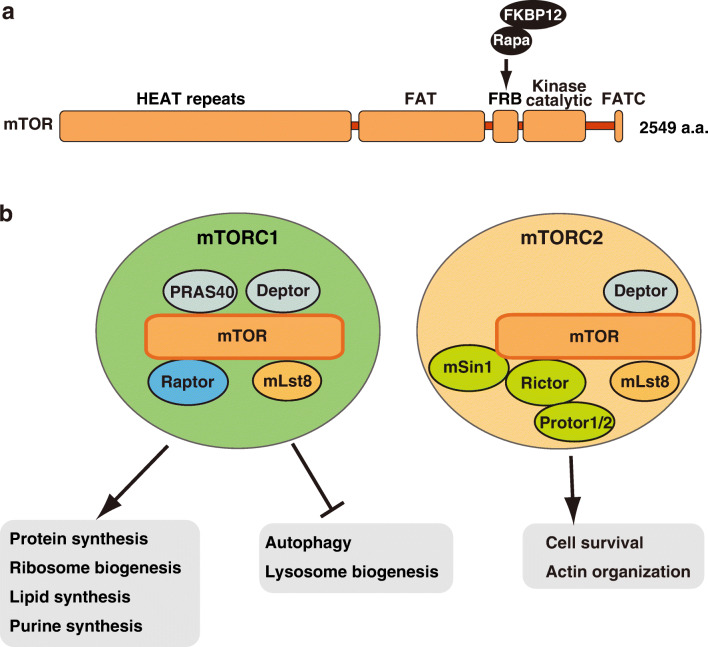
The mechanistic target of rapamycin complex 1 (mTORC1) is an essential regulator of cell growth and metabolism through the modulation of protein and lipid synthesis, lysosome biogenesis, and autophagy. The activity of mTORC1 is dynamically regulated by several environmental cues, including amino acid availability, growth factors, energy levels, and stresses, to coordinate cellular status with environmental conditions. Dysregulation of mTORC1 activity is closely associated with various diseases, including diabetes, cancer, and neurodegenerative disorders. The discovery of Rag GTPases has greatly expanded our understanding of the regulation of mTORC1 activity by amino acids, especially leucine and arginine. In addition to Rag GTPases, other factors that also contribute to the modulation of mTORC1 activity have been identified. In this review, we discuss the mechanisms of regulation of mTORC1 activity by particular amino acids.
Overview
The claims and statistics of this paper haven’t been checked yet.
Free: it reads the open-access text and checks the first 5 claims that cite a source we can check. Create a free account to check every claim.
Integrity signals
Registry
Cites
Statistics
Figures
Verification
Claims the paper makes
The claims and statistics of this paper haven’t been checked yet.
Free: it reads the open-access text and checks the first 5 claims that cite a source we can check. Create a free account to check every claim.
Claims other papers make about this one
Each is checked against this paper’s own text: does it say what the citing paper says it does?
In the citing paper
“Insulin and amino acids together promote protein synthesis and, therefore, increase muscle mass.”
From Sarcopenic obesity: epidemiology, pathophysiology, cardiovascular disease, mortality, and management (2023) · cites this paper as [23]
In the citing paper
“The protein complex, mTORC1, seems to play a central role in this process because amino acids and insulin act synergistically to activate it, which itself plays a central role in the insulin signaling pathway (23).”
From Sarcopenic obesity: epidemiology, pathophysiology, cardiovascular disease, mortality, and management (2023) · cites this paper as [23]
Self-check
Percentages, sums and reported differences re-computed from the paper’s own numbers.
The self-check needs the paper’s full text.
Citations
Cites
mTOR Signaling in Growth, Metabolism, and Disease
Saxton, R. A., & Sabatini, D. M. (2017) · Cell · doi:10.1016/j.cell.2017.02.004 · Cited by 7,555
AMPK and mTOR regulate autophagy through direct phosphorylation of Ulk1
Kim, J., Kundu, M., Viollet, B., & Guan, K.-L. (2011) · Nature Cell Biology · doi:10.1038/ncb2152 · Cited by 7,227
Phosphorylation and regulation of Akt/PKB by the rictor-mTOR complex
Sarbassov, D. D., Guertin, D. A., Ali, S. M., & Sabatini, D. M. (2005) · Science · doi:10.1126/science.1106148 · Cited by 6,216 · cited 4×
“One of the most studied functions of mTORC2 is the phosphorylation of Akt on Ser473 [31] (Fig.”
BackgroundInfluentialTOR signaling in growth and metabolism
Wullschleger, S., Loewith, R., & Hall, M. N. (2006) · Cell · doi:10.1016/j.cell.2006.01.016 · Cited by 5,787 · cited 1×
“However, there are two TOR genes in yeast, whereas only a single TOR gene exists in higher eukaryotes [2].”
BackgroundTSC2 is phosphorylated and inhibited by Akt and suppresses mTOR signalling
Inoki, K., Li, Y., Zhu, T., Wu, J., & Guan, K.-L. (2002) · Nature Cell Biology · doi:10.1038/ncb839 · Cited by 3,083
The Rag GTPases Bind Raptor and Mediate Amino Acid Signaling to mTORC1
Sancak, Y., Peterson, T. R., Shaul, Y. D., Lindquist, R. A., Thoreen, C. C., Bar-Peled, L., & Sabatini, D. M. (2008) · Science · doi:10.1126/science.1157535 · Cited by 2,773 · cited 1×
“between amino acid signals and mTORC1 activation [18, 43, 65].”
BackgroundProlonged Rapamycin Treatment Inhibits mTORC2 Assembly and Akt/PKB
Sarbassov, D. D., Ali, S. M., Sengupta, S., Sheen, J.-H., Hsu, P. P., Bagley, A. F., Markhard, A. L., & Sabatini, D. M. (2006) · Molecular Cell · doi:10.1016/j.molcel.2006.03.029 · Cited by 2,365
Nutrient-dependent mTORC1 Association with the ULK1–Atg13–FIP200 Complex Required for Autophagy
Hosokawa, N., Hara, T., Kaizuka, T., Kishi, C., Takamura, A., Miura, Y., Iemura, S.-I., Natsume, T., Takehana, K., Yamada, N., et al. (2009) · Molecular Biology of the Cell · doi:10.1091/mbc.e08-12-1248 · Cited by 2,076 · cited 3×
“Indeed, mTORC1 directly phosphorylates the unc-51 like autophagy activating kinase 1 (ULK1) [24, 25], an initial regulator of autophagy, and the transcription factor EB (TFEB), a regulator of the expression of lysosomal genes [26–29], thereby suppressing autophagy and lysosomal degradation.”
BackgroundTargets for Cell Cycle Arrest by the Immunosuppressant Rapamycin in Yeast
Heitman, J., Movva, N. R., & Hall, M. N. (1991) · Science · doi:10.1126/science.1715094 · Cited by 2,006 · cited 1×
“The target of rapamycin (TOR) was originally identified as the cellular target of the immunosuppressant and anticancer drug rapamycin in Saccharomyces cerevisiae [1].”
BackgroundBidirectional Transport of Amino Acids Regulates mTOR and Autophagy
Nicklin, P., Bergman, P., Zhang, B., Triantafellow, E., Wang, H., Nyfeler, B., Yang, H., Hild, M., Kung, C., Wilson, C., et al. (2009) · Cell · doi:10.1016/j.cell.2008.11.044 · Cited by 1,798
Cited by
Items 101–200 of 299
Pancreatic islet α cell function and proliferation requires the arginine transporter SLC7A2Preprint
Spears, E., Stanley, J. E., Shou, M., Yin, L., Li, X., Dai, C., Bradley, A. M., Sellick, K., Poffenberger, G., Coate, K. C., et al. (2023) · bioRxiv (Cold Spring Harbor Laboratory) · doi:10.1101/2023.08.10.552656 · Cited by 11
Subverting the Canon: Novel Cancer-Promoting Functions and Mechanisms for snoRNAs
Huo, M., Kumar, S., Nakatsu, K., Deng, Y., & Jijiwa, M. (2024) · International Journal of Molecular Sciences · doi:10.3390/ijms25052923 · Cited by 12
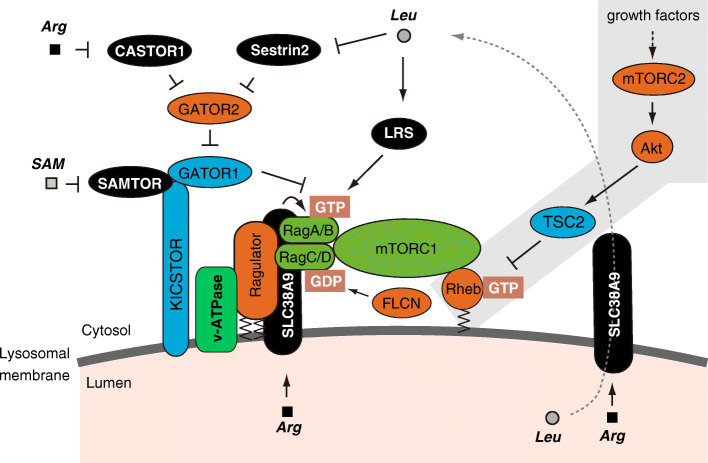
“In one pathway, AKT phosphorylates TSC2, inhibiting RHEB, causing the activation of mTORC1, which enlarges the rate of protein synthesis, ultimately contributing to increased cell proliferation [169,171].”
BackgroundSingh, A., Mahapatra, K. K., Praharaj, P. P., Patra, S., Mishra, S. R., Patil, S., & Bhutia, S. K. (2024) · The International Journal of Biochemistry & Cell Biology · doi:10.1016/j.biocel.2024.106694 · Cited by 10
Huang, Y., Lu, H., Liu, Y. Z., Wang, J., Xia, Q., Shi, X., Jin, Y., Liang, X., Wang, W., Ma, X., et al. (2025) · The EMBO Journal · doi:10.1038/s44318-024-00359-z · Cited by 13
“For decades, amino acids, particularly — glutamine, arginine and leucine, have been shown to be essential nutrients for activating mTOR signaling (Bar-Peled and Sabatini, 2014; Mossmann et al, 2018; Sancak et al, 2010; Takahara et al, 2020).”
Regulation of autophagy and its role in late preimplantation during mouse embryo development
Uechi, K., Koide, I., Kanie, S., Yamazaki, T., & Kishigami, S. (2025) · Scientific Reports · doi:10.1038/s41598-025-11359-2 · Cited by 12
“However, this reduction was also restored by AA supplementation. mTOR complex 1 (mTORC1) is known to be activated in AA rich environments 38–40 .”
Bruss, M. D., Elliehausen, C. J., Clark, J. P., Minton, D. M., & Konopka, A. R. (2025) · Journal of Applied Physiology · doi:10.1152/japplphysiol.00432.2025 · Cited by 12
Lin, P., Fan, T. W. ‐., & Lane, A. N. (2022) · Methods · doi:10.1016/j.ymeth.2022.07.014 · Cited by 10
Hattori, K., Tago, K., Memezawa, S., Ochiai, A., Sawaguchi, S., Kato, Y., Sato, T., Tomizuka, K., Ooizumi, H., Ohbuchi, K., et al. (2021) · Medicines · doi:10.3390/medicines8020009 · Cited by 10
“For example, when amino acid levels are high, mTORC1 is recruited to the lysosomal surface, where it is mediated by the Ras family small GTPase Rheb [24].”
BackgroundQi, H., Wang, Z., Wang, L., Han, M., Zhang, M., & Gao, X. (2022) · British Journal Of Nutrition · doi:10.1017/s0007114522001544 · Cited by 14
Virdis, S., Luise, D., Correa, F., Laghi, L., Arrigoni, N., Amarie, R. E., Serra, A., Biagi, G., Negrini, C., Palumbo, F., et al. (2024) · Journal of Animal Science and Biotechnology/Journal of animal science and biotechnology · doi:10.1186/s40104-024-01079-4 · Cited by 9
“As stated by Takahara et al. [48], Arg is known to potently activate the mTOR pathway.”
BackgroundChen, R., Liu, B., Jaślan, D., Kucej, L., Kudrina, V., Warnke, B., Klingl, Y. E., Petrauskas, A., Castro, S. P., Maeda, K., et al. (2025) · Nature Communications · doi:10.1038/s41467-025-60349-5 · Cited by 24
“…example phosphofructokinase, whose glycolytic activity regulates AMP-dependent protein kinase (AMPK) on the lysosomal membrane 63,64 , and the GTP-binding protein RHEB, which controls the activity of mammalian target of rapamycin complex 1 (mTORC1) by recruiting it to the lysosomal membrane 65 .”
Blastocyst trophectoderm endocytic activation, a marker of adverse developmental programming
Caetano, L., Eckert, J. J., Johnston, D. A., Chatelet, D. S., Tumbarello, D. A., Smyth, N. R., Ingamells, S., Price, A., & Fleming, T. P. (2021) · Reproduction · doi:10.1530/rep-21-0234 · Cited by 9
Physical Exercise and Liver Autophagy: Potential Roles of IL-6 and Irisin
Pinto, A. P., Ropelle, E. R., Quadrilatero, J., & da Silva, A. S. R. (2021) · Exercise and Sport Sciences Reviews · doi:10.1249/jes.0000000000000278 · Cited by 11
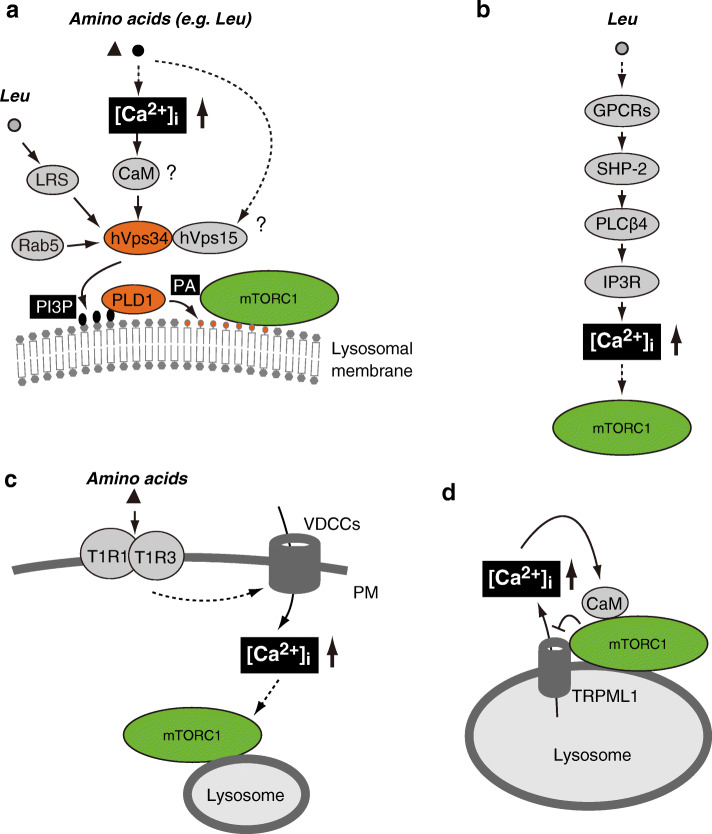
“Autophagy inhibition seems to be amino acid-specific once fluctuations in leucine levels recognized by the leucyl-tRNA synthetase (LRS) cause the relocation of the cytosolic mTORC1 complex to lysosomal and endosomal membranes (30,31).”
BackgroundA multi-omics study of the anti-cancer effect of a ferulic acid derivative FA-30
Wang, D., Guo, D., Tang, Y., Qi, M., Fang, J., Zhang, Y., Chai, Y., Cao, Y. W., & Lv, D. (2022) · Molecular Omics · doi:10.1039/d2mo00025c · Cited by 9
Protein kinase inhibitors as therapeutics in neurodegenerative and psychiatric disorders
Tridente, G., Jana, A., Nath, A., & Ashraf, G. M. (2023) · Receptor Tyrosine Kinases in Neurodegenerative and Psychiatric Disorders · doi:10.1016/b978-0-443-18677-6.00015-4 · Cited by 8
Metabolomic response to acute resistance exercise in healthy older adults by 1H-NMR
Moosavi, D., Vučković, I., Kunz, H., & Lanza, I. R. (2024) · PLoS ONE · doi:10.1371/journal.pone.0301037 · Cited by 11
Fedorov, V. B., Garreau, A., Tøien, Ø., Barnes, B. M., & Goropashnaya, A. V. (2025) · Ecology and Evolution · doi:10.1002/ece3.71669 · Cited by 10
Acetyl-CoA carboxylase maintains energetic balance for functional oogenesis
Amartuvshin, O., Lin, C., Ke, Y.-T., Lee, H., Kajal, K., Huang, T.-L., Wang, W., Lu, T.-M., Yih, L., Tseng, C., et al. (2025) · Nature Communications · doi:10.1038/s41467-025-65708-w · Cited by 10
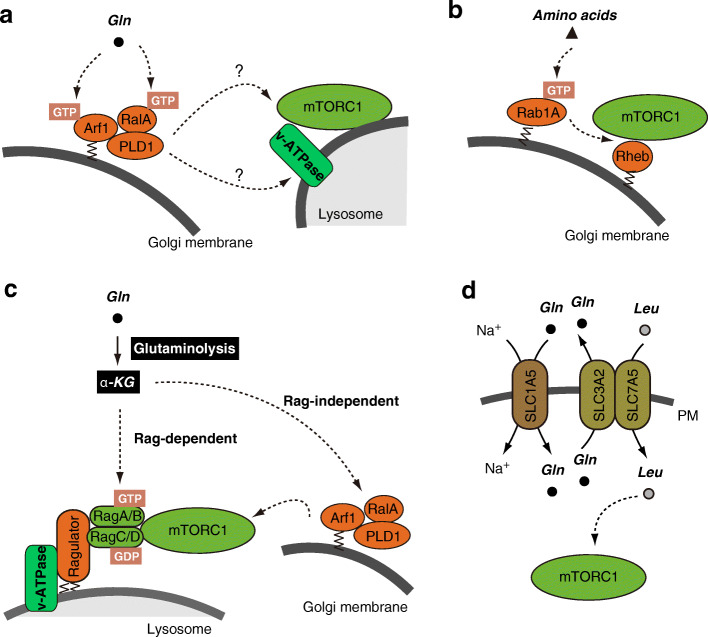
“Glutamine (Gln) is converted from Glutamate (Glu), which is derived from α -KG. α -KG and Gln are known activators of the TOR pathway 63 .”
High-protein diet with excess leucine prevents inactivity-induced insulin resistance in women
Mangogna, A., Girolamo, F. G. D., Fiotti, N., Vinci, P., Landolfo, M., Mearelli, F., & Biolo, G. (2023) · Clinical Nutrition · doi:10.1016/j.clnu.2023.10.028 · Cited by 8
Wang, X., Zhang, T., Li, W., Wang, H., Yan, L., Zhang, X., Zhao, L., Wang, N., & Zhang, B. (2024) · Frontiers in Immunology · doi:10.3389/fimmu.2024.1357072 · Cited by 8
Impact of amino acids on microglial activation and CNS remyelination
Hu, J., Baydyuk, M., & Huang, J. K. (2022) · Current Opinion in Pharmacology · doi:10.1016/j.coph.2022.102287 · Cited by 11
Föh, B., Buhre, J. S., Sina, C., & Ehlers, M. (2022) · Frontiers in Immunology · doi:10.3389/fimmu.2022.1004644 · Cited by 10
García-Gómora, S., Gómez‐Verduzco, G., Marquez-Mota, C. C., Cortés-Cuevas, A., Vazquez-Mendoza, O. V., & Ávila‐González, E. (2024) · Animals · doi:10.3390/ani14111675 · Cited by 7
“These amino acids are transported through the intestinal apical membrane [7,8] and participate in different aspects of metabolism [9,10].”
BackgroundSmith, M., Hoffman, N. J., Jose, A. T. S., Burke, L. M., & Opar, D. A. (2025) · Sports Medicine · doi:10.1007/s40279-025-02174-w · Cited by 14
“Furthermore, there appears to be a crucial role for mTOR in integrating signals from a variety of inputs to regulate muscle protein synthesis and skeletal muscle hypertrophy [124].”
Cao, X., Cui, H., Ji, X., Lu, Y., Kang, Q., Lu, R., Zhang, Y., Xu, X., & Chen, J. (2025) · Aquaculture Nutrition · doi:10.1155/anu/9406490 · Cited by 8
“On the other hand, the ubiquitin proteasome pathway (UPP) and autophagy pathway were regulated to change protein catabolism [18, 19].”
Lei, L., Zhang, J., Wei, R., Dong, B., Wang, X., & Zhou, Y. (2025) · Discover Oncology · doi:10.1007/s12672-025-02802-x · Cited by 9
“Amino acid depletion interferes with Rag GTPase-mediated mTORC1 translocation to the lysosomal surface and subsequent activation by Rheb [24–26].”
The role of phosphatidylcholine metabolism in tumors
Li, L., Huang, Y., Gui, Y., Xiang, W., Yang, M., Hou, Y., & Peng, M. (2025) · Medical Oncology · doi:10.1007/s12032-025-03017-4 · Cited by 7
“This recruits mTOR to the lysosome for activation by Rheb [102].”
GPRC6A Mediates Glucose and Amino Acid Homeostasis in Mice
He, Y., Su, J., Gao, H., Li, J., Feng, Z., & Yin, Y. (2022) · Metabolites · doi:10.3390/metabo12080740 · Cited by 7
“When AA levels are insufficient, mTORC1 inactivation induces autophagy and generates AAs to maintain the basic requirements of cells for AAs [10].”
BackgroundVinci, P., Girolamo, F. G. D., Mangogna, A., Mearelli, F., Nunnari, A., Fiotti, N., Giordano, M., Bareille, M., & Biolo, G. (2022) · Frontiers in Nutrition · doi:10.3389/fnut.2022.976818 · Cited by 7
Mussap, M., Puddu, M., & Fanos, V. (2023) · Current Medicinal Chemistry · doi:10.2174/0929867330666230509110108 · Cited by 8
Tang, X.-Q., Balachandran, R. C., Aschner, M., & Bowman, A. B. (2023) · Biomolecules · doi:10.3390/biom13081229 · Cited by 7
“Finally, the association of mTORC1 with Rheb leads to mTORC1 activation [33].”
BackgroundDecoding the contextual duality of CD40 functions
Bandyopadhyay, S., Gurjar, D., Saha, B., & Bodhale, N. P. (2023) · Human Immunology · doi:10.1016/j.humimm.2023.08.142 · Cited by 7
Gupta, R., Adhikary, S., Dalpatraj, N., & Laxman, S. (2024) · Nature Communications · doi:10.1038/s41467-024-51769-w · Cited by 7
Liu, H., El‐Azaz, J., Yobi, A., Yokoyama, R., Wu, S., Chin-Quee, A. D., Gorman, Z., Angelovici, R., Block, A. K., Maeda, H. A., et al. (2025) · The Plant Cell · doi:10.1093/plcell/koaf067 · Cited by 8
Hildebrandt, W., Keck, J., Schmich, S. K. P., Bonaterra, G. A., Wilhelm, B., Schwarzbach, H., Eva, A., Bertoune, M., Slater, E. P., Fendrich, V., et al. (2022) · Cells · doi:10.3390/cells11101607 · Cited by 8
“The improved availability of free amino acids through controlled proteasomal proteolysis via, for example, SOCS3-related E3-ligase expression [50], also includes certain amino acids that reportedly have protein-anabolic signaling potential to the mammalian target of rapamycin (mTOR) and to regulator proteins of transl…”
BackgroundCrocco, P., Dato, S., Montesanto, A., Bonfigli, A. R., Testa, R., Olivieri, F., Passarino, G., & Rose, G. (2022) · Nutrients · doi:10.3390/nu14214440 · Cited by 9
“To this regard, it is worth remarking that glutamine is one of the AA that activate the nutrient-sensitive kinase mammalian target of rapamycin complex 1 (mTORC1), the major signaling hub that integrates different inputs, such as nutrients, energy, and growth factors, to regulate diverse cellular functions [37].”
BackgroundThanh, L. P., Wichasit, N., Li, Y., Batistel, F., Tartrakoon, W., Parys, C., Guyader, J., & Loor, J. J. (2023) · Journal of Dairy Science · doi:10.3168/jds.2022-23187 · Cited by 8
“branched-chain AA) mediate the stimulation of protein synthesis in muscle of nonruminant and nonlactating species (Takahara et al., 2020).”
BackgroundInactivation of p53 drives breast cancer brain metastasis by altering fatty acid metabolismPreprint
Laue, K., Pozzi, S., Cohen‐Sharir, Y., Winkler, T., Eliezer, Y., Dangoor, S. I., Leikin-Frenkel, A. I., Lange, K., Zerbib, J., Ricci, A. A., et al. (2023) · bioRxiv (Cold Spring Harbor Laboratory) · doi:10.1101/2023.12.20.572490 · Cited by 7
“Another potential mechanism is mTOR signaling ( 105 – 109 ), which is upstream of FAS ( 110 ), is responsive to amino acids such as glutamate ( 111 ), and has been implicated in BM.”
BackgroundMultiomic analysis reveals a key BCAT1 role in mTOR activation by B cell receptor and TLR9
Guo, R., Sun, Y., Lim, M. Y., Shah, H., Paulo, J. A., Ahmed, R. A., Li, W., Zhang, Y., Yang, H., Wang, L. W., et al. (2025) · Journal of Clinical Investigation · doi:10.1172/jci186258 · Cited by 11
“Although BCAAs are well-established mTOR activators, other amino acids such as arginine can also activate mTOR (81, 82).”
Recatalá, C. A., & Oberkersch, R. E. (2025) · Metabolites · doi:10.3390/metabo15110694 · Cited by 6
“Beyond the urea cycle, L-arg plays a key role in activating the mechanistic target of rapamycin complex 1 (mTORC1) pathway, which regulates protein synthesis and cell proliferation [32,33].”
Chlorpromazine affects autophagy in association with altered Rag GTPase–mTORC1–TFEB signaling
Li, N., Rao, L.-L., Zhao, X., Shen, J., Su, D., Ma, G., Sun, S., Ma, Q., Zhang, L., Dong, C., et al. (2023) · Frontiers in Cell and Developmental Biology · doi:10.3389/fcell.2023.1266198 · Cited by 9
“The phosphorylation status of these transcription factors is regulated by multiple kinases and is correlated with intracellular localization and the activity of these transcription factors (Takahara et al., 2020; Morais et al., 2023; Yang et al., 2023).”
Wojtowicz, E. E., Hampton, K., Moreno‐Gonzalez, M., Utting, C., Lan, Y., Ruiz, P. S. B., Beasy, G., Bone, C., Hellmich, C., Maynard, R. S., et al. (2024) · Communications Biology · doi:10.1038/s42003-024-06932-w · Cited by 8
“…and thus production of proin fl ammatory cytokine IL1 β , while restricting the activation of autophagy 46 . mTOR is regulated by amino acid availability 47 and this balance may mediate the effect of the LPD on the macrophage activation we observed in response to Salmonella infection in vivo.”
BackgroundPreimplantation trophectoderm: A ‘quick-fix’ protector for embryo survival?
Fleming, T. P. (2024) · Developmental Biology · doi:10.1016/j.ydbio.2024.10.006 · Cited by 6
The dual role of the TSC complex in cancer
Hartung, J., Müller, C., & Calkhoven, C. F. (2024) · Trends in Molecular Medicine · doi:10.1016/j.molmed.2024.10.009 · Cited by 9
Primavera, R., Wang, J., Buchwald, P., Ganguly, A., Patel, S., Bettencourt, L., Chetty, S. S., Yarani, R., Regmi, S., Levitte, S., et al. (2025) · Nano Letters · doi:10.1021/acs.nanolett.4c03613 · Cited by 7
Aqueous humor metabolomic profiling identifies a distinct signature in pseudoexfoliation syndrome
Zemītis, A., Vanags, J., Schiemer, T., Klavins, K., & Laganovska, G. (2025) · Frontiers in Molecular Biosciences · doi:10.3389/fmolb.2024.1487115 · Cited by 6
Structure-based virtual screening discovers novel kidney-type glutaminase inhibitors
Lin, L.-C., Chang, H., Lin, T. E., Lin, J.-R., Hsia, S., Hsu, K., & Huang, T. (2022) · Biomedicine & Pharmacotherapy · doi:10.1016/j.biopha.2022.113585 · Cited by 8
MTORC2 is a physiological hydrophobic motif kinase of S6 Kinase 1
Majeed, S. T., Majeed, R., Malik, A. A., Zargar, M. A., & Andrabi, K. I. (2023) · Biochimica et Biophysica Acta (BBA) - Molecular Cell Research · doi:10.1016/j.bbamcr.2023.119449 · Cited by 8
Pinel, K., Heraud, C., Morin, G., Dias, K., Marcé, A., Beauclair, L., Fontagné-Dicharry, S., Masagounder, K., Klünemann, M., Seiliez, I., et al. (2022) · International Journal of Molecular Sciences · doi:10.3390/ijms23062935 · Cited by 6
“Only the following four were clearly established as signaling molecules: leucine (LEU), arginine (ARG), glutamine (GLN) and MET [16].”
BackgroundInfluentialLysosome targeted therapies in hematological malignancies
Manivannan, M. S., Peters, A., & Gibson, S. B. (2025) · Frontiers in Oncology · doi:10.3389/fonc.2025.1549792 · Cited by 6
“This dysfunction can lead to metabolic adaptations that support cancer cell growth, survival, and resistance to treatments, as lysosomes provide key nutrients like amino acids and glucose, which fuel processes such as mTORC1 activation (21).”
Alshahrani, S. M., Al-Kuraishy, H. M., Al-Gareeb, A. I., Albuhadily, A. K., Fawzy, M. N., Kadasah, S. F., Alruwaili, M., Papadakis, M., Alexiou, A. T., & Batiha, G. E. (2025) · Neuropharmacology · doi:10.1016/j.neuropharm.2025.110555 · Cited by 6
“MTORC1 is stimulated by various factors, including growth signals, amino acids, cellular energy levels, and stress, promoting cell growth and proliferation (Takahara et al., 2020).”
Skeletal muscle memory: implications for sports, aging and nutrition
Pérez-Castillo, Í. M., Ruiz-Caride, S. R., Rueda, R., Chicharro, J. L., Segura-Ortiz, F., & Bouzamondo, H. (2025) · Frontiers in Nutrition · doi:10.3389/fnut.2025.1701520 · Cited by 8
Signaling in autism: Relevance to nutrients and sex
Hsueh, Y. (2024) · Current Opinion in Neurobiology · doi:10.1016/j.conb.2024.102962 · Cited by 4
“SESN2, SAR1B and LRS are all cytosolic leucine sensors that transmit amino acid availability to mTORC1 and regulate mTORC1 activity via different mechanisms [29,32,33].”
InfluentialZhang, X., Guo, S., Hu, Z., Zhu, D., Liang, H., Wen, F., Han, S., Feng, X., Chen, Y., & Hu, J. (2025) · The FASEB Journal · doi:10.1096/fj.202500923r · Cited by 5
Nikolic, M. R., Novakovic, J. N., Ramenskaya, G. V., Kokorekin, V. A., Jeremic, N. S., & Jakovljevic, V. L. (2022) · Diabetology & Metabolic Syndrome · doi:10.1186/s13098-022-00944-4 · Cited by 5
Conan, P., Léon, A., Caroff, N., Rollet, C., Chaïr, L., Martin, J., Bihel, F. J. ‐., Mignen, O., Voisset, C., & Friocourt, G. (2023) · Frontiers in Neuroscience · doi:10.3389/fnins.2022.1110163 · Cited by 8
“…explain these results could be that an import of extracellular leucine or methionine would activate the Target Of Rapamycin (TOR) signaling pathway (Takahara et al., 2020; Vellai, 2021), which in turn inhibits the retrograde response, the pathway which regulates the response to oxidative stress…”
BackgroundOh, J., & Tamborindeguy, C. (2023) · Insects · doi:10.3390/insects14020142 · Cited by 5
Xiao, G., Li, X., Yang, H., Zhang, R., Huang, J., Tian, Y., Nie, M., & Sun, X. (2024) · Journal of Orthopaedic Surgery and Research · doi:10.1186/s13018-024-04802-z · Cited by 7
“CaM has been reported to interact with amino acids [37, 38], human vacuolar protein Fig.”
BackgroundCorsetti, G., Romano, C., Codenotti, S., Giugno, L., Pasini, E., Fanzani, A., Scarabelli, T. M., & Dioguardi, F. S. (2024) · Cells · doi:10.3390/cells13141210 · Cited by 5
“Altered regulation of mTORC1 activity is closely associated with various diseases, including cancer, diabetes, and neurodegenerative disorders [57,58].”
BackgroundRecent advances of the mammalian target of rapamycin signaling in mesenchymal stem cells
Cai, H., Wang, Z., Tang, W., Ke, X., & Zhao, E. (2022) · Frontiers in Genetics · doi:10.3389/fgene.2022.970699 · Cited by 6
“Moreover, previous studies have shown that the PNT domain of ETV7 binds with the mTOR domain to form putative mTORC3, which does not possess key components of mTORC1/2 (Raptor, Rictor, mSIN1 and mSLT8); but its size is similar to that of mTORC2 (Thoreen et al., 2009; Luo et al., 2015; Harwood et al., 2018; Chiarini et…”
Vancamp, P., Grit, I., Demonceaux, M., Ferchaud‐Roucher, V., Parnet, P., & Amarger, V. (2025) · Molecular Neurobiology · doi:10.1007/s12035-025-05201-z · Cited by 5
“Amino acids directly influence intracellular metabolic pathways crucial for neuronal differentiation, particularly through the nutrient sensor mammalian target of rapamycin (mTOR) to activate the mTORC1 pathway and promote oxidative phosphorylation in mitochondria [51, 52].”
Wang, D., Zou, S., Ding, J., Gao, C., Wang, J., & Tang, Z. (2025) · Frontiers in Oncology · doi:10.3389/fonc.2025.1665056 · Cited by 9
Regulation of metabolic adaptation and leukemia progression by MUSASHI2-DEPTOR-KIF11 axis
Setiawan, T., Muhammad, J. A., Julianto, N. M., Wirawan, L. M., Jun, N., Sari, I. N., Oehler, V. G., Kim, D., & Kwon, H. Y. (2025) · Leukemia · doi:10.1038/s41375-025-02768-3 · Cited by 4
“Amino acid deprivation is known to suppress mTORC1 activity by promoting its dissociation from the lysosomal membrane [30].”
The role of leucine in the activation of cellular metabolism: a large integrative review
Gebrin, A. S., & Filho, I. J. Z. (2022) · International Journal of Nutrology · doi:10.54448/ijn22s201 · Cited by 6
Arginine depletion attenuates renal cystogenesis in tuberous sclerosis complex model
Amleh, A., Chen, H. P., Watad, L., Abramovich, I., Agranovich, B., Gottlieb, E., Ben‐Dov, I. Z., Nechama, M., & Volovelsky, O. (2023) · Cell Reports Medicine · doi:10.1016/j.xcrm.2023.101073 · Cited by 6
“Arginine may mediate its effects on mTOR activation by disrupting the interaction between TSC and mTORC1, activating Rag GTPase required for recruitment of mTORC1 complex to the lysosomal surface, and disrupting the CASTOR complex, regulating mTORC1 activation.(48,49) In this regard, our results support this notion by…”
ResultChowdhury, S. G., & Karmakar, P. (2023) · Molecular Biology Reports · doi:10.1007/s11033-023-08961-w · Cited by 5
“The nitrogen and amino acid limitation causes a signaling cascade to start by halting mTORC1 stimulation [12].”
Cytoprotective Role of Autophagy in CDIP1 Expression-Induced Apoptosis in MCF-7 Breast Cancer Cells
Inukai, R., Mori, K., Maki, M., Takahara, T., & Shibata, H. (2024) · International Journal of Molecular Sciences · doi:10.3390/ijms25126520 · Cited by 4
“To examine the effect of SAR405 on the autophagy of MCF-7 Tet-on CDIP1 cells, we treated cells with SAR405 in combination with Torin1, an inhibitor of the mechanistic target of rapamycin (mTOR) that negatively regulates autophagy [38,39].”
BackgroundSelf-citationCalmodulin enhances mTORC1 signaling by preventing TSC2-Rheb binding
Amemiya, Y., Ioi, Y., Araki, M., Kontani, K., Maki, M., Shibata, H., & Takahara, T. (2024) · Journal of Biological Chemistry · doi:10.1016/j.jbc.2024.108122 · Cited by 7
“…mLST8, and it integrates extracellular and intracellular signals, including amino acids, insulin, and various stresses, to regulate cell growth (1 – 3). mTORC1 activity is regulated by two distinct small GTPases: Ras-related GTP binding (Rag) GTPase and Ras homolog enriched in brain (Rheb) GTPase.”
Self-citationMetabolic control of microglia in health and disease
Colombo, G., Monsorno, K., & Paolicelli, R. C. (2025) · Handbook of clinical neurology · doi:10.1016/b978-0-443-19104-6.00009-7 · Cited by 4
Mealtime alcohol consumption suppresses skeletal muscle mTORC1 signaling in female mice
Bridges, B. O., Tice, A. L., Laudato, J. A., Gordon, B. S., & Steiner, J. L. (2023) · Molecular and Cellular Endocrinology · doi:10.1016/j.mce.2023.111914 · Cited by 5
Chen, R., Liu, B., Jaślan, D., Kucej, L., Kudrina, V., Warnke, B., Klingl, Y. E., Petrauskas, A., Maeda, K., Grimm, C. M., et al. (2024) · bioRxiv (Cold Spring Harbor Laboratory) · doi:10.1101/2024.05.09.593345 · Cited by 4
“…example phosphofructokinase, whose glycolytic activity regulates AMP-dependent protein kinase (AMPK) on the lysosomal membrane 57, 58 , and the GTP-binding protein RHEB, which controls the activity of mammalian target of rapamycin complex 1 (mTORC1) by recruiting it to the lysosomal membrane 59 .”
BackgroundCiantar, J., Marttila, S., Rajić, S., Kostiniuk, D., Mishra, P. P., Lyytikäinen, L., Mononen, N., Kleber, M. E., März, W., Kähönen, M. A. P., et al. (2024) · Epigenetics · doi:10.1080/15592294.2024.2397297 · Cited by 4
“This is particularly interesting as RPTOR encodes for raptor (regulatory associated protein of m TOR ), which is an integral part of the mTOR complex 1 [76,77], known to be involved in numerous important cellular processes including cell growth, metabolism, lysosome biogenesis and autophagy [78].”
Camperio, J., Parodí, J., Olivares-Ferretti, P., Suarez, J. A., & Benetti, D. D. (2025) · Antioxidants · doi:10.3390/antiox14101172 · Cited by 3
“These amino acids are essential for protein synthesis, nucleotide biosynthesis, and mitochondrial metabolism, all of which support proliferative activity [50,51].”
Trigonelline activates NRF2 and awakens dormant ovarian follicles to promote pregnancy in aging mice
Amoushahi, M., Ernst, E. H., Heuck, A., Dueholm, M., Ernst, E., & Lykke‐Hartmann, K. (2025) · iScience · doi:10.1016/j.isci.2025.113717 · Cited by 3
Kwag, S.-J., Ji, Y.-H., Lee, S.-J., Hwang, J., Kim, H.-G., Ju, Y., Yoo, J., & Young-Sool, H. (2025) · Biomolecules · doi:10.3390/biom15111551 · Cited by 5
Wang, Z., Shi, Z., Song, Q., Lu, W., Zhuo, S., Zang, J., & Shao, C. (2025) · BMC Geriatrics · doi:10.1186/s12877-025-06564-7 · Cited by 3
“Prior studies [44, 45], including our own findings [46], have shown that amino acids can activate the mTOR pathway to promote protein synthesis.”
Zhou, R., Hu, L., Li, R., Chen, H., Zhang, X., Hua, L., Che, L., Lin, Y., Xu, S., Feng, B., et al. (2026) · The Journal of Physiology · doi:10.1113/jp290011 · Cited by 3
“Amino acids, including Arg, SAM and Leu, sustain mTORC1 activity by regulating the Rag GTPases (Takahara et al., 2020).”
Francisco, G. D., Couceiro, C., & Olmedo, R. H. (2026) · Journal of Food Measurement & Characterization · doi:10.1007/s11694-026-04109-z · Cited by 4
Vancamp, P., Frapin, M., Parnet, P., & Amarger, V. (2024) · Biological Psychiatry Global Open Science · doi:10.1016/j.bpsgos.2024.100339 · Cited by 5
“…methyl transferase; LAT1, L-type amino acid transporter 1; mTORC1, mechanistic target of rapamycin complex 1; SAM, S-adenosyl methionine; SNAT, sodium-coupled neutral amino acid transporter; TF, transcription factor. mTORC1 (104), the principal modulator of cell growth and differentiation (105).”
BackgroundThe role of glutamine and leucine supplementation in liver metabolic reprogramming during sepsis
Hou, Y., Tseng, S.-M., Kuo, T., Wu, J., Chen, K.-Y., Wu, M.-H., Yang, P., Lee, P., Chen, P., Yeh, S., et al. (2025) · Life Sciences · doi:10.1016/j.lfs.2025.123708 · Cited by 3
Sex-specific effects of in vitro culture and embryo transfer on cardiac growth in sheep offspring
Padhee, M., Lock, M. C., McMillen, I. C., Zhang, S., Botting, K. J., Nyengaard, J. R., MacLaughlin, S. M., Kleemann, D. O., Walker, S. K., Kelly, J. M., et al. (2023) · Journal of Molecular and Cellular Cardiology Plus · doi:10.1016/j.jmccpl.2023.100039 · Cited by 4
“In addition, mTOR can also be activated by amino acids through other intermediate signalling molecules such as Rag GTPases and Rheb [85 – 87].”
Dysregulation of Stress-Induced Translational Control by Porphyromonas gingivalis in Host Cells
Knowles, A. A., Campbell, S. G., Cross, N. A., & Stafford, P. (2023) · Microorganisms · doi:10.3390/microorganisms11030606 · Cited by 5
“These 56 are known to degrade key host proteins, including the mammalian Target Of Rapamycin 57 Complex 1 (mTORC1) (14, 15), which is central to many processes including protein 58 synthesis and autophagy (16).”
BackgroundAvila, M. N., Jung, S., Satterstrom, F. K., Fu, J. M., Levy, T., Sloofman, L. G., Klei, L., Pichardo, T., Stevens, C. R., Cusick, C. M., et al. (2025) · medRxiv · doi:10.1101/2024.12.27.24319460 · Cited by 3
Jellusova, J. (2024) · Elsevier eBooks · doi:10.1016/b978-0-323-95895-0.00010-6 · Cited by 2
Estanich, E. B., Bowen, K. M., Knarr, L. E., Lynch, E. A., Noll, S. L., Morales, A. R. G., & Moritz, J. S. (2024) · The Journal of Applied Poultry Research · doi:10.1016/j.japr.2024.100486 · Cited by 3
Huang, M., Xing, F., Hu, Y., Sun, F., Zhang, C., Xv, Z., Yang, Y. J., Deng, Q., Shi, R., Li, L., et al. (2025) · Frontiers in Endocrinology · doi:10.3389/fendo.2025.1435295 · Cited by 3
“As an activator of the mTORC1 signaling pathway, alanine could in fl uence bone metabolism by modulating insulin signaling (76).”
Costa, T. C., Nascimento, K. B., Danés, M. D. A. C., Gionbelli, M. P., & Duarte, M. D. S. (2025) · Frontiers in Animal Science · doi:10.3389/fanim.2025.1713884 · Cited by 5
Wang, Y., Zhang, F., Wang, H., Pang, A., Wu, F.-G., & Lin, F. (2025) · International Journal of Biological Macromolecules · doi:10.1016/j.ijbiomac.2025.149944 · Cited by 2
Gashew, M., Reda, G. K., Almira, F. N., Abdelbary, E. H., Gulyás, G., Knop, R., Csernus, B., Szabó, C., Lendvai, Á. Z., & Czeglédi, L. (2026) · Veterinary and Animal Science · doi:10.1016/j.vas.2026.100567 · Cited by 3
“Of these, mTORC1 is especially sensitive to nutrient status, responding to amino acids, cellular energy, and stress signals to regulate protein synthesis, lipid metabolism, and auto-phagy (Avruch et al., 2009; Takahara et al., 2020).”
Increased triacylglyceride and ceramide levels are key for MERS-CoV replication
Mitchell, H. D., Kyle, J. E., Engbrecht, K. M., Berger, M. R., Oxford, K. L., & Sims, A. (2026) · mSphere · doi:10.1128/msphere.00523-25 · Cited by 3
“The mTORC1 protein complex is a major point of regulation of many cellular processes, including transcript, protein, and lipid synthesis, as well as growth, motility, survival, and autophagy (37, 38).”
Watterson, A., Picco, G., Veninga, V., Samarakoon, Y., Cattaneo, C. M., Vieira, S. F., Karakoç, E., Bhosle, S. G., Battaglia, T., Consonni, S., et al. (2026) · Cell Reports Medicine · doi:10.1016/j.xcrm.2025.102565 · Cited by 2
Xuekelati, S., Abulitifu, Y., Maimaitiwusiman, Z., Xu, L., Guo, S., Xu, Q., Ke, J., & Wang, H. (2026) · Clinical Interventions in Aging · doi:10.2147/cia.s570497 · Cited by 2
“The resulting insulin resistance serves as a critical amplifier, disrupting the anabolic mTORC1 pathway for protein synthesis 17–21 while activating the catabolic FoxO-mediated proteolytic system.”
Zhu, L., Wu, M., Feng, B., Zhang, Y., Xu, Y., & Yu, L. (2026) · Journal for ImmunoTherapy of Cancer · doi:10.1136/jitc-2025-014192 · Cited by 4
Pancreatic islet α cell function and proliferation require the arginine transporter SLC7A2
Spears, E., Stanley, J. E., Shou, M., Yin, L., Li, X., Dai, C., BRADLEY, A., Sellick, K., Poffenberger, G., Coate, K. C., et al. (2026) · Journal of Clinical Investigation · doi:10.1172/jci173913 · Cited by 18
“In cancer cells, arginine-dependent regulation of cytosolic CASTOR1 and lysosomal SLC38A9 and TM4SF5 proteins promotes mTOR activation leading to proliferation (52).”
Wu, J., He, T., Qi, M., Chen, L., Meng, Y., Zhao, X., Zhou, Q., Zhang, W., Huang, X., Liu, Y., et al. (2026) · Circulation · doi:10.1161/circulationaha.126.080261 · Cited by 2
“Whereas other amino acids, like iso-leucine, also activate mTORC1, 41 our data suggest that COL1A1 preferentially enhances cystine uptake, likely by stabilizing the CD44–SLC7A11 complex and thereby promoting mTORC1 signaling during macrophage foaming.”
TorS ‐ Reframing a rational for type 2 diabetes treatment
Bar‐Tana, J. (2023) · Diabetes/Metabolism Research and Reviews · doi:10.1002/dmrr.3712 · Cited by 2
Protein disulfide isomerase A3 as novel biomarker for endometrial cancer
Yu, F., Liu, X., Li, M., Liu, X., Wang, X., & Guo, M. (2023) · Frontiers in Oncology · doi:10.3389/fonc.2023.1247446 · Cited by 2
Jin, Y., Ji, W., Zhang, L., Dang, D., Yu, B., Zhang, X., Zhang, Y., Li, J., Zhang, Y., Yang, R., et al. (2024) · Virulence · doi:10.1080/21505594.2024.2440541 · Cited by 2
“In the presence of arginine, the direct binding of this AA to the cellular arginine sensor for mTORC1 (CASTOR1) induces the activation of mTORC1 [45].”
Functional analyses and integrated mechanisms of cellular destruction by L-amino acid oxidase
Prak, K., Luft, C., Tsefou, E., Chávez-Olórtegui, C., Kriston-Vizi, J., Ketteler, R., & Braga, V. M. M. (2025) · Cell Death and Disease · doi:10.1038/s41419-025-08187-7 · Cited by 5
Zheng, Y., Wen, S., Luo, J. P., Hao, W., Liang, W., & Chen, Y. (2021) · BioMed Research International · doi:10.1155/2021/6299472 · Cited by 2
“Discussion MTORC1 signaling is a pivotal pathway triggered by various environmental stimuli, such as growth factors, amino acids, and increased cellular energy levels [6, 8, 27].”
BackgroundRetracted
Metadata
- Authors
- Takahara, T., Amemiya, Y., Sugiyama, R., Maki, M., & Shibata, H.
- Affiliations
- Nagoya University (JP)
- Corresponding author
- Takahara, Terunao
- Venue
- Journal of Biomedical Science
- Published
- 2020-08-17
- Volume
- 27
- Issue
- 1
- Pages
- 87-87
- ISSN
- 1021-7770 (ISSN-L)
- 1423-0127
- PMC
- PMC7429791
- OpenAlex
- W3049663475
- Cited by
- 300
- References
- 163
- Citations by year
- 2026: 45 · 2025: 66 · 2024: 63 · 2023: 51 · 2022: 43 · 2021: 30 · 2020: 2
- FWCI
- 3.02
- Type
- journal article
- Language
- en
- Open access
- diamond
- doi.org
- Licence
- cc-by
- creativecommons.org/licenses/by/4.0 (tdm)
- creativecommons.org/licenses/by/4.0 (vor)
- Locations
- Journal of Biomedical Science (publishedVersion, cc-by)
- PubMed Central (publishedVersion, cc-by)
- PubMed (publishedVersion)
- DOAJ (DOAJ: Directory of Open Access Journals) (submittedVersion, cc-by-sa)
- Funders
- Japan Society for the Promotion of Science (17K07752, 20K05837, 19K22275)
- Topics
- Life Sciences › Biochemistry, Genetics and Molecular Biology › Molecular Biology › PI3K/AKT/mTOR signaling in cancer
- Life Sciences › Biochemistry, Genetics and Molecular Biology › Cell Biology › Autophagy in Disease and Therapy
- Life Sciences › Biochemistry, Genetics and Molecular Biology › Molecular Biology › Metabolism, Diabetes, and Cancer
- Keywords
- mTORC1, amino acid signaling, Rag GTPases, leucine, L-arginine, cell growth regulation, autophagy, lysosomal biogenesis, protein synthesis, energy sensing
- MeSH terms
- Mechanistic Target of Rapamycin Complex 1, Amino Acids, Animals, Gene Expression Regulation, Humans, Signal Transduction, Mice
About these checks
Registry, retraction, Cites and statistics results are computed, not judged, with one exception: a printed reference that no index lists is read once by a model before it counts as a citation error. Claims are extracted by a model and kept only when their quote appears verbatim in the text; each cited source is then checked, with a model’s help, for whether it says what the claim relies on. Those verdicts can be wrong — read the claim’s quote and the cited source before relying on one.
Statistics and arithmetic are recomputed, not judged.
Confidence bands are shown only for fields calibrated on our annotated test set. None is calibrated yet, so no band is shown.
What counts as a claim ›How we measure confidence ›How we check this ›
Are you an author, or do you see a problem with this page? Request a review
Data sources
Bibliographic data: Semantic Scholar, OpenAlex, Crossref.
Contains information from the Semantic Scholar Academic Graph Datasets, made available under the ODC Attribution License (ODC-BY 1.0).
Semantic Scholar’s data is described in: Kinney, R., et al. (2023). The Semantic Scholar Open Data Platform. arXiv:2301.10140.
