

The selective peroxisome proliferator-activated receptor alpha modulator (SPPARMα) paradigm: conceptual framework and therapeutic potential: A consensus statement from the International Atherosclerosis Society (IAS) and the Residual Risk Reduction Initiative (R3i) Foundation
Open accessThe DOI matches its Crossref record; 153 of the 155 references it cites were found in a registry or an index.
Abstract
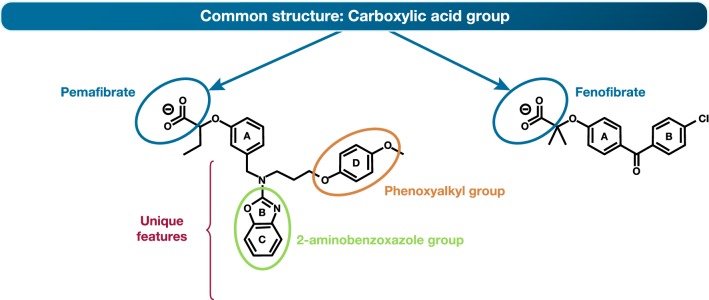
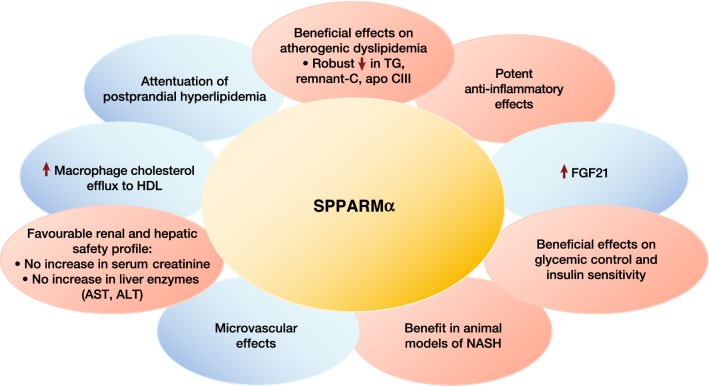
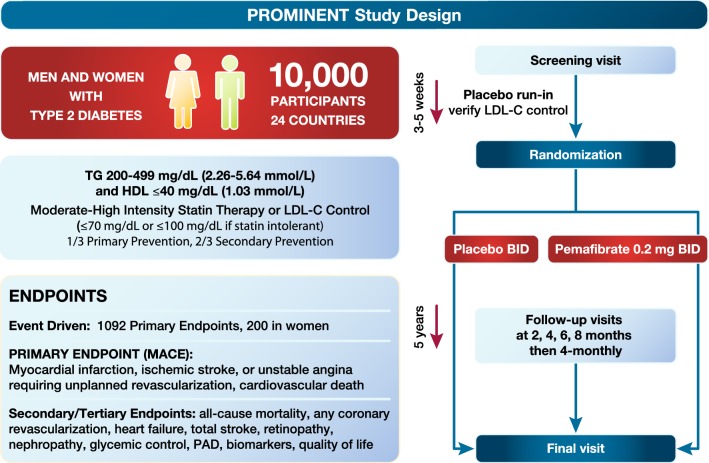
In the era of precision medicine, treatments that target specific modifiable characteristics of high-risk patients have the potential to lower further the residual risk of atherosclerotic cardiovascular events. Correction of atherogenic dyslipidemia, however, remains a major unmet clinical need. Elevated plasma triglycerides, with or without low levels of high-density lipoprotein cholesterol (HDL-C), offer a key modifiable component of this common dyslipidemia, especially in insulin resistant conditions such as type 2 diabetes mellitus. The development of selective peroxisome proliferator-activated receptor alpha modulators (SPPARMα) offers an approach to address this treatment gap. This Joint Consensus Panel appraised evidence for the first SPPARMα agonist and concluded that this agent represents a novel therapeutic class, distinct from fibrates, based on pharmacological activity, and, importantly, a safe hepatic and renal profile. The ongoing PROMINENT cardiovascular outcomes trial is testing in 10,000 patients with type 2 diabetes mellitus, elevated triglycerides, and low levels of HDL-C whether treatment with this SPPARMα agonist safely reduces residual cardiovascular risk.
Overview
The claims and statistics of this paper haven’t been checked yet.
Free: it reads the open-access text and checks the first 5 claims that cite a source we can check. Create a free account to check every claim.
Integrity signals
Registry
Cites
Statistics
Figures
Verification
Claims the paper makes
The claims and statistics of this paper haven’t been checked yet.
Free: it reads the open-access text and checks the first 5 claims that cite a source we can check. Create a free account to check every claim.
Claims other papers make about this one
Each is checked against this paper’s own text: does it say what the citing paper says it does?
The cited source says what the claim attributes to it.
In the citing paper
“In contrast to fenofibrate, pemafibrate is selective for PPAR-α and exerts a higher potency.”
From Established and Emerging Lipid-Lowering Drugs for Primary and Secondary Cardiovascular Prevention (2023) · cites this paper as [178]
The cited source says what the claim attributes to it.
In the citing paper
“Pemafibrate is a fibrate that modulates PPAR-α [178].”
From Established and Emerging Lipid-Lowering Drugs for Primary and Secondary Cardiovascular Prevention (2023) · cites this paper as [178]
Self-check
Percentages, sums and reported differences re-computed from the paper’s own numbers.
The self-check needs the paper’s full text.
Citations
Cites
Younossi, Z. M., Koenig, A. B., Abdelatif, D., Fazel, Y., Henry, L., & Wymer, M. (2016) · Hepatology · doi:10.1002/hep.28431 · Cited by 10,781
Antiinflammatory Therapy with Canakinumab for Atherosclerotic Disease
Ridker, P. M., Everett, B. M., Thuren, T., MacFadyen, J. G., Chang, W. H., Ballantyne, C., Fonseca, F., Nicolau, J., Koenig, W., Anker, S. D., et al. (2017) · New England Journal of Medicine · doi:10.1056/nejmoa1707914 · Cited by 9,482
Self-citationEuropean Guidelines on cardiovascular disease prevention in clinical practice (version 2012)
Authors/Task Force Members:, Perk, J., De Backer, G., Gohlke, H., Graham, I., Reiner, Ž., Verschuren, M., Albus, C., Benlian, P., Boysen, G., et al. (2012) · European Heart Journal · doi:10.1093/eurheartj/ehs092 · Cited by 8,490
Self-citation2016 European Guidelines on cardiovascular disease prevention in clinical practice
Piepoli, M. F., Hoes, A. W., Agewall, S., Albus, C., Brotons, C., Catapano, A. L., Cooney, M.-T., Corrà, U., Cosyns, B., Deaton, C., et al. (2016) · European Heart Journal · doi:10.1093/eurheartj/ehw106 · Cited by 6,457
Grundy, S. M., Stone, N. J., Bailey, A. L., Beam, C., Birtcher, K. K., Blumenthal, R. S., Braun, L. T., de Ferranti, S., Faiella-Tommasino, J., Forman, D. E., et al. (2019) · Circulation · doi:10.1161/cir.0000000000000625 · Cited by 6,185
Evolocumab and Clinical Outcomes in Patients with Cardiovascular Disease
Sabatine, M. S., Giugliano, R. P., Keech, A. C., Honarpour, N., Wiviott, S. D., Murphy, S. A., Kuder, J. F., Wang, H., Liu, T., Wasserman, S. M., et al. (2017) · New England Journal of Medicine · doi:10.1056/nejmoa1615664 · Cited by 6,138
Ference, B. A., Ginsberg, H. N., Graham, I., Ray, K. K., Packard, C. J., Bruckert, E., Hegele, R. A., Krauss, R. M., Raal, F. J., Schunkert, H., et al. (2017) · European Heart Journal · doi:10.1093/eurheartj/ehx144 · Cited by 3,962
Self-citationAlirocumab and Cardiovascular Outcomes after Acute Coronary Syndrome
Schwartz, G. G., Steg, P. G., Szarek, M., Bhatt, D. L., Bittner, V. A., Diaz, R., Edelberg, J. M., Goodman, S. G., Hanotin, C., Harrington, R. A., et al. (2018) · New England Journal of Medicine · doi:10.1056/nejmoa1801174 · Cited by 3,634
Cardiovascular Risk Reduction with Icosapent Ethyl for Hypertriglyceridemia
Bhatt, D. L., Steg, P. G., Miller, M., Brinton, E. A., Jacobson, T. A., Ketchum, S. B., Doyle, R. T., Juliano, R. A., Jiao, L., Granowitz, C., et al. (2019) · New England Journal of Medicine · doi:10.1056/nejmoa1812792 · Cited by 3,317
2016 ESC/EAS Guidelines for the Management of Dyslipidaemias
Catapano, A. L., Graham, I., De Backer, G., Wiklund, O., Chapman, M. J., Drexel, H., Hoes, A. W., Jennings, C. S., Landmesser, U., Pedersen, T. R., et al. (2016) · European Heart Journal · doi:10.1093/eurheartj/ehw272 · Cited by 3,162
Self-citation
Research works printed but not linked: 3
- Iwata H, Murakami K, Ricchiuto P, Singh S, Libby P, Aikawa E. The novel PPARα selective agonist K-877 suppresses pro-inflammatory pathways and experimental arterial lesion formation. Circ Res. 2014;115:e86–93 (Abstract 24160).
- Kastelein JJP, Senko Y, Hounslow N. K-877, a selective PPAR alpha modulator (SPPARM alpha), improves dyslipidaemia in statin-treated patients with type 2 diabetes mellitus. Eur Heart J. 2015;36:1048.
- Kastelein JJP, Senko Y, Hounslow N, Hovingh GK, Ginsberg HN. K-877, a selective PPAR alpha modulator (SPPARM alpha), ameliorates dyslipidaemia in patients with well-controlled LDL Cholesterol levels on statin therapy, without increases in serum creatinine. Eur Heart J. 2015;36:1048.
Cited by
Nonalcoholic steatohepatitis: the role of peroxisome proliferator-activated receptors
Francque, S., Szabo, G., Abdelmalek, M. F., Byrne, C. D., Cusi, K., Dufour, J.-F., Roden, M., Sacks, F., & Tacke, F. (2021) · Nature Reviews Gastroenterology & Hepatology · doi:10.1038/s41575-020-00366-5 · Cited by 316
Causes and consequences of hypertriglyceridemia
Packard, C. J., Boren, J., & Taskinen, M.-R. (2020) · Frontiers in Endocrinology · doi:10.3389/fendo.2020.00252 · Cited by 239
Self-citationYamashita, S., Masuda, D., & Matsuzawa, Y. (2020) · Current Atherosclerosis Reports · doi:10.1007/s11883-020-0823-5 · Cited by 191
Self-citationThe dawn of a new era of targeted lipid-lowering therapies
Tokgözoğlu, L., & Libby, P. (2022) · European Heart Journal · doi:10.1093/eurheartj/ehab841 · Cited by 171
Self-citationTodisco, S., Santarsiero, A., Convertini, P., Stefano, G. D., Gilio, M., Iacobazzi, V., & Infantino, V. (2022) · Biology · doi:10.3390/biology11050792 · Cited by 181
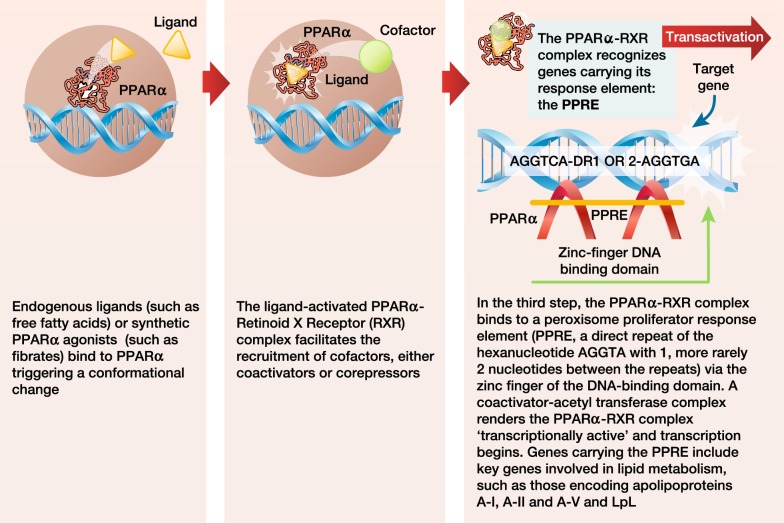
“PPARs may also bind to repressor proteins, thus reducing gene transcription [30].”
BackgroundFougerat, A., Montagner, A., Loiseau, N., Guillou, H., & Wahli, W. (2020) · Cells · doi:10.3390/cells9071638 · Cited by 156
Self-citationFamilial hypercholesterolaemia: evolving knowledge for designing adaptive models of care
Watts, G. F., Gidding, S. S., Mata, P., Pang, J., SULLIVAN, D. R., Yamashita, S., Raal, F. J., Santos, R. D., & Ray, K. K. (2020) · Nature Reviews Cardiology · doi:10.1038/s41569-019-0325-8 · Cited by 154
Self-citationImpact of peroxisome proliferator-activated receptor-α on diabetic cardiomyopathy
Wang, L., Cai, Y., Jian, L., Cheung, C. W., Zhang, L., & Xia, Z. (2021) · Cardiovascular Diabetology · doi:10.1186/s12933-020-01188-0 · Cited by 121
Triglycerides and risk of atherosclerotic cardiovascular disease: An update
Farnier, M., Zeller, M., Masson, D., & Cottin, Y. (2021) · Archives of cardiovascular diseases · doi:10.1016/j.acvd.2020.11.006 · Cited by 122
Self-citationArteriosclerosis e inflamación. Nuevos enfoques terapéuticos
Pedro‐Botet, J., Climent, E., & Benaiges, D. (2020) · Medicina Clínica · doi:10.1016/j.medcli.2020.04.024 · Cited by 126
Sasaki, Y., Asahiyama, M., Tanaka, T., Yamamoto, S., Murakami, K., Kamiya, W., Matsumura, Y., Osawa, T., Anai, M., Fruchart, J.-C., et al. (2020) · Scientific Reports · doi:10.1038/s41598-020-64902-8 · Cited by 109
Self-citationEstablished and Emerging Lipid-Lowering Drugs for Primary and Secondary Cardiovascular Prevention
Michaeli, D. T., Michaeli, J. C., Albers, S., Boch, T., & Michaeli, T. (2023) · American Journal of Cardiovascular Drugs · doi:10.1007/s40256-023-00594-5 · Cited by 109
Cao, Y.-X., Zhang, H.-W., Jin, J.-L., Liu, H.-H., Zhang, Y., Gao, Y., Guo, Y.-L., Wu, N.-Q., Hua, Q., Li, Y.-F., et al. (2020) · Cardiovascular Diabetology · doi:10.1186/s12933-020-01076-7 · Cited by 98
Triglycerides and cardiovascular disease
Esan, O., & Wierzbicki, A. S. (2021) · Current Opinion in Cardiology · doi:10.1097/hco.0000000000000862 · Cited by 81
Duszka, K., Gregor, A., Guillou, H., König, J. S., & Wahli, W. (2020) · Cells · doi:10.3390/cells9071708 · Cited by 90
Self-citationRuscica, M., Zimetti, F., Adorni, M. P., Sirtori, C. R., Lupo, M. G., & Ferri, N. (2020) · Pharmacological Research · doi:10.1016/j.phrs.2020.104653 · Cited by 82
Self-citationPPAR-Targeted Therapies in the Treatment of Non-Alcoholic Fatty Liver Disease in Diabetic Patients
Lange, N. F., Graf, V., Caussy, C., & Dufour, J. (2022) · International Journal of Molecular Sciences · doi:10.3390/ijms23084305 · Cited by 96
Low-density lipoprotein cholesterol lowering treatment: the current approach
Crîşmaru, I., Stoian, A. P., Bratu, O. G., Găman, M., Stănescu, A. M. A., Bacalbaşa, N., & Diaconu, C. C. (2020) · Lipids in Health and Disease · doi:10.1186/s12944-020-01275-x · Cited by 76
Prowse, N. A., & Hayley, S. P. (2021) · Neuroscience & Biobehavioral Reviews · doi:10.1016/j.neubiorev.2021.09.018 · Cited by 78
Novel emerging therapies in atherosclerosis targeting lipid metabolism
Gupta, M., Blumenthal, C., Chatterjee, S., Bandyopadhyay, D., Jain, V., Lavie, C. J., Virani, S. S., Ray, K. K., Aronow, W. S., & Ghosh, R. K. (2020) · Expert Opinion on Investigational Drugs · doi:10.1080/13543784.2020.1764937 · Cited by 75
“A statement released by the Joint Consensus Panel declared that this class of drugs is distinct from fibrates, both in terms of safety and efficacy [32].”
MethodSelf-citationHypertriglyceridemia—causes, significance, and approaches to therapy
Santos-Baez, L. S., & Ginsberg, H. N. (2020) · Frontiers in Endocrinology · doi:10.3389/fendo.2020.00616 · Cited by 66
Self-citationAtherosclerosis and inflammation. New therapeutic approaches
Pedro‐Botet, J., Climent, E., & Benaiges, D. (2020) · Medicina Clínica (English Edition) · doi:10.1016/j.medcle.2020.04.020 · Cited by 82
PPARs as Key Mediators in the Regulation of Metabolism and Inflammation
Vázquez‐Carrera, M., & Wahli, W. (2022) · International Journal of Molecular Sciences · doi:10.3390/ijms23095025 · Cited by 60
“In the era of precision medicine, there is a need for highly selective agonists to address treatment gaps, such as the correction of atherogenic dyslipidemia that remains an unmet clinical demand [11].”
BackgroundSelf-citationZhu, L., Hayen, A., & Bell, K. J. L. (2020) · Cardiovascular Diabetology · doi:10.1186/s12933-020-01002-x · Cited by 54
“Results from the ongoing Pemafibrate to Reduce Cardiovascular Outcomes by Reducing Triglycerides in Patients with Diabetes (PROMINENT) study will also provide evidence regarding short term effectiveness; further follow up studies are needed for longer term legacy effects [34, 35].”
BackgroundMASLD/MASH and type 2 diabetes: Two sides of the same coin? From single PPAR to pan-PPAR agonists
Cooreman, M. P., Vonghia, L., & Francque, S. (2024) · Diabetes Research and Clinical Practice · doi:10.1016/j.diabres.2024.111688 · Cited by 59
Lee, H., Cho, Y., Choi, Y. J., Huh, B. W., Lee, B., Kang, E. S., Park, S. W., Soo, B., Lee, E. J., Lee, Y., et al. (2020) · Cardiovascular Diabetology · doi:10.1186/s12933-020-01064-x · Cited by 58
Peng, J., Liu, M., Jin, J., Cao, Y., Guo, Y., Wu, N., Zhu, C., Dong, Q., Sun, J., Xu, R., et al. (2020) · Cardiovascular Diabetology · doi:10.1186/s12933-020-01142-0 · Cited by 57
Lee, H., Akhmedov, A. T., & Chen, C. (2022) · Frontiers in Cardiovascular Medicine · doi:10.3389/fcvm.2022.993633 · Cited by 61
Ginsberg, H. N., Hounslow, N. J., Senko, Y., Suganami, H., Bogdanski, P., Ceska, R., Kalina, A., Libis, R. A., Supryadkina, T. V., & Hovingh, G. K. (2022) · Diabetes Care · doi:10.2337/dc21-1288 · Cited by 48
Self-citationYokote, K., Yamashita, S., Arai, H., Araki, E., Matsushita, M., Nojima, T., Suganami, H., & Ishibashi, S. (2021) · Cardiovascular Diabetology · doi:10.1186/s12933-021-01291-w · Cited by 52
Self-citationTriglyceride-rich lipoproteins, remnant-cholesterol, and atherosclerotic cardiovascular disease
Ganda, O. P. (2023) · Current Opinion in Lipidology · doi:10.1097/mol.0000000000000875 · Cited by 47
Atherogenic Dyslipidemia and Residual Vascular Risk After Stroke or Transient Ischemic Attack
Hoshino, T., Ishizuka, K., Toi, S., Mizuno, T., Nishimura, A., Takahashi, S., Wako, S., & Kitagawa, K. (2021) · Stroke · doi:10.1161/strokeaha.121.034593 · Cited by 49
Kanno, K., Koseki, M., Chang, J., Saga, A., Inui, H., Okada, T., Tanaka, K., Asaji, M., Zhu, Y., Ide, S., et al. (2022) · Scientific Reports · doi:10.1038/s41598-022-06542-8 · Cited by 45
Self-citationYamashita, S., Rizzo, M., Su, T., & Masuda, D. (2023) · Metabolites · doi:10.3390/metabo13050626 · Cited by 44
“JAS has classified pemafibrate into a novel category of drug therapy for dyslipidemia “SPPARMα”, which is completely different from fibrates [48].”
BackgroundInfluentialSelf-citationSasaki, Y., Raza-Iqbal, S., Tanaka, T., Murakami, K., Anai, M., Osawa, T., Matsumura, Y., Sakai, J., & Kodama, T. (2019) · International Journal of Molecular Sciences · doi:10.3390/ijms20225682 · Cited by 43
Self-citationFixed Combination for the Treatment of Dyslipidaemia
Ferri, N., Ruscica, M., Santos, R. D., & Corsini, A. (2023) · Current Atherosclerosis Reports · doi:10.1007/s11883-023-01142-x · Cited by 40
Self-citationImpact of PPAR-Alpha Polymorphisms—The Case of Metabolic Disorders and Atherosclerosis
Ruscica, M., Busnelli, M., Runfola, E., Corsini, A., & Sirtori, C. R. (2019) · International Journal of Molecular Sciences · doi:10.3390/ijms20184378 · Cited by 33
Self-citationHorinouchi, Y., Murashima, Y., Yamada, Y., Yoshioka, S., Fukushima, K., Kure, T., Sasaki, N., Imanishi, M., Fujino, H., Tsuchiya, K., et al. (2023) · Life Sciences · doi:10.1016/j.lfs.2023.121590 · Cited by 32
Dagpo, T., Nolan, C. J., & Delghingaro‐Augusto, V. (2020) · Cells · doi:10.3390/cells9071596 · Cited by 35
Cao, Y., Zhang, H., Jin, J., Liu, H., Zhang, Y., Xu, R., Gao, Y., Guo, Y., Zhu, C., Hua, Q., et al. (2020) · Journal of Lipid Research · doi:10.1194/jlr.ra120000746 · Cited by 32
Self-citationFruchart, J., Hermans, M. P., Fruchart‐Najib, J., & Kodama, T. (2021) · Current Atherosclerosis Reports · doi:10.1007/s11883-020-00897-x · Cited by 30
Self-citationChasseigneaux, S., Cochois, V., Lecorgne, L., Lochus, M., Nicolic, S., Blugeon, C., Jourdren, L., Gomez‐Zepeda, D., Tenzer, S., Sanquer, S., et al. (2024) · Fluids and Barriers of the CNS · doi:10.1186/s12987-024-00526-8 · Cited by 28
“Although it remains to be studied in details for PPAR δ, this concept has been demonstrated for PPAR α and PPAR γ and underlies the development of promising selective peroxisome proliferator-activated receptor modulators (SPPARMs) [67, 68].”
Prognostic Role of Hypertriglyceridemia in Patients With Stroke of Atherothrombotic Origin
Hoshino, T., Ishizuka, K., Toi, S., Mizuno, T., Nishimura, A., Wako, S., Takahashi, S., & Kitagawa, K. (2022) · Neurology · doi:10.1212/wnl.0000000000200112 · Cited by 29
Kumrić, M., Urlić, H., Božić, J., Vilović, M., Kurir, T. T., Glavaš, D., Miric, D., Zanchi, J., Bradarić, A., Lozo, M., et al. (2023) · International Journal of Molecular Sciences · doi:10.3390/ijms24098062 · Cited by 28
Managing dyslipidemia in patients with Type 2 diabetes
Tomlinson, B., Patil, N. G., Fok, M., & Lam, C. W. K. (2021) · Expert Opinion on Pharmacotherapy · doi:10.1080/14656566.2021.1912734 · Cited by 33
Self-citationThe role of triglycerides in the origin and progression of atherosclerosis
Padró, T., Muñoz‐García, N., & Badimón, L. (2021) · Clínica e Investigación en Arteriosclerosis · doi:10.1016/j.arteri.2021.02.007 · Cited by 31
Fuior, E. V., Zvintzou, E., Filippatos, T. D., Giannatou, K., Mparnia, V., Simionescu, M., Gafencu, A. V., & Kypreos, K. E. (2023) · Biomedicines · doi:10.3390/biomedicines11102696 · Cited by 28
Present and Future of Dyslipidaemia Treatment—A Review
Merćep, I., Vujević, A., Strikić, D., Radman, I. B., Pećin, I., & Reiner, Ž. (2023) · Journal of Clinical Medicine · doi:10.3390/jcm12185839 · Cited by 26
Self-citationHypertriglyceridemia and Atherosclerotic Carotid Artery Stenosis
Miura, Y., & Suzuki, H. (2022) · International Journal of Molecular Sciences · doi:10.3390/ijms232416224 · Cited by 22
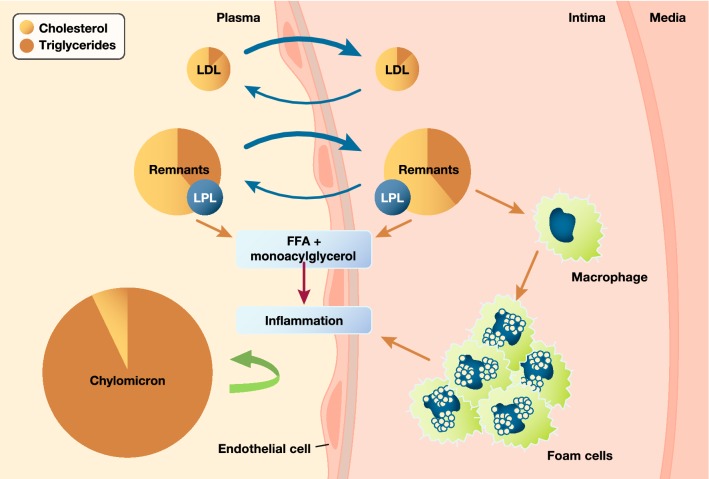
“TRL remnants include more cholesterols and TGs and seem to be more proatherogenic than LDLs [10,25].”
BackgroundKonishi, H., Miyauchi, K., Ōnishi, A., Suzuki, S., Fuchimoto, D., Shitara, J., Endo, H., Wada, H., Doi, S., Naito, R., et al. (2020) · PLoS ONE · doi:10.1371/journal.pone.0241195 · Cited by 21
“In patients with dyslipidemia, treatment with pemafibrate not only increased HDL-C, apo A-I and apo A-II levels, but also improved HDL function, as shown by increases in prebeta-HDL, smaller HDL particles and macrophage cholesterol efflux capacity [24,25].”
BackgroundPostprandial hyperlipidemia as a risk factor in patients with type 2 diabetes
Tomlinson, B., Chan, P., & Lam, C. W. K. (2020) · Expert Review of Endocrinology & Metabolism · doi:10.1080/17446651.2020.1750949 · Cited by 22
Self-citationSantos, R. D. (2020) · European Journal of Preventive Cardiology · doi:10.1177/2047487320915662 · Cited by 20
Self-citationNovel Experimental Agents for the Treatment of Hypercholesterolemia
Pećin, I., & Reiner, Ž. (2021) · Journal of Experimental Pharmacology · doi:10.2147/jep.s267376 · Cited by 24
Self-citationFruchart, J., Hermans, M. P., & Fruchart‐Najib, J. (2020) · Current Atherosclerosis Reports · doi:10.1007/s11883-020-00860-w · Cited by 19
Self-citationA Tale of Two New Targets for Hypertriglyceridaemia: Which Choice of Therapy?
Ward, N. C., Chan, D. C., & Watts, G. F. (2022) · BioDrugs · doi:10.1007/s40259-022-00520-2 · Cited by 21
Self-citationSPPARM alpha: the Lazarus effect
Fruchart, J., & Santos, R. D. (2019) · Current Opinion in Lipidology · doi:10.1097/mol.0000000000000640 · Cited by 19
Self-citationLessons from PROMINENT and prospects for pemafibrate
Fruchart, J.-C., Fruchart-Najib, J., Yamashita, S., Libby, P., Yokote, K., Kodama, T., Tomita, Y., Ridker, P. M., Hermans, M. P., & Zambon, A. (2024) · Cardiovascular Diabetology · doi:10.1186/s12933-024-02305-z · Cited by 16
Self-citationYoshida, M., Nakamura, K., Miyoshi, T., Yoshida, M., Kondo, M., Akazawa, K., Kimura, T., Ohtsuka, H., Ohno, Y., Miura, D., et al. (2020) · Cardiovascular Diabetology · doi:10.1186/s12933-020-01132-2 · Cited by 17
Veroneze, R., Corbi, S. C. T., da Silva, B. R., Rocha, C. S., Maurer‐Morelli, C. V., Orrico, S. R. P., Cirelli, J. A., Zuben, F. J. V., & Scarel‐Caminaga, R. M. (2020) · PLoS ONE · doi:10.1371/journal.pone.0240269 · Cited by 16
Pharmacokinetics of current and emerging treatments for hypercholesterolemia
Tomlinson, B., Chan, P., Zhang, Y., Liu, Z., & Lam, C. W. K. (2020) · Expert Opinion on Drug Metabolism & Toxicology · doi:10.1080/17425255.2020.1749261 · Cited by 17
Self-citationSustainable career and employability of student leaders in China
Bai, B., Li, M., & Lyu, X. (2022) · Frontiers in Psychology · doi:10.3389/fpsyg.2022.1033401 · Cited by 14
“This competence model is widely used in the field of human resources and management (Bharwani and Talib, 2017).”
Vallejo‐Vaz, A. J., Leiter, L. A., Prato, S. D., Taskinen, M., Müller‐Wieland, D., Bujas‐Bobanovic, M., Letierce, A., Mandel, J., Samuel, R., & Ray, K. K. (2020) · European Journal of Preventive Cardiology · doi:10.1177/2047487320905185 · Cited by 15
Self-citationFlorentin, M., Kostapanos, M. S., Anagnostis, P. G., & Liamis, G. L. (2019) · Expert Opinion on Pharmacotherapy · doi:10.1080/14656566.2019.1691523 · Cited by 16
Reyes‐Soffer, G. (2021) · Current Opinion in Endocrinology Diabetes and Obesity · doi:10.1097/med.0000000000000619 · Cited by 13
Bhat, O. M., Mir, R. A., Nehvi, I. B., Wani, N. A., Dar, A. H., & Zargar, M. A. (2024) · IJC Heart & Vasculature · doi:10.1016/j.ijcha.2024.101469 · Cited by 18
Iitake, C., Masuda, D., Koseki, M., & Yamashita, S. (2020) · Cardiovascular Diabetology · doi:10.1186/s12933-020-01172-8 · Cited by 14
Self-citationBempedoic Acid in the Treatment of Patients with Dyslipidemias and Statin Intolerance
Susekov, A. V., Король, Л. А., & Watts, G. F. (2021) · Cardiovascular Drugs and Therapy · doi:10.1007/s10557-020-07139-x · Cited by 14
“Second, assuming that bempedoic acid potentially suppresses the synthesis of fatty acids, it could be reasonable to explore new trials in obese patients with non-alcoholic fatty liver disease (NAFLD), possibly in combination with the new PPARα modulator pemafibrate (K-877) [10].”
BackgroundInfluentialSelf-citationBallav, S., Lokhande, K. B., Yadav, R. S., Ghosh, P., Swamy, K. V., & Basu, S. (2022) · Molecular Diversity · doi:10.1007/s11030-022-10587-2 · Cited by 12
Genetics and regulation of HDL metabolism
Kardassis, D., Thymiakou, E., & Chroni, A. (2021) · Biochimica et Biophysica Acta (BBA) - Molecular and Cell Biology of Lipids · doi:10.1016/j.bbalip.2021.159060 · Cited by 18
Approach to the Patient With Moderate Hypertriglyceridemia
Subramanian, S. (2022) · The Journal of Clinical Endocrinology & Metabolism · doi:10.1210/clinem/dgac085 · Cited by 13
Horikawa, T., Kawanami, T., Hamaguchi, Y., Tanaka, Y., Kita, S., Ryorin, R., Takashi, Y., Takahashi, H., Tanabe, M., Yanase, T., et al. (2020) · Heliyon · doi:10.1016/j.heliyon.2020.e05431 · Cited by 12
Personalized Medicine in Lipid-Modifying Therapy
Tomlinson, B., Lin, C.-H., Chan, P., & Lam, C. W. K. (2021) · Personalized Medicine · doi:10.2217/pme-2020-0110 · Cited by 12
Self-citationBibliometric analysis of residual cardiovascular risk: trends and frontiers
Wang, L., Wang, S., Song, C., Yu, Y., Jiang, Y., Wang, Y., & Li, X. (2023) · Journal of Health Population and Nutrition · doi:10.1186/s41043-023-00478-z · Cited by 12
“Given that a residual risk, primarily driven by high triglycerides and low HDL-C levels, persists, supplementing statin therapy with fibrates could potentially benefit patients carrying this residual risk [85].”
BackgroundTomlinson, B., Chan, P., Zhang, Y., & Lam, C. W. K. (2020) · Expert Opinion on Pharmacotherapy · doi:10.1080/14656566.2020.1801638 · Cited by 12
Self-citationCurrent Drug Development Pipeline for MASLD and MASH: Focusing on Cardiovascular Comorbidities
Александровна, П. В., & Okovityi, S. V. (2026) · Biomedicines · doi:10.3390/biomedicines14040909 · Cited by 10
Pemafibrate Prevents Rupture of Angiotensin II-Induced Abdominal Aortic Aneurysms
Amioka, N., Miyoshi, T., Yonezawa, T., Kondo, M., Akagi, S., Yoshida, M., Saito, Y., Nakamura, K., & Ito, H. (2022) · Frontiers in Cardiovascular Medicine · doi:10.3389/fcvm.2022.904215 · Cited by 11
Yoshida, M., Nakamura, K., Miyoshi, T., Yoshida, M., Kondo, M., Akazawa, K., Kimura, T., Ohtsuka, H., Ohno, Y., Miura, D., et al. (2020) · Cardiovascular Diabetology · doi:10.1186/s12933-020-01181-7 · Cited by 10
Santos, R. D. (2023) · European Journal of Preventive Cardiology · doi:10.1093/eurjpc/zwad064 · Cited by 10
Self-citationIchikawa, T., Oba, H., Owada, M., Watanabe, K., Yoshimura, T., Fuchigami, A., & Nakamura, A. (2023) · JGH Open · doi:10.1002/jgh3.13012 · Cited by 10
“12 It was approved for the treatment of hyperlipidemia in July 2017 and has been marketed in Japan since June 2018.”
BackgroundWang, H., Guo, Y., Zhang, H., Wang, X., & Zheng, X. (2024) · Nutrition Metabolism and Cardiovascular Diseases · doi:10.1016/j.numecd.2024.05.011 · Cited by 10
Triglyceride lowering 2.0: back to the future?
Packard, C. J. (2019) · European Heart Journal · doi:10.1093/eurheartj/ehz810 · Cited by 9
Self-citationNot all fibrates are made equal: Learning from biology and clinical trials
Zambon, A., Staels, B., Farnier, M., Vrablík, M., & Catapano, A. L. (2025) · Atherosclerosis · doi:10.1016/j.atherosclerosis.2025.120555 · Cited by 8
Self-citationHermans, M. P., Ahn, S. A., & Rousseau, M. F. (2020) · Acta cardiologica. Supplementum · doi:10.1080/00015385.2020.1742455 · Cited by 8
Self-citationHirano, T., Hayashi, T., Sugita, H., Tamasawa, A., Goto, S., Tomoyasu, M., Yamamoto, T., Ohara, M., Terasaki, M., Kushima, H., et al. (2023) · Journal of Diabetes Investigation · doi:10.1111/jdi.14076 · Cited by 10
Targeting triglycerides to lower residual cardiovascular risk
Bubb, K. J., Nelson, A. J., & Nicholls, S. J. (2022) · Expert Review of Cardiovascular Therapy · doi:10.1080/14779072.2022.2058489 · Cited by 9
Integrative Multiomics Approaches for Discovery of New Drug Targets for Cardiovascular Disease
Reilly, M. P., & Bornfeldt, K. (2021) · Circulation · doi:10.1161/circulationaha.121.054900 · Cited by 8
Miura, Y., Yasuda, R., Toma, N., & Suzuki, H. (2022) · International Journal of Molecular Sciences · doi:10.3390/ijms23169197 · Cited by 7
The Association of Fibrate Use with Kidney Outcomes and Mortality
Takahashi, R., Shen, J. I., Tran, D., Elali, I., Dai, T., Shah, A. P., Dukkipati, R., Ismail, A. M., Sumida, K., Thomas, F., et al. (2025) · Clinical Journal of the American Society of Nephrology · doi:10.2215/cjn.0000000683 · Cited by 6
Hoshino, T., Ishizuka, K., Seki, M., Hosoya, M., Toi, S., Mizuno, T., Arai, S., Wako, S., Takahashi, S., Oshima, R., et al. (2024) · Journal of Atherosclerosis and Thrombosis · doi:10.5551/jat.65277 · Cited by 6
An up-to-date review of emerging biologic therapies for hypercholesterolemia
Tomlinson, B. (2024) · Expert Opinion on Biological Therapy · doi:10.1080/14712598.2024.2442455 · Cited by 6
Self-citationEarly Investigational and Experimental Therapeutics for the Treatment of Hypertriglyceridemia
Parthymos, I., Kostapanos, M. S., Liamis, G. L., & Florentin, M. (2022) · Journal of Cardiovascular Development and Disease · doi:10.3390/jcdd9020042 · Cited by 6
“Pemafibrate is a second-generation fibrate that acts as a selective peroxisome proliferator-activated receptor alpha modulator (SPPARM-α) [47].”
BackgroundSuzuki, T., Sato, T., Tanaka, M., Nakata, K., Endo, K., Aida, H., Kawaharata, W., Hosaka, I., Umetsu, A., Ogawa, T., et al. (2025) · Frontiers in Endocrinology · doi:10.3389/fendo.2025.1496671 · Cited by 5
Diabetes is not (only) a disorder of glucose metabolism!
Fanni, G. (2020) · Diabetic Medicine · doi:10.1111/dme.14464 · Cited by 4
Aloke, C., Iwuchukwu, E. A., & Achilonu, I. (2023) · Computational Biology and Chemistry · doi:10.1016/j.compbiolchem.2023.107851 · Cited by 4
Hernández-Baixauli, J., Chomiciute, G., Alcaide‐Hidalgo, J. M., Crescenti, A., Baselga‐Escudero, L., Palacios-Jordan, H., Foguet‐Romero, E., Pedret, A., Valls, R. M., Solà, R., et al. (2023) · Scientific Reports · doi:10.1038/s41598-023-49277-w · Cited by 4
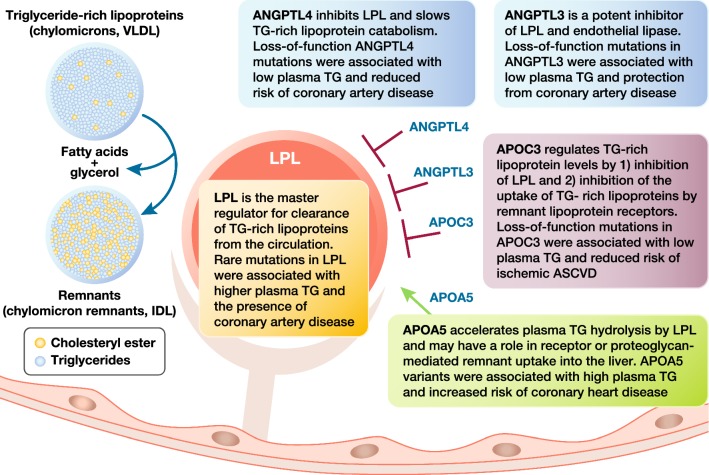
“In this context, LPL has been identified as a key regulator of TRL metabolism and is a target for pharmacological intervention against HTG 11,14 .”
BackgroundInvestigational drugs in development for hypertriglyceridemia: a coming-of-age story
Rhainds, D., Brodeur, M. R., & Tardif, J. (2019) · Expert Opinion on Investigational Drugs · doi:10.1080/13543784.2019.1696772 · Cited by 4
Hirai, H., Higa, M., Morimoto, T., Sakuma, M., Arasaki, O., Nomiyama, T., Node, K., Ueda, S., & Shimabukuro, M. (2019) · Journal of Clinical Medicine · doi:10.3390/jcm9010093 · Cited by 5
Current and future trends in the treatment of dyslipidemias
Vrablík, M. (2019) · Vnitřní lékařství · doi:10.36290/vnl.2019.112 · Cited by 4
Self-citationHoshino, T., Ishizuka, K., Toi, S., Seki, M., & Kitagawa, K. (2021) · Journal of Atherosclerosis and Thrombosis · doi:10.5551/jat.63036 · Cited by 4
Treatment of Hypertriglyceridemia: A Review of Therapies in the Pipeline
Xu, J., & Ashjian, E. J. (2021) · Journal of Pharmacy Practice · doi:10.1177/08971900211053489 · Cited by 4
Metadata
- Authors
- Fruchart, J.-C., Santos, R. D., Aguilar-Salinas, C., Aikawa, M., Al Rasadi, K., Amarenco, P., Barter, P. J., Ceska, R., Corsini, A., Després, J.-P., Duriez, P., Eckel, R. H., Ezhov, M. V., Farnier, M., Ginsberg, H. N., Hermans, M. P., Ishibashi, S., Karpe, F., Kodama, T., Koenig, W., Krempf, M., Lim, S., Lorenzatti, A. J., McPherson, R., Nuñez-Cortes, J. M., Nordestgaard, B. G., Ogawa, H., Packard, C. J., Plutzky, J., Ponte-Negretti, C. I., Pradhan, A., Ray, K. K., Reiner, Ž., Ridker, P. M., Ruscica, M., Sadikot, S., Shimano, H., Sritara, P., Stock, J. K., Su, T.-C., Susekov, A. V., Tartar, A., Taskinen, M.-R., Tenenbaum, A., Tokgözoğlu, L. S., Tomlinson, B., Tybjærg-Hansen, A., Valensi, P., Vrablík, M., Wahli, W., Watts, G. F., Yamashita, S., Yokote, K., Zambon, A., & Libby, P.
- Affiliations
- Universidade de São Paulo (BR)
- Instituto Nacional de Ciencias Médicas y Nutrición Salvador Zubirán (MX)
- Brigham and Women's Hospital (US)
- Sorbonne Université (FR)
- UNSW Sydney (AU)
- University of Milan (IT)
- Université Laval (CA)
- Inserm (FR)
- University of Colorado Cancer Center (US)
- CHU Dijon Bourgogne (FR)
- Columbia University (US)
- Cliniques Universitaires Saint-Luc (BE)
- Jichi Medical University (JP)
- Churchill Hospital (GB)
- Research Center for Advanced Science and Technology, The University of Tokyo (JP)
- Institut National de Recherche pour l'Agriculture, l'Alimentation et l'Environnement (FR)
- Seoul National University (KR)
- Instituto Médico DAMIC (AR)
- University of Ottawa (CA)
- University of Copenhagen (DK)
- National Cerebral and Cardiovascular Center (JP)
- University of Glasgow (GB)
- Boston University (US)
- Imperial College London (GB)
- University Hospital Centre Zagreb (HR)
- Jaslok Hospital (IN)
- University of Tsukuba (JP)
- Mahidol University (TH)
- National Taiwan University (TW)
- Russian Medical Academy of Continuous Professional Education (RU)
- University of Helsinki (FI)
- Tel Aviv University (IL)
- Hacettepe University (TR)
- Chinese University of Hong Kong (HK)
- Université Sorbonne Paris Nord (FR)
- SIB Swiss Institute of Bioinformatics (CH)
- The University of Western Australia (AU)
- Rinku General Medical Center (JP)
- Chiba University (JP)
- University of Padua (IT)
- Corresponding author
- Fruchart, Jean-Charles
- ORCID
- Santos, Raul D.
- Aguilar-Salinas, Carlos
- Aikawa, Masanori
- Amarenco, Pierre
- Corsini, Alberto
- Després, Jean-Pierre
- Duriez, Patrick
- Eckel, Robert H.
- Farnier, Michel
- Ginsberg, Henry N.
- Hermans, Michel P.
- Ishibashi, Shun
- Karpe, Fredrik
- Kodama, Tatsuhiko
- Krempf, Michel
- Lim, Soo
- Lorenzatti, Alberto J.
- McPherson, Ruth
- Nordestgaard, Børge G.
- Ogawa, Hisao
- Packard, Chris J.
- Plutzky, Jorge
- Ponte-Negretti, Carlos I.
- Pradhan, Aruna
- Ray, Kausik K.
- Ridker, Paul M.
- Ruscica, Massimiliano
- Shimano, Hitoshi
- Sritara, Piyamitr
- Su, Ta-Chen
- Susekov, Andrey V.
- Taskinen, Marja-Riitta
- Tenenbaum, Alexander
- Tokgözoğlu, Lale S.
- Tomlinson, Brian
- Valensi, Paul
- Wahli, Walter
- Watts, Gerald F.
- Yamashita, Shizuya
- Yokote, Koutaro
- Zambon, Alberto
- Libby, Peter
- Venue
- Cardiovascular Diabetology
- Published
- 2019-06-04
- Volume
- 18
- Issue
- 1
- Pages
- 71-71
- ISSN
- 1475-2840 (ISSN-L)
- PMC
- PMC6549355
- OpenAlex
- W2948216318
- Semantic Scholar
- 97786f78cbed86a3c78e5a234b327c8a29f5a6b1
- Cited by
- 140
- References
- 155
- Citations by year
- 2026: 5 · 2025: 11 · 2024: 16 · 2023: 19 · 2022: 17 · 2021: 21 · 2020: 41 · 2019: 10
- FWCI
- 7.36
- Type
- journal article
- Language
- en
- Open access
- gold
- doi.org
- Licence
- cc-by
- creativecommons.org/licenses/by/4.0/ (tdm)
- creativecommons.org/licenses/by/4.0/ (vor)
- Locations
- Cardiovascular Diabetology (publishedVersion, cc-by)
- PubMed Central (publishedVersion, cc-by)
- PubMed (publishedVersion)
- Institutional Repositories DataBase (IRDB) (publishedVersion)
- Research at the University of Copenhagen (University of Copenhagen) (publishedVersion, cc-by)
- SERVAL (Université de Lausanne) (publishedVersion, cc-by)
- ENLIGHTEN (Jurnal Bimbingan dan Konseling Islam) (acceptedVersion, cc-by-sa)
- Dr Med - University of Zagreb School of Medicine Digital Repository (acceptedVersion)
- HAL (submittedVersion, cc-by)
- IRIS (submittedVersion, cc-by)
- Padua Research Archive (University of Padova) (submittedVersion, cc-by)
- UWA Profiles and Research Repository (UWA) (submittedVersion, cc-by)
- Archivio Istituzionale della Ricerca (Universita Degli Studi Di Milano) (submittedVersion, other-oa)
- Digital Access to Libraries (Université catholique de Louvain (UCL), l'Université de Namur (UNamur) and the Université Saint-Louis (USL-B)) (submittedVersion, other-oa)
- DOAJ (DOAJ: Directory of Open Access Journals) (submittedVersion)
- DR-NTU (Nanyang Technological University) (submittedVersion, cc-by)
- Työväentutkimus Vuosikirja (submittedVersion)
- mediaTUM – the media and publications repository of the Technical University Munich (Technical University Munich) (submittedVersion, other-oa)
- mediaTUM (Technical University of Munich) (submittedVersion)
- uO Research (University of Ottawa) (submittedVersion, public-domain)
- Seoul National University Open Repository (Seoul National University) (submittedVersion)
- Spiral (Imperial College London) (submittedVersion, cc-by)
- Terrestrial Environment Research Center (University of Tsukuba) (submittedVersion)
- Funders
- Amgen
- Pfizer
- AstraZeneca
- Sanofi
- Teva Pharmaceutical Industries
- Regeneron Pharmaceuticals
- Ionis Pharmaceuticals
- Amarin Corporation
- Kowa Company
- Mylan
- Daiichi-Sankyo
- Astellas Pharma
- Shionogi
- Otsuka Pharmaceutical
- Servier
- Japan Society for the Promotion of Science (17H01558, 17H06395)
- Daiichi Sankyo Europe
- Topics
- Life Sciences › Biochemistry, Genetics and Molecular Biology › Molecular Biology › Peroxisome Proliferator-Activated Receptors
- Health Sciences › Medicine › Cardiology and Cardiovascular Medicine › Lipoproteins and Cardiovascular Health
- Life Sciences › Biochemistry, Genetics and Molecular Biology › Clinical Biochemistry › Paraoxonase enzyme and polymorphisms
- Keywords
- atherogenic dyslipidemia, hypertriglyceridemia, low HDL cholesterol, type 2 diabetes, insulin resistance, residual cardiovascular risk, hepatic safety, renal safety, fibrates, precision medicine
- MeSH terms
- Animals, Hypolipidemic Agents, Benzoxazoles, Butyrates, Cardiovascular Diseases, Humans, Lipids, Risk Factors, Signal Transduction, Biomarkers, Treatment Outcome, Risk Assessment, Consensus, PPAR alpha, Dyslipidemias, Molecular Targeted Therapy, Patient Safety
About these checks
Registry, retraction, Cites and statistics results are computed, not judged, with one exception: a printed reference that no index lists is read once by a model before it counts as a citation error. Claims are extracted by a model and kept only when their quote appears verbatim in the text; each cited source is then checked, with a model’s help, for whether it says what the claim relies on. Those verdicts can be wrong — read the claim’s quote and the cited source before relying on one.
Statistics and arithmetic are recomputed, not judged.
Confidence bands are shown only for fields calibrated on our annotated test set. None is calibrated yet, so no band is shown.
What counts as a claim ›How we measure confidence ›How we check this ›
Are you an author, or do you see a problem with this page? Request a review
Data sources
Bibliographic data: Semantic Scholar, OpenAlex, Crossref.
Contains information from the Semantic Scholar Academic Graph Datasets, made available under the ODC Attribution License (ODC-BY 1.0).
Semantic Scholar’s data is described in: Kinney, R., et al. (2023). The Semantic Scholar Open Data Platform. arXiv:2301.10140.
