

Challenging microalgal vitamins for human health
Open accessThe DOI matches its Crossref record; 232 of the 232 references it cites were found in a registry or an index.
Abstract
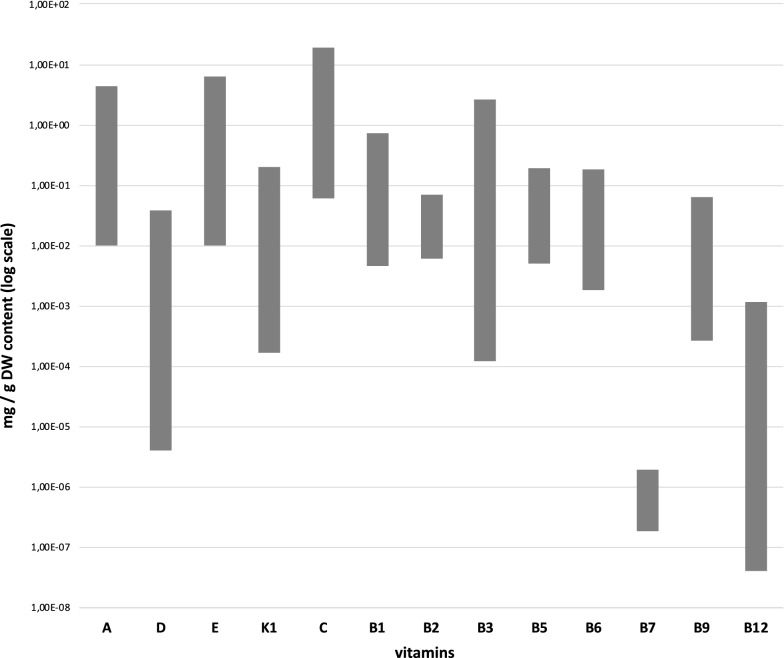
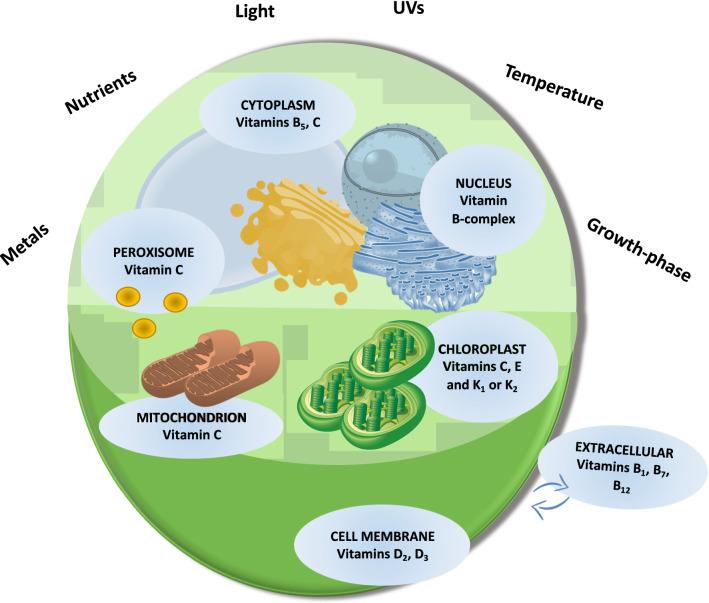
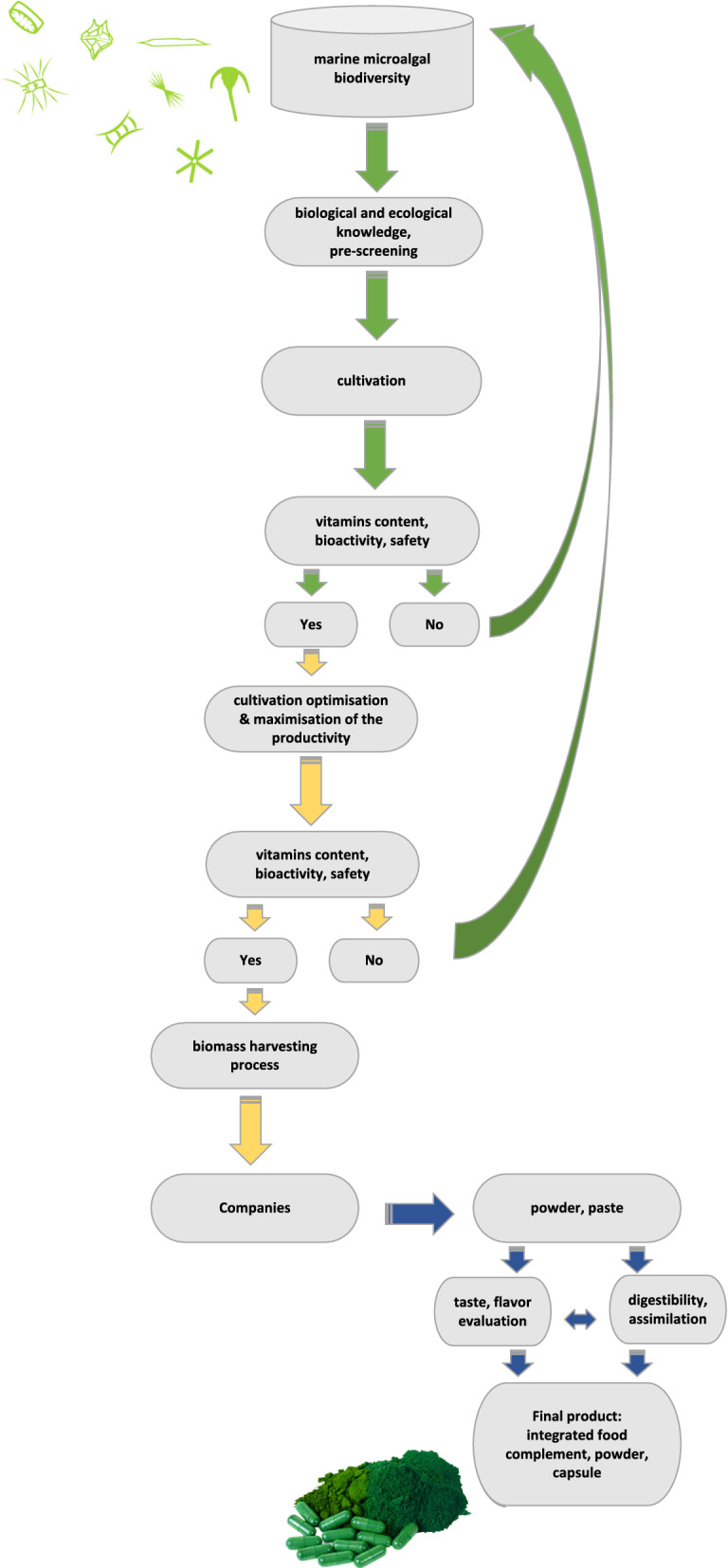
Background: Vitamins’ deficiency in humans is an important threat worldwide and requires solutions. In the concept of natural biofactory for bioactive compounds production, microalgae represent one of the most promising targets filling many biotechnological applications, and allowing the development of an eco-sustainable production of natural bioactive metabolites. Vitamins are probably one of the cutting edges of microalgal diversity compounds. Main text: Microalgae can usefully provide many of the required vitamins in humans, more than terrestrial plants, for instance. Indeed, vitamins D and K, little present in many plants or fruits, are instead available from microalgae. The same occurs for some vitamins B (B 12, B 9, B 6), while the other vitamins (A, C, D, E) are also provided by microalgae. This large panel of vitamins diversity in microalgal cells represents an exploitable platform in order to use them as natural vitamins’ producers for human consumption. This study aims to provide an integrative overview on vitamins content in the microalgal realm, and discuss on the great potential of microalgae as sources of different forms of vitamins to be included as functional ingredients in food or nutraceuticals for the human health. We report on the biological roles of vitamins in microalgae, the current knowledge on their modulation by environmental or biological forcing and on the biological activity of the different vitamins in human metabolism and health protection. Conclusion: Finally, we critically discuss the challenges for promoting microalgae as a relevant source of vitamins, further enhancing the interests of microalgal “biofactory” for biotechnological applications, such as in nutraceuticals or cosmeceuticals.
Overview
The claims and statistics of this paper haven’t been checked yet.
Free: it reads the open-access text and checks the first 5 claims that cite a source we can check. Create a free account to check every claim.
Integrity signals
Registry
Cites
Statistics
Figures
Verification
Claims the paper makes
The claims and statistics of this paper haven’t been checked yet.
Free: it reads the open-access text and checks the first 5 claims that cite a source we can check. Create a free account to check every claim.
Self-check
Percentages, sums and reported differences re-computed from the paper’s own numbers.
The self-check needs the paper’s full text.
Citations
Cites
1 retracted
Choudhury, S. R., Singh, S. K., Roy, S., & Sengupta, D. N. (2010) · Journal of Biosciences · doi:10.1007/s12038-010-0032-4 · Cited by 18
RetractedMitochondrial Dysfunction and Oxidative Stress in Neurodegenerative Diseases
Lin, M. T., & Beal, M. F. (2006) · Nature · doi:10.1038/nature05292 · Cited by 6,455
A standardised static in vitro digestion method suitable for food – an international consensus
Minekus, M., Alminger, M., Alvito, P., Ballance, S., Bohn, T., Bourlieu, C., Carrière, F., Boutrou, R., Corredig, M., Dupont, D., et al. (2014) · Food Funct. · doi:10.1039/c3fo60702j · Cited by 5,824
Oxidative stress, aging, and diseases
Liguori, I., Russo, G., Curcio, F., Bulli, G., Aran, L., Della-Morte, D., Gargiulo, G., Testa, G., Cacciatore, F., Bonaduce, D., et al. (2018) · Clinical Interventions in Aging · doi:10.2147/cia.s158513 · Cited by 3,979
Effects of a combination of beta carotene and vitamin A on lung cancer and cardiovascular disease
Omenn, G. S., Goodman, G. E., Thornquist, M. D., Balmes, J., Cullen, M. R., Glass, A., Keogh, J. P., Meyskens, F. L., Valanis, B., Williams, J. H., et al. (1996) · New England Journal of Medicine · doi:10.1056/nejm199605023341802 · Cited by 3,638
Kurutas, E. B. (2015) · Nutrition Journal · doi:10.1186/s12937-016-0186-5 · Cited by 2,152
Bioactive compounds in seaweed: functional food applications and legislation
Holdt, S. L., & Kraan, S. (2011) · Journal of Applied Phycology · doi:10.1007/s10811-010-9632-5 · Cited by 2,135
Distribution of isoprenoid quinone structural types in bacteria and their taxonomic implication
Collins, M. D., & Jones, D. A. (1981) · Microbiological Reviews · doi:10.1128/mmbr.45.2.316-354.1981 · Cited by 1,617
(2008) · Wiley eBooks · doi:10.1002/9781444303254 · Cited by 1,366
Williams, P. J. L. B., & Laurens, L. M. L. (2010) · Energy & Environmental Science · doi:10.1039/b924978h · Cited by 1,223
Research works printed but not linked: 2
- Lalitha N, Dhandapani R. Estimation of vitamin components in selected green algal sea weeds collected from Gulf of Mannar Islands, Tamil Nadu State South India. 2018; 8: 426–33. www.ijpbs.comorwww.ijpbsonline.com.
- Brown MJ, Beier K. Vitamin B6 Deficiency (Pyridoxine). StatPearls. 2018. 29261855
Cited by
The Potential and Challenge of Microalgae as Promising Future Food Sources
Chen, C., Tang, T., Shi, Q., Zhou, Z., & Fan, J. (2022) · Trends in Food Science & Technology · doi:10.1016/j.tifs.2022.06.016 · Cited by 229
Applying Seaweed Compounds in Cosmetics, Cosmeceuticals and Nutricosmetics
López-Hortas, L., Flórez-Fernández, N., Torres, M. D., Ferreira-Anta, T., Casas, M. P., Balboa, E. M., Falqué, E., & Domínguez, H. (2021) · Marine Drugs · doi:10.3390/md19100552 · Cited by 168
Mixotrophic cultivation of microalgae: An alternative to produce high-value metabolites
Castillo, T., Ramos, D., García-Beltrán, T., Brito‐Bazán, M., & Galindo, E. (2021) · Biochemical Engineering Journal · doi:10.1016/j.bej.2021.108183 · Cited by 174
Bioactive compounds in microalgae and their potential health benefits
Zhou, L., Li, K., Duan, X., Hill, D., Barrow, C., Dunshea, F., Martin, G., & Suleria, H. (2022) · Food Bioscience · doi:10.1016/j.fbio.2022.101932 · Cited by 150
Bioproducts from microalgae biomass: Technology, sustainability, challenges and opportunities
Calijuri, M. L., Silva, T. A., Magalhães, I. B., Pereira, A. S. A. D. P., Marangon, B. B., Assis, L. R. D., & Lorentz, J. F. (2022) · Chemosphere · doi:10.1016/j.chemosphere.2022.135508 · Cited by 149
“…(Kusmayadi et al., 2021), human health and nutraceuticals (poly-unsaturated fatty acids (PUFA), carotenoids, vitamins, phytosterols or polyphenols (del Mondo et al., 2021, 2020; Mehariya et al., 2021; Sa ˜ n ´ e et al., 2021; Zhuang et al., 2022)), materials (biopolymers (Mal et al., 2022),…”
BackgroundDel Mondo, A., Smerilli, A., Ambrosino, L., Albini, A., Noonan, D. M., Sansone, C., & Brunet, C. (2021) · Critical Reviews in Biotechnology · doi:10.1080/07388551.2021.1874284 · Cited by 143
Self-citationPerez-Vazquez, A., Carpena, M., Barciela, P., Cassani, L., Simal‐Gándara, J., & Prieto, M. A. (2023) · Antioxidants · doi:10.3390/antiox12030612 · Cited by 141
Algae: Study of Edible and Biologically Active Fractions, Their Properties and Applications
Babich, O., Sukhikh, S., Larina, V., Kalashnikova, O., Kashirskikh, E., Prosekov, A., Noskova, S., Ivanova, S., Fendri, I., Smaoui, S., et al. (2022) · Plants · doi:10.3390/plants11060780 · Cited by 109
“japonica contain 13 times more calcium than milk [114].”
BackgroundIbrahim, T. N. B. T., Feisal, N. A. S., Kamaludin, N. H., Cheah, W. Y., How, V., Bhatnagar, A., Ma, Z., & Show, P. L. (2023) · Bioresource Technology · doi:10.1016/j.biortech.2023.128661 · Cited by 107
The application of microalgae biomass and bio-products as aquafeed for aquaculture
Chen, F., Leng, Y., Lu, Q., & Zhou, W. (2021) · Algal Research · doi:10.1016/j.algal.2021.102541 · Cited by 117
Vitamin Supplementation and Dementia: A Systematic Review
Martínez, V. G., Avedillo-Salas, A., & Ballestín, S. S. (2022) · Nutrients · doi:10.3390/nu14051033 · Cited by 119
“That is why we require a regular supply in the diet [24].”
Paterson, S., Gómez-Cortés, P., de la Fuente, M. A., & Hernández-Ledesma, B. (2023) · Nutrients · doi:10.3390/nu15020477 · Cited by 99
Prospects of Microalgae for Biomaterial Production and Environmental Applications at Biorefineries
Orejuela-Escobar, L., Gualle, A., Ochoa-Herrera, V., & Philippidis, G. P. (2021) · Sustainability · doi:10.3390/su13063063 · Cited by 93
“Vitamins are essential to algal metabolism as enzyme cofactors, hormones, antioxidants, mediators of cell signaling, and regulators of tissue growth or differentiation [48].”
BackgroundHassan, S., Meenatchi, R., Kalpana, P., Bansal, S., Brindangnanam, P., Arockiaraj, J., Kiran, G. S., & Selvin, J. (2022) · Journal of Basic Microbiology · doi:10.1002/jobm.202100477 · Cited by 114
Valorisation of algal biomass to value-added metabolites: emerging trends and opportunities
Uma, V. S., Usmani, Z., Sharma, M., Diwan, D., Sharma, M., Guo, M., Tuohy, M. G., Makatsoris, C., Zhao, X. B., Thakur, V. K., et al. (2022) · Phytochemistry Reviews · doi:10.1007/s11101-022-09805-4 · Cited by 113
“The specific bioavailable concentration and functional roles of different vitamin rich microalgal bio-factories have been reviewed by Del Mondo et al. (2020).”
BackgroundKaur, M., Bhatia, S., Gupta, U., Decker, E., Tak, Y., Bali, M., Gupta, V. K., Dar, R. A., & Bala, S. (2023) · Phytochemistry Reviews · doi:10.1007/s11101-022-09848-7 · Cited by 95
Nandagopal, P., Steven, A. N., Chan, L.-W., Rahmat, Z., Jamaluddin, H., & Noh, N. I. M. (2021) · Biology · doi:10.3390/biology10101061 · Cited by 137
Bouyahya, A., Bakrim, S., Chamkhi, I., Taha, D., El Omari, N., El Mneyiy, N., El Hachlafi, N., El-Shazly, M., Khalid, A., Abdalla, A. N., et al. (2024) · Biomedicine & Pharmacotherapy · doi:10.1016/j.biopha.2023.115989 · Cited by 87
The Extraction of β-Carotene from Microalgae for Testing Their Health Benefits
Wang, J., Hu, X., Chen, J., Wang, T., Huang, X., & Chen, G. (2022) · Foods · doi:10.3390/foods11040502 · Cited by 75
A review on optimistic biorefinery products: Biofuel and bioproducts from algae biomass
Wang, X., Zhang, Y., Xia, C., Alqahtani, A., Sharma, A. K., & Pugazhendhi, A. (2023) · Fuel · doi:10.1016/j.fuel.2022.127378 · Cited by 82
Vignaud, J., Loiseau, C., Hérault, J., Mayer, C., Côme, M., Martin, I., & Ulmann, L. (2023) · Antioxidants · doi:10.3390/antiox12051050 · Cited by 72
Verni, M., Demarinis, C., Rizzello, C. G., & Pontonio, E. (2023) · Foods · doi:10.3390/foods12050983 · Cited by 69
Micro-algae: Revolutionizing food production for a healthy and sustainable future
Naik, B., Mishra, R., Kumar, V., Mishra, S., Gupta, U., Rustagi, S., Gupta, A. K., Preet, M. S., Bhatt, S. C., & Rizwanuddin, S. (2024) · Journal of Agriculture and Food Research · doi:10.1016/j.jafr.2023.100939 · Cited by 65
Versatile Applications of Cyanobacteria in Biotechnology
Żymańczyk-Duda, E., Samson, S. O., Brzezińska-Rodak, M., & Klimek-Ochab, M. (2022) · Microorganisms · doi:10.3390/microorganisms10122318 · Cited by 64
The Microalgae Chlamydomonas for Bioremediation and Bioproduct Production
Bellido-Pedraza, C. M., Torres, M. J., & Llamas, Á. (2024) · Cells · doi:10.3390/cells13131137 · Cited by 68
“Chlamydomonas has been shown to be able to synthesize vitamins C, A, E, B 1 , B 7 , B 9 , and ergosterol, the precursor of vitamin D 2 [200].”
BackgroundRecent biotechnological applications of value-added bioactive compounds from microalgae and seaweeds
Eladl, S. N., Elnabawy, A. M., & Eltanahy, E. (2024) · Botanical studies · doi:10.1186/s40529-024-00434-y · Cited by 69
“Most vitamins are produced by organisms that use sunlight to survive (Del Mondo et al. 2020).”
BackgroundMicroalgae as an alternative to oil crops for edible oils and animal feed
Fawcett, C. A., Senhorinho, G. N. A., Laamanen, C. A., & Scott, J. A. (2022) · Algal Research · doi:10.1016/j.algal.2022.102663 · Cited by 66
Prates, J. A. M. (2025) · Applied Sciences · doi:10.3390/app15116144 · Cited by 75
Pistelli, L., Sansone, C., Smerilli, A., Festa, M., Noonan, D. M., Albini, A., & Brunet, C. (2021) · Marine Drugs · doi:10.3390/md19070354 · Cited by 54
“, References [22,23]) represents a limit for the further industrial blue biotechnology development.”
BackgroundSelf-citationSansone, C., Bruno, A., Piscitelli, C., Baci, D., Fontana, A., Brunet, C., Noonan, D. M., & Albini, A. (2021) · Cells · doi:10.3390/cells10020231 · Cited by 59
“Marine microalgae could be considered one of the richest sources of known and unknown bioactive compounds on our globe, that can be developed as chemopreventive and anticancer agents or functional foods [41].”
BackgroundSelf-citationMartínez-Ruiz, F., Andrade-Bustamante, G., Holguín-Peña, R., Renganathan, P., Gaysina, L., Sukhanova, N., & Puente, E. (2025) · Biomass · doi:10.3390/biomass5020025 · Cited by 51
“…methylmalonic acid (MMA) levels, a marker of vitamin B12 deficiency, by about 34%, indicating its high bioavailability and physiological effectiveness D. salina is a rich source of β -carotene, a precursor of vitamin A, and can accumulate up to 14% of DW under favorable growth conditions [71].”
InfluentialRealization process of microalgal biorefinery: The optional approach toward carbon net-zero emission
Wang, Y., Yang, S., Liu, J., Wang, J., Xiao, M., Liang, Q., Ren, X., Wang, Y., Mou, H., & Sun, H. (2023) · Science of The Total Environment · doi:10.1016/j.scitotenv.2023.165546 · Cited by 50
Software sensors in the monitoring of microalgae cultivations
Porras Reyes, L., Havlik, I., & Beutel, S. (2024) · Reviews in Environmental Science and Bio/Technology · doi:10.1007/s11157-023-09679-8 · Cited by 48
“More details on the production of different types of vitamins by some microalgae genera can be found elsewhere (Del Mondo et al. 2020).”
The recent progress on the bioactive compounds from algal biomass for human health applications
Yang, Y., Hassan, S. H. A., Awasthi, M. K., Gajendran, B., Sharma, M., Ji, M.-K., & Salama, E. (2022) · Food Bioscience · doi:10.1016/j.fbio.2022.102267 · Cited by 58
A comprehensive review on medical applications of microalgae
Huang, H., Lang, Y., & Zhou, M. (2024) · Algal Research · doi:10.1016/j.algal.2024.103504 · Cited by 66
Paramylon and Other Bioactive Molecules in Micro and Macroalgae
Barsanti, L. A., Birindelli, L., & Gualtieri, P. (2022) · International Journal of Molecular Sciences · doi:10.3390/ijms23158301 · Cited by 42
“3 g kg−1 dw), Chlamydomonas (4 g kg−1 dw), and Dunaliella (2 g kg−1 dw) [13,21,53].”
BackgroundAssociation of vitamin E intake in diet and supplements with risk of dementia: A meta-analysis
Zhao, R., Han, X., Zhang, H., Liu, J., Zhang, M., Zhao, W., Jiang, S., Li, R., Cai, H., & You, H. (2022) · Frontiers in Aging Neuroscience · doi:10.3389/fnagi.2022.955878 · Cited by 47
Sañé, E., Del Mondo, A., Ambrosino, L., Smerilli, A., Sansone, C., & Brunet, C. (2023) · Food Reviews International · doi:10.1080/87559129.2021.1938115 · Cited by 26
“Since 7-dehydrocholesterol can be converted into vitamin D3 in presence of UV-B, this feature might explain the low presence of vitamin D3 in cyanobacteria, such as Spirulina.([17]) Hits for the Delta-24-sterol reductase (Fig.”
BackgroundSelf-citationCharacterization of Selected Microalgae Species as Potential Sources of Nutrients and Antioxidants
Čmiková, N., Kowalczewski, P. Ł., Kmiecik, D., Tomczak, A., Drożdżyńska, A., Ślachciński, M., Królak, J., & Kačániová, M. (2024) · Foods · doi:10.3390/foods13132160 · Cited by 42
“Notably, among the diverse array of compounds present in microalgae, vitamins are of particular significance [29].”
BackgroundInfluentialDimopoulou, M., Kolonas, A., Stagos, D., & Gortzi, O. (2025) · Biomass · doi:10.3390/biomass5010011 · Cited by 34
Perspective: Practical Approach to Preventing Subclinical B12 Deficiency in Elderly Population
Vincenti, A., Bertuzzo, L., Limitone, A., D’Antona, G., & Cena, H. (2021) · Nutrients · doi:10.3390/nu13061913 · Cited by 42
“Although some plant foods might serve as a source of B12 [106], literature still debates whether it is found in the active form, and whether regular consumption of these foods can be sustainable for the elderly [50].”
BackgroundAbd‐El‐Aziz, A., Elnagdy, S. M., Han, J., Mihelič, R., Wang, X., Agathos, S. N., & Li, J. (2025) · Biotechnology Advances · doi:10.1016/j.biotechadv.2025.108591 · Cited by 39
Dehghani, J., Movafeghi, A., Mathieu‐Rivet, E., Mati‐Baouche, N., Calbo, S., Lerouge, P., & Bardor, M. (2022) · Marine Drugs · doi:10.3390/md20110657 · Cited by 35
Bioactives from microalgae: A review on process intensification using hydrodynamic cavitation
Mittal, R., & Ranade, V. V. (2023) · Journal of Applied Phycology · doi:10.1007/s10811-023-02945-w · Cited by 34
Udaypal, U., Goswami, R. K., & Verma, P. (2024) · Algal Research · doi:10.1016/j.algal.2024.103664 · Cited by 29
Cold plasma effects on the nutrients and microbiological quality of sprouts
Liu, H., Zhang, X., Cui, Z., Ding, Y., Zhou, L., & Zhao, X. (2022) · Food Research International · doi:10.1016/j.foodres.2022.111655 · Cited by 30
Udaypal, U., Goswami, R. K., & Verma, P. (2025) · Process Biochemistry · doi:10.1016/j.procbio.2025.01.026 · Cited by 27
Microalgal Co-Cultivation Prospecting to Modulate Vitamin and Bioactive Compounds Production
Pistelli, L., Mondo, A. D., Smerilli, A., Corato, F., Piscitelli, C., Pellone, P., Carbone, D. A., Sansone, C., & Brunet, C. (2021) · Antioxidants · doi:10.3390/antiox10091360 · Cited by 24
“Our study targeted three marine microalgal strains (obtained from the National Center for Marine Algae and Microbiota, Bigelow Laboratory, East Boothbay, ME, USA; Table S1): Skeletonema marinoi (CCMP 2092, S.m., Bacillariophyceae,), Cyclotella cryptica (CCMP332, C.c., Bacillariophyceae) and Nannochloropsis oceanica (C…”
BackgroundResultSelf-citationSingh, D. V., Upadhyay, A. K., Singh, R. P., & Singh, D. P. (2022) · Environmental Technology & Innovation · doi:10.1016/j.eti.2022.102334 · Cited by 31
Rehmanji, M., Singh, R. P., Nesamma, A. A., Khan, N. J., Fatma, T., Narula, A., & Jutur, P. P. (2022) · Bioresource Technology Reports · doi:10.1016/j.biteb.2022.100972 · Cited by 25
Zanella, L., & Vianello, F. (2023) · Nutraceuticals · doi:10.3390/nutraceuticals3010010 · Cited by 27
Zhang, J., Ran, Z., Xie, H., Kong, F., Zhang, M., Zhou, R., Li, Y., Liao, K., Yan, X., & Xu, J. (2023) · Algal Research · doi:10.1016/j.algal.2023.103122 · Cited by 24
Suparmaniam, U., Lam, M. K., Lim, J. W., Tan, I. S., Chin, B. L. F., Shuit, S. H., Lim, S., Pang, Y. L., & Kiew, P. L. (2023) · Biotechnology Advances · doi:10.1016/j.biotechadv.2023.108280 · Cited by 24
Zhang, J., Yang, H., Sun, Y., Yan, B., Chen, W., & Fan, D. (2024) · Comprehensive Reviews in Food Science and Food Safety · doi:10.1111/1541-4337.13418 · Cited by 20
Hidalgo, D., Martín-Marroquín, J. M., & Corona, F. (2023) · Sustainable Chemistry and Pharmacy · doi:10.1016/j.scp.2023.101065 · Cited by 24
Kothari, R., Singh, H. M., Azam, R., Goria, K., Bharti, A., Singh, A., Bajar, S., Pathak, A., Pandey, A., & Tyagi, V. V. (2023) · Phytochemistry Reviews · doi:10.1007/s11101-023-09859-y · Cited by 22
3D-printed Chlorella vulgaris snacks: a contribution to a healthy diet
Oliveira, S., Torres, M. D., de Sousa, I. M. N., & Raymundo, A. (2023) · Frontiers in Food Science and Technology · doi:10.3389/frfst.2023.1265828 · Cited by 21
Microplastic stress induce bioresource production and response in microalgae: a concise review
Ugya, A. Y., Meguellati, K., Aliyu, A. D., Abba, A., & Musa, M. A. (2022) · Environmental Pollutants and Bioavailability · doi:10.1080/26395940.2022.2033138 · Cited by 24
Udaypal, U., Goswami, R. K., Mehariya, S., & Verma, P. (2024) · Sustainable Chemistry and Pharmacy · doi:10.1016/j.scp.2024.101791 · Cited by 30
Microalgae: revolutionizing skin repair and enhancement
Chinjoo, N., & Golzary, A. (2025) · Biotechnology Reports · doi:10.1016/j.btre.2025.e00911 · Cited by 30
“The wide range of vitamins present in microalgae makes them a valuable resource for producing natural vitamins suitable for human consumption [44,45].”
Calabrone, L., Carlini, V., Noonan, D. M., Festa, M., Ferrario, C., Morelli, D., Macis, D., Fontana, A., Pistelli, L., Brunet, C., et al. (2023) · Cells · doi:10.3390/cells12071053 · Cited by 22
Self-citationUzlaşır, T., Selli, S., & Kelebek, H. (2024) · Future Postharvest and Food · doi:10.1002/fpf2.12008 · Cited by 24
Industry chain and challenges of microalgal food industry-a review
Chen, Y., Liang, H., Du, H., Jesumani, V., He, W., Cheong, K.-L., Li, T., & Hong, T. (2024) · Critical Reviews in Food Science and Nutrition · doi:10.1080/10408398.2022.2145455 · Cited by 18
“In particular, microalgae contain a large amount of vitamin B, including riboflavin, nicotinic acid, and pantothenic acid (Del Mondo et al. 2021; Del Mondo et al. 2020; Sarwar, Sarwar, and Sarwar 2021).”
BackgroundAlgae biofilm as a renewable resource for production of biofuel and value-added products: A review
Devi, N. D., Chaudhuri, A., & Goud, V. V. (2022) · Sustainable Energy Technologies and Assessments · doi:10.1016/j.seta.2022.102749 · Cited by 23
Algal Metabolites Can Be an Immune Booster against COVID-19 Pandemic
Kumar, A., Singh, R. P., Kumar, I., Yadav, P., Singh, S. K., Kaushalendra, K., Singh, P. K., Gupta, R. K., Singh, S. M., Kesawat, M. S., et al. (2022) · Antioxidants · doi:10.3390/antiox11030452 · Cited by 21
Maltseva, I. А., Yakoviichuk, O. V., MALTSEVA, S. Y., Черкашина, С. П., Kulikovskiy, M. S., & Maltsev, Y. (2024) · Plants · doi:10.3390/plants13172413 · Cited by 19
“Ongoing research has focused mainly on using microalgae containing antioxidant compounds as food and feed ingredients in agriculture, etc., to prevent damage caused by oxidative stress in humans and enteric methane mitigation from ruminant production [11–13].”
BackgroundKaur, S., Sharma, A., Bala, S., Satheesh, N. K., Nile, A. S., & Nile, S. H. (2025) · Bioresource Technology · doi:10.1016/j.biortech.2025.132424 · Cited by 20
High-Value Bioactive Molecules Extracted from Microalgae
Colarte, C. A., Balic, I., Díaz-Carrasco, O., Moreno, A. A., Amenábar, M. J., Bruna, T., & Fuentes, N. C. (2025) · Microorganisms · doi:10.3390/microorganisms13092018 · Cited by 21
Singh, L. A., Kumari, P., Kumar, P., Yadav, A., Bhardwaj, R., Swapnil, P., & Meena, M. (2025) · Frontiers in Sustainable Food Systems · doi:10.3389/fsufs.2025.1669731 · Cited by 24
An overview of algae prospects in cosmeceuticals
El-Chaghaby, G. A., & Rashad, S. (2021) · Journal of the Egyptian Womenʼs Dermatologic Society · doi:10.4103/jewd.jewd_22_21 · Cited by 22
A Comprehensive Review of Fortification, Bioavailability, and Health Benefits of Folate
Li, J., Duan, H., Ramaswamy, H. S., & Wang, C. (2025) · International Journal of Molecular Sciences · doi:10.3390/ijms26167703 · Cited by 22
Microalgal transformation of food processing byproducts into functional food ingredients
Kim, S., Ishizawa, H., Inoue, D., Toyama, T., Yu, J., Mori, K., Ike, M., & Lee, T. (2021) · Bioresource Technology · doi:10.1016/j.biortech.2021.126324 · Cited by 18
Sivaramakrishnan, R., Kanwal, S., Incharoensakdi, A., Nirmal, N. P., & Srimongkol, P. (2025) · Journal of Agriculture and Food Research · doi:10.1016/j.jafr.2025.102148 · Cited by 29
Sansone, C., Pistelli, L., Calabrone, L., Mondo, A. D., Fontana, A., Festa, M., Noonan, D. M., Albini, A., & Brunet, C. (2023) · Antioxidants · doi:10.3390/antiox12020359 · Cited by 19
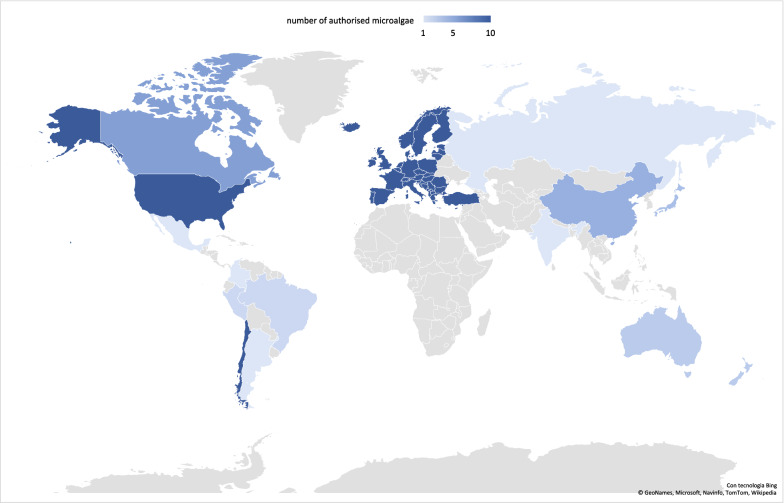
“In this context, the Odontella aurita diatom, authorized as a food complement in the EU [54], might serve as a biomass vector for Dt assimilation in humans.”
BackgroundSelf-citationImproving Undernutrition with Microalgae
Panchal, S. K., Heimann, K., & Brown, L. (2024) · Nutrients · doi:10.3390/nu16183223 · Cited by 19
“Further, microalgae are relevant as sources of pigments and micronutrients (vitamins and minerals), which could be included in foods and nutraceuticals for promoting human health [30,31] (Figure 1).”
BackgroundStress-induced enhancement of microalgal biochemical composition for sustainable biorefineries
Gupta, S., Chelak, P., Das, M., Jha, M. K., & Das, A. (2025) · Discover Applied Sciences · doi:10.1007/s42452-025-07545-6 · Cited by 19
Dodangodage, C. A., Kasturiarachchi, J. C., Wijesekara, I. A., Perera, T. A., Rajapakshe, D., & Halwatura, R. U. (2026) · Phycology · doi:10.3390/phycology6010014 · Cited by 15
Biotechnological response curve of the cyanobacterium Spirulina subsalsa to light energy gradient
Pistelli, L., Mondo, A. D., Smerilli, A., Corato, F., Sansone, C., & Brunet, C. (2023) · Biotechnology for Biofuels and Bioproducts · doi:10.1186/s13068-023-02277-4 · Cited by 18
Self-citationDelivering impactful solutions for the bioeconomy
Hankamer, B. D., Pregelj, L., O’Kane, S., Hussey, K. E., & Hine, D. C. (2023) · Trends in Plant Science · doi:10.1016/j.tplants.2023.02.007 · Cited by 15
Enhancement of Metabolite Production in High-Altitude Microalgal Strains by Optimized C/N/P Ratio
Quintana, W. H. S., García-Rico, R. O., Garcia-Martinez, J. B., Urbina-Suarez, N. A., López-Barrera, G. L., Barajas-Solano, A. F., & Zuorro, A. (2022) · Applied Sciences · doi:10.3390/app12136779 · Cited by 18
Mendonça, I., Silva, D., Conde, T., Maurício, T., Cardoso, H., Pereira, H., Bartolomeu, M., Vieira, C., Domingues, M. R., & Almeida, A. (2024) · Journal of Photochemistry and Photobiology B Biology · doi:10.1016/j.jphotobiol.2024.112997 · Cited by 13
Seafood nutraceuticals: Health benefits and functional properties
Stephen, N. M., Maradagi, T., Kavalappa, Y. P., Sharma, H., & Ponesakki, G. (2022) · Elsevier eBooks · doi:10.1016/b978-0-12-824369-5.00012-9 · Cited by 14
Sansone, C., Pistelli, L., Mondo, A. D., Calabrone, L., Fontana, A., Noonan, D. M., Albini, A., & Brunet, C. (2022) · Antioxidants · doi:10.3390/antiox11081515 · Cited by 19
Self-citationLanza, M., Battelli, M., Gallo, L., Soglia, F., Bovera, F., Giunta, F., Primi, R., Biondi, L., Giannuzzi, D., Zampiga, M., et al. (2025) · Animals · doi:10.3390/ani15223245 · Cited by 22
“Microalgae are rich in carotenoids, mostly as beta-carotene and cryptoxanthin, easily converted in mammals into vitamin A without causing cumulative toxicity [101].”
Aguilar‐Ruiz, R. J., Sánchez‐Machado, D. I., Martínez‐Macias, M. D. R., López‐Cervántes, J., Nateras‐Ramírez, O., Campas‐Baypoli, O. N., & Villegas‐Peralta, Y. (2022) · Aquaculture Research · doi:10.1111/are.16007 · Cited by 13
Melloni, M., Sergi, D., Simioni, C., Passaro, A., & Neri, L. M. (2023) · Biology · doi:10.3390/biology12030449 · Cited by 14
Sharma, T., Das, N., Kakkar, P. M., Mohapatra, R. K., Pamidimarri, S. D. V. N., Singh, R. K., Kumar, M., Guldhe, A., & Nayak, M. (2025) · Critical Reviews in Food Science and Nutrition · doi:10.1080/10408398.2025.2486267 · Cited by 16
“It mainly depends on the specific type of microalgae and their nutrient compositions including lipids, n-3 PUFAs, carbohydrates (Dineshbabu et al. 2019), protein (Ferreira et al. 2009), vitamins and antioxidants (Del Mondo et al. 2020).”
On the human health benefits of microalgal phytohormones: An explorative in silico analysis
Mondo, A. D., Vinaccia, A., Pistelli, L., Brunet, C., & Sansone, C. (2023) · Computational and Structural Biotechnology Journal · doi:10.1016/j.csbj.2023.01.032 · Cited by 12
“Bioactivity of some PHs might further enrich the interests for microalgae as a resource for the market of human health benefits products, together with carotenoids, polyphenols or vitamins [82, 5, 6].”
BackgroundSelf-citationThe role of antioxidant enzymes in diatoms and their therapeutic role
Saxena, A., Lakshmi, J., Bhattacharjya, R., Singh, P. K., Mishra, B., & Tiwari, A. (2023) · Elsevier eBooks · doi:10.1016/b978-0-323-95086-2.00019-9 · Cited by 19
Unveiling the Anti-Aging Potential of Marine Natural Bioproducts
Rosic, N. N. (2025) · Marine Drugs · doi:10.3390/md23040165 · Cited by 11
“…modulating the gut microbiota; improving inetene function neuroprotective e ff ect enhancing fat metabolism [50] Macroalgae [21] Microalgae [29] Trace elements (TEs) and minerals Zinc, copper, selenium sodium, potassium, calcium Zn, Cu, Se, Na, K, Ca Maintaining vivo cellular ;…”
InfluentialBulut, O., Sönmez, Ç., & Öktem, H. A. (2023) · Phycologia · doi:10.1080/00318884.2023.2202520 · Cited by 11
Elsheikh, S., & Eltanahy, E. (2023) · Elsevier eBooks · doi:10.1016/b978-0-323-95251-4.00002-8 · Cited by 11
Recent advances in microalgae-based vitamin D metabolome: Biosynthesis, and production
Ouedrhiri, W., Bennis, I., & Arroussi, H. E. (2024) · Bioresource Technology · doi:10.1016/j.biortech.2024.131078 · Cited by 10
Yakoviichuk, O. V., Krivova, Z. V., MALTSEVA, S. Y., Kochubey, A., Kulikovskiy, M. S., & Maltsev, Y. (2023) · Antioxidants · doi:10.3390/antiox12030654 · Cited by 13
“…for the studied strains in terms of dry residue are relatively low, since among the representatives of the Eustigmatophyceae, the retinol content is described only for the genus Nannochloropsis and is 50–80 µ g g − 1 [31], which is higher than that of the strains of V . vischeri studied by us.”
BackgroundMethodInfluentialCutolo, E. A., Caferri, R., Campitiello, R., & Cutolo, M. (2023) · Marine Drugs · doi:10.3390/md21120630 · Cited by 12
İnam, A., Öner, T. Ö., & Deniz, İ. (2024) · Advances in experimental medicine and biology · doi:10.1007/5584_2024_795 · Cited by 10
The Pathophysiological Role of Mitochondrial Oxidative Stress in Rheumatic Diseases
Ma, Z., Xu, Q., & Xu, X. (2025) · Journal of Inflammation Research · doi:10.2147/jir.s534574 · Cited by 14
“123,124”
Food and feed from microalgae: a historical perspective to future directions
Jacob-Lopes, E., & Zepka, L. Q. (2023) · Handbook of Food and Feed from Microalgae · doi:10.1016/b978-0-323-99196-4.00001-2 · Cited by 8
Park, S., Lee, Y. R., Yun, J.-H., Choi, H. I., Sim, E. J., Cho, D., Cho, D.-H., Kim, H.-S., & Lee, Y. J. (2024) · Microbial Cell Factories · doi:10.1186/s12934-024-02550-7 · Cited by 12
Progress in therapeutic applications of microalgae and their bioactive compounds
Geng, X., Qu, J. T., Yin, X., Wang, Q., Li, W., Cui, H., & Qin, S. (2025) · Algal Research · doi:10.1016/j.algal.2025.104226 · Cited by 11
Metadata
- Authors
- Del Mondo, A., Smerilli, A., Sané, E., Sansone, C., & Brunet, C.
- Affiliations
- Stazione Zoologica Anton Dohrn (IT)
- Corresponding author
- Sansone, Clementina
- Venue
- Microbial Cell Factories
- Published
- 2020-11-02
- Volume
- 19
- Issue
- 1
- Pages
- 201-201
- ISSN
- 1475-2859 (ISSN-L)
- PMC
- PMC7607653
- OpenAlex
- W3095997206
- Semantic Scholar
- 1aec83fcafd4996d21092c7fcef7abe31f23f5e7
- Cited by
- 220
- References
- 231
- Citations by year
- 2026: 36 · 2025: 50 · 2024: 41 · 2023: 43 · 2022: 34 · 2021: 16
- FWCI
- 1.07
- Type
- journal article
- Language
- en
- Open access
- gold
- doi.org
- Licence
- cc-by
- creativecommons.org/licenses/by/4.0/ (tdm)
- creativecommons.org/licenses/by/4.0/ (vor)
- Locations
- Microbial Cell Factories (publishedVersion, cc-by)
- PubMed Central (publishedVersion, cc-by)
- PubMed (publishedVersion)
- DOAJ (DOAJ: Directory of Open Access Journals) (submittedVersion, cc-by-sa)
- Funders
- Regione Campania (PG/2018/0494374)
- Topics
- Physical Sciences › Energy › Renewable Energy, Sustainability and the Environment › Algal biology and biofuel production
- Life Sciences › Agricultural and Biological Sciences › Aquatic Science › Seaweed-derived Bioactive Compounds
- Life Sciences › Agricultural and Biological Sciences › Aquatic Science › Aquaculture Nutrition and Growth
- Keywords
- microalgae, vitamins, vitamin A, vitamin C, vitamin D, vitamin E, vitamin B12, thiamine, vitamin K, nutraceuticals, functional food ingredients, cosmeceuticals, vitamin deficiency, microalgal biotechnology, human health
- MeSH terms
- Biological Products, Biotechnology, Humans, Vitamins, Dietary Supplements, Biofuels, Microalgae
About these checks
Registry, retraction, Cites and statistics results are computed, not judged, with one exception: a printed reference that no index lists is read once by a model before it counts as a citation error. Claims are extracted by a model and kept only when their quote appears verbatim in the text; each cited source is then checked, with a model’s help, for whether it says what the claim relies on. Those verdicts can be wrong — read the claim’s quote and the cited source before relying on one.
Statistics and arithmetic are recomputed, not judged.
Confidence bands are shown only for fields calibrated on our annotated test set. None is calibrated yet, so no band is shown.
What counts as a claim ›How we measure confidence ›How we check this ›
Are you an author, or do you see a problem with this page? Request a review
Data sources
Bibliographic data: Semantic Scholar, OpenAlex, Crossref.
Contains information from the Semantic Scholar Academic Graph Datasets, made available under the ODC Attribution License (ODC-BY 1.0).
Semantic Scholar’s data is described in: Kinney, R., et al. (2023). The Semantic Scholar Open Data Platform. arXiv:2301.10140.
