

dCas12a-mediated CRISPR interference for multiplex gene repression in cyanobacteria for enhanced isobutanol and 3-methyl-1-butanol production
Open accessThe DOI matches its Crossref record; 50 of the 50 references it cites were found in a registry or an index.
Abstract
Background: Cyanobacteria of the genera Synechocystis and Synechococcus have emerged as promising platforms for metabolic engineering endeavors aimed at converting carbon dioxide into valuable fuels and chemicals, thus addressing the pressing energy demand and mitigating global climate change. Notably, Synechocystis sp. strain PCC 6803 ( Synechocystis ) has been engineered to produce isobutanol (IB) and 3-methyl-1-butanol (3M1B) via heterologous expression of α-ketoisovalerate decarboxylase (Kivd). Despite these advances, the achieved IB/3M1B titers remain low. CRISPR interference (CRISPRi), an emerging tool for targeted gene repression, has demonstrated success in various cellular systems to enhance biochemical productivity. Results: In this study, we developed a dCas12a-mediated CRISPRi system (CRISPRi-dCas12a) that effectively blocked the transcriptional initiation/elongation of essential gene(s), resulting in up to 60% gene repression in Synechocystis . Subsequently, the CRISPRi-dCas12a system was successfully integrated into an IB/3M1B producer strain, where it exhibited target gene repression under optimal cultivation conditions. To identify gene targets involved in metabolic pathways potentially limiting IB/3M1B biosynthesis, we initially designed a CRISPR RNA (crRNA) library targeting fifteen individual gene(s), where repression of ten genes significantly increased IB/3M1B production per cell. Moreover, a synergetic effect was observed on IB/3M1B production by designing a single crRNA targeting multiple genes for simultaneous repression. A final strain HX106, featuring dual repression of ppc and gltA , both involved in the TCA cycle , resulted in 2.6-fold and 14.8-fold improvement in IB and 3M1B production per cell, respectively. Conclusions: Our findings underscore the effectiveness of the CRISPRi-dCas12a system in Synechocystis for identifying competing pathways and redirecting carbon flux to enhance IB/3M1B production. Furthermore, this study established a solid groundwork for utilizing an expanded CRISPRi-crRNA library to undertake genome-wide exploration of potential competing pathways not only for IB/3M1B biosynthesis but also for other diverse biofuels and biochemical production processes.
Overview
The claims and statistics of this paper haven’t been checked yet.
Free: it reads the open-access text and checks the first 5 claims that cite a source we can check. Create a free account to check every claim.
Integrity signals
Registry
Cites
Statistics
Figures
Verification
Claims the paper makes
The claims and statistics of this paper haven’t been checked yet.
Free: it reads the open-access text and checks the first 5 claims that cite a source we can check. Create a free account to check every claim.
Claims other papers make about this one
Each is checked against this paper’s own text: does it say what the citing paper says it does?
The cited source says what the claim attributes to it.
In the citing paper
“In this method, a catalytically inactive Cas protein [dCas] is directed to specific genomic sites where it obstructs transcription without causing DNA breaks [118].”
From Cyanobacteria as a Photosynthetic Chassis for Metabolic Pathway Engineering with Heterologous Gene Expression (2026) · cites this paper as [118]
The cited source says what the claim attributes to it.
In the citing paper
“The competition between native metabolic processes and introduced pathways can thereby restrict the supply of precursor molecules essential for pathway function.”
From Cyanobacteria as a Photosynthetic Chassis for Metabolic Pathway Engineering with Heterologous Gene Expression (2026) · cites this paper as [118]
Self-check
Percentages, sums and reported differences re-computed from the paper’s own numbers.
The self-check needs the paper’s full text.
Citations
Cites
Repurposing CRISPR as an RNA-Guided Platform for Sequence-Specific Control of Gene Expression
Qi, L. S., Larson, M. H., Gilbert, L. A., Doudna, J. A., Weissman, J. S., Arkin, A. P., & Lim, W. A. (2013) · Cell · doi:10.1016/j.cell.2013.02.022 · Cited by 5,016 · cited 1×
“Derived from the CRISPR-Cas system, the CRISPR interference-deactivated Cas (CRISPRi-dCas) system, lacking cleavage activity while retaining the ability to bind to target DNA using a single guide RNA, stands out as a preferred tool for fine-tuning gene expression [36].”
Cpf1 Is a Single RNA-Guided Endonuclease of a Class 2 CRISPR-Cas System
Zetsche, B., Gootenberg, J. S., Abudayyeh, O. O., Slaymaker, I. M., Makarova, K. S., Essletzbichler, P., Volz, S. E., Joung, J., van der Oost, J., Regev, A., et al. (2015) · Cell · doi:10.1016/j.cell.2015.09.038 · Cited by 4,761 · cited 2×
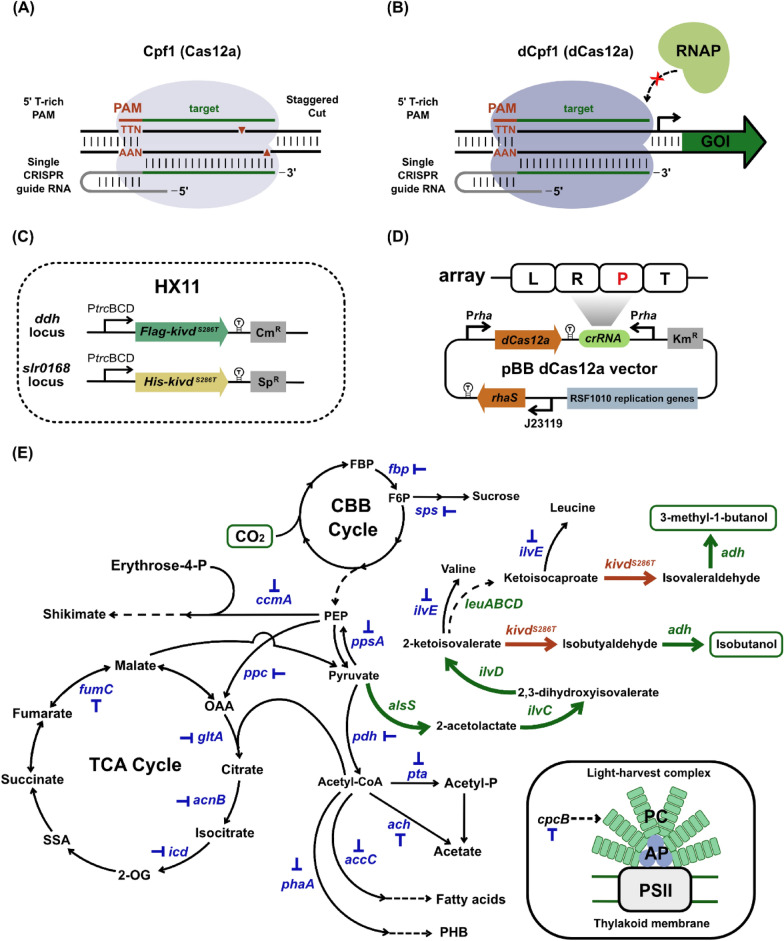
“Consequently, Cas12a can be converted to a deactivated form, dCas12a, via a single D917A mutation [48] (Fig.”
The CRISPR-associated DNA-cleaving enzyme Cpf1 also processes precursor CRISPR RNA
Fonfara, I., Richter, H., Bratovič, M., Le Rhun, A., & Charpentier, E. (2016) · Nature · doi:10.1038/nature17945 · Cited by 988 · cited 2×
“Utilizing a T-rich protospacer-adjacent motif (PAM), the mature crRNA guides Cas12a to recognize and cut the target DNA, generating a double-stranded break with a 5’ overhang [13] (Fig.”
Williams, J. G. K. (1988) · Methods in Enzymology · doi:10.1016/0076-6879(88)67088-1 · Cited by 986
Direct photosynthetic recycling of carbon dioxide to isobutyraldehyde
Atsumi, S., Higashide, W., & Liao, J. C. (2009) · Nature Biotechnology · doi:10.1038/nbt.1586 · Cited by 870 · cited 1×
“…(AlsS from Bacillus subtilis ), acetohydroxy-acid isomeroreductase (IlvC from Escherichia coli ), dihydroxy-acid dehydratase (IlvD from E. coli ), α-ketoisovalerate decarboxylase (Kivd from Lactococcus lactis ), and alcohol dehydrogenases (YqhD from E. coli ) were heterologously expressed [1].”
Photosynthetic production of ethanol from carbon dioxide in genetically engineered cyanobacteria
Gao, Z., Zhao, H., Li, Z., Tan, X., & Lu, X. (2012) · Energy Environ. Sci. · doi:10.1039/c2ee22675h · Cited by 375 · cited 1×
“Recent advancements in synthetic biology and metabolic engineering tools have motivated numerous studies exploring the potential of cyanobacteria as green cell factories for producing both commodity and specialized chemicals, such as alcohols [16, 30, 45, 46], terpenes [5], and organic acids [29].”
Mitschke, J., Georg, J., Scholz, I., Sharma, C. M., Dienst, D., Bantscheff, J., Voß, B., Steglich, C., Wilde, A., Vogel, J., et al. (2011) · Proceedings of the National Academy of Sciences · doi:10.1073/pnas.1015154108 · Cited by 359 · cited 1×
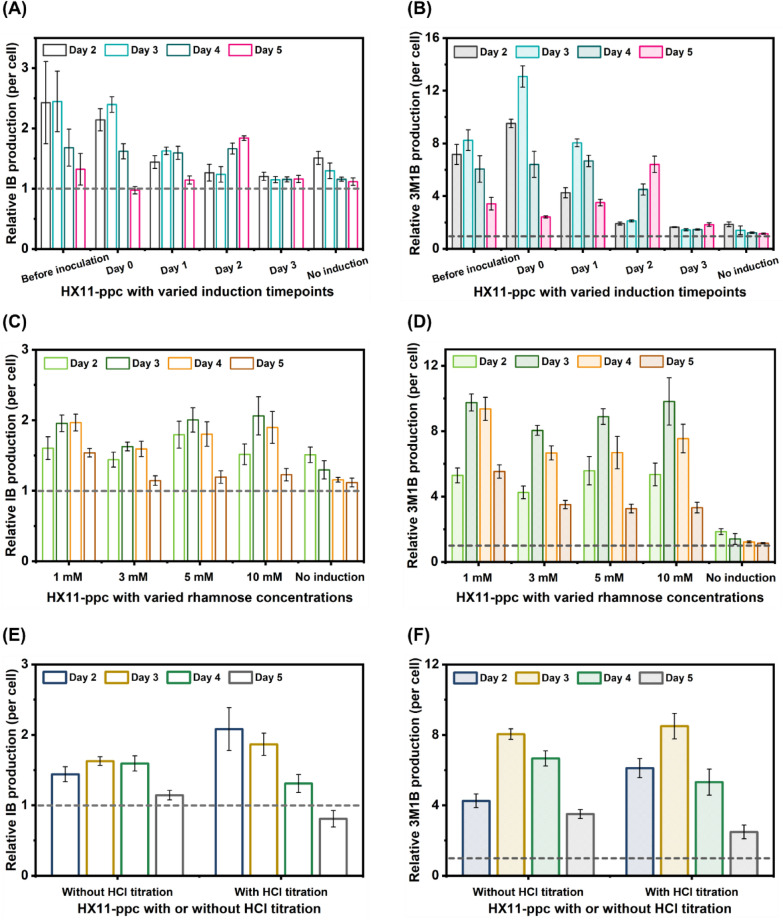
“It is important to note that these tests were conducted with the ppc target, different target genes may exhibit varied transcription patterns under different environmental conditions [34].”
Cpf1 Is a Versatile Tool for CRISPR Genome Editing Across Diverse Species of Cyanobacteria
Ungerer, J., & Pakrasi, H. B. (2016) · Scientific Reports · doi:10.1038/srep39681 · Cited by 308 · cited 4×
“The emergence of the clustered regularly interspaced short palindromic repeats-CRISPR-asso-ciated protein (CRISPR-Cas) system has revolutionized metabolic engineering in cyanobacteria [6, 38, 41], facilitating targeted and marker-less genome editing with remarkable efficiency [4, 26, 40, 42].”
InfluentialSynthetic Biology in Cyanobacteria
(2011) · Methods in Enzymology · doi:10.1016/b978-0-12-385075-1.00024-x · Cited by 234 · cited 1×
“Target-specific CRISPRi plasmids were introduced into the wild-type strain or HX11 strain individually through triparental mating [18], employing E. coli strain HB101 carrying the conjugative plasmid This study This study pRL443-AmpR.”
Self-citationCRISPR-Cas9 for the genome engineering of cyanobacteria and succinate production
Li, H., Shen, C. R., Huang, C.-H., Sung, L.-Y., Wu, M.-Y., & Hu, Y.-C. (2016) · Metabolic Engineering · doi:10.1016/j.ymben.2016.09.006 · Cited by 233 · cited 1×
“The emergence of the clustered regularly interspaced short palindromic repeats-CRISPR-asso-ciated protein (CRISPR-Cas) system has revolutionized metabolic engineering in cyanobacteria [6, 38, 41], facilitating targeted and marker-less genome editing with remarkable efficiency [4, 26, 40, 42].”
Wendt, K. E., Ungerer, J., Cobb, R. E., Zhao, H., & Pakrasi, H. B. (2016) · Microbial Cell Factories · doi:10.1186/s12934-016-0514-7 · Cited by 232 · cited 2×
“The emergence of the clustered regularly interspaced short palindromic repeats-CRISPR-asso-ciated protein (CRISPR-Cas) system has revolutionized metabolic engineering in cyanobacteria [6, 38, 41], facilitating targeted and marker-less genome editing with remarkable efficiency [4, 26, 40, 42].”
Barriers and opportunities in bio-based production of hydrocarbons
Zhou, Y. J., Kerkhoven, E. J., & Nielsen, J. (2018) · Nature Energy · doi:10.1038/s41560-018-0197-x · Cited by 215
Enhancing CRISPR-Cas9 gRNA efficiency prediction by data integration and deep learning
Xiang, X., Corsi, G. I., Anthon, C., Qu, K., Pan, X., Liang, X., Han, P., Dong, Z., Liu, L., Zhong, J., et al. (2021) · Nature Communications · doi:10.1038/s41467-021-23576-0 · Cited by 209 · cited 1×
“This further emphasises target-specific tool behaviour variations, which may partly be caused by variability in gRNA binding and tool targeting, intrinsic to CRISPR-based tools [10, 44].”
Bentley, F. K., Zurbriggen, A., & Melis, A. (2014) · Molecular Plant · doi:10.1093/mp/sst134 · Cited by 202 · cited 1×
“Recent advancements in synthetic biology and metabolic engineering tools have motivated numerous studies exploring the potential of cyanobacteria as green cell factories for producing both commodity and specialized chemicals, such as alcohols [16, 30, 45, 46], terpenes [5], and organic acids [29].”
Multiplex gene regulation by CRISPR-ddCpf1
Zhang, X., Wang, J., Cheng, Q., Zheng, X., Zhao, G., & Wang, J. (2017) · Cell Discovery · doi:10.1038/celldisc.2017.18 · Cited by 199 · cited 2×
“The CRISPRi-dCas12a system has demonstrated its capacity for multiplex gene repression, enabling simultaneous targeting of up to four genes within a single array [49].”
Kirst, H., Formighieri, C., & Melis, A. (2014) · Biochimica et Biophysica Acta (BBA) - Bioenergetics · doi:10.1016/j.bbabio.2014.07.009 · Cited by 198 · cited 3×
“Phycocyanin β-subunit (CpcB) was selected to improve photosynthesis efficiency and culture productivity by minimizing the phycobilisome light-harvesting antenna size [22].”
InfluentialGordon, G. C., Korosh, T. C., Cameron, J. C., Markley, A. L., Begemann, M. B., & Pfleger, B. F. (2016) · Metabolic Engineering · doi:10.1016/j.ymben.2016.07.007 · Cited by 193 · cited 1×
“In fast-growing cyanobacterium Synechococcus elongatus UTEX 2973, dCas12a can be expressed constitutively from a strong promoter [24], contrasting with the tight regulation required for dCas9 expression in Synechococcus sp. PCC 7002 to achieve transformants [17].”
Broad-host-range vector system for synthetic biology and biotechnology in cyanobacteria
Taton, A., Unglaub, F., Wright, N. E., Zeng, W. Y., Paz-Yepes, J., Brahamsha, B., Palenik, B., Peterson, T. C., Haerizadeh, F., Golden, S. S., et al. (2014) · Nucleic Acids Research · doi:10.1093/nar/gku673 · Cited by 186 · cited 1×
“All pBB_ dCas12a and pBB_dCas12a-derived CRISPRi plasmids used in this study feature an RSF1010-type replicon and mobilization region [39].”
Huang, C.-H., Shen, C. R., Li, H., Sung, L.-Y., Wu, M.-Y., & Hu, Y.-C. (2016) · Microbial Cell Factories · doi:10.1186/s12934-016-0595-3 · Cited by 164 · cited 2×
“Experimental demonstrations have showcased its effectiveness in increasing production of various compounds in cyanobacteria, such as 2,3-butanediol [25], succinate [19], octadecanol [20], and extracellular polymeric substances (EPS) [37].”
Selection of Suitable Reference Genes for RT-qPCR Analyses in Cyanobacteria
Pinto, F., Pacheco, C. C., Ferreira, D., Moradas-Ferreira, P., & Tamagnini, P. (2012) · PLoS ONE · doi:10.1371/journal.pone.0034983 · Cited by 148 · cited 1×
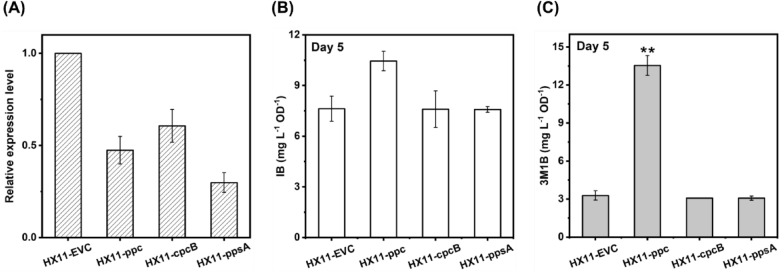
“Previously tested primers [35] for the rnpB gene, encoding the RNA subunit of ribonuclease P, were used for the internal control.”
CRISPR-Based Technologies for Metabolic Engineering in Cyanobacteria
Behler, J., Vijay, D., Hess, W. R., & Akhtar, M. K. (2018) · Trends in Biotechnology · doi:10.1016/j.tibtech.2018.05.011 · Cited by 138 · cited 1×
“The emergence of the clustered regularly interspaced short palindromic repeats-CRISPR-asso-ciated protein (CRISPR-Cas) system has revolutionized metabolic engineering in cyanobacteria [6, 38, 41], facilitating targeted and marker-less genome editing with remarkable efficiency [4, 26, 40, 42].”
Kaczmarzyk, D., Cengic, I., Yao, L., & Hudson, E. P. (2018) · Metabolic Engineering · doi:10.1016/j.ymben.2017.11.014 · Cited by 120 · cited 1×
“Experimental demonstrations have showcased its effectiveness in increasing production of various compounds in cyanobacteria, such as 2,3-butanediol [25], succinate [19], octadecanol [20], and extracellular polymeric substances (EPS) [37].”
Toolboxes for cyanobacteria: recent advances and future direction
Sun, T., Li, S., Song, X., Diao, J., Chen, L., & Zhang, W. (2018) · Biotechnology Advances · doi:10.1016/j.biotechadv.2018.04.007 · Cited by 116 · cited 1×
“The emergence of the clustered regularly interspaced short palindromic repeats-CRISPR-asso-ciated protein (CRISPR-Cas) system has revolutionized metabolic engineering in cyanobacteria [6, 38, 41], facilitating targeted and marker-less genome editing with remarkable efficiency [4, 26, 40, 42].”
CRISPR/Cas9 gRNA activity depends on free energy changes and on the target PAM context
Corsi, G. I., Qu, K., Alkan, F., Pan, X., Luo, Y., & Gorodkin, J. (2022) · Nature Communications · doi:10.1038/s41467-022-30515-0 · Cited by 99 · cited 1×
“This further emphasises target-specific tool behaviour variations, which may partly be caused by variability in gRNA binding and tool targeting, intrinsic to CRISPR-based tools [10, 44].”
tCRISPRi: tunable and reversible, one-step control of gene expression
Li, X., Jun, Y., Erickstad, M. J., Brown, S. D., Parks, A. R., Court, D. L., & Jun, S. (2016) · Scientific Reports · doi:10.1038/srep39076 · Cited by 91 · cited 1×
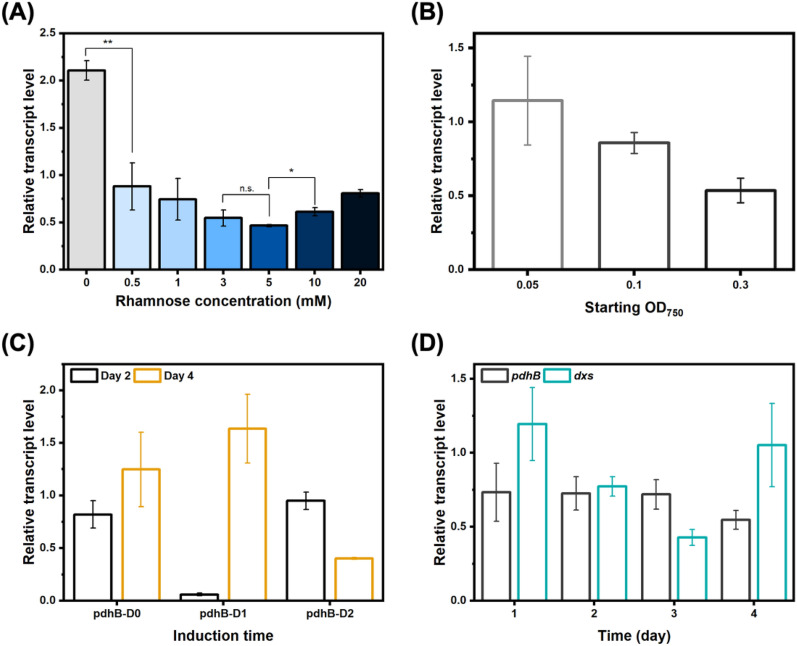
“In contrast to CRISPRi tools in other organisms [14, 27], this data thus suggested that levels of downregulation and rhamnose concentrations are not linearly correlated for this system.”
Recent advances on bio-based isobutanol separation
Fu, C., Li, Z., Jia, C., Zhang, W., Zhang, Y., Yi, C., & Xie, S. (2020) · Energy Conversion and Management X · doi:10.1016/j.ecmx.2020.100059 · Cited by 89 · cited 1×
“…as a particularly attractive target chemical with widespread applications, serving as a viable substitute for gasoline due to its versatility, serving as a potential substrate for gasoline, and finding extensive applications in industries ranging from plastics and coating to pharmaceuticals [15].”
Miao, R., Liu, X., Englund, E., Lindberg, P., & Lindblad, P. (2017) · Metabolic Engineering Communications · doi:10.1016/j.meteno.2017.07.003 · Cited by 87
Self-citationBrey, L. F., Włodarczyk, A. J., Bang Thøfner, J. F., Burow, M., Crocoll, C., Nielsen, I., Zygadlo Nielsen, A. J., & Jensen, P. E. (2020) · Metabolic Engineering · doi:10.1016/j.ymben.2019.11.002 · Cited by 84 · cited 1×
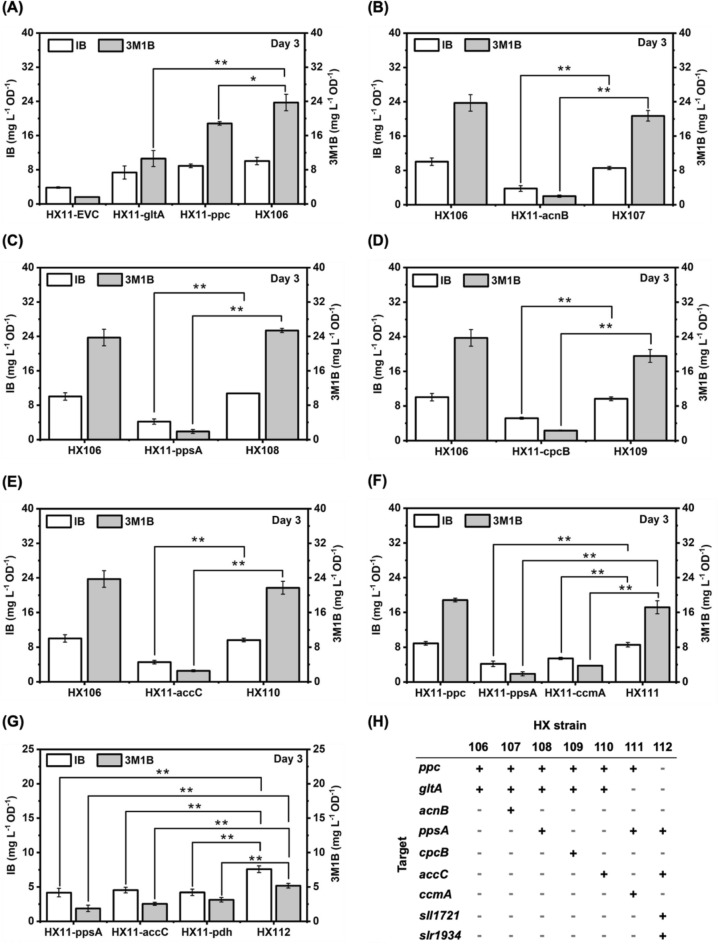
“…synthase in Synechocystis , initiating the shiki-mate pathway by condensing phosphoenolpyruvate (PEP) and erythrose-4-phosphate (E4P) to form 3-deoxy-D-arabino-heptulosonate-7-phosphate (DAHP) [7]. ppsA encodes PEP synthase, catalyzing a reaction using pyruvate as a substrate for PEP biosynthesis.”
A Rhamnose-Inducible System for Precise and Temporal Control of Gene Expression in Cyanobacteria
Kelly, C. L., Taylor, G. M., Hitchcock, A., Torres-Méndez, A., & Heap, J. T. (2018) · ACS Synthetic Biology · doi:10.1021/acssynbio.7b00435 · Cited by 80
Enhancement of photosynthetic isobutanol production in engineered cells of Synechocystis PCC 6803
Miao, R., Xie, H., & Lindblad, P. (2018) · Biotechnology for Biofuels · doi:10.1186/s13068-018-1268-8 · Cited by 75 · cited 1×
“Cultivating Synechocystis under a controlled pH via HCl titration has been identified as advantageous for both cell growth and IB/3M1B production [32].”
Self-citationChoi, S. Y., & Woo, H. M. (2020) · ACS Synthetic Biology · doi:10.1021/acssynbio.0c00091 · Cited by 75 · cited 3×
“Recently, this system was successfully employed in Synechococcus to simultaneously repress three target genes [9].”
InfluentialCO 2 -limitation-inducible Green Recovery of fatty acids from cyanobacterial biomass
Liu, X., Fallon, S., Sheng, J., & Curtiss, R. (2011) · Proceedings of the National Academy of Sciences · doi:10.1073/pnas.1103016108 · Cited by 67 · cited 1×
“Recent advancements in synthetic biology and metabolic engineering tools have motivated numerous studies exploring the potential of cyanobacteria as green cell factories for producing both commodity and specialized chemicals, such as alcohols [16, 30, 45, 46], terpenes [5], and organic acids [29].”
Comparative Dose–Response Analysis of Inducible Promoters in Cyanobacteria
Behle, A., Saake, P., Germann, A. T., Dienst, D., & Axmann, I. M. (2020) · ACS Synthetic Biology · doi:10.1021/acssynbio.9b00505 · Cited by 67 · cited 3×
“The optimal rhamnose concentration needed for target downregulation was first tested, using concentrations ranging from 0.5 to 20 mM, expected to induce a moderate expression level according to previous promoter characterisation [3].”
InfluentialRegulated Expression of sgRNAs Tunes CRISPRi in E. coli
Fontana, J., Dong, C., Ham, J. Y., Zalatan, J. G., & Carothers, J. M. (2018) · Biotechnology Journal · doi:10.1002/biot.201800069 · Cited by 62 · cited 1×
“In contrast to CRISPRi tools in other organisms [14, 27], this data thus suggested that levels of downregulation and rhamnose concentrations are not linearly correlated for this system.”
Durall, C., Lindberg, P., Yu, J., & Lindblad, P. (2020) · Biotechnology for Biofuels · doi:10.1186/s13068-020-1653-y · Cited by 62 · cited 1×
“Overexpression of ppsA has been shown to enhance ethylene production by increased carbon flux towards PEP and further flow into the TCA cycle [12].”
Self-citationLiu, X., Xie, H., Roussou, S., & Lindblad, P. (2022) · Current Opinion in Biotechnology · doi:10.1016/j.copbio.2021.07.014 · Cited by 62 · cited 1×
“Recent advancements in synthetic biology and metabolic engineering tools have motivated numerous studies exploring the potential of cyanobacteria as green cell factories for producing both commodity and specialized chemicals, such as alcohols [16, 30, 45, 46], terpenes [5], and organic acids [29].”
Self-citationMiao, R., Xie, H., M. Ho, F., & Lindblad, P. (2018) · Metabolic Engineering · doi:10.1016/j.ymben.2018.02.014 · Cited by 61
Self-citationKnoot, C. J., Biswas, S., & Pakrasi, H. B. (2020) · ACS Synthetic Biology · doi:10.1021/acssynbio.9b00417 · Cited by 59 · cited 4×
“In fast-growing cyanobacterium Synechococcus elongatus UTEX 2973, dCas12a can be expressed constitutively from a strong promoter [24], contrasting with the tight regulation required for dCas9 expression in Synechococcus sp. PCC 7002 to achieve transformants [17].”
InfluentialIntegrative analysis of the salt stress response in cyanobacteria
Klähn, S., Mikkat, S., Riediger, M., Georg, J., Hess, W. R., & Hagemann, M. (2021) · Biology Direct · doi:10.1186/s13062-021-00316-4 · Cited by 55
Cheah, Y. E., Xu, Y., Sacco, S. A., Babele, P. K., Zheng, A. O., Johnson, C. H., & Young, J. D. (2020) · Metabolic Engineering · doi:10.1016/j.ymben.2020.03.007 · Cited by 52 · cited 4×
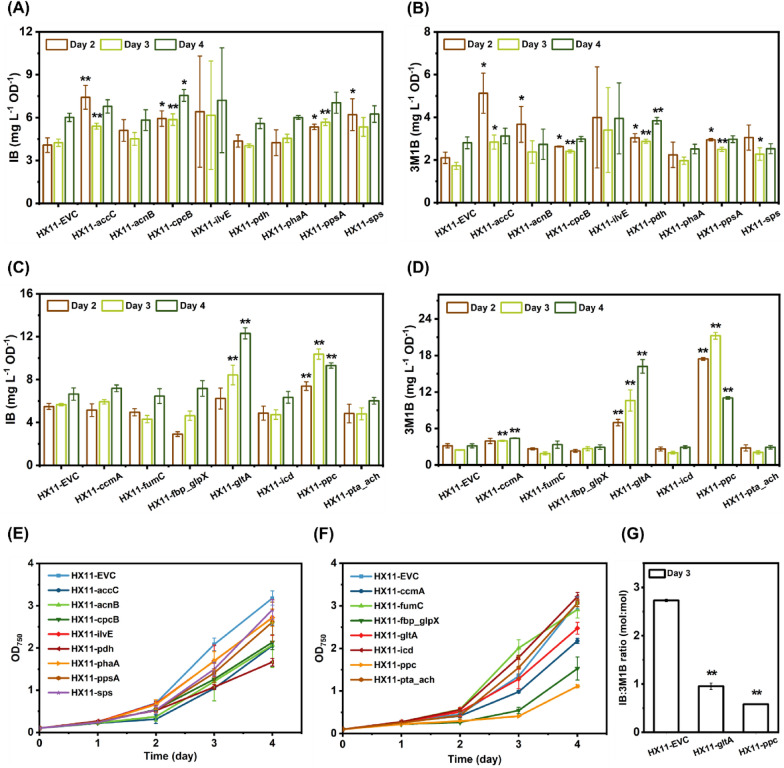
“5G) warrants further investigation, potentially linked to alterations in pyruvate and amino acid metabolism [8].”
InfluentialSEVA-Cpf1, a CRISPR-Cas12a vector for genome editing in cyanobacteria
Baldanta, S., Guevara, G., & Navarro-Llorens, J. M. (2022) · Microbial Cell Factories · doi:10.1186/s12934-022-01830-4 · Cited by 42 · cited 1×
“Cas12a, previously known as Cpf1, sourced from Fran-cisella novicida , has emerged as a prominent tool for genome editing across various cyanobacterial species [2, 40].”
Liu, D., Johnson, V. M., & Pakrasi, H. B. (2020) · ACS Synthetic Biology · doi:10.1021/acssynbio.0c00106 · Cited by 38
Doing synthetic biology with photosynthetic microorganisms
Vavitsas, K., Kugler, A., Satta, A., Hatzinikolaou, D. G., Lindblad, P., Fewer, D. P., Lindberg, P., Toivari, M., & Stensjö, K. (2021) · Physiologia Plantarum · doi:10.1111/ppl.13455 · Cited by 38 · cited 1×
“The emergence of the clustered regularly interspaced short palindromic repeats-CRISPR-asso-ciated protein (CRISPR-Cas) system has revolutionized metabolic engineering in cyanobacteria [6, 38, 41], facilitating targeted and marker-less genome editing with remarkable efficiency [4, 26, 40, 42].”
Self-citationXie, H., Kjellström, J., & Lindblad, P. (2023) · Biotechnology for Biofuels and Bioproducts · doi:10.1186/s13068-023-02385-1 · Cited by 31 · cited 5×
“Conventional metabolic engineering strategies have been employed in Synechocystis strains for IB and 3M1B production, with enhancements achieved incrementally [33, 45, 47], reaching approximately 150 mg L − 1 in IB production over 14-day experiments [47].”
InfluentialSelf-citationSynthetic biology in marine cyanobacteria: Advances and challenges
Bourgade, B., & Stensjö, K. (2022) · Frontiers in Microbiology · doi:10.3389/fmicb.2022.994365 · Cited by 28 · cited 1×
“The emergence of the clustered regularly interspaced short palindromic repeats-CRISPR-asso-ciated protein (CRISPR-Cas) system has revolutionized metabolic engineering in cyanobacteria [6, 38, 41], facilitating targeted and marker-less genome editing with remarkable efficiency [4, 26, 40, 42].”
Self-citationde Alvarenga, L. V., Hess, W. R., & Hagemann, M. (2020) · Frontiers in Microbiology · doi:10.3389/fmicb.2020.01445 · Cited by 27 · cited 1×
“Moreover, acnB repression led to citrate accumulation in the cells, and changes induced by citrate in the pentose phosphate pathway might contribute to alterations in metabolite levels within the 2-keto acid pathway [11].”
Expressing 2-keto acid pathway enzymes significantly increases photosynthetic isobutanol production
Xie, H., & Lindblad, P. (2022) · Microbial Cell Factories · doi:10.1186/s12934-022-01738-z · Cited by 17 · cited 9×
“Conventional metabolic engineering strategies have been employed in Synechocystis strains for IB and 3M1B production, with enhancements achieved incrementally [33, 45, 47], reaching approximately 150 mg L − 1 in IB production over 14-day experiments [47].”
InfluentialSelf-citationLi, H., Pham, N. N., Shen, C. R., Chang, C.-W., Tu, Y., Chang, Y., Tu, J., Nguyen, M. T. T., & Hu, Y. (2022) · Frontiers in Bioengineering and Biotechnology · doi:10.3389/fbioe.2022.913820 · Cited by 17 · cited 2×
“Experimental demonstrations have showcased its effectiveness in increasing production of various compounds in cyanobacteria, such as 2,3-butanediol [25], succinate [19], octadecanol [20], and extracellular polymeric substances (EPS) [37].”
Santos, M., Pacheco, C. C., Yao, L., Hudson, E. P., & Tamagnini, P. (2021) · Life · doi:10.3390/life11111198 · Cited by 15 · cited 1×
“Experimental demonstrations have showcased its effectiveness in increasing production of various compounds in cyanobacteria, such as 2,3-butanediol [25], succinate [19], octadecanol [20], and extracellular polymeric substances (EPS) [37].”
Xie, H., Kukil, K., Lindberg, P., Miao, R., & Lindblad, P. C. (2022) · Clean Energy Production Technologies · doi:10.1007/978-981-16-8090-8_3 · Cited by 6
Self-citation
Cited by
Bourgade, B., Xie, H., Lindblad, P. C., & Stensjö, K. (2025) · Communications Biology · doi:10.1038/s42003-025-08164-y · Cited by 21
“…study found that a Δ acnSP mutant 40 yielded an approximately two-fold increase in valine and leucine biosynthesis under higher light conditions (100µmol photons m − 2 s − 1 ), while our experiments were performed at 50 µmol photons m − 2 s − 1 for consistency with earlier IB/3M1B studies 4,18,30 .”
InfluentialSelf-citationMolla, A., & Abebe, G. M. (2025) · Science Frontiers · doi:10.11648/j.sf.20250603.14 · Cited by 11
Xie, H., Begum, A., Gunn, L. H., & Lindblad, P. C. (2025) · Biotechnology for Biofuels and Bioproducts · doi:10.1186/s13068-025-02687-6 · Cited by 4
“Recently, both CRISPR inteference and CRISPR activation systems have been successfully implemented in IB-producing cyanobacteria, demonstrating their effectiveness as tools for enhancing IB production [12, 13].”
Self-citationChen, J., Hao, J., & Baganz, F. (2026) · Biotechnology for Biofuels and Bioproducts · doi:10.1186/s13068-025-02720-8 · Cited by 3
“A recent study by Xie et al. [129] established a dCas12a-mediated CRISPRi platform in the cyanobacterium Synechocystis sp. PCC 6803 for multiplex gene repression to improve photosynthetic production of isobutanol.”
Harnessing engineered cyanobacteria for next-generation therapeutics
Bhardwaj, A., & Mishra, A. K. (2026) · Archives of Microbiology · doi:10.1007/s00203-026-04790-0 · Cited by 2
Metadata
- Authors
- Xie, H., Bourgade, B., Stensjö, K., & Lindblad, P.
- Affiliations
- Uppsala University (SE)
- Corresponding author
- Lindblad, Peter
- Venue
- Microbial Cell Factories
- Published
- 2025-05-13
- Volume
- 24
- Issue
- 1
- Pages
- 104-104
- ISSN
- 1475-2859 (ISSN-L)
- PMC
- PMC12076865
- OpenAlex
- W4410333375
- Semantic Scholar
- 6fc48694867a255fe1217746abae8f8f0a44da72
- Cited by
- 11
- References
- 50
- Citations by year
- 2026: 6 · 2025: 5
- FWCI
- 3.31
- Type
- journal article
- Language
- en
- Open access
- gold
- doi.org
- Licence
- cc-by
- creativecommons.org/licenses/by/4.0 (tdm)
- creativecommons.org/licenses/by/4.0 (vor)
- Locations
- Microbial Cell Factories (publishedVersion, cc-by)
- PubMed Central (publishedVersion, cc-by)
- PubMed (publishedVersion)
- Uppsala University Publications (Uppsala University) (submittedVersion, other-oa)
- DOAJ (DOAJ: Directory of Open Access Journals) (submittedVersion, cc-by-sa)
- Funders
- Svenska Forskningsrådet Formas (2021-01669)
- Carl Tryggers Stiftelse för Vetenskaplig Forskning (CTS 20:412)
- Vinnova (2024-00443)
- Uppsala University
- Topics
- Life Sciences › Biochemistry, Genetics and Molecular Biology › Molecular Biology › Microbial Metabolic Engineering and Bioproduction
- Life Sciences › Biochemistry, Genetics and Molecular Biology › Molecular Biology › CRISPR and Genetic Engineering
- Physical Sciences › Energy › Renewable Energy, Sustainability and the Environment › Algal biology and biofuel production
- Keywords
- CRISPR interference, gene repression, Synechocystis sp. PCC 6803, cyanobacteria, isobutanol production, TCA cycle, PPC, gltA
- MeSH terms
- Pentanols, Butanols, Synechocystis, Metabolic Engineering, Clustered Regularly Interspaced Short Palindromic Repeats, CRISPR-Cas Systems
About these checks
Registry, retraction, Cites and statistics results are computed, not judged, with one exception: a printed reference that no index lists is read once by a model before it counts as a citation error. Claims are extracted by a model and kept only when their quote appears verbatim in the text; each cited source is then checked, with a model’s help, for whether it says what the claim relies on. Those verdicts can be wrong — read the claim’s quote and the cited source before relying on one.
Statistics and arithmetic are recomputed, not judged.
Confidence bands are shown only for fields calibrated on our annotated test set. None is calibrated yet, so no band is shown.
What counts as a claim ›How we measure confidence ›How we check this ›
Are you an author, or do you see a problem with this page? Request a review
Data sources
Bibliographic data: Semantic Scholar, OpenAlex, Crossref.
Contains information from the Semantic Scholar Academic Graph Datasets, made available under the ODC Attribution License (ODC-BY 1.0).
Semantic Scholar’s data is described in: Kinney, R., et al. (2023). The Semantic Scholar Open Data Platform. arXiv:2301.10140.
