

The DOI matches its Crossref record; 15 of the 15 references it cites were found in a registry or an index.
Consideration of pathways for immunotoxicity of per-and polyfluoroalkyl substances (PFAS)
Abstract
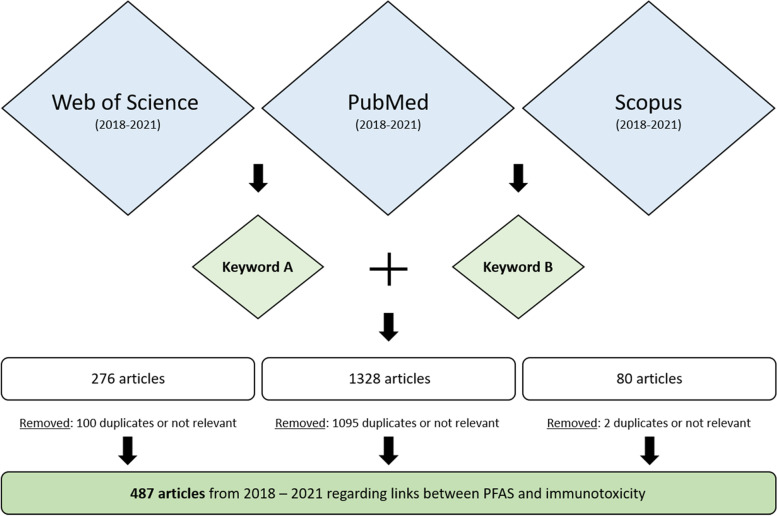
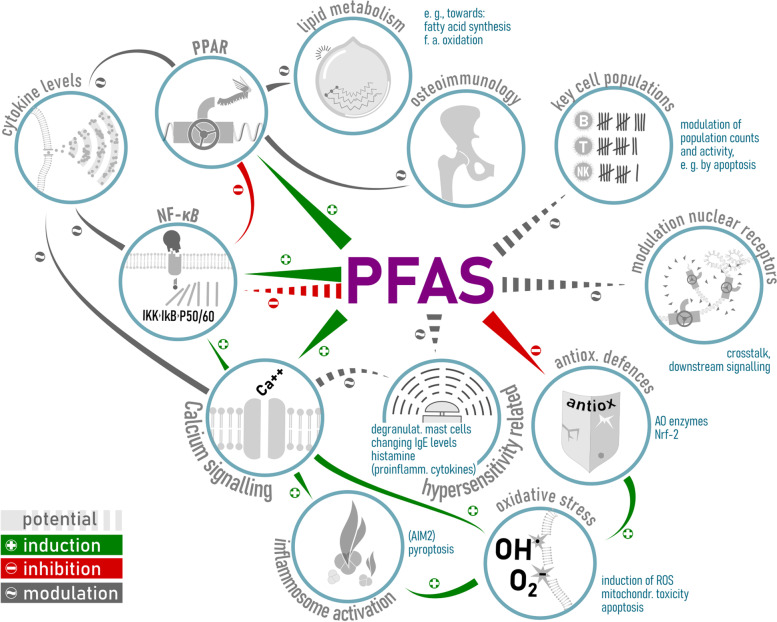
Background: Per- and polyfluoroalkyl substances (PFAS) are of public health concern, because of their ubiquitous and extremely persistent occurrence, and depending on their structure, their bio-accumulative, mobile and toxic properties. Human health effects associated with exposure to PFAS include adverse effects on the immune system. In 2020, EFSA (the European Food Safety Authority) defined adverse effects on the immune system as the most critical effect for human health risk assessment, based on reduced antibody responses to childhood vaccines and similar effects observed in experimental animal studies. Likewise, the U.S. EPA (Environmental Protection Agency) considers PFAS-induced immunotoxicity, especially in children, as the critical effect for risk assessment. However, the mechanisms by which antibody concentrations are impacted are not completely understood. Furthermore, other targets of the immune system functions have been reported in the literature. Objective: The aim of this review is to explore PFAS-associated immune-related effects. This includes, relevant mechanisms that may underlie the observed effects on the immune system, immunosuppression as well as immunoenhancement, such as i) modulation of cell signalling and nuclear receptors, such as NF-κB and PPARs; ii) alteration of calcium signalling and homoeostasis in immune cells; iii) modulation of immune cell populations; iv) oxidative stress and v) impact on fatty acid metabolism & secondary effects on the immune system. Methods: A literature research was conducted using three databases (Web of Science, PubMed, and Scopus), which were searched in July 2021 for relevant studies published in the time frame from 2018 to 2021. In total, 487 publications were identified as potentially eligible and following expert-based judgement, articles relevant for mechanisms of PFAS induced immunotoxicity are discussed. Conclusions: Taken together, we show that there is substantial evidence from both in vitro and in vivo experimental as well as epidemiological studies, supporting that various PFAS, not only PFOA and PFOS, affect multiple aspects of the immune system. Timing of exposure is critical, because the developing immune system is especially vulnerable to toxic insults, resulting in a higher risk of particularly adverse immune effects but also other organs later in life.
Overview
The claims and statistics of this paper haven’t been checked yet.
Run the check — free, no account needed. It reads the open-access text and checks the sources it cites.
Integrity signals
Registry
Cites
Statistics
Figures
Verification
Claims the paper makes
The claims and statistics of this paper haven’t been checked yet.
Run the check — free, no account needed. It reads the open-access text and checks the sources it cites.
Claims other papers make about this one
Each is checked against this paper’s own text: does it say what the citing paper says it does?
The source backs part of the claim, not all of it — or backs it for a different population, condition or comparison.
In the citing paper
“Numerous epidemiological and mechanistic investigations have implied a connection between exposure to PFAS and a wide range of diseases, such as altered immune function, adverse reproductive effects, liver and kidney damage, obesity, and cancers (25–31).”
From Toward the development of a molecular toolkit for the microbial remediation of per-and polyfluoroalkyl substances (2024) · cites this paper as [25]
Experimental — accuracy not yet measured
Self-check
Percentages, sums and reported differences re-computed from the paper’s own numbers.
The self-check needs the paper’s full text.
Citations
Cites
Buck, R. C., Franklin, J., Berger, U., Conder, J. M., Cousins, I. T., de Voogt, P., Jensen, A. A., Kannan, K., Mabury, S. A., & van Leeuwen, S. P. (2011) · Integrated Environmental Assessment and Management · doi:10.1002/ieam.258 · Cited by 4,641
Calcium signalling in lymphocyte activation and disease
Feske, S. (2007) · Nature Reviews Immunology · doi:10.1038/nri2152 · Cited by 1,043
The toxicology of perfluorooctanoate
Kennedy, G. L., Butenhoff, J. L., Olsen, G. W., O'Connor, J. C., Seacat, A. M., Perkins, R. G., Biegel, L. B., Murphy, S. R., & Farrar, D. G. (2004) · Critical Reviews in Toxicology · doi:10.1080/10408440490464705 · Cited by 742
Takacs, M. L., & Abbott, B. D. (2007) · Toxicological Sciences · doi:10.1093/toxsci/kfl135 · Cited by 396
Mitochondria, Oxidative Stress and Innate Immunity
Chen, Y., Zhou, Z., & Min, W. (2018) · Frontiers in Physiology · doi:10.3389/fphys.2018.01487 · Cited by 315
Activation of Human Nuclear Receptors by Perfluoroalkylated Substances (PFAS)
Behr, A.-C., Plinsch, C., Braeuning, A., & Buhrke, T. (2020) · Toxicology in Vitro · doi:10.1016/j.tiv.2019.104700 · Cited by 235
D’eon, J. C., & Mabury, S. A. (2011) · Environmental Health Perspectives · doi:10.1289/ehp.1002409 · Cited by 193
Risk Assessment of Per- and Polyfluoroalkyl Substance Mixtures: A Relative Potency Factor Approach
Bil, W., Zeilmaker, M., Fragki, S., Lijzen, J., Verbruggen, E., & Bokkers, B. (2020) · Environmental Toxicology and Chemistry · doi:10.1002/etc.4835 · Cited by 158
Self-citationSeverity of COVID-19 at elevated exposure to perfluorinated alkylates
Grandjean, P., Timmermann, C. A. G., Kruse, M., Nielsen, F., Vinholt, P. J., Boding, L., Heilmann, C., & Mølbak, K. (2020) · PLOS ONE · doi:10.1371/journal.pone.0244815 · Cited by 131
Self-citationKvalem, H. E., Nygaard, U. C., Lødrup Carlsen, K. C., Carlsen, K. H., Haug, L. S., & Granum, B. (2020) · Environment International · doi:10.1016/j.envint.2019.105259 · Cited by 123
Self-citation
Research works printed but not linked: 209
- OECD (Organisation for Economic Co-operation and Development). Reconciling terminology of the universe of per- and polyfluoroalkyl substances: recommendations and practical guidance. In: OECD environment, health and safety publications series on risk management; 2021. p. 61.
- OECD (Organisation for Economic Co-operation and Development). Toward a new comprehensive global database of per- and polyfluoroalkyl substances (PFASs): summary report on updating the OECD 2007 List of per- and polyfluoroalkyl substances (PFASs). In: OECD environment, health and safety publications series on risk management; 2018. p. 39.
- Glüge J, London R, Cousins IT, DeWitt J, Goldenman G, Herzke D, et al. Information requirements under the essential-use concept: PFAS case studies. Environ Sci Technol. 2021. https://doi.org/10.1021/acs.est.1c03732. · DOI
- Chen M, Guo T, He K, Zhu L, Jin H, Wang Q, et al. Biotransformation and bioconcentration of 6:2 and 8:2 polyfluoroalkyl phosphate diesters in common carp (Cyprinus carpio): underestimated ecological risks. Sci Total Environ. 2019;656:201–8. https://doi.org/10.1016/j.scitotenv.2018.11.297. · DOI
- Fenton SE, Ducatman A, Boobis A, DeWitt JC, Lau C, Ng C, et al. Per- and polyfluoroalkyl substance toxicity and human health review: current state of knowledge and strategies for informing future research. Environ Toxicol Chem. 2021;40:606–30. https://doi.org/10.1002/etc.4890. · DOI · Paper page
- von Holst H, Nayak P, Dembek Z, Buehler S, Echeverria D, Fallacara D, et al. Perfluoroalkyl substances exposure and immunity, allergic response, infection, and asthma in children: review of epidemiologic studies. Heliyon. 2021;7:e08160. https://doi.org/10.1016/j.heliyon.2021.e08160. · DOI · Paper page
- Dalsager L, Christensen N, Halekoh U, Timmermann CAG, Nielsen F, Kyhl HB, et al. Exposure to perfluoroalkyl substances during fetal life and hospitalization for infectious disease in childhood: a study among 1,503 children from the Odense child cohort. Environ Int. 2021;149:106395. https://doi.org/10.1016/j.envint.2021.106395. · DOI
- WHO (World Health Organization). International programme on chemical safety. Guidence for immunotoxicity risk assessment for chemicals: harmonization project document no. 10. 978th ed; 2012.
- Skaggs H, Chellman GJ, Collinge M, Enright B, Fuller CL, Krayer J, et al. Comparison of immune system development in nonclinical species and humans: closing information gaps for immunotoxicity testing and human translatability. Reprod Toxicol. 2019;89:178–88. https://doi.org/10.1016/j.reprotox.2019.06.005. · DOI
- DeWitt JC, Peden-Adams MM, Keil DE, Dietert RR. Current status of developmental Immunotoxicity: early-life patterns and testing. Toxicol Pathol. 2011;40:230–6. https://doi.org/10.1177/0192623311427709. · DOI
- Dietert RR, Piepenbrink MS. Perinatal immunotoxicity: why adult exposure assessment fails to predict risk. Environ Health Perspect. 2006;114:477–83. https://doi.org/10.1289/ehp.8566. · DOI
- Midasch O, Drexler H, Hart N, Beckmann MW, Angerer J. Transplacental exposure of neonates to perfluorooctanesulfonate and perfluorooctanoate: a pilot study. Int Arch Occup Environ Health. 2007;80:643–8. https://doi.org/10.1007/s00420-006-0165-9. · DOI
- Kim S, Choi K, Ji K, Seo J, Kho Y, Park J, et al. Trans-placental transfer of thirteen Perfluorinated compounds and relations with fetal thyroid hormones. Environ Sci Technol. 2011;45:7465–72. https://doi.org/10.1021/es202408a. · DOI
- Liang L, Pan Y, Bin L, Liu Y, Huang W, Li R, et al. Immunotoxicity mechanisms of perfluorinated compounds PFOA and PFOS. Chemosphere. 2022;291:132892. https://doi.org/10.1016/j.chemosphere.2021.132892. · DOI
- ECHA (European Chemicals Agency). Proposal for a restriction: per- and polyfluoroalkyl substances (PFASs) in firefighting foams; 2022.
- ECHA (European Chemicals Agency). Registry of restriction intentions until outcome: per- and polyfluoroalkyl substances (PFAS). 2022.
- EC (European Commission). Zero pollution action plan: towards zero pollution for air, water and soil. 2021.
- EFSA (European Food Safety Authority). Risk to human health related to the presence of perfluorooctane sulfonic acid and perfluorooctanoic acid in food. EFSA J. 2018;16:e05194. https://doi.org/10.2903/j.efsa.2018.5194. · DOI
- Grandjean P, Andersen EW, Budtz-Jørgensen E, Nielsen F, Mølbak K, Weihe P, et al. Serum vaccine antibody concentrations in children exposed to perfluorinated compounds. JAMA. 2012;307:391–7. https://doi.org/10.1001/jama.2011.2034. · DOI · Paper page
- Grandjean P, Heilmann C, Weihe P, Nielsen F, Mogensen UB, Timmermann A, et al. Estimated exposures to perfluorinated compounds in infancy predict attenuated vaccine antibody concentrations at age 5-years. J Immunotoxicol. 2017;14:188–95. https://doi.org/10.1080/1547691X.2017.1360968. · DOI
- Grandjean P, Heilmann C, Weihe PAL, Nielsen F, Mogensen UB, Budtz-Jørgensen E. Serum vaccine antibody concentrations in adolescents exposed to Perfluorinated compounds. Environ Health Perspect. 2017;125:77018. https://doi.org/10.1289/EHP275. · DOI
- Looker C, Luster MI, Calafat AM, Johnson VJ, Burleson GR, Burleson FG, et al. Influenza vaccine response in adults exposed to perfluorooctanoate and perfluorooctanesulfonate. Toxicol Sci. 2014;138:76–88. https://doi.org/10.1093/toxsci/kft269. · DOI
- Stein CR, McGovern KJ, Pajak AM, Maglione PJ, Wolff MS. Perfluoroalkyl and polyfluoroalkyl substances and indicators of immune function in children aged 12-19 y: national health and nutrition examination survey. Pediatr Res. 2016;79:348–57. https://doi.org/10.1038/pr.2015.213. · DOI
- Stein CR, Ge Y, Wolff MS, Ye X, Calafat AM, Kraus T, et al. Perfluoroalkyl substance serum concentrations and immune response to FluMist vaccination among healthy adults. Environ Res. 2016;149:171–8. https://doi.org/10.1016/j.envres.2016.05.020. · DOI
- Abraham K, Mielke H, Fromme H, Völkel W, Menzel J, Peiser M, et al. Internal exposure to perfluoroalkyl substances (PFASs) and biological markers in 101 healthy 1-year-old children: associations between levels of perfluorooctanoic acid (PFOA) and vaccine response. Arch Toxicol. 2020;94:2131–47. https://doi.org/10.1007/s00204-020-02715-4. · DOI
- Granum B, Haug LS, Namork E, Stølevik SB, Thomsen C, Aaberge IS, et al. Pre-natal exposure to perfluoroalkyl substances may be associated with altered vaccine antibody levels and immune-related health outcomes in early childhood. J Immunotoxicol. 2013;10:373–9. https://doi.org/10.3109/1547691X.2012.755580. · DOI · Paper page
- Timmermann CAG, Jensen KJ, Nielsen F, Budtz-Jørgensen E, van der Klis F, Benn CS, et al. Serum perfluoroalkyl substances, vaccine responses, and morbidity in a cohort of Guinea-Bissau children. Environ Health Perspect. 2020;128:87002. https://doi.org/10.1289/EHP6517. · DOI
- Shih Y-H, Blomberg AJ, Bind M-A, Holm D, Nielsen F, Heilmann C, et al. Serum vaccine antibody concentrations in adults exposed to per- and polyfluoroalkyl substances: a birth cohort in the Faroe Islands. J Immunotoxicol. 2021;18:85–92. https://doi.org/10.1080/1547691X.2021.1922957. · DOI
- Timmermann CAG, Pedersen HS, Weihe P, Bjerregaard P, Nielsen F, Heilmann C, et al. Concentrations of tetanus and diphtheria antibodies in vaccinated Greenlandic children aged 7-12 years exposed to marine pollutants, a cross sectional study. Environ Res. 2022;203:111712. https://doi.org/10.1016/j.envres.2021.111712. · DOI
- Zhang X, Xue L, Deji Z, Wang X, Liu P, Lu J, et al. Effects of exposure to per- and polyfluoroalkyl substances on vaccine antibodies: a systematic review and meta-analysis based on epidemiological studies. Environ Pollut. 2022;306:119442. https://doi.org/10.1016/j.envpol.2022.119442. · DOI
- van Beijsterveldt IA, van Zelst BD, de Fluiter KS, van den Berg SA, van der Steen M, Hokken-Koelega AC. Poly- and perfluoroalkyl substances (PFAS) exposure through infant feeding in early life. Environ Int. 2022;164:107274. https://doi.org/10.1016/j.envint.2022.107274. · DOI · Paper page
- Wang Z, Shi R, Ding G, Yao Q, Pan C, Gao Y, et al. Association between maternal serum concentration of perfluoroalkyl substances (PFASs) at delivery and acute infectious diseases in infancy. Chemosphere. 2022;289:133235. https://doi.org/10.1016/j.chemosphere.2021.133235. · DOI
- Manzano-Salgado CB, Granum B, Lopez-Espinosa M-J, Ballester F, Iñiguez C, Gascón M, et al. Prenatal exposure to perfluoroalkyl substances, immune-related outcomes, and lung function in children from a Spanish birth cohort study. Int J Hyg Environ Health. 2019;222:945–54. https://doi.org/10.1016/j.ijheh.2019.06.005. · DOI
- Impinen A, Longnecker MP, Nygaard UC, London SJ, Ferguson KK, Haug LS, et al. Maternal levels of perfluoroalkyl substances (PFASs) during pregnancy and childhood allergy and asthma related outcomes and infections in the Norwegian mother and child (MoBa) cohort. Environ Int. 2019;124:462–72. https://doi.org/10.1016/j.envint.2018.12.041. · DOI
- Huang H, Yu K, Zeng X, Chen Q, Liu Q, Zhao Y, et al. Association between prenatal exposure to perfluoroalkyl substances and respiratory tract infections in preschool children. Environ Res. 2020;191:110156. https://doi.org/10.1016/j.envres.2020.110156. · DOI
- Dalsager L, Christensen N, Husby S, Kyhl H, Nielsen F, Høst A, et al. Association between prenatal exposure to perfluorinated compounds and symptoms of infections at age 1-4years among 359 children in the Odense child cohort. Environ Int. 2016;96:58–64. https://doi.org/10.1016/j.envint.2016.08.026. · DOI
- Ji J, Song L, Wang J, Yang Z, Yan H, Li T, et al. Association between urinary per- and poly-fluoroalkyl substances and COVID-19 susceptibility. Environ Int. 2021;153:106524. https://doi.org/10.1016/j.envint.2021.106524. · DOI
- Nielsen C, Jöud A. Susceptibility to COVID-19 after high exposure to perfluoroalkyl substances from contaminated drinking water: an ecological study from Ronneby, Sweden. Int J Environ Res Public Health. 2021. https://doi.org/10.3390/ijerph182010702. · DOI
- Averina M, Brox J, Huber S, Furberg A-S, Sørensen M. Serum perfluoroalkyl substances (PFAS) and risk of asthma and various allergies in adolescents. The Tromsø study fit futures in northern Norway. Environ Res. 2019;169:114–21. https://doi.org/10.1016/j.envres.2018.11.005. · DOI
- Beck IH, Timmermann CAG, Nielsen F, Schoeters G, Jøhnk C, Kyhl HB, et al. Association between prenatal exposure to perfluoroalkyl substances and asthma in 5-year-old children in the Odense child cohort. Environ Health. 2019;18:97. https://doi.org/10.1186/s12940-019-0541-z. · DOI
- Impinen A, Nygaard UC, Lødrup Carlsen KC, Mowinckel P, Carlsen KH, Haug LS, et al. Prenatal exposure to perfluoralkyl substances (PFASs) associated with respiratory tract infections but not allergy- and asthma-related health outcomes in childhood. Environ Res. 2018;160:518–23. https://doi.org/10.1016/j.envres.2017.10.012. · DOI
- Smit LAM, Lenters V, Høyer BB, Lindh CH, Pedersen HS, Liermontova I, et al. Prenatal exposure to environmental chemical contaminants and asthma and eczema in school-age children. Allergy. 2015;70:653–60. https://doi.org/10.1111/all.12605. · DOI
- Dong G-H, Tung K-Y, Tsai C-H, Liu M-M, Wang D, Liu W, et al. Serum polyfluoroalkyl concentrations, asthma outcomes, and immunological markers in a case-control study of Taiwanese children. Environ Health Perspect. 2013;121:507–13. https://doi.org/10.1289/ehp.1205351. · DOI
- Zhu Y, Qin X-D, Zeng X-W, Paul G, Morawska L, Su M-W, et al. Associations of serum perfluoroalkyl acid levels with T-helper cell-specific cytokines in children: by gender and asthma status. Sci Total Environ. 2016;559:166–73. https://doi.org/10.1016/j.scitotenv.2016.03.187. · DOI
- Humblet O, Diaz-Ramirez LG, Balmes JR, Pinney SM, Hiatt RA. Perfluoroalkyl chemicals and asthma among children 12-19 years of age: NHANES (1999-2008). Environ Health Perspect. 2014;122:1129–33. https://doi.org/10.1289/ehp.1306606. · DOI
- Jackson-Browne MS, Eliot M, Patti M, Spanier AJ, Braun JM. PFAS (per- and polyfluoroalkyl substances) and asthma in young children: NHANES 2013-2014. Int J Hyg Environ Health. 2020;229:113565. https://doi.org/10.1016/j.ijheh.2020.113565. · DOI
- Gaylord A, Berger KI, Naidu M, Attina TM, Gilbert J, Koshy TT, et al. Serum perfluoroalkyl substances and lung function in adolescents exposed to the world trade center disaster. Environ Res. 2019;172:266–72. https://doi.org/10.1016/j.envres.2019.02.024. · DOI
- Timmermann CAG, Budtz-Jørgensen E, Jensen TK, Osuna CE, Petersen MS, Steuerwald U, et al. Association between perfluoroalkyl substance exposure and asthma and allergic disease in children as modified by MMR vaccination. J Immunotoxicol. 2017;14:39–49. https://doi.org/10.1080/1547691X.2016.1254306. · DOI
- Mattila T, Santonen T, Andersen HR, Katsonouri A, Szigeti T, Uhl M, et al. Scoping review-the association between asthma and environmental chemicals. Int J Environ Res Public Health. 2021. https://doi.org/10.3390/ijerph18031323. · DOI
- Plitnick LM, Herzyk DJ. The T-dependent antibody response to keyhole limpet hemocyanin in rodents. Methods Mol Biol. 2010;598:159–71. https://doi.org/10.1007/978-1-60761-401-2_11. · DOI
- Selgrade MK. Immunotoxicity: the risk is real. Toxicol Sci. 2007;100:328–32. https://doi.org/10.1093/toxsci/kfm244. · DOI
- de Guise S, Levin M. Suppression of Th2 cytokines as a potential mechanism for reduced antibody response following PFOA exposure in female B6C3F1 mice. Toxicol Lett. 2021;351:155–62. https://doi.org/10.1016/j.toxlet.2021.09.002. · DOI
- Vetvicka V, Vetvickova J. Reversal of perfluorooctanesulfonate-induced immunotoxicity by a glucan-resveratrol-vitamin C combination. Orient Pharm Exp Med. 2013;13:77–84. https://doi.org/10.1007/s13596-013-0105-7. · DOI
- Loveless SE, Hoban D, Sykes G, Frame SR, Everds NE. Evaluation of the immune system in rats and mice administered linear ammonium perfluorooctanoate. Toxicol Sci. 2008;105:86–96. https://doi.org/10.1093/toxsci/kfn113. · DOI
- DeWitt JC, Copeland CB, Strynar MJ, Luebke RW. Perfluorooctanoic acid-induced immunomodulation in adult C57BL/6J or C57BL/6N female mice. Environ Health Perspect. 2008;116:644–50. https://doi.org/10.1289/ehp.10896. · DOI
- DeWitt JC, Copeland CB, Luebke RW. Suppression of humoral immunity by perfluorooctanoic acid is independent of elevated serum corticosterone concentration in mice. Toxicol Sci. 2009;109:106–12. https://doi.org/10.1093/toxsci/kfp040. · DOI
- DeWitt JC, Williams WC, Creech NJ, Luebke RW. Suppression of antigen-specific antibody responses in mice exposed to perfluorooctanoic acid: role of PPARα and T- and B-cell targeting. J Immunotoxicol. 2016;13:38–45. https://doi.org/10.3109/1547691X.2014.996682. · DOI
- Yang Q, Abedi-Valugerdi M, Xie Y, Zhao X-Y, Möller G, Dean Nelson B, et al. Potent suppression of the adaptive immune response in mice upon dietary exposure to the potent peroxisome proliferator, perfluorooctanoic acid. Int Immunopharmacol. 2002;2:389–97. https://doi.org/10.1016/S1567-5769(01)00164-3. · DOI
- Peden-Adams MM, Keller JM, Eudaly JG, Berger J, Gilkeson GS, Keil DE. Suppression of humoral immunity in mice following exposure to perfluorooctane sulfonate. Toxicol Sci. 2008;104:144–54. https://doi.org/10.1093/toxsci/kfn059. · DOI
- Zheng L, Dong G-H, Jin Y-H, He Q-C. Immunotoxic changes associated with a 7-day oral exposure to perfluorooctanesulfonate (PFOS) in adult male C57BL/6 mice. Arch Toxicol. 2009;83:679–89. https://doi.org/10.1007/s00204-008-0361-3. · DOI
- Dong G-H, Zhang Y-H, Zheng L, Liu W, Jin Y-H, He Q-C. Chronic effects of perfluorooctanesulfonate exposure on immunotoxicity in adult male C57BL/6 mice. Arch Toxicol. 2009;83:805–15. https://doi.org/10.1007/s00204-009-0424-0. · DOI
- Dong G-H, Liu M-M, Wang D, Zheng L, Liang Z-F, Jin Y-H. Sub-chronic effect of perfluorooctanesulfonate (PFOS) on the balance of type 1 and type 2 cytokine in adult C57BL6 mice. Arch Toxicol. 2011;85:1235–44. https://doi.org/10.1007/s00204-011-0661-x. · DOI
- Keil DE, Mehlmann T, Butterworth L, Peden-Adams MM. Gestational exposure to perfluorooctane sulfonate suppresses immune function in B6C3F1 mice. Toxicol Sci. 2008;103:77–85. https://doi.org/10.1093/toxsci/kfn015. · DOI
- Lefebvre DE, Curran I, Armstrong C, Coady L, Parenteau M, Liston V, et al. Immunomodulatory effects of dietary potassium perfluorooctane sulfonate (PFOS) exposure in adult Sprague-Dawley rats. J Toxicol Environ Health A. 2008;71:1516–25. https://doi.org/10.1080/15287390802391943. · DOI
- Rushing BR, Hu Q, Franklin JN, McMahen R, Dagnino S, Higgins CP, et al. Evaluation of the immunomodulatory effects of 2,3,3,3-tetrafluoro-2-(heptafluoropropoxy)-propanoate in C57BL/6 mice. Toxicol Sci. 2017. https://doi.org/10.1093/toxsci/kfw251. · DOI
- McDonough CA, Ward C, Hu Q, Vance S, Higgins CP, DeWitt JC. Immunotoxicity of an electrochemically fluorinated aqueous film-forming foam. Toxicol Sci. 2020;178:104–14. https://doi.org/10.1093/toxsci/kfaa138. · DOI
- Qazi MR, Nelson BD, DePierre JW, Abedi-Valugerdi M. 28-day dietary exposure of mice to a low total dose (7 mg/kg) of perfluorooctanesulfonate (PFOS) alters neither the cellular compositions of the thymus and spleen nor humoral immune responses: does the route of administration play a pivotal role in PFOS-induced immunotoxicity? Toxicology. 2010;267:132–9. https://doi.org/10.1016/j.tox.2009.10.035. · DOI
- Woodlief T, Vance S, Hu Q, DeWitt J. Immunotoxicity of per- and polyfluoroalkyl substances: insights into short-chain PFAS exposure. Toxics. 2021. https://doi.org/10.3390/toxics9050100. · DOI
- Ramhøj L. Developmental toxicity of perfluorohexane sulfonate (PFHxS) - effects on the immune and thyroid hormone systems: Technical University of Denmark; 2018.
- Torres L, Redko A, Limper C, Imbiakha B, Chang S, August A. Effect of perfluorooctanesulfonic acid (PFOS) on immune cell development and function in mice. Immunol Lett. 2021;233:31–41. https://doi.org/10.1016/j.imlet.2021.03.006. · DOI
- Frawley RP, Smith M, Cesta MF, Hayes-Bouknight S, Blystone C, Kissling GE, et al. Immunotoxic and hepatotoxic effects of perfluoro-n-decanoic acid (PFDA) on female Harlan Sprague-Dawley rats and B6C3F1/N mice when administered by oral gavage for 28 days. J Immunotoxicol. 2018;15:41–52. https://doi.org/10.1080/1547691X.2018.1445145. · DOI
- Suo C, Fan Z, Zhou L, Qiu J. Perfluorooctane sulfonate affects intestinal immunity against bacterial infection. Sci Rep. 2017;7:5166. https://doi.org/10.1038/s41598-017-04091-z. · DOI
- NTP (National Toxicology Program). TOX-96: 1-perfluorobutanesulfonic acid (375-73-5), potassium perfluorohexanesulfonate (3871-99-6), perfluorooctane sulfonate (1763-23-1), WY-14643 (50892-23-4): Chemical Effects in Biological Systems (CEBS); 2019.
- Lieder PH, Chang S-C, York RG, Butenhoff JL. Toxicological evaluation of potassium perfluorobutanesulfonate in a 90-day oral gavage study with Sprague-Dawley rats. Toxicology. 2009;255:45–52. https://doi.org/10.1016/j.tox.2008.10.002. · DOI · Paper page
- NTP (National Toxicology Program). TOX-97: perfluorohexanoic acid (307-24-4), perfluorooctanoic acid (335-67-1), perfluorononanoic acid (375-95-1), perfluorodecanoic acid (335-76-2), WY-14643 (50892-23-4): Chemical Effects in Biological Systems (CEBS); 2019.
- Loveless SE, Slezak B, Serex T, Lewis J, Mukerji P, O’Connor JC, et al. Toxicological evaluation of sodium perfluorohexanoate. Toxicology. 2009;264:32–44. https://doi.org/10.1016/j.tox.2009.07.011. · DOI
- Takahashi M, Ishida S, Hirata-Koizumi M, Ono A, Hirose A. Repeated dose and reproductive/developmental toxicity of perfluoroundecanoic acid in rats. J Toxicol Sci. 2014;39:97–108. https://doi.org/10.2131/jts.39.97. · DOI
- Kato H, Fujii S, Takahashi M, Matsumoto M, Hirata-Koizumi M, Ono A, et al. Repeated dose and reproductive/developmental toxicity of perfluorododecanoic acid in rats. Environ Toxicol. 2015;30:1244–63. https://doi.org/10.1002/tox.21996. · DOI
- Qazi MR, Bogdanska J, Butenhoff JL, Nelson BD, DePierre JW, Abedi-Valugerdi M. High-dose, short-term exposure of mice to perfluorooctanesulfonate (PFOS) or perfluorooctanoate (PFOA) affects the number of circulating neutrophils differently, but enhances the inflammatory responses of macrophages to lipopolysaccharide (LPS) in a similar fashion. Toxicology. 2009;262:207–14. https://doi.org/10.1016/j.tox.2009.06.010. · DOI
- Wu XM, Bennett DH, Calafat AM, Kato K, Strynar M, Andersen E, et al. Serum concentrations of perfluorinated compounds (PFC) among selected populations of children and adults in California. Environ Res. 2015;136:264–73. https://doi.org/10.1016/j.envres.2014.09.026. · DOI
- Zhang Y-H, Wang J, Dong G-H, Liu M-M, Wang D, Zheng L, et al. Mechanism of perfluorooctanesulfonate (PFOS)-induced apoptosis in the immunocyte. J Immunotoxicol. 2013;10:49–58. https://doi.org/10.3109/1547691X.2012.691123. · DOI
- Fang X, Zhang L, Feng Y, Zhao Y, Dai J. Immunotoxic effects of perfluorononanoic acid on BALB/c mice. Toxicol Sci. 2008;105:312–21. https://doi.org/10.1093/toxsci/kfn127. · DOI
- Fang X, Feng Y, Shi Z, Dai J. Alterations of cytokines and MAPK signaling pathways are related to the immunotoxic effect of perfluorononanoic acid. Toxicol Sci. 2009;108:367–76. https://doi.org/10.1093/toxsci/kfp019. · DOI
- Kirkpatrick JB. A combined 28-day repeated dose oral toxicity study with the reproduction/developmental toxicity screening test of perfluorohexanoic acid and 1H, 1H, 2H, 2H-tridecafluoro-1-octanol in rats, with recovery: Final Report. WIL-534001. WIL Research Laboratories, LLC. 2005;Volume 1 of 6. p. 1–75.
- Rockwell CE, Turley AE, Cheng X, Fields PE, Klaassen CD. Persistent alterations in immune cell populations and function from a single dose of perfluorononanoic acid (PFNA) in C57Bl/6 mice. Food Chem Toxicol. 2017;100:24–33. https://doi.org/10.1016/j.fct.2016.12.004. · DOI
- Rockwell CE, Turley AE, Cheng X, Fields PE, Klaassen CD. Acute Immunotoxic effects of perfluorononanoic acid (PFNA) in C57BL/6 mice. Clin Exp Pharmacol. 2013. https://doi.org/10.4172/2161-1459.S4-002. · DOI
- Nian M, Zhou W, Feng Y, Wang Y, Chen Q, Zhang J. Emerging and legacy PFAS and cytokine homeostasis in women of childbearing age. Sci Rep. 2022;12:6517. https://doi.org/10.1038/s41598-022-10501-8. · DOI
- Matta K, Lefebvre T, Vigneau E, Cariou V, Marchand P, Guitton Y, et al. Associations between persistent organic pollutants and endometriosis: a multiblock approach integrating metabolic and cytokine profiling. Environ Int. 2022;158:106926. https://doi.org/10.1016/j.envint.2021.106926. · DOI
- Papadopoulou E, Stratakis N, Basagaña X, Brantsæter AL, Casas M, Fossati S, et al. Prenatal and postnatal exposure to PFAS and cardiometabolic factors and inflammation status in children from six European cohorts. Environ Int. 2021;157:106853. https://doi.org/10.1016/j.envint.2021.106853. · DOI
- Zota AR, Geller RJ, Romano LE, Coleman-Phox K, Adler NE, Parry E, et al. Association between persistent endocrine-disrupting chemicals (PBDEs, OH-PBDEs, PCBs, and PFASs) and biomarkers of inflammation and cellular aging during pregnancy and postpartum. Environ Int. 2018;115:9–20. https://doi.org/10.1016/j.envint.2018.02.044. · DOI
- Oulhote Y, Shamim Z, Kielsen K, Weihe P, Grandjean P, Ryder LP, et al. Children’s white blood cell counts in relation to developmental exposures to methylmercury and persistent organic pollutants. Reprod Toxicol. 2017;68:207–14. https://doi.org/10.1016/j.reprotox.2016.08.001. · DOI
- Knudsen A-KS, Long M, Pedersen HS, Bonefeld-Jørgensen EC. Persistent organic pollutants and haematological markers in Greenlandic pregnant women: the ACCEPT sub-study. Int J Circumpolar Health. 2018;77:1456303. https://doi.org/10.1080/22423982.2018.1456303. · DOI
- Lopez-Espinosa M-J, Carrizosa C, Luster MI, Margolick JB, Costa O, Leonardi GS, et al. Perfluoroalkyl substances and immune cell counts in adults from the mid-Ohio Valley (USA). Environ Int. 2021;156:106599. https://doi.org/10.1016/j.envint.2021.106599. · DOI
- Son H-Y, Lee S, Tak E-N, Cho H-S, Shin H-I, Kim S-H, et al. Perfluorooctanoic acid alters T lymphocyte phenotypes and cytokine expression in mice. Environ Toxicol. 2009;24:580–8. https://doi.org/10.1002/tox.20459. · DOI
- Yang Q, Xie Y, Eriksson AM, Nelson BD, DePierre JW. Further evidence for the involvement of inhibition of cell proliferation and development in thymic and splenic atrophy induced by the peroxisome proliferator perfluoroctanoic acid in mice. Biochem Pharmacol. 2001;62:1133–40. https://doi.org/10.1016/s0006-2952(01)00752-3. · DOI
- Qazi MR, Dean Nelson B, DePierre JW, Abedi-Valugerdi M. High-dose dietary exposure of mice to perfluorooctanoate or perfluorooctane sulfonate exerts toxic effects on myeloid and B-lymphoid cells in the bone marrow and these effects are partially dependent on reduced food consumption. Food Chem Toxicol. 2012;50:2955–63. https://doi.org/10.1016/j.fct.2012.06.023. · DOI
- Hu Q, Franklin JN, Bryan I, Morris E, Wood A, DeWitt JC. Does developmental exposure to perfluorooctanoic acid (PFOA) induce immunopathologies commonly observed in neurodevelopmental disorders? Neurotoxicology. 2012;33:1491–8. https://doi.org/10.1016/j.neuro.2012.10.016. · DOI
- Fragki S, Dirven H, Fletcher T, Grasl-Kraupp B, Bjerve Gützkow K, Hoogenboom R, et al. Systemic PFOS and PFOA exposure and disturbed lipid homeostasis in humans: what do we know and what not? Crit Rev Toxicol. 2021;51:141–64. https://doi.org/10.1080/10408444.2021.1888073. · DOI
- Liu T, Zhang L, Joo D, Sun S-C. NF-κB signaling in inflammation. Signal Transduct Target Ther. 2017;2:17023. https://doi.org/10.1038/sigtrans.2017.23. · DOI · Paper page
- Lee J-K, Kim S-H. Correlation between mast cell-mediated allergic inflammation and length of perfluorinated compounds. J Toxicol Environ Health A. 2018;81:302–13. https://doi.org/10.1080/15287394.2018.1440188. · DOI
- Zhang H, Fang W, Wang D, Gao N, Ding Y, Chen C. The role of interleukin family in perfluorooctanoic acid (PFOA)-induced immunotoxicity. J Hazard Mater. 2014;280:552–60. https://doi.org/10.1016/j.jhazmat.2014.08.043. · DOI
- Kunicka Z, Kurzyńska A, Szydłowska A, Kaczyńska B, Bogacka I. PPARβ/δ ligands regulate the expression of immune response mediators in the porcine endometrium - an in vitro study. Theriogenology. 2019;134:112–20. https://doi.org/10.1016/j.theriogenology.2019.05.022. · DOI
- Christofides A, Konstantinidou E, Jani C, Boussiotis VA. The role of peroxisome proliferator-activated receptors (PPAR) in immune responses. Metabolism. 2021;114:154338. https://doi.org/10.1016/j.metabol.2020.154338. · DOI
- Daynes RA, Jones DC. Emerging roles of PPARs in inflammation and immunity. Nat Rev Immunol. 2002;2:748–59. https://doi.org/10.1038/nri912. · DOI
- Abbott BD. Review of the expression of peroxisome proliferator-activated receptors alpha (PPAR alpha), beta (PPAR beta), and gamma (PPAR gamma) in rodent and human development. Reprod Toxicol. 2009;27:246–57. https://doi.org/10.1016/j.reprotox.2008.10.001. · DOI
- Korbecki J, Bobiński R, Dutka M. Self-regulation of the inflammatory response by peroxisome proliferator-activated receptors. Inflamm Res. 2019;68:443–58. https://doi.org/10.1007/s00011-019-01231-1. · DOI · Paper page
- Schlezinger JJ, Puckett H, Oliver J, Nielsen G, Heiger-Bernays W, Webster TF. Perfluorooctanoic acid activates multiple nuclear receptor pathways and skews expression of genes regulating cholesterol homeostasis in liver of humanized PPARα mice fed an American diet. Toxicol Appl Pharmacol. 2020;405:115204. https://doi.org/10.1016/j.taap.2020.115204. · DOI
- Pennings JLA, Jennen DGJ, Nygaard UC, Namork E, Haug LS, van Loveren H, et al. Cord blood gene expression supports that prenatal exposure to perfluoroalkyl substances causes depressed immune functionality in early childhood. J Immunotoxicol. 2016;13:173–80. https://doi.org/10.3109/1547691X.2015.1029147. · DOI
- Conley JM, Lambright CS, Evans N, McCord J, Strynar MJ, Hill D, et al. Hexafluoropropylene oxide-dimer acid (HFPO-DA or GenX) alters maternal and fetal glucose and lipid metabolism and produces neonatal mortality, low birthweight, and hepatomegaly in the Sprague-Dawley rat. Environ Int. 2021;146:106204. https://doi.org/10.1016/j.envint.2020.106204. · DOI
- Li C-H, Ren X-M, Ruan T, Cao L-Y, Xin Y, Guo L-H, et al. Chlorinated polyfluorinated ether sulfonates exhibit higher activity toward peroxisome proliferator-activated receptors signaling pathways than perfluorooctanesulfonate. Environ Sci Technol. 2018;52:3232–9. https://doi.org/10.1021/acs.est.7b06327. · DOI
- Croasdell A, Duffney PF, Kim N, Lacy SH, Sime PJ, Phipps RP. PPARγ and the innate immune system mediate the resolution of inflammation. PPAR Res. 2015;2015:549691. https://doi.org/10.1155/2015/549691. · DOI
- Nobs SP, Kopf M. PPAR-γ in innate and adaptive lung immunity. J Leukoc Biol. 2018;104:737–41. https://doi.org/10.1002/JLB.3MR0118-034R. · DOI
- Pawliczak R, Logun C, Madara P, Lawrence M, Woszczek G, Ptasinska A, et al. Cytosolic phospholipase A2 group IValpha but not secreted phospholipase A2 group IIA, V, or X induces interleukin-8 and cyclooxygenase-2 gene and protein expression through peroxisome proliferator-activated receptors gamma 1 and 2 in human lung cells. J Biol Chem. 2004;279:48550–61. https://doi.org/10.1074/jbc.M408926200. · DOI
- Pontsler AV, St Hilaire A, Marathe GK, Zimmerman GA, McIntyre TM. Cyclooxygenase-2 is induced in monocytes by peroxisome proliferator activated receptor gamma and oxidized alkyl phospholipids from oxidized low density lipoprotein. J Biol Chem. 2002;277:13029–36. https://doi.org/10.1074/jbc.M109546200. · DOI
- AbdelMassih AF, Menshawey R, Ismail JH, Husseiny RJ, Husseiny YM, Yacoub S, et al. PPAR agonists as effective adjuvants for COVID-19 vaccines, by modifying immunogenetics: a review of literature. J Genet Eng Biotechnol. 2021;19:82. https://doi.org/10.1186/s43141-021-00179-2. · DOI
- Singh TSK, Lee S, Kim H-H, Choi JK, Kim S-H. Perfluorooctanoic acid induces mast cell-mediated allergic inflammation by the release of histamine and inflammatory mediators. Toxicol Lett. 2012;210:64–70. https://doi.org/10.1016/j.toxlet.2012.01.014. · DOI
- Finlay DK. Regulation of glucose metabolism in T cells: new insight into the role of phosphoinositide 3-kinases. Front Immunol. 2012;3:247. https://doi.org/10.3389/fimmu.2012.00247. · DOI
- Staud F, Karahoda R. Trophoblast: the central unit of fetal growth, protection and programming. Int J Biochem Cell Biol. 2018;105:35–40. https://doi.org/10.1016/j.biocel.2018.09.016. · DOI
- Bogacka I, Kurzynska A, Bogacki M, Chojnowska K. Peroxisome proliferator-activated receptors in the regulation of female reproductive functions. Folia Histochem Cytobiol. 2015;53:189–200. https://doi.org/10.5603/fhc.a2015.0023. · DOI
- Koskela A, Koponen J, Lehenkari P, Viluksela M, Korkalainen M, Tuukkanen J. Perfluoroalkyl substances in human bone: concentrations in bones and effects on bone cell differentiation. Sci Rep. 2017;7:6841. https://doi.org/10.1038/s41598-017-07359-6. · DOI
- Bogdanska J, Sundström M, Bergström U, Borg D, Abedi-Valugerdi M, Bergman Å, et al. Tissue distribution of 35S-labelled perfluorobutanesulfonic acid in adult mice following dietary exposure for 1-5 days. Chemosphere. 2014;98:28–36. https://doi.org/10.1016/j.chemosphere.2013.09.062. · DOI
- Kirk AB, Michelsen-Correa S, Rosen C, Martin CF, Blumberg B. PFAS and potential adverse effects on bone and adipose tissue through interactions with PPARγ. Endocrinology. 2021;162:bqab194. https://doi.org/10.1210/endocr/bqab194. · DOI · Paper page
- Pérez F, Nadal M, Navarro-Ortega A, Fàbrega F, Domingo JL, Barceló D, et al. Accumulation of perfluoroalkyl substances in human tissues. Environ Int. 2013;59:354–62. https://doi.org/10.1016/j.envint.2013.06.004. · DOI · Paper page
- Giaginis C, Tsantili-Kakoulidou A, Theocharis S. Peroxisome proliferator-activated receptors (PPARs) in the control of bone metabolism. Fundam Clin Pharmacol. 2007;21:231–44. https://doi.org/10.1111/j.1472-8206.2007.00486.x. · DOI
- Madel M-B, Ibáñez L, Wakkach A, de Vries TJ, Teti A, Apparailly F, et al. Immune function and diversity of osteoclasts in normal and pathological conditions. Front Immunol. 2019;10:1408. https://doi.org/10.3389/fimmu.2019.01408. · DOI
- Liu W, Qin H, Pan Y, Luo F, Zhang Z. Low concentrations of perfluorooctane sulfonate repress osteogenic and enhance adipogenic differentiation of human mesenchymal stem cells. Toxicol Appl Pharmacol. 2019;367:82–91. https://doi.org/10.1016/j.taap.2019.02.001. · DOI
- Heikkinen S, Auwerx J, Argmann CA. PPARgamma in human and mouse physiology. Biochim Biophys Acta. 2007;1771:999–1013. https://doi.org/10.1016/j.bbalip.2007.03.006. · DOI
- Villa A, Vezzoni P, Frattini A. Osteopetroses and immunodeficiencies in humans. Curr Opin Allergy Clin Immunol. 2006;6:421–7. https://doi.org/10.1097/01.all.0000246620.26623.5b. · DOI
- Stark Z, Savarirayan R. Osteopetrosis. Orphanet J Rare Dis. 2009;4:5. https://doi.org/10.1186/1750-1172-4-5. · DOI
- O'Neill LAJ, Kishton RJ, Rathmell J. A guide to immunometabolism for immunologists. Nat Rev Immunol. 2016;16:553–65. https://doi.org/10.1038/nri.2016.70. · DOI · Paper page
- Wen H, Gris D, Lei Y, Jha S, Zhang L, Huang MT-H, et al. Fatty acid-induced NLRP3-ASC inflammasome activation interferes with insulin signaling. Nat Immunol. 2011;12:408–15. https://doi.org/10.1038/ni.2022. · DOI · Paper page
- Shih Y-H, Blomberg AJ, Jørgensen LH, Weihe P, Grandjean P. Early-life exposure to perfluoroalkyl substances in relation to serum adipokines in a longitudinal birth cohort. Environ Res. 2022;204:111905. https://doi.org/10.1016/j.envres.2021.111905. · DOI
- Houck KA, Patlewicz G, Richard AM, Williams AJ, Shobair MA, Smeltz M, et al. Bioactivity profiling of per- and polyfluoroalkyl substances (PFAS) identifies potential toxicity pathways related to molecular structure. Toxicology. 2021;457:152789. https://doi.org/10.1016/j.tox.2021.152789. · DOI
- Li C-H, Shi Y-L, Li M, Guo L-H, Cai Y-Q. Receptor-bound perfluoroalkyl carboxylic acids dictate their activity on human and mouse peroxisome proliferator-activated receptor γ. Environ Sci Technol. 2020;54:9529–36. https://doi.org/10.1021/acs.est.0c02386. · DOI
- Zhang L, Ren X-M, Wan B, Guo L-H. Structure-dependent binding and activation of perfluorinated compounds on human peroxisome proliferator-activated receptor γ. Toxicol Appl Pharmacol. 2014;279:275–83. https://doi.org/10.1016/j.taap.2014.06.020. · DOI
- Trebak M, Kinet J-P. Calcium signalling in T cells. Nat Rev Immunol. 2019;19:154–69. https://doi.org/10.1038/s41577-018-0110-7. · DOI
- Bohmwald K, Gálvez NMS, Andrade CA, Mora VP, Muñoz JT, González PA, et al. Modulation of adaptive immunity and viral infections by ion channels. Front Physiol. 2021:12. · DOI
- Feske S, Wulff H, Skolnik EY. Ion channels in innate and adaptive immunity. Annu Rev Immunol. 2015;33:291–353. https://doi.org/10.1146/annurev-immunol-032414-112212. · DOI
- Holsapple MP, Karras JG, Ledbetter JA, Schieven GL, Burchiel SW, Davila DR, et al. Molecular mechanisms of toxicant-induced immunosuppression: role of second messengers. Annu Rev Pharmacol Toxicol. 1996;36:131–59. https://doi.org/10.1146/annurev.pa.36.040196.001023. · DOI
- Krieger JA, Davila DR, Lytton J, Born JL, Burchiel SW. Inhibition of sarcoplasmic/endoplasmic reticulum calcium ATPases (SERCA) by polycyclic aromatic hydrocarbons in HPB-ALL human T cells and other tissues. Toxicol Appl Pharmacol. 1995;133:102–8. https://doi.org/10.1006/taap.1995.1131. · DOI
- Mounho BJ, Burchiel SW. Alterations in human B cell calcium homeostasis by polycyclic aromatic hydrocarbons: possible associations with cytochrome P450 metabolism and increased protein tyrosine phosphorylation. Toxicol Appl Pharmacol. 1998;149:80–9. https://doi.org/10.1006/taap.1997.8345. · DOI
- Gao J, Voss AA, Pessah IN, Lauer FT, Penning TM, Burchiel SW. Ryanodine receptor-mediated rapid increase in intracellular calcium induced by 7,8-benzo(a)pyrene Quinone in human and murine leukocytes. Toxicol Sci. 2005;87:419–26. https://doi.org/10.1093/toxsci/kfi265. · DOI
- Kobayashi D, Ahmed S, Ishida M, Kasai S, Kikuchi H. Calcium/calmodulin signaling elicits release of cytochrome c during 2,3,7,8-tetrachlorodibenzo-p-dioxin-induced apoptosis in the human lymphoblastic T-cell line, L-MAT. Toxicology. 2009;258:25–32. https://doi.org/10.1016/j.tox.2009.01.002. · DOI
- Wang L-Q, Liu T, Yang S, Sun L, Zhao Z-Y, Li L-Y, et al. Perfluoroalkyl substance pollutants activate the innate immune system through the AIM2 inflammasome. Nat Commun. 2021;12:2915. https://doi.org/10.1038/s41467-021-23201-0. · DOI
- Lee J-K, Lee S, Baek M-C, Lee B-H, Lee H-S, Kwon TK, et al. Association between perfluorooctanoic acid exposure and degranulation of mast cells in allergic inflammation. J Appl Toxicol. 2017;37:554–62. https://doi.org/10.1002/jat.3389. · DOI
- Lee J-K, Lee S, Choi Y-A, Jin M, Kim Y-Y, Kang B-C, et al. Perfluorooctane sulfonate exacerbates mast cell-mediated allergic inflammation by the release of histamine. Mol Cell Toxicol. 2018;14:173–81. https://doi.org/10.1007/s13273-018-0019-z. · DOI
- Suzuki Y, Inoue T, Ra C. Calcium signaling in mast cells: focusing on L-type calcium channels. In: Islam MS, editor. Calcium signaling. Dordrecht: Springer Netherlands; 2012. p. 955–77. https://doi.org/10.1007/978-94-007-2888-2_44. · DOI
- Chen Y-C, Chang Y-C, Chang H-A, Lin Y-S, Tsao C-W, Shen M-R, et al. Differential Ca2+ mobilization and mast cell degranulation by FcεRI- and GPCR-mediated signaling. Cell Calcium. 2017;67:31–9. https://doi.org/10.1016/j.ceca.2017.08.002. · DOI
- Pan Y, Qin H, Liu W, Zhang Q, Zheng L, Zhou C, et al. Effects of chlorinated polyfluoroalkyl ether sulfonate in comparison with perfluoroalkyl acids on gene profiles and stemness in human mesenchymal stem cells. Chemosphere. 2019;237:124402. https://doi.org/10.1016/j.chemosphere.2019.124402. · DOI
- Berntsen HF, Bjørklund CG, Strandabø R, Haug TM, Moldes-Anaya A, Fuentes-Lazaro J, et al. PFOS-induced excitotoxicity is dependent on Ca2+ influx via NMDA receptors in rat cerebellar granule neurons. Toxicol Appl Pharmacol. 2018;357:19–32. https://doi.org/10.1016/j.taap.2018.08.015. · DOI
- Harada K, Xu F, Ono K, Iijima T, Koizumi A. Effects of PFOS and PFOA on L-type Ca2+ currents in guinea-pig ventricular myocytes. Biochem Biophys Res Commun. 2005;329:487–94. https://doi.org/10.1016/j.bbrc.2005.01.163. · DOI
- Gundacker C, Audouze K, Widhalm R, Granitzer S, Forsthuber M, Jornod F, et al. Reduced birth weight and exposure to per- and polyfluoroalkyl substances: a review of possible underlying mechanisms using the AOP-helpFinder. Toxics. 2022;10(11):684. https://doi.org/10.3390/toxics10110684. Accepted 10 Nov 2022. · DOI
- Iwasaki Y, Takeshima Y, Fujio K. Basic mechanism of immune system activation by mitochondria. Immunol Med. 2020;43:142–7. https://doi.org/10.1080/25785826.2020.1756609. · DOI
- Liu Q, Zhang D, Hu D, Zhou X, Zhou Y. The role of mitochondria in NLRP3 inflammasome activation. Mol Immunol. 2018;103:115–24. https://doi.org/10.1016/j.molimm.2018.09.010. · DOI · Paper page
- Zarei MH, Hosseini Shirazi SF, Aghvami M, Pourahmad J. Perfluorooctanesulfonate (PFOS) induces apoptosis signaling and proteolysis in human lymphocytes through ROS mediated mitochondrial dysfunction and lysosomal membrane labialization. Iran J Pharm Res. 2018;17:995–1007.
- Alharthy SA, Hardej D. The role of transcription factor Nrf2 in the toxicity of perfluorooctane sulfonate (PFOS) and perfluorooctanoic acid (PFOA) in C57BL/6 mouse astrocytes. Environ Toxicol Pharmacol. 2021;86:103652. https://doi.org/10.1016/j.etap.2021.103652. · DOI
- Xu M, Wan J, Niu Q, Liu R. PFOA and PFOS interact with superoxide dismutase and induce cytotoxicity in mouse primary hepatocytes: a combined cellular and molecular methods. Environ Res. 2019;175:63–70. https://doi.org/10.1016/j.envres.2019.05.008. · DOI
- Lv Z, Wu W, Ge S, Jia R, Lin T, Yuan Y, et al. Naringin protects against perfluorooctane sulfonate-induced liver injury by modulating NRF2 and NF-κB in mice. Int Immunopharmacol. 2018;65:140–7. https://doi.org/10.1016/j.intimp.2018.09.019. · DOI
- Pan X, Qin P, Liu R, Yu W, Dong X. Effects of carbon chain length on the perfluoroalkyl acids-induced oxidative stress of erythrocytes in vitro. J Agric Food Chem. 2018;66:6414–20. https://doi.org/10.1021/acs.jafc.8b02197. · DOI
- Jiang W, Deng Y, Song Z, Xie Y, Gong L, Chen Y, et al. Gestational perfluorooctanoic acid exposure inhibits placental development by dysregulation of labyrinth vessels and uNK cells and apoptosis in mice. Front Physiol. 2020. https://doi.org/10.3389/fphys.2020.00051. · DOI
- Brieger A, Bienefeld N, Hasan R, Goerlich R, Haase H. Impact of perfluorooctanesulfonate and perfluorooctanoic acid on human peripheral leukocytes. Toxicol in Vitro. 2011;25:960–8. https://doi.org/10.1016/j.tiv.2011.03.005. · DOI
- Pallmer K, Oxenius A. Recognition and regulation of T cells by NK cells. Front Immunol. 2016;7:251. https://doi.org/10.3389/fimmu.2016.00251. · DOI
- Peyton Myers L. Clinical immunotoxicology. Methods Mol Biol. 1803;2018:15–26. https://doi.org/10.1007/978-1-4939-8549-4_2. · DOI
- Ryu MH, Jha A, Ojo OO, Mahood TH, Basu S, Detillieux KA, et al. Chronic exposure to perfluorinated compounds: impact on airway hyperresponsiveness and inflammation. Am J Physiol Lung Cell Mol Physiol. 2014;307:L765–74. https://doi.org/10.1152/ajplung.00100.2014. · DOI
- Fairley KJ, Purdy R, Kearns S, Anderson SE, Meade BJ. Exposure to the immunosuppressant, perfluorooctanoic acid, enhances the murine IgE and airway hyperreactivity response to ovalbumin. Toxicol Sci. 2007;97:375–83. https://doi.org/10.1093/toxsci/kfm053. · DOI
- Yang M, Li L-Y, Qin X-D, Ye X-Y, Yu S, Bao Q, et al. Perfluorooctanesulfonate and perfluorooctanoate exacerbate airway inflammation in asthmatic mice and in vitro. Sci Total Environ. 2021;766:142365. https://doi.org/10.1016/j.scitotenv.2020.142365. · DOI
- Zeng Z, Ma W, Zhao R, Dong X. Airway exposure to perfluorooctanoate exacerbates airway hyperresponsiveness and downregulates glucocorticoid receptor expression in asthmatic mice. Transl Pediatr. 2021;10:323–32. https://doi.org/10.21037/tp-20-246. · DOI
- Park S-J, Sim KH, Shrestha P, Yang J-H, Lee YJ. Perfluorooctane sulfonate and bisphenol a induce a similar level of mast cell activation via a common signaling pathway, Fyn-Lyn-Syk activation. Food Chem Toxicol. 2021;156:112478. https://doi.org/10.1016/j.fct.2021.112478. · DOI
- Wang M, Li Q, Hou M, Chan LL, Liu M, Ter SK, et al. Inactivation of common airborne antigens by perfluoroalkyl chemicals modulates early life allergic asthma. Proc Natl Acad Sci. 2021;118:e2011957118. https://doi.org/10.1073/pnas.2011957118. · DOI
- Steenland K, Zhao L, Winquist A, Parks C. Ulcerative colitis and perfluorooctanoic acid (PFOA) in a highly exposed population of community residents and workers in the mid-Ohio valley. Environ Health Perspect. 2013;121:900–5. https://doi.org/10.1289/ehp.1206449. · DOI
- Steenland K, Zhao L, Winquist A. A cohort incidence study of workers exposed to perfluorooctanoic acid (PFOA). Occup Environ Med. 2015;72:373–80. https://doi.org/10.1136/oemed-2014-102364. · DOI
- Steenland K, Fletcher T, Stein CR, Bartell SM, Darrow L, Lopez-Espinosa M-J, et al. Review: evolution of evidence on PFOA and health following the assessments of the C8 science panel. Environ Int. 2020;145:106125. https://doi.org/10.1016/j.envint.2020.106125. · DOI
- Lochhead P, Khalili H, Ananthakrishnan AN, Burke KE, Richter JM, Sun Q, et al. Plasma concentrations of perfluoroalkyl substances and risk of inflammatory bowel diseases in women: a nested case control analysis in the nurses’ health study cohorts. Environ Res. 2022;207:112222. https://doi.org/10.1016/j.envres.2021.112222. · DOI
- Bodin J, Groeng E-C, Andreassen M, Dirven H, Nygaard UC. Exposure to perfluoroundecanoic acid (PFUnDA) accelerates insulitis development in a mouse model of type 1 diabetes. Toxicol Rep. 2016;3:664–72. https://doi.org/10.1016/j.toxrep.2016.08.009. · DOI · Paper page
- Margolis R, Sant KE. Associations between exposures to perfluoroalkyl substances and diabetes, hyperglycemia, or insulin resistance: a scoping review; 2021. · DOI · Paper page
- Antoniou E, Colnot T, Zeegers M, Dekant W. Immunomodulation and exposure to per- and polyfluoroalkyl substances: an overview of the current evidence from animal and human studies. Arch Toxicol. 2022;96:2261–85. https://doi.org/10.1007/s00204-022-03303-4. · DOI
- Germolec DR, Lebrec H, Anderson SE, Burleson GR, Cardenas A, Corsini E, et al. Consensus on the key characteristics of Immunotoxic agents as a basis for hazard identification. Environ Health Perspect. 2022;130:105001. https://doi.org/10.1289/EHP10800. · DOI
- Naidenko OV, Andrews DQ, Temkin AM, Stoiber T, Uche UI, Evans S, et al. Investigating molecular mechanisms of immunotoxicity and the utility of ToxCast for Immunotoxicity screening of chemicals added to food. Int J Environ Res Public Health. 2021. https://doi.org/10.3390/ijerph18073332. · DOI
- Pappalardo F, Russo G, Corsini E, Paini A, Worth A. Translatability and transferability of in silico models: context of use switching to predict the effects of environmental chemicals on the immune system. Comput Struct Biotechnol J. 2022;20:1764–77. https://doi.org/10.1016/j.csbj.2022.03.024. · DOI
- Bulka CM, Avula V, Fry RC. Associations of exposure to perfluoroalkyl substances individually and in mixtures with persistent infections: recent findings from NHANES 1999-2016. Environ Pollut. 2021;275:116619. https://doi.org/10.1016/j.envpol.2021.116619. · DOI
- Kotlarz N, McCord J, Collier D, Lea CS, Strynar M, Lindstrom AB, et al. Measurement of novel, drinking water-associated PFAS in blood from adults and children in Wilmington. North Carolina Environ Health Perspect. 2020;128:77005. https://doi.org/10.1289/EHP6837. · DOI · Paper page
- Awad R, Zhou Y, Nyberg E, Namazkar S, Yongning W, Xiao Q, et al. Emerging per- and polyfluoroalkyl substances (PFAS) in human milk from Sweden and China. Environ Sci Processes Impacts. 2020;22:2023–30. https://doi.org/10.1039/D0EM00077A. · DOI
- Corsini E, Avogadro A, Galbiati V, dell'Agli M, Marinovich M, Galli CL, et al. In vitro evaluation of the immunotoxic potential of perfluorinated compounds (PFCs). Toxicol Appl Pharmacol. 2011;250:108–16. https://doi.org/10.1016/j.taap.2010.11.004. · DOI
- Corsini E, Sangiovanni E, Avogadro A, Galbiati V, Viviani B, Marinovich M, et al. In vitro characterization of the immunotoxic potential of several perfluorinated compounds (PFCs). Toxicol Appl Pharmacol. 2012;258:248–55. https://doi.org/10.1016/j.taap.2011.11.004. · DOI
- Wang Y, Wang L, Liang Y, Qiu W, Zhang J, Zhou Q, et al. Modulation of dietary fat on the toxicological effects in thymus and spleen in BALB/c mice exposed to perfluorooctane sulfonate. Toxicol Lett. 2011;204:174–82. https://doi.org/10.1016/j.toxlet.2011.04.029. · DOI
- Zhou X, Dong T, Fan Z, Peng Y, Zhou R, Wang X, et al. Perfluorodecanoic acid stimulates NLRP3 inflammasome assembly in gastric cells. Sci Rep. 2017;7:45468. https://doi.org/10.1038/srep45468. · DOI
- Han R, Zhang F, Wan C, Liu L, Zhong Q, Ding W. Effect of perfluorooctane sulphonate-induced Kupffer cell activation on hepatocyte proliferation through the NF-κB/TNF-α/IL-6-dependent pathway. Chemosphere. 2018;200:283–94. https://doi.org/10.1016/j.chemosphere.2018.02.137. · DOI
- Park MH, Gutiérrez-García AK, Choudhury M. Mono-(2-ethylhexyl) phthalate aggravates inflammatory response via Sirtuin regulation and Inflammasome activation in RAW 264.7 cells. Chem Res Toxicol. 2019;32:935–42. https://doi.org/10.1021/acs.chemrestox.9b00101. · DOI
- Guo J, Wu P, Cao J, Luo Y, Chen J, Wang G, et al. The PFOS disturbed immunomodulatory functions via nuclear factor-κB signaling in liver of zebrafish (Danio rerio). Fish Shellfish Immunol. 2019;91:87–98. https://doi.org/10.1016/j.fsi.2019.05.018. · DOI
- Zhong Y, Shen L, Ye X, Zhou D, He Y, Zhang H. Mechanism of immunosuppression in zebrafish (Danio rerio) spleen induced by environmentally relevant concentrations of perfluorooctanoic acid. Chemosphere. 2020;249:126200. https://doi.org/10.1016/j.chemosphere.2020.126200. · DOI
- Zhang H, Shen L, Fang W, Zhang X, Zhong Y. Perfluorooctanoic acid-induced immunotoxicity via NF-kappa B pathway in zebrafish (Danio rerio) kidney. Fish Shellfish Immunol. 2021;113:9–19. https://doi.org/10.1016/j.fsi.2021.03.004. · DOI
- Fang X, Zou S, Zhao Y, Cui R, Zhang W, Hu J, et al. Kupffer cells suppress perfluorononanoic acid-induced hepatic peroxisome proliferator-activated receptor α expression by releasing cytokines. Arch Toxicol. 2012;86:1515–25. https://doi.org/10.1007/s00204-012-0877-4. · DOI
- Zhang W, Wang F, Xu P, Miao C, Zeng X, Cui X, et al. Perfluorooctanoic acid stimulates breast cancer cells invasion and up-regulates matrix metalloproteinase-2/−9 expression mediated by activating NF-κB. Toxicol Lett. 2014;229:118–25. https://doi.org/10.1016/j.toxlet.2014.06.004. · DOI
- Zhu J, Qian W, Wang Y, Gao R, Wang J, Xiao H. Involvement of mitogen-activated protein kinase and NF-κB signaling pathways in perfluorooctane sulfonic acid-induced inflammatory reaction in BV2 microglial cells. J Appl Toxicol. 2015;35:1539–49. https://doi.org/10.1002/jat.3119. · DOI
- Miao C, Ma J, Zhang Y, Chu Y, Li J, Kuai R, et al. Perfluorooctanoic acid enhances colorectal cancer DLD-1 cells invasiveness through activating NF-κB mediated matrix metalloproteinase-2/−9 expression. Int J Clin Exp Pathol. 2015;8:10512–22.
- Yang J, Wang C, Nie X, Shi S, Xiao J, Ma X, et al. Perfluorooctane sulfonate mediates microglial activation and secretion of TNF-α through Ca2+-dependent PKC-NF-кB signaling. Int Immunopharmacol. 2015;28:52–60. https://doi.org/10.1016/j.intimp.2015.05.019. · DOI
- Zhao M, Jiang Q, Wang W, Geng M, Wang M, Han Y, et al. The roles of reactive oxygen species and nitric oxide in Perfluorooctanoic acid-induced developmental cardiotoxicity and l-carnitine mediated protection. Int J Mol Sci. 2017. https://doi.org/10.3390/ijms18061229. · DOI
- Li X, Bao C, Ma Z, Xu B, Ying X, Liu X, et al. Perfluorooctanoic acid stimulates ovarian cancer cell migration, invasion via ERK/NF-κB/MMP-2/−9 pathway. Toxicol Lett. 2018;294:44–50. https://doi.org/10.1016/j.toxlet.2018.05.009. · DOI
- Chen X, Nie X, Mao J, Zhang Y, Yin K, Sun P, et al. Perfluorooctane sulfonate mediates secretion of IL-1β through PI3K/AKT NF-кB pathway in astrocytes. Neurotoxicol Teratol. 2018;67:65–75. https://doi.org/10.1016/j.ntt.2018.03.004. · DOI
- Saejia P, Lirdprapamongkol K, Svasti J, Paricharttanakul NM. Perfluorooctanoic acid enhances invasion of follicular thyroid carcinoma cells through NF-κB and matrix Metalloproteinase-2 activation. Anticancer Res. 2019;39:2429–35. https://doi.org/10.21873/anticanres.13360. · DOI
200 of 209 shown
Cited by
Sorted by citations
Forever Pesticides: A Growing Source of PFAS Contamination in the Environment
Donley, N., Cox, C., Bennett, K., Temkin, A. M., Andrews, D. Q., & Naidenko, O. V. (2024) · Environmental Health Perspectives · doi:10.1289/ehp13954 · Cited by 140
Hu, M., & Scott, C. (2024) · Applied and Environmental Microbiology · doi:10.1128/aem.00157-24 · Cited by 63
Pregnancy-related maternal physiological adaptations and fetal chemical exposure
Vinnars, M.-T., Bixo, M., & Damdimopoulou, P. (2023) · Molecular and Cellular Endocrinology · doi:10.1016/j.mce.2023.112064 · Cited by 32
Du, X., Xu, X., Dong, X.-X., Liang, X., Wu, Y., Du, Z., Pan, C.-W., Liang, G., Li, Y.-Z., Zheng, Y.-J., et al. (2025) · Environmental Science & Technology · doi:10.1021/acs.est.5c01138 · Cited by 24
Metadata
- Authors
- Ehrlich, V., Bil, W., Vandebriel, R., Granum, B., Luijten, M., Lindeman, B., Grandjean, P., Kaiser, A.-M., Hauzenberger, I., Hartmann, C., Gundacker, C., & Uhl, M.
- Venue
- Environmental Health
- Published
- 2023-02-22
- Volume
- 22
- Issue
- 1
- ISSN
- 1476-069X
- PMC
- PMC9944481
- Cited by
- 318
- References
- 15
- Language
- en
- Funders
- European Commission (grant agreement No. 733032, HBM4EU project)
About these checks
Registry, retraction, Cites and statistics results are computed, not judged, with one exception: a printed reference that no index lists is read once by a model before it counts as a citation error. Claims are extracted by a model and kept only when their quote appears verbatim in the text; each cited source is then checked, with a model’s help, for whether it says what the claim relies on. Those verdicts can be wrong — read the claim’s quote and the cited source before relying on one.
Statistics and arithmetic are recomputed, not judged.
Confidence bands are shown only for fields calibrated on our annotated test set. None is calibrated yet, so no band is shown.
What counts as a claim ›How we measure confidence ›How we check this ›
Are you an author, or do you see a problem with this page? Request a review
