

The DOI matches its Crossref record; 272 of the 272 references it cites were found in a registry or an index.
Role of Bruton’s tyrosine kinase in B cells and malignancies
Open accessAbstract
Bruton’s tyrosine kinase (BTK) is a non-receptor kinase that plays a crucial role in oncogenic signaling that is critical for proliferation and survival of leukemic cells in many B cell malignancies. BTK was initially shown to be defective in the primary immunodeficiency X-linked agammaglobulinemia (XLA) and is essential both for B cell development and function of mature B cells. Shortly after its discovery, BTK was placed in the signal transduction pathway downstream of the B cell antigen receptor (BCR). More recently, small-molecule inhibitors of this kinase have shown excellent anti-tumor activity, first in animal models and subsequently in clinical studies. In particular, the orally administered irreversible BTK inhibitor ibrutinib is associated with high response rates in patients with relapsed/refractory chronic lymphocytic leukemia (CLL) and mantle-cell lymphoma (MCL), including patients with high-risk genetic lesions. Because ibrutinib is generally well tolerated and shows durable single-agent efficacy, it was rapidly approved for first-line treatment of patients with CLL in 2016. To date, evidence is accumulating for efficacy of ibrutinib in various other B cell malignancies. BTK inhibition has molecular effects beyond its classic role in BCR signaling. These involve B cell-intrinsic signaling pathways central to cellular survival, proliferation or retention in supportive lymphoid niches. Moreover, BTK functions in several myeloid cell populations representing important components of the tumor microenvironment. As a result, there is currently a considerable interest in BTK inhibition as an anti-cancer therapy, not only in B cell malignancies but also in solid tumors. Efficacy of BTK inhibition as a single agent therapy is strong, but resistance may develop, fueling the development of combination therapies that improve clinical responses. In this review, we discuss the role of BTK in B cell differentiation and B cell malignancies and highlight the importance of BTK inhibition in cancer therapy.
Overview
The claims and statistics of this paper haven’t been checked yet.
Run the check — free, no account needed. It reads the open-access text and checks the sources it cites.
Integrity signals
Registry
Cites
Statistics
Figures
Verification
Claims the paper makes
The claims and statistics of this paper haven’t been checked yet.
Run the check — free, no account needed. It reads the open-access text and checks the sources it cites.
Claims other papers make about this one
Each is checked against this paper’s own text: does it say what the citing paper says it does?
The source backs part of the claim, not all of it — or backs it for a different population, condition or comparison.
In the citing paper
“Bruton tyrosine kinase (BTK) is a non-receptor tyrosine kinase that amplifiesupstream B-cell receptor (BCR) signaling and is essential for B-cell development and maturation(1, 2).”
From Resistance Mechanisms and Approach to Chronic Lymphocytic Leukemia after BTK Inhibitor Therapy (2025) · cites this paper as [1]
Experimental — accuracy not yet measuredIn the citing paper
“BTK became a target of interest in chronic lymphocytic leukaemia owing to its crucial role downstream of the B cell receptor53.”
From Advances in covalent drug discovery (2022) · cites this paper as [53]
Self-check
Percentages, sums and reported differences re-computed from the paper’s own numbers.
The self-check needs the paper’s full text.
Citations
Cites
1 retracted
Gray, P., Dunne, A., Brikos, C., Jefferies, C. A., Doyle, S., & O'Neill, L. A. J. (2006) · Journal of Biological Chemistry · doi:10.1074/jbc.m508892200 · Cited by 201
RetractedHallmarks of Cancer: The Next Generation
Hanahan, D., & Weinberg, R. A. (2011) · Cell · doi:10.1016/j.cell.2011.02.013 · Cited by 66,590
Distinct types of diffuse large B-cell lymphoma identified by gene expression profiling
Alizadeh, A. A., Eisen, M. B., Davis, R. E., Ma, C., Lossos, I. S., Rosenwald, A., Boldrick, J. C., Sabet, H., Tran, T., Yu, X., et al. (2000) · Nature · doi:10.1038/35000501 · Cited by 9,925
Mizgerd, J. P., Kubo, H., Kutkoski, G. J., Bhagwan, S. D., Scharffetter-Kochanek, K., Beaudet, A. L., & Doerschuk, C. M. (1997) · The Journal of Experimental Medicine · doi:10.1084/jem.186.8.1357 · Cited by 7,332
Tumour-associated macrophages as treatment targets in oncology
Mantovani, A., Marchesi, F., Malesci, A., Laghi, L., & Allavena, P. (2017) · Nature Reviews Clinical Oncology · doi:10.1038/nrclinonc.2016.217 · Cited by 4,182
Tumor-Associated Macrophages: From Mechanisms to Therapy
Noy, R., & Pollard, J. W. (2014) · Immunity · doi:10.1016/j.immuni.2014.06.010 · Cited by 4,089
AKT/PKB Signaling: Navigating the Network
Manning, B. D., & Toker, A. (2017) · Cell · doi:10.1016/j.cell.2017.04.001 · Cited by 3,772
Fcγ receptors as regulators of immune responses
Nimmerjahn, F., & Ravetch, J. V. (2008) · Nature Reviews Immunology · doi:10.1038/nri2206 · Cited by 2,947
Damle, R. N., Wasil, T., Fais, F., Ghiotto, F., Valetto, A., Allen, S. L., Buchbinder, A., Budman, D. R., Dittmar, K., Kolitz, J. E., et al. (1999) · Blood · doi:10.1182/blood.v94.6.1840 · Cited by 2,634
Targeting BTK with Ibrutinib in Relapsed Chronic Lymphocytic Leukemia
Byrd, J. C., Furman, R. R., Coutre, S. E., Flinn, I. W., Burger, J. A., Blum, K. A., Grant, B., Sharman, J. P., Coleman, M., Wierda, W. G., et al. (2013) · New England Journal of Medicine · doi:10.1056/nejmoa1215637 · Cited by 2,270
Cited by
Sorted by citations
Items 101–200 of 742
Cancer therapy and treatments during COVID-19 era
Akula, S. M., Abrams, S. L., Steelman, L. S., Candido, S., Libra, M., Lerpiriyapong, K., Cocco, L., Ramazzotti, G., Ratti, S., Follo, M. Y., et al. (2020) · Advances in Biological Regulation · doi:10.1016/j.jbior.2020.100739 · Cited by 47
Yoon, S.-B., Hong, H., Lim, H.-J., Choi, J. H., Choi, Y. P., Seo, S. W., Lee, H. W., Chae, C. H., Park, W.-K., Kim, H. Y., et al. (2023) · Acta Pharmaceutica Sinica B · doi:10.1016/j.apsb.2022.12.001 · Cited by 44
Frenquelli, M., Caridi, N., Antonini, E., Storti, F., Viganò, V., Gaviraghi, M., Occhionorelli, M., Bianchessi, S., Bongiovanni, L., Spinelli, A. E., et al. (2019) · Leukemia · doi:10.1038/s41375-019-0486-9 · Cited by 44
Immune-Based Therapies and the Role of Microsatellite Instability in Pancreatic Cancer
Ghidini, M., Lampis, A., Mirchev, M. B., Okuducu, A. F., Ratti, M., Valeri, N., & Hahne, J. C. (2020) · Genes · doi:10.3390/genes12010033 · Cited by 44
“Ibrutinib, a bruton tyrosine kinase (BTK) inhibitor, plays a role in the immunomodulation of pancreatic cancer tumor microenvironment [138] and therefore the BTK-inhibitor ibrutinib was tested together with nab-paclitaxel and gemcitabine in advanced pancreatic”
BackgroundMicroglia: The Missing Link to Decipher and Therapeutically Control MS Progression?
Geladaris, A., Häusler, D., & Weber, M. S. (2021) · International Journal of Molecular Sciences · doi:10.3390/ijms22073461 · Cited by 44
CXCR4 as a therapeutic target in acute myeloid leukemia
Korbecki, J., Bosiacki, M., Kupnicka, P., Barczak, K., Chlubek, D., & Baranowska‐Bosiacka, I. (2024) · Leukemia · doi:10.1038/s41375-024-02326-3 · Cited by 41
Coleman, M., Belada, D., Casasnovas, O., Gressin, R., Lee, H., Mehta, A., Munoz, J. L., Verhoef, G. E. G., Corrado, C., DeMarini, D. J., et al. (2020) · Leukemia & lymphoma/Leukemia and lymphoma · doi:10.1080/10428194.2020.1832660 · Cited by 41
The resistance mechanisms and treatment strategies of BTK inhibitors in B-cell lymphoma
Wang, H., Zhang, W., Yang, J., & Zhou, K. (2021) · Hematological Oncology · doi:10.1002/hon.2933 · Cited by 41
“Bruton's tyrosine kinase (BTK) is a non‐receptor tyrosine kinase of TEC family and plays a crucial role in amplifying the B‐cell antigen receptor (BCR) signaling pathway, which is indispensable for B‐cell development and maturation.(1,2) Among the approaches available for targeting the BCR pathway, BTK inhibitors (BTK…”
BackgroundDiscovery of novel BTK PROTACs for B-Cell lymphomas
Zhao, Y., Shu, Y., Lin, J., Chen, Z., Xie, Q., Bao, Y., Lu, L., Sun, N., & Wang, Y. (2021) · European Journal of Medicinal Chemistry · doi:10.1016/j.ejmech.2021.113820 · Cited by 40
Cereblon-Recruiting PROTACs: Will New Drugs Have to Face Old Challenges?
Cieślak, M., & Słowianek, M. (2023) · Pharmaceutics · doi:10.3390/pharmaceutics15030812 · Cited by 42
Inhibiting Bruton’s Tyrosine Kinase in CLL and Other B-Cell Malignancies
Lucas, F. M., & Woyach, J. A. (2019) · Targeted Oncology · doi:10.1007/s11523-019-00635-7 · Cited by 40
Ma, B., Bohnert, T., Otipoby, K. L., Tien, E. S., Arefayene, M., Bai, J., Bajrami, B., Bame, E., Chan, T. R., Humora, M. J., et al. (2020) · Journal of Medicinal Chemistry · doi:10.1021/acs.jmedchem.0c00702 · Cited by 40
Ibrutinib-Associated Cardiotoxicity: From the Pharmaceutical to the Clinical
Dong, R., Yan, Y., Zeng, X., Lin, N., & Tan, B. (2022) · Drug Design Development and Therapy · doi:10.2147/dddt.s377697 · Cited by 39
Function and targeting of MALT1 paracaspase in cancer
O’Neill, T. J., Tofaute, M. J., & Krappmann, D. (2023) · Cancer Treatment Reviews · doi:10.1016/j.ctrv.2023.102568 · Cited by 39
An update on the biologics for the treatment of antiphospholipid syndrome
Yun, Z., Duan, L., Liu, X., Cai, Q., & Li, C. (2023) · Frontiers in Immunology · doi:10.3389/fimmu.2023.1145145 · Cited by 39
Targeting BTK in B Cell Malignancies: From Mode of Action to Resistance Mechanisms
Mouhssine, S., Maher, N., Matti, B. F., Alwan, A., & Gaïdano, G. (2024) · International Journal of Molecular Sciences · doi:10.3390/ijms25063234 · Cited by 43
BTK drives neutrophil activation for sterilizing antifungal immunity
Desai, J. V., Zarakas, M. A., Wishart, A. L., Roschewski, M. J., Aufiero, M. A., Donkó, Á., Wigerblad, G., Shlezinger, N., Plate, M., James, M. R., et al. (2024) · Journal of Clinical Investigation · doi:10.1172/jci176142 · Cited by 40
“BTK is well known for its critical roles in B cell differentiation, proliferation, and function by integrating signals from several cell surface receptors including the B cell receptor (BCR) (11, 12).”
BackgroundInfluentialNadeem, A., Ahmad, S. F., Al-Harbi, N. O., Ibrahim, K. E., Siddiqui, N. M., Al‐Harbi, M. M., Attia, S. M., & Bakheet, S. A. (2019) · Pharmacological Research · doi:10.1016/j.phrs.2019.104441 · Cited by 40
ByeTAC: Bypassing E-Ligase-Targeting Chimeras for Direct Proteasome Degradation
Loy, C. A., Ali, E. M. H., Seabrook, L. J., Harris, T. J., Kragness, K. A., Albrecht, L. V., & Trader, D. J. (2025) · Journal of Medicinal Chemistry · doi:10.1021/acs.jmedchem.5c00485 · Cited by 42
Good, L., Benner, B. N., & Carson, W. E. (2021) · Cancer Immunology Immunotherapy · doi:10.1007/s00262-021-02908-5 · Cited by 39
“They recognize structurally conserved molecules from bacteria and viruses [19].”
BackgroundTwo‐year outcomes of tirabrutinib monotherapy in Waldenström’s macroglobulinemia
Sekiguchi, N., Rai, S., Munakata, W., Suzuki, K., Handa, H., Shibayama, H., Endo, T., Terui, Y., Iwaki, N., Fukuhara, N., et al. (2022) · Cancer Science · doi:10.1111/cas.15344 · Cited by 38
Yang, C., Cui, Y., Ren, X., Li, M., Yu, K., Shen, S., Jiang, H., Li, M., Zhang, X., Zhao, X., et al. (2022) · Frontiers in Oncology · doi:10.3389/fonc.2022.901797 · Cited by 38
“The first-generation BTK inhibitor ibrutinib has shown antitumor activity in r/r PCNSL patients as a single agent or combination treatment (14, 15).”
BackgroundKamaraj, R., Ghosh, S., Das, S., Sen, S., Kumar, P. R., Majumdar, M., Dasgupta, R., Mukherjee, S., Das, S., Ghose, I., et al. (2024) · Bioconjugate Chemistry · doi:10.1021/acs.bioconjchem.4c00253 · Cited by 37
An, G., Zhou, D., Cheng, S., Zhou, K., Li, J., Zhou, J., Xie, L., Jin, J., Zhong, L., Yan, L., et al. (2021) · Clinical Cancer Research · doi:10.1158/1078-0432.ccr-21-0539 · Cited by 37
The Landscape of Signaling Pathways and Proteasome Inhibitors Combinations in Multiple Myeloma
Paradžik, T., Bandini, C., Mereu, E., Labrador, M., Taìana, E., Amodio, N., Neri, A., & Piva, R. (2021) · Cancers · doi:10.3390/cancers13061235 · Cited by 36
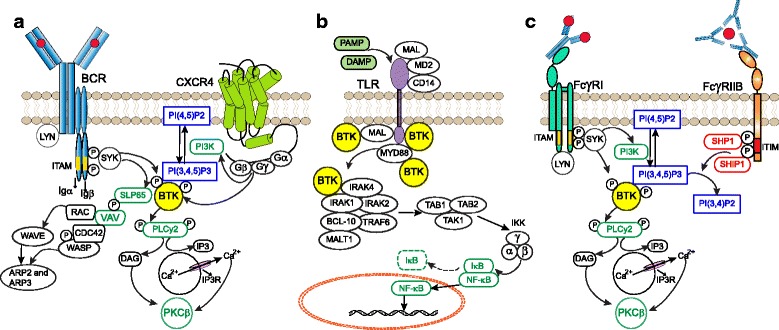
“It is a key player downstream of the B-cell receptor (BCR), which is also involved in chemokine, Toll-like (TLR), and Fc receptors signaling [138].”
Backgroundp65BTK is a novel potential actionable target in KRAS-mutated/EGFR-wild type lung adenocarcinoma
Giordano, F., Vaira, V., Cortinovis, D. L., Bonomo, S., Goedmakers, J., Brena, F., Cialdella, A., Ianzano, L., Forno, I., Cerrito, M. G., et al. (2019) · Journal of Experimental & Clinical Cancer Research · doi:10.1186/s13046-019-1199-7 · Cited by 36
“BTK has emerged as a novel molecular target in some B-cell leukemias and lymphomas where it is commonly overexpressed [15].”
BackgroundCagle, P., Niture, S. K., Srivastava, A., Ramalinga, M., Aqeel, R., Ríos-Colón, L., Chimeh, U., Suy, S., Collins, S. P., Dahiya, R., et al. (2019) · Scientific Reports · doi:10.1038/s41598-019-46170-3 · Cited by 36
Cardiotoxicity of Novel Targeted Hematological Therapies
Giudice, V., Vecchione, C., & Selleri, C. (2020) · Life · doi:10.3390/life10120344 · Cited by 36
Roskoski, R. J. (2021) · Pharmacological Research · doi:10.1016/j.phrs.2021.105660 · Cited by 36
Yeung, W., Zhou, Z., Li, S., & Kannan, N. (2023) · Briefings in Bioinformatics · doi:10.1093/bib/bbac599 · Cited by 35
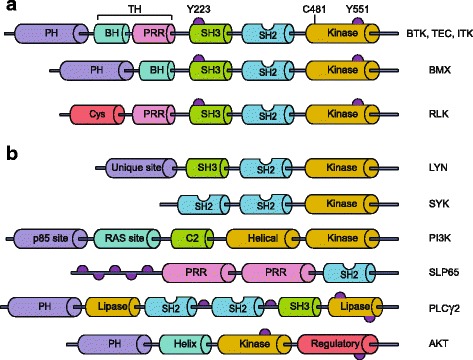
“We perform a case study on a full-length,multi-domain protein using human Bruton’s tyrosine kinase (BTK) which is composed of a Pleckstrin homology (PH) domain, a zinc finger motif, a Src homology 3 (SH3) domain, a Src homology (SH2) domain and a protein kinase domain [21].”
Tam, C. S. L., Opat, S., D’Sa, S., Jurczak, W. J., Lee, H., Cull, G., Owen, R. G., Marlton, P. V., Wahlin, B. E., García‐Sánz, R., et al. (2024) · Blood Advances · doi:10.1182/bloodadvances.2023010906 · Cited by 35
Kawahata, W., Asami, T., Kiyoi, T., Irie, T., Taniguchi, H., Asamitsu, Y., Inoue, T., Miyake, T., & Sawa, M. (2018) · Journal of Medicinal Chemistry · doi:10.1021/acs.jmedchem.8b01147 · Cited by 36
New Means and Challenges in the Targeting of BTK
Nawaratne, V., Sondhi, A. K., Abdel-Wahab, O. I., & Taylor, J. (2024) · Clinical Cancer Research · doi:10.1158/1078-0432.ccr-23-0409 · Cited by 37
A review of Bruton’s tyrosine kinase inhibitors in multiple sclerosis
Airas, L. M., Bermel, R. A., Chitnis, T., Hartung, H., Nakahara, J., Stüve, O., Williams, M. J., Kieseier, B. C., & Wiendl, H. (2024) · Therapeutic Advances in Neurological Disorders · doi:10.1177/17562864241233041 · Cited by 40
“3,6,43 This may not be the case in the use of BTK inhibitors for non-malignant autoimmune conditions such as MS.”
BackgroundEffects of BTK signalling in pathogenic microorganism infections
Ye, B., Zhou, C., Guo, H., & Zheng, M. (2019) · Journal of Cellular and Molecular Medicine · doi:10.1111/jcmm.14548 · Cited by 33
Phenotypic characteristics of commonly used inbred mouse strains
Tam, W. Y., & Cheung, K. (2020) · Journal of Molecular Medicine · doi:10.1007/s00109-020-01953-4 · Cited by 36
“Research in the past two decades have shown that the B cell receptor pathway plays a key role in proliferation, differentiation, and survival in B cell malignancies, as well as the potential use of Btk inhibitor in the target therapy for B cell lymphoma [119].”
BackgroundVascular Impact of Cancer Therapies: The Case of BTK (Bruton Tyrosine Kinase) Inhibitors
Fleming, M. R., Xiao, L., Jackson, K. D., Beckman, J. A., Barac, A., & Moslehi, J. J. (2021) · Circulation Research · doi:10.1161/circresaha.121.318259 · Cited by 36
A Novel Rational PROTACs Design and Validation via AI-Driven Drug Design Approach
Chou, C.-L., Lin, C., Kao, C., & Lin, C. (2024) · ACS Omega · doi:10.1021/acsomega.3c10183 · Cited by 33
Wang, S., Mondal, S., Zhao, C., Berishaj, M., Ghanakota, P., Batlevi, C. L., Doǧan, A., Seshan, V., Abel, R., Green, M. R., et al. (2019) · JCI Insight · doi:10.1172/jci.insight.127566 · Cited by 33
Aberrant B-Cell Activation in Systemic Lupus Erythematosus
Kang, N., Liu, X., You, X., Sun, W., Haneef, K., Sun, X., & Liu, W. (2022) · Kidney Diseases · doi:10.1159/000527213 · Cited by 33
Setiawan, S. A., Liu, W. Z., Weng, P., Lee, C., Yadav, V. K., Hardianti, M. S., Yeh, C., & Chao, T. (2023) · European Journal of Pharmacology · doi:10.1016/j.ejphar.2023.175526 · Cited by 35
Deng, L., Zhou, K., Liu, L., Zhang, M., Li, Z., Ji, C., Xu, W., Liu, T., Xu, B., Wang, X., et al. (2023) · Blood Advances · doi:10.1182/bloodadvances.2022009168 · Cited by 31
Zhu, S., Jung, J., Victor, E., Arceo, J., Gokhale, S., & Xie, P. (2021) · Frontiers in Oncology · doi:10.3389/fonc.2021.737943 · Cited by 34
“Thus, ibrutinib and acalabrutinib can be of clinical use in abrogating inflammation-associated cancer progression and angiogenesis in the TME (2, 28, 29, 69, 95).”
BackgroundInfluentialCombination Approaches to Target PD-1 Signaling in Cancer
Moore, E. K., Strazza, M., & Mor, A. (2022) · Frontiers in Immunology · doi:10.3389/fimmu.2022.927265 · Cited by 32
“Unlike other family members, ITK is expressed only in T cells, NK cells, NKT cells, and mast cells (40, 41).”
BackgroundLim, Y. S., Yoo, S.-M., Patil, V., Kim, H. W., Kim, H.-H., Suh, B., Park, J. Y., Jeong, N.-R., Park, C. H., Ryu, J. H., et al. (2022) · Blood Advances · doi:10.1182/bloodadvances.2022008121 · Cited by 32
“BTK functions as a significant regulator of cell proliferation and survival in B-cell malignancies.(3,4) Hence, the inhibition of BTK has emerged as one of the major strategies that can treat B-cell–related hematological cancers.”
BackgroundB cell targeted therapies in inflammatory autoimmune disease of the central nervous system
Furman, M. J., Meuth, S. G., Albrecht, P., Dietrich, M., Blum, H., Mareš, J., Milo, R., & Hartung, H. (2023) · Frontiers in Immunology · doi:10.3389/fimmu.2023.1129906 · Cited by 33
Gray, H. J., Chatterjee, P., Rosati, R., Appleyard, L. R., Durenberger, G., Diaz, R. L., Swan, H. A., Peretti, D., Pollastro, M., Ainge, T., et al. (2023) · npj Precision Oncology · doi:10.1038/s41698-023-00379-8 · Cited by 32
Advances in immunotherapy for pancreatic ductal adenocarcinoma
Miyazawa, M., Katsuda, M., Kawai, M., Hirono, S., Okada, K., Kitahata, Y., & Yamaue, H. (2021) · Journal of Hepato-Biliary-Pancreatic Sciences · doi:10.1002/jhbp.944 · Cited by 32
Bruton tyrosine kinase inhibitors in B-cell lymphoma: beyond the antitumour effect
Wang, H., Guo, H., Yang, J., Liu, Y., Liu, X., Zhang, Q., & Zhou, K. (2022) · Experimental Hematology and Oncology · doi:10.1186/s40164-022-00315-9 · Cited by 35
Identifying Novel Actionable Targets in Colon Cancer
Cerrito, M. G., & Grassilli, E. (2021) · Biomedicines · doi:10.3390/biomedicines9050579 · Cited by 34
“In fact, specific inhibitors such as ibrutinib and acalabrutinib are already therapeutically used for certain B-cell malignancies, where BTK is overexpressed/hyperactivated, and several other specific BTK inhibitors are currently in clinical trials for B-cell malignancies and auto-immune diseases characterized by abno…”
BackgroundRecent development of BTK-based dual inhibitors in the treatment of cancers
Ran, F., Liu, Y., Xu, Z., Meng, C., Yang, D., Qian, J., Deng, X., Zhang, Y., & Ling, Y. (2022) · European Journal of Medicinal Chemistry · doi:10.1016/j.ejmech.2022.114232 · Cited by 31
Lu, T., Zhang, J., Xu-Monette, Z. Y., & Young, K. H. (2023) · Experimental Hematology and Oncology · doi:10.1186/s40164-023-00432-z · Cited by 34
Chemistry and Applications of Functionalized 2,4‐Thiazolidinediones
Ibrahim, A. M., Shoman, M. E., Mohamed, M. F. A., Hayallah, A. M., & Abuo‐Rahma, G. E. A. (2023) · European Journal of Organic Chemistry · doi:10.1002/ejoc.202300184 · Cited by 32
Resisting the Resistance: Navigating BTK Mutations in Chronic Lymphocytic Leukemia (CLL)
Chirino, A., Montoya, S., Safronenka, A., & Taylor, J. (2023) · Genes · doi:10.3390/genes14122182 · Cited by 30
“…was approved approved for the treatment of mantle cell lymphoma (MCL Ibrutinib was fi rst was approved approved for the treatment of mantle cell lymphoma (MCL) in 2013, but soon after for CLL (2014), Waldenström’s macro-globulinemia (WM) (2015), and marginal zone lymphoma (MZL) (2017) [25,33–35].”
BackgroundHe, F., Wu, Z., Liu, C., Zhu, Y., Zhou, Y., Tian, E., Rosin‐Arbesfeld, R., Yang, D., Wang, M., & Zhu, D. (2024) · Signal Transduction and Targeted Therapy · doi:10.1038/s41392-024-01838-9 · Cited by 31
Mohammad, T., Amir, M., Prasad, K., Batra, S., Kumar, V., Hussain, A., Rehman, M. T., Alajmi, M. F., & Hassan, M. I. (2020) · International Journal of Biological Macromolecules · doi:10.1016/j.ijbiomac.2020.08.057 · Cited by 29
Chen, R., Wu, J., Lu, C., Yan, T., Qian, Y., Shen, H., Zhao, Y., Wang, J., Kong, P., & Zhang, X. (2021) · Frontiers in Pharmacology · doi:10.3389/fphar.2020.611060 · Cited by 30
Ishfaq, M., Pham, T. V., Beaman, C., Tamayo, P., Yu, A. L.-T., & Joshi, S. (2021) · Cancers · doi:10.3390/cancers13040817 · Cited by 30
“BTK plays a crucial role in B-cell signaling, and recently, its role in innate immune cells has been recognized [17,24].”
BackgroundChoueiry, F., Singh, S. V., Sircar, A., Laliotis, G., Sun, X., Chavdoula, E., Zhang, S., Helmig-Mason, J., Hart, A., Epperla, N., et al. (2021) · Cancers · doi:10.3390/cancers13092146 · Cited by 30
Duan, R., Goldmann, L., Brandl, R., Spannagl, M., Weber, C., Siess, W., & von Hundelshausen, P. (2021) · Frontiers in Cardiovascular Medicine · doi:10.3389/fcvm.2021.749022 · Cited by 29
“Btk belongs to the Tec (tyrosine kinase expressed in hepatocellular carcinoma) family of non-receptor cytoplasmic tyrosine kinase, and contains five different protein interaction domains: an amino terminal pleckstrin homology (PH) domain, a proline-rich Tec homology (TH) domain, the SRC kinase homology (SH) domains SH…”
BackgroundBertrand, J., Dostálová, H., Kryštof, V., Jorda, R., Castro‐Álvarez, A., Mella, J., Espinosa‐Bustos, C., Zárate, A. M., & Salas, C. O. (2019) · Bioorganic Chemistry · doi:10.1016/j.bioorg.2019.103361 · Cited by 29
Sanabria‐Castro, A., Alape‐Girón, A., Flores-Díaz, M., Echeverri-McCandless, A., & Parajeles, A. (2024) · Reviews in the Neurosciences · doi:10.1515/revneuro-2023-0091 · Cited by 31
Abdelgawad, M. A., Elkanzi, N. A. A., Nayl, A. A., Musa, A., Alotaibi, N. H., Arafa, W. A. A., Gomha, S. M., & Bakr, R. B. (2022) · Arabian Journal of Chemistry · doi:10.1016/j.arabjc.2022.103781 · Cited by 28
Wyżewski, Z., Mielcarska, M. B., Gregorczyk-Zboroch, K. P., & Myszka, A. (2022) · International Journal of Molecular Sciences · doi:10.3390/ijms23137265 · Cited by 30
“[116] have shown that, in splenic B-cells, LMP-2A counterfeits BCR signaling to increase the expression of B-cell lymphoma-extra-large protein (Bcl-xL) [117], another mitoprotective factor that belongs to Bcl-2 family, antagonizes pro-apoptotic molecules such as Bax and Bak, and counteracts intrinsic pathway of apopto…”
BackgroundTargeting Mast Cells in Allergic Disease: Current Therapies and Drug Repurposing
Burchett, J. R., Dailey, J. M., Kee, S. A., Pryor, D. T., Kotha, A., Kankaria, R. A., Straus, D. B., & Ryan, J. J. (2022) · Cells · doi:10.3390/cells11193031 · Cited by 34
“Beyond allergic disease, BTK has many roles, especially in B cell proliferation and malignancy [74].”
BackgroundEngineering customized nanovaccines for enhanced cancer immunotherapy
Guo, J., Liu, C., Qi, Z., Qiu, T., Zhang, J. C., & Yang, H. (2024) · Bioactive Materials · doi:10.1016/j.bioactmat.2024.02.028 · Cited by 27
“Examples of these medications are bruton tyrosine kinase inhibitors [221] and phosphoinositide 3-kinase isoform-specific inhibitors [222], which sparks further enthusiasm for development of the customized nanovaccines targeting B cells-related therapeutic pathways.”
BackgroundHuang, S., Pan, J., Jin, J., Li, C.-Y., Li, X., Huang, J., Huang, X., Xiao, Y., Li, F., Yu, M., et al. (2019) · Cancer Letters · doi:10.1016/j.canlet.2019.07.008 · Cited by 27
O’Riordan, C. E., Purvis, G. S. D., Collotta, D., Krieg, N., Wissuwa, B., Sheikh, M. H., Alves, G. F., Mohammad, S., Callender, L. A., Coldewey, S. M., et al. (2020) · Frontiers in Immunology · doi:10.3389/fimmu.2020.581758 · Cited by 27
“The expression of BTK is not restricted to B cells, as BTK is also expressed in cells of myeloid lineage, includingmacrophages and neutrophils (12, 13), activation of which contributes to the pathophysiology of sepsis.”
BackgroundRetractedKawahata, W., Asami, T., Kiyoi, T., Irie, T., Kashimoto, S., Furuichi, H., & Sawa, M. (2021) · Journal of Medicinal Chemistry · doi:10.1021/acs.jmedchem.1c01279 · Cited by 27
Ahmadi, S., Lotfi, S., Afshari, S., Kumar, P., & Ghasemi, E. (2021) · SAR and QSAR in environmental research · doi:10.1080/1062936x.2021.2003429 · Cited by 27
“Scientific shreds of evidence have shown that BTK is active in the B-cell receptor (BCR) signalling cascade, playing a critical function in both physiological and malignant B lymphocyte proliferation [2,3].”
BackgroundSecondary Resistant Mutations to Small Molecule Inhibitors in Cancer Cells
Hamid, A. B., & Petreaca, R. C. (2020) · Cancers · doi:10.3390/cancers12040927 · Cited by 29
Yang, H., Liu, X., Zhu, X., Li, X., Jiang, L., Zhong, M., Zhang, M., Chen, T., Ma, M., Liang, X., et al. (2021) · JCI Insight · doi:10.1172/jci.insight.146362 · Cited by 26
“BTK is a 77 kDa protein essential for B-lymphocyte development, differentiation, and signaling (28) and is currently involved in both physiological and oncogenic pathways through B cell receptor (BCR) regulation (29).”
Effects of dietary selenium on immune function of spleen in mice
Zhang, X., Zhang, L., Xia, K., Dai, J., Huang, J., Wang, Y., Zhu, G., Hu, Z., Zeng, Z., & Jia, Y. (2021) · Journal of Functional Foods · doi:10.1016/j.jff.2021.104914 · Cited by 27
St‐Pierre, F., & Ma, S. (2022) · Blood and Lymphatic Cancer Targets and Therapy · doi:10.2147/blctt.s326627 · Cited by 27
Zheng, T. J., Parra‐Izquierdo, I., Reitsma, S. E., Heinrich, M. C., Larson, M. K., Shatzel, J. J., Aslan, J. E., & McCarty, O. J. T. (2022) · American Journal of Physiology-Cell Physiology · doi:10.1152/ajpcell.00040.2022 · Cited by 27
Schmid, V., & Hobeika, E. (2024) · Frontiers in Oncology · doi:10.3389/fonc.2024.1339620 · Cited by 27
BTK inhibitors for severe acute respiratory syndrome coronavirus 2 (SARS-CoV-2): A systematic review
Stack, M., Sacco, K. A., Castagnoli, R., Livinski, A. A., Notarangelo, L. D., & Lionakis, M. S. (2021) · Clinical Immunology · doi:10.1016/j.clim.2021.108816 · Cited by 27
“2 critical role in the proliferation and survival of leukemic B cells [17].”
Li, W., Zhang, J., Wang, M., Dong, R., Zhou, X., Zheng, X. X., & Sun, L. (2022) · Current Topics in Medicinal Chemistry · doi:10.2174/1568026622666220111143949 · Cited by 25
Abdi, I. Y., Bartl, M., Dakna, M., Abdesselem, H., Majbour, N. K., Trenkwalder, C., El‐Agnaf, O. M. A., & Mollenhauer, B. (2023) · Neurobiology of Disease · doi:10.1016/j.nbd.2023.105997 · Cited by 26
Inhibitors of Bruton's tyrosine kinase as emerging therapeutic strategy in autoimmune diseases
Bondt, M. D., Renders, J., Struyf, S., & Hellings, N. (2024) · Autoimmunity Reviews · doi:10.1016/j.autrev.2024.103532 · Cited by 24
Dong, X.-D., Zhang, M., Ma, X., Wang, J., Lei, Z., Teng, Q., Li, Y.-D., Lin, L., Feng, W., & Chen, Z. (2020) · Frontiers in Cell and Developmental Biology · doi:10.3389/fcell.2020.00865 · Cited by 24
Luo, S., Long, H., & Lu, Q. (2020) · International Immunopharmacology · doi:10.1016/j.intimp.2020.107028 · Cited by 26
Molecular Perspectives of SARS-CoV-2: Pathology, Immune Evasion, and Therapeutic Interventions
Shah, M., & Woo, H. G. (2021) · Molecules and Cells · doi:10.14348/molcells.2021.0026 · Cited by 23
“BTK relays the signaling of TLRs, IL-1R, CD19, BCR, CXCR4, and Fcγ-R1 (Pal Singh et al., 2018; Sharma et al., 2009), thus prompting studies on the use of BTK inhibitors against excessive host inflammation in severe COVID-19.”
BackgroundSmall-Molecule Compounds Boost CAR-T Cell Therapy in Hematological Malignancies
Cao, X., Jin, X., Zhang, X., Utsav, P., Zhang, Y., Guo, R., Lu, W., & Zhao, M. (2023) · Current Treatment Options in Oncology · doi:10.1007/s11864-023-01049-4 · Cited by 27
Treatment Refractoriness in Chronic Lymphocytic Leukemia: Old and New Molecular Biomarkers
Maher, N., Mouhssine, S., Matti, B. F., Alwan, A., & Gaïdano, G. (2023) · International Journal of Molecular Sciences · doi:10.3390/ijms241210374 · Cited by 26
Benner, B. N., Scarberry, L., Stiff, A. R., Duggan, M. C., Good, L., Lapurga, G., Butchar, J. P., Tridandapani, S., & Carson, W. E. (2019) · OncoImmunology · doi:10.1080/2162402x.2019.1659704 · Cited by 25
“Until recently, BTKwas primarily known as a signalingmolecule in B cells.(51) However, growing evidence supports the role for BTK in myeloid cells including a potential function in Tolllike receptor-mediated recognition of infectious agents, cellular maturation/recruitment processes, and Fc receptor signaling.”
BackgroundPepe, F., & Balatti, V. (2020) · Journal of Clinical Medicine · doi:10.3390/jcm9020593 · Cited by 24
Management of Drug Resistance in Mantle Cell Lymphoma
Roué, G., & Sola, B. (2020) · Cancers · doi:10.3390/cancers12061565 · Cited by 27
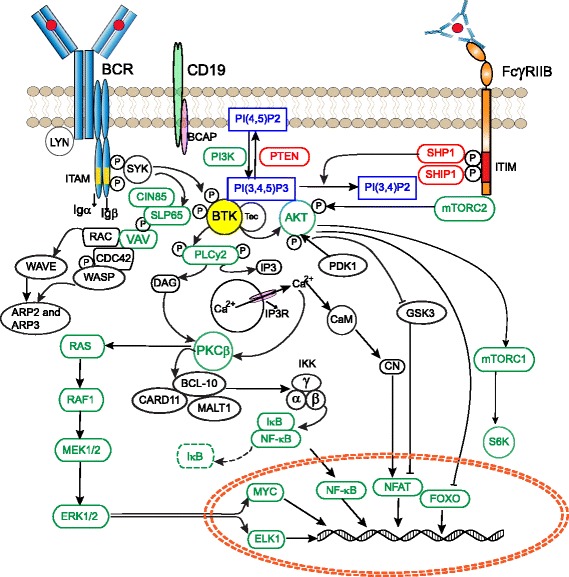
“However, in some cases, the constitutive phosphorylation affects BTK downstream effectors like LYN, SYK, and PKCβ kinases (Figure 2) [81].”
BackgroundZanubrutinib-induced liver injury: a case report and literature review
Atallah, E., Wijayasiri, P., Cianci, N., Abdullah, K., Mukherjee, A., & Aithal, G. P. (2021) · BMC Gastroenterology · doi:10.1186/s12876-021-01825-2 · Cited by 23
“characterised by bone marrow infiltration with lymphoplasmacytic cells that secrete monoclonal immunoglobulin M (IgM) and activate the B-cell receptor signalling complex, of which Bruton tyrosine kinase (BTK) is a crucial enzyme [7, 8].”
BackgroundThe Role of BTK Inhibition in the Treatment of Chronic Lymphocytic Leukemia: A Clinical View
Tambaro, F. P., Novellis, D. D., & Wierda, W. G. (2021) · Journal of Experimental Pharmacology · doi:10.2147/jep.s265284 · Cited by 23
Mancuso, S., Mattana, M., Carlisi, M., Santoro, M., & Siragusa, S. M. (2022) · International Journal of Molecular Sciences · doi:10.3390/ijms23063368 · Cited by 27
“BTK is a critical enzyme involved in the development, activation and survival of B lymphocytes [84,85].”
BackgroundDas, D., Wang, J., & Hong, J. (2022) · Current Topics in Medicinal Chemistry · doi:10.2174/1568026622666220801101706 · Cited by 23
Podoll, T., Pearson, P. G., Kaptein, A., Evarts, J., de Bruin, G., Hoek, M. E.-V., de Jong, A., van Lith, B., Sun, H., Byard, S. J., et al. (2022) · Journal of Pharmacology and Experimental Therapeutics · doi:10.1124/jpet.122.001116 · Cited by 23
Creeden, J. F., Alganem, K., Imami, A. S., Henkel, N., Brunicardi, F. C., Liu, S., Shukla, R., Tomar, T., Naji, F., & McCullumsmith, R. E. (2020) · International Journal of Molecular Sciences · doi:10.3390/ijms21228823 · Cited by 22
Targeting BTK Signaling in the Microenvironment of Solid Tumors as a Feasible Cancer Therapy Option
Messex, J. K., & Liou, G. (2021) · Cancers · doi:10.3390/cancers13092198 · Cited by 23
“The kinase domain of BTK, also known as the SH1 domain contains a tyrosine at 551 position (Y551) with the activation loop.”
BackgroundInfluentialTargeting the Stroma in the Management of Pancreatic Cancer
Edwards, P., Kang, B. W., & Chau, I. (2021) · Frontiers in Oncology · doi:10.3389/fonc.2021.691185 · Cited by 22
Zhao, J., Chen, J., Li, Y., Xia, L., & Wu, Y. (2021) · International Journal of Molecular Medicine · doi:10.3892/ijmm.2021.5010 · Cited by 22
“It has recently demonstrated that BTK is crucial for the proliferation, development and differentiation of B cells (9).”
BackgroundBET in hematologic tumors: Immunity, pathogenesis, clinical trials and drug combinations
Ma, T., Chen, Y., Yi, Z., Li, Y., Bai, J. Y., Li, L., & Zhang, L. (2022) · Genes & Diseases · doi:10.1016/j.gendis.2022.03.004 · Cited by 26
“BTKi ibrutinib has a high response rate in patients with R/R CLL and MCL, but resistance may develop with monotherapy.(124) The combination of BTKi with other drugs is the best way to improve the efficacy, and we summarize the combination of BTKi and BETi in hematologic tumors (Table 3).”
BackgroundControversies about immunoglobulin replacement therapy in HSCT recipients with hypogammaglobulinemia
Ohmoto, A., Fuji, S., Shultes, K. C., Savani, B. N., & Einsele, H. (2022) · Bone Marrow Transplantation · doi:10.1038/s41409-022-01680-z · Cited by 22
Yu, M., Wu, X., Peng, L., Yang, M., Zhou, H., Xu, J., Wang, J., Wang, H., Xie, W., & Kong, H. (2022) · Oxidative Medicine and Cellular Longevity · doi:10.1155/2022/6526036 · Cited by 22
Metadata
- Authors
- Pal Singh, S., Dammeijer, F., & Hendriks, R. W.
- Affiliations
- Erasmus MC (NL)
- Corresponding author
- Hendriks, Rudi W.
- Venue
- Molecular Cancer
- Published
- 2018-02-19
- Volume
- 17
- Issue
- 1
- Pages
- 57-57
- ISSN
- 1476-4598 (ISSN-L)
- PMC
- PMC5817726
- OpenAlex
- W2791299132
- Cited by
- 726
- References
- 272
- Citations by year
- 2026: 62 · 2025: 89 · 2024: 123 · 2023: 104 · 2022: 127 · 2021: 100 · 2020: 67 · 2019: 45 · 2018: 9
- FWCI
- 8.03
- Type
- journal article
- Language
- en
- Update notices
- correction (2019-04-03)
- Open access
- gold
- doi.org
- Locations
- Molecular Cancer (publishedVersion, cc-by)
- PubMed Central (publishedVersion, cc-by)
- PubMed (publishedVersion)
- EUR Research Repository (Erasmus University Rotterdam) (publishedVersion, other-oa)
- EUR Research Repository (Erasmus University Rotterdam) (submittedVersion, other-oa)
- RePub (Erasmus University Rotterdam) (submittedVersion, other-oa)
- DOAJ (DOAJ: Directory of Open Access Journals) (submittedVersion, cc-by-sa)
- Funders
- ZonMw
- Topics
- Health Sciences › Medicine › Hematology › Chronic Lymphocytic Leukemia Research
- Health Sciences › Medicine › Pathology and Forensic Medicine › Lymphoma Diagnosis and Treatment
- Life Sciences › Immunology and Microbiology › Immunology › Immunodeficiency and Autoimmune Disorders
- Keywords
- Bruton's tyrosine kinase, B-cell malignancies, ibrutinib, chronic lymphocytic leukemia, mantle cell lymphoma, B cell receptor signaling, X-linked agammaglobulinemia, B cell differentiation, BTK inhibitors, tumor microenvironment, myeloid cells, drug resistance, combination therapy, solid tumors
- MeSH terms
- Agammaglobulinaemia Tyrosine Kinase, Animals, Antineoplastic Combined Chemotherapy Protocols, B-Lymphocytes, Bone Marrow, Cell Differentiation, Cell Transformation, Neoplastic, Humans, Receptors, Antigen, B-Cell, Biomarkers, Tumor, Signal Transduction, Leukemia, B-Cell, Gene Expression Regulation, Neoplastic, Lymphoma, B-Cell, Treatment Outcome, Lymphopoiesis, Protein Kinase Inhibitors, Molecular Targeted Therapy, Tumor Microenvironment
About these checks
Registry, retraction, Cites and statistics results are computed, not judged, with one exception: a printed reference that no index lists is read once by a model before it counts as a citation error. Claims are extracted by a model and kept only when their quote appears verbatim in the text; each cited source is then checked, with a model’s help, for whether it says what the claim relies on. Those verdicts can be wrong — read the claim’s quote and the cited source before relying on one.
Statistics and arithmetic are recomputed, not judged.
Confidence bands are shown only for fields calibrated on our annotated test set. None is calibrated yet, so no band is shown.
What counts as a claim ›How we measure confidence ›How we check this ›
Are you an author, or do you see a problem with this page? Request a review
