

Harnessing tumor‐associated macrophages as aids for cancer immunotherapy
Open accessThe DOI matches its Crossref record; 137 of the 137 references it cites were found in a registry or an index.
Abstract
Cancer immunotherapies that engage immune cells to fight against tumors are proving to be powerful weapons in combating cancer and are becoming increasingly utilized in the clinics. However, for the majority of patients with solid tumors, little or no progress has been seen, presumably due to lack of adequate approaches that can reprogram the local immunosuppressive tumor milieu and thus reinvigorate antitumor immunity. Tumor-associated macrophages (TAMs), which abundantly infiltrate most solid tumors, could contribute to tumor progression by stimulating proliferation, angiogenesis, metastasis, and by providing a barrier against antitumor immunity. Initial TAMs-targeting strategies have shown efficacy across therapeutic modalities and tumor types in both preclinical and clinical studies. TAMs-targeted therapeutic approaches can be roughly divided into those that deplete TAMs and those that modulate TAMs activities. We here reviewed the mechanisms by which macrophages become immunosuppressive and compromise antitumor immunity. TAMs-focused therapeutic strategies are also summarized.
Overview
The claims and statistics of this paper haven’t been checked yet.
Free: it reads the open-access text and checks the first 5 claims that cite a source we can check. Create a free account to check every claim.
Integrity signals
Registry
Cites
Statistics
Figures
Verification
Claims the paper makes
The claims and statistics of this paper haven’t been checked yet.
Free: it reads the open-access text and checks the first 5 claims that cite a source we can check. Create a free account to check every claim.
Claims other papers make about this one
Each is checked against this paper’s own text: does it say what the citing paper says it does?
The cited source says what the claim attributes to it.
In the citing paper
“Moreover, the phagocytic role of TAMs can be harnessed to concentrate cytotoxic drugs in the TME [85, 86].”
From Tumor microenvironment signaling and therapeutics in cancer progression (2023) · cites this paper as [86]
Self-check
Percentages, sums and reported differences re-computed from the paper’s own numbers.
The self-check needs the paper’s full text.
Citations
Cites
Hallmarks of Cancer: The Next Generation
Hanahan, D., & Weinberg, R. A. (2011) · Cell · doi:10.1016/j.cell.2011.02.013 · Cited by 66,590
Mantovani, A., Allavena, P., Sica, A., & Balkwill, F. (2008) · Nature · doi:10.1038/nature07205 · Cited by 11,399
Immunity, Inflammation, and Cancer
Grivennikov, S. I., Greten, F. R., & Karin, M. (2010) · Cell · doi:10.1016/j.cell.2010.01.025 · Cited by 10,755
Microenvironmental regulation of tumor progression and metastasis
Quail, D. F., & Joyce, J. A. (2013) · Nature Medicine · doi:10.1038/nm.3394 · Cited by 7,994
The chemokine system in diverse forms of macrophage activation and polarization
MANTOVANI, A., SICA, A., SOZZANI, S., ALLAVENA, P., VECCHI, A., & LOCATI, M. (2004) · Trends in Immunology · doi:10.1016/j.it.2004.09.015 · Cited by 6,534
TGFβ attenuates tumour response to PD-L1 blockade by contributing to exclusion of T cells
Mariathasan, S., Turley, S. J., Nickles, D., Castiglioni, A., Yuen, K., Wang, Y., Kadel III, E. E., Koeppen, H., Astarita, J. L., Cubas, R., et al. (2018) · Nature · doi:10.1038/nature25501 · Cited by 5,400
Macrophage Diversity Enhances Tumor Progression and Metastasis
Qian, B.-Z., & Pollard, J. W. (2010) · Cell · doi:10.1016/j.cell.2010.03.014 · Cited by 5,188
Chen, W., Jin, W., Hardegen, N., Lei, K.-J., Li, L., Marinos, N., McGrady, G., & Wahl, S. M. (2003) · The Journal of Experimental Medicine · doi:10.1084/jem.20030152 · Cited by 4,699
Tumor-Associated Macrophages: From Mechanisms to Therapy
Noy, R., & Pollard, J. W. (2014) · Immunity · doi:10.1016/j.immuni.2014.06.010 · Cited by 4,089
Tumour-associated macrophages as treatment targets in oncology
Mantovani, A., Marchesi, F., Malesci, A., Laghi, L., & Allavena, P. (2017) · Nature Reviews Clinical Oncology · doi:10.1038/nrclinonc.2016.217 · Cited by 4,033
Cited by
Macrophages in immunoregulation and therapeutics
Chen, S., Saeed, A. F. U. H., Liu, Q., Jiang, Q., Xu, H., Xiao, G. G., Rao, L., & Duo, Y. (2023) · Signal Transduction and Targeted Therapy · doi:10.1038/s41392-023-01452-1 · Cited by 2,229
“Furthermore, TAMs, which increasingly invade most solid tumors, may lead to tumor progression by inducing proliferation, angiogenesis, metastasis, and forming a barrier toward antitumor immunity.(277)”
BackgroundTargeting tumor-associated macrophages to synergize tumor immunotherapy
Xiang, X., Wang, J., Lu, D., & Xu, X. (2021) · Signal Transduction and Targeted Therapy · doi:10.1038/s41392-021-00484-9 · Cited by 966
Cold and hot tumors: from molecular mechanisms to targeted therapy
Wu, B., Zhang, B., Li, B., Wu, H., & Jiang, M. (2024) · Signal Transduction and Targeted Therapy · doi:10.1038/s41392-024-01979-x · Cited by 682
Targeting macrophages in cancer immunotherapy
Duan, Z., & Luo, Y. (2021) · Signal Transduction and Targeted Therapy · doi:10.1038/s41392-021-00506-6 · Cited by 625
Tu, C., Lu, H., Zhou, T., Zhang, W., Deng, L., Cao, W., Yang, Z., Wang, Z., Wu, X., Ding, J., et al. (2022) · Biomaterials · doi:10.1016/j.biomaterials.2022.121597 · Cited by 598
Wang, S., Wang, J., Chen, Z., Luo, J., Guo, W., Sun, L., & Lin, L. (2024) · npj Precision Oncology · doi:10.1038/s41698-024-00522-z · Cited by 569
“The primary activation of M2-like macrophages is caused by triggering cytokines, which include transforming growth factor (TGF)- β , IL-4, IL-13, IL-10, and macrophage colony-stimulating factor (M-CSF) 22,23 .”
Gunassekaran, G. R., Poongkavithai Vadevoo, S. M., Baek, M.-C., & Lee, B. (2021) · Biomaterials · doi:10.1016/j.biomaterials.2021.121137 · Cited by 483
Tumor microenvironment signaling and therapeutics in cancer progression
Goenka, A., Khan, F., Verma, B., Sinha, P., Dmello, C. C., Jogalekar, M. P., Gangadaran, P., & Ahn, B. (2023) · Cancer Communications · doi:10.1002/cac2.12416 · Cited by 323
“Moreover, the phagocytic role of TAMs can be harnessed to concentrate cytotoxic drugs in the TME [85, 86].”
BackgroundHyaluronan: Metabolism and Function
Kobayashi, T., Chanmee, T., & Itano, N. (2020) · Biomolecules · doi:10.3390/biom10111525 · Cited by 318
Tumor-associated macrophages in cancer: recent advancements in cancer nanoimmunotherapies
Kumari, N., & Choi, S. H. (2022) · Journal of Experimental & Clinical Cancer Research · doi:10.1186/s13046-022-02272-x · Cited by 315
“Such mediator comprises various cytokines and growth factors that induce cell proliferation and migration, proangiogenic growth factors such as vascular endothelial growth factor (VEGF), platelet-derived growth factor (PDGF), fibroblast growth factor (FGF), and transforming growth factor-β (TGFβ), NF-kB-mediated facto…”
BackgroundThe Impact of the Tumor Microenvironment on Macrophage Polarization in Cancer Metastatic Progression
Wang, H., Yung, M. M. H., Ngan, H. Y. S., Chan, K. K. L., & Chan, D. W. (2021) · International Journal of Molecular Sciences · doi:10.3390/ijms22126560 · Cited by 254
Ma, X., Liang, X., Li, Y., Feng, Q., Cheng, K., Ma, N., Zhu, F., Guo, X., Yue, Y., Liu, G., et al. (2023) · Nature Communications · doi:10.1038/s41467-023-37225-1 · Cited by 243
Pre-metastatic niche: formation, characteristics and therapeutic implication
Wang, Y., Jia, J., Wang, F., Fang, Y., Yang, Y., Zhou, Q., Yuan, W., Gu, X., Hu, J., & Yang, S. (2024) · Signal Transduction and Targeted Therapy · doi:10.1038/s41392-024-01937-7 · Cited by 246
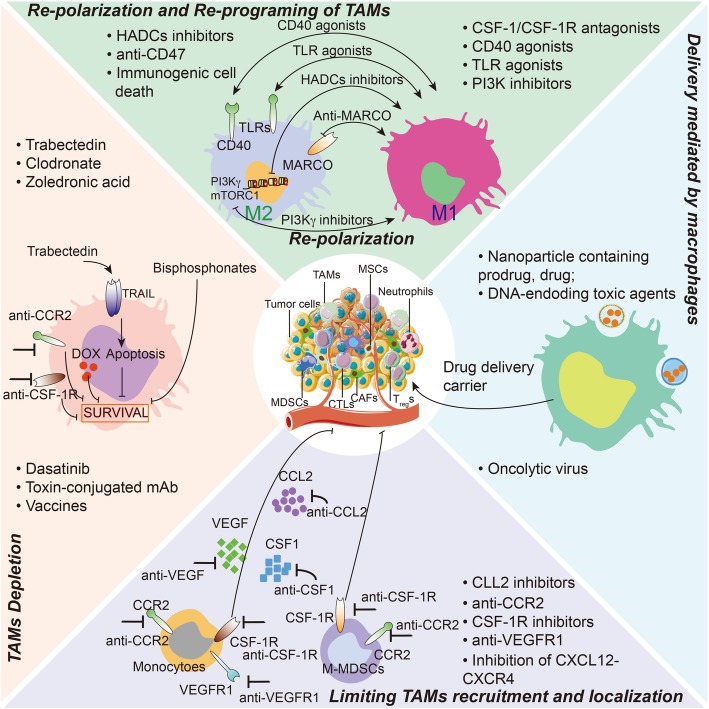
“112,331,332 Thus, inhibiting CCR2 may forestall the mobilization of monocytes from the bone marrow, culminating in a diminution of the circulating cell reservoir and a reduction in the presence of TAMs at both primary and metastatic locales.”
BackgroundCAR-macrophage: A new immunotherapy candidate against solid tumors
Chen, Y., Yu, Z., Tan, X., Jiang, H., Xu, Z., Fang, Y., Han, D., Hong, W., Wei, W., & Tu, J. (2021) · Biomedicine & Pharmacotherapy · doi:10.1016/j.biopha.2021.111605 · Cited by 240
Role of serotonin receptor signaling in cancer cells and anti-tumor immunity
Karmakar, S., & Lal, G. (2021) · Theranostics · doi:10.7150/thno.55986 · Cited by 196
“While inducible nitric oxdide synthase (iNOS)+ M1 macrophages show pro-inflammatory properties [25, 26], M2 macrophages play a substantial role in the suppression of inflammation.”
BackgroundMETTL3 Inhibitors for Epitranscriptomic Modulation of Cellular Processes
Moroz‐Omori, E. V., Huang, D., Kumar Bedi, R., Cheriyamkunnel, S. J., Bochenkova, E., Dolbois, A., Rzeczkowski, M. D., Li, Y., Wiedmer, L., & Caflisch, A. (2021) · ChemMedChem · doi:10.1002/cmdc.202100291 · Cited by 192
Yang, Y., Li, S., To, K. K. W., Zhu, S., Wang, F., & Fu, L. (2025) · Journal of Experimental & Clinical Cancer Research · doi:10.1186/s13046-025-03377-9 · Cited by 184
“Trabectedin is an antitumor chemotherapeutic drug that was also shown to selectively kill monocytes in the circulation and TAMs in tumors via a TRAIL-dependent mechanism [319].”
Multi-stage mechanisms of tumor metastasis and therapeutic strategies
Liu, Z., Chen, J., Ren, Y., Liu, S., Ba, Y., Zuo, A., Luo, P., Cheng, Q., Xu, H., & Han, X. (2024) · Signal Transduction and Targeted Therapy · doi:10.1038/s41392-024-01955-5 · Cited by 184
“68 Both NK cells and neutrophils, similarly pivotal in innate immunity, undergo the transformation driven by the elevated concentration of TGF-β within the TME.”
BackgroundSelf-citationChen, X., Gao, A., Zhang, F., Yang, Z., Wang, S., Fang, Y., Li, J., Wang, J., Shi, W., Wang, L., et al. (2021) · Theranostics · doi:10.7150/thno.52435 · Cited by 176
“A better understanding of these processes has led to the development of multiple strategies modulating TAM recruitment, survival, and polarization [38].”
BackgroundInfluentialMolecular mechanisms in MASLD/MASH-related HCC
Wang, X., Zhang, L., & Dong, B. (2025) · Hepatology · doi:10.1097/hep.0000000000000786 · Cited by 169
The Role of Tumor-Stroma Interactions in Drug Resistance Within Tumor Microenvironment
Ni, Y., Zhou, X., Yang, J., Shi, H., Li, H., Zhao, X., & Ma, X. (2021) · Frontiers in Cell and Developmental Biology · doi:10.3389/fcell.2021.637675 · Cited by 168
Tumor Associated Macrophages: Origin, Recruitment, Phenotypic Diversity, and Targeting
Hourani, T., Holden, J. A., Li, W., Lenzo, J. C., Hadjigol, S., & O’Brien-Simpson, N. M. (2021) · Frontiers in Oncology · doi:10.3389/fonc.2021.788365 · Cited by 168
Targeting macrophages in hematological malignancies: recent advances and future directions
Li, W., Wang, F., Guo, R., Bian, Z., & Song, Y. (2022) · Journal of Hematology & Oncology · doi:10.1186/s13045-022-01328-x · Cited by 167
“TAMs, a specific macrophage subpopulation, constitute the most abundant part of immune cells in almost all TME [169, 170].”
BackgroundInfluentialLi, X., Su, X., Liu, R., Pan, Y., Fang, J., Cao, L., Feng, C., Shang, Q., Chen, Y., Shao, C., et al. (2021) · Oncogene · doi:10.1038/s41388-020-01636-x · Cited by 160
Self-citationThe Evolving Landscape of Antibody–Drug Conjugates: In Depth Analysis of Recent Research Progress
Sasso, J. M., Tenchov, R., Bird, R. E., Iyer, K. A., Ralhan, K., Rodríguez, Y., & Zhou, Q. A. (2023) · Bioconjugate Chemistry · doi:10.1021/acs.bioconjchem.3c00374 · Cited by 176
Zheng, Y., Han, Y., Sun, Q., & Li, Z. (2022) · Exploration · doi:10.1002/exp.20210166 · Cited by 169
Li, J., Chen, Y., Li, Y., Liu, N., & Ma, J. (2021) · Molecular Cancer · doi:10.1186/s12943-021-01317-7 · Cited by 162
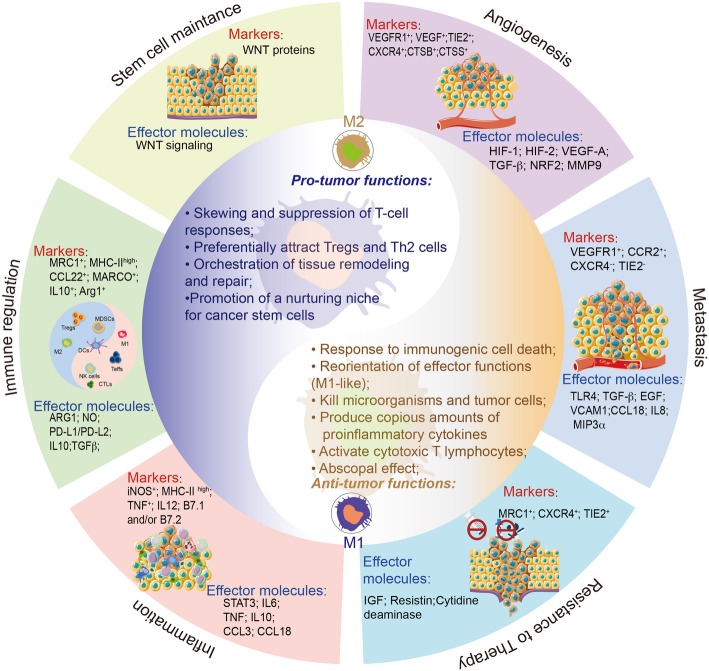
“blood vessels [32] and supported the seeding, survival, and prospering of tumor cells through the formation of a nurturing niche [33, 34].”
BackgroundPiña‐Sánchez, P., Chávez‐González, A., Tachiquín, M. E. R., Vadillo, E., Monroy-García, A., Montesinos, J. J., Álvarez, R. G., de la Barrera, M. G., & Mayani, H. (2021) · Cancer Control · doi:10.1177/10732748211038735 · Cited by 189
Tumor-associated macrophages: A promising target for a cancer immunotherapeutic strategy
Zhang, S., Song, X., Yang, L., Ye, L., Zhou, Q., & Yang, W.-B. (2020) · Pharmacological Research · doi:10.1016/j.phrs.2020.105111 · Cited by 149
Figueiredo, P., Lepland, A., Scodeller, P., Fontana, F., Torrieri, G., Tiboni, M., Shahbazi, M., Casettari, L., Kostiainen, M. A., Hirvonen, J., et al. (2021) · Acta Biomaterialia · doi:10.1016/j.actbio.2020.09.038 · Cited by 135
Versatile Nano‐PROTAC‐Induced Epigenetic Reader Degradation for Efficient Lung Cancer Therapy
Zhang, H., Peng, R., Chen, S., Shen, A., Zhao, L., Tang, W., Wang, X., Li, Z., Zha, Z., Yi, M., et al. (2022) · Advanced Science · doi:10.1002/advs.202202039 · Cited by 135
Emerging Role of Ubiquitination in the Regulation of PD-1/PD-L1 in Cancer Immunotherapy
Hu, X., Wang, J., Chu, M., Liu, Y., Wang, Z. P., & Zhu, X. (2020) · Molecular Therapy · doi:10.1016/j.ymthe.2020.12.032 · Cited by 160
Fibrinogen-like protein 1 (FGL1): the next immune checkpoint target
Qian, W., Zhao, M., Wang, R., & Li, H. (2021) · Journal of Hematology & Oncology · doi:10.1186/s13045-021-01161-8 · Cited by 144
Ma, J., Huang, L., Hu, D., Zeng, S., Han, Y., & Shen, H. (2021) · Journal of Experimental & Clinical Cancer Research · doi:10.1186/s13046-021-02128-w · Cited by 153
“Tumor-associated macrophages (TAMs), which are mainly divided into M1-like phenotype and M2-like phenotype, can recruit naïve T cells, regulatory T cells, and T helper 2 cells to inhibit the function of cytotoxic T cells via the M2-like phenotype [26].”
BackgroundFunctional polarization of tumor-associated macrophages dictated by metabolic reprogramming
Zeng, W., Li, F., Jin, S., Ho, P., Liu, P.-S., & Xie, X. (2023) · Journal of Experimental & Clinical Cancer Research · doi:10.1186/s13046-023-02832-9 · Cited by 158
“Metabolic reprogramming of TAMs as an anti‐cancer therapy Using TAMs or their functional mediators as direct targets, various therapeutic strategies have been developed to overcome immunosuppression in the TME, including depleting TAMs, blocking monocyte/macrophage recruitment, and reprogramming TAMs into pro-inflamma…”
BackgroundCD206+ tumor-associated macrophages cross-present tumor antigen and drive antitumor immunity
Modak, M., Mattes, A.-K., Reiss, D., Skrońska-Wąsek, W., Langlois, R., Sabarth, N., Konopitzky, R., Ramírez, F., Lehr, K., Mayr, T., et al. (2022) · JCI Insight · doi:10.1172/jci.insight.155022 · Cited by 136
“In the tumor microenvironment, the presence of M2-like TAM, usually defined by the expression of CD163 and CD206, is generally regarded to exert immunosuppressive or proangiogenic effects (8, 9, 13, 14).”
Zheng, H., Peng, X., Yang, S., Li, X., Huang, M., Wei, S., Zhang, S., He, G., Liu, J., Fan, Q., et al. (2023) · Cell Death Discovery · doi:10.1038/s41420-023-01356-7 · Cited by 135
“In addition, tumor-associated macrophages (TAMs), which infiltrate most of the solid tumors in abundance, can contribute to tumor progression by providing a major barrier against antitumor immunity and by stimulating proliferation, angiogenesis, and metastasis [14].”
BackgroundSelf-citationThe role of tumor-associated macrophages in osteosarcoma progression – therapeutic implications
Huang, Q., Liang, X., Ren, T., Huang, Y., Zhang, H., Yu, Y., Chen, C., Wang, W., Niu, J., Lou, J., et al. (2021) · Cellular Oncology · doi:10.1007/s13402-021-00598-w · Cited by 118
“In addition, TAMs can inhibit the tumor-killing functions of cytotoxic T cells by consuming metabolites necessary for T cell proliferation [104].”
BackgroundDeng, Q.-S., Gao, Y., Rui, B., Li, X., Liu, P., Han, Z., Wei, Z., Zhang, C., Wang, F., Dawes, H., et al. (2023) · Bioactive Materials · doi:10.1016/j.bioactmat.2023.04.004 · Cited by 162
Self-citationTargeting tumor‑associated macrophages in the tumor microenvironment (Review)
Zhou, K., Cheng, T., Zhan, J., Peng, X., Zhang, Y., Wen, J., Chen, X., & Ying, M. (2020) · Oncology Letters · doi:10.3892/ol.2020.12097 · Cited by 114
“Some of these strategies show promising effects; however, challenges still remain (15).”
BackgroundMethodQiu, N., Wang, G., Wang, J., Zhou, Q., Guo, M., Wang, Y., Hu, X., Zhou, H., Bai, R., You, M., et al. (2020) · Advanced Materials · doi:10.1002/adma.202006189 · Cited by 116
Long noncoding RNA: a dazzling dancer in tumor immune microenvironment
Zhang, Y., Liu, Q., & Liao, Q. (2020) · Journal of Experimental & Clinical Cancer Research · doi:10.1186/s13046-020-01727-3 · Cited by 124
Yue, D., Liu, W., Chen, C., Zhang, T., Ma, Y., Cui, L., Gu, Y., Bei, T., Zhao, X., Zhang, B., et al. (2022) · Translational Lung Cancer Research · doi:10.21037/tlcr-22-106 · Cited by 124
“Tumor immune microenvironment (TIME) makers such as PD-L1 expression, abundance of tumor-infiltrating lymphocytes (TILs), CD8 T cells, and CD56 natural killer cells, and density of M1/M2-tumor-associated macrophages (12-15) were reported to be associated with pathological response in primary tumors subjected to immuno…”
BackgroundDecoding tumor angiogenesis: pathways, mechanisms, and future directions in anti-cancer strategies
Liu, X., Zhang, J., Yi, T., Li, H., Tang, X., Liu, D., Wu, D., & Li, Y. (2025) · Biomarker Research · doi:10.1186/s40364-025-00779-x · Cited by 137
“These factors enhance the recruitment and activation of ECs and other cells, promoting vascular network formation [81, 86].”
Liu, Y., Zhou, J., Li, Q., Li, L., Jia, Y., Geng, F., Zhou, J., & Yin, T. (2021) · Advanced Drug Delivery Reviews · doi:10.1016/j.addr.2021.02.019 · Cited by 102
Cheng, H., Fan, X., Ye, E., Chen, H., Yang, J., Ke, L., You, M., Liu, M., Zhang, Y., Wu, Y., et al. (2021) · Advanced Materials · doi:10.1002/adma.202107674 · Cited by 104
Tumor-associated macrophages in multiple myeloma: advances in biology and therapy
Sun, J., Park, C., Guenthner, N., Gurley, S., Zhang, L., Lubben, B., Adebayo, O., Bash, H. D., Chen, Y., Maksimos, M., et al. (2022) · Journal for ImmunoTherapy of Cancer · doi:10.1136/jitc-2021-003975 · Cited by 109
Guo, Y., Bao, Q., Hu, P., & Shi, J. (2023) · Nature Communications · doi:10.1038/s41467-023-42972-2 · Cited by 100
“…increasingly complicated, such as bone marrow-derived macrophages (BMDMs), alveolar macrophages (AMs), and interstitial macrophages (IMs), which promote tumor development by inducing angiogenesis, secreting various factors and inhibiting cytotoxic T cell responses by several means 10 .”
Yang, H., Lv, D., Qu, S., Xu, H., Li, S., Wang, Z., Cao, X., Rong, Y., Li, X., Wu, H., et al. (2024) · Advanced Science · doi:10.1002/advs.202403219 · Cited by 130
Self-citationLi, T., Liu, T., Zhu, W., Xie, S., Zhao, Z., Feng, B., Guo, H., & Yang, R. (2021) · Clinical Medicine Insights Oncology · doi:10.1177/11795549211035540 · Cited by 114
Key Players of the Immunosuppressive Tumor Microenvironment and Emerging Therapeutic Strategies
Park, K., Veena, M. S., & Shin, D. S. (2022) · Frontiers in Cell and Developmental Biology · doi:10.3389/fcell.2022.830208 · Cited by 98
Zhang, T., Xia, W., Song, X., Mao, Q., Huang, X., Chen, B., Liang, Y., Wang, H., Chen, Y., Yu, X., et al. (2022) · Journal of Hematology & Oncology · doi:10.1186/s13045-022-01331-2 · Cited by 96
“M2-like tumor-associated macrophages (TAM2) in the tumor microenvironment are the predominant sources of TGF-β [19].”
BackgroundMulti-scale modeling of macrophage—T cell interactions within the tumor microenvironment
Cess, C. G., & Finley, S. D. (2020) · PLoS Computational Biology · doi:10.1371/journal.pcbi.1008519 · Cited by 93
“As many macrophages in the TME display an immunosuppressive M2 phenotype, it is thought that preventing macrophage recruitment would allow T cells to better be able to remove the tumor [15,16].”
BackgroundInfluentialThe Tumor Microenvironment Factors That Promote Resistance to Immune Checkpoint Blockade Therapy
Russell, B. L., Sooklal, S. A., Malindisa, S. T., Daka, L. J., & Ntwasa, M. M. (2021) · Frontiers in Oncology · doi:10.3389/fonc.2021.641428 · Cited by 86
Wu, L., Xie, W., Li, Y., Ni, Q., Timashev, P. S., Lyu, M., Xia, L., Zhang, Y., Liu, L., Yuan, Y., et al. (2022) · Advanced Science · doi:10.1002/advs.202105376 · Cited by 95
Yang, L., Patel, K. D., Rathnam, C., Thangam, R., Hou, Y., Kang, H., & Lee, K. (2022) · Small · doi:10.1002/smll.202104783 · Cited by 81
Ni, J., Zhang, Z., Ge, M.-J., Chen, J., & Zhuo, W. (2022) · Acta Pharmacologica Sinica · doi:10.1038/s41401-022-00953-z · Cited by 89
“On the other hand, TAMs with poor antigen-presenting ability establish an immunosuppressive TME and induce immune escape by releasing immunosuppressive factors (IL-1, IL-10, TNF-α), upregulating the expression of immunosuppressive molecules (PD-L1, MHC-I, CD80), and recruiting immunosuppressive cells [65].”
BackgroundLi, J., Wang, S., Wang, N., Zheng, Y., Yang, B., Wang, X., Zhang, J., Pan, B., & Wang, Z. (2021) · Cell Communication and Signaling · doi:10.1186/s12964-021-00775-2 · Cited by 91
“Some examples include blockade of monocytes/macrophage recruitment, pharmacological depletion of TAMs, reprogramming TAMs into antitumor M1-like macrophages, and neutralizing TAM-secreted inflammatory chemokines [15, 47].”
BackgroundJi, P., Gong, Y., Jin, M., Wu, H., Guo, L., Pei, Y., Chai, W.-J., Jiang, Y., Liu, Y., Ma, X.-Y., et al. (2022) · Science Advances · doi:10.1126/sciadv.abl8247 · Cited by 97
“CSF1R signaling in TAMs may promote their acquisition of an immunosuppressive and protumorigenic M2-like phenotype ( 41 , 44 ).”
Combining Cancer Vaccines with Immunotherapy: Establishing a New Immunological Approach
Kim, C.-G., Sang, Y. B., Lee, J. H., & Chon, H. J. (2021) · International Journal of Molecular Sciences · doi:10.3390/ijms22158035 · Cited by 83
Feng, Y., Wassie, T., Gan, R., & Wu, X. (2022) · Critical Reviews in Food Science and Nutrition · doi:10.1080/10408398.2022.2043823 · Cited by 86
The Role of IgG4 in the Fine Tuning of Tolerance in IgE-Mediated Allergy and Cancer
Bianchini, R., Karagiannis, S. N., Jordakieva, G., & Jensen‐Jarolim, E. (2020) · International Journal of Molecular Sciences · doi:10.3390/ijms21145017 · Cited by 88
Visual Analysis of Colorectal Cancer Immunotherapy: A Bibliometric Analysis From 2012 to 2021
Ma, L., Ma, J., Teng, M., & Li, Y. (2022) · Frontiers in Immunology · doi:10.3389/fimmu.2022.843106 · Cited by 72
Yang, W., Yang, S., Zhang, F., Cheng, F., Wang, X., & Rao, J. (2020) · Annals of Translational Medicine · doi:10.21037/atm.2020.02.11 · Cited by 70
“Although deletion of TAMs in TME attenuated tumour progression noticeably in mouse model, no efficiency was observed in clinical applications (33,69).”
BackgroundStromnes, I. M., Burrack, A. L., Hulbert, A., Bonson, P., Black, C., Brockenbrough, J. S., Raynor, J. F., Spartz, E. J., Pierce, R. H., Greenberg, P. D., et al. (2019) · Cancer Immunology Research · doi:10.1158/2326-6066.cir-18-0448 · Cited by 66
An, J., Liu, M., Zhao, L., Lu, W., Wu, S., Zhang, K., Liu, J., Zhang, Z., & Shi, J. (2022) · Advanced Functional Materials · doi:10.1002/adfm.202201275 · Cited by 69
Targeted Immunotherapies in Gastrointestinal Cancer: From Molecular Mechanisms to Implications
Wang, D.-K., Zuo, Q., He, Q., & Li, B. (2021) · Frontiers in Immunology · doi:10.3389/fimmu.2021.705999 · Cited by 74
Crosstalk between macrophages and natural killer cells in the tumor microenvironment
Zhou, J., Zhang, S., & Guo, C. (2021) · International Immunopharmacology · doi:10.1016/j.intimp.2021.108374 · Cited by 81
Xia, F., Zhao, P., Gao, S., Liu, D., Zhang, S., Shan, M., Wang, Y., Herrmann, J., Li, Q., & Wang, F. (2023) · International Journal of Biological Macromolecules · doi:10.1016/j.ijbiomac.2023.123810 · Cited by 77
Baicalein Potentiated M1 Macrophage Polarization in Cancer Through Targeting PI3Kγ/ NF-κB Signaling
He, S., Wang, S., Liu, S., Li, Z., Liu, X., & Wu, J. (2021) · Frontiers in Pharmacology · doi:10.3389/fphar.2021.743837 · Cited by 67
“Thus, reeducating the TAMs to the M1 phenotype might be a promising strategy for cancer treatment (Li et al., 2019).”
BackgroundInfluentialBoosting immune system against cancer by resveratrol
Chen, L., & Musa, A. E. (2021) · Phytotherapy Research · doi:10.1002/ptr.7189 · Cited by 73
Zhang, W., Zhang, Q., Yang, N., Shi, Q., Su, H., Lin, T., He, Z., Wang, W., Guo, H., & Shen, P. (2022) · 癌症:英文版 · doi:10.1002/cac2.12311 · Cited by 71
“TAMs can also act as potent effector cells and enhance the activation of cytotoxic killer cells, such as T cells and NK cells, to initiate the antitumor effect [48].”
BackgroundImmune cell membrane-based biomimetic nanomedicine for treating cancer metastasis
Zhu, L., Yu, X., Cao, T., Deng, H., Tang, X., Lin, Q., & Zhou, Q. (2023) · Acta Pharmaceutica Sinica B · doi:10.1016/j.apsb.2023.03.004 · Cited by 67
Therapeutic Implications of FABP4 in Cancer: An Emerging Target to Tackle Cancer
Sun, N., & Zhao, X. (2022) · Frontiers in Pharmacology · doi:10.3389/fphar.2022.948610 · Cited by 77
“Macrophages infiltrate into solid tumor tissues and numerous evidences have pointed out that tumor-associated macrophages (TAMs) always acquire a polarized M2 phenotype to exert protumor functions, and the abundance of TAMs are correlated with poor disease prognosis (Li et al., 2019).”
BackgroundSun, X., Zhou, L., Wang, Y., Deng, G., Cao, X., Ke, B., Wu, X., Gu, Y., Cheng, H., Xu, Q., et al. (2023) · Journal of Pharmaceutical Analysis · doi:10.1016/j.jpha.2023.04.013 · Cited by 69
Chen, J., Zhao, D., Zhang, L., Zhang, J., Xiao, Y., Wu, Q., Wang, Y., & Zhan, Q. (2022) · Cellular and Molecular Immunology · doi:10.1038/s41423-022-00903-z · Cited by 71
Cheruku, S., Rao, V., Pandey, R., Chamallamudi, M. R., Ravichandiran, V., & Kumar, N. (2023) · International Immunopharmacology · doi:10.1016/j.intimp.2022.109569 · Cited by 67
Huo, W., Yang, X., Wang, B., Cao, L., Fang, Z.-Y., Li, Z., Liu, H., Liang, X., Zhang, J., & Jin, Y. (2022) · Biomaterials · doi:10.1016/j.biomaterials.2022.121722 · Cited by 63
Macrophages as Promising Carriers for Nanoparticle Delivery in Anticancer Therapy
Wróblewska, A., Szczygieł, A., Szermer-Olearnik, B., & Pajtasz‐Piasecka, E. (2023) · International Journal of Nanomedicine · doi:10.2147/ijn.s421173 · Cited by 68
Macrophage barrier in the tumor microenvironment and potential clinical applications
Ji, S., Shi, Y., & Yin, B. (2024) · Cell Communication and Signaling · doi:10.1186/s12964-023-01424-6 · Cited by 66
“At present, many reviews have sorted out the therapeutic strategies targeting macrophages [1, 128, 129], which are generally divided into the following ideas: (1) Reduce or eliminate macrophage infiltration in TME; (2) Regu-late or restore the anti-tumor function of macrophages in TME; (3)…”
BackgroundSelf-citationLandscape and perspectives of macrophage -targeted cancer therapy in clinical trials
Wang, S., Yang, Y., Ma, P., Huang, H., Tang, Q., Miao, H., Fang, Y., Jiang, N., Li, Y., Zhu, Q., et al. (2022) · Molecular Therapy — Oncolytics · doi:10.1016/j.omto.2022.02.019 · Cited by 65
“Considerable preclinical and clinical trials have demonstrated that the TAM-targeted therapeutic approach is an effective antitumor strategy.(5,7,8) However, more effective antitumor treatments are usually the result of a combination of multiple treatment strategies.”
BackgroundTargeting immune checkpoints on tumor-associated macrophages in tumor immunotherapy
Xu, S., Wang, C., Yang, L., Wu, J., Li, M., Xiao, P., Xu, Z., Xu, Y., & Wang, K. (2023) · Frontiers in Immunology · doi:10.3389/fimmu.2023.1199631 · Cited by 63
“TAMs have been implicated in a variety of processes in: (1) promotion of tumorigenesis and progression through cancer-associated inflammation (15), (2) introduction of tumor metastasis through involvement in epithelial-mesenchymal transition (EMT) regulation (16), angiogenesis and remodeling, and tumor cell intravasat…”
BackgroundTumor-associated Macrophages (TAMs) in Cancer Resistance; Modulation by Natural Products
Lafta, H. A., AbdulHussein, A. H., Al-Shalah, S. A. J., Alnassar, Y. S., Mohammed, N. M., Akram, S. M., Qasim, M. T., & Najafi, M. (2023) · Current Topics in Medicinal Chemistry · doi:10.2174/1568026623666230201145909 · Cited by 69
Zhang, L., Lin, Y., Li, S., Guan, X., & Jiang, X. (2023) · Angewandte Chemie International Edition · doi:10.1002/anie.202217089 · Cited by 63
Extracellular vesicles modulate key signalling pathways in refractory wound healing
Yang, B., Lin, Y., Huang, Y., Zhu, N., & Shen, Y. (2023) · Burns & Trauma · doi:10.1093/burnst/tkad039 · Cited by 65
“In the early stage of inflammation, classically activated macrophages (M1-type) are recruited at the wound site, expressing a broad spectrum of proinflammatory cytokines, such as interleukin-1 β (IL-1 β ) [32].”
BackgroundYang, G., Su, X., Yang, H., Luo, G., Gao, C., Zheng, Y., Xie, W., Huang, M., Bei, T., Bai, Y., et al. (2021) · Annals of Translational Medicine · doi:10.21037/atm-21-3352 · Cited by 58
“This is supported by the fact that M2-TAMs may subvert immune surveillance by producing immune-suppressing cytokines, rendering the patients resistant to immunotherapy (29).”
BackgroundSelf-citationYang, Y., Zhao, T., Chen, Q., Li, Y., Xiao, Z., Xiang, Y., Wang, B., Qiu, Y., Tu, S., Jiang, Y., et al. (2022) · Advanced Science · doi:10.1002/advs.202202797 · Cited by 59
Immune checkpoint inhibitors for the treatment of melanoma
Sabbatino, F., Liguori, L., Pepe, S., & Ferrone, S. (2022) · Expert Opinion on Biological Therapy · doi:10.1080/14712598.2022.2038132 · Cited by 61
“produce molecules that inhibit T-cell response [119,120] as”
BackgroundThe role of macrophages in the tumor microenvironment and tumor metabolism
Sadhukhan, P., & Seiwert, T. Y. (2023) · Seminars in Immunopathology · doi:10.1007/s00281-023-00988-2 · Cited by 54
“TAMs express certain surface receptor molecules such as ligands to PD-1, CD-80, MHC-I, B7-H4, CD86, PSGL1, and VISTA that inhibit immune cells [38].”
BackgroundXiao, L., Wang, Q., & Peng, H. (2023) · Frontiers in Immunology · doi:10.3389/fimmu.2023.1157291 · Cited by 59
“I t has recently come to l ight that reprogramming M2 macrophages into M1 macrophages may be a viable option for cancer immunotherapy (9).”
BackgroundDing, Z., Dong, Z., Chen, Z., Hong, J., Yan, L., Li, H., Yao, S., Yan, Y., Yang, Y., Yang, C., et al. (2021) · Frontiers in Immunology · doi:10.3389/fimmu.2021.733530 · Cited by 47
“We further took an in-depth view of the immune infiltration pattern and suggested that HCC etiology did not have an apparent effect on TME remodeling, which provide new sight for HCC immunotherapy.”
BackgroundMethodInfluentialAnti-Tumor Effects of Chinese Medicine Compounds by Regulating Immune Cells in Microenvironment
Chen, F., Li, J., Wang, H., & Ba, Q. (2021) · Frontiers in Oncology · doi:10.3389/fonc.2021.746917 · Cited by 51
Progress in targeting tumor-associated macrophages in cancer immunotherapy
Xia, W., Zhang, X., Wang, Y., Huang, Z., Guo, X., & Fang, L. (2025) · Frontiers in Immunology · doi:10.3389/fimmu.2025.1658795 · Cited by 58
“CCL2 – CCR2 and CXCL12 – CXCR4 axes are key mediators of this process (66).”
X‐ray‐Guided In Situ Genetic Engineering of Macrophages for Sustained Cancer Immunotherapy
Zhao, C., Cheng, Y., Huang, P., Wang, C., Wang, W., Wang, M., Shan, W., & Deng, H. (2023) · Advanced Materials · doi:10.1002/adma.202208059 · Cited by 45
Qiao, X., Cheng, Z., Xue, K., Xiong, C., Zheng, Z., Jin, X., & Li, J. (2023) · Journal of Experimental & Clinical Cancer Research · doi:10.1186/s13046-023-02871-2 · Cited by 53
“An additional illustration involves the depletion of TAMs through the use of CSF-1/CSF-1R or the induction of TAM apoptosis through pharmacological agents such as bisphosphonates and trabectedin [45, 46].”
Resisting Resistance to Immune Checkpoint Therapy: A Systematic Review
Haibe, Y., Husseini, Z. E., Sayed, R. E., & Shamseddine, A. I. (2020) · International Journal of Molecular Sciences · doi:10.3390/ijms21176176 · Cited by 48
Cancer stem cells and macrophages: molecular connections and future perspectives against cancer
Aramini, B., Masciale, V., Grisendi, G., Banchelli, F., D’Amico, R., Maiorana, A., Morandi, U., Dominici, M., & Haider, K. H. (2021) · Oncotarget · doi:10.18632/oncotarget.27870 · Cited by 51
Schwann Cells in the Tumor Microenvironment: Need More Attention
Sun, L., Chen, S., & Chen, M. (2022) · Journal of Oncology · doi:10.1155/2022/1058667 · Cited by 51
“SCs stimulated by melanoma exhibited the ability to attract and polarize macrophages to the M2 phenotype, and M2 phenotype macrophages could promote tumor progression through various mechanisms, including immunosuppression [32, 88].”
BackgroundFuture of immune checkpoint inhibitors: focus on tumor immune microenvironment
Jia, Y., Liu, L., & Shan, B. (2020) · Annals of Translational Medicine · doi:10.21037/atm-20-3735 · Cited by 54
“TAMs took part in promoting cancer initiation and development via numerous pathways, such as pro-angiogenesis, stimulating epithelial-mesenchymal transition (EMT), and immunosuppression (71).”
BackgroundRole of Toll-Like Receptors in Neuroimmune Diseases: Therapeutic Targets and Problems
Li, H., Liu, S., Han, J., Li, S., Gao, X., Wang, M., Zhu, J., & Jin, T. (2021) · Frontiers in Immunology · doi:10.3389/fimmu.2021.777606 · Cited by 52
Metadata
- Authors
- Li, X., Liu, R., Su, X., Pan, Y., Han, X., Shao, C., & Shi, Y.
- Affiliations
- Soochow University (CN)
- Wuxi No.2 People's Hospital (CN)
- Corresponding author
- Han, Xiaofeng
- Shao, Changshun
- Shi, Yufang
- Venue
- Molecular Cancer
- Published
- 2019-12
- Volume
- 18
- Issue
- 1
- Pages
- 177-177
- ISSN
- 1476-4598 (ISSN-L)
- PMC
- PMC6894344
- OpenAlex
- W2994532040
- Cited by
- 364
- References
- 137
- Citations by year
- 2026: 17 · 2025: 49 · 2024: 61 · 2023: 76 · 2022: 68 · 2021: 70 · 2020: 22 · 2019: 1
- FWCI
- 3.49
- Type
- journal article
- Language
- en
- Open access
- gold
- doi.org
- Licence
- cc-by
- creativecommons.org/licenses/by/4.0/ (tdm)
- creativecommons.org/licenses/by/4.0/ (vor, 4 d)
- Locations
- Molecular Cancer (publishedVersion, cc-by)
- PubMed Central (publishedVersion, cc-by)
- PubMed (publishedVersion)
- DOAJ (DOAJ: Directory of Open Access Journals) (submittedVersion, cc-by-sa)
- Funders
- National Natural Science Foundation of China (81672797, 81530043 and 81930085)
- National Key Research and Development Program of China (2018YFA0107500)
- the State Key Laboratory of Radiation Medicine and Protection (GZN1201804, GZN1201903)
- Topics
- Life Sciences › Immunology and Microbiology › Immunology › Immune cells in cancer
- Health Sciences › Medicine › Oncology › Cancer Immunotherapy and Biomarkers
- Life Sciences › Immunology and Microbiology › Immunology › Immunotherapy and Immune Responses
- Keywords
- tumor-associated macrophages, cancer immunotherapy, TAM depletion, TAM-targeted therapy, immunosuppressive tumor microenvironment, antitumor immunity, TAM reprogramming, TAM polarization, tumor progression, angiogenesis, metastasis
- MeSH terms
- Animals, Antineoplastic Agents, Humans, Immunotherapy, Macrophages, Neoplasms, Biomarkers, Tumor, Molecular Targeted Therapy, Tumor Microenvironment
About these checks
Registry, retraction, Cites and statistics results are computed, not judged, with one exception: a printed reference that no index lists is read once by a model before it counts as a citation error. Claims are extracted by a model and kept only when their quote appears verbatim in the text; each cited source is then checked, with a model’s help, for whether it says what the claim relies on. Those verdicts can be wrong — read the claim’s quote and the cited source before relying on one.
Statistics and arithmetic are recomputed, not judged.
Confidence bands are shown only for fields calibrated on our annotated test set. None is calibrated yet, so no band is shown.
What counts as a claim ›How we measure confidence ›How we check this ›
Are you an author, or do you see a problem with this page? Request a review
Data sources
Bibliographic data: Semantic Scholar, OpenAlex, Crossref.
Contains information from the Semantic Scholar Academic Graph Datasets, made available under the ODC Attribution License (ODC-BY 1.0).
Semantic Scholar’s data is described in: Kinney, R., et al. (2023). The Semantic Scholar Open Data Platform. arXiv:2301.10140.
