

Crosstalk between cancer‐associated fibroblasts and immune cells in the tumor microenvironment: new findings and future perspectives
Open accessThe DOI matches its Crossref record; 369 of the 369 references it cites were found in a registry or an index.
Abstract
Cancer-associated fibroblasts (CAFs), a stromal cell population with cell-of-origin, phenotypic and functional heterogeneity, are the most essential components of the tumor microenvironment (TME). Through multiple pathways, activated CAFs can promote tumor growth, angiogenesis, invasion and metastasis, along with extracellular matrix (ECM) remodeling and even chemoresistance. Numerous previous studies have confirmed the critical role of the interaction between CAFs and tumor cells in tumorigenesis and development. However, recently, the mutual effects of CAFs and the tumor immune microenvironment (TIME) have been identified as another key factor in promoting tumor progression. The TIME mainly consists of distinct immune cell populations in tumor islets and is highly associated with the antitumor immunological state in the TME. CAFs interact with tumor-infiltrating immune cells as well as other immune components within the TIME via the secretion of various cytokines, growth factors, chemokines, exosomes and other effector molecules, consequently shaping an immunosuppressive TME that enables cancer cells to evade surveillance of the immune system. In-depth studies of CAFs and immune microenvironment interactions, particularly the complicated mechanisms connecting CAFs with immune cells, might provide novel strategies for subsequent targeted immunotherapies. Herein, we shed light on recent advances regarding the direct and indirect crosstalk between CAFs and infiltrating immune cells and further summarize the possible immunoinhibitory mechanisms induced by CAFs in the TME. In addition, we present current related CAF-targeting immunotherapies and briefly describe some future perspectives on CAF research in the end.
Overview
The claims and statistics of this paper haven’t been checked yet.
Free: it reads the open-access text and checks the first 5 claims that cite a source we can check. Create a free account to check every claim.
Integrity signals
Registry
Cites
Statistics
Figures
Verification
Claims the paper makes
The claims and statistics of this paper haven’t been checked yet.
Free: it reads the open-access text and checks the first 5 claims that cite a source we can check. Create a free account to check every claim.
Claims other papers make about this one
Each is checked against this paper’s own text: does it say what the citing paper says it does?
The source backs part of the claim, not all of it — or backs it for a different population, condition or comparison.
In the citing paper
“CAFs recruit and polarize immune cells such as macrophages, neutrophils, T cells and DCs to a pro‐tumorigenic phenotype by secreting several cytokines, chemokines, and other effector molecules such as Interleukin 6 (IL‐6), and 8 (IL‐8), TGF‐β, CXCL12, CCL2, SDF‐1, VEGF, Indoleamine‐pyrrole 2,3‐dioxygenase (IDO) and tryptophan 2,3‐dioxygenase (TDO2) [27].”
From Tumor microenvironment signaling and therapeutics in cancer progression (2023) · cites this paper as [27]
Experimental — accuracy not yet measuredThe cited source says what the claim attributes to it.
In the citing paper
“substantial evidence indicating that CAFs can suppress anti-tumor immunity through interactions with immune effector cells, particularly CD8+ T cells 72.”
From TBX3 shapes an immunosuppressive microenvironment and induces immunotherapy resistance (2025) · cites this paper as [72]
Self-check
Percentages, sums and reported differences re-computed from the paper’s own numbers.
The self-check needs the paper’s full text.
Citations
Cites
1 retracted
Items 201–369 of 369
Prevailing Role of Contact Guidance in Intrastromal T-cell Trapping in Human Pancreatic Cancer
Hartmann, N., Giese, N. A., Giese, T., Poschke, I., Offringa, R., Werner, J., & Ryschich, E. (2014) · Clinical Cancer Research · doi:10.1158/1078-0432.ccr-13-2972 · Cited by 230 · cited 2×
“Increased collagen deposition surrounding tumor cell clusters in lung tumors and pancreatic cancers was observed to restrict T lymphocyte access to contacting cancer cells [281, 282].”
BackgroundBarcellos-de-Souza, P., Comito, G., Pons-Segura, C., Taddei, M. L., Gori, V., Becherucci, V., Bambi, F., Margheri, F., Laurenzana, A., Del Rosso, M., et al. (2016) · Stem Cells · doi:10.1002/stem.2412 · Cited by 230 · cited 1×
“In prostate carcinoma, MSCs transdifferentiate into CAFs through the activation of tumor cell- and stromal cell-secreted TGF-β1, as well as C-X-C chemokine ligand (CXCL) 16 [51, 52].”
BackgroundDe Francesco, E. M., Lappano, R., Santolla, M. F., Marsico, S., Caruso, A., & Maggiolini, M. (2013) · Breast Cancer Research · doi:10.1186/bcr3458 · Cited by 227 · cited 2×
“, intercellular cell adhesion molecule (ICAM)-1/2 and vascular cell adhesion molecule-1 (VCAM-1)) expression on endothelial cells [227].”
BackgroundWeber, C. E., Kothari, A. N., Wai, P. Y., Li, N. Y., Driver, J., Zapf, M. A. C., Franzen, C. A., Gupta, G. N., Osipo, C., Zlobin, A., et al. (2015) · Oncogene · doi:10.1038/onc.2014.410 · Cited by 226 · cited 1×
“In breast cancer, bone marrow-derived mesenchymal stem cells (BM-MSCs) are recruited and transformed into distinct CAF subsets through the TGF-β1-mediated osteopontin-myeloid zinc finger 1 (MZF1) pathway [53].”
BackgroundTGF-β–inducible microRNA-183 silences tumor-associated natural killer cells
Donatelli, S. S., Zhou, J.-M., Gilvary, D. L., Eksioglu, E. A., Chen, X., Cress, W. D., Haura, E. B., Schabath, M. B., Coppola, D., Wei, S., et al. (2014) · Proceedings of the National Academy of Sciences · doi:10.1073/pnas.1319269111 · Cited by 221 · cited 1×
“For instance, TGF-β can inhibit DNAX-activation protein 12 (DAP12) transcription and reduce the expression of NKp30 and NKG2D by stimulating miR-183, thus silencing NK cells [195].”
BackgroundMicroenvironmental Regulation of Tumor Progression and Therapeutic Response in Brain Metastasis
Schulz, M., Salamero-Boix, A., Niesel, K., Alekseeva, T., & Sevenich, L. (2019) · Frontiers in Immunology · doi:10.3389/fimmu.2019.01713 · Cited by 221
Johansson, A., Rudolfsson, S., Hammarsten, P., Halin, S., Pietras, K., Jones, J., Stattin, P., Egevad, L., Granfors, T., Wikström, P., et al. (2010) · The American Journal of Pathology · doi:10.2353/ajpath.2010.100070 · Cited by 216
Zhang, A., Qian, Y., Ye, Z., Chen, H., Xie, H., Zhou, L., Shen, Y., & Zheng, S. (2017) · Cancer Medicine · doi:10.1002/cam4.993 · Cited by 216
Bae, Y. H., Mui, K. L., Hsu, B. Y., Liu, S.-L., Cretu, A., Razinia, Z., Xu, T., Puré, E., & Assoian, R. K. (2014) · Science Signaling · doi:10.1126/scisignal.2004838 · Cited by 213 · cited 1×
“Increased collagen density or stiffness in the ECM leads to extensive FAK activation within cells, and activated FAKs subsequently drive the direct exhaustion of CD8 + T cells and enhance the recruitment of Tregs, MDSCs and TAMs, thereby contributing to the formation of an immunosuppressive TME [292, 293].”
BackgroundLIF Mediates Proinvasive Activation of Stromal Fibroblasts in Cancer
Albrengues, J., Bourget, I., Pons, C., Butet, V., Hofman, P., Tartare-Deckert, S., Feral, C. C., Meneguzzi, G., & Gaggioli, C. (2014) · Cell Reports · doi:10.1016/j.celrep.2014.04.036 · Cited by 212 · cited 2×
“[77, 78] revealed that leukemia inhibitory factor (LIF) can induce a series of internal epigenetic modifications in fibroblasts, including alterations in STAT3 acetylation, phosphatase methylation of SH2containing protein tyrosine phosphatase-1 (SHP-1) and JAK1 phosphorylation, ultimately stimulating the JAK1/ STAT3 s…”
BackgroundVascular endothelial growth factors synthesized by human lung mast cells exert angiogenic effects
Detoraki, A., Staiano, R. I., Granata, F., Giannattasio, G., Prevete, N., de Paulis, A., Ribatti, D., Genovese, A., Triggiani, M., & Marone, G. (2009) · Journal of Allergy and Clinical Immunology · doi:10.1016/j.jaci.2009.01.044 · Cited by 208 · cited 2×
“As cancer promoters, on the one hand, MCs contribute to the stimulation of angiogenesis and lymphangiogenesis along with the degradation of ECM by producing different pro-angiogenic molecules (vascular endothelial growth factor (VEGF)-A, VEGF-B, FGF-2, heparin, histamine and stem cell factor (SCF)) [162–166], lymphang…”
BackgroundSchuberth, P. C., Hagedorn, C., Jensen, S. M., Gulati, P., van den Broek, M., Mischo, A., Soltermann, A., Jüngel, A., Marroquin Belaunzaran, O., Stahel, R., et al. (2013) · Journal of Translational Medicine · doi:10.1186/1479-5876-11-187 · Cited by 206 · cited 1×
“FAP is also an important target for adoptive T cell therapy, especially for chimeric antigen receptor (CAR) therapy [338].”
BackgroundExtracellular matrix directs phenotypic heterogeneity of activated fibroblasts
Avery, D., Govindaraju, P., Jacob, M., Todd, L., Monslow, J., & Puré, E. (2018) · Matrix Biology · doi:10.1016/j.matbio.2017.12.003 · Cited by 206
Shin, K., Lim, A., Zhao, C., Sahoo, D., Pan, Y., Spiekerkoetter, E., Liao, J. C., & Beachy, P. A. (2014) · Cancer Cell · doi:10.1016/j.ccell.2014.09.001 · Cited by 199 · cited 1×
“In other tumor types, including colon [109], bladder [110] and intestinal cancers [111], tumor-suppressive roles of CAFs have also been reported, suggesting a wide distribution of rCAFs across various types of cancer.”
Dijkgraaf, E. M., Santegoets, S. J. A. M., Reyners, A. K. L., Goedemans, R., Wouters, M. C. A., Kenter, G. G., van Erkel, A. R., van Poelgeest, M. I. E., Nijman, H. W., van der Hoeven, J. J. M., et al. (2015) · Annals of Oncology · doi:10.1093/annonc/mdv309 · Cited by 197 · cited 2×
“In a phase I clinical trial, high-dose tocilizumab was observed to stimulate CD8 + T cell activation and increase the levels of antitumor-associated effectors such as IFN-γ and TNF-α, thereby enhancing anticancer immunity [316].”
Background和田, 純., Suzuki, H. Y., Fuchino, R., Yamasaki, A., Nagai, S., Yanai, K., Koga, K., Nakamura, M., Tanaka, M., Morisaki, T., et al. (2009) · PubMed · Cited by 197
The impact of cancer-associated fibroblasts on major hallmarks of pancreatic cancer
Sun, Q., Zhang, B., Hu, Q., Qin, Y., Xu, W., Liu, W., Yu, X., & Xu, J. (2018) · Theranostics · doi:10.7150/thno.26546 · Cited by 193 · cited 1×
“However, due to the lack of specific markers for CAFs, as mentioned earlier [120], current CAF-targeting therapies have to address the intractable problem of how to improve the antitumor effect and decrease systematic side effects at the same time, and this issue might explain why only a few CAFtargeted therapies have…”
BackgroundSelf-citationGorchs, L., Fernández Moro, C., Bankhead, P., Kern, K. P., Sadeak, I., Meng, Q., Rangelova, E., & Kaipe, H. (2019) · Frontiers in Immunology · doi:10.3389/fimmu.2019.00847 · Cited by 193 · cited 1×
“For instance, CAFs in pancreatic cancer have been reported to upregulate the expression of certain immune checkpoint molecules, including PD-1, cytotoxic lymphocyte-associated antigen-4 (CTLA-4), T cell immunoglobulin, mucindomain containing-3 (TIM-3) and lymphocyte-activation gene-3 (LAG-3), on both CD4 + and CD8 + T…”
BackgroundSelf-citationComplex mechanics of the heterogeneous extracellular matrix in cancer
Malandrino, A., Mak, M., Kamm, R. D., & Moeendarbary, E. (2018) · Extreme Mechanics Letters · doi:10.1016/j.eml.2018.02.003 · Cited by 192 · cited 1×
“immune suppression The extracellular matrix (ECM) is a complex network consisting of different macromolecules, including collagens, fibrin, glycoproteins and proteoglycans, responsible for maintaining the architecture, integrity, development and homeostasis of normal tissue [18, 266, 267].”
BackgroundCancer‐associated fibroblasts promote PD‐L1 expression in mice cancer cells via secreting CXCL5
Li, Z., Zhou, J., Zhang, J., Li, S., Wang, H., & Du, J. (2019) · International Journal of Cancer · doi:10.1002/ijc.32278 · Cited by 192 · cited 1×
“[263] found that CAF-derived CXCL5 was involved in the expression of PD-L1 on the tumor cell surface in a PI3K/AKT-dependent manner.”
BackgroundXie, Z., Gao, Y., Ho, C., Li, L., Jin, C., Wang, X., Zou, C., Mao, Y., Wang, X., Li, Q., et al. (2022) · Gut · doi:10.1136/gutjnl-2020-323014 · Cited by 192 · cited 21×
“Importantly, the presence of rCAFs is not limited to the context of PDAC [105–107].”
BackgroundInfluentialFujii, N., Shomori, K., Shiomi, T., Nakabayashi, M., Takeda, C., Ryoke, K., & Ito, H. (2012) · Journal of Oral Pathology & Medicine · doi:10.1111/j.1600-0714.2012.01127.x · Cited by 191 · cited 1×
“is related to worse clinical prognosis of patients with some tumors [128, 129].”
BackgroundKim, R., Emi, M., & Tanabe, K. (2006) · Immunology · doi:10.1111/j.1365-2567.2006.02430.x · Cited by 191 · cited 1×
“Through the secretion of cytokines, chemokines and other effector molecules, including TGF-β, CXCL2, collagens, MMPs and laminin, CAFs can prompt immune cells to participate in the occurrence and development of cancer, along with facilitating the degradation and remodeling of the ECM [117, 118].”
BackgroundZhao, Q., Huang, L., Qin, G., Qiao, Y., Ren, F., Shen, C., Wang, S., Liu, S., Lian, J., Wang, D., et al. (2021) · Cancer Letters · doi:10.1016/j.canlet.2021.06.009 · Cited by 191
Hashimoto, O., Yoshida, M., Koma, Y., Yanai, T., Hasegawa, D., Kosaka, Y., Nishimura, N., & Yokozaki, H. (2016) · The Journal of Pathology · doi:10.1002/path.4769 · Cited by 190 · cited 2×
“Additionally, in an in vitro coculture study, TAM-like macrophages were reported to induce both the proliferation and invasion of CAF-like BM-MSCs, thereby contributing to the progression of neuroblastoma [48].”
BackgroundZhu, Q., Zhang, X., Zhang, L., Li, W., Wu, H., Yuan, X., Mao, F., Wang, M., Zhu, W., Qian, H., et al. (2014) · Cell Death & Disease · doi:10.1038/cddis.2014.263 · Cited by 189 · cited 1×
“[154] discovered a bidirectional interaction between gastric cancer mesenchymal stem cells (GC-MSCs) and neutrophils.”
BackgroundBrennen, W. N., Rosen, D. M., Wang, H., Isaacs, J. T., & Denmeade, S. R. (2012) · JNCI Journal of the National Cancer Institute · doi:10.1093/jnci/djs336 · Cited by 188 · cited 5×
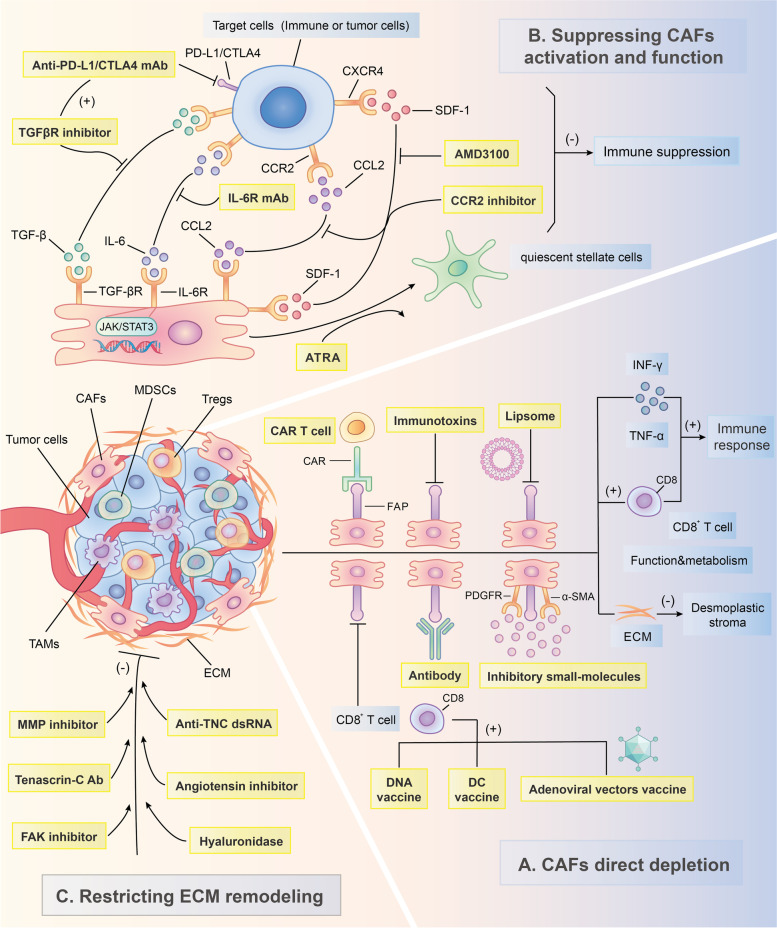
“This vaccine is capable of eliminating CAFs by stimulating a CD8 + T Diverse CAF-targeted depleting immunotherapeutic strategies in preclinical/clinical studies FAP fibroblast activation protein, DC dendritic cell, shA20 A20-specific shRNA, TRP2 tyrosine-related protein 2, AdC68 adenoviral vector of chimpanzee serotyp…”
BackgroundInfluentialRinkevich, Y., Mori, T., Sahoo, D., Xu, P.-X., Bermingham, J. R., & Weissman, I. L. (2012) · Nature Cell Biology · doi:10.1038/ncb2610 · Cited by 186 · cited 1×
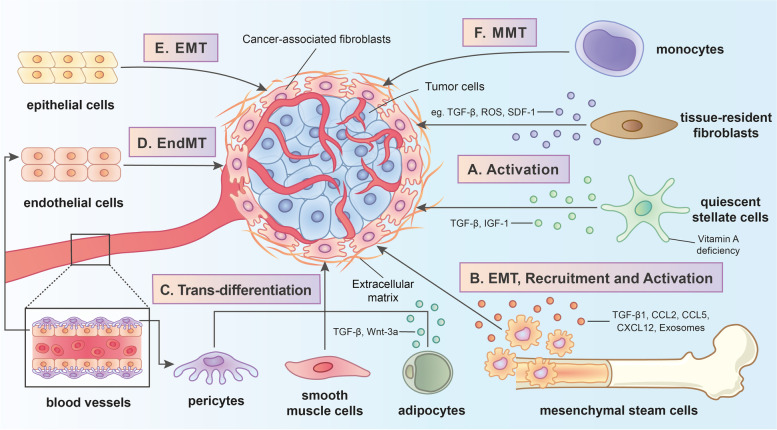
“Furthermore, several other potential sources of CAFs have been identified, such as epithelial cells [63, 64], pericytes [65], monocytes [66], endothelial cells [67] and smooth muscle cells [68].”
BackgroundDynamic Mast Cell–Stromal Cell Interactions Promote Growth of Pancreatic Cancer
Ma, Y., Hwang, R. F., Logsdon, C. D., & Ullrich, S. E. (2013) · Cancer Research · doi:10.1158/0008-5472.can-12-4479 · Cited by 186 · cited 3×
“Increasing CAFs subsequently resulted in the formation of a fibrotic TME and ultimately suppressed antitumor immunity and therapeutic responses [175].”
BackgroundDeng, Y., Cheng, J., Fu, B., Liu, W., Chen, G., Zhang, Q., & Yang, Y. (2017) · Oncogene · doi:10.1038/onc.2016.273 · Cited by 186 · cited 1×
“[243] found that recruited monocytes can differentiate into M-MDSCs, and this transformation is induced by CAFs through IL-6 in a STAT3-dependent manner, which subsequently results in extensive inhibition of T cell proliferation and function.”
BackgroundPD-1 Ligand Expression by Human Colonic Myofibroblasts/Fibroblasts Regulates CD4+ T-Cell Activity
Pinchuk, I. V., Saada, J. I., Beswick, E. J., Boya, G., Qiu, S. M., Mifflin, R. C., Raju, G. S., Reyes, V. E., & Powell, D. W. (2008) · Gastroenterology · doi:10.1053/j.gastro.2008.07.016 · Cited by 184
Fibroblast-specific inhibition of TGF-β1 signaling attenuates lung and tumor fibrosis
Wei, Y., Kim, T. J., Peng, D. H., Duan, D., Gibbons, D. L., Yamauchi, M., Jackson, J. R., Le Saux, C. J., Calhoun, C., Peters, J., et al. (2017) · Journal of Clinical Investigation · doi:10.1172/jci94624 · Cited by 184
Direct and Indirect Modulation of T Cells by VEGF-A Counteracted by Anti-Angiogenic Treatment
Bourhis, M., Palle, J., Galy-Fauroux, I., & Terme, M. (2021) · Frontiers in Immunology · doi:10.3389/fimmu.2021.616837 · Cited by 184 · cited 1×
“Other molecules, such as VEGF-A, one of the growth factors released by CAFs, have been observed to directly or indirectly participate in Treg cell induction and maintenance [211, 212].”
BackgroundAllaoui, R., Bergenfelz, C., Mohlin, S., Hagerling, C., Salari, K., Werb, Z., Anderson, R. L., Ethier, S. P., Jirström, K., Påhlman, S., et al. (2016) · Nature Communications · doi:10.1038/ncomms13050 · Cited by 179 · cited 1×
“Another study described similar effects of CAFsecreted CXCL12 on monocytes in triple-negative (TN) breast cancers [244].”
ResultCancer‐associated fibroblasts that restrain cancer progression: Hypotheses and perspectives
Miyai, Y., Esaki, N., Takahashi, M., & Enomoto, A. (2020) · Cancer Science · doi:10.1111/cas.14346 · Cited by 177 · cited 1×
“Observations indicate that two functionally different populations of CAFs, cancer-promoting CAFs (pCAFs) and rCAFs, may exist [112].”
BackgroundTumor-Targeting Properties of Novel Antibodies Specific to the Large Isoform of Tenascin-C
Brack, S. S., Silacci, M., Birchler, M., & Neri, D. (2006) · Clinical Cancer Research · doi:10.1158/1078-0432.ccr-05-2804 · Cited by 176 · cited 1×
“For example, the antibody F16 shows good specificity for TNC and is designed in complex with IL-2 to promote the recruitment of immune cells in the TME [361].”
BackgroundSerglycin: A Structural and Functional Chameleon with Wide Impact on Immune Cells
Kolset, S. O., & Pejler, G. (2011) · The Journal of Immunology · doi:10.4049/jimmunol.1100806 · Cited by 172
Costea, D. E., Hills, A., Osman, A. H., Thurlow, J., Kalna, G., Huang, X., Pena Murillo, C., Parajuli, H., Suliman, S., Kulasekara, K. K., et al. (2013) · Cancer Research · doi:10.1158/0008-5472.can-12-4150 · Cited by 170 · cited 4×
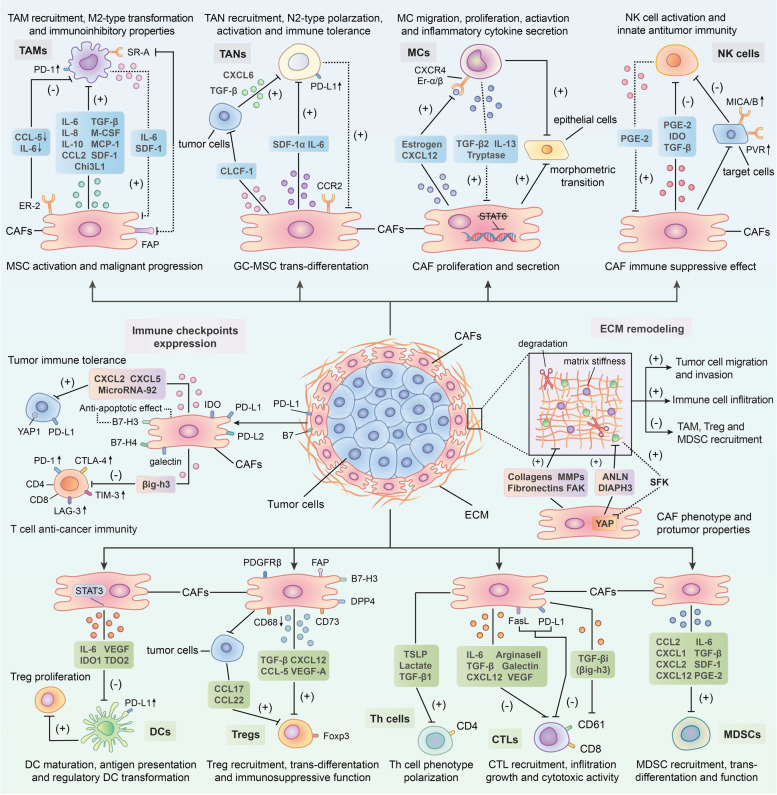
“C chemokine ligand; ER: Endoplasmic reticulum; HASCs: Human adipose tissue-derived stem cells; ADFs: Adipocytederived fibroblasts; EndMT: Endothelial-to-mesenchymal transition; MMT: Mesothelial-mesenchymal transition; MMT: Monocyte-to-myofibroblast transdifferentiation; MAPK: P38-mitogen-activated protein kinase; JAK:…”
BackgroundInfluentialWays to Enhance Lymphocyte Trafficking into Tumors and Fitness of Tumor Infiltrating Lymphocytes
Bellone, M., & Calcinotto, A. (2013) · Frontiers in Oncology · doi:10.3389/fonc.2013.00231 · Cited by 167 · cited 2×
“Due to the lack of cell adhesion molecules, the extravasating progress of peripheral CD8 + T cells into tumor sites through the vasculature is hard to maintain [228].”
BackgroundInhibition of Rspo-Lgr4 Facilitates Checkpoint Blockade Therapy by Switching Macrophage Polarization
Tan, B., Shi, X., Zhang, J., Qin, J., Zhang, N., Ren, H., Qian, M., Siwko, S., Carmon, K., Liu, Q., et al. (2018) · Cancer Research · doi:10.1158/0008-5472.can-18-0152 · Cited by 165 · cited 2×
“, TAMs and Treg cells) and immune checkpoint expression to impair effector T cell antitumor responses [130, 151].”
BackgroundFerrari, N., Ranftl, R., Chicherova, I., Slaven, N. D., Moeendarbary, E., Farrugia, A. J., Lam, M., Semiannikova, M., Westergaard, M. C. W., Tchou, J., et al. (2019) · Nature Communications · doi:10.1038/s41467-018-07987-0 · Cited by 164 · cited 2×
“Moreover, heat shock factor 1 (HSF1, a master regulator of the heat shock response) was also reported to primarily orchestrate concomitant stimulation of both the β-catenin and YAP/TAZ signaling pathways through Dickkopf-3 (DKK3, an HSF1 effector), consequently resulting in aggressive behaviors of CAFs [75, 76].”
BackgroundSong, X.-T., Kabler, K. E., Shen, L., Rollins, L., Huang, X. F., & Chen, S.-Y. (2008) · Nature Medicine · doi:10.1038/nm1721 · Cited by 163 · cited 1×
“Specifically, DC vaccines can enhance tumor antigen presentation by increasing costimulatory molecule and proinflammatory cytokine expression, thereby heightening cancer-specific T cell responses [333].”
BackgroundLi, Z.-L., Zhang, H.-L., Huang, Y., Huang, J.-H., Sun, P., Zhou, N.-N., Chen, Y.-H., Mai, J., Wang, Y., Yu, Y., et al. (2020) · Nature Communications · doi:10.1038/s41467-020-17395-y · Cited by 163 · cited 1×
“Recent research in autophagy-deficient TN breast cancer revealed that TNC suppression sensitizes T cell-mediated cell killing and enhances the anticancer effects of single anti-PD1/PD-L1 therapy, indicating a potential therapeutic strategy that links TNC inhibitors and immune checkpoint blockade (ICB) for TN breast ca…”
BackgroundNf1+/− mast cells induce neurofibroma like phenotypes through secreted TGF-β signaling
Yang, F.-C., Chen, S., Clegg, T., Li, X., Morgan, T., Estwick, S. A., Yuan, J., Khalaf, W., Burgin, S., Travers, J., et al. (2006) · Human Molecular Genetics · doi:10.1093/hmg/ddl165 · Cited by 160 · cited 2×
“Moreover, MCs in neurofibroma have also been reported to be capable of promoting CAF activity, such as enhancing the proliferation and secretion of CAFs through the TGF-β signaling pathway, thereby increasing the protumor effects of CAFs [173].”
BackgroundLee, J., Fassnacht, M., Nair, S., Boczkowski, D., & Gilboa, E. (2005) · Cancer Research · doi:10.1158/0008-5472.can-05-2805 · Cited by 159 · cited 1×
“Current FAP-targeting therapies mainly include diverse types of tumor vaccines and other immunotherapeutic approaches, such as adoptive T cell therapy, all of which can eliminate FAP + cells [327, 328].”
BackgroundFibroblasts in the Tumor Microenvironment
Truffi, M., Sorrentino, L., & Corsi, F. (2020) · Advances in experimental medicine and biology · doi:10.1007/978-3-030-37184-5_2 · Cited by 159 · cited 1×
“Based on accumulating evidence, the modified ECM induced by CAFs is associated with the migration and invasion of cancer cells [17, 277, 278].”
BackgroundHsu, Y.-L., Hung, J.-Y., Chiang, S.-Y., Jian, S.-F., Wu, C.-Y., Lin, Y.-S., Tsai, Y.-M., Chou, S.-H., Tsai, M.-J., & Kuo, P.-L. (2016) · Oncotarget · doi:10.18632/oncotarget.8488 · Cited by 158 · cited 1×
“Another study of lung cancer indicated that both CAF-released IDO1 and tryptophan 2,3-dioxygenase (TDO2) induced by lung cancer-derived galectin-1 are responsible for the impaired differentiation and function of DCs through the degradation of tryptophan [201, 202].”
BackgroundLiu, H., Shen, J., & Lü, K. (2017) · Biochemical and Biophysical Research Communications · doi:10.1016/j.bbrc.2017.02.128 · Cited by 158 · cited 1×
“Moreover, preclinical evidence indicates that therapy targeting IL-6/JAK/STAT3 signaling might also augment the antitumor efficacy of immune checkpoint-inhibiting monoclonal antibodies [356, 357].”
BackgroundThe role of dendritic cells in cancer
(2019) · International Review of Cell and Molecular Biology · doi:10.1016/bs.ircmb.2019.07.006 · Cited by 157
McNutt, M. (2013) · Science · doi:10.1126/science.1249481 · Cited by 154
Ino, Y., Yamazaki-Itoh, R., Oguro, S., Shimada, K., Kosuge, T., Zavada, J., Kanai, Y., & Hiraoka, N. (2013) · PLoS ONE · doi:10.1371/journal.pone.0055146 · Cited by 153
Doherty, G. J., Tempero, M., & Corrie, P. G. (2018) · Future Oncology · doi:10.2217/fon-2017-0338 · Cited by 153 · cited 5×
“DSGETGP-A12ADT FAP-activated prodrugs Thapsigargin Enhances the specific antitumor effect of drugs with less systemic toxicity Breast and prostate cancer Preclinical [302] Val-boroPro (talabostat) FAP-targeted inhibitory small-molecules Cisplatin Suppresses tumor growth and invasion and prolongs patients’ survival Col…”
BackgroundInfluentialDuperret, E. K., Trautz, A., Ammons, D., Perales-Puchalt, A., Wise, M. C., Yan, J., Reed, C., & Weiner, D. B. (2018) · Clinical Cancer Research · doi:10.1158/1078-0432.ccr-17-2033 · Cited by 152 · cited 1×
“Recently, with advances in DNA vaccine studies, a novel type of vaccine termed the SynCon FAP DNA vaccine has been shown to not only disrupt immune tolerance and promote the antitumor immunity of both CD8 + and CD4 + T cells but also enhance the effects of other relevant tumor antigen-specific DNA vaccines [295].”
BackgroundNatural Killer Cells and Solid Tumors
Stojanovic, A., & Cerwenka, A. (2011) · Journal of Innate Immunity · doi:10.1159/000325465 · Cited by 150 · cited 1×
“In solid tumors, various soluble inhibitory factors and cell types, such as CAFs, comprise the immunosuppressive TME, contributing to the impaired functionality of infiltrating NK cells [183, 184].”
BackgroundCancer-Associated Fibroblasts: Understanding Their Heterogeneity
Louault, K., Li, R.-R., & DeClerck, Y. A. (2020) · Cancers · doi:10.3390/cancers12113108 · Cited by 148 · cited 1×
“The presence of various cellular precursors for CAFs, which might explain why CAFs are a heterogeneous cell population, has been confirmed by a large amount of evidence [8, 30, 31].”
BackgroundIKKβ acts as a tumor suppressor in cancer-associated fibroblasts during intestinal tumorigenesis
Pallangyo, C. K., Ziegler, P. K., & Greten, F. R. (2015) · Journal of Experimental Medicine · doi:10.1084/jem.20150576 · Cited by 144 · cited 1×
“In other tumor types, including colon [109], bladder [110] and intestinal cancers [111], tumor-suppressive roles of CAFs have also been reported, suggesting a wide distribution of rCAFs across various types of cancer.”
BackgroundFullár, A., Dudás, J., Oláh, L., Hollósi, P., Papp, Z., Sobel, G., Karászi, K., Paku, S., Baghy, K., & Kovalszky, I. (2015) · BMC Cancer · doi:10.1186/s12885-015-1272-3 · Cited by 143 · cited 3×
“Based on accumulating evidence, the modified ECM induced by CAFs is associated with the migration and invasion of cancer cells [17, 277, 278].”
BackgroundCalvo, F., Ranftl, R., Hooper, S., Farrugia, A. J., Moeendarbary, E., Bruckbauer, A., Batista, F., Charras, G., & Sahai, E. (2015) · Cell Reports · doi:10.1016/j.celrep.2015.11.052 · Cited by 142
Faivre, S., Santoro, A., Kelley, R. K., Gane, E., Costentin, C. E., Gueorguieva, I., Smith, C., Cleverly, A., Lahn, M. M., Raymond, E., et al. (2019) · Liver International · doi:10.1111/liv.14113 · Cited by 142 · cited 2×
“Phase II clinical trials for pancreatic cancer and hepatocellular carcinoma have exhibited the significant therapeutic activity of galunisertib against tumors, whether administered in combination with gemcitabine or as monotherapy [313, 314].”
BackgroundTh1/Th2 Cell’s Function in Immune System
Zhang, Y., Zhang, Y., Gu, W., He, L., & Sun, B. (2014) · Advances in experimental medicine and biology · doi:10.1007/978-94-017-9487-9_3 · Cited by 140 · cited 1×
“By secreting various specific cytokines, Th1 and Th2 cells participate in cellular and humoral immunity, respectively [216].”
BackgroundBrünker, P., Wartha, K., Friess, T., Grau-Richards, S., Waldhauer, I., Koller, C. F., Weiser, B., Majety, M., Runza, V., Niu, H., et al. (2016) · Molecular Cancer Therapeutics · doi:10.1158/1535-7163.mct-15-0647 · Cited by 137 · cited 5×
“This vaccine is capable of eliminating CAFs by stimulating a CD8 + T Diverse CAF-targeted depleting immunotherapeutic strategies in preclinical/clinical studies FAP fibroblast activation protein, DC dendritic cell, shA20 A20-specific shRNA, TRP2 tyrosine-related protein 2, AdC68 adenoviral vector of chimpanzee serotyp…”
BackgroundInfluentialCancer: An Oxidative Crosstalk between Solid Tumor Cells and Cancer Associated Fibroblasts
Arcucci, A., Ruocco, M. R., Granato, G., Sacco, A. M., & Montagnani, S. (2016) · BioMed Research International · doi:10.1155/2016/4502846 · Cited by 137
CD8+ T Lymphocyte and NK Cell Network: Circuitry in the Cytotoxic Domain of Immunity
Uzhachenko, R. V., & Shanker, A. (2019) · Frontiers in Immunology · doi:10.3389/fimmu.2019.01906 · Cited by 132 · cited 1×
“CD8 + T cells, also called CTLs, mediate cytotoxic activities mainly by inducing the apoptosis of tumor cells, which is considered the most critical component of antitumor immunity [221, 222].”
BackgroundStromal protein βig-h3 reprogrammes tumour microenvironment in pancreatic cancer
Goehrig, D., Nigri, J., Samain, R., Wu, Z., Cappello, P., Gabiane, G., Zhang, X., Zhao, Y., Kim, I.-S., Chanal, M., et al. (2019) · Gut · doi:10.1136/gutjnl-2018-317570 · Cited by 131 · cited 4×
“During the regulation of immune checkpoints, CAF-derived βigh3 might play a crucial role in promoting the expression of certain immune checkpoint molecules [230].”
BackgroundMethodInfluentialDevelopment of resistance to FAK inhibition in pancreatic cancer is linked to stromal depletion
Jiang, H., Liu, X., Knolhoff, B. L., Hegde, S., Lee, K. B., Jiang, H., Fields, R. C., Pachter, J. A., Lim, K.-H., & DeNardo, D. G. (2020) · Gut · doi:10.1136/gutjnl-2018-317424 · Cited by 130 · cited 1×
“Recent studies have indicated that FAK-targeted inhibition can decrease the stromal density and consequently increase the responsiveness of tumors to chemotherapy and immunotherapy, suggesting that it might be a potential therapeutic target for tumor chemoresistance [286].”
BackgroundMurakami, M., Ernsting, M. J., Undzys, E., Holwell, N., Foltz, W. D., & Li, S.-D. (2013) · Cancer Research · doi:10.1158/0008-5472.can-13-0062 · Cited by 129 · cited 5×
“This vaccine is capable of eliminating CAFs by stimulating a CD8 + T Diverse CAF-targeted depleting immunotherapeutic strategies in preclinical/clinical studies FAP fibroblast activation protein, DC dendritic cell, shA20 A20-specific shRNA, TRP2 tyrosine-related protein 2, AdC68 adenoviral vector of chimpanzee serotyp…”
BackgroundInfluentialZiani, L., Safta-Saadoun, T. B., Gourbeix, J., Cavalcanti, A., Robert, C., Favre, G., Chouaib, S., & Thiery, J. (2017) · Oncotarget · doi:10.18632/oncotarget.15540 · Cited by 128 · cited 1×
“For example, under the influence of melanoma-associated fibroblasts, both the expression of NKp30, NKp44 and DNAM-1 activating receptors on the cell surface and the formation of cytolytic granules in NK cells are suppressed, which mainly depends on the prostaglandin E2 (PGE2) released by CAFs [186].”
BackgroundCasey, T. M., Eneman, J., Crocker, A., White, J., Tessitore, J., Stanley, M., Harlow, S., Bunn, J. Y., Weaver, D., Muss, H., et al. (2008) · Breast Cancer Research and Treatment · doi:10.1007/s10549-007-9684-7 · Cited by 127 · cited 1×
“Moreover, CAFs also release the cytokine TGF-β1, a growth factor that is reported to be one of the most important regulators during ECM remodeling [275, 276].”
BackgroundGerling, M., Büller, N. V. J. A., Kirn, L. M., Joost, S., Frings, O., Englert, B., Bergström, Å., Kuiper, R. V., Blaas, L., Wielenga, M. C. B., et al. (2016) · Nature Communications · doi:10.1038/ncomms12321 · Cited by 127 · cited 1×
“In other tumor types, including colon [109], bladder [110] and intestinal cancers [111], tumor-suppressive roles of CAFs have also been reported, suggesting a wide distribution of rCAFs across various types of cancer.”
BackgroundHyaluronan, Cancer-Associated Fibroblasts and the Tumor Microenvironment in Malignant Progression
McCarthy, J. B., El-Ashry, D., & Turley, E. A. (2018) · Frontiers in Cell and Developmental Biology · doi:10.3389/fcell.2018.00048 · Cited by 127 · cited 1×
“The altered ECM after treatment partly alleviates the suppression of immune effector cell recruitment into tumors in the TME, thus enhancing anticancer immunity [281, 282, 359].”
BackgroundUeshima, E., Fujimori, M., Kodama, H., Felsen, D., Chen, J., Durack, J. C., Solomon, S. B., Coleman, J. A., & Srimathveeravalli, G. (2019) · American Journal of Physiology-Renal Physiology · doi:10.1152/ajprenal.00260.2018 · Cited by 125 · cited 2×
“Of course, some noteworthy effects of several immune cells on CAFs have also been identified [29, 119].”
BackgroundLong noncoding RNA: a dazzling dancer in tumor immune microenvironment
Zhang, Y., Liu, Q., & Liao, Q. (2020) · Journal of Experimental & Clinical Cancer Research · doi:10.1186/s13046-020-01727-3 · Cited by 124 · cited 18×
“Therefore, a thorough exploration of the crosstalk between CAFs and the TIME is required in the future to enable us to identify the basis of the impaired immune response induced by CAFs and might identify an essential method to restimulate the antitumor response which is distinct from strategies that directly restrict…”
BackgroundInfluentialMårlind, J., Kaspar, M., Trachsel, E., Sommavilla, R., Hindle, S., Bacci, C., Giovannoni, L., & Neri, D. (2008) · Clinical Cancer Research · doi:10.1158/1078-0432.ccr-07-5041 · Cited by 123 · cited 5×
“This vaccine is capable of eliminating CAFs by stimulating a CD8 + T Diverse CAF-targeted depleting immunotherapeutic strategies in preclinical/clinical studies FAP fibroblast activation protein, DC dendritic cell, shA20 A20-specific shRNA, TRP2 tyrosine-related protein 2, AdC68 adenoviral vector of chimpanzee serotyp…”
BackgroundInfluentialLi, T., Yi, S., Liu, W., Jia, C., Wang, G., Hua, X., Tai, Y., Zhang, Q., & Chen, G. (2013) · Medical Oncology · doi:10.1007/s12032-013-0663-z · Cited by 121 · cited 7×
“In hepatocellular carcinoma, CAFs educate NK cells to transition into an inactivated phenotype through PGE2 and indoleamine 2,3-dioxygenase (IDO) and create an unresponsive state in antitumor immunity [187].”
BackgroundInfluentialA potent immunotoxin targeting fibroblast activation protein for treatment of breast cancer in mice
Fang, J., Xiao, L., Joo, K., Liu, Y., Zhang, C., Liu, S., Conti, P. S., Li, Z., & Wang, P. (2016) · International Journal of Cancer · doi:10.1002/ijc.29831 · Cited by 120 · cited 3×
“αFAP-PE38 FAP-targeted inhibitory immunotoxins Paclitaxel, Anti-CAF vaccine Inhibits tumor angiogenesis and increases antitumor activities Breast Cancer Preclinical [306, 307]”
BackgroundSenescent stroma promotes prostate cancer progression: The role of miR‐210
Taddei, M. L., Cavallini, L., Comito, G., Giannoni, E., Folini, M., Marini, A., Gandellini, P., Morandi, A., Pintus, G., Raspollini, M. R., et al. (2014) · Molecular Oncology · doi:10.1016/j.molonc.2014.07.009 · Cited by 119 · cited 1×
“Furthermore, a similar effect of CAFs on TAMs was discovered in prostate carcinoma [133, 134].”
BackgroundHan, B., Mao, F.-Y., Zhao, Y.-L., Lv, Y.-P., Teng, Y.-S., Duan, M., Chen, W., Cheng, P., Wang, T.-T., Liang, Z.-Y., et al. (2018) · Journal of Immunology Research · doi:10.1155/2018/6248590 · Cited by 118 · cited 5×
“For instance, TGF-β can inhibit DNAX-activation protein 12 (DAP12) transcription and reduce the expression of NKp30 and NKG2D by stimulating miR-183, thus silencing NK cells [195].”
BackgroundInfluentialCancer-associated fibroblasts: key determinants of tumor immunity and immunotherapy
Barrett, R., & Puré, E. (2020) · Current Opinion in Immunology · doi:10.1016/j.coi.2020.03.004 · Cited by 117
Zhang, J., Chen, L., Xiao, M., Wang, C., & Qin, Z. (2011) · American Journal Of Pathology · doi:10.1016/j.ajpath.2010.11.017 · Cited by 116
Mast cell: insight into remodeling a tumor microenvironment
Liu, J., Zhang, Y., Zhao, J., Yang, Z., Li, D., Katirai, F., & Huang, B. (2011) · Cancer and Metastasis Reviews · doi:10.1007/s10555-011-9276-1 · Cited by 112 · cited 1×
“Interaction between CAFs and mast cells (MCs) In recent decades, studies of mast cells (MCs) have placed more focus on their roles in cancer than on their roles in allergic diseases [155, 156].”
BackgroundSelf-citationFranco-Barraza, J., Francescone, R., Luong, T., Shah, N., Madhani, R., Cukierman, G., Dulaimi, E., Devarajan, K., Egleston, B. L., Nicolas, E., et al. (2017) · eLife · doi:10.7554/elife.20600 · Cited by 112 · cited 1×
“Recent studies have identified that several inhibitors of CAF activating molecules, such as TGF-β inhibitors, can effectively restrict the transformation of the CAF phenotype in vitro culture [365], which indicates that adding some CAF activator suppressors into in vivo culture medium might be a novel strategy to accu…”
BackgroundCancer‐associated fibroblasts: Secretions, interactions, and therapy
Farhood, B., Najafi, M., & Mortezaee, K. (2019) · Journal of Cellular Biochemistry · doi:10.1002/jcb.27703 · Cited by 112
Insidious Changes in Stromal Matrix Fuel Cancer Progression
Miles, F. L., & Sikes, R. A. (2014) · Molecular Cancer Research · doi:10.1158/1541-7786.mcr-13-0535 · Cited by 111
Mast cells: A double-edged sword in cancer
Derakhshani, A., Vahidian, F., Alihasanzadeh, M., Mokhtarzadeh, A., Lotfi Nezhad, P., & Baradaran, B. (2019) · Immunology Letters · doi:10.1016/j.imlet.2019.03.011 · Cited by 111
Goumas, F. A., Holmer, R., Egberts, J., Gontarewicz, A., Heneweer, C., Geisen, U., Hauser, C., Mende, M., Legler, K., Röcken, C., et al. (2015) · International Journal of Cancer · doi:10.1002/ijc.29445 · Cited by 110
Kinoshita, T., Ishii, G., Hiraoka, N., Hirayama, S., Yamauchi, C., Aokage, K., Hishida, T., Yoshida, J., Nagai, K., & Ochiai, A. (2013) · Cancer Science · doi:10.1111/cas.12099 · Cited by 108 · cited 2×
“Furthermore, the infiltration of both Foxp3 + Tregs and CAFs in the tumor stroma was correlated with a poor prognosis according to clinical data [27].”
BackgroundKovacs, R. J., Maldonado, G., Azaro, A., Fernández, M. S., Romero, F. L., Sepulveda-Sánchez, J. M., Corretti, M., Carducci, M., Dolan, M., Gueorguieva, I., et al. (2015) · Cardiovascular Toxicology · doi:10.1007/s12012-014-9297-4 · Cited by 108 · cited 1×
“Galunisertib (LY21577299), for example, is a small-molecule inhibitor of transforming growth factor beta receptor 1 (TGF-βR1) with discernable cardiac toxicities rarely reported during treatment [345].”
BackgroundLung Collagens Perpetuate Pulmonary Fibrosis via CD204 and M2 Macrophage Activation
Stahl, M., Schupp, J., Jäger, B., Schmid, M., Zissel, G., Müller-Quernheim, J., & Prasse, A. (2013) · PLoS ONE · doi:10.1371/journal.pone.0081382 · Cited by 107
Zhang, Y., & Ertl, H. C. J. (2016) · Oncotarget · doi:10.18632/oncotarget.7818 · Cited by 105 · cited 3×
“Similar to DNA vaccines, adenoviral vector vaccines such as the adenoviral vector of chimpanzee serotype 68 (AdC68)-mFAP vaccine can also induce T cell recruitment and enhance the function of melanoma-specific effector CD8 + T cells, thereby destroying FAP + stromal cells within the TME [300].”
BackgroundWu, X., Chen, X., Zhou, Q., Li, P., Yu, B., Li, J., Qu, Y., Yan, J., Yu, Y., Yan, M., et al. (2013) · Cancer Letters · doi:10.1016/j.canlet.2013.02.002 · Cited by 102 · cited 3×
“CAFs: Cancer-associated fibroblasts; TME: Tumor microenvironment; ECM: Extracellular matrix; TIME: Tumor immune microenvironment; α-SMA: Alpha smooth muscle actin; FAP: Fibroblast activation protein; FSP1: Fibroblast-specific protein 1; PDGFR: Platelet-derived growth factor receptor; CD: Cluster of differentiation; MM…”
BackgroundFreeman, P., & Mielgo, A. (2020) · Cancers · doi:10.3390/cancers12092687 · Cited by 102 · cited 1×
“A substantial number of studies have reported the interactions between CAFs and CD8 + T cells and documented the inhibitory effect of CAFs on CD8 + T cell infiltration, growth and antitumor immunity [223].”
BackgroundMast Cells Have Prognostic Value in Merkel Cell Carcinoma
Beer, T. W., Ng, L., & Murray, K. (2008) · American Journal of Dermatopathology · doi:10.1097/dad.0b013e31815c932a · Cited by 100
Hu, B., Wang, Z., Zeng, H., Qi, Y., Chen, Y., Wang, T., Wang, J., Chang, Y., Bai, Q., Xia, Y., et al. (2020) · Cancer Research · doi:10.1158/0008-5472.can-19-2254 · Cited by 99 · cited 1×
“As a key component of the TIME, TAMs play critical roles in its modulation, especially in tumor immune suppression [126, 127].”
BackgroundSelf-citationKuo, P.-L., Hung, J., Huang, S.-K., Chou, S., Cheng, D.-E., Jong, Y., Hung, C., Yang, C., Tsai, Y., Hsu, Y.-L., et al. (2010) · The Journal of Immunology · doi:10.4049/jimmunol.1002940 · Cited by 98 · cited 1×
“Another study of lung cancer indicated that both CAF-released IDO1 and tryptophan 2,3-dioxygenase (TDO2) induced by lung cancer-derived galectin-1 are responsible for the impaired differentiation and function of DCs through the degradation of tryptophan [201, 202].”
BackgroundCrosstalk between cancer‐associated fibroblasts and immune cells in cancer
An, Y., Liu, F., Chen, Y., & Yang, Q. (2020) · Journal of Cellular and Molecular Medicine · doi:10.1111/jcmm.14745 · Cited by 98
Xu, L., Yang, L., Yao, D., Wu, X., Li, J., Liu, X., Deng, L., Huang, C., Wang, Y., Li, D., et al. (2017) · Cellular Immunology · doi:10.1016/j.cellimm.2017.01.001 · Cited by 97
Self-citationMast Cells, Angiogenesis and Cancer
Ribatti, D., & Crivellato, E. (2011) · Advances in experimental medicine and biology · doi:10.1007/978-1-4419-9533-9_14 · Cited by 96 · cited 1×
“, tryptase, chondroitin sulfate, TNF, IL-1 and IL-6) that increase antitumor inflammatory reactions, inducing tumor apoptosis and decreasing the invasiveness of cancer cells [170, 171].”
BackgroundHistamine-mediated signaling processes in human malignant mammary cells
Medina, V. A., Cricco, G., Núñez, M., Martín, G., Mohamad, N. A., Correa‐Fiz, F., Sánchez‐Jiménez, F., BERGOC, R. M., & Rivera, E. (2006) · Cancer Biology & Therapy · doi:10.4161/cbt.5.11.3273 · Cited by 95
The roles of mast cells in anticancer immunity
Dalton, D. K., & Noelle, R. J. (2012) · Cancer Immunology, Immunotherapy · doi:10.1007/s00262-012-1246-0 · Cited by 93 · cited 1×
“Interaction between CAFs and mast cells (MCs) In recent decades, studies of mast cells (MCs) have placed more focus on their roles in cancer than on their roles in allergic diseases [155, 156].”
BackgroundLinehan, D., Noel, M. S., Hezel, A. F., Wang-Gillam, A., Eskens, F., Sleijfer, S., Desar, I. M. E., Erdkamp, F., Wilmink, J., Diehl, J., et al. (2018) · Journal of Clinical Oncology · doi:10.1200/jco.2018.36.5_suppl.92 · Cited by 93 · cited 2×
“CCX872 CCL2-CCR2 signaling axis inhibition FOLFIRINOX (fluorouracil, leucovorin, irinotecan and oxaliplatin) Restricts immune suppression and improves clinical prognosis Pancreatic cancer Phase I [317, 318]”
BackgroundMethodPatel, A. K., Vipparthi, K., Thatikonda, V., Arun, I., Bhattacharjee, S., Sharan, R., Arun, P., & Singh, S. (2018) · Oncogenesis · doi:10.1038/s41389-018-0087-x · Cited by 93 · cited 1×
“[108] reported a myofibroblastic CAF subpopulation that inhibited cancer cell stemness by secreting bone morphogenetic protein 4 (BMP-4) in oral carcinoma.”
BackgroundOhshio, Y., Teramoto, K., Hanaoka, J., Tezuka, N., Itoh, Y., Asai, T., Daigo, Y., & Ogasawara, K. (2015) · Cancer Science · doi:10.1111/cas.12584 · Cited by 92 · cited 3×
“DC-shA20-FAP-TRP2 FAP-targeted DC vaccine compound Anti-CAFs therapies Elicits broad-based T-cell responses and anticancer activities Melanoma Preclinical [298, 299]”
BackgroundHaubeiss, S., Schmid, J. O., Mürdter, T. E., Sonnenberg, M., Friedel, G., van der Kuip, H., & Aulitzky, W. E. (2010) · Molecular Cancer · doi:10.1186/1476-4598-9-168 · Cited by 86 · cited 1×
“For other CAF markers, such as PDGFR, the associated clinical trials are still ongoing [311, 344].”
BackgroundMazur, A., Holthoff, E. R., Vadali, S., Kelly, T. J., & Post, S. R. (2016) · PLoS ONE · doi:10.1371/journal.pone.0150287 · Cited by 86 · cited 1×
“[141] revealed the importance of FAP (a CAF marker) in the communication between CAFs and TAMs.”
BackgroundThe application of the fibroblast activation protein α-targeted immunotherapy strategy
Jiang, G., Xu, W., Du, J., Zhang, K.-S., Zhang, Q.-G., Wang, X.-W., Liu, Z.-G., Liu, S., Xie, W., Liu, H., et al. (2016) · Oncotarget · doi:10.18632/oncotarget.8098 · Cited by 86 · cited 1×
“for potential clinical application, FAP has been prominent in recent studies of CAF-targeted therapy [324, 325].”
BackgroundSelf-citationOvarian Carcinoma-Associated Mesenchymal Stem Cells Arise from Tissue-Specific Normal Stroma
Coffman, L. G., Pearson, A. T., Frisbie, L. G., Freeman, Z., Christie, E., Bowtell, D. D., & Buckanovich, R. J. (2019) · Stem Cells · doi:10.1002/stem.2932 · Cited by 86 · cited 1×
“A substantial number of reports have indicated that mesenchymal stem cells (MSCs) function as precursors of CAFs [46, 47].”
BackgroundPhase II assessment of talabostat and cisplatin in second-line stage IV melanoma
Eager, R. M., Cunningham, C. C., Senzer, N. N., Stephenson, J., Anthony, S. P., O'Day, S. J., Frenette, G., Pavlick, A. C., Jones, B., Uprichard, M., et al. (2009) · BMC Cancer · doi:10.1186/1471-2407-9-263 · Cited by 83 · cited 2×
“Val-boroPro (talabostat) FAP-targeted inhibitory small-molecules Cisplatin Suppresses tumor growth and invasion and prolongs patients’ survival Colorectal cancer, Melanoma Phase II [303, 304]”
BackgroundWei, M., Yang, T., Chen, X., Wu, Y., Deng, X., He, W., Yang, J., & Wang, Z. (2017) · Oncotarget · doi:10.18632/oncotarget.15040 · Cited by 83 · cited 4×
“C chemokine ligand 5 (CCL5), C-X-C chemokine ligand 12 (CXCL12) and tumor-derived exosomes; C Adipocytes together with pericytes and smooth muscle cells can transdifferentiate into CAFs by TGF-β1 and Wnt3a; D Endothelial cells are transformed into CAFs through endothelial-to-mesenchymal transition (EndMT); E Epithelia…”
BackgroundInfluentialHuang, X., He, C., Hua, X., Kan, A., Mao, Y., Sun, S., Duan, F., Wang, J., Huang, P., & Li, S. (2020) · Clinical and Translational Medicine · doi:10.1002/ctm2.41 · Cited by 83 · cited 2×
“Additionally, monocytes are able to transdifferentiate into myofibroblasts through a process termed monocyte-to-myofibroblast trans-differentiation (MMT), which is induced by ROS through the p38-mitogen-activated protein kinase (MAPK) signaling pathway [66, 72].”
BackgroundValach, J., Fík, Z., Strnad, H., Chovanec, M., Plzák, J., Čada, Z., Szabo, P., Šáchová, J., Hroudová, M., Urbanová, M., et al. (2012) · International Journal of Cancer · doi:10.1002/ijc.27550 · Cited by 79
Hosein, A. N., Huang, H., Wang, Z., et al. (2019) · bioRxiv (Cold Spring Harbor Laboratory) · doi:10.1101/539874 · Cited by 79 · cited 3×
“apCAFs (pCAFs) MHC class II, H2-Aa, H2-Ab1 and CD74 Antigen-present, Immune modulation [93, 94, 103]”
BackgroundResultTenascin-C: Exploitation and collateral damage in cancer management
Spenlé, C., Saupe, F., Midwood, K. S., Burckel, H., Noël, G., & Orend, G. (2015) · Cell Adhesion & Migration · doi:10.1080/19336918.2014.1000074 · Cited by 78 · cited 1×
“Several antibodies have been established to specifically target TNC in order to improve the delivery of effector molecules into TNC-rich tumor tissue [360].”
BackgroundPD-L1 Induction by Cancer-Associated Fibroblast-Derived Factors in Lung Adenocarcinoma Cells
Inoue, C., Miki, Y., Saito, R., Hata, S., Abe, J., Sato, I., Okada, Y., & Sasano, H. (2019) · Cancers · doi:10.3390/cancers11091257 · Cited by 78 · cited 1×
“Through the secretion of soluble factors like CXCL2, α-SMA + CAFs can increase PD-L1 expression in lung adenocarcinoma cells, thereby influencing antitumor immunity [262].”
BackgroundZhan, S., Liu, Z., Zhang, M., Guo, T., Quan, Q., Huang, L., Guo, L., Cao, L., & Zhang, X. (2020) · Frontiers in Oncology · doi:10.3389/fonc.2019.01466 · Cited by 78 · cited 1×
“Furthermore, α-SMA + CAFs expressing high levels of B7-H3 were recently shown to exhibit prolonged survival because of the antiapoptotic effect of this checkpoint molecule, and its presence also predicts a poor prognosis of gastric adenocarcinomas (GACs) [255, 260].”
BackgroundSiiskonen, H., Poukka, M., Bykachev, A., Tyynelä-Korhonen, K., Sironen, R., Pasonen-Seppänen, S., & Harvima, I. T. (2015) · Melanoma Research · doi:10.1097/cmr.0000000000000192 · Cited by 77
Ksiazkiewicz, M., Gottfried, E., Kreutz, M., Mack, M., Hofstaedter, F., & Kunz-Schughart, L. A. (2010) · Immunobiology · doi:10.1016/j.imbio.2010.05.019 · Cited by 76 · cited 5×
“For example, in breast cancer, by secreting monocyte chemotactic protein-1 (MCP-1), SDF-1 and chitinase 3-like 1 (Chi3L1), CAFs are able to facilitate monocyte migration and enhance the tendency of these cells to polarize into the M2 phenotype [131, 132].”
BackgroundInfluentialMalik, R., Luong, T., Cao, X., Han, B., Shah, N., Franco-Barraza, J., Han, L., Shenoy, V. B., Lelkes, P. I., & Cukierman, E. (2019) · Matrix Biology · doi:10.1016/j.matbio.2018.11.001 · Cited by 74
Peng, Y., Li, Z., & Li, Z. (2013) · Biochemical and Biophysical Research Communications · doi:10.1016/j.bbrc.2013.09.108 · Cited by 72 · cited 1×
“[57] discovered that tumor-derived GRP78, an endoplasmic reticulum (ER) chaperone, elicits the differentiation of BM-MSCs into CAFs in a TGF-β/ SMAD-dependent manner.”
BackgroundKretzschmar, K., Weber, C., Driskell, R. R., Calonje, E., & Watt, F. M. (2016) · Cell Reports · doi:10.1016/j.celrep.2015.12.041 · Cited by 72 · cited 1×
“Tissue-resident fibroblasts, also termed quiescent fibroblasts, are one of the major sources of CAFs [32, 33].”
BackgroundZhao, X., Ding, L., Lu, Z., Huang, X., Jing, Y., Yang, Y., Chen, S., Hu, Q., & Ni, Y. (2020) · The American Journal of Pathology · doi:10.1016/j.ajpath.2019.12.007 · Cited by 71
Jacobs, J., Deschoolmeester, V., Zwaenepoel, K., Flieswasser, T., Deben, C., Van den Bossche, J., Hermans, C., Rolfo, C., Peeters, M., De Wever, O., et al. (2018) · OncoImmunology · doi:10.1080/2162402x.2018.1440167 · Cited by 69 · cited 2×
“In a study of colorectal cancer, researchers revealed that CAFs stimulate the migratory activity of Treg cells and markedly increase their frequency in tumor sites [208].”
BackgroundYanaihara, N., Hirata, Y., Yamaguchi, N., Noguchi, Y., Saito, M., Nagata, C., Takakura, S., Yamada, K., & Okamoto, A. (2015) · Molecular Carcinogenesis · doi:10.1002/mc.22325 · Cited by 65
Inoue, T., Adachi, K., Kawana, K., Taguchi, A., Nagamatsu, T., Fujimoto, A., Tomio, K., Yamashita, A., Eguchi, S., Nishida, H., et al. (2016) · International Journal of Oncology · doi:10.3892/ijo.2016.3631 · Cited by 65 · cited 1×
“Another study reported that a reduction in poliovirus receptor (PVR, a ligand of an NK-activating receptor) expression on the cell surface plays a critical role in the CAF-mediated suppression of NK cell killing activities [190].”
BackgroundTracking cells in their native habitat: lineage tracing in epithelial neoplasia
Alcolea, M. P., & Jones, P. H. (2013) · Nature reviews. Cancer · doi:10.1038/nrc3460 · Cited by 63 · cited 1×
“Although researchers have recently employed advanced technology, such as genetic lineage tracing [86], the origins of CAFs among most cancer types remain elusive due to the lack of exclusive markers for normal fibroblasts and CAFs [87].”
BackgroundChen, M., Xiang, R., Wen, Y., Xu, G., Wang, C., Luo, S., Yin, T., Wei, X., Shao, B., Liu, N., et al. (2015) · Scientific Reports · doi:10.1038/srep14421 · Cited by 63 · cited 4×
“All-trans retinoic acid (ATRA) Retinol levels restoration, PSC de-activation None Increases T-cell infiltration and Inhibits tumor growth and invasion PDAC Preclinical [312]”
BackgroundInfluentialA human lung tumor microenvironment interactome identifies clinically relevant cell-type cross-talk
Gentles, A. J., Hui, A. B., Feng, W., Azizi, A., Nair, R. V., Bouchard, G., Knowles, D. A., Yu, A., Jeong, Y., Bejnood, A., et al. (2020) · Genome biology · doi:10.1186/s13059-020-02019-x · Cited by 63
Li, J., Shayan, G., Avery, L., Jie, H.-B., Gildener‐Leapman, N., Schmitt, N. C., Lü, B., Kane, L., & Ferris, R. L. (2016) · OncoImmunology · doi:10.1080/2162402x.2016.1200778 · Cited by 62
Gottschalk, S. M., Feng, Y., Ji, M., Kakarla, S., & Song, X. (2013) · PLoS ONE · doi:10.1371/journal.pone.0082658 · Cited by 61 · cited 4×
“This vaccine was reported to elicit broad T cell responses and potent antitumor activity [298].”
BackgroundInfluentialPereira, B., Lister, N. L., Hashimoto, K., Teng, L., Flandes‐Iparraguirre, M., Eder, A., Sánchez‐Herrero, A., Niranjan, B., Frydenberg, M., Papargiris, M., et al. (2019) · Biomaterials · doi:10.1016/j.biomaterials.2018.12.030 · Cited by 60 · cited 1×
“Additionally, a recent study in a microtissue model of prostate cancer revealed cooperation between MCs and CAFs, which induced the early malignant morphological transition of benign epithelial cells [176].”
BackgroundGunaydin, G., Kesikli, S. A., & Guc, D. (2015) · OncoImmunology · doi:10.1080/2162402x.2015.1034918 · Cited by 59
IDO expressing fibroblasts promote the expansion of antigen specific regulatory T cells
Curran, T., Jalili, R. B., Farrokhi, A., & Ghahary, A. (2013) · Immunobiology · doi:10.1016/j.imbio.2013.06.008 · Cited by 58
Deng, L., Wang, L.-H., Peng, C.-K., Li, Y., Huang, M., Chen, M., Lei, X., Qi, M., Cen, Y., Ye, W., et al. (2017) · Journal of Medicinal Chemistry · doi:10.1021/acs.jmedchem.6b01755 · Cited by 56 · cited 1×
“In view of the possible toxicity of FAP-targeted adoptive T cell therapy, scientists try to develop prodrugs that are activated only by FAP through unique postprolyl endopeptidase activity, and these prodrugs have been proven to induce less systemic toxicity and have greater therapeutic potential [341, 342].”
BackgroundEllem, S. J., Taylor, R. A., Furic, L., Larsson, O., Frydenberg, M., Pook, D., Pedersen, J., Cawsey, B., Trotta, A., Need, E., et al. (2014) · The Journal of Pathology · doi:10.1002/path.4386 · Cited by 54 · cited 5×
“Meanwhile, CAF-derived CXCL12, induced by estrogen, was observed to be involved in the recruitment of MCs by combining with CXCR4 [174].”
BackgroundInfluentialPromising human brain tumors therapy with interference RNA intervention (iRNAi)
Rolle, K., Nowak, S., Wyszko, E., Nowak, M., Zukiel, R., Piestrzeniewicz, R., Gawrońska, I., Barciszewska, M. Z., & Barciszewski, J. (2010) · Cancer Biology & Therapy · doi:10.4161/cbt.9.5.10958 · Cited by 54 · cited 2×
“Furthermore, anti-TNC dsRNA (ATN-RNA), which has sequence homology to TNC mRNA and is developed using RNA-based technologies, has produced substantial improvements in the clinical prognosis of patients with glioblastoma multiforme (GBM) [321].”
BackgroundSanchez-Alvarez, R., Martinez-Outschoorn, U. E., Lin, Z., Lamb, R., Hulit, J., Howell, A., Sotgia, F., Rubin, E., & Lisanti, M. P. (2013) · Cell Cycle · doi:10.4161/cc.23109 · Cited by 53 · cited 1×
“ROS Oxidative stress molecule Autophagy and caveolin-1 dependent pathway Promotes tumor migration, invasion and ECM remodeling Breast cancer [40, 79]”
BackgroundQiu, X., Zhang, F.-F., Geng, F., Liu, C., Xu, P., Lu, Z.-Z., Yu, B., Wu, H., Wu, J., Zhang, H., et al. (2016) · Cancer Immunology Immunotherapy · doi:10.1007/s00262-016-1827-4 · Cited by 51 · cited 6×
“Anti-CTLA4- TGF-βR2/ Anti-PD-L1-TGF-βR2 TGF-βR2 and immune checkpoints inhibition None Decreases tumorinfiltrating Tregs and suppresses tumor progression Breast cancer Preclinical [315]”
BackgroundInfluentialSelf-citationCMTM6 Stabilizes PD-L1 Expression and Is a New Prognostic Impact Factor in Hepatocellular Carcinoma
Yugawa, K., Itoh, S., Yoshizumi, T., Iseda, N., Tomiyama, T., Morinaga, A., Toshima, T., Harada, N., Kohashi, K., Oda, Y., et al. (2020) · Hepatology Communications · doi:10.1002/hep4.1643 · Cited by 50 · cited 1×
“As a key component of the TIME, TAMs play critical roles in its modulation, especially in tumor immune suppression [126, 127].”
BackgroundJiang, G., Xie, W., Wang, H., Du, J., Bai-ping, W., Xu, W., Liu, H., Xiao, P., Liu, Z.-G., Li, H., et al. (2015) · Oncotarget · doi:10.18632/oncotarget.4577 · Cited by 49 · cited 1×
“Additionally, other tumor vaccines contain whole-cell vaccines [312, 336] and peptide immunization vaccines [337].”
BackgroundOhshio, Y., Hanaoka, J., Kontani, K., & Teramoto, K. (2014) · Scandinavian Journal of Immunology · doi:10.1111/sji.12242 · Cited by 48 · cited 2×
“In addition, under the inhibitory action of tranilast (a CAF suppressor), the expression of CAF-derived SDF-1, PGE2 and TGF-β1 is decreased, along with a low-level differentiation of original MDSCs [246].”
BackgroundZhang, Q., Chai, S., Wang, W. T., Wan, C., Zhang, F., Li, Y., & Wang, F. (2018) · Oncology Letters · doi:10.3892/ol.2018.9703 · Cited by 47 · cited 1×
“[143] observed that macrophages could facilitate MSCs to acquire CAF-like properties and a proinflammatory phenotype to remodel the inflammatory microenvironment, which potentiated the oncogenic transformation of gastric epithelial cells.”
BackgroundSelf-citationZhu, H., Guo, S., Zhang, Y., Yin, J., Yin, W., Tao, S., Wang, Y., & Zhang, C. (2016) · International Journal of Biological Sciences · doi:10.7150/ijbs.13688 · Cited by 46
White Adipocyte Plasticity in Physiology and Disease
Bielczyk-Maczyńska, E. (2019) · Cells · doi:10.3390/cells8121507 · Cited by 45
Fang, J., Hu, B., Li, S., Zhang, C., Liu, Y., & Wang, P. (2016) · Molecular Therapy — Oncolytics · doi:10.1038/mto.2016.7 · Cited by 43 · cited 3×
“αFAP-PE38 FAP-targeted inhibitory immunotoxins Paclitaxel, Anti-CAF vaccine Inhibits tumor angiogenesis and increases antitumor activities Breast Cancer Preclinical [306, 307]”
BackgroundQian, L., Tang, Z., Yin, S., Mo, F., Yang, X., Hou, X., Liu, A., & Lu, X. (2018) · Journal of Biomedical Nanotechnology · doi:10.1166/jbn.2018.2616 · Cited by 43 · cited 1×
“Recently, studies have demonstrated that the fusion of DCs and CAFs contributes to a strong CTL response against CAFs, suggesting that it might be a potential method for improving the anticancer effect of current DC vaccine strategies [334].”
BackgroundOrally administered CCR2 selective inhibitor CCX872-b clinical trial in pancreatic cancer.
Noel, M. S., Hezel, A. F., Linehan, D. C., Wang‐Gillam, A., Eskens, F. A. L. M., Sleijfer, S., Desar, I. M. E., Erdkamp, F., Wilmink, J. W., Diehl, J., et al. (2017) · Journal of Clinical Oncology · doi:10.1200/jco.2017.35.4_suppl.276 · Cited by 36 · cited 2×
“CCX872 CCL2-CCR2 signaling axis inhibition FOLFIRINOX (fluorouracil, leucovorin, irinotecan and oxaliplatin) Restricts immune suppression and improves clinical prognosis Pancreatic cancer Phase I [317, 318]”
BackgroundZhou, Y., Zhou, J., Sun, B., Xu, W. G., Zhong, M., Li, Y., He, C., Chen, Y., Wang, X., Jones, P. M., et al. (2020) · International Journal of Biological Sciences · doi:10.7150/ijbs.37861 · Cited by 36 · cited 1×
“Moreover, vitamin A deficiency has been reported to be involved in the activation of PSCs and islet stellate cells (ISCs) [43, 44].”
BackgroundFunctional and metabolic targeting of natural killer cells to solid tumors
Wang, J., & Matosevic, S. (2020) · Cellular Oncology · doi:10.1007/s13402-020-00523-7 · Cited by 36 · cited 1×
“The activity of NK cells depends on the expression and stimulation of activating or inhibitory receptors on the cell surface [181].”
BackgroundRabenhold, M., Steiniger, F., Fahr, A., Kontermann, R. E., & Rüger, R. (2015) · Journal of Controlled Release · doi:10.1016/j.jconrel.2015.01.022 · Cited by 35 · cited 1×
“Finally, other FAP-targeting treatments, including FAP-inhibiting small molecules (talabostat and cisplatin) [303, 304], antibodies [305], immunotoxins [306, 307] and FAP-targeted liposomes [308, 343], also provide therapeutic benefits.”
BackgroundSato, T., Ota, T., Watanabe, M., Imada, K., Nomizu, M., & Itô, A. (2009) · Gynecologic Oncology · doi:10.1016/j.ygyno.2009.04.004 · Cited by 35
Abstract BS1-2: Myeloid-derived suppressor cells: many facets of regulation of tumor progression
Gabrilovich, D. (2018) · Cancer Research · doi:10.1158/1538-7445.sabcs17-bs1-2 · Cited by 35
Zhang, S., Zhou, C., Zhang, D., Huang, Z., & Zhang, G. (2019) · OncoTargets and Therapy · doi:10.2147/ott.s201121 · Cited by 34 · cited 1×
“Furthermore, α-SMA + CAFs expressing high levels of B7-H3 were recently shown to exhibit prolonged survival because of the antiapoptotic effect of this checkpoint molecule, and its presence also predicts a poor prognosis of gastric adenocarcinomas (GACs) [255, 260].”
BackgroundTolerogenic dendritic cells in cancer, transplantation, and autoimmune diseases
Suciu‐Foca, N., Berloco, P. B., & Cortesini, R. (2009) · Human Immunology · doi:10.1016/j.humimm.2009.03.003 · Cited by 33 · cited 1×
“Further studies have revealed the importance of regulatory DC-derived IDO in the promotion of T cell anergy and Treg cell proliferation, which consequently results in the restriction of T cell-mediated immunity [200].”
BackgroundHölzel, M., Landsberg, J., Glodde, N., Bald, T., Rogava, M., Riesenberg, S., Becker, A. J., Jonsson, G. G., & Tüting, T. (2015) · Cancer Research · doi:10.1158/0008-5472.can-15-1090 · Cited by 33
HIPK2 role in the tumor–host interaction: Impact on fibroblasts transdifferentiation CAF‐like
Garufi, A., Traversi, G., Cirone, M., & D’Orazi, G. (2019) · IUBMB Life · doi:10.1002/iub.2144 · Cited by 32
Brennen, W. N., Rosen, D. M., Chaux, A., Netto, G. J., Isaacs, J. T., & Denmeade, S. R. (2014) · The Prostate · doi:10.1002/pros.22847 · Cited by 31 · cited 1×
“In view of the possible toxicity of FAP-targeted adoptive T cell therapy, scientists try to develop prodrugs that are activated only by FAP through unique postprolyl endopeptidase activity, and these prodrugs have been proven to induce less systemic toxicity and have greater therapeutic potential [341, 342].”
BackgroundQiu, X., Geng, F., Zhang, F.-F., Liu, C., Xu, P., Lu, Z.-Z., Xie, Y., Sun, B., Wu, H., Yu, B., et al. (2016) · Immunopharmacology and Immunotoxicology · doi:10.1080/08923973.2016.1269337 · Cited by 31 · cited 1×
“Since the anticancer therapeutic effect of a single DNA vaccine targeting FAP is extremely limited [331], subsequent studies identified a novel therapeutic strategy that combines cyclophosphamide (CY) with a DNA vaccine that significantly increases the tumor inhibition rate by overcoming the tumor-stromal blockade and…”
BackgroundSelf-citationTansi, F. L., Rüger, R., Böhm, C., Steiniger, F., Kontermann, R. E., Teichgraeber, U. K., Fahr, A., & Hilger, I. (2017) · Acta Biomaterialia · doi:10.1016/j.actbio.2017.03.033 · Cited by 31 · cited 3×
“Bispecific scFv`FAP/ CD105-IL liposomes FAP-targeted compound liposomes Doxorubicin/Trastuzumab Enhances the cytotoxicity of Doxorubicin and cell interaction Fibrosarcoma Preclinical [308]”
BackgroundEndogenous Galectin-9 Suppresses Apoptosis in Human Rheumatoid Arthritis Synovial Fibroblasts
Pearson, M. J., Bik, M., Ospelt, C., Naylor, A. J., Wehmeyer, C., Jones, S. W., Buckley, C. D., Gay, S., Filer, A. D., & Lord, J. M. (2018) · Scientific Reports · doi:10.1038/s41598-018-31173-3 · Cited by 31
Qiu, X., Zhang, F.-F., Geng, F., Liu, C., Wang, Y., Xu, P., Lu, Z.-Z., Xie, Y., Wu, H., Chen, Y., et al. (2016) · Cellular Immunology · doi:10.1016/j.cellimm.2016.08.006 · Cited by 30 · cited 1×
“Since the anticancer therapeutic effect of a single DNA vaccine targeting FAP is extremely limited [331], subsequent studies identified a novel therapeutic strategy that combines cyclophosphamide (CY) with a DNA vaccine that significantly increases the tumor inhibition rate by overcoming the tumor-stromal blockade and…”
BackgroundSelf-citationWang, Y., Wang, W., & Qiu, E. (2017) · PubMed Central · Cited by 30
Self-citationMeng, M., Wang, W., Yan, J., Tan, J. Y., Liao, L., Shi, J., Wei, C., Xie, Y., Jin, X., Yang, L., et al. (2016) · Tumor Biology · doi:10.1007/s13277-016-4825-4 · Cited by 28 · cited 1×
“Additionally, other tumor vaccines contain whole-cell vaccines [312, 336] and peptide immunization vaccines [337].”
BackgroundSelf-citationPhenotypic Plasticity of Fibroblasts during Mammary Carcinoma Development
Elwakeel, E., Brüggemann, M., Fink, A. F., Schulz, M. H., Schmid, T., Savai, R., Brüne, B., Zarnack, K., & Weigert, A. (2019) · International Journal of Molecular Sciences · doi:10.3390/ijms20184438 · Cited by 26 · cited 1×
“According to a previous study [367], for example, researchers can perform a longitudinal study of whole CAF populations in certain cancer animal models by utilizing whole transcriptome analysis in FACS-sorted fibroblasts from early to late stages or distinct pathological grades, and ultimately observe alterations in t…”
MethodZhang, M., Shi, R., Guo, Z., & He, J. (2020) · Pathology - Research and Practice · doi:10.1016/j.prp.2020.152884 · Cited by 26 · cited 1×
“[264], CAFs in colorectal cancer facilitate extracellular signal regulated kinase 5 (ERK5) expression and phosphorylation to increase the synthesis of PD-L1 protein.”
BackgroundTumorigenic Interplay Between Macrophages and Collagenous Matrix in the Tumor Microenvironment
Varol, C. (2019) · Methods in molecular biology · doi:10.1007/978-1-4939-9095-5_15 · Cited by 24 · cited 2×
“Abnormal cancerogenic collagenous matrix is involved in TAM recruitment and function [287].”
BackgroundVizio, B., Biasi, F., Scirelli, T., Novarino, A., Prati, A., Ciuffreda, L., Montrucchio, G., Poli, G., & Bellone, G. (2013) · Journal of Translational Medicine · doi:10.1186/1479-5876-11-314 · Cited by 23
Qiu, X., Geng, F., Zhang, F.-F., Liu, C., Xu, P., Lu, Z.-Z., Zhang, H., Kong, W., & Yu, X. (2016) · Vaccine · doi:10.1016/j.vaccine.2016.07.054 · Cited by 21 · cited 1×
“Adenoviral vector vaccines are another type of FAP-targeting vaccine [335].”
BackgroundSelf-citationMyofibroblasts and mast cells: influences on biological behavior of odontogenic lesions
Pereira, J. D. S., de Nóbrega, F. J., VASCONCELOS, R. G., Câmara, A. C. D. S. M., de Souza, L. B., & Queiroz, L. M. G. (2016) · Annals of Diagnostic Pathology · doi:10.1016/j.anndiagpath.2014.09.003 · Cited by 16 · cited 1×
“Excess numbers of CAFs and MCs in tumor islets are strongly associated with the aggressiveness of cancer, and their interactions directly contribute to tumor progression [172, 173].”
BackgroundLi, Q., Yang, Y., Jiang, X., Jin, Y., Wu, J., Qin, Y., Qi, X., Cheng, Y., Mao, Y., & Hua, D. (2019) · Europe PMC (PubMed Central) · Cited by 15
Suda, Y., Neri, S., Hashimoto, H., Higuchi, Y., Ishibashi, M., Sugano, M., Masutomi, K., Tsuboi, M., Ochiai, A., & Ishii, G. (2016) · Journal of Cancer Research and Clinical Oncology · doi:10.1007/s00432-016-2171-y · Cited by 10
Cited by
Cancer vaccines as promising immuno-therapeutics: platforms and current progress
Liu, J., Fu, M., Wang, M., Wan, D., Wei, Y., & Wei, X. (2022) · Journal of Hematology & Oncology · doi:10.1186/s13045-022-01247-x · Cited by 715
“CAFs can prevent the proliferation and migration of DC, recruit MDSCs, and inhibit T cell invasion by remodeling the extracellular matrix to construct dense fibrous stroma [59].”
BackgroundSelf-citationCold and hot tumors: from molecular mechanisms to targeted therapy
Wu, B., Zhang, B., Li, B., Wu, H., & Jiang, M. (2024) · Signal Transduction and Targeted Therapy · doi:10.1038/s41392-024-01979-x · Cited by 682
Self-citationMolecular mechanisms of tumor resistance to radiotherapy
Wu, Y., Song, Y., Wang, R., & Wang, T. (2023) · Molecular Cancer · doi:10.1186/s12943-023-01801-2 · Cited by 527
Fibroblasts in cancer: Unity in heterogeneity
Chhabra, Y., & Weeraratna, A. T. (2023) · Cell · doi:10.1016/j.cell.2023.03.016 · Cited by 474
Liquid biopsy in lung cancer: significance in diagnostics, prediction, and treatment monitoring
Li, W., Liu, J.-B., Hou, L.-K., Yu, F., Zhang, J., Wu, W., Tang, X.-M., Sun, F., Lu, H.-M., Deng, J., et al. (2022) · Molecular Cancer · doi:10.1186/s12943-022-01505-z · Cited by 457
“Exosomes are self-regulating, and can also regulate adjacent cells and distant target cells by autocrine or paracrine mechanisms, and mediate the physiological and/ or pathological activities of the body [42].”
Self-citation
Metadata
- Authors
- Mao, X., Xu, J., Wang, W., Liang, C., Hua, J., Liu, J., Zhang, B., Meng, Q., Yu, X., & Shi, S.
- Affiliations
- Shanghai Medical College of Fudan University (CN)
- Corresponding author
- Meng, Qingcai
- Yu, Xianjun
- Shi, Si
- Venue
- Molecular Cancer
- Published
- 2021-10-11
- Volume
- 20
- Issue
- 1
- Pages
- 131-131
- ISSN
- 1476-4598 (ISSN-L)
- PMC
- PMC8504100
- OpenAlex
- W3205475594
- Cited by
- 2,290
- References
- 369
- Citations by year
- 2026: 379 · 2025: 596 · 2024: 647 · 2023: 459 · 2022: 202 · 2021: 6
- FWCI
- 40.37
- Type
- journal article
- Language
- en
- Open access
- gold
- doi.org
- Licence
- cc-by
- creativecommons.org/licenses/by/4.0 (tdm)
- creativecommons.org/licenses/by/4.0 (vor)
- Locations
- Molecular Cancer (publishedVersion, cc-by)
- Europe PMC (PubMed Central) (publishedVersion, other-oa)
- PubMed Central (publishedVersion, cc-by)
- PubMed (publishedVersion)
- DOAJ (DOAJ: Directory of Open Access Journals) (submittedVersion, cc-by-sa)
- Funders
- national natural science foundation of china (81802352, 81772555, 81902428)
- china national funds for distinguished young scientists (81625016)
- shanghai rising-star program (20QA1402100)
- Topics
- Health Sciences › Medicine › Oncology › Cancer Immunotherapy and Biomarkers
- Life Sciences › Immunology and Microbiology › Immunology › Immune cells in cancer
- Health Sciences › Medicine › Oncology › Cancer Cells and Metastasis
- Keywords
- cancer-associated fibroblasts, tumor microenvironment, tumor immune microenvironment, tumor-infiltrating immune cells, immunosuppression, tumor immune evasion, extracellular matrix remodeling, chemoresistance, tumor angiogenesis, metastasis, exosomes, cytokines and chemokines
- MeSH terms
- Cancer-Associated Fibroblasts, Tumor-Associated Macrophages, Animals, Cell Communication, Disease Susceptibility, Gene Expression Regulation, Humans, Immune System, Immunity, Innate, Neoplasm Metastasis, Neoplasms, Biomarkers, Tumor, Signal Transduction, Lymphocytes, Tumor-Infiltrating, Adaptive Immunity, Tumor Microenvironment, Neoplasm Grading
About these checks
Registry, retraction, Cites and statistics results are computed, not judged, with one exception: a printed reference that no index lists is read once by a model before it counts as a citation error. Claims are extracted by a model and kept only when their quote appears verbatim in the text; each cited source is then checked, with a model’s help, for whether it says what the claim relies on. Those verdicts can be wrong — read the claim’s quote and the cited source before relying on one.
Statistics and arithmetic are recomputed, not judged.
Confidence bands are shown only for fields calibrated on our annotated test set. None is calibrated yet, so no band is shown.
What counts as a claim ›How we measure confidence ›How we check this ›
Are you an author, or do you see a problem with this page? Request a review
Data sources
Bibliographic data: Semantic Scholar, OpenAlex, Crossref.
Contains information from the Semantic Scholar Academic Graph Datasets, made available under the ODC Attribution License (ODC-BY 1.0).
Semantic Scholar’s data is described in: Kinney, R., et al. (2023). The Semantic Scholar Open Data Platform. arXiv:2301.10140.
