

The DOI matches its Crossref record; 8 of the 8 references it cites were found in a registry or an index.
Simvastatin induced ferroptosis for triple-negative breast cancer therapy
Open accessAbstract
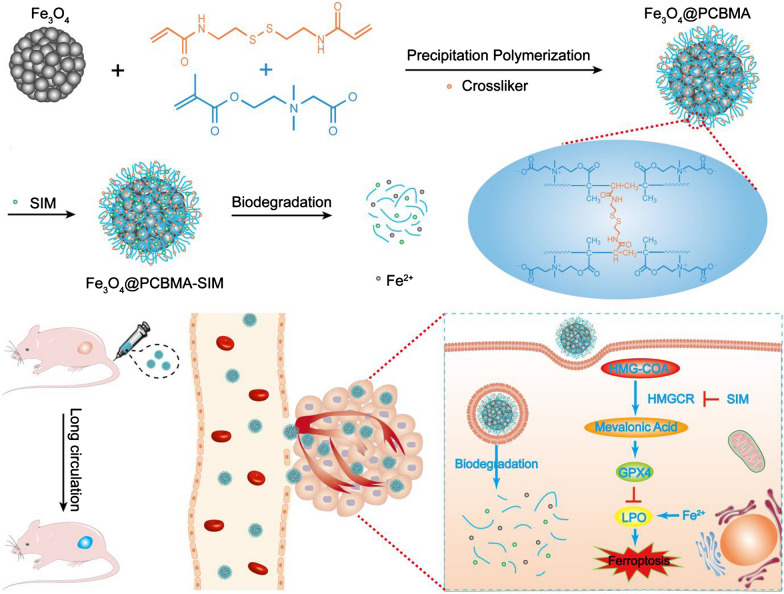
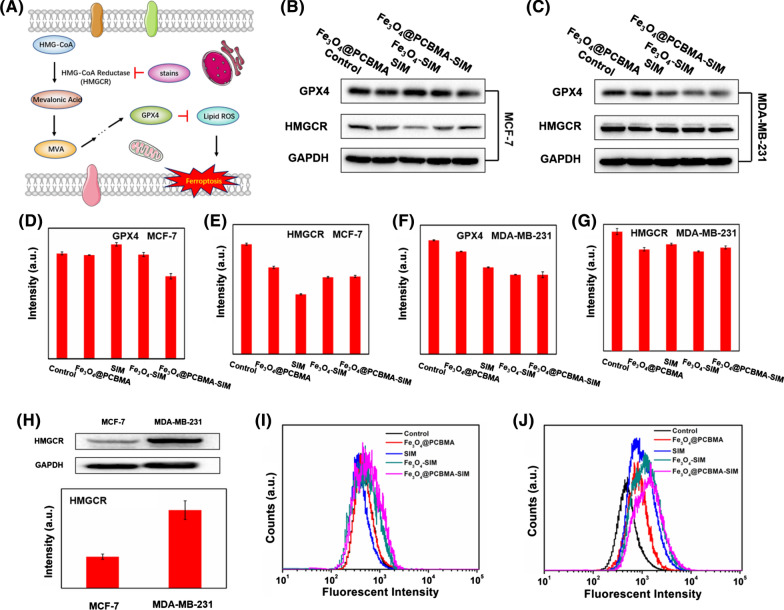
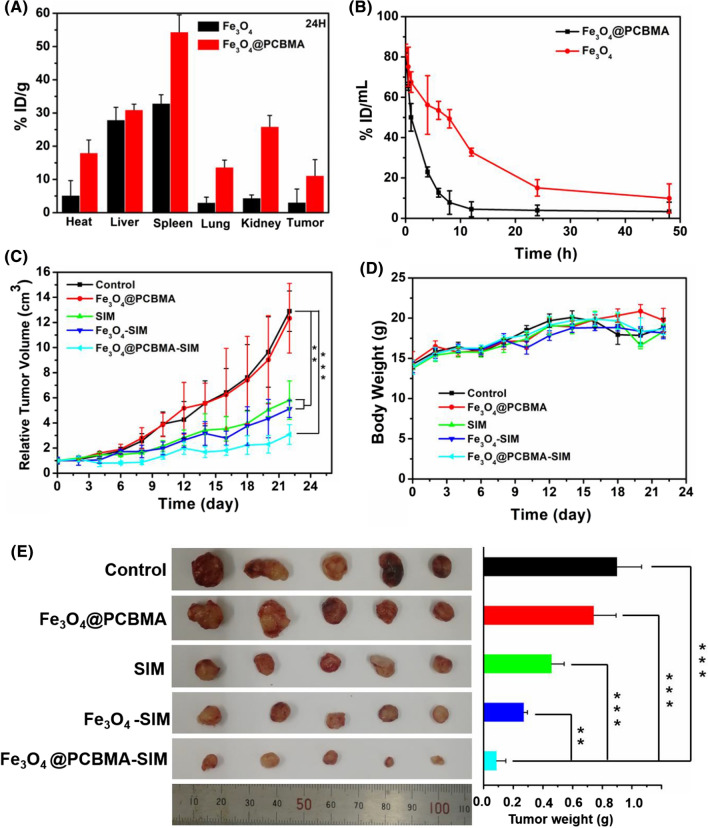
Triple-negative breast cancer (TNBC), a management of aggressive breast cancer, remains an unmet medical challenge. Although a wave of efforts had spurred to design novel therapeutic method of TNBC, unpredictable prognosis with lacking effective therapeutic targets along with the resistance to apoptosis seriously limited survival benefits. Ferroptosis is a non-apoptotic form of cell death that is induced by excessive lipid peroxidation, which provide an innovative way to combat cancer. Emerging evidence suggests that ferroptosis plays an important role in the treatment of TNBC cells. Herein, a novel ferroptosis nanomedicine was prepared by loading simvastatin (SIM), a ferroptosis drug, into zwitterionic polymer coated magnetic nanoparticles (Fe 3 O 4 @PCBMA) to improve the therapeutic effect of TNBC. The as-obtained Fe 3 O 4 @PCBMA-SIM nanoparticles demonstrated more cytotoxicity against MDA-MB-231 than MCF-7 due to the higher expression of 3-hydroxy-3-methyl-glutaryl-coenzyme A reductase (HMGCR), which demonstrated that statins could effectively kill TNBC. Further experiments showed that SIM could inhibit the expression of HMGCR to downregulate the mevalonate (MVA) pathway and glutathione peroxidase 4 (GPX4), thereby inducing cancer cell ferroptosis. What’s more, PCBMA endows Fe 3 O 4 @PCBMA longer blood circulation performance to enhance their accumulation at tumor sites. Given that Fe 3 O 4 have proven for clinical applications by the U.S. Food and Drug Administration (FDA) and SIM could induce cancer cell ferroptosis, the developed Fe 3 O 4 @PCBMA-SIM nanosystem would have great potential in clinics for overcoming the drug resistance brought about by apoptotic drugs to cancer cells.
Overview
The claims and statistics of this paper haven’t been checked yet.
Run the check — free, no account needed. It reads the open-access text and checks the sources it cites.
Integrity signals
Registry
Cites
Statistics
Figures
Verification
Claims the paper makes
The claims and statistics of this paper haven’t been checked yet.
Run the check — free, no account needed. It reads the open-access text and checks the sources it cites.
Claims other papers make about this one
Each is checked against this paper’s own text: does it say what the citing paper says it does?
The source backs part of the claim, not all of it — or backs it for a different population, condition or comparison.
In the citing paper
“Breast cancer, particularly TNBC, has an inherent anti-apoptotic ability, which decreases the overall effectiveness of different treatments and the survival rate [116].”
From Nanosensitizer-assisted sonodynamic therapy for breast cancer (2025) · cites this paper as [116]
Experimental — accuracy not yet measured
Self-check
Percentages, sums and reported differences re-computed from the paper’s own numbers.
The self-check needs the paper’s full text.
Citations
Cites
Sung, H., Ferlay, J., Siegel, R. L., Laversanne, M., Soerjomataram, I., Jemal, A., & Bray, F. (2021) · CA: A Cancer Journal for Clinicians · doi:10.3322/caac.21660 · Cited by 108,699
Bray, F., Ferlay, J., Soerjomataram, I., Siegel, R. L., Torre, L. A., & Jemal, A. (2018) · CA: A Cancer Journal for Clinicians · doi:10.3322/caac.21492 · Cited by 84,109
Cancer drug resistance: an evolving paradigm
Holohan, C., Van Schaeybroeck, S., Longley, D. B., & Johnston, P. G. (2013) · Nature Reviews Cancer · doi:10.1038/nrc3599 · Cited by 4,681
Inactivation of the ferroptosis regulator Gpx4 triggers acute renal failure in mice
Friedmann Angeli, J. P., Schneider, M., Proneth, B., Tyurina, Y. Y., Tyurin, V. A., Hammond, V. J., Herbach, N., Aichler, M., Walch, A., Eggenhofer, E., et al. (2014) · Nature Cell Biology · doi:10.1038/ncb3064 · Cited by 3,732
A Century of Cholesterol and Coronaries: From Plaques to Genes to Statins
Goldstein, J. L., & Brown, M. S. (2015) · Cell · doi:10.1016/j.cell.2015.01.036 · Cited by 1,233
Timmerman, L. A., Holton, T., Yuneva, M., Louie, R. J., Padró, M., Daemen, A., Hu, M., Chan, D. A., Ethier, S. P., van ‘t Veer, L. J., et al. (2013) · Cancer Cell · doi:10.1016/j.ccr.2013.08.020 · Cited by 573
Inhibition of selenoprotein synthesis by selenocysteine tRNA[Ser]Sec lacking isopentenyladenosine
Warner, G. J., Berry, M. J., Moustafa, M. E., Carlson, B. A., Hatfield, D. L., & Faust, J. R. (2000) · Journal of Biological Chemistry · doi:10.1074/jbc.m001280200 · Cited by 207
Ironing out cell death mechanisms
Reed, J. C., & Pellecchia, M. (2012) · Cell · doi:10.1016/j.cell.2012.05.009 · Cited by 87
Research works printed but not linked: 33
- Zhang T, Liu H, Li L, Guo ZY, Song J, Yang XY, Wan GY, Li RS, Wang YS. Leukocyte/platelet hybrid membrane-camouflaged dendritic large pore mesoporous silica nanoparticles co-loaded with photo/chemotherapeutic agents for triple negative breast cancer combination treatment. Bioact Mater. 2021;6:3865–78. · DOI
- Gong Y, Ji P, Yang YS, Xie S, Yu TJ, Xiao Y, Jin ML, Ma D, Guo LW, Pei YC, Chai WJ, Li DQ, Bai F, Bertucci F, Hu X, Jiang YZ, Shao ZM. Metabolic-pathway-based subtyping of triple-negative breast cancer reveals potential therapeutic targets. Cell Metab. 2021;33:51–64. · DOI
- Cao JY, Dixon SJ. Mechanisms of ferroptosis. Cell Mol Life Sci. 2016;73:2195–209. · DOI · Paper page
- Dixon SJ, Lemberg KM, Lamprecht MR, Skouta R, Zaitsev EM, Gleason CE, Patel DN, Bauer AJ, Cantley AM, Yang WS, Morrison B. Ferroptosis: An iron-dependent form of nonapoptotic cell death. Cell. 2012;149:1060–72. · DOI · Paper page
- Wang SF, Li FY, Qiao RR, Hu X, Liao HR, Chen LM, Wu JH, Wu HB, Zhao M, Liu JN, Chen R, Ma XB, Kim D, Sun JH, Davis TP, Chen CY, Tian J, Hyeon T, Ling D. Arginine-rich manganese silicate nanobubbles as a ferroptosis-inducing agent for tumor-targeted theranostics. ACS Nano. 2018;12:12380–92. · DOI
- Liu T, Liu W, Zhang M, Yu W, Gao F, Li C, Wang SB, Feng J, Zhang XZ. Ferrous-supply-regeneration nanoengineering for cancer-cell-specific ferroptosis in combination with imaging-guided photodynamic therapy. ACS Nano. 2018;12:12181–92. · DOI
- Stockwell BR, Angeli JPF, Bayir H, Bush AI, Conrad M, Dixon SJ, Fulda S, Gascon S, Hatzios SK, Kagan VE, Noel K, Jiang X, Linkermann A, Murphy ME, Overholtzer M, Oyagi A, Pagnussat GC, Park J, Ran Q, Rosenfeld CS, Salnikow K, Tang D, Torti FM, Torti SV, Toyokuni S, Woerpel KA, Zhang DD. Ferroptosis: a regulated cell death nexus linking metabolism, redox biology, and disease. Cell. 2017;171:273–85. · DOI · Paper page
- An Y, Zhu JD, Liu F, Deng J, Meng X, Liu GQ, Wu HY, Fan AP, Wang Z, Zhao YJ. Boosting the ferroptotic antitumor efficacy via site-specific amplification of tailored lipid peroxidation. ACS Appl Mater Interfaces. 2019;11:29655–66. · DOI
- Viswanathan VS, Ryan MJ, Dhruv HD, Gill S, Eichhoff OM, Seashore-Ludlow B, Kaffenberger SD, Eaton JK, Shimada K, Aguirre AJ, Viswanathan SR, Chattopadhyay S, Tamayo P, Yang WS, Rees MG, Chen S, Boskovic ZV, Javaid S, Huang C, Wu X, Tseng YY, Roider EM, Gao D, Cleary JM, Wolpin BM, Mesirov JP, Haber DA, Engelman JA, Boehm JS, Kotz JD, Hon CS, Chen Y, Hahn WC, Levesque MP, Doench JG, Berens ME, Shamji AF, Clemons PA, Stockwell BR, Schreiber SL. Dependency of a therapy-resistant state of cancer cells on a lipid peroxidase pathway. Nature. 2017;547:453–7. · DOI · Paper page
- Li HY, Shi W, Li XH, Hu YM, Fang Y, Ma HM. Ferroptosis accompanied by •OH generation and cytoplasmic viscosity increase revealed via dual-functional fluorescence probe. J Am Chem Soc. 2019;141:18301–7. · DOI
- Yu MY, Gai CC, Li ZHR, Ding DJ, Zheng J, Zhang WF, Lv SJ, Li WT. Targeted exosome-encapsulated erastin induced ferroptosis in triple negative breast cancer cells. Cancer Sci. 2019;110:3173–82. · DOI
- Hoque A, Chen H, Xu XC. Statin induces apoptosis and cell growth arrest in prostate cancer cells. Cancer Epidemiol Biomark Prev. 2008;17:88–94. · DOI
- Yin Y, Liu L, Zhao Z, Yin L, Bauer N, Nwaeburu CC, Gladkich J, Gross W, Hackert T, Sticht C, Gretz N, Strobel O, Herr I. Simvastatin inhibits sonic hedgehog signaling and stemness features of pancreatic cancer. Cancer Lett. 2018;426:14–24. · DOI
- Yu HT, Guo PY, Xie XZ, Wang Y, Chen G. Ferroptosis, a new form of cell death, and its relationships with tumourous diseases. J Cell Mol Med. 2017;21:648–57. · DOI
- Yang WS, Stockwell BR. Ferroptosis: death by lipid peroxidation. Trends Cell Biol. 2016;26:165–76. · DOI · Paper page
- Liu M, Liu B, Liu QQ, Du KK, Wang ZF, He NY. Nanomaterial-induced ferroptosis for cancer specific therapy. Coord Chem Rev. 2019;382:160–80. · DOI
- Wilhelm S, Tavares AJ, Dai Q, Ohta S, Audet J, Dvorak HF, Chan WCW. Analysis of nanoparticle delivery to tumours. Nat Rev Mater. 2016;1:1–12.
- Jiang Q, Liu Y, Guo RR, Yao XX, Sung S, Pang ZQ, Yang WL. Erythrocyte-cancer hybrid membrane-camouflaged melanin nanoparticles for enhancing photothermal therapy efficacy in tumors. Biomaterials. 2019;192:292–308. · DOI
- Liu J, Sun ZK, Deng YH, Zou Y, Li CY, Guo XH, Xiong LQ, Gao Y, Li FY, Zhao DY. Highly water-dispersible biocompatible magnetite particles with low cytotoxicity stabilized by citrate groups. Angew Chem Int Ed. 2009;48:5875–9. · DOI
- Zhang L, Xue H, Cao ZQ, Keefe A, Wang JN, Jiang SY. Multifunctional and degradable zwitterionic nanogels for targeted delivery, enhanced MR imaging, reduction-sensitive drug release, and renal clearance. Biomaterials. 2011;32:4604–8. · DOI
- Peng SJ, Ouyang BS, Men YZ, Du Y, Cao YB, Xie RH, Pang ZQ, Shen S, Yang WL. Biodegradable zwitterionic polymer membrane coating endowing nanoparticles with ultra-long circulation and enhanced tumor photothermal therapy. Biomaterials. 2020;231:119680. · DOI
- Wang F, Zhang YT, Yang P, Jin S, Yu M, Guo J, Wang CC. Fabrication of polymeric microgels using reflux-precipitation polymerization and its application for phosphoprotein enrichment. J Mater Chem B. 2014;2:2575–82. · DOI
- Zhai SY, Ma YH, Chen YY, Li D, Cao J, Liu YJ, Cai MT, Xie XX, Chen YW, Luo XL. Synthesis of an amphiphilic block copolymer containing zwitterionic sulfobetaine as a novel pH-sensitive drug carrier. Polym Chem. 2014;5:1285–97. · DOI
- Barry P, Vatsiou A, Spiteri I, Nichol D, Cresswell GD, Acar A, Trahearn N, Hrebien S, Garcia-Murillas I, Chkhaidze K, Ermini L, Huntingford IS, Cottom H, Zabaglo L, Koelble K, Khalique S, Rusby JE, Muscara F, Dowsett M, Maley CC, Natrajan R, Yuan Y, Schiavon G, Turner N, Sottoriva A. The spatiotemporal evolution of lymph node spread in early breast cancer. Clin Cancer Res. 2018;24:4763–70. · DOI
- Wang Y, Tang M. Corrigendum to PM2.5 induces ferroptosis in human endothelial cells through iron overload and redox imbalance. Environ Pollut (Barking, Essex: 1987). 2021;276:113640. · DOI
- Guo SD, Yao XX, Jiang Q, Wang K, Zhang YY, Peng HB, Yang WL. Dihydroartemisinin-loaded magnetic nanoparticles for enhanced chemodynamic therapy. Front Pharmacol. 2020;11:226. · DOI
- Lucky SS, Idris NM, Li ZQ, Huang K, Soo KC, Zhang Y. Titania coated upconversion nanoparticles for near-infrared light triggered photodynamic therapy. ACS Nano. 2015;9:191–205. · DOI
- Mandal CC, Ghosh-Choudhury N, Yoneda T, Choudhury GG. Simvastatin prevents skeletal metastasis of breast cancer by an antagonistic interplay between p53 and CD44. J Biol Chem. 2011;286:11314–27. · DOI · Paper page
- Hayano M, Yang WS, Corn CK, Pagano NC, Stockwell BR. Loss of cysteinyl-tRNA synthetase (CARS) induces the transsulfuration pathway and inhibits ferroptosis induced by cystine deprivation. Cell Death Differ. 2016;2:270–8. · DOI
- Chen G, Roy I, Yang C, Prasad PN. Nanochemistry and nanomedicine for nanoparticle-based diagnostics and therapy. Chem Rev. 2016;116:2826–85. · DOI
- Deng H, Li XL, Peng Q, Wang X, Chen JP, Li YD. Monodisperse magnetic single-crystal ferrite microspheres. Angew Chem Int Ed. 2005;44:2782–5. · DOI
- Yao XX, Yang P, Jin ZK, Jiang Q, Guo RR, Xie RH, He QJ, Yang WL. Multifunctional nanoplatform for photoacoustic imaging-guided combined therapy enhanced by CO induced ferroptosis. Biomaterials. 2019;197:268–83. · DOI
- Ryu JH, Jiwpanich S, Chacko R, Bickerton S, Thayumanavan S. Surface-functionalizable polymer nanogels with facile hydrophobic guest encapsulation capabilities. J Am Chem Soc. 2010;132:8246. · DOI
Cited by
Sorted by citations
Items 101–200 of 210
MiR-122-5p regulates the mevalonate pathway by targeting p53 in non-small cell lung cancer
Zheng, Y.-K., Zhou, Z.-S., Wang, G.-Z., Tu, J., Cheng, H., Ma, S.-Z., Ke, C., Wang, Y., Jian, Q., Shu, Y.-H., et al. (2023) · Cell Death and Disease · doi:10.1038/s41419-023-05761-9 · Cited by 18
“Previous studies revealed that the genes in the MVA pathway are often positively correlated with the development of tumors, and their expression in tumors is higher than in the corresponding normal tissues most of time [46, 47].”
BackgroundEmerging Potential Therapeutic Targets of Ferroptosis in Skeletal Diseases
Liu, X., Wang, T., Wang, W., Liang, X., Mu, Y., Xu, Y., Bai, J., & Geng, D. (2022) · Oxidative Medicine and Cellular Longevity · doi:10.1155/2022/3112388 · Cited by 18
Intersection of ferroptosis and nanomaterials brings benefits to breast cancer
Gao, J., Ma, N., Ni, S., & Han, X. F. (2025) · Cell Biology and Toxicology · doi:10.1007/s10565-025-10067-x · Cited by 17
“When exploring the inhibitory effects of Fe 3 O 4 @PCBMA-SIM on TNBC, it can downregulate HMGCR, affect the MVA pathway, and lead to a decrease in GPX4 protein expression, thereby inducing ferroptosis (Yao et al. 2021).”
Noh, J. K., Lee, M. K., Lee, Y., Bae, M., Min, S., Kong, M., Lee, J. W., Kim, S. I., Lee, Y. C., Ko, S., et al. (2024) · Molecular Oncology · doi:10.1002/1878-0261.13720 · Cited by 16
Wang, H., Hou, M.-J., Liao, L., Li, P., Chen, T., Wang, P., & Zhu, B. (2024) · Biochemistry · doi:10.1021/acs.biochem.3c00261 · Cited by 17
Tan, L.-K., Liu, J., Ma, C., Huang, S., He, F.-H., Long, Y., Zheng, Z., Liang, J.-L., Xu, N., Wang, G.-H., et al. (2025) · Cancer Management and Research · doi:10.2147/cmar.s503932 · Cited by 16
“71 GA promotes the generation of reactive oxygen species (ROS) and reactive nitrogen species (RNS) by activating NADPH oxidase and iNOS, leading to reduced GSH and GPX activity, exacerbating lipid peroxidation, and ultimately triggering ferroptosis in TNBC cells.”
Ferroptosis: Frenemy of Radiotherapy
Kerkhove, L., Geirnaert, F., Dufait, I., & Ridder, M. D. (2024) · International Journal of Molecular Sciences · doi:10.3390/ijms25073641 · Cited by 19
“…[147,148], Liver [149] Modulates the p38/ERK pathway, impairs STAT3 signalling, induces ER stress, activates the ATF4-CHOP-CHAC1 pathway, increases intracellular iron Breast [150], Non-tumorigenic tissue [151] Inhibits HMG-CoA reductase → inhibits mevalonate pathway → inhibits biosynthesis of GPX4.”
BackgroundAra, N., Hafeez, A., & Kushwaha, S. (2024) · Naunyn-Schmiedeberg's Archives of Pharmacology · doi:10.1007/s00210-024-03151-2 · Cited by 15
“The in vivo results demonstrated that the developed nanoparticles exhibited excellent tumour suppression, due to the higher expression of HMG-CoA reductase which will open an avenue of triple-negative breast cancer therapy (Yao et al. 2021).”
GPX4 in triple-negative breast cancer: A key regulator of ferroptosis and therapeutic target.
Baskar, G. (2025) · Cancer Genetics · doi:10.1016/j.cancergen.2025.06.009 · Cited by 14
Targeting Ferroptosis as an Advance Strategy in Cancer Therapy
Muluh, T. A., Fu, Q., Ai, X., Wang, C., Chen, W., Zheng, X., Wang, W., Wang, M., Shu, X., & Ying, Y. (2024) · Antioxidants and Redox Signaling · doi:10.1089/ars.2024.0608 · Cited by 15
“Isocitrate dehydrogenase 1 mutations cause cancer cells to become more susceptible to ferroptosis by raising levels of the onco-metabolite 2-hydroxyglutarate and decreasing GPX4 (Yao et al., 2021b).”
InfluentialSun, G., Wang, J.-J., Liu, F.-T., Zhao, C.-L., Cui, S., Wang, Z., Liu, Z., Zhang, Q., Xiang, C., Zhang, Y., et al. (2024) · Biochemical Pharmacology · doi:10.1016/j.bcp.2024.116077 · Cited by 13
Liang, S., Bai, Y.-M., & Zhou, B. (2024) · Aging · doi:10.18632/aging.205459 · Cited by 13
Zhu, M., Zhao, Q., Zhang, W., Xu, H., Zhang, B., Zhang, S., Duan, Y., Liao, C., Yang, X., & Chen, Y. (2023) · International Immunopharmacology · doi:10.1016/j.intimp.2023.111168 · Cited by 12
Lv, Z., Liu, Z., Nie, Z., Li, N., Kong, L., Shen, F., Jiao, J., & Wang, H. (2026) · Frontiers in Immunology · doi:10.3389/fimmu.2026.1772259 · Cited by 11
“For instance, zwitterionic polymer-coated magnetic nanoparticles loaded with simvastatin were developed for treating triple-negative breast cancer (166).”
Simeprevir induces ferroptosis through β-TrCP/Nrf2/GPX4 axis in triple-negative breast cancer cells.
Lin, Z.-R., Liu, Z., Yang, X., Pan, Z., Feng, Y.-X., Zhang, Y.-Y., Chen, H.-P., Lao, L.-Y., Chen, J., Shi, F., et al. (2024) · Biomedicine & pharmacotherapy = Biomedecine & pharmacotherapie · doi:10.1016/j.biopha.2024.117558 · Cited by 12
Kuche, K., Yadav, V., Patel, M., Ghadi, R., & Jain, S. (2023) · AAPS PharmSciTech · doi:10.1208/s12249-023-02639-z · Cited by 12
“To describe in brief, 106 cells/well in 6-well tissue culture plate were treated with 1 μg/mL of SOR, SIM and SOR + SIM combination, and were incubated for 24 h [20, 21].”
MethodCo-targeting ferroptosis and immune evasion through small molecules in breast cancer
Zhou, J., Yang, W., Tang, H., Zou, Y., Zhou, Z., Peng, C., & Peng, F. (2025) · Journal of Translational Internal Medicine · doi:10.1515/jtim-2025-0093 · Cited by 11
Self-citationFan, C., Mei, Y., Liu, H., Chen, L., Li, Z., Wu, K., Zhang, Y., Li, H., & Xu, L. (2025) · Journal of Colloid and Interface Science · doi:10.1016/j.jcis.2025.139011 · Cited by 11
Ferroptosis as a Form of Cell Death—Medical Importance and Pharmacological Implications
Kielan, B., Pałasz, A., Krysta, K., & Krzystanek, M. (2025) · Pharmaceuticals · doi:10.3390/ph18081183 · Cited by 14
“Triggers of ferroptosis could lead to the death of affected diseased cells, like using sorafenib in hepatocellular carcinoma cells [114], statins in triple negative breast cancer cells [65], and artesunate in pancreatic ductal cancer cells, ovarian cancer, and head and neck cancers [89].”
Petriaggi, L., Giorgio, E., Natali, G. A. E. P. G., Galeano, C., Furtado, S. R., Faniello, M. C., Costanzo, F. S., Biamonte, F., & Battaglia, A. M. (2025) · Frontiers in Bioscience-Landmark · doi:10.31083/fbl39675 · Cited by 14
He, Z., Zhang, L., Gong, S., Yang, X., & Xu, G. (2025) · International Journal of Molecular Medicine · doi:10.3892/ijmm.2025.5667 · Cited by 11
“…example, SIM can inhibit the expression of HMGcR to downregulate the MVA pathway, GPX4 and FSP1, thereby inducing triple‑negative Bc cell ferroptosis (194,195). conversely, SQLE exerts anti‑ferroptosis effects, whereas exogenous cholesterol hydroperoxide induces dose‑dependent cell death (196,197).”
Li, Y., Feng, L., Shen, Q., Jiang, X., Liu, F., Zhang, C., Qi, R., & Pang, B. (2025) · Frontiers in Immunology · doi:10.3389/fimmu.2025.1542664 · Cited by 11
“Synthetic drugs and natural products, such as Simvastatin and quercetin, have also demonstrated the therapeutic potential of MCT blockers in some tumors (109, 110).”
Cholesterol confers resistance to Apatinib-mediated ferroptosis in gastric cancer
Li, Z.-W., Liu, C., Wang, M., Wei, R., Li, R., Huang, K.-H., Liang, H.-Y., Li, G., & Zhao, L.-Y. (2025) · Cell & Bioscience · doi:10.1186/s13578-025-01435-5 · Cited by 10
Fang, Q., Fang, Q., Cheng, R., Feng, T., & Xin, W. (2024) · PLoS ONE · doi:10.1371/journal.pone.0315037 · Cited by 11
Zhang, B., Liu, H., Wang, Y., & Zhang, Y. (2024) · ACS Biomaterials Science & Engineering · doi:10.1021/acsbiomaterials.4c01233 · Cited by 10
Recent research progress on metal ions and metal-based nanomaterials in tumor therapy
Xu, Y., Reheman, A., & Feng, W. (2025) · Frontiers in Bioengineering and Biotechnology · doi:10.3389/fbioe.2025.1550089 · Cited by 9
“In addition, Fe 3 O 4 -NPs combined with other technologies, such as photodynamic therapy (PDT), thermal stress, and sonodynamic therapy (SDT), can further induce cellular ferroptosis, thereby enhancing the antitumor effects (Wang et al., 2023d; Yao et al., 2021).”
Durrani, I. A., John, P., Bhatti, A., & Khan, J. S. (2024) · Heliyon · doi:10.1016/j.heliyon.2024.e36650 · Cited by 9
“In case of TNBC, treatment with this drug induced ferroptosis in cancer cells in vitro [134].”
BackgroundAllegra, A., Murdaca, G., Gammeri, L., Ettari, R., & Gangemi, S. (2023) · International Journal of Molecular Sciences · doi:10.3390/ijms24021783 · Cited by 9
“Finally, different analyses verified the discharge of HMGB1 from RSV-infected airway epithelial cells and showed that ROS production stimulated by RSV infection enhanced the liberation of HMGB1 from infected cells.”
BackgroundInfluentialSu, T., Li, G., Guan, Y., Tian, Q., Qi, Y., Zhang, Y.-Q., Wei, W., Duan, X., Rui, J.-X., Zhu, H., et al. (2026) · Advancement of science · doi:10.1002/advs.202521525 · Cited by 8
“The central component of this statin-regulated lipid metabolic pathway is 3-hydroxy-3-methyl-glutaryl-CoA reductase (HMGCR), the rate-limiting enzyme of the mevalonate (MVA) pathway [ 4 ].”
Li, W.-F., Xu, J., Long, Y., Zhang, H., Rong, X.-J., & Su, Z. (2025) · Genes and Diseases · doi:10.1016/j.gendis.2025.101945 · Cited by 8
Wang, P., Sun, X., Feng, C., Liu, S., Chen, Q., Zhang, S., Sun, J., He, Z., Wang, Y., & Luo, C. (2025) · Advanced Composites and Hybrid Materials · doi:10.1007/s42114-025-01402-1 · Cited by 9
The Interplay of N6-Methyladenosine and Ferroptosis in Cancer: A Promising Therapeutic Avenue
Kirthik Roshan, M., Pal, R., Kumari, S., Kumar, S., & Muthuswamy, S. (2025) · Cancer Genetics · doi:10.1016/j.cancergen.2025.05.007 · Cited by 7
Induction of Ferroptosis by Shikonin in Gastric Cancer via the DLEU1/mTOR/GPX4 Axis
Wang, Y.-Y., Xu, M.-D., Liu, C., Wang, X., Zhang, X.-Y., Sheng, W.-Q., & Wang, X.-Y. (2025) · Cell Biology International · doi:10.1002/cbin.70018 · Cited by 8
“However, statins also seemed to decrease the GSH level when the GPX4 level decreased (X. Yao et al. 2021; Zhang, Qu, et al. 2022).”
Wang, L., He, X., Shen, Y., Chen, J., Chen, Y., Zhou, Z., & Xu, X. (2025) · Current Issues in Molecular Biology · doi:10.3390/cimb47030201 · Cited by 8
“Simvastatin inhibits the expression of 3-hydroxy-3-methylglutaryl coenzyme A reductase (HMGCR), downregulating the mevalonate pathway and GPX4, thereby inducing ferroptosis in cancer cells [59].”
Dong, H., Ma, Y., Cui, M.-M., Qiu, Z.-H., He, M., & Zhang, B. (2024) · Molecular Medicine Reports · doi:10.3892/mmr.2024.13252 · Cited by 8
“…are FSP1 inhibitor (which inhibits FSP1 activity and reduces coenzyme Q10 production) (134), statins (which inhibit the mevalonate pathway) (135,136), and class IV ferroptosis inducers, such as heme (which increases the amount of intracellular iron in the unstable state) (137) and…”
BackgroundAi, L., Yi, N., Qiu, C., Huang, W., Zhang, K., Hou, Q., Jia, L., Li, H., & Liu, L. (2024) · International Journal of Oncology · doi:10.3892/ijo.2024.5634 · Cited by 9
“Simvastatin has been reported to inhibit HMGCR expression and downregulate the mevalonic acid pathway and GPX4, thereby inducing ferroptosis in TNBC cells (104).”
Guo, T., Zhang, X., Chen, S., Wang, X., & Wang, X. (2023) · Life Sciences · doi:10.1016/j.lfs.2023.122329 · Cited by 11
Simvastatin in the Treatment of Colorectal Cancer: A Review
Zang, H., Yang, W. L., & Tian, X. (2022) · Evidence-based Complementary and Alternative Medicine · doi:10.1155/2022/3827933 · Cited by 9
“Common clinical symptoms of colorectal cancer include blood in the stool, abdominal pain, weight loss, and intestinal obstruction [36].”
BackgroundSelf-citationRetractedOgra, I., Opoku, F. N., Adaji, J. Z., Usman, S., Tizhe, D., Apollos, S. D., Philip, E., Jonathan, E. U., Sossou, K., & Dauda, W. (2026) · Discover nano · doi:10.1186/s11671-026-04510-z · Cited by 7
“In 2021, Yao et al. reported that simvastatin induces ferroptosis in triple-negative breast cancer cells by inhibiting 3-Hydroxy-3-methylglutaryl coenzyme A reductase (HMGCR), downregulating the mevalonate pathway and GPX4, showing potential to overcome drug resistance [25].”
Li, J., Zhang, Y.-H., Shao, C.-Y., Bai, Y.-N., Wang, P., & Ren, T.-Y. (2025) · Drug Delivery · doi:10.1080/10717544.2025.2592412 · Cited by 7
“…which has been observed in non-small cell lung cancer (Guo 2018; Zou et al. 2021; Jiaqi et al. 2023), breast cancer (Ma et al. 2016; Yang 2021b; Yao 2021), stomach cancer (Hao 2017; Ouyang 2022), etc. Studies have shown that the ferroptosis in tumor cells can be regulated by three pathways…”
Pei, B., Sun, H., & Xu, L.-Y. (2025) · Naunyn-Schmiedeberg's Archives of Pharmacology · doi:10.1007/s00210-025-04359-6 · Cited by 7
“Nowadays, convincing evidence has indicated that targeting ferroptosis, iron-dependent non-apoptotic cell death, and a highly regulated tumor-inhibiting process is an innovative and explorable therapeutic strategy for combating TNBC (Yang et al. 2023; Yao et al. 2021).”
NINJ1 in Cell Death and Ferroptosis: Implications for Tumor Invasion and Metastasis
Chen, S.-Y., Shyu, I., & Chi, J. (2025) · Cancers · doi:10.3390/cancers17050800 · Cited by 7
Chen, Z.-Y., & Zhao, Y. (2025) · Frontiers in Pharmacology · doi:10.3389/fphar.2024.1437022 · Cited by 7
Simvastatin-Induced Ferroptosis in Orbital Fibroblasts in Graves’ Ophthalmopathy
Wang, L., Li, Y., Niu, T., Deng, J., Shi, Y.-X., Liu, Y.-T., Tong, B., Qi, X., Cao, D., Tao, Y.-G., et al. (2025) · Investigative Ophthalmology and Visual Science · doi:10.1167/iovs.66.1.56 · Cited by 7
Zhou, X., & Lin, L. (2024) · Biomedicine & Pharmacotherapy · doi:10.1016/j.biopha.2024.117323 · Cited by 8
Liu, Z.-M., He, S.-J., Huang, Z., Liu, J., Gong, Y., Yao, Y., & Zhang, X. (2023) · Thoracic Cancer · doi:10.1111/1759-7714.15128 · Cited by 7
Diabetic Ferroptosis and Pancreatic Cancer: Foe or Friend?
Li, L., Yu, X.-J., Gao, L., Cheng, L., Sun, B., & Wang, G. (2022) · Antioxidants and Redox Signaling · doi:10.1089/ars.2022.0101 · Cited by 7
Meng, Y., Zhuang, Y., Yuan, B., Lv, B., Zhang, L., Zhang, W., Qu, X., Chen, Y., & Tang, B. (2025) · Coordination Chemistry Reviews · doi:10.1016/j.ccr.2025.217361 · Cited by 6
Zhang, M., Yao, X., Xu, J., Song, J., Mai, S., Zhu, W., Zhang, Y., Zhu, L., & Yang, W. (2024) · International Journal of Pharmaceutics · doi:10.1016/j.ijpharm.2024.124032 · Cited by 7
Self-citationSun, Y. X., Yan, K., Zhang, Y., Han, Y., Hao, L.-H., Gao, Y., Wang, H., Chu, H., Ye, J., Liu, Y., et al. (2025) · Military Medical Research · doi:10.1186/s40779-025-00672-6 · Cited by 4
Li, W.-Y., Cao, Y., Niu, R., Zhang, R., Zhang, S.-P., Xue, D., Zhang, H., Bai, S.-Q., Wang, Z., Zhang, B., et al. (2025) · Cell Biomaterials · doi:10.1016/j.celbio.2025.100282 · Cited by 5
Self-citationStatins in the context of precision cancer medicine: important factors to consider
Lagunas-Rangel, F. (2025) · Medical Oncology · doi:10.1007/s12032-025-03101-9 · Cited by 5
“This targeted delivery (4 mg/kg) induced ferroptosis in tumor cells without causing detectable systemic toxicity [131].”
Wang, Y., Tang, C., Wang, K., Zhang, X., Zhang, L., Xiao, X., Lin, H., & Xiong, L. (2025) · European Journal of Pharmacology · doi:10.1016/j.ejphar.2025.177561 · Cited by 3
Deciphering Ferroptosis: From Molecular Pathways to Machine Learning-Guided Therapeutic Innovation
Mete, M., Ojha, A., Dhar, P., & Das, D. (2024) · Molecular Biotechnology · doi:10.1007/s12033-024-01139-0 · Cited by 6
MicroRNA in adenoid cystic carcinoma (Review)
Li, Y., Gu, F., He, Y., Xiang, J., Huang, X., Wang, Y., & Chen, R. (2022) · International Journal of Oncology · doi:10.3892/ijo.2022.5465 · Cited by 9
“In a study by Wang et al (56), miR‐21 inhibitor reduced lung metastatic SACC cell resis‐ tance to simvastatin, which was found be effective against the growth of various types of cancer, including breast (57), anaplastic thyroid (58), and lung (59) cancer.”
BackgroundFerroptosis in cancer: integrating multi-omics, AI-driven biomarkers, and translational challenges
Taki, A. G., Shareef, A., Arora, V., Oweis, R. J., Jyothi, S. R., Singh, U., Sahoo, S., Chauhan, A. S., Alimova, F., Sameer, H. N., et al. (2026) · Clinica Chimica Acta · doi:10.1016/j.cca.2026.121131 · Cited by 5
Accelerating Small Molecule Ferroptosis Regulator Development With Advances in Biological Functions
Bai, L., Shen, L., Zhang, Q., Hu, Z., Tang, Y., Fu, M., Fan, Y., Wang, H., Liu, H.-M., Dai, X., et al. (2026) · Medicinal Research Reviews · doi:10.1002/med.70034 · Cited by 4
“P e r i ll a l d e h y d e A M L [ 224 ] H e t e r o n e m i n H e p a t o c e ll u l a r c a r c i n o m a [ 225 ] S i m v a s t a t i n T r i p l e ‐ n e g a t i v e b r e a s t c a n c e r [ 226 ] C o m p o u n d 21 H e p a t o c e ll u l a r c a r c i n o m a [ 227 ] ( C o n t i n u e s )”
Yuan, C., Peng, X., Tang, H., Luo, T., Jin, M. H., & Duan, S. (2025) · International Journal of Biological Macromolecules · doi:10.1016/j.ijbiomac.2025.149699 · Cited by 3
Yuan, L., Bao, Y., Liu, J., & Sun, P. (2025) · iScience · doi:10.1016/j.isci.2025.112526 · Cited by 5
“5 Given the absence of these characteristic markers, no readily accessible endocrine treatments, such as those used for PR-or ER-positive cases, or antibody-based drugs, such as those used for HER-2-positive cases, are available to manage TNBC.”
Wang, S., Yi, K., Guan, X., Zhou, Z.-Y., Cao, Y., & Zhang, X.-F. (2024) · International Journal of Biological Macromolecules · doi:10.1016/j.ijbiomac.2024.134515 · Cited by 4
Self-citationChen, X.-X., Peng, H.-J., Zhang, Z.-T., Yang, C.-N., Liu, Y.-Q., Chen, Y.-Z., Yu, F., Wu, S., & Cao, L.-X. (2024) · Immunologic research · doi:10.1007/s12026-024-09505-5 · Cited by 4
“Furthermore, certain crucial lipid metabolism enzymes, such as squalene epoxidase (SQLE) [16] and malic enzyme 1 (ME1) [17], are found to be overexpressed in breast cancer, forming intricate connections with tumor growth and infiltration [18, 19].”
Self-citationPan, Q., Chen, C., & Yang, Y. (2023) · Current Medical Science · doi:10.1007/s11596-023-2818-2 · Cited by 4
“There is accumulating evidence suggesting that ferroptosis is regulated by statins, thereby justifying an important lipid-independent pleiotropic action of statins including atorvastatin and simvastatin in atheroprotection [82, 83] .”
Role of ferroptosis on immunotherapy in breast cancer.
Deng, K., & Li, H. (2026) · Molecular Biology Reports · doi:10.1007/s11033-026-11828-5 · Cited by 3
Iron homeostasis and ferroptosis: a converging axis in cancer therapy
Sajeev, A., Manickasamy, M. K., Vishwa, R., Alqahtani, M. S., Abbas, M., Sethi, G., & Kunnumakkara, A. B. (2026) · Biochemical Pharmacology · doi:10.1016/j.bcp.2026.117769 · Cited by 5
He, Y., Zou, Z.-L., Lan, Z., Chang, M., Zhang, X., Lin, R., Zhang, W., Zhang, G.-T., Wang, T., & Chen, E.-B. (2025) · Clinical and Experimental Medicine (Testo stampato) · doi:10.1007/s10238-025-01700-4 · Cited by 3
“Up to now, several ferroptosis inducers have been approved for clinical application by the U.S. Food and Drug Administration [20]; thus, ferroptosis-based therapy has attracted considerable attention in cancer treatment.”
You, Z., Wu, F., Zheng, Y., Yang, H., Ye, J.-B., Cai, H., Luo, C., Liu, Y., Ke, Y., & Xu, X. (2025) · Cell Death Discovery · doi:10.1038/s41420-025-02532-7 · Cited by 3
“7).”
Chen, S., Luo, Y., Ruan, S., Su, G.-S., & Huang, G. (2025) · Hereditas · doi:10.1186/s41065-025-00372-0 · Cited by 3
“Studies have shown that inducing ferroptosis can be an effective method for treating refractory BC, particularly triple-negative BC [9, 10].”
Li, W.-Z., Zhang, Y., Zhuang, Y., Chen, R.-J., Xiong, Z., Li, K., Liu, F., Xu, H.-Y., Li, D.-L., & Peng, J.-X. (2024) · Neuroendocrinology · doi:10.1159/000539821 · Cited by 3
Min, Y., Liu, Z.-R., Wei, Z.-G., Li, R., Jin, J., Zhang, Y., & Peng, X.-C. (2022) · Pharmaceuticals · doi:10.3390/ph15121474 · Cited by 3
Dalal, P., Singhal, R., Hu, B., Stark, D. C., Rossiter, N. J., Jain, C., Sajjakulnukit, P., Lyssiotis, C. A., & Shah, Y. M. (2026) · Cancer & Metabolism · doi:10.1186/s40170-026-00421-w · Cited by 2
“These findings align with prior reports that statins decrease GPX4 expression and disrupt isopentenyl pyrophosphate – dependent antioxidant pathways, thereby sensitizing cells to lipid peroxidation [16].”
The instrumental role of lipids in governing the sensitivity of multiple myeloma to ferroptosis
Habib, A., Best, G., Downes, C. E. J., & Wallington-Beddoe, C. T. (2025) · Discover Oncology · doi:10.1007/s12672-025-03444-9 · Cited by 2
“A study in tripe-negative breast cancer has demonstrated that simvastatin containing nanoparticles could induce ferroptosis in vitro and could significantly reduce tumour volume in MDA-MB-231 tumour-bearing mice [56].”
Biosynthesized Calcium Peroxide Nanoparticles as a Multifunctional Platform for Liver Cancer Therapy
Wu, S., Li, S.-Y., Xia, X., Zhang, G., & Wang, T. (2025) · International Journal of Molecular Sciences · doi:10.3390/ijms26104696 · Cited by 2
“In particular, metal-based nanoparticles achieve improved synergistic effects by utilizing metal-specific cytotoxicity [2], immune activation [3], and other mechanisms, thereby enhancing therapeutic outcomes.”
Ge, W., Gao, M., Dai, Y., Zheng, G., Yang, L., Zuo, W., & Tian, X. (2025) · Cancer Cell International · doi:10.1186/s12935-025-03665-6 · Cited by 3
Current and future therapies for triple-negative breast cancer
Wang, Z.-X., Liu, X., Wu, Y., Xiao, Y.-L., Ge, L., Wu, S., Jiang, Y., & Shao, Z.-M. (2026) · Journal of Hematology & Oncology · doi:10.1186/s13045-026-01839-x · Cited by 3
Rewiring tumor metabolism for lethality: Nanomedicine-mediated induction of metabolic cell death
Liu, H., He, S., Huang, Y., Liu, J., Chen, Y., Wei, H., & Yu, C. (2026) · Precision medicine and engineering. · doi:10.1016/j.preme.2026.100072 · Cited by 1
Ancona, P., Grassilli, S., Zuccato, C., Brenna, C., Barboni, D., Cavazzini, A., Catani, M., Bertagnolo, V., Navals, P., Menard, J. A., et al. (2026) · Biochemical Pharmacology · doi:10.1016/j.bcp.2026.118037 · Cited by 1
He, C., Zhang, L.-X., Xiong, Y., Wang, Y., Zeng, Y., Su, D.-D., Wang, R., Li, Y., Chen, H.-B., Cheng, F., et al. (2026) · Advanced Healthcare Materials · doi:10.1002/adhm.202504039 · Cited by 1
“Moreover, HMGCR positively regulates GPX4 protein expression [50, 51].”
Guo, Q., Wang, S., Zhong, Z., Zhou, L., & Xia, X. (2026) · Free Radical Biology and Medicine · doi:10.1016/j.freeradbiomed.2026.03.026 · Cited by 1
Li, Y., Qian, T., Han, Z., Wang, C., Zhang, M. X., Huang, C., Gu, Q., Zhang, S., Lin, Y., Wang, J., et al. (2026) · Frontiers in Oncology · doi:10.3389/fonc.2026.1767384 · Cited by 1
Peng, S., Chen, Q., Liu, Q.-Z., Xie, R.-J., & Wu, Y. (2025) · BMC Cancer · doi:10.1186/s12885-025-14464-7 · Cited by 1
“However, these drugs will inevitably cause damage to the heart [16].”
Self-citationLv, C., He, H., Li, A.-L., Han, X., Xiang, R., Zhang, X.-T., & Yao, L. (2025) · Scientific Reports · doi:10.1038/s41598-025-22302-w · Cited by 1
“…of nanotechnology, various nanomaterials have been developed to encapsulate statins, extending the drug’s half-life, enhancing its targeted delivery capabilities, prolonging its release time, and increasing its local drug concentration in various tumor models to improve efficacy 37,38,44,51 .”
Zhao, Q.-Q., & Wang, Y. (2025) · Toxicology and Applied Pharmacology · doi:10.1016/j.taap.2025.117629 · Cited by 1
Tai, Y., Liu, X., Zhou, Y., & Shang, J. (2025) · Oncology Letters · doi:10.3892/ol.2025.15346 · Cited by 1
Chahardehi, A. M., Naseri, A., Mali, E., Ziaei, L., Moradi, F., Teimourpour, F., Tajik, L., Motedayyen, H., Meigoli, M. S. S., Nasiri, R., et al. (2025) · IBRO Neuroscience Reports · doi:10.1016/j.ibneur.2025.08.016 · Cited by 1
“Yao et al . designed a nanomedicine containing simvastatin and demonstrated its ability to induce ferroptosis in triple-negative breast cancer (TNBC) by reducing GPX4 levels (Yao et al., 2021).”
Wang, J.-C., Zhang, L., Yang, Q., Hu, J.-J., Xu, P., Cui, W.-Y., Wang, G.-H., & Jia, J. (2025) · Cytotechnology (Dordrecht) · doi:10.1007/s10616-025-00818-3 · Cited by 1
“Research by Yao et al. indicates that simvastatin can induce ferroptosis in TNBC cells by inhibiting the expression of HMGCR, thereby downregulating the mevalonic acid (MVA) pathway and GPX4 (Yao et al. 2021).”
Atorvastatin Calcium Enhances Ferroptosis in Breast Cancer Cells Through Mechanisms Involving DECR1
Li, Y., Chen, H., Yang, Z., Huang, Y., Zhang, F., & Wang, H. (2025) · Frontiers in Bioscience-Landmark · doi:10.31083/fbl38924 · Cited by 2
Erastin Induces Ferroptosis and Apoptosis in MDA-MB-231 Breast Cancer Cell Line
Naser, R., Arif, I. S., & Al-Sudani, B. T. (2025) · Al-Rafidain Journal of Medical Sciences · doi:10.54133/ajms.v8i2.1950 · Cited by 2
“In ferroptosis, LIP was found to be associated with the generation of ROS ferroptosis by the Fenton reaction [7,23].”
Triggered ferroptotic albumin-tocopherol nanocarriers for treating drug-resistant breast cancer
Gao, Q., Liu, T., Sun, L., Yao, Y., Li, F., & Mao, L. (2024) · Frontiers in Oncology · doi:10.3389/fonc.2024.1464909
“By downregulating GPX4 expression in tumor tissue and releasing a large amount of iron ions, ferroptosis was induced, resulting in the killing of triple-negative breast cancer (38).”
BackgroundAnalysis of Novel Schiff Base-Fe Complexes Against Breast Cancer Cells’ Viability
Sisin, N. N. T., Algethami, M., Assran, A. S., & Rahman, W. N. (2023) · Key engineering materials · doi:10.4028/p-cnfqt2 · Cited by 2
Possibilities of using statins in comprehensive antitumor treatment
Mustafin, R. (2022) · MD-Onco · doi:10.17650/2782-3202-2022-2-3-59-64 · Cited by 1
Wu, H., Wang, F., Sun, W., & Zhang, H. (2026) · International Journal of Nanomedicine · doi:10.2147/ijn.s650413
Wang, J.-C., Wang, W., Hu, J.-J., Wang, G.-H., Wang, X.-D., Cui, W.-Y., Liu, X.-L., Lv, X.-H., Yang, R.-G., & Jia, J.-G. (2026) · Asia-Pacific Journal of Clinical Oncology · doi:10.1111/ajco.70171
Zhao, H., Gao, X., Xie, R., & Zhao, M. (2026) · Cancer Letters · doi:10.1016/j.canlet.2026.218808
Self-citationLu, S., & Tao, Y. (2026) · International Journal of Nanomedicine · doi:10.2147/ijn.s631597
“142 Similarly, silk fibroin nanocarriers loaded with rosuvastatin were shown to reverse FSP1-driven ferroptosis resistance in the same tumor model.”
Mačvanin, M., Spasic, D. M., Gluščević, S. V., Srdić‐Rajić, T., & Klisic, A. N. (2026) · Archives of Medical Science · doi:10.5114/aoms/225096
Xing, Z., Yang, H., Lyu, Y., Li, J.-Q., Tian, X., Qiao, S., Liang, W.-L., Hu, W.-H., Zhou, S.-L., & Wang, X.-J. (2026) · Frontiers in Oncology · doi:10.3389/fonc.2026.1912201
“Simvastatin and fl uvastatin can suppress numerous tumors and reduce the speci fi c mortality of patients by affecting the proliferation and migration of cancer cells, such as breast cancer (34, 35), lung cancer (36, 37), and prostate cancer (38, 39).”
Xiao, Y.-H., Liu, Z.-D., Feng, Y.-G., Zhu, H., Wang, B., Chen, S.-L., & Liang, G. (2026) · European Journal of Histochemistry · doi:10.4081/ejh.2026.4575
“8,9 8-10 Lovastatin enhances the chemosensitivity of paclitaxel in drug-resistant PCa cells by inhibiting cytochrome oxidase 2C8.”
Arteannuin B Induces Ferroptosis in Colorectal Cancer Cells via GDF15/HMGCS1/GPX4 Axis
Ou, X., Xu, J.-H., Jin, Y., Wang, Y., Yu, R.-M., Zhu, J.-H., Huang, W.-J., & Song, L.-Y. (2026) · Journal of Cancer · doi:10.7150/jca.128611
Hu, B., Zhang, Y., Wang, L., Bao, R., Ye, Y., Dai, X., Xue, X., Liu, C. H., Zhang, L. J., & Cao, Y. X. (2026) · Chemico-Biological Interactions · doi:10.1016/j.cbi.2026.112238
Self-citationTian, S.-S., Lu, J., Guo, C., Gu, W., Huang, P., Xu, X.-K., Wang, Q., & Zhang, W.-D. (2026) · Engineering · doi:10.1016/j.eng.2026.07.014
Metadata
- Authors
- Yao, X., Xie, R., Cao, Y., Tang, J., Men, Y., Peng, H., & Yang, W.
- Affiliations
- Fudan University (CN)
- Stanford University (US)
- Shanghai Jiao Tong University (CN)
- Corresponding author
- Peng, Haibao
- Yang, Wuli
- Venue
- Journal of Nanobiotechnology
- Published
- 2021-10-09
- Volume
- 19
- Issue
- 1
- Pages
- 311-311
- ISSN
- 1477-3155 (ISSN-L)
- PMC
- PMC8502296
- OpenAlex
- W3206510813
- Cited by
- 227
- References
- 41
- Citations by year
- 2026: 27 · 2025: 67 · 2024: 59 · 2023: 44 · 2022: 29 · 2021: 1
- FWCI
- 21.75
- Type
- journal article
- Language
- en
- Open access
- gold
- doi.org
- Locations
- Journal of Nanobiotechnology (publishedVersion, cc-by)
- PubMed Central (publishedVersion, cc-by)
- PubMed (publishedVersion)
- DOAJ (DOAJ: Directory of Open Access Journals) (submittedVersion, cc-by-sa)
- Funders
- national natural science foundation of china (Grant Nos. 51933002, 51873041, 81902756)
- program of shanghai academic research leader (20XD1400400)
- the open project of state key laboratory of molecular engineering of polymers (No. K2021-19)
- shanghai sailing program (No.19Y1439900)
- Topics
- Life Sciences › Biochemistry, Genetics and Molecular Biology › Cancer Research › Ferroptosis and cancer prognosis
- Physical Sciences › Materials Science › Biomaterials › Nanoparticle-Based Drug Delivery
- Physical Sciences › Engineering › Biomedical Engineering › Nanoplatforms for cancer theranostics
- Keywords
- triple-negative breast cancer, ferroptosis, simvastatin, statins, HMGCR, mevalonate pathway, GPX4, Fe3O4 magnetic nanoparticles, nanomedicine, lipid peroxidation, drug resistance, MDA-MB-231 cells, tumor accumulation
- MeSH terms
- Ferroptosis, Animals, Delayed-Action Preparations, Drug Carriers, Female, Humans, Male, Mice, Nude, Signal Transduction, Simvastatin, Cell Line, Tumor, Mice, Magnetite Nanoparticles, MCF-7 Cells, Triple Negative Breast Neoplasms
About these checks
Registry, retraction, Cites and statistics results are computed, not judged, with one exception: a printed reference that no index lists is read once by a model before it counts as a citation error. Claims are extracted by a model and kept only when their quote appears verbatim in the text; each cited source is then checked, with a model’s help, for whether it says what the claim relies on. Those verdicts can be wrong — read the claim’s quote and the cited source before relying on one.
Statistics and arithmetic are recomputed, not judged.
Confidence bands are shown only for fields calibrated on our annotated test set. None is calibrated yet, so no band is shown.
What counts as a claim ›How we measure confidence ›How we check this ›
Are you an author, or do you see a problem with this page? Request a review
