

Human neural stem cell-derived extracellular vesicles protect against Parkinson’s disease pathologies
Open accessThe DOI matches its Crossref record; 38 of the 38 references it cites were found in a registry or an index.
Abstract
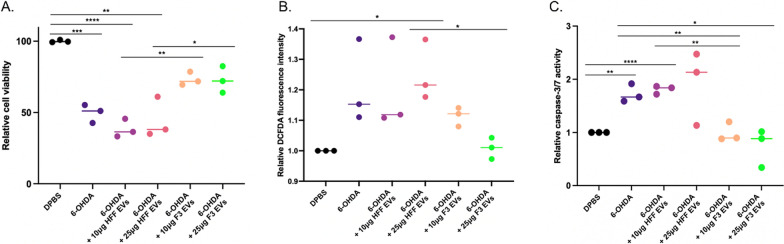
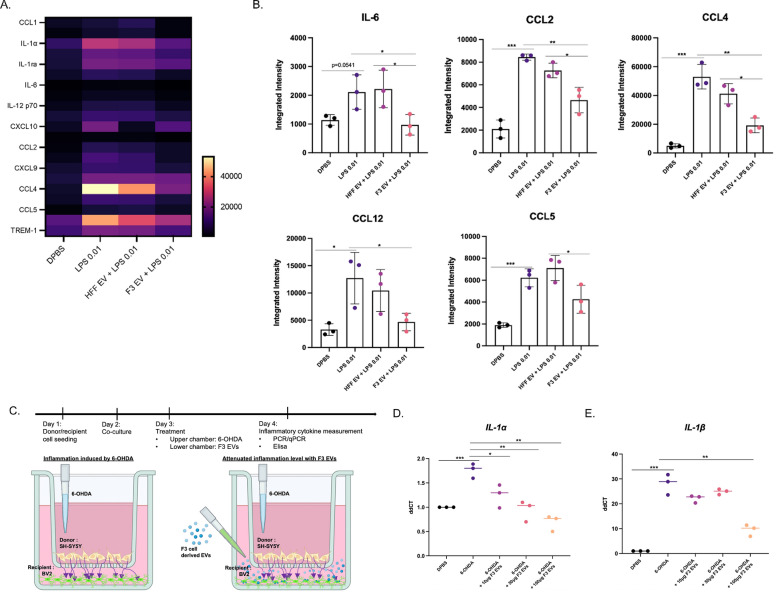
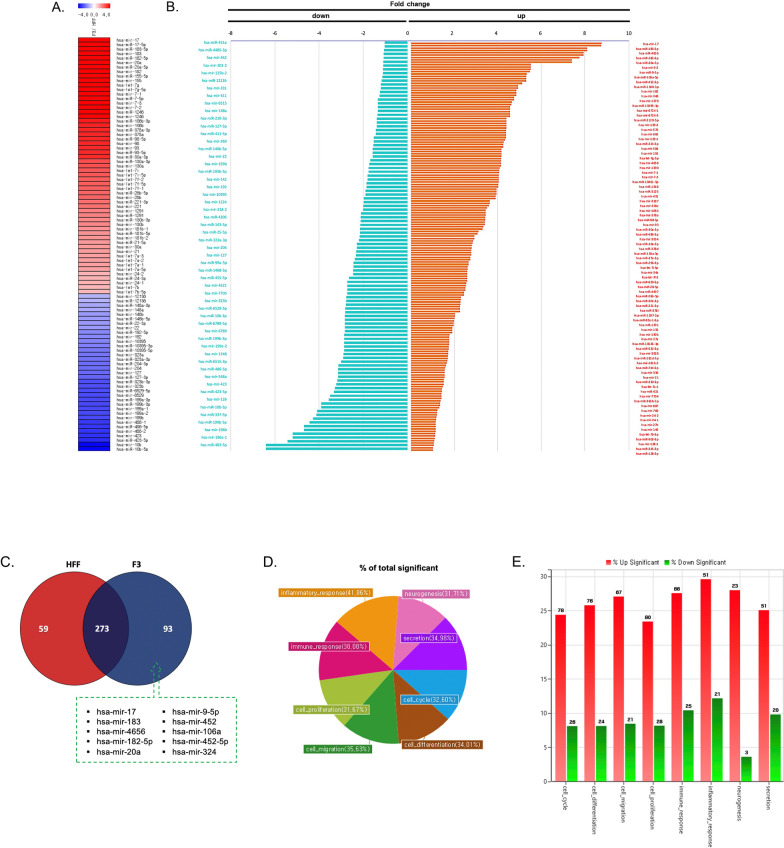
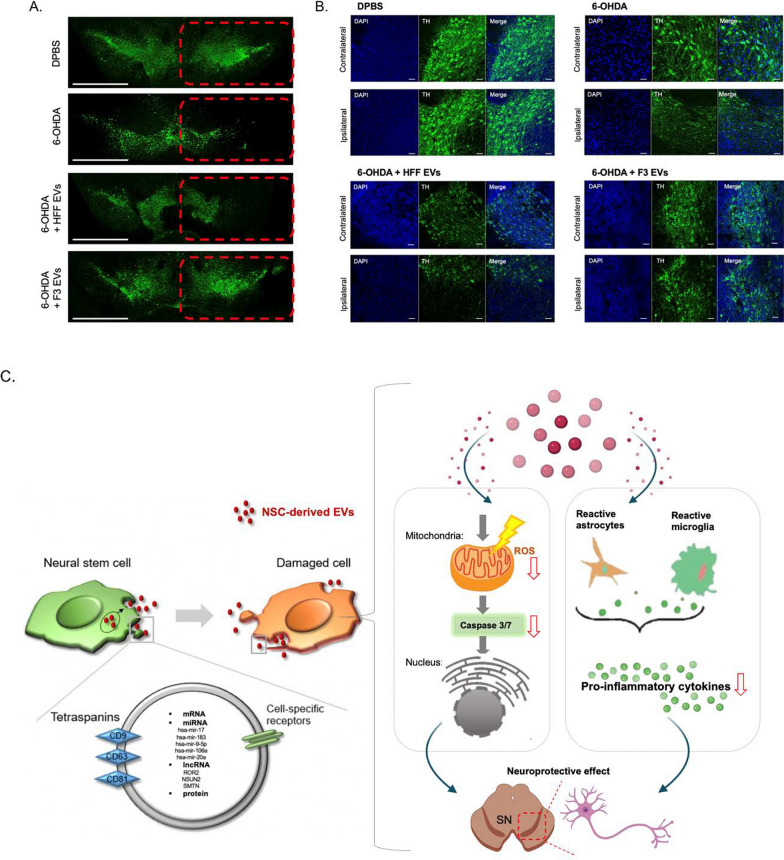
Background: Neural stem cells (NSCs) have the ability to generate a variety of functional neural cell types and have a high potential for neuronal cell regeneration and recovery. Thus, they been recognized as the best source of cell therapy for neurodegenerative diseases, such as Parkinson’s disease (PD). Owing to the possibility of paracrine effect-based therapeutic mechanisms and easier clinical accessibility, extracellular vesicles (EVs), which possess very similar bio-functional components from their cellular origin, have emerged as potential alternatives in regenerative medicine. Material and methods: EVs were isolated from human fibroblast (HFF) and human NSC (F3 cells). The supernatant of the cells was concentrated by a tangential flow filtration (TFF) system. Then, the final EVs were isolated using a total EV isolation kit. Results: In this study, we demonstrate the potential protective effect of human NSC-derived EVs, showing the prevention of PD pathologies in 6-hydroxydopamine (6-OHDA)-induced in vitro and in vivo mouse models. Human NSC and F3 cell (F3)-derived EVs reduced the intracellular reactive oxygen species (ROS) and associated apoptotic pathways. In addition, F3-derived EVs induced downregulation of pro-inflammatory factors and significantly decreased 6-OHDA-induced dopaminergic neuronal loss in vivo. F3 specific microRNAs (miRNAs) such as hsa-mir-182-5p, hsa-mir-183-5p, hsa-mir-9, and hsa-let-7, which are involved in cell differentiation, neurotrophic function, and immune modulation, were found in F3-derived EVs. Conclusions: We report that human NSC-derived EVs show an effective neuroprotective property in an in vitro transwell system and in a PD model. The EVs clearly decreased ROS and pro-inflammatory cytokines. Taken together, these results indicate that NSC-derived EVs could potentially help prevent the neuropathology and progression of PD. Graphical Abstract:
Overview
The claims and statistics of this paper haven’t been checked yet.
Free: it reads the open-access text and checks the first 5 claims that cite a source we can check. Create a free account to check every claim.
Integrity signals
Registry
Cites
Statistics
Figures
Verification
Claims the paper makes
The claims and statistics of this paper haven’t been checked yet.
Free: it reads the open-access text and checks the first 5 claims that cite a source we can check. Create a free account to check every claim.
Claims other papers make about this one
Each is checked against this paper’s own text: does it say what the citing paper says it does?
The source backs part of the claim, not all of it — or backs it for a different population, condition or comparison.
In the citing paper
“NSC-EVs have been shown to inhibit neuroinflammation and ameliorate pathological events and behaviours in AD mice and PD models.444,445”
From Antiageing strategy for neurodegenerative diseases: from mechanisms to clinical advances (2025) · cites this paper as [445]
Experimental — accuracy not yet measured
Self-check
Percentages, sums and reported differences re-computed from the paper’s own numbers.
The self-check needs the paper’s full text.
Citations
Cites
Poewe, W., Seppi, K., Tanner, C. M., Halliday, G. M., Brundin, P., Volkmann, J., Schrag, A.-E., & Lang, A. E. (2017) · Nature Reviews Disease Primers · doi:10.1038/nrdp.2017.13 · Cited by 5,415
Lötvall, J., Hill, A. F., Hochberg, F., Buzás, E. I., Di Vizio, D., Gardiner, C., Gho, Y. S., Kurochkin, I. V., Mathivanan, S., Quesenberry, P., et al. (2014) · Journal of Extracellular Vesicles · doi:10.3402/jev.v3.26913 · Cited by 2,451 · cited 1×
“We identified markers in different categories of EV proteins [20].”
BackgroundRNA delivery by extracellular vesicles in mammalian cells and its applications
O’Brien, K., Breyne, K., Ughetto, S., Laurent, L. C., & Breakefield, X. O. (2020) · Nature Reviews Molecular Cell Biology · doi:10.1038/s41580-020-0251-y · Cited by 1,811 · cited 1×
“It has been reported that the RNA cargo of EVs can alter gene expression and function of recipient cells [34].”
BackgroundExtracellular Vesicles: Unique Intercellular Delivery Vehicles
Maas, S. L. N., Breakefield, X. O., & Weaver, A. M. (2017) · Trends in Cell Biology · doi:10.1016/j.tcb.2016.11.003 · Cited by 1,429 · cited 1×
“EVs act as individual message packets containing RNAs and proteins and migrate to proximal and distant recipient cells to alter their function and phenotype [25].”
BackgroundNeuroinflammation in Parkinson's disease and its potential as therapeutic target
Wang, Q., Liu, Y., & Zhou, J. (2015) · Translational Neurodegeneration · doi:10.1186/s40035-015-0042-0 · Cited by 884 · cited 2×
“These results indicate the possibility of regulating the progression of PD through the modulation of reactive glial cells and protect neurons in the PD model [11].”
BackgroundOxidative stress in the aging substantia nigra and the etiology of Parkinson's disease
Trist, B. G., Hare, D. J., & Double, K. L. (2019) · Aging Cell · doi:10.1111/acel.13031 · Cited by 778 · cited 1×
“Although the cause of dopaminergic neuronal degeneration is unknown, the involvement of mitochondrial dysfunction, neuroinflammation, protein clearance defects, and α-synuclein accumulation have been reported in postmortem examinations, brain imaging, and animal studies [2, 3].”
BackgroundCLARITY for mapping the nervous system
Chung, K., & Deisseroth, K. (2013) · Nature Methods · doi:10.1038/nmeth.2481 · Cited by 747 · cited 6×
“CLARITY technique for brain tissue clearing Mice were anesthetized with isoflurane inhalation and perfused intracardially with cold DPBS and fixed with 4% paraformaldehyde for 48 h.”
MethodInfluentialLai, C. P., Kim, E. Y., Badr, C. E., Weissleder, R., Mempel, T. R., Tannous, B. A., & Breakefield, X. O. (2015) · Nature Communications · doi:10.1038/ncomms8029 · Cited by 574 · cited 2×
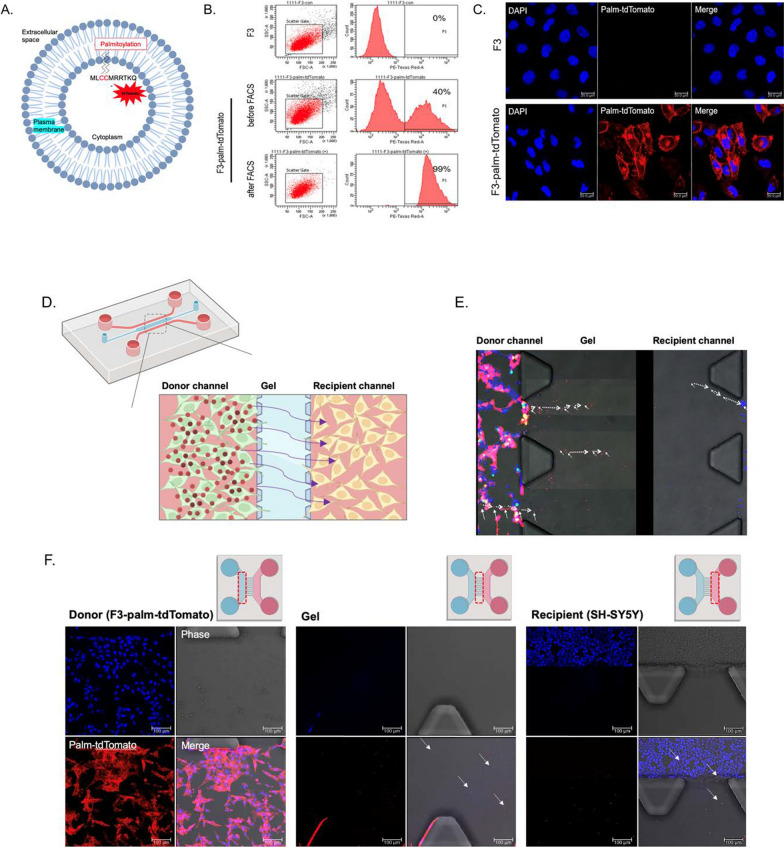
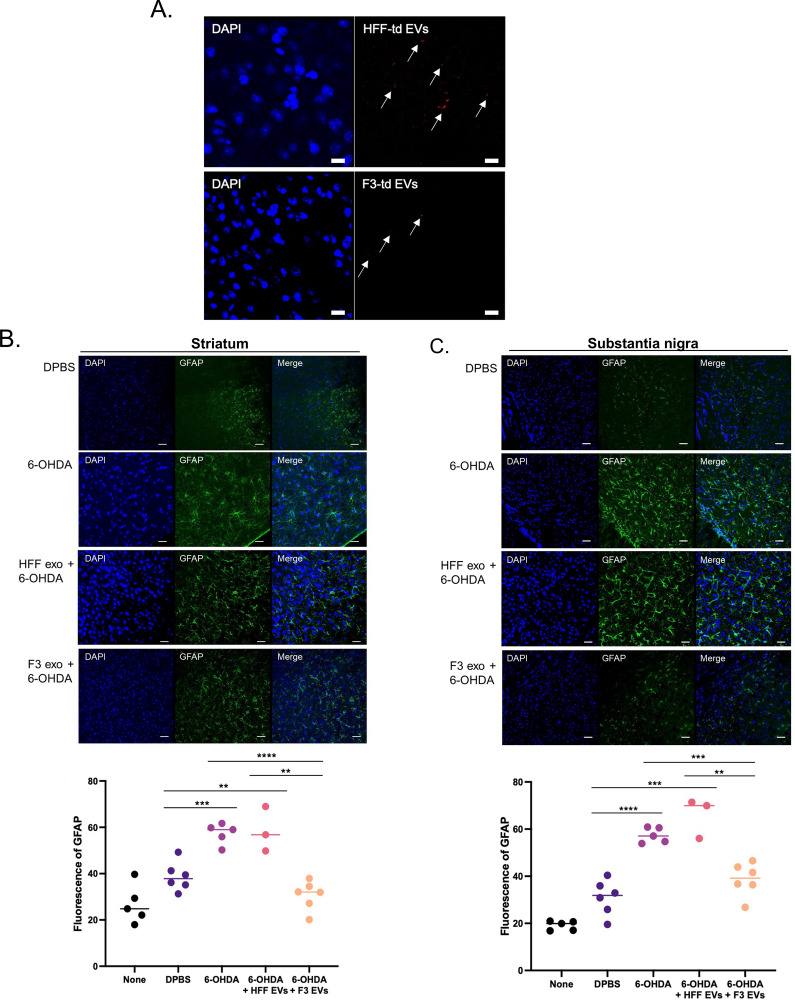
“in F3‐palm‐tdTomato cells To track the behavior of EVs secreted from F3 cells, we labeled multiple EV populations with a palmitoylatedtdTomato (palm-tdTomato) lentivirus, tagged to the intracellular cell membrane area in the cytoplasm [23] (Fig.”
BackgroundMethodHypothalamic stem cells control ageing speed partly through exosomal miRNAs
Zhang, Y., Kim, M. S., Jia, B., Yan, J., Zuniga-Hertz, J. P., Han, C., & Cai, D. (2017) · Nature · doi:10.1038/nature23282 · Cited by 564 · cited 1×
“In particular, hypothalamic NSC-derived exosomes significantly slow senescence-mediated NSC loss through exosomal miRNA delivery [19].”
BackgroundParkinson disease and the immune system - Associations, mechanisms and therapeutics
Tan, E.-K., Chao, Y.-X., West, A., Chan, L.-L., Poewe, W., & Jankovic, J. (2020) · Nature Reviews Neurology · doi:10.1038/s41582-020-0344-4 · Cited by 457 · cited 1×
“Neuroinflammation is a common feature of PD pathology [6].”
Background
Research works printed but not linked: 1
- Yuan P Ding L Chen H Wang Y Li C Zhao S Neural stem cell-derived exosomes regulate neural stem cell differentiation through miR-9-Hes1 axis Front Cell Dev Biol 2021 9 601600 10.3389/fcell.2021.601600 34055767 PMC8155619 · DOI · Paper page
Cited by
Clinical applications of stem cell-derived exosomes
Tan, F., Li, X., Wang, Z., Li, J., Shahzad, K., & Zheng, J. (2024) · Signal Transduction and Targeted Therapy · doi:10.1038/s41392-023-01704-0 · Cited by 708
“193 In a study using NSC-derived exosomes, Lee et al. revealed that SC-exo therapy could help to prevent the neuropathology and progression of PD. 194 Working in vitro on SH-SY5Y and BV2 cells, NSC-derived exosomes could reduce the intracellular reactive oxygen species (ROS) and associated…”
BackgroundHarnessing extracellular vesicle heterogeneity for diagnostic and therapeutic applications
Carney, R. P., Mizenko, R. R., Bozkurt, B. T., Lowe, N., Henson, T., Arizzi, A., Wang, A., Tan, C., & George, S. C. (2025) · Nature Nanotechnology · doi:10.1038/s41565-024-01774-3 · Cited by 208
“Frequently, this is a top-down approach, first identifying the cells that produce EVs with a given function, and then comparing those EVs to identify similar physiochemical features 6,105 .”
Antiageing strategy for neurodegenerative diseases: from mechanisms to clinical advances
Jiang, Q., Liu, J., Huang, S., Wang, X.-Y., Chen, X., Liu, G.-H., Ye, K., Song, W., Masters, C. L., Wang, J., et al. (2025) · Signal Transduction and Targeted Therapy · doi:10.1038/s41392-025-02145-7 · Cited by 165
Extracellular Vesicles for Clinical Diagnostics: From Bulk Measurements to Single-Vesicle Analysis
Tran, H. L., Zheng, W., Issadore, D., Im, H., Cho, Y., Zhang, Y., Liu, D., Liu, Y., Li, B., Liu, F., et al. (2025) · ACS Nano · doi:10.1021/acsnano.5c00706 · Cited by 124
Extracellular vesicles, from the pathogenesis to the therapy of neurodegenerative diseases
Xia, X., Wang, Y., & Zheng, J. C. (2022) · Translational Neurodegeneration · doi:10.1186/s40035-022-00330-0 · Cited by 92
80 years of extracellular vesicles: from discovery to clinical translation
Li, Q., Ding, Y., Shi, Y., Qiu, C., Lei, L., Li, S., Zhu, Z., Zheng, J., Qin, C., Wang, K., et al. (2026) · Extracellular Vesicles and Circulating Nucleic Acids · doi:10.20517/evcna.2025.161 · Cited by 88
Exosomes as CNS Drug Delivery Tools and Their Applications
Sun, K., Zheng, X., Jin, H., Yu, F. D., & Zhao, W. G. (2022) · Pharmaceutics · doi:10.3390/pharmaceutics14102252 · Cited by 71
Gomes, P., Tzouanou, F., Skolariki, K., Vamvaka-Iakovou, A., Noguera-Ortiz, C., Tsirtsaki, K., Waites, C. L., Vlamos, P., Sousa, N., Costa-Silva, B., et al. (2022) · Experimental Neurology · doi:10.1016/j.expneurol.2022.114183 · Cited by 55
“Moreover, NSC-derived EVs were also shown to have a neuroprotective effect in vitro against Parkinson’s disease (Lee et al., 2022).”
The Involvement of Neuroinflammation in the Onset and Progression of Parkinson’s Disease
Jurcău, A., Andronie-Cioară, F. L., Nistor-Cseppento, C. D., Pașcalău, N., Rus, M., Vasca, E., & Jurcău, M. C. (2023) · International Journal of Molecular Sciences · doi:10.3390/ijms241914582 · Cited by 64
“Using extracellular vesicles reproduces the same paracrine signaling-mediated effects and circumvents potential side effects of stem cell delivery such as immunogenicity or tumorigenesis [331].”
Extracellular vesicles: New horizons in neurodegeneration
Chen, J., Tian, C., Xiong, X., Yang, Y., & Zhang, J. (2025) · eBioMedicine · doi:10.1016/j.ebiom.2025.105605 · Cited by 53
“126 Another study revealed human tooth stem cell-derived EV could effectively reversed 6-OHDA-induced spatial learning and memory impairments, with effects lasting up to 6 days post-treatment.”
Natale, F., Fusco, S., & Grassi, C. (2022) · Translational Neurodegeneration · doi:10.1186/s40035-022-00326-w · Cited by 54
Li, X., Zhu, Y., Wang, Y., Xia, X., & Zheng, J. (2023) · MedComm · doi:10.1002/mco2.214 · Cited by 52
Neural stem cell-derived extracellular vesicles: The light of central nervous system diseases
Li, Y., & Fang, B. (2023) · Biomedicine & Pharmacotherapy · doi:10.1016/j.biopha.2023.115092 · Cited by 50
Zhou, W., Wang, X., Dong, Y., Gao, P., Zhao, X. F., Wang, M., Wu, X. F., Shen, J., Zhang, X., Lü, Z., et al. (2024) · Theranostics · doi:10.7150/thno.95953 · Cited by 44
“This reduction was associated with a significant decrease in the presence of activated microglia, reactive astrocytes, and pro-inflammatory factors within both the striatum and SN region, which is crucial for PD treatment (Figure 2D) [66].”
BackgroundAttaluri, S., Gonzalez, J. J., Kirmani, M., Vogel, A. D., Upadhya, R., Kodali, M., Madhu, L. N., Rao, S., Shuai, B., Babu, R. S., et al. (2023) · Frontiers in Aging Neuroscience · doi:10.3389/fnagi.2023.1200445 · Cited by 41
Neural stem cells for Parkinson’s disease management: Challenges, nanobased support, and prospects
Öz, T., Kaushik, A. K., & Kujawska, M. (2023) · World Journal of Stem Cells · doi:10.4252/wjsc.v15.i7.687 · Cited by 40
Mechanism and Therapeutic Prospect of miRNAs in Neurodegenerative Diseases
Ma, Y.-M., & Zhao, L. (2023) · Behavioural Neurology · doi:10.1155/2023/8537296 · Cited by 39
“At the same time, neural stem cell-speci fi c miRNAs such as hsa-mir-9, hsa-let-7, and hsa-mir-183-5p have been found in EVs, which may be involved in the di ff erentiation and immune regulation of neural cells in the brain of PD patients [100].”
BackgroundFunctionalized hydrogels in neural injury repairing
Zhao, W., Tu, H., Chen, J., Wang, J., Liu, H. C., Zhang, F.-S., & Li, J. (2023) · Frontiers in Neuroscience · doi:10.3389/fnins.2023.1199299 · Cited by 37
Extracellular Vesicles as Biomarkers for Parkinson’s Disease: How Far from Clinical Translation?
Gualerzi, A., Picciolini, S., Bedoni, M., Guerini, F. R., Clerici, M., & Agliardi, C. (2024) · International Journal of Molecular Sciences · doi:10.3390/ijms25021136 · Cited by 33
“Several promising in vitro and in vivo experiments were carried out: neural stem cell (NSC) EVs attenuated the ROS-induced apoptotic pathway and neuroinflammation in cultured dopaminergic neuroblastoma neurons [69].”
BackgroundExosomes in neurodegenerative diseases: Therapeutic potential and modification methods
Chen, H., Li, N., Cai, Y., Ma, C., Ye, Y., Shi, X., Guo, J., Han, Z., Liu, Y., & Wei, X. (2024) · Neural Regeneration Research · doi:10.4103/nrr.nrr-d-24-00720 · Cited by 33
Vaz, M., Martins, T. S., & Henriques, A. G. (2022) · Journal of Neurochemistry · doi:10.1111/jnc.15697 · Cited by 27
Işık, S., Osman, S., Yeman-Kıyak, B., Shamshir, S. R. M., & Sanchez, N. M. E. (2025) · CNS Neuroscience & Therapeutics · doi:10.1111/cns.70577 · Cited by 39
“Furthermore, NSC-derived exosomes demonstrated significant neuroprotective effects by reducing oxidative stress and inflammation while preserving dopaminergic neurons in in vitro and in vivo 6- OHDA-induced PD models [61].”
Bonetto, V., & Grilli, M. (2023) · Frontiers in Molecular Biosciences · doi:10.3389/fmolb.2023.1187263 · Cited by 27
Neural Progenitor Cells and the Hypothalamus
Makrygianni, E. A., & Chrousos, G. P. (2023) · Cells · doi:10.3390/cells12141822 · Cited by 33
Iyaswamy, A., Lu, K., Guan, X.-J., Kan, Y., Su, C.-F., Liu, J., Jaganathan, R., Vasudevan, K., Paul, J., Thakur, A., et al. (2023) · Biomedicines · doi:10.3390/biomedicines11072056 · Cited by 28
Onkar, A., Khan, F., Goenka, A., Rajendran, R. L., Dmello, C., Hong, C. M., Mubin, N., Gangadaran, P., & Ahn, B. (2024) · ACS Applied Materials & Interfaces · doi:10.1021/acsami.3c16839 · Cited by 27
Harnessing the Potential of Exosomes in Therapeutic Interventions for Brain Disorders
Bai, L., Yu, L., Ran, M., Zhong, X., Sun, M., Xu, M., Wang, Y., Yan, X., Lee, R. J., Tang, Y., et al. (2025) · International Journal of Molecular Sciences · doi:10.3390/ijms26062491 · Cited by 28
“Copyright 2022, the authors”
Small RNA-big impact: exosomal miRNAs in mitochondrial dysfunction in various diseases
Li, X., Han, Y., Meng, Y., & Yin, L. (2024) · RNA Biology · doi:10.1080/15476286.2023.2293343 · Cited by 24
“These exo-miRs reduced ROS accumulation and improved MMP, inhibiting mitochondrial dysfunction in SH-SY5Y cells [190].”
Cell-based regenerative and rejuvenation strategies for treating neurodegenerative diseases
Deng, S., Xie, H., & Xie, B. (2025) · Stem Cell Research & Therapy · doi:10.1186/s13287-025-04285-7 · Cited by 29
Rademacher, D. J. (2023) · Biomedicines · doi:10.3390/biomedicines11041187 · Cited by 18
Neural Stem Cell‐Derived Extracellular Vesicles for Advanced Neural Repair
Moretti, E. H., Lin, A. L. Y., Peruzzotti‐Jametti, L., Pluchino, S., & Mozafari, S. (2025) · Journal of Neurochemistry · doi:10.1111/jnc.70170 · Cited by 16
Shie, M., Chen, M., Chen, Y., Huang, S., Lin, Y.-H., Yu, M., Pan, C., Chen, C.-Y., Chen, Y., Hsieh, C., et al. (2025) · Journal of Nanobiotechnology · doi:10.1186/s12951-025-03911-z · Cited by 21
“An in vitro PD neuron model was established using differentiated and 6-OHDA-induced SH-SY5Y cells [44].”
Palacio, P. L., Pleet, M. L., Reátegui, E., & Magaña, S. M. (2023) · Journal of Neuroimmunology · doi:10.1016/j.jneuroim.2023.578064 · Cited by 19
Liu, C., Sun, L. J., Worden, H., Ene, J., Zeng, O. Z., Bhagu, J., Grant, S. C., Bao, X., Jung, S., & Li, Y. (2024) · Journal of Extracellular Biology · doi:10.1002/jex2.70002 · Cited by 19
Qian, L., Yang, K., Liu, X., Zhang, L., Zhao, H., Qiu, L., Chu, Y., Zhao, Y., Zhuang, Y., Chen, Y., et al. (2023) · Biomaterials Science · doi:10.1039/d2bm01467j · Cited by 16
Diversity of extracellular vesicle sources in atherosclerosis: role and therapeutic application
Zhang, Y., Zhang, W., Wu, Z., & Chen, Y. (2025) · Angiogenesis · doi:10.1007/s10456-025-09983-7 · Cited by 15
Ismaeel, G. L., AlHassani, O. J. M., Alazragi, R. S., Ahmed, A. H., Mohamed, A. H., Jasim, N. Y., Shari, F. H., & Almashhadani, H. A. (2023) · Biotechnology Progress · doi:10.1002/btpr.3363 · Cited by 15
“15 18 The studies conducted in vitro or using animal models have demonstrated that NSCs can be stimulated and activated to differentiate into neurons, thus replacing lost neurons, and also enhance the local microenvironment, promote the growth of blood vessels, adjust inflammatory responses, and…”
BackgroundGeng, X., Zou, Y., Huang, T., Li, S., Pang, A., & Yu, H. (2024) · Journal of Molecular Neuroscience · doi:10.1007/s12031-023-02186-z · Cited by 16
“This will provide a more theoretical basis for the treatment of PD. Neuroinflammation and oxidative stress induced by PD are common features of its pathology (Lee et al. 2022).”
Extracellular vesicles‐based theranostics for neurodegenerative diseases
Zhao, H., Zhu, L., Wang, C., & Yang, Y. (2024) · Wiley Interdisciplinary Reviews Nanomedicine and Nanobiotechnology · doi:10.1002/wnan.1993 · Cited by 17
Li, X., Liu, J., Deng, Y., Xing, F., Lu, X., Zhang, Z., & Li, C. (2025) · CNS Neuroscience & Therapeutics · doi:10.1111/cns.70390 · Cited by 17
“Microglia plays a pivotal role in modulating neuroinflammation in SCI. BV2 cells are a type of microglial cell derived from C57/ BL6 murine [32].”
Min, X., Liu, H., Dou, X., Chen, F.-X., Zhao, Q., Xiao-hong, Z., Shi, Y., Zhao, Q.-Y., Sun, S.-J., Wang, Z., et al. (2023) · Neuroscience · doi:10.1016/j.neuroscience.2023.09.016 · Cited by 13
Spinelli, M., Fusco, S., & Grassi, C. (2024) · Stem Cells · doi:10.1093/stmcls/sxae074 · Cited by 11
“86 Notably, EV release increases when autophagy flux is impaired.”
Wang, M., Chen, D., Pan, R., Sun, Y., He, X., Qiu, Y.-Y., Hu, Y., Wu, X., Xi, X., Hu, R., et al. (2025) · Frontiers in Immunology · doi:10.3389/fimmu.2025.1548206 · Cited by 14
“For example, Lee et al. conducted a study on the impact of human NSC-sEVs in a PD model (57).”
InfluentialAdvancements in extracellular vesicle therapy for neurodegenerative diseases
Hu, N., Chen, L., Hu, G., & Ma, R. (2025) · Exploration of Neuroprotective Therapy · doi:10.37349/ent.2025.1004104 · Cited by 15
“EVs carrying neurotrophic factors, antioxidants, mitochondrial enhancers, or alpha-synuclein-targeting molecules have shown therapeutic effects, reduced neuroinflammation, and improved motor behavior in PD models [129–132].”
Li, Y., Jiang, J., Li, J., Liu, S., Wang, C., Yu, Z., & Xia, Y. (2025) · Journal of Neurochemistry · doi:10.1111/jnc.70027 · Cited by 13
“Stem cell exosomes (Exos) have biological functions similar to those of the originating cells, and they are less likely to trigger immune rejection or tumor formation, which has great potential for application in PD treat-ment (Lee et al. 2022; Zhang et al. 2023).”
Effect of Genetic Factors, Age and Sex on Levels of Circulating Extracellular Vesicles and Platelets
Orrù, V., Virdis, F., Marongiu, M., Serra, V., Schlessinger, D., Devoto, M., Cucca, F., & Fiorillo, E. (2023) · International Journal of Molecular Sciences · doi:10.3390/ijms24087183 · Cited by 10
Salim, M. W., Zhang, W., Collins‐Praino, L. E., Wang, Y., & Care, A. (2026) · Advanced Healthcare Materials · doi:10.1002/adhm.202504608 · Cited by 8
Rasouli, A., Roshangar, L., Hosseini, M., Pourmohammadfazel, A., & Nikzad, S. (2024) · Neuroscience · doi:10.1016/j.neuroscience.2024.06.031 · Cited by 7
Huang, J., Wang, W., Lin, W., CAI, H., ZHU, Z., Waqas, A., Zhang, Q. Y., LIU, J., Zhang, Y., Li, R., et al. (2024) · Biocell · doi:10.32604/biocell.2024.053148 · Cited by 7
“It stops PD by lowering the number of reactive oxygen species inside cells and the related apoptotic pathways [74].”
BackgroundMultiplex miRNA reporting platform for real-time profiling of living cells
Hu, Y., Li, C. Y., Lu, Q., & Kuang, Y. (2023) · Cell chemical biology · doi:10.1016/j.chembiol.2023.11.002 · Cited by 7
Frontiers of stem cell engineering for nanotechnology-mediated drug delivery systems
Baydar, S. Y., Ay, H. F., & Çakır-Koç, R. (2024) · ADMET & DMPK · doi:10.5599/admet.2160 · Cited by 8
“In addition to that, EVs isolated from neural stem cells were reported to reduce dopaminergic neuron loss and induce downregulation of pro-inflammatory factors [56].”
BackgroundMendonça, L. S., Moreira, R., Henriques, D., Zuzarte, M., Ribeiro‐Rodrigues, T., Girão, H., & de Almeida, L. P. (2025) · Cell Death and Disease · doi:10.1038/s41419-025-07659-0 · Cited by 6
“The dose of EVs represents 5 and 10 μ g of EVs per 100,000 cells, which is in accordance with the 10 – 25 μ g of EVs per 100,000 cells used by other authors [43].”
Stem cell-free therapy for healthy brain aging: Mechanisms, challenges, and prospects
Joshi, J. M., Verma, S. S., Seetharam, R. N., & Singh, A. K. (2025) · Biomedicine & Pharmacotherapy · doi:10.1016/j.biopha.2025.118676 · Cited by 6
Ding, Y., Zhang, Y., & Liu, X. (2022) · Frontiers in Molecular Neuroscience · doi:10.3389/fnmol.2022.1043947 · Cited by 6
Lee, Y., Cho, S.-H., Yoon, H., Kim, J., & Kim, J. (2025) · Stem Cell Reviews and Reports · doi:10.1007/s12015-025-10961-1 · Cited by 4
“Adult neural stem cells (NSCs) produce autocrine EVs carrying neurogenic cargoes, including miR-17 and the proteoglycan agrin, to protect themselves against neurodegenerative disorders [97, 98].”
Mesenchymal stem cell derived extracellular vesicles reverses neural aging via OSKM modulation
Kim, C., Nam, S.-H., Park, J. H., Lim, C.-W., Lee, J. Y., Jeong, Y., Song, Y., Choi, M., Lee, S.-M., Chung, J. H., et al. (2025) · Cell Communication and Signaling · doi:10.1186/s12964-025-02469-5 · Cited by 3
“Palm-td lentivirus was obtained from Ph.D. Hwang at Seoul National University [25].”
Insights into the Versatile Role of Extracellular Vesicles in the Treatment of CNS Disorders
Jana, K., Ghosh, S., Parua, P., Debnath, B., Halder, J., Sahoo, R. K., Rai, V. K., Pradhan, D., Dash, P., Das, C., et al. (2025) · Molecular Neurobiology · doi:10.1007/s12035-025-05283-9 · Cited by 4
Deshetty, U. M., Singh, S., Martínez-Cuevas, F. L., Jain, S., Buch, S. J., & Periyasamy, P. (2026) · Immuno · doi:10.3390/immuno6010012 · Cited by 5
Abyadeh, M., & Kaya, A. (2025) · Journal of Central Nervous System Disease · doi:10.1177/11795735251336302 · Cited by 6
Fernández‐Rhodes, M., Suárez, M., Molet, I., Suárez‐Garcia, S., Arola, L., Sze, S. K., Gallart‐Palau, X., & Serra, A. (2025) · ACS Omega · doi:10.1021/acsomega.5c02274 · Cited by 3
Uptake of Mesenchymal Stem Cell-Derived Exosomes in Mouse Brain through Intranasal Delivery
Zhang, Z., He, S., Jiang, W., Lu, J., Liu, S., Xu, W., Wang, Z., Lu, F., Xiao, Q., & Zhang, J. (2024) · Current Drug Delivery · doi:10.2174/0115672018339798240904171503 · Cited by 7
“…# These authors contributed equally to the work. have the potential to effectively repair neuronal damage associated with Central Nervous System (CNS) diseases, such as Alzheimer’s disease [18-22], Parkinson’s disease [23-28], spinal cord injury [29-33], and retinal disorders [34-40].”
Stem Cell Nanotechnology Applications as Drug Delivery Systems for Neurodegenerative Disorders
Hussain, M. S., Ramalingam, P. S., & Bisht, A. S. (2025) · Current Pharmaceutical Design · doi:10.2174/0113816128377684250310073151 · Cited by 3
Wang, F., Cheng, X.-Y., Zhang, Y., Bai, Q., Zhang, X., Sun, X., Ma, Q., Zhao, X., & Liu, C. (2024) · Open Life Sciences · doi:10.1515/biol-2022-0834 · Cited by 2
“Human NSC-derived extracellular vesicles exhibited neuroprotective properties by decreasing reactive oxygen species and pro-in fl ammatory cytokines in an in vitro transwell system and a PD model [36].”
BackgroundNSPCs-ES: mechanisms and functional impact on central nervous system diseases
Si, Y., Hayat, M. A., & Hu, J. (2024) · Biomedical Materials · doi:10.1088/1748-605x/ad5819 · Cited by 2
“Moreover, the vesicles were recognized by their diameter, which was typically around 100 nm, and surface markers such as CD9, CD29, CD63, and CD81 [31, 32, 49].”
BackgroundInfluentialBrain rewired: Redox control of brain cell crosstalk via nanotubes and vesicles
Zheng, F., Jiang, S., Lin, X., Chang, X., Wang, W., Tang, J., Li, Y., Liao, S., Zhu, A., Shao, W., et al. (2025) · Free Radical Biology and Medicine · doi:10.1016/j.freeradbiomed.2025.09.037 · Cited by 1
Exosomal Cargoes Derived from Neural Stem Cell: A New Strategy of Parkinson's Disease Treatment
Tarbali, S., Dadkhah, M., & Payandeh, Z. (2026) · Molecular Neurobiology · doi:10.1007/s12035-025-05637-3 · Cited by 2
Pociūtė, A., Tunaitis, V., Zebrauskas, A., Piļipenko, V., Jansone, B., Narbute, K., Pultar, M., Hackl, M., & Pivoriūnas, A. (2026) · Stem Cells Translational Medicine · doi:10.1093/stcltm/szag024 · Cited by 2
Lifting the Veil on Neuroinflammation in Parkinson’s Disease: A Bibliometric Analysis
Dong, S., Li, X., Wang, S., 宫玉波, Wu, L., Hu, J., & Chen, X. (2026) · Journal of Inflammation Research · doi:10.2147/jir.s607710 · Cited by 1
Zheng, H., Xu, G., Yao, H., Guan, A., Ma, R., Zhang, W., Zheng, L., Zhao, Y., & Wang, G. (2026) · Chemical Engineering Journal · doi:10.1016/j.cej.2026.178221 · Cited by 1
Ghosh, S. B., Banerjee, R., Almohaimeed, H. M., Almars, A. I., ALMatrafi, T. A., Saleh, F. M., Mohammedsaleh, Z. M., Ealla, K. K. R., Kumer, A., & Dhara, B. (2026) · Journal of Cellular and Molecular Medicine · doi:10.1111/jcmm.71297 · Cited by 1
Abyadeh, M., & Kaya, A. (2024) · bioRxiv (Cold Spring Harbor Laboratory) · doi:10.1101/2024.05.10.593647
“The presence of mitochondrial proteins in stem cell derived EVs and their beneficial effects in restoring mitochondrial function and decreasing the pathological events in different diseases including AD have been previously reported 64–67 .”
BackgroundTherapeutic Role of Extracellular Vesicles in Neurodegenerative Disorders
Ganji, P., Prabhakar, S., & Manda, S. V. (2024) · Springer eBooks · doi:10.1007/978-981-97-2494-9_14 · Cited by 1
Mishra, R., & Bowman, A. B. (2024) · Advances in neurotoxicology · doi:10.1016/bs.ant.2024.07.001
Stem cell for PD: Technical considerations
Ibrahim, S. S., Elmligy, E., & Tharwat, E. K. (2024) · Elsevier eBooks · doi:10.1016/b978-0-443-16128-5.00008-6
Research Advances in Stem Cell Therapy for Parkinson’s Disease
黄, 浦. (2025) · Advances in Clinical Medicine · doi:10.12677/acm.2025.153636
Polysaccharide Thin Films Regulate Adhesion and Function of Human Neural Stem Cells
James, M., Zhou, Y., Chang, F., & Zhang, M. (2025) · Coatings · doi:10.3390/coatings15040473
“…decades, human neural stem cells (hNSCs) have become central to pioneering research aimed at modeling and treating a broad spectrum of diseases, including cancer [1–3], Alzheimer’s disease [4,5], Parkinson’s disease [5–9], cerebral palsy [10,11], multiple sclerosis [12–14], and many others [15,16].”
Pan, T., Yuan, L., Zhao, R., Lu, L., Zhi, Y., Li, Y., Wu, M., & Huang, Y. (2025) · MedComm – Oncology · doi:10.1002/mog2.70044
Lafarge, E., Dowd, E., & McKernan, D. P. (2026) · International Journal of Polymeric Materials · doi:10.1080/00914037.2025.2610718
“[40] As miR-494–3p is present in EVs derived from both primary human nasal mucosal mesenchymal stem cells and cells in the process of dopaminergic progenitor cell differentiation, IL-6 and TNF-α expression decreased, while Arg1 expression sometimes increased to levels of healthy controls.”
Extracellular Vesicles in Neurodegenerative Diseases: Tools for Therapy and Regeneration
Bakr, M., Gobba, F., Sabry, M., & Salama, M. (2026) · Stem cell biology and regenerative medicine · doi:10.1007/978-3-032-12705-1_3
iPSC-derived extracellular vesicles rescue deficits in human and mouse models of Parkinson’s diseasePreprint
Rike, W. A., Tripathi, U., Hussien, Y., Choudhary, A., Rajkovic, A., Sharma, O., Rosh, I., Manole, A., Gage, F. H., Houlden, H., et al. (2026) · bioRxiv (Cold Spring Harbor Laboratory) · doi:10.64898/2026.05.19.726142 · Cited by 1
“In the context of PD, human NSC-derived EVs have shown promising therapeutic potential by attenuating oxidative stress, suppressing inflammation, and preventing dopaminergic neuronal loss in both in vitro and in vivo models (39).”
Stem cell extracellular vesicles for neuropsychiatric disorders and translation
Fan, H., Wang, S., Li, Z., Yu, T., Ma, C., & Sun, C. (2026) · Extracellular Vesicles and Circulating Nucleic Acids · doi:10.20517/evcna.2026.14
Hasanian-Langroudi, F., Yaghmaei, H., Soroush, E., Talifar, H., Meskini, M., & Siadat, S. D. (2026) · Probiotics and Antimicrobial Proteins · doi:10.1007/s12602-026-11083-x · Cited by 2
Mikami, M., Katsuno, E., HOSHINA, S., Takashita, K., Takakura, D., & Kawasaki, N. (2026) · Mass Spectrometry · doi:10.5702/massspectrometry.a0197
Yuan, X., & Song, Y. (2026) · Archives of Dermatological Research · doi:10.1007/s00403-026-04759-5
“…isolated ADSC-EVs from human subcuta - neous adipose tissue, and PKH26-labeled ADSC-EVs were internalized into KFs. Western blot showed that ADSC-EVs inhibited the proliferation of KFs. Previous studies have shown that EVs carry miR-182-5p to participate in disease progression [26, 27].”
Extracellular vesicles in neurodegenerative diseases: A new frontier in diagnosis and therapy
Mohammad, S. I., Vasudevan, A., Oriquat, G., Gajjar, T. B., Hanumanthayya, M., Shukla, S. K., Tailor, N. K., Baig, M. R., Fadaam, O., & Abdul, A. S. (2026) · Behavioural Brain Research · doi:10.1016/j.bbr.2026.116455
Human Neural Cells Engineered In Vitro: Emerging Pathways for Neuroimmunology and Repair
Wang, Y., Jiang, M., Liu, J., Dong, Z., Puwei, S., Meng, H., Wang, Z., Zhou, W., & Dong, X. (2026) · Journal of Tissue Engineering · doi:10.1177/20417314261491541
Ren, S.-X., Cai, H., Xing, R.-Y., Liu, J.-J., Jia, F., Guo, H.-D., & Cui, G.-H. (2026) · Pharmacological Research · doi:10.1016/j.phrs.2026.109670
Lyu, P., Shen, W., Wang, Y., Chen, X., Liu, S., Zhang, Y., Mula, A., Jia, X., 张, 美., Bu, N., et al. (2026) · Molecular Neurobiology · doi:10.1007/s12035-026-06220-0
Clinical application progress of neural stem cells
Dai, L., Chen, S.-X., & Yang, Z.-C. (2026) · Current Opinion in Pharmacology · doi:10.1016/j.coph.2026.102683
Metadata
- Authors
- Lee, E. J., Choi, Y., Lee, H. J., Hwang, D. W., & Lee, D. S.
- Affiliations
- Seoul National University (KR)
- Chungbuk National University (KR)
- Corresponding author
- Hwang, Do Won
- Lee, Dong Soo
- Venue
- Journal of Nanobiotechnology
- Published
- 2022-04-25
- Volume
- 20
- Issue
- 1
- Pages
- 198-198
- ISSN
- 1477-3155 (ISSN-L)
- PMC
- PMC9040239
- OpenAlex
- W4224322616
- Cited by
- 89
- References
- 38
- Citations by year
- 2026: 20 · 2025: 25 · 2024: 21 · 2023: 16 · 2022: 7
- FWCI
- 5.63
- Type
- journal article
- Language
- en
- Open access
- gold
- doi.org
- Licence
- cc-by
- creativecommons.org/licenses/by/4.0 (tdm)
- creativecommons.org/licenses/by/4.0 (vor)
- Locations
- Journal of Nanobiotechnology (publishedVersion, cc-by)
- PubMed Central (publishedVersion, cc-by)
- PubMed (publishedVersion)
- DOAJ (DOAJ: Directory of Open Access Journals) (submittedVersion, cc-by-sa)
- Seoul National University Open Repository (Seoul National University) (submittedVersion)
- Funders
- National Research Foundation of Korea (NRF-2020 R1A2C2101069, 2017M3C7A1048079)
- Korea National Institute of Health (HI14C1277)
- Topics
- Life Sciences › Biochemistry, Genetics and Molecular Biology › Molecular Biology › Extracellular vesicles in disease
- Health Sciences › Medicine › Clinical Neurology › Parkinson's Disease Mechanisms and Treatments
- Life Sciences › Biochemistry, Genetics and Molecular Biology › Cell Biology › Mesenchymal stem cell research
- Keywords
- Parkinson's disease, neural stem cells, extracellular vesicles, neuroprotection, 6-hydroxydopamine, dopaminergic neuron loss, reactive oxygen species, apoptosis, neuroinflammation, microRNA, cell therapy, paracrine signaling
- MeSH terms
- Extracellular Vesicles, Animals, Humans, Parkinson Disease, Oxidopamine, Reactive Oxygen Species, MicroRNAs, Mice, Neural Stem Cells
About these checks
Registry, retraction, Cites and statistics results are computed, not judged, with one exception: a printed reference that no index lists is read once by a model before it counts as a citation error. Claims are extracted by a model and kept only when their quote appears verbatim in the text; each cited source is then checked, with a model’s help, for whether it says what the claim relies on. Those verdicts can be wrong — read the claim’s quote and the cited source before relying on one.
Statistics and arithmetic are recomputed, not judged.
Confidence bands are shown only for fields calibrated on our annotated test set. None is calibrated yet, so no band is shown.
What counts as a claim ›How we measure confidence ›How we check this ›
Are you an author, or do you see a problem with this page? Request a review
Data sources
Bibliographic data: Semantic Scholar, OpenAlex, Crossref.
Contains information from the Semantic Scholar Academic Graph Datasets, made available under the ODC Attribution License (ODC-BY 1.0).
Semantic Scholar’s data is described in: Kinney, R., et al. (2023). The Semantic Scholar Open Data Platform. arXiv:2301.10140.
