

Inhibition of Farnesoid-x-receptor signaling during abdominal sepsis by dysbiosis exacerbates gut barrier dysfunction
Open accessThe DOI matches its Crossref record; 69 of the 72 references it cites were found in a registry or an index.
Abstract
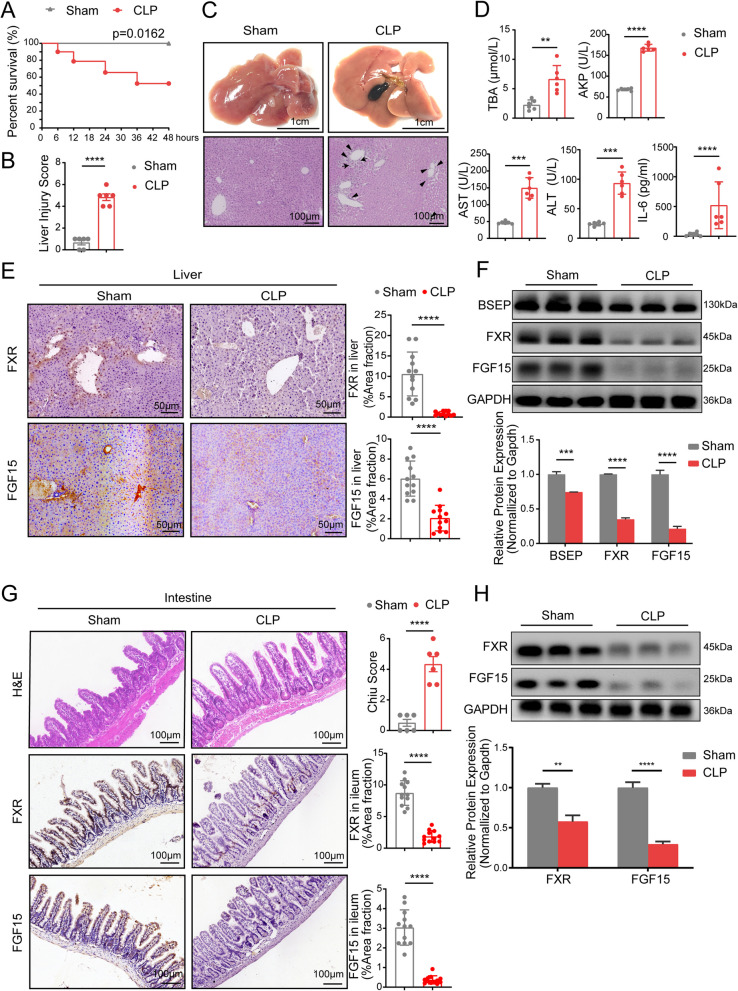
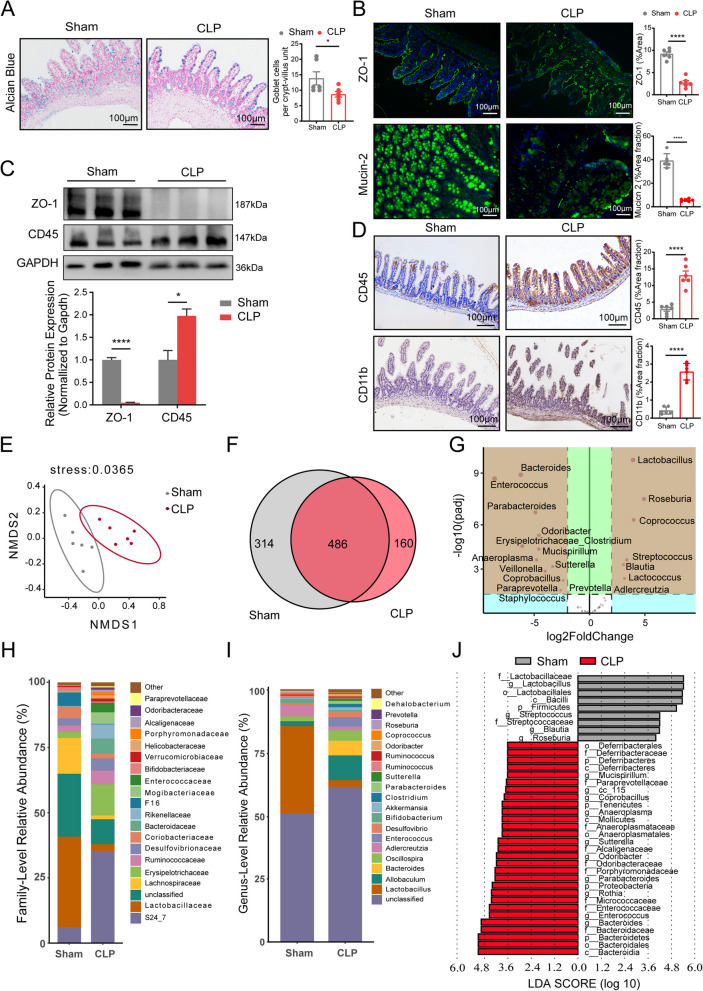
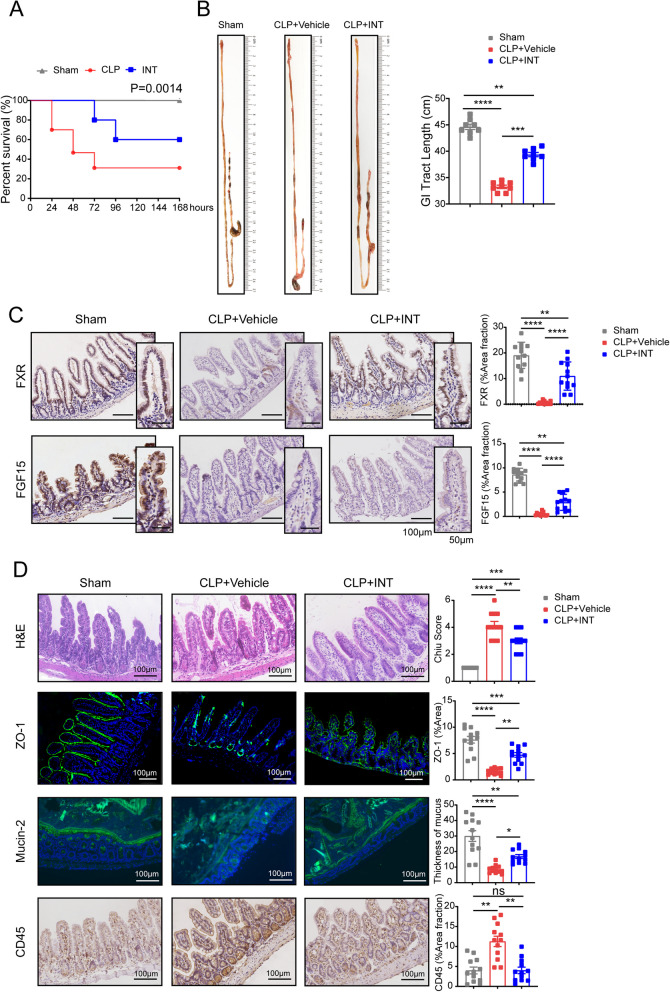
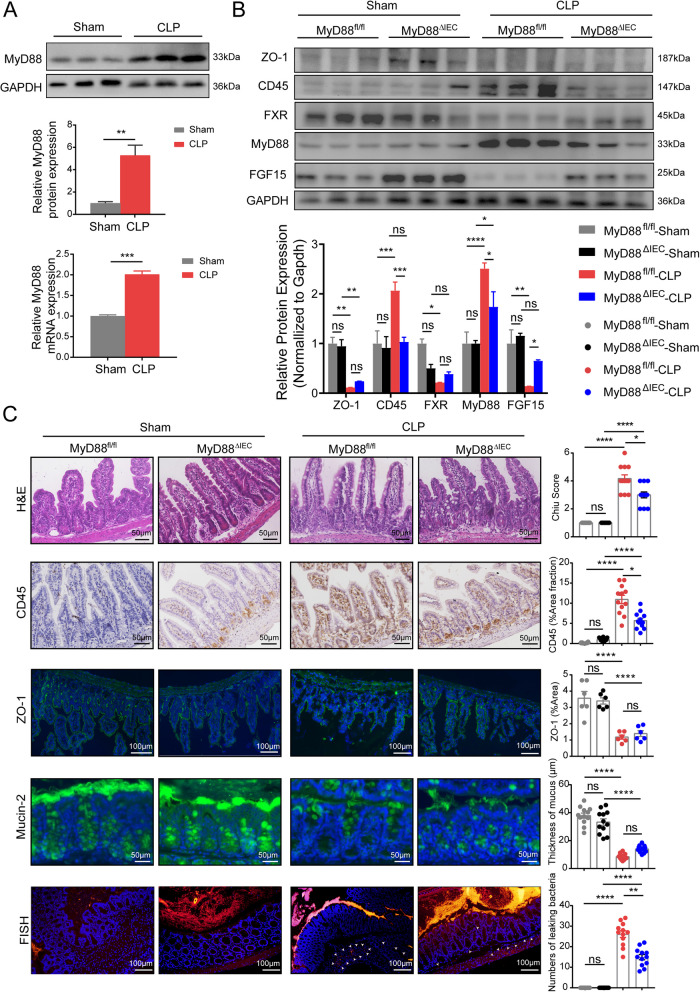
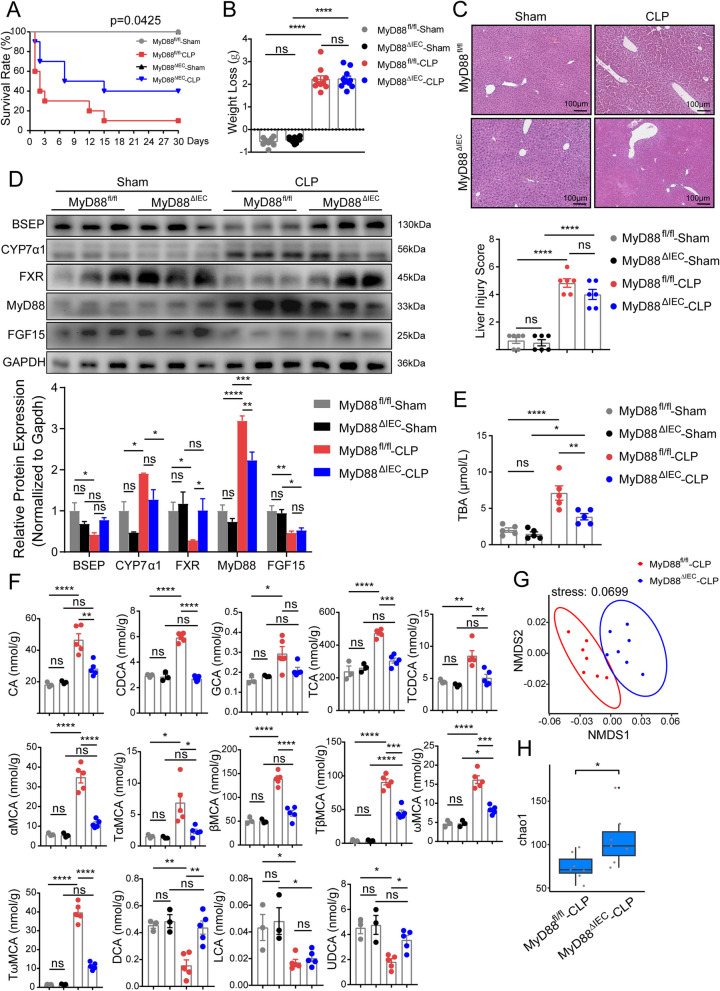
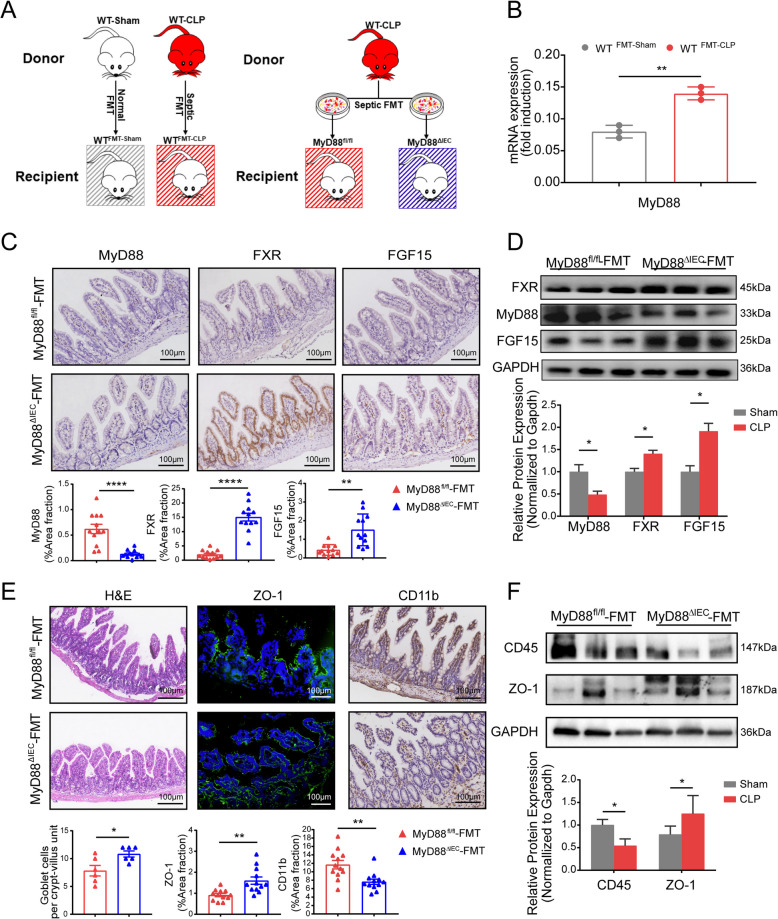
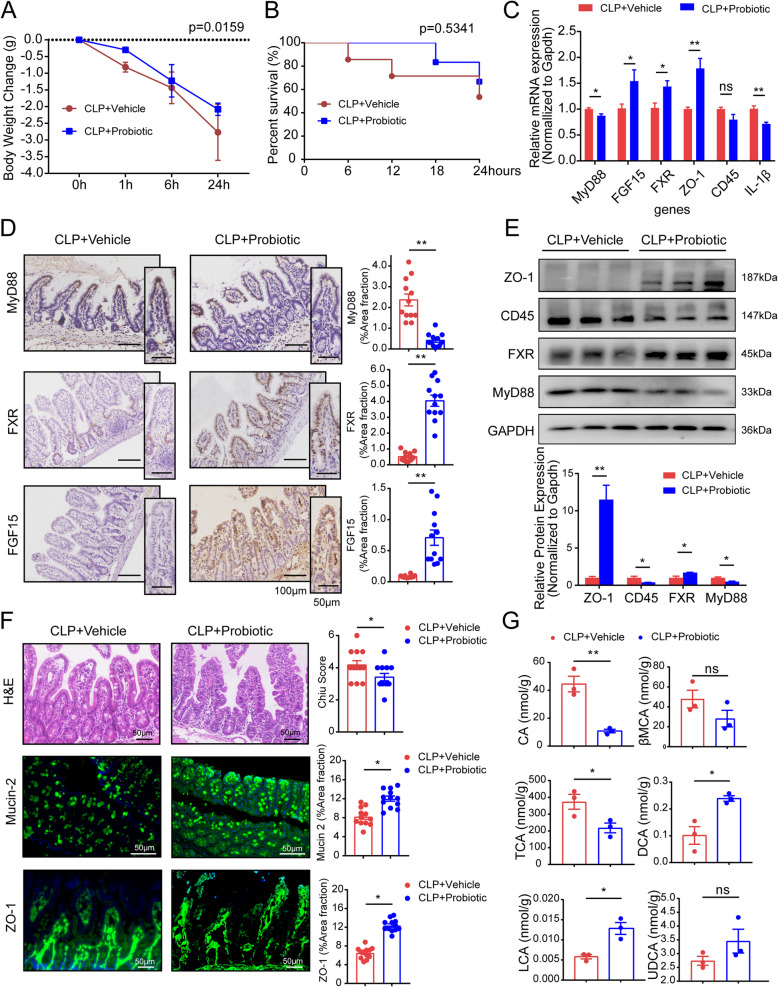
Bacterial translocation and intestinal dysbiosis due to gut barrier dysfunction are widely recognized as major causes of the initiation and development of intra-abdominal sepsis. Systemic bacterial translocation and hepatic activation of the myeloid differentiation primary response gene 88 (Myd88) can disturb bile acids (BAs) metabolism, further exacerbating intestinal dysbiosis. The farnesoid X receptor (FXR) and fibroblast growth factor (FGF) 15/19 are well known to be involved in the control of BAs synthesis and enterohepatic circulation. However, the influence of intestinal microbiota on intestinal Myd88 signaling, the FXR/FGF15 axis, as well as gut-liver crosstalk during sepsis remains unclear. The present study aims to decipher the role of intestinal Myd88 in abdominal sepsis, its impact on intestinal FXR signaling and FGF15-mediated gut-liver crosstalk. Expression levels of FXR and FGF15 in the liver and intestines, alongside assessments of gut barrier function, were evaluated in septic wild-type (WT) mice 24 h post-cecal ligation and puncture (CLP) surgery. Subsequently, the FXR agonist INT-747 was administered to explore the relationship between FXR activation and gut barrier function. Further investigations involved Myd88-deficient mice with specific deletion of Myd88 in intestinal epithelial cells (Myd88△IEC), subjected to CLP to examine the interplay among intestinal Myd88, FXR, gut barrier function, microbiota, and BA composition. Additionally, fecal microbiota transplantation (FMT) from septic mice to Myd88△IEC mice was conducted to study the impact of dysbiosis on intestinal Myd88 expression during sepsis, using floxed (Myd88fl/fl) mice as controls. Finally, the effects of the probiotic intervention on gut barrier function and sepsis outcomes in CLP mice were investigated. Induction of sepsis via CLP led to hepatic cholestasis, suppressed FXR-FGF15 signaling, altered gut microbiota composition, and compromised gut barrier function. Administration of INT-747 increased intestinal FXR and FGF15 expression, strengthened gut barrier function, and enhanced barrier integrity. Interestingly, Myd88△IEC mice exhibited partial reversal of sepsis-induced changes in FXR signaling, BA metabolism, and intestinal function, suggesting enhanced FXR expression upon Myd88 knockdown. Moreover, FMT from septic mice activated intestinal Myd88, subsequently suppressing FXR-FGF15 signaling, exacerbating cholestasis, and ultimately compromising gut barrier function. Probiotic treatment during abdominal sepsis mitigated flora disturbances, reduced Myd88 activation in the intestinal epithelium, increased FXR expression, alleviated cholestasis, and consequently reduced barrier damage. This study highlights the critical role of Myd88/FXR signaling in intestinal epithelial cells as a pivotal mediator of the detrimental effects induced by sepsis-related intestinal dysbiosis on barrier function and bile acid metabolism. In summary, disordered intestinal flora in septic mice specifically triggers intestinal epithelial Myd88 activation, inhibit the FXR-FGF15 axis, and then worsen intestinal barrier function impairment.
Overview
The claims and statistics of this paper haven’t been checked yet.
Free: it reads the open-access text and checks the first 5 claims that cite a source we can check. Create a free account to check every claim.
Integrity signals
Registry
Cites
Statistics
Figures
Verification
Claims the paper makes
The claims and statistics of this paper haven’t been checked yet.
Free: it reads the open-access text and checks the first 5 claims that cite a source we can check. Create a free account to check every claim.
Claims other papers make about this one
Each is checked against this paper’s own text: does it say what the citing paper says it does?
The cited source doesn’t support the claim as written.
In the citing paper
“Potential benefit: Restores microbial diversity and SCFA production in animal sepsis models.”
From Progress on the correlation between sepsis and gut microbiota: a narrative review (2026) · cites this paper as Qian et al., 2025
Checked by a reasoning model — may be wrong.
Experimental — accuracy not yet measuredThe source backs part of the claim, not all of it — or backs it for a different population, condition or comparison.
In the citing paper
“For sepsis itself, only preclinical/animal studies exist (Han et al., 2024; Qian et al., 2025).”
From Progress on the correlation between sepsis and gut microbiota: a narrative review (2026) · cites this paper as Qian et al., 2025
Experimental — accuracy not yet measured
Self-check
Percentages, sums and reported differences re-computed from the paper’s own numbers.
The self-check needs the paper’s full text.
Citations
Cites
Chen, Y., Wang, L., Kang, Q., Zhang, X., Yu, G., Wan, X., Wang, J., & Zhu, K. (2017) · Cellular Physiology and Biochemistry · doi:10.1159/000477308 · Cited by 10,679
Self-citationBacteroides: the Good, the Bad, and the Nitty-Gritty
Wexler, H. M. (2007) · Clinical Microbiology Reviews · doi:10.1128/cmr.00008-07 · Cited by 2,254
Immunodesign of experimental sepsis by cecal ligation and puncture
Rittirsch, D., Huber-Lang, M. S., Flierl, M. A., & Ward, P. A. (2009) · Nature Protocols · doi:10.1038/nprot.2008.214 · Cited by 2,209 · cited 2×
“(vii) Mice were placed on a warm blanket for recovery for about 1 h and then returned to the cage [29].”
The gut-liver axis in liver disease: Pathophysiological basis for therapy
Albillos, A., de Gottardi, A., & Rescigno, M. (2020) · Journal of Hepatology · doi:10.1016/j.jhep.2019.10.003 · Cited by 2,166 · cited 1×
“This initiates a signaling cascade that inhibits cytochrome CYP7 A1 expression, ultimately suppressing BAs synthesis [13, 14].”
NF-κB in biology and targeted therapy: new insights and translational implications
Guo, Q., Jin, Y., Chen, X., Ye, X., Shen, X., Lin, M., Zeng, C., Zhou, T., & Zhang, J. (2024) · Signal Transduction and Targeted Therapy · doi:10.1038/s41392-024-01757-9 · Cited by 2,047 · cited 1×
“NF-κB, in turn, can regulate the transcription of various genes [53].”
Gadaleta, R. M., van Erpecum, K. J., Oldenburg, B., Willemsen, E. C. L., Renooij, W., Murzilli, S., Klomp, L. W. J., Siersema, P. D., Schipper, M. E. I., Danese, S., et al. (2011) · Gut · doi:10.1136/gut.2010.212159 · Cited by 870 · cited 2×
“FXR is a crucial factor in regulating immunity within the gastrointestinal tract and exerts an anti-inflammatory role in DSS-induced colitis [15].”
Mechanisms and treatment of organ failure in sepsis
Lelubre, C., & Vincent, J.-L. (2018) · Nature Reviews Nephrology · doi:10.1038/s41581-018-0005-7 · Cited by 852
Cecal ligation and puncture: the gold standard model for polymicrobial sepsis?
Dejager, L., Pinheiro, I., Dejonckheere, E., & Libert, C. (2011) · Trends in Microbiology · doi:10.1016/j.tim.2011.01.001 · Cited by 784 · cited 1×
“Polymicrobial sepsis induced by CLP is the most frequently used model to study the pathophysiology of sepsis because it closely resembles the progression and characteristics of human sepsis [66].”
The bile acid receptor FXR is a modulator of intestinal innate immunity
Vavassori, P., Mencarelli, A., Renga, B., Distrutti, E., & Fiorucci, S. (2009) · The Journal of Immunology · doi:10.4049/jimmunol.0803978 · Cited by 655 · cited 1×
“FXR remains a key component of the nuclear receptor network that regulates intestinal innate immunity and homeostasis in animal models of colitis [18].”
TLR4 Signaling Pathway Modulators as Potential Therapeutics in Inflammation and Sepsis
Kuzmich, N., Sivak, K., Chubarev, V., Porozov, Y., Savateeva-Lyubimova, T., & Peri, F. (2017) · Vaccines · doi:10.3390/vaccines5040034 · Cited by 633 · cited 1×
“The murine model of peritoneal, polymicrobial sepsis, known as cecal ligation and puncture (CLP), is widely acknowledged as the gold standard experimental model and is highly analogous to human sepsis [28].”
Di Ciaula, A., Garruti, G., Lunardi Baccetto, R., Molina-Molina, E., Bonfrate, L., Wang, D. Q.-H., & Portincasa, P. (2017) · Annals of Hepatology · doi:10.5604/01.3001.0010.5493 · Cited by 569 · cited 2×
“BAs are synthesized in the liver from cholesterol and play a crucial role in lipid digestion and absorption in the intestine [10].”
International Journal of Endocrinology
(2022) · International Journal of Endocrinology · doi:10.1155/1573 · Cited by 501
Farnesoid X Receptor Regulation of the NLRP3 Inflammasome Underlies Cholestasis-Associated Sepsis
Hao, H., Cao, L., Jiang, C., Che, Y., Zhang, S., Takahashi, S., Wang, G., & Gonzalez, F. J. (2017) · Cell Metabolism · doi:10.1016/j.cmet.2017.03.007 · Cited by 469 · cited 1×
“Sepsis-associated cholestasis is linked to elevated BA levels and increased mortality [34].”
Bile acids as modulators of gut microbiota composition and function
Larabi, A. B., Masson, H. L. P., & Bäumler, A. J. (2023) · Gut Microbes · doi:10.1080/19490976.2023.2172671 · Cited by 401 · cited 1×
“This action protects intestinal epithelial cells from pathogens and harmful substances, thereby enhancing the intestinal barrier function [45].”
Redefining the gut as the motor of critical illness
Mittal, R., & Coopersmith, C. M. (2014) · Trends in Molecular Medicine · doi:10.1016/j.molmed.2013.08.004 · Cited by 340 · cited 1×
“These changes can exacerbate sepsis progression and cause distant organ damage, including the intestine itself [2–4].”
Mechanisms and therapeutic effectiveness of lactobacilli
Di Cerbo, A., Palmieri, B., Aponte, M., Morales-Medina, J. C., & Iannitti, T. (2016) · Journal of Clinical Pathology · doi:10.1136/jclinpath-2015-202976 · Cited by 266 · cited 1×
“Lactobacilli can adhere to enterocytes, compete with pathogens for nutrients, secrete antimicrobial sub-stances, lower gut pH, and produce biosurfactants [38, 39].”
Shimizu, K., Yamada, T., Ogura, H., Mohri, T., Kiguchi, T., Fujimi, S., Asahara, T., Yamada, T., Ojima, M., Ikeda, M., et al. (2018) · Critical Care · doi:10.1186/s13054-018-2167-x · Cited by 234 · cited 1×
“Furthermore, synbiotics containing Bifidobacterium and Lactobacillus reduced the incidence of enteritis and ventilator-associated pneumonia in sepsis patients [60].”
Multi-Strain Probiotics: Synergy among Isolates Enhances Biological Activities
Kwoji, I. D., Aiyegoro, O. A., Okpeku, M., & Adeleke, M. A. (2021) · Biology · doi:10.3390/biology10040322 · Cited by 225 · cited 1×
“Multi-strain probiotic therapy not only lowers sepsis patients’inflammatory markers and improves intestinal function [59, 62, 63], but also creates a "synergistic effect", boosting strains’ viability for more stable and effective results [64].”
High-Throughput Screen Identifies Host and Microbiota Regulators of Intestinal Barrier Function
Grosheva, I., Zheng, D., Levy, M., Polansky, O., Lichtenstein, A., Golani, O., Dori-Bachash, M., Moresi, C., Shapiro, H., Del Mare-Roumani, S., et al. (2020) · Gastroenterology · doi:10.1053/j.gastro.2020.07.003 · Cited by 198 · cited 2×
“The intestinal barrier consists of several key components, including tight junction proteins like ZO-1, mucus primarily secreted by goblet cells (predominantly Muc2), and immune cell infiltration [5].”
Gadaleta, R. M., Oldenburg, B., Willemsen, E. C. L., Spit, M., Murzilli, S., Salvatore, L., Klomp, L. W. J., Siersema, P. D., van Erpecum, K. J., & van Mil, S. W. C. (2011) · Biochimica et Biophysica Acta (BBA) - Molecular Basis of Disease · doi:10.1016/j.bbadis.2011.04.005 · Cited by 192 · cited 2×
“Together with other studies [16, 17, 46–48], our research further supports the important role of FXR in gut barrier function.”
Zheng, Y., Zhang, Z., Tang, P., Wu, Y., Zhang, A., Li, D., Wang, C.-Z., Wan, J.-Y., Yao, H., & Yuan, C.-S. (2023) · Frontiers in Immunology · doi:10.3389/fimmu.2023.1143548 · Cited by 191 · cited 1×
“Multi-strain probiotic therapy not only lowers sepsis patients’inflammatory markers and improves intestinal function [59, 62, 63], but also creates a "synergistic effect", boosting strains’ viability for more stable and effective results [64].”
Duparc, T., Plovier, H., Marrachelli, V. G., Van Hul, M., Essaghir, A., Ståhlman, M., Matamoros, S., Geurts, L., Pardo-Tendero, M. M., Druart, C., et al. (2017) · Gut · doi:10.1136/gutjnl-2015-310904 · Cited by 177 · cited 1×
“TLRs and Myd88 are critically linked with several metabolic pathways, including BAs metabolism and inflammation [27].”
National incidence and mortality of hospitalized sepsis in China
Weng, L., Xu, Y., Yin, P., Wang, Y., Chen, Y., Liu, W., Li, S., Peng, J.-M., Dong, R., Hu, X.-Y., et al. (2023) · Critical Care · doi:10.1186/s13054-023-04385-x · Cited by 175 · cited 1×
“Sepsis, a life-threatening condition resulting from a dysregulated host response to infection, remains a major challenge in critical care medicine [1].”
Liao, L., Schneider, K. M., Galvez, E. J. C., Frissen, M., Marschall, H.-U., Su, H., Hatting, M., Wahlström, A., Haybaeck, J., Puchas, P., et al. (2019) · Gut · doi:10.1136/gutjnl-2018-316670 · Cited by 172 · cited 1×
“This is achieved through the secretion of antimicrobial metabolites that combat pathogenic bacteria and regulate immune cell function [20].”
Self-citationMicrobiota-Immune Interaction in the Pathogenesis of Gut-Derived Infection
Wang, C., Li, Q., & Ren, J. (2019) · Frontiers in Immunology · doi:10.3389/fimmu.2019.01873 · Cited by 166 · cited 1×
“Dysbiosis or imbalance in gut flora can cause endotoxin to pass from the gut lumen to the outer intestinal wall, leading to mucosal immune dysfunction, structural impairment of the intestine, and barrier function loss [21].”
Gut integrity in critical illness
Otani, S., & Coopersmith, C. M. (2019) · Journal of Intensive Care · doi:10.1186/s40560-019-0372-6 · Cited by 164 · cited 2×
“The gut has long been recognized as the “motor” of critical illness [2].”
Zhou, X., Cao, L., Jiang, C., Xie, Y., Cheng, X., Krausz, K. W., Qi, Y., Sun, L., Shah, Y. M., Gonzalez, F. J., et al. (2014) · Nature Communications · doi:10.1038/ncomms5573 · Cited by 163
Repression of Farnesoid X Receptor during the Acute Phase Response
Kim, M. S., Shigenaga, J., Moser, A., Feingold, K., & Grunfeld, C. (2003) · Journal of Biological Chemistry · doi:10.1074/jbc.m212633200 · Cited by 151 · cited 2×
“FXR mRNA expression in the liver was found to be down-regulated as early as 8 h after lipopolysaccharide (LPS) administration in mice [16].”
Wei, Y., Yang, J., Wang, J., Yang, Y., Huang, J., Gong, H., Cui, H., & Chen, D. (2016) · Critical Care · doi:10.1186/s13054-016-1491-2 · Cited by 147 · cited 1×
“Therapeutic interventions aimed at enhancing intestinal function can significantly improve survival and outcomes in sepsis [7, 8].”
Self-citationGut microbiota depletion exacerbates cholestatic liver injury via loss of FXR signalling
Schneider, K. M., Candels, L. S., Hov, J. R., Myllys, M., Hassan, R. A. R. A., Schneider, C. V., Wahlstrom, A. M., Mohs, A., Zühlke, S., Liao, L., et al. (2021) · Nature Metabolism · doi:10.1038/s42255-021-00452-1 · Cited by 146 · cited 1×
“Our team’s previous research showed that microbiota-mediated reduction in FXR activity impacts the FGF15/ FXR/CYP7 A1 axis in cholestatic liver disease [56].”
Self-citationLi, H., Xie, J., Guo, X., Yang, G., Cai, B., Liu, J., Yue, M., Tang, Y., Wang, G., Chen, S., et al. (2022) · Gut Microbes · doi:10.1080/19490976.2022.2127456 · Cited by 122 · cited 1×
“Our findings align with previous studies [24, 54, 55].”
Pandey, G. N., Rizavi, H. S., Bhaumik, R., & Ren, X. (2019) · Brain, Behavior, and Immunity · doi:10.1016/j.bbi.2018.09.024 · Cited by 108 · cited 1×
“Myd88 (Myeloid differentiation primary response gene 88) is an adaptor protein that plays a crucial role in mediating the innate immune response upon recognition of danger-associated molecular patterns (DAMPs) and pathogen-associated molecular patterns (PAMPs) [22].”
Renga, B., Mencarelli, A., Cipriani, S., D'Amore, C., Carino, A., Bruno, A., Francisci, D., Zampella, A., Distrutti, E., & Fiorucci, S. (2013) · PLoS ONE · doi:10.1371/journal.pone.0054472 · Cited by 103 · cited 1×
“TLR9/Myd88/IRF7 signaling positively regulates FXR expression in the intestine, and FXR mediates housekeeping activities of TLR9, thus linking microbiota-sensing receptors to immune and metabolic signaling in the intestine [26].”
Natividad, J. M. M., Hayes, C. L., Motta, J.-P., Jury, J., Galipeau, H. J., Philip, V., Garcia-Rodenas, C. L., Kiyama, H., Bercik, P., & Verdu, E. F. (2013) · Applied and Environmental Microbiology · doi:10.1128/aem.02470-13 · Cited by 102 · cited 2×
“The Myd88-Ticam1 pathway is responsible for the production of REGIII, an antimicrobial peptide, which can modulate the composition and abundance of the intestinal microbiota [23].”
The gut microbiome alters immunophenotype and survival from sepsis
Fay, K. T., Klingensmith, N. J., Chen, C.-W., Zhang, W., Sun, Y., Morrow, K. N., Liang, Z., Burd, E. M., Ford, M. L., & Coopersmith, C. M. (2019) · The FASEB Journal · doi:10.1096/fj.201802188r · Cited by 101 · cited 2×
“Research has indicated that diversity of gut microbial species significantly decreases within 6 h (h) of admission to the intensive care unit, correlating with a poor prognosis in critically ill patients [19].”
Anderson, K. M., & Gayer, C. P. (2021) · Cells · doi:10.3390/cells10113206 · Cited by 93 · cited 1×
“Together with other studies [16, 17, 46–48], our research further supports the important role of FXR in gut barrier function.”
Khailova, L., Frank, D. N., Dominguez, J. A., & Wischmeyer, P. E. (2013) · Anesthesiology · doi:10.1097/aln.0b013e318291c2fc · Cited by 89 · cited 3×
“Multi-strain probiotic therapy not only lowers sepsis patients’inflammatory markers and improves intestinal function [59, 62, 63], but also creates a "synergistic effect", boosting strains’ viability for more stable and effective results [64].”
Lou, X., Xue, J., Shao, R., Yang, Y., Ning, D., Mo, C., Wang, F., & Chen, G. (2023) · Frontiers in Immunology · doi:10.3389/fimmu.2022.1063543 · Cited by 87 · cited 1×
“These actions reduce septic mice mortality [59, 61].”
Mechanisms of Parenteral Nutrition–Associated Liver and Gut Injury
Madnawat, H., Welu, A. L., Gilbert, E. J., Taylor, D. B., Jain, S., Manithody, C., Blomenkamp, K., & Jain, A. K. (2020) · Nutrition in Clinical Practice · doi:10.1002/ncp.10461 · Cited by 82 · cited 1×
“Previous studies [32–35] have indicated a substantial decline in FXR expression during sepsis.”
Cecal Ligation and Puncture-Induced Murine Sepsis Does Not Cause Lung Injury*
Iskander, K. N., Craciun, F. L., Stepien, D. M., Duffy, E. R., Kim, J., Moitra, R., Vaickus, L. J., Osuchowski, M. F., & Remick, D. G. (2012) · Critical Care Medicine · doi:10.1097/ccm.0b013e3182676322 · Cited by 73 · cited 1×
“CLP-induced septic mice have a 24-h survival rate of only 50%–70% [65].”
Peck‐Palmer, O. M., Unsinger, J., Chang, K. C., Davis, C. G., McDunn, J. E., & Hotchkiss, R. S. (2008) · Journal of Leukocyte Biology · doi:10.1189/jlb.0807528 · Cited by 73 · cited 2×
“Sepsis-induced microbiota dysbiosis results in a structural imbalance of the flora and the conversion of conditionally pathogenic bacteria into pathogenic ones, which can activate Myd88 via the TLR-Myd88 pathway [6].”
Fu, J., Wang, T., Xiao, X., Cheng, Y., Wang, F., Jin, M., Wang, Y., & Zong, X. (2021) · Cells · doi:10.3390/cells10030527 · Cited by 70 · cited 2×
“It is widely acknowledged that Myd88 is intimately associated with sepsis and the intestinal microbiota [23–25].”
Crosstalk between gut microbiota and sepsis
Niu, M., & Chen, P. (2021) · Burns & Trauma · doi:10.1093/burnst/tkab036 · Cited by 69 · cited 1×
“This reduction exacerbates intestinal barrier dysfunction, promotes pathogen colonization, and affects the systemic immune response, with the decreased SCFA levels potentially persisting for up to 6 weeks [42].”
Sanaie, S., Ebrahimi‐Mameghani, M., Hamishehkar, H., Mojtahedzadeh, M., & Mahmoodpoor, A. (2014) · PubMed Central · Cited by 54
Keighley, M. R. B., Asquith, P., & Alexander-Williams, J. (1975) · Gut · doi:10.1136/gut.16.1.28 · Cited by 53
Li, W., Chen, H., & Tang, J. (2024) · Pathogens · doi:10.3390/pathogens13080702 · Cited by 53 · cited 1×
“BAs can regulate the expression of tight junction proteins (e.g., ZO-1) in intestinal epithelial cells by activating specific receptors (e.g., FXR, TGR5), thereby enhancing the barrier function of intestinal epithelial cells and maintaining the integrity of the intestinal barrier [44].”
Induction and termination of inflammatory signaling in group B streptococcal sepsis
Wennekamp, J., & Henneke, P. (2008) · Immunological Reviews · doi:10.1111/j.1600-065x.2008.00673.x · Cited by 50 · cited 1×
“Our findings align with previous studies [24, 54, 55].”
Acids produced by lactobacilli inhibit the growth of commensal Lachnospiraceae and S24-7 bacteria
Brownlie, E., Chaharlangi, D., Wong, E. O.-Y., Kim, D., & Navarre, W. W. (2022) · Gut Microbes · doi:10.1080/19490976.2022.2046452 · Cited by 47 · cited 1×
“Lactobacilli can adhere to enterocytes, compete with pathogens for nutrients, secrete antimicrobial sub-stances, lower gut pH, and produce biosurfactants [38, 39].”
Microbiome in Critical Care: An Unconventional and Unknown Ally
Zanza, C., Romenskaya, T., Thangathurai, D., Ojetti, V., Saviano, A., Abenavoli, L., Robba, C., Cammarota, G., Franceschi, F., Piccioni, A., et al. (2021) · Current Medicinal Chemistry · doi:10.2174/0929867328666210915115056 · Cited by 46
Sepsis in rats stimulates cellular proliferation in the mucosa of the small intestine
Rafferty, J. F., Noguchi, Y., Fischer, J. E., & Hasselgren, P.-O. J. (1994) · Gastroenterology · doi:10.1016/0016-5085(94)90069-8 · Cited by 45 · cited 1×
“These findings are consistent with the established knowledge that sepsis often leads to decreased villus height, increased crypt depth, and slower enterocyte migration [36, 37].”
Jian, Y., Yang, G., Zhang, L., Liang, J., Zhou, H., Wang, Y.-S., & Xu, Z. (2021) · Journal of Cellular Physiology · doi:10.1002/jcp.30651 · Cited by 45 · cited 1×
“Obeticholic acid upregulates FXR, increases intestinal Lactobacillus, and enhances gut microbiota function, similarly to the previously literature [50, 51].”
FXR activation inhibits inflammation and preserves the intestinal barrier in IBD
Wildenberg, M. E., & van den Brink, G. R. (2011) · Gut · doi:10.1136/gut.2010.233304 · Cited by 43 · cited 1×
“Specifically, FXR inhibits pro-inflammatory cytokines, upregulates tight junction proteins, reduces villous cell loss, and thickens the mucus layer, thereby maintaining intestinal barrier integrity [15, 48, 49].”
Stadlbauer, V., Horvath, A., Komarova, I., Schmerboeck, B., Feldbacher, N., Klymiuk, I., Durdevic, M., Rainer, F., Blesl, A., Stiegler, P., et al. (2019) · Beneficial Microbes · doi:10.3920/bm2018.0067 · Cited by 40 · cited 1×
“Probiotics effectively enhance gut microbiome composition and function in these patients, consistent with findings by Stadlbauer et al. [57].”
The liver-gut-axis: initiator and responder to sepsis
Bauer, M. (2022) · Current Opinion in Critical Care · doi:10.1097/mcc.0000000000000921 · Cited by 36 · cited 1×
“This complex bidirectional communication system between the intestine and the liver is critical for maintaining metabolic homeostasis, and shaping the microbiome through bile acids (BAs) [9].”
The Potential Role of Gut Microbiota in the Prevention and Treatment of Lipid Metabolism Disorders
He, Y.-J., & You, C. (2020) · International Journal of Endocrinology · doi:10.1155/2020/8601796 · Cited by 35 · cited 1×
“They serve as signaling molecules by activating the farnesoid X receptor (FXR) and subsequent inducing fibroblast growth factor 15 (FGF15 in mice; FGF19 in humans) in the intestine [11].”
A Novel Protective Role for FXR against Inflammasome Activation and Endotoxemia
García‐Irigoyen, O., & Moschetta, A. (2017) · Cell Metabolism · doi:10.1016/j.cmet.2017.03.014 · Cited by 34
Feeding-induced resistance to acute lethal sepsis is dependent on hepatic BMAL1 and FXR signalling
Geiger, S. S., Traba, J., Richoz, N., Farley, T. K., Brooks, S. R., Petermann, F., Wang, L., Gonzalez, F. J., Sack, M. N., & Siegel, R. M. (2021) · Nature Communications · doi:10.1038/s41467-021-22961-z · Cited by 34 · cited 1×
“This initiates a signaling cascade that inhibits cytochrome CYP7 A1 expression, ultimately suppressing BAs synthesis [13, 14].”
Essex, M., Pascual-Leone, B. M., Löber, U., Kuhring, M., Zhang, B., Brüning, U., Fritsche‐Guenther, R., Krzanowski, M., Vernengo, F. F., Brumhard, S., et al. (2024) · npj Biofilms and Microbiomes · doi:10.1038/s41522-024-00538-0 · Cited by 34 · cited 1×
“Intestinal tryptophan metabolism is also disturbed in sepsis patients, and it is closely related to alterations in the gut microbiota and the severity of sepsis [43].”
Self-citationKim, S., Baek, K. S., Park, H., Jung, Y. H., & Lee, S. (2015) · British Journal of Pharmacology · doi:10.1111/bph.13414 · Cited by 32 · cited 1×
“1A), in accordance with previous reports [30, 31].”
Yan, M., Hou, L., Cai, Y., Wang, H., Ma, Y., Geng, Q., Jiang, W., & Tang, W. (2022) · Frontiers in Pharmacology · doi:10.3389/fphar.2022.906452 · Cited by 30 · cited 2×
“Obeticholic acid upregulates FXR, increases intestinal Lactobacillus, and enhances gut microbiota function, similarly to the previously literature [50, 51].”
Regulators of Intestinal Epithelial Migration in Sepsis
Meng, M., Klingensmith, N. J., Liang, Z., Lyons, J. D., Fay, K. T., Chen, C., Ford, M. L., & Coopersmith, C. M. (2018) · Shock · doi:10.1097/shk.0000000000001117 · Cited by 27 · cited 1×
“These findings are consistent with the established knowledge that sepsis often leads to decreased villus height, increased crypt depth, and slower enterocyte migration [36, 37].”
Pathophysiology, prevention, treatment, and outcomes of intestinal failure-associated liver disease
Alshahwani, N., & Sigalet, D. L. (2016) · Pediatric Surgery International · doi:10.1007/s00383-016-4042-7 · Cited by 25 · cited 1×
“Previous studies [32–35] have indicated a substantial decline in FXR expression during sepsis.”
Fu, J., Zang, Y., Zhou, Y. J., Chen, C., Shao, S., Hu, M. S., Shi, G., Wu, L., Zhang, D., & Zhang, T. (2020) · Biomedicine & Pharmacotherapy · doi:10.1016/j.biopha.2020.110084 · Cited by 25 · cited 1×
“1A), in accordance with previous reports [30, 31].”
Yang, J.-Y., Liu, M., Lv, L. L., Guo, J.-R., He, K.-Y., Zhang, H., Wang, K., Cui, C.-Y., Yan, B., Du, D., et al. (2022) · Frontiers in Microbiology · doi:10.3389/fmicb.2022.932294 · Cited by 25 · cited 2×
“Specifically, FXR inhibits pro-inflammatory cytokines, upregulates tight junction proteins, reduces villous cell loss, and thickens the mucus layer, thereby maintaining intestinal barrier integrity [15, 48, 49].”
Self-citationLacroix‐Lamandé, S., Guesdon, W., Drouet, F., Potiron, L., Lantier, L., & Laurent, F. (2014) · Gut Microbes · doi:10.4161/gmic.29154 · Cited by 22 · cited 2×
“Meanwhile, flagellated intestinal commensal bacteria can synergize with Myd88 and contribute to the reduction of intestinal infections (e.g., Cryptosporidium parvum) [24].”
Can feeding strategies alter immune signaling and gut sepsis in critical illness?
McClave, S. A. (2021) · Journal of Parenteral and Enteral Nutrition · doi:10.1002/jpen.2260 · Cited by 13 · cited 1×
“Therapeutic interventions aimed at enhancing intestinal function can significantly improve survival and outcomes in sepsis [7, 8].”
MyD88 protein destabilization mitigates NF-κB-dependent protection against macrophage apoptosis
Lainšček, D., Horvat, S., Dolinar, K., Ivanovski, F., Romih, R., Pirkmajer, S., Jerala, R., & Manček‐Keber, M. (2024) · Cell Communication and Signaling · doi:10.1186/s12964-024-01930-1 · Cited by 7 · cited 1×
“MyD88, as a central adaptor in TLR signaling, activates NF-κB upon ligand binding [52].”
Proceedings: The importance of bacteroides as a cause of severe sepsis after colo-rectal surgery.
Mr, K., Burdon, D. W., Wt, C., Slaney, G., & Alexander-Williams (1975) · PubMed · Cited by 4
[Progress in the pathogenesis of cholestasis during the early stage of sepsis].
Tang, L., & Tang, Z. (2021) · PubMed · doi:10.3760/cma.j.cn121430-20201109-00707 · Cited by 3 · cited 1×
“Choles-tasis is an independent risk factor for poor prognosis in patients with sepsis, as those with cholestasis have a significantly higher mortality rate compared to those without [12].”
Cited by
Immunomodulatory role of gut microbial metabolites: mechanistic insights and therapeutic frontiers
Zeng, L., Qian, Y., Cui, X., Zhao, J., Ning, Z., Cha, J., Wang, K., Ge, C., Jia, J., Dou, T., et al. (2025) · Frontiers in Microbiology · doi:10.3389/fmicb.2025.1675065 · Cited by 115
Intestinal injury signaling pathway in sepsis
Liu, L., Qin, Y., Chen, J., Liu, H., & Zeng, X. (2025) · Frontiers in Immunology · doi:10.3389/fimmu.2025.1620965 · Cited by 21
Wang, L., Qiao, W., Zhen, X., Zhang, Y., & Dong, Z. (2025) · Frontiers in Oncology · doi:10.3389/fonc.2025.1646897 · Cited by 12
“In cecal ligation and puncture -induced septic mice, INT-747 upregulates intestinal FXR/FGF15 signalling, preserving gut barrier integrity and reducing hepatic cholestasis (124).”
Olaru-Stavila, C., Steinmann, S. M., Mester, P., Müller, M., Tcaciuc, E., & Gülow, K. (2026) · Biomedicines · doi:10.3390/biomedicines14051084 · Cited by 5
“These findings position FXR signalling as an important regulatory axis linking microbial metabolism to epithelial and vascular barrier integrity [5,82,128].”
Shi, J., Zhao, C., Zhang, D., Zhang, L., Feng, Q., Qi, S., He, X., Liu, P., Mu, Y., Chen, G., et al. (2026) · Phytomedicine · doi:10.1016/j.phymed.2026.158023 · Cited by 4
Metadata
- Authors
- Qian, S., Su, Z., Lin, J., Hou, Q., Wang, X., Li, Y., Wang, J., Huang, C., Wang, Z., Cubero, F. J., Wang, X., & Liao, L.
- Affiliations
- Tongji University (CN)
- Shanghai Jiao Tong University (CN)
- Ningbo First Hospital (CN)
- Universidad Complutense de Madrid (ES)
- Corresponding author
- Qian, Shuwen
- Wang, Xiangrui
- Liao, Lijun
- Venue
- Cell Communication and Signaling
- Published
- 2025-05-21
- Volume
- 23
- Issue
- 1
- Pages
- 236-236
- ISSN
- 1478-811X (ISSN-L)
- PMC
- PMC12096737
- OpenAlex
- W4410575422
- Semantic Scholar
- a9ce9496e50ad0005f1a2c34ee8ed90cd5729dba
- Cited by
- 24
- References
- 72
- Citations by year
- 2026: 20 · 2025: 4
- FWCI
- 7.16
- Type
- journal article
- Language
- en
- Open access
- gold
- doi.org
- Licence
- cc-by-nc-nd
- creativecommons.org/licenses/by-nc-nd/4.0 (tdm)
- creativecommons.org/licenses/by-nc-nd/4.0 (vor)
- Locations
- Cell Communication and Signaling (publishedVersion, cc-by-nc-nd)
- Research Square (acceptedVersion, cc-by)
- PubMed Central (publishedVersion, cc-by-nc-nd)
- PubMed (publishedVersion)
- DOAJ (DOAJ: Directory of Open Access Journals) (submittedVersion, cc-by-sa)
- Funders
- the National Natural Science Foundation of China (81971814)
- the Natural Science Foundation of Jiangxi Province (20192BAB205013)
- Academic medicine leader's training Program in health systems of Pudong New Area (PWRd2020-06)
- Shanghai Pudong New Area Summit (emergency medicine and critical care) construction project (PWYgf2021-03)
- Medical Innovation Research Special Project of Shanghai 2023 Science and Technology Innovation Action Plan (23Y11908300)
- Shanghai Pujiang Program (2020PJD050)
- Topics
- Life Sciences › Biochemistry, Genetics and Molecular Biology › Molecular Biology › Gut microbiota and health
- Health Sciences › Medicine › Critical Care and Intensive Care Medicine › Sepsis Diagnosis and Treatment
- Health Sciences › Medicine › Oncology › Drug Transport and Resistance Mechanisms
- Keywords
- abdominal sepsis, farnesoid X receptor, FGF15/19, MyD88 signaling, gut dysbiosis, intestinal barrier dysfunction, bacterial translocation, bile acid metabolism, hepatic cholestasis, intestinal epithelial cells, fecal microbiota transplantation, probiotics, cecal ligation and puncture, gut microbiota
- MeSH terms
- Gastrointestinal Microbiome, Receptor, Farnesoid X-Activated, Animals, Bile Acids and Salts, Fibroblast Growth Factors, Intestinal Mucosa, Liver, Male, Mice, Inbred C57BL, Signal Transduction, Receptors, Cytoplasmic and Nuclear, Sepsis, Mice, Myeloid Differentiation Factor 88, Dysbiosis
About these checks
Registry, retraction, Cites and statistics results are computed, not judged, with one exception: a printed reference that no index lists is read once by a model before it counts as a citation error. Claims are extracted by a model and kept only when their quote appears verbatim in the text; each cited source is then checked, with a model’s help, for whether it says what the claim relies on. Those verdicts can be wrong — read the claim’s quote and the cited source before relying on one.
Statistics and arithmetic are recomputed, not judged.
Confidence bands are shown only for fields calibrated on our annotated test set. None is calibrated yet, so no band is shown.
What counts as a claim ›How we measure confidence ›How we check this ›
Are you an author, or do you see a problem with this page? Request a review
Data sources
Bibliographic data: Semantic Scholar, OpenAlex, Crossref.
Contains information from the Semantic Scholar Academic Graph Datasets, made available under the ODC Attribution License (ODC-BY 1.0).
Semantic Scholar’s data is described in: Kinney, R., et al. (2023). The Semantic Scholar Open Data Platform. arXiv:2301.10140.
