

The DOI matches its Crossref record; 44 of the 46 references it cites were found in a registry or an index.
Eating habits and lifestyle changes during COVID-19 lockdown: an Italian survey.
Open accessPublished version of a preprint
Abstract
BACKGROUND: On December 12th 2019, a new coronavirus (SARS-Cov2) emerged in Wuhan, China, sparking a pandemic of acute respiratory syndrome in humans (COVID-19). On the 24th of April 2020, the number of COVID-19 deaths in the world, according to the COVID-Case Tracker by Johns Hopkins University, was 195,313, and the number of COVID-19 confirmed cases was 2,783,512. The COVID-19 pandemic represents a massive impact on human health, causing sudden lifestyle changes, through social distancing and isolation at home, with social and economic consequences. Optimizing public health during this pandemic requires not only knowledge from the medical and biological sciences, but also of all human sciences related to lifestyle, social and behavioural studies, including dietary habits and lifestyle. METHODS: Our study aimed to investigate the immediate impact of the COVID-19 pandemic on eating habits and lifestyle changes among the Italian population aged ≥ 12 years. The study comprised a structured questionnaire packet that inquired demographic information (age, gender, place of residence, current employment); anthropometric data (reported weight and height); dietary habits information (adherence to the Mediterranean diet, daily intake of certain foods, food frequency, and number of meals/day); lifestyle habits information (grocery shopping, habit of smoking, sleep quality and physical activity). The survey was conducted from the 5th to the 24th of April 2020. RESULTS: A total of 3533 respondents have been included in the study, aged between 12 and 86 years (76.1% females). The perception of weight gain was observed in 48.6% of the population; 3.3% of smokers decided to quit smoking; a slight increased physical activity has been reported, especially for bodyweight training, in 38.3% of respondents; the population group aged 18-30 years resulted in having a higher adherence to the Mediterranean diet when compared to the younger and the elderly population (p < 0.001; p < 0.001, respectively); 15% of respondents turned to farmers or organic, purchasing fruits and vegetables, especially in the North and Center of Italy, where BMI values were lower. CONCLUSIONS: In this study, we have provided for the first time data on the Italian population lifestyle, eating habits and adherence to the Mediterranean Diet pattern during the COVID-19 lockdown. However, as the COVID-19 pandemic is ongoing, our data need to be confirmed and investigated in future more extensive population studies.
Overview
The claims and statistics of this paper haven’t been checked yet.
Run the check — free, no account needed. It reads the open-access text and checks the sources it cites.
Integrity signals
Registry
Cites
Statistics
Figures
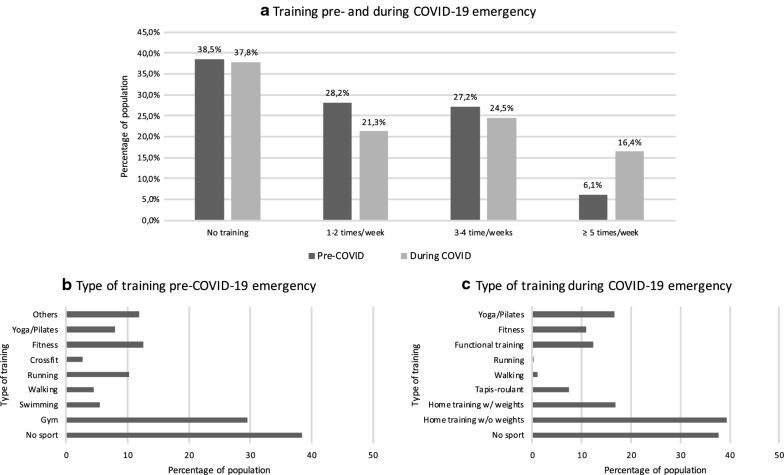
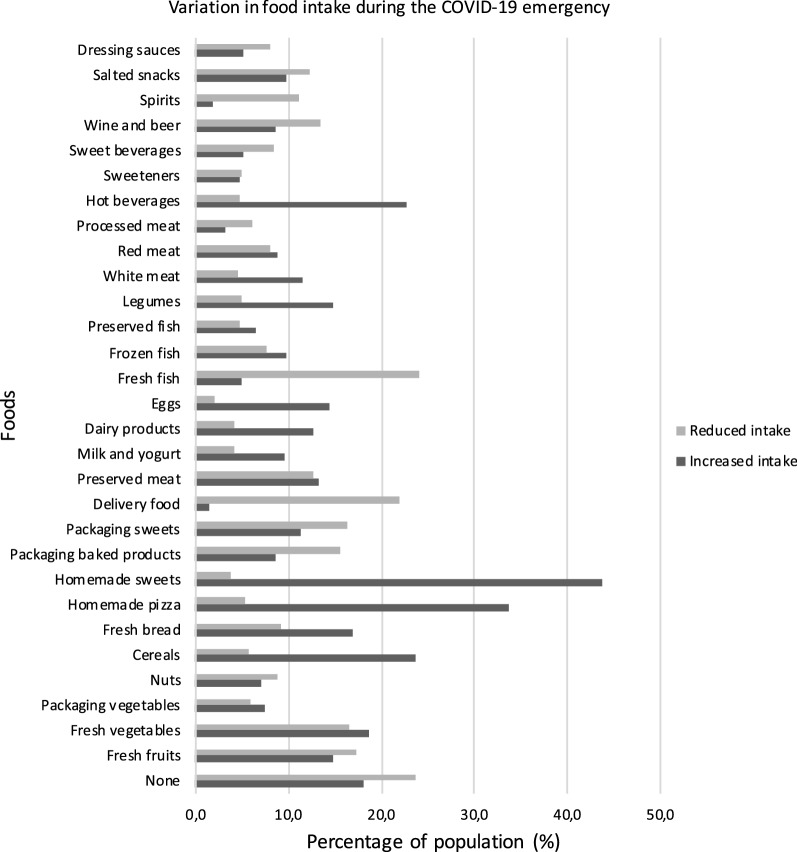
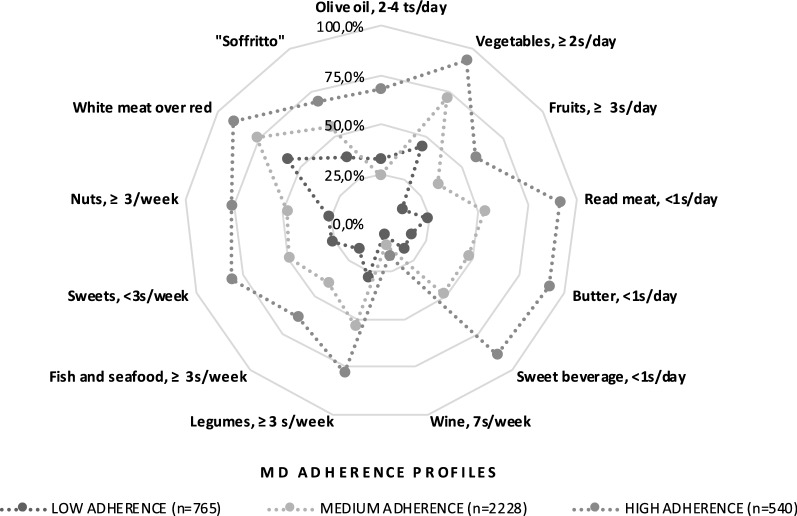
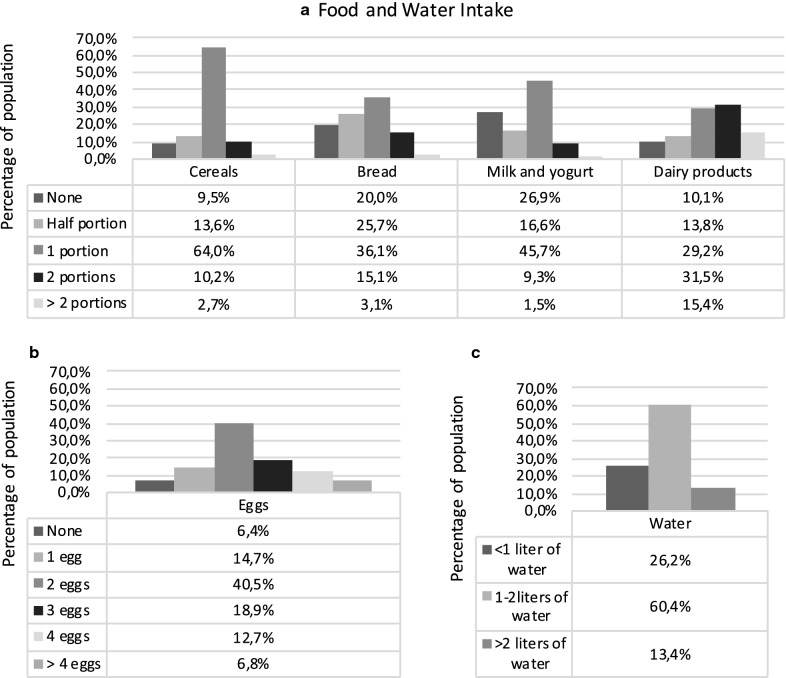
Verification
Claims the paper makes
The claims and statistics of this paper haven’t been checked yet.
Run the check — free, no account needed. It reads the open-access text and checks the sources it cites.
Claims other papers make about this one
Each is checked against this paper’s own text: does it say what the citing paper says it does?
The source backs part of the claim, not all of it — or backs it for a different population, condition or comparison.
In the citing paper
“Emotional eating could be problematic for a wide range of physical and psychological problems, as it has been linked to the consumption of unhealthy food and, therefore, weight gain, as well as with poorer psychological wellbeing, depression, and eating disorders (van Strien et al., 1986; Di Renzo et al., 2020; Scarmozzino and Visioli, 2020).”
From The Mediating Role of Psychological Inflexibility in the Relationship Between Anxiety, Depression, and Emotional Eating in Adult Individuals With Obesity (2022) · cites this paper as Di Renzo et al., 2020
Experimental — accuracy not yet measured
Self-check
Percentages, sums and reported differences re-computed from the paper’s own numbers.
The self-check needs the paper’s full text.
Citations
Cites
Wang, C., Pan, R., Wan, X., Tan, Y., Xu, L., Ho, C. S., & Ho, R. C. (2020) · International Journal of Environmental Research and Public Health · doi:10.3390/ijerph17051729 · Cited by 9,923
Wu, C., Chen, X., Cai, Y., Xia, J., Zhou, X., Xu, S., Huang, H., Zhang, L., Zhou, X., Du, C., et al. (2020) · JAMA Internal Medicine · doi:10.1001/jamainternmed.2020.0994 · Cited by 8,249
A novel coronavirus outbreak of global health concern
Wang, C., Horby, P. W., Hayden, F. G., & Gao, G. F. (2020) · The Lancet · doi:10.1016/s0140-6736(20)30185-9 · Cited by 7,700
Velavan, T. P., & Meyer, C. G. (2020) · Tropical Medicine & International Health · doi:10.1111/tmi.13383 · Cited by 2,464
Schröder, H., Fitó, M., Estruch, R., Martínez-González, M. A., Corella, D., Salas-Salvadó, J., Lamuela-Raventós, R., Ros, E., Salaverría, I., Fiol, M., et al. (2011) · The Journal of Nutrition · doi:10.3945/jn.110.135566 · Cited by 1,624
Obesity and its implications for covid-19 mortality
Dietz, W., & Santos‐Burgoa, C. (2020) · Obesity · doi:10.1002/oby.22818 · Cited by 687
Enhancing immunity in viral infections, with special emphasis on COVID-19: A review
Jayawardena, R., Sooriyaarachchi, P., Chourdakis, M., Jeewandara, C., & Ranasinghe, P. D. (2020) · Diabetes & Metabolic Syndrome Clinical Research & Reviews · doi:10.1016/j.dsx.2020.04.015 · Cited by 589
Nutritional recommendations for CoVID-19 quarantine
Muscogiuri, G., Barrea, L., Savastano, S., & Colao, A. (2020) · European Journal of Clinical Nutrition · doi:10.1038/s41430-020-0635-2 · Cited by 545
Self-citationBrake, S. J., Barnsley, K., Lu, W., McAlinden, K. D., Eapen, M. S., & Sohal, S. S. (2020) · Journal of Clinical Medicine · doi:10.3390/jcm9030841 · Cited by 543
Childs, C. E., Calder, P. C., & Miles, E. A. (2019) · Nutrients · doi:10.3390/nu11081933 · Cited by 532
Cited by
Sorted by citations
Items 301–400 of 1,000
Corazza, M. V., Moretti, L., Forestieri, G., & Galiano, G. (2021) · Transportation Research Interdisciplinary Perspectives · doi:10.1016/j.trip.2021.100503 · Cited by 37
Hoteit, M., Mortada, H., Al‐Jawaldeh, A., Ibrahim, C., & Mansour, R. (2022) · F1000Research · doi:10.12688/f1000research.75761.1 · Cited by 36
Ramírez‐Manent, J. I., Jané, B. A., Sanchís, P., Busquets-Cortés, C., Bote, S. A., Masmiquel, L., & López‐González, Á. A. (2022) · Nutrients · doi:10.3390/nu14061237 · Cited by 36
So, H., Chua, G. T., Yip, K. M., Tung, K. T. S., Wong, R. S. M., Louie, L. H.-T., Tso, W. W. Y., Wong, I. C. K., Yam, J. C. S., Kwan, M. Y. W., et al. (2022) · International Journal of Environmental Research and Public Health · doi:10.3390/ijerph191710539 · Cited by 36
Lucini, D., Gandolfi, C. E., Antonucci, C., Cavagna, A., Valzano, E., Botta, E., Chiari, M., Mameli, L., Nahum, M., Brambilla, M. M., et al. (2020) · PubMed Central · doi:10.23750/abm.v91i3.10375 · Cited by 36
Impact of COVID-19 and Associated Preventive Measures on Cardiometabolic Risk Factors in South Korea
Sohn, M., Koo, B. K., Lim, S. K., Yoon, H. I., Song, K.-H., Kim, H. B., & Kim, H. B. (2021) · Journal of Obesity & Metabolic Syndrome · doi:10.7570/jomes21046 · Cited by 36
Brito-Silva, F., Osborn, D. E., Owens, M. R., Kirkland, T. W., Moore, C. E., Patterson, M. A., Tucker, W. J., Miketinas, D. C., & Davis, K. E. (2021) · Nutrients · doi:10.3390/nu13082790 · Cited by 39
Goncalves, A., Vigouroux, S. L., & Charbonnier, É. (2021) · International Journal of Environmental Research and Public Health · doi:10.3390/ijerph18178998 · Cited by 36
Madan, J., Blonquist, T., Rao, E., Marwaha, A., Mehra, J., Bharti, R., Sharma, N., Samaddar, R., Pandey, S., Mah, E., et al. (2021) · Nutrients · doi:10.3390/nu13113682 · Cited by 37
COVID-19 and Cardiovascular Disease: a Global Perspective
Pina, A., & Castelletti, S. (2021) · Current Cardiology Reports · doi:10.1007/s11886-021-01566-4 · Cited by 37
Engagement in vice food and beverage consumption: The role of perceived lack of control
Lunardo, R., Jaud, D. A., & Jaspers, E. D. T. (2022) · Psychology and Marketing · doi:10.1002/mar.21708 · Cited by 37
Factors Influencing Consumers’ Behaviour towards Purchasing Organic Foods: A Theoretical Model
Yılmaz, B. (2023) · Sustainability · doi:10.3390/su152014895 · Cited by 49
Mediterranean Diet and COVID-19: Hypothesizing Potential Benefits in People With Diabetes
Maiorino, M. I., Bellastella, G., Longo, M., Caruso, P., & Esposito, K. (2020) · Frontiers in Endocrinology · doi:10.3389/fendo.2020.574315 · Cited by 37
Alamrawy, R. G., Fadl, N., & Khaled, A. M. S. (2021) · Middle East Current Psychiatry · doi:10.1186/s43045-021-00085-w · Cited by 36
Tanaka, N., Hamamoto, Y., Kurotobi, Y., Yamasaki, Y., Nakatani, S., Matsubara, M., Haraguchi, T., Yamaguchi, Y., Izumi, K., Fujita, Y., et al. (2021) · Journal of Diabetes Investigation · doi:10.1111/jdi.13526 · Cited by 35
Bonaccio, M., Costanzo, S., Ruggiero, E., Persichillo, M., Esposito, S., Olivieri, M., Castelnuovo, A. F. D., Cerletti, C., Donati, M. B., de Gaetano, G., et al. (2021) · Public Health Nutrition · doi:10.1017/s1368980021000999 · Cited by 36
The Unique Impact of COVID-19 on Human Gut Microbiome Research
Burchill, E., Lymberopoulos, E., Menozzi, E., Budhdeo, S., Mcilroy, J. R., Macnaughtan, J., & Sharma, N. (2021) · Frontiers in Medicine · doi:10.3389/fmed.2021.652464 · Cited by 35
Samanta, S., Banerjee, J., Rahaman, S. N., Ali, K. M., Ahmed, R., Giri, B., Pal, A., & Dash, S. K. (2022) · Clinical Nutrition ESPEN · doi:10.1016/j.clnesp.2022.02.007 · Cited by 37
Impact of COVID-19 lockdown on smoking and vaping: systematic review and meta-analysis
Bakaloudi, D. R., Evripidou, K., Siargkas, A., Breda, J., & Chourdakis, M. (2023) · Public Health · doi:10.1016/j.puhe.2023.02.007 · Cited by 35
Hill, M. A., Sowers, J. R., & Mantzoros, C. S. (2020) · Metabolism · doi:10.1016/j.metabol.2020.154408 · Cited by 35
Hoteit, M., Mortada, H., Al‐Jawaldeh, A., Mansour, R. M., Yazbeck, B., Alkhalaf, M. M., Bookari, K., Tayyem, R., Al-Awwad, N. J., Sabbah, H. A., et al. (2022) · Frontiers in Nutrition · doi:10.3389/fnut.2022.813154 · Cited by 35
Factors influencing healthy product consumer behavior: an integrated model of purchase intention
Pérez, J. M., Acevedo-Duque, Á., García-Salirrosas, E. E., Escobar‐Farfán, M., Esponda-Pérez, J. A., Vargas, E. C., Becerra, R. M. Á., & de Fortoul, S. A. (2025) · Frontiers in Public Health · doi:10.3389/fpubh.2025.1576427 · Cited by 52
Cirillo, M., Rizzello, F., Badolato, L., Angelis, D. D., Evangelisti, P., Coccia, M. E., & Fatini, C. (2021) · Journal of Gynecology Obstetrics and Human Reproduction · doi:10.1016/j.jogoh.2021.102079 · Cited by 34
COVID-19 lockdown: impact on online gambling, online shopping, web navigation and online pornography
Zamboni, L., Carli, S., Belleri, M., Giordano, R., Saretta, G., & Lugoboni, F. (2021) · Journal of Public Health Research · doi:10.4081/jphr.2021.1959 · Cited by 51
Pediatric asthma control during the COVID‐19 pandemic
Ferraro, V. A., Zamunaro, A., Spaggiari, S., Riso, D. D., Zanconato, S., & Carraro, S. (2021) · Immunity Inflammation and Disease · doi:10.1002/iid3.418 · Cited by 34
Benneyan, J. C., Gehrke, C., Ilieş, I., & Nehls, N. (2021) · JMIR Public Health and Surveillance · doi:10.2196/24292 · Cited by 34
Evaluation of the Impact of the COVID-19 Lockdown in the Clinical Course of Migraine
González‐Martínez, A., Planchuelo‐Gómez, Á., Peral, Á. L. G., García‐Azorín, D., Lasaosa, S. S., Navarro‐Pérez, M. P., Odriozola-González, P., Muñiz, M. J. I., Quintas, S., de Luis-Garcı́a, R., et al. (2020) · Pain Medicine · doi:10.1093/pm/pnaa449 · Cited by 34
Eating Habits and Sleep Quality during the COVID-19 Pandemic in Adult Population of Ecuador
Padilla, P. D. R., Barriga, V. D. V., Cárdenas-Quintana, H., Merizalde, D. L. A., Manzano, A. M. S., & Carpio-Arias, T. V. (2021) · International Journal of Environmental Research and Public Health · doi:10.3390/ijerph18073606 · Cited by 33
COVID-19 and the Change in Lifestyle: Bodyweight, Time Allocation, and Food Choices
Li, X., Li, J., Qing, P., & Hu, W. (2021) · International Journal of Environmental Research and Public Health · doi:10.3390/ijerph181910552 · Cited by 34
Villadsen, A., Patalay, P., & Bann, D. (2021) · Psychological Medicine · doi:10.1017/s0033291721004657 · Cited by 36
Woo, S. G., Yang, H., Kim, Y.-M., Lim, H., Song, H. J., & Park, K. (2022) · Journal of Korean Medical Science · doi:10.3346/jkms.2022.37.e103 · Cited by 34
Bird, J. M., Karageorghis, C. I., & Hamer, M. (2021) · Psychology of sport and exercise · doi:10.1016/j.psychsport.2021.101945 · Cited by 35
Multiplying effects of COVID‐19 lockdown on metabolic risk and fatty liver
Shanmugam, H., Ciaula, A. D., Palo, D. M. D., Molina‐Molina, E., Garruti, G., Faienza, M. F., van Erpecum, K. J., & Portincasa, P. (2021) · European Journal of Clinical Investigation · doi:10.1111/eci.13597 · Cited by 33
Derossi, A., Bhandari, B., van Bommel, K. J. C., Noort, M. W. J., & Severini, C. (2021) · International Journal of Food Science & Technology · doi:10.1111/ijfs.15258 · Cited by 33
Silver, J. K., Finkelstein, A., Minezaki, K., Parks, K. A., Budd, M. A., Tello, M. A., Paganoni, S., Tirosh, A., & Polak, R. (2021) · Nutrients · doi:10.3390/nu13072311 · Cited by 35
The Impact of the COVID-19 Pandemic on College Students: An Online Survey
Tran, T. K., Dinh, H. M., Nguyen, H., Le, D., Nguyen, D.-K., Tran, A. C., Việt, N. H., Thu, H. N. T., Hung, D., Tieu, S., et al. (2021) · Sustainability · doi:10.3390/su131910762 · Cited by 33
Brytek‐Matera, A., Obeïd, S., Akel, M., & Hallit, S. R. (2021) · International Journal of Environmental Research and Public Health · doi:10.3390/ijerph182010979 · Cited by 38
Wu, F., Zhou, L., Chen, C., Lin, W., Liu, P., Huang, W., Zhong, C., Zhang, M., Li, Q., Chen, Q., et al. (2022) · BMJ Open · doi:10.1136/bmjopen-2021-055333 · Cited by 33
Oral Candidiasis in Adult and Pediatric Patients with COVID-19
Pisano, M., Romano, A., Palo, M. P. D., Baroni, A., Serpico, R., & Contaldo, M. (2023) · Biomedicines · doi:10.3390/biomedicines11030846 · Cited by 33
COVID-19: The Patients' Perceived Impact on Dental Care
Amato, A., Iandolo, A., Scelza, G., Spirito, F., & Martina, S. (2021) · European Journal of Dentistry · doi:10.1055/s-0041-1734470 · Cited by 33
The Impact of the COVID-19 Pandemic on Childhood Obesity and Lifestyle—A Report from Italy
Palermi, S., Vecchiato, M., Pennella, S., Marasca, A., Spinelli, A., Luca, M. D., Martino, L. D., Fernando, F., Sirico, F., & Biffi, A. (2022) · Pediatric Reports · doi:10.3390/pediatric14040049 · Cited by 32
Feldman, C. H., & Wunderlich, S. M. (2022) · British Food Journal · doi:10.1108/bfj-12-2021-1337 · Cited by 50
PI3Kδ Inhibition as a Potential Therapeutic Target in COVID-19
Palma, G., Pasqua, T., Silvestri, G., Rocca, C., Gualtieri, P., Barbieri, A., Bartolo, A. D., LORENZO, A. D., Angelone, T., Avolio, E., et al. (2020) · Frontiers in Immunology · doi:10.3389/fimmu.2020.02094 · Cited by 33
Self-citationJoseph, R. P., Pituch, K. A., Guest, M. A., Maxfield, M., Peckham, A., Coon, D. W., Kim, W., & Langer, S. L. (2021) · Frontiers in Public Health · doi:10.3389/fpubh.2021.652197 · Cited by 32
Ong, J. L., Lau, T., Karsikas, M., Kinnunen, H. O., & Chee, M. W. L. (2021) · Scientific Reports · doi:10.1038/s41598-021-93924-z · Cited by 32
Rocha, A., Lobo, P. C. B., & Pimentel, G. D. (2021) · The journal of nutrition health & aging · doi:10.1007/s12603-021-1663-x · Cited by 32
Effect of COVID-19 on mental health among the young population in Lebanon
Younes, S., Safwan, J., Rahal, M. K., Halat, D. H., Akiki, Z., & Akel, M. (2021) · L Encéphale · doi:10.1016/j.encep.2021.06.007 · Cited by 32
Population-scale dietary interests during the COVID-19 pandemic
Gligorić, K., Chioléro, A., Kıcıman, E., White, R. W., & West, R. (2022) · Nature Communications · doi:10.1038/s41467-022-28498-z · Cited by 34
Cao, G., Shen, L., Evans, R. D., Zhang, Z., Bi, Q., Huang, W., Yao, R., & Zhang, W. (2021) · Computer Methods and Programs in Biomedicine · doi:10.1016/j.cmpb.2021.106468 · Cited by 33
Gödde, J. U., Yuan, T. Y., Kakinami, L., & Cohen, T. R. (2021) · Appetite · doi:10.1016/j.appet.2021.105782 · Cited by 39
Newly Food-Insecure College Students in Appalachia During the COVID-19 Pandemic
Hagedorn, R. L., Walker, A. E., Wattick, R. A., & Olfert, M. D. (2021) · Journal of Nutrition Education and Behavior · doi:10.1016/j.jneb.2021.08.010 · Cited by 33
Food Consumption Patterns in Romania during the COVID-19 Pandemic
Dumitraş, D. E., Harun, R., Arion, F., Chiciudean, D. I., Kovács, E., Oroian, C. F., Porutiu, A. R., & Mureșan, I. C. (2021) · Foods · doi:10.3390/foods10112712 · Cited by 32
Evaluation of the stereochemical quality of predicted RNA 3D models in the RNA-Puzzles submissions
Carrascoza, F., Antczak, M., Miao, Z., Westhof, É., & Szachniuk, M. (2021) · RNA · doi:10.1261/rna.078685.121 · Cited by 32
Food Habits and Lifestyle of Romanians in the Context of the COVID-19 Pandemic
Năstăsescu, V., Mititelu, M., Stanciu, T. I., Drăgănescu, D., Grigore, N. D., Udeanu, D. I., Stanciu, G., Neacșu, S. M., Dinu‐Pîrvu, C. E., Oprea, E., et al. (2022) · Nutrients · doi:10.3390/nu14030504 · Cited by 33
Jin, Y., Sun, H., Lam, S. C., Su, Z., Hall, B. J., Cheung, T. C. C., Qin, M., Ng, C. H., & Xiang, Y. (2022) · International Journal of Biological Sciences · doi:10.7150/ijbs.69460 · Cited by 32
Shibata, S., Kobayashi, K., Tanaka, M., Asayama, K., Yamamoto, E., Nakagami, H., Hoshide, S., Kishi, T., Matsumoto, C., Mogi, M., et al. (2022) · Hypertension Research · doi:10.1038/s41440-022-01134-5 · Cited by 36
IMPLEMENTASI DAN PROBLEMATIKA MERDEKA BELAJARPreprint
Yusuf, M. R. I. (2022) · doi:10.31219/osf.io/qug5c · Cited by 33
Poor Sleep during the First Peak of the SARS-CoV-2 Pandemic: A Cross-Sectional Study
Costi, S., Paltrinieri, S., Bressi, B., Fugazzaro, S., Rossi, P. G., & Mazzini, E. (2021) · International Journal of Environmental Research and Public Health · doi:10.3390/ijerph18010306 · Cited by 32
Ruggiero, E., Mignogna, C., Costanzo, S., Persichillo, M., Castelnuovo, A. F. D., Esposito, S., Cerletti, C., Donati, M. B., de Gaetano, G., Iacoviello, L., et al. (2021) · International Journal of Food Sciences and Nutrition · doi:10.1080/09637486.2021.1895726 · Cited by 31
Debate on online social networks at the time of COVID-19: An Italian case study
Trevisan, M., Vassio, L., & Giordano, D. (2021) · Online Social Networks and Media · doi:10.1016/j.osnem.2021.100136 · Cited by 30
Beyond Lockdown: The Potential Side Effects of the SARS-CoV-2 Pandemic on Public Health
Paltrinieri, S., Bressi, B., Costi, S., Mazzini, E., Cavuto, S., Ottone, M., Panfilis, L. D., Fugazzaro, S., Rondini, E., & Rossi, P. G. (2021) · Nutrients · doi:10.3390/nu13051600 · Cited by 31
Skolmowska, D., Głąbska, D., & Guzek, D. (2021) · Nutrients · doi:10.3390/nu13051663 · Cited by 36
Acharya, A., Bastola, G., Modi, B., Marhatta, A., Belbase, S., Lamichhane, G., Gyawali, N., & Dahal, R. K. (2021) · Geoenvironmental Disasters · doi:10.1186/s40677-021-00188-w · Cited by 31
Özenoğlu, A., Çevik, E., Çolak, H., ALTINTAŞ, T., & Alakuş, K. (2021) · Mediterranean Journal of Nutrition and Metabolism · doi:10.3233/mnm-210562 · Cited by 32
Rhim, J. W., Kang, J.-H., & Lee, K. (2021) · Korean Journal of Pediatrics · doi:10.3345/cep.2021.01270 · Cited by 31
Food Access, Diet Quality, and Nutritional Status of Older Adults During COVID-19: A Scoping Review
Nicklett, E., Johnson, K. E., Troy, L., Vartak, M., & Reiter, A. (2021) · Frontiers in Public Health · doi:10.3389/fpubh.2021.763994 · Cited by 27
Editorial: Obesity, metabolic phenotypes and COVID-19
Sanoudou, D., Hill, M. A., Belanger, M. J., Arao, K., & Mantzoros, C. S. (2022) · Metabolism · doi:10.1016/j.metabol.2021.155121 · Cited by 30
Chen, H. W. J., Marzo, R. R., Anton, H., Abdalqader, M. A., Rajasekharan, V., Baobaid, M. F., Hamzah, H., Tang, H. C., & Ads, H. O. (2021) · Journal of Public Health Research · doi:10.4081/jphr.2021.2921 · Cited by 34
Sentiment analysis of vegan related tweets using mutual information for feature selection
Shamoi, E., Turdybay, A., Shamoi, P., Akhmetov, I., Jaxylykova, A., & Pak, A. (2022) · PeerJ Computer Science · doi:10.7717/peerj-cs.1149 · Cited by 30
Does mindful eating affect the diet quality of adults?
Dogan, B. G., & Tengilimoglu-Metin, M. M. (2023) · Nutrition · doi:10.1016/j.nut.2023.112010 · Cited by 32
A review of the impact of social disruptions on food security and food choice
Munialo, C. D., & Mellor, D. D. (2023) · Food Science & Nutrition · doi:10.1002/fsn3.3752 · Cited by 41
Salud mental, confinamiento y preocupación por el coronavirus: un estudio cualitativo
Vásquez, G., Urtecho-Osorto, Ó. R., Agüero-Flores, M., Martínez, M. J. D., Paguada, R. M., Varela, M. A., Landa–Blanco, M., & Echenique, Y. (2020) · Revista Interamericana de Psicología/Interamerican Journal of Psychology · doi:10.30849/ripijp.v54i2.1333 · Cited by 30
Jiménez, A., de Hollanda, A., Palou, E., Ortega, E., Andreu, A., Molero, J., Mestre, C., Ibarzábal, A., Obach, A., Flores, L., et al. (2021) · Obesity Surgery · doi:10.1007/s11695-021-05225-z · Cited by 30
Dvořák, J., Komárková, L., & Stehlik, L. (2021) · Journal of Entrepreneurship in Emerging Economies · doi:10.1108/jeee-07-2020-0260 · Cited by 35
Brown, M., O’Connor, D., Murphy, C., McClean, M., McMeekin, A., & Prue, G. (2021) · Supportive Care in Cancer · doi:10.1007/s00520-021-06165-1 · Cited by 26
Relationship in dietary habits variations during COVID-19 lockdown in Kosovo: The COVIDiet study
Sulejmani, E., Hyseni, A., Xhabiri, G., & Rodríguez‐Pérez, C. (2021) · Appetite · doi:10.1016/j.appet.2021.105244 · Cited by 32
Predictors of negative psychosocial and health behavior impact of COVID-19 among young adults
Romm, K. F., Patterson, B., Wysota, C. N., Wang, Y., & Berg, C. J. (2021) · Health Education Research · doi:10.1093/her/cyab026 · Cited by 30
Bogevska, Z., Berjan, S., Bilali, H. E., Allahyari, M. S., Radosavac, A., & Davitkovska, M. (2021) · Socio-Economic Planning Sciences · doi:10.1016/j.seps.2021.101150 · Cited by 32
Stockpiling and food worries: Changing habits and choices in the midst of COVID-19 pandemic
Amuakwa‐Mensah, F., Amuakwa-Mensah, S., Klege, R. A., & Adom, P. K. (2021) · Socio-Economic Planning Sciences · doi:10.1016/j.seps.2021.101181 · Cited by 32
Schöttl, S. E., Schnitzer, M., Savoia, L., & Kopp, M. (2022) · Frontiers in Public Health · doi:10.3389/fpubh.2022.901763 · Cited by 30
Satoh, M., Murakami, T., Obara, T., & Metoki, H. (2022) · Hypertension Research · doi:10.1038/s41440-022-00961-w · Cited by 30
RETRACTED: Impact of COVID-19 pandemic on consumer behavioural intention to purchase green products
Hu, P., Bhuiyan, M. A., Rahman, M. K., Hossain, M. M., & Akter, S. (2022) · PLoS ONE · doi:10.1371/journal.pone.0275541 · Cited by 39
RetractedResilience assessment of centralized and distributed food systems
Karan, E. P., Asgari, S., & Asadi, S. (2022) · Food Security · doi:10.1007/s12571-022-01321-9 · Cited by 35
Znazen, H., Slimani, M., Bragazzi, N. L., & Tod, D. (2021) · International Journal of Environmental Research and Public Health · doi:10.3390/ijerph18063194 · Cited by 34
Policarpo, S., Machado, M. V., & Cortez‐Pinto, H. (2021) · Clinical Nutrition ESPEN · doi:10.1016/j.clnesp.2021.03.031 · Cited by 32
Modrzejewska, A., Czepczor‐Bernat, K., Modrzejewska, J., & Matusik, P. (2021) · Nutrients · doi:10.3390/nu13051658 · Cited by 30
Preparedness of Young People for a Sustainable Lifestyle: Awareness and Willingness
Dimitrova, A., Vaishar, A., & Šťastná, M. (2021) · Sustainability · doi:10.3390/su13137204 · Cited by 29
Mazzolani, B. C., Smaira, F. I., Esteves, G. P., André, H. C. S., Amarante, M. C., Castanho, D., Campos, K., Benatti, F. B., Pinto, A. J., Roschel, H., et al. (2021) · Frontiers in Nutrition · doi:10.3389/fnut.2021.664240 · Cited by 30
Chwałczyńska, A., & Andrzejewski, W. (2021) · International Journal of Environmental Research and Public Health · doi:10.3390/ijerph18157801 · Cited by 32
Fasano, M. V., Padula, M., Azrak, M. Á., Avico, A. J., Sala, M., & Andreoli, M. F. (2021) · Frontiers in Pediatrics · doi:10.3389/fped.2021.660033 · Cited by 33
Schepisi, M. S., Napoli, A. D., Asciutto, R., Vecchi, S., Mirisola, C., & Petrelli, A. (2021) · International Journal of Environmental Research and Public Health · doi:10.3390/ijerph18168734 · Cited by 29
Navarro‐Pérez, C. F., Fernández‐Aparicio, Á., González‐Jiménez, E., Alonso, M. Á. M., & Schmidt‐RioValle, J. (2021) · European Journal of Clinical Nutrition · doi:10.1038/s41430-021-01034-w · Cited by 32
The Leptin Axis and Its Association With the Adaptive Immune System in Breast Cancer
García‐Estévez, L., González-Martínez, S., & Moreno‐Bueno, G. (2021) · Frontiers in Immunology · doi:10.3389/fimmu.2021.784823 · Cited by 33
Gobin, K. C., Mills, J. S., & McComb, S. E. (2021) · Frontiers in Psychology · doi:10.3389/fpsyg.2021.716998 · Cited by 31
Barrea, L., Vetrani, C., Caprio, M., Cataldi, M., Ghoch, M. E., Elce, A., Camajani, E., Verde, L., Savastano, S., Colao, A., et al. (2022) · Current Obesity Reports · doi:10.1007/s13679-022-00475-z · Cited by 33
Self-citationSleep during COVID-19 lockdown: A cross-cultural study investigating job system relevance
Florea, C., Topalidis, P. I., Hauser, T., Angerer, M., Kurapov, A., Leon, C. A. B., Brandão, D. S., & Schabus, M. (2021) · Biochemical Pharmacology · doi:10.1016/j.bcp.2021.114463 · Cited by 28
Dietary Intake and Mental Health among Saudi Adults during COVID-19 Lockdown
Alfawaz, H., Yakout, S. M., Wani, K., Aljumah, G. A., Ansari, M. G. A., Khattak, M. N. K., Hussain, S. D., & Al‐Daghri, N. M. (2021) · International Journal of Environmental Research and Public Health · doi:10.3390/ijerph18041653 · Cited by 31
COVID-19 and Dentistry in 72 Questions: An Overview of the Literature
Derruau, S., Bouchet, J., Nassif, A., Baudet, A., Yasukawa, K., Lorimier, S., Prêcheur, I., Bloch‐Zupan, A., Pellat, B., Chardin, H., et al. (2021) · Journal of Clinical Medicine · doi:10.3390/jcm10040779 · Cited by 30
Radwan, A., RADWAN, E. S., & Radwan, W. (2021) · Appetite · doi:10.1016/j.appet.2021.105222 · Cited by 28
Campbell, H., & Wood, A. C. (2021) · Current Nutrition Reports · doi:10.1007/s13668-021-00359-z · Cited by 30
Metadata
- Authors
- Di Renzo, L., Gualtieri, P., Pivari, F., Soldati, L., Attinà, A., Cinelli, G., Leggeri, C., Caparello, G., Barrea, L., Scerbo, F., Esposito, E., & De Lorenzo, A.
- Affiliations
- University of Rome Tor Vergata (IT)
- University of Milan (IT)
- Federico II University Hospital (IT)
- Policlinico Tor Vergata (IT)
- Regione Basilicata (IT)
- Corresponding author
- Pivari, Francesca
- ORCID
- Venue
- Journal of Translational Medicine
- Published
- 2020-06-08
- Volume
- 18
- Issue
- 1
- Pages
- 229-229
- ISSN
- 1479-5876 (ISSN-L)
- PMC
- PMC7278251
- OpenAlex
- W3032937492
- Cited by
- 2,234
- References
- 46
- Citations by year
- 2026: 48 · 2025: 111 · 2024: 213 · 2023: 414 · 2022: 625 · 2021: 668 · 2020: 151
- FWCI
- 293.67
- Type
- journal article
- Language
- en
- Open access
- gold
- doi.org
- Locations
- Journal of Translational Medicine (publishedVersion, cc-by)
- Research Square (acceptedVersion, cc-by)
- PubMed Central (publishedVersion, cc-by)
- PubMed (publishedVersion)
- Archivio Istituzionale della Ricerca (Universita Degli Studi Di Milano) (submittedVersion, other-oa)
- Cineca Institutional Research Information System (Tor Vergata University) (submittedVersion)
- DOAJ (DOAJ: Directory of Open Access Journals) (submittedVersion, cc-by-sa)
- Topics
- Health Sciences › Nursing › Nutrition and Dietetics › Nutrition, Health and Food Behavior
- Social Sciences › Psychology › Clinical Psychology › COVID-19 and Mental Health
- Health Sciences › Medicine › Public Health, Environmental and Occupational Health › Health and Lifestyle Studies
- Keywords
- lockdown, dietary habits, lifestyle modification, Mediterranean diet adherence, smoking cessation, physical activity, sleep quality, grocery shopping, organic food purchasing, food frequency, Italian population
- MeSH terms
- Betacoronavirus, COVID-19, SARS-CoV-2, Adolescent, Adult, Aged, Aged, 80 and over, Child, Drinking, Emergencies, Feeding Behavior, Female, Humans, Italy, Life Style, Male, Middle Aged, Pneumonia, Viral, Quarantine, Surveys and Questionnaires, Sleep, Smoking, Coronavirus Infections, Guideline Adherence, Diet, Mediterranean, Young Adult, Pandemics
About these checks
Registry, retraction, Cites and statistics results are computed, not judged, with one exception: a printed reference that no index lists is read once by a model before it counts as a citation error. Claims are extracted by a model and kept only when their quote appears verbatim in the text; each cited source is then checked, with a model’s help, for whether it says what the claim relies on. Those verdicts can be wrong — read the claim’s quote and the cited source before relying on one.
Statistics and arithmetic are recomputed, not judged.
Confidence bands are shown only for fields calibrated on our annotated test set. None is calibrated yet, so no band is shown.
What counts as a claim ›How we measure confidence ›How we check this ›
Are you an author, or do you see a problem with this page? Request a review
