

SIRT1 activation promotes energy homeostasis and reprograms liver cancer metabolism
Open accessPublished version of a preprint
The DOI matches its Crossref record; 58 of the 59 references it cites were found in a registry or an index.
Abstract
Background: Cancer cells are characterized by uncontrolled cell proliferation and impaired bioenergetics. Sirtuins are a family of highly conserved enzymes that play a fundamental role in energy metabolism regulation. SIRT1, in particular, drives many physiological stress responses and metabolic pathways following nutrient deprivation. We previously showed that SIRT1 activation using SCIC2.1 was able to attenuate genotoxic response and senescence. Here, we report that in hepatocellular carcinoma (HCC) cells under glucose-deprived conditions, SCIC2.1 treatment induced overexpression of SIRT1, SIRT3, and SIRT6, modulating metabolic response. Methods: Flow cytometry was used to analyze the cell cycle. The MTT assay and xCELLigence system were used to measure cell viability and proliferation. In vitro enzymatic assays were carried out as directed by the manufacturer, and the absorbance was measured with an automated Infinite M1000 reader. Western blotting and immunoprecipitation were used to evaluate the expression of various proteins described in this study. The relative expression of genes was studied using real-time PCR. We employed a Seahorse XF24 Analyzer to determine the metabolic state of the cells. Oil Red O staining was used to measure lipid accumulation. Results: SCIC2.1 significantly promoted mitochondrial biogenesis via the AMPK-p53-PGC1α pathway and enhanced mitochondrial ATP production under glucose deprivation. SIRT1 inhibition by Ex-527 further supported our hypothesis that metabolic effects are dependent on SIRT1 activation. Interestingly, SCIC2.1 reprogrammed glucose metabolism and fatty acid oxidation for bioenergetic circuits by repressing de novo lipogenesis. In addition, SCIC2.1-mediated SIRT1 activation strongly modulated antioxidant response through SIRT3 activation, and p53-dependent stress response via indirect recruitment of SIRT6. Conclusion: Our results show that SCIC2.1 is able to promote energy homeostasis, attenuating metabolic stress under glucose deprivation via activation of SIRT1. These findings shed light on the metabolic action of SIRT1 in the pathogenesis of HCC and may help determine future therapies for this and, possibly, other metabolic diseases.
Overview
The claims and statistics of this paper haven’t been checked yet.
Free: it reads the open-access text and checks the first 5 claims that cite a source we can check. Create a free account to check every claim.
Integrity signals
Registry
Cites
Statistics
Figures
Verification
Claims the paper makes
The claims and statistics of this paper haven’t been checked yet.
Free: it reads the open-access text and checks the first 5 claims that cite a source we can check. Create a free account to check every claim.
Claims other papers make about this one
Each is checked against this paper’s own text: does it say what the citing paper says it does?
The source backs part of the claim, not all of it — or backs it for a different population, condition or comparison.
In the citing paper
“GLP-1 may improve the liver’s antioxidant capacity and metabolic function by activating Sirt1, thereby helping to alleviate the pathological changes associated with NASH.”
From Glucagon-like peptide-1 receptor: mechanisms and advances in therapy (2024) · cites this paper as [517]
Experimental — accuracy not yet measured
Self-check
Percentages, sums and reported differences re-computed from the paper’s own numbers.
The self-check needs the paper’s full text.
Citations
Cites
Lagouge, M., Argmann, C., Gerhart-Hines, Z., Meziane, H., Lerin, C., Daussin, F., Messadeq, N., Milne, J., Lambert, P., Elliott, P., et al. (2006) · Cell · doi:10.1016/j.cell.2006.11.013 · Cited by 4,057 · cited 1×
“Several studies report that activation of SIRT1 results in energy homeostasis via mitochondrial biogenesis [29–32].”
BackgroundOn Respiratory Impairment in Cancer Cells
Warburg, O. (1956) · Science · doi:10.1126/science.124.3215.269 · Cited by 3,468
Calorie restriction reduces oxidative stress by SIRT3-mediated SOD2 activation
Qiu, X., Brown, K., Hirschey, M. D., Verdin, E., & Chen, D. (2010) · Cell Metabolism · doi:10.1016/j.cmet.2010.11.015 · Cited by 1,310 · cited 1×
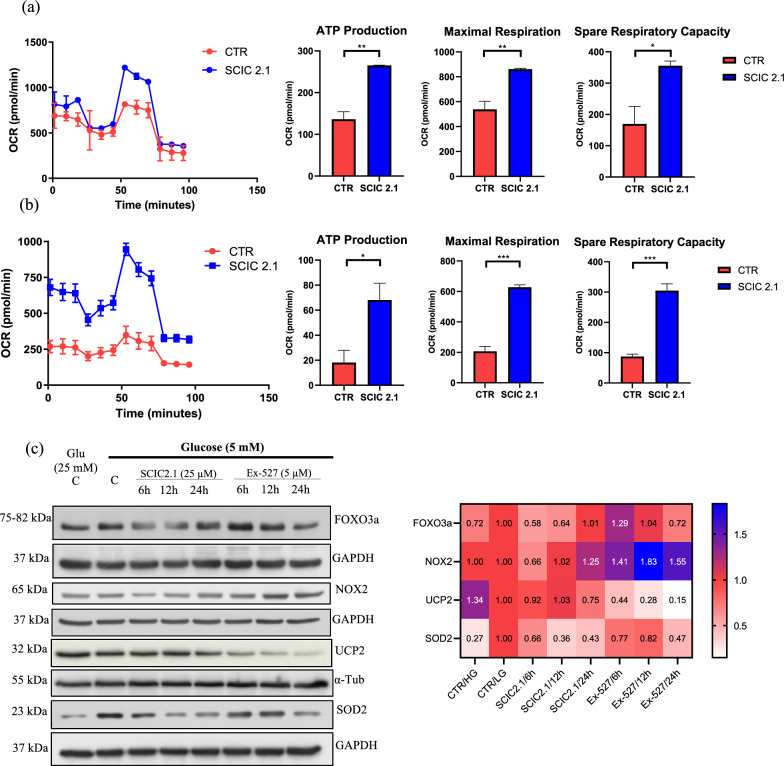
“4c) involved in the ROS production [53].”
Mouchiroud, L., Houtkooper, R. H., Moullan, N., Katsyuba, E., Ryu, D., Cantó, C., Mottis, A., Jo, Y.-S., Viswanathan, M., Schoonjans, K., et al. (2013) · Cell · doi:10.1016/j.cell.2013.06.016 · Cited by 1,210 · cited 1×
“SIRT1 and SIRT3 are known to regulate ROS production and promote cell longevity and metabolic adaptations [35, 36].”
BackgroundFasting, Circadian Rhythms, and Time-Restricted Feeding in Healthy Lifespan
Longo, V. D., & Panda, S. (2016) · Cell Metabolism · doi:10.1016/j.cmet.2016.06.001 · Cited by 1,013 · cited 1×
“During fasting or prolonged glucose deprivation, hepatocytes play a key role in energy metabolism [27], and SIRT1 is involved in regulating hepatic metabolism [28].”
BackgroundEnergy metabolism of cancer: Glycolysis versus oxidative phosphorylation (Review)
ZHENG, J. (2012) · Oncology Letters · doi:10.3892/ol.2012.928 · Cited by 963 · cited 1×
“For instance, under nutrient deprivation, cancer cells switch from glycolytic metabolism to OXPHOS in order to meet energy demands [51].”
BackgroundLuen Tang, B. (2016) · Molecules and Cells · doi:10.14348/molcells.2016.2318 · Cited by 740 · cited 1×
“Specifically, under glucose-deprived conditions in cancer cells, peroxisome proliferator-activated receptor gamma coactivator 1 alpha (PGC1α) promotes oxidative metabolism to maintain energy homeostasis [18, 19].”
BackgroundViollet, B., Foretz, M., Guigas, B., Horman, S., Dentin, R., Bertrand, L., Hue, L., & Andreelli, F. (2006) · The Journal of Physiology · doi:10.1113/jphysiol.2006.108506 · Cited by 528 · cited 1×
“Glucose deprivation in hepatocytes is reported to activate AMPK, modulating the expression of PGC1α similarly to SIRT1 [47].”
BackgroundSirtuins and NAD + in the Development and Treatment of Metabolic and Cardiovascular Diseases
Kane, A. E., & Sinclair, D. A. (2018) · Circulation Research · doi:10.1161/circresaha.118.312498 · Cited by 487 · cited 1×
“SIRT1 is a well-studied member of the sirtuin family and is known as a stress-responsive protein deacetylase [4].”
BackgroundEmerging roles of SIRT1 in fatty liver diseases
Ding, R.-B., Bao, J., & Deng, C.-X. (2017) · International Journal of Biological Sciences · doi:10.7150/ijbs.19370 · Cited by 359 · cited 1×
“During fasting or prolonged glucose deprivation, hepatocytes play a key role in energy metabolism [27], and SIRT1 is involved in regulating hepatic metabolism [28].”
BackgroundJennis, M., Kung, C.-P., Basu, S., Budina-Kolomets, A., Leu, J. I.-J., Khaku, S., Scott, J. P., Cai, K. Q., Campbell, M. R., Porter, D. K., et al. (2016) · Genes & Development · doi:10.1101/gad.275891.115 · Cited by 352 · cited 1×
“Metabolic stress increases p53 transcriptional activity, modulating stress conditions [57] and transcription of metabolic genes [58].”
BackgroundSirtuins mediate mammalian metabolic responses to nutrient availability
Chalkiadaki, A., & Guarente, L. (2012) · Nature Reviews Endocrinology · doi:10.1038/nrendo.2011.225 · Cited by 346 · cited 1×
“It is well documented that SIRT1 metabolically rewires energy circuits during caloric restriction or fasting [15, 16].”
BackgroundTranscriptional coregulators in the control of energy homeostasis
Feige, J. N., & Auwerx, J. (2007) · Trends in Cell Biology · doi:10.1016/j.tcb.2007.04.001 · Cited by 325 · cited 2×
“1 regulates the expression of several antioxidant proteins such as FOXO, NOX2, UCP2, and the ROS-detoxifying enzyme SOD2 [3, 37].”
BackgroundSIRT1 Activation by Natural Phytochemicals: An Overview
Iside, C., Scafuro, M., Nebbioso, A., & Altucci, L. (2020) · Frontiers in Pharmacology · doi:10.3389/fphar.2020.01225 · Cited by 307 · cited 1×
“Numerous studies have described the potential role of SIRT1 functions in DNA repair, oxidative stress response, metabolism, circadian control, and mitochondrial biogenesis [5–7].”
BackgroundSelf-citationTan, Y., Li, J., Zhao, G., Huang, K.-C., Cardenas, H., Wang, Y., Matei, D., & Cheng, J.-X. (2022) · Nature Communications · doi:10.1038/s41467-022-32101-w · Cited by 306 · cited 1×
“S1) [49, 50].”
Role of Sirtuin1-p53 regulatory axis in aging, cancer and cellular reprogramming
Ong, A. L. C., & Ramasamy, T. S. (2018) · Ageing Research Reviews · doi:10.1016/j.arr.2018.02.004 · Cited by 301 · cited 1×
“SIRT1 is known to deacetylate p53 under cellular stress conditions [46].”
BackgroundThe Deacetylase Sirt6 Activates the Acetyltransferase GCN5 and Suppresses Hepatic Gluconeogenesis
Dominy, J. E., Lee, Y., Jedrychowski, M. P., Chim, H., Jurczak, M. J., Camporez, J. P., Ruan, H.-B., Feldman, J., Pierce, K., Mostoslavsky, R., et al. (2012) · Molecular Cell · doi:10.1016/j.molcel.2012.09.030 · Cited by 294 · cited 1×
“p53 is reported to directly activate SIRT6 expression and to repress gluconeogenesis by inhibiting PGC1α [38, 39].”
BackgroundWang, P., Xu, T., Guan, Y., Tian, W., Viollet, B., Rui, Y., Zhai, Q., Su, D., & Miao, C. (2011) · Annals of Neurology · doi:10.1002/ana.22236 · Cited by 288 · cited 1×
“Increasing evidence supports the hypothesis that SIRT1-mediated metabolic adaptations have a beneficial role in glucose homeostasis, mitochondrial biogenesis, inflammation, and apoptosis [40].”
BackgroundThe Beneficial Roles of SIRT1 in Neuroinflammation-Related Diseases
Jiao, F., & Gong, Z. (2020) · Oxidative Medicine and Cellular Longevity · doi:10.1155/2020/6782872 · Cited by 288 · cited 1×
“Several studies also report that SIRT1 activation in cancer models results in clinical benefits [10, 11].”
BackgroundChang, C., Su, H., Zhang, D., Wang, Y., Shen, Q., Liu, B., Huang, R., Zhou, T., Peng, C., Wong, C. C. L., et al. (2015) · Molecular Cell · doi:10.1016/j.molcel.2015.10.037 · Cited by 286 · cited 2×
“It is well documented that SIRT1 metabolically rewires energy circuits during caloric restriction or fasting [15, 16].”
BackgroundLi, Y., Wong, K., Giles, A., Jiang, J., Lee, J. W., Adams, A. C., Kharitonenkov, A., Yang, Q., Gao, B., Guarente, L., et al. (2014) · Gastroenterology · doi:10.1053/j.gastro.2013.10.059 · Cited by 279 · cited 4×
“For instance, under nutrient deprivation, cancer cells switch from glycolytic metabolism to OXPHOS in order to meet energy demands [51].”
BackgroundInfluentialMetabolic rearrangements in primary liver cancers: cause and consequences
Satriano, L., Lewinska, M., Rodrigues, P. M., Banales, J. M., & Andersen, J. B. (2019) · Nature Reviews Gastroenterology & Hepatology · doi:10.1038/s41575-019-0217-8 · Cited by 243 · cited 1×
“The liver is a central metabolic organ that regulates metabolic homeostasis [41].”
BackgroundXu, D., Liu, L., Zhao, Y., Yang, L., Cheng, J., Hua, R., Zhang, Z., & Li, Q. (2020) · Journal of Pineal Research · doi:10.1111/jpi.12690 · Cited by 231 · cited 1×
“Over the years, a large body of accumulating evidence suggests that SIRT1 is a key player in both controlling energy status and attenuating metabolic stress [13, 14].”
BackgroundZhang, P., Tu, B., Wang, H., Cao, Z., Tang, M., Zhang, C., Gu, B., Li, Z., Wang, L., Yang, Y., et al. (2014) · Proceedings of the National Academy of Sciences · doi:10.1073/pnas.1411026111 · Cited by 224 · cited 1×
“1 in p53 downstream targets. p53 is reported to directly activate SIRT6 expression and to repress gluco-neogenesis by inhibiting PGC1α [38, 39].”
BackgroundSirtuins in glucose and lipid metabolism
Ye, X., Li, M., Hou, T., Gao, T., Zhu, W.-G., & Yang, Y. (2017) · Oncotarget · doi:10.18632/oncotarget.12157 · Cited by 215 · cited 2×
“Metabolic reprogramming is a feature of tumor growth, and SIRT1 regulates several genes involved in glucose and lipid metabolism [54].”
BackgroundGlucose deprivation activates a metabolic and signaling amplification loop leading to cell death
Graham, N. A., Tahmasian, M., Kohli, B., Komisopoulou, E., Zhu, M., Vivanco, I., Teitell, M. A., Wu, H., Ribas, A., Lo, R. S., et al. (2012) · Molecular Systems Biology · doi:10.1038/msb.2012.20 · Cited by 211 · cited 1×
“In general, cancer cells depend on glucose for survival, whereas glucose deprivation induces the generation of ROS and promotes cell death [34].”
BackgroundMetabolic Signaling to the Nucleus in Cancer
Campbell, S. L., & Wellen, K. E. (2018) · Molecular Cell · doi:10.1016/j.molcel.2018.07.015 · Cited by 181 · cited 1×
“Metabolic reprogramming is a hallmark of cancer cells and is necessary to meet the energy requirements for rapid cell proliferation and metastasis promotion in nutrient-limited microenvironments [1].”
BackgroundThe metabolic modulator PGC-1α in cancer.
Bost, F., & Kaminski, L. (2019) · Europe PMC (PubMed Central) · Cited by 170
PGC-1α, a Key Modulator of p53, Promotes Cell Survival upon Metabolic Stress
Sen, N., Satija, Y. K., & Das, S. (2011) · Molecular Cell · doi:10.1016/j.molcel.2011.08.044 · Cited by 166 · cited 1×
“Metabolic stress increases p53 transcriptional activity, modulating stress conditions [57] and transcription of metabolic genes [58].”
BackgroundA SIRT1 Activator, Ginsenoside Rc, Promotes Energy Metabolism in Cardiomyocytes and Neurons
Huang, Q., Su, H., Qi, B., Wang, Y., Yan, K., Wang, X., Li, X., & Zhao, D. (2021) · Journal of the American Chemical Society · doi:10.1021/jacs.0c10836 · Cited by 162 · cited 3×
“SIRT1 is reported to deacetylate PGC1α and promote mitochondrial bio-genesis [19, 20].”
BackgroundResultInfluentialSirtuin-1 Activation Controls Tumor Growth by Impeding Th17 Differentiation via STAT3 Deacetylation
Limagne, E., Thibaudin, M., Euvrard, R., Berger, H., Chalons, P., Végan, F., Humblin, E., Boidot, R., Rébé, C., Derangère, V., et al. (2017) · Cell Reports · doi:10.1016/j.celrep.2017.04.004 · Cited by 138 · cited 1×
“SIRT1 is significantly expressed in HCC cell lines and tumor tissues [42] and facilitates metastasis [43], while pharmacological SIRT1 activation was found to limit cancer growth in mouse models [44].”
BackgroundThe Current State of NAD+‐Dependent Histone Deacetylases (Sirtuins) as Novel Therapeutic Targets
Schiedel, M., Robaa, D., Rumpf, T., Sippl, W., & Jung, M. (2017) · Medicinal Research Reviews · doi:10.1002/med.21436 · Cited by 138 · cited 1×
“Several studies also report that SIRT1 activation in cancer models results in clinical benefits [10, 11].”
BackgroundLactylation, an emerging hallmark of metabolic reprogramming: Current progress and open challenges
Liu, X., Zhang, Y., Li, W., & Zhou, X. (2022) · Frontiers in Cell and Developmental Biology · doi:10.3389/fcell.2022.972020 · Cited by 137 · cited 1×
“Post-translational modifications such as acetylation, methylation, glycosylation, and lactylation con-trol metabolic signaling pathways [2].”
BackgroundZhou, Y., Fan, X., Jiao, T., Li, W., Chen, P., Jiang, Y., Sun, J., Chen, Y., Chen, P., Guan, L., et al. (2021) · Acta Pharmaceutica Sinica B · doi:10.1016/j.apsb.2020.06.016 · Cited by 121 · cited 1×
“2, 3) Some studies also describe the of p53-mediated functions on SIRT6 activation in the regulation of cell proliferation [31].”
BackgroundSIRT1 prevents genotoxic stress-induced p53 activation in acute myeloid leukemia
Sasca, D., Hähnel, P. S., Szybinski, J., Khawaja, K., Kriege, O., Pante, S. V., Bullinger, L., Strand, S., Strand, D., Theobald, M., et al. (2014) · Blood · doi:10.1182/blood-2013-11-538819 · Cited by 119 · cited 1×
“In mammalian cells, SIRT1 prevents stress-mediated apoptosis via deacetylation of p53 at lysine 382 (p53K382ac) and promotes cellular proliferation [26].”
BackgroundHao, C., Zhu, P., Yang, X. F., Han, Z., Jiang, J., Zong, C., Zhang, X., Liu, W., Zhao, Q., Fan, T.-T., et al. (2014) · BMC Cancer · doi:10.1186/1471-2407-14-978 · Cited by 114 · cited 1×
“SIRT1 is significantly expressed in HCC cell lines and tumor tissues [42] and facilitates metastasis [43], while pharmacological SIRT1 activation was found to limit cancer growth in mouse models [44].”
BackgroundLi, Y., Xu, S., Li, J., Zheng, L., Feng, M., Wang, X., Han, K., Pi, H., Li, M., Huang, X., et al. (2016) · Oncotarget · doi:10.18632/oncotarget.8711 · Cited by 99 · cited 1×
“SIRT1 is significantly expressed in HCC cell lines and tumor tissues [42] and facilitates metastasis [43], while pharmacological SIRT1 activation was found to limit cancer growth in mouse models [44].”
BackgroundAn, Y., Wang, B., Wang, X., Dong, G., Jia, J., & Yang, Q. (2020) · Cell Death and Disease · doi:10.1038/s41419-020-2308-4 · Cited by 93 · cited 1×
“In gastric cancer, for example, where low expression of SIRT1 correlates with poor prognosis, SIRT1 activation was able to reverse chemoresistance and cancer stemness via the AMPK/FOXO3a pathway, indicating the potential use of SIRT1 activators as a novel therapeutic strategy in this cancer type [12].”
BackgroundSirtuins and the Metabolic Hurdles in Cancer
German, N. J., & Haigis, M. C. (2015) · Current Biology · doi:10.1016/j.cub.2015.05.012 · Cited by 83 · cited 1×
“Evidence in the literature also supports the role of SIRT1 mediated metabolic adaptations in combating metabolic stress [54, 55].”
BackgroundRegulation of SIRT1 activity by genotoxic stress
Yuan, J., Luo, K., Liu, T., & Lou, Z. (2012) · Genes & Development · doi:10.1101/gad.188482.112 · Cited by 79 · cited 1×
“SIRT1 is reported to play a vital role in coordinating and attenuating different cellular stress responses [24, 25].”
BackgroundTrending topics of SIRT1 in tumorigenicity
Garcia-Peterson, L. M., & Li, X. (2021) · Biochimica et Biophysica Acta (BBA) - General Subjects · doi:10.1016/j.bbagen.2021.129952 · Cited by 78 · cited 1×
“SIRT1 expression is drastically reduced in various cancers, including hepatic carcinoma, and its activation inhibits cancer growth [9].”
BackgroundLactate Dehydrogenase in Hepatocellular Carcinoma: Something Old, Something New
Faloppi, L., Bianconi, M., Memeo, R., Gardini, A. C., Giampieri, R., Bittoni, A., Andrikou, K., Prete, M. D., Cascinu, S., & Scartozzi, M. (2016) · BioMed Research International · doi:10.1155/2016/7196280 · Cited by 76 · cited 1×
“1 downregulates the expression of LDHA and reduces lactate production, suggesting its promising anti-cancer activity [56].”
BackgroundSIRT1 associates with eIF2-alpha and regulates the cellular stress response
Ghosh, H. S., Reizis, B., & Robbins, P. D. (2011) · Scientific Reports · doi:10.1038/srep00150 · Cited by 72 · cited 1×
“SIRT1 is reported to play a vital role in coordinating and attenuating different cellular stress responses [24, 25].”
BackgroundKemper, J. K., Choi, S.-E., & Kim, D. H. (2013) · Vitamins & Hormones · doi:10.1016/b978-0-12-407766-9.00016-x · Cited by 63 · cited 1×
“in glucose‐starved conditions SIRT1 is known to orchestrate metabolism and biosynthesis, acting as a key regulator in liver metabolism [17, 30, 33].”
BackgroundZhang, L., Du, Z., He, L., Liang, W., Liu, K., & Gong, S. (2022) · Neural Plasticity · doi:10.1155/2022/5567174 · Cited by 60 · cited 1×
“SIRT1 and SIRT3 are known to regulate ROS production and promote cell longevity and metabolic adaptations [35, 36].”
BackgroundSong, S., & Hwang, E. (2018) · Cells · doi:10.3390/cells8010011 · Cited by 57 · cited 1×
“Our findings, therefore, indicate that the metabolic effect of the SIRT1 activationmediated pathway plays a crucial role in cellular energy expenditure, supporting published data [20, 52].”
ResultGuo, Z., Fan, D., Liu, F.-Y., Ma, S., An, P., Yang, D., Wang, M.-Y., Yang, Z., & Tang, Q. (2022) · Frontiers in Cardiovascular Medicine · doi:10.3389/fcvm.2022.821317 · Cited by 53 · cited 1×
“Several studies report that activation of SIRT1 results in energy homeostasis via mitochondrial biogenesis [29–32].”
BackgroundChini, C. C. S., Espíndola‐Netto, J. M., Mondal, G., Guerrico, A. M. G., Nin, V., Escande, C., Sola‐Penna, M., Zhang, J., Billadeau, D. D., & Chini, E. N. (2015) · Clinical Cancer Research · doi:10.1158/1078-0432.ccr-15-1760 · Cited by 45 · cited 1×
“Using SIRT1 activators such as SRT1720, SRT1460, and SRT3025 was reported to effectively inhibit tumor growth in a xenograft model and to promote the survival of pancreatic cancer cells [45].”
BackgroundPark, S.-J., Ahmad, F., Um, J.-H., Brown, A. L., Xu, X., Kang, H., Ke, H., Feng, X., Ryall, J., Philp, A., et al. (2017) · EBioMedicine · doi:10.1016/j.ebiom.2017.03.019 · Cited by 44 · cited 1×
“A previous study showed that pharmacological activation of SIRT1 improved glucose metabolism in an AMPKdependent posttranslational manner [48].”
BackgroundScisciola, L., Sarno, F., Carafa, V., Cosconati, S., Maro, S. D., Ciuffreda, L. P., Angelis, A. D., Stiuso, P., Feoli, A., Sbardella, G., et al. (2020) · Epigenetics · doi:10.1080/15592294.2019.1704349 · Cited by 39 · cited 8×
“Counter‐screening for nicotinamidase The tested compounds were assessed in parallel with the presence of a nicotinamidase (NMase) enzyme to potentiate the primary assay, as previously reported [21].”
BackgroundMethodResultInfluentialSelf-citationWang, Y., Zhao, R., Wu, C., Liang, X., He, L., Wang, L., & Wang, X. (2023) · Frontiers in Pharmacology · doi:10.3389/fphar.2023.1111320 · Cited by 36 · cited 1×
“Numerous studies have described the potential role of SIRT1 functions in DNA repair, oxidative stress response, metabolism, circadian control, and mitochondrial biogenesis [5–7].”
BackgroundThe hepatic AMPK-TET1-SIRT1 axis regulates glucose homeostasis
Zhang, C., Zhong, T., Li, Y., Li, X., Yuan, X., Liu, L., Wu, W., Wu, J., Wu, Y., Liang, R., et al. (2021) · eLife · doi:10.7554/elife.70672 · Cited by 35 · cited 1×
“in glucose‐starved conditions SIRT1 is known to orchestrate metabolism and biosynthesis, acting as a key regulator in liver metabolism [17, 30, 33].”
BackgroundThe protective effects of 17-β estradiol and SIRT1 against cardiac hypertrophy: a review
Hajializadeh, Z., & Khaksari, M. (2021) · Heart Failure Reviews · doi:10.1007/s10741-021-10171-0 · Cited by 33
Carrizzo, A., Iside, C., Nebbioso, A., Carafa, V., Damato, A., Sciarretta, S., Frati, G., Nonno, F. D., Valenti, V., Ciccarelli, M., et al. (2022) · Cellular and Molecular Life Sciences · doi:10.1007/s00018-022-04429-5 · Cited by 29 · cited 3×
“Total protein extraction and Western blot analysis were performed as previously described [22].”
MethodInfluentialSelf-citationNémeth, Z., Kiss, É., & Takács, I. (2022) · Frontiers in Bioscience-Landmark · doi:10.31083/j.fbl2709253 · Cited by 18 · cited 3×
“Today, SIRT1 is targeted in many age-related human pathologies, such as cardiovascular disease, diabetes and other metabolic syndromes, chronic inflammation, neurodegenerative disorders, and cancer [8].”
BackgroundInfluentialHistone lysine demethylase inhibition reprograms prostate cancer metabolism and mechanics
Chianese, U., Papulino, C., Passaro, E., Evers, T. M. J., Babaei, M., Toraldo, A., Marchi, T. D., Niméus, E., Carafa, V., Nicoletti, M. M., et al. (2022) · Molecular Metabolism · doi:10.1016/j.molmet.2022.101561 · Cited by 14 · cited 1×
“To assess the metabolic status of the cells, we used a Sea-horse XF24 Analyzer (Agilent Technologies, Santa Clara, CA, USA) with standard 24-well Seahorse microplates, as previously described [23].”
MethodSelf-citationLi, M., Cai, Y., Chen, X., Zhang, L., Jiang, Z., & Yu, Q. (2022) · Toxicology Research · doi:10.1093/toxres/tfac043 · Cited by 13 · cited 4×
“Primary antibodies were: SIRT1 (#8469), Actyl-p53K382 (#2525), FOXO3a (#12,829), UCP2 (#89,326), LDHA (#3582), PUMA (#98,672), p-ACC (ser79, #3661), ACC (#3676), PDH (#2784), GAPDH (#D16H11), and β-Actin (#4967) all purchased from Cell Signaling Technology (Massachusetts, US); p53 (#sc-126) and α-tubulin (#sc-5286) we…”
BackgroundInfluentialUbaid, S., Rumman, M., Singh, B., & Pandey, S. (2021) · Inflammation · doi:10.1007/s10753-021-01457-4 · Cited by 10 · cited 1×
“Over the years, a large body of accumulating evidence suggests that SIRT1 is a key player in both controlling energy status and attenuating metabolic stress [13, 14].”
Background
Cited by
Glucagon-like peptide-1 receptor: mechanisms and advances in therapy
Zheng, Z., Zong, Y., Ma, Y., Tian, Y., Pang, Y., Zhang, C., & Gao, J. (2024) · Signal Transduction and Targeted Therapy · doi:10.1038/s41392-024-01931-z · Cited by 1,036
Targeting sirtuins for cancer therapy: epigenetics modifications and beyond
Shen, H., Qi, X., Hu, Y., Wang, Y., Zhang, J., Liu, Z., & Qin, Z. (2024) · Theranostics · doi:10.7150/thno.100667 · Cited by 111
“1 was able to govern mitochondrial activity in a time-dependent manner by reducing SOD2 expression and regulating SIRT3 expression [218].”
BackgroundAn, H., Jang, Y., Choi, J.-I., Hur, J., Kim, S., & Kwon, Y. (2024) · Biomolecules & Therapeutics · doi:10.4062/biomolther.2024.188 · Cited by 80
SIRT1 signaling pathways in sarcopenia: Novel mechanisms and potential therapeutic targets
Yang, L., Liu, D., Jiang, S., Li, H., Chen, L., Wu, Y., Essien, A. E., Opoku, M., Naranmandakh, S., Liu, S., et al. (2024) · Biomedicine & Pharmacotherapy · doi:10.1016/j.biopha.2024.116917 · Cited by 68
Molecular mechanisms of TACE refractoriness: Directions for improvement of the TACE procedure
Li, J., Liu, Y., Zheng, R., Qu, C., & Li, J. (2024) · Life Sciences · doi:10.1016/j.lfs.2024.122540 · Cited by 38
Metadata
- Authors
- Varghese, B., Chianese, U., Capasso, L., Sian, V., Bontempo, P., Conte, M., Benedetti, R., Altucci, L., Carafa, V., & Nebbioso, A.
- Affiliations
- University of Campania "Luigi Vanvitelli" (IT)
- Corresponding author
- Altucci, Lucia
- Nebbioso, Angela
- ORCID
- Venue
- Journal of Translational Medicine
- Published
- 2023-09-15
- Volume
- 21
- Issue
- 1
- Pages
- 627-627
- ISSN
- 1479-5876 (ISSN-L)
- PMC
- PMC10504761
- OpenAlex
- W4386763081
- Cited by
- 31
- References
- 59
- Citations by year
- 2026: 7 · 2025: 10 · 2024: 12 · 2023: 2
- FWCI
- 4.60
- Type
- journal article
- Language
- en
- Open access
- gold
- doi.org
- Licence
- cc-by
- creativecommons.org/licenses/by/4.0 (tdm)
- creativecommons.org/licenses/by/4.0 (vor)
- Locations
- Journal of Translational Medicine (publishedVersion, cc-by)
- Research Square (acceptedVersion, cc-by)
- PubMed Central (publishedVersion, cc-by)
- PubMed (publishedVersion)
- DOAJ (DOAJ: Directory of Open Access Journals) (submittedVersion, cc-by-sa)
- Archivio Istituzionale della Ricerca - Università degli Studi della Campania "Luigi Vanvitelli" (submittedVersion)
- Funders
- PRIN2020 (CW39SJ)
- ANTHEM (CUPB53C22006540001)
- PNRR (M6/C2)
- Topics
- Health Sciences › Medicine › Geriatrics and Gerontology › Sirtuins and Resveratrol in Medicine
- Life Sciences › Biochemistry, Genetics and Molecular Biology › Molecular Biology › Metabolism, Diabetes, and Cancer
- Life Sciences › Biochemistry, Genetics and Molecular Biology › Cancer Research › Cancer, Hypoxia, and Metabolism
- Keywords
- SIRT1, hepatocellular carcinoma, glucose deprivation, energy homeostasis, mitochondrial biogenesis, SIRT3, SIRT6, fatty acid oxidation, de novo lipogenesis, antioxidant response, cancer metabolism, EX527, lipid accumulation
- MeSH terms
- Carcinoma, Hepatocellular, Homeostasis, Humans, Liver Neoplasms, Tumor Suppressor Protein p53, Sirtuins, Sirtuin 1, Sirtuin 3
About these checks
Registry, retraction, Cites and statistics results are computed, not judged, with one exception: a printed reference that no index lists is read once by a model before it counts as a citation error. Claims are extracted by a model and kept only when their quote appears verbatim in the text; each cited source is then checked, with a model’s help, for whether it says what the claim relies on. Those verdicts can be wrong — read the claim’s quote and the cited source before relying on one.
Statistics and arithmetic are recomputed, not judged.
Confidence bands are shown only for fields calibrated on our annotated test set. None is calibrated yet, so no band is shown.
What counts as a claim ›How we measure confidence ›How we check this ›
Are you an author, or do you see a problem with this page? Request a review
Data sources
Bibliographic data: Semantic Scholar, OpenAlex, Crossref.
Contains information from the Semantic Scholar Academic Graph Datasets, made available under the ODC Attribution License (ODC-BY 1.0).
Semantic Scholar’s data is described in: Kinney, R., et al. (2023). The Semantic Scholar Open Data Platform. arXiv:2301.10140.
