

The DOI matches its Crossref record; 59 of the 59 references it cites were found in a registry or an index.
The combination of sport and sport-specific diet is associated with characteristics of gut microbiota: an observational study
Open accessAbstract
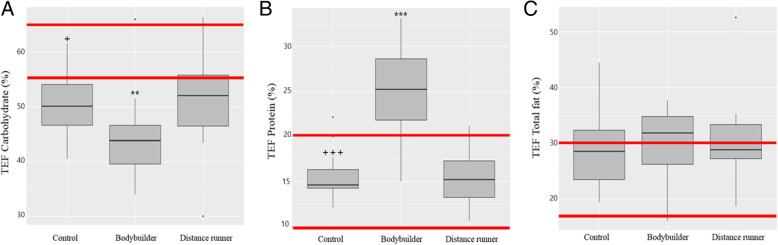
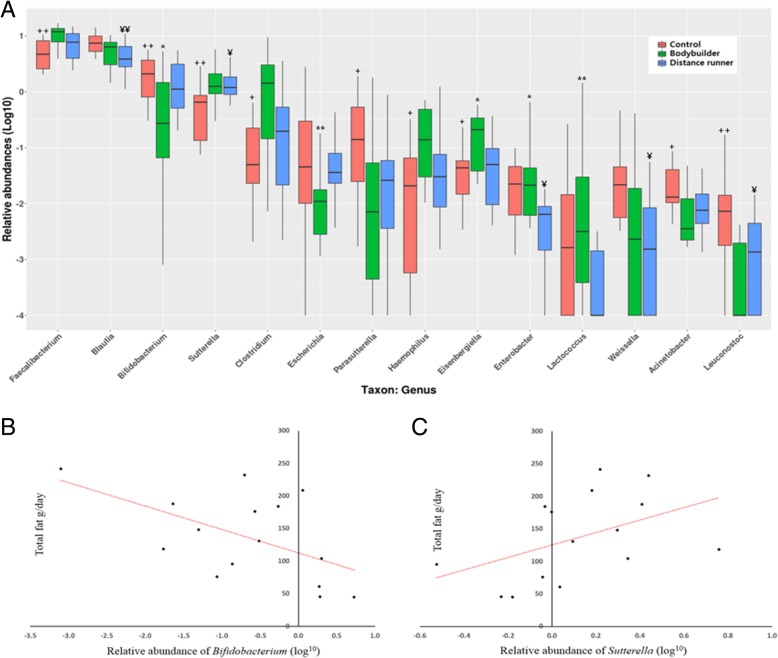
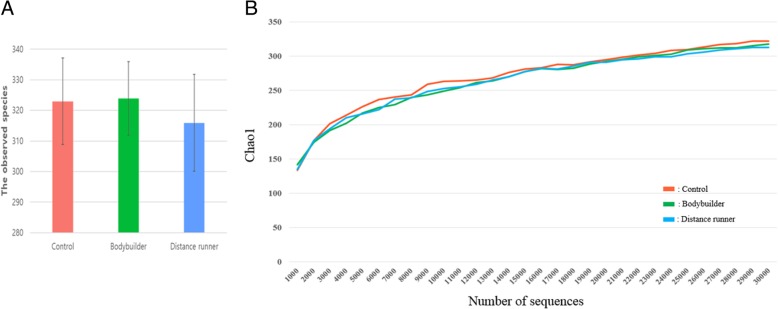
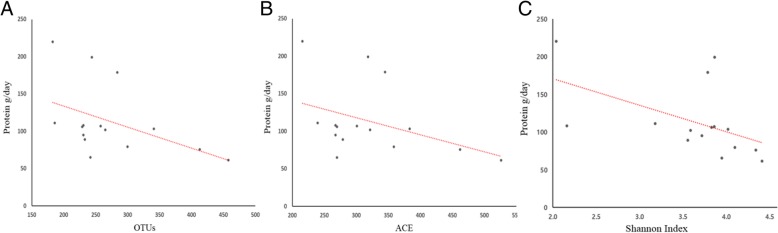
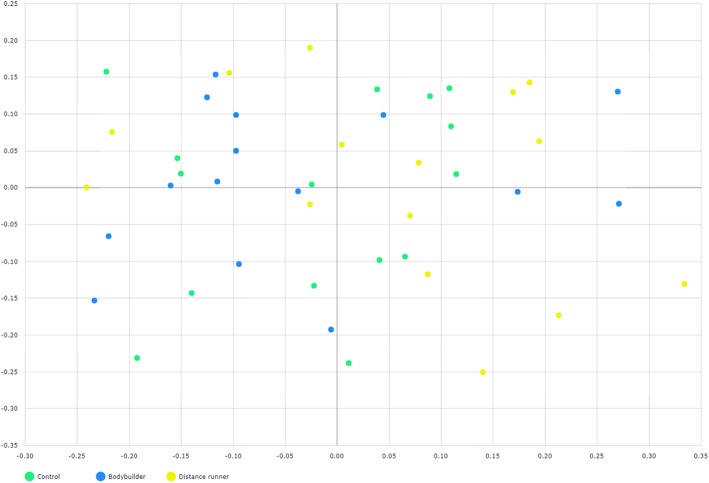
BACKGROUND: Recently, gut microbiota have been studied extensively for health promotion, disease prevention, disease treatment, and exercise performance. It is recommended that athletes avoid dietary fiber and resistant starch to promote gastric emptying and reduce gastrointestinal distress during exercise, but this diet may reduce microbial diversity and compromise the health of the athlete's gut microbiota. OBJECTIVE: This study compared fecal microbiota characteristics using high-throughput sequencing among healthy sedentary men (as controls), bodybuilders, and distance runners, as well as the relationships between microbiota characteristics, body composition, and nutritional status. METHODS: Body composition was measured using DXA, and physical activity level was assessed using IPAQ. Dietary intake was analyzed with the computerized nutritional evaluation program. The DNA of fecal samples was extracted and it was sequenced for the analysis of gut microbial diversity through bioinformatics cloud platform. RESULTS: We showed that exercise type was associated with athlete diet patterns (bodybuilders: high protein, high fat, low carbohydrate, and low dietary fiber diet; distance runners: low carbohydrate and low dietary fiber diet). However, athlete type did not differ in regard to gut microbiota alpha and beta diversity. Athlete type was significantly associated with the relative abundance of gut microbiota at the genus and species level: Faecalibacterium, Sutterella, Clostridium, Haemophilus, and Eisenbergiella were the highest (p < 0.05) in bodybuilders, while Bifidobacterium and Parasutterella were the lowest (p < 0.05). At the species level, intestinal beneficial bacteria widely used as probiotics (Bifidobacterium adolescentis group, Bifidobacterium longum group, Lactobacillus sakei group) and those producing short chain fatty acids (Blautia wexlerae, Eubacterium hallii) were the lowest in bodybuilders and the highest in controls. In addition, aerobic or resistance exercise training with an unbalanced intake of macronutrients and low intake of dietary fiber led to similar diversity of gut microbiota. Specifically, daily protein intake was negatively correlated with operation taxonomic unit (r = - 0.53, p < 0.05), ACE (r = - 0.51, p < 0.05), and Shannon index (r = - 0.64, p < 0.01) in distance runners.. CONCLUSION: Results suggest that high-protein diets may have a negative impact on gut microbiota diversity for athletes, while athletes in resistance sports that carry out the high protein low carbohydrates diet demonstrate a decrease in short chain fatty acid-producing commensal bacteria.
Overview
The claims and statistics of this paper haven’t been checked yet.
Run the check — free, no account needed. It reads the open-access text and checks the sources it cites.
Integrity signals
Registry
Cites
Statistics
Figures
Verification
Claims the paper makes
The claims and statistics of this paper haven’t been checked yet.
Run the check — free, no account needed. It reads the open-access text and checks the sources it cites.
Claims other papers make about this one
Each is checked against this paper’s own text: does it say what the citing paper says it does?
The cited source says what the claim attributes to it.
In the citing paper
“In distance runners, protein intake was negatively correlated with diversity (Shannon index R = − 0.63; P = 0.01) and in bodybuilders, fat intake was negatively correlated with Bifidobacteria (R = − 0.52; P = 0.05).”
From The athletic gut microbiota (2020) · cites this paper as [11]
In the citing paper
“For instance, at the genus level, Faecalibacterium, Sutterella, Clostridium, Haemophilus, and Eisenbergiella were the highest, while Bifidobacterium and Parasutterella were the lowest in bodybuilders.”
From The athletic gut microbiota (2020) · cites this paper as [11]
In the citing paper
“While athlete type did not differ regarding gut microbiota alpha and beta diversity, it was significantly associated with the relative abundance of several bacteria.”
From The athletic gut microbiota (2020) · cites this paper as [11]
In the citing paper
“Exercise type was associated with athlete diet patterns (i.e., bodybuilders: high-protein, high-fat, and low-carbohydrate/dietary fiber diet; distance runners: low-carbohydrate and low-dietary fiber diet).”
From The athletic gut microbiota (2020) · cites this paper as [11]
In the citing paper
“In distance runners, protein intake was negatively correlated with diversity (Shannon index R = − 0.63; P = 0.01) and in bodybuilders, fat intake was negatively correlated with Bifidobacteria (R = − 0.52; P = 0.05).”
From The athletic gut microbiota (2020) · cites this paper as [11]
In the citing paper
“the study by Clarke and colleagues [19] met all of the recommended dietary intake requirements, while the athletes in the investigation by Jang et al. [11] had insufficient carbohydrate and dietary fiber intake (compared to standard macronutrient distribution ranges).”
From The athletic gut microbiota (2020) · cites this paper as [11]
In the citing paper
“The inconsistency of these results compared to Clarke et al. [19] may relate to the nutritional status of the athletes.”
From The athletic gut microbiota (2020) · cites this paper as [11]
In the citing paper
“Jang et al. [11] reported that daily protein intake was negatively correlated with alpha diversity in distance runners.”
From The athletic gut microbiota (2020) · cites this paper as [11]
In the citing paper
“High microbial diversity could be easily affected by age, eating habits, and other factors [38].”
From Flavonoid-rich orange juice intake and altered gut microbiome in young adults with depressive symptom: a randomized controlled study (2020) · cites this paper as [38]
Self-check
Percentages, sums and reported differences re-computed from the paper’s own numbers.
The self-check needs the paper’s full text.
Citations
Cites
Basic local alignment search tool
Altschul, S. F., Gish, W., Miller, W., Myers, E. W., & Lipman, D. J. (1990) · Journal of Molecular Biology · doi:10.1006/jmbi.1990.9999 · Cited by 98,669
A Mathematical Theory of Communication
Shannon, C. E. (1948) · Bell System Technical Journal · doi:10.1002/j.1538-7305.1948.tb01338.x · Cited by 88,486
Trimmomatic: a flexible trimmer for Illumina sequence data
Bolger, A. M., Lohse, M., & Usadel, B. (2014) · Bioinformatics · doi:10.1093/bioinformatics/btu170 · Cited by 65,548
International physical activity questionnaire: 12-country reliability and validity
CRAIG, C. L., MARSHALL, A. L., SJ??STR??M, M., BAUMAN, A. E., BOOTH, M. L., AINSWORTH, B. E., PRATT, M., EKELUND, U., YNGVE, A., SALLIS, J. F., et al. (2003) · Medicine & Science in Sports & Exercise · doi:10.1249/01.mss.0000078924.61453.fb · Cited by 21,619
Search and clustering orders of magnitude faster than BLAST
Edgar, R. C. (2010) · Bioinformatics · doi:10.1093/bioinformatics/btq461 · Cited by 21,098
Schloss, P. D., Westcott, S. L., Ryabin, T., Hall, J. R., Hartmann, M., Hollister, E. B., Lesniewski, R. A., Oakley, B. B., Parks, D. H., Robinson, C. J., et al. (2009) · Applied and Environmental Microbiology · doi:10.1128/aem.01541-09 · Cited by 19,549
UCHIME improves sensitivity and speed of chimera detection
Edgar, R. C., Haas, B. J., Clemente, J. C., Quince, C., & Knight, R. (2011) · Bioinformatics · doi:10.1093/bioinformatics/btr381 · Cited by 15,114
Cd-hit: Accelerated for clustering the next-generation sequencing data
Fu, L., Niu, B., Zhu, Z., Wu, S., & Li, W. (2012) · Bioinformatics · doi:10.1093/bioinformatics/bts565 · Cited by 11,175
Diet rapidly and reproducibly alters the human gut microbiome
David, L. A., Maurice, C. F., Carmody, R. N., Gootenberg, D. B., Button, J. E., Wolfe, B. E., Ling, A. V., Devlin, A. S., Varma, Y., Fischbach, M. A., et al. (2014) · Nature · doi:10.1038/nature12820 · Cited by 10,100
Linking long-term dietary patterns with gut microbial enterotypes
Wu, G. D., Chen, J., Hoffmann, C., Bittinger, K., Chen, Y.-Y., Keilbaugh, S. A., Bewtra, M., Knights, D., Walters, W. A., Knight, R., et al. (2011) · Science · doi:10.1126/science.1208344 · Cited by 6,513
Research works printed but not linked: 3
- Barton W, 2018, Gut., 67, 625
- Hughes R, 2000, Curr Issues Intestinal Microbiol, 1, 51
- Altschul SF, 1990, J Mol Biol, 215, 403, 10.1016/S0022-2836(05)80360-2 · DOI · Paper page
Cited by
Sorted by citations
Items 101–200 of 225
Wu, Y., Fu, H., Fu, H., Jin, H., Kao, Q., Teng, W.-L., Wang, B., Zhao, G., & Pi, X.-E. (2024) · Frontiers in Microbiology · doi:10.3389/fmicb.2024.1356365 · Cited by 9
Álvarez‐Herms, J. (2024) · Microorganisms · doi:10.3390/microorganisms12061138 · Cited by 9
Zhang, J., Chen, J., Sui, X., Drenowatz, C. J., & Wang, Q. (2023) · Nutrients · doi:10.3390/nu15040806 · Cited by 9
Microbial Champions: The Influence of Gut Microbiota on Athletic Performance via the Gut-Brain Axis
Xia, W., Li, X., Han, R., & Liu, X. (2024) · Open Access Journal of Sports Medicine · doi:10.2147/oajsm.s485703 · Cited by 9
Miura, H., Oda, M., Abe, K., Ikeda, H., Fujibayashi, M., Oda, N., Segawa, T., Abe, A., Ueta, N., Tsukahara, T., et al. (2025) · Microorganisms · doi:10.3390/microorganisms13071561 · Cited by 8
Alterations of the gut microbiota in type 2 diabetics with or without subclinical hypothyroidism
Lv, Y., Liu, R., Jia, H., Sun, X., Gong, Y., Ma, L., Qiu, W., & Wang, X. (2023) · PeerJ · doi:10.7717/peerj.15193 · Cited by 8
Dietary and management factors influence the equine gastric microbiome
Paul, L. J., Ericsson, A. C., Andrews, F. M., McAdams, Z. L., Keowen, M. L., Blanc, M. P. S., & Banse, H. E. (2022) · Journal of the American Veterinary Medical Association · doi:10.2460/javma.22.07.0277 · Cited by 9
Is There a Universal Endurance Microbiota?
Olbricht, H., Twadell, K., Sandel, B., Stephens, C. M., & Whittall, J. B. (2022) · Microorganisms · doi:10.3390/microorganisms10112213 · Cited by 9
Memili, A., Lulla, A., Liu, H., Shikany, J. M., Jacobs, D. R., Langsetmo, L., North, K. E., Jones, C. D., Launer, L. J., & Meyer, K. A. (2022) · Journal of Nutrition · doi:10.1016/j.tjnut.2022.12.019 · Cited by 8
The Muscle‐Gut‐Brain Axis and Psychiatric Illness
Scriven, M., McSweeney, A., O'Carroll, T., Mörkl, S., & Butler, M. (2023) · Advanced Biology · doi:10.1002/adbi.202200214 · Cited by 8
Duan, R., Liu, Y., Zhang, Y., Shi, J., Xue, R., Liu, R., Miao, Y., Zhou, X., Lv, Y., Shen, H., et al. (2024) · Frontiers in Physiology · doi:10.3389/fphys.2024.1343219 · Cited by 8
Singh, R. P., Dutta, A., Bose, T., & Mande, S. S. (2022) · Current Research in Microbial Sciences · doi:10.1016/j.crmicr.2022.100127 · Cited by 10
Exercise and the gut microbiome: implications for supportive care in cancer
Hart, N. H., Wallen, M. P., Farley, M. J., Haywood, D., Boytar, A. N., Secombe, K. R., Joseph, R., Chan, R. J., Kenkhuis, M., Buffart, L. M., et al. (2023) · Supportive Care in Cancer · doi:10.1007/s00520-023-08183-7 · Cited by 9
The athlete gut microbiota: state of the art and practical guidance
Pérez-Castillo, Í. M., Sabag-Daigle, A., Chicharro, J. L., Mihic, N., Rueda, R., & Bouzamondo, H. (2024) · Beneficial Microbes · doi:10.1163/18762891-bja00007 · Cited by 8
The interplay between gut microbiome and physical exercise in athletes
Quaresma, M. V. L. D. S., Mancin, L., Paoli, A., & Mota, J. F. (2024) · Current Opinion in Clinical Nutrition & Metabolic Care · doi:10.1097/mco.0000000000001056 · Cited by 7
Microbiome of athletes: Its features and diversity: A literature review
Палладіна, О. Л., & Kaliga, A. M. (2024) · International Journal of Medicine and Medical Research · doi:10.61751/ijmmr/1.2024.56 · Cited by 6
Nutrition Strategies for Optimizing Performance and Health in Young Athletes
Woźniak, K., Hedesz, P., Żuk‐Łapan, A., Jung, M., Gardian-Baj, M., Popczyńska, J., Doryń, A., Jung, M., Babula, E., Włodarczyk, A., et al. (2024) · Journal of Education Health and Sport · doi:10.12775/jehs.2024.60.001 · Cited by 8
Lindsell, H. B., Williams, N. C., Magistro, D., Corsetti, M., Walton, G., & Hunter, K. A. (2025) · Neurogastroenterology & Motility · doi:10.1111/nmo.70004 · Cited by 7
Adults with Prader–Willi syndrome exhibit a unique microbiota profile
Dahl, W. J., Auger, J., Alyousif, Z., Miller, J. L., & Tompkins, T. A. (2021) · BMC Research Notes · doi:10.1186/s13104-021-05470-6 · Cited by 9
Jaago, M., Timmusk, U. S., Timmusk, T., & Palm, K. (2021) · Frontiers in Nutrition · doi:10.3389/fnut.2021.654008 · Cited by 8
Aya, J. V., Vega, L. C., Muñoz, E., Muñoz, M., López, D., Guzmán, M. P., Martínez, D., Cruz‐Saavedra, L., Castillo, A. K., Quintero, K., et al. (2024) · Advanced Biology · doi:10.1002/adbi.202400069 · Cited by 7
Driuchina, A., Isola, V., Hulmi, J. J., Salmi, V. M., Hintikka, J. E., Ahtiainen, J. P., & Pekkala, S. (2025) · Journal of the International Society of Sports Nutrition · doi:10.1080/15502783.2025.2474561 · Cited by 6
Assessing the Genetic and Environmental Factors on Egg Amino Acid Traits in Chickens: A Review
Gyawali, D., & Goto, T. (2025) · Animals · doi:10.3390/ani15111554 · Cited by 8
Exercise as a modulator of gut microbiota for improvement of sleep quality: a narrative review
Zhao, B., Sun, J., Xiang, L., & Su, Z. (2025) · Frontiers in Neuroscience · doi:10.3389/fnins.2025.1639099 · Cited by 6
The Physiological Requirements of and Nutritional Recommendations for Equestrian Riders
Best, R., Williams, J. M., & Pearce, J. (2023) · Nutrients · doi:10.3390/nu15234977 · Cited by 9
Cao, L., Guo, M., Zhou, Y., Zhang, J., Tie, S., Li, X., Tian, P., Wu, Y. G., & Gu, S. (2024) · Nutrients · doi:10.3390/nu16233990 · Cited by 7
Human gut microbiome determining athletes’ performance: An insight from genomic analysis
Cheng, S. C., Chang, C., Chen, Y., Gojobori, T., & Chiu, P.-K. (2025) · Ecological Genetics and Genomics · doi:10.1016/j.egg.2025.100327 · Cited by 6
Luk, A. W. S., Mitchell, L., Koay, Y. C., O’Sullivan, J., O'Connor, H. T., Hackett, D. A., & Holmes, A. J. (2022) · Metabolites · doi:10.3390/metabo12100911 · Cited by 6
Wiącek, J., Szurkowska, J., Kryściak, J., Gałęcka, M., & Karolkiewicz, J. (2023) · PeerJ · doi:10.7717/peerj.14594 · Cited by 5
Gut Microbiota and Exercise: A Systematic Review of Interventions and Evidence Limitations
Gaskell, S. K., Martinez, I. G., & Costa, R. J. S. (2025) · International Journal of Sports Medicine · doi:10.1055/a-2705-2210 · Cited by 7
Farag, M. A., Hariri, M. L. M., Ehab, A. B., Homsi, M. N., Zhao, C., & von Bergen�, M. (2022) · Critical Reviews in Food Science and Nutrition · doi:10.1080/10408398.2022.2130159 · Cited by 4
Lietzén, M. S., Guzzardi, M. A., Ojala, R., Hentilä, J., Heiskanen, M. A., Honkala, S. M., Läutamaki, R., Löyttyniemi, E., Kirjavainen, A. K., Rajander, J., et al. (2024) · Nutrients · doi:10.3390/nu16203554 · Cited by 4
Physical Activity, Gut Microbiota, and the Risk of Dyslipidemia in a Community‐Based Cohort Study
Wang, W., Liang, S., Cao, H., Lyu, Y., Zhao, Q., Zhang, Z., & Yang, W. (2025) · Journal of the American Heart Association · doi:10.1161/jaha.125.043797 · Cited by 4
The structure of blood gut microbiota markers in athletes and their relationship with the diet
Bragina, T. V., Sa, S., Викторовна, Е. Е., Рыкова, С. М., & Tutelyan, V. A. (2022) · Voprosy Pitaniya · doi:10.33029/0042-8833-2022-91-4-35-46 · Cited by 4
The alteration of oral microbiota before and after training in swimmers
Eken, B. F., Akkoç, O., Yücesir, İ., Akmansoy, Ş. C., Kadir, T., & Ulucan, K. (2023) · Cellular and Molecular Biology · doi:10.14715/cmb/2023.69.11.15 · Cited by 4
Bucheli, J. E. V., Todorov, S. D., & Holzapfel, W. H. (2022) · Beneficial Microbes · doi:10.3920/bm2022.0022 · Cited by 4
Xue, S., Shi, T., Xie, J., Liu, W., Yao, S., Li, N., Liu, H., Kong, W., & Gao, F. (2025) · Journal of Translational Medicine · doi:10.1186/s12967-025-06991-5 · Cited by 3
Chen, X., Yue, W., Li, Z., Jin, W., Lin, H., & Liu, J. (2025) · Scientific Reports · doi:10.1038/s41598-025-20576-8 · Cited by 3
Kouraki, A., Vijay, A., Gohir, S. A., Millar, B., Kelly, A., & Valdes, A. M. (2024) · Sports Health A Multidisciplinary Approach · doi:10.1177/19417381241283812 · Cited by 3
Wei, N., Wang, S., Li, X., Pan, R., Yi, W., Song, J., Liu, L., Liu, J., Yuan, J., Song, R., et al. (2023) · Environmental Science and Pollution Research · doi:10.1007/s11356-023-29419-3 · Cited by 3
Cataloging metagenome-assembled genomes and microbial genes from the athlete gut microbiome
Wosinska, L., Walsh, L. H., Walsh, C. J., Cotter, P. D., Guinane, C. M., & O’Sullivan, Ó. (2024) · Microbiome Research Reports · doi:10.20517/mrr.2023.69 · Cited by 4
The effect of physical activity on gut microbiota. A review
Barzak, B., Hankus, K., Parmar, S., & Woźniak, S. (2022) · Medical Journal of Cell Biology · doi:10.2478/acb-2022-0021 · Cited by 3
Toda, K., Yoshimoto, S., Yoshida, K., Mitsuyama, E., Iwabuchi, N., Hosomi, K., Jujo, T., Tanaka, M., Nanri, H., Kunisawa, J., et al. (2024) · Microorganisms · doi:10.3390/microorganisms12040781 · Cited by 2
Szopa, S., & Szymonik, J. (2024) · Quality in Sport · doi:10.12775/qs.2023.15.002 · Cited by 2
O’Donovan, C. M., Nori, S. R. C., Shanahan, F., Celentano, G., Murphy, T. B., Cotter, P. D., & Sullivan, O. O. (2025) · Scientific Reports · doi:10.1038/s41598-025-88723-9 · Cited by 2
Morita, E., Ando, S., Fukuyama, Y., Kikuchi, Y., Kumabe, S., & Yamashina, Y. (2024) · BioSocial Health Journal. · doi:10.34172/bshj.36 · Cited by 2
Zhao, H., Sun, W., Cai, W., Liu, C., Wang, W., & Lu, N. (2025) · Food Bioscience · doi:10.1016/j.fbio.2025.106726 · Cited by 2
Brooke, N. K., & Cosío-Lima, L. (2021) · Physical Medicine and Rehabilitation Clinics of North America · doi:10.1016/j.pmr.2021.08.011 · Cited by 3
Fermented Cream for Curd Fortified with Probiotic Cultures: Biotechnological Aspects
Bukharev, A., Gavrilova, N. B., Kriger, O. V., & Chernopolskaya, N. (2022) · Food Processing Techniques and Technology · doi:10.21603/2074-9414-2021-4-664-673 · Cited by 2
Toda, K., Yoshimoto, S., Yoshida, K., Mitsuyama, E., Iwabuchi, N., Hosomi, K., Jujo, T., Tanaka, M., Nanri, H., Kunisawa, J., et al. (2024) · Preprints.org · doi:10.20944/preprints202402.1050.v1 · Cited by 2
Gavrilova, N. B., Chernopolskaya, N., Bukharev, A., Pogorelova, N. A., Долматова, И. А., & Salekhov, S. A. (2020) · IOP Conference Series Earth and Environmental Science · doi:10.1088/1755-1315/613/1/012036 · Cited by 1
¿Por qué debemos promover la protección de microbiota intestinal?
Torres, Á. C., Vélez, Y. E. F., & Barrios, J. C. (2022) · FACSALUD-UNEMI · doi:10.29076/issn.2602-8360vol6iss11.2022pp4-14p · Cited by 1
Mediation effect of gut microbiota on the relationship between physical activity and carotid plaque
Ouyang, W., Tang, B., He, Y., Wu, H., Yang, P., Yin, L., Li, X., Li, Y., & Huang, X. (2024) · Frontiers in Microbiology · doi:10.3389/fmicb.2024.1432008 · Cited by 1
Meng, D., He, S., Wei, M., Lv, Z., Yang, G., & Wang, Z. (2025) · Physiology & Behavior · doi:10.1016/j.physbeh.2025.115190 · Cited by 1
Gao, Y., Wang, H., Shi, L., Cao, M., Liu, X., Zhang, Y., Chen, X., Rong, Y., Han, B., Lu, P., et al. (2025) · Mediators of Inflammation · doi:10.1155/mi/5715332 · Cited by 1
Charitos, I. A., Marinelli, G., Inchingolo, A. D., Scacco, A., Calò, F., Ciocia, C., Inchingolo, F., Scacco, S., Palermo, A., Severino, M., et al. (2026) · Advances in Oral and Maxillofacial Surgery · doi:10.1016/j.adoms.2026.100670 · Cited by 1
Chen, X., Xie, L., & Li, B. (2026) · Frontiers in Microbiology · doi:10.3389/fmicb.2026.1770499 · Cited by 1
Vennela, G., Upadhyay, V., Palika, R., Ramanujam, K., Mekam, M., Suresh, C., & Kaliaperumal, V. (2026) · Frontiers in Nutrition · doi:10.3389/fnut.2026.1844692 · Cited by 1
Kuo, C.-Y., Chiu, W., Chou, T.-Y., & Hsu, Y.-J. (2026) · Nutrients · doi:10.3390/nu18183036 · Cited by 1
The beneficial role of healthy microbiome in metabolic syndrome and cardiovascular health
Arora, S., Bhambri, N., Puri, S., Anamika, A., Dasgupta, N., Khater, S., & Das, G. (2022) · Elsevier eBooks · doi:10.1016/b978-0-12-822238-6.00003-0 · Cited by 1
Lin, D., Liu, X., Li, Q., Qin, J., Xiong, Z., & Wu, X. (2023) · PubMed Central · doi:10.11817/j.issn.1672-7347.2023.230107 · Cited by 1
Micronutrient intake in the martial arts community: Preparation for national sports
Wati, I. D. P., Haryanto, J., Samodra, Y. T. J., Riyanti, D., Syam, A., Suryadi, D., Suratmin, S., Anggara, N., Santos, M. H. D., & Santos, H. A. D. (2024) · doi:10.56984/8zg2ef8d9s · Cited by 1
Shah, A. (2024) · Journal of Student Research · doi:10.47611/jsrhs.v13i1.6074 · Cited by 1
Mazur-Kurach, P., Soboń, T., Klimek, A., Frączek, B., & Klimek-Jelonek, A. (2020) · Journal of Kinesiology and Exercise Sciences · doi:10.5604/01.3001.0014.7769 · Cited by 1
The Biunik of Isotonic Safety with the Addition of Arabic Gum
Thresia Dewi, K. B., Sitti Sahariah, R., & Uddin, S. (2021) · Medico-Legal Update · doi:10.37506/mlu.v21i2.2698 · Cited by 1
Nutrição e Imunidade do Atleta
(2021) · Acta Portuguesa de Nutrição · doi:10.21011/apn.2021.2611 · Cited by 1
Microbiota, Sports and Exercise Medicine
Shen, K., & Shen, B. (2022) · Springer eBooks · doi:10.1007/978-981-16-9162-1_4 · Cited by 1
Мягкий сыр на основе козьего молока для специализированного (спортивного) питания
Щетинина, Е. М., Борисовна, Г. Н., Чернопольская, Н. Л., & Щетинин, М. П. (2022) · Хранение и переработка сельхозсырья · doi:10.36107/spfp.2021.360 · Cited by 1
Defining the role of individual gut commensal microbes and host-microbe interactions
Ju, T. (2019) · ERA: Education and Research Archive (University of Alberta) · doi:10.7939/r3-fhw9-mj96 · Cited by 1
Physical Activity Induced Alterations of Gut Microbiota in Humans: A Systematic ReviewPreprint
Dziewiecka, H., Buttar, H. S., Kasperska, A., Ostapiuk–Karolczuk, J., Domagalska, M., Cichoń-Woźniak, J., & Skarpańska-Stejnborn, A. (2022) · Research Square · doi:10.21203/rs.3.rs-1533424/v1 · Cited by 1
Microbiome Features Associated with Performance Measures in Non-Athletic and Athletic IndividualsPreprint
Humińska‐Lisowska, K., Zielińska, K., Mieszkowski, J., Michałowska‐Sawczyn, M., Cięszczyk, P., Łabaj, P. P., Wasąg, B., Frączek, B., Grzywacz, A., Kochanowicz, A., et al. (2023) · bioRxiv (Cold Spring Harbor Laboratory) · doi:10.1101/2023.06.10.544446 · Cited by 1
Gavrilova, N. B., & Chernopolskaya, N. (2020) · All-Russian Dairy Research Institute eBooks · doi:10.37442/978-5-6043854-1-8-2020-1-117-124
Research in Exercise Science and Gut Microbiota: A Two-way Relationship
Petriz, B. A., de Almeida, J. A., Ribeiro, F. M., & Franco, O. L. (2021) · Elsevier eBooks · doi:10.1016/b978-0-12-819265-8.00066-8
Kumar, S., Saini, V., & Raj, V. S. (2021) · bioRxiv (Cold Spring Harbor Laboratory) · doi:10.1101/2021.09.22.461387
The role of diet and physical activity in influencing the microbiota/microbiome
Murphy, E. A., & Velázquez, K. T. (2022) · Elsevier eBooks · doi:10.1016/b978-0-12-822130-3.00017-x
A comparison of dietary acid load between team, endurance, and strength sports
Turnagöl, H. H., Aktitiz, S., Kuru, D., & Korur, D. C. (2022) · Revista chilena de nutrición · doi:10.4067/s0717-75182022000300309
Probiotics in sports and physical exercise
Severo, J. S., da Silva, A. C. A., Pereira, I. C., Torres‐Leal, F. L., & da Silva, M. T. B. (2022) · Elsevier eBooks · doi:10.1016/b978-0-323-89908-6.00023-6
Sporcuların bağırsak mikrobiyomu üzerinde egzersizin etkisi: sistematik bir derleme
BÖLÜKBAŞ, M. G., & Vatansever, Ş. (2022) · Anadolu Kliniği Tıp Bilimleri Dergisi · doi:10.21673/anadoluklin.1059732
The quality of a protein bar for sports nutrition with fish protein supplements
Некрасова, Ю. О., Mezenova, O. Y., & Андреев, М. П. (2023) · Научный журнал НИУ ИТМО. Серия «Процессы и аппараты пищевых производств» · doi:10.17586/2310-1164-2023-16-1-10-20
Алексеевич, М. В., Андреевич, Г. М., Владимирович, К. А., & Kostrov, S. А. (2024) · Patient-Oriented Medicine and Pharmacy · doi:10.37489/2949-1924-0040
Zhu, D., Delgado‐Baquerizo, M., Ding, J., Gillings, M. R., & Zhu, Y. (2021) · Figshare · doi:10.6084/m9.figshare.16650176
Біорізноманіття мікробіому кишечника спортсменів енергозабезпечення
Палладіна, О. Л., & Kaliga, A. M. (2024) · doi:10.36059/978-966-397-383-8-93
The Impact of Physical Activity on Gut Microbiota: An In-Depth Literature Review
Palacz, K. A., Lenartowicz, I., Brzozowska, P., Frańczuk, A., Nowińska, B., & Makłowicz, A. (2024) · Quality in Sport · doi:10.12775/qs.2024.16.52210
Chen, X., Yue, W., Li, Z., Jin, W., Lin, H., & Liu, J. (2024) · Research Square · doi:10.21203/rs.3.rs-5224041/v1
The Impact of Probiotic Supplementation on Sports Achievement - Literature Review
Basiak, A., Suława, A., Fedorowicz, S. A., Targoński, O., Targońska, M., Furgalska, J., Ptasiński, A., Niekurzak, R., & Buczek, A. (2024) · Quality in Sport · doi:10.12775/qs.2024.35.56233 · Cited by 1
The Bidirectional Role Between Gut Microbiota and Sports Performance
Gaspar, A. S. (2025) · IGI Global eBooks · doi:10.4018/979-8-3693-8699-6.ch002
Metadata
- Authors
- Jang, L.-G., Choi, G., Kim, S.-W., Kim, B.-Y., Lee, S., & Park, H.
- Affiliations
- Kyung Hee University (KR)
- ChunLab, Inc. Seocho-gu Seoul Republic of Korea
- Ildong (South Korea) (KR)
- Corresponding author
- Park, Hyon
- Venue
- Journal of the International Society of Sports Nutrition
- Publisher
- Informa UK Limited
- Published
- 2019-01-15
- Volume
- 16
- Issue
- 1
- Pages
- 21-21
- ISSN
- 1550-2783 (ISSN-L)
- PMC
- PMC6500072
- OpenAlex
- W2947024351
- Cited by
- 224
- References
- 59
- Citations by year
- 2026: 19 · 2025: 26 · 2024: 47 · 2023: 32 · 2022: 44 · 2021: 38 · 2020: 14 · 2019: 3
- FWCI
- 8.27
- Type
- journal article
- Language
- en
- Open access
- gold
- doi.org
- Licence
- Locations
- Journal of the International Society of Sports Nutrition (publishedVersion, cc-by)
- PubMed Central (publishedVersion, cc-by)
- PubMed (publishedVersion)
- DOAJ (DOAJ: Directory of Open Access Journals) (submittedVersion, cc-by-sa)
- Funders
- National Research Foundation of Kore (NRF-2016S1A5A2A01023587)
- Topics
- Life Sciences › Biochemistry, Genetics and Molecular Biology › Molecular Biology › Gut microbiota and health
- Life Sciences › Agricultural and Biological Sciences › Food Science › Probiotics and Fermented Foods
- Health Sciences › Medicine › Gastroenterology › Gastrointestinal motility and disorders
- Keywords
- gut microbiota, sports nutrition, bodybuilders, long-distance runners, high-protein diet, dietary fiber, gut microbiota diversity, short-chain fatty acids, Bifidobacterium, Faecalibacterium, Clostridium, exercise type, body composition, macronutrient intake, probiotics, sedentary men, Shannon diversity index, physical activity level, nutritional status
- MeSH terms
- Gastrointestinal Microbiome, Adult, Bacteria, Body Composition, Diet, Dietary Fiber, Dietary Proteins, Fatty Acids, Volatile, Humans, Male, Sports, Case-Control Studies, Young Adult, Sports Nutritional Physiological Phenomena
About these checks
Registry, retraction, Cites and statistics results are computed, not judged, with one exception: a printed reference that no index lists is read once by a model before it counts as a citation error. Claims are extracted by a model and kept only when their quote appears verbatim in the text; each cited source is then checked, with a model’s help, for whether it says what the claim relies on. Those verdicts can be wrong — read the claim’s quote and the cited source before relying on one.
Statistics and arithmetic are recomputed, not judged.
Confidence bands are shown only for fields calibrated on our annotated test set. None is calibrated yet, so no band is shown.
What counts as a claim ›How we measure confidence ›How we check this ›
Are you an author, or do you see a problem with this page? Request a review
