

The DOI matches its Crossref record; 59 of the 59 references it cites were found in a registry or an index.
The combination of sport and sport-specific diet is associated with characteristics of gut microbiota: an observational study
Open accessAbstract
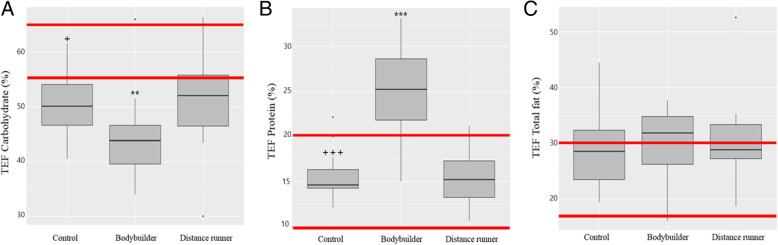
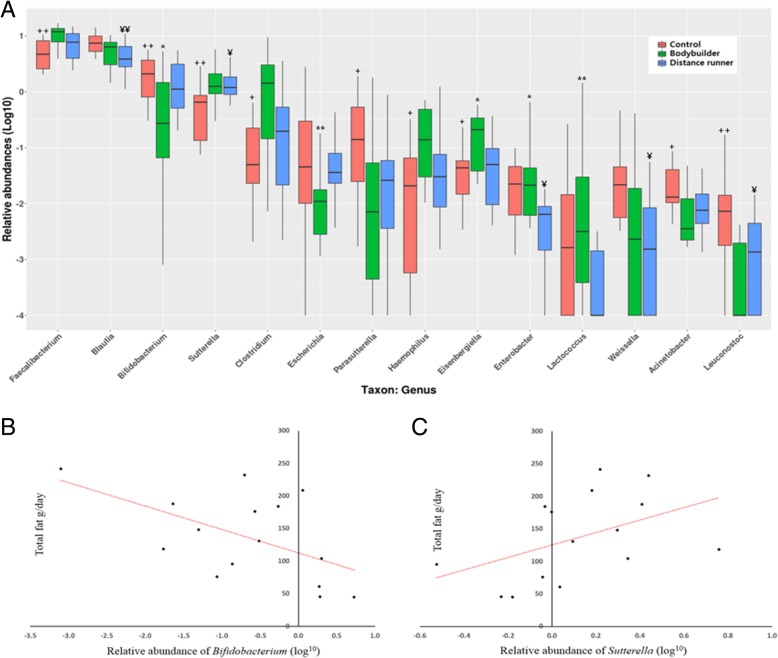
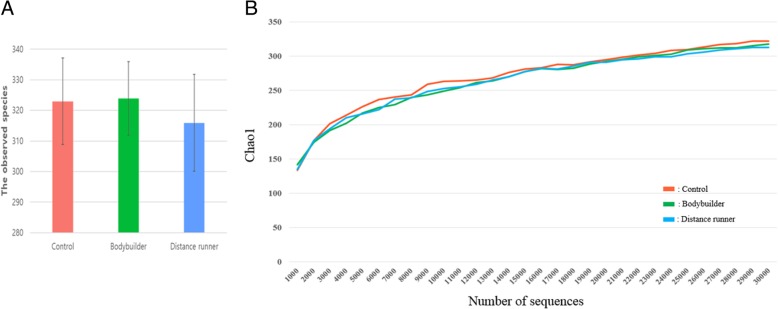
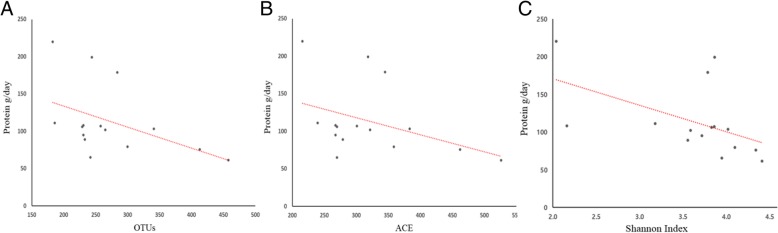
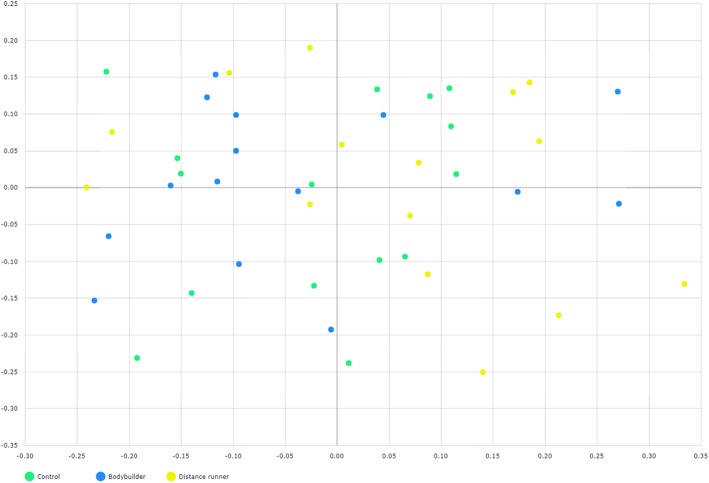
BACKGROUND: Recently, gut microbiota have been studied extensively for health promotion, disease prevention, disease treatment, and exercise performance. It is recommended that athletes avoid dietary fiber and resistant starch to promote gastric emptying and reduce gastrointestinal distress during exercise, but this diet may reduce microbial diversity and compromise the health of the athlete's gut microbiota. OBJECTIVE: This study compared fecal microbiota characteristics using high-throughput sequencing among healthy sedentary men (as controls), bodybuilders, and distance runners, as well as the relationships between microbiota characteristics, body composition, and nutritional status. METHODS: Body composition was measured using DXA, and physical activity level was assessed using IPAQ. Dietary intake was analyzed with the computerized nutritional evaluation program. The DNA of fecal samples was extracted and it was sequenced for the analysis of gut microbial diversity through bioinformatics cloud platform. RESULTS: We showed that exercise type was associated with athlete diet patterns (bodybuilders: high protein, high fat, low carbohydrate, and low dietary fiber diet; distance runners: low carbohydrate and low dietary fiber diet). However, athlete type did not differ in regard to gut microbiota alpha and beta diversity. Athlete type was significantly associated with the relative abundance of gut microbiota at the genus and species level: Faecalibacterium, Sutterella, Clostridium, Haemophilus, and Eisenbergiella were the highest (p < 0.05) in bodybuilders, while Bifidobacterium and Parasutterella were the lowest (p < 0.05). At the species level, intestinal beneficial bacteria widely used as probiotics (Bifidobacterium adolescentis group, Bifidobacterium longum group, Lactobacillus sakei group) and those producing short chain fatty acids (Blautia wexlerae, Eubacterium hallii) were the lowest in bodybuilders and the highest in controls. In addition, aerobic or resistance exercise training with an unbalanced intake of macronutrients and low intake of dietary fiber led to similar diversity of gut microbiota. Specifically, daily protein intake was negatively correlated with operation taxonomic unit (r = - 0.53, p < 0.05), ACE (r = - 0.51, p < 0.05), and Shannon index (r = - 0.64, p < 0.01) in distance runners.. CONCLUSION: Results suggest that high-protein diets may have a negative impact on gut microbiota diversity for athletes, while athletes in resistance sports that carry out the high protein low carbohydrates diet demonstrate a decrease in short chain fatty acid-producing commensal bacteria.
Overview
The claims and statistics of this paper haven’t been checked yet.
Run the check — free, no account needed. It reads the open-access text and checks the sources it cites.
Integrity signals
Registry
Cites
Statistics
Figures
Verification
Claims the paper makes
The claims and statistics of this paper haven’t been checked yet.
Run the check — free, no account needed. It reads the open-access text and checks the sources it cites.
Claims other papers make about this one
Each is checked against this paper’s own text: does it say what the citing paper says it does?
The cited source says what the claim attributes to it.
In the citing paper
“In distance runners, protein intake was negatively correlated with diversity (Shannon index R = − 0.63; P = 0.01) and in bodybuilders, fat intake was negatively correlated with Bifidobacteria (R = − 0.52; P = 0.05).”
From The athletic gut microbiota (2020) · cites this paper as [11]
The cited source says what the claim attributes to it.
In the citing paper
“The inconsistency of these results compared to Clarke et al. [19] may relate to the nutritional status of the athletes.”
From The athletic gut microbiota (2020) · cites this paper as [11]
In the citing paper
“For instance, at the genus level, Faecalibacterium, Sutterella, Clostridium, Haemophilus, and Eisenbergiella were the highest, while Bifidobacterium and Parasutterella were the lowest in bodybuilders.”
From The athletic gut microbiota (2020) · cites this paper as [11]
In the citing paper
“While athlete type did not differ regarding gut microbiota alpha and beta diversity, it was significantly associated with the relative abundance of several bacteria.”
From The athletic gut microbiota (2020) · cites this paper as [11]
In the citing paper
“Exercise type was associated with athlete diet patterns (i.e., bodybuilders: high-protein, high-fat, and low-carbohydrate/dietary fiber diet; distance runners: low-carbohydrate and low-dietary fiber diet).”
From The athletic gut microbiota (2020) · cites this paper as [11]
In the citing paper
“In distance runners, protein intake was negatively correlated with diversity (Shannon index R = − 0.63; P = 0.01) and in bodybuilders, fat intake was negatively correlated with Bifidobacteria (R = − 0.52; P = 0.05).”
From The athletic gut microbiota (2020) · cites this paper as [11]
In the citing paper
“the study by Clarke and colleagues [19] met all of the recommended dietary intake requirements, while the athletes in the investigation by Jang et al. [11] had insufficient carbohydrate and dietary fiber intake (compared to standard macronutrient distribution ranges).”
From The athletic gut microbiota (2020) · cites this paper as [11]
In the citing paper
“Jang et al. [11] reported that daily protein intake was negatively correlated with alpha diversity in distance runners.”
From The athletic gut microbiota (2020) · cites this paper as [11]
In the citing paper
“High microbial diversity could be easily affected by age, eating habits, and other factors [38].”
From Flavonoid-rich orange juice intake and altered gut microbiome in young adults with depressive symptom: a randomized controlled study (2020) · cites this paper as [38]
Self-check
Percentages, sums and reported differences re-computed from the paper’s own numbers.
The self-check needs the paper’s full text.
Citations
Cites
Basic local alignment search tool
Altschul, S. F., Gish, W., Miller, W., Myers, E. W., & Lipman, D. J. (1990) · Journal of Molecular Biology · doi:10.1006/jmbi.1990.9999 · Cited by 98,669
A Mathematical Theory of Communication
Shannon, C. E. (1948) · Bell System Technical Journal · doi:10.1002/j.1538-7305.1948.tb01338.x · Cited by 88,486
Trimmomatic: a flexible trimmer for Illumina sequence data
Bolger, A. M., Lohse, M., & Usadel, B. (2014) · Bioinformatics · doi:10.1093/bioinformatics/btu170 · Cited by 65,548
International physical activity questionnaire: 12-country reliability and validity
CRAIG, C. L., MARSHALL, A. L., SJ??STR??M, M., BAUMAN, A. E., BOOTH, M. L., AINSWORTH, B. E., PRATT, M., EKELUND, U., YNGVE, A., SALLIS, J. F., et al. (2003) · Medicine & Science in Sports & Exercise · doi:10.1249/01.mss.0000078924.61453.fb · Cited by 21,619
Search and clustering orders of magnitude faster than BLAST
Edgar, R. C. (2010) · Bioinformatics · doi:10.1093/bioinformatics/btq461 · Cited by 21,098
Schloss, P. D., Westcott, S. L., Ryabin, T., Hall, J. R., Hartmann, M., Hollister, E. B., Lesniewski, R. A., Oakley, B. B., Parks, D. H., Robinson, C. J., et al. (2009) · Applied and Environmental Microbiology · doi:10.1128/aem.01541-09 · Cited by 19,549
UCHIME improves sensitivity and speed of chimera detection
Edgar, R. C., Haas, B. J., Clemente, J. C., Quince, C., & Knight, R. (2011) · Bioinformatics · doi:10.1093/bioinformatics/btr381 · Cited by 15,114
Cd-hit: Accelerated for clustering the next-generation sequencing data
Fu, L., Niu, B., Zhu, Z., Wu, S., & Li, W. (2012) · Bioinformatics · doi:10.1093/bioinformatics/bts565 · Cited by 11,175
Diet rapidly and reproducibly alters the human gut microbiome
David, L. A., Maurice, C. F., Carmody, R. N., Gootenberg, D. B., Button, J. E., Wolfe, B. E., Ling, A. V., Devlin, A. S., Varma, Y., Fischbach, M. A., et al. (2014) · Nature · doi:10.1038/nature12820 · Cited by 10,100
Linking long-term dietary patterns with gut microbial enterotypes
Wu, G. D., Chen, J., Hoffmann, C., Bittinger, K., Chen, Y.-Y., Keilbaugh, S. A., Bewtra, M., Knights, D., Walters, W. A., Knight, R., et al. (2011) · Science · doi:10.1126/science.1208344 · Cited by 6,513
Research works printed but not linked: 3
- Barton W, 2018, Gut., 67, 625
- Hughes R, 2000, Curr Issues Intestinal Microbiol, 1, 51
- Altschul SF, 1990, J Mol Biol, 215, 403, 10.1016/S0022-2836(05)80360-2 · DOI · Paper page
Cited by
Sorted by citations
Mohr, A. E., Jäger, R., Carpenter, K. C., Kerksick, C. M., Purpura, M., Townsend, J. R., West, N. P., Black, K., Gleeson, M., Pyne, D. B., et al. (2020) · Journal of the International Society of Sports Nutrition · doi:10.1186/s12970-020-00353-w · Cited by 378
“[11] reported that daily protein intake was negatively correlated with alpha diversity in distance runners.”
BackgroundMethodInfluentialInterplay Between Exercise and Gut Microbiome in the Context of Human Health and Performance
Clauss, M., Gérard, P., Mosca, A., & Leclerc, M. (2021) · Frontiers in Nutrition · doi:10.3389/fnut.2021.637010 · Cited by 308
Microbiota from Alzheimer’s patients induce deficits in cognition and hippocampal neurogenesis
Grabrucker, S., Marizzoni, M., Silajdžić, E., Lopizzo, N., Mombelli, E., Nicolas, S., Dohm-Hansen, S., Scassellati, C., Moretti, D. V., Rosa, M., et al. (2023) · Brain · doi:10.1093/brain/awad303 · Cited by 236
Hughes, R., & Holscher, H. D. (2021) · Advances in Nutrition · doi:10.1093/advances/nmab077 · Cited by 212
Biver, E., Berenbaum, F., Valdes, A. M., de Carvalho, I. A., Bindels, L. B., Brandi, M. L., Calder, P. C., Castronovo, V., Cavalier, E., Cherubini, A., et al. (2019) · Ageing Research Reviews · doi:10.1016/j.arr.2019.100946 · Cited by 190
Strasser, B., Wolters, M., Weyh, C., Krüger, K., & Ticinesi, A. (2021) · Nutrients · doi:10.3390/nu13062045 · Cited by 192
Gut Microbiota, Probiotics and Physical Performance in Athletes and Physically Active Individuals
Marttinen, M., Ala‐Jaakkola, R., Laitila, A., & Lehtinen, M. J. (2020) · Nutrients · doi:10.3390/nu12102936 · Cited by 187
Aya, V., Flórez, A., Perez, L., & Ramírez, J. D. (2021) · PLoS ONE · doi:10.1371/journal.pone.0247039 · Cited by 165
Varghese, S., Rao, S., Khattak, A., Zamir, F., & Chaari, A. (2024) · Nutrients · doi:10.3390/nu16213663 · Cited by 152
Implications of the Gut Microbiome in Parkinson's Disease
Elfil, M., Kamel, S., Kandil, M. A., Koo, B. B., & Schaefer, S. M. (2020) · Movement Disorders · doi:10.1002/mds.28004 · Cited by 160
Physical activity induced alterations of gut microbiota in humans: a systematic review
Dziewiecka, H., Buttar, H. S., Kasperska, A., Ostapiuk–Karolczuk, J., Domagalska, M., Cichoń-Woźniak, J., & Skarpańska-Stejnborn, A. (2022) · BMC Sports Science Medicine and Rehabilitation · doi:10.1186/s13102-022-00513-2 · Cited by 155
Park, M., Choi, J., & Lee, H.-J. (2020) · Nutrients · doi:10.3390/nu12061815 · Cited by 139
Caprara, G. (2021) · Nutrients · doi:10.3390/nu13020429 · Cited by 152
The Influence of Dietary Factors on the Gut Microbiota
Nova, E., Gómez‐Martínez, S., & González-Soltero, R. (2022) · Microorganisms · doi:10.3390/microorganisms10071368 · Cited by 132
Completion of the gut microbial epi-bile acid pathway
Doden, H. L., Wolf, P. G., Gaskins, H. R., Anantharaman, K., Alves, J. M. P., & Ridlon, J. M. (2021) · Gut Microbes · doi:10.1080/19490976.2021.1907271 · Cited by 117
Kumari, M., Singh, P., Nataraj, B. H., Kokkiligadda, A., Naithani, H., Ali, S. A., Behare, P. V., & Nagpal, R. (2021) · Food Research International · doi:10.1016/j.foodres.2021.110716 · Cited by 113
Vladimirovna, G. M., Solodskikh, S. A., Panevina, A. V., Syromyatnikov, M., Dvoretskaya, Y. D., Свиридова, Т. Н., Попов, Е. С., & Popov, V. N. (2021) · Heliyon · doi:10.1016/j.heliyon.2021.e06432 · Cited by 95
Sales, K. M., & Reimer, R. A. (2022) · Journal of sport and health science/Journal of Sport and Health Science · doi:10.1016/j.jshs.2022.09.002 · Cited by 106
High animal protein diet and gut microbiota in human health
Cai, J., Chen, Z., Wu, W., Lin, Q., & Liang, Y. (2021) · Critical Reviews in Food Science and Nutrition · doi:10.1080/10408398.2021.1898336 · Cited by 102
The Potential Impact of Probiotics on the Gut Microbiome of Athletes
Wosinska, L., Cotter, P. D., O’Sullivan, Ó., & Guinane, C. M. (2019) · Nutrients · doi:10.3390/nu11102270 · Cited by 88
Gut microbiota and microbial metabolites for osteoporosis
Zheng, X.-Q., Wang, D.-B., Jiang, Y., & Song, C. (2024) · Gut Microbes · doi:10.1080/19490976.2024.2437247 · Cited by 91
Boytar, A. N., Skinner, T. L., Wallen, R. E., Jenkins, D. G., & Nitert, M. D. (2023) · Nutrients · doi:10.3390/nu15061534 · Cited by 75
Dorelli, B., Gallé, F., Vito, C. D., Duranti, G., Iachini, M., Zaccarin, M., Standoli, J. P., Ceci, R., Romano, F., Liguori, G., et al. (2021) · Nutrients · doi:10.3390/nu13061890 · Cited by 65
Gut microbiota and physical activity: Is there an evidence-based link?
Pedersini, P., Turroni, S., & Villafañe, J. H. (2020) · The Science of The Total Environment · doi:10.1016/j.scitotenv.2020.138648 · Cited by 60
Comparison of gut microbiota between adults with autism spectrum disorder and obese adults
Zhang, Q., Zou, R., Guo, M., Duan, M., Quan, L., & Zheng, H. (2021) · PeerJ · doi:10.7717/peerj.10946 · Cited by 57
Intertwined Relationship of Mitochondrial Metabolism, Gut Microbiome and Exercise Potential
Imdad, S., Lim, W., Kim, J., & Kang, C. (2022) · International Journal of Molecular Sciences · doi:10.3390/ijms23052679 · Cited by 60
Protein and Sport: Alternative Sources and Strategies for Bioactive and Sustainable Sports Nutrition
López-Martínez, M. I., Miguel, M., & Garcés‐Rimón, M. (2022) · Frontiers in Nutrition · doi:10.3389/fnut.2022.926043 · Cited by 90
Snelson, M., Clarke, R., Nguyen, T. V., Penfold, S. A., Forbes, J. M., Tan, S. M., & Coughlan, M. T. (2021) · Molecular Nutrition & Food Research · doi:10.1002/mnfr.202000851 · Cited by 58
Physical activity, sedentary behavior and microbiome: A systematic review and meta-analysis
Pérez‐Prieto, I., Plaza‐Florido, A., Ubago‐Guisado, E., Ortega, F. B., & Altmäe, S. (2024) · Journal of science and medicine in sport · doi:10.1016/j.jsams.2024.07.003 · Cited by 63
Dietary Fatty Acid Intake and the Colonic Gut Microbiota in Humans
Xu, A. A., Kennedy, L. K., Hoffman, K. L., White, D. L., Kanwal, F., El‐Serag, H. B., Petrosino, J. F., & Jiao, L. (2022) · Nutrients · doi:10.3390/nu14132722 · Cited by 55
Trophic level drives the host microbiome of soil invertebrates at a continental scale
Zhu, D., Delgado‐Baquerizo, M., Ding, J., Gillings, M. R., & Zhu, Y. (2021) · Microbiome · doi:10.1186/s40168-021-01144-4 · Cited by 50
Cella, V., Bimonte, V. M., Sabato, C., Paoli, A., Baldari, C., Campanella, M., Lenzi, A., Ferretti, E., & Migliaccio, S. (2021) · Foods · doi:10.3390/foods10123075 · Cited by 49
Ezzat‐Zadeh, Z., Henning, S. M., Yang, J., Woo, S., Lee, R., Huang, J., Thames, G., Gilbuena, I., Tseng, C., Heber, D., et al. (2020) · Nutrition Research · doi:10.1016/j.nutres.2020.12.006 · Cited by 44
Aya, V., Jiménez, P., Muñoz, E., & Ramírez, J. D. (2023) · BMC Geriatrics · doi:10.1186/s12877-023-04066-y · Cited by 48
Bifidobacterium adolescentis – a beneficial microbe
Leser, T. D., & Baker, A. (2017) · Beneficial Microbes · doi:10.1163/18762891-20230030 · Cited by 53
Dietary restrictions in endurance runners to mitigate exercise-induced gastrointestinal symptoms
Parnell, J. A., Wagner–Jones, K., Madden, R. F., & Erdman, K. A. (2020) · Journal of the International Society of Sports Nutrition · doi:10.1186/s12970-020-00361-w · Cited by 42
Pereira, T. D. M. C., Côco, L. Z., Ton, A. M. M., Meyrelles, S. S., Campos‐Toimil, M., Campagnaro, B. P., & Vasquez, E. C. (2021) · Antioxidants · doi:10.3390/antiox10111845 · Cited by 47
Park, J.-M., Shin, Y., Kim, S., Jin, M., & Choi, J. J. (2020) · Journal of Medicinal Food · doi:10.1089/jmf.2020.4700 · Cited by 41
Self-citationHan, J., Rajoka, M. S. R., Xu, X., Liao, N., Pang, B., Yan, L., Liu, G., Sun, H., Jiang, C., Shao, D., et al. (2022) · Environmental Pollution · doi:10.1016/j.envpol.2022.119062 · Cited by 42
Chen, O., Sudakaran, S., Blonquist, T., Mah, E., Durkee, S., & Bellamine, A. (2021) · Nutrition · doi:10.1016/j.nut.2021.111273 · Cited by 40
Zhang, Y., Cao, M., Li, Y., Chen, X.-X., Yu, Q., & Rui, Y. (2022) · Journal of Translational Medicine · doi:10.1186/s12967-022-03700-4 · Cited by 40
The human gut microbiota is associated with host lifestyle: a comprehensive narrative review
Zeng, Q., Feng, X., Hu, Y., & Su, S. (2025) · Frontiers in Microbiology · doi:10.3389/fmicb.2025.1549160 · Cited by 51
Dietary Patterns, Gut Microbiota and Sports Performance in Athletes: A Narrative Review
Chen, Y., Yang, K., Xu, M., Zhang, Y., Weng, X., Luo, J., Li, Y., & Mao, Y.-H. (2024) · Nutrients · doi:10.3390/nu16111634 · Cited by 46
Smarkusz-Zarzecka, J., Ostrowska, L., Leszczyńska, J., Orywal, K., Cwalina, U., & Pogodziński, D. (2020) · Nutrients · doi:10.3390/nu12123758 · Cited by 36
Morella, I., Negro, M., Dossena, M., Brambilla, R., & D’Antona, G. (2023) · Neuropharmacology · doi:10.1016/j.neuropharm.2023.109718 · Cited by 36
Mohr, A. E., Mach, N., Pugh, J. N., Grosicki, G. J., Allen, J. M., Karl, J. P., & Whisner, C. M. (2025) · FEMS Microbiology Reviews · doi:10.1093/femsre/fuaf037 · Cited by 37
Saha, B., Rithi, A. T., Adhikary, S., Banerjee, A., Radhakrishnan, A., Duttaroy, A. K., & Pathak, S. (2024) · Nutrition and Cancer · doi:10.1080/01635581.2024.2367266 · Cited by 39
The Effect of Athletes’ Probiotic Intake May Depend on Protein and Dietary Fiber Intake
Son, J., Jang, L.-G., Kim, B., Lee, S., & Park, H. (2020) · Nutrients · doi:10.3390/nu12102947 · Cited by 37
Self-citationBrooks, C. N., Wight, M. E., Azeez, O. E., Bleich, R. M., & Zwetsloot, K. A. (2023) · Frontiers in Sports and Active Living · doi:10.3389/fspor.2023.1168731 · Cited by 35
Dietary Strategies to Improve Exercise Performance by Modulating the Gut Microbiota
Zhang, L., Li, H., Song, Z., Liu, Y., & Zhang, X. (2024) · Foods · doi:10.3390/foods13111680 · Cited by 34
Fibre: The Forgotten Carbohydrate in Sports Nutrition Recommendations
Mancin, L., Burke, L. M., & Rollo, I. (2025) · Sports Medicine · doi:10.1007/s40279-024-02167-1 · Cited by 38
Chen, Z., Sun, Y., Chen, L., Zhang, Y., Wang, J., Li, H., Yan, X., Xia, L., & Yao, G. (2022) · Frontiers in Microbiology · doi:10.3389/fmicb.2022.988984 · Cited by 30
Ghaffar, T., Ubaldi, F., Volpini, V., Valeriani, F., & Spica, V. R. (2024) · Sports · doi:10.3390/sports12080221 · Cited by 31
Xu, Y., Zhong, F., Zheng, X., Lai, H., Wu, C., & Huang, C. X. (2022) · Frontiers in Nutrition · doi:10.3389/fnut.2022.843076 · Cited by 33
Boisseau, N., Barnich, N., & Koechlin‐Ramonatxo, C. (2022) · Nutrients · doi:10.3390/nu14050924 · Cited by 32
Sugimura, Y., Kanda, A., Sawada, K., Wai, K. M., Tanabu, A., Ozato, N., Midorikawa, T., Hisada, T., Nakaji, S., & Ihara, K. (2022) · International Journal of Environmental Research and Public Health · doi:10.3390/ijerph19127464 · Cited by 28
Impact of Probiotics on the Performance of Endurance Athletes: A Systematic Review
Díaz-Jiménez, J., Sánchez-Sánchez, E., Ordóñez, F. J., Rosety, I., Díaz, A. J., Rosety-Rodríguez, M., Rosety, M. Á., & Brenes, F. (2021) · International Journal of Environmental Research and Public Health · doi:10.3390/ijerph182111576 · Cited by 24
Öneş, E., Zavotçu, M., Nisan, N., Baş, M., & Sağlam, D. (2025) · Nutrients · doi:10.3390/nu17030512 · Cited by 23
Liu, J., Qiao, B., Deng, N., Wu, Y., Li, D., & Tan, Z. (2023) · 3 Biotech · doi:10.1007/s13205-023-03491-5 · Cited by 23
Akazawa, N., Nakamura, M., Eda, N., Murakami, H., Nakagata, T., Nanri, H., Park, J., Hosomi, K., Mizuguchi, K., Kunisawa, J., et al. (2023) · Frontiers in Sports and Active Living · doi:10.3389/fspor.2023.1219345 · Cited by 24
Optimizing the Gut Microbiota for Individualized Performance Development in Elite Athletes
Nolte, S., Krüger, K., Lenz, C., & Zentgraf, K. (2023) · Biology · doi:10.3390/biology12121491 · Cited by 28
Humińska‐Lisowska, K., Zielińska, K., Mieszkowski, J., Michałowska‐Sawczyn, M., Cięszczyk, P., Łabaj, P. P., Wasąg, B., Frączek, B., Grzywacz, A., Kochanowicz, A., et al. (2024) · PLoS ONE · doi:10.1371/journal.pone.0297858 · Cited by 23
Relandscaping the Gut Microbiota with a Whole Food: Dose–Response Effects to Common Bean
Lutsiv, T., McGinley, J. N., Neil, E. S., Weir, T. L., Foster, M. T., & Thompson, H. J. (2022) · Foods · doi:10.3390/foods11081153 · Cited by 24
Tcherni‐Buzzeo, M. (2022) · Aggressive Behavior · doi:10.1002/ab.22050 · Cited by 22
Zhou, K., Peng, M., Deng, N., Tan, Z., & Xiao, N. (2022) · BMC Microbiology · doi:10.1186/s12866-022-02647-2 · Cited by 21
Implications of the Gut Microbiome in Sports
Miranda-Comas, G., Petering, R. C., Zaman, N., & Chang, R. G. (2022) · Sports Health A Multidisciplinary Approach · doi:10.1177/19417381211060006 · Cited by 24
The Gut and Skin Microbiome and Its Association with Aging Clocks
Min, M., Egli, C., & Sivamani, R. K. (2024) · International Journal of Molecular Sciences · doi:10.3390/ijms25137471 · Cited by 22
Dong, W., Wang, Y., Liao, S., Tang, W., Li, P., & Song, G. (2021) · Frontiers in Psychology · doi:10.3389/fpsyg.2020.570298 · Cited by 19
Potential Applications of Blautia wexlerae in the Regulation of Host Metabolism
Rui, W., Li, X., Wang, L., Tang, X., & Yang, J. (2024) · Probiotics and Antimicrobial Proteins · doi:10.1007/s12602-024-10274-8 · Cited by 21
Does the Intestinal Microbiome Impact Athletic Performance?
Crowson, M. M., & McClave, S. A. (2020) · Current Gastroenterology Reports · doi:10.1007/s11894-020-00790-2 · Cited by 18
The relationship between the gut microbiome and resistance training: a rapid review
Wagner, A., Kapounková, K., & Struhár, I. (2024) · BMC Sports Science Medicine and Rehabilitation · doi:10.1186/s13102-023-00791-4 · Cited by 17
Singh, A., Verma, A., Ashraf, S., Sheikh, D. S., Irfan, H., Riaz, R., Venjhraj, F., Meghwar, S., Kumar, R., Tariq, M. D., et al. (2025) · Annals of Medicine and Surgery · doi:10.1097/ms9.0000000000003656 · Cited by 18
Dietary Patterns in Runners with Gastrointestinal Disorders
Erdman, K. A., Jones, K. W., Madden, R. F., Gammack, N., & Parnell, J. A. (2021) · Nutrients · doi:10.3390/nu13020448 · Cited by 21
Houttu, V., Boulund, U., Nicolaou, M., Holleboom, A. G., Grefhorst, A., Galenkamp, H., van den Born, B. H., Zwinderman, A. H., & Nieuwdorp, M. (2021) · Metabolites · doi:10.3390/metabo11120858 · Cited by 18
Wosinska, L., Walsh, C. J., O’Connor, P. M., Lawton, E. M., Cotter, P. D., Guinane, C. M., & O’Sullivan, Ó. (2022) · Microorganisms · doi:10.3390/microorganisms10040701 · Cited by 16
Mańkowska, K., Marchelek‐Myśliwiec, M., Kochan, P., Kosik-Bogacka, D. I., Konopka, T., Grygorcewicz, B., Roszkowska, P., Cecerska‐Heryć, E., Siennicka, A., Konopka, J., et al. (2022) · Archives of Microbiology · doi:10.1007/s00203-022-03111-5 · Cited by 16
Ren, X., Sun, Y., Guo, Q.-F., Liu, H., Jiang, H., He, X., Li, X., Shi, X., Xiu, Z., & Dong, Y. (2022) · Journal of Agricultural and Food Chemistry · doi:10.1021/acs.jafc.2c04970 · Cited by 17
Álvarez‐Herms, J., González-Benito, A., Corbi, F., & Odriozola, A. (2023) · European Journal of Applied Physiology · doi:10.1007/s00421-023-05331-z · Cited by 16
A Bibliometric Analysis on the Research Trend of Exercise and the Gut Microbiome
Deng, R., Wang, M., Song, Y., & Shi, Y. (2023) · Microorganisms · doi:10.3390/microorganisms11040903 · Cited by 21
Morishima, S., Oda, N., Ikeda, H., Segawa, T., Oda, M., Tsukahara, T., Kawase, Y., Takagi, T., Naito, Y., Fujibayashi, M., et al. (2021) · Microorganisms · doi:10.3390/microorganisms9081687 · Cited by 15
Smarkusz-Zarzecka, J., Ostrowska, L., Leszczyńska, J., & Cwalina, U. (2022) · International Journal of Environmental Research and Public Health · doi:10.3390/ijerph19159363 · Cited by 17
Microbiome-based precision nutrition: Prebiotics, probiotics and postbiotics
Odriozola, A., González, A., Odriozola, I., Álvarez‐Herms, J., & Corbi, F. (2024) · Advances in genetics · doi:10.1016/bs.adgen.2024.04.001 · Cited by 18
Leng, J., Möller‐Levet, C. S., Mansergh, R. I., O’Flaherty, R., Cooke, R., Sells, P. D., Pinkham, C., Pynn, O., Smith, C., Wise, Z., et al. (2024) · Scientific Reports · doi:10.1038/s41598-024-64657-6 · Cited by 14
Mao, X., Paerhati, G., Wu, Y., & Cheng, L. (2025) · Frontiers in Pharmacology · doi:10.3389/fphar.2024.1499142 · Cited by 14
Karolkiewicz, J., Nieman, D. C., Cisoń, T., Szurkowska, J., Gałęcka, M., Sitkowski, D., & Szyguła, Z. (2022) · BMC Sports Science Medicine and Rehabilitation · doi:10.1186/s13102-022-00497-z · Cited by 13
Mi, N., Ma, L., Li, X., Fu, J., Bu, X., Liu, F., Yang, F., Zhang, Y., & Yao, L. (2023) · Open Medicine · doi:10.1515/med-2023-0849 · Cited by 13
Gut microbiota and physical activity level: characterization from sedentary to soccer players
Petri, C., Mascherini, G., Izzicupo, P., Rosati, D., Cerboneschi, M., Smeazzetto, S., & Suarez-Arrones, L. J. (2024) · Biology of Sport · doi:10.5114/biolsport.2024.134759 · Cited by 13
CONSORT-Characteristics and metabolic phenotype of gut microbiota in NAFLD patients
Ge, H., Wei, W., Tang, L., Tian, Y., Zhu, Y. K., Luo, Y., & Liu, S. (2022) · Medicine · doi:10.1097/md.0000000000029347 · Cited by 13
Swarup, S., Gupta, A., Chung, M., Radhakrishnan, V., Davis, V., Lynch, M. D. J., Charles, T. C., Cheng, J., & Mendoza, G. (2025) · BMC Complementary Medicine and Therapies · doi:10.1186/s12906-025-04783-4 · Cited by 12
Yin, H., Huang, J., & Hu, M. (2022) · Journal of Nippon Medical School · doi:10.1272/jnms.jnms.2022_89-307 · Cited by 11
Chen, P., Guo, J., Wang, W., Feng, A., Qin, L., Hu, Y., Lyu, N., & Wang, H. (2024) · Frontiers in Cellular and Infection Microbiology · doi:10.3389/fcimb.2024.1412035 · Cited by 12
Uchida, M., Park, J., Fujie, S. J., Hosomi, K., Horii, N., Watanabe, K., Sanada, K., Shinohara, Y., Mizuguchi, K., Kunisawa, J., et al. (2024) · Physiological Reports · doi:10.14814/phy2.16100 · Cited by 13
Mastrolonardo, F., Costantini, A., Polo, A., Verni, M., Lemos, W. J. F., Tlais, A. Z. A., Nikoloudaki, O., Granehäll, L., Gobbetti, M., Pontonio, E., et al. (2024) · Future Foods · doi:10.1016/j.fufo.2024.100498 · Cited by 13
Kumar, S., Raj, V. S., Ahmad, A., & Saini, V. (2022) · Gut Pathogens · doi:10.1186/s13099-022-00513-0 · Cited by 11
Byerley, L. O., Gallivan, K. M., Christopher, C. J., Taylor, C. M., Luo, M., Dowd, S. E., Davis, G. M., Castro, H. F., Campagna, S. R., & Ondrak, K. S. (2022) · Nutrients · doi:10.3390/nu14030533 · Cited by 12
Next-generation sequencing of the athletic gut microbiota: a systematic review
Sabater, C., Iglesias‐Gutiérrez, E., Ruíz, L., & Margollés, A. (2023) · Microbiome Research Reports · doi:10.20517/mrr.2022.16 · Cited by 10
Yuan, X., Liu, J., Nie, C., Ma, Q., Wang, C., Liu, H., Chen, Z., Zhang, M., & Li, J. (2024) · Journal of Agricultural and Food Chemistry · doi:10.1021/acs.jafc.3c09395 · Cited by 10
Lerma, L. L., Aibar‐Almazán, A., Martínez‐Amat, A., Benomar, N., Abriouel, H., & Hita‐Contreras, F. (2023) · Beneficial Microbes · doi:10.1163/18762891-20230031 · Cited by 10
Bertuccioli, A., Zonzini, G. B., Cazzaniga, M., Cardinali, M., Pierro, F. D., Gregoretti, A., Zerbinati, N., Guasti, L., Matera, M. R., Cavecchia, I., et al. (2024) · Microorganisms · doi:10.3390/microorganisms12040804 · Cited by 11
Microbiome and physical activity
Álvarez‐Herms, J., & Odriozola, A. (2024) · Advances in genetics · doi:10.1016/bs.adgen.2024.01.002 · Cited by 12
Metadata
- Authors
- Jang, L.-G., Choi, G., Kim, S.-W., Kim, B.-Y., Lee, S., & Park, H.
- Affiliations
- Kyung Hee University (KR)
- ChunLab, Inc. Seocho-gu Seoul Republic of Korea
- Ildong (South Korea) (KR)
- Corresponding author
- Park, Hyon
- Venue
- Journal of the International Society of Sports Nutrition
- Publisher
- Informa UK Limited
- Published
- 2019-01-15
- Volume
- 16
- Issue
- 1
- Pages
- 21-21
- ISSN
- 1550-2783 (ISSN-L)
- PMC
- PMC6500072
- OpenAlex
- W2947024351
- Cited by
- 224
- References
- 59
- Citations by year
- 2026: 19 · 2025: 26 · 2024: 47 · 2023: 32 · 2022: 44 · 2021: 38 · 2020: 14 · 2019: 3
- FWCI
- 8.27
- Type
- journal article
- Language
- en
- Open access
- gold
- doi.org
- Licence
- Locations
- Journal of the International Society of Sports Nutrition (publishedVersion, cc-by)
- PubMed Central (publishedVersion, cc-by)
- PubMed (publishedVersion)
- DOAJ (DOAJ: Directory of Open Access Journals) (submittedVersion, cc-by-sa)
- Funders
- National Research Foundation of Kore (NRF-2016S1A5A2A01023587)
- Topics
- Life Sciences › Biochemistry, Genetics and Molecular Biology › Molecular Biology › Gut microbiota and health
- Life Sciences › Agricultural and Biological Sciences › Food Science › Probiotics and Fermented Foods
- Health Sciences › Medicine › Gastroenterology › Gastrointestinal motility and disorders
- Keywords
- gut microbiota, sports nutrition, bodybuilders, long-distance runners, high-protein diet, dietary fiber, gut microbiota diversity, short-chain fatty acids, Bifidobacterium, Faecalibacterium, Clostridium, exercise type, body composition, macronutrient intake, probiotics, sedentary men, Shannon diversity index, physical activity level, nutritional status
- MeSH terms
- Gastrointestinal Microbiome, Adult, Bacteria, Body Composition, Diet, Dietary Fiber, Dietary Proteins, Fatty Acids, Volatile, Humans, Male, Sports, Case-Control Studies, Young Adult, Sports Nutritional Physiological Phenomena
About these checks
Registry, retraction, Cites and statistics results are computed, not judged, with one exception: a printed reference that no index lists is read once by a model before it counts as a citation error. Claims are extracted by a model and kept only when their quote appears verbatim in the text; each cited source is then checked, with a model’s help, for whether it says what the claim relies on. Those verdicts can be wrong — read the claim’s quote and the cited source before relying on one.
Statistics and arithmetic are recomputed, not judged.
Confidence bands are shown only for fields calibrated on our annotated test set. None is calibrated yet, so no band is shown.
What counts as a claim ›How we measure confidence ›How we check this ›
Are you an author, or do you see a problem with this page? Request a review
