

Activation of P2X7 receptor and NLRP3 inflammasome assembly in hippocampal glial cells mediates chronic stress-induced depressive-like behaviors
Open accessThe DOI matches its Crossref record; 99 of the 100 references it cites were found in a registry or an index.
Abstract
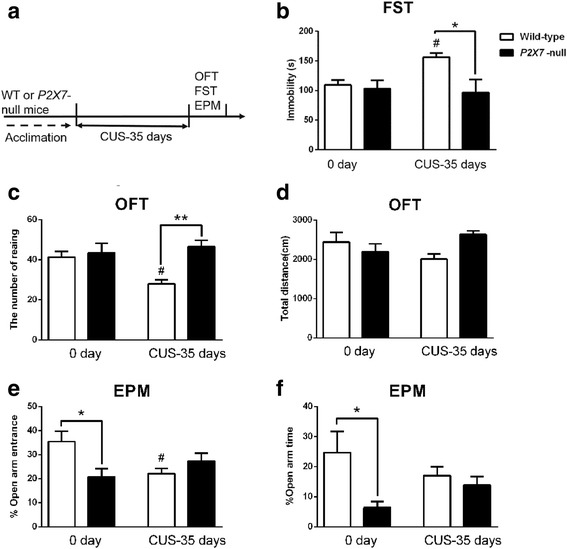
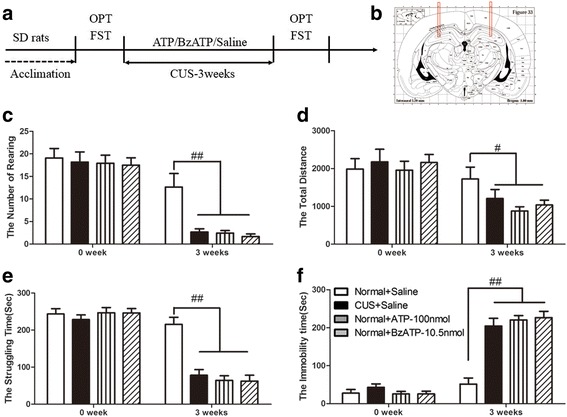
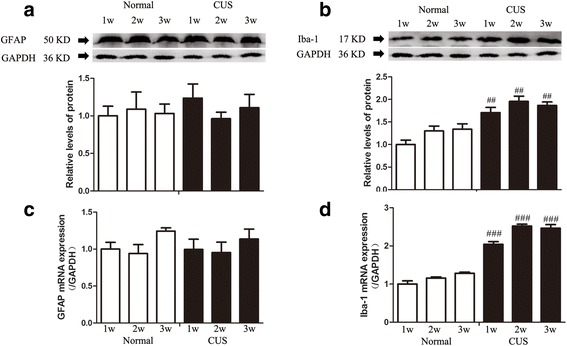
BACKGROUND: In recent years, proinflammatory cytokine interleukin-1β (IL-1β) was considered to play a critical role in the pathogenesis of depression. In addition, P2X7 receptor (P2X7R), a member of the purinergic receptor family, which is predominantly present on microglia, as well as on astrocytes and neurons in lesser amounts in the central nervous system, was suggested to be involved in the processing and releasing of IL-1β. Here, we investigated the role of P2X7R in the pathogenesis of depression. METHODS: Male Sprague-Dawley rats were subjected to chronic unpredictable stressors (CUS) for 3 weeks. At the end of week 1, 2, and 3, extracellular ATP, caspase 1, IL-1β, and components and activation of NLRP3 inflammasome (nucleotide-binding, leucine-rich repeat, pyrin domain containing 3) were evaluated as biomarker of neuroinflammation. In separate experiments, the rats were microinjected with P2X7R agonists ATP, BzATP, and saline into the hippocampus, respectively, or exposed to CUS combined with hippocampal microinjection with P2X7R antagonist, BBG and A438079, and saline, respectively, for 3 weeks, followed by exposed to forced swimming test and open-field test. Moreover, we also evaluated the depressive and anxiety-like behavior of P2X7-null mice in forced swimming test, open-field test, and elevated plus maze. RESULTS: Along with stress accumulation, extracellular ATP, cleaved-caspase 1, IL-1β, and ASC were significantly enhanced in the hippocampus, but P2X7R and NLRP3 were not. Immunoprecipitation assay indicated that along with the accumulation of stress, assembly of NLRP3 inflammasome and cleaved caspase 1 in NLRP3 inflammasome were significantly increased. Moreover, antagonists of P2X7R, either BBG or A438079, prevented the development of depressive-like behaviors induced by chronic unpredictable stress in rats. Meanwhile, we could not observe any depressive-like or anxiety-like behaviors of P2X7-null mice after they had been exposed to CUS. The results implied that P2X7 knockout could impede the development of depressive-like and anxiety-like behaviors induced by CUS. In contrast, chronic administration of agonists of P2X7R, either ATP or BzATP, could induce depressive-like behaviors. CONCLUSIONS: The activation of P2X7R and subsequent NLRP3 inflammasome in hippocampal microglial cells could mediate depressive-like behaviors, which suggests a new therapeutic target for the prevention and treatment of depression.
Overview
The claims and statistics of this paper haven’t been checked yet.
Free: it reads the open-access text and checks the first 5 claims that cite a source we can check. Create a free account to check every claim.
Integrity signals
Registry
Cites
Statistics
Figures
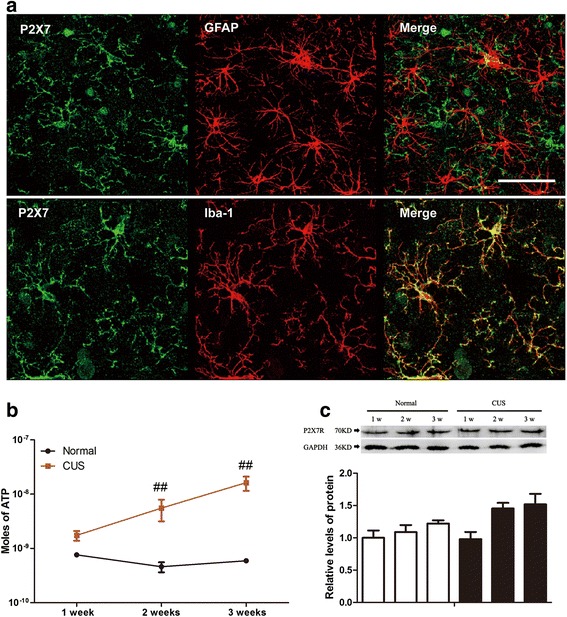
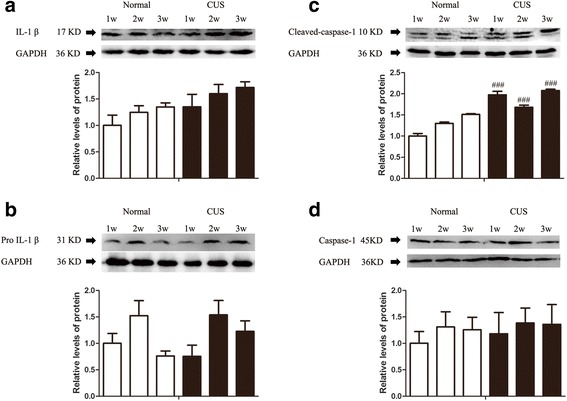
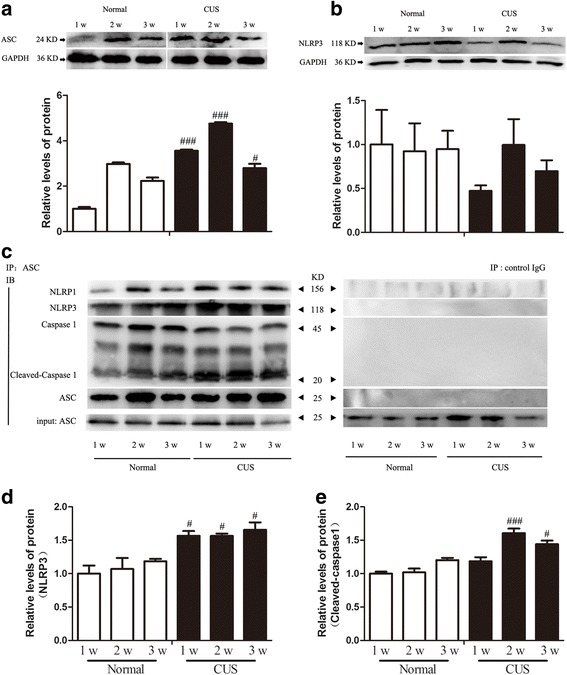
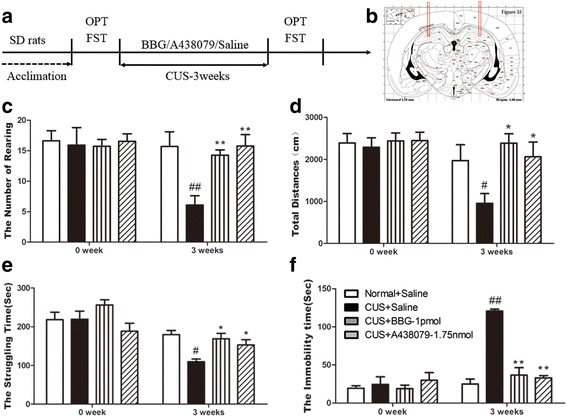
Verification
Claims the paper makes
The claims and statistics of this paper haven’t been checked yet.
Free: it reads the open-access text and checks the first 5 claims that cite a source we can check. Create a free account to check every claim.
Claims other papers make about this one
Each is checked against this paper’s own text: does it say what the citing paper says it does?
The source backs part of the claim, not all of it — or backs it for a different population, condition or comparison.
In the citing paper
“Despite being detected in glial and neuronal cells [49,50,51,52,53,54], the activity of the P2X7R was not always investigated and used antibodies lack specificity [49,55,56,57].”
From P2X7 Receptor Signaling in Stress and Depression (2019) · cites this paper as [53]
Experimental — accuracy not yet measuredThe source backs part of the claim, not all of it — or backs it for a different population, condition or comparison.
In the citing paper
“In studies using immunohistochemistry, no alterations in hippocampal P2X7R levels were detected in animals exposed to chronic unpredictable stress (CUS) [53].”
From P2X7 Receptor Signaling in Stress and Depression (2019) · cites this paper as [53]
Experimental — accuracy not yet measuredThe cited source says what the claim attributes to it.
In the citing paper
“Depressive-like symptoms are exacerbated by activation of P2X 7 R in glial cells. 94”
From Major depressive disorder: hypothesis, mechanism, prevention and treatment (2024) · cites this paper as [94]
The cited source says what the claim attributes to it.
In the citing paper
“This proposal is further substantiated in a study where CUS increased ATP levels and promoted activation of the hippocampal NLRP3 inflammasomal pathway [53]”
From P2X7 Receptor Signaling in Stress and Depression (2019) · cites this paper as [53]
In the citing paper
“It can therefore be hypothesized that stress may trigger excessive ATP release, followed by activation of P2X7R signaling in the hippocampus. This may subsequently impair mechanisms involved in behavioral adaptation to chronic aversive situations, and facilitate the development of depressive-like behaviors.”
From P2X7 Receptor Signaling in Stress and Depression (2019) · cites this paper as [53]
3 more claims about this paper
Create a free account to see every claim other papers make about this one.
Self-check
Percentages, sums and reported differences re-computed from the paper’s own numbers.
The self-check needs the paper’s full text.
Citations
Cites
Schroder, K., & Tschopp, J. (2010) · Cell · doi:10.1016/j.cell.2010.01.040 · Cited by 5,475
ATP mediates rapid microglial response to local brain injury in vivo
Davalos, D., Grutzendler, J., Yang, G., Kim, J. V., Zuo, Y., Jung, S., Littman, D. R., Dustin, M. L., & Gan, W.-B. (2005) · Nature Neuroscience · doi:10.1038/nn1472 · Cited by 3,913 · cited 1×
“As they said, the neuron [66] and astrocyte [67] could be the source of eATP.”
BackgroundInflammation and Its Discontents: The Role of Cytokines in the Pathophysiology of Major Depression
Miller, A. H., Maletic, V., & Raison, C. L. (2009) · Biological Psychiatry · doi:10.1016/j.biopsych.2008.11.029 · Cited by 3,848
Molecular Physiology of P2X Receptors
North, R. A. (2002) · Physiological Reviews · doi:10.1152/physrev.00015.2002 · Cited by 2,919 · cited 1×
“As they said, the neuron [66] and astrocyte [67] could be the source of eATP.”
BackgroundNLRP3 is activated in Alzheimer’s disease and contributes to pathology in APP/PS1 mice
Heneka, M. T., Kummer, M. P., Stutz, A., Delekate, A., Schwartz, S., Vieira-Saecker, A., Griep, A., Axt, D., Remus, A., Tzeng, T.-C., et al. (2013) · Nature · doi:10.1038/nature11729 · Cited by 2,898
Activation and regulation of the inflammasomes
Latz, E., Xiao, T. S., & Stutz, A. (2013) · Nature Reviews Immunology · doi:10.1038/nri3452 · Cited by 2,884 · cited 1×
“In addition, extracellular ATP-induced P2X7R activation could directly mediate K+ efflux which has been proposed to account for NLRP3 activation [93, 94].”
BackgroundWillner, P. (1997) · Psychopharmacology · doi:10.1007/s002130050456 · Cited by 1,832
The Inflammasome NLRs in Immunity, Inflammation, and Associated Diseases
Davis, B. K., Wen, H., & Ting, J. P.-Y. (2011) · Annual Review of Immunology · doi:10.1146/annurev-immunol-031210-101405 · Cited by 1,618 · cited 1×
“The multiprotein complex named the inflammasome cleaves pro-caspase-1 to mature caspase-1, which subsequently causes the maturation of pro-IL-1β [31, 32].”
BackgroundWillner, P. (2005) · Neuropsychobiology · doi:10.1159/000087097 · Cited by 1,605
Interleukin-1 stimulates the secretion of hypothalamic corticotropin-releasing factor
Sapolsky, R., Rivier, C., Yamamoto, G., Plotsky, P., & Vale, W. (1987) · Science · doi:10.1126/science.2821621 · Cited by 1,504
Cited by
Items 201–300 of 331
Effects of Various Cleaning Agents on the Performance of Mice in Behavioral Assays of Anxiety
Hershey, J. D., Gifford, J. J., Zizza, L. J., Pavlenko, D., Wagner, G. C., & Miller, S. (2018) · Journal of the American Association for Laboratory Animal Science · doi:10.30802/aalas-jaalas-17-000161 · Cited by 16
Bissacotti, B. F., da Silveira, M. V., Assmann, C. E., Copetti, P. M., dos Santos, A. F., Fagan, S. B., da Rocha, J. A. P., Schetinger, M. R. C., Morsch, V. M., Bottari, N. B., et al. (2025) · Pharmaceuticals · doi:10.3390/ph18070950 · Cited by 16
“P2X7 receptor activation can induce and activate the NLRP3 inflammasome [16,73–75].”
Yang, W., Ma, L., Xu, S., Zheng, P., Du, J., Wu, J. H., Yu, J., & Sun, T. (2022) · International Journal of Developmental Neuroscience · doi:10.1002/jdn.10237 · Cited by 13
Self-citationLi, Y., Zhang, Y., Lin, D., Fu, X., & Jing, C. (2024) · Brain Behavior and Immunity · doi:10.1016/j.bbi.2024.12.023 · Cited by 12
Self-citationWang, W., Yang, T., Liu, N., Yang, L., Liu, C., Qi, X., Wang, N., Wang, M., & Wang, Y. (2025) · Psychopharmacology · doi:10.1007/s00213-025-06763-5 · Cited by 15
“The activation of NLRP3 inflammasome in hippo - campal microglial cells could mediate the development of depressive-like and anxiety-like behaviors (Yue et al. 2017).”
Self-citationLi, J., Zeng, Q.-C., Su, W., Song, M., Xie, M., & Mao, L. (2021) · CNS Neuroscience & Therapeutics · doi:10.1111/cns.13727 · Cited by 12
Li, J., Hu, T., Jiang, C., & Wang, W. (2022) · Behavioural Pharmacology · doi:10.1097/fbp.0000000000000677 · Cited by 12
Qi, C., Yan, Y., Cao, Q., Zou, L., Li, S., Yang, Q., Deng, Q., Wu, B., & Song, B. (2024) · Environmental Science and Pollution Research · doi:10.1007/s11356-024-31905-1 · Cited by 11
“With the accumulation of stimuli, the extrahippocampal secretion of eATP, NLRP3 and IL-1β significantly increases, which can effectively hinder the development of stress-induced depression-like and anxiety-like behaviors after inhibition of the ATP receptor P2X7 (Yue et al. 2017).”
CD73: Friend or Foe in Lung Injury
Hu, X.-M., Shi, N.-R., Zhang, J.-Z., Zuo, Y.-Q., Wang, X., Zhao, Y.-F., & Wu, J. (2023) · International Journal of Molecular Sciences · doi:10.3390/ijms24065545 · Cited by 12
“Introduction In recent years, the enzyme 5′-nucleotidase (CD73) has become a “star molecule” in the study of immunology and tumor biology, as it controls the balance between ATP, ADP, AMP, and adenosine release in the extracellular space, modulating downstream inflammatory signaling transduction such as NLRP3 inflamma…”
BackgroundCheng, C., Ma, J., Lu, X., Zhang, P., Wang, X., Guo, L., Li, P., Wei, Y., Li, G., Gao, X., et al. (2023) · Neurobiology of Disease · doi:10.1016/j.nbd.2023.106176 · Cited by 11
Self-citationLi, H., Zhu, Y., Liu, P., Song, S., Zhang, X., Liu, C., Hu, M., Zhang, Y., Wang, C., & Hu, Y. (2026) · Neurobiology of Disease · doi:10.1016/j.nbd.2026.107278 · Cited by 12
Self-citationLan, T., Bai, M., Chen, X., Wang, Y., Li, Y., Tian, Y., He, Y., Wu, Z., Yu, H., Chen, Z., et al. (2020) · Life Sciences · doi:10.1016/j.lfs.2020.118501 · Cited by 10
Self-citationMiyata, S., Ishino, Y., Shimizu, S., & Tohyama, M. (2022) · Frontiers in Aging Neuroscience · doi:10.3389/fnagi.2022.934346 · Cited by 10
P2X7 receptor: a potential target for treating comorbid anxiety and depression
Liu, J. H., Liu, T.-T., Mou, L., Zhang, Y., Chen, X., Wang, Q., Deng, B.-L., & Liu, J. (2024) · Purinergic Signalling · doi:10.1007/s11302-024-10007-0 · Cited by 12
“Therefore, the P2X7/ NLRP3 axis may be a potential therapeutic target for stress-induced psychiatric disorders [28].”
Self-citationEmerging roles of the P2X7 receptor in cancer pain
Wu, P., Wang, Y., Liu, Y., Liu, Y., Zhou, G., Wu, X., & Wen, Q. (2022) · Purinergic Signalling · doi:10.1007/s11302-022-09902-1 · Cited by 10
“, including diabetes [25], Crohn’s disease [26], depression [27], chronic pain [28], chronic neurodegenerative diseases [29], and various cancers, including breast cancer, stomach cancer, and bone metastasis [30].”
BackgroundSelf-citationAltered N-linked glycosylation in depression: A pre-clinical study
Yang, Y., Li, Y., Wang, W.-D., Shen, H., Yuan, T., Hu, J., & Peng, D. (2024) · Journal of Affective Disorders · doi:10.1016/j.jad.2024.05.118 · Cited by 9
The P2X7 receptor in depression: Novel insights and therapeutic implications
Zhong, Y.-T., Pi, C., Zuo, Y., Wei, Y., Li, W., Jiang, Y.-Q., Tao, L., Zheng, W.-W., Jiang, J., Yang, Y., et al. (2025) · Neurobiology of Disease · doi:10.1016/j.nbd.2025.107011 · Cited by 11
Ren, X.-Y., Rubini, P., Engel, T., Tang, Y., & Illés, P. (2025) · Pharmacological Research · doi:10.1016/j.phrs.2025.107989 · Cited by 11
McColgan, L., McNaugher, G. A., Church, M., Murray, E. K., Kelly, C., Coyle, S., & McGilligan, V. (2026) · Psychiatry Research · doi:10.1016/j.psychres.2026.117003 · Cited by 11
P2X7 Receptor in Alcoholic Steatohepatitis and Alcoholic Liver Fibrosis
Xia, G., Fang, Q., Cai, J.-N., Li, Z.-X., Zhang, F.-Z., & Lv, X. (2022) · Journal of Clinical and Translational Hepatology · doi:10.14218/jcth.2022.00022 · Cited by 11
“[62] Yue N, Huang H, Zhu X, Han Q, Wang Y, Li B, et al.”
BackgroundZhang, J., Yin, S.-Y., Shen, Z.-Q., Li, B., Zhang, Y., & Yu, J. M. (2023) · Brain Research Bulletin · doi:10.1016/j.brainresbull.2023.02.015 · Cited by 11
“Our research group has previously confirmed that eATP, as a proinflammatory danger signal, can induce NLRP3 inflammasome assembly through P2X7R on microglia and mediate the development of depression (Yue et al., 2017).”
BackgroundResultSelf-citationZhao, H., Yin, Y., Lin, T., Wang, W., & Gong, L. (2023) · Experimental Eye Research · doi:10.1016/j.exer.2023.109486 · Cited by 10
P2X7 receptor inhibition alleviates mania-like behavior independently of interleukin-1β
Gölöncsér, F., Baranyi, M., Tod, P., Maácz, F., & Sperlágh, B. (2024) · iScience · doi:10.1016/j.isci.2024.109284 · Cited by 10
Glitches in the brain: the dangerous relationship between radiotherapy and brain fog
Marino, N., Bedeschi, M., Vaccari, M. E., Cambiaghi, M., & Tesei, A. (2024) · Frontiers in Cellular Neuroscience · doi:10.3389/fncel.2024.1328361 · Cited by 10
Zhang, Z., Hou, Z., Han, M., Guo, P., Chen, K., Qin, J., Tang, Y., & Yang, F. (2024) · Molecular Neurobiology · doi:10.1007/s12035-024-04087-7 · Cited by 10
“It has been shown that the NLRP3 inflammatory pathway is activated in NP and thus involved in the development of NP and that this pathway is directly related to P2 × 7R [13, 45].”
BackgroundPharmacological mechanism of natural antidepressants: The role of mitochondrial quality control
Lv, S., Zhang, G., Lu, Y., Zhong, X., Huang, Y., Ma, Y., Yan, W., Teng, J., & Wei, S. (2024) · Phytomedicine · doi:10.1016/j.phymed.2024.155669 · Cited by 10
Targeting inflammasome complexes as a novel therapeutic strategy for mood disorders
de Miranda, A. S., Toscano, E. C. D. B., O’Connor, J. C., & Teixeira, A. L. (2024) · Expert Opinion on Therapeutic Targets · doi:10.1080/14728222.2024.2366872 · Cited by 10
“However, further studies are needed to determine the relationship between ATP-induced NLRP3 inflammasome activation and behavioral responses to P2X7R inhibition under chronic stress conditions [75].”
BackgroundInfluentialSun, X., Zhang, T., Zhao, Y. H., Zhu, H., & Cai, E. (2020) · Journal of Functional Foods · doi:10.1016/j.jff.2020.103799 · Cited by 10
Contribution of P2X purinergic receptor in cerebral ischemia injury
Zhang, W., Hu, D.-X., Lin, S., Fang, X.-Q., & Ye, Z. (2022) · Brain Research Bulletin · doi:10.1016/j.brainresbull.2022.09.009 · Cited by 9
Mehra, A., Khanna, J., Singh, G., Sachdeva, V., & Bedi, N. (2025) · Current Behavioral Neuroscience Reports · doi:10.1007/s40473-025-00308-y · Cited by 10
“Activation of P2X7 receptors in glial cells is linked to emergence of depression-like symptoms [82].”
Microglia in the pathogenesis of depression, insomnia and their comorbidity
Liu, F., Guo, D., Gao, T., Diao, M., & Han, Y. (2023) · Brain Behavior and Immunity Integrative · doi:10.1016/j.bbii.2023.100030 · Cited by 11
Leite-Aguiar, R., Cristina‐Rodrigues, F., Ciarlini-Magalhães, R., Dantas, D. P., Alves, V. S., Gavino-Leopoldino, D., Neris, R. L. S., Schmitz, F., Silveira, J. S., Kurtenbach, E., et al. (2024) · Brain Behavior and Immunity · doi:10.1016/j.bbi.2024.02.035 · Cited by 9
Zhang, J., Xie, D., Jiao, D., Zhou, S. Y., Liu, S., Ju, Z., Hu, L., Li, Q., Yao, C., & Chen, Z. (2024) · Heliyon · doi:10.1016/j.heliyon.2024.e32688 · Cited by 19
“A β is known to cause synaptic dysfunction and neuronal damage, and P2X7R is triggered by ATP produced from dying neurons and attracts Pannexin-1 channels, which enable NLRP3 agonists to enter the cell [68,69].”
BackgroundAstrocytes: Unveiling their role in the molecular mechanism of natural antidepressants
Lv, S., Shang, R., Zhong, X., Lu, Y., Gao, H., Zhang, G., Kong, L., Yi, Y., Huang, Y., Ma, Y., et al. (2025) · Journal of Pharmaceutical Analysis · doi:10.1016/j.jpha.2025.101370 · Cited by 9
“On the other hand, ATP released from astrocytes during acute restraint stress binds to the P2X7 receptor on microglia, activating the NLRP3 inflammasome and contributing to depression [69].”
Zhao, F., Zhang, X., Liu, T., Sun, J., Li, X., Zhang, W., & Tian, X. (2025) · Cellular Signalling · doi:10.1016/j.cellsig.2025.112070 · Cited by 7
Scrutinizing the Therapeutic Promise of Purinergic Receptors Targeting Depression
Sikka, P., Behl, T., Chandel, P., Sehgal, A., Singh, S., Makeen, H. A., Albratty, M., Alhazmi, H. A., & Meraya, A. M. (2022) · Neurotoxicity Research · doi:10.1007/s12640-022-00550-2 · Cited by 8
Zou, L., Xu, S., Wang, C., Wu, P., Xu, C., & Shi, H. (2023) · Translational Stroke Research · doi:10.1007/s12975-023-01217-6 · Cited by 7
“Some studies have confirmed that P2X7R is associated with microglia activation [40].”
Acupressure bladder meridian alleviates anxiety disorder via HMGB1
Lu, P., Zhang, Q., Yin, Z., Guo, G., Zhang, S., Yao, C., He, P., Qin, Y., & Fang, M. (2023) · International Immunopharmacology · doi:10.1016/j.intimp.2023.111415 · Cited by 9
Cannabinoid type 2 receptors play a crucial role in social defeat-induced depression
Chen, X., Yu, R., Chen, J., Wang, J., Huang, H., Li, H., Wu, G.-C., Han, Q.-Q., & Yu, J. M. (2024) · Journal of Affective Disorders · doi:10.1016/j.jad.2023.12.089 · Cited by 8
Self-citationSerotonergic neurons in the treatment of mood disorders: The dialogue with astrocytes
Charvériat, M., & Guiard, B. P. (2021) · Progress in brain research · doi:10.1016/bs.pbr.2021.01.006 · Cited by 8
Xiu, C., He, J.-L., Liu, X.-T., Zhao, N., Geng, F., Zhu, M., Liu, G., & Ren, Q. (2022) · Neurobiology of Stress · doi:10.1016/j.ynstr.2022.100486 · Cited by 8
Zubkov, E. A., Riabova, O., Zorkina, Y., Egorova, A., Ushakova, V. M., Lepioshkin, A., Novoselova, E. G., Abramova, O. V., Morozova, A. Y., Chekhonin, V. P., et al. (2024) · ACS Chemical Neuroscience · doi:10.1021/acschemneuro.3c00590 · Cited by 7
Towers, A. E., & Freund, G. G. (2019) · Current Opinion in Behavioral Sciences · doi:10.1016/j.cobeha.2019.01.014 · Cited by 8
“Given the importance of the SAM axis to inflammasome regulation, it is not surprising that chronic stress is tied to inflammasome activation [45].”
BackgroundEarly maternal separation accelerates the progression of endometriosis in adult mice
Long, Q., Liu, X., & Guo, S. (2020) · Reproductive Biology and Endocrinology · doi:10.1186/s12958-020-00600-4 · Cited by 8
Ahire, C. G., & Kaur, G. (2025) · Brain Behavior & Immunity - Health · doi:10.1016/j.bbih.2025.101037 · Cited by 9
“…shown to cause microglial activation, release of pro-inflammatory cytokines, assembly of NLRP3 (Nucleotide-binding oligomerization domain-like receptor family pyrin domain-containing 3) inflammasome, and subsequent neuro-inflammation representative of the neurophysiology in ASD (Yue et al., 2017).”
Zhu, Q., Song, Y., Qian, Y., Zhang, R., Xue, J., & Hou, Y. (2025) · Ageing and Neurodegenerative Diseases · doi:10.20517/and.2025.25 · Cited by 10
Zhang, G., Shang, R., Zhong, X., Lv, S., Yi, Y., Lu, Y., Xu, Z., Wang, Y., & Teng, J. (2025) · Phytomedicine · doi:10.1016/j.phymed.2025.156394 · Cited by 7
Self-citationA role of inflammasomes in the pathogenesis of neurological and mental diseases
Пирожков, С. В., Terebilina, N. N., & Litvitskiy, P. F. (2018) · S S Korsakov Journal of Neurology and Psychiatry · doi:10.17116/jnevro201811812181 · Cited by 7
Huang, M., Chen, F., Zhou, L., Zhang, Q., Wang, L., Li, L., Yang, L., Gao, M., Li, L., Wang, Y., et al. (2025) · Frontiers in Pharmacology · doi:10.3389/fphar.2025.1569888 · Cited by 10
Self-citationKristóf, Z., Szabó, D., Sperlágh, B., Török, D., & Gonda, X. (2025) · International Journal of Molecular Sciences · doi:10.3390/ijms26104687 · Cited by 6
Lv, S., Kong, L., Zhong, X., Shang, R., Lu, Y., Zhang, G., Gao, H., Hou, X., Li, G., & Yu, X. (2025) · Frontiers in Immunology · doi:10.3389/fimmu.2025.1642001 · Cited by 6
Tong, G., Chen, Y., & Liang, Y. (2024) · Guidelines and Standards of Chinese Medicine · doi:10.1097/gscm.0000000000000031 · Cited by 6
Xia, W., Xu, Y., Gong, Y., Cheng, X., Tian-gui, Y., & Yu, G. (2022) · Oxidative Medicine and Cellular Longevity · doi:10.1155/2022/2049371 · Cited by 5
RetractedChen, C., Yu, R., Xue, Z., Yan, Z., Bian, Q., Hou, Y., Chen, Y., Liu, Y., & Chen, J. (2020) · Journal of Traditional Chinese Medical Sciences · doi:10.1016/j.jtcms.2020.08.001 · Cited by 5
P2X7 receptors: central drivers of the neurocardiac link between atrial fibrillation and depression?
Saljic, A., & Heijman, J. (2024) · EP Europace · doi:10.1093/europace/euae023 · Cited by 5
“13 Similar to the LPS model, Ye et al .”
MethodZhou, Y., Ye, T., Yu, F., Song, Z., Wang, L., Zhang, C., Yang, B., Yang, J., & Wang, X. (2025) · Biochemical and Biophysical Research Communications · doi:10.1016/j.bbrc.2025.151340 · Cited by 4
von Mücke-Heim, I.-A., Oldekamp, J., Metzger, M. W., Kläffgen, S., Tang, H., Walser, S. M., Dedic, N., Rammes, G., Holsboer, F., Wurst, W., et al. (2025) · Purinergic Signalling · doi:10.1007/s11302-025-10074-x · Cited by 6
“Another study using 3 weeks of chronic unpredictable stress (CUS) showed increased immobility in WT mice while the immobility time remained unaffected in KO mice [80].”
InfluentialCong, G., Ao, D., Mei, X., Zhao, R., Guo, R., Ke, X., Ma, Z., Gu, L., & Zheng, H. (2026) · International Immunopharmacology · doi:10.1016/j.intimp.2026.116237 · Cited by 5
Purinergic signaling in Stroke and Multiple Sclerosis: Prospects for therapies
Cisneros-Mejorado, A., Colom-Casasnovas, A., Pérez‐Samartín, A., & Matute, C. (2025) · Neuropharmacology · doi:10.1016/j.neuropharm.2025.110783 · Cited by 3
Zhang, Y., Wu, S., Tang, W., Yang, C., Yin, Y., He, J., & Tao, X. (2025) · Journal of Integrative Neuroscience · doi:10.31083/jin40005 · Cited by 3
Self-citationYe, L., Peng, L., Tian, J., & Ma, H. (2026) · Frontiers in Neuroscience · doi:10.3389/fnins.2026.1698851 · Cited by 4
Palmer, J. A., Klein, M., Wang, D., Schmidt, M. E., Mazzucco, C., Ionescu, D. F., Miller, S., Li, Q. S., Khan, A., Arora, A., et al. (2026) · Biological Psychiatry Global Open Science · doi:10.1016/j.bpsgos.2026.100725 · Cited by 4
Danger or Salvation? The Role of DAMPs in Cancer Therapy
Vedunova, A. A., Guryev, E. L., Gudkov, S. V., Mishchenko, T. A., & Vedunova, M. V. (2026) · Cancers · doi:10.3390/cancers18091442 · Cited by 3
“Initial activation of P2X7 results in alterations in intracellular ionic homeostasis, including calcium (Ca 2+ ) influx and potassium (K + ) efflux, thereby triggering a cascade of downstream events leading to inflammasome activation [61,62] (Figure 3).”
P2X7‐Receptor Pathway Involvement in the Anti‐Inflammatory Activity of Medicinal Plants
Ortíz, S., Šavikin, K., Massicot, F., Olivier, E., Dutot, M., Rat, P., Deguin, B., Gođevac, D. M., Menkovic, N. R., Živković, J., et al. (2023) · Chemistry & Biodiversity · doi:10.1002/cbdv.202300427 · Cited by 3
Fan, X., Wang, J., Ma, Y., Chai, D., Han, S., Xiao, C., Huang, Y., Wang, X., Wang, J., Wang, S., et al. (2024) · Biology · doi:10.3390/biology13080620 · Cited by 3
“Studies have shown that the P2X7R is involved in stress-induced depression and other phenotypes [22–24].”
BackgroundStress and Microglia: A Double-edged Relationship
Delpech, J.-C., Valdearcos, M., & Nadjar, A. (2024) · Advances in neurobiology · doi:10.1007/978-3-031-55529-9_18 · Cited by 5
The Role of Long Non-Coding RNA in Anxiety Disorders: A Literature Review
López-Rocha, L. D., Ruíz-Hernández, A., Martínez-Coronilla, G., Leija-Montoya, A. G., Peña-Peña, M., Sánchez‐Muñoz, F., Campoy, U. R., & González-Ramírez, J. (2025) · International Journal of Molecular Sciences · doi:10.3390/ijms26115042 · Cited by 5
“…pro-inflammatory state activates NLR family pyrin domain containing 3 (NLRP3) inflammatory vesicles, after which NRLP3 assembles caspase-1 activation complexes, also known as NLRP3 inflammasomes, to cut the precursor of interleukin 1B (IL-1B) and release the active form of this cytokine [76,77].”
Jiang, P. H., Wang, C., Jia, F., Wu, H., Hao, H., & Jing, S. (2025) · Frontiers in Pharmacology · doi:10.3389/fphar.2025.1585545 · Cited by 7
Huang, L., Liu, C., Liang, Y., Huang, W.-J., Zhang, S., Xu, Q., & Qiu, K. (2025) · Combinatorial Chemistry & High Throughput Screening · doi:10.2174/0113862073387437250803043736 · Cited by 3
“At the end of the 8th week, behavioral tests were conducted to assess the degree of DEP in each group [53].”
Nishioka, Y., Hayashi, K., Morito, K., Takayama, K., & Nagasawa, K. (2024) · Biological and Pharmaceutical Bulletin · doi:10.1248/bpb.b24-00236 · Cited by 4
Editorial: Neuroimmune cell signaling in COVID-19
Saleki, K., Mojtahedi, Z., Ulrichs, T., Mahdavi, M., & Azadmehr, A. (2024) · Frontiers in Immunology · doi:10.3389/fimmu.2024.1429908 · Cited by 3
Purinergic P2X Receptors as Therapeutic Targets
Stokes, L., Bidula, S. M., & Sluyter, R. (2024) · Springer eBooks · doi:10.1007/978-3-031-52197-3_13 · Cited by 2
Li, X., Xu, Z., Ju, P., Dong, M., Wang, Y., Chen, J., Jiang, K., & Sheng, J. (2026) · Phytomedicine · doi:10.1016/j.phymed.2026.157934 · Cited by 2
Self-citationHe, X.-M., Zhang, Y., Chen, C.-Y., Tang, Y.-L. H., & Li, X. (2026) · Purinergic Signalling · doi:10.1007/s11302-026-10150-w · Cited by 3
“Pharmacological or genetic inhibition of P2X7R has been proven effective in alleviating depressive-like behaviors across various rodent models [19–21], underscoring its importance as a potential drug target.”
Self-citationWu, X., Guo, C., Wang, S., Gong, T., Yao, J., Hu, L., Deng, Z., Tang, L., Xie, P., Zhang, Z., et al. (2025) · Chemical Biology & Drug Design · doi:10.1111/cbdd.70048 · Cited by 2
Guanine-Based Purines as an Innovative Target to Treat Major Depressive Disorder
Almeida, R. F., Ferreira, T. P., David, C. V. C., Silva, P. C. A. E., dos Santos, S. A., Rodrigues, A. L. S., & Elisabetsky, E. (2021) · Frontiers in Pharmacology · doi:10.3389/fphar.2021.652130 · Cited by 3
“In fact, the pharmacological inhibition or genetic manipulation of P2X7 has been suggested as a strategy for treating MDD (Iwata et al., 2016; Yue et al., 2017; Farooq et al., 2018; Aricioglu et al., 2019).”
BackgroundMetabolic Modulation of the Immune-Neuro Axis: Insights into Psychoneuroimmunology
Leite, J. A., Vieira, R. D. S., da Silva, J. V. H., Gonçalves, L. E. D., & Câmara, N. O. S. (2024) · Integrated science · doi:10.1007/978-3-031-73061-0_6 · Cited by 2
Purinergic–cytokine signaling as a regulatory axis in neuroimmune development
Silva, J. B., Viero, F. T., Higa, G. S. V., Turrini, N., Marques, L. B., Carlos, G. O., Silva, A. B. S., Kihara, A. H., Takada, S. H., Britto, L. R., et al. (2026) · Neuropharmacology · doi:10.1016/j.neuropharm.2026.111087 · Cited by 1
The critical role of microglia in the stress response
Chen, K., Xuan, Z.-Y., Sun, B.-Y., Zhong, G.-N., Sun, X.-L., & Yan, J. (2026) · Neuroscience & Biobehavioral Reviews · doi:10.1016/j.neubiorev.2026.106894 · Cited by 1
Wang, H., Chen, L., Xing, J., Shi, X., & Xu, C. (2024) · Biology of the Cell · doi:10.1111/boc.202400021 · Cited by 1
Thakurdesai, P. A., Shivsingwale, G. V., & Aswar, U. M. (2024) · Biomedical & Pharmacology Journal · doi:10.13005/bpj/3018 · Cited by 1
Connexin 43 hemichannel-mediated ATP release in depression: recent advances and mechanistic insights
Wang, Y.-C., Chen, N., & Wang, Z. (2025) · Life Sciences · doi:10.1016/j.lfs.2025.124047 · Cited by 1
Self-citationUnlocking the P2X7 Pathway: A Therapeutic Target in Alzheimer’s Disease
Gupta, S., & Aran, K. R. (2024) · Neurophysiology · doi:10.1007/s11062-026-09995-z · Cited by 1
Li, G., Li, L., Wang, Z., Piao, Y., Song, Y., Li, L., Xu, C., Li, X., & Yan, G. (2026) · Immunity Inflammation and Disease · doi:10.1002/iid3.70331 · Cited by 3
BAI attenuates depression by inhibiting P2X7R and NOX2: Insights from a pharmacological animal study
Thawkar, B. S., Sawant, N. S., & Yadav, H. (2026) · Neuroscience Letters · doi:10.1016/j.neulet.2026.138649 · Cited by 1
Seo, Y. (2026) · International Journal of Molecular Sciences · doi:10.3390/ijms27136084 · Cited by 1
“Chronic stress, tissue damage, metabolic strain, and impaired clearance can increase extracellular ATP [86–89].”
Global trends of purinergic receptors and depression: A bibliometric analysis from 2003 to 2023
Chen, W., Peng, C., Shen, X., Li, H., Chen, W., Chen, W., Yan, C., & Huang, B. (2025) · World Journal of Psychiatry · doi:10.5498/wjp.v15.i2.102344 · Cited by 1
Ivanović, J., Aranđelović, J., Jezdić, K., Divović, B., Jančić, I., Batinić, B., Sharmin, D., Mondal, P., Cook, J. M., & Savić, M. M. (2025) · Pharmacology Biochemistry and Behavior · doi:10.1016/j.pbb.2025.174032 · Cited by 1
Xue, Y., Zhu, Q., Zhang, J., & Wang, X. (2025) · Purinergic Signalling · doi:10.1007/s11302-025-10100-y · Cited by 1
“…rats in Control group, CAP group and EA group received subdural injection of 0.25 ml 5% dimethyl sulfoxide (D2650, Sigma-Aldrich, Germany), while rats in EA + BzATP group received subdural injection of 0.25 ml BzATP (10.5 nmol [19], BCP32054, BioChemPartner, China) in 5% dimethyl sulfoxide [20].”
InfluentialPro-inflammatory Cytokines and the Depressive Phenotype
Arıcıoğlu, F., Özkartal, C. Ş., & Leonard, B. E. (2021) · Springer eBooks · doi:10.1007/978-3-030-71229-7_6 · Cited by 1
Papel dos receptores purinérgicos em modelo animal de doença de Parkinson
Oliveira‐Giacomelli, Á. (2018) · Digital Library of Theses and Dissertations (Universidade de São Paulo) · doi:10.11606/t.46.2018.tde-26112018-074709 · Cited by 3
Zhong, Q., Huang, Y., Zhang, B., Li, T., Peng, F., Chang, J., chen, C., & Zhang, Z. (2021) · Research Square · doi:10.21203/rs.3.rs-663805/v1 · Cited by 1
“But consistently with some previous studies [35], our results exhibited that P2X7R is predominantly localized to microglia throughout the CNS after CCI establishment, but not localized to astrocytes.”
ResultShah, S., Kondapalli, K., Rasheed, N. W., & Chu, X. (2023) · Frontiers in Neuroscience · doi:10.3389/fnins.2023.1293174 · Cited by 1
Escós, J. M. O. (1995) · Carta tributaria. Monografías · Cited by 1
Formularity and Formal Structure in the Old Beneventan Chant
Bereza, S. (2011) · OhioLink ETD Center (Ohio Library and Information Network)
Roncalho, A. L. (2022) · Digital Library of Theses and Dissertations (Universidade de São Paulo) · doi:10.11606/t.17.2022.tde-12072022-152441 · Cited by 1
Serna-Rodríguez, M. F., Bernal‐Vega, S., de la Barquera, J. A. O.-S., Camacho‐Morales, A., & Pérez‐Maya, A. A. (2022) · SSRN Electronic Journal · doi:10.2139/ssrn.4175654
Behavior-inhibition effects of hippocampal dentate gyrus overactivation after single ethanol vapor
Wang, X., Li, J., Gong, W., & Xie, W. (2022) · Stress and Brain · doi:10.26599/sab.2022.9060018
Purinergic Signaling in Depression
Ribeiro, D. E., Kaster, M. P., Ulrich, H., Lisboa, S. F. D. S., & Joca, S. R. L. (2023) · Springer eBooks · doi:10.1007/978-3-031-26945-5_7
Simões, J. L. B., Eichler, S. W., Siqueira, M. L. R., Braga, G. D. C., & Bagatini, M. D. (2024) · Brain Sciences · doi:10.3390/brainsci14020180
“Notably, the P2X7 receptor is the second signal for activating the NLRP3 inflammasome and secretion of IL-1, a cytokine closely related to synaptic loss and depressive behavior following inflammatory and chronic stress conditions [47–49].”
Background
Metadata
- Authors
- Yue, N., Huang, H., Zhu, X., Han, Q., Wang, Y., Li, B., Liu, Q., Wu, G., Zhang, Y., & Yu, J.
- Affiliations
- Shanghai Medical College of Fudan University (CN)
- Corresponding author
- Yu, Jin
- Venue
- Journal of Neuroinflammation
- Published
- 2017-05-10
- Volume
- 14
- Issue
- 1
- Pages
- 102-102
- ISSN
- 1742-2094 (ISSN-L)
- PMC
- PMC5424302
- OpenAlex
- W2613289334
- Cited by
- 334
- References
- 100
- Citations by year
- 2026: 27 · 2025: 40 · 2024: 47 · 2023: 36 · 2022: 51 · 2021: 38 · 2020: 33 · 2019: 19 · 2018: 30 · 2017: 11
- FWCI
- 8.45
- Type
- journal article
- Language
- en
- Open access
- gold
- doi.org
- Licence
- cc-by
- Locations
- Journal of Neuroinflammation (publishedVersion, cc-by)
- PubMed Central (publishedVersion, cc-by)
- PubMed (publishedVersion)
- DOAJ (DOAJ: Directory of Open Access Journals) (submittedVersion, cc-by-sa)
- Funders
- National Natural Science Foundation of China (81473437, 81271500)
- Topics
- Life Sciences › Neuroscience › Biological Psychiatry › Tryptophan and brain disorders
- Life Sciences › Biochemistry, Genetics and Molecular Biology › Physiology › Adenosine and Purinergic Signaling
- Life Sciences › Neuroscience › Behavioral Neuroscience › Stress Responses and Cortisol
- Keywords
- P2X7 receptor, NLRP3 inflammasome, chronic unpredictable mild stress, depression, neuroinflammation, IL-1β, caspase-1, extracellular ATP, microglia, astrocytes, P2X7 receptor antagonists, anxiety-like behavior, purinergic signaling
- MeSH terms
- Adenosine Triphosphate, Animals, Depression, Disease Models, Animal, Exploratory Behavior, Food Deprivation, Hot Temperature, Hippocampus, Male, Nerve Tissue Proteins, Neuroglia, Pyridines, Stress, Psychological, Swimming, Tetrazoles, Water Deprivation, Rats, Sprague-Dawley, Rats, Rats, Transgenic, Receptors, Purinergic P2X7, Purinergic P2X Receptor Antagonists
About these checks
Registry, retraction, Cites and statistics results are computed, not judged, with one exception: a printed reference that no index lists is read once by a model before it counts as a citation error. Claims are extracted by a model and kept only when their quote appears verbatim in the text; each cited source is then checked, with a model’s help, for whether it says what the claim relies on. Those verdicts can be wrong — read the claim’s quote and the cited source before relying on one.
Statistics and arithmetic are recomputed, not judged.
Confidence bands are shown only for fields calibrated on our annotated test set. None is calibrated yet, so no band is shown.
What counts as a claim ›How we measure confidence ›How we check this ›
Are you an author, or do you see a problem with this page? Request a review
Data sources
Bibliographic data: Semantic Scholar, OpenAlex, Crossref.
Contains information from the Semantic Scholar Academic Graph Datasets, made available under the ODC Attribution License (ODC-BY 1.0).
Semantic Scholar’s data is described in: Kinney, R., et al. (2023). The Semantic Scholar Open Data Platform. arXiv:2301.10140.
