

Activation of P2X7 receptor and NLRP3 inflammasome assembly in hippocampal glial cells mediates chronic stress-induced depressive-like behaviors
Open accessThe DOI matches its Crossref record; 99 of the 100 references it cites were found in a registry or an index.
Abstract
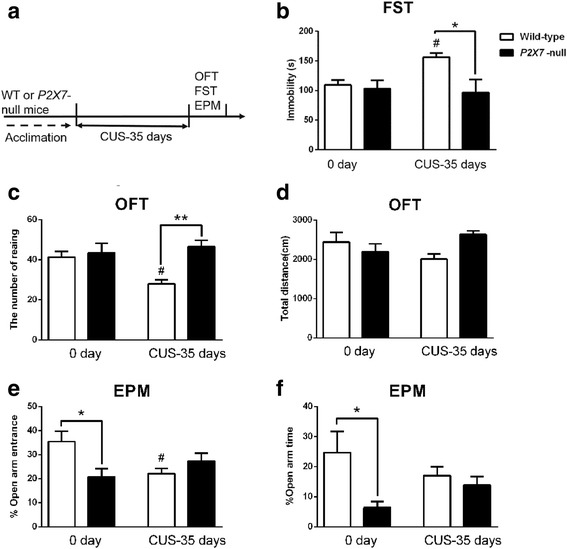
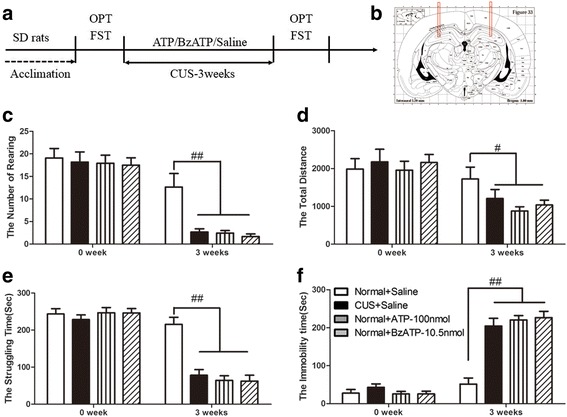
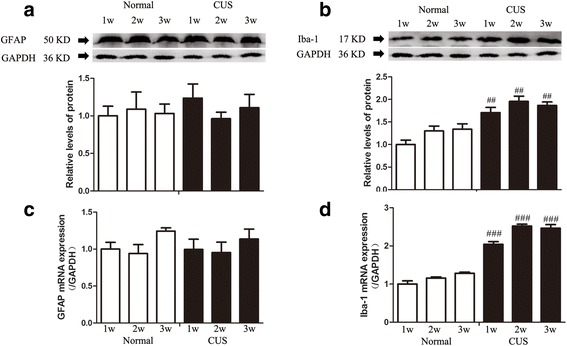
BACKGROUND: In recent years, proinflammatory cytokine interleukin-1β (IL-1β) was considered to play a critical role in the pathogenesis of depression. In addition, P2X7 receptor (P2X7R), a member of the purinergic receptor family, which is predominantly present on microglia, as well as on astrocytes and neurons in lesser amounts in the central nervous system, was suggested to be involved in the processing and releasing of IL-1β. Here, we investigated the role of P2X7R in the pathogenesis of depression. METHODS: Male Sprague-Dawley rats were subjected to chronic unpredictable stressors (CUS) for 3 weeks. At the end of week 1, 2, and 3, extracellular ATP, caspase 1, IL-1β, and components and activation of NLRP3 inflammasome (nucleotide-binding, leucine-rich repeat, pyrin domain containing 3) were evaluated as biomarker of neuroinflammation. In separate experiments, the rats were microinjected with P2X7R agonists ATP, BzATP, and saline into the hippocampus, respectively, or exposed to CUS combined with hippocampal microinjection with P2X7R antagonist, BBG and A438079, and saline, respectively, for 3 weeks, followed by exposed to forced swimming test and open-field test. Moreover, we also evaluated the depressive and anxiety-like behavior of P2X7-null mice in forced swimming test, open-field test, and elevated plus maze. RESULTS: Along with stress accumulation, extracellular ATP, cleaved-caspase 1, IL-1β, and ASC were significantly enhanced in the hippocampus, but P2X7R and NLRP3 were not. Immunoprecipitation assay indicated that along with the accumulation of stress, assembly of NLRP3 inflammasome and cleaved caspase 1 in NLRP3 inflammasome were significantly increased. Moreover, antagonists of P2X7R, either BBG or A438079, prevented the development of depressive-like behaviors induced by chronic unpredictable stress in rats. Meanwhile, we could not observe any depressive-like or anxiety-like behaviors of P2X7-null mice after they had been exposed to CUS. The results implied that P2X7 knockout could impede the development of depressive-like and anxiety-like behaviors induced by CUS. In contrast, chronic administration of agonists of P2X7R, either ATP or BzATP, could induce depressive-like behaviors. CONCLUSIONS: The activation of P2X7R and subsequent NLRP3 inflammasome in hippocampal microglial cells could mediate depressive-like behaviors, which suggests a new therapeutic target for the prevention and treatment of depression.
Overview
The claims and statistics of this paper haven’t been checked yet.
Free: it reads the open-access text and checks the first 5 claims that cite a source we can check. Create a free account to check every claim.
Integrity signals
Registry
Cites
Statistics
Figures
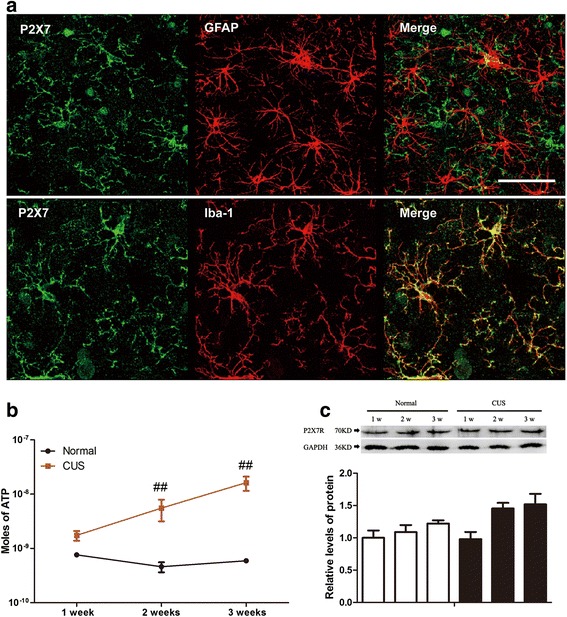
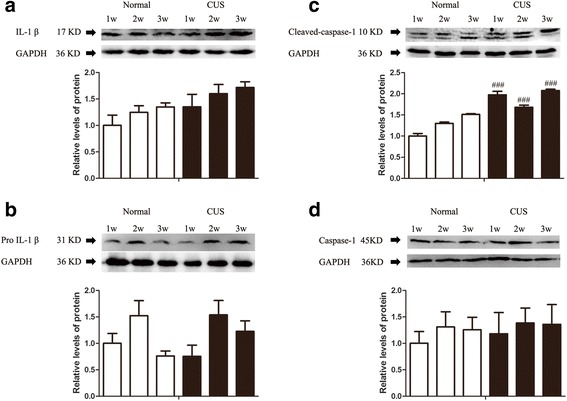
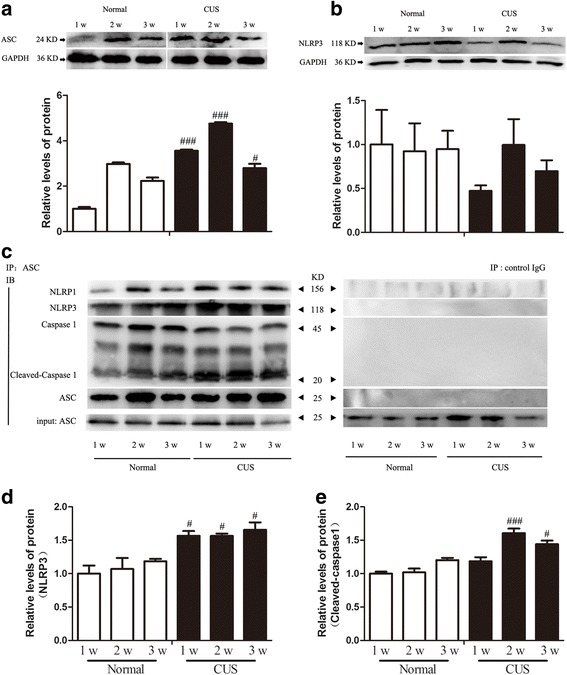
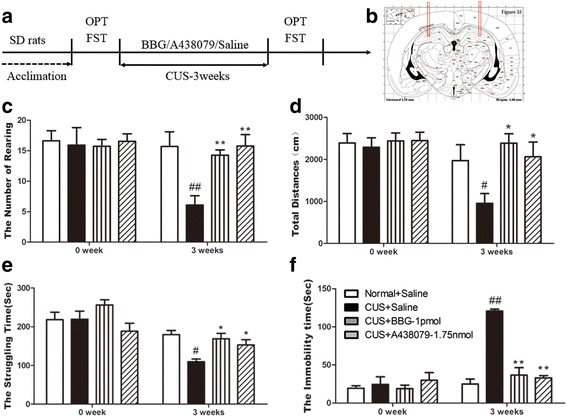
Verification
Claims the paper makes
The claims and statistics of this paper haven’t been checked yet.
Free: it reads the open-access text and checks the first 5 claims that cite a source we can check. Create a free account to check every claim.
Claims other papers make about this one
Each is checked against this paper’s own text: does it say what the citing paper says it does?
The source backs part of the claim, not all of it — or backs it for a different population, condition or comparison.
In the citing paper
“Despite being detected in glial and neuronal cells [49,50,51,52,53,54], the activity of the P2X7R was not always investigated and used antibodies lack specificity [49,55,56,57].”
From P2X7 Receptor Signaling in Stress and Depression (2019) · cites this paper as [53]
Experimental — accuracy not yet measuredThe source backs part of the claim, not all of it — or backs it for a different population, condition or comparison.
In the citing paper
“In studies using immunohistochemistry, no alterations in hippocampal P2X7R levels were detected in animals exposed to chronic unpredictable stress (CUS) [53].”
From P2X7 Receptor Signaling in Stress and Depression (2019) · cites this paper as [53]
Experimental — accuracy not yet measuredThe cited source says what the claim attributes to it.
In the citing paper
“Depressive-like symptoms are exacerbated by activation of P2X 7 R in glial cells. 94”
From Major depressive disorder: hypothesis, mechanism, prevention and treatment (2024) · cites this paper as [94]
The cited source says what the claim attributes to it.
In the citing paper
“This proposal is further substantiated in a study where CUS increased ATP levels and promoted activation of the hippocampal NLRP3 inflammasomal pathway [53]”
From P2X7 Receptor Signaling in Stress and Depression (2019) · cites this paper as [53]
In the citing paper
“It can therefore be hypothesized that stress may trigger excessive ATP release, followed by activation of P2X7R signaling in the hippocampus. This may subsequently impair mechanisms involved in behavioral adaptation to chronic aversive situations, and facilitate the development of depressive-like behaviors.”
From P2X7 Receptor Signaling in Stress and Depression (2019) · cites this paper as [53]
3 more claims about this paper
Create a free account to see every claim other papers make about this one.
Self-check
Percentages, sums and reported differences re-computed from the paper’s own numbers.
The self-check needs the paper’s full text.
Citations
Cites
Schroder, K., & Tschopp, J. (2010) · Cell · doi:10.1016/j.cell.2010.01.040 · Cited by 5,475
ATP mediates rapid microglial response to local brain injury in vivo
Davalos, D., Grutzendler, J., Yang, G., Kim, J. V., Zuo, Y., Jung, S., Littman, D. R., Dustin, M. L., & Gan, W.-B. (2005) · Nature Neuroscience · doi:10.1038/nn1472 · Cited by 3,913 · cited 1×
“As they said, the neuron [66] and astrocyte [67] could be the source of eATP.”
BackgroundInflammation and Its Discontents: The Role of Cytokines in the Pathophysiology of Major Depression
Miller, A. H., Maletic, V., & Raison, C. L. (2009) · Biological Psychiatry · doi:10.1016/j.biopsych.2008.11.029 · Cited by 3,848
Molecular Physiology of P2X Receptors
North, R. A. (2002) · Physiological Reviews · doi:10.1152/physrev.00015.2002 · Cited by 2,919 · cited 1×
“As they said, the neuron [66] and astrocyte [67] could be the source of eATP.”
BackgroundNLRP3 is activated in Alzheimer’s disease and contributes to pathology in APP/PS1 mice
Heneka, M. T., Kummer, M. P., Stutz, A., Delekate, A., Schwartz, S., Vieira-Saecker, A., Griep, A., Axt, D., Remus, A., Tzeng, T.-C., et al. (2013) · Nature · doi:10.1038/nature11729 · Cited by 2,898
Activation and regulation of the inflammasomes
Latz, E., Xiao, T. S., & Stutz, A. (2013) · Nature Reviews Immunology · doi:10.1038/nri3452 · Cited by 2,884 · cited 1×
“In addition, extracellular ATP-induced P2X7R activation could directly mediate K+ efflux which has been proposed to account for NLRP3 activation [93, 94].”
BackgroundWillner, P. (1997) · Psychopharmacology · doi:10.1007/s002130050456 · Cited by 1,832
The Inflammasome NLRs in Immunity, Inflammation, and Associated Diseases
Davis, B. K., Wen, H., & Ting, J. P.-Y. (2011) · Annual Review of Immunology · doi:10.1146/annurev-immunol-031210-101405 · Cited by 1,618 · cited 1×
“The multiprotein complex named the inflammasome cleaves pro-caspase-1 to mature caspase-1, which subsequently causes the maturation of pro-IL-1β [31, 32].”
BackgroundWillner, P. (2005) · Neuropsychobiology · doi:10.1159/000087097 · Cited by 1,605
Interleukin-1 stimulates the secretion of hypothalamic corticotropin-releasing factor
Sapolsky, R., Rivier, C., Yamamoto, G., Plotsky, P., & Vale, W. (1987) · Science · doi:10.1126/science.2821621 · Cited by 1,504
Cited by
Items 101–200 of 331
Mitochondria: A Connecting Link in the Major Depressive Disorder Jigsaw
Sharma, S., & Akundi, R. S. (2018) · Current Neuropharmacology · doi:10.2174/1570159x16666180302120322 · Cited by 46
“While P2X7 receptors are primarily involved in the formation of inflammasome, which has been shown to cause depression [121], other purinergic receptors also contribute to inflammation as described previously [109].”
BackgroundMcCarty, M. F., & Assanga, S. B. I. (2018) · Medical Hypotheses · doi:10.1016/j.mehy.2018.06.032 · Cited by 44
Dias, L., Lopes, C. R., Gonçalves, F. Q., Nunes, A. F., Pochmann, D., Machado, N. J., Tomé, Â. R., Agostinho, P. M., & Cunha, R. A. (2021) · Frontiers in Cellular Neuroscience · doi:10.3389/fncel.2021.639322 · Cited by 44
Txnip mediates glucocorticoid-activated NLRP3 inflammatory signaling in mouse microglia
Bharti, V., Tan, H. T., Zhou, H., & Wang, J. (2019) · Neurochemistry International · doi:10.1016/j.neuint.2019.104564 · Cited by 45
Zhang, Q., Tao, X., Xia, S., Qu, J., Song, H., Liu, J., Li, H., & Shang, D. (2018) · Oncology Reports · doi:10.3892/or.2018.6844 · Cited by 47
“Recent studies demonstrated that P2X7 activation is one of the most effective stimuli for NLRP3 inflammasome activation (12,32,33).”
BackgroundZhao, Y.-F., Ren, W.-J., Zhang, Y., He, J., Yin, H., Liao, Y., Rubini, P., Deussing, J. M., Verkhratsky, A., Yuan, Z., et al. (2022) · International Journal of Molecular Sciences · doi:10.3390/ijms23031904 · Cited by 44
Self-citationIon Channel Dysfunction and Neuroinflammation in Migraine and Depression
Eren‐Koçak, E., & Dalkara, T. (2021) · Frontiers in Pharmacology · doi:10.3389/fphar.2021.777607 · Cited by 42
“…i.p.) or intrahippocampal injections of selective P2XR7 antagonists Brilliant Blue G (BBG), A438079, A-804598, reversed depressogenic behavior, specifically behavioral despair, anhedonia and anxiety-like behavior caused by CUMS in rats (Iwata et al., 2016; Yue et al., 2017) (Table 1).”
BackgroundInfluentialHisaoka‐Nakashima, K., Azuma, H., Ishikawa, F., Nakamura, Y., Wang, D., Liu, K., Wake, H., Nishibori, M., Nakata, Y., & Morioka, N. (2020) · Cells · doi:10.3390/cells9051068 · Cited by 42
“Interestingly, a previous study showed that extracellular ATP is robustly increased in the hippocampus during acute immobilization stress and chronic unpredictable stress, which led to increased cytokine release, due to nucleotide-binding, leucine-rich repeat, pyrin domain containing 3 (NLRP3) inflammasome activation,…”
BackgroundCarrier, M., Šimončičová, E., St-Pierre, M.-K., McKee, C., & Tremblay, M.-È. (2021) · Frontiers in Molecular Neuroscience · doi:10.3389/fnmol.2021.749737 · Cited by 39
Welcome, M. O., & Mastorakis, N. E. (2021) · Pharmacological Research · doi:10.1016/j.phrs.2021.105557 · Cited by 38
Bao, P., Gong, Y., Wang, Y., Xu, M., Qian, Z., Ni, X., & Lu, J. (2023) · Biology · doi:10.3390/biology12081092 · Cited by 38
Self-citationLi, X., Yu, Q., Zhang, Z.-L., Sun, X.-J., & Ma, H. (2019) · Brain Behavior and Immunity · doi:10.1016/j.bbi.2019.05.021 · Cited by 36
NLRP3 deficiency-induced hippocampal dysfunction and anxiety-like behavior in mice
Komleva, Y. K., Lopatina, O. L., Валерьевна, Г. Я., Shuvaev, А. N., Chernykh, A., Potapenko, I., & Salmina, A. B. (2020) · Brain Research · doi:10.1016/j.brainres.2020.147220 · Cited by 38
Menze, E. T., Ezzat, H., Shawky, S. A., Sami, M., Selim, E. H., Ahmed, S., Maged, N., Nadeem, N., Eldash, S., & Michel, H. E. (2021) · International Immunopharmacology · doi:10.1016/j.intimp.2021.107582 · Cited by 36
Wu, M., Zhao, L., Wang, Y., Guo, Q., An, Q., Geng, J., Zhang, C., & Guo, Z. (2022) · Journal of Neuropathology & Experimental Neurology · doi:10.1093/jnen/nlac035 · Cited by 36
Self-citationYou, S., Su, X., Ying, J., Li, S., Qu, Y., & Mu, D. (2022) · Biomolecules · doi:10.3390/biom12081158 · Cited by 38
“However, with further development of inflammation, ATP accumulation promotes the activation of the microglial purinergic receptor P2X7 (P2RX7) and NOD-like receptor (NLR) family pyrin domain-containing protein 3 (NLRP3), resulting in the release of excessive pro-inflammatory and neurotoxic factors, which cause phagocy…”
BackgroundPurinergic P2X7 Receptor-mediated inflammation precedes PTSD-related Behaviors in Rats
Torres-Rodríguez, O. I., Rivera-Escobales, Y., Castillo-Ocampo, Y., Velázquez, B., Colón, M., & Porter, J. T. (2022) · Brain Behavior and Immunity · doi:10.1016/j.bbi.2023.02.015 · Cited by 35
Ernest James Phillips, T., & Maguire, E. (2021) · Frontiers in Cellular Neuroscience · doi:10.3389/fncel.2021.652593 · Cited by 33
Li, W., He, H., Du, M., Gao, M., Sun, Q., Wang, Y., Lu, H., Ou, S., Xia, C.-L., Xu, C., et al. (2024) · Phytotherapy Research · doi:10.1002/ptr.8158 · Cited by 34
“Ren et al., 2017).”
BackgroundSelf-citationWang, X., Su, L., Liu, S., He, Z., Li, J., Zong, Y., Chen, W., & Du, R. (2024) · International Journal of Molecular Sciences · doi:10.3390/ijms252312543 · Cited by 38
“NLRP3 inflammasome exists in microglia and astrocytes of the central nervous system [31].”
Glaser, T., Andrejew, R., Oliveira‐Giacomelli, Á., Ribeiro, D. E., Marques, L. B., Ye, Q., Ren, W., Semyanov, A. V., Illés, P., Tang, Y., et al. (2020) · Neuroscience Bulletin · doi:10.1007/s12264-020-00582-8 · Cited by 33
Brain immune cells characterization in UCMS exposed P2X7 knock-out mouse
Troubat, R., Leman, S., Pinchaud, K., Surget, A., Barone, P. R., Roger, S., Guisquet, A. L., Brizard, B., Belzung, C., & Camus, V. (2021) · Brain Behavior and Immunity · doi:10.1016/j.bbi.2021.02.012 · Cited by 34
Age-related impact of social isolation in mice: Young vs middle-aged
Magalhães, D. M., Mampay, M., Sebastião, A. M., Sheridan, G. K., & Valente, C. A. (2024) · Neurochemistry International · doi:10.1016/j.neuint.2024.105678 · Cited by 37
“NLRP3 was shown to be activated in depressed animals (Zhang et al., 2015; Yue et al., 2017), and social isolation in young mice was shown to cause increased levels of NLRP3 domain in the hippocampus, as well as higher levels of IL-1 β and IL-18, in adulthood (Niu et al., 2020; Li et al., 2021b).”
BackgroundLi, L., Zou, Y., Liu, B., Yang, R., Yang, J., Sun, M., Li, Z., Xu, X., Li, G., Liu, S., et al. (2020) · ACS Chemical Neuroscience · doi:10.1021/acschemneuro.0c00623 · Cited by 34
Li, X., Wang, H., Li, C., Wu, J., Lü, J., Guo, J., & Tu, Y. (2021) · The Anatomical Record · doi:10.1002/ar.24778 · Cited by 35
“Therefore, NLRP3 inflammasome activation in the hippocampus contributes to depression through promoting neuroinflammation and inducing neuron apoptosis (Yue et al., 2017).”
BackgroundHammad, A. M., Swiss, G. M. S., Hall, F. S., Hikmat, S., Sari, Y., Al‐Qirim, T. M., & Amawi, H. A. (2021) · Neuroscience · doi:10.1016/j.neuroscience.2021.03.030 · Cited by 30
Gaspar, R., Soares‐Cunha, C., Domingues, A. V., Coimbra, B., Baptista, F. I., Pinto, L., Ambrósio, A. F., Rodrigues, A. J., & Gomes, C. A. (2022) · Frontiers in Behavioral Neuroscience · doi:10.3389/fnbeh.2022.834821 · Cited by 31
Zhu, H., Pan, H., Fang, Y., Wang, H., Chen, Z., Hu, W., Tong, L., Ren, J., Lu, X., & Huang, C. (2024) · European Journal of Pharmacology · doi:10.1016/j.ejphar.2024.176763 · Cited by 32
NLRs as Helpline in the Brain: Mechanisms and Therapeutic Implications
Singh, S., & Jha, S. (2018) · Molecular Neurobiology · doi:10.1007/s12035-018-0957-4 · Cited by 30
Song, Z., Bian, Z., Zhang, Z., Wang, X., Zhu, A., & Zhu, G. (2021) · Toxicology and Applied Pharmacology · doi:10.1016/j.taap.2021.115711 · Cited by 32
Microglial activation and neuroinflammation in acute and chronic cognitive deficits in sepsis
Denver, P., & Cunningham, C. M. (2024) · Neuropharmacology · doi:10.1016/j.neuropharm.2024.110285 · Cited by 37
The Multifaceted Role of P2X7R in Microglia and Astrocytes
Bedetta, M., Pizzo, P., & Lia, A. (2025) · Neurochemical Research · doi:10.1007/s11064-025-04502-y · Cited by 29
Sun, H. J., Xin, Y., Wu, J., ShuQin, Z., GuiLian, Z., Wu, H., Zhen, G., HongWei, R., & Yongnan, L. (2020) · Neurochemistry International · doi:10.1016/j.neuint.2020.104773 · Cited by 28
SARS-CoV-2 Spike protein alters microglial purinergic signaling
Alves, V. S., Santos, S. A. C. S., Leite-Aguiar, R., Paiva-Pereira, E., dos Reis, R. R., Calazans, M. L., Fernandes, G. G., Antonio, L. S., de Lima, E. V., Kurtenbach, E., et al. (2023) · Frontiers in Immunology · doi:10.3389/fimmu.2023.1158460 · Cited by 31
Microglia as a Game Changer in Epilepsy Comorbid Depression
Wen, W., Zhou, J., Zhan, C. A., & Wang, J. (2023) · Molecular Neurobiology · doi:10.1007/s12035-023-03810-0 · Cited by 28
Signal Pathways and Markers Involved in Acute Lung Injury Induced by Acute Pancreatitis
Zhou, J., Zhou, P., Zhang, Y., Wang, G., & Fan, Z. (2021) · Disease Markers · doi:10.1155/2021/9947047 · Cited by 38
Self-citationBeyond Seizure Control: Treating Comorbidities in Epilepsy via Targeting of the P2X7 Receptor
Gil, B., Smith, J., Tang, Y., Illés, P., & Engel, T. (2022) · International Journal of Molecular Sciences · doi:10.3390/ijms23042380 · Cited by 28
Cui, L., Tan, Y., Xu, S.-Q., Qin, B.-F., Xiu, M.-X., Zhang, X., Shi, L., Sun, H., & Song, J. (2023) · Food & Function · doi:10.1039/d3fo01315d · Cited by 28
Su, W., Hu, T., & Jiang, C. (2023) · Current Neuropharmacology · doi:10.2174/1570159x21666230809112028 · Cited by 29
Monoamine involvement in the antidepressant-like effect induced by P2 blockade
Diniz, C. R. A. F., Rodrigues, M., Casarotto, P. C., Pereira, V. S., Crestani, C. C., & Joca, S. R. L. (2017) · Brain Research · doi:10.1016/j.brainres.2017.09.011 · Cited by 25
“However, the activation of inflammasome by stress has been shown only after chronic stress exposure (Yue et al., 2017; Iwata et al., 2016; Kaufmann et al., 2017).”
Li, J., Tian, S., Hualong, W., wang, Y., Du, C., Wang, X., Wang, Y., Wang, Y., Gong, Z., Yan, B.-Y., et al. (2020) · Neuroscience Letters · doi:10.1016/j.neulet.2020.135485 · Cited by 25
Self-citationP2X7 receptor-mediated depression-like reactions arising in the mouse medial prefrontal cortex
Ren, W., Zhao, Y.-F., Li, J., Rubini, P., Yuan, Z., Tang, Y., & Illés, P. (2023) · Cerebral Cortex · doi:10.1093/cercor/bhad166 · Cited by 25
Increased thioredoxin-interacting protein in brain of mice exposed to chronic stress
Zhou, H., Tan, H. T., Letourneau, L., & Wang, J. (2018) · Progress in Neuro-Psychopharmacology and Biological Psychiatry · doi:10.1016/j.pnpbp.2018.08.013 · Cited by 27
“Previously it has been found that chronic stress increased NLRP3 levels, NLRP3 inflammasome complex formation, IL-1β secretion and microglial activation in hippocampus and frontal cortex (Cao et al., 2017; Mehta et al., 2017; Pan et al., 2014; Yue et al., 2017).”
Effects of adjunctive inflammatory modulation on IL-1β in treatment resistant bipolar depression
Murata, S., Murphy, M. L. M., Hoppensteadt, D., Fareed, J., Welborn, A., & Halaris, A. E. (2020) · Brain Behavior and Immunity · doi:10.1016/j.bbi.2020.01.004 · Cited by 26
Palmatine attenuates LPS‐induced neuroinflammation through the PI3K/Akt/NF‐κB pathway
Zeng, J., Pei, H., Wu, H., Chen, W., Du, R., & He, Z. (2023) · Journal of Biochemical and Molecular Toxicology · doi:10.1002/jbt.23544 · Cited by 26
P2X7 receptor inhibition prevents atrial fibrillation in rodent models of depression
Ye, T., Zhou, Y., Yang, J., Yu, F., Song, Z., Shi, J., Wang, L., Huang, Z., Yang, B., & Wang, X. (2024) · EP Europace · doi:10.1093/europace/euae022 · Cited by 25
“Although pre-clinical studies have shown that activation of the P2X7R-NLRP3-IL-1 β pathway induces and maintains depressive-like behaviours, 48 the mechanisms underlying AF in depression have not been specifically explored.”
BackgroundPurinergic P2X7 receptor as a potential therapeutic target in depression
Wang, Q., Jin, X., & Guan, W. (2023) · Biochemical Pharmacology · doi:10.1016/j.bcp.2023.115959 · Cited by 25
Dai, X., Fang, X., Xia, Y., Li, M., Li, X., Wang, Y., Tao, J., & Li, X.-P. (2022) · Journal of Inflammation Research · doi:10.2147/jir.s351660 · Cited by 22
Self-citationP2X7 Receptor-Related Genetic Mouse Models – Tools for Translational Research in Psychiatry
Urbina-Treviño, L., von Mücke-Heim, I.-A., & Deussing, J. M. (2022) · Frontiers in Neural Circuits · doi:10.3389/fncir.2022.876304 · Cited by 26
Microglia as a Hub for Suicide Neuropathology: Future Investigation and Prevention Targets
de Andrade, E. G., Ibáñez, F. G., & Tremblay, M. (2022) · Frontiers in Cellular Neuroscience · doi:10.3389/fncel.2022.839396 · Cited by 22
Dias, L., Pochmann, D., Lemos, C., Silva, H. B. L., Real, J. I., Gonçalves, F. Q., Rial, D., Gonçalves, N., Simões, A. P., Ferreira, S. G., et al. (2023) · ACS Chemical Neuroscience · doi:10.1021/acschemneuro.2c00810 · Cited by 24
Xia, J., Lu, Z., Feng, S., Yang, J., & Ji, M. (2018) · International Immunopharmacology · doi:10.1016/j.intimp.2018.03.010 · Cited by 23
“Anhedonia was measured by preference for a sucrose solution over water, using a two-bottle free choice method as previously described [20,21].”
MethodFrom energy metabolism to mood regulation: The rise of lactate as a therapeutic target
Zhang, S., Xia, J., He, W., Zou, Y., Liu, W., Li, L., Huang, Z., Li, Q., Li, Q. X., & Liu, W. (2025) · Journal of Advanced Research · doi:10.1016/j.jare.2025.04.018 · Cited by 32
Zhang, T., Yang, C., Chu, J., Ning, L., Zeng, P. H., Wang, X., Shi, Y., Qin, B., Qu, N., Zhang, Q., et al. (2021) · Frontiers in Cell and Developmental Biology · doi:10.3389/fcell.2021.696619 · Cited by 22
Tang, Y., Illes, P., Zhang, Y., Yin, H.-Y., & Rubini, P. (2022) · Current Neuropharmacology · doi:10.2174/1570159x20666220302152400 · Cited by 20
“In contrast to the acute stress models, UCMS was delivered for a couple of weeks and included once daily, for example, immobilization, food deprivation, light/dark phase reversal, hot environment, and cage shaking.”
InfluentialSelf-citationJi, M. H., Gong, W., Wang, S., Zhang, D., Chen, B., Li, X., Wu, X., Cui, L., Feng, Y., Verkhratsky, A., et al. (2022) · Neurochemical Research · doi:10.1007/s11064-022-03655-4 · Cited by 23
“Likewise, activation of P2X7R and NLRP3 inflammasome is implicated in induction of depressive-like behaviours in response to chronic stress [36].”
BackgroundSelf-citationXue, Y., Guo, T., Zou, L., Gong, Y., Wu, B., Yi, Z., Jia, T., Zhao, S., Shi, L., Li, L., et al. (2018) · Oxidative Medicine and Cellular Longevity · doi:10.1155/2018/5082817 · Cited by 20
“Abnormal expression of P2X7 receptor is involved in inflammation, and P2X7 receptor plays a critical role in the regulation of glial cells [34].”
BackgroundKim, A., Jung, H., Kim, Y.-E., Kim, S. C., Park, J., Lee, S., & Hwang, E. M. (2019) · International Journal of Molecular Sciences · doi:10.3390/ijms20235902 · Cited by 21
P2X7 Receptor as a Potential Target for Major Depressive Disorder
Huang, Z., & Tan, S. (2021) · Current Drug Targets · doi:10.2174/1389450122666210120141908 · Cited by 23
Purinergic signaling in cognitive impairment and neuropsychiatric symptoms of Alzheimer's disease
Ribeiro, D. E., Petiz, L. L., Glaser, T., Oliveira‐Giacomelli, Á., Andrejew, R., Saab, F. D. A. R., Milanis, M. D. S., Campos, H. C., Arnaud-Sampaio, V. F., de Oliveira, S. L. B., et al. (2022) · Neuropharmacology · doi:10.1016/j.neuropharm.2022.109371 · Cited by 24
Işık, M., Köse, F., Özbayer, C., Budak, Ö., KELEŞ, R., Güzel, D., Demirci, M. A., Doğanay, S., & Bağcı, C. (2025) · Probiotics and Antimicrobial Proteins · doi:10.1007/s12602-025-10470-0 · Cited by 23
“It has been observed that interleukin-1β production and NLRP3 inflammasome activation increased in the brain of depressed rats exposed to chronic mild stress [227], and another study showed that chronic stress activated the NLRP3 inflammasome in the rat hippocampus [228].”
The neurobiological mechanisms and therapeutic prospect of extracellular ATP in depression
Wang, K., Huang, S., Fu, D., Yang, X., Ma, L., Zhang, T., Zhao, W., Deng, D., Ding, Y., Zhang, Y., et al. (2024) · CNS Neuroscience & Therapeutics · doi:10.1111/cns.14536 · Cited by 22
Self-citationDutheil, S., Watson, L. S., Davis, R. E., & Snyder, G. L. (2022) · Journal of Neuroscience · doi:10.1523/jneurosci.0984-22.2022 · Cited by 19
“In preclinical studies, Nlrp3-null mutant mice were resilient to the effects of stress on depressionlike behavior (Iwata et al., 2016; Yue et al., 2017), and Nlrp3 expression was increased in peripheral blood mononuclear cells from untreated patients with MDD (Alcocer-Gómez et al.”
BackgroundMaciak, K., Dziedzic, A., & Saluk, J. (2022) · The FASEB Journal · doi:10.1096/fj.202201348r · Cited by 23
The P2X7 receptor in mood disorders: Emerging target in immunopsychiatry, from bench to bedside
von Mücke-Heim, I.-A., & Deussing, J. M. (2022) · Neuropharmacology · doi:10.1016/j.neuropharm.2022.109366 · Cited by 20
Illés, P., Rubini, P., Ulrich, H., Yin, H., & Tang, Y. C. (2025) · MedComm · doi:10.1002/mco2.70177 · Cited by 21
Rubrofusarin Attenuates Chronic Restraint Stress-Induced Depressive Symptoms
Yi, J. H., Jeon, J., Kwon, H., Cho, E., Yun, J., Lee, Y. C., Ryu, J. H., Park, S. J., Cho, J. H., & Kim, D. H. (2020) · International Journal of Molecular Sciences · doi:10.3390/ijms21103454 · Cited by 18
“P2X7 receptor and NLRP inflammasome activation in the hippocampus were involved in chronic stress-induced onset of depressive symptoms [58].”
BackgroundNaffaa, M. M. (2025) · Exploration of neuroscience · doi:10.37349/en.2025.100676 · Cited by 23
Shi, Y., Yang, H., He, C., Wang, Y., Zheng, J., Wang, X., Hao, F., Feng, C., Ma, L., Zhang, Y., et al. (2025) · Frontiers in Neuroscience · doi:10.3389/fnins.2025.1614297 · Cited by 20
Self-citationLi, J., Wan, B., Zhou, L., Qian, X., Wang, F., Gu, S., Ma, X., & Huang, J. H. (2025) · Frontiers in Psychiatry · doi:10.3389/fpsyt.2025.1629182 · Cited by 27
Qi, Y., Ni, S., Heng, X., Qu, S., Ge, P., Zhao, X., Yao, Z., Guo, R., Yang, N., Zhang, Q., et al. (2022) · Drug Design Development and Therapy · doi:10.2147/dddt.s342028 · Cited by 17
Yang, J. W., Yang, S.-J., Na, J.-M., Hahn, H., & Cho, S. (2017) · Biochemical and Biophysical Research Communications · doi:10.1016/j.bbrc.2017.10.131 · Cited by 17
Organelle stress in NLRP3 inflammasome: a central mediator of neurodegenerative diseases
Jia, H., Ma, L., Liu, J., Gao, M., Liang, X., Zhang, F., Gao, Y., Liu, M., Jiang, W., Wei, M., et al. (2026) · Molecular Neurodegeneration · doi:10.1186/s13024-025-00922-0 · Cited by 20
Aziz, N. U. A., Chiroma, S. M., Moklas, M. A. M., Adenan, M. I., Ismail, A., Basir, R., Ali, R. M., & Baharuldin, M. T. H. (2021) · Journal of Traditional and Complementary Medicine · doi:10.1016/j.jtcme.2021.02.007 · Cited by 19
Yu, Y., He, X., Wang, Y., Zhang, J., Tang, C., & Rong, P. (2022) · Neuroscience Letters · doi:10.1016/j.neulet.2022.136562 · Cited by 17
Self-citationMut-Arbona, P., & Sperlágh, B. (2023) · Neuropharmacology · doi:10.1016/j.neuropharm.2023.109541 · Cited by 18
“Sprague-Dawley rats subjected to chronic unpredictable stressors, treatment with P2X7 receptor antagonists stopped the development of depression-like behaviors induced by chronic unpredictable stress in rats (Yue et al., 2017).”
Itaconate: A promising precursor for treatment of neuroinflammation associated depression
Liu, R., Gong, Y., Xia, C., Cao, Y., Zhao, C., & Zhou, M. (2023) · Biomedicine & Pharmacotherapy · doi:10.1016/j.biopha.2023.115521 · Cited by 21
da Silva, D. M. A., Lopes, I. S., Oliveira, J. V. S., Júnior, M. A. S., Rebouças, M. D. O., Valentim, J. T., Vale, L. D. C., Capibaribe, V. C. C., de Carvalho, M. A. J., de Aquino, P. É. A., et al. (2024) · Pharmacology Biochemistry and Behavior · doi:10.1016/j.pbb.2024.173778 · Cited by 20
Pyroptosis in Diabetic Peripheral Neuropathy and its Therapeutic Regulation
Mamun, A. A., Shao, C., Geng, P., Wang, S., & Xiao, J. (2024) · Journal of Inflammation Research · doi:10.2147/jir.s465203 · Cited by 17
Kristóf, Z., Eszlári, N., Sütöri, S., Gál, Z., Török, D., Baksa, D., Petschner, P., Sperlágh, B., Anderson, I. M., Deakin, J. F. W., et al. (2021) · PLoS ONE · doi:10.1371/journal.pone.0252766 · Cited by 16
“Efficacy of P2RX7 selective brain penetrant antagonists in animal models of chronic stress [52,53] also Fig 5.”
BackgroundZhang, S., Hu, J., Liu, G., Wu, H., Li, M., Shi, C., Liu, Q., & Li, W. (2022) · Translational Psychiatry · doi:10.1038/s41398-022-02006-9 · Cited by 16
“Openarm time percentage ([time spent in open arms] / [time spent in total arms] × 100%) was calculated as described in our previous paper [23].”
MethodSelf-citationZheng, Y., Pan, L., He, J., Yan, J., Xia, Y., Lin, C., Chen, X., Zhao, Q., Zeng, Q., Julikezi, M., et al. (2023) · Behavioural Brain Research · doi:10.1016/j.bbr.2023.114548 · Cited by 17
Mao, M., Li, S.-M., Zong, M.-M., Qiu, L., Yang, J., Xia, J., Yang, J., & Ji, M. (2019) · International Immunopharmacology · doi:10.1016/j.intimp.2019.03.012 · Cited by 16
ATP Signaling Controlling Dyskinesia Through P2X7 Receptors
Fonteles, A. A., Neves, J. C. D. S., Menezes, A. P. F., Pereira, J. F., Silva, A. T. A., Cunha, R. A., & de Andrade, G. M. (2020) · Frontiers in Molecular Neuroscience · doi:10.3389/fnmol.2020.00111 · Cited by 16
“, 2008) and recent studies identified P2X7R in microglia as paramount to mediate behavioral alterations upon repeated stress (Iwata et al., 2016; Yue et al., 2017).”
BackgroundXie, Z., Hui, H., Yao, Q., Duan, Y., Wu, L., Cheng, Y., Zhang, M., Tian, Y., & Zhao, G. (2021) · Frontiers in Cellular and Infection Microbiology · doi:10.3389/fcimb.2021.637769 · Cited by 15
“P2X7R in microglia is widely involved in the process of many neurological diseases (Franceschini et al., 2015; Yue et al., 2017; Zhao et al., 2017), We first observed the changes of P2X7R during the co-cultivation process and found that there was indeed a significant up-regulation of P2X7R…”
BackgroundHe, Z., Yu, H., Wu, H., Su, L., Shi, K., Zhao, Y., Zong, Y., Chen, W., & Du, R. (2022) · Pharmaceutical Biology · doi:10.1080/13880209.2022.2099429 · Cited by 15
“#p< 0.05, ##p< 0.01, compared to the control group; p< 0.05, p< 0.01, compared to the CUMS group; ap< 0.05, aap< 0.01, compared to the AFR group. et al. 2017; Yue et al. 2017; Adzic et al. 2018; Feng et al. 2019).”
InfluentialAntidepressant-like Effects of Representative Types of Food and Their Possible Mechanisms
Piao, J., Wang, Y., Zhang, T., Zhao, J., Lv, Q., Ruan, M., Yu, Q., & Li, B. (2023) · Molecules · doi:10.3390/molecules28196992 · Cited by 19
Self-citationGlucocorticoid Upregulates Thioredoxin-interacting Protein in Cultured Neuronal Cells
Bharti, V., Tan, H. T., Chow, D., Wang, Y., Nagakannan, P., Eftekharpour, E., & Wang, J. (2018) · Neuroscience · doi:10.1016/j.neuroscience.2018.06.001 · Cited by 18
Self-citationTargeting the P2X7 receptor in microglial cells to prevent brain inflammation
Jiang, L., & Roger, S. (2020) · Neural Regeneration Research · doi:10.4103/1673-5374.272575 · Cited by 15
“Pharmacological inhibition of the P2X7R or genetic deletion of the P2X7R expression strongly suppressed amphetamine-induced manic-like behaviours in mice, and largely reversed chronic unpredictable stress-induced anhedonia, anxiety-like and depressive-like behaviors in rats (Iwata et al., 2016; Yue et al., 2017).”
BackgroundNLRP3 Inflammasome: A New Target for the Treatment of CVD and Depression Comorbidity
Chen, C., Zhang, S., Sheng, M., & Shao, W. (2025) · Mediators of Inflammation · doi:10.1155/mi/4330574 · Cited by 18
Zhang, S., Qiu, Y., Huang, L., Bi, L., Guo, Y., You, K., Huang, G., Wang, Y., Lü, H., Jin, H., et al. (2023) · European Journal of Nuclear Medicine and Molecular Imaging · doi:10.1007/s00259-023-06342-w · Cited by 16
“When the extracellular ATP concentration is high, the P2X7R is activated, which in turn activates the downstream NLRP3 inflammasome, which activates caspase-1, promotes the maturation and secretion of IL-1β, and produces corresponding mature cytokines [12].”
BackgroundSelf-citationTao, B., Pei, J., Li, H., Yang, G., Shi, X., Zhang, Z., Wang, H., Zhou, Z., Liu, Y., & Zhang, J. (2024) · Journal of Neurorestoratology · doi:10.1016/j.jnrt.2024.100106 · Cited by 18
Xie, Y., Wu, Z., Sun, L., Zhou, L., Xiao, L., Wang, H., & Wang, G. (2022) · Neuroreport · doi:10.1097/wnr.0000000000001779 · Cited by 17
Ünal, G. Ö., Öztürk, K. H., & Inci, H. E. (2022) · International Journal of Psychiatry in Clinical Practice · doi:10.1080/13651501.2022.2106245 · Cited by 15
“Yue et al. (2017) showed in their CUMS studies that activation of the P2X7–NLRP3–IL-1b pathway is induced by increased extracellular ATP levels and prolonged negative stress in the hippocampus, resulting in the persistence of depressor-like behaviours.”
BackgroundLiu, D., Hu, H., Hong, Y., Xiao, Q., & Tu, J. (2022) · International Journal of Molecular Sciences · doi:10.3390/ijms24010661 · Cited by 14
“[29], CUMS induced both depression- and anxiety-like behaviors, manifested as abnormalities in OFT and EPM.”
BackgroundArctiin Mitigates Neuronal Injury by Modulating the P2X7R/NLPR3 Inflammasome Signaling Pathway
Jin, G., Wang, Y., Liu, Y., Lu, Y., Lu, J., Wang, J.-H., Jingwen, M., Quan, Y.-Z., Gao, H., Cui, Y., et al. (2024) · Inflammation · doi:10.1007/s10753-024-02117-z · Cited by 13
“In contrast, intra-hippocampal injection of a P2X7R agonist markedly induced depressive-like behaviors in rats, consistent with the effect of CUMS exposure [56], suggesting a key role for P2X7R activation in the pathogenesis of depression.”
Self-citationFuruta, T., Mukai, A., Ohishi, A., Nishida, K., & Nagasawa, K. (2017) · Metallomics · doi:10.1039/c7mt00257b · Cited by 14
P2X7 receptor-activated microglia in cortex is critical for sleep disorder under neuropathic pain
Li, T., Gao, Y., He, M., Gui, Z., Zhao, B., Cao, Y., Chen, T., Zhu, J., Wang, J., Zhong, Q., et al. (2023) · Frontiers in Neuroscience · doi:10.3389/fnins.2023.1095718 · Cited by 16
“, 2020), and located predominantly on microglia (Yue et al., 2017).”
BackgroundMafra, J. C. M., Boechat, N., Teixeira, G. P., & Faria, R. X. (2023) · European Journal of Pharmacology · doi:10.1016/j.ejphar.2023.175999 · Cited by 15
Biltz, R. G., Swanson, S. P., Draime, N., Davis, A. C., Yin, W., Goodman, E. J., Gallagher, N. R., Bhattacharya, A., Sheridan, J. F., & Godbout, J. P. (2023) · Brain Behavior and Immunity · doi:10.1016/j.bbi.2023.10.011 · Cited by 14
Metadata
- Authors
- Yue, N., Huang, H., Zhu, X., Han, Q., Wang, Y., Li, B., Liu, Q., Wu, G., Zhang, Y., & Yu, J.
- Affiliations
- Shanghai Medical College of Fudan University (CN)
- Corresponding author
- Yu, Jin
- Venue
- Journal of Neuroinflammation
- Published
- 2017-05-10
- Volume
- 14
- Issue
- 1
- Pages
- 102-102
- ISSN
- 1742-2094 (ISSN-L)
- PMC
- PMC5424302
- OpenAlex
- W2613289334
- Cited by
- 334
- References
- 100
- Citations by year
- 2026: 27 · 2025: 40 · 2024: 47 · 2023: 36 · 2022: 51 · 2021: 38 · 2020: 33 · 2019: 19 · 2018: 30 · 2017: 11
- FWCI
- 8.45
- Type
- journal article
- Language
- en
- Open access
- gold
- doi.org
- Licence
- cc-by
- Locations
- Journal of Neuroinflammation (publishedVersion, cc-by)
- PubMed Central (publishedVersion, cc-by)
- PubMed (publishedVersion)
- DOAJ (DOAJ: Directory of Open Access Journals) (submittedVersion, cc-by-sa)
- Funders
- National Natural Science Foundation of China (81473437, 81271500)
- Topics
- Life Sciences › Neuroscience › Biological Psychiatry › Tryptophan and brain disorders
- Life Sciences › Biochemistry, Genetics and Molecular Biology › Physiology › Adenosine and Purinergic Signaling
- Life Sciences › Neuroscience › Behavioral Neuroscience › Stress Responses and Cortisol
- Keywords
- P2X7 receptor, NLRP3 inflammasome, chronic unpredictable mild stress, depression, neuroinflammation, IL-1β, caspase-1, extracellular ATP, microglia, astrocytes, P2X7 receptor antagonists, anxiety-like behavior, purinergic signaling
- MeSH terms
- Adenosine Triphosphate, Animals, Depression, Disease Models, Animal, Exploratory Behavior, Food Deprivation, Hot Temperature, Hippocampus, Male, Nerve Tissue Proteins, Neuroglia, Pyridines, Stress, Psychological, Swimming, Tetrazoles, Water Deprivation, Rats, Sprague-Dawley, Rats, Rats, Transgenic, Receptors, Purinergic P2X7, Purinergic P2X Receptor Antagonists
About these checks
Registry, retraction, Cites and statistics results are computed, not judged, with one exception: a printed reference that no index lists is read once by a model before it counts as a citation error. Claims are extracted by a model and kept only when their quote appears verbatim in the text; each cited source is then checked, with a model’s help, for whether it says what the claim relies on. Those verdicts can be wrong — read the claim’s quote and the cited source before relying on one.
Statistics and arithmetic are recomputed, not judged.
Confidence bands are shown only for fields calibrated on our annotated test set. None is calibrated yet, so no band is shown.
What counts as a claim ›How we measure confidence ›How we check this ›
Are you an author, or do you see a problem with this page? Request a review
Data sources
Bibliographic data: Semantic Scholar, OpenAlex, Crossref.
Contains information from the Semantic Scholar Academic Graph Datasets, made available under the ODC Attribution License (ODC-BY 1.0).
Semantic Scholar’s data is described in: Kinney, R., et al. (2023). The Semantic Scholar Open Data Platform. arXiv:2301.10140.
