

Activation of P2X7 receptor and NLRP3 inflammasome assembly in hippocampal glial cells mediates chronic stress-induced depressive-like behaviors
Open accessThe DOI matches its Crossref record; 99 of the 100 references it cites were found in a registry or an index.
Abstract
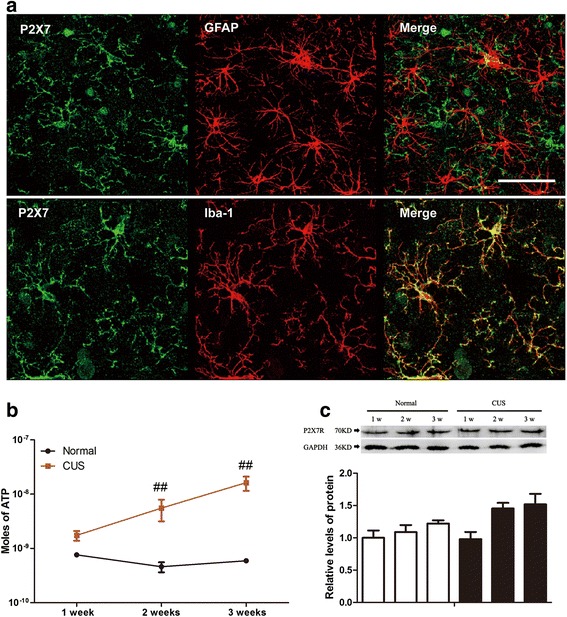
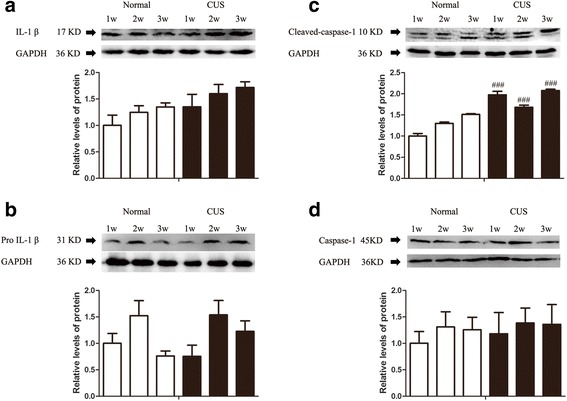
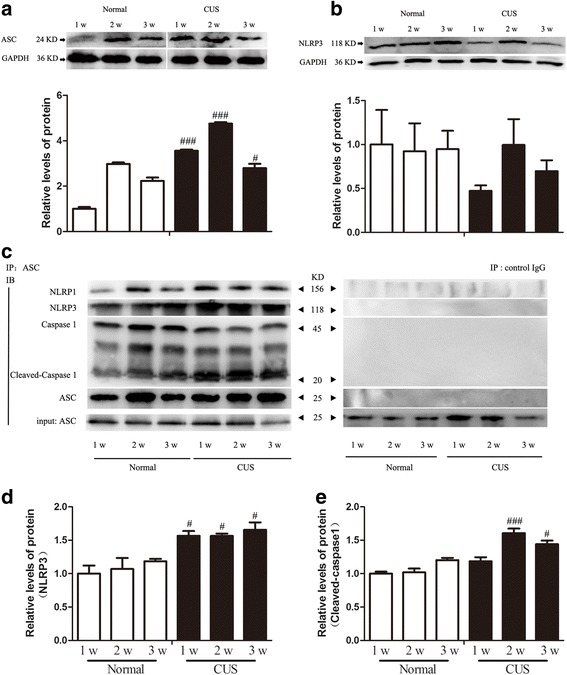
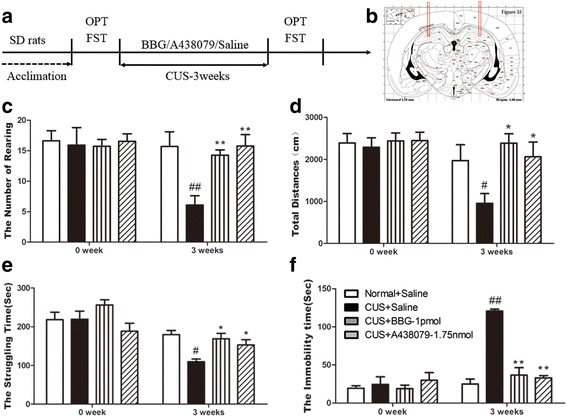
BACKGROUND: In recent years, proinflammatory cytokine interleukin-1β (IL-1β) was considered to play a critical role in the pathogenesis of depression. In addition, P2X7 receptor (P2X7R), a member of the purinergic receptor family, which is predominantly present on microglia, as well as on astrocytes and neurons in lesser amounts in the central nervous system, was suggested to be involved in the processing and releasing of IL-1β. Here, we investigated the role of P2X7R in the pathogenesis of depression. METHODS: Male Sprague-Dawley rats were subjected to chronic unpredictable stressors (CUS) for 3 weeks. At the end of week 1, 2, and 3, extracellular ATP, caspase 1, IL-1β, and components and activation of NLRP3 inflammasome (nucleotide-binding, leucine-rich repeat, pyrin domain containing 3) were evaluated as biomarker of neuroinflammation. In separate experiments, the rats were microinjected with P2X7R agonists ATP, BzATP, and saline into the hippocampus, respectively, or exposed to CUS combined with hippocampal microinjection with P2X7R antagonist, BBG and A438079, and saline, respectively, for 3 weeks, followed by exposed to forced swimming test and open-field test. Moreover, we also evaluated the depressive and anxiety-like behavior of P2X7-null mice in forced swimming test, open-field test, and elevated plus maze. RESULTS: Along with stress accumulation, extracellular ATP, cleaved-caspase 1, IL-1β, and ASC were significantly enhanced in the hippocampus, but P2X7R and NLRP3 were not. Immunoprecipitation assay indicated that along with the accumulation of stress, assembly of NLRP3 inflammasome and cleaved caspase 1 in NLRP3 inflammasome were significantly increased. Moreover, antagonists of P2X7R, either BBG or A438079, prevented the development of depressive-like behaviors induced by chronic unpredictable stress in rats. Meanwhile, we could not observe any depressive-like or anxiety-like behaviors of P2X7-null mice after they had been exposed to CUS. The results implied that P2X7 knockout could impede the development of depressive-like and anxiety-like behaviors induced by CUS. In contrast, chronic administration of agonists of P2X7R, either ATP or BzATP, could induce depressive-like behaviors. CONCLUSIONS: The activation of P2X7R and subsequent NLRP3 inflammasome in hippocampal microglial cells could mediate depressive-like behaviors, which suggests a new therapeutic target for the prevention and treatment of depression.
Overview
The claims and statistics of this paper haven’t been checked yet.
Free: it reads the open-access text and checks the first 5 claims that cite a source we can check. Create a free account to check every claim.
Integrity signals
Registry
Cites
Statistics
Figures
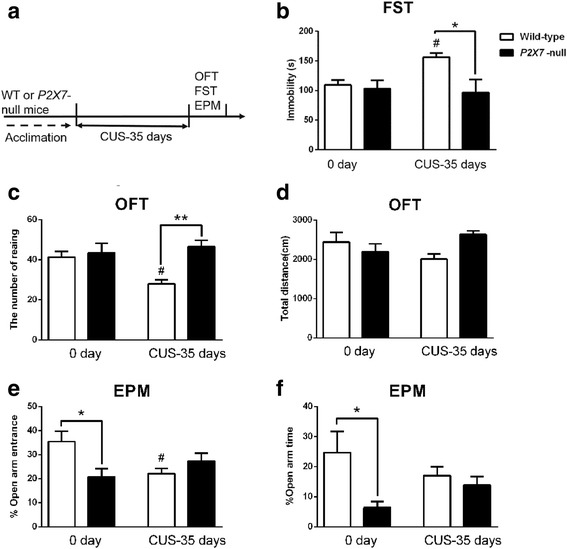
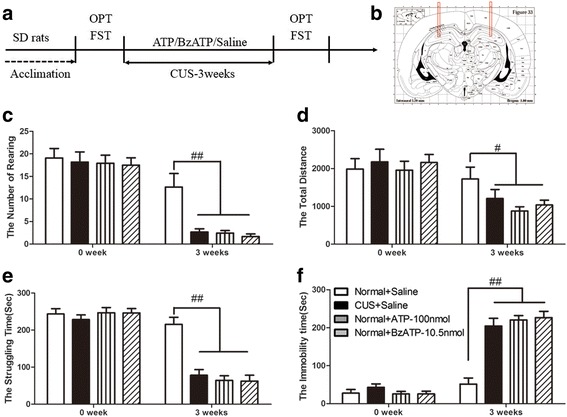
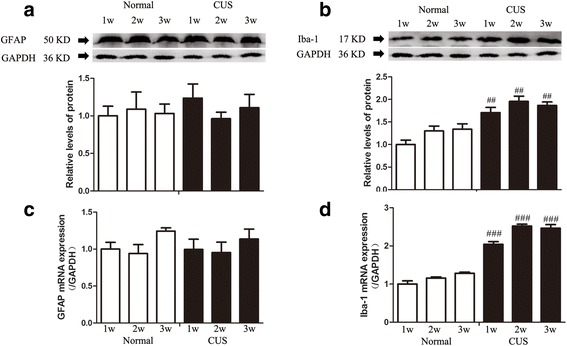
Verification
Claims the paper makes
The claims and statistics of this paper haven’t been checked yet.
Free: it reads the open-access text and checks the first 5 claims that cite a source we can check. Create a free account to check every claim.
Claims other papers make about this one
Each is checked against this paper’s own text: does it say what the citing paper says it does?
The source backs part of the claim, not all of it — or backs it for a different population, condition or comparison.
In the citing paper
“Despite being detected in glial and neuronal cells [49,50,51,52,53,54], the activity of the P2X7R was not always investigated and used antibodies lack specificity [49,55,56,57].”
From P2X7 Receptor Signaling in Stress and Depression (2019) · cites this paper as [53]
Experimental — accuracy not yet measuredThe source backs part of the claim, not all of it — or backs it for a different population, condition or comparison.
In the citing paper
“In studies using immunohistochemistry, no alterations in hippocampal P2X7R levels were detected in animals exposed to chronic unpredictable stress (CUS) [53].”
From P2X7 Receptor Signaling in Stress and Depression (2019) · cites this paper as [53]
Experimental — accuracy not yet measuredThe cited source says what the claim attributes to it.
In the citing paper
“Depressive-like symptoms are exacerbated by activation of P2X 7 R in glial cells. 94”
From Major depressive disorder: hypothesis, mechanism, prevention and treatment (2024) · cites this paper as [94]
The cited source says what the claim attributes to it.
In the citing paper
“This proposal is further substantiated in a study where CUS increased ATP levels and promoted activation of the hippocampal NLRP3 inflammasomal pathway [53]”
From P2X7 Receptor Signaling in Stress and Depression (2019) · cites this paper as [53]
In the citing paper
“It can therefore be hypothesized that stress may trigger excessive ATP release, followed by activation of P2X7R signaling in the hippocampus. This may subsequently impair mechanisms involved in behavioral adaptation to chronic aversive situations, and facilitate the development of depressive-like behaviors.”
From P2X7 Receptor Signaling in Stress and Depression (2019) · cites this paper as [53]
3 more claims about this paper
Create a free account to see every claim other papers make about this one.
Self-check
Percentages, sums and reported differences re-computed from the paper’s own numbers.
The self-check needs the paper’s full text.
Citations
Cites
Schroder, K., & Tschopp, J. (2010) · Cell · doi:10.1016/j.cell.2010.01.040 · Cited by 5,475
ATP mediates rapid microglial response to local brain injury in vivo
Davalos, D., Grutzendler, J., Yang, G., Kim, J. V., Zuo, Y., Jung, S., Littman, D. R., Dustin, M. L., & Gan, W.-B. (2005) · Nature Neuroscience · doi:10.1038/nn1472 · Cited by 3,913 · cited 1×
“As they said, the neuron [66] and astrocyte [67] could be the source of eATP.”
BackgroundInflammation and Its Discontents: The Role of Cytokines in the Pathophysiology of Major Depression
Miller, A. H., Maletic, V., & Raison, C. L. (2009) · Biological Psychiatry · doi:10.1016/j.biopsych.2008.11.029 · Cited by 3,848
Molecular Physiology of P2X Receptors
North, R. A. (2002) · Physiological Reviews · doi:10.1152/physrev.00015.2002 · Cited by 2,919 · cited 1×
“As they said, the neuron [66] and astrocyte [67] could be the source of eATP.”
BackgroundNLRP3 is activated in Alzheimer’s disease and contributes to pathology in APP/PS1 mice
Heneka, M. T., Kummer, M. P., Stutz, A., Delekate, A., Schwartz, S., Vieira-Saecker, A., Griep, A., Axt, D., Remus, A., Tzeng, T.-C., et al. (2013) · Nature · doi:10.1038/nature11729 · Cited by 2,898
Activation and regulation of the inflammasomes
Latz, E., Xiao, T. S., & Stutz, A. (2013) · Nature Reviews Immunology · doi:10.1038/nri3452 · Cited by 2,884 · cited 1×
“In addition, extracellular ATP-induced P2X7R activation could directly mediate K+ efflux which has been proposed to account for NLRP3 activation [93, 94].”
BackgroundWillner, P. (1997) · Psychopharmacology · doi:10.1007/s002130050456 · Cited by 1,832
The Inflammasome NLRs in Immunity, Inflammation, and Associated Diseases
Davis, B. K., Wen, H., & Ting, J. P.-Y. (2011) · Annual Review of Immunology · doi:10.1146/annurev-immunol-031210-101405 · Cited by 1,618 · cited 1×
“The multiprotein complex named the inflammasome cleaves pro-caspase-1 to mature caspase-1, which subsequently causes the maturation of pro-IL-1β [31, 32].”
BackgroundWillner, P. (2005) · Neuropsychobiology · doi:10.1159/000087097 · Cited by 1,605
Interleukin-1 stimulates the secretion of hypothalamic corticotropin-releasing factor
Sapolsky, R., Rivier, C., Yamamoto, G., Plotsky, P., & Vale, W. (1987) · Science · doi:10.1126/science.2821621 · Cited by 1,504
Innate immune activation in neurodegenerative disease
Heneka, M. T., Kummer, M. P., & Latz, E. (2014) · Nature Reviews Immunology · doi:10.1038/nri3705 · Cited by 1,437
Tansey, M. G., & Goldberg, M. S. (2010) · Neurobiology of Disease · doi:10.1016/j.nbd.2009.11.004 · Cited by 1,045
The P2X7 Receptor: A Key Player in IL-1 Processing and Release
Ferrari, D., Pizzirani, C., Adinolfi, E., Lemoli, R. M., Curti, A., Idzko, M., Panther, E., & Di Virgilio, F. (2006) · The Journal of Immunology · doi:10.4049/jimmunol.176.7.3877 · Cited by 1,025
Maes, M., Yirmyia, R., Noraberg, J., Brene, S., Hibbeln, J., Perini, G., Kubera, M., Bob, P., Lerer, B., & Maj, M. (2009) · Metabolic Brain Disease · doi:10.1007/s11011-008-9118-1 · Cited by 894
Katz, R. J., Roth, K. A., & Carroll, B. J. (1981) · Neuroscience & Biobehavioral Reviews · doi:10.1016/0149-7634(81)90005-1 · Cited by 889
IL-1β is an essential mediator of the antineurogenic and anhedonic effects of stress
Koo, J. W., & Duman, R. S. (2008) · Proceedings of the National Academy of Sciences · doi:10.1073/pnas.0708092105 · Cited by 862
Disruption of the P2X7 purinoceptor gene abolishes chronic inflammatory and neuropathic pain
Chessell, I. P., Hatcher, J. P., Bountra, C., Michel, A. D., Hughes, J. P., Green, P., Egerton, J., Murfin, M., Richardson, J., Peck, W. L., et al. (2005) · Pain · doi:10.1016/j.pain.2005.01.002 · Cited by 789 · cited 1×
“As we know, elevated extracellular ATP is necessary for P2X7R activation [56].”
BackgroundThe inflammasome: an integrated view
Gross, O., Thomas, C. J., Guarda, G., & Tschopp, J. (2011) · Immunological Reviews · doi:10.1111/j.1600-065x.2011.01046.x · Cited by 778 · cited 2×
“Many research studies have indicated that the assembly of inflammasome is the key pathway to activating caspase-1 [30, 32].”
BackgroundAlternatively activated microglia and macrophages in the central nervous system
Franco, R., & Fernández-Suárez, D. (2015) · Progress in Neurobiology · doi:10.1016/j.pneurobio.2015.05.003 · Cited by 650
Astrocyte-derived ATP modulates depressive-like behaviors
Cao, X., Li, L.-P., Wang, Q., Wu, Q., Hu, H.-H., Zhang, M., Fang, Y.-Y., Zhang, J., Li, S.-J., Xiong, W.-C., et al. (2013) · Nature Medicine · doi:10.1038/nm.3162 · Cited by 615 · cited 1×
“In recent years, there are only two papers that detected the levels of eATP in the hippocampus in animal model of depression [64, 65].”
BackgroundSelf-citationNuclear factor-κB is a critical mediator of stress-impaired neurogenesis and depressive behavior
Koo, J. W., Russo, S. J., Ferguson, D., Nestler, E. J., & Duman, R. S. (2010) · Proceedings of the National Academy of Sciences · doi:10.1073/pnas.0910658107 · Cited by 607
The inflammasome: Pathways linking psychological stress, depression, and systemic illnesses
Iwata, M., Ota, K. T., & Duman, R. S. (2013) · Brain, Behavior, and Immunity · doi:10.1016/j.bbi.2012.12.008 · Cited by 580
Energy metabolism and inflammation in brain aging and Alzheimer’s disease
Yin, F., Sancheti, H., Patil, I., & Cadenas, E. (2016) · Free Radical Biology and Medicine · doi:10.1016/j.freeradbiomed.2016.04.200 · Cited by 538
Piccini, A., Carta, S., Tassi, S., Lasiglié, D., Fossati, G., & Rubartelli, A. (2008) · Proceedings of the National Academy of Sciences · doi:10.1073/pnas.0709684105 · Cited by 463
Exposure to Acute Stress Induces Brain Interleukin-1β Protein in the Rat
Nguyen, K. T., Deak, T., Owens, S. M., Kohno, T., Fleshner, M., Watkins, L. R., & Maier, S. F. (1998) · The Journal of Neuroscience · doi:10.1523/jneurosci.18-06-02239.1998 · Cited by 460
Molecular Mechanism of NLRP3 Inflammasome Activation
Jin, C., & Flavell, R. A. (2010) · Journal of Clinical Immunology · doi:10.1007/s10875-010-9440-3 · Cited by 440 · cited 2×
“Besides, one of the most potent activators of the NLRP3 inflammasome is extracellular ATP acting at the P2X7 receptor (P2X7R) [29].”
BackgroundA Review of the Relationship between Proinflammatory Cytokines and Major Depressive Disorder
Young, J. J., Bruno, D., & Pomara, N. (2014) · Journal of Affective Disorders · doi:10.1016/j.jad.2014.07.032 · Cited by 422
Hinwood, M., Morandini, J., Day, T. A., & Walker, F. R. (2012) · Cerebral Cortex · doi:10.1093/cercor/bhr229 · Cited by 420
Pan, Y., Chen, X.-Y., Zhang, Q.-Y., & Kong, L.-D. (2014) · Brain, Behavior, and Immunity · doi:10.1016/j.bbi.2014.04.007 · Cited by 405
P2X7 receptor: an emerging target in central nervous system diseases
Sperlágh, B., & Illes, P. (2014) · Trends in Pharmacological Sciences · doi:10.1016/j.tips.2014.08.002 · Cited by 390 · cited 1×
“functions of P2X7R in CNS disorders, including neuropathic pain [61], trauma brain injury [62], and neurodegenerative illnesses [60, 63].”
BackgroundIwata, M., Ota, K. T., Li, X.-Y., Sakaue, F., Li, N., Dutheil, S., Banasr, M., Duric, V., Yamanashi, T., Kaneko, K., et al. (2016) · Biological Psychiatry · doi:10.1016/j.biopsych.2015.11.026 · Cited by 387 · cited 4×
“It has been reported that P2X7R antagonist rapidly blocks the induction of IL-1β by acute stress but does not produce a response in acute behavioral models [64].”
BackgroundResultInfluentialThe P2X 7 Receptor Drives Microglial Activation and Proliferation: A Trophic Role for P2X 7 R Pore
Monif, M., Reid, C. A., Powell, K. L., Smart, M. L., & Williams, D. A. (2009) · The Journal of Neuroscience · doi:10.1523/jneurosci.5512-08.2009 · Cited by 374
NLRP3 inflammasome is expressed and functional in mouse brain microglia but not in astrocytes
Gustin, A., Kirchmeyer, M., Koncina, E., Felten, P., Losciuto, S., Heurtaux, T., Tardivel, A., Heuschling, P., & Dostert, C. (2015) · PLoS ONE · doi:10.1371/journal.pone.0130624 · Cited by 369
Murray, C. A., & Lynch, M. A. (1998) · The Journal of Neuroscience · doi:10.1523/jneurosci.18-08-02974.1998 · Cited by 359
Heim, C., Mletzko, T., Purselle, D., Musselman, D. L., & Nemeroff, C. B. (2008) · Biological Psychiatry · doi:10.1016/j.biopsych.2007.07.002 · Cited by 353
ANISMAN, H., MERALI, Z., & HAYLEY, S. (2008) · Progress in Neurobiology · doi:10.1016/j.pneurobio.2008.01.004 · Cited by 337 · cited 1×
“In clinical, ischemia stroke [72], autoimmune multiple sclerosis (MS) [73], and some neurodegenerative diseases [74], which are characterized by significant neuroinflammation, have high rates of comorbidity with depression.”
BackgroundMicroglia-Mediated Inflammation and Neurodegenerative Disease
Xu, L., He, D., & Bai, Y. (2016) · Molecular Neurobiology · doi:10.1007/s12035-015-9593-4 · Cited by 332 · cited 1×
“As mentioned above, activated microglia could be the key source of neuroinflammatory cytokines, including IL-1β and the major mediator of many neuroinflammatory diseases [90, 91].”
BackgroundNLRP3 Inflammasome Mediates Chronic Mild Stress-Induced Depression in Mice via Neuroinflammation
Zhang, Y., Liu, L., Liu, Y.-Z., Shen, X.-L., Wu, T.-Y., Zhang, T., Wang, W., Wang, Y.-X., & Jiang, C.-L. (2015) · International Journal of Neuropsychopharmacology · doi:10.1093/ijnp/pyv006 · Cited by 325 · cited 2×
“In addition, recently, researches exhibited that NLRP3 inflammasome is activated in depressed animal models [33] and in depressive patients as well [34], which suggests that NLRP3 inflammasome might be a new target and offer new perspectives in the study of depression [34].”
BackgroundSelf-citationXu, Y., Sheng, H., Bao, Q., Wang, Y., Lu, J., & Ni, X. (2016) · Brain, Behavior, and Immunity · doi:10.1016/j.bbi.2016.02.022 · Cited by 298
Self-citationNLRP3 inflammasome contributes to inflammation after intracerebral hemorrhage
Ma, Q., Chen, S., Hu, Q., Feng, H., Zhang, J. H., & Tang, J. (2014) · Annals of Neurology · doi:10.1002/ana.24070 · Cited by 293 · cited 1×
“[98] indicated that NLRP3 primarily colocalized with microglia, providing further support for a tight relationship between P2X7R and NLRP3.”
BackgroundClark, A. K., Staniland, A. A., Marchand, F., Kaan, T. K. Y., McMahon, S. B., & Malcangio, M. (2010) · The Journal of Neuroscience · doi:10.1523/jneurosci.3295-09.2010 · Cited by 291
The role of the innate immune system in psychiatric disorders
Jones, K. A., & Thomsen, C. (2013) · Molecular and Cellular Neuroscience · doi:10.1016/j.mcn.2012.10.002 · Cited by 274
Lucae, S., Salyakina, D., Barden, N., Harvey, M., Gagné, B., Labbé, M., Binder, E. B., Uhr, M., Paez-Pereda, M., Sillaber, I., et al. (2006) · Human Molecular Genetics · doi:10.1093/hmg/ddl166 · Cited by 261 · cited 1×
“31 has been identified as a susceptibility locus for affective disorders [25].”
BackgroundATP extracellular concentrations are increased in the rat striatum during in vivo ischemia
Melani, A., Turchi, D., Vannucchi, M. G., Cipriani, S., Gianfriddo, M., & Pedata, F. (2005) · Neurochemistry International · doi:10.1016/j.neuint.2005.05.014 · Cited by 258 · cited 1×
“functions of P2X7R in CNS disorders, including neuropathic pain [61], trauma brain injury [62], and neurodegenerative illnesses [60, 63].”
BackgroundPathophysiological Role of Neuroinflammation in Neurodegenerative Diseases and Psychiatric Disorders
Hong, H., Kim, B. S., & Im, H.-I. (2016) · International Neurourology Journal · doi:10.5213/inj.1632604.302 · Cited by 258 · cited 1×
“As mentioned above, activated microglia could be the key source of neuroinflammatory cytokines, including IL-1β and the major mediator of many neuroinflammatory diseases [90, 91].”
BackgroundRole of interleukin-1 beta in impairment of contextual fear conditioning caused by social isolation
Pugh, C. (1999) · Behavioural Brain Research · doi:10.1016/s0166-4328(99)00098-4 · Cited by 246
Shintani, F., Nakaki, T., Kanba, S., Sato, K., Yagi, G., Shiozawa, M., Aiso, S., Kato, R., & Asai, M. (1995) · The Journal of Neuroscience · doi:10.1523/jneurosci.15-03-01961.1995 · Cited by 245
Diz-Chaves, Y., Pernía, O., Carrero, P., & Garcia-Segura, L. M. (2012) · Journal of Neuroinflammation · doi:10.1186/1742-2094-9-71 · Cited by 230
Basso, A. M., Bratcher, N. A., Harris, R. R., Jarvis, M. F., Decker, M. W., & Rueter, L. E. (2009) · Behavioural Brain Research · doi:10.1016/j.bbr.2008.10.018 · Cited by 224
Bollinger, J. L., Bergeon Burns, C. M., & Wellman, C. L. (2016) · Brain, Behavior, and Immunity · doi:10.1016/j.bbi.2015.10.003 · Cited by 219
Nemeroff, C. B., Kalali, A., Keller, M. B., Charney, D. S., Lenderts, S. E., Cascade, E. F., Stephenson, H., & Schatzberg, A. F. (2007) · Archives of General Psychiatry · doi:10.1001/archpsyc.64.4.466 · Cited by 204 · cited 1×
“Background Depression is a common mental disease associated with long-term morbidity, a high recurrence rate, and significant mortality [1].”
BackgroundInvolvement of inflammasome activation in lipopolysaccharide-induced mice depressive-like behaviors
Zhang, Y., Liu, L., Peng, Y., Liu, Y., Wu, T., Shen, X., Zhou, J., Sun, D., Huang, A., Wang, X., et al. (2014) · CNS Neuroscience & Therapeutics · doi:10.1111/cns.12170 · Cited by 200
Self-citationVOLLMER-CONNA, U., FAZOU, C., CAMERON, B., LI, H., BRENNAN, C., LUCK, L., DAVENPORT, T., WAKEFIELD, D., HICKIE, I., & LLOYD, A. (2004) · Psychological Medicine · doi:10.1017/s0033291704001953 · Cited by 195
Neuroimmunological effects of physical exercise in depression
Eyre, H., & Baune, B. T. (2012) · Brain, Behavior, and Immunity · doi:10.1016/j.bbi.2011.09.015 · Cited by 187 · cited 1×
“There is strong evidence that neuroinflammation may play a key role in the development of affective disorders including depression and anxiety [7, 9].”
BackgroundFeng, L., Chen, Y., Ding, R., Fu, Z., Yang, S., Deng, X., & Zeng, J. (2015) · Journal of Neuroinflammation · doi:10.1186/s12974-015-0409-2 · Cited by 170
The immunoregulatory effects of antidepressants
Maes, M. (2001) · Human Psychopharmacology: Clinical and Experimental · doi:10.1002/hup.191 · Cited by 166
Stress-induced increases in hypothalamic IL-1: a systematic analysis of multiple stressor paradigms
Deak, T., Bordner, K. A., McElderry, N. K., Barnum, C. J., Blandino, P., Deak, M. M., & Tammariello, S. P. (2004) · Brain Research Bulletin · doi:10.1016/j.brainresbull.2004.11.003 · Cited by 160
Functional implications of decreases in neurogenesis following chronic mild stress in mice
Mineur, Y. S., Belzung, C., & Crusio, W. E. (2007) · Neuroscience · doi:10.1016/j.neuroscience.2007.09.045 · Cited by 159
P2X7 receptor activation induces CXCL2 production in microglia through NFAT and PKC/MAPK pathways
Shiratori, M., Tozaki‐Saitoh, H., Yoshitake, M., Tsuda, M., & Inoue, K. (2010) · Journal of Neurochemistry · doi:10.1111/j.1471-4159.2010.06809.x · Cited by 153
Wager-Smith, K., & Markou, A. (2011) · Neuroscience & Biobehavioral Reviews · doi:10.1016/j.neubiorev.2010.09.010 · Cited by 151
Jimenez‐Pacheco, A., Mesuret, G., Sanz‐Rodriguez, A., Tanaka, K., Mooney, C., Conroy, R., Miras‐Portugal, M. T., Diaz‐Hernandez, M., Henshall, D. C., & Engel, T. (2013) · Epilepsia · doi:10.1111/epi.12257 · Cited by 147
P2X7R/cryopyrin inflammasome axis inhibition reduces neuroinflammation after SAH
Chen, S., Ma, Q., Krafft, P. R., Hu, Q., Rolland, W., Sherchan, P., Zhang, J., Tang, J., & Zhang, J. H. (2013) · Neurobiology of Disease · doi:10.1016/j.nbd.2013.06.011 · Cited by 136
Csölle, C., Baranyi, M., Zsilla, G., Kittel, Á., Gölöncsér, F., Illes, P., Papp, E., Vizi, E. S., & Sperlágh, B. (2013) · PLoS ONE · doi:10.1371/journal.pone.0066547 · Cited by 128
Disease-Induced Neuroinflammation and Depression
Benatti, C., M.C. Blom, J., Rigillo, G., Alboni, S., Zizzi, F., Torta, R., Brunello, N., & Tascedda, F. (2016) · CNS & Neurological Disorders - Drug Targets · doi:10.2174/1871527315666160321104749 · Cited by 123 · cited 1×
“In clinical, ischemia stroke [72], autoimmune multiple sclerosis (MS) [73], and some neurodegenerative diseases [74], which are characterized by significant neuroinflammation, have high rates of comorbidity with depression.”
BackgroundA Key Role for Redox Signaling in Rapid P2X7 Receptor-Induced IL-1β Processing in Human Monocytes
Hewinson, J., Moore, S. F., Glover, C., Watts, A. G., & MacKenzie, A. B. (2008) · The Journal of Immunology · doi:10.4049/jimmunol.180.12.8410 · Cited by 122 · cited 1×
“In addition, extracellular ATP-induced P2X7R activation could directly mediate K+ efflux which has been proposed to account for NLRP3 activation [93, 94].”
BackgroundRinwa, P., & Kumar, A. (2013) · Neuroscience · doi:10.1016/j.neuroscience.2013.09.044 · Cited by 120 · cited 1×
“Many studies of depression [79–82] have demonstrated peripheric inflammation activation, including elevated levels of IL-1β, IL-6 and interferon-γ (IFN-γ) in peripheral circulation in depressive patients or animal model of depression, but only several studies observed the increased concentration of IL-1β in some brain…”
BackgroundMingam, R., Smedt, V. D., Amédée, T., Bluthé, R.-M., Kelley, K. W., Dantzer, R., & Layé, S. (2007) · Brain Behavior and Immunity · doi:10.1016/j.bbi.2007.08.007 · Cited by 118
Melani, A., Corti, F., Stephan, H., Müller, C. E., Donati, C., Bruni, P., Vannucchi, M. G., & Pedata, F. (2011) · Experimental Neurology · doi:10.1016/j.expneurol.2011.09.036 · Cited by 116
Huang, H.-J., Zhu, X.-C., Han, Q.-Q., Wang, Y.-L., Yue, N., Wang, J., Yu, R., Li, B., Wu, G.-C., Liu, Q., et al. (2017) · Behavioural Brain Research · doi:10.1016/j.bbr.2017.02.040 · Cited by 114 · cited 1×
“For the forced swimming test, rats or mice were individually put into 18- or 15-cm-diameter glass cylinder filled to 30 or 20 cm with 23 ± 1 °C water, respectively, as we described before [37].”
MethodSelf-citationBoucher, A. A., Arnold, J. C., Hunt, G. E., Spiro, A., Spencer, J., Brown, C., McGregor, I. S., Bennett, M. R., & Kassiou, M. (2011) · Neuroscience · doi:10.1016/j.neuroscience.2011.05.049 · Cited by 108
Weisman, G. A., Camden, J. M., Peterson, T. S., Ajit, D., Woods, L. T., & Erb, L. (2012) · Molecular Neurobiology · doi:10.1007/s12035-012-8263-z · Cited by 101
Hu, W., Zhang, Y., Wu, W., Yin, Y., Huang, D., Wang, Y., Li, W., & Li, W. (2015) · Brain Behavior and Immunity · doi:10.1016/j.bbi.2015.09.019 · Cited by 90 · cited 1×
“Many studies of depression [79–82] have demonstrated peripheric inflammation activation, including elevated levels of IL-1β, IL-6 and interferon-γ (IFN-γ) in peripheral circulation in depressive patients or animal model of depression, but only several studies observed the increased concentration of IL-1β in some brain…”
BackgroundSelf-citationCan we switch microglia's phenotype to foster neuroprotection? Focus on multiple sclerosis
Giunti, D., Parodi, B., Cordano, C., Uccelli, A., & Kerlero de Rosbo, N. (2014) · Immunology · doi:10.1111/imm.12177 · Cited by 85
Minocycline Suppresses NLRP3 Inflammasome Activation in Experimental Ischemic Stroke
Lu, Y., Xiao, G., & Luo, W. (2016) · NeuroImmunoModulation · doi:10.1159/000452172 · Cited by 85
Zhao, H., Zhang, X., Dai, Z., Feng, Y., Li, Q., Zhang, J. H., Liu, X., Chen, Y., & Feng, H. (2016) · Scientific Reports · doi:10.1038/srep23286 · Cited by 84
Ducottet, C., Aubert, A., & Belzung, C. (2004) · Behavioural Brain Research · doi:10.1016/j.bbr.2004.04.020 · Cited by 80
Chen, S., Ma, Q., Krafft, P. R., Chen, Y., Tang, J., Zhang, J., & Zhang, J. H. (2013) · Critical Care Medicine · doi:10.1097/ccm.0b013e31829a8246 · Cited by 79
Xu, P., Xu, Y., Hu, B., Wang, J., Pan, R., Murugan, M., Wu, L.-J., & Tang, Y. (2015) · Brain, Behavior, and Immunity · doi:10.1016/j.bbi.2015.06.020 · Cited by 77
NLRP 3 Inflammasome: A New Target in Major Depressive Disorder
Alcocer‐Gómez, E., & Cordero, M. D. (2014) · CNS Neuroscience & Therapeutics · doi:10.1111/cns.12230 · Cited by 75 · cited 1×
“In addition, recently, researches exhibited that NLRP3 inflammasome is activated in depressed animal models [33] and in depressive patients as well [34], which suggests that NLRP3 inflammasome might be a new target and offer new perspectives in the study of depression [34].”
BackgroundPotucek, Y., Crain, J. M., & Watters, J. J. (2006) · Neurochemistry International · doi:10.1016/j.neuint.2006.04.005 · Cited by 68
Kovacs, D., Eszlari, N., Petschner, P., Pap, D., Vas, S., Kovacs, P., Gonda, X., Juhasz, G., & Bagdy, G. (2016) · Brain, Behavior, and Immunity · doi:10.1016/j.bbi.2016.02.012 · Cited by 66 · cited 1×
“Hippocampal tissue inflammation and, particularly, enhanced interleukin-1β (IL-1β) signaling may contribute to depression [17].”
BackgroundChanges in purinergic signaling after cerebral injury – involvement of glutamatergic mechanisms?
Franke, H., Grummich, B., Härtig, W., Grosche, J., Regenthal, R., Edwards, R. H., Illes, P., & Krügel, U. (2006) · International Journal of Developmental Neuroscience · doi:10.1016/j.ijdevneu.2005.11.016 · Cited by 60
Differential expression of P2X7 receptor and IL-1β in nociceptive and neuropathic pain
Luchting, B., Heyn, J., Woehrle, T., Rachinger-Adam, B., Kreth, S., Hinske, L. C., & Azad, S. C. (2016) · Journal of Neuroinflammation · doi:10.1186/s12974-016-0565-z · Cited by 60
Mental Health Comorbidity in MS: Depression, Anxiety, and Bipolar Disorder
Turner, A. P., Alschuler, K. N., Hughes, A. J., Beier, M. L., Haselkorn, J. K., Sloan, A. P., & Ehde, D. M. (2016) · Current Neurology and Neuroscience Reports · doi:10.1007/s11910-016-0706-x · Cited by 58
Li, Q., Tian, Y., Wang, Z.-F., Liu, S., Mi, W., Ma, H.-J., Wu, G. C., Wang, J., Yu, J. M., & Wang, Y.-Q. (2013) · Neuroscience · doi:10.1016/j.neuroscience.2013.09.028 · Cited by 57 · cited 1×
“This test was performed as we described in our previous paper [50].”
MethodSelf-citationATP-Induced IL-1β Specific Secretion: True Under Stringent Conditions
Stoffels, M., Zaal, R., Kok, N., van der Meer, J. W. M., Dinarello, C. A., & Simon, A. (2015) · Frontiers in Immunology · doi:10.3389/fimmu.2015.00054 · Cited by 49
Doná, F., Conceição, I. M., Ulrich, H., Ribeiro, E. B., Freitas, T. A., Nencioni, A. L. A., & Fernandes, M. J. D. S. (2016) · Purinergic Signalling · doi:10.1007/s11302-016-9504-9 · Cited by 45
Kim, J.-E., Ryu, H. J., & Kang, T.-C. (2011) · Journal of Neuroinflammation · doi:10.1186/1742-2094-8-62 · Cited by 44
Hayden, E. P., Klein, D. N., Dougherty, L. R., Olino, T. M., Dyson, M. W., Durbin, C. E., Sheikh, H. I., & Singh, S. M. (2010) · Psychological Science · doi:10.1177/0956797610385357 · Cited by 42
Species- and agonist-dependent differences in the deactivation-kinetics of P2X 7 receptors
Hibell, A. D., Thompson, K., Simon, J., Xing, M., Humphrey, P. P. A., & Michel, A. D. (2001) · Naunyn-Schmiedeberg s Archives of Pharmacology · doi:10.1007/s002100100412 · Cited by 39
Hayley, S., & Anisman, H. (2005) · Current Pharmaceutical Design · doi:10.2174/1381612053381611 · Cited by 38
Murphy, N., & Lynch, M. A. (2012) · Journal of Neurochemistry · doi:10.1111/jnc.12031 · Cited by 37
Liu, Y., Shi, L.-J., Yu, J. M., & Zhang, Y. (2016) · Molecular Brain · doi:10.1186/s13041-015-0181-3 · Cited by 37 · cited 1×
“Percentage of open-arm entries ([open entries]/[total entries] × 100) and open-arm time ([time in open arms]/[time in total arms] × 100) were calculated as we described in our previous paper [38].”
MethodSelf-citationLiu, Y., Yue, N., Zhu, X., Han, Q.-Q., Liu, Q., Yu, J. M., & Wu, G.-C. (2013) · BMC Complementary and Alternative Medicine · doi:10.1186/1472-6882-13-288 · Cited by 35 · cited 1×
“CUS is a rodent model of depression which animals are exposed to random sequence of mild stressors as previously described [35].”
Self-citationIwata, M., Ishida, H., Kaneko, K., & Shirayama, Y. (2016) · Pharmacology Biochemistry and Behavior · doi:10.1016/j.pbb.2016.10.005 · Cited by 35
Neuroprotective effects of brilliant blue G on the brain following traumatic brain injury in rats
WANG, Y.-C., CUI, Y., CUI, J.-Z., SUN, L.-Q., CUI, C.-M., ZHANG, H.-A., ZHU, H.-X., LI, R., TIAN, Y.-X., & GAO, J.-L. (2015) · Molecular Medicine Reports · doi:10.3892/mmr.2015.3607 · Cited by 34 · cited 1×
“functions of P2X7R in CNS disorders, including neuropathic pain [61], trauma brain injury [62], and neurodegenerative illnesses [60, 63].”
BackgroundSelf-citationPark, J. H., Yoo, K., Lee, C. H., Kim, I. H., Shin, B. N., Choi, J. H., Park, J. H., Hwang, I. K., & Won, M. (2011) · Neurochemical Research · doi:10.1007/s11064-011-0444-z · Cited by 24
Li, B., Yang, C.-J., Yue, N., Liu, Y., Yu, J. M., Wang, Y.-Q., Liu, Q., & Wu, G.-C. (2013) · Neuroscience Letters · doi:10.1016/j.neulet.2013.01.055 · Cited by 18 · cited 1×
“Open-field test were performed as described before [36], rats or mice were placed into the center of a Plexiglas Yue et al.”
MethodSelf-citationCellular plasticity and resilience and the pathophysiology of severe mood disorders
Charney, D. S., DeJesus, G., & Manji, H. K. (2004) · Dialogues in Clinical Neuroscience · doi:10.31887/dcns.2004.6.2/dcharney · Cited by 16
Cited by
Major depressive disorder: hypothesis, mechanism, prevention and treatment
Cui, L., Li, S., Wang, S., Wu, X., Liu, Y., Yu, W., Wang, Y., Tang, Y., Xia, M., & Li, B. (2024) · Signal Transduction and Targeted Therapy · doi:10.1038/s41392-024-01738-y · Cited by 1,244
“94 Polimorphisms at P2X 7 R increase vulnerability to mood disorders whereas P2X 2 R-mediated neuronal activity is decreased in mice exposed to chronic stress due to insuf fi cient ATP release from astrocytes.”
BackgroundSelf-citationMicroglia in depression: an overview of microglia in the pathogenesis and treatment of depression
Wang, H., He, Y., Sun, Z., Ren, S., Liu, M., Wang, G., & Yang, J. (2022) · Journal of Neuroinflammation · doi:10.1186/s12974-022-02492-0 · Cited by 571
“Moreover, activation of P2X7R and NLRP3 inflammasome-associated proteins in hippocampal microglia could mediate depressivelike behaviors, which provide new therapeutic targets for depression [124].”
BackgroundWang, Y.-L., Han, Q.-Q., Gong, W.-Q., Pan, D.-H., Wang, L.-Z., Hu, W., Yang, M., Li, B., Yu, J., & Liu, Q. (2018) · Journal of Neuroinflammation · doi:10.1186/s12974-018-1054-3 · Cited by 438
Self-citationGuo, L.-T., Wang, S.-Q., Su, J., Xu, L.-X., Ji, Z.-Y., Zhang, R.-Y., Zhao, Q.-W., Ma, Z.-Q., Deng, X.-Y., & Ma, S.-P. (2019) · Journal of Neuroinflammation · doi:10.1186/s12974-019-1474-8 · Cited by 401
Neuroinflammation mechanisms of neuromodulation therapies for anxiety and depression
Guo, B., Zhang, M., Hao, W., Wang, Y., Zhang, T., & Liu, C. (2023) · Translational Psychiatry · doi:10.1038/s41398-022-02297-y · Cited by 374
“Studies have Translational Psychiatry (2023) 13:5 shown that inflammatory factors IL-1β, IL-6, TNF-α, and CRP are elevated and anti-inflammatory factors IL-4, IL-8, and IL-10 are decreased in peripheral and cerebrospinal fluid and correlate with patients’ symptoms and disease duration in depression and anxiety [158–16…”
BackgroundInfluentialSelf-citation
Metadata
- Authors
- Yue, N., Huang, H., Zhu, X., Han, Q., Wang, Y., Li, B., Liu, Q., Wu, G., Zhang, Y., & Yu, J.
- Affiliations
- Shanghai Medical College of Fudan University (CN)
- Corresponding author
- Yu, Jin
- Venue
- Journal of Neuroinflammation
- Published
- 2017-05-10
- Volume
- 14
- Issue
- 1
- Pages
- 102-102
- ISSN
- 1742-2094 (ISSN-L)
- PMC
- PMC5424302
- OpenAlex
- W2613289334
- Cited by
- 334
- References
- 100
- Citations by year
- 2026: 27 · 2025: 40 · 2024: 47 · 2023: 36 · 2022: 51 · 2021: 38 · 2020: 33 · 2019: 19 · 2018: 30 · 2017: 11
- FWCI
- 8.45
- Type
- journal article
- Language
- en
- Open access
- gold
- doi.org
- Licence
- cc-by
- Locations
- Journal of Neuroinflammation (publishedVersion, cc-by)
- PubMed Central (publishedVersion, cc-by)
- PubMed (publishedVersion)
- DOAJ (DOAJ: Directory of Open Access Journals) (submittedVersion, cc-by-sa)
- Funders
- National Natural Science Foundation of China (81473437, 81271500)
- Topics
- Life Sciences › Neuroscience › Biological Psychiatry › Tryptophan and brain disorders
- Life Sciences › Biochemistry, Genetics and Molecular Biology › Physiology › Adenosine and Purinergic Signaling
- Life Sciences › Neuroscience › Behavioral Neuroscience › Stress Responses and Cortisol
- Keywords
- P2X7 receptor, NLRP3 inflammasome, chronic unpredictable mild stress, depression, neuroinflammation, IL-1β, caspase-1, extracellular ATP, microglia, astrocytes, P2X7 receptor antagonists, anxiety-like behavior, purinergic signaling
- MeSH terms
- Adenosine Triphosphate, Animals, Depression, Disease Models, Animal, Exploratory Behavior, Food Deprivation, Hot Temperature, Hippocampus, Male, Nerve Tissue Proteins, Neuroglia, Pyridines, Stress, Psychological, Swimming, Tetrazoles, Water Deprivation, Rats, Sprague-Dawley, Rats, Rats, Transgenic, Receptors, Purinergic P2X7, Purinergic P2X Receptor Antagonists
About these checks
Registry, retraction, Cites and statistics results are computed, not judged, with one exception: a printed reference that no index lists is read once by a model before it counts as a citation error. Claims are extracted by a model and kept only when their quote appears verbatim in the text; each cited source is then checked, with a model’s help, for whether it says what the claim relies on. Those verdicts can be wrong — read the claim’s quote and the cited source before relying on one.
Statistics and arithmetic are recomputed, not judged.
Confidence bands are shown only for fields calibrated on our annotated test set. None is calibrated yet, so no band is shown.
What counts as a claim ›How we measure confidence ›How we check this ›
Are you an author, or do you see a problem with this page? Request a review
Data sources
Bibliographic data: Semantic Scholar, OpenAlex, Crossref.
Contains information from the Semantic Scholar Academic Graph Datasets, made available under the ODC Attribution License (ODC-BY 1.0).
Semantic Scholar’s data is described in: Kinney, R., et al. (2023). The Semantic Scholar Open Data Platform. arXiv:2301.10140.
