

Activation of P2X7 receptor and NLRP3 inflammasome assembly in hippocampal glial cells mediates chronic stress-induced depressive-like behaviors
Open accessThe DOI matches its Crossref record; 99 of the 100 references it cites were found in a registry or an index.
Abstract
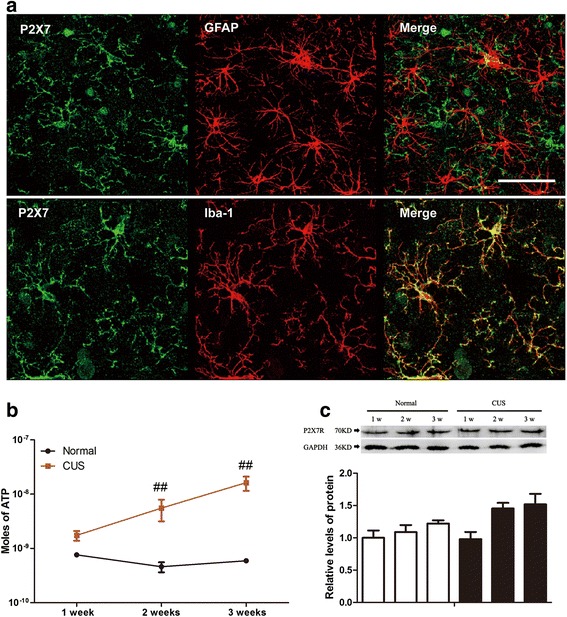
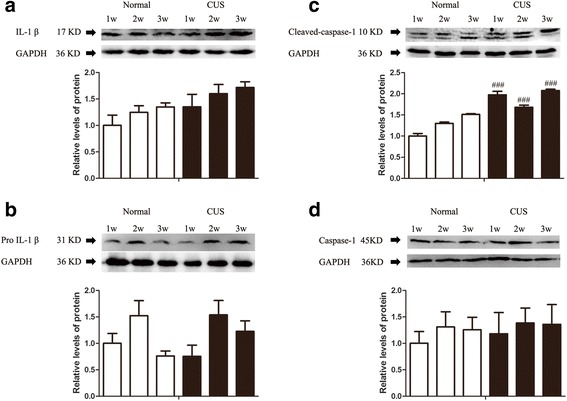
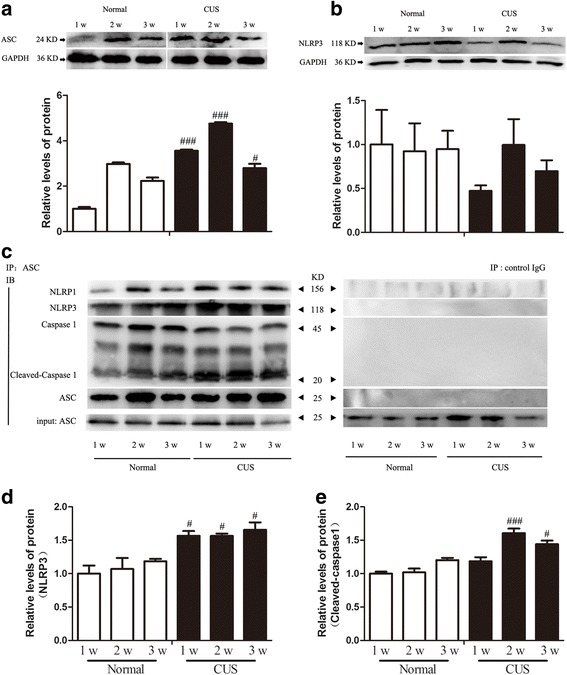
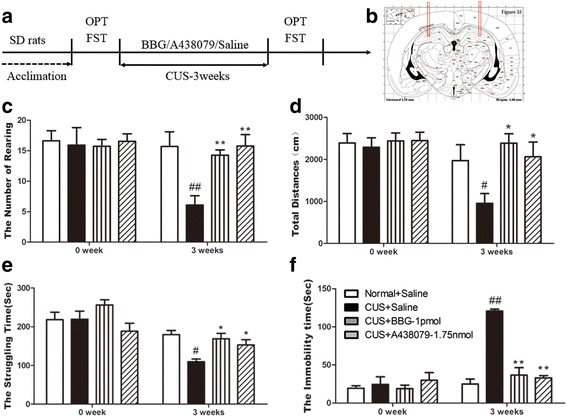
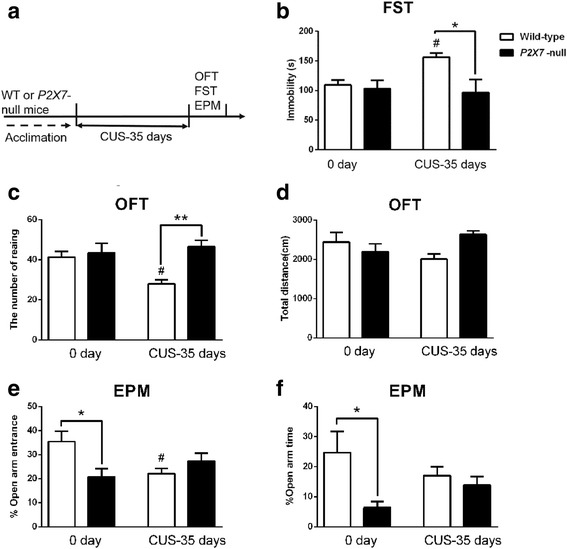
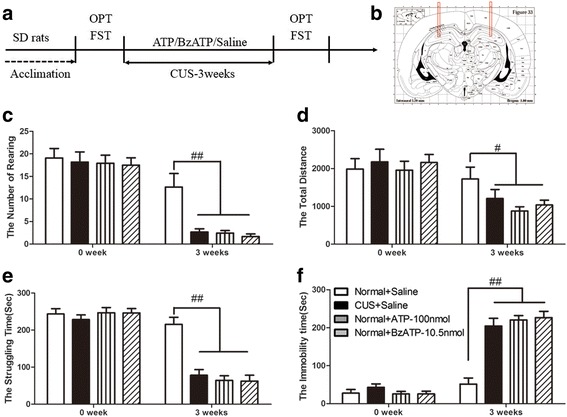
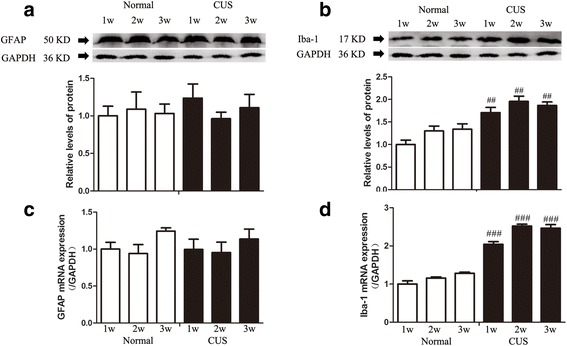
BACKGROUND: In recent years, proinflammatory cytokine interleukin-1β (IL-1β) was considered to play a critical role in the pathogenesis of depression. In addition, P2X7 receptor (P2X7R), a member of the purinergic receptor family, which is predominantly present on microglia, as well as on astrocytes and neurons in lesser amounts in the central nervous system, was suggested to be involved in the processing and releasing of IL-1β. Here, we investigated the role of P2X7R in the pathogenesis of depression. METHODS: Male Sprague-Dawley rats were subjected to chronic unpredictable stressors (CUS) for 3 weeks. At the end of week 1, 2, and 3, extracellular ATP, caspase 1, IL-1β, and components and activation of NLRP3 inflammasome (nucleotide-binding, leucine-rich repeat, pyrin domain containing 3) were evaluated as biomarker of neuroinflammation. In separate experiments, the rats were microinjected with P2X7R agonists ATP, BzATP, and saline into the hippocampus, respectively, or exposed to CUS combined with hippocampal microinjection with P2X7R antagonist, BBG and A438079, and saline, respectively, for 3 weeks, followed by exposed to forced swimming test and open-field test. Moreover, we also evaluated the depressive and anxiety-like behavior of P2X7-null mice in forced swimming test, open-field test, and elevated plus maze. RESULTS: Along with stress accumulation, extracellular ATP, cleaved-caspase 1, IL-1β, and ASC were significantly enhanced in the hippocampus, but P2X7R and NLRP3 were not. Immunoprecipitation assay indicated that along with the accumulation of stress, assembly of NLRP3 inflammasome and cleaved caspase 1 in NLRP3 inflammasome were significantly increased. Moreover, antagonists of P2X7R, either BBG or A438079, prevented the development of depressive-like behaviors induced by chronic unpredictable stress in rats. Meanwhile, we could not observe any depressive-like or anxiety-like behaviors of P2X7-null mice after they had been exposed to CUS. The results implied that P2X7 knockout could impede the development of depressive-like and anxiety-like behaviors induced by CUS. In contrast, chronic administration of agonists of P2X7R, either ATP or BzATP, could induce depressive-like behaviors. CONCLUSIONS: The activation of P2X7R and subsequent NLRP3 inflammasome in hippocampal microglial cells could mediate depressive-like behaviors, which suggests a new therapeutic target for the prevention and treatment of depression.
Overview
The claims and statistics of this paper haven’t been checked yet.
Free: it reads the open-access text and checks the first 5 claims that cite a source we can check. Create a free account to check every claim.
Integrity signals
Registry
Cites
Statistics
Figures
Verification
Claims the paper makes
The claims and statistics of this paper haven’t been checked yet.
Free: it reads the open-access text and checks the first 5 claims that cite a source we can check. Create a free account to check every claim.
Claims other papers make about this one
Each is checked against this paper’s own text: does it say what the citing paper says it does?
The source backs part of the claim, not all of it — or backs it for a different population, condition or comparison.
In the citing paper
“Despite being detected in glial and neuronal cells [49,50,51,52,53,54], the activity of the P2X7R was not always investigated and used antibodies lack specificity [49,55,56,57].”
From P2X7 Receptor Signaling in Stress and Depression (2019) · cites this paper as [53]
Experimental — accuracy not yet measuredThe source backs part of the claim, not all of it — or backs it for a different population, condition or comparison.
In the citing paper
“In studies using immunohistochemistry, no alterations in hippocampal P2X7R levels were detected in animals exposed to chronic unpredictable stress (CUS) [53].”
From P2X7 Receptor Signaling in Stress and Depression (2019) · cites this paper as [53]
Experimental — accuracy not yet measuredThe cited source says what the claim attributes to it.
In the citing paper
“Depressive-like symptoms are exacerbated by activation of P2X 7 R in glial cells. 94”
From Major depressive disorder: hypothesis, mechanism, prevention and treatment (2024) · cites this paper as [94]
The cited source says what the claim attributes to it.
In the citing paper
“This proposal is further substantiated in a study where CUS increased ATP levels and promoted activation of the hippocampal NLRP3 inflammasomal pathway [53]”
From P2X7 Receptor Signaling in Stress and Depression (2019) · cites this paper as [53]
In the citing paper
“It can therefore be hypothesized that stress may trigger excessive ATP release, followed by activation of P2X7R signaling in the hippocampus. This may subsequently impair mechanisms involved in behavioral adaptation to chronic aversive situations, and facilitate the development of depressive-like behaviors.”
From P2X7 Receptor Signaling in Stress and Depression (2019) · cites this paper as [53]
3 more claims about this paper
Create a free account to see every claim other papers make about this one.
Self-check
Percentages, sums and reported differences re-computed from the paper’s own numbers.
The self-check needs the paper’s full text.
Citations
Cites
Schroder, K., & Tschopp, J. (2010) · Cell · doi:10.1016/j.cell.2010.01.040 · Cited by 5,475
ATP mediates rapid microglial response to local brain injury in vivo
Davalos, D., Grutzendler, J., Yang, G., Kim, J. V., Zuo, Y., Jung, S., Littman, D. R., Dustin, M. L., & Gan, W.-B. (2005) · Nature Neuroscience · doi:10.1038/nn1472 · Cited by 3,913 · cited 1×
“As they said, the neuron [66] and astrocyte [67] could be the source of eATP.”
BackgroundInflammation and Its Discontents: The Role of Cytokines in the Pathophysiology of Major Depression
Miller, A. H., Maletic, V., & Raison, C. L. (2009) · Biological Psychiatry · doi:10.1016/j.biopsych.2008.11.029 · Cited by 3,848
Molecular Physiology of P2X Receptors
North, R. A. (2002) · Physiological Reviews · doi:10.1152/physrev.00015.2002 · Cited by 2,919 · cited 1×
“As they said, the neuron [66] and astrocyte [67] could be the source of eATP.”
BackgroundNLRP3 is activated in Alzheimer’s disease and contributes to pathology in APP/PS1 mice
Heneka, M. T., Kummer, M. P., Stutz, A., Delekate, A., Schwartz, S., Vieira-Saecker, A., Griep, A., Axt, D., Remus, A., Tzeng, T.-C., et al. (2013) · Nature · doi:10.1038/nature11729 · Cited by 2,898
Activation and regulation of the inflammasomes
Latz, E., Xiao, T. S., & Stutz, A. (2013) · Nature Reviews Immunology · doi:10.1038/nri3452 · Cited by 2,884 · cited 1×
“In addition, extracellular ATP-induced P2X7R activation could directly mediate K+ efflux which has been proposed to account for NLRP3 activation [93, 94].”
BackgroundWillner, P. (1997) · Psychopharmacology · doi:10.1007/s002130050456 · Cited by 1,832
The Inflammasome NLRs in Immunity, Inflammation, and Associated Diseases
Davis, B. K., Wen, H., & Ting, J. P.-Y. (2011) · Annual Review of Immunology · doi:10.1146/annurev-immunol-031210-101405 · Cited by 1,618 · cited 1×
“The multiprotein complex named the inflammasome cleaves pro-caspase-1 to mature caspase-1, which subsequently causes the maturation of pro-IL-1β [31, 32].”
BackgroundWillner, P. (2005) · Neuropsychobiology · doi:10.1159/000087097 · Cited by 1,605
Interleukin-1 stimulates the secretion of hypothalamic corticotropin-releasing factor
Sapolsky, R., Rivier, C., Yamamoto, G., Plotsky, P., & Vale, W. (1987) · Science · doi:10.1126/science.2821621 · Cited by 1,504
Cited by
Major depressive disorder: hypothesis, mechanism, prevention and treatment
Cui, L., Li, S., Wang, S., Wu, X., Liu, Y., Yu, W., Wang, Y., Tang, Y., Xia, M., & Li, B. (2024) · Signal Transduction and Targeted Therapy · doi:10.1038/s41392-024-01738-y · Cited by 1,244
“94 Polimorphisms at P2X 7 R increase vulnerability to mood disorders whereas P2X 2 R-mediated neuronal activity is decreased in mice exposed to chronic stress due to insuf fi cient ATP release from astrocytes.”
BackgroundSelf-citationMicroglia in depression: an overview of microglia in the pathogenesis and treatment of depression
Wang, H., He, Y., Sun, Z., Ren, S., Liu, M., Wang, G., & Yang, J. (2022) · Journal of Neuroinflammation · doi:10.1186/s12974-022-02492-0 · Cited by 571
“Moreover, activation of P2X7R and NLRP3 inflammasome-associated proteins in hippocampal microglia could mediate depressivelike behaviors, which provide new therapeutic targets for depression [124].”
BackgroundWang, Y.-L., Han, Q.-Q., Gong, W.-Q., Pan, D.-H., Wang, L.-Z., Hu, W., Yang, M., Li, B., Yu, J., & Liu, Q. (2018) · Journal of Neuroinflammation · doi:10.1186/s12974-018-1054-3 · Cited by 438
Self-citationGuo, L.-T., Wang, S.-Q., Su, J., Xu, L.-X., Ji, Z.-Y., Zhang, R.-Y., Zhao, Q.-W., Ma, Z.-Q., Deng, X.-Y., & Ma, S.-P. (2019) · Journal of Neuroinflammation · doi:10.1186/s12974-019-1474-8 · Cited by 401
Neuroinflammation mechanisms of neuromodulation therapies for anxiety and depression
Guo, B., Zhang, M., Hao, W., Wang, Y., Zhang, T., & Liu, C. (2023) · Translational Psychiatry · doi:10.1038/s41398-022-02297-y · Cited by 374
“Studies have Translational Psychiatry (2023) 13:5 shown that inflammatory factors IL-1β, IL-6, TNF-α, and CRP are elevated and anti-inflammatory factors IL-4, IL-8, and IL-10 are decreased in peripheral and cerebrospinal fluid and correlate with patients’ symptoms and disease duration in depression and anxiety [158–16…”
BackgroundInfluentialSelf-citationDepression's Unholy Trinity: Dysregulated Stress, Immunity, and the Microbiome
Cruz-Pereira, J. S., Rea, K., Nolan, Y. M., O'Leary, O. F., Dinan, T. G., & Cryan, J. F. (2020) · Annual Review of Psychology · doi:10.1146/annurev-psych-122216-011613 · Cited by 320
“Furthermore, in other stress models, targeting specific glial and neuronal modulators ameliorated depressive-like behavior, while concurrently modulating NLPR3 inflammasome (Z.-Q. Li et al. 2018, Yue et al. 2017).”
BackgroundZhang, Y., Huang, R., Cheng, M., Wang, L., Chao, J., Li, J., Zheng, P., Xie, P., Zhang, Z., & Yao, H. (2019) · Microbiome · doi:10.1186/s40168-019-0733-3 · Cited by 263
Self-citationHu, Y., Mai, W., Chen, L., Cao, K., Zhang, B., Zhang, Z., Liu, Y., Lou, H., Duan, S., & Gao, Z. (2020) · Glia · doi:10.1002/glia.23760 · Cited by 253
“On the other hand, activation of P2X7 receptors by high concentration of ATP, in combination with the activation of TLRs, induces rapid activation of inflammasome and IL-1β release in LPSprimed microglia (Ferrari et al., 2006; Yue et al., 2017).”
BackgroundMicroglia: An Interface between the Loss of Neuroplasticity and Depression
Singhal, G., & Baune, B. T. (2017) · Frontiers in Cellular Neuroscience · doi:10.3389/fncel.2017.00270 · Cited by 250
“The microglial membrane is rich in purinergic receptor P2X7 which when activated with chronic stress subsequently activates NLRP3 inflammasome in hippocampal microglia augmenting proinflammatory environment in the CNS (Yue et al., 2017).”
BackgroundBurnstock, G., & Knight, G. E. (2018) · Purinergic Signalling · doi:10.1007/s11302-017-9593-0 · Cited by 248
Li, M., Li, C., Yu, H., Cai, X., Shen, X., Sun, X., Wang, J., Zhang, Y., & Wang, C. (2017) · Journal of Neuroinflammation · doi:10.1186/s12974-017-0964-9 · Cited by 239
Self-citationKouba, B. R., de Araujo Borba, L., Borges de Souza, P., Gil-Mohapel, J., & Rodrigues, A. L. S. (2024) · Cells · doi:10.3390/cells13050423 · Cited by 209
“For example, ATP and/or ADP can activate P2X7 purinergic receptors, which release TNF-α , thus contributing to the neuroinflammatory process in MDD [98,99].”
BackgroundDepression and sterile inflammation: essential role of danger associated molecular patterns
Franklin, T. C., Xu, C., & Duman, R. S. (2018) · Brain, Behavior, and Immunity · doi:10.1016/j.bbi.2017.10.025 · Cited by 204
Comer, A. L., Carrier, M., Tremblay, M.-È., & Cruz-Martín, A. (2020) · Frontiers in Cellular Neuroscience · doi:10.3389/fncel.2020.00274 · Cited by 205
“Chronic stress also altered microglial function by activating the P2X7 receptor, which induced the NLRP3 inflammasome thus increasing levels of mature IL-1β within the brain (Pan et al., 2014; Yue et al., 2017).”
BackgroundThe role of microglial P2X7: modulation of cell death and cytokine release
He, Y., Taylor, N., Fourgeaud, L., & Bhattacharya, A. (2017) · Journal of Neuroinflammation · doi:10.1186/s12974-017-0904-8 · Cited by 194
The Effects and Mechanisms of Exercise on the Treatment of Depression
Xie, Y., Wu, Z., Sun, L., Zhou, L., Wang, G., Xiao, L., & Wang, H. (2021) · Frontiers in Psychiatry · doi:10.3389/fpsyt.2021.705559 · Cited by 178
The NLRP3 inflammasome in depression: Potential mechanisms and therapies
Xia, C.-Y., Guo, Y.-X., Lian, W.-W., Yan, Y., Ma, B.-Z., Cheng, Y.-C., Xu, J.-K., He, J., & Zhang, W.-K. (2023) · Pharmacological Research · doi:10.1016/j.phrs.2022.106625 · Cited by 178
Feng, X., Zhao, Y., Yang, T., Song, M., Wang, C., Yao, Y., & Fan, H. (2019) · Frontiers in Molecular Neuroscience · doi:10.3389/fnmol.2019.00210 · Cited by 183
“Studies have shown that activation of P2X7 receptor and the NLRP3 inflammasome in hippocampal glial cells mediates depressive-like behavior induced by chronic stress (Yue et al., 2017).”
BackgroundVan Zeller, M., Dias, D., Sebastião, A. M., & Valente, C. A. (2021) · Journal of Alzheimer's Disease · doi:10.3233/jad-210268 · Cited by 169
“Another possibility of A -mediated activation of the NLRP3 complex involves the release of ATP by dying neurons which, in turn, activates the purinergic receptor P2X7 [102, 103], predominantly expressed by microglia and in lesser amounts by astrocytes [104], causing K+ efflux and inducing the recruitment of the membra…”
BackgroundNK cell-derived exosomes carry miR-207 and alleviate depression-like symptoms in mice
Li, D., Wang, Y., Jin, X., Hu, D., Xia, C., Xu, H., & Hu, J. (2020) · Journal of Neuroinflammation · doi:10.1186/s12974-020-01787-4 · Cited by 163
Self-citationThe P2X7 Receptor: Central Hub of Brain Diseases
Andrejew, R., Oliveira-Giacomelli, Á., Ribeiro, D. E., Glaser, T., Arnaud-Sampaio, V. F., Lameu, C., & Ulrich, H. (2020) · Frontiers in Molecular Neuroscience · doi:10.3389/fnmol.2020.00124 · Cited by 162
“Interestingly, microinjection of P2X7 receptor antagonists (BBG or A-438079) into the rat hippocampus during 3 weeks prevented the development of depression-related behaviors induced by CUMS exposure, while the administration of P2 receptors agonists (ATP or Bz-ATP) for the same period caused depressivelike behaviors…”
ResultQin, Z., Shi, D.-D., Li, W., Cheng, D., Zhang, Y.-D., Zhang, S., Tsoi, B., Zhao, J., Wang, Z., & Zhang, Z.-J. (2023) · Journal of Neuroinflammation · doi:10.1186/s12974-023-02744-7 · Cited by 162
“As the agonist of the glucocorticoid receptor, CORT activated glucocorticoid receptor increased the expression of purinergic receptor and result in the over-secretion of IL-6 [41, 42].”
BackgroundInfluentialSelf-citationWang, Y.-L., Wu, H., Zhang, S., Xiao, H., Yu, J. M., Ma, Y.-Y., Zhang, Y., & Liu, Q. (2021) · Translational Psychiatry · doi:10.1038/s41398-021-01468-7 · Cited by 166
Self-citationP2X7 receptor mediates NLRP3 inflammasome activation in depression and diabetes
Wang, D., Wang, H., Gao, H., Zhang, H., Zhang, H., Wang, Q., & Sun, Z. (2020) · Cell & Bioscience · doi:10.1186/s13578-020-00388-1 · Cited by 159
Chronic mild stress paradigm as a rat model of depression: facts, artifacts, and future perspectives
Strekalova, T., Liu, Y., Kiselev, D., Khairuddin, S., Chiu, J. L. Y., Lam, J., Chan, Y.-S., Pavlov, D., Proshin, A., Lesch, K.-P., et al. (2022) · Psychopharmacology · doi:10.1007/s00213-021-05982-w · Cited by 141
Gupta, V. B., Chitranshi, N., den Haan, J., Mirzaei, M., You, Y., Lim, J. K. H., Basavarajappa, D. K., Godinez, A., Angelantonio, S. D., Sachdev, P. S., et al. (2020) · Progress in Retinal and Eye Research · doi:10.1016/j.preteyeres.2020.100899 · Cited by 160
Stress-induced blood brain barrier disruption: Molecular mechanisms and signaling pathways
Welcome, M. O., & Mastorakis, N. E. (2020) · Pharmacological Research · doi:10.1016/j.phrs.2020.104769 · Cited by 139
Microglia and the Purinergic Signaling System
Calovi, S., Mut-Arbona, P., & Sperlágh, B. (2019) · Neuroscience · doi:10.1016/j.neuroscience.2018.12.021 · Cited by 133
P2X7 Receptor Signaling in Stress and Depression
Ribeiro, D. E., Roncalho, A. L., Glaser, T., Ulrich, H., Wegener, G., & Joca, S. (2019) · International Journal of Molecular Sciences · doi:10.3390/ijms20112778 · Cited by 129
“Sci. 2019, 20, 2778 8 of 26 5-HT: 5-hydroxytryptamine or serotonin; ACTH: adrenocorticotropic hormone; ATP: adenosine tri-phosphate; BBG: brilliant blue G; BDNF: brain-derived neurotrophic factor; CD14: cluster of differentiation 14; CUMS: chronic unpredictable mild stress; CUS: chronic unpredictable stress; FRL: flin…”
BackgroundResultInfluentialRecent advances in CNS P2X7 physiology and pharmacology: Focus on neuropsychiatric disorders
Bhattacharya, A. (2018) · Frontiers in Pharmacology · doi:10.3389/fphar.2018.00030 · Cited by 115
“…data with P2X7 selective, brain-penetrant antagonists demonstrated efficacy in chronic models of stress (Lovenberg et al., 2015; Iwata et al., 2016; Yue et al., 2017); these findings point to a pathway of stress mediated ATP-driven activation of P2X7–NLRP3–IL-1β pathway, leading to microglial…”
BackgroundCrider, A., Feng, T., Pandya, C. D., Davis, T., Nair, A., Ahmed, A. O., Baban, B., Turecki, G., & Pillai, A. (2018) · Brain, Behavior, and Immunity · doi:10.1016/j.bbi.2018.03.004 · Cited by 112
Jiang, L., Zhang, Y., Feng, J. C., Long, T., Qin, G., Zhang, D., Chen, L., & Zhou, J. (2021) · Journal of Neuroinflammation · doi:10.1186/s12974-020-02056-0 · Cited by 112
Self-citationEmerging role of the P2X7-NLRP3-IL1β pathway in mood disorders
Bhattacharya, A., & Jones, D. N. C. (2018) · Psychoneuroendocrinology · doi:10.1016/j.psyneuen.2018.08.015 · Cited by 105
Ion Channels and Receptors as Determinants of Microglial Function
Izquierdo, P., Attwell, D., & Madry, C. (2019) · Trends in Neurosciences · doi:10.1016/j.tins.2018.12.007 · Cited by 102
Serna-Rodríguez, M. F., Bernal‐Vega, S., de la Barquera, J. A. O.-S., Camacho‐Morales, A., & Pérez‐Maya, A. A. (2022) · Journal of Neuroimmunology · doi:10.1016/j.jneuroim.2022.577951 · Cited by 133
Zhang, J., Shen, S.-Y., Zhai, M.-Y., Shen, Z.-Q., Li, W., Liang, L., Yin, S.-Y., Han, Q.-Q., Li, B., Zhang, Y., et al. (2024) · Nature Communications · doi:10.1038/s41467-024-49597-z · Cited by 121
Self-citationYue, N., Li, B., Yang, L., Han, Q.-Q., Huang, H.-J., Wang, Y.-L., Wang, J., Yu, R., Wu, G.-C., Liu, Q., et al. (2018) · Frontiers in Molecular Neuroscience · doi:10.3389/fnmol.2018.00149 · Cited by 100
Self-citationChai, Y., Cai, Y., Fu, Y., Wang, Y., Zhang, Y., Zhang, X., Zhu, L., Miao, M., & Yan, T. (2022) · Frontiers in Pharmacology · doi:10.3389/fphar.2022.812362 · Cited by 109
“As a key inflammation switch, P2X7 receptor participates in the development of depression by influencing the release of IL-1β (Yue et al., 2017).”
BackgroundSelf-citationP2X7 Receptor: A Potential Therapeutic Target for Depression?
Deussing, J. M., & Arzt, E. (2018) · Trends in Molecular Medicine · doi:10.1016/j.molmed.2018.07.005 · Cited by 97
Rao, J., Qiao, Y., Xie, R., Lin, L., Jiang, J., Wang, C., & Li, G. (2021) · Journal of Psychiatric Research · doi:10.1016/j.jpsychires.2021.02.057 · Cited by 94
Stress and aging act through common mechanisms to elicit neuroinflammatory priming
Fonken, L. K., Frank, M. G., Gaudet, A. D., & Maier, S. F. (2018) · Brain, Behavior, and Immunity · doi:10.1016/j.bbi.2018.07.012 · Cited by 93
“Potentiated neuroinflammatory responses follow a diverse array of stressors including chronic variable stress (de Pablos et al., 2014; Espinosa-Oliva et al., 2011; Yue et al., 2017), social defeat (Wohleb et al.”
Noteworthy perspectives on microglia in neuropsychiatric disorders
Zhu, H., Guan, A., Liu, J., Li, P., Zhang, Z., & Wang, S. (2023) · Journal of Neuroinflammation · doi:10.1186/s12974-023-02901-y · Cited by 105
“The mechanisms underlying NLRP3 inflammasome assembly could be associated with the activation of P2X7 receptors and increased serum glucocorticoid level, which activates glucocorticoid receptor (GR)/NF-κB/NLRP3 pathway [218–220].”
BackgroundZhao, D., Xu, X., Pan, L., Zhu, W., Fu, X., Guo, L., Lu, Q., & Wang, J. (2017) · Journal of Neuroinflammation · doi:10.1186/s12974-017-1007-2 · Cited by 86
“Although diverse factors contribute to the development of depression, recent research has suggested that neuroinflammation has a significant role in the pathogenesis of depressive disorders [39, 40].”
Welcome, M. O. (2020) · Inflammopharmacology · doi:10.1007/s10787-020-00712-8 · Cited by 96
Farooq, R. K., Tanti, A., Ainouche, S., Roger, S., Belzung, C., & Camus, V. (2018) · Psychoneuroendocrinology · doi:10.1016/j.psyneuen.2018.07.016 · Cited by 83
Bhattacharya, A., Lord, B., Grigoleit, J., He, Y., Fraser, I. C., Campbell, S. N., Taylor, N., Aluisio, L. E., O’Connor, J. C., Papp, M., et al. (2018) · Neuropsychopharmacology · doi:10.1038/s41386-018-0141-6 · Cited by 88
Geng, J., Liu, J., Yuan, X., Liu, W., & Guo, W. (2019) · Toxicology and Applied Pharmacology · doi:10.1016/j.taap.2019.114688 · Cited by 85
Huang, S., Dong, W., Lin, X., Xu, K., Li, K., Xiong, S., Wang, Z., Nie, X., & Bian, J.-S. (2024) · Immunity · doi:10.1016/j.immuni.2024.01.018 · Cited by 86
Emerging Role of Purine Metabolizing Enzymes in Brain Function and Tumors
Garcia‐Gil, M., Camici, M., Allegrini, S., Pesi, R., Petrotto, E., & Tozzi, M. G. (2018) · International Journal of Molecular Sciences · doi:10.3390/ijms19113598 · Cited by 86
Regulation of P2X7 receptor expression and function in the brain
Jimenez-Mateos, E. M., Smith, J., Nicke, A., & Engel, T. (2019) · Brain Research Bulletin · doi:10.1016/j.brainresbull.2018.12.008 · Cited by 78
Picard, K., St-Pierre, M.-K., Vecchiarelli, H. A., Bordeleau, M., & Tremblay, M.-È. (2021) · Neurochemistry International · doi:10.1016/j.neuint.2021.104987 · Cited by 77
Mocayar Marón, F. J., Ferder, L., Saraví, F. D., & Manucha, W. (2019) · Stress · doi:10.1080/10253890.2018.1542683 · Cited by 73
“ATP activates the P2X7 receptor in microglial cells, leading to the opening of a potassium channel (Yue et al., 2017).”
BackgroundRisbrough, V. B., Vaughn, M. N., & Friend, S. F. (2021) · Biological Psychiatry · doi:10.1016/j.biopsych.2021.11.012 · Cited by 83
Li, D., Wang, C.-N., Wang, Y., Ye, C., Jiang, L., Zhu, X., & Liu, Y. (2020) · Behavioural Brain Research · doi:10.1016/j.bbr.2020.112684 · Cited by 80
Self-citationRahimian, R., Belliveau, C., Chen, R., & Mechawar, N. (2022) · Frontiers in Psychiatry · doi:10.3389/fpsyt.2022.871997 · Cited by 88
“Furthermore, P2X7R null mice that underwent the CUS did not develop a depressive phenotype irrespective of sex (300).”
BackgroundAstrocytes and major depression: The purinergic avenue
Zhao, Y. F., Verkhratsky, A., Tang, Y. C., & Illés, P. (2022) · Neuropharmacology · doi:10.1016/j.neuropharm.2022.109252 · Cited by 83
Microglial-driven changes in synaptic plasticity: A possible role in major depressive disorder
Innes, S., Pariante, C. M., & Borsini, A. (2019) · Psychoneuroendocrinology · doi:10.1016/j.psyneuen.2018.12.233 · Cited by 75
Role of purines in regulation of metabolic reprogramming
Tang, Z., Ye, W., Chen, H., Kuang, X., Guo, J., Xiang, M., Peng, C., Chen, X., & Liu, H. (2019) · Purinergic Signalling · doi:10.1007/s11302-019-09676-z · Cited by 79
Zhang, J., Li, L., Liu, Q., Zhao, Z., Su, D., Xiao, C., Jin, T., Chen, L., Xu, C., You, Z., et al. (2023) · Phytomedicine · doi:10.1016/j.phymed.2023.154725 · Cited by 74
Self-citationTimmers, M., Ravenstijn, P. G. M., Xi, L., Triana‐Baltzer, G., Furey, M., Hemelryck, S. V., Biewenga, J., Ceusters, M., Bhattacharya, A., van den Boer, M., et al. (2018) · Journal of Psychopharmacology · doi:10.1177/0269881118800067 · Cited by 73
Territo, P. R., & Zarrinmayeh, H. (2021) · Frontiers in Cellular Neuroscience · doi:10.3389/fncel.2021.617036 · Cited by 78
Muhammad, R. N., Ahmed, L. A., Abdelsalam, R. M., Ahmed, K. A., & Attia, A. S. (2021) · Neurotherapeutics · doi:10.1007/s13311-021-01140-4 · Cited by 73
Liu, J., Chen, Y., Yang, J., Song, X., Han, W., Xie, M., Cheng, L., Xie, L., Chen, H., & Jiang, L. (2019) · Brain and Behavior · doi:10.1002/brb3.1453 · Cited by 70
“Anxiety was assessed as both the percentages of time spent in open arms and the percentages of number of entries into them, shown in the previous study (Yue et al., 2017).”
MethodChen, L., Lv, X., Guo, Q., Lv, S., Lü, N., Xu, W., Yu, J. M., & Zhang, Y. (2022) · British Journal of Pharmacology · doi:10.1111/bph.15994 · Cited by 70
Self-citationThe two faces of pannexins: new roles in inflammation and repair
Makarenkova, H. P., Shah, S. B., & Shestopalov, V. I. (2018) · Journal of Inflammation Research · doi:10.2147/jir.s128401 · Cited by 71
Microglial NLRP3 inflammasome-mediated neuroinflammation and therapeutic strategies in depression
Han, Q.-Q., Li, W., Chen, P., Wang, L., Bao, X., Huang, R., Liu, G., & Chen, X. (2023) · Neural Regeneration Research · doi:10.4103/1673-5374.390964 · Cited by 75
“Additionally, both Brilliant Blue G and A438079, P2X7 receptor inhibitors, alleviated depression-like behaviors by inhibiting the ATP–P2X7 receptor–NLRP3 signaling pathway in CUMS rats (Yue et al., 2017).”
BackgroundSelf-citationBao, H., Li, H., Jia, Y., Xiao, Y., Luo, S., Zhang, D., Han, L., Dai, L., Xiao, C., Feng, L., et al. (2021) · Biochemical Pharmacology · doi:10.1016/j.bcp.2021.114561 · Cited by 67
Neuroinflammation and Post-Stroke Depression: Focus on the Microglia and Astrocytes
Lu, W., & Wen, J. (2025) · Aging and disease · doi:10.14336/ad.2024.0214-1 · Cited by 54
“IL-1β is linked to the P2X receptor family, activation of the P2X7-NLRP3-IL-1β pathway is connected with depressive-like behaviors [64], and inhibition of P2X7 is connected with antidepressant-like effects [65].”
RETRACTED: ATP ion channel P2X purinergic receptors in inflammation response
Liu, J., Liu, S.-C., Hu, S.-Q., Lu, J., Wu, C., Hu, D.-X., & Zhang, W. (2023) · Biomedicine & Pharmacotherapy · doi:10.1016/j.biopha.2022.114205 · Cited by 69
RetractedRecourt, K., van der Aart, J., Jacobs, G. E., de Kam, M., Drevets, W. C., Nueten, L. V., Kanhai, K. M. S., Siebenga, P. S., Zuiker, R. G. J. A., Ravenstijn, P. G. M., et al. (2020) · Journal of Psychopharmacology · doi:10.1177/0269881120914206 · Cited by 68
“…et al., 2011, 2013; Iwata et al., 2013; Park and Kim, 2017; Sperlagh et al., 2012; Stokes et al., 2015) and has been implicated in the pathophysiology of various psychiatric disorders, including mood disorders (Cheffer et al., 2018; Farooq et al., 2018; Wei et al., 2018; Yue et al., 2017).”
BackgroundZhao, C., Deng, Y., He, Y., Huang, X., Wang, C., & Li, W. (2021) · Neurotherapeutics · doi:10.1007/s13311-020-00999-z · Cited by 66
Shen, S.-Y., Yu, R., Li, W., Liang, L., Han, Q.-Q., Huang, H., Li, B., Xu, S., Wu, G.-C., Zhang, Y., et al. (2022) · Neurobiology of Disease · doi:10.1016/j.nbd.2022.105743 · Cited by 69
“In line with previous studies (Wang et al., 2018; Yue et al., 2017), the results showed that the three parts of the NLRP3 inflammasome, ASC (two-way ANOVA followed by Tukey’s posthoc of ASC) (Treatment: F(1, 8) = 11.”
ResultSelf-citationRoles of multiple lipid mediators in stress and depression
Furuyashiki, T., Akiyama, S., & Kitaoka, S. (2019) · International Immunology · doi:10.1093/intimm/dxz023 · Cited by 59
Kang, X., Jiang, L., Lan, F., Tang, Y.-Y., Zhang, P., Zou, W., Chen, Y., & Tang, X. (2021) · Brain Research Bulletin · doi:10.1016/j.brainresbull.2021.10.002 · Cited by 59
Bashir, S. T., Redden, C. R., Raj, K., Arcanjo, R. B., Stasiak, S., Li, Q., Steelman, A. J., & Nowak, R. A. (2023) · Journal of Neuroinflammation · doi:10.1186/s12974-023-02713-0 · Cited by 60
Stress, pain, anxiety, and depression in endometriosis–Targeting glial activation and inflammation
Mokhtari, T., Irandoost, E., & Sheikhbahaei, F. (2024) · International Immunopharmacology · doi:10.1016/j.intimp.2024.111942 · Cited by 67
Antidiabetic drug glyburide modulates depressive-like behavior comorbid with insulin resistance
Su, W.-J., Peng, W., Gong, H., Liu, Y.-Z., Zhang, Y., Lian, Y.-J., Cao, Z.-Y., Wu, R., Liu, L.-L., Wang, B., et al. (2017) · Journal of Neuroinflammation · doi:10.1186/s12974-017-0985-4 · Cited by 54
“Besides, high-fat diet could induce anhedonia by activating the purinergic P2X7 receptor-NLRP3 inflammasome pathway [62, 63].”
Self-citationXia, M., Li, Z., Li, S., Liang, S., Li, X., Chen, B., Zhang, M., Dong, C., Verkhratsky, A., Guan, D., et al. (2020) · Neuroscience Bulletin · doi:10.1007/s12264-020-00524-4 · Cited by 55
Self-citationNLRP3 Inflammasome: From Pathophysiology to Therapeutic Target in Major Depressive Disorder
Kouba, B. R., Gil‐Mohapel, J., & Rodrigues, A. L. S. (2022) · International Journal of Molecular Sciences · doi:10.3390/ijms24010133 · Cited by 62
“Noteworthy, neuronal damage culminates in the release of ATP and/or ADP, which maintain microglial activation via the P2X purinoreceptor 7 (P2X7) [13,14].”
BackgroundInfluentialZhang, Y., Yang, Y., Li, H., Feng, Q., Ge, W., & Xu, X. (2023) · Molecular Neurobiology · doi:10.1007/s12035-023-03563-w · Cited by 59
“Furthermore, activation of the P2X7–NLRP3–IL-1β pathway has been correlated with depressive-like behaviors [137].”
Self-citationThe ameliorative effect of fluoxetine on neuroinflammation induced by sleep deprivation
Xia, M., Li, X., Yang, L., Ren, J., Sun, G., Qi, S., Verkhratsky, A., & Li, B. (2018) · Journal of Neurochemistry · doi:10.1111/jnc.14272 · Cited by 53
“Extracellular ATP, acting through the ionotropic P2X7 receptor (P2X7R), leads to K + efflux, which is required for NLRP3 inflammasome activation (Pelegrin and Surprenant 2007; Karmakar et al. 2016).”
BackgroundInfluentialSelf-citationBollinger, J. L., Dadosky, D. T., Flurer, J. K., Rainer, I. L., Woodburn, S. C., & Wohleb, E. S. (2022) · Neuropsychopharmacology · doi:10.1038/s41386-022-01519-7 · Cited by 55
“Stress-induced microglia-mediated dendritic remodeling, synapse loss, and behavioral adaptations in stress are dependent on P2Y12 signaling Stress exposure increases neuronal activity, alters excitatory neurotransmission, and purine metabolism in the PFC [34, 35].”
BackgroundShen, S., Liang, L., Shi, T., Shen, Z., Yin, S., Zhang, J., Li, W., Mi, W., Wang, Y., Zhang, Y., et al. (2025) · Advanced Science · doi:10.1002/advs.202412556 · Cited by 88
Self-citationJiang, Y., Peng, T., Gaur, U., Silva, M., Little, P. J., Chen, Z., Qiu, W., Zhang, Y., & Zheng, W. (2019) · Frontiers in Cellular Neuroscience · doi:10.3389/fncel.2019.00290 · Cited by 58
Self-citationP2X7 receptor in inflammation and pain
Hu, S.-Q., Hu, J., Zou, F.-L., Liu, J., Luo, H., Hu, D.-X., Wu, L., & Zhang, W. (2022) · Brain Research Bulletin · doi:10.1016/j.brainresbull.2022.07.006 · Cited by 56
Purinergic signaling: a potential therapeutic target for depression and chronic pain
Zou, Y., Yang, R., Li, L., Xu, X., & Liang, S. (2021) · Purinergic Signalling · doi:10.1007/s11302-021-09801-x · Cited by 52
Time-dependent dual effect of microglia in ischemic stroke
Fan, P., Wang, S., Chu, S., & Chen, N. (2023) · Neurochemistry International · doi:10.1016/j.neuint.2023.105584 · Cited by 55
Gürsel (2018) · doi:10.1016/j.neubiorev.2018.02.005 · Cited by 47
“A more recent study has also documented an increase in the level of ATP in hippocampus in rats after exposed to CUS for 2-3 weeks (Yue et al., 2017).”
BackgroundMethodInfluentialZhou, Y., Cui, Y., Zheng, J., Quan, Y.-Q., Wu, S., Xu, H., & Han, Y. (2021) · Phytomedicine · doi:10.1016/j.phymed.2021.153910 · Cited by 53
Lv, X., Lv, S., Wang, G., Chang, Y., Cai, Y., Liu, H.-Z., Xu, G.-Z., Xu, W., & Zhang, Y. (2024) · Brain Behavior and Immunity · doi:10.1016/j.bbi.2024.01.012 · Cited by 50
Self-citationBollinger, J. L., & Wohleb, E. S. (2019) · Neuroscience Letters · doi:10.1016/j.neulet.2019.134369 · Cited by 57
P2X7R antagonists in chronic stress-based depression models: a review
von Mücke-Heim, I.-A., Ries, C., Urbina-Treviño, L., & Deussing, J. M. (2021) · European Archives of Psychiatry and Clinical Neuroscience · doi:10.1007/s00406-021-01306-3 · Cited by 49
Behavioral Animal Models and Neural-Circuit Framework of Depressive Disorder
Tian, X., Russo, S. J., & Li, L. (2024) · Neuroscience Bulletin · doi:10.1007/s12264-024-01270-7 · Cited by 56
Pinzi, M., Fagiolini, A. M., Koukouna, D., Gualtieri, G., Rescalli, M. B., Pierini, C., Pardossi, S., Patrizio, B., & Cuomo, A. (2025) · Cells · doi:10.3390/cells14191558 · Cited by 54
“Preclinical studies show that chronic stress enhances NLRP3 activation in the hippocampus and prefrontal cortex, leading to increased IL-1 β release, inhibition of neurogenesis, disruption of synaptic plasticity, and the emergence of depressive-like behavior [65].”
Zhu, X., Zhang, H., Chen, H., Deng, X., Tu, Y., Jackson, A. O., Qing, J., Wang, A., Patel, V. B., & Yin, K. (2018) · Acta Pharmacologica Sinica · doi:10.1038/s41401-018-0068-9 · Cited by 45
Self-citationLiu, P., Chen, J., Ma, S., Zhang, J., & Zhou, J. (2020) · The International Journal of Neuropsychopharmacology · doi:10.1093/ijnp/pyaa076 · Cited by 49
Astrocytes in depression and Alzheimer’s disease
Liao, Y., Xing, Q., Li, Q., Zhang, J., Pan, R., & Yuan, Z. (2021) · Frontiers of Medicine · doi:10.1007/s11684-021-0875-0 · Cited by 49
“Therefore, treatment with P2X7R antagonists, elimination of NLRP3, or blockade of peripheral IL-1β could rescue depression caused by chronic stress [78,80,81].”
BackgroundSousa, F. S. S., Birmann, P. T., Balaguez, R. A., Alves, D. A. C., Brüning, C. A., & Savegnago, L. (2018) · Neurochemistry International · doi:10.1016/j.neuint.2018.08.006 · Cited by 47
Hu, X., Liu, Y., Wu, J., Liu, Y., Liu, W., Chen, J., & Yang, F. (2020) · Brain Behavior and Immunity · doi:10.1016/j.bbi.2020.04.030 · Cited by 46
Chen, Y., Lin, S., Jin, S., & Gao, T. (2024) · Biological Psychiatry · doi:10.1016/j.biopsych.2024.04.013 · Cited by 45
Metadata
- Authors
- Yue, N., Huang, H., Zhu, X., Han, Q., Wang, Y., Li, B., Liu, Q., Wu, G., Zhang, Y., & Yu, J.
- Affiliations
- Shanghai Medical College of Fudan University (CN)
- Corresponding author
- Yu, Jin
- Venue
- Journal of Neuroinflammation
- Published
- 2017-05-10
- Volume
- 14
- Issue
- 1
- Pages
- 102-102
- ISSN
- 1742-2094 (ISSN-L)
- PMC
- PMC5424302
- OpenAlex
- W2613289334
- Cited by
- 334
- References
- 100
- Citations by year
- 2026: 27 · 2025: 40 · 2024: 47 · 2023: 36 · 2022: 51 · 2021: 38 · 2020: 33 · 2019: 19 · 2018: 30 · 2017: 11
- FWCI
- 8.45
- Type
- journal article
- Language
- en
- Open access
- gold
- doi.org
- Licence
- cc-by
- Locations
- Journal of Neuroinflammation (publishedVersion, cc-by)
- PubMed Central (publishedVersion, cc-by)
- PubMed (publishedVersion)
- DOAJ (DOAJ: Directory of Open Access Journals) (submittedVersion, cc-by-sa)
- Funders
- National Natural Science Foundation of China (81473437, 81271500)
- Topics
- Life Sciences › Neuroscience › Biological Psychiatry › Tryptophan and brain disorders
- Life Sciences › Biochemistry, Genetics and Molecular Biology › Physiology › Adenosine and Purinergic Signaling
- Life Sciences › Neuroscience › Behavioral Neuroscience › Stress Responses and Cortisol
- Keywords
- P2X7 receptor, NLRP3 inflammasome, chronic unpredictable mild stress, depression, neuroinflammation, IL-1β, caspase-1, extracellular ATP, microglia, astrocytes, P2X7 receptor antagonists, anxiety-like behavior, purinergic signaling
- MeSH terms
- Adenosine Triphosphate, Animals, Depression, Disease Models, Animal, Exploratory Behavior, Food Deprivation, Hot Temperature, Hippocampus, Male, Nerve Tissue Proteins, Neuroglia, Pyridines, Stress, Psychological, Swimming, Tetrazoles, Water Deprivation, Rats, Sprague-Dawley, Rats, Rats, Transgenic, Receptors, Purinergic P2X7, Purinergic P2X Receptor Antagonists
About these checks
Registry, retraction, Cites and statistics results are computed, not judged, with one exception: a printed reference that no index lists is read once by a model before it counts as a citation error. Claims are extracted by a model and kept only when their quote appears verbatim in the text; each cited source is then checked, with a model’s help, for whether it says what the claim relies on. Those verdicts can be wrong — read the claim’s quote and the cited source before relying on one.
Statistics and arithmetic are recomputed, not judged.
Confidence bands are shown only for fields calibrated on our annotated test set. None is calibrated yet, so no band is shown.
What counts as a claim ›How we measure confidence ›How we check this ›
Are you an author, or do you see a problem with this page? Request a review
Data sources
Bibliographic data: Semantic Scholar, OpenAlex, Crossref.
Contains information from the Semantic Scholar Academic Graph Datasets, made available under the ODC Attribution License (ODC-BY 1.0).
Semantic Scholar’s data is described in: Kinney, R., et al. (2023). The Semantic Scholar Open Data Platform. arXiv:2301.10140.
