

Creating a positive perception of childbirth experience: systematic review and meta-analysis of prenatal and intrapartum interventions
Open accessThe DOI matches its Crossref record; 54 of the 55 references it cites were found in a registry or an index.
Abstract
BACKGROUND: A negative experience in childbirth is associated with chronic maternal morbidities. The aim of this systematic review and meta-analysis was to identify currently available successful interventions to create a positive perception of childbirth experience which can prevent psychological birth trauma. METHODS: Randomized controlled trials of interventions in pregnancy or labour which aimed to improve childbirth experience versus usual care were identified from 1994 to September 2016. Low risk pregnant or childbearing women were chosen as the study population. PEDRO scale and Cochrane risk of bias tool were used for quality assessment. Pooled effect estimates were calculated when more than two studies had similar intervention. If it was not possible to include a study in the meta-analysis, its data were summarized narratively. RESULTS: After screening of 7832 titles/abstracts, 20 trials including 22,800 participants from 12 countries were included. Successful strategies to create a positive perception of childbirth experience were supporting women during birth (Risk Ratio = 1.35, 95% Confidence Interval: 1.07 to 1.71), intrapartum care with minimal intervention (Risk Ratio = 1.29, 95% Confidence Interval:1.15 to 1.45) and birth preparedness and readiness for complications (Mean Difference = 3.27, 95% Confidence Interval: 0.66 to 5.88). Most of the relaxation and pain relief strategies were not successful to create a positive birth experience (Mean Difference = - 2.64, 95% Confidence Intervention: - 6.80 to 1.52). CONCLUSION: The most effective strategies to create a positive birth experience are supporting women during birth, intrapartum care with minimal intervention and birth preparedness. This study might be helpful in clinical approaches and designing future studies about prevention of the negative and traumatic birth experiences.
Overview
The claims and statistics of this paper haven’t been checked yet.
Free: it reads the open-access text and checks the first 5 claims that cite a source we can check. Create a free account to check every claim.
Integrity signals
Registry
Cites
Statistics
Figures




Verification
Claims the paper makes
The claims and statistics of this paper haven’t been checked yet.
Free: it reads the open-access text and checks the first 5 claims that cite a source we can check. Create a free account to check every claim.
Claims other papers make about this one
Each is checked against this paper’s own text: does it say what the citing paper says it does?
The source backs part of the claim, not all of it — or backs it for a different population, condition or comparison.
In the citing paper
“These traumatic births can lead to various psychological consequences, including stress, anxiety, fear of death, and posttraumatic stress disorder [41].”
From Understanding mothers’ lived experiences of postpartum depression: a qualitative phenomenological study (2025) · cites this paper as [41]
Experimental — accuracy not yet measuredThe cited source says what the claim attributes to it.
In the citing paper
“A meta-analysis supports our findings, showing that continuous midwifery care empowers women with information on the optimal time to go to the hospital, leading to fewer labour interventions and greater satisfaction [57].”
From Effect of midwifery students’ continuity of care program on women’s experiences of maternity care: A randomised controlled trial (2026) · cites this paper as [57]
The cited source says what the claim attributes to it.
In the citing paper
“Childbirth is among the most challenging psychological events for women, with 10–34% of women experiencing traumatic birth experiences.”
From Understanding mothers’ lived experiences of postpartum depression: a qualitative phenomenological study (2025) · cites this paper as [41]
Self-check
Percentages, sums and reported differences re-computed from the paper’s own numbers.
The self-check needs the paper’s full text.
Citations
Cites
Methods of Meta-Analysis: Correcting Error and Bias in Research Findings
Schmidt, F. L., & Hunter, J. E. (2015) · doi:10.4135/9781483398105 · Cited by 5,542
Midwife-led continuity models versus other models of care for childbearing women
Sandall, J., Soltani, H., Gates, S., Shennan, A., & Devane, D. (2013) · Cochrane Database of Systematic Reviews · doi:10.1002/14651858.cd004667.pub3 · Cited by 1,226
Continuous support for women during childbirth
Hodnett, E. D., Gates, S., Hofmeyr, G. J., & Sakala, C. (2012) · Cochrane Database of Systematic Reviews · doi:10.1002/14651858.cd003766.pub4 · Cited by 1,155
Pain and women's satisfaction with the experience of childbirth: A systematic review
Hodnett, E. D. (2002) · American Journal of Obstetrics and Gynecology · doi:10.1016/s0002-9378(02)70189-0 · Cited by 967 · cited 5×
“Ethically it is not appropriate to conduct a RCT on professional behavior of caregivers [14].”
BackgroundInfluentialContinuous Support for Women During Childbirth
Hodnett, E. D., Gates, S., Hofmeyr, G. J., & Sakala, C. (2005) · Birth · doi:10.1111/j.0730-7659.2005.00336.x · Cited by 886
Prevalence and Predictors of Women's Experience of Psychological Trauma During Childbirth
Soet, J. E., Brack, G. A., & DiIorio, C. (2003) · Birth · doi:10.1046/j.1523-536x.2003.00215.x · Cited by 733 · cited 9×
“Therefore, it is evident there is a lack of recommendations within national guidelines regarding the prevention of PBT [1, 13].”
BackgroundInfluentialWomen's perceptions and experiences of a traumatic birth: a meta-ethnography
Elmir, R., Schmied, V., Wilkes, L., & Jackson, D. (2010) · Journal of Advanced Nursing · doi:10.1111/j.1365-2648.2010.05391.x · Cited by 432 · cited 7×
“Therefore, it is evident there is a lack of recommendations within national guidelines regarding the prevention of PBT [1, 13].”
BackgroundInfluentialPosttraumatic stress disorder after childbirth: A cross sectional study
Wijma, K., Söderquist, J., & Wijma, B. (1997) · Journal of Anxiety Disorders · doi:10.1016/s0887-6185(97)00041-8 · Cited by 418 · cited 1×
“Since then, studies began to assess maternal experience with regard to psychological aspects of childbirth [20].”
BackgroundDencker, A., Taft, C., Bergqvist, L., Lilja, H., & Berg, M. (2010) · BMC Pregnancy and Childbirth · doi:10.1186/1471-2393-10-81 · Cited by 365 · cited 2×
“It should be noted access to maternity care is directly influenced by socioeconomic disparities [52]; this confounding factor has been compared between groups across different studies and no differences were detected.”
BackgroundResultAyers, S., Eagle, A., & Waring, H. (2006) · Psychology, Health & Medicine · doi:10.1080/13548500600708409 · Cited by 345 · cited 7×
“Therefore, it is evident there is a lack of recommendations within national guidelines regarding the prevention of PBT [1, 13].”
BackgroundInfluential
Research works printed but not linked: 2
- Nichols FH The meaning of the childbirth experience: A review of the literature J Perinat Educ 1996 5 71 77
- Waltz CF, Strickland OL, Lenz ER. Measurement in nursing and health research. 4th ed: Springer Publishing Company; 2010.
Cited by
Childbirth experience in women participating in a continuity of midwifery care project
Hildingsson, I., Karlström, A., & Larsson, B. (2021) · Women and Birth · doi:10.1016/j.wombi.2020.04.010 · Cited by 67
Walter, M. H., Abele, H., & Plappert, C. F. (2021) · Frontiers in Endocrinology · doi:10.3389/fendo.2021.742236 · Cited by 164
“Important factors that have been shown to reduce stress during birth are the birth environment, which can hinder or support physiological birth depending on the stress level exerted on the birthing woman (101), as well as intrapartum care with minimal intervention and birth preparedness (102), which requires a one-to-…”
BackgroundLeinweber, J., Fontein‐Kuipers, Y., Karlsdottir, S. I., Ekström‐Bergström, A., Nilsson, C., Stramrood, C., & Thomson, G. (2023) · Birth · doi:10.1111/birt.12666 · Cited by 113
Hu, Y., Lu, H. S., Huang, J., & Zang, Y. (2021) · Journal of Clinical Nursing · doi:10.1111/jocn.15865 · Cited by 100
Factors Influencing Couples’ Sexuality in the Puerperium: A Systematic Review
Drozdowskyj, E. S., Castro, E. G., López, E. T., Taland, I. B., & Actis, C. C. (2019) · Sexual Medicine Reviews · doi:10.1016/j.sxmr.2019.07.002 · Cited by 97
Pozitif Doğum Deneyimi İçin İntrapartum Bakım Modeli: Dünya Sağlık Örgütü Önerileri
Yıldız, H. (2019) · Kocaeli Üniversitesi Sağlık Bilimleri Dergisi · doi:10.30934/kusbed.546900 · Cited by 84
Ghanbari-Homaie, S., Meedya, S., Mohammad-Alizadeh-Charandabi, S., Jafarabadi, M. A., Mohammadi, E., & Mirghafourvand, M. (2021) · Reproductive Health · doi:10.1186/s12978-021-01196-7 · Cited by 50
Davis, A. M. B., & Sclafani, V. (2022) · Canadian Journal of Nursing Research · doi:10.1177/08445621221089475 · Cited by 65
“Further, a meta-analysis by Taheri et al. (2018) showed that positive labour experiences can prevent medical interventions, 1School of Psychology, University of Lincoln, Lincoln, UK Corresponding Author: Abi M. B. Davis, School of Psychology, University of Lincoln, Brayford Pool, Lincoln LN6 7TS,…”
BackgroundWeigl, T., Beck-Hiestermann, F. M. L., Stenzel, N., Benson, S., Schedlowski, M., & Garthus‐Niegel, S. (2021) · Frontiers in Psychiatry · doi:10.3389/fpsyt.2021.731537 · Cited by 61
Sachdeva, J., Nagle-Yang, S. M., Gopalan, P. R., Worley, L. L. M., Mittal, L. P., Shirvani, N., Spada, M. L., Albertini, E., Shenai, N., Simas, T. A. M., et al. (2022) · Journal of the Academy of Consultation-Liaison Psychiatry · doi:10.1016/j.jaclp.2022.04.005 · Cited by 58
The Association between Birth Satisfaction and the Risk of Postpartum Depression
Urbanová, E., Škodová, Z., & Bašková, M. (2021) · International Journal of Environmental Research and Public Health · doi:10.3390/ijerph181910458 · Cited by 55
Cultural influence on the expression of labour-associated pain
Navarro-Prado, S., Ojeda, M. A. S., Martín, J. A. M., Kapravelou, G., Fernández-Gómez, E., & Salvador, A. M. (2022) · BMC Pregnancy and Childbirth · doi:10.1186/s12884-022-05173-1 · Cited by 51
“Beliefs or expectations, established cultural practices and negative attitudes of the health care personnel towards cultural differences and language barriers are among the motives that can explain the less demanding attitude of migrant women, [1, 12, 13].”
BackgroundPrimiparous women’s experiences of normal vaginal delivery in Iran: a qualitative study
Khamehchian, M., Adib‐Hajbaghery, M., Heydarikhayat, N., Rezaei, M., & Sabery, M. (2020) · BMC Pregnancy and Childbirth · doi:10.1186/s12884-020-02954-4 · Cited by 48
Aslantaş, B. N., & Çankaya, S. (2023) · Archives of Gynecology and Obstetrics · doi:10.1007/s00404-023-07115-4 · Cited by 45
“It was stated that pregnant women who are given continuous birth support by their midwives experience an increased level of satisfaction with the birth [72].”
Nahaee, J., Mohammad‐Alizadeh‐Charandabi, S., Abbasalizadeh, F., Martin, C. R., Martin, C. J. H., Mirghafourvand, M., & Hassankhani, H. (2020) · BMC Pregnancy and Childbirth · doi:10.1186/s12884-020-03105-5 · Cited by 45
“In overall, results of the current study are in agreement with the literature review, which indicate that supporting women during birth, minimal interventions, and birth preparedness are successful strategies for creating positive perceptions of childbirth [41].”
ResultZeng, T., Li, B., Zhang, K., Chen, Y., Yuan, M., Wu, M., Zhao, H., Zhu, Z., & Ju, D. (2023) · Reproductive Health · doi:10.1186/s12978-023-01607-x · Cited by 38
“Childbirth readiness could cause lesser maternal complications and improve women’s childbirth experiences [18, 19], thus potentially strengthening their fertility intentions [20, 21].”
BackgroundPlace, K., Rahkonen, L., Verho-Reischl, N., Adler, K., Heinonen, S. T., & Kruit, H. (2022) · PLoS ONE · doi:10.1371/journal.pone.0274949 · Cited by 38
Massae, A. F., Larsson, M., Leshabari, S., Mbekenga, C., Pembe, A. B., & Svanberg, A. S. (2021) · BMC Pregnancy and Childbirth · doi:10.1186/s12884-021-04169-7 · Cited by 35
Huang, D., Dai, L., Zeng, T., Huang, H., Wu, M., Yuan, M., & Zhang, K. (2019) · Asian Nursing Research · doi:10.1016/j.anr.2019.10.002 · Cited by 35
The Impact of Birth on Women’s Health and Wellbeing
Ayers, S., & Sawyer, A. (2019) · Springer eBooks · doi:10.1007/978-3-030-24864-2_12 · Cited by 35
Benyamini, Y., Delicate, A., Ayers, S., Dikmen‐Yildiz, P., Gouni, O., Jónsdóttir, S. S., Karlsdóttir, S. I., Akik, B. K., Leinweber, J., Tighe, S. M., et al. (2024) · PLoS ONE · doi:10.1371/journal.pone.0299151 · Cited by 32
“…and pain management techniques, which are often prominent in childbirth classes, are not successful strategies, while issues that stand out in our review, such as birth pre-paredness and readiness for complications and support during birth, are more likely to improve the birth experience [99].”
BackgroundRantala, A., Hakala, M., & Pölkki, T. (2022) · European Journal of Midwifery · doi:10.18332/ejm/146136 · Cited by 29
Personal and Family Resources Related to Depressive and Anxiety Symptoms in Women during Puerperium
Alcalá, D. F., Osuna, A. F., & Casado, R. D. P. (2020) · International Journal of Environmental Research and Public Health · doi:10.3390/ijerph17145230 · Cited by 29
Meta-Synthesis of the Needs of Women Cared for by Midwives During Childbirth in Hospitals
Anderson, G., Zega, M., D’Agostino, F., Rega, M. L., Colaceci, S., Damiani, G., Alvaro, R., & Cocchieri, A. (2020) · Journal of Obstetric, Gynecologic & Neonatal Nursing · doi:10.1016/j.jogn.2020.10.005 · Cited by 28
Edmonds, J. K., Declercq, E. R., & Sakala, C. (2021) · Birth · doi:10.1111/birt.12531 · Cited by 28
Development of the Labor Pain Relief Attitude Questionnaire for pregnant women (LPRAQ-p)
Hulsbosch, L. P., Nyklíček, I., Potharst, E. S., Boekhorst, M. G. B. M., & Pop, V. J. M. (2020) · BMC Pregnancy and Childbirth · doi:10.1186/s12884-020-03415-8 · Cited by 27
Dubey, K., Sharma, N., Chawla, D., Khaduja, R., & Jain, S. (2023) · Cureus · doi:10.7759/cureus.38497 · Cited by 27
Place, K., Rahkonen, L., Adler, K., & Kruit, H. (2023) · BMC Pregnancy and Childbirth · doi:10.1186/s12884-023-05665-8 · Cited by 26
Avignon, V., Baud, D., Gaucher, L., Dupont, C., & Horsch, A. (2022) · Scientific Reports · doi:10.1038/s41598-022-14508-z · Cited by 26
Traumaattisesta synnytyksestä toipuminen
Mäkelä, T., Airo, R., Tokola, M., Saisto, T., & Rouhe, H. (2021) · Helda - University of Helsinki Institutional Repository · Cited by 25
Risk factors associated with postpartum depression and PTSD after birth in a sample of Slovak women
Ďuríčeková, B., Škodová, Z., & Bašková, M. (2023) · Heliyon · doi:10.1016/j.heliyon.2023.e23560 · Cited by 25
“…disruption to interpersonal relationships, dysfunctional maternal-infancy bonding, reduction in rates of exclusive breastfeeding, inappropriate utilization of maternal and newborn care services, fear of childbirth and increased desire for an elective caesarean section in future pregnancies [31].”
BackgroundPast Traumatic Life Events, Postpartum PTSD, and the Role of Labor Support
Suarez, A., & Анатольевна, Я. В. (2023) · International Journal of Environmental Research and Public Health · doi:10.3390/ijerph20116048 · Cited by 24
“Support during labor has been consistently associated with more positive birth experiences [42,43] and a lower risk of PP-PTSD [44].”
BackgroundTraumatic Birth Experience and Breastfeeding Ineffectiveness - a Literature Review
Tzitiridou‐Chatzopoulou, M., Orovou, E., Skoura, R., Eskitzis, P., Dagla, M., Iliadou, M., Palaska, E., & Antoniou, E. (2023) · Materia Socio Medica · doi:10.5455/msm.2023.35.325-333 · Cited by 24
“Psychological support during childbirth and support during labor are also important factors in preventing postpartum depression and other psychological disorders of the peri-natal period (4).”
BackgroundReviewing pain management options for patients in active labor
Farnham, T. (2020) · Nursing · doi:10.1097/01.nurse.0000662352.97953.cd · Cited by 23
Çitil, E. T., & Canbay, F. Ç. (2022) · Health Care For Women International · doi:10.1080/07399332.2022.2055760 · Cited by 23
“However, considering the nature of the labor and the woman, it is possible to say that the naturalness or process of labor is impaired in many instrumental and interventional labors (Fenwick et al., 2015; Sandall et al., 2016; Taheri et al., 2018).”
BackgroundLyngbye, K., Melgaard, D., Lindblad, V., Kragholm, K. H., Eidhammer, A., Westmark, S., & Maimburg, R. D. (2022) · Midwifery · doi:10.1016/j.midw.2022.103429 · Cited by 21
Sharifipour, P., Kheirkhah, M., Rajati, M., & Haghani, H. (2022) · Trials · doi:10.1186/s13063-022-06358-x · Cited by 22
Development and Validation of a Rating Scale of Pain Expression during Childbirth (ESVADOPA)
Navarro-Prado, S., Ojeda, M. A. S., Salvador, A. M., Luque-Vara, T., Fernández-Gómez, E., & Caro-Morán, E. (2020) · International Journal of Environmental Research and Public Health · doi:10.3390/ijerph17165826 · Cited by 21
Kadınların Kişilik Özelliklerinin Travmatik Doğum Algısına Etkisi
Yılmaz, B., Sel, İ., & Şahin, N. H. (2021) · Etkili Hemşirelik Dergisi · doi:10.46483/deuhfed.882663 · Cited by 21
“Kadın sağlığın korunması ve geliştirilmesinde travmatik doğum algısı için risk faktörlerinin ve kadınların travmatik doğum deneyimlerinin belirlenmesi önemlidir (8).”
Factors influencing childbirth fear among Asian women: a scoping review
Kalok, A. H. M., Atan, I. K., Sharip, S., Safian, N., & Shah, S. A. (2025) · Frontiers in Public Health · doi:10.3389/fpubh.2024.1448940 · Cited by 21
Hassanzadeh, R., Abbasalizadeh, F., Meedya, S., Mohammad‐Alizadeh‐Charandabi, S., & Mirghafourvand, M. (2020) · The Journal of Maternal-Fetal & Neonatal Medicine · doi:10.1080/14767058.2020.1834531 · Cited by 20
Girma, M., Robles, C. C., Asrat, M., Hagos, H., slassie, M. G., & Hagos, A. (2020) · International Journal of Women s Health · doi:10.2147/ijwh.s250044 · Cited by 20
Abdolalipour, S., Abbasalizadeh, S., Mohammad-Alizadeh-Charandabi, S., Abbasalizadeh, F., Jahanfar, S., Raphi, F., & Mirghafourvand, M. (2024) · BMC Pregnancy and Childbirth · doi:10.1186/s12884-024-06449-4 · Cited by 19
“…care by a specific midwife improves the ' ‘woman’s childbirth experience through different factors, for example, by providing self-management of pain, the ability to face the challenge of childbirth, control over the process, as well as limiting stressful examinations and interventions [38].”
BackgroundA longitudinal study of the subjective birth experience and the relationship to mental health
Märthesheimer, S., Hagenbeck, C., Helbig, M., Balan, P., Fehm, T. N., & Schaal, N. K. (2025) · BMC Pregnancy and Childbirth · doi:10.1186/s12884-025-07348-y · Cited by 19
“In order to ensure a positive birth experience, good support during birth seems to be of particular importance [14].”
Shared decision-making during childbirth in maternity units: the VIP mixed-methods study
Annandale, E. C., Baston, H. A., Beynon‐Jones, S. M., Brierley‐Jones, L., Brodrick, A., Chappell, P., Green, J. M., Jackson, C., Land, V., & Stacey, T. (2022) · Health and Social Care Delivery Research · doi:10.3310/fpfp4621 · Cited by 18
Akbaş, P., Şat, S. Ö., & Sözbir, Ş. Y. (2022) · Clinical Nursing Research · doi:10.1177/10547738221103329 · Cited by 17
“Studies have reported that intrapartum supportive care, individual counseling programs, model-based birth support, and psychological counseling reduce fear of childbirth (Hosseini Moghaddam et al., 2018; Narita et al., 2018; Sheen & Slade, 2018; Taheri et al., 2018; Wigert et al., 2020).”
BackgroundChildbirth experience questionnaire 2 – Icelandic translation and validation
Sigurðardóttir, V. L., Mangindin, E. L., Stoll, K. H., & Swift, E. (2023) · Sexual & Reproductive Healthcare · doi:10.1016/j.srhc.2023.100882 · Cited by 16
Ju, D., Zhang, K., Yuan, M., Li, B., & Zeng, T. (2024) · BMJ Open · doi:10.1136/bmjopen-2023-080481 · Cited by 16
Schaal, N. K., Fehm, T. N., Helbig, M., Fleisch, M. C., & Hepp, P. G. (2020) · Women & Health · doi:10.1080/03630242.2020.1802640 · Cited by 16
Kahraman, H., & İşbir, G. G. (2023) · Women & Health · doi:10.1080/03630242.2023.2266009 · Cited by 15
“Provision of supportive intrapartum care is effective in creating positive perceptions about birth (Taheri et al. 2018).”
BackgroundTravmatik Doğum Algısına Neden Olan Faktörlerin İncelenmesi
Döner, Ş. İ., & Uçtu, A. K. (2024) · Gümüşhane Üniversitesi Sağlık Bilimleri Dergisi · doi:10.37989/gumussagbil.1320030 · Cited by 15
Dikmen, H. A., Gönenç, İ. M., & Ataş, A. N. (2024) · Archives of Gynecology and Obstetrics · doi:10.1007/s00404-024-07656-2 · Cited by 15
“Negative perceptions of childbirth can lead to psychological birth trauma (PBT), which can lead to post-traumatic stress disorder (PTSD) in women [22].”
Deng, Y., Li, H., Dai, Y., Yang, H., Morse, A. N., Liang, H., & Lin, Y. (2020) · International Journal of Nursing Studies · doi:10.1016/j.ijnurstu.2020.103549 · Cited by 15
Maghalian, M., Mirghafourvand, M., Ghaderi, F., Abbasalizadeh, S., Pak, S., & Kamalifard, M. (2021) · Archives of Gynecology and Obstetrics · doi:10.1007/s00404-021-06220-6 · Cited by 15
Sezer, N. Y., Aker, M. N., Öz, B., & Eren, D. (2023) · Journal of Midwifery & Women s Health · doi:10.1111/jmwh.13464 · Cited by 13
Postpartum Posttraumatic Stress Disorder: A Review
Анатольевна, Я. В., Anikeeva, M. A., & Suarez, A. (2023) · Clinical Psychology and Special Education · doi:10.17759/cpse.2023120204 · Cited by 13
Satisfaction with childbirth and level of autonomy of women during the childbirth
Ďuríčeková, B., Škodová, Z., & Bašková, M. (2024) · Central European Journal of Nursing and Midwifery · doi:10.15452/cejnm.2024.15.0025 · Cited by 12
Wassenaar, E., Lont, F., Verhoeven, C. J. M., Henrichs, J., Titulaer, L., Warmelink, J. C., & Geerts, C. C. (2024) · BMC Pregnancy and Childbirth · doi:10.1186/s12884-024-06918-w · Cited by 13
de Wolff, M. G., Ladekarl, M., Pagh, N. B., & Overgaard, C. (2025) · Midwifery · doi:10.1016/j.midw.2025.104301 · Cited by 12
AlKhunaizi, A. N., Alhamidi, S. A., Al-Otaibi, A. G., Alabdullah, A. A. S., Alosaif, K. S., & Zayer, M. J. A. (2025) · BMC Pregnancy and Childbirth · doi:10.1186/s12884-025-07698-7 · Cited by 12
“Taheri et al. 2018 [34] found that providing emotional support and gentle intrapartum care, as well as encouraging mothers to be mentally and physically prepared for delivery, were the most effective ways to ensure a happy birth experience.”
Filha, M. M. T., Leite, T. H., Baldisserotto, M. L., Pereira, A. P. E., & Leal, M. D. C. (2022) · Reproductive Health · doi:10.1186/s12978-022-01536-1 · Cited by 12
“The last one included attending the antenatal group and having a birth plan to prepare women for birth [23].”
BackgroundPsychometric Evaluation of the Malay Version of the Childbirth Experience Questionnaire (CEQ-My)
Kalok, A. H. M., Nordin, N., Sharip, S., Rahman, R. A., Shah, S. A., Mahdy, Z. A., & Atan, I. K. (2022) · International Journal of Environmental Research and Public Health · doi:10.3390/ijerph19137644 · Cited by 12
“Birth preparedness, midwifery support, intrapartum epidural, and minimal intervention during labour, contribute to a positive maternal experience [2,3].”
BackgroundInfluentialAssessment of recovery after childbirth; a cross-sectional study
Frijmersum, Z. Z., van der Meij, E., de Leeuw, R. A., Anema, J. R., Huirne, J. A. F., & Bakker, P. (2025) · European Journal of Obstetrics & Gynecology and Reproductive Biology · doi:10.1016/j.ejogrb.2025.114676 · Cited by 11
‘To be Informed and Involved’: Women's insights on optimising childbirth care in Lithuania
Širvinskienė, G., Grincevičienė, Š., Pranskevičiūtė, R., Kukulskienė, M., & Downe, S. M. (2023) · Health Expectations · doi:10.1111/hex.13754 · Cited by 11
Xu, Y., Tang, Y., Wang, M., Wang, X., Xu, W., Zhang, F., & Zhou, L. (2025) · Women and Birth · doi:10.1016/j.wombi.2025.101867 · Cited by 10
Non-invasive technologies in assisting high-risk parturient women: nurse-midwives’ perceptionss
Ares, L. P. M., Prata, J. A., Progianti, J. M., Pereira, A. L. D. F., Mouta, R. J. O., Amorim, L. B., & Gioia, L. G. (2021) · Rev Rene · doi:10.15253/2175-6783.20212261385 · Cited by 10
“Although the study setting is a reference maternity hospital for high obstetric risk, the care profile does not prevent the performance of nurse-midwives in assisting parturient women, as their practice is legally supported their care; their care, when involving the predominant use of relational technologies, favors t…”
BackgroundExperiences of success and failure in childbirth
Gustafsson, S. A., & Raudasoja, M. (2024) · Journal of Reproductive and Infant Psychology · doi:10.1080/02646838.2023.2301380 · Cited by 10
“A positive birth experience is important for the welfare of the person giving birth, the baby, and the whole family (Reisz et al., 2015; Taheri et al., 2018).”
Fleet, J., Adelson, P. L., McKellar, L. V., & Steen, M. (2024) · Midwifery · doi:10.1016/j.midw.2024.104170 · Cited by 10
Hypnobirthing and Prenatal Yoga on Pain and Labor Duration: Literature Review
Sari, A., Hati, S. S. C., & Rahman, R. T. A. (2022) · Pakistan Journal of Medical and Health Sciences · doi:10.53350/pjmhs221632 · Cited by 10
Percepción de las vías del parto de mujeres en edad reproductiva: una revisión de la literatura
Barrera-Barrera, G., Cucoch-Petraello-Rojas, C., Martínez-Vera, I., Neira-Pérez, M., Órdenes-Osorio, S., Sandoval-Rubilar, S., Baumgartner-León, S., Neira-Vega, A., Ponce-Vásquez, P., Rodríguez-Domínguez, M. C., et al. (2022) · Revista chilena de obstetricia y ginecología · doi:10.24875/rechog.21000027 · Cited by 10
“Sumado a lo anterior, se concuerda con otros estudios 41,42 que apuntan como un factor a considerar la influencia que los profesionales sanitarios ejercerían sobre esta elección.”
Traumatische Geburt und traumasensible Geburtsbegleitung
Weidner, K., Bartmann, C., & Leinweber, J. (2023) · Der Nervenarzt · doi:10.1007/s00115-023-01510-7 · Cited by 10
Öztaş, H. G., Gökbulut, N., & Akça, E. İ. (2023) · International Journal of Traditional and Complementary Medicine Research · doi:10.53811/ijtcmr.1313782 · Cited by 10
Andersson, H., Nieminen, K., Malmquist, A., & Grundström, H. (2024) · Sexual & Reproductive Healthcare · doi:10.1016/j.srhc.2024.101002 · Cited by 9
“Thereby, they have the opportunity to affect different factors to reduce the risk of birth-related mental illness and stress symptoms, and they can contribute to a positive childbirth experience for the birthing women [12].”
Stroumsa, D., Raja, N. S., & Russell, C. B. (2024) · Reproduction · doi:10.1530/rep-24-0054 · Cited by 9
Gao, Y., Li, Y., Zhang, L., Bu, Y., Fangfang, Y., Jiang, L., Zhao, J., & Tian, Y. (2021) · Journal of Clinical Nursing · doi:10.1111/jocn.15370 · Cited by 9
Price, T. S., Andries, C., Palokas, M. J., & Christian, R. (2021) · JBI Evidence Synthesis · doi:10.11124/jbies-21-00132 · Cited by 9
Taye, B. A., Weldearegay, B. Y., Yirsaw, B. G., Demsie, M. E., Asfaw, F. F., Teka, A. B., & Belete, A. K. (2025) · BMC Pregnancy and Childbirth · doi:10.1186/s12884-025-07287-8 · Cited by 8
“This study is consistent with the study done in Tehran [33].”
Akhtarkia, Z., Kamrani, M. A., Farid, M., & Dana, H. F. (2023) · Iranian Journal of Nursing and Midwifery Research · doi:10.4103/ijnmr.ijnmr_404_20 · Cited by 8
“[10] Women describe birth as a negative experience, leading to passivity, helplessness,[11] anger, guilt, frustration, lack of control, and inadequacy.[12] Negative or unpleasant experiences can also increase the risk of postpartum depression and post‐traumatic stress disorder.”
BackgroundUludağ, E., & ÇAMLIBEL, M. (2024) · Etkili Hemşirelik Dergisi · doi:10.46483/jnef.1516044 · Cited by 14
Nurses' Role in the Birth Experience: An Integrative Review
Raposo, N. M., & Jurgens, C. Y. (2025) · MCN The American Journal of Maternal/Child Nursing · doi:10.1097/nmc.0000000000001080 · Cited by 8
Psychosocial Determinants of Childbirth Fear Among Asian Women: A Scoping Review
Kalok, A. H. M., Atan, I. K., Sharip, S., Safian, N., & Shah, S. A. (2025) · Healthcare · doi:10.3390/healthcare13131535 · Cited by 8
“A bad delivery experience may negatively impact maternal-infant bonding and exclusive breastfeeding [13].”
Güzel, K., & Akın, B. (2023) · Current Psychology · doi:10.1007/s12144-023-04690-2 · Cited by 8
Lai, X., Chen, J., Lu, D., Wang, L., Lu, X., Chen, I., Krewski, D. R., Wen, S. W., & Xie, R. (2024) · Birth · doi:10.1111/birt.12874 · Cited by 8
Stevens, N. R., Adams, N., Wallston, K. A., & Hamilton, N. A. (2019) · Research in Nursing & Health · doi:10.1002/nur.21948 · Cited by 8
The experience of giving birth in a hospital in Spain: Humanization versus technification
Esteban‐Sepúlveda, S., Fàbregas-Mitjans, M., Ordobas-Pages, L., Tutusaus-Arderiu, A., Andreica, L. E., & Leyva‐Moral, J. M. (2022) · Enfermería Clínica (English Edition) · doi:10.1016/j.enfcle.2021.10.007 · Cited by 8
Vajinal Doğum Yapan Kadınların Epizyotomi ile İlgili Görüşleri ve Doğum Memnuniyeti
Bakır, S., Gök, E., Gün, S., & Kavlak, O. (2023) · TOGÜ Sağlık Bilimleri Dergisi · doi:10.52369/togusagbilderg.1262744 · Cited by 7
Alivand, Z., Nourizadeh, R., Hakimi, S., Esmaeilpour, K., & Mehrabi, E. (2024) · Journal of Education and Health Promotion · doi:10.4103/jehp.jehp_1075_23 · Cited by 7
“[22,23] Meanwhile, CBT‑based counseling plays an effective role in pain management during childbirth, greatly reduces the fear of pain in the prenatal period, increases the self‑efficacy of women for childbirth, and decreases the rate of cesarean section (CS).”
Childbirth experience assessment tools based on COSMIN guidelines: A systematic review
Cheng, Y., Bai, R., Shan, S., Zhao, X., & Xia, C. (2024) · International Journal of Nursing Sciences · doi:10.1016/j.ijnss.2024.12.001 · Cited by 8
“…subjective physiological and psychological processes of the mother, and is a complex, multidimensional subjective feeling which can be expressed as childbirth pain, childbirth fear, childbirth control, childbirth satisfaction, and the whole process of transitioning to the role of a mother [3 e 5].”
Böyük, M., & Bilgin, N. Ç. (2025) · Research in Nursing & Health · doi:10.1002/nur.22438 · Cited by 7
Pharmacological pain relief and women´s birth experience: a systematic review
Edfeldt, M. U., Gustafsson, H., Cao, Y., Hildén, K., Falk, W., & Bäckman, H. (2025) · BMC Pregnancy and Childbirth · doi:10.1186/s12884-025-07602-3 · Cited by 8
“It is not clear whether the negative birth experience reported when given pain relief depends on the need for pain relief [34, 35], less support from midwives after pain relief [13, 45], or if it is due to the analgesic method itself.”
Mahdavi, Z., Amiri‐Farahani, L., Pezaro, S., Salehiniya, H., & Saravi, S. O. (2025) · European journal of medical research · doi:10.1186/s40001-025-02758-2 · Cited by 7
Turkish version of the childbirth perception scale: Reliability and validity study
Derya, Y. A., Çelik, A. S., & Apay, S. E. (2019) · Perspectives In Psychiatric Care · doi:10.1111/ppc.12368 · Cited by 7
Awad, A., Shalash, A., & Abu-Rmeileh, N. M. E. (2022) · Reproductive Health · doi:10.1186/s12978-022-01377-y · Cited by 7
Huang, J., Zang, Y., Yang, M., Wang, J., Hu, Y., Feng, X., Ren, L., & Lu, H. (2024) · Midwifery · doi:10.1016/j.midw.2024.104077 · Cited by 7
Sena, M. M., Barros, M. A. R., Holanda, S. M., Aquino, P. D. S., & Cardoso, A. (2022) · International Journal of Gynecology & Obstetrics · doi:10.1002/ijgo.14529 · Cited by 7
Waldum, Å. H., Lukasse, M., Staff, A. C., Falk, R. S., Sørbye, I. K., & Jacobsen, A. F. (2022) · Birth · doi:10.1111/birt.12697 · Cited by 7
Effect of nursıng support gıven to pregnant women on labor paın and bırth expectancy.
Karaman, N., & Ceylantekin, Y. (2021) · African Journal of Reproductive Health · doi:10.29063/ajrh2021/v25i6.12 · Cited by 7
Access, Interest, and Barriers to Incorporation of Birth Doula Care in the United States
Mitchell, A. W., Sparks, J. R., Beyl, R. A., Altazan, A. D., Barlow, S. A., & Redman, L. M. (2023) · The Journal of Perinatal Education · doi:10.1891/jpe-2022-0027 · Cited by 7
The Childbirth Experiences of Pregnant Women Living with HIV Virus: Scoping Review
de Azevedo, A. P., Rezende-Filho, J., Hofer, C. B., & Rêgo, F. M. P. D. S. (2024) · Children · doi:10.3390/children11060743 · Cited by 6
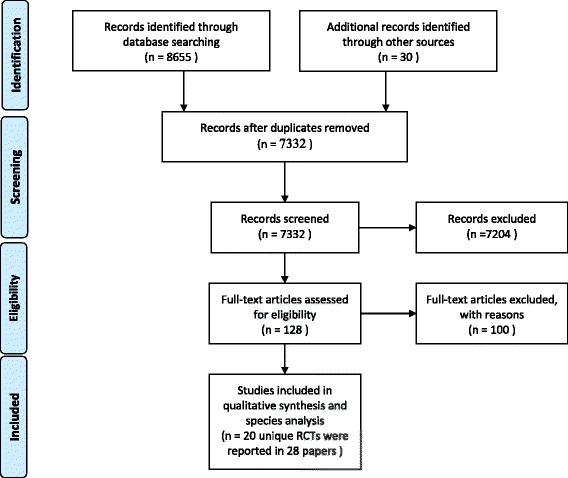
“Taheri [61] evaluated 8685 studies between 1994 and 2016 and selected 20 studies for a meta-analysis in low-risk pregnancies.”
BackgroundMethodMuhamed, T. A. S., Angelini, V., Viluma, L., Keedle, H., & Peters, L. L. (2024) · Heliyon · doi:10.1016/j.heliyon.2024.e41254 · Cited by 6
“On one end, it can be a favourable and empowering experience, while on the other, it can be negative and traumatic [1,2].”
Metadata
- Authors
- Taheri, M., Takian, A., Taghizadeh, Z., Jafari, N., & Sarafraz, N.
- Affiliations
- Tehran University of Medical Sciences (IR)
- Ministry of Health and Medical Education (IR)
- Corresponding author
- Taghizadeh, Ziba
- Venue
- Reproductive Health
- Published
- 2018-05-02
- Volume
- 15
- Issue
- 1
- Pages
- 73-73
- ISSN
- 1742-4755 (ISSN-L)
- PMC
- PMC5932889
- OpenAlex
- W2807579791
- Semantic Scholar
- eb7f4386120445ac0a3eb395b948d666f8863679
- Cited by
- 253
- References
- 55
- Citations by year
- 2026: 21 · 2025: 41 · 2024: 66 · 2023: 34 · 2022: 36 · 2021: 23 · 2020: 22 · 2019: 7 · 2018: 3
- FWCI
- 2.22
- Type
- journal article
- Language
- en
- Open access
- gold
- doi.org
- Licence
- cc-by
- creativecommons.org/licenses/by/4.0/ (tdm)
- Locations
- Reproductive Health (publishedVersion, cc-by)
- Europe PMC (PubMed Central) (publishedVersion, other-oa)
- PubMed Central (publishedVersion, cc-by)
- PubMed (publishedVersion)
- DOAJ (DOAJ: Directory of Open Access Journals) (submittedVersion, cc-by-sa)
- Funders
- Tehran University of Medical Sciences and Health Services (95-02-28-32630)
- Topics
- Health Sciences › Medicine › Obstetrics and Gynecology › Maternal and Perinatal Health Interventions
- Health Sciences › Medicine › Public Health, Environmental and Occupational Health › Maternal Mental Health During Pregnancy and Postpartum
- Health Sciences › Medicine › Obstetrics and Gynecology › Pregnancy-related medical research
- Keywords
- childbirth experience, positive birth experience, intrapartum care, minimal intervention, childbirth support, childbirth preparation, relaxation techniques, pain relief during labour, prenatal intervention, maternal morbidity
- MeSH terms
- Female, Humans, Labor, Obstetric, Perception, Pregnancy, Prenatal Care, Stress, Psychological, Randomized Controlled Trials as Topic, Patient Satisfaction, Parturition, Postpartum Period, Pain Management
About these checks
Registry, retraction, Cites and statistics results are computed, not judged, with one exception: a printed reference that no index lists is read once by a model before it counts as a citation error. Claims are extracted by a model and kept only when their quote appears verbatim in the text; each cited source is then checked, with a model’s help, for whether it says what the claim relies on. Those verdicts can be wrong — read the claim’s quote and the cited source before relying on one.
Statistics and arithmetic are recomputed, not judged.
Confidence bands are shown only for fields calibrated on our annotated test set. None is calibrated yet, so no band is shown.
What counts as a claim ›How we measure confidence ›How we check this ›
Are you an author, or do you see a problem with this page? Request a review
Data sources
Bibliographic data: Semantic Scholar, OpenAlex, Crossref.
Contains information from the Semantic Scholar Academic Graph Datasets, made available under the ODC Attribution License (ODC-BY 1.0).
Semantic Scholar’s data is described in: Kinney, R., et al. (2023). The Semantic Scholar Open Data Platform. arXiv:2301.10140.
