

Akkermansia muciniphila ameliorates the age-related decline in colonic mucus thickness and attenuates immune activation in accelerated aging Ercc1−/Δ7 mice
Open accessThe DOI matches its Crossref record; 58 of the 58 references it cites were found in a registry or an index.
Abstract
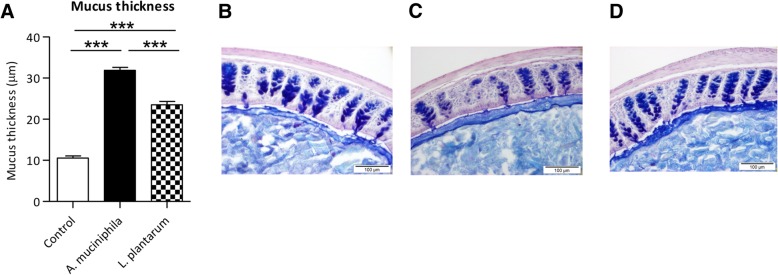
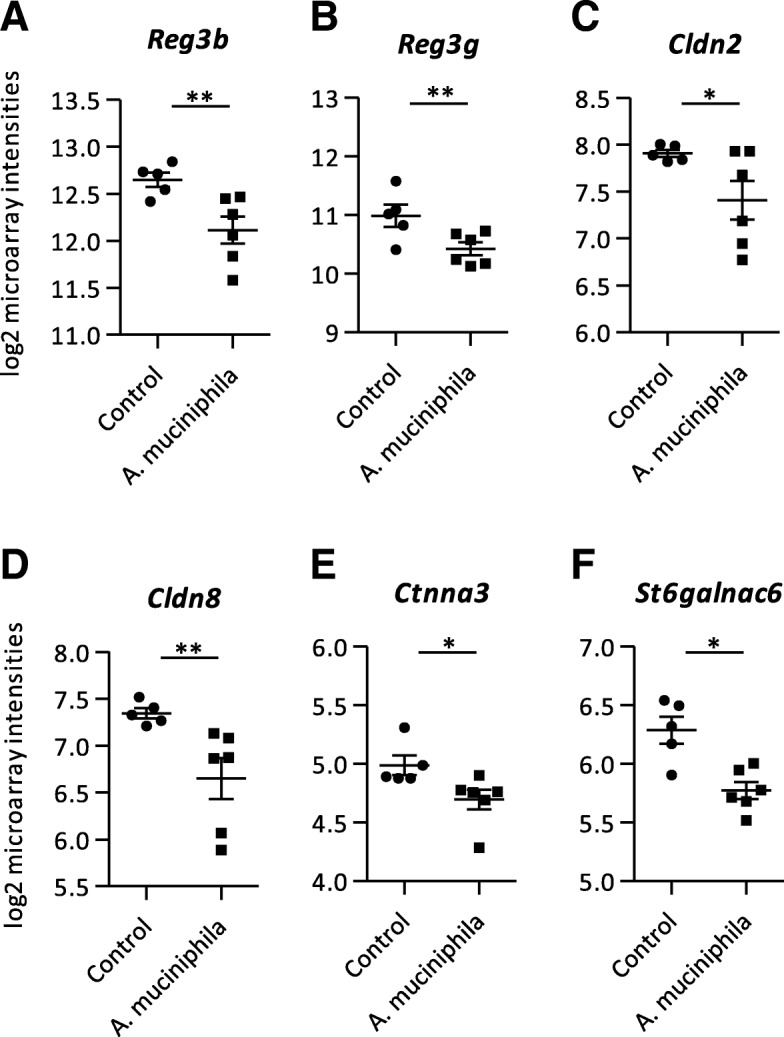
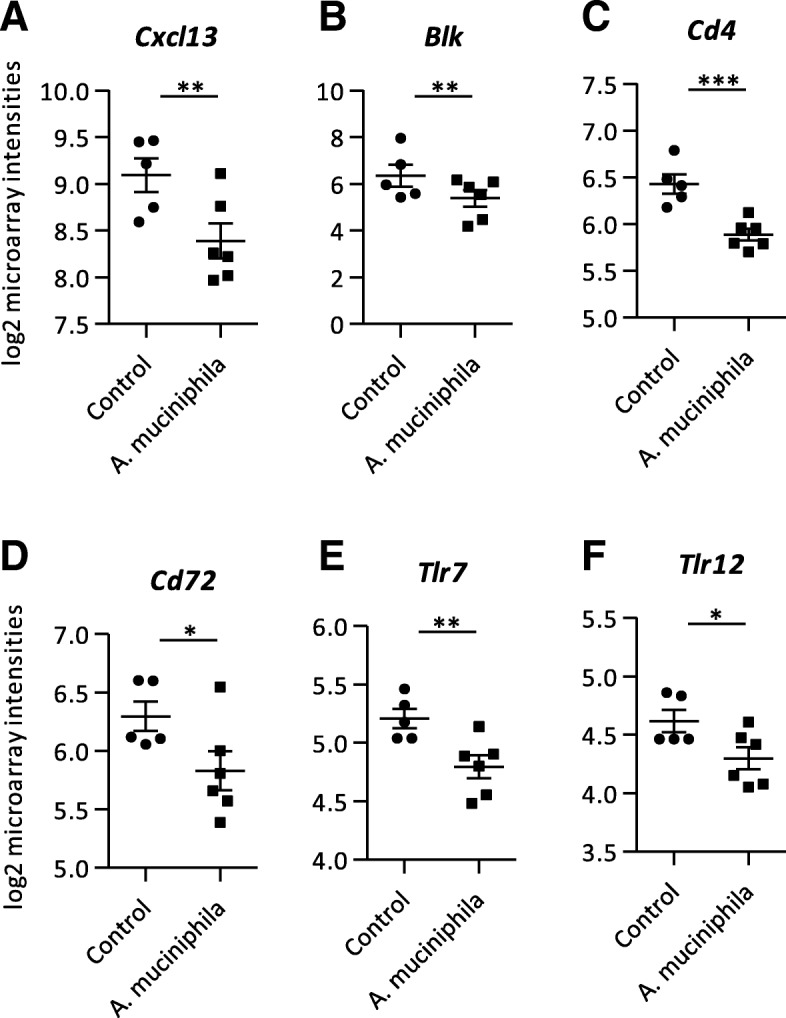
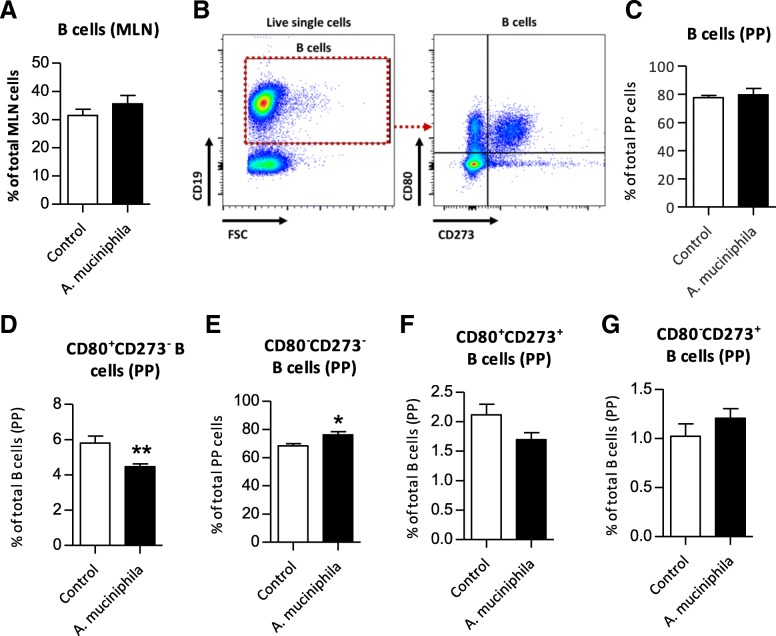
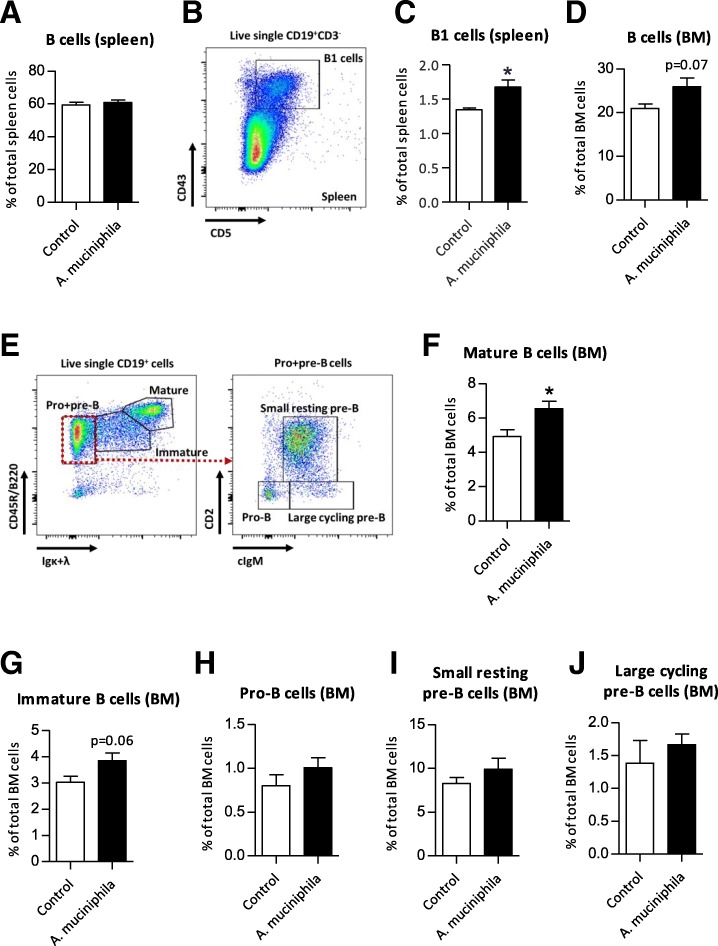
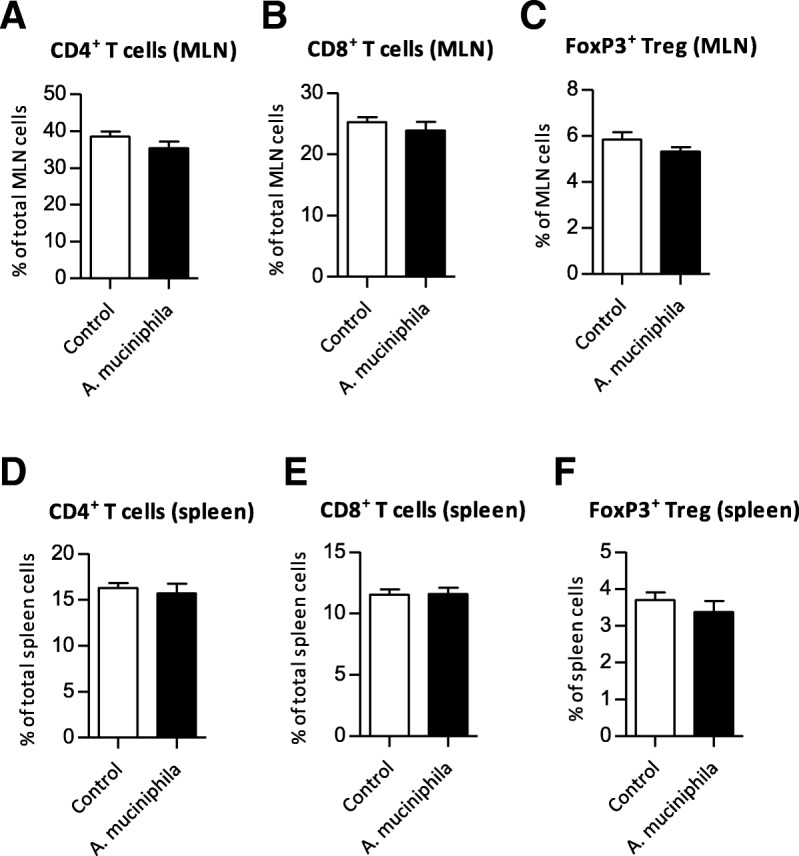
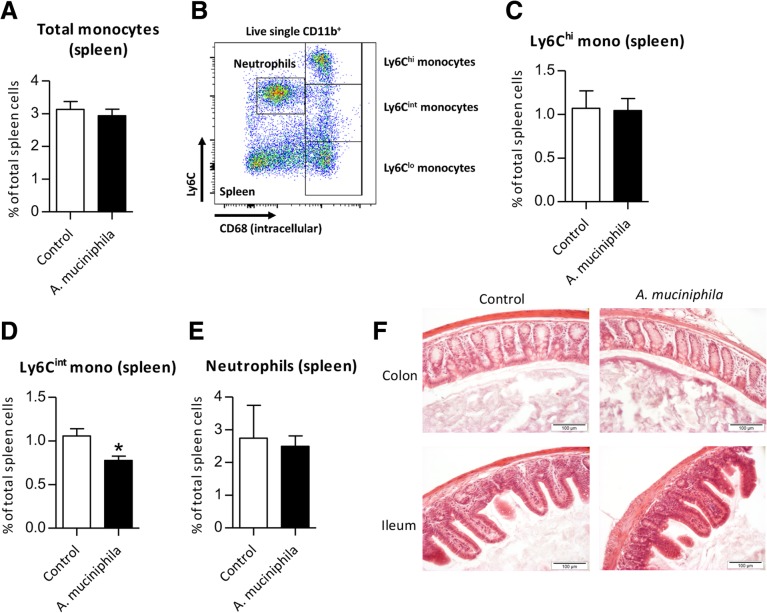
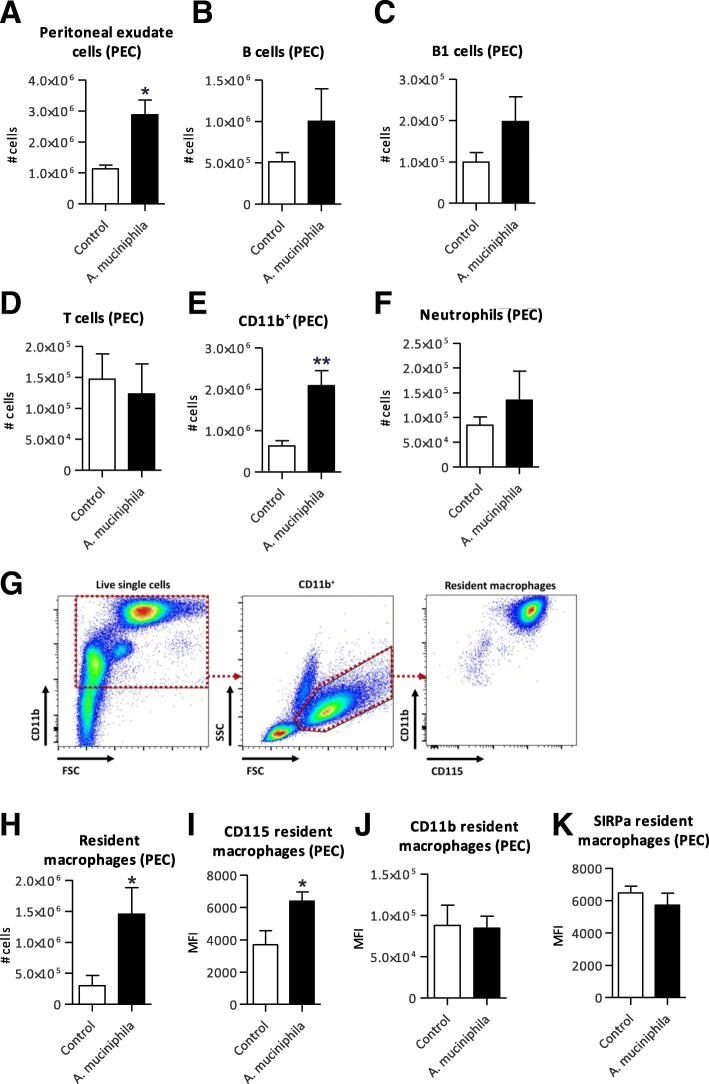
The use of Akkermansia muciniphila as potential therapeutic intervention is receiving increasing attention. Health benefits attributed to this bacterium include an improvement of metabolic disorders and exerting anti-inflammatory effects. The abundance of A. muciniphila is associated with a healthy gut in early mid- and later life. However, the effects of A. muciniphila on a decline in intestinal health during the aging process are not investigated yet. We supplemented accelerated aging Ercc1 −/Δ7 mice with A. muciniphila for 10 weeks and investigated histological, transcriptional and immunological aspects of intestinal health. The thickness of the colonic mucus layer increased about 3-fold after long-term A. muciniphila supplementation and was even significantly thicker compared to mice supplemented with Lactobacillus plantarum WCFS1. Colonic gene expression profiles pointed towards a decreased expression of genes and pathways related to inflammation and immune function, and suggested a decreased presence of B cells in colon. Total B cell frequencies in spleen and mesenteric lymph nodes were not altered after A. muciniphila supplementation. Mature and immature B cell frequencies in bone marrow were increased, whereas B cell precursors were unaffected. These findings implicate that B cell migration rather than production was affected by A. muciniphila supplementation. Gene expression profiles in ileum pointed toward a decrease in metabolic- and immune-related processes and antimicrobial peptide production after A. muciniphila supplementation. Besides, A. muciniphila decreased the frequency of activated CD80 + CD273 − B cells in Peyer’s patches. Additionally, the increased numbers of peritoneal resident macrophages and a decrease in Ly6C int monocyte frequencies in spleen and mesenteric lymph nodes add evidence for the potentially anti-inflammatory properties of A. muciniphila . Altogether, we show that supplementation with A. muciniphila prevented the age-related decline in thickness of the colonic mucus layer and attenuated inflammation and immune-related processes at old age. This study implies that A. muciniphila supplementation can contribute to a promotion of healthy aging.
Overview
The claims and statistics of this paper haven’t been checked yet.
Free: it reads the open-access text and checks the first 5 claims that cite a source we can check. Create a free account to check every claim.
Integrity signals
Registry
Cites
Statistics
Figures
Verification
Claims the paper makes
The claims and statistics of this paper haven’t been checked yet.
Free: it reads the open-access text and checks the first 5 claims that cite a source we can check. Create a free account to check every claim.
Claims other papers make about this one
Each is checked against this paper’s own text: does it say what the citing paper says it does?
The source backs part of the claim, not all of it — or backs it for a different population, condition or comparison.
In the citing paper
“In mouse models of accelerated aging, supplementation with A. muciniphila can also attenuate age-related decline in colon thickness and immune activation [73], and exert beneficial effects on lifespan and healthspan [8].”
From Fecal microbiota transfer between young and aged mice reverses hallmarks of the aging gut, eye, and brain (2022) · cites this paper as [73]
Experimental — accuracy not yet measuredThe source backs part of the claim, not all of it — or backs it for a different population, condition or comparison.
In the citing paper
“Members of the Bifidobacteriaceae, Akkermansiaceae, and Eubacteriaceae families that are associated with beneficial effects on intestinal and extra-intestinal health in both mice and humans”
From Fecal microbiota transfer between young and aged mice reverses hallmarks of the aging gut, eye, and brain (2022) · cites this paper as [73]
Experimental — accuracy not yet measuredThe check wasn’t confident either way, so it gives no verdict — never disputed.
In the citing paper
“This phenotypic trait of overabundance of Akk > 4.799 was associated with a dominance of the Clostridium species (C.bolteae, C. innocuum, C. asparagiforme, C. scindens, C. symbosium) belonging to clusters IV and XIVa of the genus Clostridium, known to maintain IL-10 producing Treg in colonic lamina propria 47 .”
From Intestinal Akkermansia muciniphila predicts clinical response to PD-1 blockade in patients with advanced non-small-cell lung cancer (2022) · cites this paper as [47]
Experimental — accuracy not yet measuredThe check wasn’t confident either way, so it gives no verdict — never disputed.
In the citing paper
“Loss of intestinal barrier integrity and elevated circulating pro-inflammatory cytokine concentrations are linked with the polarization of CNS microglia toward a pro-inflammatory phenotype [11, 73, 109] and promote neurodegenerative disease [10, 13, 48].”
From Fecal microbiota transfer between young and aged mice reverses hallmarks of the aging gut, eye, and brain (2022) · cites this paper as [73]
Experimental — accuracy not yet measuredIn the citing paper
“and are associated with promoting intestinal and extra-intestinal health and healthy aging.”
From Fecal microbiota transfer between young and aged mice reverses hallmarks of the aging gut, eye, and brain (2022) · cites this paper as [73]
Self-check
Percentages, sums and reported differences re-computed from the paper’s own numbers.
The self-check needs the paper’s full text.
Citations
Cites
Subramanian, A., Tamayo, P., Mootha, V. K., Mukherjee, S., Ebert, B. L., Gillette, M. A., Paulovich, A., Pomeroy, S. L., Golub, T. R., Lander, E. S., et al. (2005) · Proceedings of the National Academy of Sciences · doi:10.1073/pnas.0506580102 · Cited by 53,625
phyloseq: An R Package for Reproducible Interactive Analysis and Graphics of Microbiome Census Data
McMurdie, P. J., & Holmes, S. (2013) · PLoS ONE · doi:10.1371/journal.pone.0061217 · Cited by 21,322
From Dietary Fiber to Host Physiology: Short-Chain Fatty Acids as Key Bacterial Metabolites
Koh, A., De Vadder, F., Kovatcheva-Datchary, P., & Bäckhed, F. (2016) · Cell · doi:10.1016/j.cell.2016.05.041 · Cited by 7,070
Causal analysis approaches in Ingenuity Pathway Analysis
Krämer, A., Green, J., Pollard, J., & Tugendreich, S. (2014) · Bioinformatics · doi:10.1093/bioinformatics/btt703 · Cited by 5,724
Role of the microbiota in immunity and inflammation.
Belkaid, Y., & Hand, T. W. (2014) · Cell · doi:10.1016/j.cell.2014.03.011 · Cited by 5,385
Cross-talk between Akkermansia muciniphila and intestinal epithelium controls diet-induced obesity
Everard, A., Belzer, C., Geurts, L., Ouwerkerk, J. P., Druart, C., Bindels, L. B., Guiot, Y., Derrien, M., Muccioli, G. G., Delzenne, N. M., et al. (2013) · Proceedings of the National Academy of Sciences · doi:10.1073/pnas.1219451110 · Cited by 4,511
Self-citationChronic Inflammation (Inflammaging) and Its Potential Contribution to Age-Associated Diseases
Franceschi, C., & Campisi, J. (2014) · The Journals of Gerontology Series A: Biological Sciences and Medical Sciences · doi:10.1093/gerona/glu057 · Cited by 3,891
The gut microbiota, bacterial metabolites and colorectal cancer
Louis, P., Hold, G. L., & Flint, H. J. (2014) · Nature Reviews Microbiology · doi:10.1038/nrmicro3344 · Cited by 2,816
Plovier, H., Everard, A., Druart, C., Depommier, C., Van Hul, M., Geurts, L., Chilloux, J., Ottman, N., Duparc, T., Lichtenstein, L., et al. (2017) · Nature Medicine · doi:10.1038/nm.4236 · Cited by 2,204
Self-citationAkkermansia muciniphila gen. nov., sp. nov., a human intestinal mucin-degrading bacterium
Derrien, M., Vaughan, E. E., Plugge, C. M., & de Vos, W. M. (2004) · International Journal of Systematic and Evolutionary Microbiology · doi:10.1099/ijs.0.02873-0 · Cited by 2,094
Cited by
Items 101–200 of 216
Association between Gut Microbiota and Biological Aging: A Two-Sample Mendelian Randomization Study
Ye, C., Li, Z., Ye, C., Li, Y., Wu, K., & Zhu, C. (2024) · Microorganisms · doi:10.3390/microorganisms12020370 · Cited by 26
Pednekar, D. D., Liguori, M., Marques, C. N. H., Zhang, T., Zhang, N., Zhou, Z., Amoako, K. A., & Gu, H. (2022) · ACS Biomaterials Science & Engineering · doi:10.1021/acsbiomaterials.2c00182 · Cited by 26
Gut microbiota and fecal metabolic signatures in rat models of disuse-induced osteoporosis
Qiao, X., Zhang, K., Li, X., Lv, Z., Wei, W., Zhou, R., Yan, L., Pan, Y., Yang, S., Sun, X., et al. (2022) · Frontiers in Cellular and Infection Microbiology · doi:10.3389/fcimb.2022.1018897 · Cited by 22
“Benthe found that supplementation with Akkermansia could decrease the presence of B cells in the colon and that mature and immature B cell frequencies in the bone marrow were increased (van der Lugt et al., 2019).”
BackgroundKumar, A., Saha, M. K., Kumar, V., Bhattacharya, A., Barge, S., Mukherjee, A. K., Kalita, M. C., & Khan, M. R. (2024) · Immunity & Ageing · doi:10.1186/s12979-024-00457-w · Cited by 26
Contribution of Infectious Agents to the Development of Celiac Disease
Sánchez, D., Hoffmanová, I., Szczepanková, A., Hábová, V., & Tlaskalová‐Hogenová, H. (2021) · Microorganisms · doi:10.3390/microorganisms9030547 · Cited by 21
“and Akkermansia muciniphila, contribute to the maintenance of the mucous layer (barrier) [100,101] and favor colonization resistance by competing for nutrients with pathogens, stimulating enterocytes to secrete antimicrobial molecules into the mucus, thereby supporting more effective protection against pathogens [102].”
BackgroundALZHEIMER’S DISEASE AND ITS RELATIONSHIP WITH THE MICROBIOTA-GUT-BRAIN AXIS
Faulin, T. D. E. S., & Estadella, D. (2023) · Arquivos de Gastroenterologia · doi:10.1590/s0004-2803.202301000-17 · Cited by 30
“The bacterium Akkermansia muciniphila is associated with intestinal health as it increases the thickness of the colonic mucus layer (79) and improves intestinal barrier function (80) .”
BackgroundFeng, J., Hu, X., Liu, J., Wang, W., Chen, L., Pang, R., & Zhang, A. (2025) · Frontiers in Neuroscience · doi:10.3389/fnins.2025.1650807 · Cited by 26
Chen, Z., Mao, Z., Tang, W., Shi, Y., Liu, J., & You, Y. (2025) · Translational Neurodegeneration · doi:10.1186/s40035-025-00517-1 · Cited by 27
Lan, C., Li, H., Shen, Y., Liu, Y., Wu, A., He, J., Cai, J., Tian, G., Mao, X., Huang, Z., et al. (2024) · Animal nutrition · doi:10.1016/j.aninu.2024.01.007 · Cited by 19
Du, Y., An, Y., Song, Y., Li, N., Zheng, J., & Lu, Y. (2024) · Experimental Neurology · doi:10.1016/j.expneurol.2024.114823 · Cited by 20
Kim, D., Xu, H., Li, O., Xue, M., Bao, Z., & Yang, F. (2024) · European Journal of Pharmacology · doi:10.1016/j.ejphar.2024.177105 · Cited by 22
Polyphenolic Compounds: Orchestrating Intestinal Microbiota Harmony during Aging
Pereira, Q. C., Fortunato, I. M., Oliveira, F. D. S., Alvarez, M. C., dos Santos, T. W., & Ribeiro, M. L. (2024) · Nutrients · doi:10.3390/nu16071066 · Cited by 19
“These findings suggest that microbiota-based therapies hold promise for potentially reversing the age-related deterioration in intestinal barrier function [29–31].”
BackgroundTorres-Sánchez, A., Ruiz-Rodriguez, A., Ortíz, P., Moreno, M. A., Ampatzoglou, A., Gruszecka‐Kosowska, A., Monteoliva‐Sánchez, M., & Aguilera, J. (2022) · International Journal of Molecular Sciences · doi:10.3390/ijms232112917 · Cited by 23
“[46] Akkermansia muciniphila MucT (ATTC BAA-835), 2 × 10⁸ CFU/200 μL, Ercc1−/∆7 mice Not determined ↑ Restoration of mucus layer”
Tran, N. T. D., Chaidee, A., Surapinit, A., Yingklang, M., Roytrakul, S., Charoenlappanit, S., Pinlaor, P., Hongsrichan, N., Anutrakulchai, S., Cha’on, U., et al. (2023) · Scientific Reports · doi:10.1038/s41598-023-31118-5 · Cited by 18
Tang, L., Yang, X., Zhou, M., Feng, L., Ji, C., Liang, J., Zhang, B., Shen, R., & Wang, L. (2024) · mSystems · doi:10.1128/msystems.00138-24 · Cited by 20
“Moreover, long-term supplementation of Akkermansia muciniphila ameliorates the age-related decline in colonic mucus thickness (42).”
BackgroundHerpes simplex virus infection, Acyclovir and IVIG treatment all independently cause gut dysbiosis
Ramakrishna, C., Mendonca, S., Ruegger, P. M., Kim, J. H., Borneman, J., & Cantin, E. M. (2020) · PLoS ONE · doi:10.1371/journal.pone.0237189 · Cited by 19
Research trends of next generation probiotics
Hasnain, M. A., Kang, D., & Moon, G. (2024) · Food Science and Biotechnology · doi:10.1007/s10068-024-01626-9 · Cited by 17
“…its host bene-ficially is yet to be uncovered, its preventive and/or ame-liorative role in obesity (Xu et al., 2020), aging (Bárcena et al., 2019; van der Lugt et al., 2019), diabetes (Hansen et al., 2012), metabolic syndrome (Zhou and Zhang, 2019) and neurodegenerative diseases (Ou et al.,…”
Yan, J., Ouyang, J., Isnard, S., Zhou, X., Harypursat, V., Routy, J., & Chen, Y. (2021) · Frontiers in Immunology · doi:10.3389/fimmu.2021.741658 · Cited by 22
Venzon, M., Bernard, L., Klein, J., Axelrad, J. E., Zhang, C., Hussey, G. A., Sullivan, A. P., Casanovas‐Massana, A., Noval, M. G., Valero-Jimenez, A. M., et al. (2021) · bioRxiv (Cold Spring Harbor Laboratory) · doi:10.1101/2021.07.15.452246 · Cited by 15
Akkermansia muciniphila extracellular vesicles: Function and theranostic potential in disease
Wang, Y.-D., Lin, W., Wu, S., He, X., Ou, Z., & Zheng, L. (2025) · LabMed discovery. · doi:10.1016/j.lmd.2025.100060 · Cited by 16
Zhang, N., Zhang, Y., Wang, Z., Pan, F., Ren, R., Li, Z., Zhao, H., Luo, X., Li, Z., Wang, L., et al. (2022) · Frontiers in Aging Neuroscience · doi:10.3389/fnagi.2022.991157 · Cited by 17
Physiological benefits of Akkermansia muciniphila under high-altitude hypoxia
Mishra, K. P., & Bakshi, J. (2022) · Applied Microbiology and Biotechnology · doi:10.1007/s00253-022-12305-2 · Cited by 15
Millet seed oil activates β–catenin signaling and promotes hair growth
Lee, E., Seo, H., Kim, D., Park, S., Kim, S. R., Hyun, C., Hahm, J., Ha, T. Y., Ahn, J., & Jung, C. H. (2023) · Frontiers in Pharmacology · doi:10.3389/fphar.2023.1172084 · Cited by 18
Sproten, R., Nöhr, D., & Guseva, D. (2024) · Nutritional Neuroscience · doi:10.1080/1028415x.2023.2296727 · Cited by 17
Calvo, A., Pastor, Y., Rosas-Val, P., & Gamazo, C. (2024) · Microbiological Research · doi:10.1016/j.micres.2024.127677 · Cited by 16
Living on the edge: Mucus-associated microbes in the colon
Joja, M., Grant, E. T., & Desai, M. S. (2025) · Mucosal Immunology · doi:10.1016/j.mucimm.2025.04.003 · Cited by 16
The long-lived immune system of centenarians
Plaza‐Florido, A., Carrera‐Bastos, P., Pérez‐Prieto, I., Fiuza‐Luces, C., Radom‐Aizik, S., Cruz, B. D. P., Franceschi, C., López‐Soto, A., López-Otín, C., & Lucía, A. (2026) · Nature reviews. Immunology · doi:10.1038/s41577-026-01291-5 · Cited by 19
“Notably, oral supplementation of Akkermansia mucin-iphila extended the lifespan of these mice and improved gut barrier function 152 , while reducing immune and inflammatory gene expression in the colon of another mouse model of accelerated ageing 153 .”
Is there a role for microbiome-based approach in common variable immunodeficiency?
Poto, R., Ianiro, G., de Paulis, A., Spadaro, G., Marone, G., Gasbarrini, A., & Varricchi, G. (2023) · Clinical and Experimental Medicine · doi:10.1007/s10238-023-01006-3 · Cited by 18
“It has been shown that this symbiotic intestinal bacterium is an emerging "gatekeeper of the gut," regulating inflammation and gut epithelium integrity [168, 177, 178].”
BackgroundZheng, J., Wang, H., Deng, Z., Shan, Y., Lü, X., & Zhao, X. (2021) · Critical Reviews in Food Science and Nutrition · doi:10.1080/10408398.2021.1987857 · Cited by 14
Agarwal, M., Hoffman, J. B., Tenlep, S. Y. N., Santarossa, S., Pearson, K. J., Sitarik, A. R., Cassidy‐Bushrow, A. E., & Petriello, M. C. (2023) · Reproductive Toxicology · doi:10.1016/j.reprotox.2023.108384 · Cited by 12
Zhang, Y., Zhu, M., Zhou, Q., Yang, Y., Du, L., & Gao, X. (2025) · Food Bioscience · doi:10.1016/j.fbio.2025.106140 · Cited by 11
Intestinal response of Rana chensinensis larvae exposed to Cr and Pb, alone and in combination
Zhang, S., Chen, A., Deng, H., Jiang, L., Liu, X., & Chai, L. (2023) · Ecotoxicology and Environmental Safety · doi:10.1016/j.ecoenv.2023.114774 · Cited by 11
Walrath, T., Najarro, K. M., Giesy, L. E., Khair, S., Frank, D. N., Robertson, C. E., Orlicky, D. J., Quillinan, N., Idrovo, J., McMahan, R. H., et al. (2023) · Shock · doi:10.1097/shk.0000000000002202 · Cited by 10
“Akkermansia is a mucin-degrading bacteria that has been shown to ameliorate the age-related decline in mucus thickness and attenuate inflammation (35).”
Yang, J. C., Lagishetty, V., Aja, E., Arias-Jayo, N., Chang, C., Hauer, M. C., Katzka, W. R., Zhou, Y. K., Sedighian, F., Koletic, C. F., et al. (2024) · The ISME Journal · doi:10.1093/ismejo/wrae250 · Cited by 12
Sall, I., Foxall, R. L., Felth, L. C., Maret, S., Rosa, Z., Gaur, A., Calawa, J., Pavlik, N., Whistler, J. L., & Whistler, C. A. (2025) · Gut Microbes · doi:10.1080/19490976.2024.2446423 · Cited by 10
Wang, A., Xiong, W., Li, J., Hu, Y., Zou, L., & Liu, Y. (2024) · Frontiers in Nutrition · doi:10.3389/fnut.2024.1495993 · Cited by 11
Chen, L., Zhao, L., Zhang, G., Li, Z., Qu, L., & Luo, L. (2024) · Food & Function · doi:10.1039/d4fo00781f · Cited by 9
Valdes, J., Sansfaçon, J. G., Nicolás, V. R., Cayarga, A. A., Cofino, G. M., Moyo, M. M., Ramanathan, S., Perreault, N., Ilangumaran, S., Rivard, N., et al. (2022) · The Anatomical Record · doi:10.1002/ar.25083 · Cited by 11
Sebacic Acid as a Potential Age-Related Biomarker of Liver Aging: Evidence Linking Mice and Human
Huang, C., Lee, W., Huang, Y., Tsai, T., Chen, L., & Lin, C. (2023) · The Journals of Gerontology Series A · doi:10.1093/gerona/glad121 · Cited by 10
The worldview of Akkermansia muciniphila, a bibliometric analysis
Zhang, Z., Wang, J., Dang, S., Liu, X., Zhang, Y., & Zhang, H. (2025) · Frontiers in Microbiology · doi:10.3389/fmicb.2025.1500893 · Cited by 9
Akkermansia muciniphila Alleviates Sarcopenia in Senescence-Accelerated Mouse-Prone 8 Mice
Park, S., Kim, H. S., Choi, P. G., Jeong, M. S., Huh, Y. H., Ahn, J., & Jung, C. H. (2025) · Journal of Microbiology and Biotechnology · doi:10.4014/jmb.2507.07001 · Cited by 9
“Previous studies have reported beneficial outcomes such as improved lipid absorption and attenuation of the age-related colonic mucus thinning, even in the absence of sustained colonization [53, 54].”
Senescent cells in systemic aging: SASP heterogeneity, immune escape, and endocrine modulation
Qoura, L. A., Churov, A. V., Maltseva, O. N., Ерусланова, К. А., & Zeng, G. (2026) · Biogerontology · doi:10.1007/s10522-026-10449-6 · Cited by 12
“…(Bach Knudsen et al. 2018) (Canfora et al. 2015) (Fernández et al. 2016) (Wenzel et al. 2020), and abundance of Akker-mansia muciniphila decreases (Van Der Lugt et al. 2019; Liu et al. 2025), whereas proteolytic and phe-nylalanine-metabolizing bacterial pathways expand from the Firmicutes phylum…”
Ding, X., Meng, P., Ma, X., Yue, J.-Y., Li, L., & Xu, L. (2024) · Frontiers in Microbiomes · doi:10.3389/frmbi.2024.1276015 · Cited by 10
Liu, S., Qiao, S., Wang, S., Tao, Z., Wang, J., Tao, J., Wang, Q., Gu, X., Chen, M., & Wang, R. (2021) · Journal of Ethnopharmacology · doi:10.1016/j.jep.2021.113839 · Cited by 9
Heterochronic Fecal Microbiota Transfer Reverses Hallmarks of the Aging Murine Gut, Eye and BrainPreprint
Parker, A., Romano, S., Ansorge, R., Aboelnoer, A., Gall, G. L., Savva, G. M., Telatin, A., Jones, E. J., Baker, D., Rudder, S. J., et al. (2021) · SSRN Electronic Journal · doi:10.2139/ssrn.3811833 · Cited by 8
Aznou, A., Drenth, J. P. H., Nieuwdorp, M., & Meijnikman, A. S. (2025) · Yearbook of pediatric endocrinology · doi:10.1210/jendso/bvaf130 · Cited by 10
“In mice, oral administration of A. mucinphila in mice caused an increase of intestinal levels of anti-aging metabolites including SCFAs and various bile acids [155], counteracted the age-related decline of the colonic mucus barrier and dampened pro-inflammatory signaling in the colon [156].”
Harnessing Next‐Generation 3D Cancer Models to Elucidate Tumor‐Microbiome Crosstalk
Buzhor, M. G., Longobardi, G., Kandli, O., Krinsky, A., Avramoff, O., Katyal, A., Salomon, K., Miari, A., Venkert, D., Barnatan, T. T., et al. (2025) · Advanced Healthcare Materials · doi:10.1002/adhm.202503198 · Cited by 12
Vorontsov, A., Kruglov, A., & Gubernatorova, E. O. (2026) · Frontiers in Immunology · doi:10.3389/fimmu.2025.1733575 · Cited by 7
Ingestion of remediated lead-contaminated soils affects the fecal microbiome of mice
George, S. E., James, J. B., Devereux, R., Wan, Y., Diamond, G., Bradham, K. D., Scheckel, K. G., & Thomas, D. J. (2022) · The Science of The Total Environment · doi:10.1016/j.scitotenv.2022.155797 · Cited by 8
Crosstalk between the aging intestinal microflora and the brain in ischemic stroke
Pluta, R. M., Jabłoński, M., Januszewski, S., & Czuczwar, S. J. (2022) · Frontiers in Aging Neuroscience · doi:10.3389/fnagi.2022.998049 · Cited by 7
“Also, Akkermansia muciniphila supplementation in the accelerated aging model reduced the number of activated B lymphocytes in Peyer’s patches (van der Lugt et al., 2019).”
BackgroundGuo, S., Wang, B., Mao, B., Zhang, T., Tang, X., Zhang, Q., Zhao, J., Chen, W., & Cui, S. (2025) · Biomacromolecules · doi:10.1021/acs.biomac.5c00935 · Cited by 6
FakhriRavari, A., & Nguyen, M. H. (2025) · Gastrointestinal Disorders · doi:10.3390/gidisord7040072 · Cited by 9
Moderate Aerobic Exercise Induces Homeostatic IgA Generation in Senile Mice
Hernández-Urbán, A. J., Drago-Serrano, M. E., Reséndiz‐Albor, A. A., Sierra-Ramírez, J. A., Guzmán‐Mejía, F., Oros‐Pantoja, R., & Godínez‐Victoria, M. (2024) · International Journal of Molecular Sciences · doi:10.3390/ijms25158200 · Cited by 6
“In mice, aging increased potential pathobionts ( Desulfovibrio and Bilophila ) and decreased IgA-associated and health-promoting bacteria ( Akkermansia spp. Lactobacillus spp. and Bifidobacterium spp.) [15].”
BackgroundAkkermansia Muciniphila as novel powerful bacterial player in colorectal cancer biotherapeutics
Eslami, M., & Yousefi, B. (2022) · Reviews in Medical Microbiology · doi:10.1097/mrm.0000000000000328 · Cited by 7
Akkermansia muciniphila : a deworming partner independent of type 2 immunity
Wang, J., Zhao, X., Li, X., & Jin, X. (2024) · Gut Microbes · doi:10.1080/19490976.2024.2338947 · Cited by 10
Chen, E., Ajami, N. J., White, D. L., Liu, Y., Gurwara, S., Hoffman, K. L., Graham, D. Y., El‐Serag, H. B., Petrosino, J. F., & Jiao, L. (2025) · Nutrients · doi:10.3390/nu17030567 · Cited by 7
Changes in the composition and function of the gut microbiota in celiac disease
Mostafaei, F. S. G., Rostami‐Nejad, M., Emadi, A., Yadegar, A., Aghdaei, H. A., & Zali, M. R. (2021) · کومش · doi:10.52547/koomesh.23.3.301 · Cited by 9
“Sci Rep 2019; 9: 5398. https://doi.org/10.1038/s41598-019-41738-5 PMid:30931953 PMCid:PMC6443702 [65] Van der Lugt B, Van Beek AA, Aalvink S, Meijer B, Sovran B, Vermeij WP, et al. Akkermansia muciniphila ameliorates the age-related decline in colonic mucus thickness and attenuates immune activation in accelerated agi…”
BackgroundInfluentialAkkermansia muciniphila promotes testosterone‐mediated hair growth inhibition in mice
Lee, E., Kim, D., Seo, H., Hahm, J., Seo, J., Lee, S., Kim, D., Ahn, J., & Jung, C. H. (2023) · FASEB BioAdvances · doi:10.1096/fba.2023-00056 · Cited by 5
The epithelium takes the stage in asthma and inflammatory bowel diseases
López-Posadas, R., Bagley, D., Pardo-Pastor, C., & Zapater, E. O. (2024) · Frontiers in Cell and Developmental Biology · doi:10.3389/fcell.2024.1258859 · Cited by 5
Su, X., Li, T., Wang, Y., Wei, L., Jian, B., Kang, X., Hu, M., Li, C., Wang, S., Lu, D., et al. (2024) · Stroke and Vascular Neurology · doi:10.1136/svn-2024-003494 · Cited by 7
Khalili, L., Park, G., Nagpal, R., & Salazar, G. (2024) · SSRN Electronic Journal · doi:10.2139/ssrn.4771341 · Cited by 5
Linking gut, heart and metabolic health through cholesterol conversion by Akkermansia muciniphila
Kazemian, N., Karimianghadim, R., Golzan, S. A., Nitin, N., Irungu, J. D. W., Coombs, G. B., Low, J. L., Little, J. P., Zandberg, W. F., Halperin, F. A., et al. (2025) · Chemical Engineering Journal · doi:10.1016/j.cej.2025.167391 · Cited by 5
Zhou, D., Wu, C., Li, C., Li, M., Li, Z., Li, J., Zhang, Y., Zhao, H., Wang, Y., Liang, L., et al. (2025) · Gut Microbes · doi:10.1080/19490976.2025.2527857 · Cited by 5
Regular Physical Activity Influences Gut Microbiota with Positive Health Effects
Jurdana, M., & Maganja, D. B. (2024) · IntechOpen eBooks · doi:10.5772/intechopen.110725 · Cited by 6
Gong, T., Zhou, Y., Shi, Q., Li, Y., Wang, H., Zhang, M., & Liao, L. (2024) · Food & Nutrition Research · doi:10.29219/fnr.v67.9990 · Cited by 4
Chen, N., Yu, Z., Ji, X., Zhang, S., Yu, C., Valencak, T. G., Shi, F., & Ren, D. (2025) · Current Research in Microbial Sciences · doi:10.1016/j.crmicr.2025.100381 · Cited by 5
“Studies have also demonstrated that Akkermansia prevents age-related decline in the thickness of the colonic mucus layer (van der Lugt et al. 2019), reduces oxidative stress (Cerro et al. 2022), attenuates age-related inflammation and immune problems, and amelio-rates muscle atrophy in aging mice…”
Nutritional Regulation of Aging and Longevity
Moskalev, A. (2021) · Healthy ageing and longevity · doi:10.1007/978-3-030-83017-5_21 · Cited by 5
Carista, A., Gratie, M. I., Tornatore, E., Accomando, S., Tomasello, G., Picone, D., Burgio, S., & Cappello, F. (2025) · Cells · doi:10.3390/cells15010045 · Cited by 4
“…mucus integrity; (iii) microbiome-directed therapies—targeted probiotics (e.g., A. muciniphila ), prebiotics, or ecological therapeutics aimed at restoring mucus-friendly communities; (iv) EV-based interventions—engineered vesicles delivering mucin-stabilising factors or anti-inflammatory cargo.”
Schmidt, M. Y., Cuervo, A. M., Double, K. S., Ehninger, D., Goldberg, M. S., Harvey, K., Hoeijmakers, J. H. J., Luk, K. C., Mastroberardino, P. G., Moore, D. J., et al. (2026) · npj Parkinson s Disease · doi:10.1038/s41531-025-01239-x · Cited by 5
Park, G., Chakrabarty, P., Efron, P. A., & Nagpal, R. (2025) · Essays in Biochemistry · doi:10.1042/ebc20253055 · Cited by 4
“Supplementation with A. muciniphila has been shown to prevent age-related thinning of the colonic mucus layer [24], and its derivatives, such as acetic acid and the protein Amuc_1409, contribute to gut health and healthy aging [23,25].”
Lee, B., Jo, D., Park, J., Kim, O. Y., & Song, J. (2024) · Heliyon · doi:10.1016/j.heliyon.2024.e38534 · Cited by 4
Liu, L., Wang, L., Wang, Y., Zhao, H., Gao, X., Yin, W., & Xie, J. (2025) · Frontiers in Immunology · doi:10.3389/fimmu.2025.1657524 · Cited by 6
Metabolism of Dietary Substrates by Intestinal Bacteria and Consequences for the Host Intestine
Blachier, F. (2023) · Springer eBooks · doi:10.1007/978-3-031-26322-4_3 · Cited by 5
Akkermansia muciniphila Selectively Reshapes Small Intestinal Cell Populations
Edens-Valentine, R., Engevik, K. A., Engevik, M. A., & Engevik, A. C. (2026) · Journal of Histochemistry & Cytochemistry · doi:10.1369/00221554261417734 · Cited by 2
Krüger, K., van der Veen, H., Beigy, M., O’Donovan, S. D., van Riel, N. A. W., Remie, L. B., Aarts, E., Steegenga, W. T., Smeets, P. A. M., van Trijp, M. P. H., et al. (2026) · Frontiers in Nutrition · doi:10.3389/fnut.2026.1738622 · Cited by 4
Self-citationXiang, J., Taggart, C. C., & Rodgers, A. M. (2026) · Mucosal Immunology · doi:10.1016/j.mucimm.2026.100364 · Cited by 4
Alterations of the gut commensal Akkermansia muciniphila in patients with COVID-19
Dai, Z.-M., Xu, M., Zhang, Q.-Q., Zhu, B., Wu, J., Liu, Q., Li, Y., & Li, H. (2025) · Virulence · doi:10.1080/21505594.2025.2505999 · Cited by 3
“A comprehensive body of research has consistently demonstrated that A. muciniphila plays a beneficial role in host defence against various diseases and the ageing process [24,25].”
Liu, Y., Cui, X., Gao, M., Xue, M., Xu, H., Chang, Z., Jiang, Y., & Liang, H. W. (2020) · Mediators of Inflammation · doi:10.1155/2020/1280130 · Cited by 2
“Akkermansia is specialized in mucus utilization [51] and also has potential roles in repairing impaired intestinal barriers [52], reducing endotoxemia to regulate inflammatory disorders by increasing mucus layer thickness and antagonizing gut pathobiont colonization [53, 54].”
BackgroundHyperoxia combined with the B‐cell antagonist rituximab led to intestinal dysbiosis in neonatal mice
Yang, K., Xu, Y., He, Y., Duan, C., Wang, H., & Ding, W. (2022) · Microbiology and Immunology · doi:10.1111/1348-0421.12984 · Cited by 1
Symbiotic microbes from the human gut
Kumar, A., Singh, C. T., & Khan, M. R. (2023) · Elsevier eBooks · doi:10.1016/b978-0-323-99334-0.00003-7 · Cited by 2
Host mucin glycosylation and gut symbiosis
Juge, N., Latousakis, D., & Crost, E. H. (2024) · Elsevier eBooks · doi:10.1016/b978-0-12-819655-7.00018-7 · Cited by 2
Effect of Pulse Consumption on Obesity and the Metagenome
Weir, T. L., McGinley, J. N., Neil, E. S., & Thompson, H. J. (2020) · International Electronic Conference on Nutrients (IECN) · doi:10.3390/iecn2020-07009 · Cited by 3
Kostopoulos, I. (2021) · doi:10.18174/531651 · Cited by 2
Watanabe, Y., Fujisaka, S., Morinaga, Y., Watanabe, S., Nawaz, A., Hatta, H., Kado, T., Nishimura, A., Bilal, M., Aslam, M. R., et al. (2023) · bioRxiv (Cold Spring Harbor Laboratory) · doi:10.1101/2023.06.21.543373 · Cited by 2
Salberg, S., Macowan, M. G., Doshen, A., Yamakawa, G. R., Sgro, M., Marsland, B. J., Henderson, L. A., & Mychasiuk, R. (2025) · NeuroImage · doi:10.1016/j.neuroimage.2025.121057 · Cited by 2
Luo, Q., Zhang, H., Pu, Y., Wei, Y., Yu, J., Wang, X., Cai, Q., Hu, Y., & Yuan, W. (2025) · The Journal of Microbiology · doi:10.71150/jm.2502007 · Cited by 1
“This bacterium can decompose host mucin in the intestinal tract, liberating amino acids and monosaccharides, producing short-chain fatty acids (SCFAs), and supplying nutrients for commensal intestinal flora (Ottman et al., 2017a; van der Lugt et al., 2019).”
Shatova, O. P., Zabolotneva, A. A., Rumyantsev, S. A., & Shestopalov, A. V. (2025) · Russian Journal of Bioorganic Chemistry · doi:10.1134/s1068162025602101 · Cited by 1
Probiotic Engraftment of Akkermansia muciniphila in an In Vitro Synthetic Microbial Community
Berkhout, M. D., de Ram, C., Boeren, S. A., Plugge, C. M., & Belzer, C. (2025) · Microbial Ecology · doi:10.1007/s00248-025-02605-1 · Cited by 3
Self-citationLignan-enriched nutmeg extract changes gut microbiota associated with aging in C57BL/6 mice
Ahn, J.-S., Kim, J. U., Lee, J.-H., Ban, G.-T., Yoon, Y., Yoo, H.-S., Choi, J.-S., & Chung, H.-J. (2025) · Journal of Functional Foods · doi:10.1016/j.jff.2025.106966 · Cited by 2
Ruiz‐Ruiz, S., Piquer-Esteban, S., Pérez-Rocher, B., Pérez‐Brocal, V., Arnau, V., Artacho, A., Diaz, W., Jiménez‐Hernández, N., Pons, J., Ja, C., et al. (2026) · Scientific Reports · doi:10.1038/s41598-026-35033-3 · Cited by 1
“Supplementation with A. muciniphila prevented the age-related decline in the thickness of the colonic mucus layer and attenuated inflammation and immune-related processes in aged mice 69 .”
Costello, M. K., McClure, J. C., Olson, E. G., Tarcin, H. A., Mantovani, H. C., & Ricke, S. C. (2026) · Microbiology and Molecular Biology Reviews · doi:10.1128/mmbr.00057-25 · Cited by 3
“Even beneficial mucus-degrading bacteria, such as Akkermansia muciniphila , can overly decrease the mucus layer and weaken the epithelial barrier under certain circumstances (88).”
Basting, C. M., Anderson, J. L., Escandón-Vargas, K., Wieking, G., Guerrero, C., Reichel, J., Cromarty, R. T., Swanson, E., Schroeder, T., Creagan, E., et al. (2026) · JCI Insight · doi:10.1172/jci.insight.205379 · Cited by 5
Li, G., Du, Y., Huang, X., Luo, R., Zhou, H., & Song, K. (2026) · Surgery for Obesity and Related Diseases · doi:10.1016/j.soard.2026.07.013 · Cited by 2
Frézier, M., Otis, C., Labelle, É., Lussier, B., Gaudreau, P., Authier, S., Costa, M., Beaudry, H., & Troncy, É. (2025) · International Journal of Molecular Sciences · doi:10.3390/ijms26167698 · Cited by 1
“In contrast, its supplementation in aged animals promotes healthy aging, notably through anti-inflammatory effects and improved metabolic function [68].”
Lakshmanan, A. P., Murugesan, S., & Bangarusamy, D. K. (2022) · Springer eBooks · doi:10.1007/978-981-16-6226-3_4 · Cited by 1
Ha, S. M., Ahn, I., Kowal, T., Yoon, J. G., Olson, C. A., Diamante, G., Cely, I., Zhang, G., Wang, S., Garcia, K., et al. (2022) · bioRxiv (Cold Spring Harbor Laboratory) · doi:10.1101/2022.09.06.506855
Gong, T., Zhou, Y., Shi, Q., Li, Y., Wang, H., & Liao, L. (2024) · Food & Nutrition Research · doi:10.29219/fnr.v68.9990
Probiotics as Anti-aging Interventions
Singh, B., Mal, G., Kalra, R. S., & Marotta, F. (2024) · Springer eBooks · doi:10.1007/978-3-031-65459-6_12 · Cited by 1
Dissecting the molecular interactions between botanical extracts and the human gut microbiota
Mancabelli, L., Tarracchini, C., Longhi, G., Alessandri, G., Ventura, M., & Turroni, F. (2025) · Frontiers in Microbiology · doi:10.3389/fmicb.2025.1610170 · Cited by 1
Additional file 2 of The pleiotropic effects of prebiotic galacto-oligosaccharides on the aging gut
Arnold, J. W., Roach, J., Fabela, S., Moorfield, E., Ding, S., Blue, E., Dagher, S. F., Magness, S. T., Tamayo, R., Bruno-Bárcena, J. M., et al. (2021) · Figshare · doi:10.6084/m9.figshare.13662759
Metadata
- Authors
- van der Lugt, B., van Beek, A. A., Aalvink, S., Meijer, B., Sovran, B., Vermeij, W. P., Brandt, R. M. C., de Vos, W. M., Savelkoul, H. F. J., Steegenga, W. T., & Belzer, C.
- Affiliations
- Wageningen University & Research (NL)
- Erasmus MC (NL)
- Corresponding author
- Belzer, Clara
- ORCID
- Venue
- Immunity & Ageing
- Published
- 2019-03-08
- Volume
- 16
- Issue
- 1
- Pages
- 6-6
- ISSN
- 1742-4933 (ISSN-L)
- PMC
- PMC6408808
- OpenAlex
- W2934490979
- Semantic Scholar
- ba8fe2a26b758a71a5ad2c73068c8e2caa624b92
- Cited by
- 217
- References
- 58
- Citations by year
- 2026: 20 · 2025: 33 · 2024: 36 · 2023: 29 · 2022: 43 · 2021: 36 · 2020: 17 · 2019: 3
- FWCI
- 8.19
- Type
- journal article
- Language
- en
- Open access
- gold
- doi.org
- Licence
- cc-by
- creativecommons.org/licenses/by/4.0/ (tdm)
- Locations
- Immunity & Ageing (publishedVersion, cc-by)
- Europe PMC (PubMed Central) (publishedVersion, other-oa)
- PubMed Central (publishedVersion, cc-by)
- PubMed (publishedVersion)
- EUR Research Repository (Erasmus University Rotterdam) (acceptedVersion, other-oa)
- Socio-Environmental Systems Modeling (acceptedVersion, cc-by)
- Socio-Environmental Systems Modeling (acceptedVersion)
- EUR Research Repository (Erasmus University Rotterdam) (submittedVersion, other-oa)
- RePub (Erasmus University Rotterdam) (submittedVersion, other-oa)
- DOAJ (DOAJ: Directory of Open Access Journals) (submittedVersion, cc-by-sa)
- Työväentutkimus Vuosikirja (submittedVersion)
- Data Archiving and Networked Services (DANS) (submittedVersion, cc-by)
- Data Archiving and Networked Services (DANS) (submittedVersion)
- Funders
- Nederlandse Organisatie voor Wetenschappelijk Onderzoek (024.002.002, 022.006.009)
- Topics
- Life Sciences › Biochemistry, Genetics and Molecular Biology › Molecular Biology › Gut microbiota and health
- Life Sciences › Agricultural and Biological Sciences › Food Science › Probiotics and Fermented Foods
- Life Sciences › Agricultural and Biological Sciences › Animal Science and Zoology › Animal Nutrition and Physiology
- Keywords
- Akkermansia muciniphila, gut microbiota, aging, immune activation, accelerated aging, B cell migration, Peyer's patches, macrophages, monocytes, anti-inflammatory activity, Lactobacillus plantarum, gut health, healthy aging
About these checks
Registry, retraction, Cites and statistics results are computed, not judged, with one exception: a printed reference that no index lists is read once by a model before it counts as a citation error. Claims are extracted by a model and kept only when their quote appears verbatim in the text; each cited source is then checked, with a model’s help, for whether it says what the claim relies on. Those verdicts can be wrong — read the claim’s quote and the cited source before relying on one.
Statistics and arithmetic are recomputed, not judged.
Confidence bands are shown only for fields calibrated on our annotated test set. None is calibrated yet, so no band is shown.
What counts as a claim ›How we measure confidence ›How we check this ›
Are you an author, or do you see a problem with this page? Request a review
Data sources
Bibliographic data: Semantic Scholar, OpenAlex, Crossref.
Contains information from the Semantic Scholar Academic Graph Datasets, made available under the ODC Attribution License (ODC-BY 1.0).
Semantic Scholar’s data is described in: Kinney, R., et al. (2023). The Semantic Scholar Open Data Platform. arXiv:2301.10140.
