

Akkermansia muciniphila ameliorates the age-related decline in colonic mucus thickness and attenuates immune activation in accelerated aging Ercc1−/Δ7 mice
Open accessThe DOI matches its Crossref record; 58 of the 58 references it cites were found in a registry or an index.
Abstract
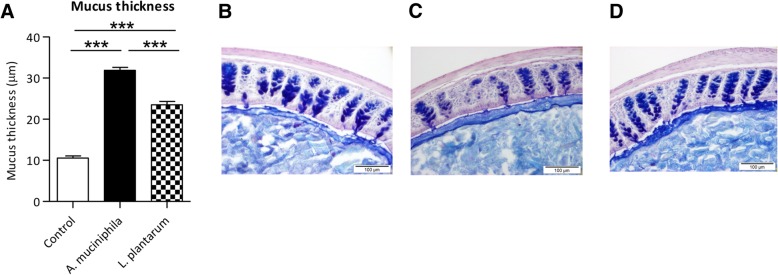
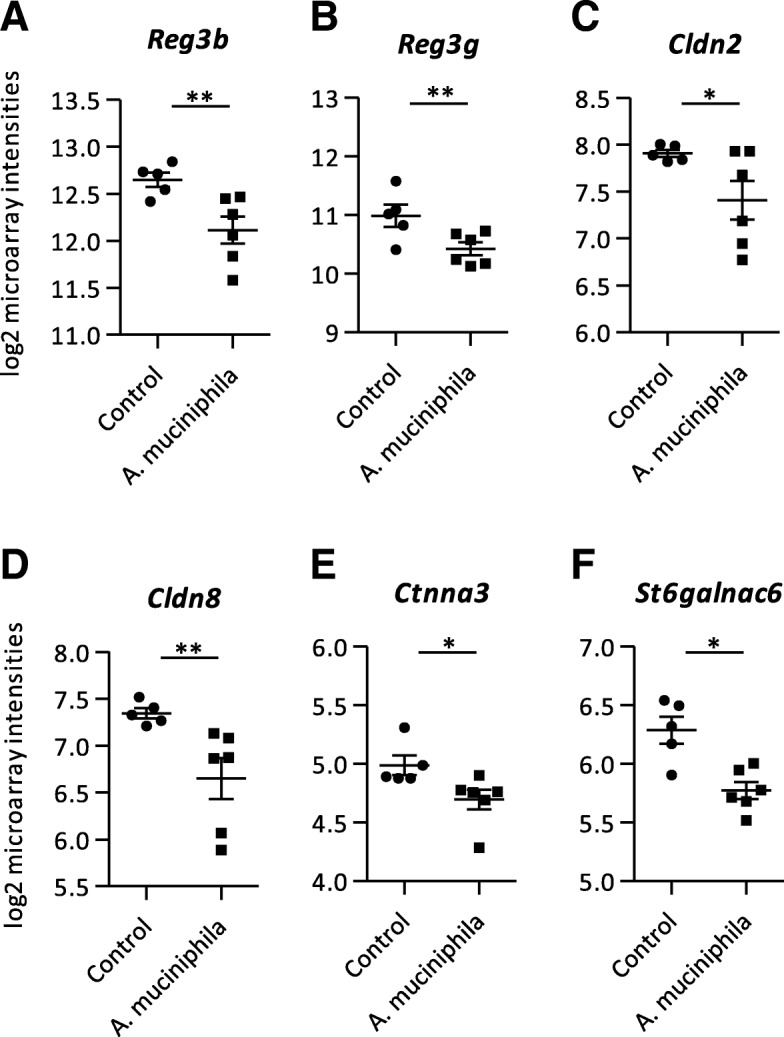
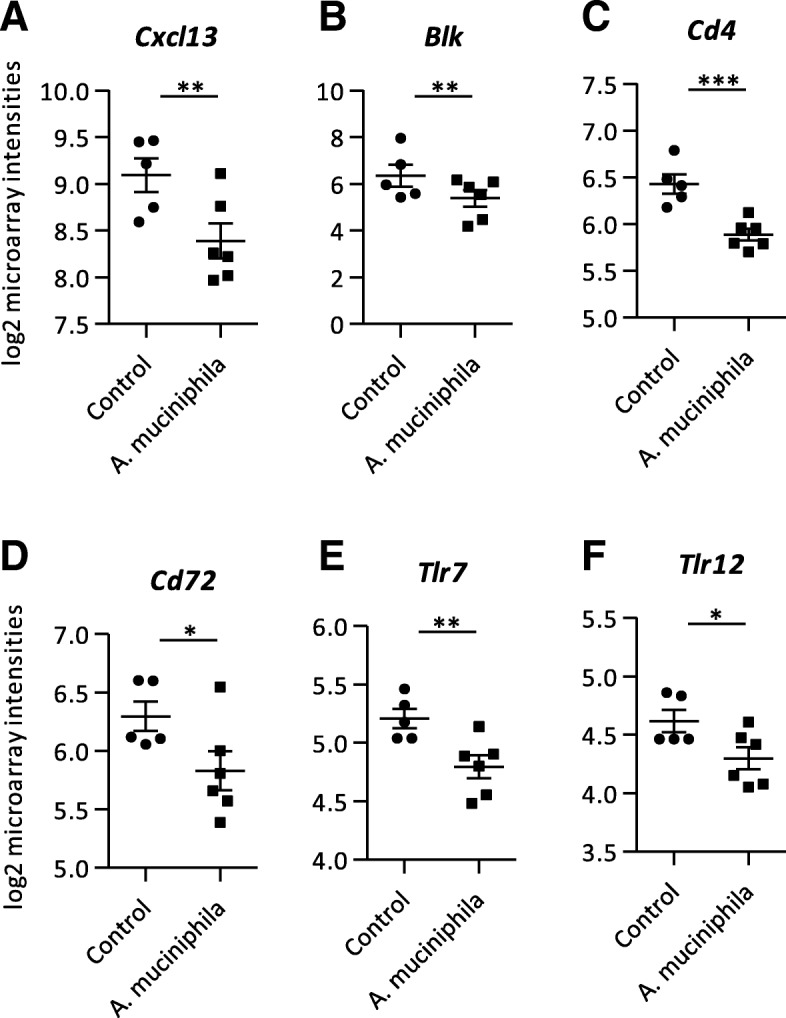
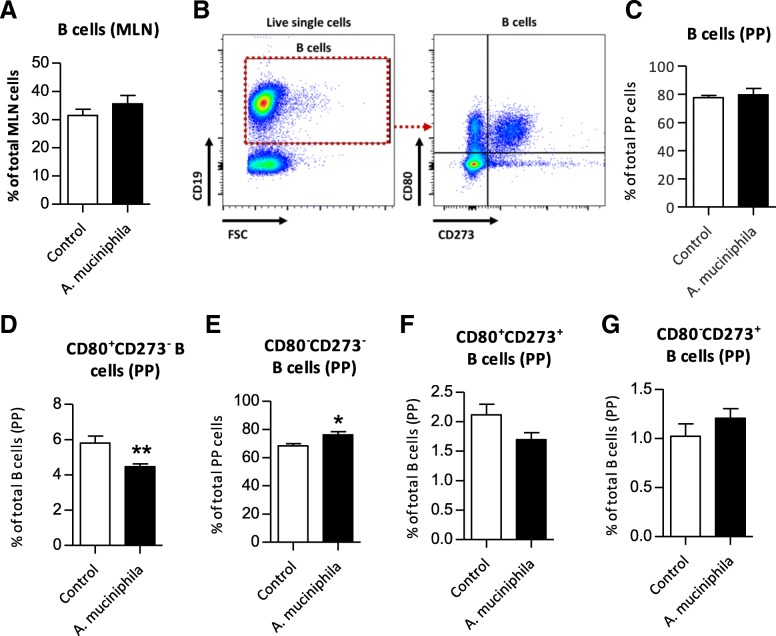
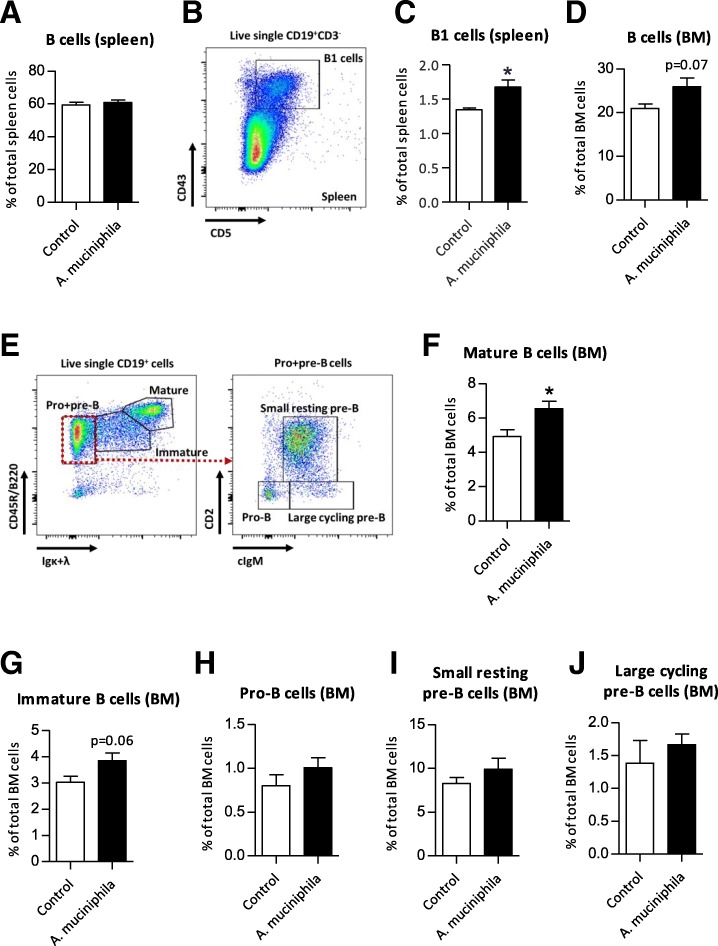
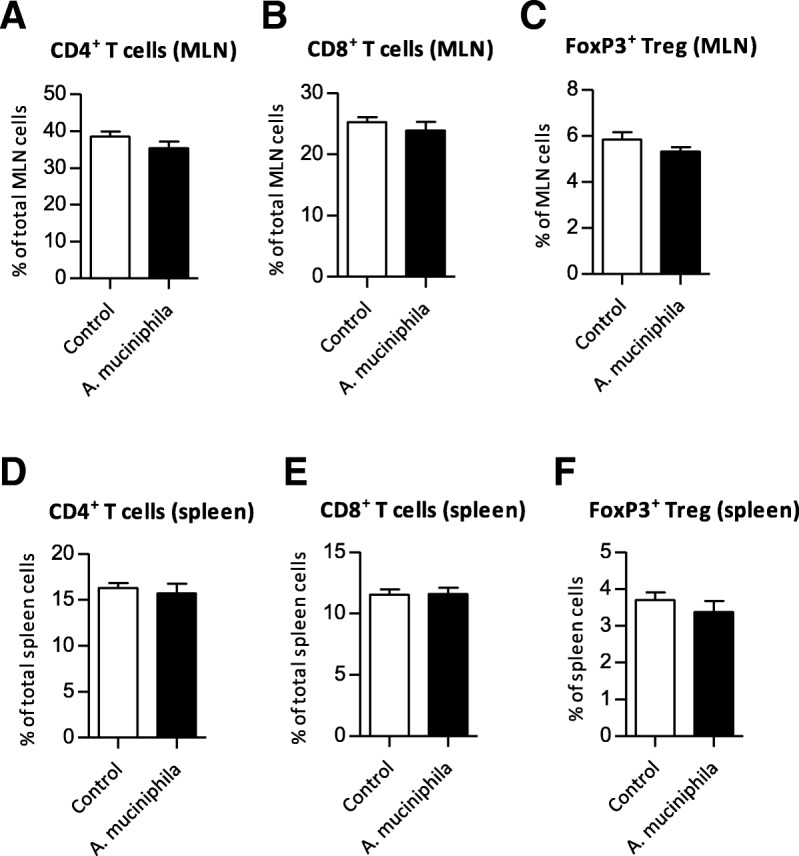
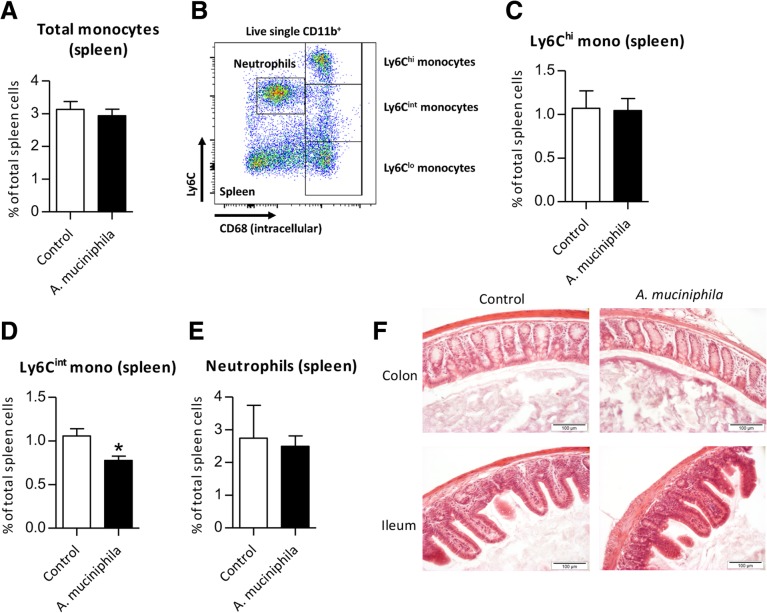
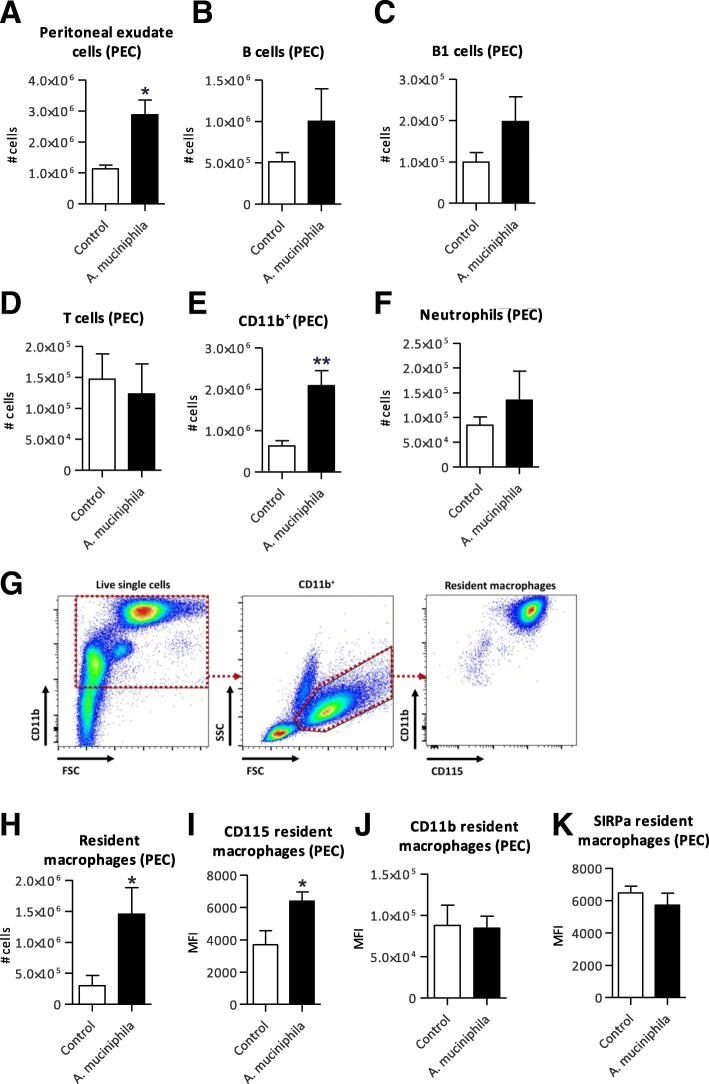
The use of Akkermansia muciniphila as potential therapeutic intervention is receiving increasing attention. Health benefits attributed to this bacterium include an improvement of metabolic disorders and exerting anti-inflammatory effects. The abundance of A. muciniphila is associated with a healthy gut in early mid- and later life. However, the effects of A. muciniphila on a decline in intestinal health during the aging process are not investigated yet. We supplemented accelerated aging Ercc1 −/Δ7 mice with A. muciniphila for 10 weeks and investigated histological, transcriptional and immunological aspects of intestinal health. The thickness of the colonic mucus layer increased about 3-fold after long-term A. muciniphila supplementation and was even significantly thicker compared to mice supplemented with Lactobacillus plantarum WCFS1. Colonic gene expression profiles pointed towards a decreased expression of genes and pathways related to inflammation and immune function, and suggested a decreased presence of B cells in colon. Total B cell frequencies in spleen and mesenteric lymph nodes were not altered after A. muciniphila supplementation. Mature and immature B cell frequencies in bone marrow were increased, whereas B cell precursors were unaffected. These findings implicate that B cell migration rather than production was affected by A. muciniphila supplementation. Gene expression profiles in ileum pointed toward a decrease in metabolic- and immune-related processes and antimicrobial peptide production after A. muciniphila supplementation. Besides, A. muciniphila decreased the frequency of activated CD80 + CD273 − B cells in Peyer’s patches. Additionally, the increased numbers of peritoneal resident macrophages and a decrease in Ly6C int monocyte frequencies in spleen and mesenteric lymph nodes add evidence for the potentially anti-inflammatory properties of A. muciniphila . Altogether, we show that supplementation with A. muciniphila prevented the age-related decline in thickness of the colonic mucus layer and attenuated inflammation and immune-related processes at old age. This study implies that A. muciniphila supplementation can contribute to a promotion of healthy aging.
Overview
The claims and statistics of this paper haven’t been checked yet.
Free: it reads the open-access text and checks the first 5 claims that cite a source we can check. Create a free account to check every claim.
Integrity signals
Registry
Cites
Statistics
Figures
Verification
Claims the paper makes
The claims and statistics of this paper haven’t been checked yet.
Free: it reads the open-access text and checks the first 5 claims that cite a source we can check. Create a free account to check every claim.
Claims other papers make about this one
Each is checked against this paper’s own text: does it say what the citing paper says it does?
The source backs part of the claim, not all of it — or backs it for a different population, condition or comparison.
In the citing paper
“In mouse models of accelerated aging, supplementation with A. muciniphila can also attenuate age-related decline in colon thickness and immune activation [73], and exert beneficial effects on lifespan and healthspan [8].”
From Fecal microbiota transfer between young and aged mice reverses hallmarks of the aging gut, eye, and brain (2022) · cites this paper as [73]
Experimental — accuracy not yet measuredThe source backs part of the claim, not all of it — or backs it for a different population, condition or comparison.
In the citing paper
“Members of the Bifidobacteriaceae, Akkermansiaceae, and Eubacteriaceae families that are associated with beneficial effects on intestinal and extra-intestinal health in both mice and humans”
From Fecal microbiota transfer between young and aged mice reverses hallmarks of the aging gut, eye, and brain (2022) · cites this paper as [73]
Experimental — accuracy not yet measuredThe check wasn’t confident either way, so it gives no verdict — never disputed.
In the citing paper
“This phenotypic trait of overabundance of Akk > 4.799 was associated with a dominance of the Clostridium species (C.bolteae, C. innocuum, C. asparagiforme, C. scindens, C. symbosium) belonging to clusters IV and XIVa of the genus Clostridium, known to maintain IL-10 producing Treg in colonic lamina propria 47 .”
From Intestinal Akkermansia muciniphila predicts clinical response to PD-1 blockade in patients with advanced non-small-cell lung cancer (2022) · cites this paper as [47]
Experimental — accuracy not yet measuredThe check wasn’t confident either way, so it gives no verdict — never disputed.
In the citing paper
“Loss of intestinal barrier integrity and elevated circulating pro-inflammatory cytokine concentrations are linked with the polarization of CNS microglia toward a pro-inflammatory phenotype [11, 73, 109] and promote neurodegenerative disease [10, 13, 48].”
From Fecal microbiota transfer between young and aged mice reverses hallmarks of the aging gut, eye, and brain (2022) · cites this paper as [73]
Experimental — accuracy not yet measuredIn the citing paper
“and are associated with promoting intestinal and extra-intestinal health and healthy aging.”
From Fecal microbiota transfer between young and aged mice reverses hallmarks of the aging gut, eye, and brain (2022) · cites this paper as [73]
Self-check
Percentages, sums and reported differences re-computed from the paper’s own numbers.
The self-check needs the paper’s full text.
Citations
Cites
Subramanian, A., Tamayo, P., Mootha, V. K., Mukherjee, S., Ebert, B. L., Gillette, M. A., Paulovich, A., Pomeroy, S. L., Golub, T. R., Lander, E. S., et al. (2005) · Proceedings of the National Academy of Sciences · doi:10.1073/pnas.0506580102 · Cited by 53,625
phyloseq: An R Package for Reproducible Interactive Analysis and Graphics of Microbiome Census Data
McMurdie, P. J., & Holmes, S. (2013) · PLoS ONE · doi:10.1371/journal.pone.0061217 · Cited by 21,322
From Dietary Fiber to Host Physiology: Short-Chain Fatty Acids as Key Bacterial Metabolites
Koh, A., De Vadder, F., Kovatcheva-Datchary, P., & Bäckhed, F. (2016) · Cell · doi:10.1016/j.cell.2016.05.041 · Cited by 7,070
Causal analysis approaches in Ingenuity Pathway Analysis
Krämer, A., Green, J., Pollard, J., & Tugendreich, S. (2014) · Bioinformatics · doi:10.1093/bioinformatics/btt703 · Cited by 5,724
Role of the microbiota in immunity and inflammation.
Belkaid, Y., & Hand, T. W. (2014) · Cell · doi:10.1016/j.cell.2014.03.011 · Cited by 5,385
Cross-talk between Akkermansia muciniphila and intestinal epithelium controls diet-induced obesity
Everard, A., Belzer, C., Geurts, L., Ouwerkerk, J. P., Druart, C., Bindels, L. B., Guiot, Y., Derrien, M., Muccioli, G. G., Delzenne, N. M., et al. (2013) · Proceedings of the National Academy of Sciences · doi:10.1073/pnas.1219451110 · Cited by 4,511
Self-citationChronic Inflammation (Inflammaging) and Its Potential Contribution to Age-Associated Diseases
Franceschi, C., & Campisi, J. (2014) · The Journals of Gerontology Series A: Biological Sciences and Medical Sciences · doi:10.1093/gerona/glu057 · Cited by 3,891
The gut microbiota, bacterial metabolites and colorectal cancer
Louis, P., Hold, G. L., & Flint, H. J. (2014) · Nature Reviews Microbiology · doi:10.1038/nrmicro3344 · Cited by 2,816
Plovier, H., Everard, A., Druart, C., Depommier, C., Van Hul, M., Geurts, L., Chilloux, J., Ottman, N., Duparc, T., Lichtenstein, L., et al. (2017) · Nature Medicine · doi:10.1038/nm.4236 · Cited by 2,204
Self-citationAkkermansia muciniphila gen. nov., sp. nov., a human intestinal mucin-degrading bacterium
Derrien, M., Vaughan, E. E., Plugge, C. M., & de Vos, W. M. (2004) · International Journal of Systematic and Evolutionary Microbiology · doi:10.1099/ijs.0.02873-0 · Cited by 2,094
Cited by
Mucus barrier, mucins and gut microbiota: the expected slimy partners?
Paone, P., & Cani, P. D. (2020) · Gut · doi:10.1136/gutjnl-2020-322260 · Cited by 1,578
Akkermansia muciniphila: paradigm for next-generation beneficial microorganisms
Cani, P. D., Depommier, C., Derrien, M., Everard, A., & de Vos, W. M. (2022) · Nature Reviews Gastroenterology & Hepatology · doi:10.1038/s41575-022-00631-9 · Cited by 1,192
Romano, S., Savva, G. M., Bedarf, J. R., Charles, I. G., Hildebrand, F., & Narbad, A. (2021) · npj Parkinson's Disease · doi:10.1038/s41531-021-00156-z · Cited by 707
Derosa, L., Routy, B., Thomas, A. M., Iebba, V., Zalcman, G., Friard, S., Mazieres, J., Audigier-Valette, C., Moro-Sibilot, D., Goldwasser, F., et al. (2022) · Nature Medicine · doi:10.1038/s41591-021-01655-5 · Cited by 685
Polyphenol-Mediated Gut Microbiota Modulation: Toward Prebiotics and Further
Rodríguez-Daza, M. C., Pulido-Mateos, E. C., Lupien-Meilleur, J., Guyonnet, D., Desjardins, Y., & Roy, D. (2021) · Frontiers in Nutrition · doi:10.3389/fnut.2021.689456 · Cited by 474
“Through these prebiotic-effects, (poly)phenol-rich foods can attenuate metabolic and inflammatory diseases (14), increase host intestinal mucus production (64, 65), induce the secretion of gut antimicrobial peptides (66, 67), modulate hepatic bile acids (68, 69), and gut immunoglobulins secretion (70).”
BackgroundParker, A., Romano, S., Ansorge, R., Aboelnour, A., Le Gall, G., Savva, G. M., Pontifex, M. G., Telatin, A., Baker, D., Jones, E., et al. (2022) · Microbiome · doi:10.1186/s40168-022-01243-w · Cited by 368
“Members of the Bifidobacteriaceae, Akkermansiaceae, and Eubacteriaceae families that are associated with beneficial effects on intestinal and extra-intestinal health in both mice and humans ([8, 38, 43, 73, 78, 81]) were more Fig.”
BackgroundThe Gut Microbiota and Unhealthy Aging: Disentangling Cause from Consequence
DeJong, E. N., Surette, M. G., & Bowdish, D. M. E. (2020) · Cell Host & Microbe · doi:10.1016/j.chom.2020.07.013 · Cited by 370
Depommier, C., Van Hul, M., Everard, A., Delzenne, N. M., De Vos, W. M., & Cani, P. D. (2020) · Gut Microbes · doi:10.1080/19490976.2020.1737307 · Cited by 269
Zhang, X., Zhong, H., Li, Y., Shi, Z., Ren, H., Zhang, Z., Zhou, X., Tang, S., Han, X., Lin, Y., et al. (2021) · Nature Aging · doi:10.1038/s43587-020-00014-2 · Cited by 250
Akkermansia muciniphila: biology, microbial ecology, host interactions and therapeutic potential
Ioannou, A., Berkhout, M. D., Geerlings, S. Y., & Belzer, C. (2025) · Nature Reviews Microbiology · doi:10.1038/s41579-024-01106-1 · Cited by 221
“In fast-ageing Ercc1 -deletion mice, supplementation of A. muciniphila prevented the age-related decline of mucus layer thickness 24 .”
Self-citationBernard-Raichon, L., Venzon, M., Klein, J., Axelrad, J. E., Zhang, C., Sullivan, A. P., Hussey, G. A., Casanovas-Massana, A., Noval, M. G., Valero-Jimenez, A. M., et al. (2022) · Nature Communications · doi:10.1038/s41467-022-33395-6 · Cited by 223
Earley, H., Lennon, G., Balfe, Á., Coffey, J. C., Winter, D. C., & O’Connell, P. R. (2019) · Scientific Reports · doi:10.1038/s41598-019-51878-3 · Cited by 203
The Related Metabolic Diseases and Treatments of Obesity
Yang, M., Liu, S., & Zhang, C. (2022) · Healthcare · doi:10.3390/healthcare10091616 · Cited by 170
Jian, H., Liu, Y., Wang, X., Dong, X., & Zou, X. (2023) · International Journal of Molecular Sciences · doi:10.3390/ijms24043900 · Cited by 173
Aging Microbiota-Gut-Brain Axis in Stroke Risk and Outcome
Honarpisheh, P., Bryan, R. M., & McCullough, L. D. (2022) · Circulation Research · doi:10.1161/circresaha.122.319983 · Cited by 171
Recent findings in Akkermansia muciniphila-regulated metabolism and its role in intestinal diseases
Liu, M.-J., Yang, J.-Y., Yan, Z.-H., Hu, S., Li, J.-Q., Xu, Z.-X., & Jian, Y.-P. (2022) · Clinical Nutrition · doi:10.1016/j.clnu.2022.08.029 · Cited by 166
Oral nanomedicine for modulating immunity, intestinal barrier functions, and gut microbiome
Lee, Y., Kamada, N., & Moon, J. J. (2021) · Advanced Drug Delivery Reviews · doi:10.1016/j.addr.2021.114021 · Cited by 165
Celiac Disease and the Microbiome
Valitutti, F., Cucchiara, S., & Fasano, A. (2019) · Nutrients · doi:10.3390/nu11102403 · Cited by 157
“A balanced gut microbiota also contributes to the maintenance of the mucous layer, especially due to bacteria such as Lactobacillus species and Akkermansia muciniphila [64,65].”
BackgroundAhmadi, S., Razazan, A., Nagpal, R., Jain, S., Wang, B., Mishra, S. P., Wang, S., Justice, J., Ding, J., McClain, D. A., et al. (2020) · The Journals of Gerontology: Series A · doi:10.1093/gerona/glaa056 · Cited by 145
Akkermansia muciniphila : is it the Holy Grail for ameliorating metabolic diseases?
Yan, J., Sheng, L., & Li, H. (2021) · Gut Microbes · doi:10.1080/19490976.2021.1984104 · Cited by 154
The pleiotropic effects of prebiotic galacto-oligosaccharides on the aging gut
Arnold, J. W., Roach, J., Fabela, S., Moorfield, E., Ding, S., Blue, E., Dagher, S., Magness, S., Tamayo, R., Bruno-Barcena, J. M., et al. (2021) · Microbiome · doi:10.1186/s40168-020-00980-0 · Cited by 131
Ma, J., Liu, Z., Gao, X., Bao, Y., Hong, Y., He, X., Zhu, W., Li, Y., Huang, W., Zheng, N., et al. (2023) · Pharmacological Research · doi:10.1016/j.phrs.2023.106687 · Cited by 141
Ouyang, J., Lin, J., Isnard, S., Fombuena, B., Peng, X., Marette, A., Routy, B., Messaoudene, M., Chen, Y., & Routy, J.-P. (2020) · Frontiers in Immunology · doi:10.3389/fimmu.2020.00645 · Cited by 124
Leaky Gut in IBD: Intestinal Barrier–Gut Microbiota Interaction
Yu, S., Sun, Y., Shao, X., Zhou, Y., Yu, Y., Kuai, X., & Zhou, C. (2022) · Journal of Microbiology and Biotechnology · doi:10.4014/jmb.2203.03022 · Cited by 142
“muciniphila is inversely correlated with obesity and type 2 diabetes, suggesting that it plays a significant role in regulating chronic metabolic and inflammatory disorders [28, 29].”
BackgroundLuo, Y., Lan, C., Li, H., Ouyang, Q., Kong, F., Wu, A., Ren, Z., Tian, G., Cai, J., Yu, B., et al. (2022) · npj Biofilms and Microbiomes · doi:10.1038/s41522-022-00338-4 · Cited by 138
Food‐grade carrageenans and their implications in health and disease
Liu, F., Hou, P., Zhang, H., Tang, Q., Xue, C., & Li, R. W. (2021) · Comprehensive Reviews in Food Science and Food Safety · doi:10.1111/1541-4337.12790 · Cited by 128
“This mucin-degrading bacterium, which is associated with the maintenance and restoration of the mucus layer, plays a critical role in protecting intestinal barrier function (Everard et al., 2013; Paone & Cani, 2020; van der Lugt et al., 2019).”
BackgroundCarotenoids and Their Health Benefits as Derived via Their Interactions with Gut Microbiota
Eroglu, A., Al’Abri, I. S., Kopec, R. E., Crook, N., & Bohn, T. (2022) · Advances in Nutrition · doi:10.1016/j.advnut.2022.10.007 · Cited by 138
“Therefore, changes such as reductions in Akkermansia muciniphila could be important for optimal mucosa integrity and gut health [170].”
BackgroundThe metabolic, protective, and immune functions of Akkermansia muciniphila
Ghotaslou, R., Nabizadeh, E., Memar, M. Y., Law, W. M. H., Ozma, M. A., Abdi, M., Yekani, M., Kadkhoda, H., Hosseinpour, R., Bafadam, S., et al. (2022) · Microbiological Research · doi:10.1016/j.micres.2022.127245 · Cited by 115
Akkermansia muciniphila plays critical roles in host health
Zhao, Q., Yu, J., Hao, Y., Zhou, H., Hu, Y., Zhang, C., Zheng, H., Wang, X., Zeng, F., Hu, J., et al. (2022) · Critical Reviews in Microbiology · doi:10.1080/1040841x.2022.2037506 · Cited by 111
Co-Encapsulated Synbiotics and Immobilized Probiotics in Human Health and Gut Microbiota Modulation
Kvaková, M., Bertková, I., Štofilová, J., & Savidge, T. (2021) · Foods · doi:10.3390/foods10061297 · Cited by 116
Akkermansia muciniphila in neuropsychiatric disorders: friend or foe?
Lei, W., Cheng, Y., Gao, J., Liu, X., Shao, L., Kong, Q., Zheng, N., Ling, Z., & Hu, W. (2023) · Frontiers in Cellular and Infection Microbiology · doi:10.3389/fcimb.2023.1224155 · Cited by 112
Akkermansia muciniphila: A key player in gut microbiota-based disease modulation
Shaheen, N., Khursheed, W., Gurung, B., & Wang, S. (2025) · Microbiological Research · doi:10.1016/j.micres.2025.128317 · Cited by 115
Wu, L., Xie, X., Li, Y., Liang, T., Zhong, H., Yang, L., Yu, X., Zhang, J., Ding, Y., & Wu, Q. (2022) · npj Biofilms and Microbiomes · doi:10.1038/s41522-022-00366-0 · Cited by 110
Xu, R., Zhang, Y., Chen, S., Zeng, Y., Fu, X., Chen, T., Luo, S., & Zhang, X. (2022) · Critical Reviews in Microbiology · doi:10.1080/1040841x.2022.2044286 · Cited by 103
“Furthermore, A. muciniphila is capable of ameliorating the age-related decline in colonic mucosal thickness and attenuating immune activation (Van Der Lugt et al. 2019); also, ageing itself alters the gut microbiome, which involves a reduction in Akkermansia abundance, thereby contributing to…”
BackgroundZhu, L., Lu, X., Liu, L., Voglmeir, J., Zhong, X., & Yu, Q. (2020) · Veterinary Research · doi:10.1186/s13567-020-00755-3 · Cited by 99
“muciniphila can increase mucus thickness and this ability is associated with the secretory function of goblet cells [36].”
BackgroundLiu, J., Yue, T., Luo, Z., Cao, J., Yan, Z., Jin, L., Wan, T., Shuai, C., Wang, Z., Zhou, Y., et al. (2020) · Disease Models & Mechanisms · doi:10.1242/dmm.043620 · Cited by 93
“We hypothesized that many of the exogenously administered A. muciniphila may be eliminated from the mice body during the washout period (van der Lugt et al., 2019), and two occurrences of colonization may not be sufficient to provide enough A. muciniphila that can survive and grow in the host gut.”
BackgroundYang, Q., Ouyang, J., Sun, F., & Yang, J. (2020) · Frontiers in Immunology · doi:10.3389/fimmu.2020.590685 · Cited by 90
“Akkermansia muciniphila was reported to improve intestinal epithelial monolayer integrity by stimulating colonic mucin secretion, increasing the thickness of the gut mucus layer, and binding directly to intestinal cells (28, 29).”
BackgroundDaniel, N., Gewirtz, A. T., & Chassaing, B. (2023) · Gut · doi:10.1136/gutjnl-2021-326835 · Cited by 94
Kumar, A., Joishy, T. K., Das, S., Kalita, M. C., Mukherjee, A. K., & Khan, M. R. (2022) · Antioxidants · doi:10.3390/antiox11020268 · Cited by 88
Hohman, L. S., & Osborne, L. C. (2022) · Aging Cell · doi:10.1111/acel.13700 · Cited by 101
Nutritional strategies for mucosal health: the interplay between microbes and mucin glycans
Belzer, C. (2021) · Trends in Microbiology · doi:10.1016/j.tim.2021.06.003 · Cited by 92
Self-citationDong, C., Yu, J., Yang, Y., Zhang, F., Su, W., Fan, Q., Wu, C., & Wu, S. (2021) · Biomedicine & Pharmacotherapy · doi:10.1016/j.biopha.2021.111595 · Cited by 85
Chen, H., Dong, L., Chen, X., Ding, C., Hao, M., Peng, X., Zhang, Y., Zhu, H., & Liu, W. (2022) · Experimental Gerontology · doi:10.1016/j.exger.2022.111769 · Cited by 78
“Studies have found that Akkermansia could improve systemic anti-aging metabolites and attenuate immune activation in accelerated aging mice (Grajeda-lglesias et al., 2021; Van Der Lugt et al., 2019).”
BackgroundExploring the Relationship between the Gut Microbiota and Ageing: A Possible Age Modulator
Salazar, J., Durán, P., Díaz, M. P., Chacín, M., Santeliz, R., Mengual, E., Gutiérrez, E., León, X., Díaz, A., Bernal, M., et al. (2023) · International Journal of Environmental Research and Public Health · doi:10.3390/ijerph20105845 · Cited by 71
Cai, W.-Q., Liang, W., Li, D., Dai, W., Li, Z., Wei, X., Cheng, L., Zhang, B., & Yang, Q.-Q. (2025) · ACS Nano · doi:10.1021/acsnano.4c14373 · Cited by 81
Function of Akkermansia muciniphila in type 2 diabetes and related diseases
Li, J., Yang, G., Zhang, Q., Liu, Z., Jiang, X. M., & Xin, Y. (2023) · Frontiers in Microbiology · doi:10.3389/fmicb.2023.1172400 · Cited by 90
Warman, D. J., Jia, H., & Kato, H. (2022) · Nutrients · doi:10.3390/nu14040747 · Cited by 88
“muciniphila have been extensively described previously [89], the study confirmed its protection against aging-related inflammation by reducing colonic expression of pro-inflammatory genes [28].”
BackgroundInfluentialResearch progress of gut microbiota and obesity caused by high-fat diet
Fan, S., Chen, S., & Lin, L. (2023) · Frontiers in Cellular and Infection Microbiology · doi:10.3389/fcimb.2023.1139800 · Cited by 77
Zeng, S.-Y., Liu, Y., Liu, J., Zeng, Z., Xie, H., & Liu, J. (2023) · Aging and Disease · doi:10.14336/ad.2023.0325 · Cited by 73
Outlook on next-generation probiotics from the human gut
Filippis, F. D., Esposito, A., & Ercolini, D. (2022) · Cellular and Molecular Life Sciences · doi:10.1007/s00018-021-04080-6 · Cited by 75
Chen, J., Wang, M., Zhang, P., Li, H., Qu, K., Xu, R.-M., Guo, N., & Zhu, H. (2022) · Pharmacological Research · doi:10.1016/j.phrs.2022.106191 · Cited by 66
Pee, T. V., Nawrot, T. S., van Leeuwen, R., & Hogervorst, J. G. F. (2023) · The Science of The Total Environment · doi:10.1016/j.scitotenv.2023.162769 · Cited by 57
Gámez-Macías, P. E., Félix‐Soriano, E., Samblas, M., Sáinź, N., Moreno-Aliaga, M. J., & González‐Muniesa, P. (2024) · The Journals of Gerontology Series A · doi:10.1093/gerona/glae045 · Cited by 60
“Our findings are consistent with those observed by Van der Lugt et al. (16) who observed that Akkermansia muciniphila supplementation resulted in the downregulation of Cd4 gene expression in aging mice.”
ResultGut Microbiota and Dietary Factors as Modulators of the Mucus Layer in Inflammatory Bowel Disease
Fernández‐Tomé, S., Moreno, L. O., Chaparro, M., & Gisbert, J. P. (2021) · International Journal of Molecular Sciences · doi:10.3390/ijms221910224 · Cited by 60
Cutuli, D., Decandia, D., Giacovazzo, G., & Coccurello, R. (2023) · International Journal of Molecular Sciences · doi:10.3390/ijms241914686 · Cited by 64
Yin, J., Song, Y., Hu, Y., Wang, Y., Zhang, B., Wang, J., Ji, X., & Wang, S. (2021) · Microorganisms · doi:10.3390/microorganisms9071511 · Cited by 54
Sheng, K., Yang, J., Xu, Y., Kong, X., Wang, J., & Wang, Y. (2022) · Food & Function · doi:10.1039/d1fo03396d · Cited by 59
Intermittent Hypoxia and Hypercapnia Alter Diurnal Rhythms of Luminal Gut Microbiome and Metabolome
Allaband, C., Lingaraju, A., Martino, C., Russell, B., Tripathi, A., Poulsen, O., Dantas Machado, A. C., Zhou, D., Xue, J., Elijah, E., et al. (2021) · mSystems · doi:10.1128/msystems.00116-21 · Cited by 50
Sonomoto, K., Song, R., Eriksson, D., Hahn, A. M., Meng, X., Lyu, P., Cao, S., Liu, N., Taudte, R. V., Wirtz, S. J., et al. (2023) · Cell Reports · doi:10.1016/j.celrep.2023.112713 · Cited by 61
Health Effects and Therapeutic Potential of the Gut Microbe Akkermansia muciniphila
Aja, E., Zeng, A.-P., Gray, W. R., Connelley, K. K., Chaganti, A., & Jacobs, J. P. (2025) · Nutrients · doi:10.3390/nu17030562 · Cited by 62
“In a mouse model of aging, supplementation with A. muciniphila induced thickening of the colonic mucus layer [52].”
InfluentialWu, Z., Xu, Q., Gu, S., Chen, Y., Lv, L., Zheng, B., Wang, Q., Wang, K., Wang, S., Xia, J., et al. (2022) · Frontiers in Microbiology · doi:10.3389/fmicb.2022.841920 · Cited by 57
Peña‐Cearra, A., Palacios, A., Pellón, A., Castelo, J., Pasco, S. T., Seoane, I., Barriales, D., Martín, J., Pascual‐Itoiz, M. Á., González-Lopez, M., et al. (2024) · Communications Biology · doi:10.1038/s42003-024-05867-6 · Cited by 55
Pollutants, microbiota and immune system: frenemies within the gut
Rio, P., Gasbarrini, A., Gambassi, G., & Cianci, R. (2024) · Frontiers in Public Health · doi:10.3389/fpubh.2024.1285186 · Cited by 62
Bile acid metabolism in health and ageing-related diseases
Li, X., Fang, C., Zhao, R., Zou, L., Miao, H., & Zhao, Y. (2024) · Biochemical Pharmacology · doi:10.1016/j.bcp.2024.116313 · Cited by 60
Tingler, A. M., & Engevik, M. A. (2025) · Infection and Immunity · doi:10.1128/iai.00503-24 · Cited by 68
“For example, A. muciniphila was shown to reduce the effects of colonic mucus shrinkage and enhance immune activation due to aging in an accelerated aging mouse model, Ercc1 −/Δ7 mice (194).”
Common Pathogenetic Mechanisms Underlying Aging and Tumor and Means of Interventions
Shen, W., He, J., Hou, T., Si, J., & Chen, S. (2022) · Aging and Disease · doi:10.14336/ad.2021.1208 · Cited by 45
Song, L., Yang, J., Kong, W., Liu, Y., Liu, S., & Su, L. (2023) · International Journal of Biological Macromolecules · doi:10.1016/j.ijbiomac.2023.124333 · Cited by 53
Gut microbial involvement in Alzheimer's disease pathogenesis
Zhang, Y., Geng, R., & Tu, Q. (2021) · Aging · doi:10.18632/aging.202994 · Cited by 47
He, J., Hou, T., Wang, Q., Wang, Q., Jiang, Y., Chen, L., Xu, J., Qi, Y., Jia, D., Gu, Y., et al. (2024) · Aging Cell · doi:10.1111/acel.14081 · Cited by 53
“Amuc_1100, one of the most abundant proteins of AKK outer membranes (van der Lugt et al., 2019 ), is a natural post-biotic compound that had similar biological activity to AKK in mod - ulating host metabolism (Cani & de Vos, 2017 ; Plovier et al., 2017).”
BackgroundHong, T., Jiang, X., Zou, J., Yang, J., Zhang, H., Mai, H., Ling, W., & Feng, D. (2022) · The Journal of Nutritional Biochemistry · doi:10.1016/j.jnutbio.2022.109103 · Cited by 50
Qin, Z., Yuan, X., Liu, J., Shi, Z., Cao, L., Yang, L., Wu, K., Lou, Y., Tong, H., Jiang, L., et al. (2022) · Frontiers in Pharmacology · doi:10.3389/fphar.2022.833077 · Cited by 46
Health and Disease:Akkermansia muciniphila, the Shining Star of the Gut Flora
Xue, C., Li, G., Gu, X., Su, Y., Zheng, Q., Yuan, X. H., Bao, Z., Lu, J., & Li, L. (2023) · Research · doi:10.34133/research.0107 · Cited by 52
Fang, J., Zhang, Z., Cheng, Y., Yang, H., Zhang, H., Xue, Z., Lu, S., Dong, Y., Song, C., Zhang, X., et al. (2022) · Food & Function · doi:10.1039/d1fo03815j · Cited by 41
Khalili, L., Nagpal, R., Park, G., & Salazar, G. (2024) · Microorganisms · doi:10.1016/j.cdnut.2024.102205 · Cited by 51
Neil, E. S., McGinley, J. N., Fitzgerald, V. K., Lauck, C. A., Tabke, J. A., Streeter-McDonald, M. R., Yao, L., Broeckling, C. D., Weir, T. L., Foster, M. T., et al. (2019) · Nutrients · doi:10.3390/nu11112780 · Cited by 46
Xie, H., Hua, Z., Guo, M., Lin, S., Zhou, Y., Weng, Z., Wu, L., Chen, Z., Xu, Z., & Li, W. (2022) · Pharmaceutical Biology · doi:10.1080/13880209.2022.2056208 · Cited by 43
Watanabe, Y., Fujisaka, S., Morinaga, Y., Watanabe, S., Nawaz, A., Hatta, H., Kado, T., Nishimura, A., Bilal, M., Aslam, M. R., et al. (2023) · Molecular Metabolism · doi:10.1016/j.molmet.2023.101797 · Cited by 47
“muciniphila administration increases mucus thickness[30] and goblet cell density[28].”
BackgroundTveter, K. M., Villa-Rodríguez, J. A., Cabales, A., Zhang, L., Bawagan, F. G., Duran, R. M., & Roopchand, D. E. (2020) · BMJ Open Diabetes Research & Care · doi:10.1136/bmjdrc-2020-001386 · Cited by 42
Kostopoulos, I., Aalvink, S., Kovatcheva‐Datchary, P., Nijsse, B., Bäckhed, F., Knol, J., de Vos, W. M., & Belzer, C. (2021) · Frontiers in Microbiology · doi:10.3389/fmicb.2021.632454 · Cited by 45
Self-citationAbbasi, A., Bazzaz, S., da Cruz, A. G., Khorshidian, N., Saadat, Y. R., Sabahi, S., Ozma, M. A., Lahouty, M., Aslani, R., & Mortazavian, A. M. (2023) · Probiotics and Antimicrobial Proteins · doi:10.1007/s12602-023-10118-x · Cited by 40
“The protein’s ability to trigger TLR2 in peripheral blood mononuclear cells and to boost the development of transepithelial electrical resistance in Caco-2 cells was utilized to clarify the protein’s mechanism of action [166].”
Ashiqueali, S., Chaudhari, D. S., Zhu, X., Noureddine, S. A., Siddiqi, S., Garcia, D. N., Gostyńska, A., Stawny, M., Rubis, B., Zanini, B. M., et al. (2024) · GeroScience · doi:10.1007/s11357-024-01060-z · Cited by 44
Puerarin improves intestinal barrier function through enhancing goblet cells and mucus barrier
Li, J., Zhang, L., Li, Y., Wu, Y., Wu, T., Feng, H., Xu, Z. Z., Liu, Y., Ruan, Z., & Zhou, S. (2020) · Journal of Functional Foods · doi:10.1016/j.jff.2020.104246 · Cited by 39
Birkisdóttir, M. B., Jaarsma, D., Brandt, R. M. C., Barnhoorn, S., van Vliet, N., Imholz, S., van Oostrom, C. T., Nagarajah, B., Portilla Fernández, E., Roks, A. J. M., et al. (2021) · Aging Cell · doi:10.1111/acel.13302 · Cited by 35
“However, none of these resulted in life span and healthspan extensions in the range of those by DR, although some benefits have been documented on specific tissues and readouts (Alyodawi et al., 2019; van Beek et al., 2016, 2017; La Fata et al., 2017; van der Lugt et al., 2019).”
BackgroundSelf-citationKimono, D. A., Bose, D., Seth, R. K., Mondal, A., Saha, P., Janulewicz, P. A., Sullivan, K. A., Lasley, S. M., Horner, R. D., Klimas, N. G., et al. (2020) · Neuroscience Insights · doi:10.1177/2633105520942480 · Cited by 39
Fecal microbiota transplantation, a tool to transfer healthy longevity
Novelle, M. G., Naranjo-Martínez, B., Lopez-Canovas, J. L., & Díaz‐Ruiz, A. (2024) · Ageing Research Reviews · doi:10.1016/j.arr.2024.102585 · Cited by 37
“…(Ma et al., 2023), reinforcing the previously reported potential advantages of this strain in the context of anti-aging interventions (Barcena et al., 2019; Bodogai et al., 2018; Cerro et al., 2022; Grajeda-Iglesias et al., 2021; Greer et al., 2016; van der Lugt et al., 2019; Zhang et al., 2022a).”
Ren, B., Wang, L., Mulati, A., Liu, Y., Liu, Z., & Liu, X. (2021) · Frontiers in Nutrition · doi:10.3389/fnut.2021.746592 · Cited by 35
“Akkermansia improves the colonic mucus thickness decline and attenuates immune activation in aged mice (67).”
BackgroundMcGinley, J. N., Fitzgerald, V. K., Neil, E. S., Omerigic, H., Heuberger, A. L., Weir, T. L., McGee, R. J., Vandemark, G. J., & Thompson, H. J. (2020) · Nutrients · doi:10.3390/nu12030593 · Cited by 32
Sharma, R., Diwan, B., Sharma, A., & Witkowski, J. M. (2022) · Biogerontology · doi:10.1007/s10522-022-09995-6 · Cited by 33
Genomic convergence between Akkermansia muciniphila in different mammalian hosts
Geerlings, S. Y., Ouwerkerk, J. P., Koehorst, J. J., Ritari, J., Aalvink, S., Stecher, B., Schaap, P. J., Paulin, L., de Vos, W. M., & Belzer, C. (2021) · BMC Microbiology · doi:10.1186/s12866-021-02360-6 · Cited by 28
Self-citationImproving intestinal inflammaging to delay aging? A new perspective
Zhang, L., Yan, J., Zhang, C., Feng, S., Zhan, Z., Bao, Y., Zhang, S., & Chao, G. (2023) · Mechanisms of Ageing and Development · doi:10.1016/j.mad.2023.111841 · Cited by 29
The role of bile acids in human aging
Jin, L., Shi, L., & Huang, W. (2024) · Medical Review · doi:10.1515/mr-2024-0003 · Cited by 32
Gut Microbiota Predicts Healthy Late-Life Aging in Male Mice
Ke, S., Mitchell, S. J., MacArthur, M. R., Kane, A. E., Sinclair, D. A., Venable, E. M., Chadaideh, K. S., Carmody, R. N., Grodstein, F., Mitchell, J. R., et al. (2021) · Nutrients · doi:10.3390/nu13093290 · Cited by 29
Lv, Q.-B., Li, S., Zhang, Y., Guo, R., Wang, Y.-C., Peng, Y., & Zhang, X.-X. (2022) · Frontiers in Cellular and Infection Microbiology · doi:10.3389/fcimb.2022.957439 · Cited by 25
Mei, L., Wang, J., Hao, Y., Zeng, X., Yang, Y., Wu, Z., & Ji, Y. S. (2024) · Critical Reviews in Food Science and Nutrition · doi:10.1080/10408398.2024.2416481 · Cited by 29
“In addition, the beneficial effects of A. muciniphila on intestinal barrier function have also been observed in aging or the conditions of intestinal inflammation (Chen et al. 2021; Liu et al. 2020; van der Lugt et al. 2019).”
Bachmann, R., Hul, M. V., Baldin, P., Léonard, D., Delzenne, N. M., Belzer, C., Ouwerkerk, J. P., Repsilber, D., Rangel, I., Kartheuser, A. H., et al. (2022) · Cells · doi:10.3390/cells11172666 · Cited by 28
“muciniphila have been conducted in mice fed with high-fat diets [29,30,51] and aging mice [24].”
BackgroundSelf-citationYe, W.-Y., & Cai, Y. (2025) · Journal of Translational Medicine · doi:10.1186/s12967-025-07149-z · Cited by 34
Al-Qadami, G. H., Verma, G., Sebille, Y. Z. A. V., Le, H. V., Hewson, I., Bateman, E. H., Wardill, H. R., & Bowen, J. M. (2022) · International Journal of Radiation Oncology*Biology*Physics · doi:10.1016/j.ijrobp.2022.03.036 · Cited by 24
Elmassry, M. M., Chung, E., Cao, J., Hamood, A. N., & Shen, C. (2020) · The Journal of Nutritional Biochemistry · doi:10.1016/j.jnutbio.2020.108492 · Cited by 24
Pangenomes of human gut microbiota uncover links between genetic diversity and stress response
Shoer, S., Reicher, L., Zhao, C., Pollard, K. S., Pilpel, Y., & Segal, E. (2024) · Cell Host & Microbe · doi:10.1016/j.chom.2024.08.017 · Cited by 23
Liu, C., Wong, P. Y., Barua, N., Li, B., Wong, H. Y., Zhang, N., Chow, S. K., Wong, S. H., Yu, J. Q., Ip, M., et al. (2025) · Aging Cell · doi:10.1111/acel.14485 · Cited by 29
“LR-and FP-treated mice had higher abundance of Akkermansia , which is important for colon health in aged mice (van der Lugt et al. 2019).”
Metadata
- Authors
- van der Lugt, B., van Beek, A. A., Aalvink, S., Meijer, B., Sovran, B., Vermeij, W. P., Brandt, R. M. C., de Vos, W. M., Savelkoul, H. F. J., Steegenga, W. T., & Belzer, C.
- Affiliations
- Wageningen University & Research (NL)
- Erasmus MC (NL)
- Corresponding author
- Belzer, Clara
- ORCID
- Venue
- Immunity & Ageing
- Published
- 2019-03-08
- Volume
- 16
- Issue
- 1
- Pages
- 6-6
- ISSN
- 1742-4933 (ISSN-L)
- PMC
- PMC6408808
- OpenAlex
- W2934490979
- Cited by
- 217
- References
- 58
- Citations by year
- 2026: 20 · 2025: 33 · 2024: 36 · 2023: 29 · 2022: 43 · 2021: 36 · 2020: 17 · 2019: 3
- FWCI
- 8.19
- Type
- journal article
- Language
- en
- Open access
- gold
- doi.org
- Licence
- cc-by
- creativecommons.org/licenses/by/4.0/ (tdm)
- Locations
- Immunity & Ageing (publishedVersion, cc-by)
- Europe PMC (PubMed Central) (publishedVersion, other-oa)
- PubMed Central (publishedVersion, cc-by)
- PubMed (publishedVersion)
- EUR Research Repository (Erasmus University Rotterdam) (acceptedVersion, other-oa)
- Socio-Environmental Systems Modeling (acceptedVersion, cc-by)
- Socio-Environmental Systems Modeling (acceptedVersion)
- EUR Research Repository (Erasmus University Rotterdam) (submittedVersion, other-oa)
- RePub (Erasmus University Rotterdam) (submittedVersion, other-oa)
- DOAJ (DOAJ: Directory of Open Access Journals) (submittedVersion, cc-by-sa)
- Työväentutkimus Vuosikirja (submittedVersion)
- Data Archiving and Networked Services (DANS) (submittedVersion, cc-by)
- Data Archiving and Networked Services (DANS) (submittedVersion)
- Funders
- Nederlandse Organisatie voor Wetenschappelijk Onderzoek (024.002.002, 022.006.009)
- Topics
- Life Sciences › Biochemistry, Genetics and Molecular Biology › Molecular Biology › Gut microbiota and health
- Life Sciences › Agricultural and Biological Sciences › Food Science › Probiotics and Fermented Foods
- Life Sciences › Agricultural and Biological Sciences › Animal Science and Zoology › Animal Nutrition and Physiology
- Keywords
- Akkermansia muciniphila, gut microbiota, aging, immune activation, accelerated aging, B cell migration, Peyer's patches, macrophages, monocytes, anti-inflammatory activity, Lactobacillus plantarum, gut health, healthy aging
About these checks
Registry, retraction, Cites and statistics results are computed, not judged, with one exception: a printed reference that no index lists is read once by a model before it counts as a citation error. Claims are extracted by a model and kept only when their quote appears verbatim in the text; each cited source is then checked, with a model’s help, for whether it says what the claim relies on. Those verdicts can be wrong — read the claim’s quote and the cited source before relying on one.
Statistics and arithmetic are recomputed, not judged.
Confidence bands are shown only for fields calibrated on our annotated test set. None is calibrated yet, so no band is shown.
What counts as a claim ›How we measure confidence ›How we check this ›
Are you an author, or do you see a problem with this page? Request a review
Data sources
Bibliographic data: Semantic Scholar, OpenAlex, Crossref.
Contains information from the Semantic Scholar Academic Graph Datasets, made available under the ODC Attribution License (ODC-BY 1.0).
Semantic Scholar’s data is described in: Kinney, R., et al. (2023). The Semantic Scholar Open Data Platform. arXiv:2301.10140.
