

Revisiting the paradigm of silica pathogenicity with synthetic quartz crystals: the role of crystallinity and surface disorder
Open accessThe DOI matches its Crossref record; 72 of the 77 references it cites were found in a registry or an index.
Abstract
BACKGROUND: Exposure to some - but not all - quartz particles is associated to silicosis, lung cancer and autoimmune diseases. What imparts pathogenicity to any single quartz source is however still unclear. Crystallinity and various surface features are implied in toxicity. Quartz dusts used so far in particle toxicology have been obtained by grinding rocks containing natural quartz, a process which affects crystallinity and yields dusts with variable surface states. To clarify the role of crystallinity in quartz pathogenicity we have grown intact quartz crystals in respirable size. METHODS: Quartz crystals were grown and compared with a fractured specimen obtained by grinding the largest synthetic crystals and a mineral quartz (positive control). The key physico-chemical features relevant to particle toxicity - particle size distribution, micromorphology, crystallinity, surface charge, cell-free oxidative potential - were evaluated. Membranolysis was assessed on biological and artificial membranes. Endpoints of cellular stress were evaluated on RAW 264.7 murine macrophages by High Content Analysis after ascertaining cellular uptake by bio-TEM imaging of quartz-exposed cells. RESULTS: Quartz crystals were grown in the submicron (n-Qz-syn) or micron (μ-Qz-syn) range by modulating the synthetic procedure. Independently from size as-grown quartz crystals with regular intact faces did not elicit cellular toxicity and lysosomal stress on RAW 264.7 macrophages, and were non-membranolytic on liposome and red blood cells. When fractured, synthetic quartz (μ-Qz-syn-f) attained particle morphology and size close to the mineral quartz dust (Qz-f, positive control) and similarly induced cellular toxicity and membranolysis. Fracturing imparted a higher heterogeneity of silanol acidic sites and radical species at the quartz surface. CONCLUSIONS: Our data support the hypothesis that the biological activity of quartz dust is not due to crystallinity but to crystal fragmentation, when conchoidal fractures are formed. Besides radical generation, fracturing upsets the expected long-range order of non-radical surface moieties - silanols, silanolates, siloxanes - which disrupt membranes and induce cellular toxicity, both outcomes associated to the inflammatory response to quartz.
Overview
The claims and statistics of this paper haven’t been checked yet.
Free: it reads the open-access text and checks the first 5 claims that cite a source we can check. Create a free account to check every claim.
Integrity signals
Registry
Cites
Statistics
Figures
Verification
Claims the paper makes
The claims and statistics of this paper haven’t been checked yet.
Free: it reads the open-access text and checks the first 5 claims that cite a source we can check. Create a free account to check every claim.
Claims other papers make about this one
Each is checked against this paper’s own text: does it say what the citing paper says it does?
In the citing paper
“Crystalline silica reactivity may be contingent on fracturing the surfaces of crystals in equilibrium (60).”
From Volcanic Ash Activates the NLRP3 Inflammasome in Murine and Human Macrophages (2018) · cites this paper as [60]
Self-check
Percentages, sums and reported differences re-computed from the paper’s own numbers.
The self-check needs the paper’s full text.
Citations
Cites
International Agency for Research on Cancer (IARC)
(2018) · The Grants Register 2018 · doi:10.1007/978-1-349-94186-5_629 · Cited by 2,801
Iler, R. K. (1979) · Medical Entomology and Zoology · Cited by 2,396
Monopoli, M. P., Walczyk, D., Campbell, A., Elia, G., Lynch, I., Baldelli Bombelli, F., & Dawson, K. A. (2011) · Journal of the American Chemical Society · doi:10.1021/ja107583h · Cited by 1,835 · cited 1×
“Further details on the technique adopted are reported in [66].”
MethodTitanium dioxide nanoparticles: a review of current toxicological data
Shi, H., Magaye, R., Castranova, V., & Zhao, J. (2013) · Particle and Fibre Toxicology · doi:10.1186/1743-8977-10-15 · Cited by 1,498
IARC monographs on the evaluation of carcinogenic risks to humans
(1996) · Analytica Chimica Acta · doi:10.1016/s0003-2670(97)89591-8 · Cited by 1,083
Arsenic, metals, fibres, and dusts.
(2012) · PubMed · Cited by 1,052
Fubini, B., & Hubbard, A. (2003) · Free Radical Biology and Medicine · doi:10.1016/s0891-5849(03)00149-7 · Cited by 935 · cited 1×
“to the potential to generate free radicals [35–37] hence promoting pathogenicity [38, 39].”
BackgroundSelf-citationThe nanosilica hazard: another variable entity
Napierska, D., Thomassen, L. C., Lison, D., Martens, J. A., & Hoet, P. H. (2010) · Particle and Fibre Toxicology · doi:10.1186/1743-8977-7-39 · Cited by 806 · cited 1×
“Even for amorphous nanosilicas, toxic responses markedly varied from one type to the other [11].”
BackgroundSelf-citationThe surface properties of silicas
Legrand, A. P. (1998) · Medical Entomology and Zoology · Cited by 762
Rimola, A., Costa, D., Sodupe, M., Lambert, J.-F., & Ugliengo, P. (2013) · Chemical Reviews · doi:10.1021/cr3003054 · Cited by 644 · cited 2×
“As a consequence, several crystalline polymorphs as well as many kinds of amorphous specimens exist [24], differing in surface chemical functionalities as well as in biological reactivity and pathogenicity [18, 25].”
BackgroundPressure-induced amorphization of crystalline silica
Hemley, R. J., Jephcoat, A. P., Mao, H. K., Ming, L. C., & Manghnani, M. H. (1988) · Nature · doi:10.1038/334052a0 · Cited by 618
Size‐Dependent Cytotoxicity of Monodisperse Silica Nanoparticles in Human Endothelial Cells
Napierska, D., Thomassen, L. C. J., Rabolli, V., Lison, D., Gonzalez, L., Kirsch‐Volders, M., Martens, J. A., & Hoet, P. H. (2009) · Small · doi:10.1002/smll.200800461 · Cited by 585
Self-citationGeorge, S., Pokhrel, S., Xia, T., Gilbert, B., Ji, Z., Schowalter, M., Rosenauer, A., Damoiseaux, R., Bradley, K. A., Mädler, L., et al. (2010) · ACS Nano · doi:10.1021/nn901503q · Cited by 543 · cited 1×
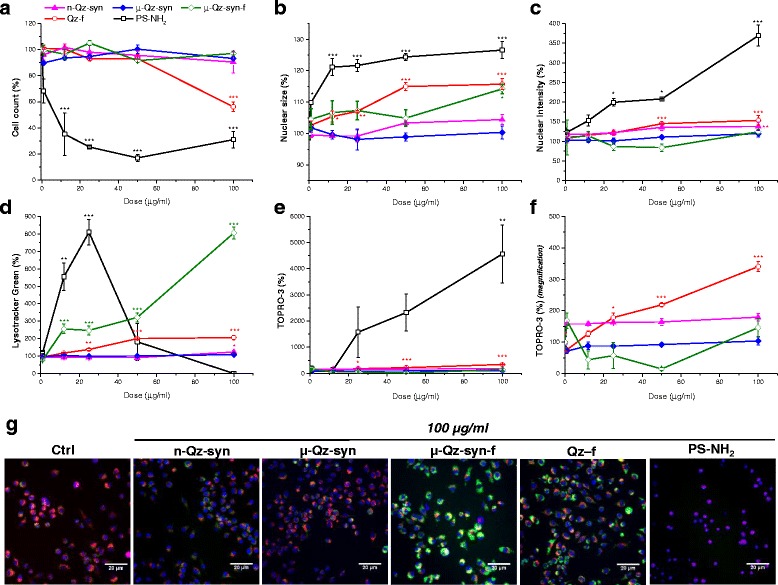
“High Content Analysis (HCA) for toxicological investigation [5, 30, 67] was used to screen quartz samples for cell viability and stress-related responses.”
MethodProcessing Pathway Dependence of Amorphous Silica Nanoparticle Toxicity: Colloidal vs Pyrolytic
Zhang, H., Dunphy, D. R., Jiang, X., Meng, H., Sun, B., Tarn, D., Xue, M., Wang, X., Lin, S., Ji, Z., et al. (2012) · Journal of the American Chemical Society · doi:10.1021/ja304907c · Cited by 446 · cited 9×
“CP carried out the HCA experiments under the supervision of DG and SA at UCD, Dublin, performed the hemolysis experiments under the supervision of DL at UCL, Brussels, and wrote the manuscript.”
BackgroundMethodInfluentialSverjensky, D. A., & Sahai, N. (1996) · Geochimica et Cosmochimica Acta · doi:10.1016/0016-7037(96)00207-4 · Cited by 409 · cited 3×
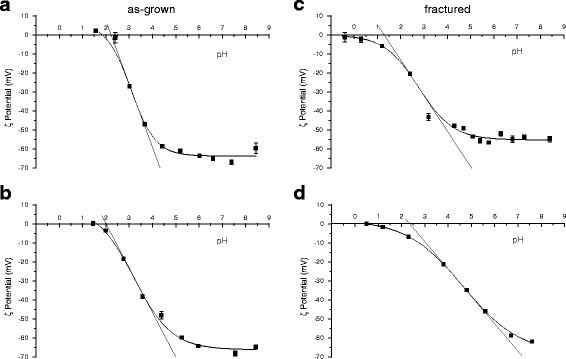
“0 software suite (OriginLab Corp., Northampton, MA, USA), a simple approximation for the single-site equation model proposed by Sverjensky and Sahai [69] (Equation 2): y ¼ A2 þ A1−A2 1þ e x−x0ð Þ d x ð2Þ where A1 and A2 are the lower and upper horizontal asymptotes respectively, x0 the point of inflection and dx the c…”
MethodInfluentialSilica, Some Silicates, Coal Dust and Para-Aramid Fibrils.
(1997) · PubMed Central · Cited by 385
Health hazards due to the inhalation of amorphous silica
Merget, R., Bauer, T., Küpper, H., Philippou, S., Bauer, H., Breitstadt, R., & Bruening, T. (2002) · Archives of Toxicology · doi:10.1007/s002040100266 · Cited by 334
Raju, B., & Rom, W. N. (1998) · Cancer Causes & Control · doi:10.1023/a:1011242002145 · Cited by 330
Vallyathan, V., Shi, X., Dalal, N. S., Irr, W., & Castranova, V. (1988) · American Review of Respiratory Disease · doi:10.1164/ajrccm/138.5.1213 · Cited by 327 · cited 1×
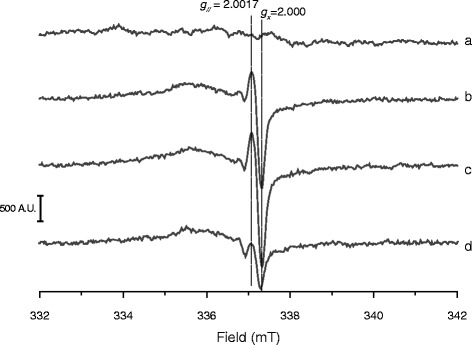
“After a longer time (30 days, spectrum d) silyl radicals decreased in intensity, probably due to surface reconstruction [37].”
BackgroundWarheit, D. B., Webb, T. R., Colvin, V. L., Reed, K. L., & Sayes, C. M. (2007) · Toxicological Sciences · doi:10.1093/toxsci/kfl128 · Cited by 297 · cited 1×
“findings, showing that the in vivo pulmonary toxicity of quartz particles correlates better with surface activity than particle size and surface area [47].”
BackgroundLu, S., Duffin, R., Poland, C., Daly, P., Murphy, F., Drost, E., MacNee, W., Stone, V., & Donaldson, K. (2009) · Environmental Health Perspectives · doi:10.1289/ehp.11811 · Cited by 274 · cited 1×
“The method for assessing the hemolytic activity induced by particles refers to [63], with minor modifications given in [53].”
MethodØvrevik, J., Refsnes, M., Låg, M., Holme, J., & Schwarze, P. (2015) · Biomolecules · doi:10.3390/biom5031399 · Cited by 241
The quartz hazard: a variable entity
Donaldson, K. (1998) · The Annals of Occupational Hygiene · doi:10.1016/s0003-4878(98)00044-1 · Cited by 222 · cited 1×
“As a consequence, several crystalline polymorphs as well as many kinds of amorphous specimens exist [24], differing in surface chemical functionalities as well as in biological reactivity and pathogenicity [18, 25].”
BackgroundSurface Chemistry and Quartz Hazard
Fubini, B. (1998) · The Annals of Occupational Hygiene · doi:10.1016/s0003-4878(98)00066-0 · Cited by 181 · cited 2×
“This variability of silica hazard stems from both the chemical nature of the dust and the multiple interactions of silica particles with biomolecules and cells within the respiratory system, each interaction being possibly modulated by the different physico-chemical features of the particles [2, 18].”
BackgroundSelf-citationCastranova, V. (2004) · Free Radical Biology and Medicine · doi:10.1016/j.freeradbiomed.2004.05.032 · Cited by 180
Free Radical Generation at the Solid/Liquid Interface in Iron Containing Minerals
Fubini, B., Mollo, L., & Giamello, E. (1995) · Free Radical Research · doi:10.3109/10715769509065280 · Cited by 177 · cited 1×
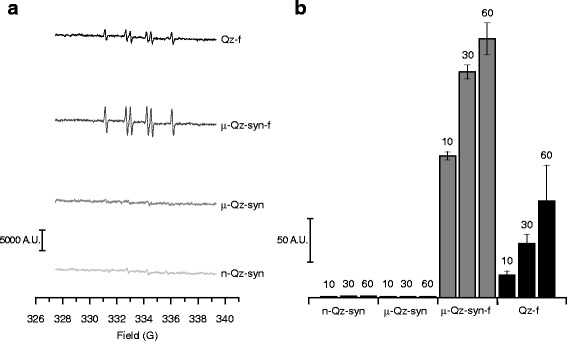
“Free radical generation was monitored by EPR spectroscopy coupled with the spin trapping technique, using 5,5-dimethyl-pirroline-N-oxide (DMPO, Cayman chemical company, Ann Arbor, USA) as trapping agent, and following a well-established procedure [41, 70].”
MethodSelf-citationMultiple aspects of the interaction of biomacromolecules with inorganic surfaces
Fenoglio, I., Fubini, B., Ghibaudi, E. M., & Turci, F. (2011) · Advanced Drug Delivery Reviews · doi:10.1016/j.addr.2011.08.001 · Cited by 176 · cited 1×
“The progressive surface reconstruction can leave hydrophilic and hydrophobic patches and disordered silanols arrays similar to the surface of some amorphous silicas [24, 51, 52] also reported as highly hemolytic [5, 53].”
BackgroundSelf-citationHigh-Content Screening as a Universal Tool for Fingerprinting of Cytotoxicity of Nanoparticles
Jan, E., Byrne, S. J., Cuddihy, M., Davies, A. M., Volkov, Y., Gun’ko, Y. K., & Kotov, N. A. (2008) · ACS Nano · doi:10.1021/nn7004393 · Cited by 172 · cited 8×
“CP carried out the HCA experiments under the supervision of DG and SA at UCD, Dublin, performed the hemolysis experiments under the supervision of DL at UCL, Brussels, and wrote the manuscript.”
MethodInfluentialSchins, R. P. F., Duffin, R., Höhr, D., Knaapen, A. M., Shi, T., Weishaupt, C., Stone, V., Donaldson, K., & Borm, P. J. A. (2002) · Chemical Research in Toxicology · doi:10.1021/tx025558u · Cited by 168
Processes of formation and environmental occurrence of microfeatures on detrital quartz grains
Margolis, S. V., & Krinsley, D. H. (1974) · American Journal of Science · doi:10.2475/ajs.274.5.449 · Cited by 164 · cited 2×
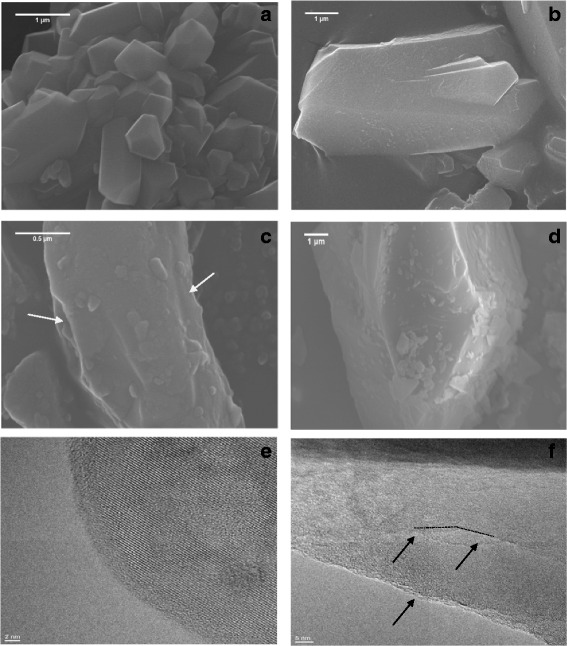
“Mechanical fracturing of μ-Qz-syn crystals caused the formation of conchoidal fractures [27, 28] and submicrometric particles electrostatically stacked on larger crystals, clearly visible in the SEM image of μ-Qz-syn-f (Fig.”
BackgroundRabolli, V., Badissi, A. A., Devosse, R., Uwambayinema, F., Yakoub, Y., Palmai-Pallag, M., Lebrun, A., De Gussem, V., Couillin, I., Ryffel, B., et al. (2014) · Particle and Fibre Toxicology · doi:10.1186/s12989-014-0069-x · Cited by 158
Self-citationQuartz hemolysis as related to its surface functionalities
Nolan, R. P., Langer, A. M., Harington, J. S., Oster, G., & Selikoff, I. J. (1981) · Environmental Research · doi:10.1016/0013-9351(81)90226-7 · Cited by 154 · cited 1×
“hydration [53], surface coverage by polymers [56, 57], reaction of silanols with metal ions [56, 58–61] were shown to reduce or blunt silica toxicity, likely by avoiding the phagolysosomal rupture within macrophages and inflammatory responses [19, 62–65].”
BackgroundComparison of non-crystalline silica nanoparticles in IL-1β release from macrophages
Sandberg, W. J., Låg, M., Holme, J. A., Friede, B., Gualtieri, M., Kruszewski, M., Schwarze, P. E., Skuland, T., & Refsnes, M. (2012) · Particle and Fibre Toxicology · doi:10.1186/1743-8977-9-32 · Cited by 142
Silica-induced NLRP3 inflammasome activation in vitro and in rat lungs
Peeters, P. M., Eurlings, I. M. J., Perkins, T. N., Wouters, E. F. �., Schins, R. P. F., Borm, P. J. A., Drommer, W., Reynaert, N. L., & Albrecht, C. (2014) · Particle and Fibre Toxicology · doi:10.1186/s12989-014-0058-0 · Cited by 141
Leakage of membrane vesicle contents: determination of mechanism using fluorescence requenching
Ladokhin, A. S., Wimley, W. C., & White, S. H. (1995) · Biophysical Journal · doi:10.1016/s0006-3495(95)80066-4 · Cited by 133 · cited 1×
“This method refers to [55, 68], with minor modifications.”
MethodAnguissola, S., Garry, D., Salvati, A., O'Brien, P. J., & Dawson, K. A. (2014) · PLoS ONE · doi:10.1371/journal.pone.0108025 · Cited by 133 · cited 12×
“A negative control (only culture medium) and a cytotoxic control (NH2-conjugated polystyrene beads, PS-NH2) [29] were also included.”
BackgroundMethodInfluentialSelf-citationSilica and Silica-Induced Lung Diseases
Castranova, V., Vallyathan, V., & Wallace, W. E. (1995) · Medical Entomology and Zoology · Cited by 131
Clouter, A. (2001) · Toxicological Sciences · doi:10.1093/toxsci/63.1.90 · Cited by 131
A short history of the toxicology of inhaled particles
Donaldson, K., & Seaton, A. (2012) · Particle and Fibre Toxicology · doi:10.1186/1743-8977-9-13 · Cited by 128
Cho, W.-S., Duffin, R., Bradley, M., Megson, I. L., MacNee, W., Lee, J. K., Jeong, J., & Donaldson, K. (2013) · Particle and Fibre Toxicology · doi:10.1186/1743-8977-10-55 · Cited by 123
An Integrated Approach to the Study of the Interaction between Proteins and Nanoparticles
Turci, F., Ghibaudi, E., Colonna, M., Boscolo, B., Fenoglio, I., & Fubini, B. (2010) · Langmuir · doi:10.1021/la904758j · Cited by 118
Self-citationComparison of stainless and mild steel welding fumes in generation of reactive oxygen species
Leonard, S. S., Chen, B. T., Stone, S., Schwegler‐Berry, D., Kenyon, A. J., Frazer, D. G., & Antonini, J. M. (2010) · Particle and Fibre Toxicology · doi:10.1186/1743-8977-7-32 · Cited by 106
In vitro and in vivo genotoxicity investigations of differently sized amorphous SiO2 nanomaterials
Maser, E., Schulz, M., Sauer, U. G., Wiemann, M., Ma‐Hock, L., Wohlleben, W., Hartwig, A., & Landsiedel, R. (2015) · Mutation Research/Genetic Toxicology and Environmental Mutagenesis · doi:10.1016/j.mrgentox.2015.10.005 · Cited by 93
Duffin, R., Gilmour, P. S., Schins, R. P. F., Clouter, A., Guy, K., Brown, D. M., MacNee, W., Borm, P. J., Donaldson, K., & Stone, V. (2001) · Toxicology and Applied Pharmacology · doi:10.1006/taap.2001.9268 · Cited by 92
Does Vitreous Silica Contradict the Toxicity of the Crystalline Silica Paradigm?
Ghiazza, M., Polimeni, M., Fenoglio, I., Gazzano, E., Ghigo, D., & Fubini, B. (2010) · Chemical Research in Toxicology · doi:10.1021/tx900369x · Cited by 92 · cited 2×
“A well-characterized pure quartz dust (Qz-f), obtained by grinding large quartz crystals from Madagascar and previously used in toxicity tests [3], was included in each experiment as positive control.”
BackgroundMethodSelf-citationWhy does the hemolytic activity of silica predict its pro-inflammatory activity?
Pavan, C., Rabolli, V., Tomatis, M., Fubini, B., & Lison, D. (2014) · Particle and Fibre Toxicology · doi:10.1186/s12989-014-0076-y · Cited by 92
Self-citationAlbrecht, C., Knaapen, A. M., Becker, A., Höhr, D., Haberzettl, P., van Schooten, F. J., Borm, P. J., & Schins, R. P. (2005) · Respiratory Research · doi:10.1186/1465-9921-6-129 · Cited by 90
Cristo, L. D., Movia, D., Bianchi, M. G., Allegri, M., Mohamed, B. M., Bell, A. P., Moore, C., Pinelli, S., Rasmussen, K., Riego-Sintes, J., et al. (2015) · Toxicological Sciences · doi:10.1093/toxsci/kfv258 · Cited by 89
In Search of the Chemical Basis of the Hemolytic Potential of Silicas
Pavan, C., Tomatis, M., Ghiazza, M., Rabolli, V., Bolis, V., Lison, D., & Fubini, B. (2013) · Chemical Research in Toxicology · doi:10.1021/tx400105f · Cited by 87 · cited 4×
“Congruently, previous studies associated the hemolytic activity to some peculiar spatial arrangements of silanols and siloxanes [51, 53, 54].”
BackgroundMethodResultInfluentialSelf-citationPandurangi, R. S., Seehra, M. S., Razzaboni, B. L., & Bolsaitis, P. (1990) · Environmental Health Perspectives · doi:10.1289/ehp.9086327 · Cited by 80 · cited 1×
“Congruently, previous studies associated the hemolytic activity to some peculiar spatial arrangements of silanols and siloxanes [51, 53, 54].”
ResultAmorphous Coatings on Mineral Surfaces
Jones, R. C., & Uehara, G. (1973) · Soil Science Society of America Journal · doi:10.2136/sssaj1973.03615995003700050044x · Cited by 79
Variation of biological responses to different respirable quartz flours determined by a vector model
Bruch, J., Rehn, S., Rehn, B., Borm, P. J. A., & Fubini, B. (2004) · International Journal of Hygiene and Environmental Health · doi:10.1078/1438-4639-00278 · Cited by 74
Self-citationThe surface chemistry of crushed quartz dust in relation to its pathogenicity
Fubini, B., Bolis, V., & Giamello, E. (1987) · Inorganica Chimica Acta · doi:10.1016/s0020-1693(00)81222-0 · Cited by 73 · cited 1×
“Other silicon and oxygen based radicals (for instance, SiO, SiO2 • , SiO3 • , O2 ˉ) could also be detected after fracturing as revealed by the complex convoluted signal at much lower magnetic field [40].”
BackgroundSelf-citationLi, I., Bandara, J., & Shultz, M. J. (2004) · Langmuir · doi:10.1021/la048639u · Cited by 71
Murashov, V. V., Harper, M., & Demchuk, E. (2006) · Journal of Occupational and Environmental Hygiene · doi:10.1080/15459620601015950 · Cited by 70 · cited 2×
“Congruently, previous studies associated the hemolytic activity to some peculiar spatial arrangements of silanols and siloxanes [51, 53, 54].”
BackgroundResultFubini, B., Fenoglio, I., Ceschino, R., Ghiazza, M., Martra, G., Tomatis, M., Borm, P., Schins, R., & Bruch, J. (2004) · International Journal of Hygiene and Environmental Health · doi:10.1078/1438-4639-00277 · Cited by 68
Self-citationPhysicochemical Determinants in the Cellular Responses to Nanostructured Amorphous Silicas
Gazzano, E., Ghiazza, M., Polimeni, M., Bolis, V., Fenoglio, I., Attanasio, A., Mazzucco, G., Fubini, B., & Ghigo, D. (2012) · Toxicological Sciences · doi:10.1093/toxsci/kfs128 · Cited by 64
Self-citationGuichard, Y., Maire, M., Sébillaud, S., Fontana, C., Langlais, C., Micillino, J. C., Darné, C., Roszak, J., Stepnik, M., Fessard, V., et al. (2014) · Environmental and Molecular Mutagenesis · doi:10.1002/em.21928 · Cited by 59
Native silica nanoparticles are powerful membrane disruptors
Alkhammash, H. I., Li, N., Berthier, R., & de Planque, M. R. R. (2015) · Physical Chemistry Chemical Physics · doi:10.1039/c4cp05882h · Cited by 56 · cited 2×
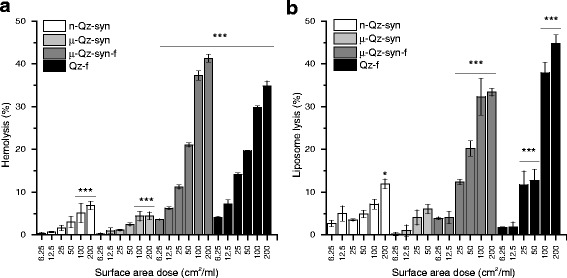
“We also evaluated the interaction between nano-sized lipid vesicles and quartz crystals through a liposome leakage assay [55].”
MethodMurashov, V. V., & Demchuk, E. (2005) · The Journal of Physical Chemistry B · doi:10.1021/jp050113a · Cited by 48 · cited 2×
“Mechanical fracturing of μ-Qz-syn crystals caused the formation of conchoidal fractures [27, 28] and submicrometric particles electrostatically stacked on larger crystals, clearly visible in the SEM image of μ-Qz-syn-f (Fig.”
BackgroundMechanically induced defects in quartz and their impact on pathogenicity
Fubini, B., Giamello, E., Pugliese, L., & Volante, M. (1989) · Solid State Ionics · doi:10.1016/0167-2738(89)90238-5 · Cited by 45 · cited 3×
“The surface radicals of quartz particles, generated by cleavage of the Si-O-Si bonds during grinding and subsequent reaction with atmospheric water and O2 molecules, have been extensively described [15, 33, 34].”
BackgroundMethodSelf-citationFenoglio, I., Fonsato, S., & Fubini, B. (2003) · Free Radical Biology and Medicine · doi:10.1016/s0891-5849(03)00398-8 · Cited by 38
Self-citationGiamello, E., Fubini, B., Volante, M., & Costa, D. (1990) · Colloids and Surfaces · doi:10.1016/0166-6622(90)80019-z · Cited by 36
Self-citationCancer risk among glass factory workers: an excess of lung cancer?
Sankila, R. J., Karjalainen, S., Pukkala, ., Oksanen, H. M., Hakulinen, T. R., Teppo, L., & Hakama, M. (1990) · Occupational and Environmental Medicine · doi:10.1136/oem.47.12.815 · Cited by 34 · cited 1×
“Some cases of silicosis and lung cancer were also reported among workers exposed to this type of amorphous silica [16, 17].”
BackgroundSustained Efficacy of Aluminum to Reduce Quartz Toxicity in the Lung
Bégin, R., Massé, S., Sébastien, P., Martel, M., Bossé, J., Dubois, F., Geoffroy, M., & Labbé, J. (1987) · Experimental Lung Research · doi:10.3109/01902148709064319 · Cited by 32
Guidi, P., Nigro, M., Bernardeschi, M., Scarcelli, V., Lucchesi, P., Onida, B., Mortera, R., & Frenzilli, G. (2013) · Mutagenesis · doi:10.1093/mutage/ges068 · Cited by 32
Effect of coal mine dust and clay extracts on the biological activity of the quartz surface
Stone, V. (2004) · Toxicology Letters · doi:10.1016/j.toxlet.2003.12.036 · Cited by 30
Pastero, L., Turci, F., Leinardi, R., Pavan, C., & Monopoli, M. P. (2016) · Crystal Growth & Design · doi:10.1021/acs.cgd.6b00183 · Cited by 22 · cited 3×
“Both crystals exhibited smooth and regular surfaces [26].”
BackgroundMethodInfluentialSelf-citationBouffant, L. L., Daniel, H., & Jc, M. (1975) · PubMed · Cited by 22
The role of mechanochemistry in the pulmonary toxicity caused by particulate minerals
Fenoglio, I., Martra, G., Prandi, L., Tomatis, M., Coluccia, S., & Fubini, B. (2000) · Journal of Materials Synthesis and Processing · doi:10.1023/a:1011303924468 · Cited by 20 · cited 1×
“Free radical generation was monitored by EPR spectroscopy coupled with the spin trapping technique, using 5,5-dimethyl-pirroline-N-oxide (DMPO, Cayman chemical company, Ann Arbor, USA) as trapping agent, and following a well-established procedure [41, 70].”
MethodSelf-citationCarbon in Intimate Contact with Quartz Reduces the Biological Activity of Crystalline Silica Dusts
Ghiazza, M., Tomatis, M., Doublier, S., Grendene, F., Gazzano, E., Ghigo, D., & Fubini, B. (2012) · Chemical Research in Toxicology · doi:10.1021/tx300299v · Cited by 16
Self-citationThe Quartz Hazard: Effects of Surface and Matrix on Inflammogenic Activity
Donaldson, K., Stone, V., Duffin, R., Clouter, A., Schins, R., & Borm, P. (2001) · Journal of Environmental Pathology, Toxicology and Oncology · doi:10.1615/jenvironpatholtoxicoloncol.v20.isuppl.1.100 · Cited by 14
Fubini, B., Giamello, E., Volante, M., & Bolis, V. (1990) · Toxicology and Industrial Health · doi:10.1177/074823379000600604 · Cited by 8
Self-citation[Polyvinylpyridine N-oxide (Bay 3504, P-204, PVNO) in the treatment of human silicosis].
Prügger, F., Mallner, B., & Hw, S. (1984) · PubMed · Cited by 7
Research works printed but not linked: 2
- Guldner K Development of silicosis in the ceramics and glass industry Gefahrst Reinhalt Luft 1999 59 189 191
- Ratdzig VA Bystrikov AV ESR study of chemically active centers on the surface of quartz Kinet Catal 1978 19 713 719
Cited by
Toxicology of silica nanoparticles: an update
Murugadoss, S., Lison, D., Godderis, L., Van Den Brule, S., Mast, J., Brassinne, F., Sebaihi, N., & Hoet, P. H. (2017) · Archives of Toxicology · doi:10.1007/s00204-017-1993-y · Cited by 518
“Recent studies have revealed that amorphous SiNPs can be as reactive as crystalline particles (Turci et al. 2016).”
BackgroundSelf-citationSynthetic amorphous silica nanoparticles: toxicity, biomedical and environmental implications
Croissant, J. G., Butler, K. S., Zink, J. I., & Brinker, C. J. (2020) · Nature Reviews Materials · doi:10.1038/s41578-020-0230-0 · Cited by 424
The Toxicity of Silica Nanoparticles to the Immune System
Chen, L., Liu, J., Zhang, Y., Zhang, G., Kang, Y., Chen, A., Feng, X., & Shao, L. (2018) · Nanomedicine · doi:10.2217/nnm-2018-0076 · Cited by 318
Pavan, C., Santalucia, R., Leinardi, R., Fabbiani, M., Yakoub, Y., Uwambayinema, F., Ugliengo, P., Tomatis, M., Martra, G., Turci, F., et al. (2020) · Proceedings of the National Academy of Sciences · doi:10.1073/pnas.2008006117 · Cited by 150
“This idea was supported by the finding that the disorganization in the long-range spatial order of silanols induced by mechanical comminution of quartz crystals elicits membrane-damaging properties (34).”
BackgroundSelf-citationDong, X., Wu, Z., Li, X., Xiao, L., Yang, M. G., Li, Y., Duan, J., & Sun, Z. (2020) · International Journal of Nanomedicine · doi:10.2147/ijn.s276105 · Cited by 146
Metadata
- Authors
- Turci, F., Pavan, C., Leinardi, R., Tomatis, M., Pastero, L., Garry, D., Anguissola, S., Lison, D., & Fubini, B.
- Affiliations
- University of Turin (IT)
- University College Dublin (IE)
- UCLouvain (BE)
- Corresponding author
- Turci, Francesco
- ORCID
- Venue
- Particle and Fibre Toxicology
- Published
- 2015-12
- Volume
- 13
- Issue
- 1
- Pages
- 32-32
- ISSN
- 1743-8977 (ISSN-L)
- PMC
- PMC4902968
- OpenAlex
- W2418293015
- Cited by
- 114
- References
- 77
- Citations by year
- 2026: 8 · 2025: 11 · 2024: 9 · 2023: 10 · 2022: 19 · 2021: 10 · 2020: 18 · 2019: 11 · 2018: 10 · 2017: 7 · 2016: 1
- FWCI
- 4.75
- Type
- journal article
- Language
- en
- Open access
- gold
- doi.org
- Licence
- cc-by
- Locations
- Particle and Fibre Toxicology (publishedVersion, cc-by)
- PubMed Central (publishedVersion, cc-by)
- PubMed (publishedVersion)
- Institutional Research Information System University of Turin (University of Turin) (submittedVersion, other-oa)
- DIAL (Catholic University of Leuven) (submittedVersion, other-oa)
- Funders
- Seventh Framework Programme (262163 QualityNano Research Infrastructure. grant UCD-TAF 14, 262163 QualityNano Research Infrastructure. grant UCD-TAF-122)
- Istituto Nazionale per l'Assicurazione contro gli Infortuni sul Lavoro - INAIL (IT) (doctoral fellowship)
- Topics
- Health Sciences › Medicine › Pulmonary and Respiratory Medicine › Occupational and environmental lung diseases
- Physical Sciences › Materials Science › Materials Chemistry › Nanoparticles: synthesis and applications
- Life Sciences › Immunology and Microbiology › Immunology › Immunotoxicology and immune responses
- Keywords
- quartz, crystallinity, crystal fragmentation, conchoidal fracture, synthetic quartz crystals, silanol groups, oxidative potential, RAW 264.7 macrophages, lysosomal stress, particle toxicity, surface disorder, silicosis
- MeSH terms
- RAW 264.7 Cells, Air Pollutants, Animals, Cell Membrane, Cell Survival, Crystallization, Dust, Hemolysis, Humans, Macrophages, Microscopy, Electron, Scanning, Particle Size, Quartz, Silicon Dioxide, Surface Properties, Biomarkers, Toxicity Tests, Microscopy, Electron, Transmission, Mice, Nanoparticles, Physical Phenomena, Chemical Phenomena
About these checks
Registry, retraction, Cites and statistics results are computed, not judged, with one exception: a printed reference that no index lists is read once by a model before it counts as a citation error. Claims are extracted by a model and kept only when their quote appears verbatim in the text; each cited source is then checked, with a model’s help, for whether it says what the claim relies on. Those verdicts can be wrong — read the claim’s quote and the cited source before relying on one.
Statistics and arithmetic are recomputed, not judged.
Confidence bands are shown only for fields calibrated on our annotated test set. None is calibrated yet, so no band is shown.
What counts as a claim ›How we measure confidence ›How we check this ›
Are you an author, or do you see a problem with this page? Request a review
Data sources
Bibliographic data: Semantic Scholar, OpenAlex, Crossref.
Contains information from the Semantic Scholar Academic Graph Datasets, made available under the ODC Attribution License (ODC-BY 1.0).
Semantic Scholar’s data is described in: Kinney, R., et al. (2023). The Semantic Scholar Open Data Platform. arXiv:2301.10140.
