

Revisiting the paradigm of silica pathogenicity with synthetic quartz crystals: the role of crystallinity and surface disorder
Open accessThe DOI matches its Crossref record; 72 of the 77 references it cites were found in a registry or an index.
Abstract
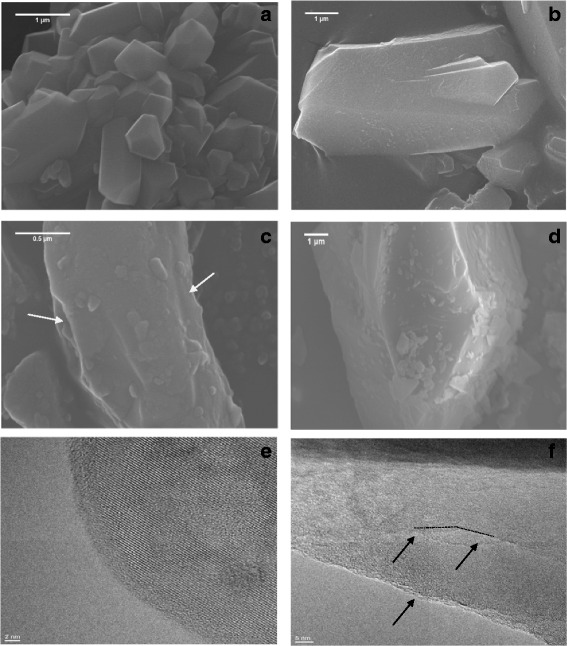
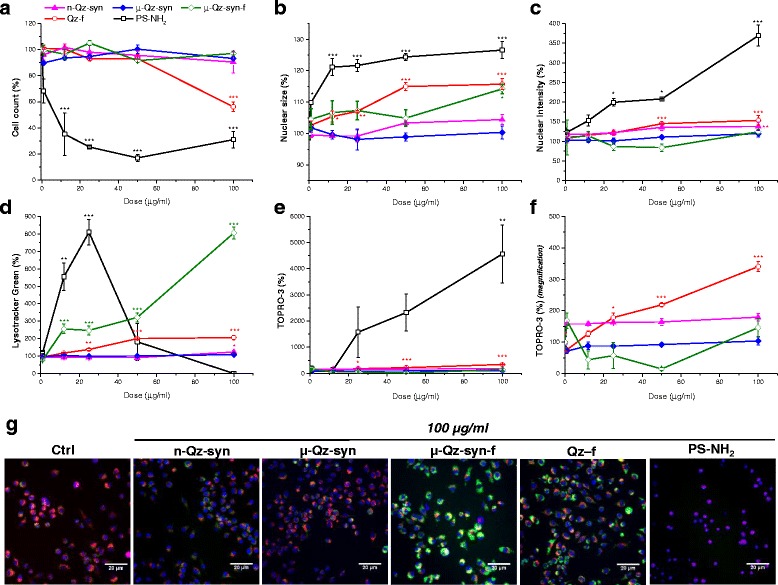
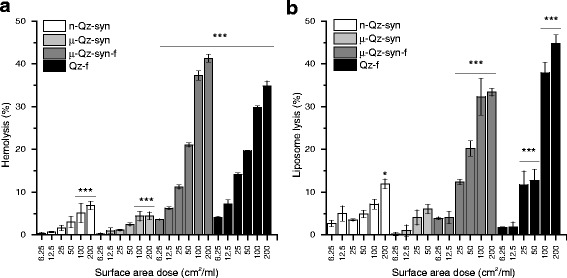
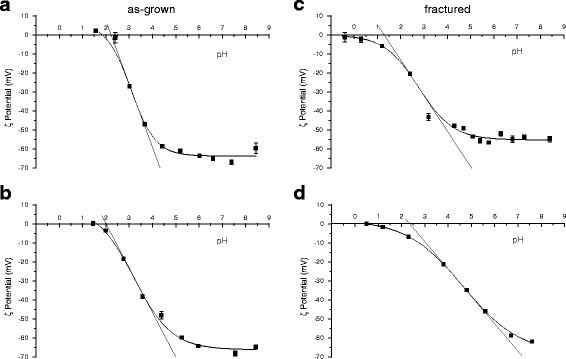
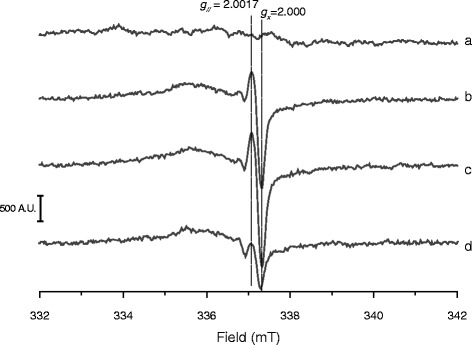
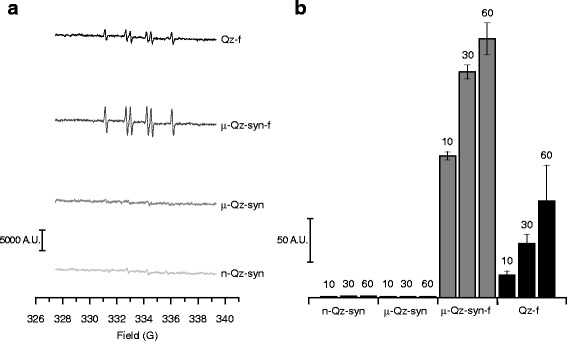
BACKGROUND: Exposure to some - but not all - quartz particles is associated to silicosis, lung cancer and autoimmune diseases. What imparts pathogenicity to any single quartz source is however still unclear. Crystallinity and various surface features are implied in toxicity. Quartz dusts used so far in particle toxicology have been obtained by grinding rocks containing natural quartz, a process which affects crystallinity and yields dusts with variable surface states. To clarify the role of crystallinity in quartz pathogenicity we have grown intact quartz crystals in respirable size. METHODS: Quartz crystals were grown and compared with a fractured specimen obtained by grinding the largest synthetic crystals and a mineral quartz (positive control). The key physico-chemical features relevant to particle toxicity - particle size distribution, micromorphology, crystallinity, surface charge, cell-free oxidative potential - were evaluated. Membranolysis was assessed on biological and artificial membranes. Endpoints of cellular stress were evaluated on RAW 264.7 murine macrophages by High Content Analysis after ascertaining cellular uptake by bio-TEM imaging of quartz-exposed cells. RESULTS: Quartz crystals were grown in the submicron (n-Qz-syn) or micron (μ-Qz-syn) range by modulating the synthetic procedure. Independently from size as-grown quartz crystals with regular intact faces did not elicit cellular toxicity and lysosomal stress on RAW 264.7 macrophages, and were non-membranolytic on liposome and red blood cells. When fractured, synthetic quartz (μ-Qz-syn-f) attained particle morphology and size close to the mineral quartz dust (Qz-f, positive control) and similarly induced cellular toxicity and membranolysis. Fracturing imparted a higher heterogeneity of silanol acidic sites and radical species at the quartz surface. CONCLUSIONS: Our data support the hypothesis that the biological activity of quartz dust is not due to crystallinity but to crystal fragmentation, when conchoidal fractures are formed. Besides radical generation, fracturing upsets the expected long-range order of non-radical surface moieties - silanols, silanolates, siloxanes - which disrupt membranes and induce cellular toxicity, both outcomes associated to the inflammatory response to quartz.
Overview
The claims and statistics of this paper haven’t been checked yet.
Free: it reads the open-access text and checks the first 5 claims that cite a source we can check. Create a free account to check every claim.
Integrity signals
Registry
Cites
Statistics
Figures
Verification
Claims the paper makes
The claims and statistics of this paper haven’t been checked yet.
Free: it reads the open-access text and checks the first 5 claims that cite a source we can check. Create a free account to check every claim.
Claims other papers make about this one
Each is checked against this paper’s own text: does it say what the citing paper says it does?
In the citing paper
“Crystalline silica reactivity may be contingent on fracturing the surfaces of crystals in equilibrium (60).”
From Volcanic Ash Activates the NLRP3 Inflammasome in Murine and Human Macrophages (2018) · cites this paper as [60]
Self-check
Percentages, sums and reported differences re-computed from the paper’s own numbers.
The self-check needs the paper’s full text.
Citations
Cites
International Agency for Research on Cancer (IARC)
(2018) · The Grants Register 2018 · doi:10.1007/978-1-349-94186-5_629 · Cited by 2,801
Iler, R. K. (1979) · Medical Entomology and Zoology · Cited by 2,396
Monopoli, M. P., Walczyk, D., Campbell, A., Elia, G., Lynch, I., Baldelli Bombelli, F., & Dawson, K. A. (2011) · Journal of the American Chemical Society · doi:10.1021/ja107583h · Cited by 1,835 · cited 1×
“Further details on the technique adopted are reported in [66].”
MethodTitanium dioxide nanoparticles: a review of current toxicological data
Shi, H., Magaye, R., Castranova, V., & Zhao, J. (2013) · Particle and Fibre Toxicology · doi:10.1186/1743-8977-10-15 · Cited by 1,498
IARC monographs on the evaluation of carcinogenic risks to humans
(1996) · Analytica Chimica Acta · doi:10.1016/s0003-2670(97)89591-8 · Cited by 1,083
Arsenic, metals, fibres, and dusts.
(2012) · PubMed · Cited by 1,052
Fubini, B., & Hubbard, A. (2003) · Free Radical Biology and Medicine · doi:10.1016/s0891-5849(03)00149-7 · Cited by 935 · cited 1×
“to the potential to generate free radicals [35–37] hence promoting pathogenicity [38, 39].”
BackgroundSelf-citationThe nanosilica hazard: another variable entity
Napierska, D., Thomassen, L. C., Lison, D., Martens, J. A., & Hoet, P. H. (2010) · Particle and Fibre Toxicology · doi:10.1186/1743-8977-7-39 · Cited by 806 · cited 1×
“Even for amorphous nanosilicas, toxic responses markedly varied from one type to the other [11].”
BackgroundSelf-citationThe surface properties of silicas
Legrand, A. P. (1998) · Medical Entomology and Zoology · Cited by 762
Rimola, A., Costa, D., Sodupe, M., Lambert, J.-F., & Ugliengo, P. (2013) · Chemical Reviews · doi:10.1021/cr3003054 · Cited by 644 · cited 2×
“As a consequence, several crystalline polymorphs as well as many kinds of amorphous specimens exist [24], differing in surface chemical functionalities as well as in biological reactivity and pathogenicity [18, 25].”
Background
Research works printed but not linked: 2
- Guldner K Development of silicosis in the ceramics and glass industry Gefahrst Reinhalt Luft 1999 59 189 191
- Ratdzig VA Bystrikov AV ESR study of chemically active centers on the surface of quartz Kinet Catal 1978 19 713 719
Cited by
Toxicology of silica nanoparticles: an update
Murugadoss, S., Lison, D., Godderis, L., Van Den Brule, S., Mast, J., Brassinne, F., Sebaihi, N., & Hoet, P. H. (2017) · Archives of Toxicology · doi:10.1007/s00204-017-1993-y · Cited by 518
“Recent studies have revealed that amorphous SiNPs can be as reactive as crystalline particles (Turci et al. 2016).”
BackgroundSelf-citationSynthetic amorphous silica nanoparticles: toxicity, biomedical and environmental implications
Croissant, J. G., Butler, K. S., Zink, J. I., & Brinker, C. J. (2020) · Nature Reviews Materials · doi:10.1038/s41578-020-0230-0 · Cited by 424
The Toxicity of Silica Nanoparticles to the Immune System
Chen, L., Liu, J., Zhang, Y., Zhang, G., Kang, Y., Chen, A., Feng, X., & Shao, L. (2018) · Nanomedicine · doi:10.2217/nnm-2018-0076 · Cited by 318
Pavan, C., Santalucia, R., Leinardi, R., Fabbiani, M., Yakoub, Y., Uwambayinema, F., Ugliengo, P., Tomatis, M., Martra, G., Turci, F., et al. (2020) · Proceedings of the National Academy of Sciences · doi:10.1073/pnas.2008006117 · Cited by 150
“This idea was supported by the finding that the disorganization in the long-range spatial order of silanols induced by mechanical comminution of quartz crystals elicits membrane-damaging properties (34).”
BackgroundSelf-citationDong, X., Wu, Z., Li, X., Xiao, L., Yang, M. G., Li, Y., Duan, J., & Sun, Z. (2020) · International Journal of Nanomedicine · doi:10.2147/ijn.s276105 · Cited by 146
Pavan, C., Piane, M. D., Gullo, M., Filippi, F., Fubini, B., Hoet, P., Horwell, C. J., Huaux, F., Lison, D., Giudice, C. L., et al. (2019) · Particle and Fibre Toxicology · doi:10.1186/s12989-019-0315-3 · Cited by 123
Self-citationKumar, A., Marcolli, C., & Peter, T. (2019) · Atmospheric chemistry and physics · doi:10.5194/acp-19-6059-2019 · Cited by 104
“However, long-term aged quartz surfaces (7 months; see Kumar et al., 2019) show hardly any IN activity while milled quartz surfaces are highly IN active, although the quartz surface is in both cases negatively charged and highly hydroxylated (Turci et al., 2016).”
BackgroundAn updated review of the genotoxicity of respirable crystalline silica
Borm, P. J. A., Fowler, P., & Kirkland, D. (2018) · Particle and Fibre Toxicology · doi:10.1186/s12989-018-0259-z · Cited by 101
“They discuss evidence [37] that implies the surface silanols are critical in the cellular reactivity of CS particles, and explain the above observations.”
ResultCarrageenan-based nano-hybrid materials for the mitigation of hazardous environmental pollutants
Li, W., Qamar, S. A., Qamar, M., Basharat, A., Bilal, M., & Iqbal, H. M. N. (2021) · International Journal of Biological Macromolecules · doi:10.1016/j.ijbiomac.2021.09.039 · Cited by 83
Yu, Q., Wang, H., Peng, Q., Li, Y., Liu, Z., & Li, M. (2017) · Journal of Hazardous Materials · doi:10.1016/j.jhazmat.2017.04.026 · Cited by 86
Unveiling the Variability of “Quartz Hazard” in Light of Recent Toxicological Findings
Pavan, C., & Fubini, B. (2016) · Chemical Research in Toxicology · doi:10.1021/acs.chemrestox.6b00409 · Cited by 85
Self-citationTrechera, P., Moreno, T., Córdoba, P., Moreno, N., Zhuang, X., Li, B., Li, J., Shangguan, Y., Kandler, K., Dominguez, A. O., et al. (2020) · Journal of Hazardous Materials · doi:10.1016/j.jhazmat.2020.122935 · Cited by 84
Kumar, A., Marcolli, C., & Peter, T. (2019) · Atmospheric chemistry and physics · doi:10.5194/acp-19-6035-2019 · Cited by 87
“O bonds than from the 495 crystallinity (Fubini et al., 1987; Fubini et al., 1989; Turci et al., 2016).”
BackgroundInfluentialRubio, L., Pyrgiotakis, G., Beltran‐Huarac, J., Zhang, Y., Gaurav, J., DeLoid, G. M., Spyrogianni, A., Sarosiek, K. A., Bello, D., & Demokritou, P. (2019) · Particle and Fibre Toxicology · doi:10.1186/s12989-019-0325-1 · Cited by 82
“production conditions, leading to materials with a range of toxicities [20, 57].”
Kamanzi, C., Becker, M., Jacobs, M., Konečný, P., von Holdt, J., & Broadhurst, J. L. (2023) · Environmental Geochemistry and Health · doi:10.1007/s10653-023-01583-y · Cited by 76
“The highly toxic nature of inhalable quartz particles has been well established in the literature (Borm, 2002; Fubini, 1998; Fubini et al., 1990; Jelic et al., 2017; Turci et al., 2016).”
BackgroundBessa, M. J., Brandão, F., Viana, M., Gomes, J. F. P., Monfort, E., Cassee, F. R., Fraga, S., & Teixeira, J. P. (2020) · Environmental Research · doi:10.1016/j.envres.2020.109297 · Cited by 75
Magnetic Iron Nanoparticles: Synthesis, Surface Enhancements, and Biological Challenges
Vargas-Ortiz, J. R., Gonzalez, C., & Esquivel, K. (2022) · Processes · doi:10.3390/pr10112282 · Cited by 62
Hopf, N. B., Bolognesi, C., Danuser, B., & Wild, P. P. (2019) · Mutation Research/Reviews in Mutation Research · doi:10.1016/j.mrrev.2019.02.006 · Cited by 61
Warheit, D. B., & Brown, S. C. (2018) · Toxicology Letters · doi:10.1016/j.toxlet.2018.11.008 · Cited by 63
Khan, A. A., Allemailem, K. S., Almatroudi, A., Almatroodi, S. A., Mahzari, A., Alsahli, M. A., & Rahmani, A. H. (2020) · Molecules · doi:10.3390/molecules25225336 · Cited by 64
Wang, W., Zeng, C., Feng, Y., Zhou, F., Liao, F., Liu, Y., Feng, S., & Wang, X. (2017) · Environmental Pollution · doi:10.1016/j.envpol.2017.10.053 · Cited by 58
da Silva, V. M., Benjdir, M., Montagne, P., Pairon, J. ‐., Lanone, S., & Andujar, P. (2022) · Nanomaterials · doi:10.3390/nano12142392 · Cited by 61
“This hypothesis partly overturns the old dogma relating to silica toxicity that was solely based on its crystalline structure [9,11,12].”
BackgroundInsights on toxicity, safe handling and disposal of silica aerogels and amorphous nanoparticles
Vareda, J. P., García‐González, C. A., Valente, A. J. M., Simón‐Vázquez, R., Stipetić, M., & Durães, L. M. R. (2021) · Environmental Science Nano · doi:10.1039/d1en00026h · Cited by 65
Bloise, A., Ricchiuti, C., Punturo, R., & Pereira, D. (2020) · Chemical Geology · doi:10.1016/j.chemgeo.2020.119896 · Cited by 46
“After chrysotile has been inhaled, it dissolves and releases Fe as well as other metals (i.e. Ni, Cr, Mn; Turci et al., 2010), inducing toxic effects such as ROS production, oxidative stress, DNA damage, lipid peroxidation and protein modification (Jomova and Valko, 2011).”
BackgroundRamkissoon, C., Gaskin, S. E., Thredgold, L. D., Hall, T., Rowett, S., & Gun, R. T. (2022) · Scientific Reports · doi:10.1038/s41598-022-08378-8 · Cited by 59
Biodegradable Silica-Based Nanoparticles: Dissolution Kinetics and Selective Bond Cleavage
Croissant, J. G., & Brinker, C. J. (2018) · The Enzymes · doi:10.1016/bs.enz.2018.07.008 · Cited by 44
The role of macrophage-derived TGF-β1 on SiO 2 -induced pulmonary fibrosis: A review
Zhang, Z., Tian, H.-T., Hu, L., & Xie, R. (2021) · Toxicology and Industrial Health · doi:10.1177/0748233721989896 · Cited by 51
“Emails: zhangzhaoqiang@mail.jnmc.edu.cn; xieruining1997@mail. jnmc.edu.cn exposure of heterogeneous silanol groups, thus significantly increasing its biological activity (Turci et al., 2016).”
BackgroundNattrass, C., Horwell, C. J., Damby, D. E., Brown, D., & Stone, V. (2017) · Environmental Research · doi:10.1016/j.envres.2017.07.054 · Cited by 42
“…et al., 2013, 2014; Pavan and Fubini, 2016) have shown that the distribution of silanols on the silica surface affects its haemolytic and inflammatory potency, and Turci et al. (2016) have also shown that the silanol distributions on fractured crystal faces are a key factor in membrane damage.”
BackgroundVolcanic Ash Activates the NLRP3 Inflammasome in Murine and Human Macrophages
Damby, D. E., Horwell, C. J., Baxter, P. J., Kueppers, U., Schnurr, M., Dingwell, D. B., & Duewell, P. (2018) · Frontiers in Immunology · doi:10.3389/fimmu.2017.02000 · Cited by 41
Gulumian, M., Andraos, C., Afantitis, A., Puzyn, T., & Coville, N. J. (2021) · International Journal of Molecular Sciences · doi:10.3390/ijms22158347 · Cited by 44
Pavan, C., Sydor, M. J., Bellomo, C., Leinardi, R., Cananà, S., Kendall, R. L., Rebba, E., Corno, M., Ugliengo, P., Mino, L., et al. (2022) · Colloids and Surfaces B Biointerfaces · doi:10.1016/j.colsurfb.2022.112625 · Cited by 42
“NFS-free quartz crystals can be synthesized by sol-gel synthesis [32], and they were shown not to induce membranolysis, nor activate pro-inflammatory responses in in vitro and in vivo tests [31,33].”
BackgroundSelf-citationPavan, C., Santalucia, R., Casado, G. E., Ugliengo, P., Mino, L., & Turci, F. (2023) · International Journal of Molecular Sciences · doi:10.3390/ijms241411482 · Cited by 42
Self-citationCritical Review of Engineered Nanoparticles: Environmental Concentrations and Toxicity
Bathi, J. R., Wright, L., & Khan, E. (2022) · Current Pollution Reports · doi:10.1007/s40726-022-00237-4 · Cited by 39
Leinardi, R., Pavan, C., Yedavally, H., Tomatis, M., Salvati, A. L., & Turci, F. (2020) · Archives of Toxicology · doi:10.1007/s00204-020-02819-x · Cited by 35
Self-citationWiemann, M., Vennemann, A., Stintz, M., Marín, R. R. R., Babick, F., Lindner, G., Schuster, T., Brinkmann, U., & Krueger, N. (2018) · Nanomaterials · doi:10.3390/nano9010011 · Cited by 31
“These analyses suggest that reactive SiO2 residues as measured by SEARS number play a minor role in macrophage toxicity for SAS, and this appears to be in contrast to previous analyses that highlight a role for silanol groups, at least for crystalline silica [57,58].”
Soil contamination in Colombian playgrounds: effects of vehicles, construction, and traffic
Donado, E. B., Oliveira, M. L. S., Gonçalves, J. O., Dotto, G. L., & Silva, L. F. O. (2020) · Environmental Science and Pollution Research · doi:10.1007/s11356-020-09965-w · Cited by 32
Iliadi, A., Koletsi, D., Eliades, T., & Eliades, G. (2020) · Materials · doi:10.3390/ma13112513 · Cited by 28
“It has been argued that this might be attributed, at least partly, to the sub-micron crystalline quartz particle composition of the adhesive, as quartz has long been identified as particularly reactive, oxidative and potentially toxic compound [43].”
BackgroundGrytting, V. S., Refsnes, M., Øvrevik, J., Halle, M. S., Schönenberger, J., van der Lelij, R., Snilsberg, B., Skuland, T., Blom, R., & Låg, M. (2021) · Particle and Fibre Toxicology · doi:10.1186/s12989-021-00409-y · Cited by 29
“The toxicity of crystalline silica has been linked to interactions between the reactive surface of the particles and lysosomal membranes [36, 37].”
BackgroundDu, S., Zhou, Y., Hu, H., Li, L., & Zhang, Z. (2024) · Toxicology Mechanisms and Methods · doi:10.1080/15376516.2024.2400323 · Cited by 32
“OH) of SiO 2 particles and the alteration of the spatial structure during the milling of quartz crystals (Turci et al. 2016; Pavan et al. 2019).”
Nucleation of quartz under ambient conditions
Buckley, P., Hargreaves, N., & Cooper, S. J. (2018) · Communications Chemistry · doi:10.1038/s42004-018-0049-4 · Cited by 25
Astrocytes Are More Vulnerable than Neurons to Silicon Dioxide Nanoparticle Toxicity in Vitro
Limón-Pacheco, J. H., Jiménez-Barrios, N., Déciga‐Alcaraz, A., Martínez-Cuazitl, A., Mata-Miranda, M. M., Vázquez-Zapién, G. J., Pedraza‐Chaverrí, J., Chirino, Y. I., & Orozco‐Ibarra, M. (2020) · Toxics · doi:10.3390/toxics8030051 · Cited by 24
“Some studies indicate that amorphous SiO2-NPs can be as reactive as crystalline particles, which may result in adverse health effects [3,4].”
BackgroundPavan, C., Turci, F., Tomatis, M., Ghiazza, M., Lison, D., & Fubini, B. (2017) · Colloids and Surfaces B Biointerfaces · doi:10.1016/j.colsurfb.2017.06.012 · Cited by 26
Self-citationStructure Model and Toxicity of the Product of Biodissolution of Chrysotile Asbestos in the Lungs
Gualtieri, A. F., Lusvardi, G., Pedone, A., Giuseppe, D. D., Zoboli, A., Mucci, A., Zambon, A., Filaferro, M., Vitale, G., Benassi, M., et al. (2019) · Chemical Research in Toxicology · doi:10.1021/acs.chemrestox.9b00220 · Cited by 26
Glass beads for road markings and other industrial usage: Crystallinity and hazardous elements
Burghardt, T. E., Ettinger, K., Köck, B., & Hauzenberger, C. A. (2022) · Case Studies in Construction Materials · doi:10.1016/j.cscm.2022.e01213 · Cited by 27
Ziemann, C., Escrig, A., Bonvicini, G., Ibáñez, M., Monfort, E., Salomoni, A., & Creutzenberg, O. (2017) · Annals of Work Exposures and Health · doi:10.1093/annweh/wxx014 · Cited by 22
Immunological properties of silica nanoparticles: a structure–activity relationship study
Grunberger, J. W., Dobrovolskaia, M. A., & Ghandehari, H. (2024) · Nanotoxicology · doi:10.1080/17435390.2024.2401448 · Cited by 21
“…to colloidal silica. other types of siNPs, such as fumed silica and crystalline silica nanoparticles which are known to cause inflammatory effects (turci et al. 2016; Zhang et al. 2012), are not included in this study. the structure–activity relationship of siNPs on immunotoxicity will focus on…”
Cytotoxic and genotoxic potential of respirable fraction of composite dust on human bronchial cells
Čokić, S. M., Ghosh, M., Hoet, P., Godderis, L., MEERBEEK, B. V., & LANDUYT, K. L. V. (2019) · Dental Materials · doi:10.1016/j.dental.2019.11.009 · Cited by 25
Silicosis in finishing workers in quartz conglomerates processing
Guarnieri, G., Salasnich, M., Lucernoni, P., Sbaraglia, M., Putzu, M. G., Zuliani, P., Rossi, F., Vio, S., Bianchi, L., Martinelli, A., et al. (2020) · La Medicina del Lavoro · doi:10.23749/mdl.v111i2.9115 · Cited by 21
“Recent developments in the surface chemistry of silica, cell biology and toxicology have provided new data regarding the variable reactivity of silica particles due to surface configuration and chemical characteristics (16, 23).”
BackgroundPavan, C., Casado, G. E., Bellomo, C., Cananà, S., Tomatis, M., Leinardi, R., Mino, L., & Turci, F. (2023) · Frontiers in Chemistry · doi:10.3389/fchem.2022.1092221 · Cited by 25
“Instead, a quasi-amorphous layer, the so-called Beilby layer, is formed and is invoked to describe the loss of long-range atomic order at the crystal interface (Turci et al., 2016).”
BackgroundSelf-citationCox, L. A. (2019) · Dose-Response · doi:10.1177/1559325819836900 · Cited by 21
Fouhma, A., Tamma, N., Rebiai, A., & Bouafia, A. (2024) · Journal of Sol-Gel Science and Technology · doi:10.1007/s10971-024-06617-0 · Cited by 25
Effects of titanium dioxide and zinc oxide nano-materials on lipid order in model membranes
Sydor, M. J., Anderson, D. S., Steele, H. B. B., Ross, J. B. A., & Holian, A. (2020) · Biochimica et Biophysica Acta (BBA) - Biomembranes · doi:10.1016/j.bbamem.2020.183313 · Cited by 19
Shichkin, V. P., Kurchenko, O. V., Охотникова, Е. Н., Chopyak, V. V., & Delfino, D. V. (2023) · Frontiers in Immunology · doi:10.3389/fimmu.2023.1210481 · Cited by 21
Kamanzi, C., Becker, M., von Holdt, J., Hsu, N., Konečný, P., Broadhurst, J. L., & Jacobs, M. (2024) · Environmental Science & Technology · doi:10.1021/acs.est.3c08732 · Cited by 16
An evaluation of quartz as a component of respirable coal dust
Eskanlou, A., & Arnold, B. J. (2025) · Journal of Hazardous Materials · doi:10.1016/j.jhazmat.2025.137873 · Cited by 16
Granulomatous lung disease in two workers making light bulbs
Ronsmans, S., Verbeken, E. K., Adams, E., Keirsbilck, S., Yserbyt, J., Wuyts, W. A., Swennen, R., Hoet, P., & Nemery, B. (2019) · American Journal of Industrial Medicine · doi:10.1002/ajim.23030 · Cited by 16
A Study of Respirable Silica in Underground Coal Mines: Sources
Keleş, Ç., Pokhrel, N., & Sarver, E. A. (2022) · Minerals · doi:10.3390/min12091115 · Cited by 19
In-vitro toxicity induced by quartz nanoparticles: Role of ER stress
Sushma, S., Kumar, H., Ahmad, I., & Dutta, P. K. (2018) · Toxicology · doi:10.1016/j.tox.2018.05.001 · Cited by 17
Jonathan, E. M., Ifijen, I. H., Mokobia, K. E., Emmanuel, O. I., Omoruyi, C. I., & Anegbe, B. (2022) · Biomedical Materials & Devices · doi:10.1007/s44174-022-00013-4 · Cited by 14
“Despite prior claims that amorphous SiO 2 NPs were less hazardous than their crystal-line counterparts, investigative investigations have shown that the two NPs are quite equivalent [40].”
BackgroundLeinardi, R., Pochet, A., Uwambayinema, F., Yakoub, Y., Quesniaux, V. F. J., Ryffel, B., Brož, P., Pavan, C., & Huaux, F. (2023) · Archives of Toxicology · doi:10.1007/s00204-023-03463-x · Cited by 13
Self-citationVoicu, S. N., Balaș, M., Stan, M. S., Trică, B., Șerban, A. I., Stanca, L., Hermenean, A. O., & Dinischiotu, A. (2019) · Materials · doi:10.3390/ma12071026 · Cited by 12
“The amorphous SiO2 NPs were considered less toxic than the crystalline ones, but emerging evidence from experimental studies has shown that they have similar toxic effects [15].”
BackgroundRafieepour, A., Azari, M. R., Khodagholi, F., Pourahmad, J., Mehrabi, Y., & Peirovi, H. (2019) · Environmental Science and Pollution Research · doi:10.1007/s11356-019-06229-0 · Cited by 12
Bellomo, C., Lagostina, V., Pavan, C., Paganini, M. C., & Turci, F. (2023) · Small · doi:10.1002/smll.202308369 · Cited by 11
Self-citationRelease of Crystalline Silica Nanoparticles during Engineered Stone Fabrication
Rishi, K., Ku, B. K., Qi, C., Thompson, D., Wang, C., Dozier, A., Vogiazi, V., Zervaki, O., & Kulkarni, P. (2024) · ACS Omega · doi:10.1021/acsomega.4c06437 · Cited by 12
The role of mitochondrial dysfunction in macrophages on SiO2‐induced pulmonary fibrosis: A review
Zhao, J., Li, S., Du, S., & Zhang, Z. (2023) · Journal of Applied Toxicology · doi:10.1002/jat.4517 · Cited by 14
“Mechanical grinding that breaks crystalline silica particles for production may lead to the smaller particles, resulting in more severe harmful effects (Turci et al., 2016).”
BackgroundHow Reversible Are the Effects of Fumed Silica on Macrophages? A Proteomics-Informed View
Torres, A., Dalzon, B., Collin‐Faure, V., Diemer, H., Fenel, D., Schoehn, G., Cianférani, S., Carrière, M., & Rabilloud, T. (2020) · Nanomaterials · doi:10.3390/nano10101939 · Cited by 11
“crystalline silica has brought many questions about the mechanisms at play, and it has been shown that crystallinity and, especially, the presence of sharp edges are critical determinants for the persistence of the toxic effects in crystalline silica [4,5].”
BackgroundImpact of inorganic/organic nanomaterials on the immune system for disease treatment
Han, J., Mao, K., Yang, Y., & Sun, T. (2024) · Biomaterials Science · doi:10.1039/d4bm00853g · Cited by 11
Zhang, L., Hao, C., Li, J., Qu, Y., Bao, L., Li, Y., Yue, Z., Zhang, M., Yu, X., Chen, H., et al. (2017) · Tumor Biology · doi:10.1177/1010428317709284 · Cited by 11
Torres, A., Collin‐Faure, V., Diemer, H., Moriscot, C., Fenel, D., Gallet, B., Cianférani, S., Sergent, J., & Rabilloud, T. (2022) · Nanomaterials · doi:10.3390/nano12091424 · Cited by 10
Wiemann, M., Vennemann, A., Venzago, C., Lindner, G., Schuster, T., & Krueger, N. (2021) · Nanomaterials · doi:10.3390/nano11030628 · Cited by 10
“Reactive silanol groups of SAS are believed to contribute to the bioactivity of crystalline silica [41,42].”
BackgroundZheng, L., Feng, W., Huo, Z., Li, J., Xuan, W., & Han, Z. (2025) · Analytical Methods · doi:10.1039/d5ay00035a · Cited by 10
Ramkissoon, C., Pavan, C., Petriglieri, J. R., Fimiani, M., Pisaniello, D., Gaskin, S. E., & Turci, F. (2025) · Scientific Reports · doi:10.1038/s41598-025-10460-w · Cited by 9
“Morphology results of High-SiO 2 ES1 dust showed particles with sharp edges, conchoidal fractures and irregular surfaces, typical of quartz surfaces obtained by fracturing 31 while aluminium hydroxide (gibbsite) particles in the No-SiO 2 ES samples exhibited relatively smooth edges (Fig.”
Self-citationEskanlou, A., & Arnold, B. J. (2026) · International Journal of Coal Science & Technology · doi:10.1007/s40789-025-00841-x · Cited by 13
“Mechanical fracturing is also believed to disrupt the arrangement of non-radical moieties such as siloxanes on the surface of quartz, which leads to disruption of cell membranes and cellular toxicity (Turci et al. 2016).”
Tabisz, Ł., Stanek, J., & Łęska, B. (2020) · Materials · doi:10.3390/ma13143088 · Cited by 9
Centrality of Myeloid-Lineage Phagocytes in Particle-Triggered Inflammation and Autoimmunity
Favor, O. K., Pestka, J. J., Bates, M. A., & Lee, K. S. S. (2021) · Frontiers in Toxicology · doi:10.3389/ftox.2021.777768 · Cited by 14
Leinardi, R., Sanchez-Calero, C. L., & Huaux, F. (2022) · Frontiers in Toxicology · doi:10.3389/ftox.2022.887228 · Cited by 10
“In addition, recent investigations suggested that crystallinity per se does not play a significant role in the pathogenicity of silica, which may be rather related to specific surface moieties (namely “nearly free silanols”, NFS) detectable in both amorphous and crystalline silicas (Turci et al., 2016; Pavan et al., 2…”
BackgroundSelf-citationModificação do perfil da silicose na mineração subterrânea de ouro em Minas Gerais
Silva, L. L., Lima, L. P. C., Barbosa, C. C., Machado, A. D., Mosci, A. S., Silva, F. D. C. L. E., Torre, D. N. P. D., Silveira, A. M., & Carneiro, A. P. S. (2018) · Revista Brasileira de Saúde Ocupacional · doi:10.1590/2317-6369000008117 · Cited by 8
About the Transient Effects of Synthetic Amorphous Silica: An In Vitro Study on Macrophages
Torres, A., Collin‐Faure, V., Fenel, D., Sergent, J., & Rabilloud, T. (2022) · International Journal of Molecular Sciences · doi:10.3390/ijms24010220 · Cited by 9
“This latter approach is however not devoid of issues, as the fracturation process used to disrupt the large aggregates may produce the reactive entities that cause the silica adverse effects [23,24].”
BackgroundTop-Down Preparation of Nanoquartz for Toxicological Investigations
Bellomo, C., Pavan, C., Fiore, G., Casado, G. E., Mino, L., & Turci, F. (2022) · International Journal of Molecular Sciences · doi:10.3390/ijms232315425 · Cited by 7
“It has been shown that fractured quartz has a higher capacity to induce cell membrane damage and initiate lung inflammatory reactions in rodents than non-fractured quartz with unaltered surfaces [10,11].”
BackgroundMethodInfluentialSelf-citationBardelli, F., Brun, F., De Panfilis, S., Cloetens, P., Capella, S., Belluso, E., Bellis, D., Di Napoli, A., & Cedola, A. (2021) · Toxicology Letters · doi:10.1016/j.toxlet.2021.05.002 · Cited by 6
Kaur, J., Sohal, I. S., Singh, H., Gupta, N., Sehrawat, S., Puri, S., Bello, D., & Khatri, M. (2022) · Environmental Science Nano · doi:10.1039/d2en00265e · Cited by 6
Core-Shell Nanoparticles for Pulmonary Drug Delivery
Ratnaparkhi, M. P., Salvankar, S. S., Tekade, A. R., & Kulkarni, G. M. (2024) · Pharmaceutical Nanotechnology · doi:10.2174/0122117385277725231120043600 · Cited by 6
Cauda, E. G., Dolan, E., Cecala, A. B., Louk, A. K., Yekich, M., Chubb, L. G., & Lingenfelter, A. (2022) · Journal of Occupational and Environmental Hygiene · doi:10.1080/15459624.2022.2132257 · Cited by 5
Environmental Impacts of Coal Nanoparticles from Rehabilitated Mine Areas in Colombia
Oliveira, M. L. S., Akinyemi, S. A., Nyakuma, B. B., & Dotto, G. L. (2022) · Sustainability · doi:10.3390/su14084544 · Cited by 5
Workers with Suspected Diagnosis of Silicosis: A Case Study of Sarcoidosis Versus Siderosis
Delgado-García, D. D., Miranda-Astorga, ̈., Delgado-Cano, A., Gómez-Salgado, J. C., & Ruíz-Frutos, C. (2023) · Healthcare · doi:10.3390/healthcare11121782 · Cited by 5
“Recent developments in silica surface chemistry, cell biology, and toxicology have provided new insights into the variable reactivity of silica particles owing to their surface configuration and chemical characteristics [2,3].”
BackgroundInnate immunity to inhaled particles: A new paradigm of collective recognition
Huaux, F. (2018) · Current Opinion in Toxicology · doi:10.1016/j.cotox.2018.02.004 · Cited by 6
Exploring mineral–organic interactions for eco-friendly concrete alternatives: a radical concept
Spencer, P., Li, H., Hocknull, S. A., Chalmers, G., & Wang, T. (2025) · RSC Sustainability · doi:10.1039/d4su00696h · Cited by 6
Bae, E., Kim, S., Sung, J. H., Kim, J. H., Jung, S. H., Song, K.-S., & Cho, W. (2024) · Journal of Hazardous Materials · doi:10.1016/j.jhazmat.2024.135214 · Cited by 3
Kobayashi, T., Tsubokura, Y., Oshima, Y., Sasaki, T., Kawaguchi, K., Koga, K., Uchida, K., Shinohara, N., Ajimi, S., Kayashima, T., et al. (2022) · Journal of Applied Toxicology · doi:10.1002/jat.4411 · Cited by 3
“The hemolytic potential was reportedly associated with surface silanol heterogeneity (Pavan et al., 2013) and was related to the behavior of the surface electrical potential, that is, the zeta potential (Turci et al., 2016).”
InfluentialTanner, D., White, L. T., Noi, D. D. T., & Gopaldasani, V. (2025) · Next research. · doi:10.1016/j.nexres.2025.101276 · Cited by 2
Pulmonary toxicity of brake wear particles: effects of composition and surface reactivity
Kim, G., Jeon, S., Shin, T. H., Park, Y., Kim, K., Woo, S.-H., Huh, Y. S., Lee, J.-G., Lee, S., & Cho, W. (2026) · Particle and Fibre Toxicology · doi:10.1186/s12989-026-00684-7 · Cited by 2
“In this context, the high IOP of BWPs may reflect contributions from multiple particle attributes, including their fragmented morphology [18], crystallinity [41], and the presence of reactive organic/polymeric components [42].”
Contessi, S., Borghi, F., Graziosi, F., & Violante, F. S. (2025) · Results in Chemistry · doi:10.1016/j.rechem.2025.102400 · Cited by 3
Recent advances in health hazard and risk assessment nanoparticles
Basudan, N. S. (2026) · Main Group Chemistry · doi:10.1177/10241221261434630 · Cited by 1
Kim, S., Choi, M., Jegal, H., Heo, M. B., Kwak, M., Shon, H. K., Song, S., Lee, T. G., Park, J. H., Lee, D. W., et al. (2025) · Journal of Biological Engineering · doi:10.1186/s13036-025-00532-w · Cited by 1
“High-crystallinity nano-materials generally exhibit lower surface energy, making aggregation more likely [51].”
Marrocco, A., Dy, A. B. C., Ortiz, L. A., Slavin, T. J., Dotson, G. S., Stevens, M. E., & Brew, D. W. (2023) · Wiley eBooks · doi:10.1002/0471125474.tox011.pub3 · Cited by 2
Nanotechnology Assessment in Health Care, Risk and Its SafetyPreprint
Basudan, N. S. (2025) · Preprints.org · doi:10.20944/preprints202506.1362.v1
Case Study: Occupational Health Risks from Crystalline Silica
Cox, L. A. (2020) · International series in management science/operations research/International series in operations research & management science · doi:10.1007/978-3-030-57358-4_4
PNEUMOCONIOSE EM TRABALHADORES BRASILEIROS: O QUE DIZ A LITERATURA ATUAL?
dos Santos, I. N., da Silva, A. V. J., & da Silva, A. S. (2021) · Educação Ciência e Saúde · doi:10.20438/ecs.v8i1.366
Leinardi, R., Pavan, C., Yedavally, H., Tomatis, M., Salvati, A. L., & Turci, F. (2020) · Research Square · doi:10.21203/rs.3.rs-20378/v1
Self-citationAmamoto, T., Toyooka, T., Yamada, M., Yanagiba, Y., Wang, R., & Koda, S. (2022) · SANGYO EISEIGAKU ZASSHI · doi:10.1539/sangyoeisei.2021-043-b
Metadata
- Authors
- Turci, F., Pavan, C., Leinardi, R., Tomatis, M., Pastero, L., Garry, D., Anguissola, S., Lison, D., & Fubini, B.
- Affiliations
- University of Turin (IT)
- University College Dublin (IE)
- UCLouvain (BE)
- Corresponding author
- Turci, Francesco
- ORCID
- Venue
- Particle and Fibre Toxicology
- Published
- 2015-12
- Volume
- 13
- Issue
- 1
- Pages
- 32-32
- ISSN
- 1743-8977 (ISSN-L)
- PMC
- PMC4902968
- OpenAlex
- W2418293015
- Cited by
- 114
- References
- 77
- Citations by year
- 2026: 8 · 2025: 11 · 2024: 9 · 2023: 10 · 2022: 19 · 2021: 10 · 2020: 18 · 2019: 11 · 2018: 10 · 2017: 7 · 2016: 1
- FWCI
- 4.75
- Type
- journal article
- Language
- en
- Open access
- gold
- doi.org
- Licence
- cc-by
- Locations
- Particle and Fibre Toxicology (publishedVersion, cc-by)
- PubMed Central (publishedVersion, cc-by)
- PubMed (publishedVersion)
- Institutional Research Information System University of Turin (University of Turin) (submittedVersion, other-oa)
- DIAL (Catholic University of Leuven) (submittedVersion, other-oa)
- Funders
- Seventh Framework Programme (262163 QualityNano Research Infrastructure. grant UCD-TAF 14, 262163 QualityNano Research Infrastructure. grant UCD-TAF-122)
- Istituto Nazionale per l'Assicurazione contro gli Infortuni sul Lavoro - INAIL (IT) (doctoral fellowship)
- Topics
- Health Sciences › Medicine › Pulmonary and Respiratory Medicine › Occupational and environmental lung diseases
- Physical Sciences › Materials Science › Materials Chemistry › Nanoparticles: synthesis and applications
- Life Sciences › Immunology and Microbiology › Immunology › Immunotoxicology and immune responses
- Keywords
- quartz, crystallinity, crystal fragmentation, conchoidal fracture, synthetic quartz crystals, silanol groups, oxidative potential, RAW 264.7 macrophages, lysosomal stress, particle toxicity, surface disorder, silicosis
- MeSH terms
- RAW 264.7 Cells, Air Pollutants, Animals, Cell Membrane, Cell Survival, Crystallization, Dust, Hemolysis, Humans, Macrophages, Microscopy, Electron, Scanning, Particle Size, Quartz, Silicon Dioxide, Surface Properties, Biomarkers, Toxicity Tests, Microscopy, Electron, Transmission, Mice, Nanoparticles, Physical Phenomena, Chemical Phenomena
About these checks
Registry, retraction, Cites and statistics results are computed, not judged, with one exception: a printed reference that no index lists is read once by a model before it counts as a citation error. Claims are extracted by a model and kept only when their quote appears verbatim in the text; each cited source is then checked, with a model’s help, for whether it says what the claim relies on. Those verdicts can be wrong — read the claim’s quote and the cited source before relying on one.
Statistics and arithmetic are recomputed, not judged.
Confidence bands are shown only for fields calibrated on our annotated test set. None is calibrated yet, so no band is shown.
What counts as a claim ›How we measure confidence ›How we check this ›
Are you an author, or do you see a problem with this page? Request a review
Data sources
Bibliographic data: Semantic Scholar, OpenAlex, Crossref.
Contains information from the Semantic Scholar Academic Graph Datasets, made available under the ODC Attribution License (ODC-BY 1.0).
Semantic Scholar’s data is described in: Kinney, R., et al. (2023). The Semantic Scholar Open Data Platform. arXiv:2301.10140.
